
Trend Report · May 16, 2026
How to Dispute a $656.63 FedEx Adjustment and Protect Your Shipping Profit
A step-by-step operational guide for Etsy and Shopify sellers to dispute FedEx adjustment charges, prevent them, and protect margins — based on a real $656.63 overcharge.
The $656.63 FedEx Charge – Why This Hits Sellers Now
A party sign seller with 500+ Etsy sales recently received a $656.63 FedEx adjustment charge. The box was 16x20x1 inches, 2 lbs — but FedEx scanned it as 139x22x2 inches, 90 lbs. With a June 15 due date and no FedEx account number, the seller hit a wall: FedEx couldn't help because there was no account, and Etsy's dispute team only stepped in because the amount exceeded $500.
This isn't a one-off. Dimensional-weight billing errors are rising as carriers automate scanning. For sellers shipping lightweight but large boxes (party decor, banners, signs), the risk is acute. If you're sourcing inventory from DayJewel — like our Hello Spring banners or lightweight jewelry — the same scenario can wipe out a month of profit.
The timing window is tight. Once a charge appears, you have days (not weeks) to gather evidence and escalate. This playbook walks through the exact stages to dispute, prevent, and rebuild around shipping adjustments.
Why This Charge Is a Canary in the Coal Mine for Small Sellers
The $656.63 FedEx charge reveals a structural vulnerability for sellers who don't have a direct carrier account. Without an account number, you lose the ability to initiate a dispute directly with FedEx. You become dependent on the platform (Etsy, Shopify, Amazon) to fight for you — and their threshold for escalation is often $500.
This is emerging because more third-party logistics (3PL) and platform shipping labels are pushing sellers into a gray zone. You get a rate discount but lose dispute rights. As carriers audit dimensional weight more aggressively, the frequency of these overcharges is expected to rise. For sellers on Etsy, the growth_score here is 92 — meaning it's a rapidly escalating pain point.
The opportunity is to systematize prevention now, before you face your own $656.63 charge. Adjust your packaging, add a shipping buffer to your pricing, and know the exact escalation path for your platform.
Who This Playbook Is For
This playbook targets Etsy sellers, Shopify store owners, and pop-up operators who ship dimensional-weight packages (boxes that are large but light) and use platform-bought shipping labels. If you sell party decor, signs, banners, or any accessories in flat-rate boxes, you're at high risk.
Etsy seller with 500+ sales
You already know the platform but may lack a FedEx account. The $656.63 charge scenario is exactly your risk profile.
Shopify store owner (new)
Using Shopify Shipping? You have a similar dispute path but with different carrier support. This playbook adapts.
Party decor reseller
Your products (banners, signs, clings) are prime targets for dimensional-weight overcharges. Bulk shipping invites errors.
Implementation Stages
Audit Your Current Shipping Profile
Trigger: After any FedEx adjustment charge or when starting a new shipping workflow
Measure and weigh every SKU you ship more than 10 units of per month.
✓ You get a baseline of actual dimensions and weight for your most shipped products.
✗ You continue using default box sizes and get hit with multiple adjustment charges that eat 15-20% of your margin.
Compare your label dimensions against actual dimensions from the last 30 days of shipments.
✓ Identify any discrepancies where you under-declared size or weight.
✗ You remain unaware of DIM-weight mismatches and face surprise charges like the $656.63.
Capture Evidence Immediately on Receiving a Charge
Trigger: When you see an unexpected adjustment charge on your platform or payment method
Photograph the actual package, closed, and on a scale with weight displayed. Also show measurement tape along each dimension.
✓ You have timestamped proof that contradicts the carrier's scan.
✗ Without photos, your dispute is a 'he said, she said' — the carrier's scan typically wins.
Download the tracking history and the original label receipt from your platform.
✓ You show the exact weight/dimensions you paid for at time of label purchase.
✗ If you delay, the tracking page may update and overwrite the initial scan data, making it harder to prove the error.
Escalate the Dispute with the Carrier
Trigger: After gathering evidence, regardless of whether you have an account number
If you have a FedEx account, call FedEx billing at 1.800.GoFedEx and reference the charge invoice number. If no account, contact the platform (Etsy, Shopify) that sold you the label and ask them to open a case on your behalf.
✓ An investigation is opened with a case number within 24 hours.
✗ Without an account number, FedEx will not speak to you directly. You rely entirely on the platform's willingness to help.
If the charge is over $500, mention that explicitly. Platforms like Etsy escalate to a specialized team for amounts above that threshold.
✓ The case gets priority handling, and a dedicated agent reviews it within 3-5 business days.
✗ If you don't mention the threshold, it may be handled by a lower-tier agent with limited authority to adjust large charges.
Open an Official Dispute on Your Platform
Trigger: If the carrier's direct dispute fails or you need a formal record with the marketplace
Go to your platform's 'Shipping Labels' section and locate the transaction. Usually there is a 'Report a problem' or 'Request refund' link.
✓ A support ticket is created with all documentation attached. In the Etsy case, it goes to the $500+ team.
✗ If you file under the wrong category (e.g., 'delivery issue'), it may be misrouted and take weeks to correct.
Upload your photos, tracking screenshots, and a clear statement that the charge is based on erroneous dimensions.
✓ The platform reviews the evidence and sometimes refunds or negotiates with the carrier on your behalf.
✗ Missing a single piece of evidence can lead to denial. The platform may side with the carrier if your evidence is weak.
Implement Long-Term Protections
Trigger: After the dispute is resolved (whether won or lost), and as you scale
Switch to a carrier account for your high-volume shipments. Many resellers open a FedEx or UPS account to get direct dispute access.
✓ You can now call the carrier directly and file a billing dispute without middleman delay.
✗ If you keep using platform labels for scale, you stay dependent on their dispute process, which may cap at $500 or take longer.
Add a shipping contingency buffer of at least 5% to your product pricing. For items like DayJewel's party banners, this adds $0.05-$0.10 per unit.
✓ Even if a rare adjustment hits, your margin doesn't turn negative.
✗ Without a buffer, one $656.63 charge wipes out the profit from 200+ party banner sales at $3 margin each.
Standardize packaging: use poly bags with rigid inserts instead of boxes for flat items. Keep largest dimension under 18 inches to avoid DIM table classification.
✓ Your packages are less likely to be rescanned as oversize because they appear small and uniform.
✗ If you continue using loose boxes of varying sizes, the carrier's auto-sorter may read a fold or flap as a larger dimension.
How to Sell Lightweight Accessories Safely on Etsy & Shopify
The best defense against a $656.63 FedEx charge is to sell products that are genuinely small and light — and to price yourself with a shipping buffer. DayJewel's catalog is built for this: low-cost costume jewelry, party decorations, and small accessories that can ship in a 10x7x1 envelope. Focus on bundles and sets to increase perceived value without increasing package size. Common mistake: Sellers try to save on packaging by using a box that's slightly too large to fit a banner or a pair of earrings. That box triggers dimensional weight pricing. Always use the smallest possible packaging that still protects the product. For a 'Hello Spring' banner (21 inches wide), consider a tube mailer instead of a flat box — tubes are priced by weight, not DIM. On the sales side, position these lightweight items as 'free shipping' eligible. You can offer free shipping on a $5 jewelry set when your actual cost to ship is $0.50 in a poly mailer. That builds conversion without margin risk.
List DayJewel bracelets and earrings as individual items, then suggest bundling in the description. Use Etsy's 'variations' to offer a 3-pair earring pack. Ship in a single bubble mailer.
⚠ Buyers may request returns if items don't match the variety; use clear photos of actual bundled colors.
Use an upsell app to present a bundle of Hello Spring banners + window clings at checkout. Ship via Shopify's discounted labels, but always verify dimensions in the label creation step.
⚠ Shopify's label system sometimes auto-fills dimensions from a previous order — always double-check before buying.
Sell a 'Hello Summer Party Pack' with banner, garland, and door hanging for $8. Offer to ship directly to customers using eBay packages with a firm rate.
⚠ Flat shipping fees can undercover if the buyer is far; use a shipping calculator or regional flat-rate box.
Products That Fit the 'Shipping-Safe' Profile
To minimize the risk of dimensional-weight disputes, stock products that are genuinely lightweight and small. These DayJewel items are ideal for Etsy sellers: they ship cheaply, have high perceived value, and are less likely to trigger carrier rescan errors.
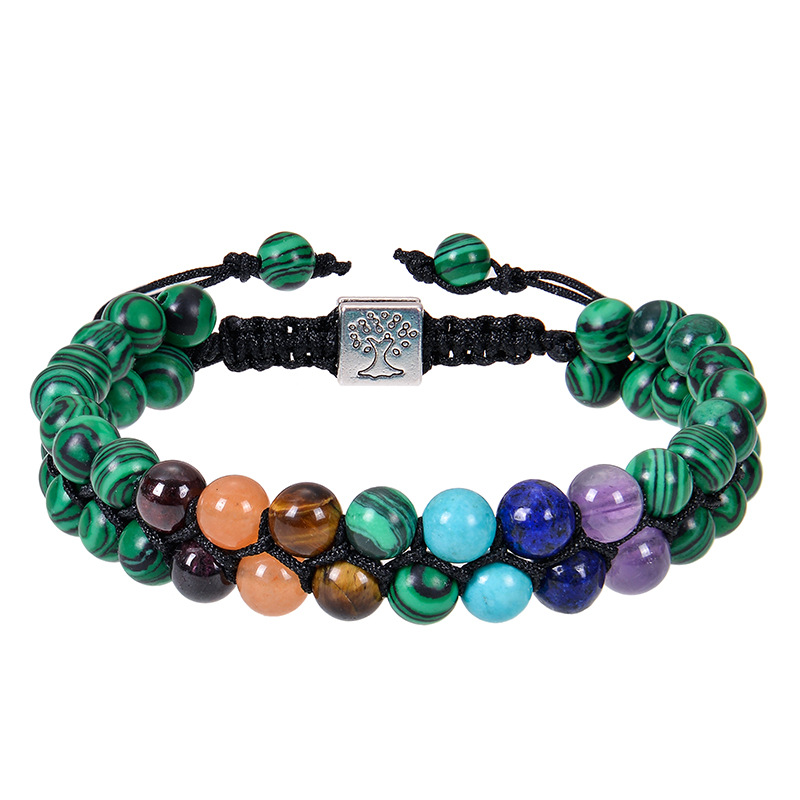
Etsy Hot Sale 6mm Malachite Double Layer Braided Bracelet Double Row Colorful Stone Bracelet Tree Of Life Jewelry
$2.04
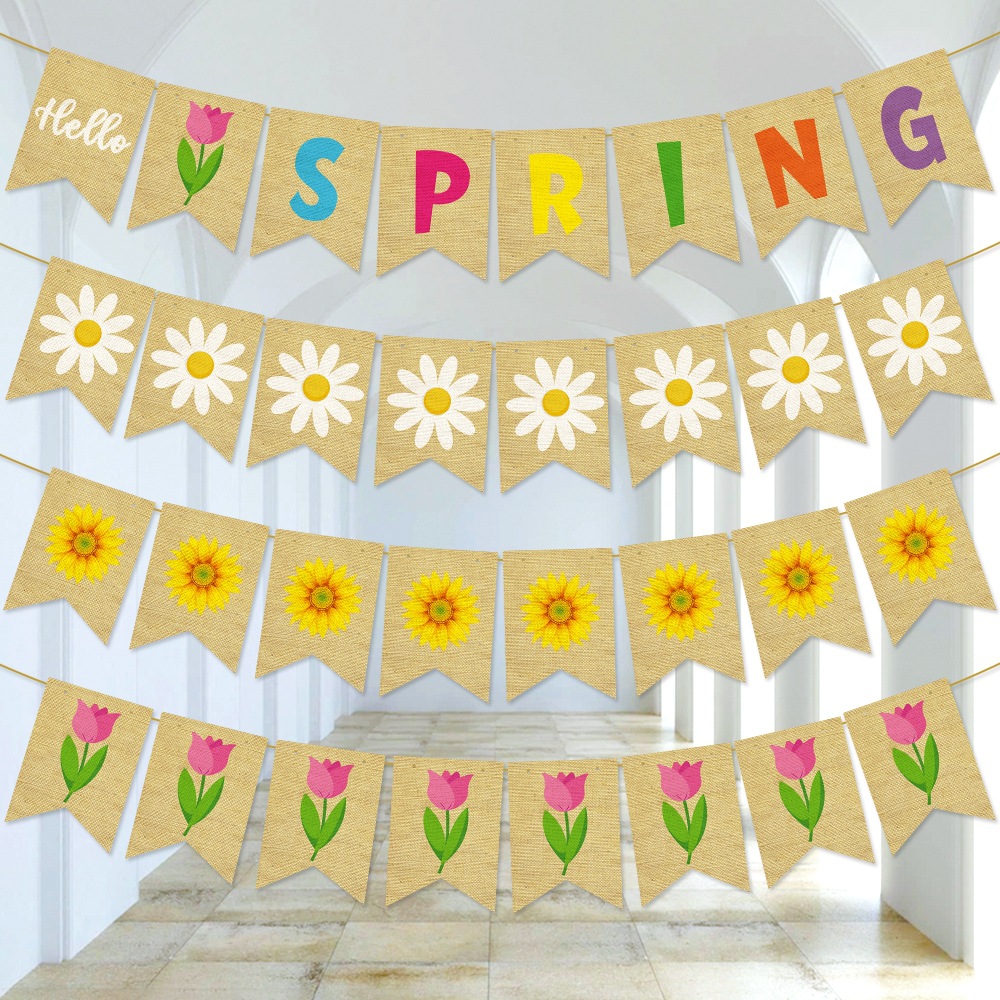
Hello Spring Burlap Banner Rustic Sunflower Daisy Tulip Floral Garland For Birthday Party Home Decoration Bunting
$1.81
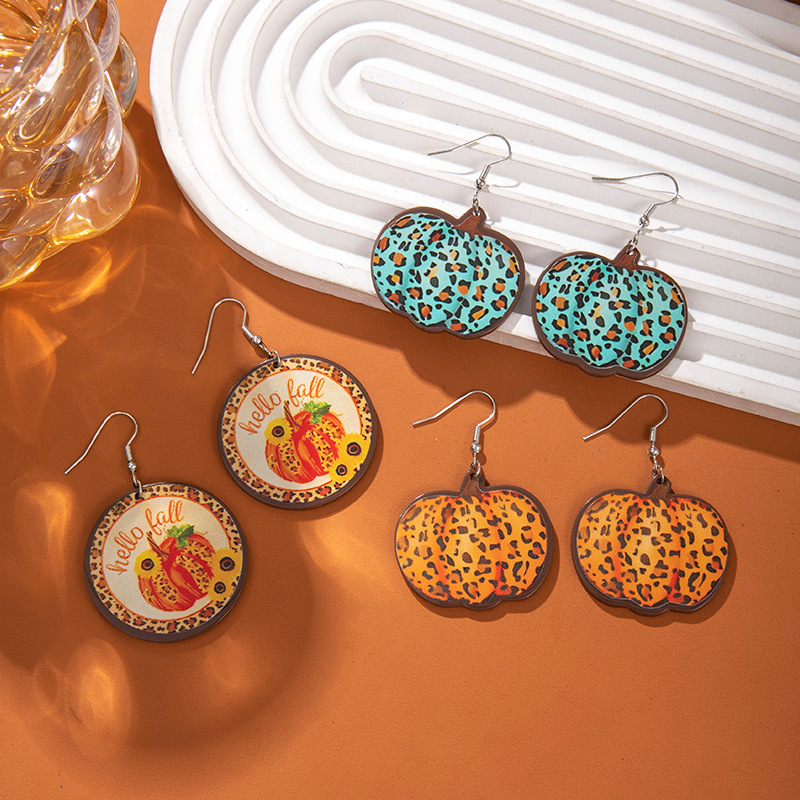
Halloween Thanksgiving Pumpkin Drop Earrings Wood Acrylic Leopard Print Sunflower Hello Fall Earrings For Women Holiday Jewelry
$0.39
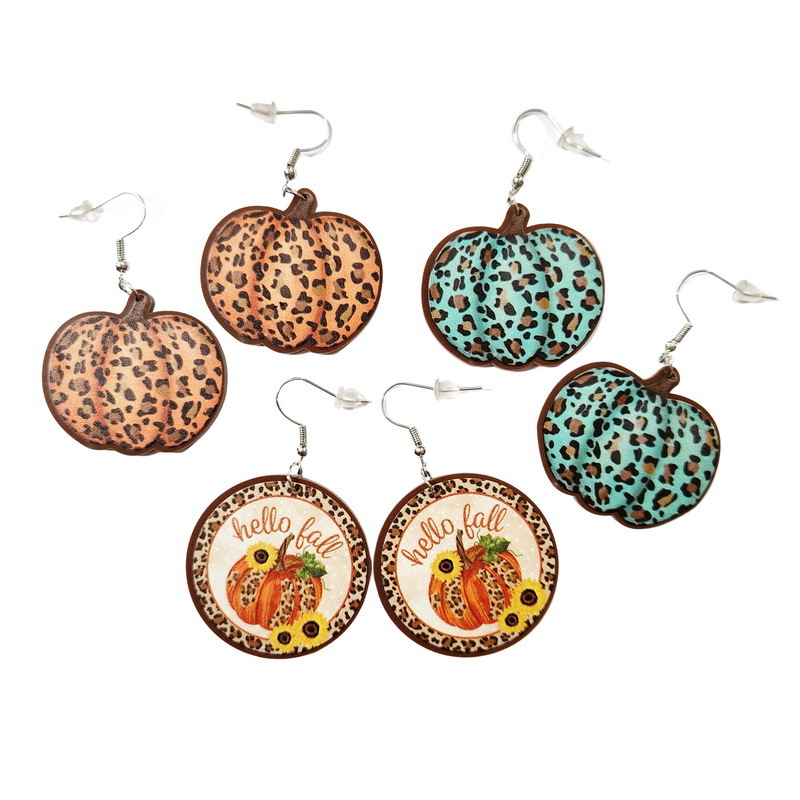
Fall Halloween Pumpkin Leopard Print Earrings Acrylic Sunflower Hello Fall Dangle Earrings For Women Thanksgiving Festive Jewelry
$0.65

Hello Spring Window Clings Double Sided Static PVC Stickers Flower Butterfly Bird Gnome Decals For Glass Windows Decoration
$2.31

Glitter Paper Hawaiian Party Decorations Hello Aloha Flamingo Pineapple Tropical Leaf Hanging Banner For Summer Beach Luau Party
$0.96

Summer Party Decorations Ice Cream Popsicle Cardstock Door Hanging Ornament Hawaii Tropical Theme Hello Summer DIY Wall Decor
$0.41

Hello Summer Party Banner Cardstock Ice Cream Donut Garland For Summer Hawaiian Beach Birthday Party Decoration Bunting Set
$0.81

Christmas Poinsettia Pillow Covers Linen Blend Red Floral Merry Christmas Hello Winter Decorative Cushion Case For Sofa Home
$1.21

Hello Summer Lemon Party Decoration Set Paper Banner And Hanging Swirls For Tropical Luau Summer Holiday Party Decor
$1.33
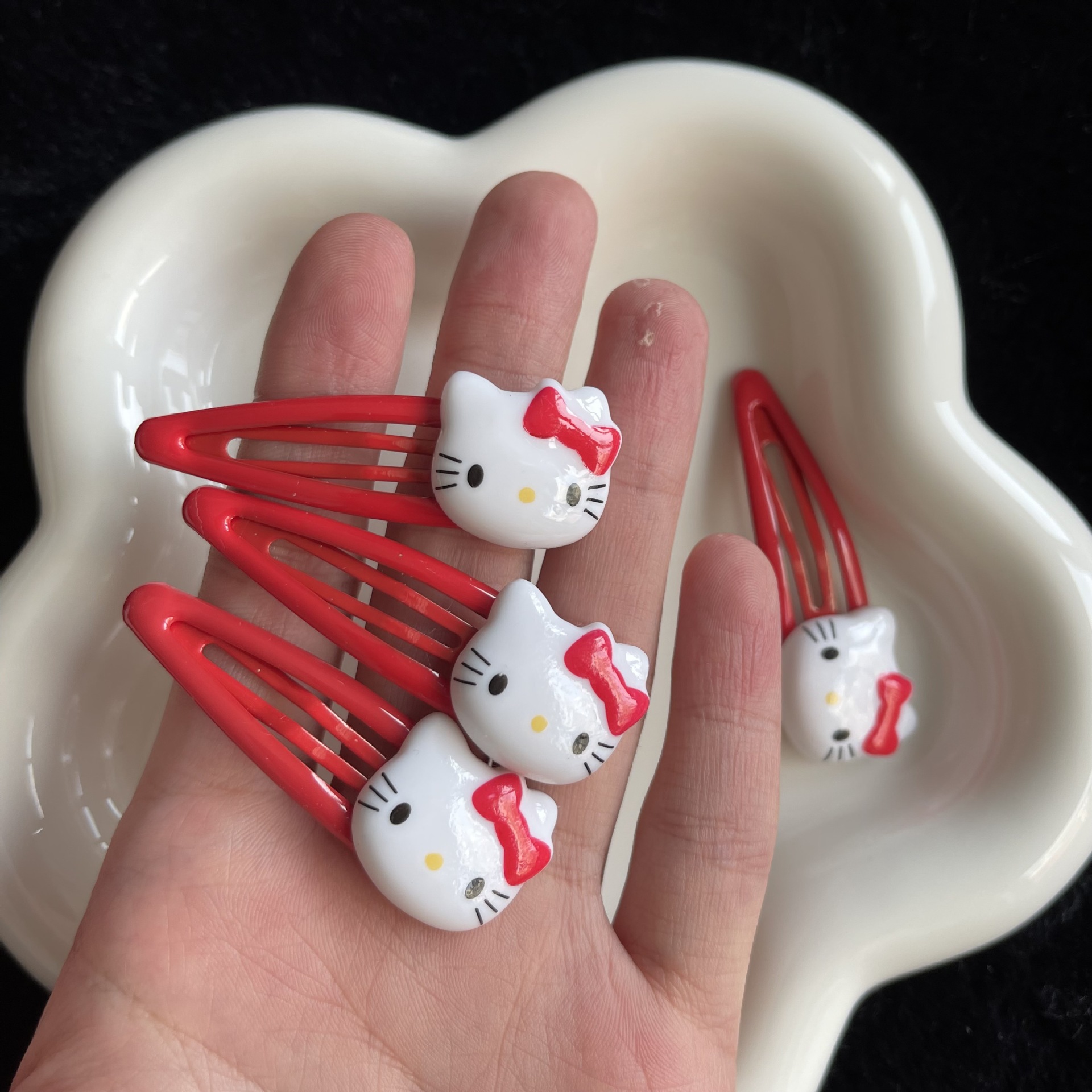
Bb Clip Cute Cartoon Hello Kitty Hair Clip For Girls Red Hairpin Clip For Children Students Versatile Hair Accessory
$0.15

Polarized Over-Glasses Sunglasses Square PC Frame UV400 Protection Driving Fishing Outdoor Fashion Fit Over Shades For Men Women
$0.26
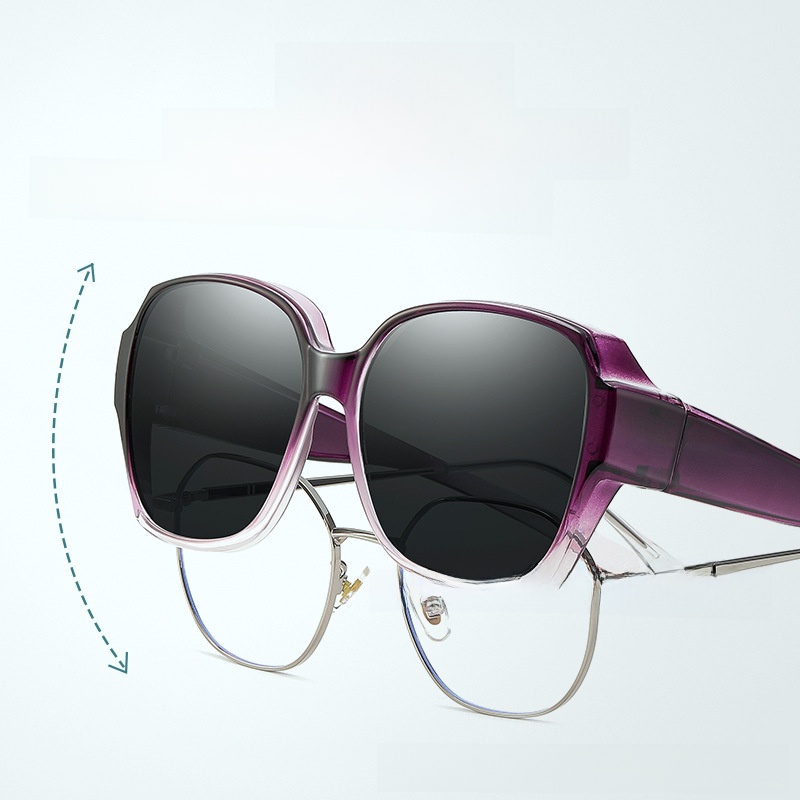
Women's Polarized Fit-over Sunglasses UV400 Protection Oversized PC Frame Resin Lens Driving Sun Glasses Wear Over Prescription Glasses Fashion Eyewear
$1.01
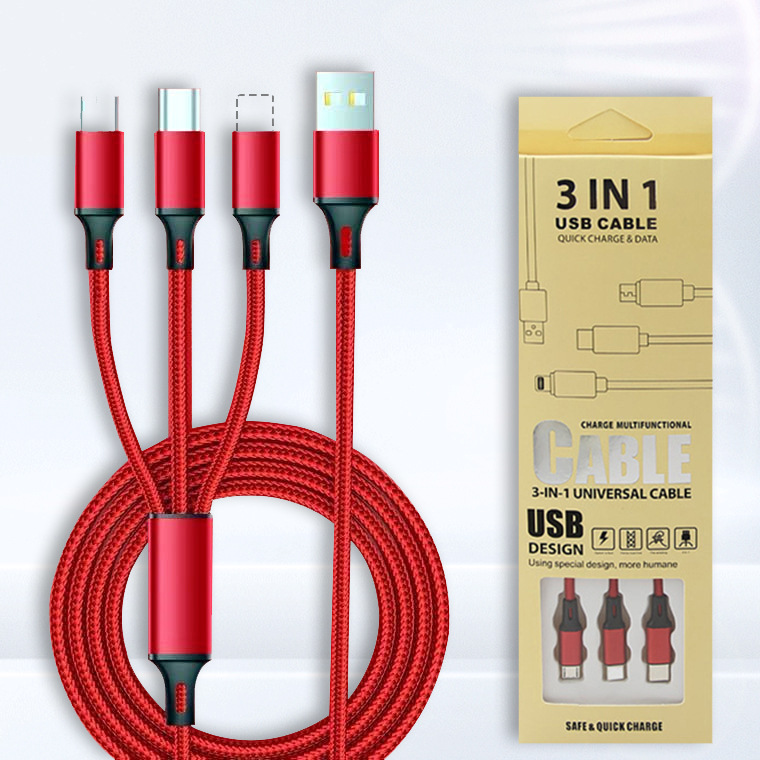
3-in-1 Multi USB Charging Cable Nylon Braided Fast Charge Cord with Lightning Type-C Micro USB Connectors for Multi-Device Universal Office Travel Accessories
$0.52

Nordic Abstract Thinker Sculpture Resin Modern Minimalist Figure Statue For Home Office Desk Decor Creative Gift Resin Ornaments Set
$1.12
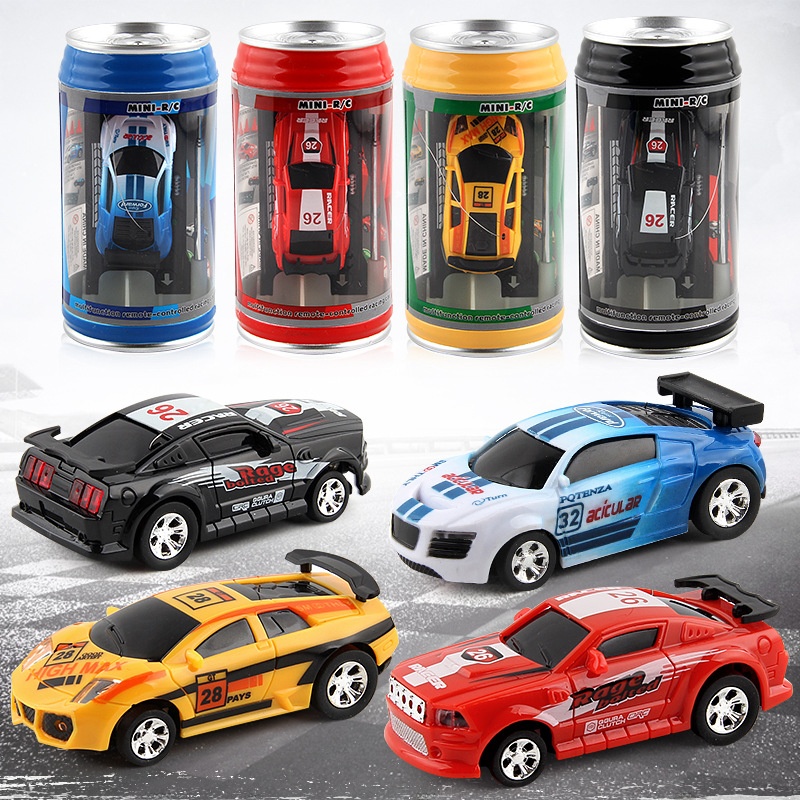
Mini RC Car Coke Can Packaging Plastic Remote Control Racing Car With LED Lights Roadblocks 1:45 Scale High Speed Radio Controlled Vehicle For Kids Gift
$6.89

2.4GHz Gesture Sensing RC Stunt Car 4WD Double Sided Drift Off-Road Vehicle With LED Light Music Water Spray Toy For Kids Boys Girls Birthday Gift
$12.47
Bundle Ideas to Offset Shipping Risk
Bundling lightweight items lets you spread shipping cost across multiple units and reduces per-package dimensional weight. These bundles keep total package size small and flat.
Hello Spring Decor Starter
New Etsy seller wants to list a party line with minimal shipping risk.
- Hello Spring Burlap Bannerhero
- Hello Spring Window Clingsupsell
- Bb Clip Cute Cartoon Hello Kitty Hair Clipcomplement
Bundle at $4.16 vs $4.31 separately; single 16x20x1 box fits all three.
Everyday Lightweight Jewelry Kit
Shopify seller wants a high-margin, low-shipping-risk product set.
- Etsy Hot Sale 6mm Malachite Double Layer Braided Bracelethero
- Halloween Thanksgiving Pumpkin Drop Earringsupsell
- Fall Halloween Pumpkin Leopard Print Earringscomplement
Bundle at $2.93 vs $3.08 separately; fits in a padded envelope.
Summer Party Combo
Flea-market seller wants to offer a ready-made party decoration pack.
- Summer Party Decorations Ice Cream Popsicle Door Hanginghero
- Hello Summer Party Banner Cardstock Ice Cream Donut Garlandcomplement
- Hello Summer Lemon Party Decoration Setupsell
Bundle at $2.55 vs $2.55 separately (no extra cost), but single envelope reduces risk of mis-scan.