
Trend Report · April 30, 2026
How to Sell Your Ecommerce Business to an Acquirer
Learn how to prepare your ecommerce brand for acquisition with key criteria like $10k monthly revenue and dropshipping fulfillment from a real buyer.
Acquiring ecommerce businesses: a new exit opportunity for Shopify sellers
A growing number of buyers are actively seeking established ecommerce brands to acquire. One buyer recently posted on Reddit with clear criteria: a brand age of at least one year and monthly revenue of $10,000 or more. They specifically look for businesses where order fulfillment is handled through dropshipping, self-fulfillment, or third-party logistics (3PL). This creates a direct off-ramp for Shopify store owners who have built consistent revenue but want to exit.
For sellers, this means there is a ready market for proven stores. The buyer's requirements are straightforward—no million-dollar revenue needed, just a stable $10k month and at least 12 months of operation. The fulfillment method is flexible, covering the most common setups for small to mid-size ecommerce businesses. If your store meets these numbers and you're thinking about moving on to a new project, this acquisition trend offers a concrete path to liquidity without building a full brokerage.
Why acquirers are targeting dropshipping and 3PL-fulfilled brands
The source buyer explicitly mentions dropshipping, self-fulfillment, and 3PL as acceptable models. This signals that acquirers are comfortable with low-inventory operations—they don't require a warehouse full of stock. What they value is proven demand and a repeatable order process. A store that has generated $10k/month for over a year shows product-market fit and workable logistics.
This trend is emerging because many Shopify sellers hit a ceiling: they know how to run ads and fulfill orders, but scaling to the next level requires capital or time they don't have. Acquirers bridge that gap. They take over operations while the seller cashes out. The $10k threshold is low enough to include serious side hustles but high enough to filter out hobby stores. For sellers with a catalog like see-through dresses, heart jewelry, or mesh tops—products we source below—this is a realistic exit target.
Who should consider selling their ecommerce business
If you run a Shopify store that consistently pulls in $10k monthly revenue and you've been at it for at least a year, you are the exact seller this buyer wants. The ideal profile is a solo operator or small team who has proven the concept but is ready to move on to a new niche, raise capital for another venture, or simply wants to monetize the time they've invested. Three specific profiles fit this acquisition target:
Shopify seller
You have a store doing $10k+ monthly with dropshipping or 3PL fulfillment. The buyer’s criteria match your setup exactly—no inventory overhead, just proven revenue.
Fashion boutique owner
If your catalog includes trendy see-through tops, mesh dresses, or heart-themed jewelry, you already target a high-impulse market. Acquirers value stores with repeat customers in fashion niches.
Dropshipper scaling past one person
You manage multiple suppliers and a few winning products. A buyer takes over supplier management, ad accounts, and customer service—letting you cash out rather than hire a team.
How to sell your ecommerce business for maximum value
Selling a store isn't just about hitting $10k—it's about presenting clean numbers and a transferable operation. The buyer will verify revenue, check fulfillment reliability, and assess brand age. You should prepare profit and loss statements for the last 12 months, document your supplier relationships, and ensure your Shopify backend is organized. Having a clear customer acquisition channel (Facebook Ads, TikTok, SEO) adds premium value. Below are three tactics to position your store for acquisition, with realistic margin estimates and honest risks. These are based on common outcomes for stores selling in the $10k–$30k monthly revenue range, similar to the buyer’s criteria.
List your store on platforms like Acquire.com or FE International. Include verified revenue screenshots and a brief description of your fulfillment method (dropshipping/3PL). Highlight if your bestseller is a see-through mesh dress or heart pendant—unique products attract higher multiples.
⚠ Marketplaces take a commission (5–10%) and you may need to wait 60–90 days for a qualified buyer.
Post in subreddits like r/ecommerce or r/dropship with a brief pitch matching the criteria (1 year+, $10k+). Attach a simple fact sheet showing your best-selling products—e.g., 'Women's Sexy Mesh Midi Dress (SKU 551896) generating $4k/mo—3PL fulfilled.' Keep it concise and avoid revealing full URLs until signed.
⚠ You might attract tire-kickers or lowball offers; vet buyers by asking for proof of funds.
Hire an ecommerce broker to package your store. They will clean up your financials, prepare a CIM, and market to their network of vetted acquirers. This works best if your store has multiple SKUs (like the 20+ trendy products in our catalog) and a clear supplier chain for self-fulfillment or 3PL.
⚠ Brokers typically require a minimum revenue of $5k–$10k/mo and take a significant cut—only worthwhile if you lack time to sell yourself.
Products that build a sellable ecommerce brand
The products below are typical of a fashion/accessory store that could hit the $10k/mo threshold. They are see-through, heart-themed, or 'through' items—high-impulse, low-return categories. If your store leans on these, you have the kind of catalog an acquirer looks for: visual, trendy, and easy to photograph for ads.
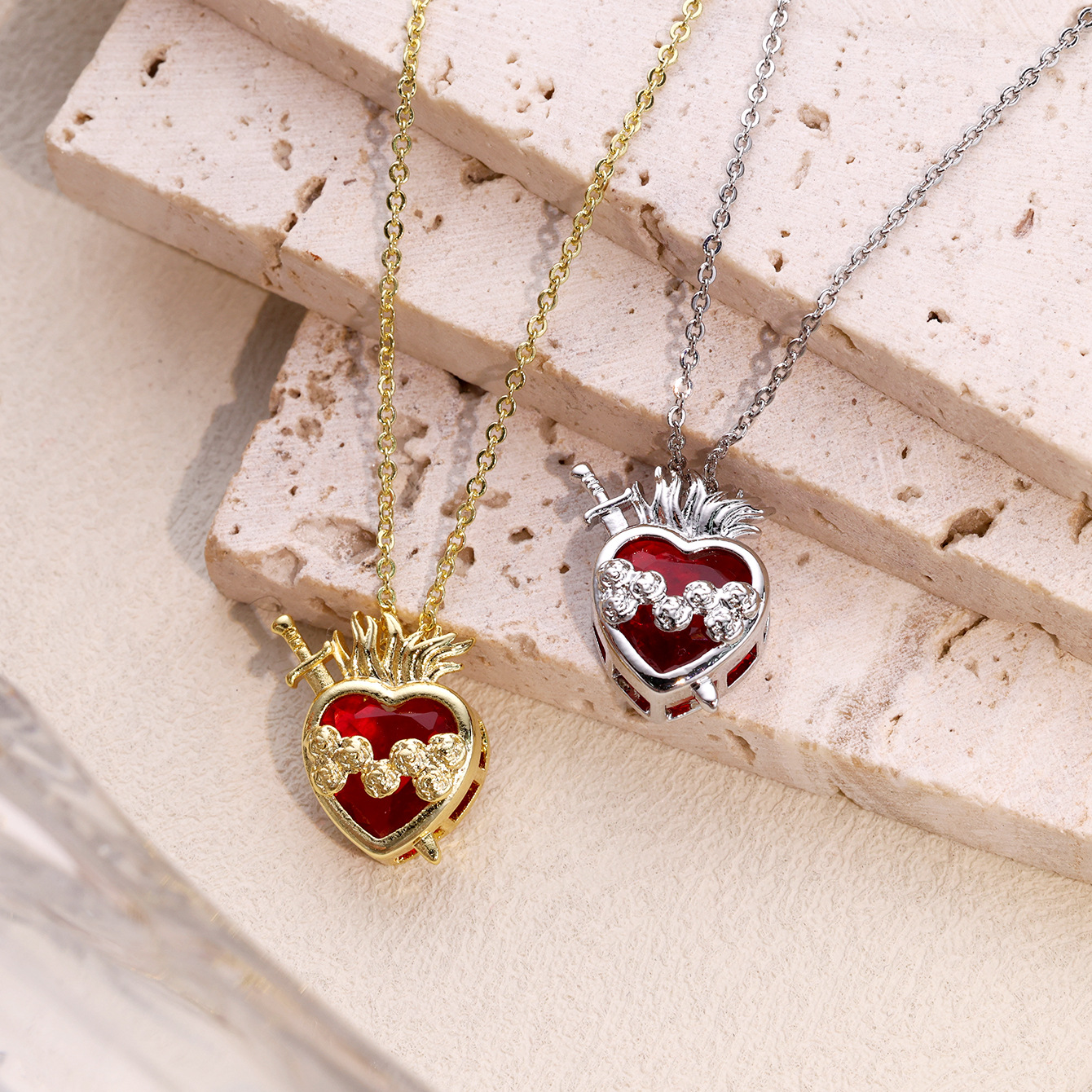
Red Heart Sword Through Heart Pendant Necklace Copper Gold Silver Plated Gothic Vintage Style Jewelry
$1.57

Romantic Red Enamel Arrow Through Heart Brooch Pin Gold Plated Zinc Alloy Valentine Day Accessories For Women Jewelry
$0.92
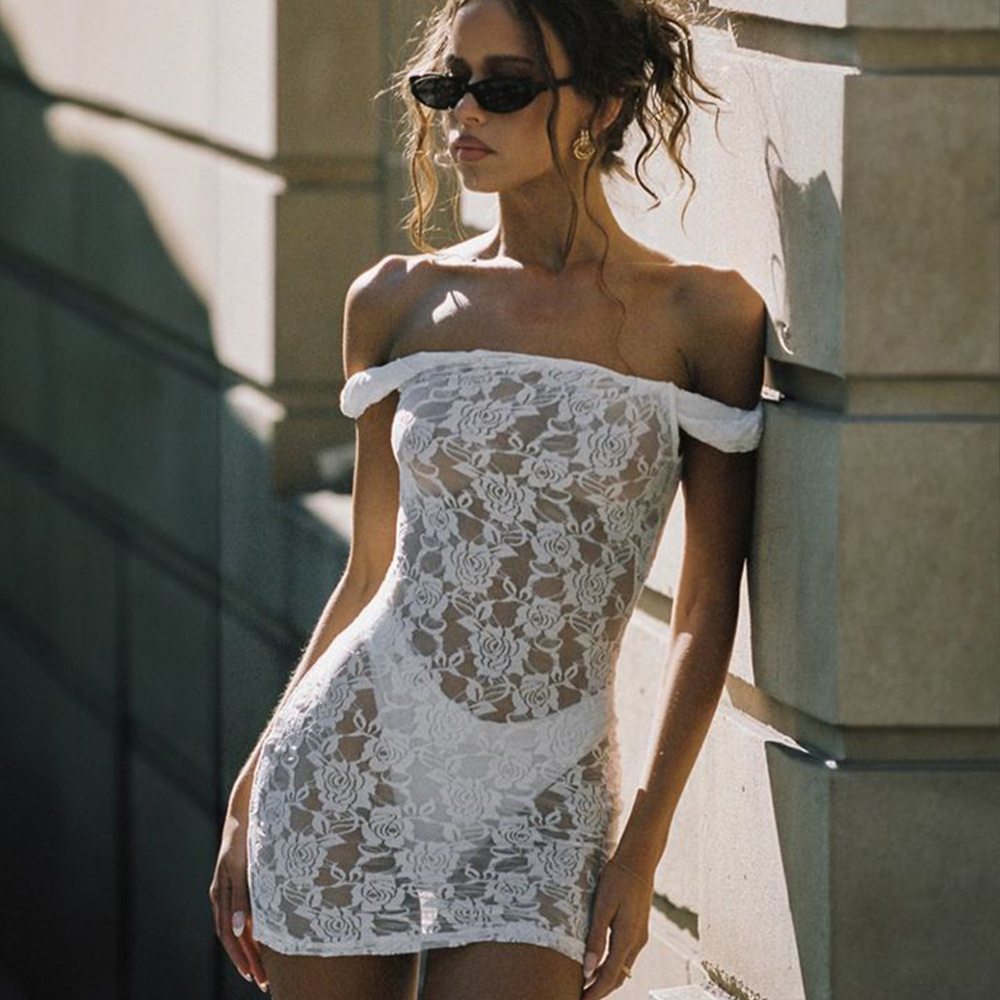
Women's Sexy Lace Hollow Out Mini Dress Off Shoulder Floral See-Through Bodycon Clubwear Party Dress For Women
$8.93
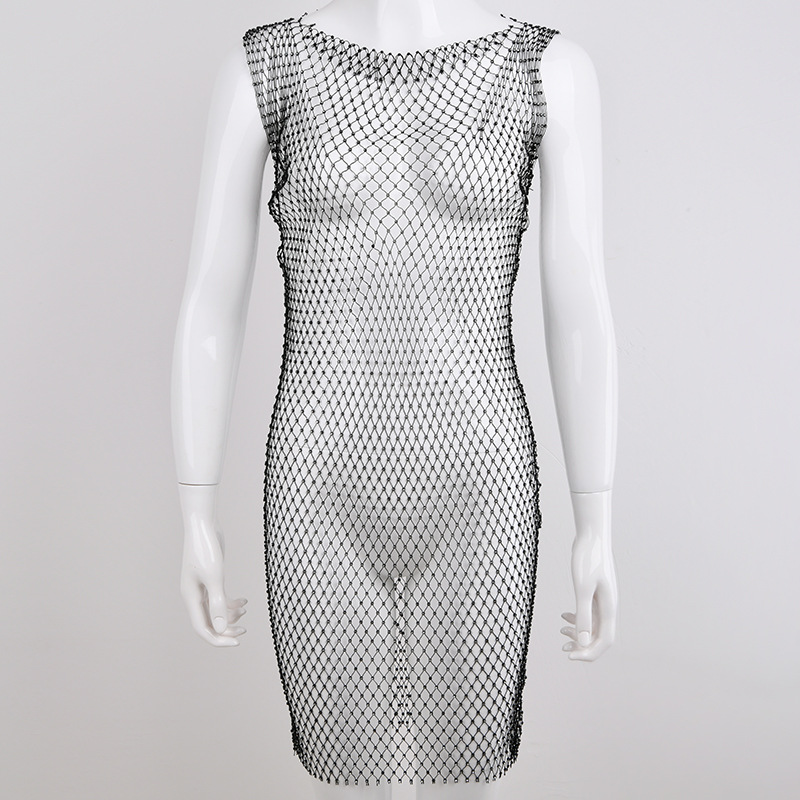
Women's Sexy Rhinestone Mesh Midi Dress Sleeveless Round Neck Bodycon Clubwear Party Night Out See Through Fishnet Dress
$13.83
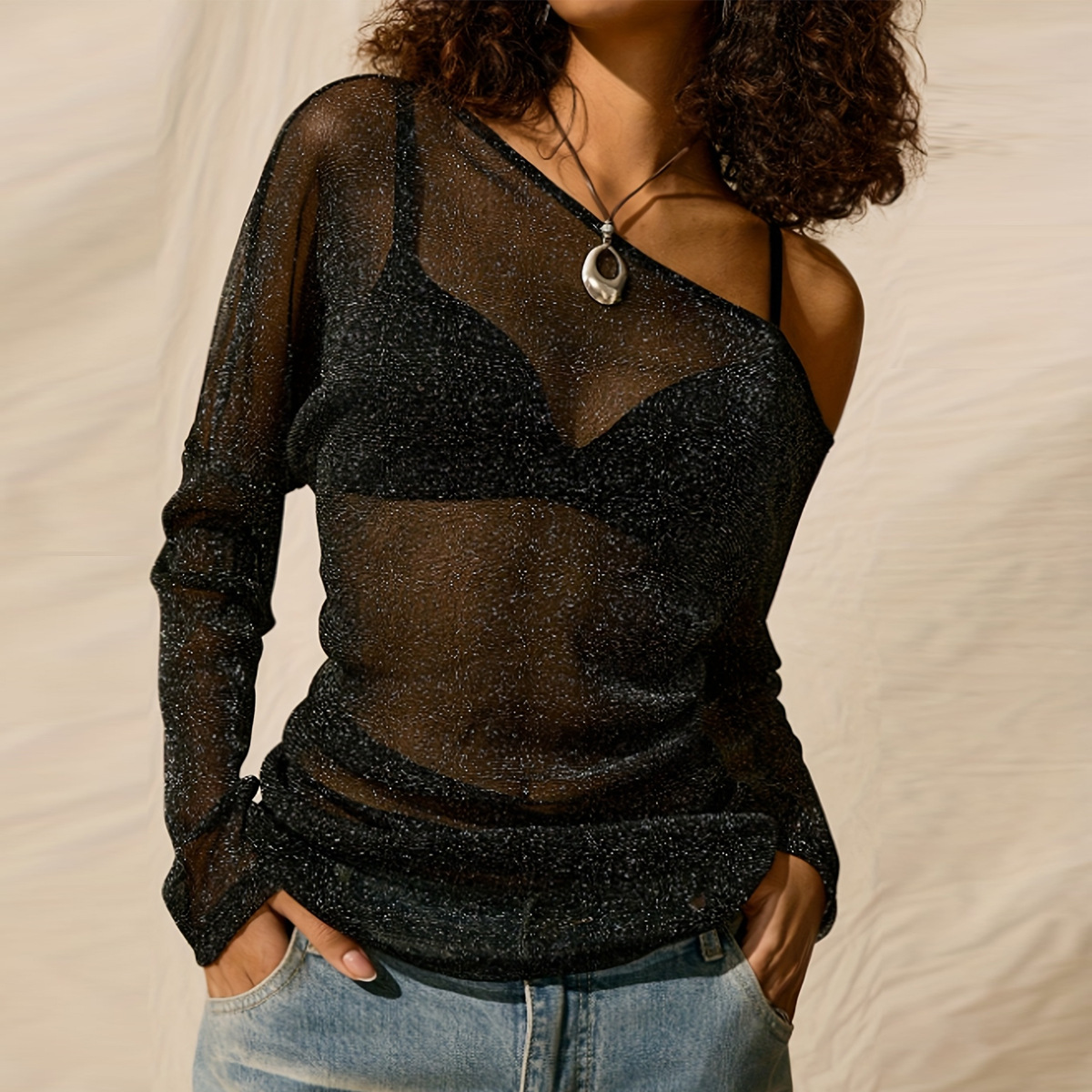
Sexy Women Off Shoulder Mesh T-Shirt Glitter See Through Long Sleeve Top Sparkly Knit Sheer Party Clubwear Blouse
$5.16

Women's Sexy Leopard Print Mesh Cropped T-Shirt V-Neck Ruffle Hem See-Through Slim Fit Streetwear Summer Top
$5.94
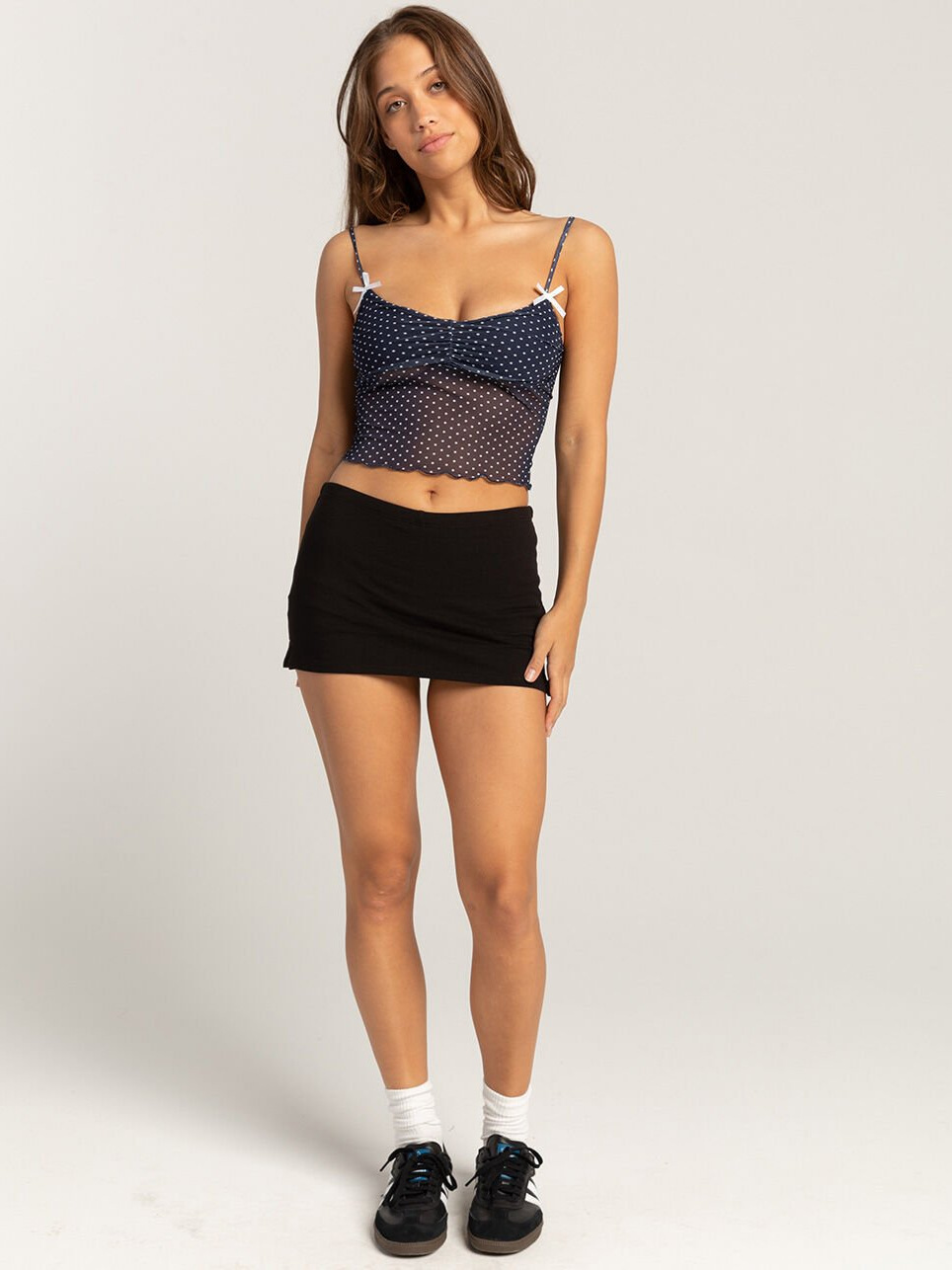
Women's Polka Dot Camisole Mesh See-Through Crop Top With Bows Sexy Y2K Sleeveless Tank Top Summer Party Clubwear
$5.76
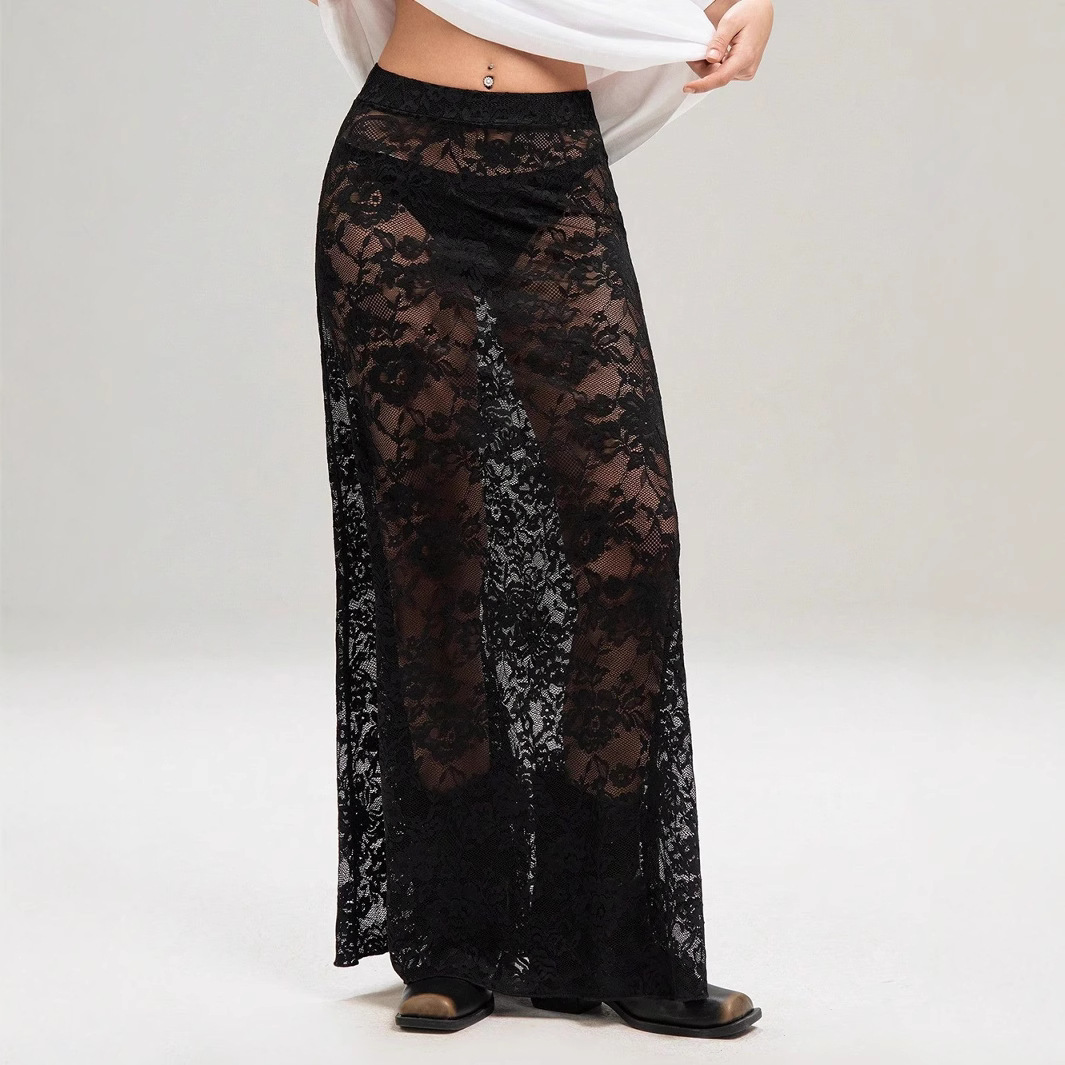
Women Sexy Floral Lace See-Through Midi Skirt High Waist Mesh Hollow Out Streetwear Summer Party Bodycon Long Skirts
$10.09

Women's Sexy Halter Maxi Dress with Lace Patchwork See-through Side Backless Slim Fit Polyester Evening Party Long Dress
$12.39
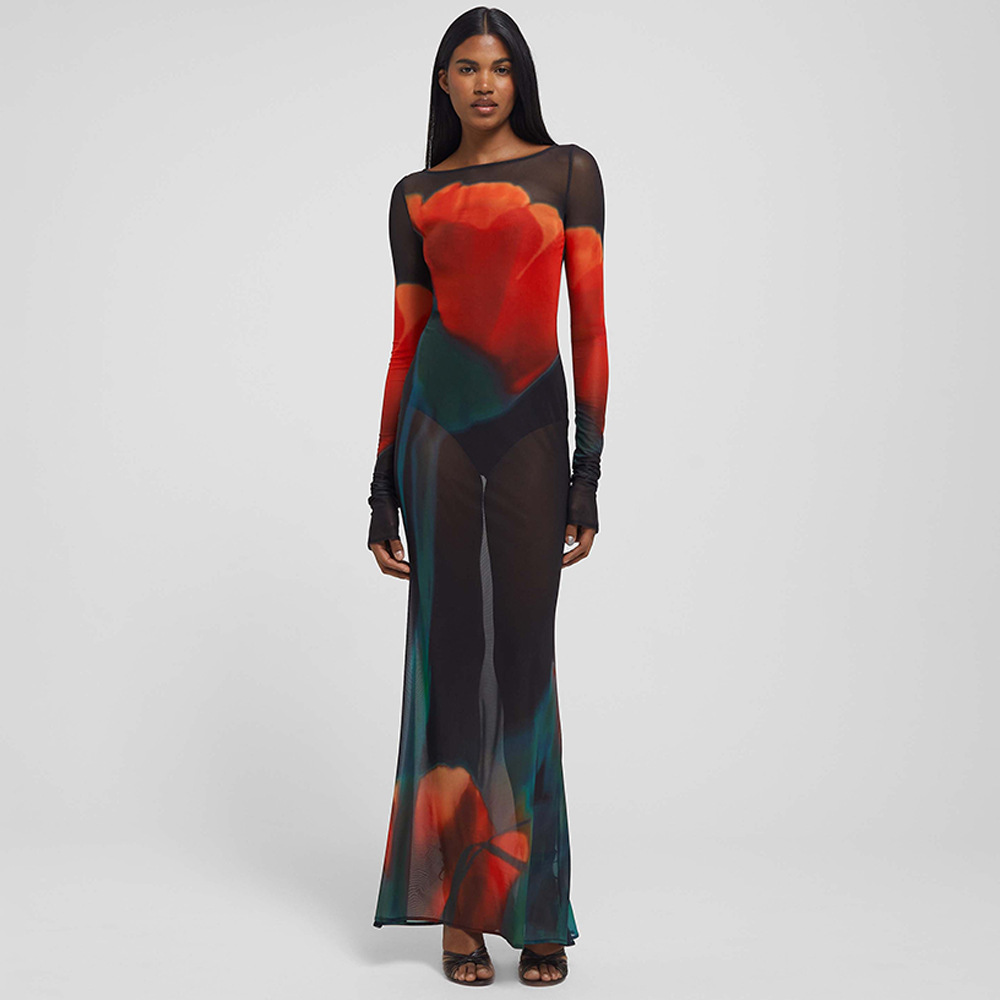
Sexy Sheer Mesh Maxi Dress For Women Floral Print Long Sleeve See-Through Bodycon Evening Party Clubwear Club Dress
$10.35

Women's Sexy Lace Mesh Patchwork Bodycon Maxi Dress Boned Corset Velvet See-through Evening Party Dress Slim Fit Clubwear
$22.77
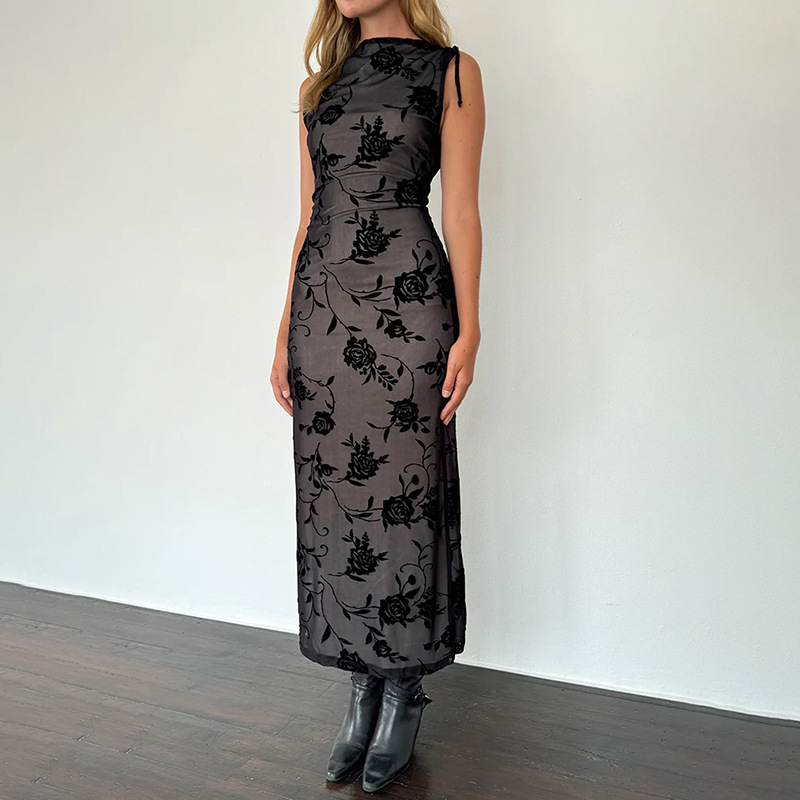
Women's Sexy Black Rose Floral Flocked Mesh Sleeveless Maxi Dress Elegant See-Through Bodycon Long Evening Party Clubwear Dress
$10.35
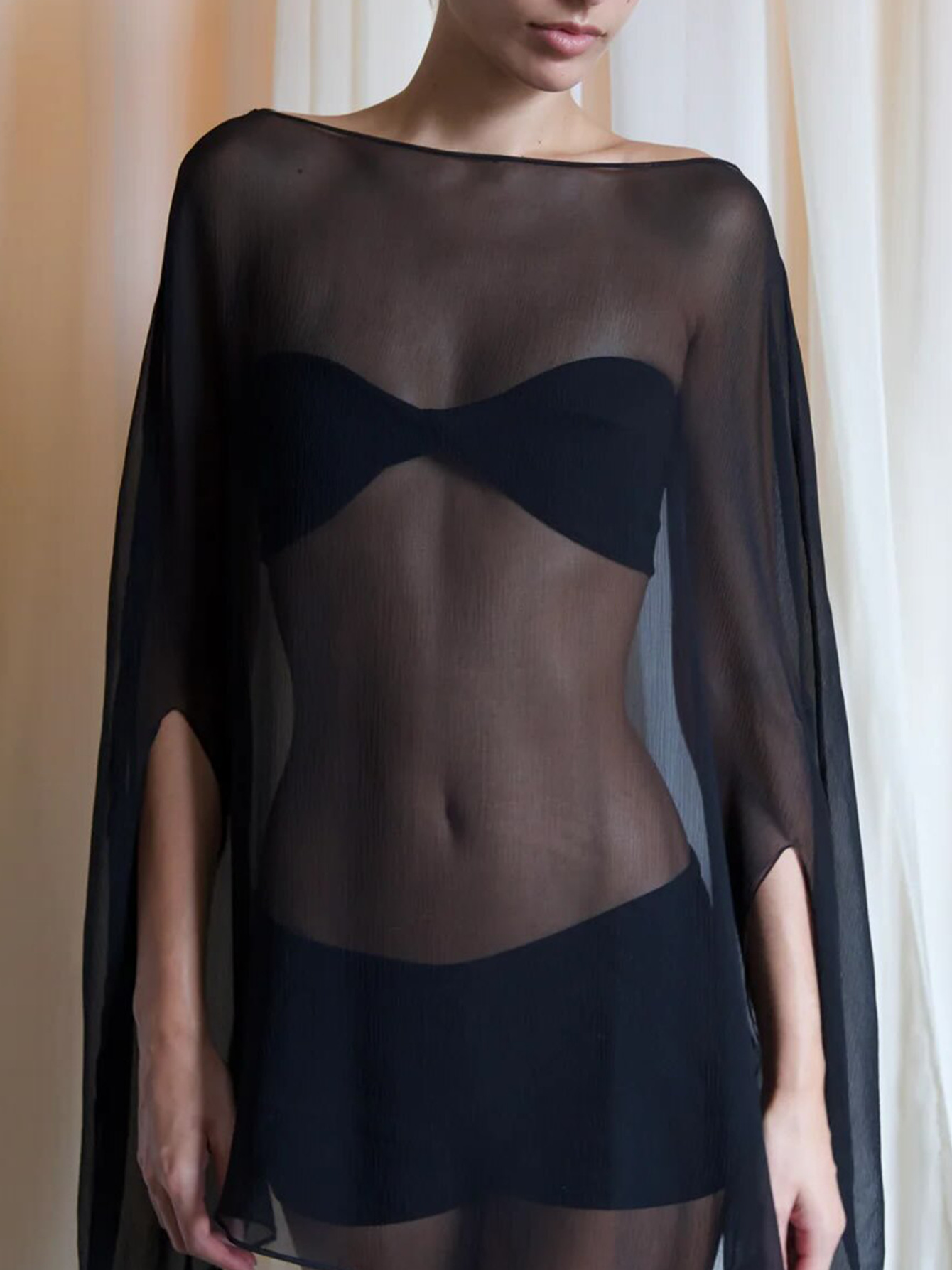
Women's Sexy Sheer Chiffon Cover Up Top Loose See Through Long Sleeve Blouse Streetwear Oversized Pullover Shirt For Beach Vacation
$6.57
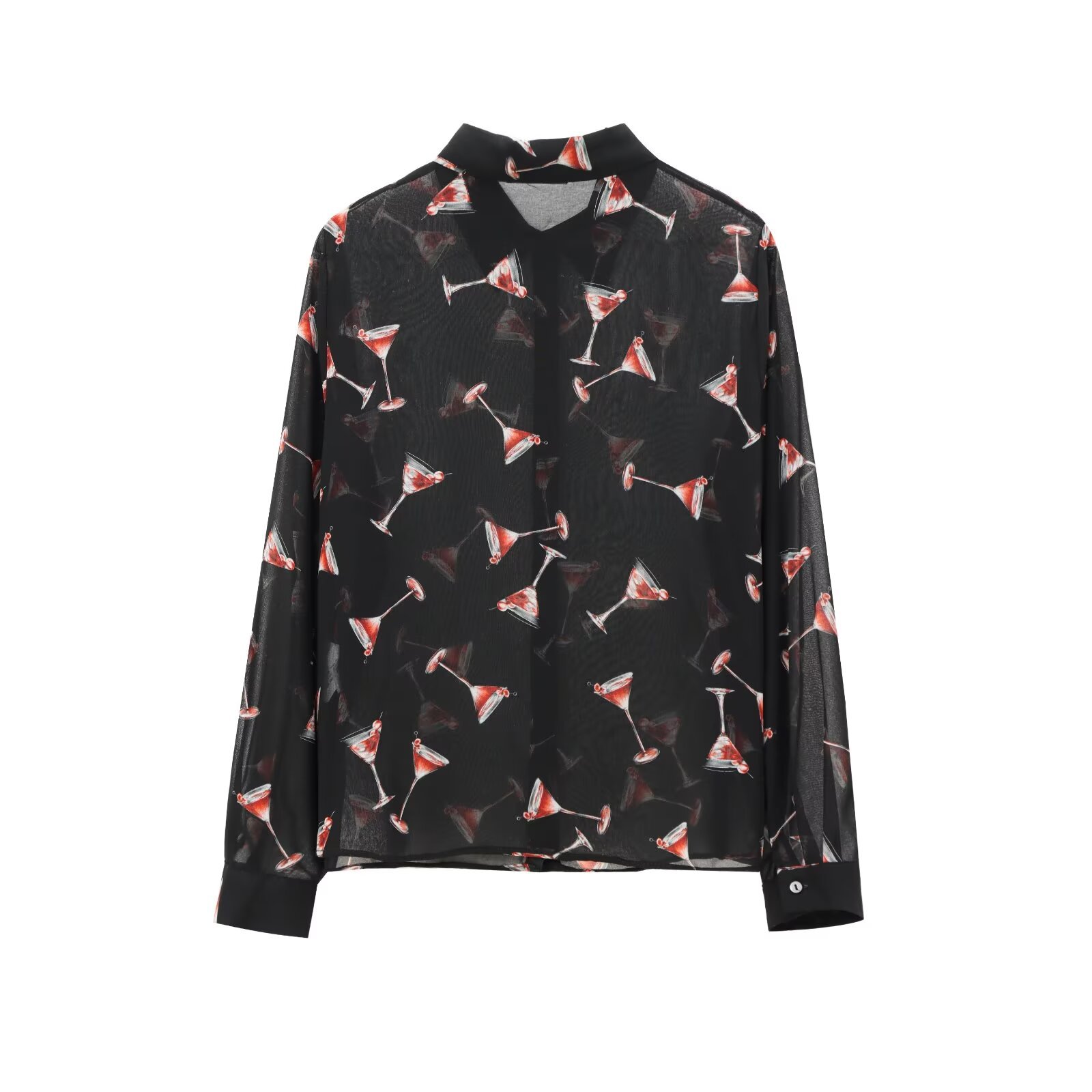
Women's Sheer Chiffon Long Sleeve Blouse Martini Glass Print Button Down Shirt For Party Sexy See-Through Polyester Top Clothing
$11.24

Sexy Women Leopard Print Mesh Long Sleeve Top Sheer See Through Slim Fit Crop Top Y2K Streetwear Party Clubwear Blouse
$7.94
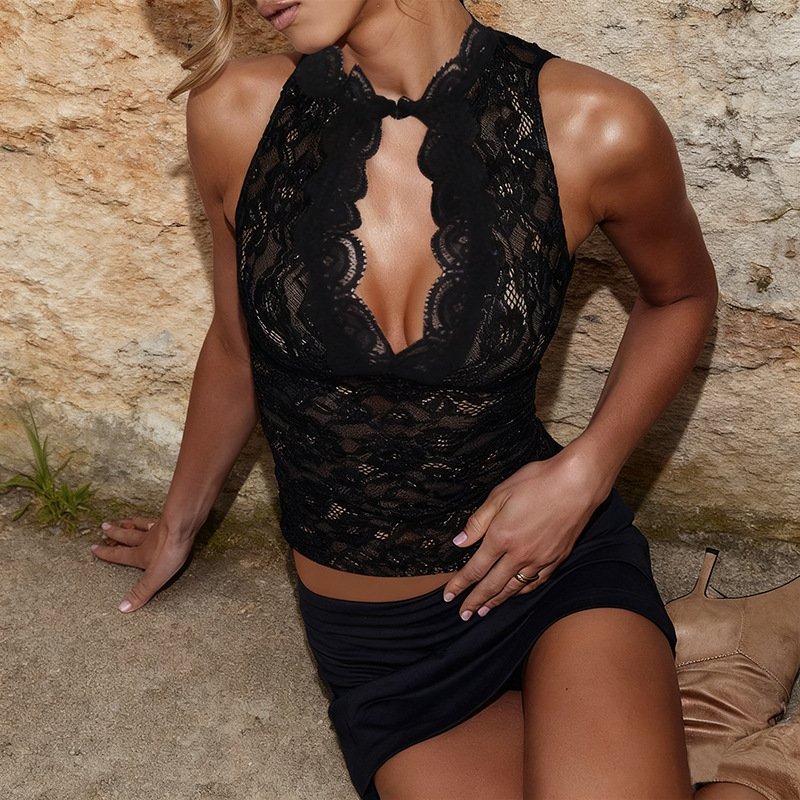
Women's Sexy Black Polyester Lace Halter Top See-Through Hollow Out Sleeveless Backless Crop Top Streetwear Spicy Girl Party Vest
$6.89
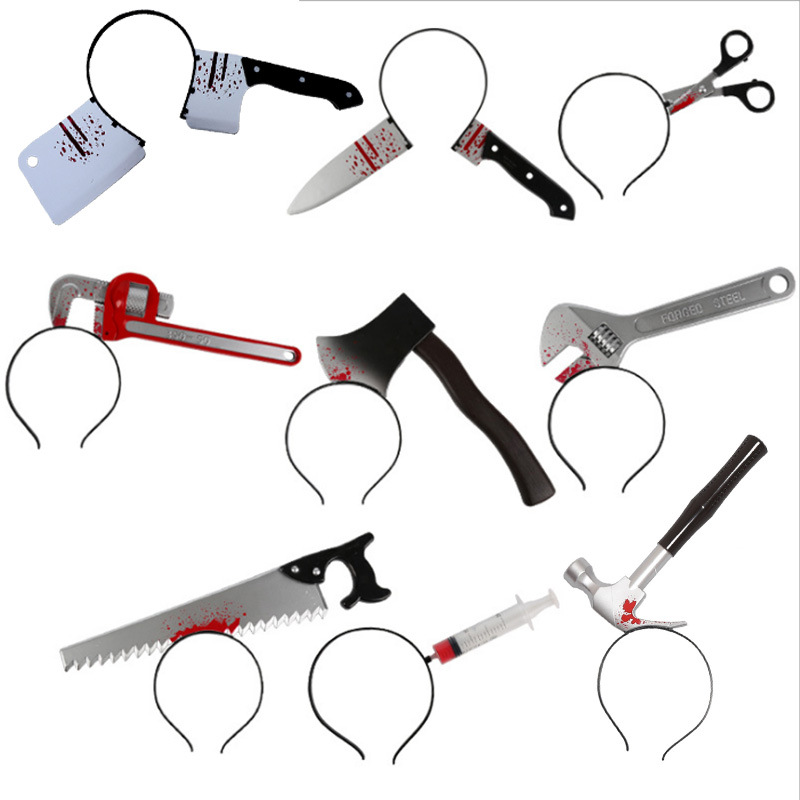
Halloween Horror Through Head Headband Plastic Bloody Tool Prank Props For Cosplay Costume Party Haunted House Decor Adults Kids
$0.96
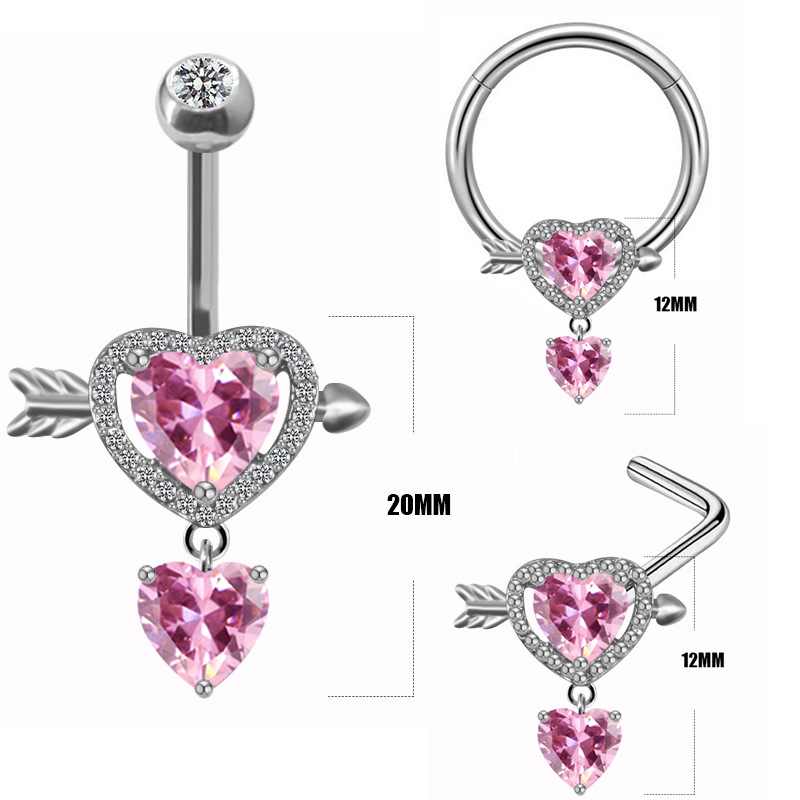
Pink Zircon Cupid Arrow Through Heart 316L Stainless Steel Belly Ring Nose Stud Ring Body Piercing Jewelry Women Gift
$1.26

3D Soccer Ball Football Net Breaking Through Wall Sticker PVC Waterproof Removable Decal For Sports Room Decor Mural
$1.04
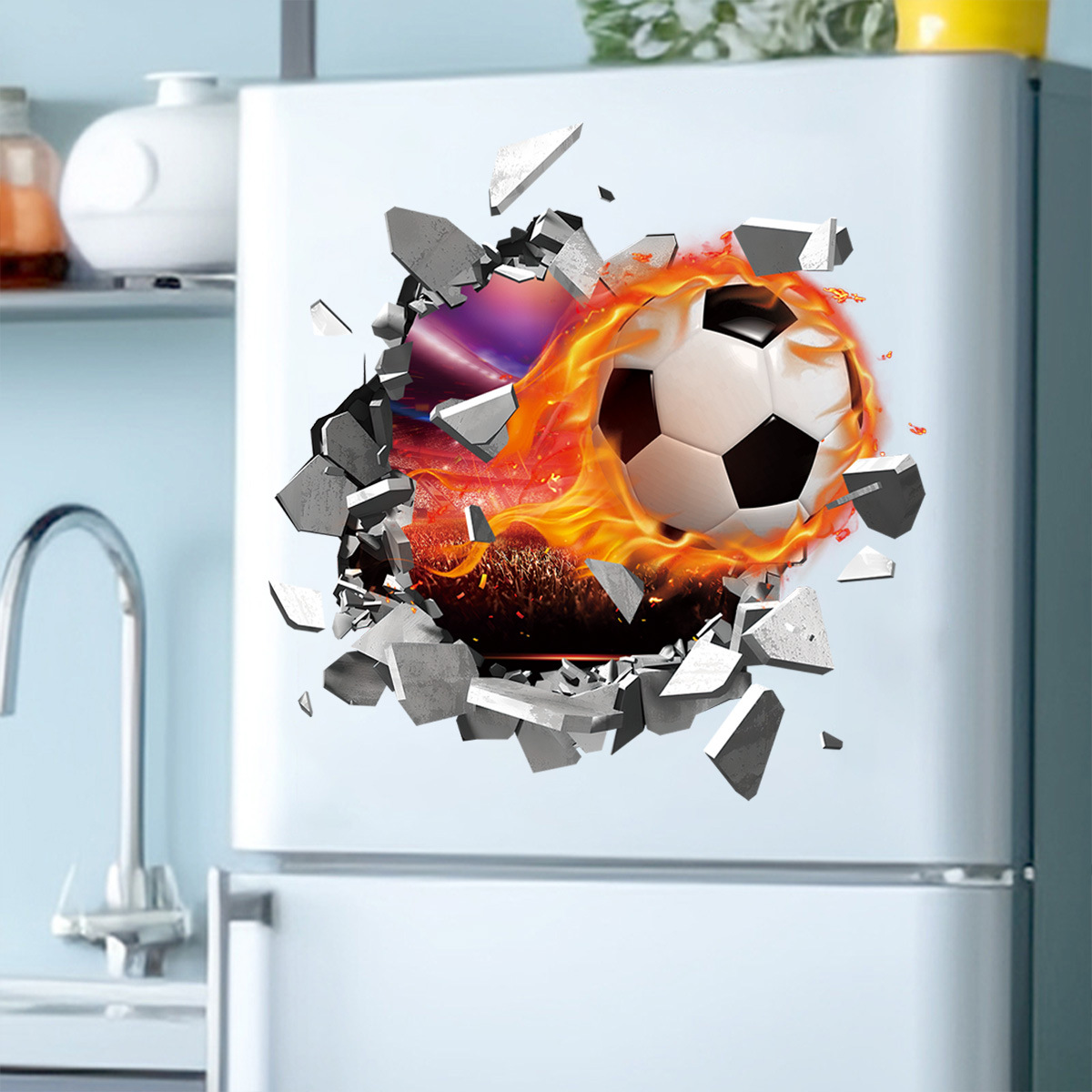
3D Flame Football Wall Sticker Waterproof PVC Soccer Breaking Through Wall Decal Home Decor For Sports Fans Living Room
$0.69
Bundle strategies for buyers who acquire your store
If you're acquiring a store selling these items, bundling increases average order value and reduces fulfillment complexity. The buyer will thank you for having ties between products. Here are three bundles that work for the 'through/see-through' niche—each with a specific scenario.
Date Night See-Through Bundle
A buyer takes over a store targeting women's clubwear. They want to cross-sell tops and skirts immediately.
- Sexy Women Off Shoulder Mesh T-Shirt Glitter See Through Long Sleeve Tophero
- Women Sexy Floral Lace See-Through Midi Skirt High Waist Mesh Hollow Outcomplement
- Women's Sexy Lace Hollow Out Mini Dress Off Shoulder Floral See-Through Bodyconupsell
Bundle at $22.00 vs $24.49 separately—saves the buyer $2.49 and increases ship efficiency.
Heart & Through Jewelry Set
A jewelry-focused store acquired for Valentine's or gifting season. Keep it simple with two strong impulse items.
- Red Heart Sword Through Heart Pendant Necklacehero
- Romantic Red Enamel Arrow Through Heart Brooch Pincomplement
- Pink Zircon Cupid Arrow Through Heart Belly Ring Nose Studupsell
Bundle at $2.80 vs $3.75 separately—low upfront cost, high perceived value for gift buyers.
Night Out Mesh & Bodycon Full Look
A buyer gets a store with clubwear. They want to sell complete outfits that reduce return rates (paired looks).
- Women's Sexy Rhinestone Mesh Midi Dress Sleeveless See Through Fishnet Dresshero
- Women's Sexy Black Polyester Lace Halter Top See-Through Hollow Out Backless Crop Topupsell
- Sexy Sheer Mesh Maxi Dress For Women Floral Print Long Sleeve See-Through Bodyconcomplement
Bundle at $27.00 vs $31.18 separately—buyer saves $4.18 and gets two dresses plus a top for variety.