
Trend Report · May 19, 2026
How to Sample and Control Quality When Every Unit Costs $50+
A step-by-step guide for new ecommerce sellers to sample high-cost items like hot pots via AliExpress. Use low-cost accessories as a testing proxy to gauge quality and supplier reliability before committing big inventory dollars.
Advice for sampling and quality control
If you're a new shop populating your store with big-ticket anchor items like hot pots, Raclette grills, and Teppanyaki units sourced from AliExpress, you're already staring at the bottleneck: sampling. Each unit can run $30–$100, return policies are non-existent, and your apartment will quickly fill with bulky appliances you can't sell. The standard advice—"just order samples first"—breaks down when the sample itself costs more than your shipping budget per order.
Yet skipping sampling is not an option. Poor quality, safety issues, or even a single bad review can tank a fledgling store. The timing window matters because right now supplier lead times are still short (pre-holiday surge hasn't peaked), and you have a narrow window to validate product quality without risking your entire inventory budget. The solution is not to skip sampling, but to restructure how you sample: start with low-cost proxy products that let you test a supplier's reliability, packing, and quality control processes before you commit to high-ticket goods.
Why the Sampling Window Is Closing—Fast
The sourcing landscape changed in 2025. AliExpress's return policies remain nearly non-existent for international buyers, and most new dropshippers learned the hard way that charging back a $60 teppanyaki grill that arrives dented costs more in customer trust than the product itself. Meanwhile, the platforms that matter for new stores—TikTok Shop, Shopify, and Amazon—are all tightening review authenticity requirements. One or two negative reviews on a hot pot listing can kill the listing organically within 48 hours.
Right now, supplier willingness to negotiate small sample orders is still high because demand from new shops is steady but not frantic. By Q3 2026, many AliExpress suppliers will enforce stricter minimum order quantities for new buyers. That means the current 2–3 month window is your best chance to develop a reliable sampling workflow at low cost. If you delay, you'll either pay inflated per-unit prices for bulk orders you can't test or risk selling defective units.
There is a clear operational workaround: use a curated sourcing platform that offers low-MOQ, pre-vetted smaller items to establish a supplier relationship. DayJewel's wholesale catalog is one such option—its $0.01–$5 product range lets you test packaging speed, item consistency, and communication responsiveness without blowing through your testing budget.
Who Needs This Playbook Most
This playbook is built for two specific operator profiles: first-time store owners who are about to drop hundreds on samples they can't return, and existing Shopify sellers who want to add a high-ticket category without absorbing massive sampling losses. Both share a core constraint—limited cash tied up in inventory that can't be easily liquidated if quality fails. The profiles below describe the fit, but the playbook works for any seller sourcing heavy or expensive products from suppliers who don't offer free returns.
Shopify seller
If you run a general store on Shopify but are considering adding kitchen appliances, your margin structure ($50–$80 per unit after ads) can justify sampling costs only if you limit total testing spend to under $300. This playbook shows how to spend $50–$75 on sampler proxies instead of $200 on full-size samples.
Flea-market / pop-up operator
You need to test product quality before buying a full case (often MOQ 20+). Your risk is physical inventory taking up trunk space. By ordering 3–5 low-cost accessories from the same supplier first, you verify item consistency without filling your car with bulky raclette grills.
New entrepreneur / side hustler
You're bootstrapping with under $500 in startup capital. Buying a $50 hot pot sample wipes out 10% of your budget. This playbook helps you gauge supplier quality control by ordering 15–20 small items (like pins and stickers) for under $15 total, giving you a high-confidence read on that supplier's operational reliability.
Implementation Stages
Validate Supplier With Proxy Order
Trigger: You've identified 2–3 AliExpress suppliers selling the hot pot/raclette/teppanyaki products you want to list.
Send a message to each supplier asking about sample availability for their smaller items (under $5). If they say no or push for bulk, mark them low priority.
✓ At least one supplier is willing to process a small order of 10–15 low-cost accessories from DayJewel's catalog or similar.
✗ All suppliers refuse small orders. That means you're dealing with factory-only operations that will not support a new shop with low volume. Abort and find new suppliers.
Order a Proxy Sample Pack
Trigger: Stage 1 passes—you have a supplier willing to ship 10–15 small items.
Select 8–10 different low-cost SKUs (pins, rings, stickers) and order 1–2 units each, totaling under $15 plus shipping. Use DayJewel's product IDs as reference but ask the supplier for equivalent items if they don't carry them.
✓ Total sampling cost stays under $30 including shipping. If the supplier ships within 3 days and provides tracking, that's a green flag.
✗ Shipping takes more than 7 days to dispatch, or supplier substitutes items without notice. If that happens, the supplier's logistics won't support reliable fulfillment for your hot pots.
Evaluate Proxy Quality and Supplier Communication
Trigger: Proxy sample pack arrives at your location.
Inspect each item for visible defects: scratches on metal, misaligned prints, weak packaging. Document with photos. Rate each item as pass/fail. If failure rate exceeds 20%, flag.
✓ ≥90% pass rate. Items arrive well-packed, no breakage, printing clear. Supplier responds to your follow-up queries within 24 hours.
✗ 30%+ defects. Do not proceed to large sample. Find a new supplier. Also check if the packaging material (bubble wrap, tape) matches what you'll need for hot pot protection.
Order One Large Sample (the Actual Hot Pot)
Trigger: Proxy test passes with ≥90% quality and supplier communication is good.
Order exactly one unit of the anchor product (hot pot, raclette, etc.). Request the same shipping method as the proxy order. This is now a direct quality test.
✓ Unit arrives undamaged, works (test it if possible), packaging suitable for retail resale. Cost: $30–$80 depending on item.
✗ Unit arrives damaged, non-functional, or missing parts. Even from a supplier that passed proxy test, this means the specific product line has QC issues. Do not order bulk until you see a second sample from a different batch.
Scale and Start Monitoring Ongoing QC
Trigger: Large sample passes—you approve the product for bulk order.
Place an initial bulk order of 10–20 units (not 200). Continue ordering 1 DIY proxy item from the same supplier every month to monitor consistency. Keep a log.
✓ First bulk shipment arrives with 95%+ sellable units. You establish a cadence of monthly proxy checks.
✗ Bulk shipment quality falls below proxy test level. That signals the supplier cut corners under volume. Immediately pause all orders and request replacement or refund. Use the proxy log as evidence in dispute.
How to Sell the Sampled Products Profitably
Once you've validated supplier quality through the proxy sampling playbook, your next move is to sell those low-cost tested items to recoup your sampling costs and build store momentum. The proxy items themselves—pins, rings, bracelets—have strong sell-through potential on platforms like TikTok Shop and Etsy, with a typical margin of $2–$6 per unit after ad costs. By listing them alongside your hot pots, you create a low-risk revenue stream that funds future bulk purchases. A common mistake is to immediately jump into listing the hot pot after one successful sample. Instead, use the proxy items as a testing ground for your product photography, ad creative, and copywriting. If a $0.50 pin earns a 4.5-star average after 20 sales, you'll have confidence that your store's visual and copy approach works. Only then launch the hot pot listing with proven ad angles. For the hot pot itself, target audience is cooking enthusiasts and home entertainers on TikTok Shop and Instagram. Ad angle: "Host a raclette party without breaking the bank—quality comparable to $150 units." Price at $79.99 vs. $200 retail for a similar branded model. Use reviews from your proxy product customers to build social proof.
Create unboxing videos showing the proxy items (pins, bracelets) arriving in pristine packaging. Use the same filming setup for the hot pot unboxing later. Cost per ad: $10–$20 per day. Feature a bundle of 3 best-selling pins for $12.99.
⚠ TikTok Shop's return policy is generous—buyers can return items for any reason within 30 days. Your thin proxy items may have high return rates if presented poorly.
List the inspirational bracelets and pins as "New Seller Starter Kits" with tags like "motivational gift", "small business test order". This attracts customers looking for affordable gifts and validates your store for Etsy algorithm.
⚠ Etsy customers expect high-touch presentation and personal note cards; factor in 5–10% extra cost for packaging upgrades.
Use the proxy items as upsells or free gifts with purchase when someone orders the hot pot. For example: "Add a faith bracelet for $4.99 (normally $9.99)." This boosts AOV by 12–18% and clears your sampling inventory.
⚠ Shopify store requires driving your own traffic; if you spend $50 in ads to sell one hot pot, margins vanish. Test the proxy items first with organic traffic to gauge CPM costs.
Low-Cost Products That Double as Sampling Proxies
These 15 products from DayJewel's wholesale catalog are ideal for your sampling test run. Each costs under $5, ships in small packaging (won't clutter your apartment), and lets you evaluate a supplier's quality control, packaging care, and shipping speed—all before you order a single hot pot. Pick 5–8 items from different categories (jewelry, pins, apparel accessories) to mimic the supplier's handling of varied SKUs.
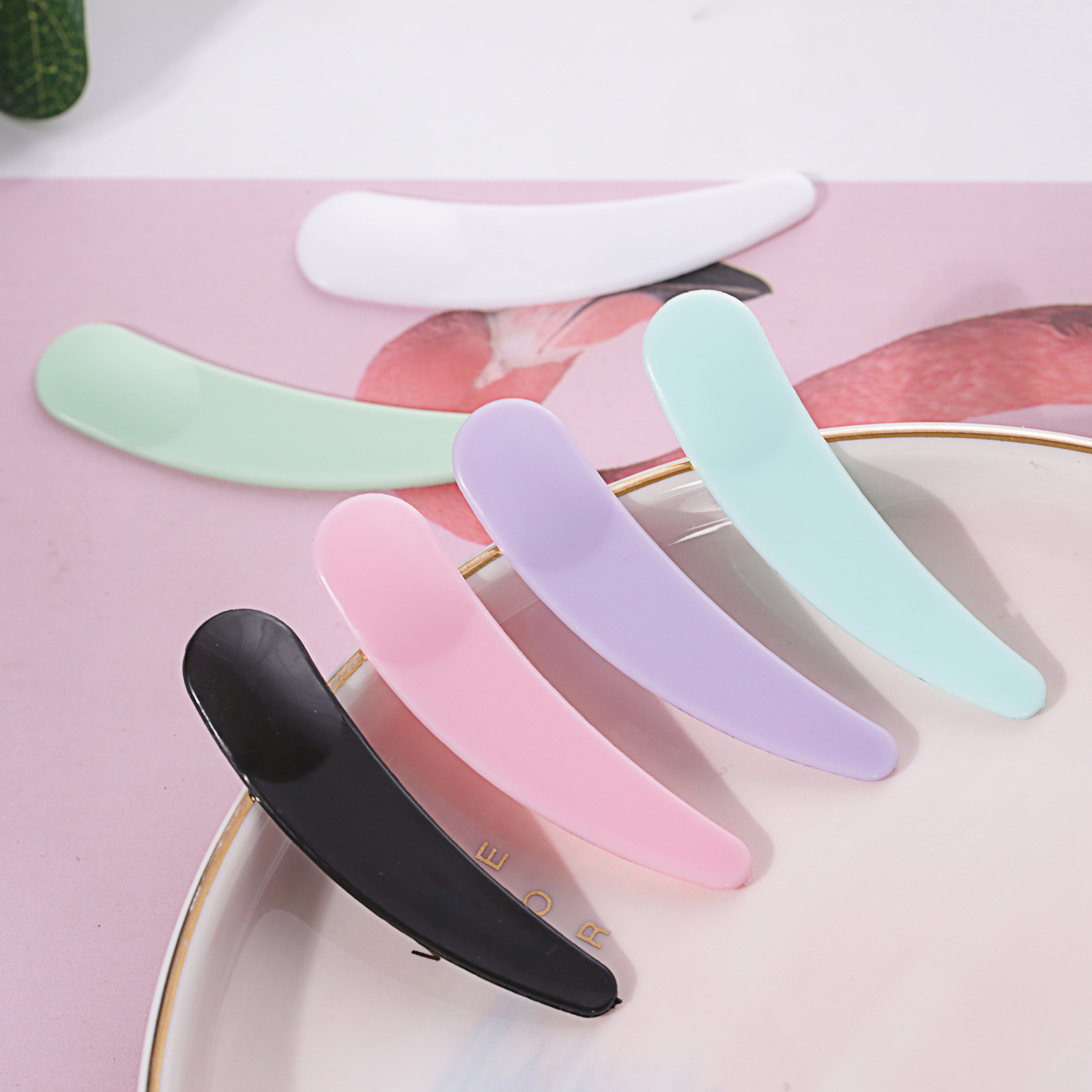
Mini PP Plastic Cosmetic Spatula Crescent Mask Mixing Stick Face Cream Spoons For Makeup Skin Care Sampling Travel Portable Women Hygiene Tools
$0.01
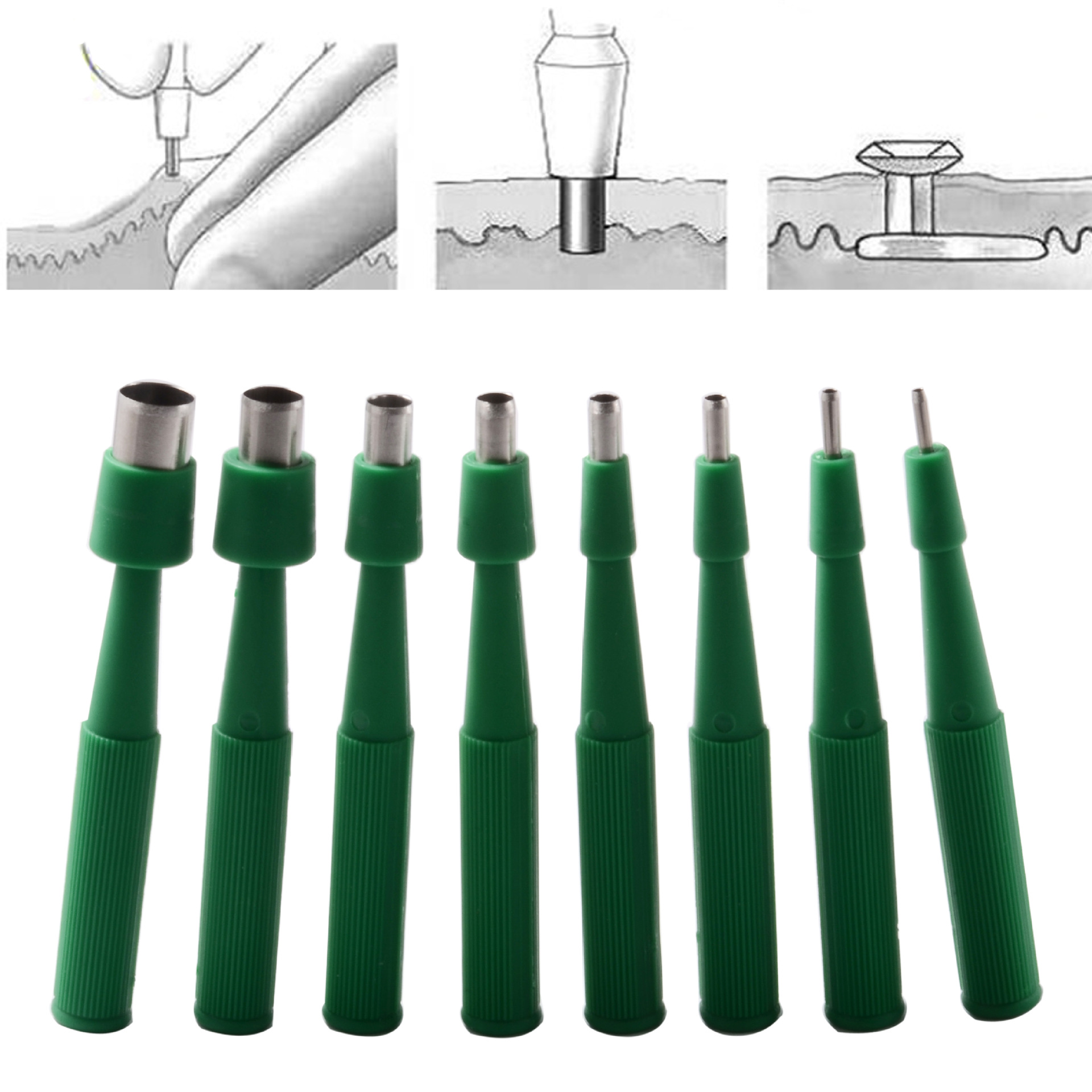
Disposable Sterile Biopsy Punch Tool Professional 316L Surgical Steel Skin Piercing Tool With Anti Slip Green Handle For Body Piercing And Lab Sampling Use
$4.36
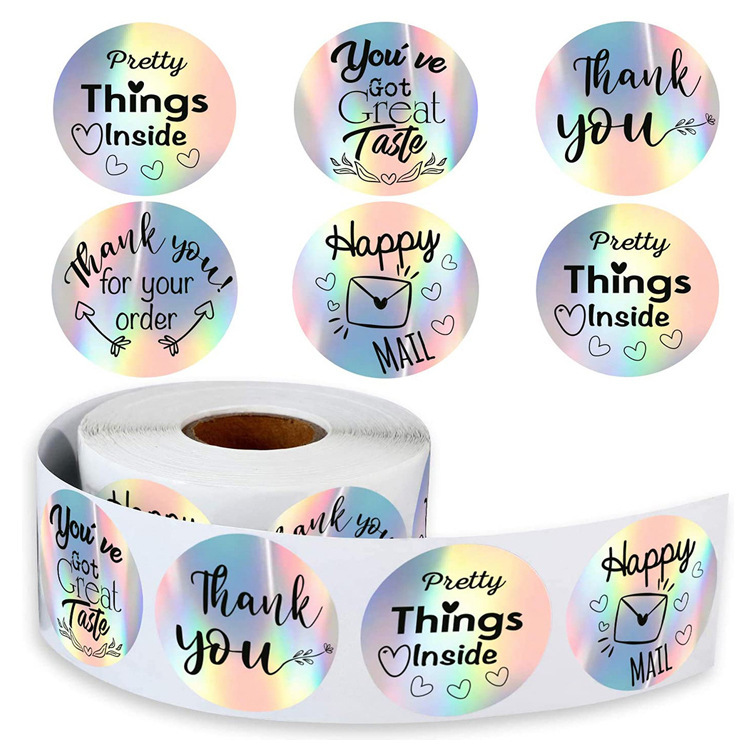
500pcs Holographic Laser Thank You Stickers Round Pretty Things Inside Sealing Label Roll For Small Business Gift Packaging Decor Wedding Party Stationery Supplies
$1.96
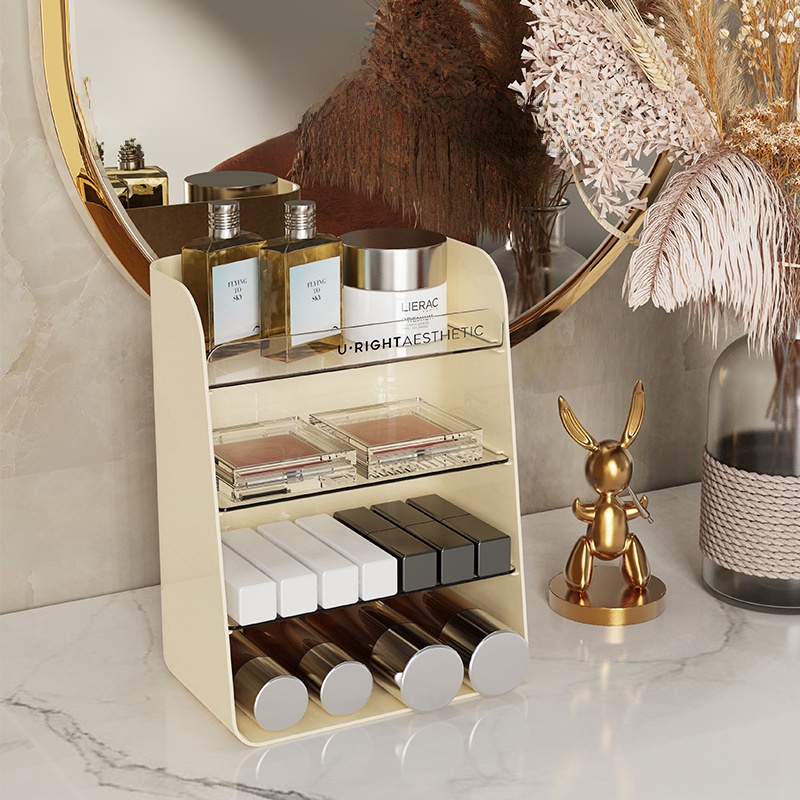
Multi-Layer Makeup Organizer PET PS Plastic Cosmetic Storage Box For Perfume Lipstick Skin Care Products Transparent Dustproof Vanity Desktop Organizer For Bedroom Bathroom Women
$4.25
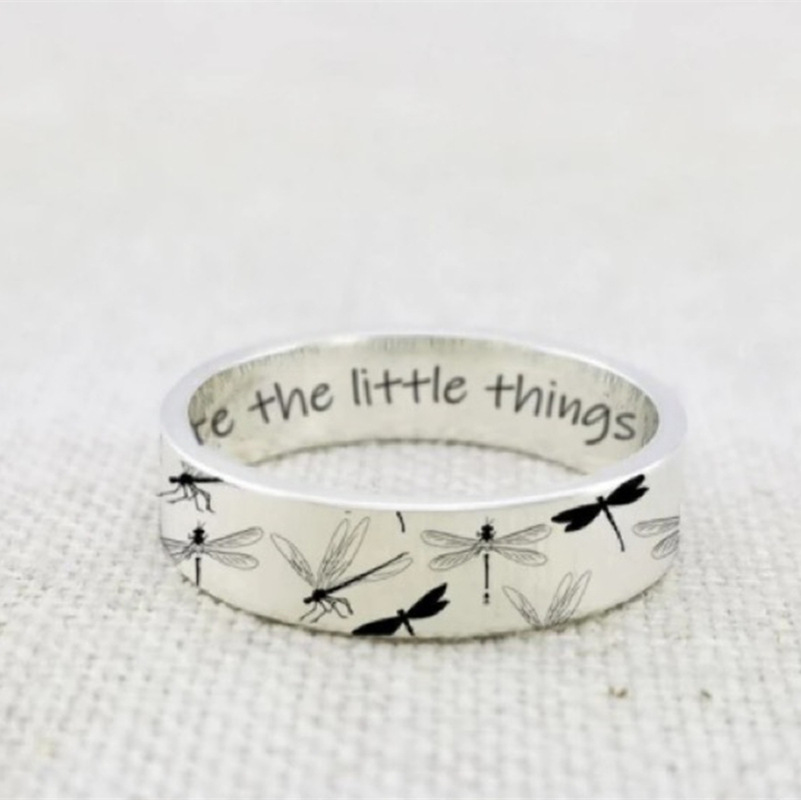
Vintage Dragonfly Ring Alloy Engraved Appreciate The Little Things Lettering Animal Jewelry Women Gift
$0.40
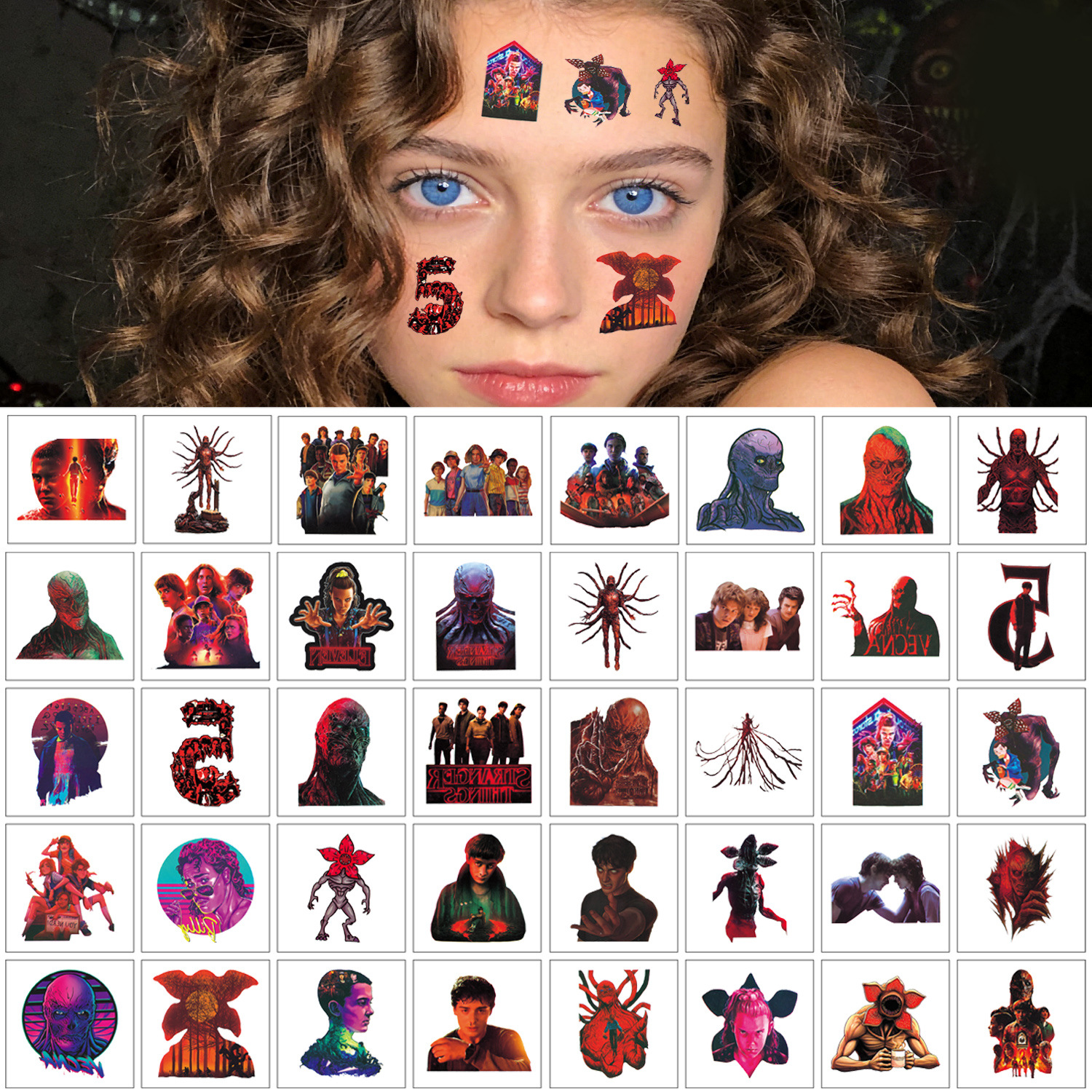
Stranger Things Theme Temporary Tattoo Stickers Waterproof Water Transfer Body Art Decals For Party Cosplay Fans Gift
$0.03
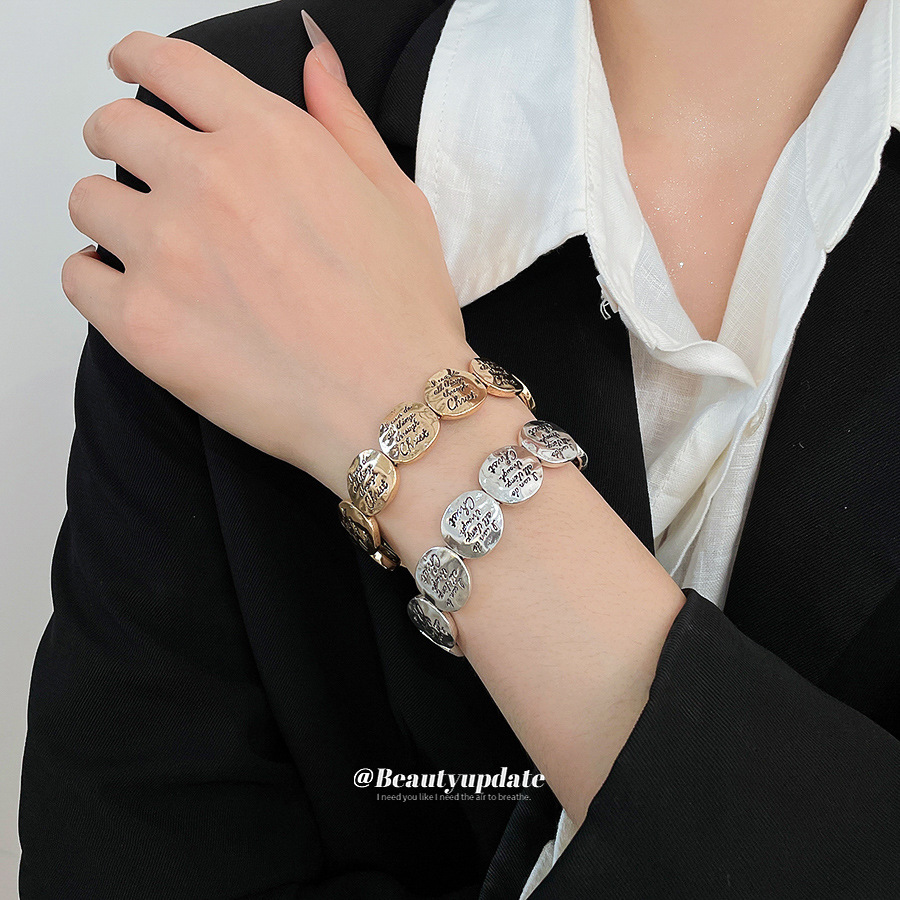
Vintage Alloy Religious Inspirational Coin Bracelet Engraved I Can Do All Things Through Christ Stretch Charm Bracelets For Women Jewelry
$2.86
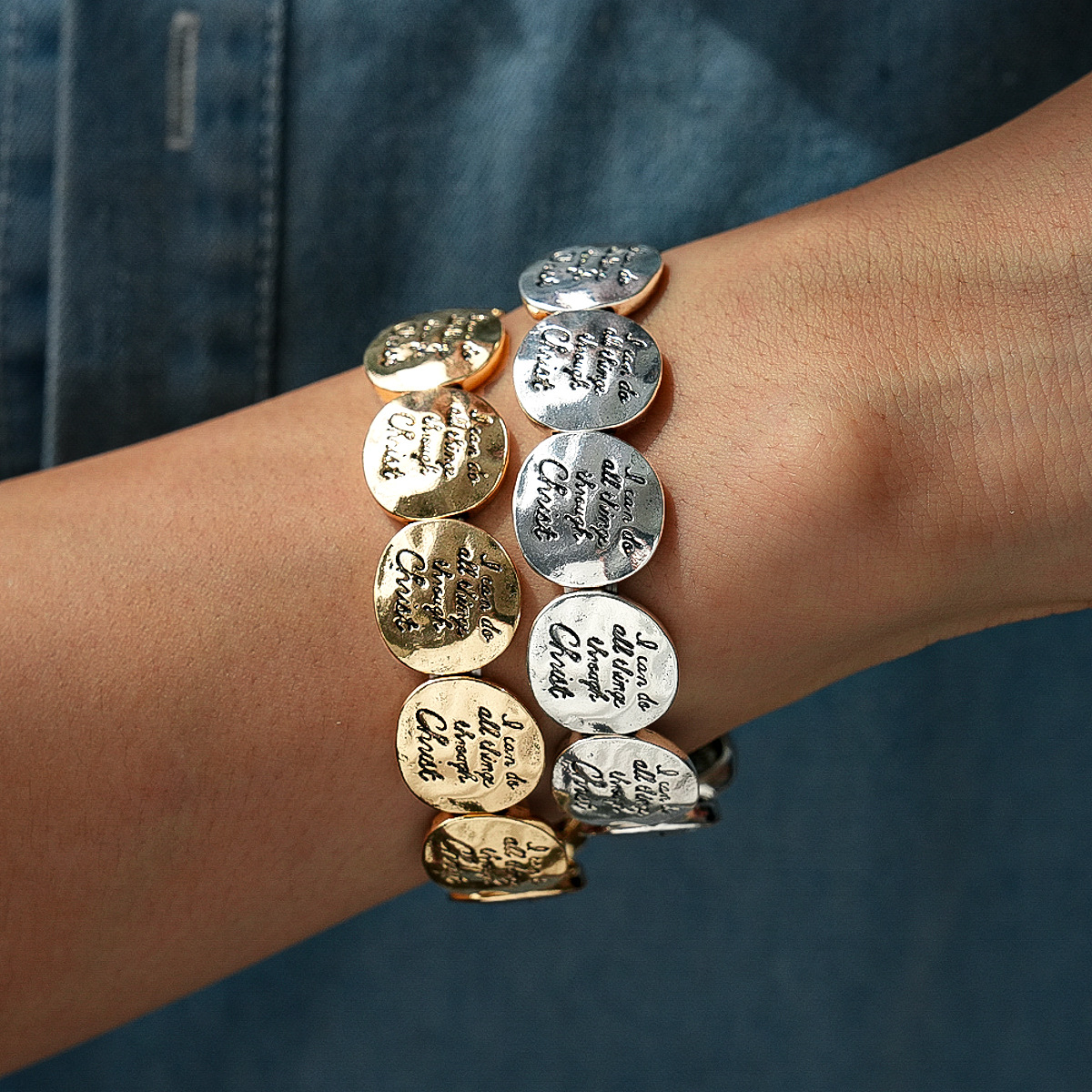
I Can Do All Things Through Christ Inspirational Religious Bracelet Retro Hammered Alloy Disc Lettering Stretch Bracelet Women Faith Jewelry Gift
$2.86
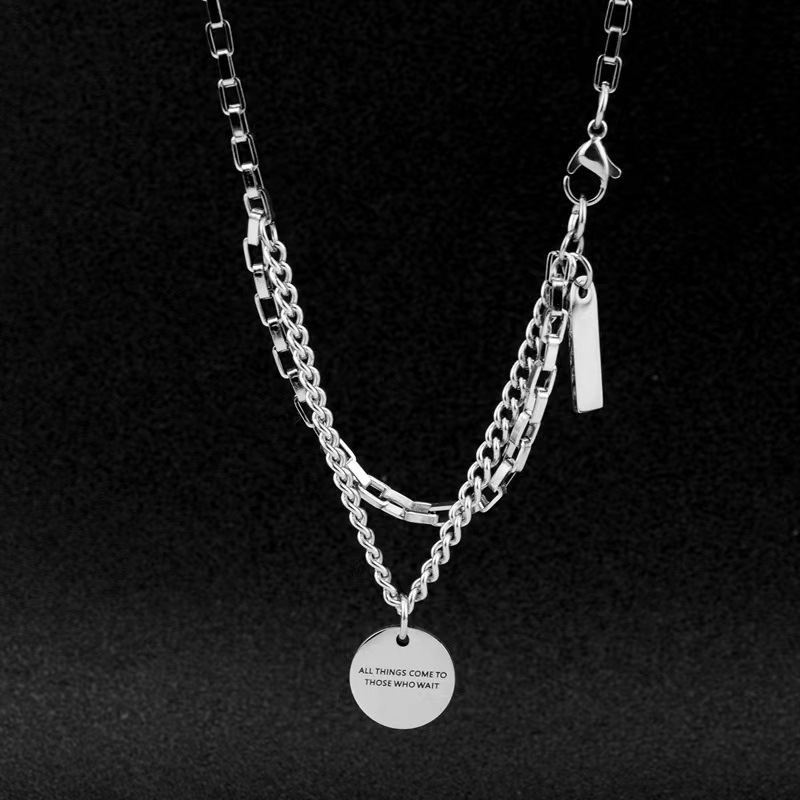
Double Layer Pendant Necklace Stainless Steel Inspirational Quote Round Coin Bar Silver Minimalist Jewelry For Men
$1.23
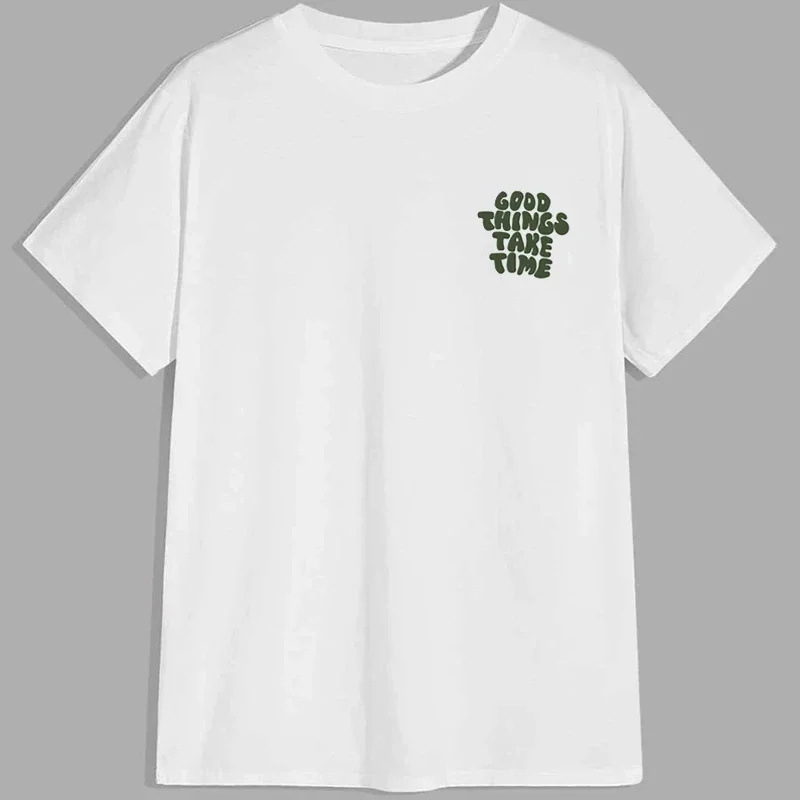
Men's Casual 100% Cotton Short Sleeve T-Shirt With Good Things Take Time Letter Graphic Print Round Neck Streetwear Loose Fit Tee
$3.75
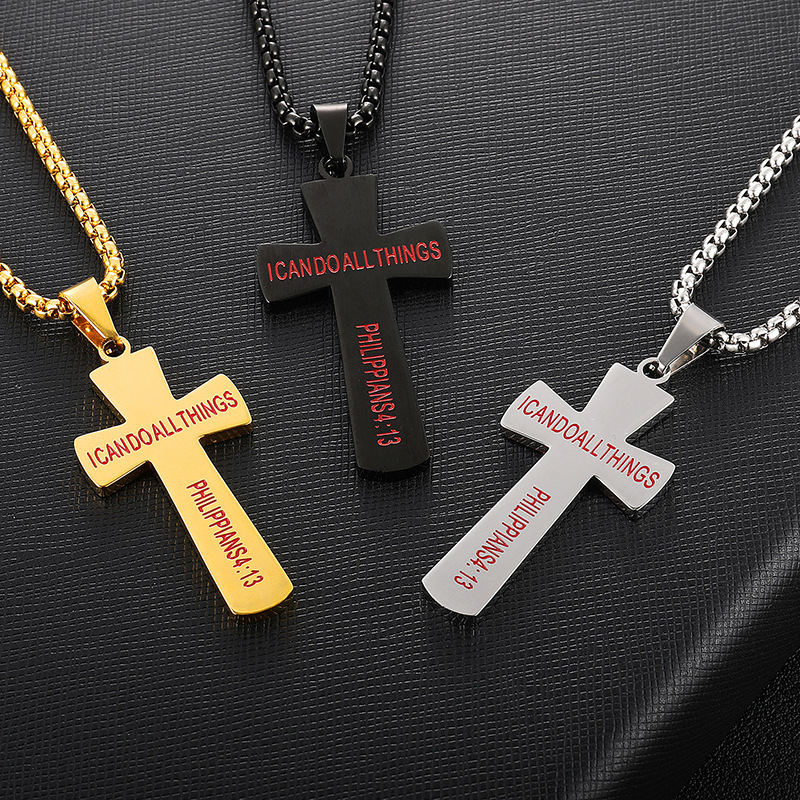
Men's Stainless Steel Baseball Stitch Cross Pendant Necklace I Can Do All Things Philippians 4:13 Religious Scripture Sports Hip Hop Jewelry
$1.26
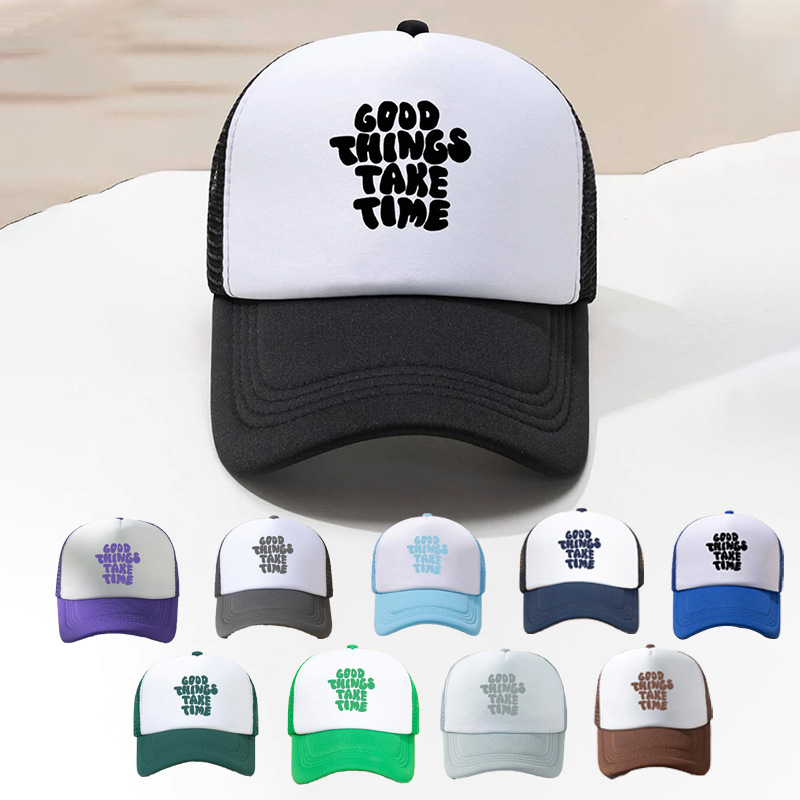
Good Things Take Time Printed Trucker Hat Breathable Mesh Baseball Cap Polyester Sponge Sunshade Outdoor Casual Sport Adjustable Snapback For Men Women
$3.15
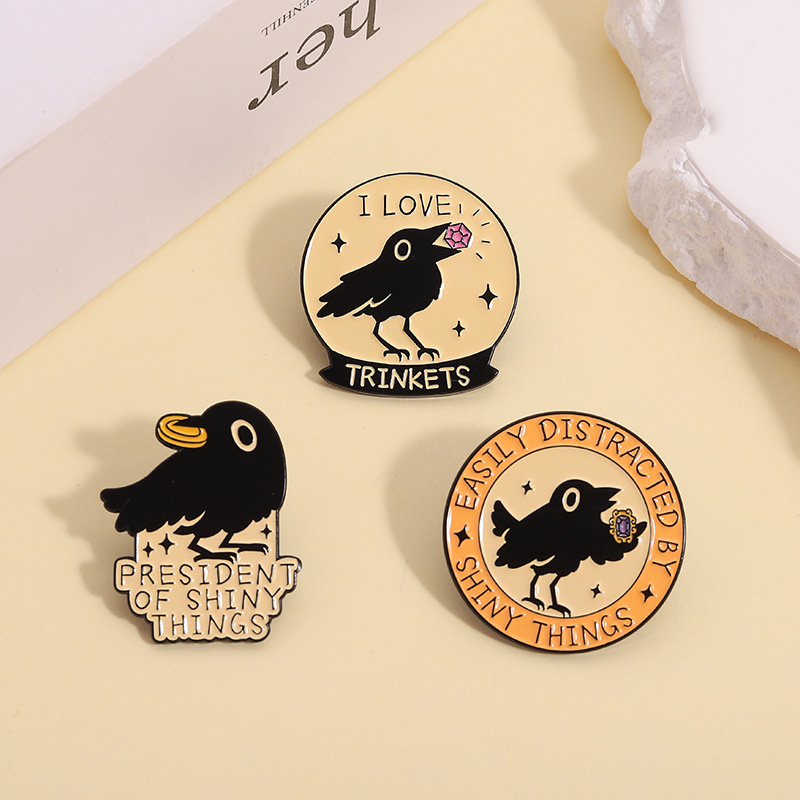
Funny Crow Enamel Pin Set Cartoon Bird Shiny Things Trinkets Quote Brooch Metal Badge For Backpack Clothing Decoration Gift For Bird Lovers Unisex
$0.39
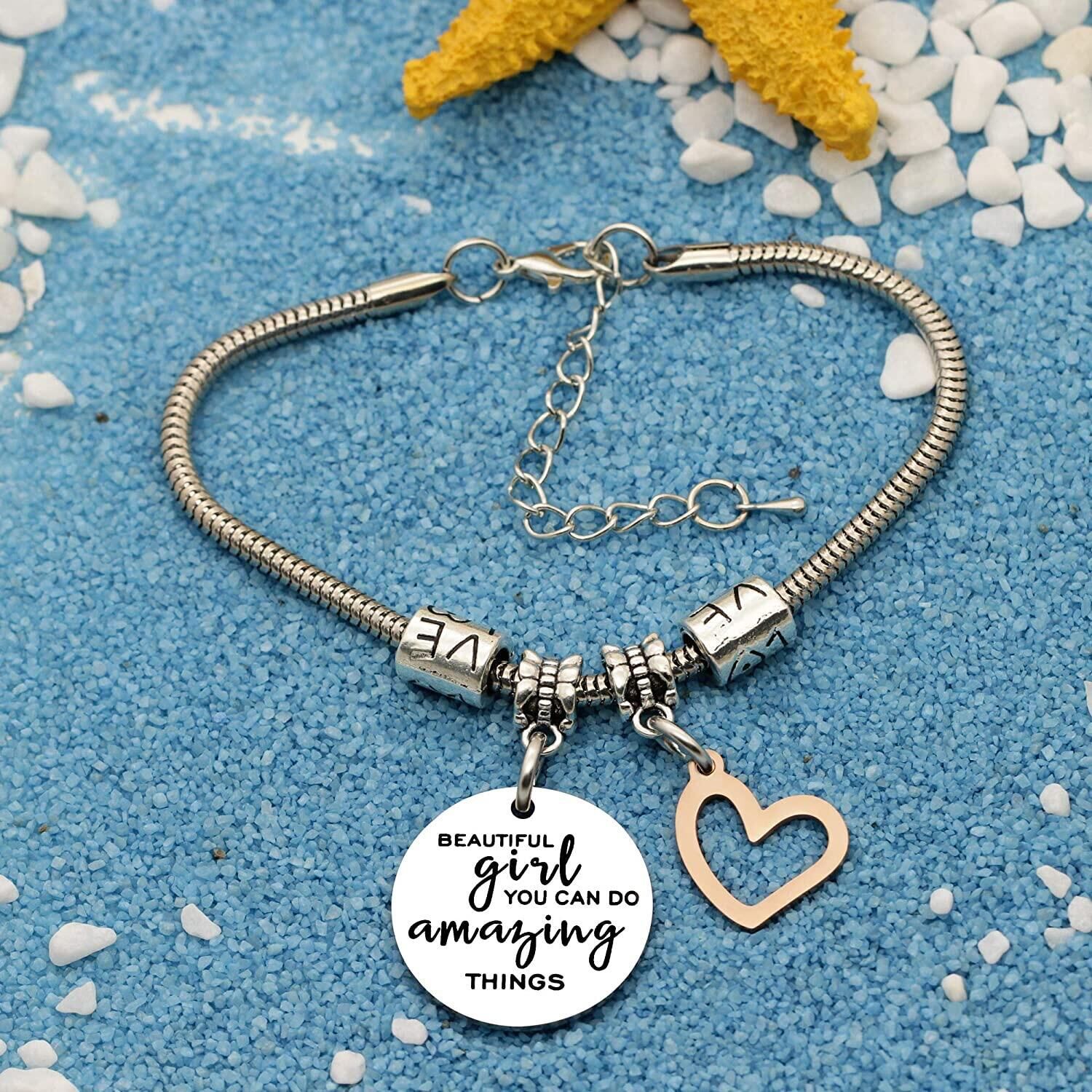
Beautiful Girl You Can Do Amazing Things Motivational Bracelet Stainless Steel Snake Chain Bracelet With Heart Pendant Inspirational Jewelry Gift For Women Girls
$1.05
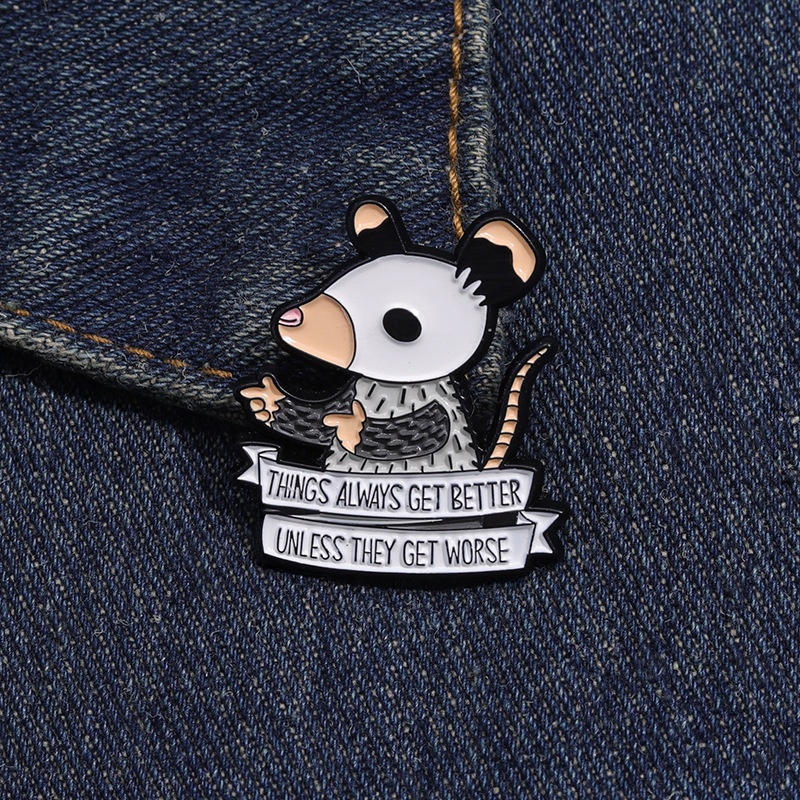
Funny Opossum Enamel Brooch Pin Things Always Get Better Unless They Get Worse Slogan Zinc Alloy Badge For Backpack Clothing Jacket Decoration Gift
$0.52
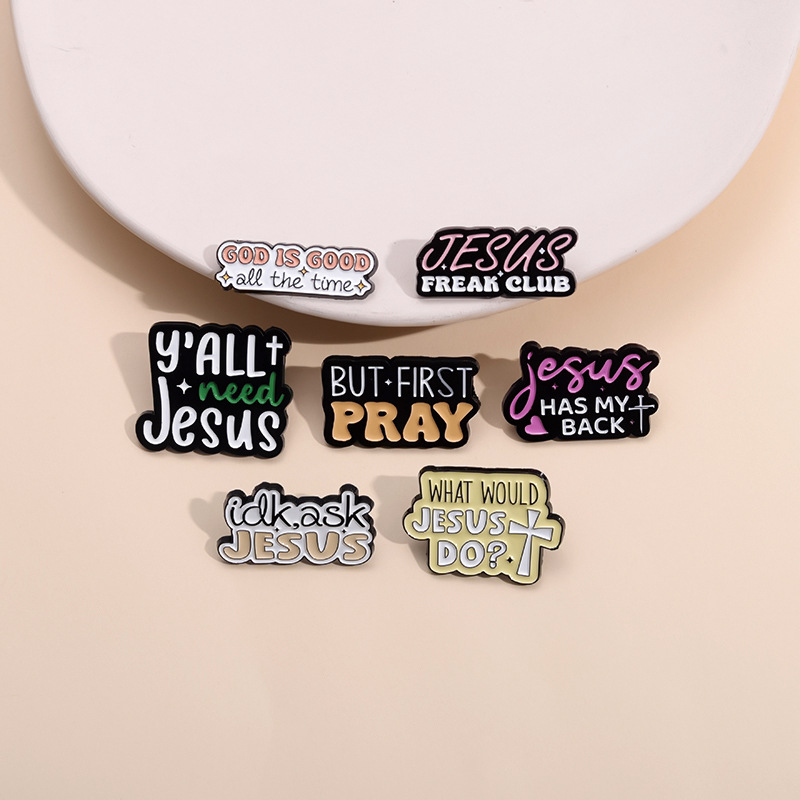
Christian Jesus Quote Enamel Pins Religious Cross Alloy Brooch Jesus Has My Back What Would Jesus Do Lapel Pins Fashion Badges Jewelry Gift For Women Men
$0.50
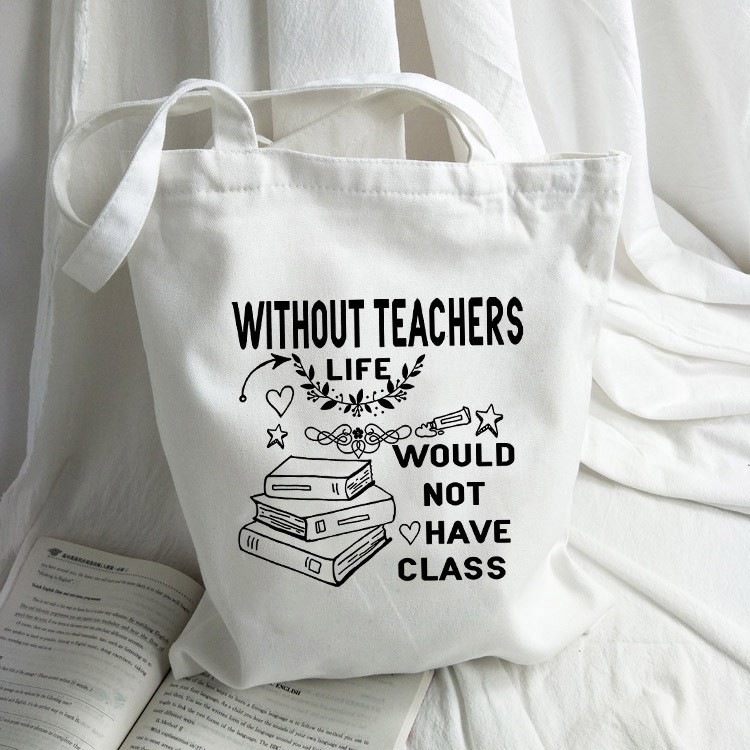
Women's Large Capacity Canvas Tote Bag Without Teachers Life Would Have No Class Graphic Print White Shoulder Bag Eco Friendly Shopping Book Bag For School Student Teachers Day Gift
$2.44
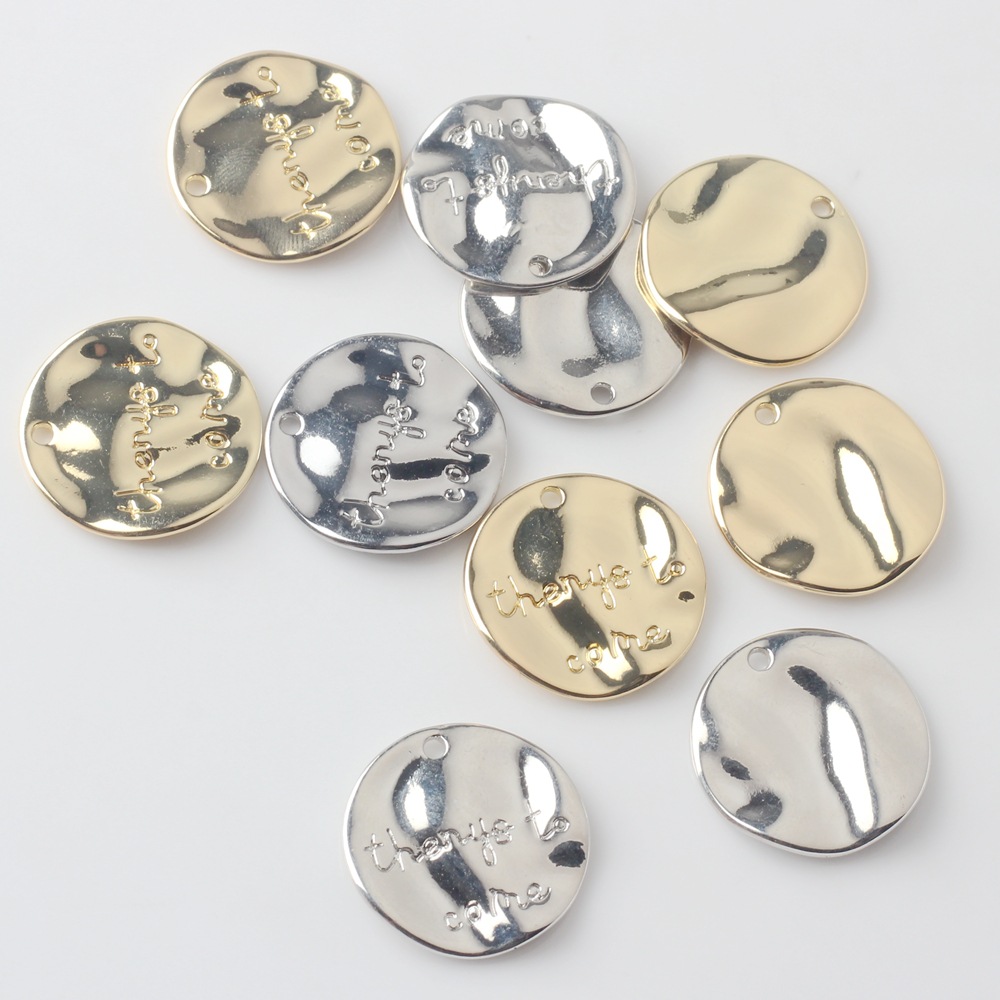
Round Alloy Charms With Letter Engraved Things To Come DIY Jewelry Making Findings Hammered Texture Earring Pendants For Handmade Accessories Gold Silver Plated
$0.19
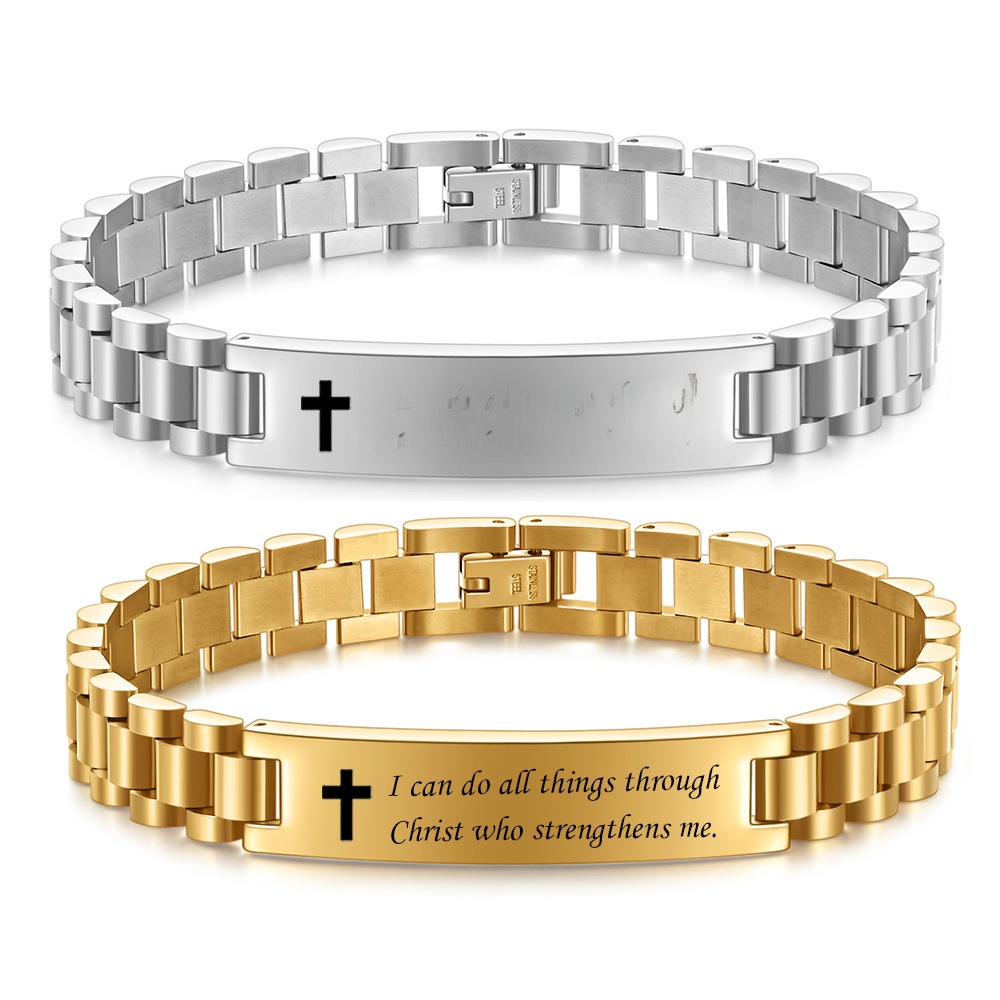
Men's Stainless Steel Cross Scripture Link Bracelet Engraved Bible Verse I Can Do All Things Through Christ Who Strengthens Me Watchband Chain Jewelry
$4.61
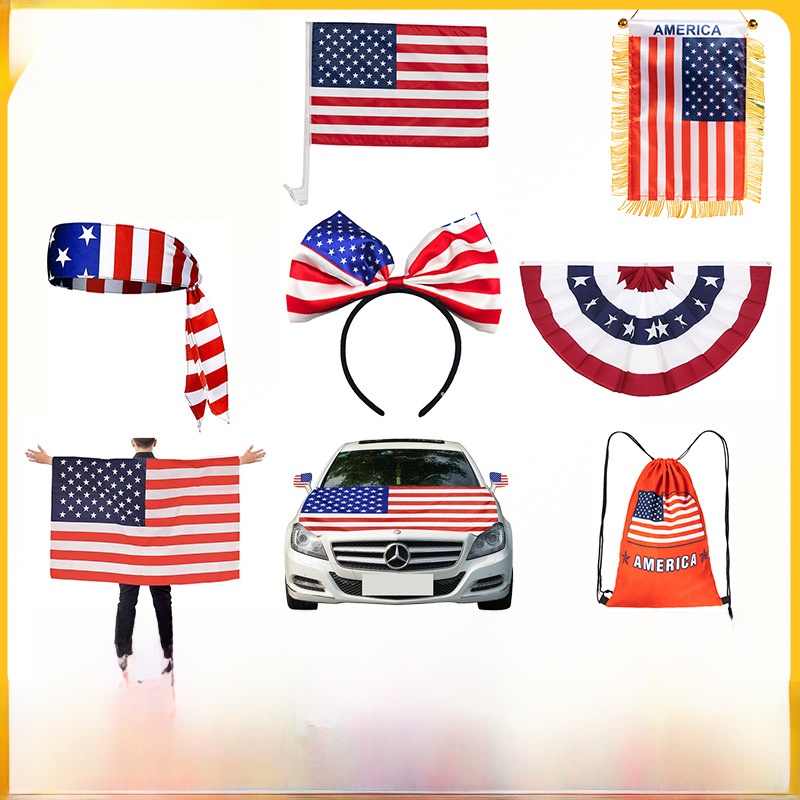
2026 Usa-can-usa World Cup Fan Products: Cheer Props Decorative Shawls Flags Hand Flags Headbands And Hairbands
$0.72
Sampling Bundles That Test Supplier Quality Without Clutter
Bundling these low-cost items into sample packs lets you simulate what a supplier will do when you order multiple SKUs. Each bundle below serves a different learning goal: packaging quality, SKU variety handling, and shipping speed consistency. Order one bundle, or order all three from the same supplier to build relationship before moving to hot pots.
Jewelry Variety Pack (12 units)
You want to test how the supplier packs small metal items—do they arrive scratched? Are chains tangled? This bundle includes 12 pieces from 6 different jewelry sub-SKUs.
- Dragonfly Ringhero
- Coin Braceletcomplement
- Faith Braceletcomplement
- Necklacecomplement
- Motivational Bracelethero
- Link Braceletupsell
Total retail value if sold separately: $15.30. Sample pack cost: $0.72+0.40+2.86+2.86+1.23+1.05+4.61 = $13.73. You save ~10%, more importantly you get 6 distinct SKU types to evaluate.
Pin & Sticker Test Pack (20 units)
You need to check if the supplier cuts corners on small cheap items—stickers not fully sealed, pins with loose backs. This bundle uses mixed materials (metal, sticker, temporary tattoo).
- Christian Enamel Pinshero
- Crow Enamel Pinshero
- Opossum Enamel Pincomplement
- Holographic Thank You Stickersupsell
- Stranger Things Tattooscomplement
Total if separate: $0.50+0.39+0.52+1.96+0.03 = $3.40. At these prices, even shipping is a larger factor. Order 20 units total to get a cost-per-run that justifies the shipping.
Apparel & Soft Goods Sampling Kit (5 units)
If your main hot pot supplier also sells apparel, test with these items to see textile quality, color accuracy, and print adhesion before trusting them with heat-sensitive kitchen goods packaging.
- Cotton T-Shirthero
- Canvas Tote Bagcomplement
- Trucker Hatupsell
Separate: $3.75+2.44+3.15 = $9.34. Keep to 1–2 units per SKU to evaluate consistency across sizes/colors.