
Trend Report · May 14, 2026
AliExpress Refund Rejection – What Wholesale Buyers Must Learn
A buyer's story of a refund rejection on a cracked item becomes a lesson on sourcing risk. Extract the pattern, apply tactics for your wholesale operation.
AliExpress Rejects Refund Even Though the Item Is Damaged 💩
A long-time AliExpress buyer received a product cracked into two pieces. They took photos and a video showing the damage, then submitted a refund request under the 90-day policy that appeared to cover any reason. AliExpress reviewed the evidence and rejected the request with a brief “This…” message, offering no clear justification. The buyer had never returned anything before and trusted the policy language. That trust was broken.
The inflection point isn’t just one rejected claim—it’s the cumulative realization that AliExpress’s buyer protection can be unreliable even with solid documentation. For wholesale buyers sourcing accessories, jewelry, and packaging in bulk, this uncertainty directly threatens profit margins. If a damaged shipment goes unreimbursed, the entire unit economics of a product line shift. The event has sparked discussion among dropshippers and resellers, many of whom are reassessing their reliance on the platform.
What makes this case newsworthy is how routine it is. Broken items happen in international shipping, but the platform’s response (opaque, automated, dismissive) creates a systemic risk. This isn’t an outlier—it’s a pattern that operators need to hedge against through sourcing alternatives and documentation procedures.
The Replicable Pattern: Sourcing Platform Risk
The story reveals a transferable insight: even a well-documented damage claim can be rejected on a platform with ambiguous policy enforcement. For years, the buyer assumed AliExpress’s 90-day refund policy was a safety net. When tested, it failed. The replicable pattern is that wholesale buyers cannot rely on platform policies as their primary quality assurance. Instead, they must build their own layers of verification—pre-shipment sample inspections, supplier agreements with clear return terms, and a backup fulfillment pipeline.
This pattern applies directly to DayJewel wholesale buyers. If you source fashion jewelry or accessories from AliExpress and get a hard-to-return product (like a cracked bracelet or a stained necklace bag), the same rejection risk exists. The difference? DayJewel operates with a wholesale model that prioritizes quality consistency. The pattern also highlights a second lesson: the cost of a failed refund isn’t just the unit cost—it’s the lost selling opportunity and the time spent chasing a claim. Operators who internalize this now can avoid expensive surprises.
The emergence of this trend among accessories buyers stems from the volume of small, low-margin items that incentivize bulk orders. A single damaged unit might not matter, but a batch of 50 broken earring cards does. The pattern forces a decision: accept the risk and price it in, or switch to a supplier with proven fulfillment.
Who Should Act on This Lesson
This case matters most to operators who depend on AliExpress for at least a portion of their inventory and lack a test-return process. The pattern of unexpected rejection hurts margins the most for those running thin on working capital. Three profiles are best positioned to apply the insights from this story.
Shopify seller
You likely buy from AliExpress via dropshipping or small MOQs. One rejected refund on a damaged item can wipe out the profit from 10 sales. Use this case to build a pre-shipment inspection step into your sourcing workflow.
Flea market / pop-up stall operator
Your constant need for low-cost inventory makes AliExpress tempting, but a damaged batch that goes unreimbursed can sink an event weekend. Switch to suppliers with straightforward return agreements.
New boutique owner
You are likely still testing products and may rely heavily on platform refunds as a safety net. This story shows that net can have holes. Start with a smaller range from DayJewel where packaging and quality are vetted.
What Happened
A long-established AliExpress buyer—someone who never needed to return anything—received a clearly broken item (cracked into two pieces). They read the 90-day refund policy, which appeared to cover any reason without exclusions. They submitted a refund request with photos and a video showing the damage, categorizing it as “damaged.” AliExpress took one day to review and sent back a rejection with only a truncated message. The buyer was left with a useless product and no recourse. The story became a cautionary tale in online sourcing circles.
The Replicable Pattern
Platform refund policies are not guarantees; they are guidelines that can be ignored.
Evidence: The buyer followed policy wording but still got rejected. This shows the policy is not enforced consistently.
Documentation alone does not guarantee a refund; the review system is opaque.
Evidence: The buyer had clear photos and video, yet the system rejected it without explaining why.
Wholesale buyers must factor non-refundable damage into unit economics.
Evidence: If a $0.19 bag (like ID 274715) is ordered in 1000 quantities and 5% arrive damaged with no refund, that’s $9.50 lost—small but cumulative across many SKUs.
The best hedge is to source from platforms where quality and return policies are built for wholesale.
Evidence: DayJewel’s model avoids the AliExpress ambiguity because the return process is direct and known upfront.
How to Sell Through This Risk Pattern
The pattern of rejected refunds creates an opportunity for operators who can guarantee quality and transparent returns. If you are selling to end customers, you can position DayJewel-sourced products as “worry-free inventory” because your own return risk is lower. For wholesale sellers, the lesson is to price in a damage buffer (e.g., 2-3% of COGS) and to choose suppliers with proven fulfillment. One concrete approach: build a “damage guarantee” into your store policy and source exclusively from DayJewel to back it up. This differentiates you from AliExpress-sourced competitors. Another tactic: create bundle deals that dilute the per-item risk, like the hair care + jewelry bundle above, so even if one item fails, the customer still gets value and you don’t lose the whole sale. Finally, use education as a sales tool. Publish an article or FAQ titled “Why We Don’t Use AliExpress” that references this case teardown. It builds trust and justifies slightly higher prices. Your customers will understand that they’re paying for reliability.
Add a badge reading “Quality Guaranteed – No AliExpress Risk” to all items sourced from DayJewel. Explain in the description that you personally verify inventory before shipping.
⚠ Badge may attract scrutiny if you ever have a damage issue and fail to resolve it quickly.
Run a short video comparing the experience of opening an AliExpress package (broken item, refund rejected) vs. opening a DayJewel package (pristine, easy return). Use the heart pendant necklace (ID 328338) as the test item.
⚠ Direct competitor bashing can get flagged. Keep tone analytical, not angry.
Highlight that your sourcing chain avoids common AliExpress pitfalls. Mention the 90-day refund policy trap fact in passing to show you understand the pain point.
⚠ Some customers may not care about the sourcing story; keep it brief and value-focused.
Trend-Compatible Products from DayJewel
These products align with the need for reliable sourcing. Each item below can be ordered in wholesale quantities with clear fulfillment standards, eliminating the refund anxiety you'd face on AliExpress. Whether you're building a jewelry line or a gift accessory bundle, these are safe inventory choices.
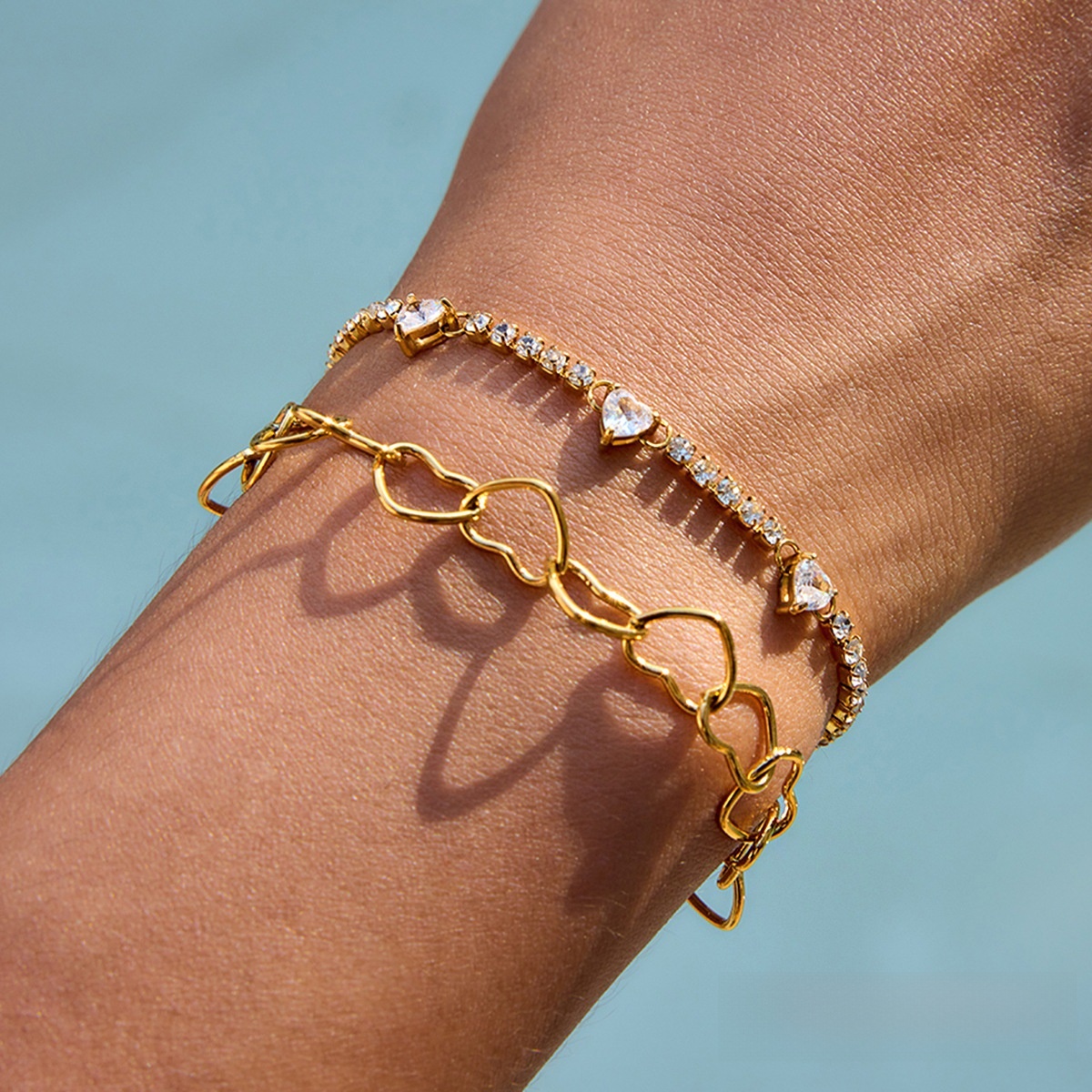
Heart Stainless Steel Zircon Bracelet Jewelry For Women Hot Item
$2.75
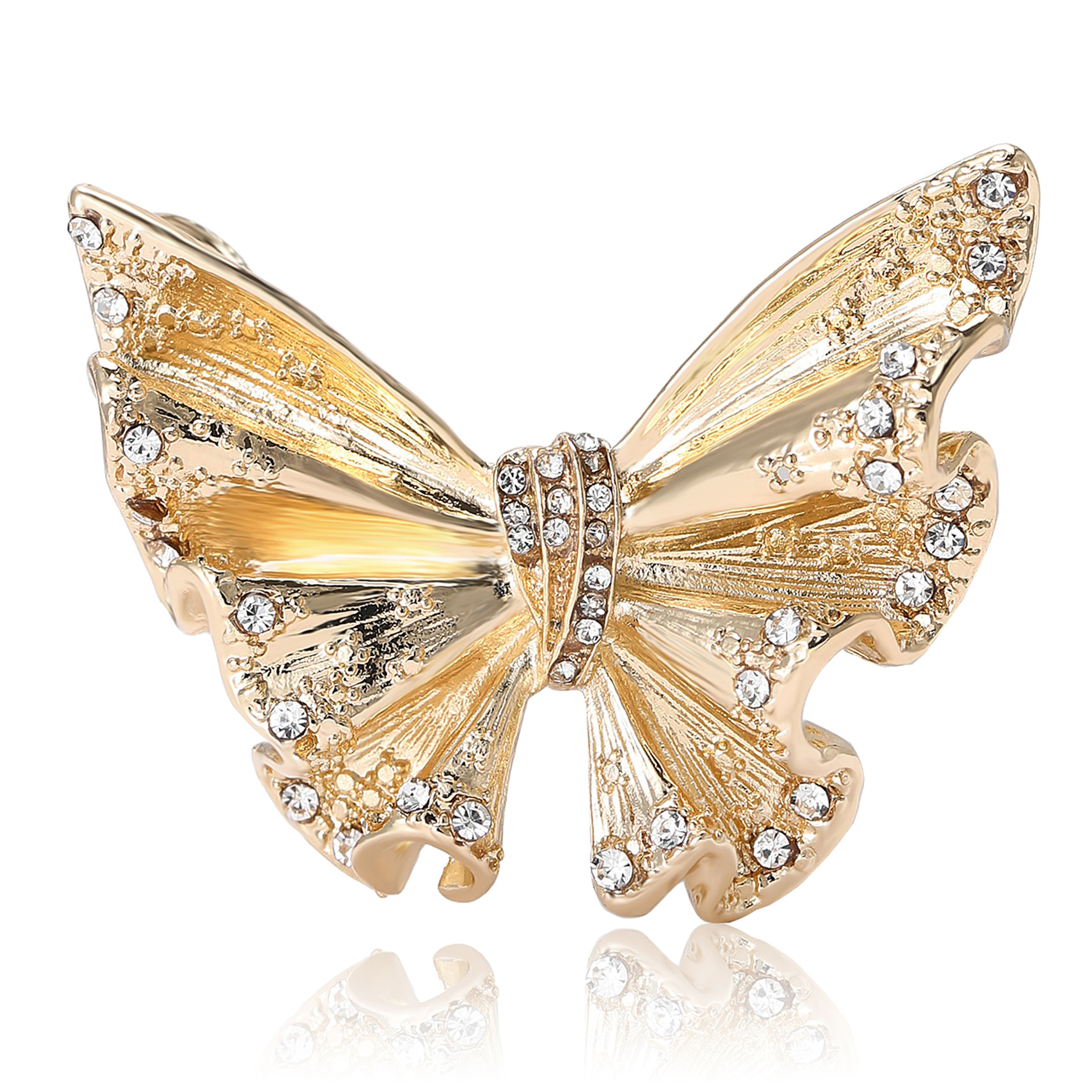
Elegant Alloy Rhinestone Butterfly Brooch For Women High Grade Enamel Insect Pin Fashion Suit Sweater Accessories Jewelry Sparkling Gift Item
$1.44
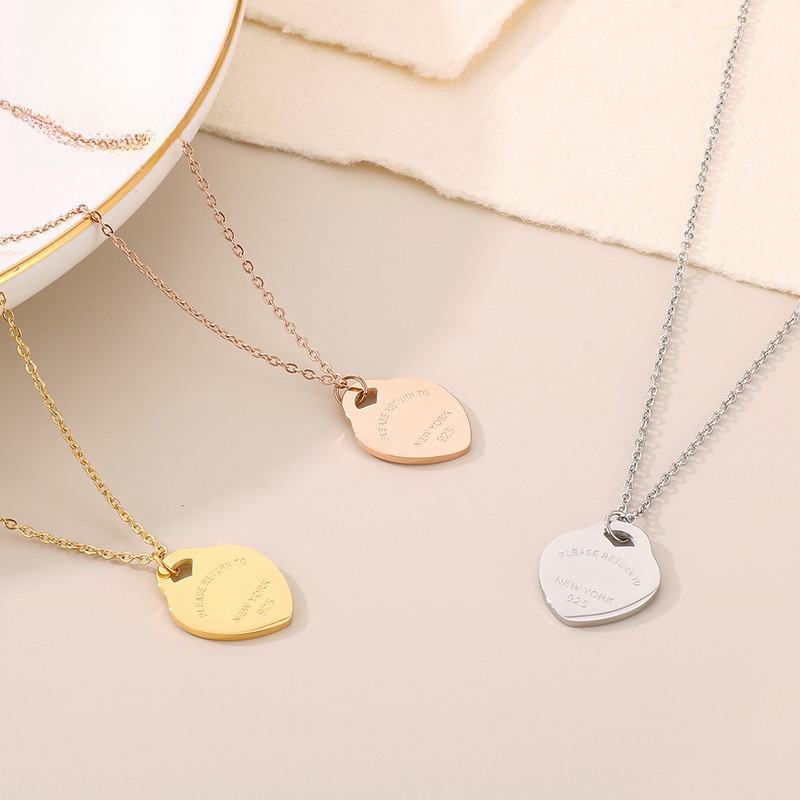
Classic 925 Sterling Silver Heart Pendant Necklace With Please Return To New York Engraving Elegant Jewelry Gift For Women Gold Silver Rose Gold
$1.08
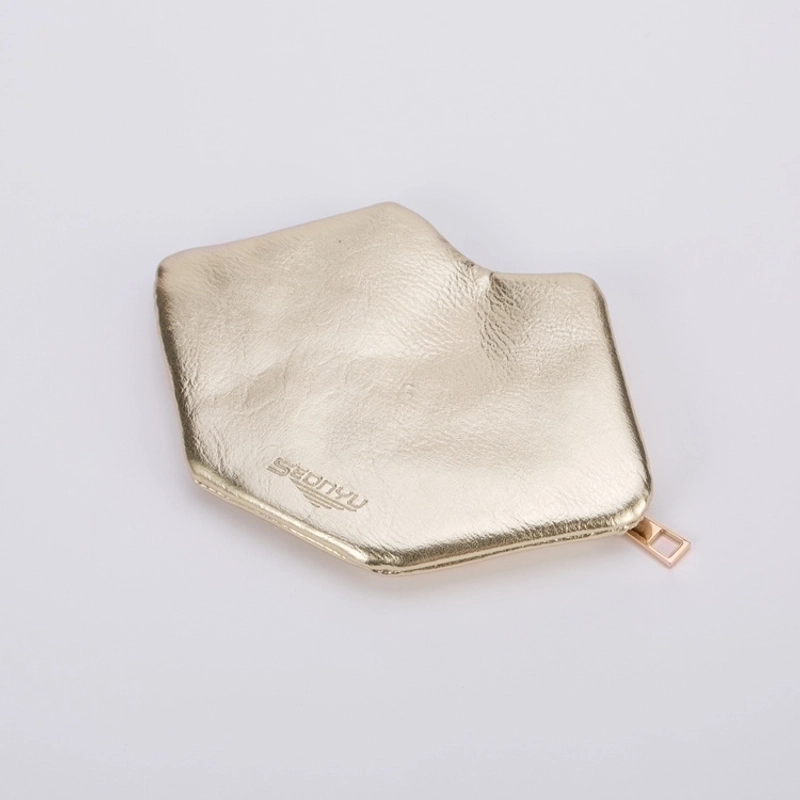
Creative Lip-Shaped Coin Purse PU Leather Metallic Gold Mini Card Key Pouch For Women Daily Small Item Storage Bag
$1.64
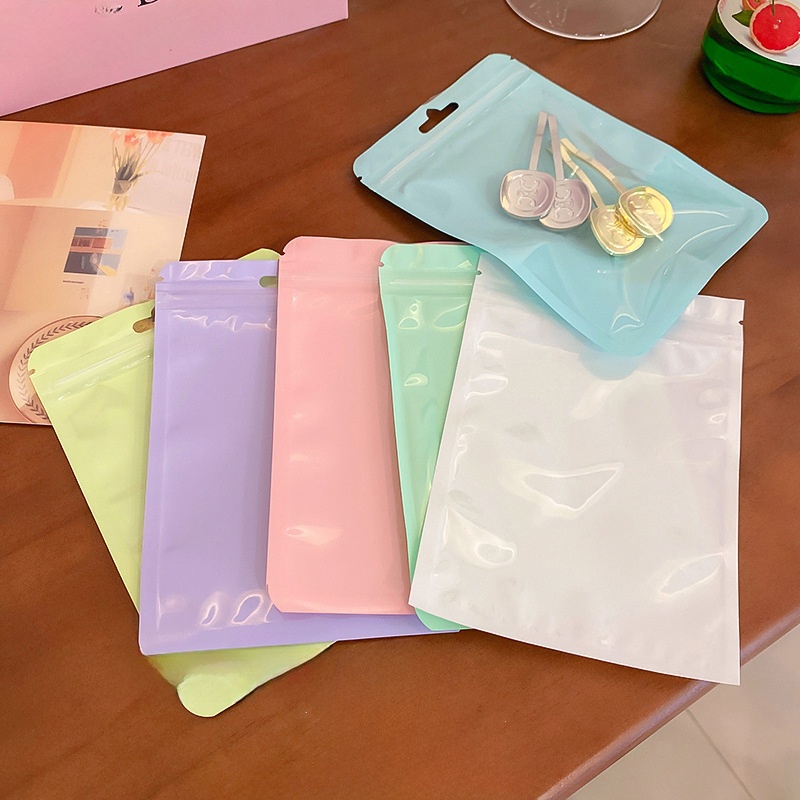
Macaron Colors Jewelry Packaging Bags Plastic Matte Ziplock Storage Bags With Hang Hole Small Item Packaging Bags For Earrings Necklace 15x10.5cm
$0.05
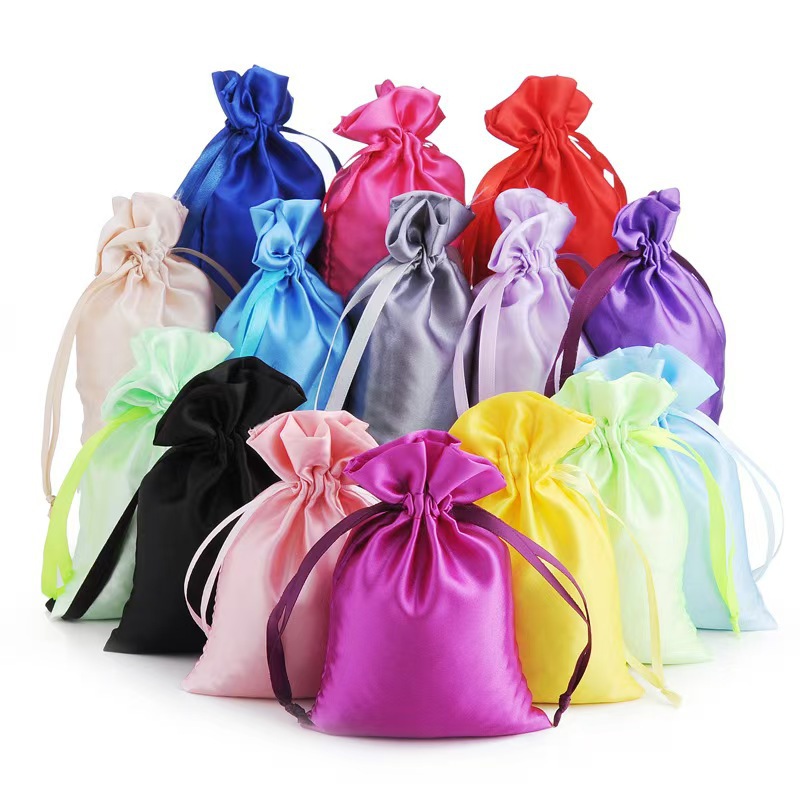
Glossy Satin Drawstring Bags Faux Silk Jewelry Packaging Pouches Dustproof Underwear Storage Bags For Gift Wedding Party Travel Small Item Organizer
$0.14

Pixel Game Item Keychains Acrylic Metal Ring Ornaments Retro Style Backpack Charms For Boys Girls Kids School Birthday Party Gift Accessories
$0.35
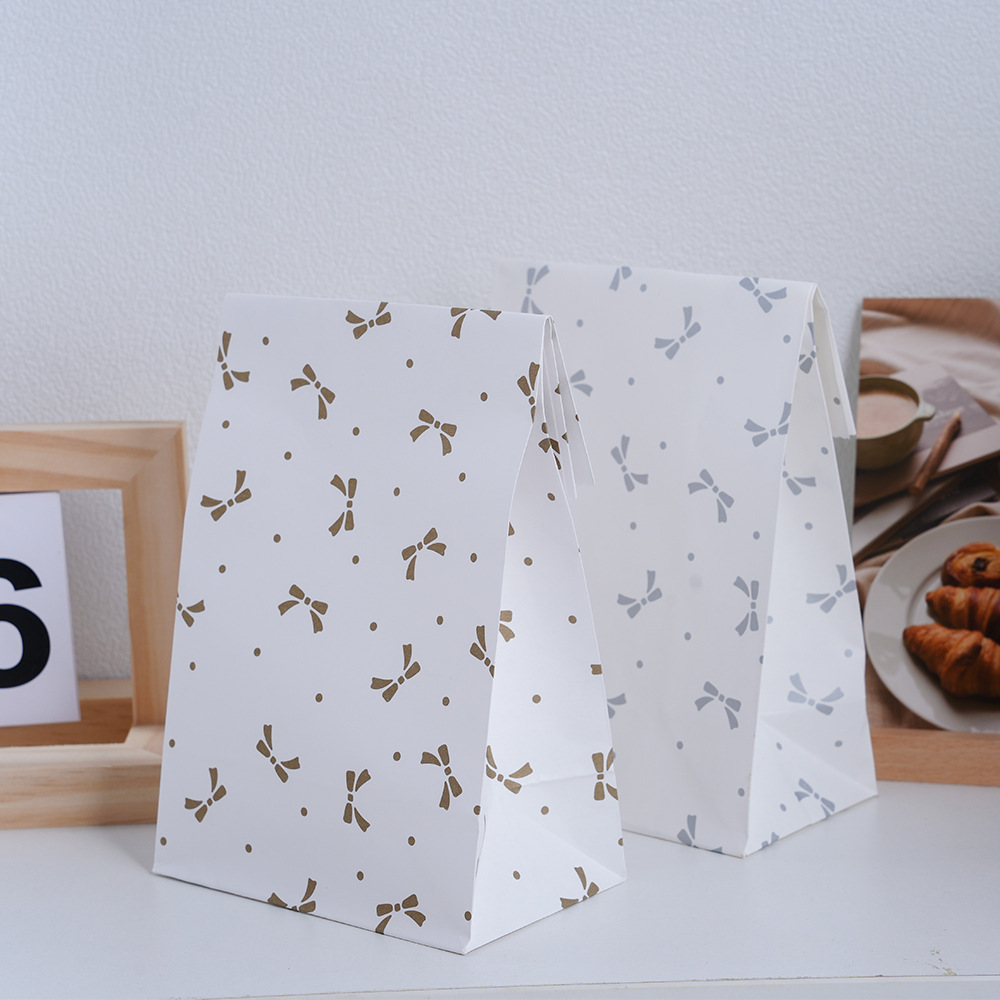
Gold Silver Bowknot Polka Dot Paper Gift Bags Small Flat Packaging Bags For Bakery Cookies Candy Party Favors Wedding Return Gifts Packaging
$0.16
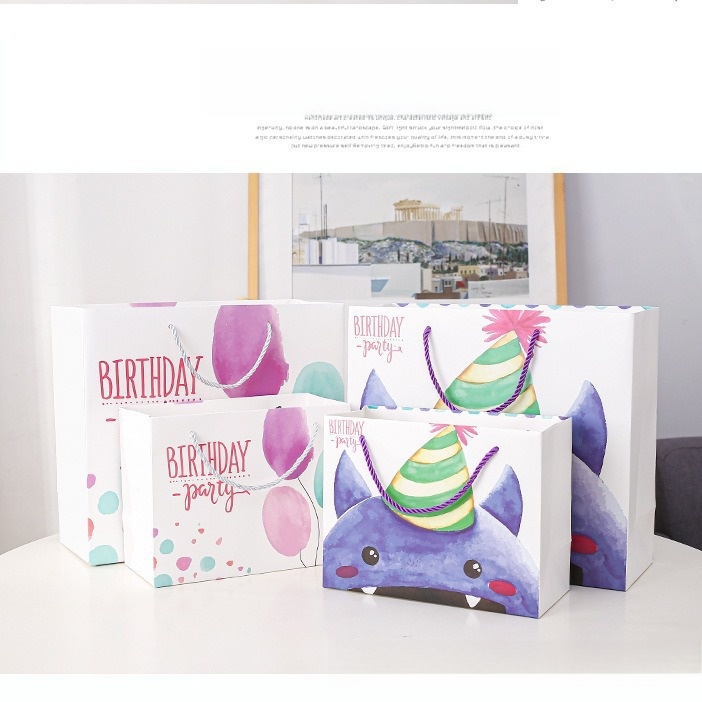
Cartoon Birthday Party Gift Bag White Cardboard Tote With Braided Handle For Kids Return Gifts Watercolor Balloon Monster Pattern Large Medium Small
$0.20
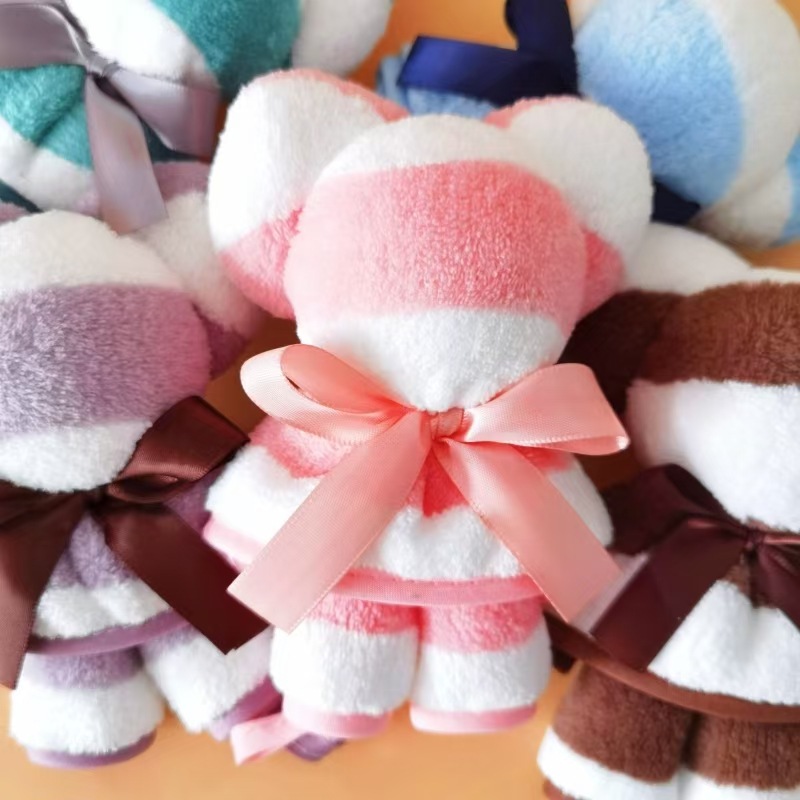
Creative Bear Shaped Towel Coral Fleece Absorbent Striped Hand Towel With Bow Tie Ribbon For Wedding Birthday Party Return Gift Guest Favors
$0.63
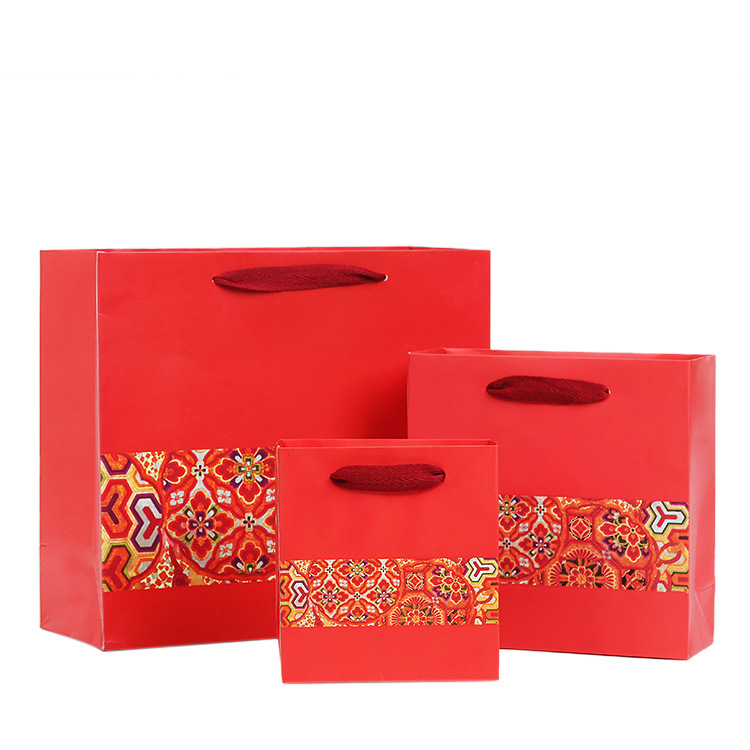
Chinese Ethnic Style Red Gift Paper Bag With Handles Flower Pattern Packaging Bag For Wedding Birthday Party Favor Return Gifts
$0.19
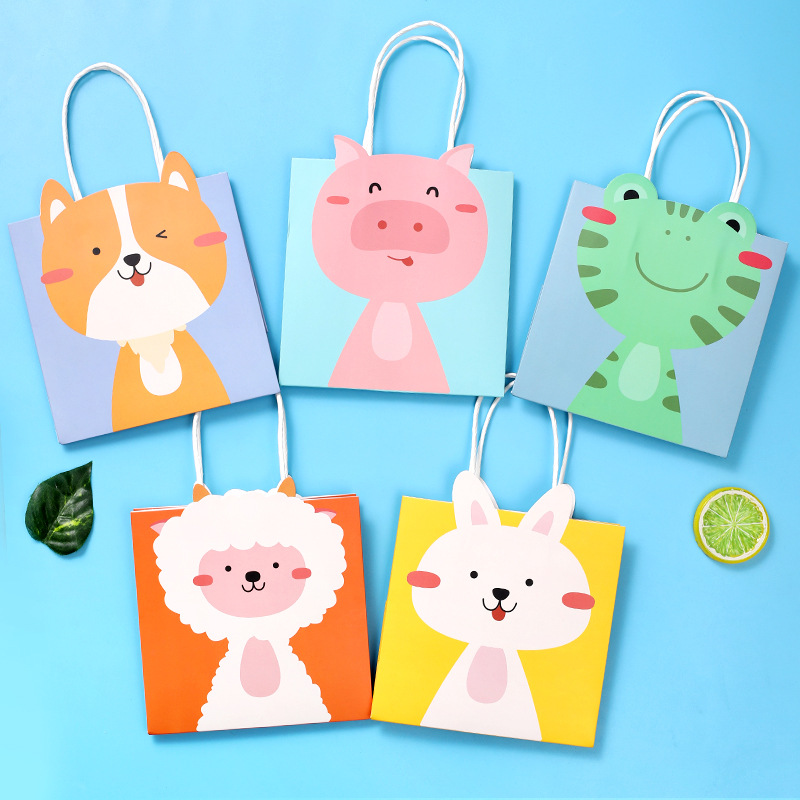
Cartoon Animal Paper Gift Bags Cute Waterproof White Cardboard Handbags For Kids Birthday Party Favors Wedding Return Gift Packaging Totes
$0.20
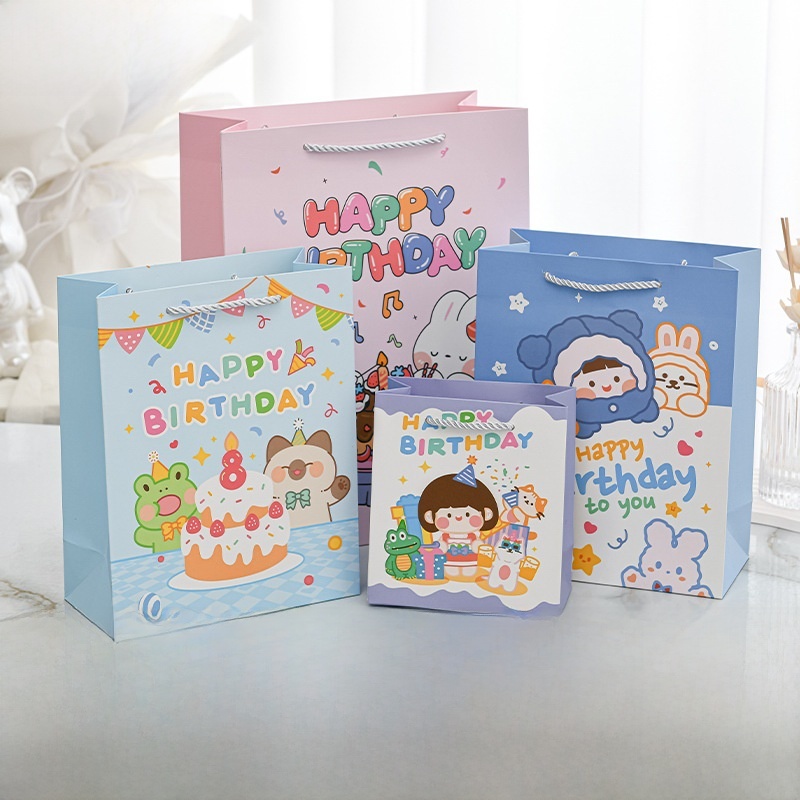
Cartoon Birthday Gift Paper Bags Portable Cardboard Handheld Gift Wrapping Bags With Handle For Kids Party Favors Wedding Guest Return Presents
$0.27
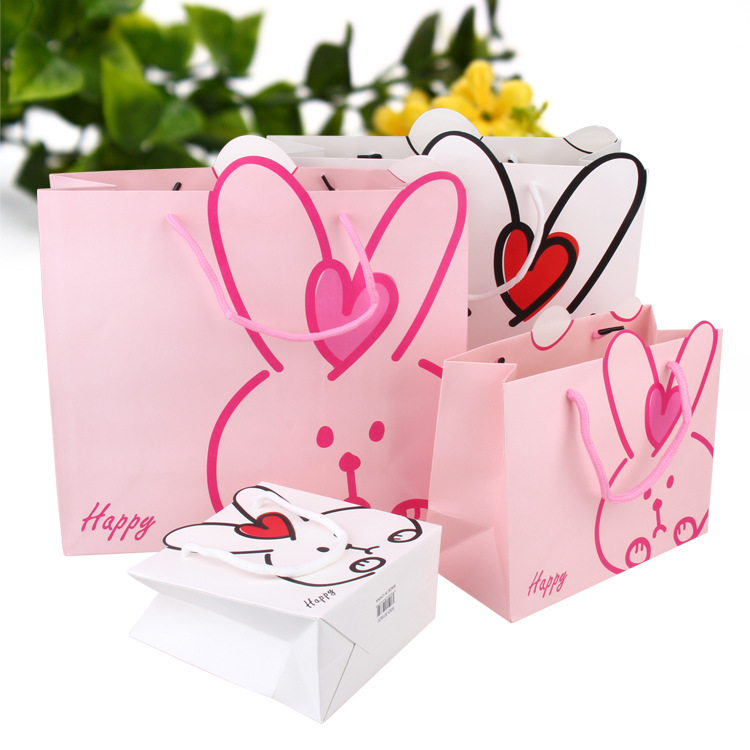
Cartoon Rabbit Gift Bag White Cardboard Handheld Paper Packaging Bag For Birthday Party Baby Shower Return Gift Small Medium Large Bags
$0.19
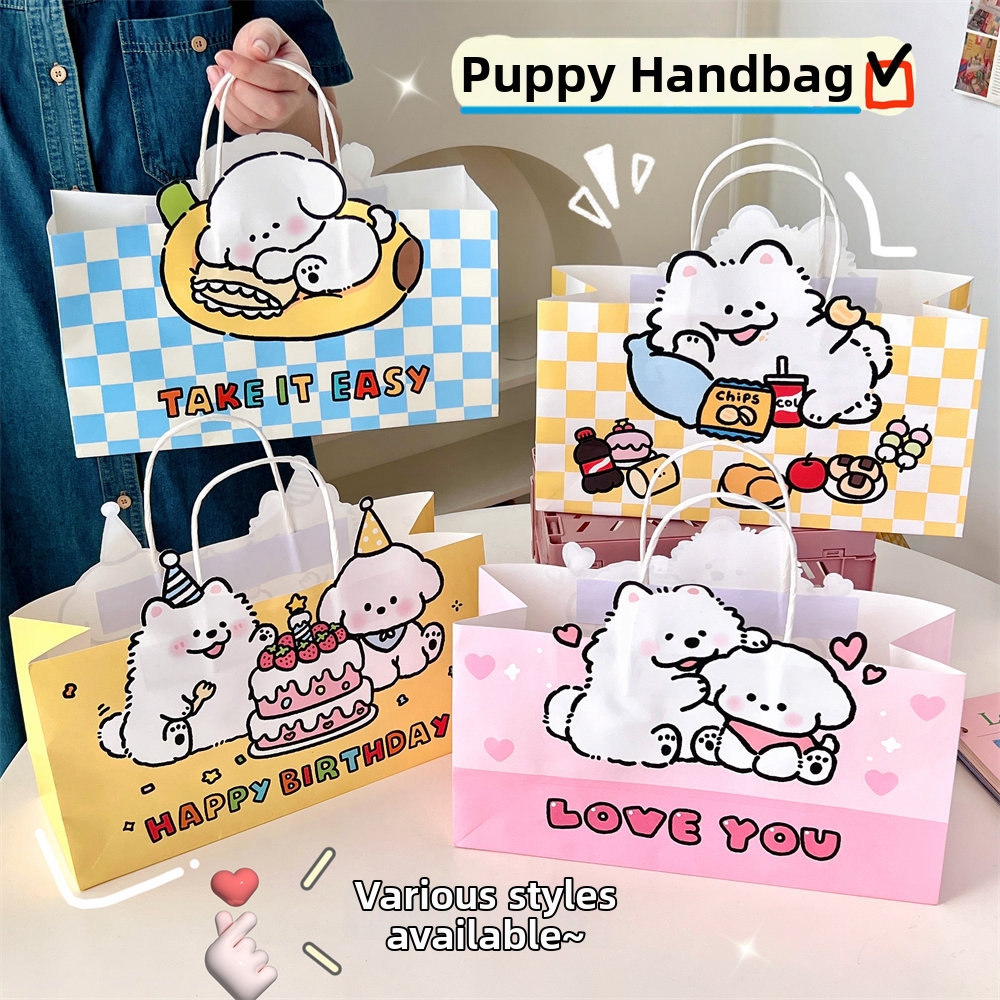
Cute Cartoon Puppy Rabbit Gift Bag Portable White Kraft Paper Handbag For Birthday Party Kids Girls Small Item Storage Packaging Bags
$0.47
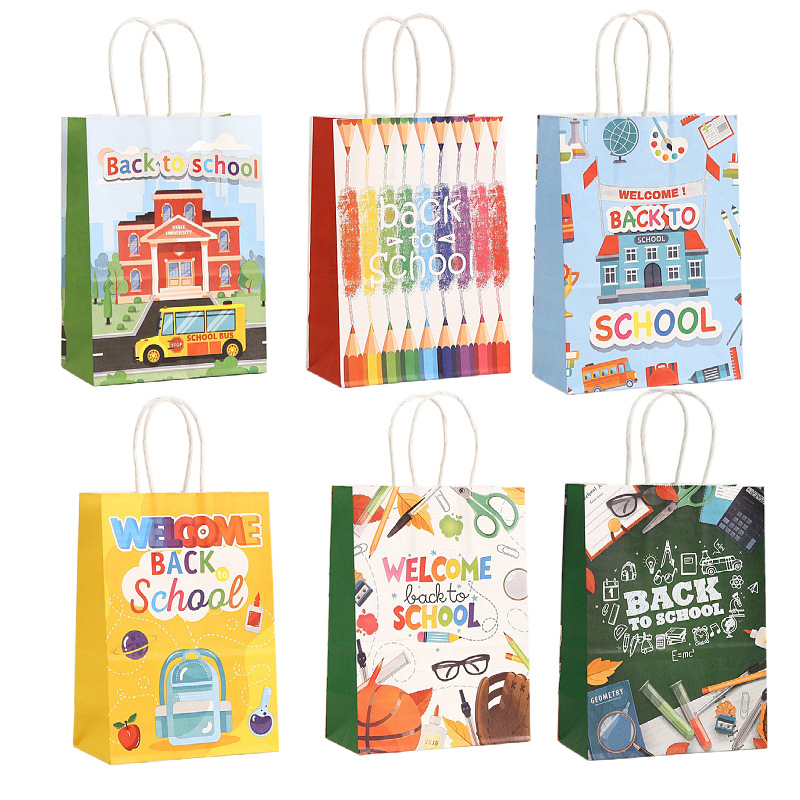
Back To School Paper Gift Bags Portable Handheld Treat Bags 12Pcs School Bus Stationery Pattern For Classroom Student Kids Return Gift Party Favor
$0.17
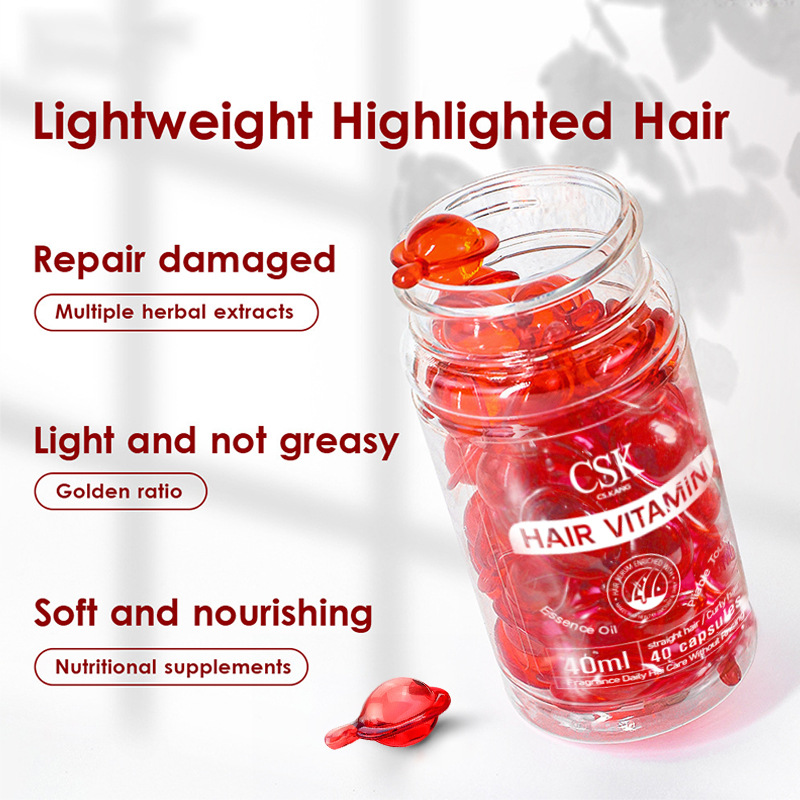
Moroccan Argan Oil Vitamin E Hair Vitamin Essence Oil Capsules Repair Damaged Dry Frizzy Hair Treatment Nourishing Smoothing Serum Leave-in Daily Hair Care For Women Men
$0.14
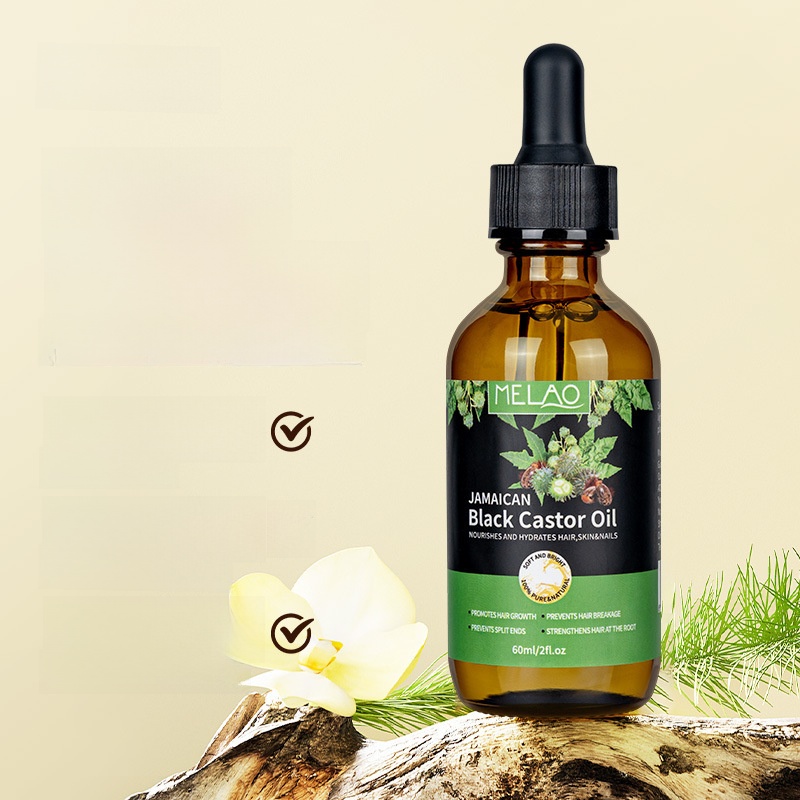
MELAO Jamaican Black Castor Oil For Hair Growth And Scalp Treatment Pure Natural Rosemary Biotin Hair Care Oil For Dry Damaged Hair Split Ends Prevention Men Women
$1.35
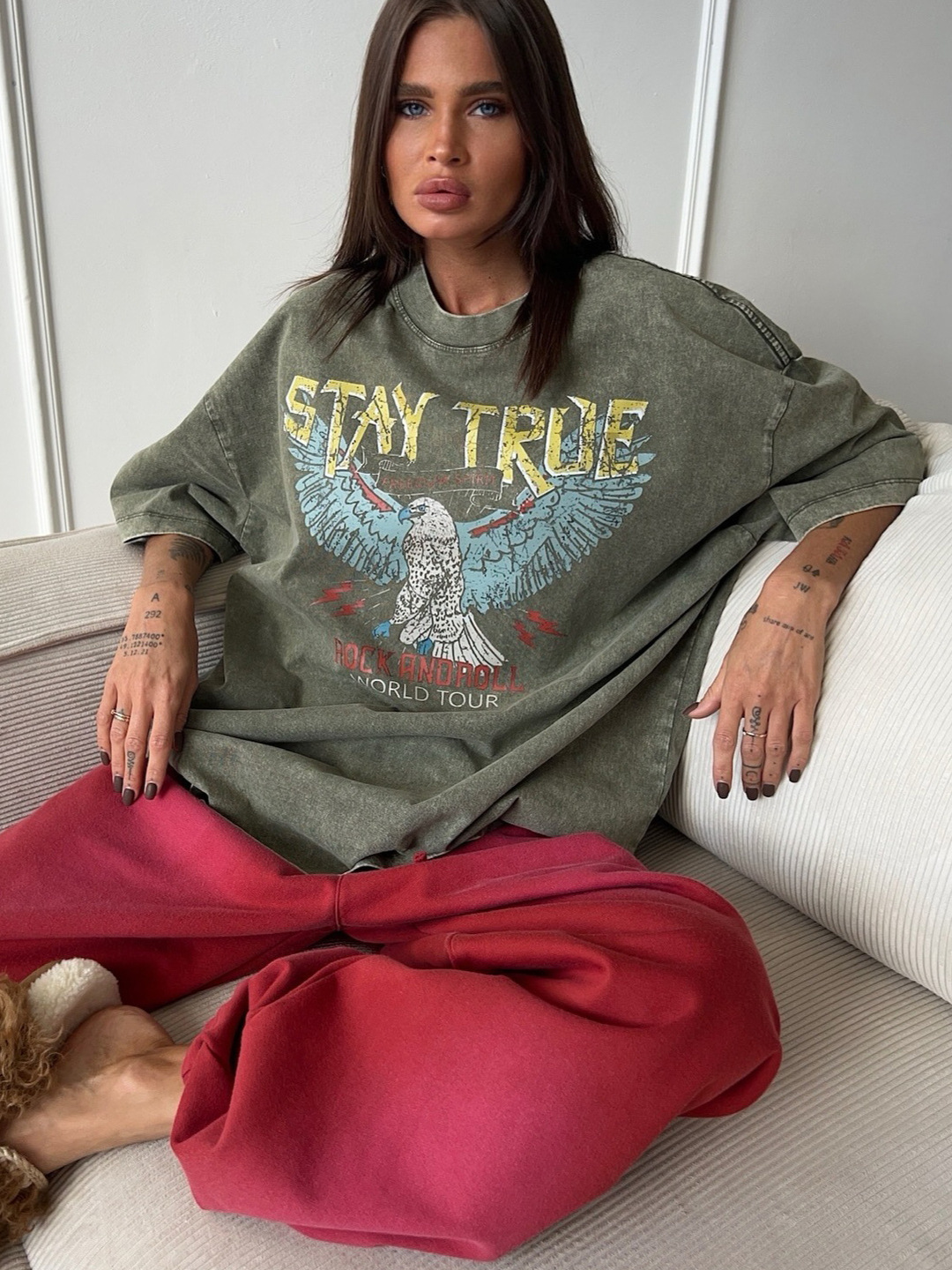
Women's Oversized Washed Cotton T-Shirt Vintage Rock Eagle Print Short Sleeve Loose Fit Streetwear Top Retro Round Neck Casual Fashion Tee
$14.12
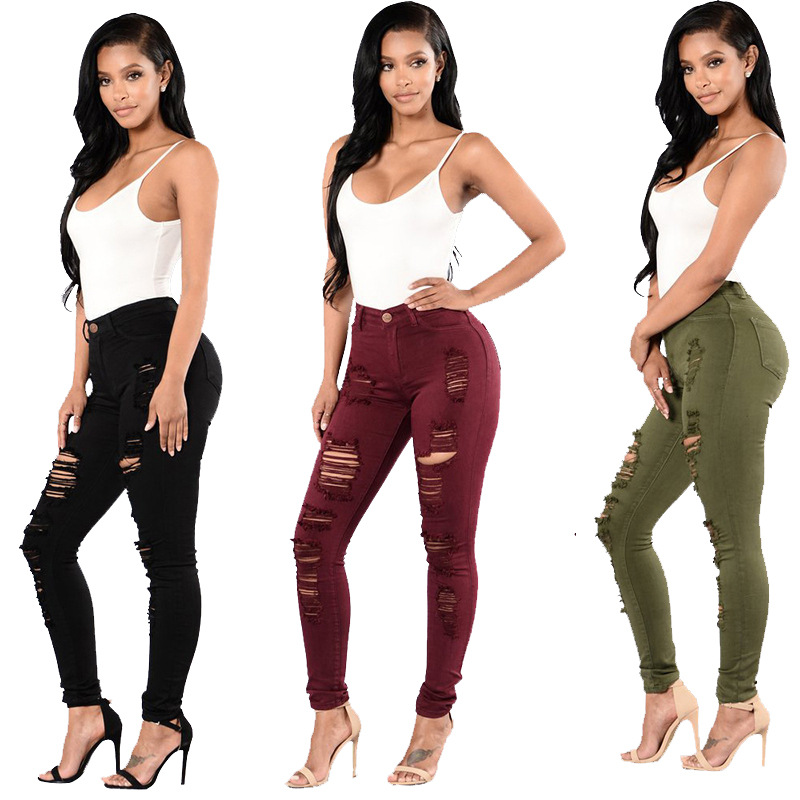
Women's High Waist Ripped Skinny Jeans Distressed Stretch Denim Pencil Pants Slim Fit Butt Lifting Trousers For Streetwear Fashion Daily Wear
$12.59
Bundle Strategies to Mitigate Return Risk
Bundling increases average order value and spreads the risk of any single item being damaged. When you source a curated set of accessories from DayJewel instead of picking singles from AliExpress, you get consistent quality and a single return policy that actually works. Here are three bundle ideas that reduce your refund exposure.
Safe Start Jewelry Bundle
New Shopify seller wants to test 5-10 SKUs without worrying about damaged returns on each item.
- Heart Stainless Steel Zircon Bracelethero
- Classic 925 Sterling Silver Heart Pendant Necklaceupsell
- Elegant Alloy Rhinestone Butterfly Broochcomplement
Buy separately: $2.75 + $1.08 + $1.44 = $5.27. Bundle at $4.50 per set, saving $0.77 while getting a single, refundable wholesale order.
Gift Packaging Set for Return Gifts
Flea market vendor selling party favors needs packaging that won't arrive crushed, which is a common complaint on AliExpress.
- Chinese Ethnic Style Red Gift Paper Baghero
- Gold Silver Bowknot Polka Dot Paper Gift Bagscomplement
- Glossy Satin Drawstring Bagsupsell
Separate total: $0.19 + $0.16 + $0.14 = $0.49. Bundle at $0.40 per piece for a 100-unit order—lower per-unit cost and no damage claim risk.
Hair Care + Accessory Cross-Sell
Existing boutique owner wants to cross-sell hair oil with jewelry but avoids AliExpress because of split shipments and damage.
- Moroccan Argan Oil Vitamin E Hair Capsuleshero
- Heart Stainless Steel Zircon Braceletupsell
- Macaron Colors Jewelry Packaging Bagscomplement
Individually: $0.14 + $2.75 + $0.05 = $2.94. Bundle at $2.50—the packaging bag keeps the bracelet safe in transit, reducing damage probability.