
Trend Report · April 30, 2026
How $160,000 in Unauthorized Shipping Charges via Amazon & Veeqo Restricted This Seller's Account
A seller lost $160K in fake shipping charges via Amazon Buy Shipping and Veeqo. Learn how to protect your store and avoid account restriction.
Amazon / Veeqo Sellers Beware: $160,000 in Unauthorized Shipping Charges
On April 8–9, 2026, a seller using Amazon Buy Shipping and Veeqo woke up to over $160,000 in shipping label charges that did not match their actual order volume. The activity was tied to bulk uploads through Veeqo's CSV import feature, linked to orders the seller never created. As a result, their Amazon account showed a negative balance exceeding $160,000, and their account was restricted to case log access only. This incident highlights a dangerous vulnerability in third-party shipping integrations.
At its core, the issue stems from a mismatch between automated label generation and user control. The seller's Veeqo account imported a CSV file that triggered thousands of labels for non-existent orders. Amazon Buy Shipping processed these labels, charging the seller's payment method without verification. This is not a one-off glitch — it reveals a systemic risk for any merchant using shipping automation software with Amazon.
For dropshippers and Shopify store owners using multi-channel fulfillment, this case is a red flag. If your shipping tool can ingest a CSV and generate labels without order-level validation, you're exposed to a similar event. The financial hit is immediate — account closure and debt collection are real outcomes. Understanding this mechanism is the first step to building safeguards.
Why This Matters to E-Commerce Sellers Right Now
The Veeqo and Amazon Buy Shipping incident is not just a horror story — it's a warning about the fragility of automated shipping systems. With more sellers scaling operations through third-party tools, the attack surface for unauthorized charges grows. The CSV import functionality, while designed for efficiency, lacks sufficient checks. In this case, a single CSV upload turned an active seller account into a restricted liability overnight.
E-commerce platforms are slow to respond. The seller in question reports no real support from Amazon; their account was immediately restricted and they were only able to access case logs. For sellers who rely on Amazon for a significant portion of revenue, a week of downtime can mean thousands in lost sales. Beyond the direct financial damage, the ripple effects include canceled orders, lost customer trust, and potential legal costs.
Sellers must treat their shipping integrations as high-risk components. This trend — unauthorized shipping charges via integrated tools — is underreported. Many victims likely settle quietly to avoid platform retaliation. But the pattern is clear: if you use Veeqo or similar tools with Amazon Buy Shipping, you need to audit your label creation process, limit CSV import permissions, and set up real-time charge monitoring. The cost of prevention is tiny compared to a $160,000 bill.
Who Should Take This Warning Seriously
This incident directly impacts operators who use Amazon Buy Shipping in combination with third-party shipping software like Veeqo. If you drop-ship on Amazon, fulfill from multiple warehouses, or ship high volumes via automated label generation, your store is at risk. The same applies to Shopify sellers who bridge Amazon orders through integration apps.
Amazon FBA seller using Veeqo for shipping
Your account is directly exposed to CSV import vulnerabilities. You need to lock down import permissions and validate every batch.
Shopify dropshipper using multi-channel fulfillment
If you ship Amazon orders via Veeqo from your Shopify store, the same risk applies. Separate your label creation workflows to prevent cross-contamination.
High-volume e-commerce warehouse operator
Processing hundreds of orders daily makes manual label review impractical. Implement batch-level verification that flags anomalies before purchase.
Seller who imports orders via CSV from any source
Any CSV-to-label pipeline is a potential entry point. Require admin approval for CSV-generated labels over a value threshold.
How to Sell (and Protect) Against This Risk
This article is not about selling a product to customers — it's about selling yourself on protective measures. The real 'product' here is operational safety. You can offer consulting or tools to mitigate these risks. But if you're a seller reading this, your profit margin depends on preventing unauthorized charges. Here are three tactical approaches to build into your workflow.
Set up automated alerts when label charges exceed a daily threshold. Use Amazon reports to compare labels purchased against orders confirmed. A simple script can flag discrepancies.
⚠ Requires technical skills or third-party software; false positives may slow down shipping.
Disable CSV import for Veeqo except for a single authorized user. Require two-factor approval for any bulk label generation over $500 or 50 labels.
⚠ May cause delays if the authorized user is unavailable; staff may find workarounds.
Use a dedicated payment method with low credit limit for Amazon Buy Shipping. This caps the maximum charge in case of abuse.
⚠ If you need to ship high volumes, a low limit could block legitimate label purchases during peak.
Shipping & Packaging Essentials for Secure Fulfillment
While you tighten your shipping integrations, don't forget the physical side. These products help ensure your shipments are tracked, branded, and protected. A solid packaging workflow reduces order confusion and helps you spot anomalies.
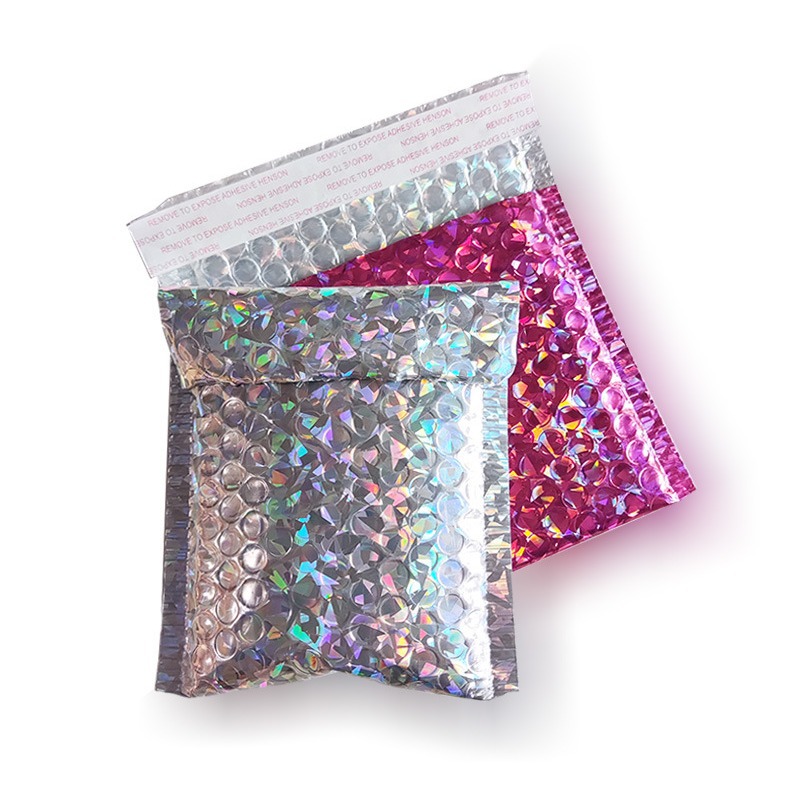
Holographic Laser Bubble Mailers Thickened Shockproof Waterproof Self Adhesive Padded Shipping Envelopes Hologram Laser Metal Film Shipping Bags For E-commerce Gift Packaging
$0.09
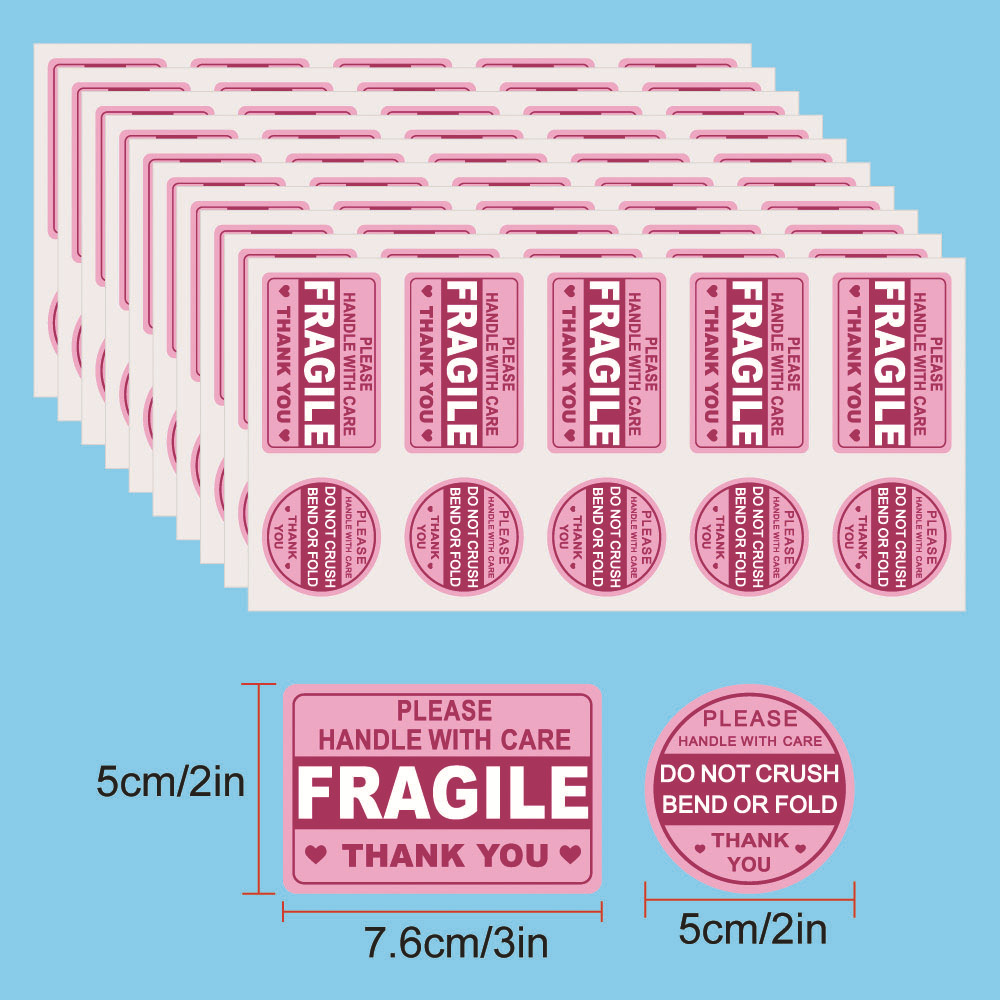
100PCS Pink Fragile Stickers Handle With Care Warning Labels Do Not Crush Bend Or Fold Self-Adhesive Shipping Labels For Shipping Moving Packaging Supplies
$0.46
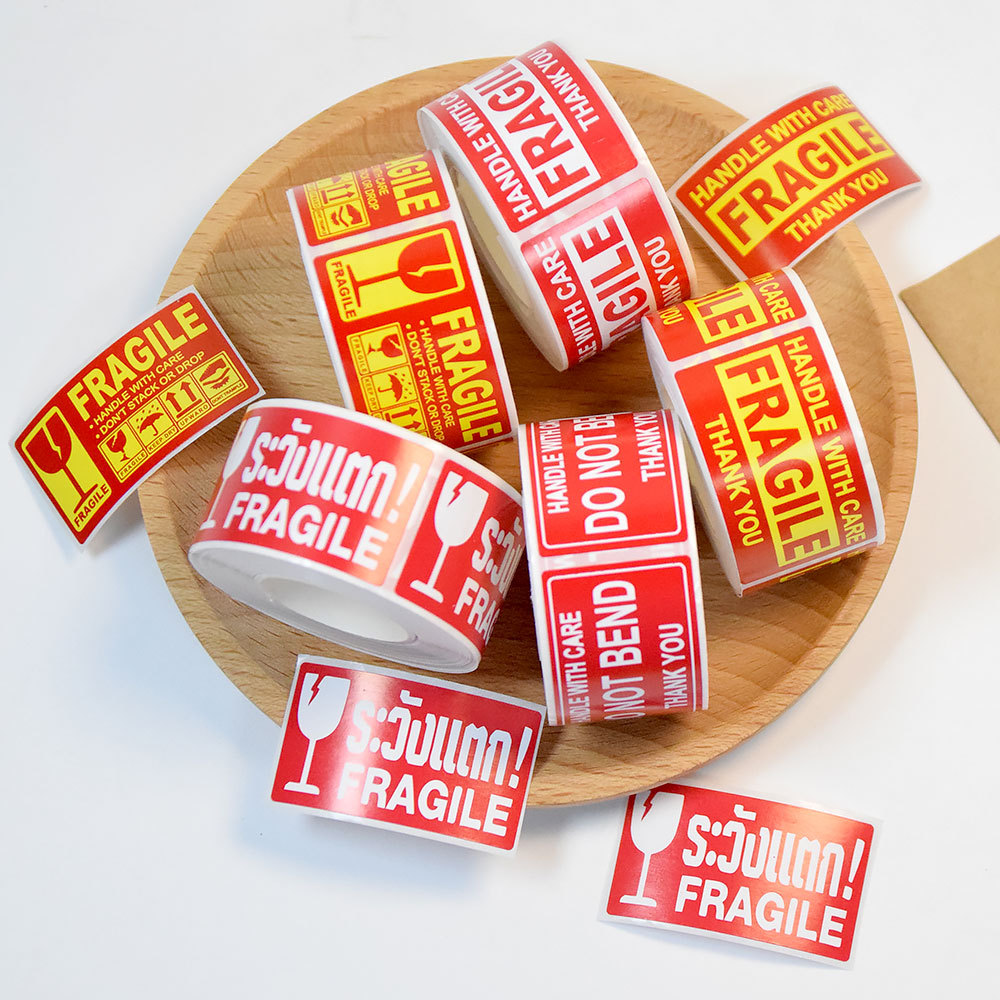
250Pcs Fragile Handle With Care Warning Label Stickers Self Adhesive Red Yellow Shipping Labels For Moving Packaging Mailing Fragile Items 45x25mm
$0.33
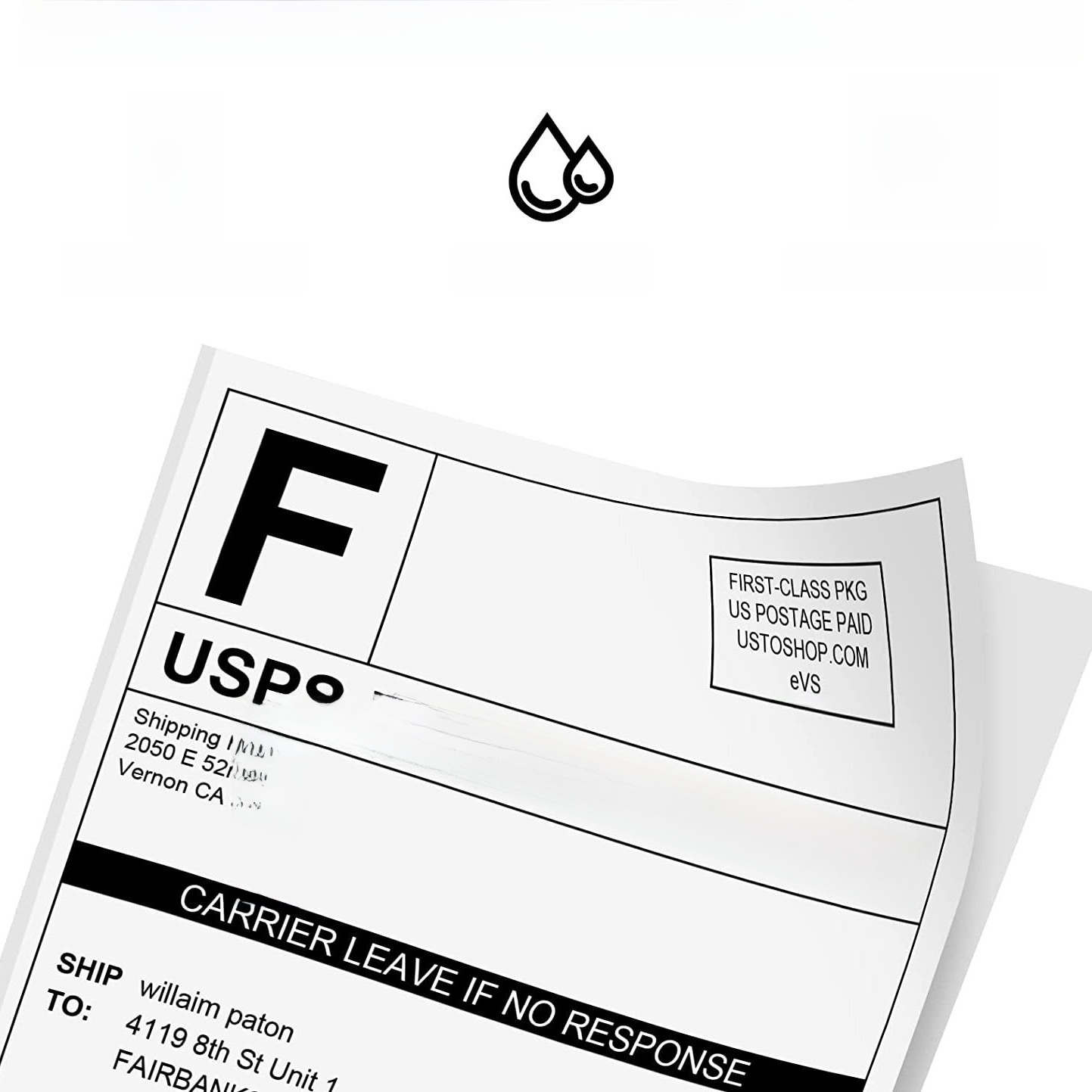
Waterproof Thermal Shipping Labels Adhesive Logistics Mailing Stickers For Printer Office Home Warehouse Storage Multi-size BPA Free Thermal Label Paper
$3.72
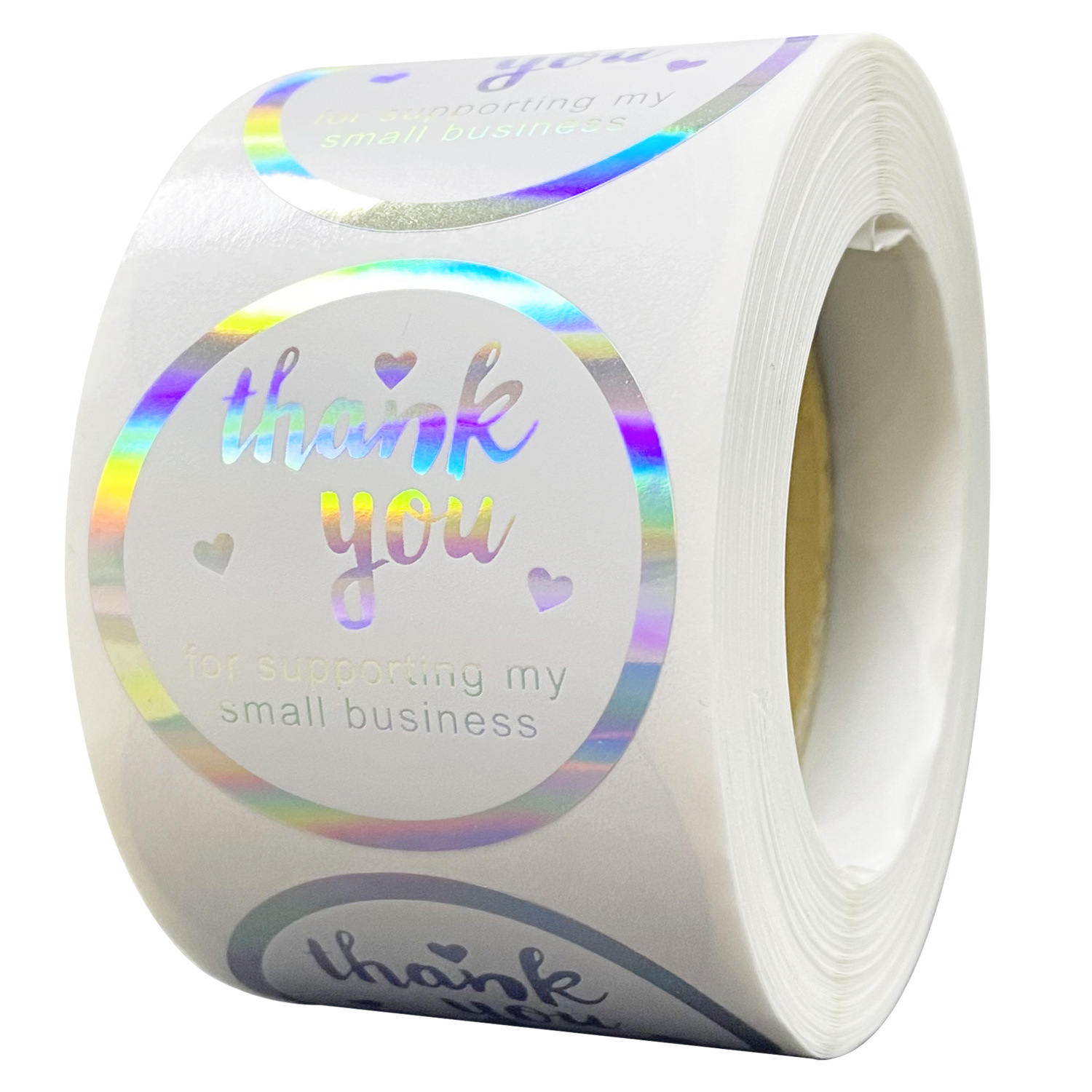
500pcs Roll Holographic Thank You Stickers Rainbow Laser Round Self Adhesive Labels For Small Business Packaging Gift Box Sealing Shipping Decor
$0.81
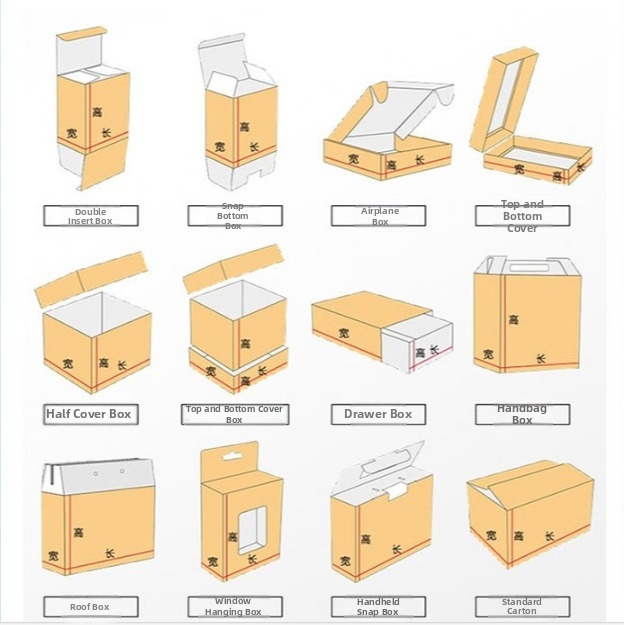
Folding Shipping Boxes Extra Hard Corrugated Mailing Box Small Airplane Boxes For Postcard Glass Film Cosmetics Multi-Color 3-Layer Cardboard Packing Supplies
$0.07
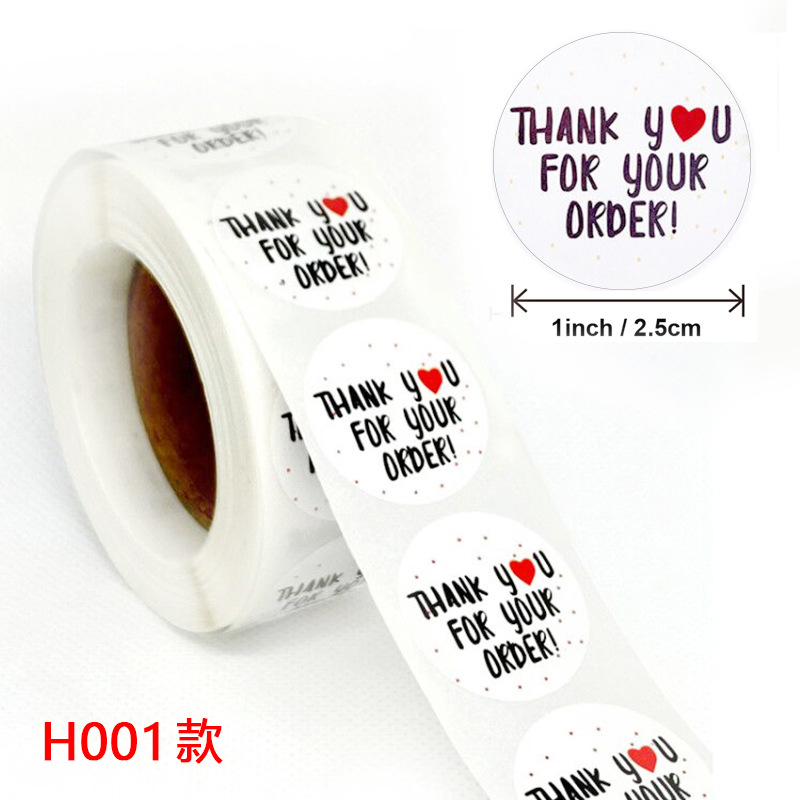
Thank You Stickers Roll Round Paper Labels For Business Shipping Gift Box Sealing Baking Heart Pattern Hand Lettering Bulk
$0.26
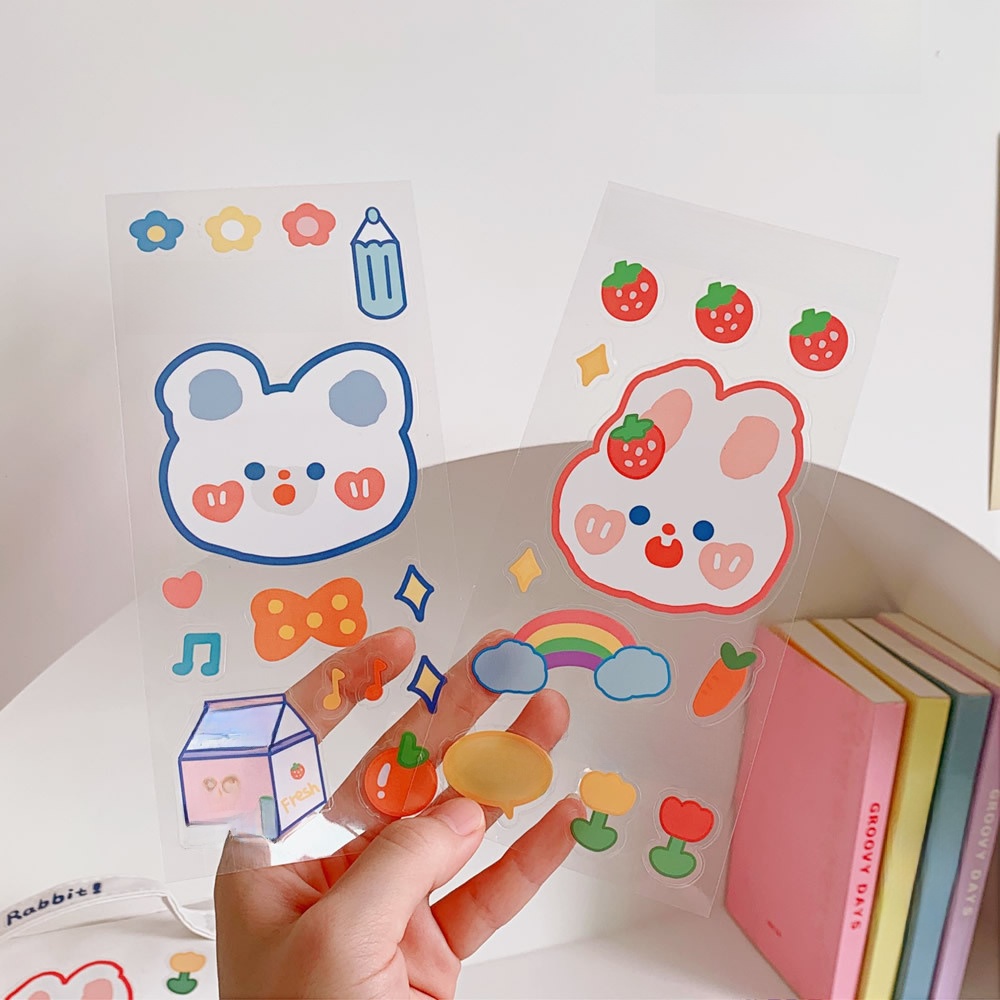
Cute Cartoon Bear Rabbit Waterproof PVC Stickers For DIY Hand Account Scrapbooking Journal Cup Decoration Girls Stationery
$0.10

50Pcs Cartoon Mushroom Stickers Transparent PET Waterproof Decorative Decals For Journaling Laptop Guitar Aesthetic Watercolor Hand Account Scrapbooking Supplies
$1.04

Infeel.Me 2.5D Isometric DIY Room Scene Stickers Set PET Cardboard Decorative Decals For Scrapbooking Journaling Hand Account Stationery Craft Gift
$0.69
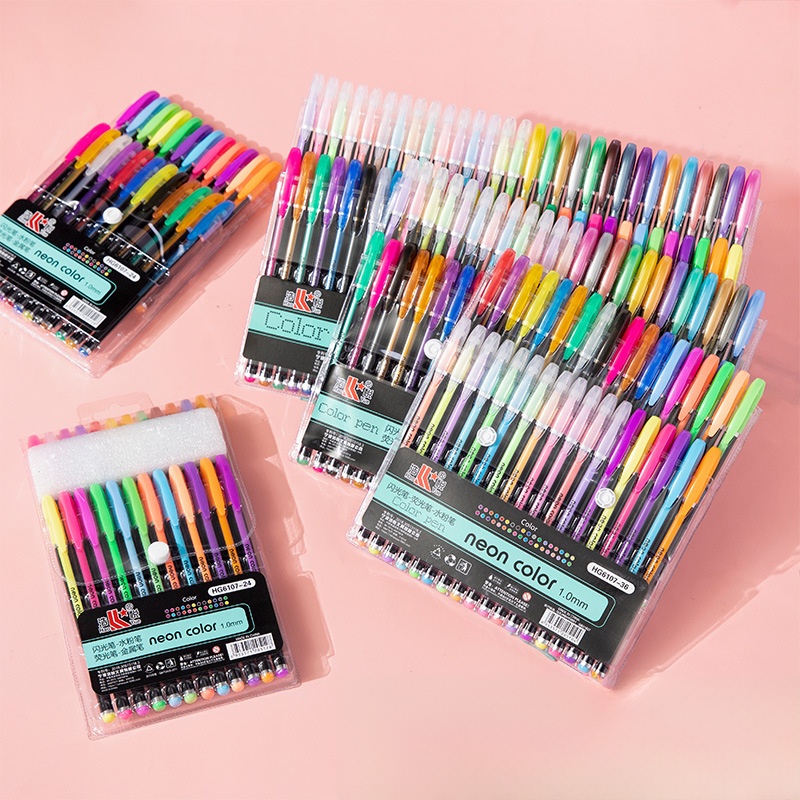
Glitter Gel Pen Set 1.0mm Multicolor Neon Metallic Pastel Pens For Art Drawing Journaling Hand Account School Student Stationery Supplies
$0.90
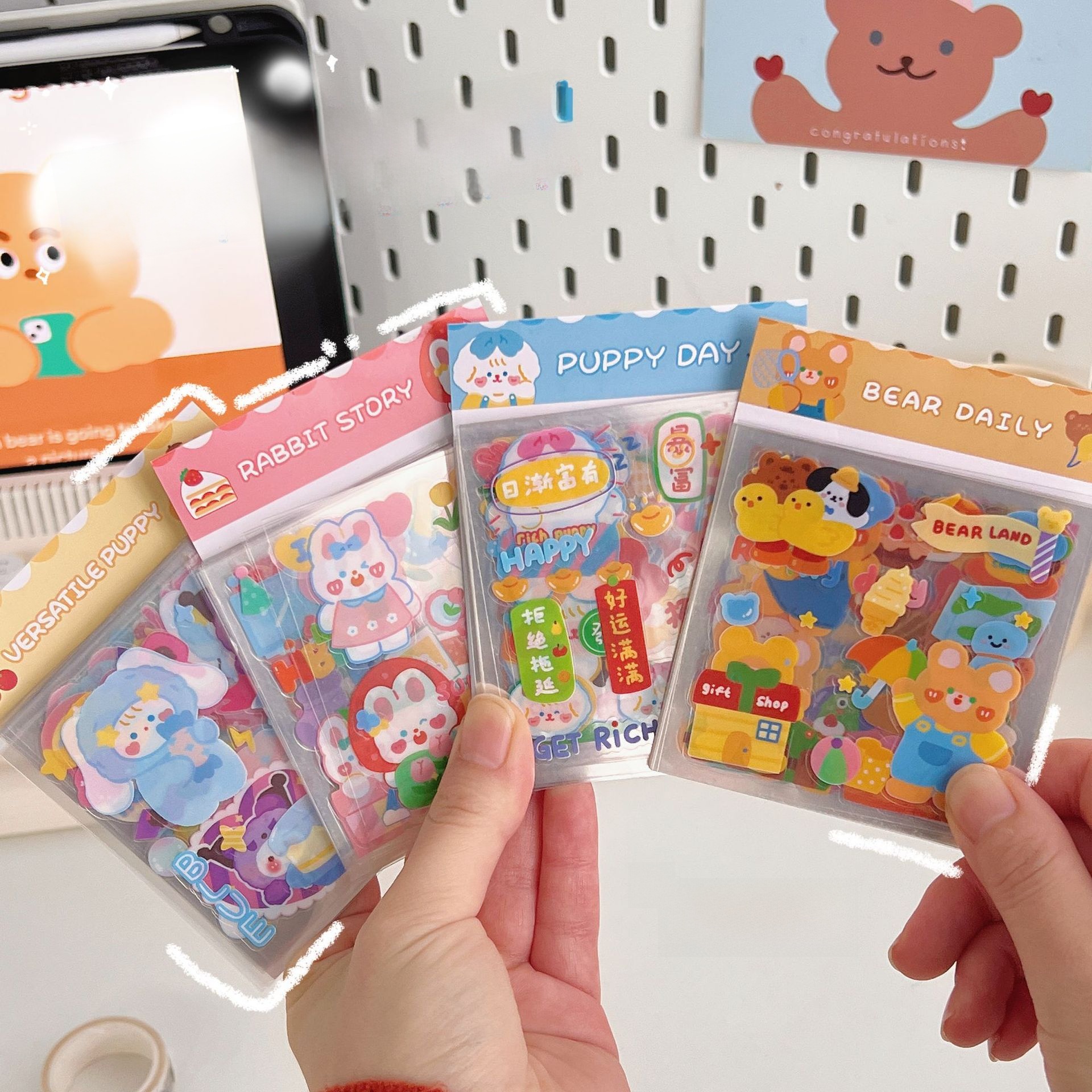
Cute Cartoon Waterproof DIY Sticker Pack Set Non-Repeating PVC Hand Account Scrapbooking Decorative Stickers For Journal Laptop Case Kids Girls
$0.46

Baroque Alphabet PET Stickers 26Pcs Vintage Floral Letters Decorative Decals For Scrapbooking Hand Account Journaling DIY Art Crafts Stationery
$0.80
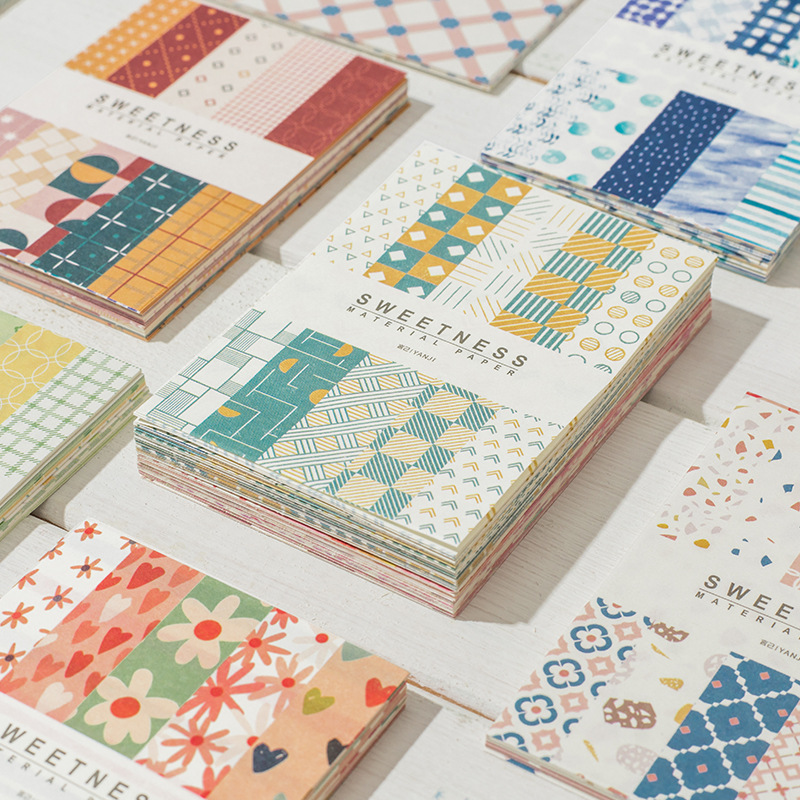
Sweetness Series Material Paper Korean Retro Style Hand Account Decoration Background Paper Aesthetic Scrapbooking Supplies
$0.61
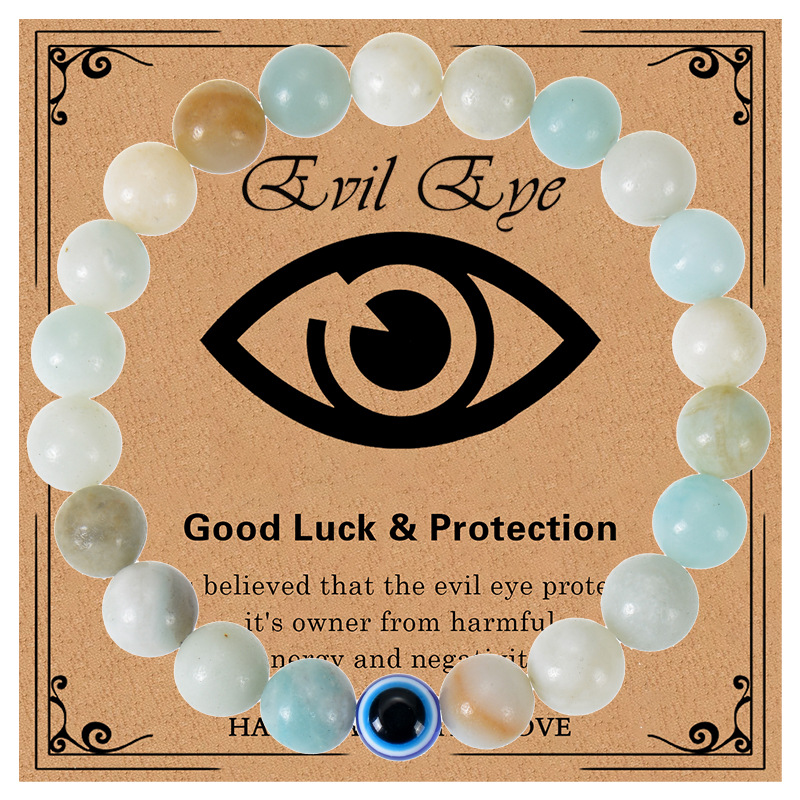
Natural Amazon Stone Evil Eye Beaded Bracelet Handmade Elastic Protection Jewelry For Women Girls Gift Ethnic Style Beaded Bangles
$1.18

Bohemian Natural Amazon Stone Woven Wrap Bracelet With Tree of Life Charm Handmade 5-Layer Bead Strand Leather Rope Jewelry For Women Travel Daily
$6.76

Vintage Stainless Steel Open Adjustable Ring With Oval Square Zirconia Gold Plated Geometric Texture Ring For Women Party Daily Jewelry Accessory
$3.46
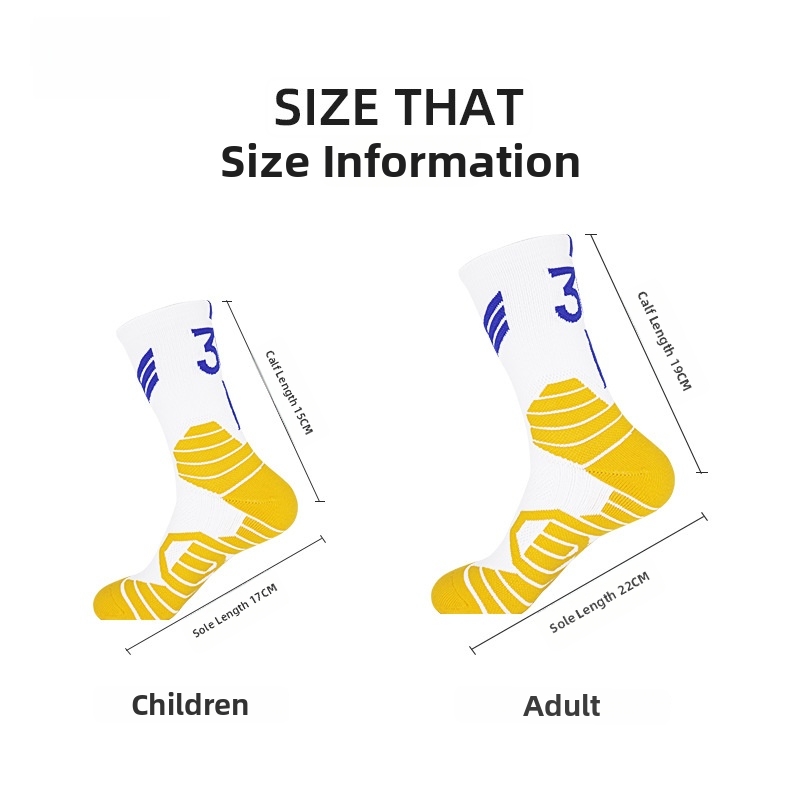
Professional Basketball Socks For Men Women Youth Thickened Cushioned Towel Bottom Sports Crew Socks Athletic Performance Training Number Socks Polyester Cotton Blend Breathable Sweat Absorbent Socks
$1.53
Bundled Packaging Solutions for Safer Shipping
Bundling these shipping supplies streamlines your fulfillment. Each bundle covers a specific scenario: protecting fragile items, branding parcels, or adding tracking visibility. By using these together, you reduce the chance of mis-shipments and improve customer experience.
Fragile Protection Kit
For sellers who ship delicate products like glassware or electronics via Amazon Buy Shipping
- Holographic Laser Bubble Mailershero
- 100PCS Pink Fragile Stickerscomplement
- 250Pcs Fragile Handle With Care Warning Label Stickersupsell
Bundle at $0.85 vs $0.95 separately for the three items
Brand Shipping Starter
For new sellers who want professional packaging on a low budget
- 500pcs Roll Holographic Thank You Stickershero
- Thank You Stickers Roll Round Paper Labelsupsell
- Waterproof Thermal Shipping Labelscomplement
Bundle at $4.70 vs $4.99 individually
Label & Tracking Accuracy Pack
For sellers who need to verify shipments match orders — reduces risk of label errors
- Waterproof Thermal Shipping Labelshero
- Folding Shipping Boxes Extra Hard Corrugated Mailing Boxcomplement
- Cute Cartoon Waterproof DIY Sticker Pack Setupsell
Bundle at $4.10 vs $4.30 separately