
Trend Report · May 11, 2026
The Real Guide to Sourcing Authentic Unsorted Clothing from Germany, Austria & Italy
A practical sourcing checklist for verifying genuine unsorted European second-hand clothing suppliers, avoiding pre-picked stock, and building profitable bundles with complementary accessories.
Anyone Sourcing True Unsorted Clothing from Europe?
The European second-hand market, particularly from Germany, Austria, and Italy, holds a legitimate edge for resellers chasing higher-quality unsorted clothing. The catch: many suppliers advertising 'unsorted' bales have already been picked over for premium pieces, leaving you with low-grade leftovers. Resellers who find genuine original collection suppliers—where the clothing arrives exactly as collected from donation bins or collection points—can unlock 40-60% inventory that sells above average.
The challenge is authenticating those claims before wiring payment. This checklist gives you a repeatable process to vet suppliers for true unsorted inventory. You will learn which red flags separate honest European operators from mass-market resellers, how to sample effectively, and how to pair unsorted clothing with accessory bundles to lift per-customer revenue without touching your clothing margin.
Why Authentic Unsorted Is Newly Profitable
Direct sourcing of true unsorted clothing from Europe has become more viable due to two factors: cheaper cross-border logistics options (especially from Germany) and a growing buyer preference for 'surprise' second-hand bundles on platforms like TikTok Shop and Depop. Meanwhile, the supply of legitimately unsorted stock has tightened as local European charities adopt more efficient sorting themselves. This creates a window for buyers who can build relationships with collection-point operators before their stock gets routed to commercial sorting facilities.
The key advantage of unsorted vs. graded bales is price per kilo—unsorted typically runs $2–5 per kg vs $8–15 per kg for hand-picked grades. Even after factoring in higher waste (10-15% unsellable), the margin buffer allows you to absorb import duties and still land at 50%+ gross margins. Early movers who invest now in supplier vetting can lock in consistent supply before the market saturates.
Who Should Vet These Suppliers
This checklist is built for two experience levels: first-time importers who want to bypass the common 'pre-picked bale' trap, and established vintage dealers expanding into European sourcing. If you run a Shopify store, flea market stall, or social commerce business and carry clothing inventory, the same vetting steps protect you from wasting budget on low-turnover stock.
Shopify seller
You likely need 50-100 kg monthly to maintain variety. Unsorted reduces your per-unit cost and lets you offer surprise grab bags with high perceived value.
Flea market / pop-up operator
You benefit from the 'treasure hunt' feel of unsorted bales at events. A $200 investment in a 40 kg unsorted bale can yield 200-300 items worth $5-15 each.
First-time importer
You need to learn MOQ negotiation, payment terms, and quality benchmarks without getting burned. This checklist lowers your risk of ordering from a supplier who claims unsorted but ships picked-over stock.
Sourcing Vetting Checklist for Unsorted European Clothing
Phase 1: Supplier Identification
✓ Search Facebook groups, BVSE directory, and SHCN forum for supplier names
Why: Cross-referencing across multiple platforms reduces the risk of fake profiles.
✓ Request at least two existing customer contacts from the supplier
Why: Genuine suppliers have repeat buyers willing to vouch for them.
Phase 2: Sample Ordering
✓ Order a 10-25 kg sample bale before committing to larger volume
Why: A sample reveals true unsorted quality and waste percentage.
✓ Inspect the sample bale immediately via video call with supplier
Why: Verifies the bale was not tampered with during transit.
Phase 3: Quality Control
✓ Sort sample items into grades: perfect, minor flaw, heavy damage, non-sellable
Why: Calculate actual sellable ratio to adjust your pricing model.
✓ Check for brand diversity and seasonal relevance
Why: Unsorted bales should contain a mix of brands and seasons; too much of one brand indicates pre-sorting.
Phase 4: Freight & Customs
✓ Get a freight forwarder quote before finalizing supplier
Why: Shipping often costs as much as the goods; compare LCL vs door-to-door.
✓ Confirm HS code 6309.00.00 and have supplier provide export declaration
Why: Customs will hold your shipment without correct paperwork.
Phase 5: Payment Terms
✓ Negotiate 30% deposit, 70% after bale sealing with photo/video proof
Why: Protects your capital if the supplier misrepresents the stock.
✓ Use a trade assurance service if available (e.g., Alibaba or Payoneer Escrow)
Why: Third-party escrow adds a layer of security for international B2B deals.
Sourcing Channels and Supplier Tactics for Unsorted Clothing
The most reliable suppliers of genuine unsorted clothing are small collection companies rather than large sorting houses. They operate on lower volumes but deliver stock that has not passed through a commercial picking line. For example, a German charity grouping 5-10 collection points in one region can produce 500 kg monthly of truly unsorted bales. The margins for you: after freight and duties, you pay around $5/kg and sell average items for $8-10, yielding $2-4 profit per item. The risk: these suppliers may be slow to scale and inconsistent in quality across seasons.
Join groups, observe for 2 weeks, then reach out to suppliers who have been active for at least 1 year and have shared pickup videos.
⚠ High scam rate; some sellers post photos of other people's warehouses.
Email every collection-point operator listed within your target region (Bavaria, North Rhine-Westphalia). Ask for unsorted bale pricing and if they can ship sample.
⚠ Minimum orders often start at 50 kg; smaller operators may not ship internationally.
Call or email the logistics department of smaller branches. Explain you buy unsorted bales for resale. Many will sell directly if you commit to monthly pickups.
⚠ Requires German language skills or a local partner; charities may have seasonal quotas.
Accessories to Bundle With Unsorted Clothing
To increase average order value and offset any unsellable clothing items, pair your unsorted bales with these low-margin, high-perceived-value accessories. They travel cheaply in the same shipment and cater to the same audience: shoppers who love vintage, quirky, and statement pieces.
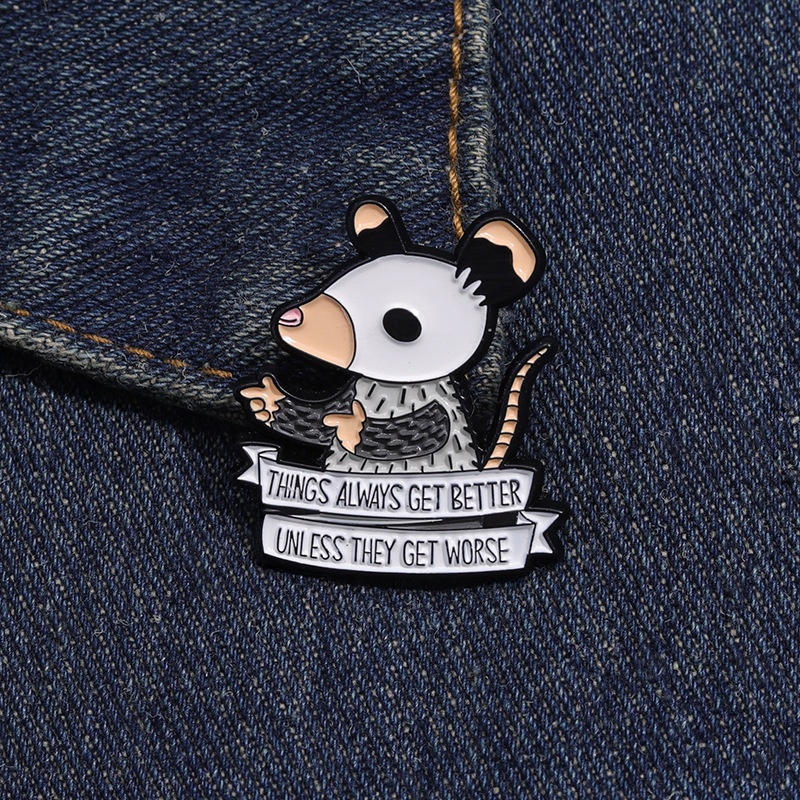
Funny Opossum Enamel Brooch Pin Things Always Get Better Unless They Get Worse Slogan Zinc Alloy Badge For Backpack Clothing Jacket Decoration Gift
$0.52
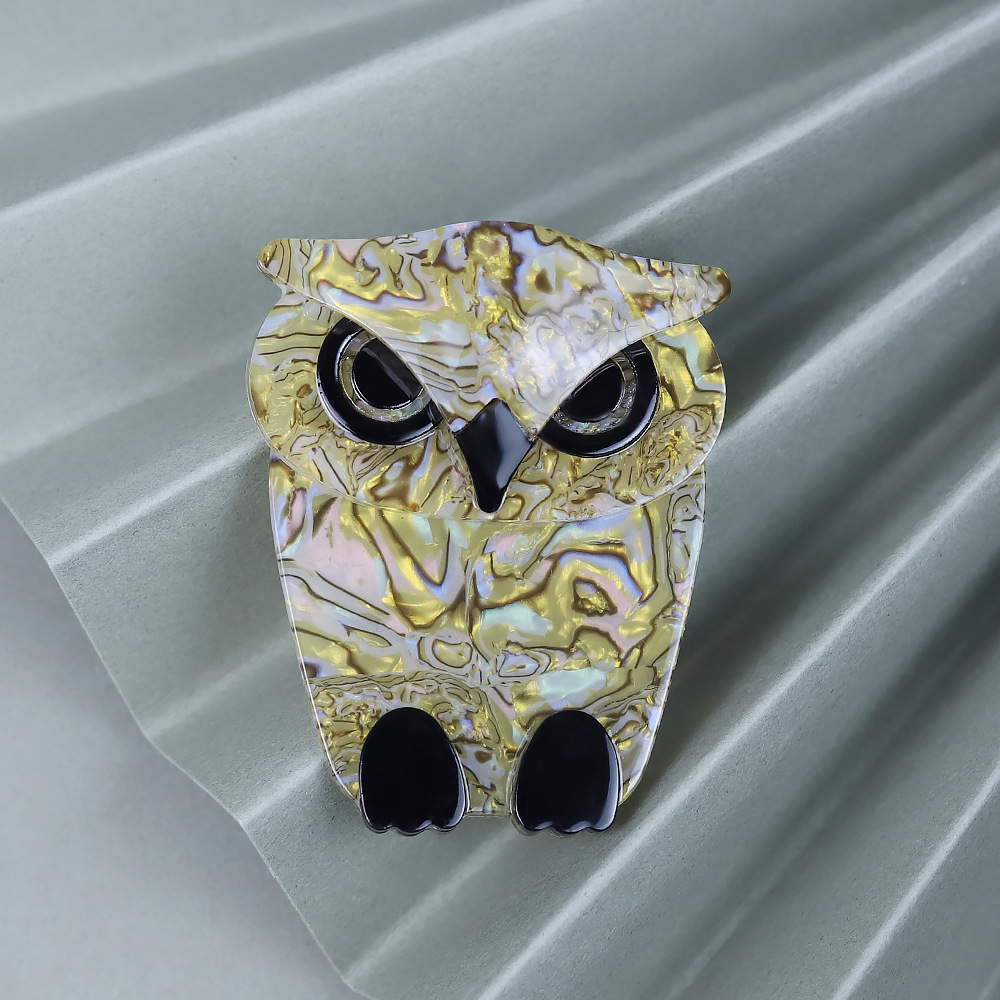
Original Design Acrylic Owl Brooch Pin Cartoon Animal Marble Texture Lapel Pin For Women Clothing Accessories Jewelry Gift
$2.33
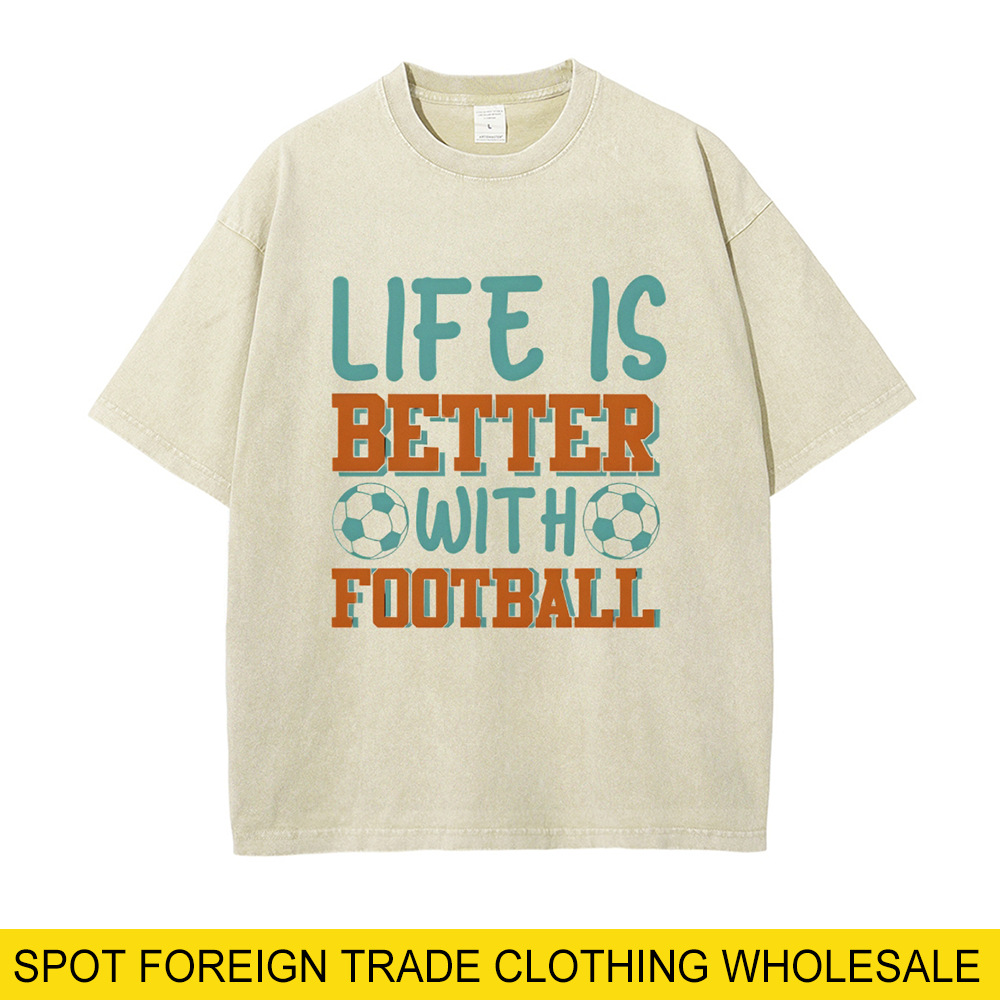
Vintage Men Football T-Shirt Acid Washed Heavyweight Cotton Short Sleeve Oversized Tee Life Is Better With Football Top
$8.62
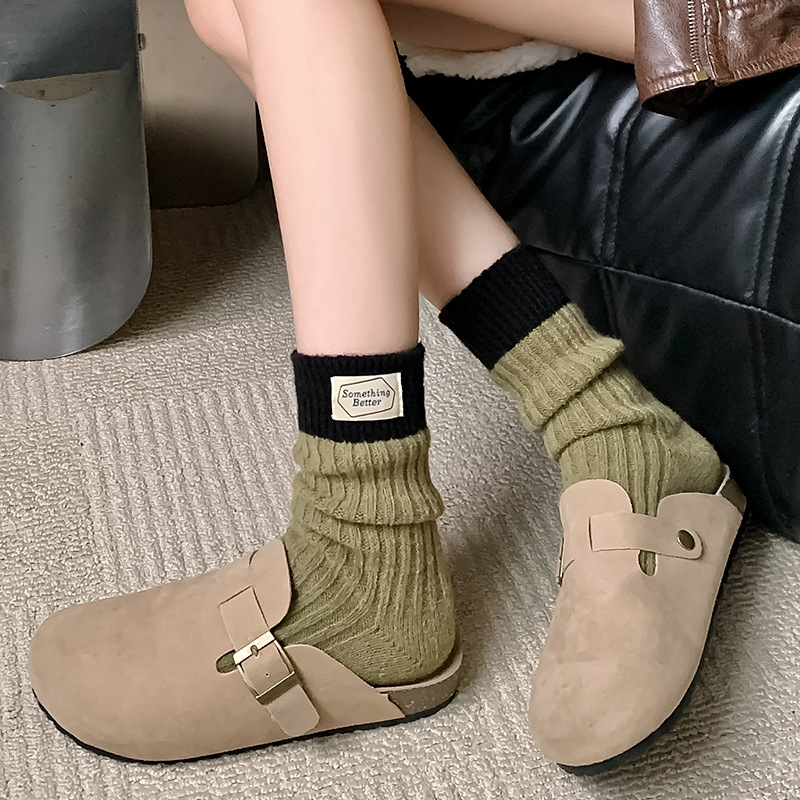
Women's Wool Blend Winter Warm Thick Slouch Socks Retro Knitted Crew Socks With Something Better Label Contrast Color Ribbed Socks
$1.56
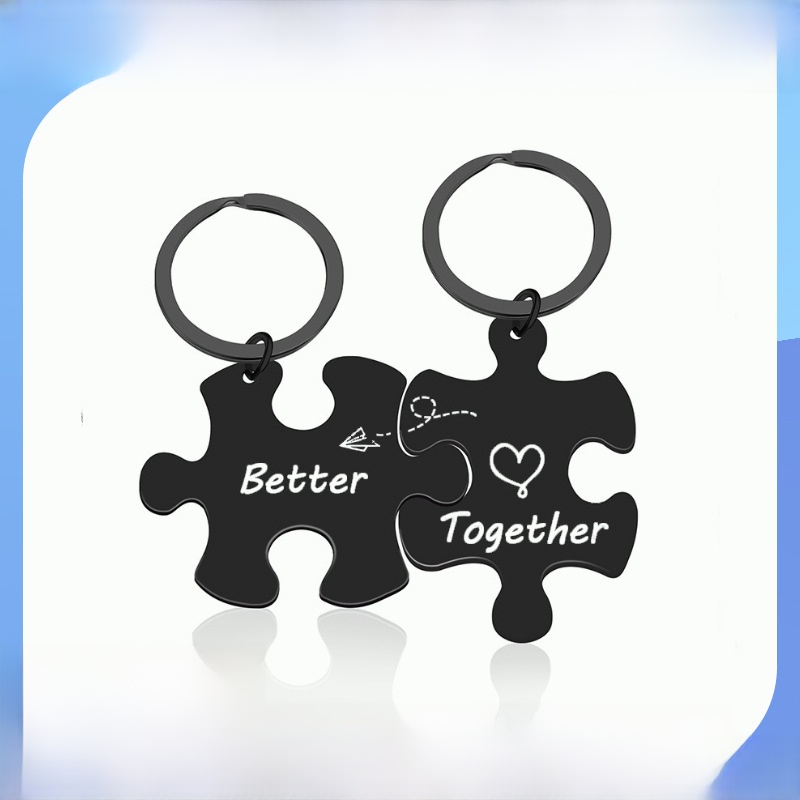
Better Together Puzzle Keychain Necklace Set Stainless Steel Personalized Heart Paper Airplane Splicing Pendant For Couples Best Friends Anniversary Birthday Gift Jewelry
$0.45
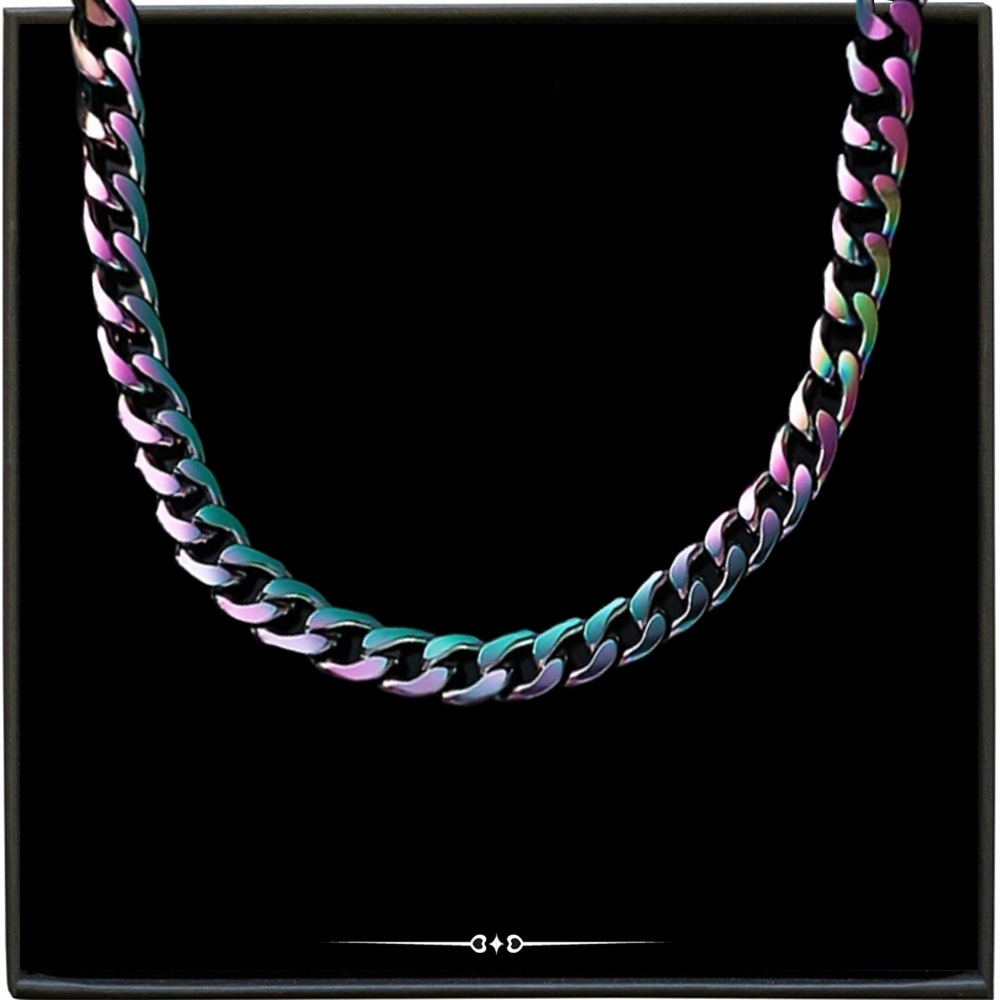
Rainbow Stainless Steel Cuban Link Necklace Bracelet Set Romantic To My Better Half Sentimental Gift Card Box For Men Boyfriend Husband Jewelry
$1.19
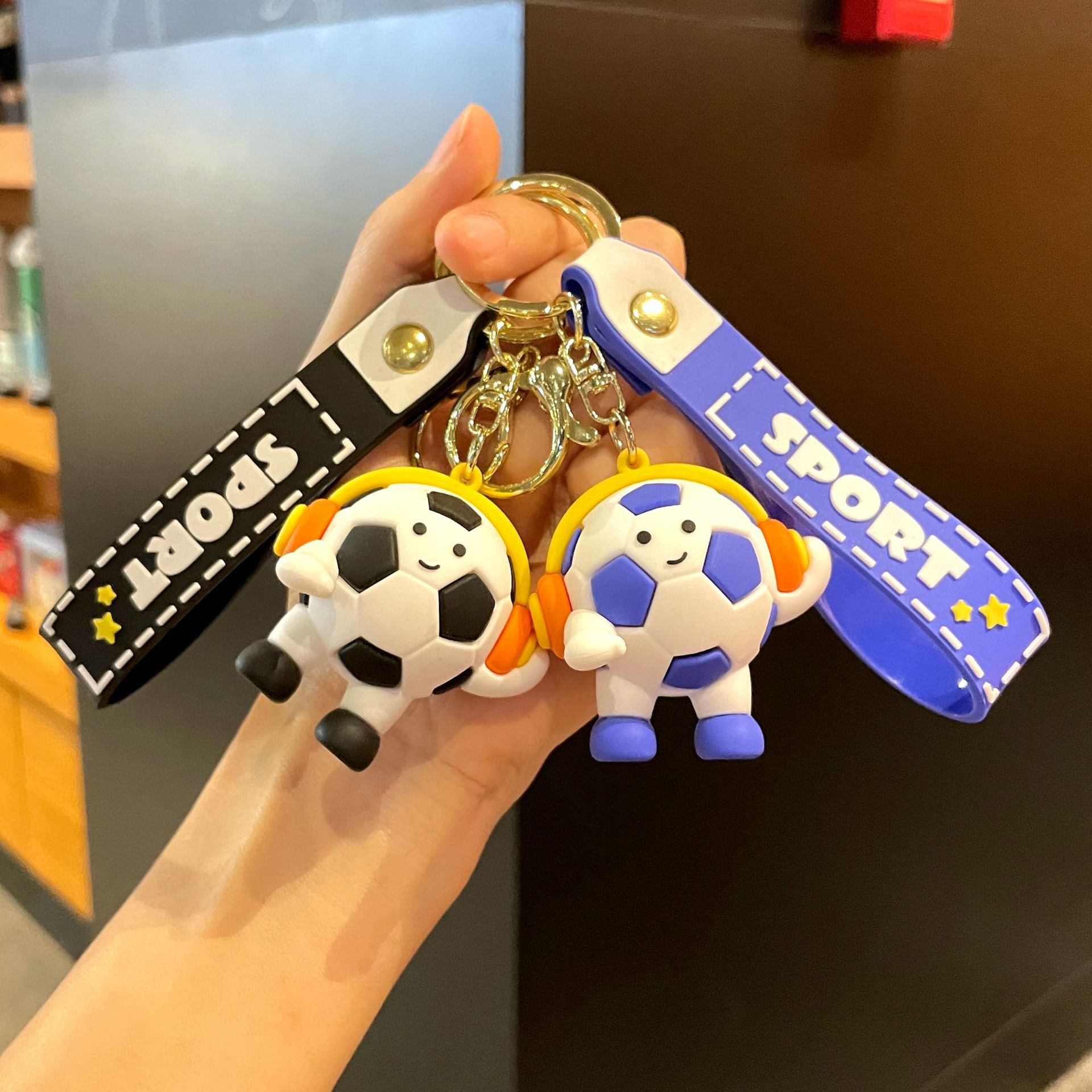
Original Headset-style Football Figure Keychain Cute Cartoon Football World Cup Merchandise Souvenir
$1.12
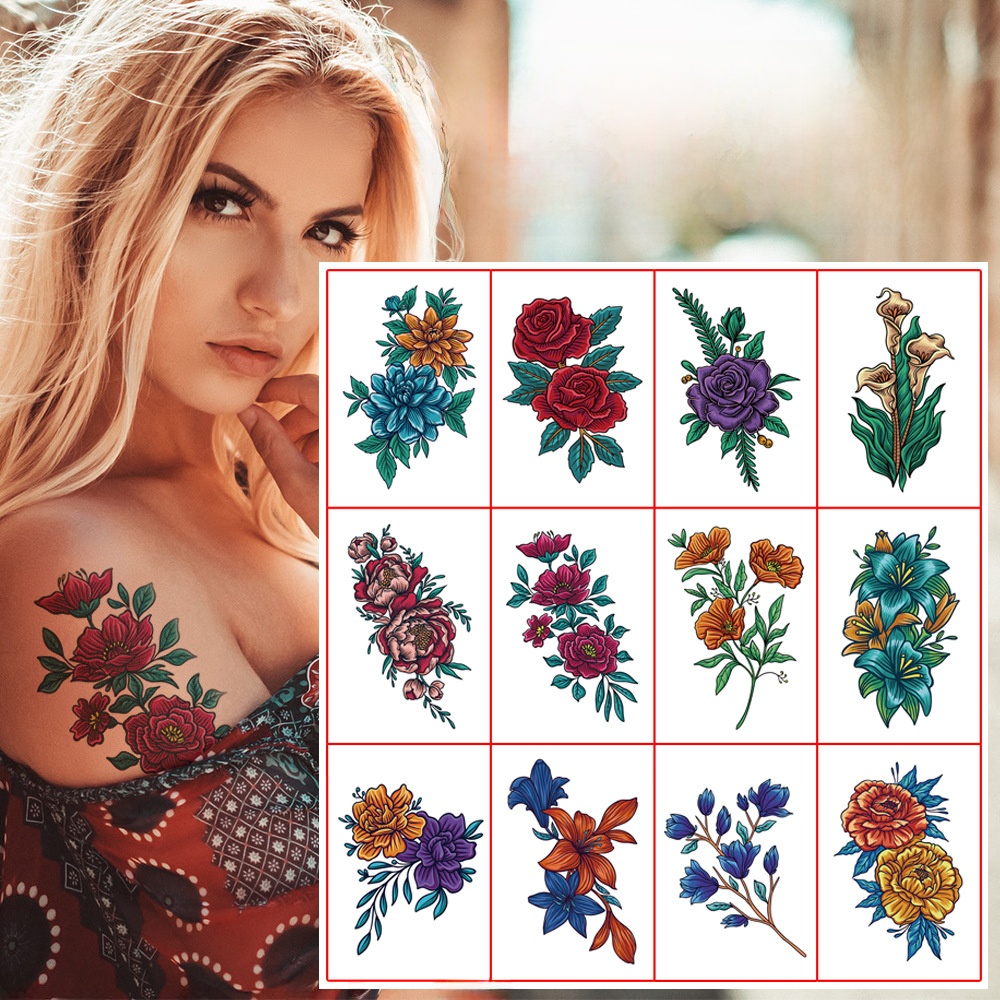
Original Colorful Floral Tattoo Stickers Sexy And Waterproof For Hands Arms Waist And Chest
$0.12
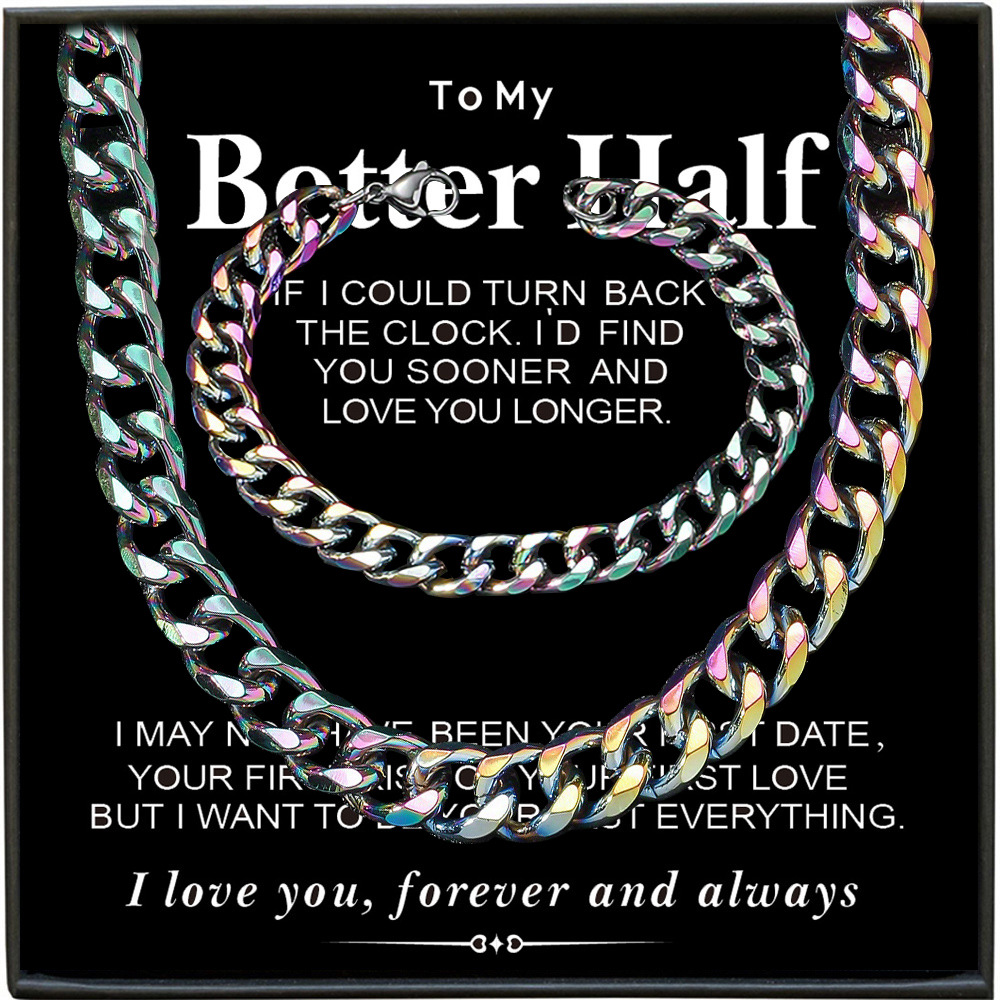
Men's Hip Hop Stainless Steel Cuban Link Necklace Bracelet Jewelry Set Iridescent Rainbow Gold Silver Fashion Bold Gift for Better Half Anniversary Unisex Jewelry
$2.12
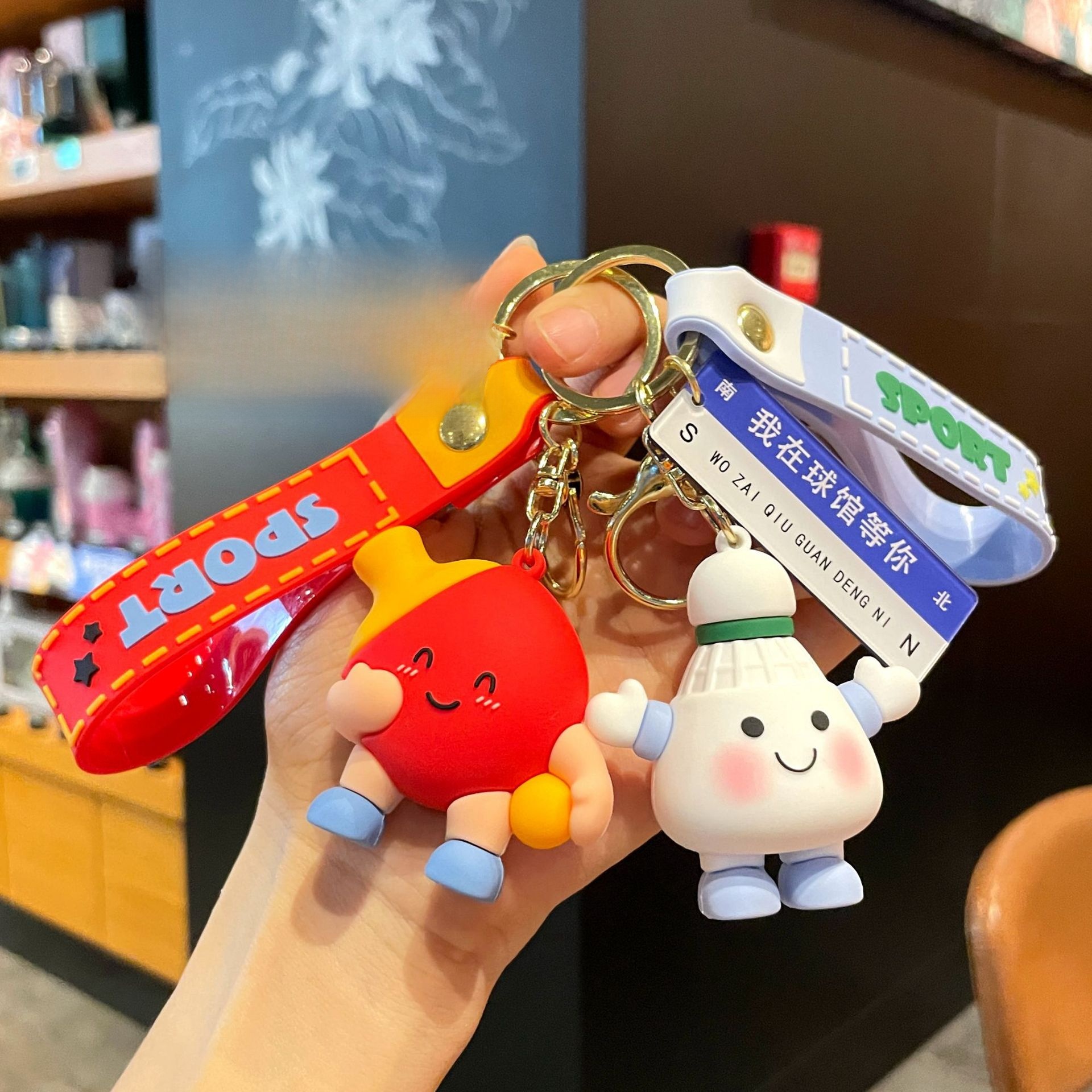
Original Badminton Figurine Keychain Fashionable And Fun Cartoon Tennis Pendant Small Gift Football-themed Souvenir
$1.12
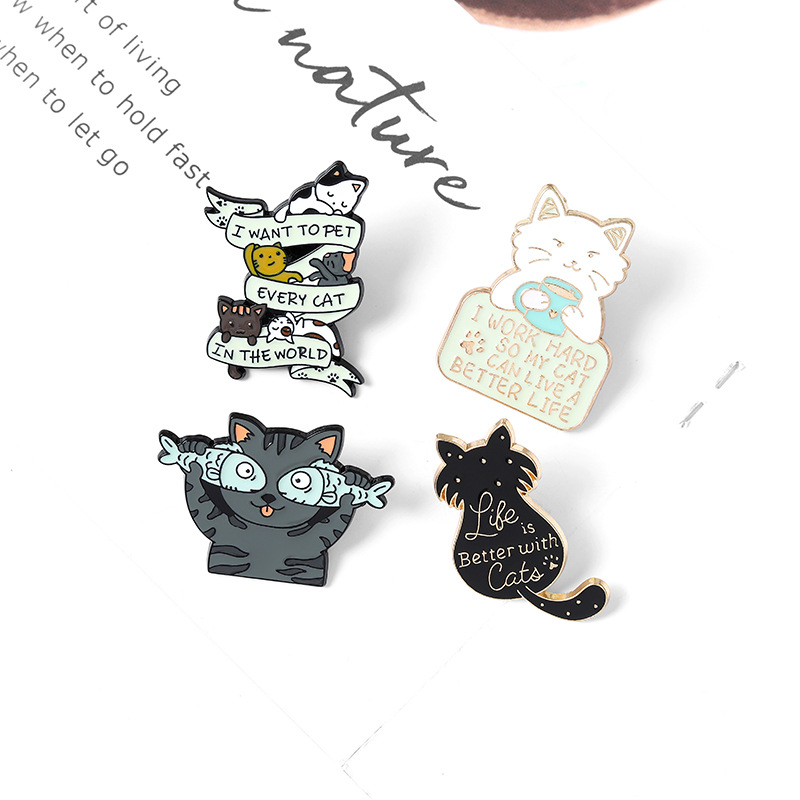
Cute Cat Enamel Pin Set Zinc Alloy Enamel Brooch Badge For Denim Jacket Backpack Decoration Life Is Better With Cats Slogan Jewelry Women Teens Gift
$0.68
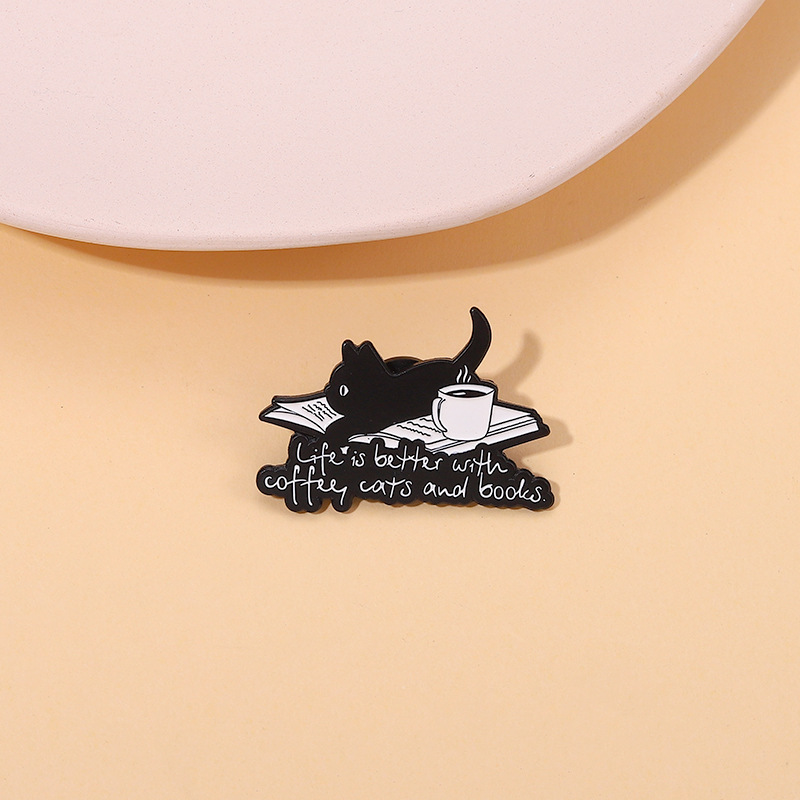
Cartoon Black Cat Enamel Brooch Life Is Better With Coffee And Books Alloy Lapel Pin Cute Animal Badge For Backpack Jacket Decor Unisex Jewelry Gift
$0.45
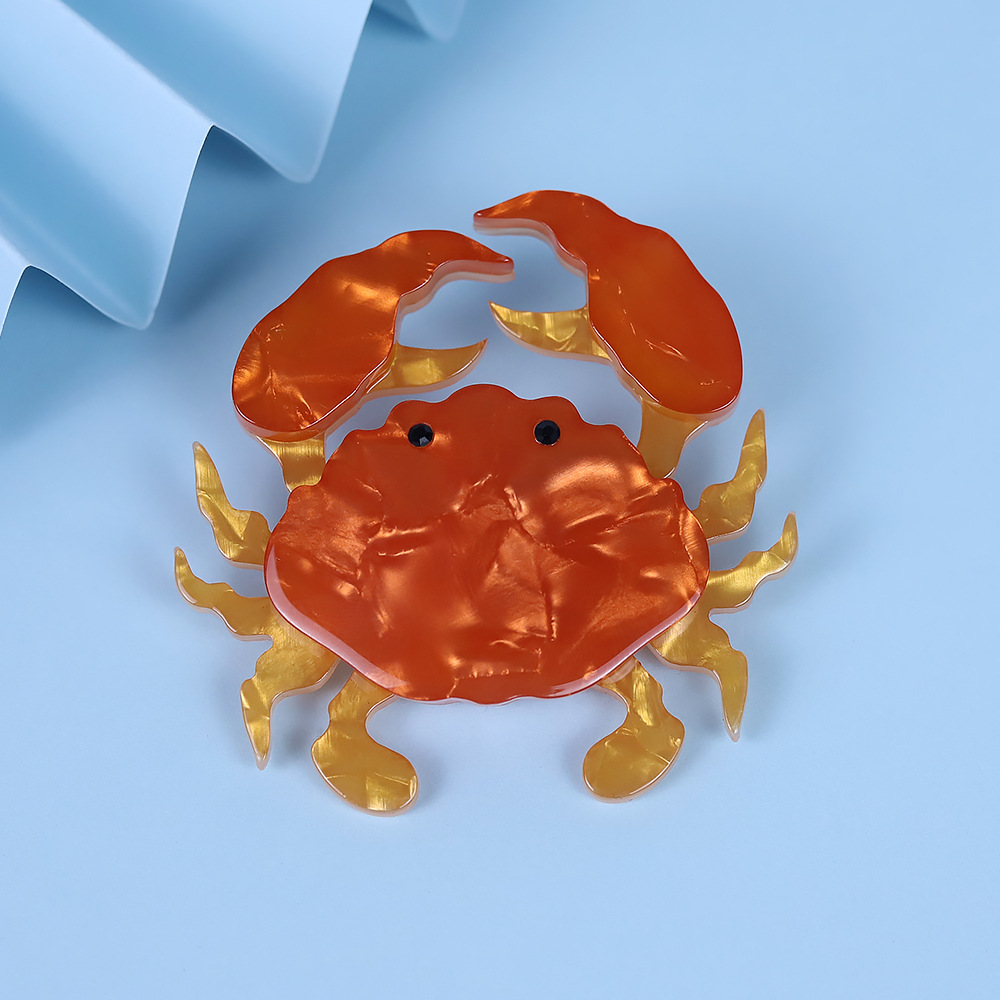
Original Design Acrylic Crab Brooch Acetate Marble Pattern Animal Shape Fashion Accessory Pin For Women Bag Decoration Orange Amber
$2.46
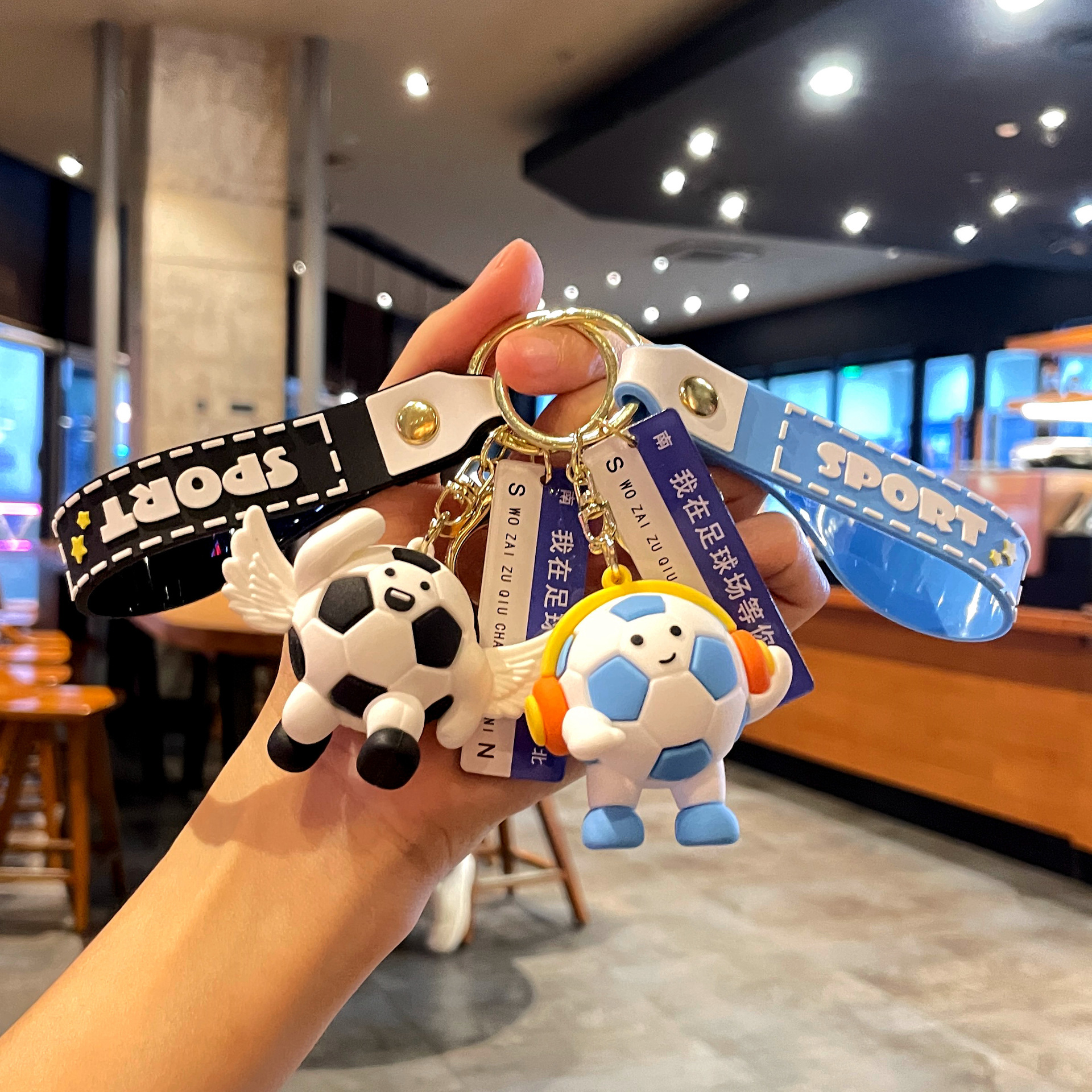
Original World Cup Music Playing Running Football Keychain For Boys And Girls School Bag Pendant Sports Event Small Gift
$0.59
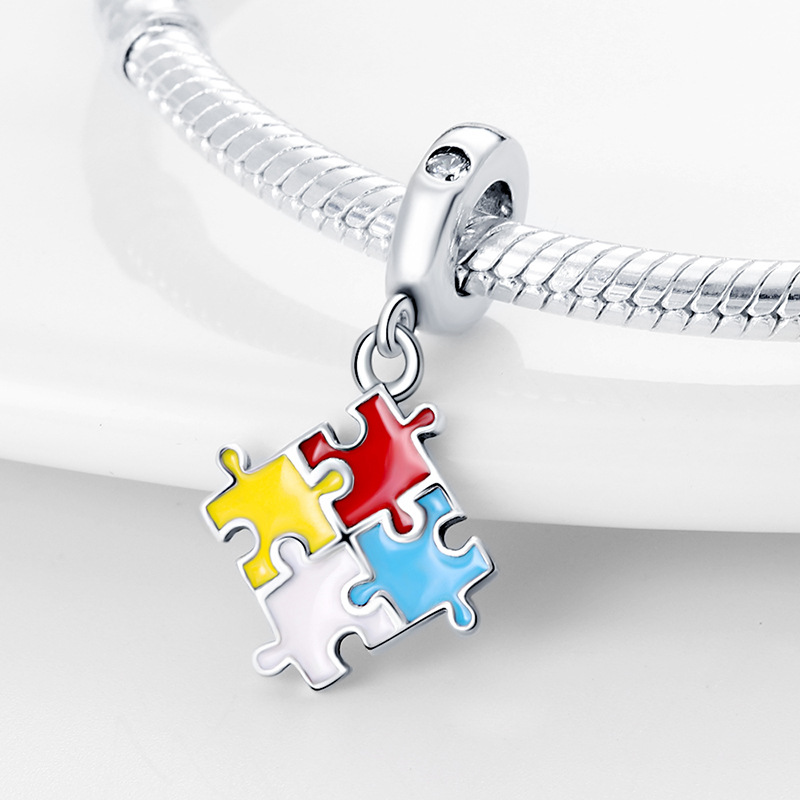
925 Silver Plated Copper Colorful Enamel Puzzle Charm Creative Zirconia DIY Bead For Bracelet Necklace Jewelry Making Women Original Design
$2.27
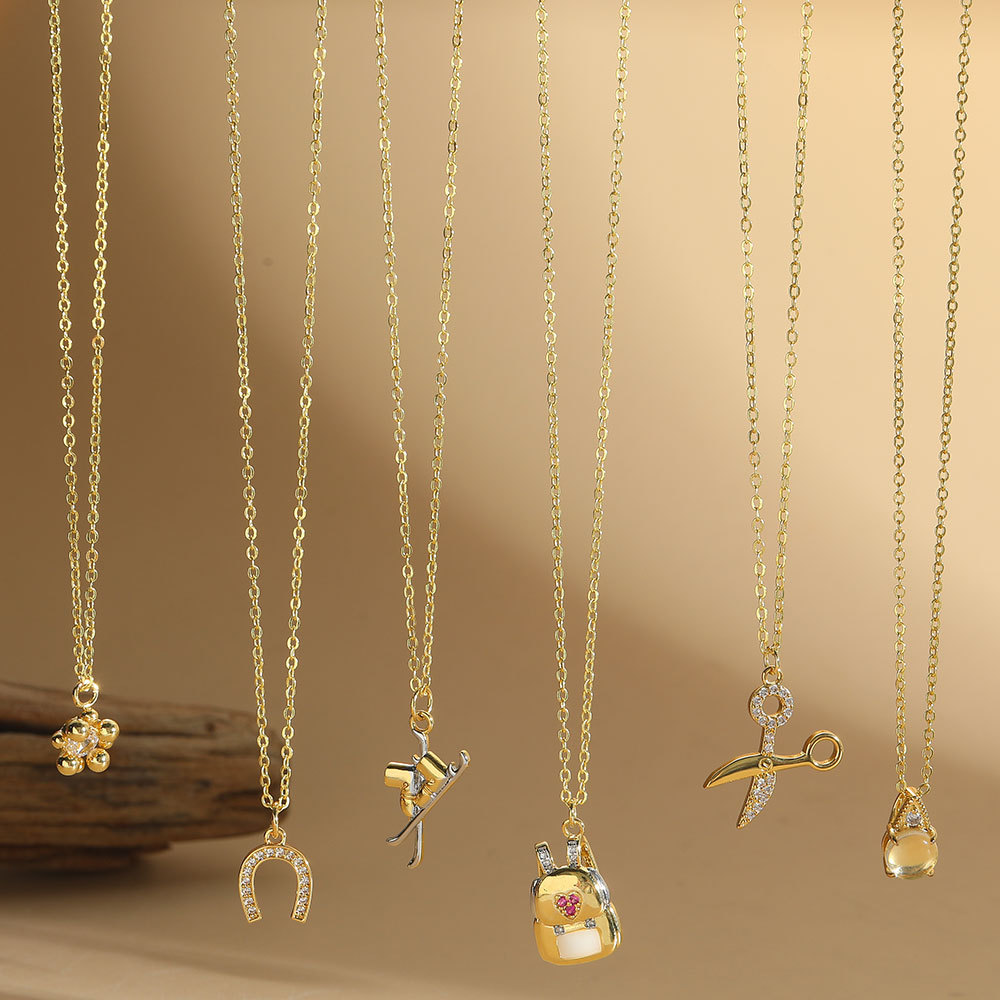
Vintage Cute Scissor Pendant Necklace Gold Plated Copper Zircon Jewelry For Women Minimalist Design Daily Wear Original Backpack Horseshoe Accessories
$1.83
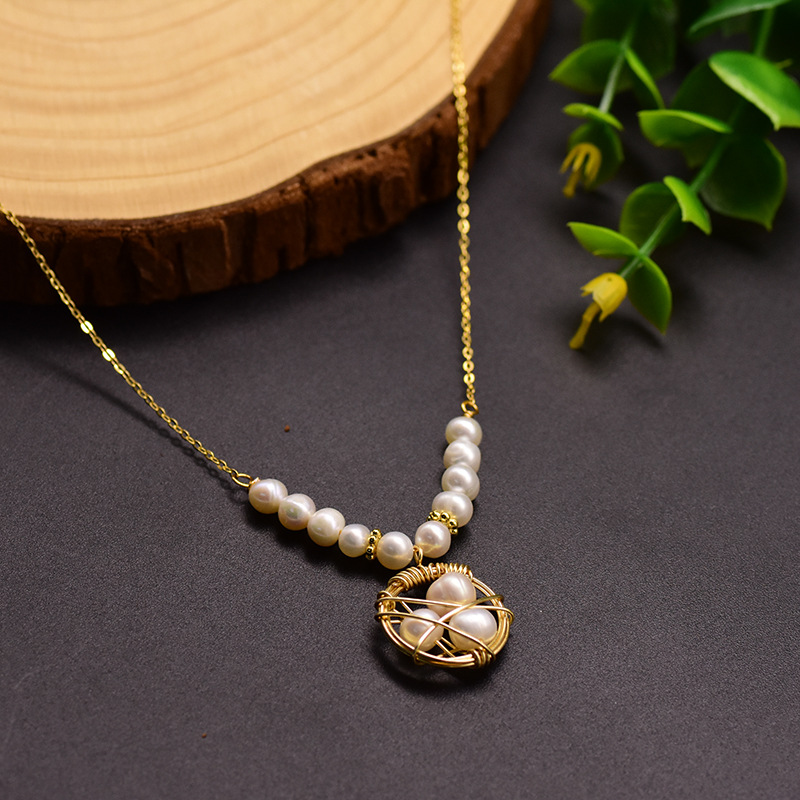
GLSEEVO Original Handmade Bird's Nest Pendant Necklace Gold Plated Copper Natural Freshwater Pearl Necklace For Women Artistic Retro Jewelry Gift
$9.99
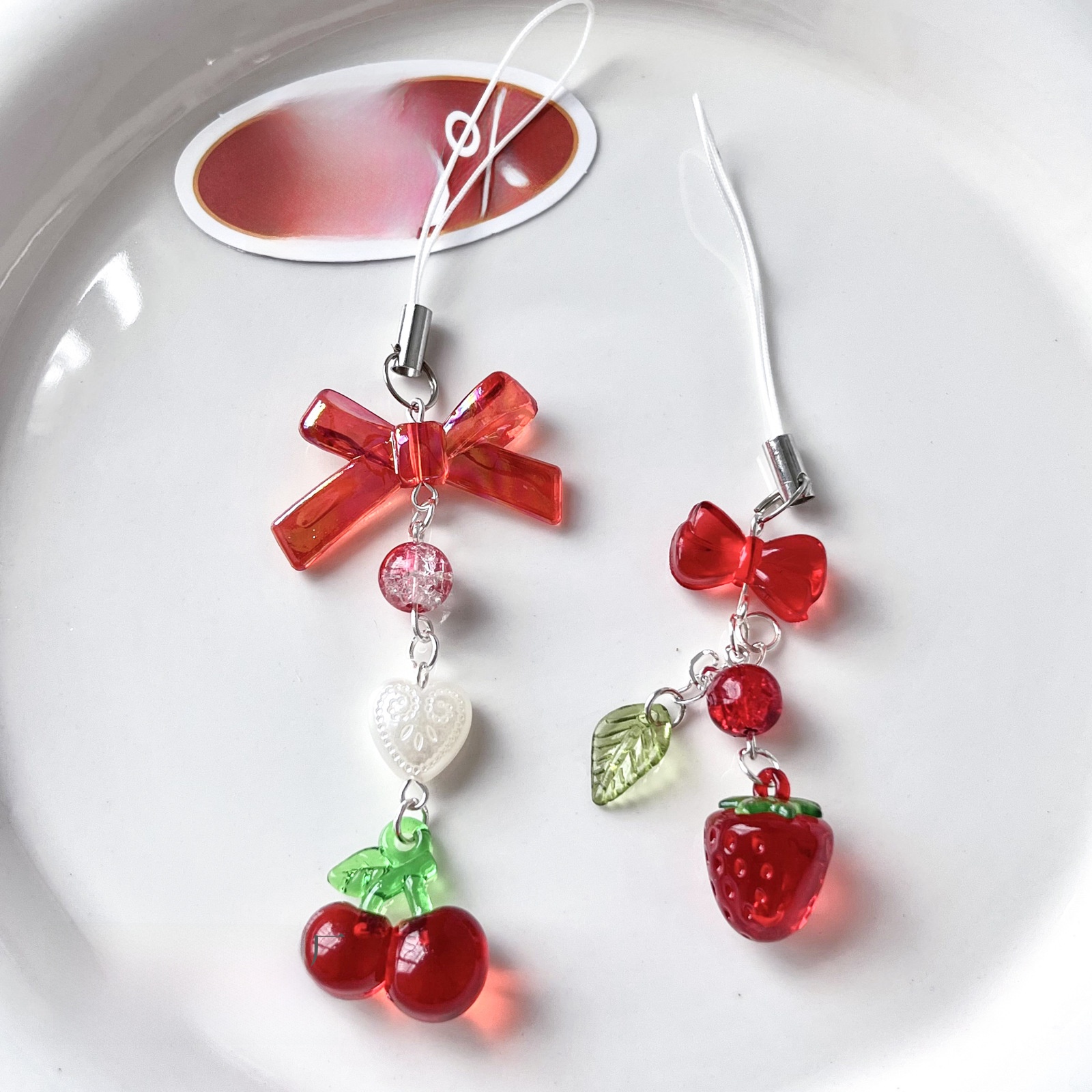
Handmade Resin Cherry Strawberry Bowknot Beaded Keychain Sweet Heart Phone Strap Bag Charm For Women Girls Original Design Cute Accessories
$0.89
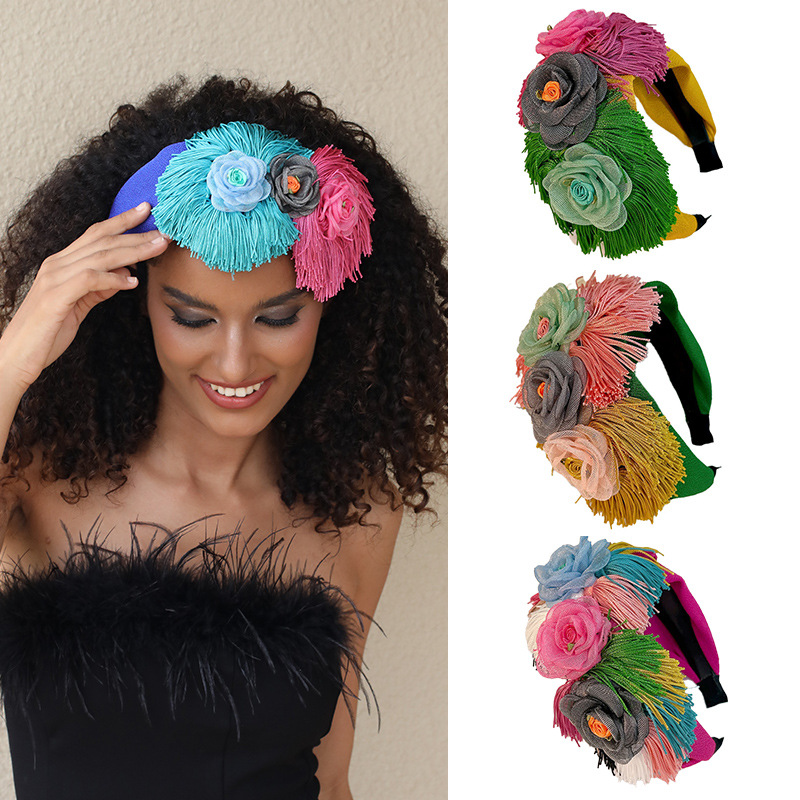
Original Design Handmade Fabric Flower Tassel Headband Oversized Boho Floral Wide Brim Hair Band For Women Wedding Party Hair Accessories
$3.88
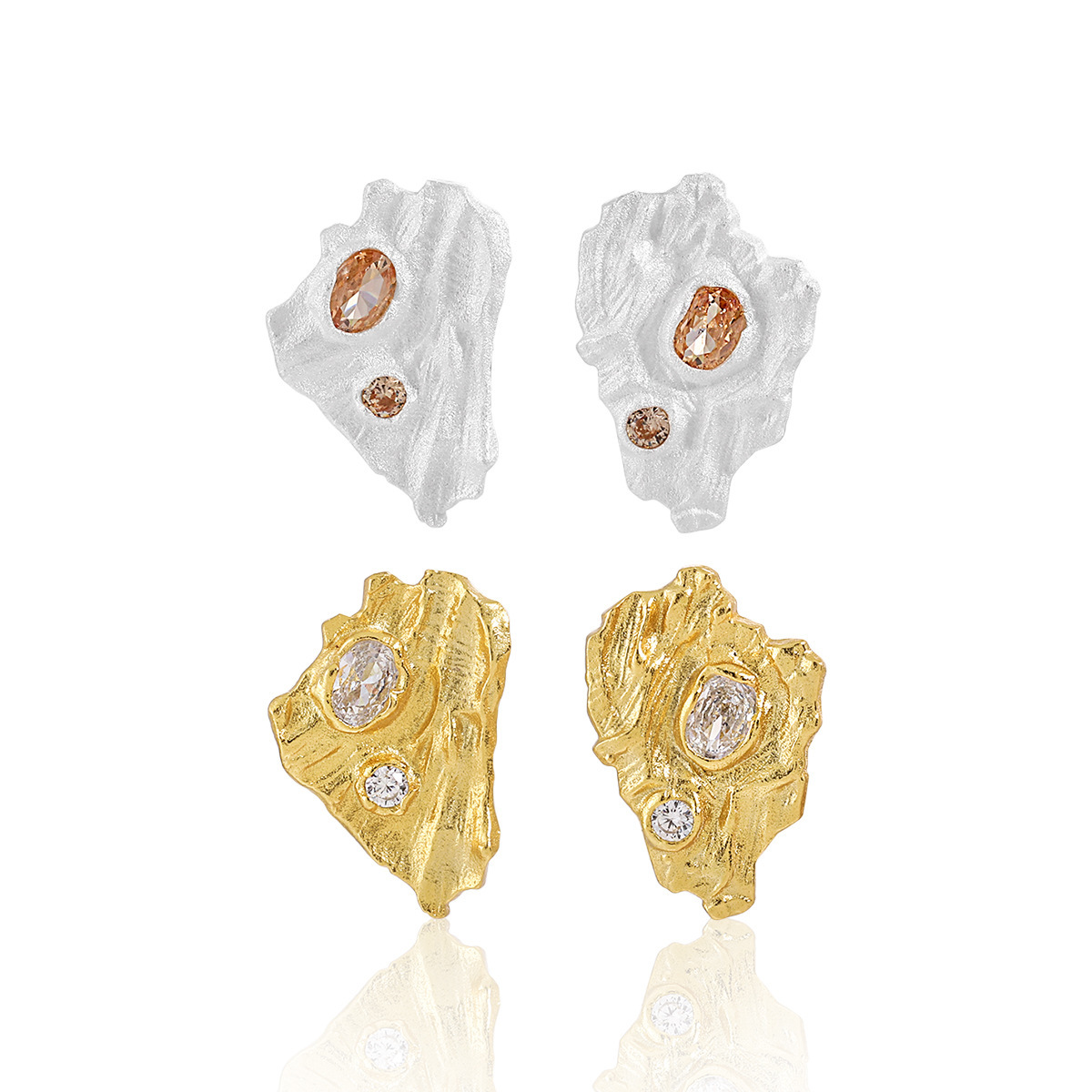
Irregular Square Zirconia Stud Earrings S925 Sterling Silver Wrinkled Texture Niche Original Design Ear Jewelry For Women Daily Dating Accessories
$17.00
Curated Accessory Bundles for Unsorted Clothing Resellers
These bundles turn your unsorted clothing bales into full lifestyle packs. Each bundle costs you under $5 to assemble and can be sold for $15-25, boosting your margin per order without touching the clothing cost.
Vintage Streetwear Starter Pack
For a Shopify store or Depop shop selling acid-wash tees and retro socks. Customer buys a t-shirt from your unsorted bale; you add this bundle as a cross-sell.
- Vintage Men Football T-Shirt Acid Washed Heavyweight Cotton Short Sleeve Oversized Teehero
- Women's Wool Blend Winter Warm Thick Slouch Socks Retro Knitted Crew Sockscomplement
- Original Badminton Figurine Keychainupsell
Bundle at $15 vs $22 separately. Cost: $10.50, margin ~$4.50 per bundle.
Unisex Accessory Grab Bag
Ideal for flea market stalls where customers pay by weight or flat price for a surprise bag. Fill with unsorted clothing remnants plus these accessories.
- Men's Hip Hop Stainless Steel Cuban Link Necklace Bracelet Sethero
- Cute Cat Enamel Pin Set Zinc Alloy Enamel Brooch Badgecomplement
- Original Colorful Floral Tattoo Stickers Waterproofcomplement
Bundle at $8 vs $12 separately. Cost: $2.92, margin ~$5 per bag.
Boho + Retro Hair & Jewelry Pack
For Etsy or Instagram boutique selling vintage floral dresses and knitwear. Add this pack to complete the look.
- Original Design Handmade Fabric Flower Tassel Headband Oversized Boho Floral Wide Brim Hair Bandhero
- Vintage Cute Scissor Pendant Necklace Gold Plated Copper Zirconcomplement
- GLSEEVO Original Handmade Bird's Nest Pendant Necklace Gold Plated Copper Natural Freshwater Pearlupsell
Bundle at $18 vs $24. Cost: $13.65, margin ~$4.35.