
Trend Report · May 18, 2026
The Real Cost of FBA Apparel Returns: An Operational Playbook
Apparel sellers on FBA face 30%+ return rates that eat margins. Learn when returns become a real problem and how to mitigate with our operational playbook.
Apparel sellers on FBA – when do returns actually become a real problem?
Many apparel sellers on FBA treat 30%+ return rates as normal. They say 'it's just baked in' and move on. But when you actually sit with the full cost stack – reverse shipping, warehouse processing, inventory that comes back unsellable, support tickets, exchanges, and forecasting errors – the margin drain becomes impossible to ignore. The timing window is now because competition in apparel FBA is tightening. New sellers are flooding in, and those who don't understand the real cost of returns will either burn through their budget or be forced to exit within 12 months. This operational playbook shows you exactly when returns become a real problem and what to do about it.
Why the Return Problem Is Emerging Now
The source material highlights a growing awareness: even experienced operators are just now realizing how normalized high return rates have become. The window of opportunity is that sellers who address this early can build a cost advantage. As Amazon pushes more apparel categories and ad costs rise, the gap between profitable and unprofitable sellers will widen. By understanding the full cost stack – including reverse shipping, warehouse processing, unsellable items, support tickets, and exchange logistics – you can set pricing and operational practices that sustain margins even with 30% returns. Ignoring this now means your business will be squeezed when others optimize.
Who This Playbook Is For
This playbook is built for apparel sellers on FBA who are currently accepting high return rates without visibility into the true cost. It's also for new entrepreneurs evaluating whether to launch apparel on FBA, and for Shopify store owners using FBA fulfillment who need to maintain profitability.
FBA apparel seller (current)
Already selling apparel on FBA with 25–40% return rates; needs to identify when returns become unprofitable and how to act.
Shopify store owner using FBA
Uses FBA for fulfillment but owns the customer relationship; can adjust listings and bundles to reduce returns.
New fashion entrepreneur
Planning to launch apparel on FBA; must build return-aware pricing and product selection from day one.
Implementation Stages
Validate Your Return Baseline
Trigger: Before launching any new apparel product on FBA
Calculate your current return rate and cost per return using Amazon's FBA Returns Report.
✓ You'll know if you are above or below the 30% threshold and how much each return costs in fees.
✗ Skipping this stage means you accept high returns blindly, assuming 'it's baked in' – leads to margin erosion.
Identify Return Root Causes
Trigger: When return rate exceeds 25% for any SKU
Analyze return reasons from FBA reports – sort by size, fit, quality, and description mismatches.
✓ You'll know the top 2 reasons driving returns (often sizing and quality).
✗ Treating all returns equally without data leads to fixing the wrong issues, wasting time and money.
Adjust Product Listings and Quality
Trigger: After identifying common return reasons
Update size charts with precise measurements, add fit notes (e.g., 'runs small'), and include model height/weight photos.
✓ Size-related returns often drop 15–20% within 30 days.
✗ Making changes without A/B testing can confuse buyers and increase returns for different reasons.
Optimize Return Handling
Trigger: When cost of returns eats into net profit margin below 15%
Set up returnless refunds for products under $10, use FBA Grade and Resell for high-value returns, and implement exchange-only policies for problem categories.
✓ Reduce reverse shipping and processing costs by up to 40%.
✗ Applying blanket returnless refunds may increase fraud – monitor refund rates per SKU.
Implement Bundling and Cross-Sell
Trigger: When average order value is below $20 and return rate is over 30%
Create accessory bundles (e.g., shirt + brooch) and add product recommendations on the Amazon detail page using 'Frequently Bought Together' data.
✓ Higher AOV (e.g., $25 vs $15) offsets per-unit return cost, improving net margin.
✗ Bundling incompatible items leads to more returns – test with small batches first.
Monitor and Adjust Pricing Continuously
Trigger: After 90 days of data, or when ad costs change
Incorporate return rate into your price floor formula: Price = (COGS + FBA fee + ad cost) / (1 - return rate - target margin%). Adjust month over month.
✓ Your pricing stays profitable even with 30–35% returns.
✗ Ignoring return rate in pricing leads to selling at a loss once Amazon increases fees.
How to Sell These Products on FBA Despite High Returns
Apparel returns are a fact of life, but they don't have to kill your business. The key is to build a system that prices them in and reduces them at the same time. Start by using the staging steps above: baseline, root cause, listing fixes, handling optimization, bundling, and pricing. A common mistake is to focus only on reducing returns without adjusting pricing – you end up cutting sales volume. Instead, accept a 30% return rate as your operational reality and build your margin cushion around it. Use DayJewel's low-cost packaging and accessories to increase AOV and reduce the per-return impact.
List shirts and dresses (e.g., Women's Casual Red Stripe Shirt, Halter Maxi Dress) with detailed size charts and fit notes. Use the Return-Ready Packaging Kit to reduce damage. Add brooch upsells via cross-sell in the product description.
⚠ High return rates on dresses (often 40%+); consider testing only one size bucket first.
Sell Apparel + Accessory Cross-Sell Bundle on Shopify, fulfill via FBA. Use Shopify's built-in return flow to capture exchange requests. Offer bundle discounts to improve AOV.
⚠ You own the customer relationship and return logic – if you don't cap exchanges, costs can spike. Set a 30-day exchange window.
List pet hats and sweaters as a test category. Pet apparel has lower return rates (under 20%). Use the same return handling optimization to keep costs low. Target holiday timing (Christmas) for high volume.
⚠ Seasonal demand means you must clear inventory before December 31 or face storage fees. Plan sell-off strategies early.
Products to Build Your Return-Resilient Inventory
The right products can buffer the impact of high return rates. Lower-priced accessories, packaging that reduces damage, and cross-sell items increase AOV and offset per-return costs. These are the top picks from DayJewel's catalog for apparel sellers on FBA.
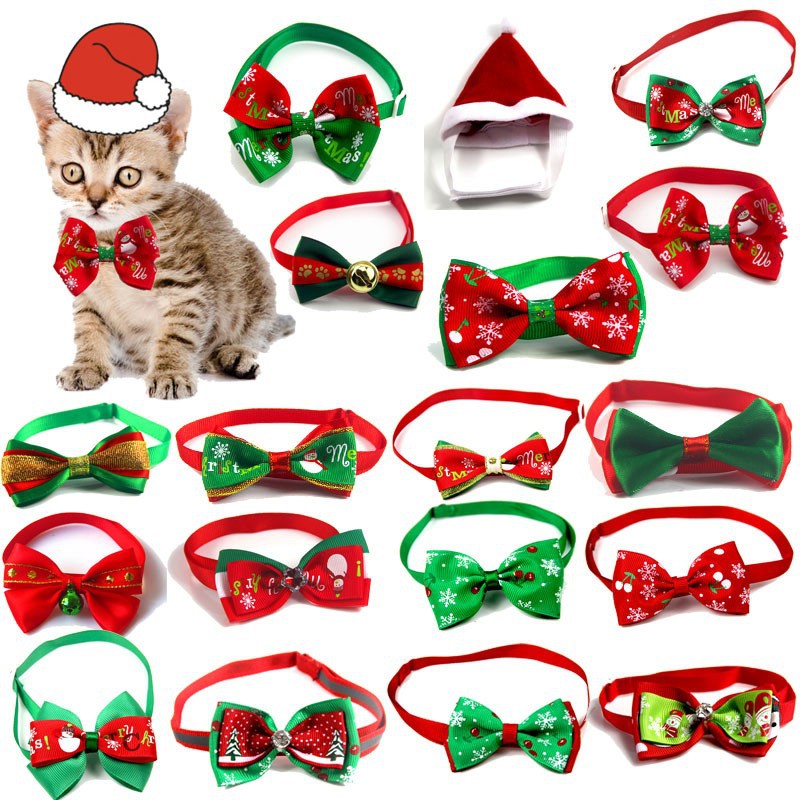
Christmas Pet Hat And Bowtie Set Adjustable Red Green Dog Cat Necktie With Bell For Holiday Party Decorations Puppy Kitten Accessories Soft Fleece Ribbon
$0.41
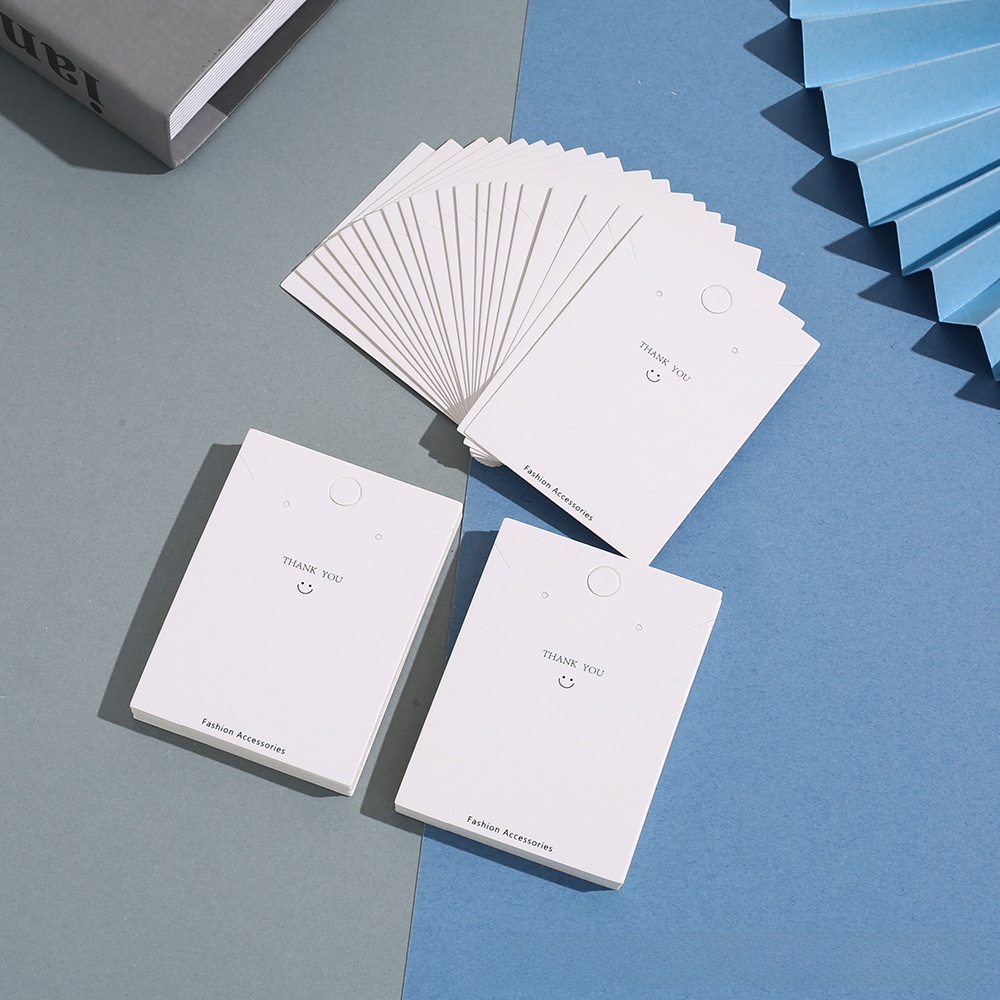
White Paper Jewelry Display Cards And OPP Bags Set Thank You Printed Cardboard Earring Necklace Packaging Cards For Jewelry Sellers Display Accessories
$0.02
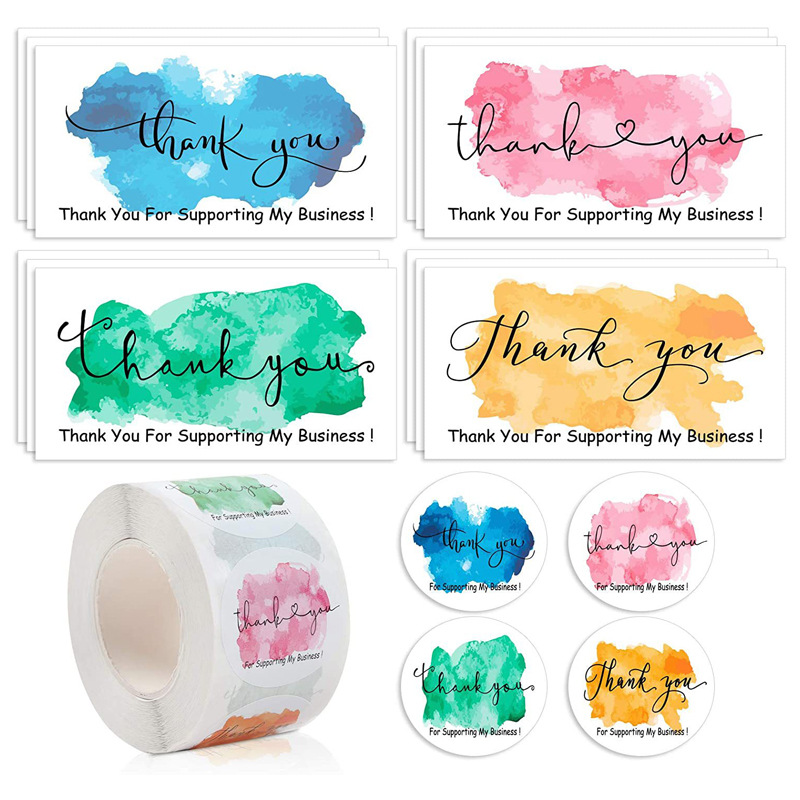
Watercolor Thank You Stickers And Cards Set For Small Business Paper Self-Adhesive Labels For Gift Packaging Decor Stationery For Online Sellers
$0.03
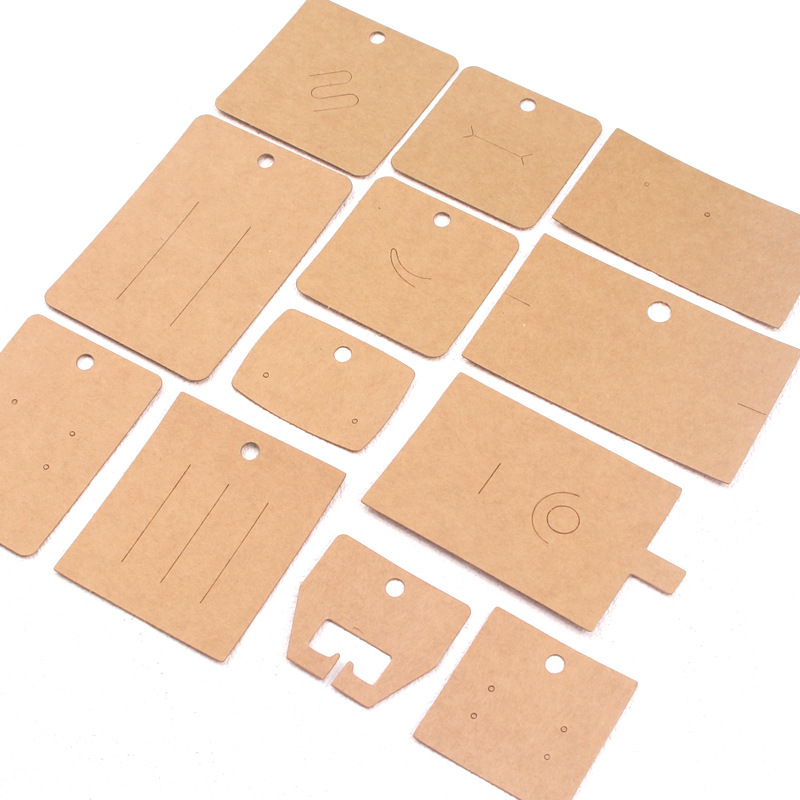
100PCS Blank Kraft Paper Jewelry Display Cards For Earrings Necklaces Bracelets Hair Clips Minimalist Jewelry Packaging Hanging Cards DIY Handmade Jewelry Tags For Sellers
$0.01

Christmas Pet Sweatshirt Warm Fleece Dog Hoodie Reindeer Santa Print Puppy Winter Clothes Buffalo Plaid Pet Apparel
$1.38
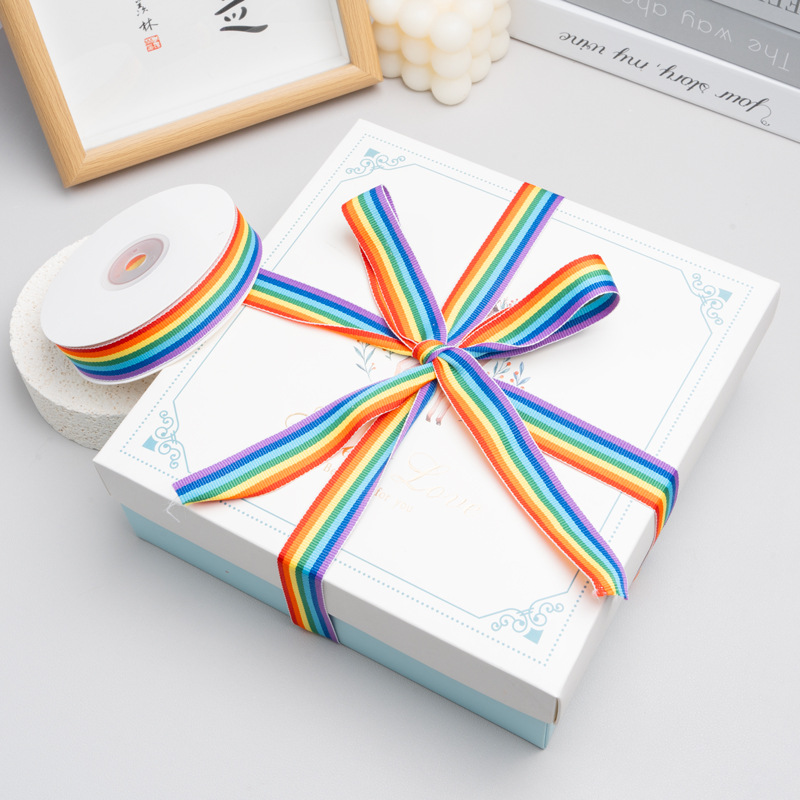
Rainbow Gradient Polyester Ribbon Grosgrain Striped Tape For Gift Wrapping DIY Crafts Wedding Party Decoration Apparel Accessories
$1.10

Luxury Iridescent Crystal Flower Brooch Alloy Rhinestone Inlaid Corsage Badge Pin For Women Wedding Banquet Party Apparel Accessories
$2.23
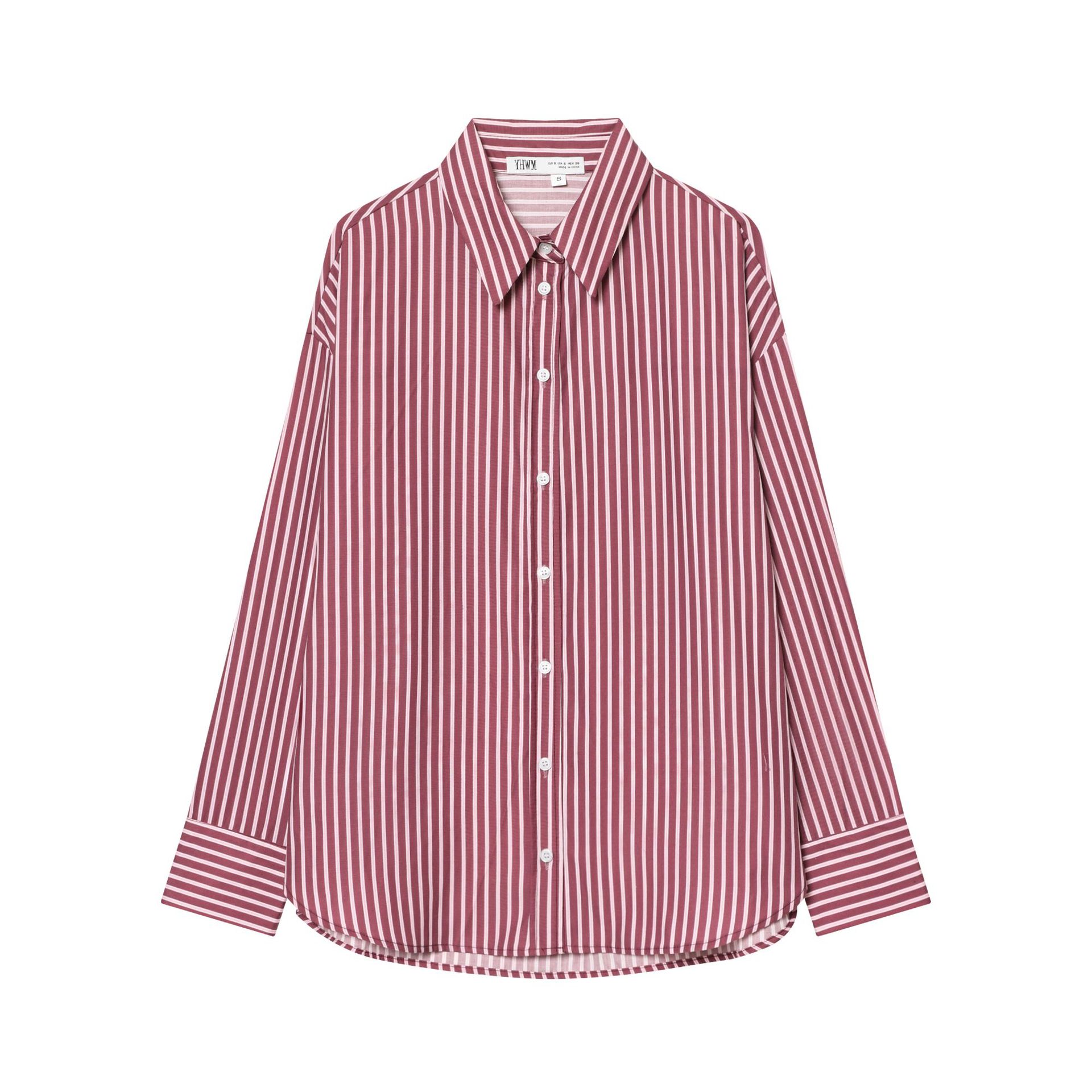
Women's Casual Red Stripe Long Sleeve Shirt 100% Cotton Button Down Blouse Top Regular Fit Daily Commute Apparel
$11.53
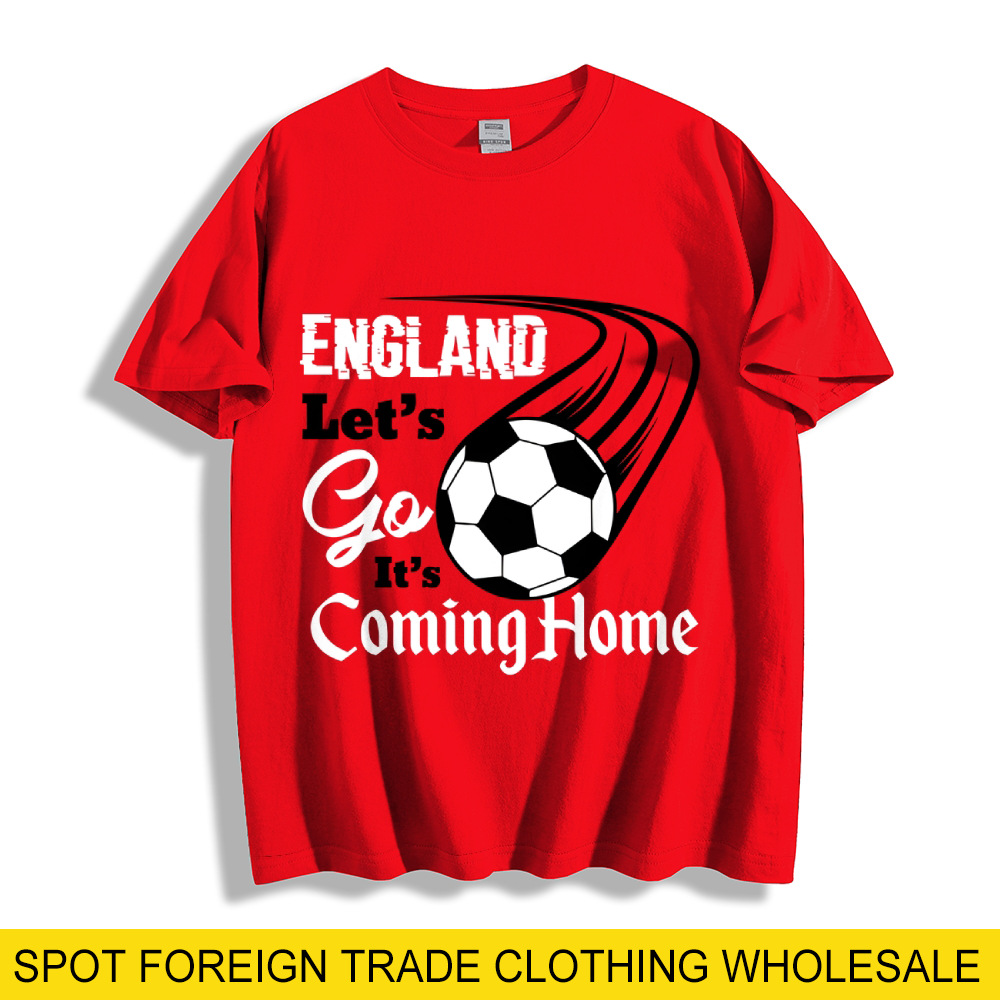
Short Sleeve Cotton Graphic T-Shirt Breathable Soccer Theme Sporty Casual Top For Men Women Football Fan Apparel
$6.89
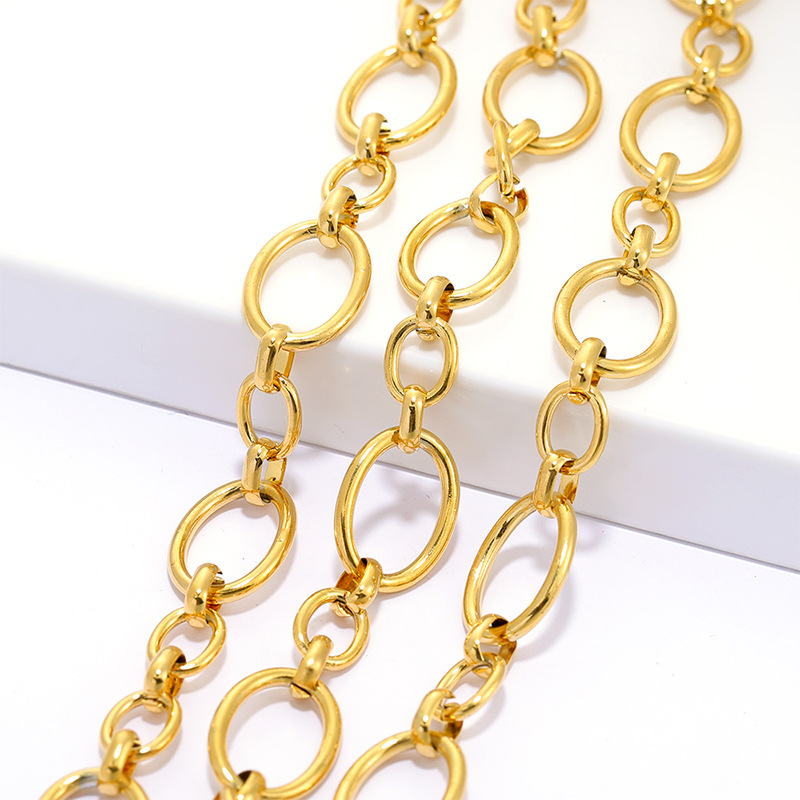
Stainless Steel Oval Link Chain For DIY Jewelry Making Findings Bag Apparel Accessories Decorative Thick Metal Cable Chain
$6.27
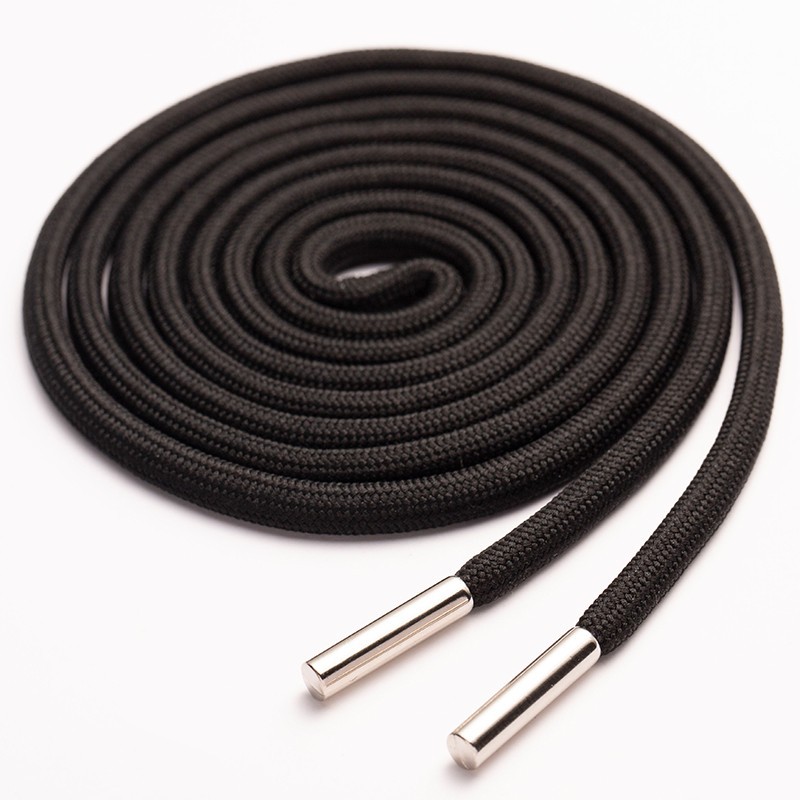
Replacement Hoodie Drawstring Cord Polyester Braided Cord With Metal Tips For Sweatpants Jackets Shorts DIY Apparel Sewing Accessories
$0.26
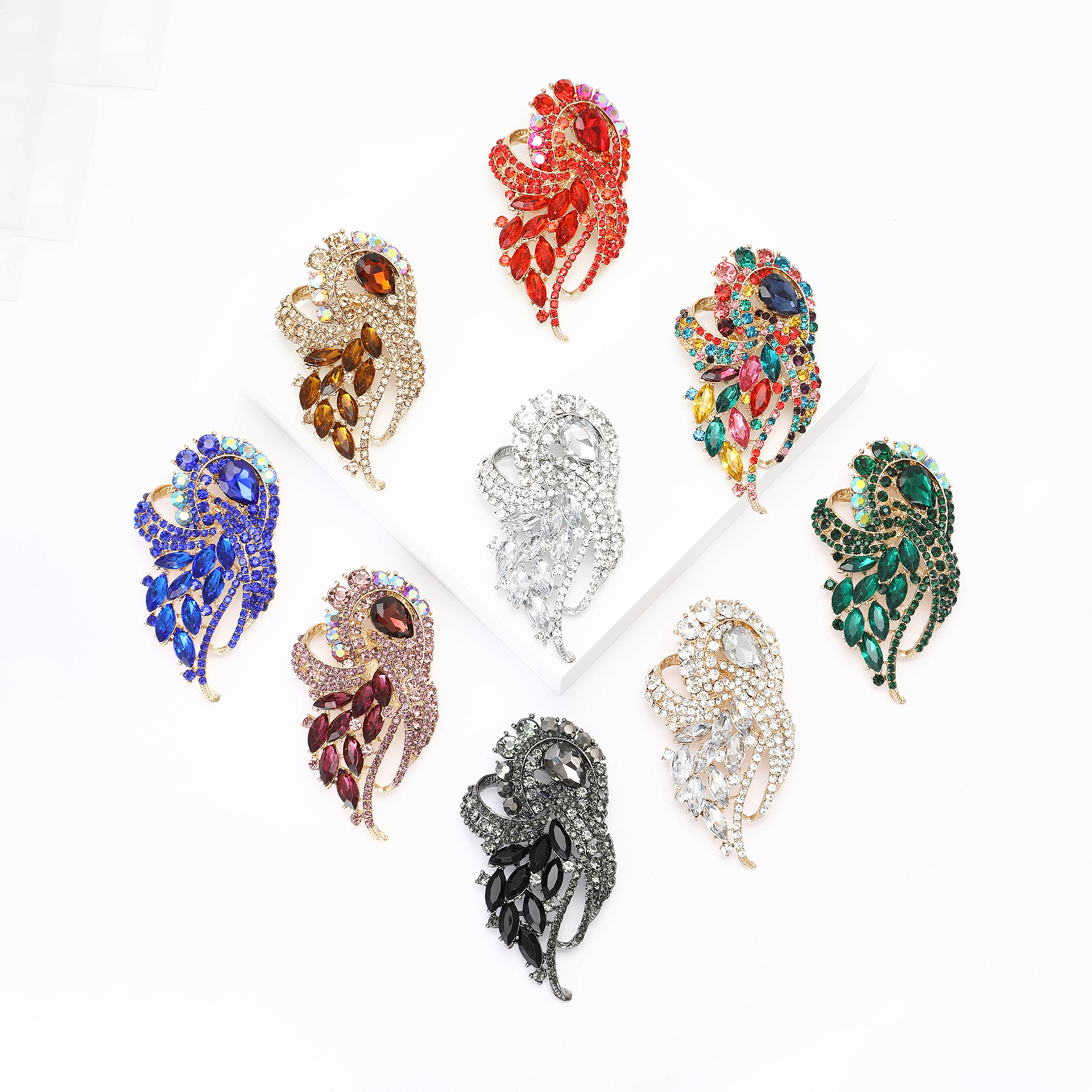
Vintage Luxury Alloy Rhinestone Feather Brooch Large Crystal Leaf Breastpin Jewelry Gift for Women Wedding Banquet Party Apparel Decoration
$2.23
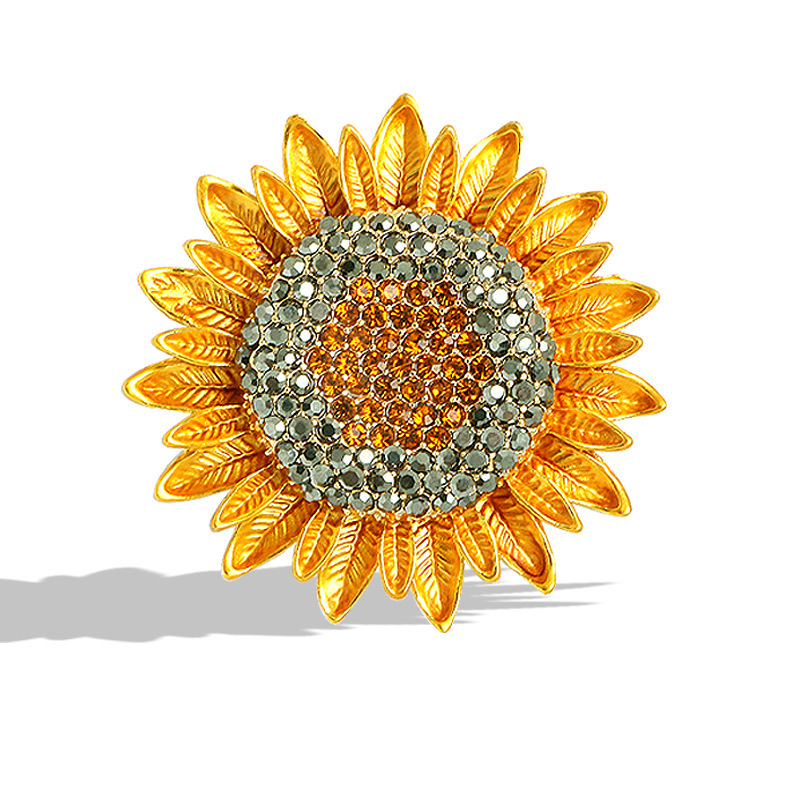
Luxury Sunflower Brooch Alloy Rhinestone Inlaid Gold Plated Flower Pin Elegant Corsage Accessory For Women Wedding Party Apparel Decoration
$0.97

Vintage Large Butterfly Brooch For Women Alloy Rhinestone Inlaid Colorful Insect Brooches Jewelry For Coat Dress Party Apparel Accessories
$1.87
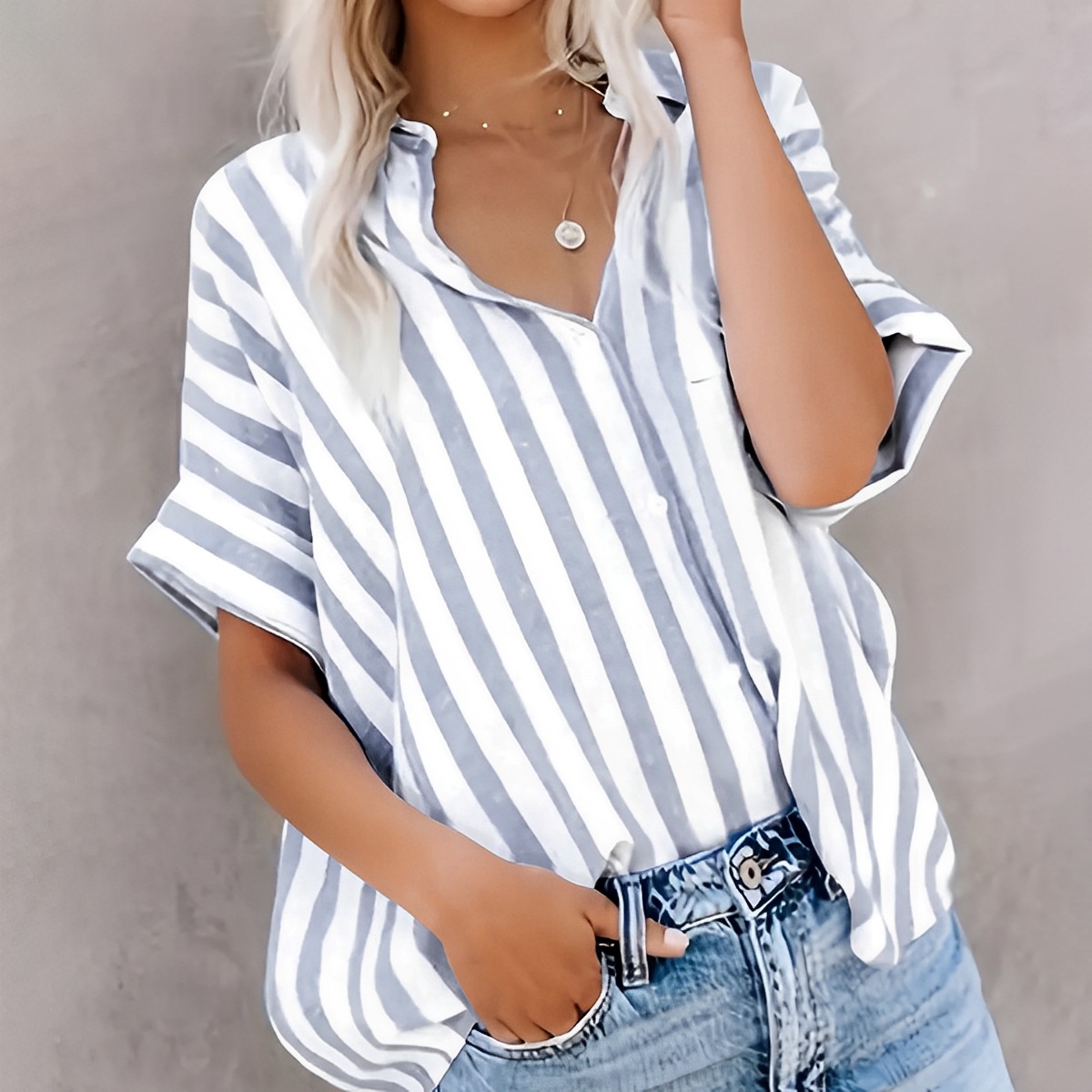
Women's Vertical Striped Short Sleeve Blouse Casual Button Down V Neck Loose Shirt Tops Summer Holiday Leisure Polyester Apparel
$7.94
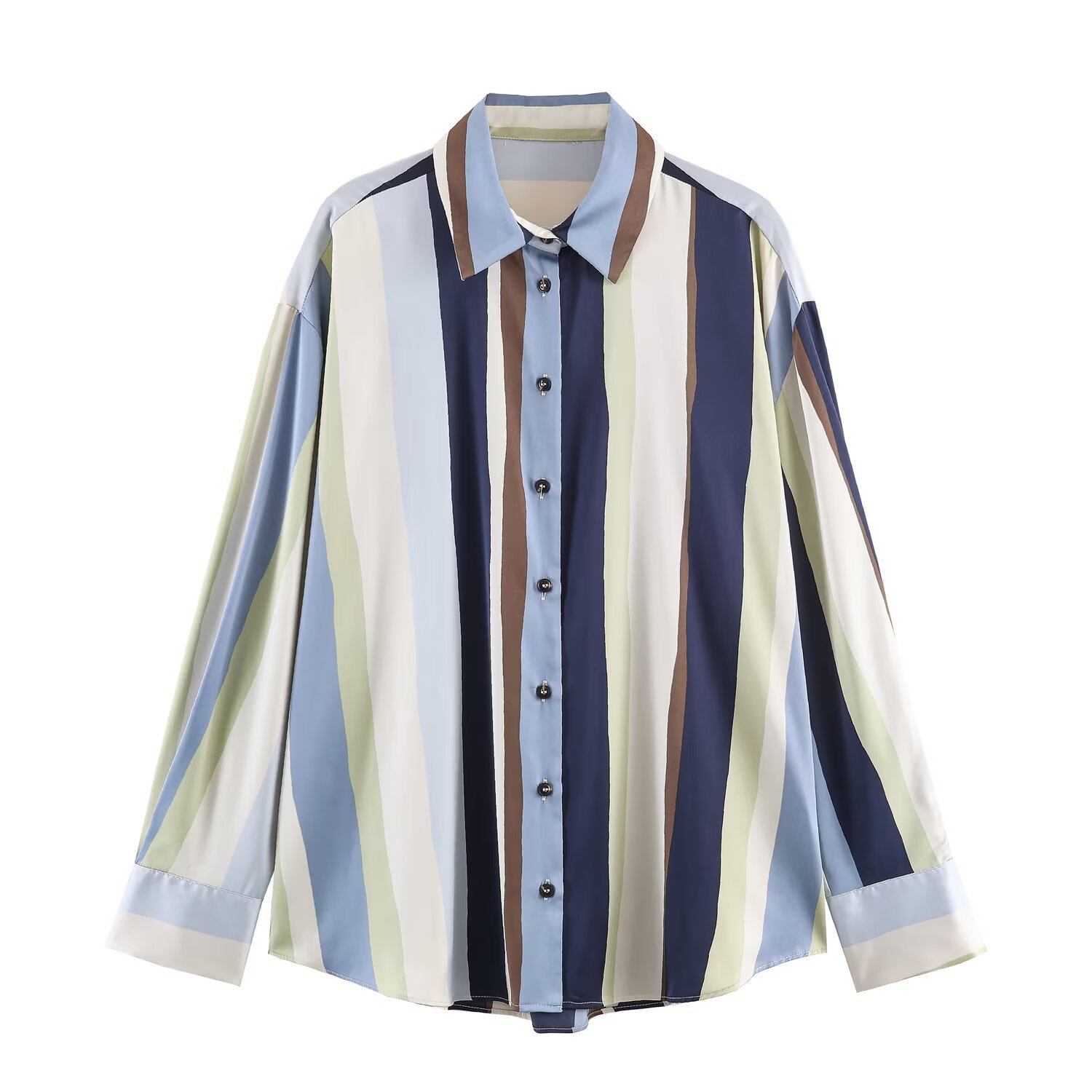
Women's Striped Satin Blouse Long Sleeve Button Down Shirt Vertical Multicolor Stripes Casual Office Work Top Elegant Ladies Apparel
$10.95

Women's Casual Cotton Round Neck Long Sleeve Sweatshirt With Cherry Letter Print Fashion Loose Pullover Top Autumn Streetwear Apparel
$19.88
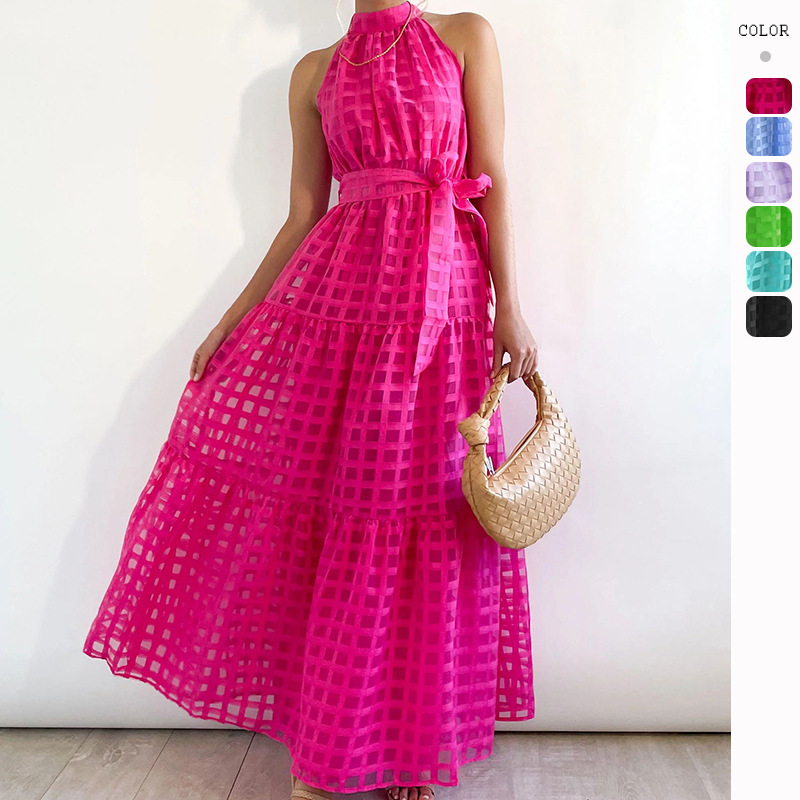
Halter Neck Tiered Maxi Dress Polyester Checkered Sleeveless Long Dress With Belt Summer Elegant Casual Party Apparel For Women
$14.99

Women Elegant Off-The-Shoulder Side Split Maxi Dress Sexy Bodycon Evening Party Long Gown Polyester Spandex Summer Apparel
$9.20

Christmas Pet Sweater Soft Knitted Polyester Dog Clothes Warm Winter Striped Reindeer Snowflake Puppy Cat Apparel For Holiday Party
$4.67
Bundles That Offset Return Costs
Bundling increases average order value (AOV) and gives you margin room to absorb returns. These bundles target common return pain points – packaging damage, low AOV, and niche testing.
Return-Ready Packaging Kit
Reduce return damage costs for any apparel product
- White Paper Jewelry Display Cards And OPP Bags Sethero
- Watercolor Thank You Stickers And Cards Set For Small Businessupsell
- 100PCS Blank Kraft Paper Jewelry Display Cardscomplement
Bundle at $0.05 vs $0.06 separately – saves on per-unit packaging cost while improving unboxing experience and reducing damage-related returns.
Apparel + Accessory Cross-Sell Bundle
Increase AOV to buffer return costs on high-return apparel
- Women's Casual Red Stripe Long Sleeve Shirt 100% Cottonhero
- Luxury Iridescent Crystal Flower Broochupsell
- Vintage Luxury Alloy Rhinestone Feather Broochcomplement
Bundle at $14.50 vs $16.00 separately – the brooch upsell adds $3 margin that can cover the cost of one return out of every four.
Pet Apparel Variety Pack
Test a niche with lower return rates and higher repeat purchase
- Christmas Pet Hat And Bowtie Set Adjustable Red Green Dog Cat Necktiehero
- Christmas Pet Sweatshirt Warm Fleece Dog Hoodie Reindeer Santa Printcomplement
- Christmas Pet Sweater Soft Knitted Polyester Dog Clothesupsell
Bundle at $5.80 vs $6.46 separately – pet apparel often has lower return rates (under 20%) than general fashion, making it a good test for new FBA sellers.