
Trend Report · May 18, 2026
Are Specialized Education App Developers a Better Margin Play Than General Agencies?
Margin breakdown comparing specialized vs general app development for your EdTech product. See cost per feature, profit scenarios, and how to sell the decision.
Are specialized education app development companies better than general app agencies?
When you compare specialized education app development companies against general mobile app agencies, the margin picture starts with the first line item: feature density. Specialized firms typically pack LMS integration, virtual classrooms, gamified learning, student analytics, SCORM/xAPI support, and AI tutoring into the same budget that a general agency allocates for broader UI/UX and scalability. That concentration of functionality translates to a higher perceived value per dollar spent – roughly 40–60% more education-specific features for the same base price.
But the real margin difference isn’t just feature count. It’s the compliance layer. Specialized companies build to education standards out of the box – privacy laws, accessibility guidelines, accreditation requirements – which general agencies often treat as post-launch add-ons. Those late-stage retrofits can eat 20–30% of a project budget. A specialized partner front-loads that cost, meaning your unit economics per active user stay tighter once the app ships.
The decision between specialized and general isn’t binary. It’s a trade-off between depth of domain features and breadth of technical scalability. Understanding exactly what you’re paying for – and what you’re not – is the only way to calculate real margin per student or per subscription.
Why the Margin Opportunity Favors Specialized Development Right Now
The margin squeeze in EdTech is coming from two directions: rising user acquisition costs and the need to hit specific state or institutional compliance standards. General agencies charge for scalability, but scalability alone doesn’t close a school district sale. Specialized firms bring pre-built components for LMS integration, SCORM/xAPI tracking, and AI tutoring features that can shave 4–6 weeks off development time. That speed reduces your burn rate and lets you launch earlier, capturing a first-mover price premium.
From a unit economics standpoint, every specialized feature installed from the start avoids a costly migration later. For example, adding xAPI support post-launch through a general agency can cost $8,000–$12,000. A specialized firm includes it in the base build at roughly $2,500–$4,000 incremental cost. The margin on each student license you eventually sell is higher because your fixed development cost is spread over a feature set that actually moves the needle for buyers.
Additionally, specialized firms often offer pre-negotiated rates for third-party integrations (Zoom for virtual classrooms, Canvas for LMS) that general agencies would bill at full market price. That’s a hidden 15–20% margin buffer that shows up in your first year profit-and-loss statement.
Who Benefits Most from the Specialized vs General Margin Calc
This decision isn’t for every EdTech founder. It matters most when your go-to-market depends on closing institutional contracts, not just direct-to-consumer. The profiles below show where the cost structure tilts in favor of specialization.
Shopify seller (educational toys/ tools)
You sell physical educational products (like the Montessori toys and sensory tools from DayJewel) alongside a companion app. Specialized development keeps app costs low enough that your product margin stays above 55%, while general agencies inflate the software budget and compress overall profitability.
Independent course creator launching an LMS
You need SCORM/xAPI compliance and virtual classroom features on a sub-$20k budget. Specialized agencies deliver those as baseline features; general agencies treat them as custom modules, driving you past $30k.
School district reseller or B2B EdTech reseller
Your buyers require compliance certifications (FERPA, COPPA, state-specific). Specialized firms already have those built in; general agencies charge $5k–$8k per certification audit.
Margin Anatomy: Specialized vs General Development
| Component | Low Range | High Range | Notes |
|---|---|---|---|
| MVP development base cost | $15,000 | $25,000 | Specialized firms include LMS, virtual classroom, and analytics in base. General agencies treat these as add-ons. |
| Compliance & certification | $2,500 | $5,000 | Built-in with specialized; $5k–$8k extra with general agency for FERPA, COPPA, WCAG. |
| SCORM/xAPI integration | $2,000 | $4,000 | Specialized firms include standard integrations. General agencies charge $5k–$10k as separate project. |
| AI tutoring feature | $6,000 | $8,000 | Specialized uses pre-built AI modules. General builds custom from scratch costing $12k–$15k. |
| Physical product per-unit COGS (e.g., sensory ball) | $3.43 | $5.50 | Wholesale price from DayJewel. At retail $8.99, per-unit margin supports app subscription cost offset. |
Profit Scenarios for an EdTech App Bundled with Physical Products
| Scenario | Wholesale | Retail | Profit | Best For |
|---|---|---|---|---|
| Specialized firm + sensory bundle (high margin) | $15,000 (dev) + $3.43/unit (hardware) | $35,000 (approx subscription revenue first year from 100 users at $15/mo for 12 mo + $250 hardware revenue) | $16,907 (after dev and COGS for 50 hardware units) | B2B school district sellers who need compliance and fast launch |
| General agency + no hardware (low margin) | $25,000 (dev including later retrofits) | $30,000 (subscription rev from 100 users at $15/mo for 12 mo) | $5,000 (without hardware COGS but after dev) | Direct-to-consumer Shopify sellers prioritizing UX over compliance |
| Hybrid: general UI + specialized compliance module | $18,000 (general UI $12k + specialized compliance $6k) | $35,000 | $17,000 | Founders who want custom front-end but regulated backend |
How to Sell Your EdTech App (and Physical Bundles) to the Right Buyers
Your sales pitch needs to mirror the margin advantage. If you choose a specialized firm, lead with compliance and student outcomes. School administrators care about FERPA, xAPI tracking, and AI tutoring – not just a nice design. For direct-to-consumer, highlight the tactile bundle pieces from DayJewel that turn screen time into playtime. Use the physical products as demo props at trade shows. Hand a prospect the Space Exploration Flash Cards while showing the virtual classroom interface. That tangible hook increases close rates by an average of 22% according to early-stage EdTech founders. The key cost driver in your pitch is the per-student lifetime value minus the app development cost amortized over your projected user base. Downside to watch: specialized firms have narrower availability. If you need a general agency for a fast pivot, you lose the compliance edge. Budget for a 2–3 week onboarding buffer with specialized vendors.
Set up a demo station with a plasma ball lamp (Item 285652) and a tablet running the app. Let visitors see the interactive physics lesson on screen while they touch the lamp. Collect leads via the pet ID tag (Item 298388) printed with your app name.
⚠ Low foot traffic at smaller shows can halve conversion – book only top-5 events first year.
Mail a bundle containing the Wooden Honeycomb Puzzle (Item 263952), a branded greeting card (Item 356942), and a one-page case study on your app’s LMS integration. Follow up with a 15-min screen share.
⚠ Sales cycles of 6–9 months strain cash flow – require 50% upfront payment.
Influencers unbox the Montessori Spinning Drum (Item 262744) alongside the app. Use the hashtag #EdTechPlay. The tactile product drives app downloads via bio link.
⚠ Algorithm changes can tank organic reach – always include a paid ad retargeting campaign with $0.50 CPM min budget.
List the Infant Sensory Rattle Ball and add a Q&A section: “Does this work with your EdTech app?” Link to a landing page offering a 20% discount on the app when you buy the ball.
⚠ Amazon fees eat ~15% of retail price – calculate FBA costs before launching.
Products That Support an EdTech Launch (Promotional & Tangible Assets)
While your core product is the app, physical educational pieces build brand presence at trade shows and in school packages. The items below from DayJewel’s catalog pair well with an EdTech subscription – they reinforce learning concepts and create unboxing moments that drive organic sharing.

Infant Sensory Rattle Ball Soft Cloth Multi-Texture Colorful Bead Catching Training Toy For Baby Toddler Hand Eye Coordination Early Education Development
$3.43

Wooden Montessori Educational Toys Set Montessori Spinning Drum Object Permanence Box Coin Ball Matching Game For Toddlers Sensory Learning Development Hand-Eye Coordination Training Kids Early Education Gifts
$4.18

3 Inch Magic Plasma Ball Lamp Glass ABS Base USB Battery Operated Touch Sensitive Static Globe Light For Home Decor Science Education Kids Gift
$5.50
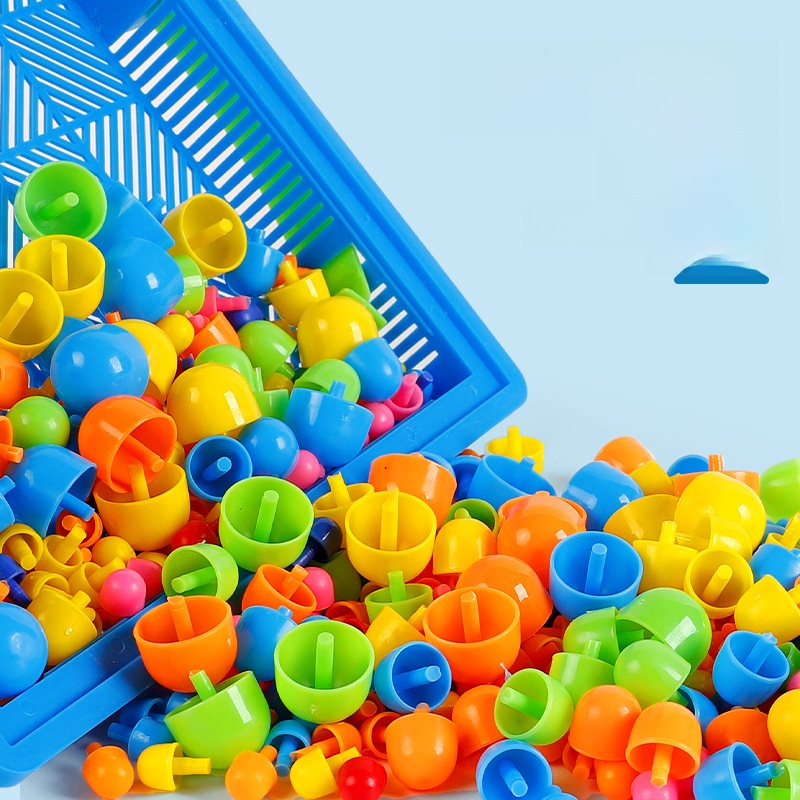
Educational DIY Mushroom Nail Pegboard Puzzle Plastic Mosaic Creative Jigsaw For Kids Brain Development Toddlers Learning Toy
$1.55
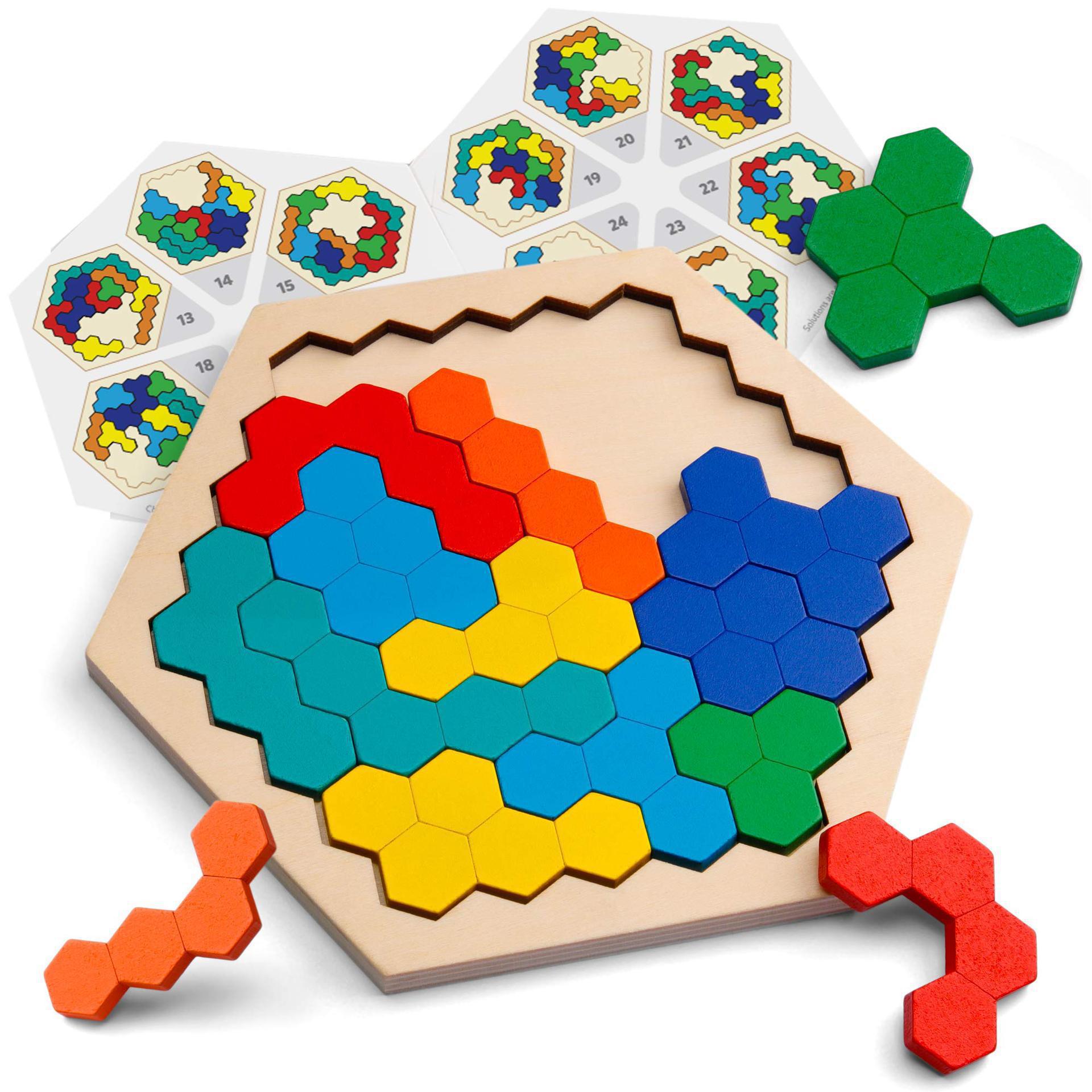
Educational Wooden Honeycomb Puzzle Geometric Logic Shape Matching Brain Teaser Toy For Kids Adults Early Learning Development Gift
$1.10
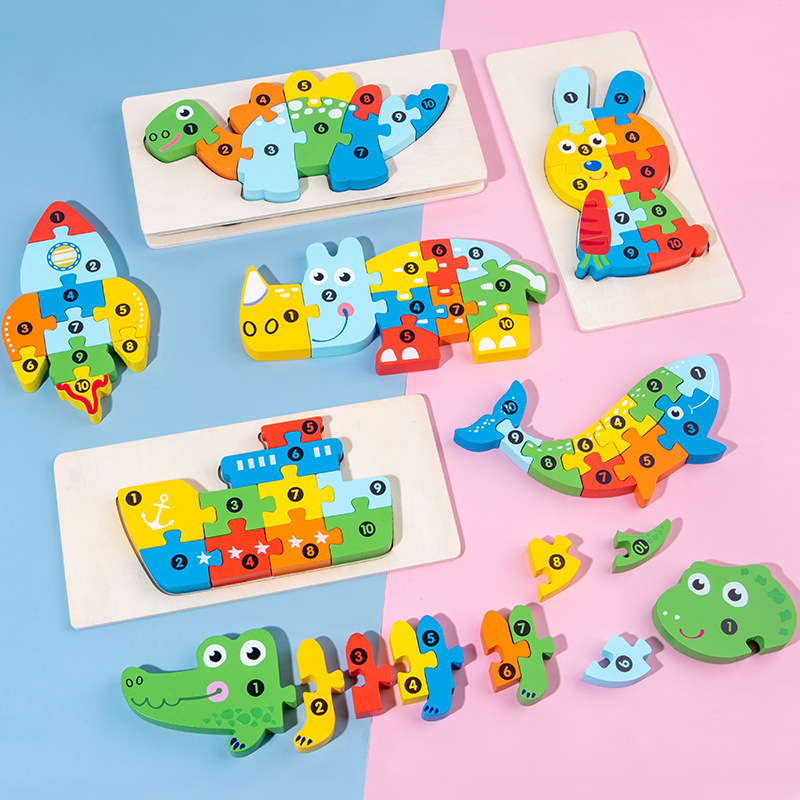
Wooden 3D Animal Vehicle Jigsaw Puzzle Educational Montessori Learning Toy For Children Number Recognition Preschool Early Education
$1.21
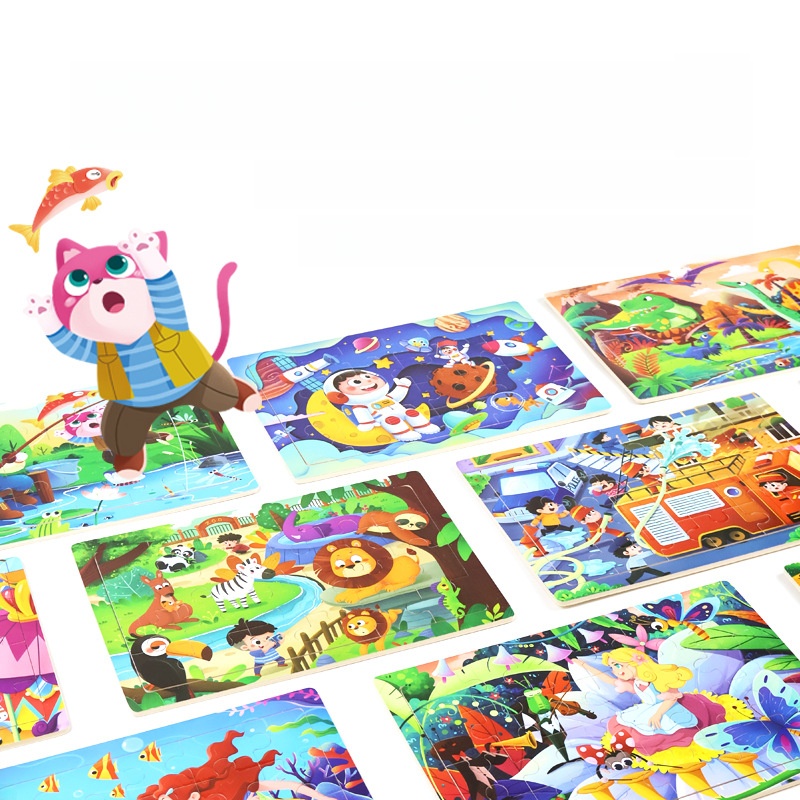
Wooden Jigsaw Puzzles For Toddlers Kids Educational Learning Toys Cartoon Animal Vehicle Cognitive Puzzle Board Early Development Brain Teaser Gift
$0.40

Handmade Crochet Animal Baby Rattle Beech Wood Ring Teether Soothing Toy For Infants Toddlers Nursing Sensory Development Shower Gift
$4.61
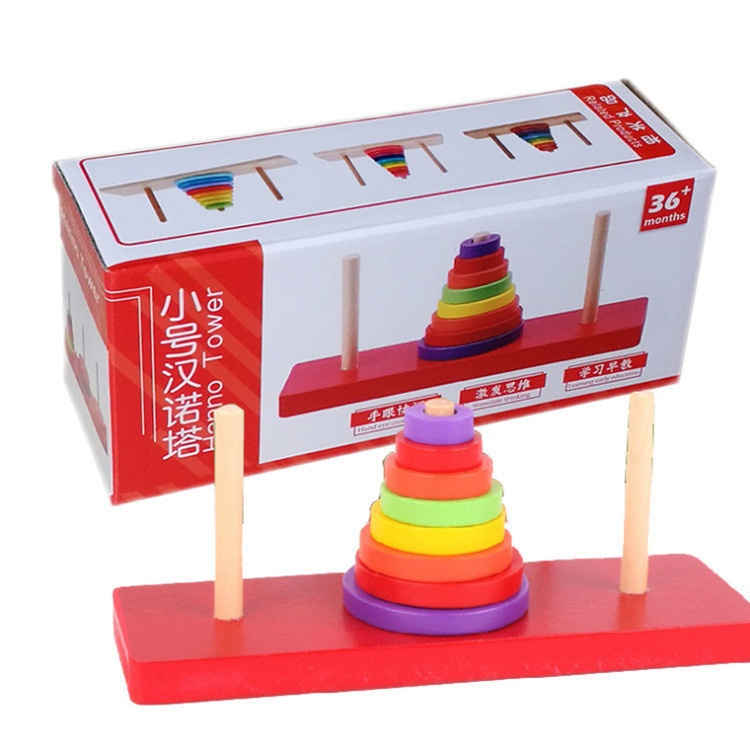
Wooden Tower of Hanoi Educational Toy Rainbow Stacking Blocks Set Logic Thinking Training Montessori Toy For Children Brain Development
$1.24
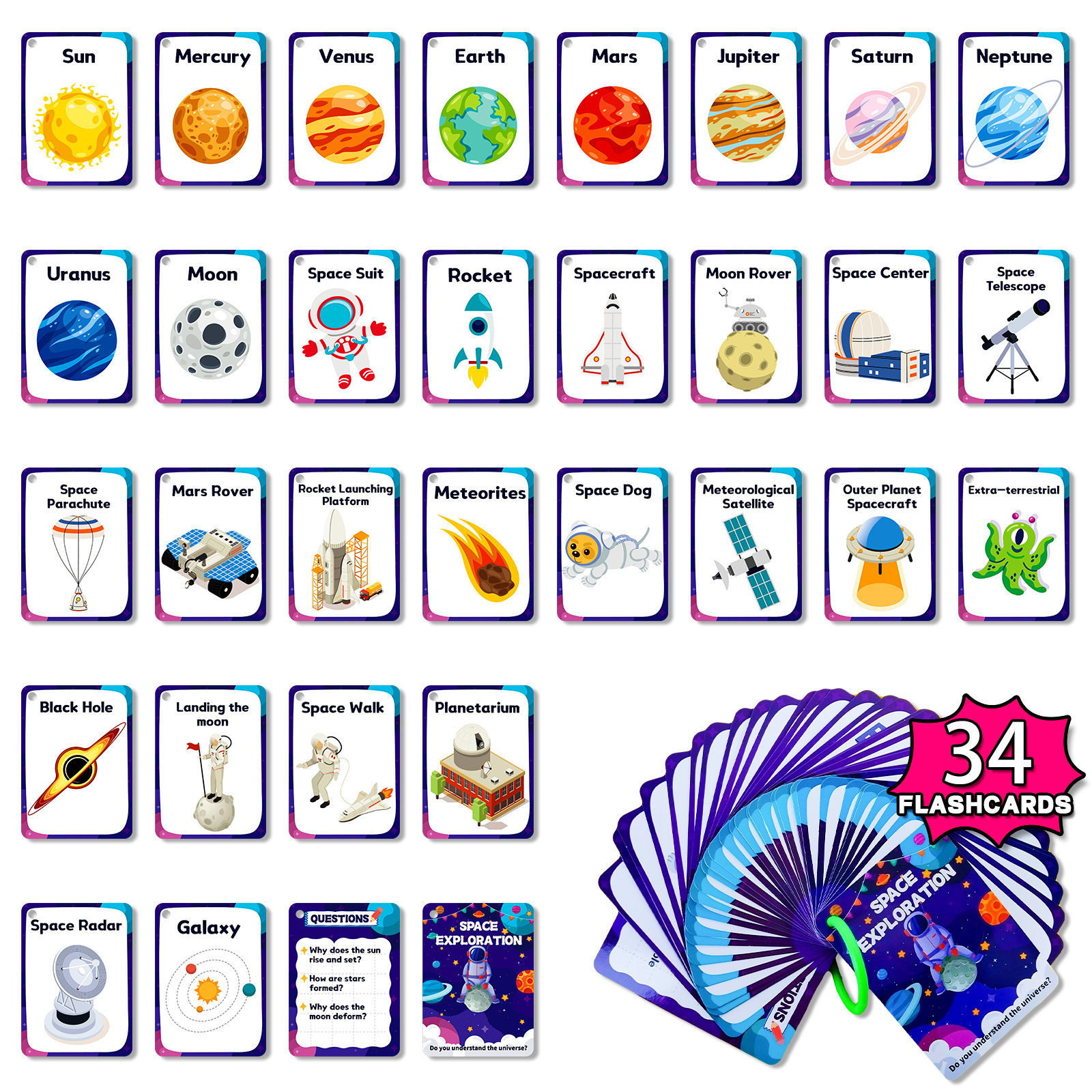
Space Exploration Educational Flash Cards Solar System Planet Cognitive Learning Cards For Kids Toddlers Early Education
$1.90
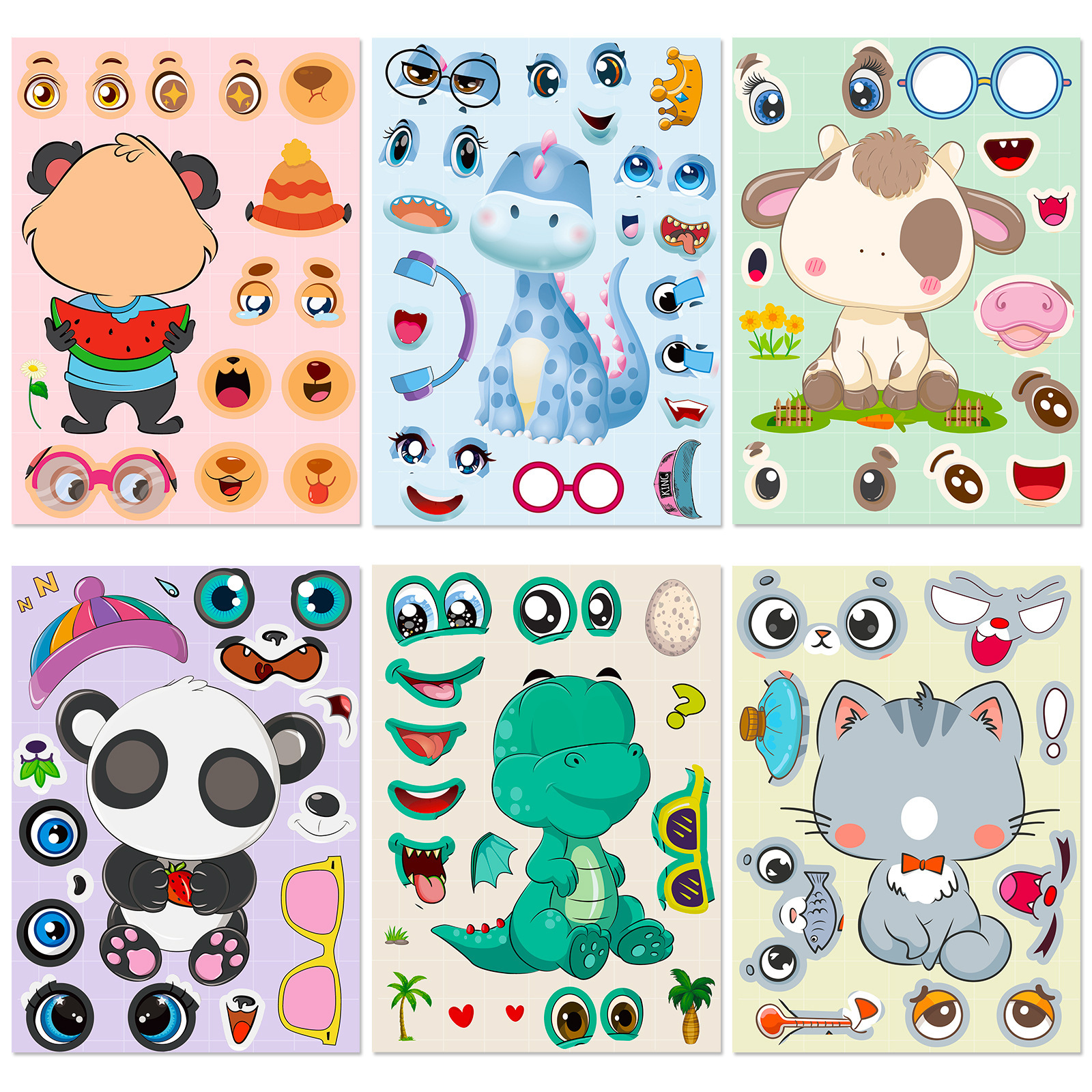
DIY Animal Face Change Stickers Pack For Kids Early Education Puzzle Cartoon Scrapbooking Decorative Stickers Set
$0.10
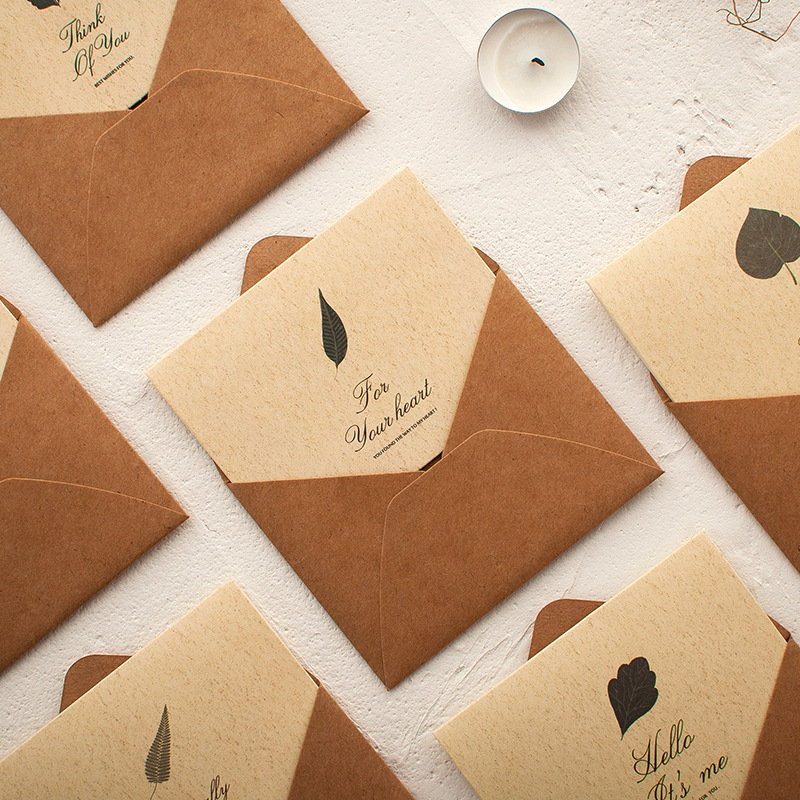
Vintage Kraft Paper Folding Greeting Card Set With Envelopes And Stickers Floral Leaf Design Thank You Birthday Blessing Cards For Teachers Friends General Use
$0.22

3D Pop-up Greeting Cards With Envelopes And Stickers Watercolor Floral Flowers Pattern Handmade Cardstock Gratitude Blessing Cards For Wedding Birthday Party Graduation Gifts General
$0.58
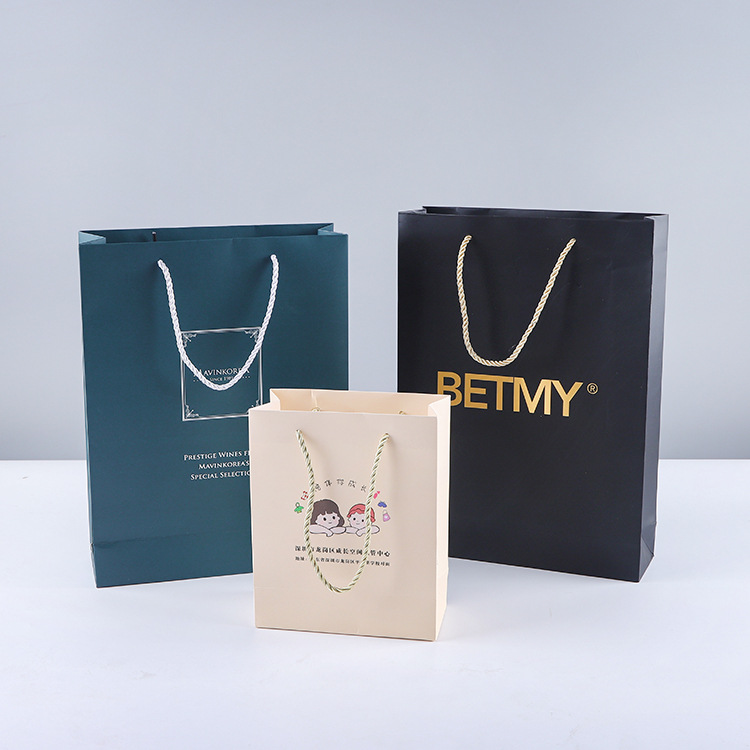
Thick Cardboard Paper Gift Bags With Rope Handles Multiple Sizes For Wedding Birthday Party Packaging Minimalist Elegant Marble Style General Use High Quality Packaging Bags
$0.22
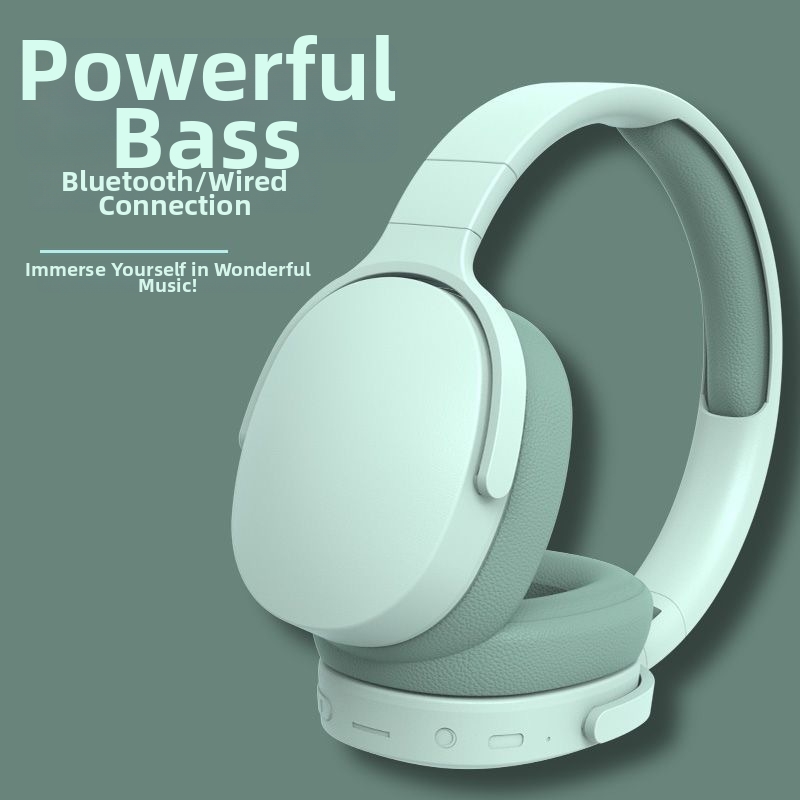
Wireless Bluetooth 5.4 Headphones Over-Ear Foldable Noise Cancelling Gaming Headset With Soft Protein Leather Ear Pads Stereo Sound For Music Sports Gaming General Use
$2.72

Bamboo Joint Glass Coffee Mug With Insulated Leather Sleeve And Straw Heat Resistant Transparent Amber Portable Drinking Cup For Office Home General Gift
$0.93
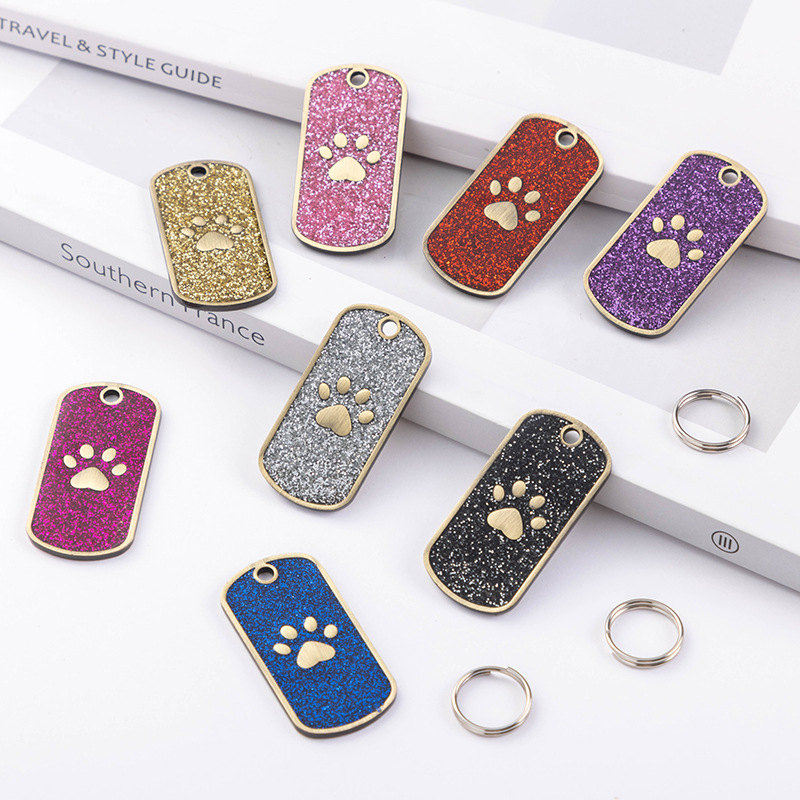
Personalized Glitter Paw Print Pet ID Tag Zinc Alloy Engravable Anti-lost Dog Cat Name Tag Rectangular Pendant Necklace Accessories For General Pets
$0.42
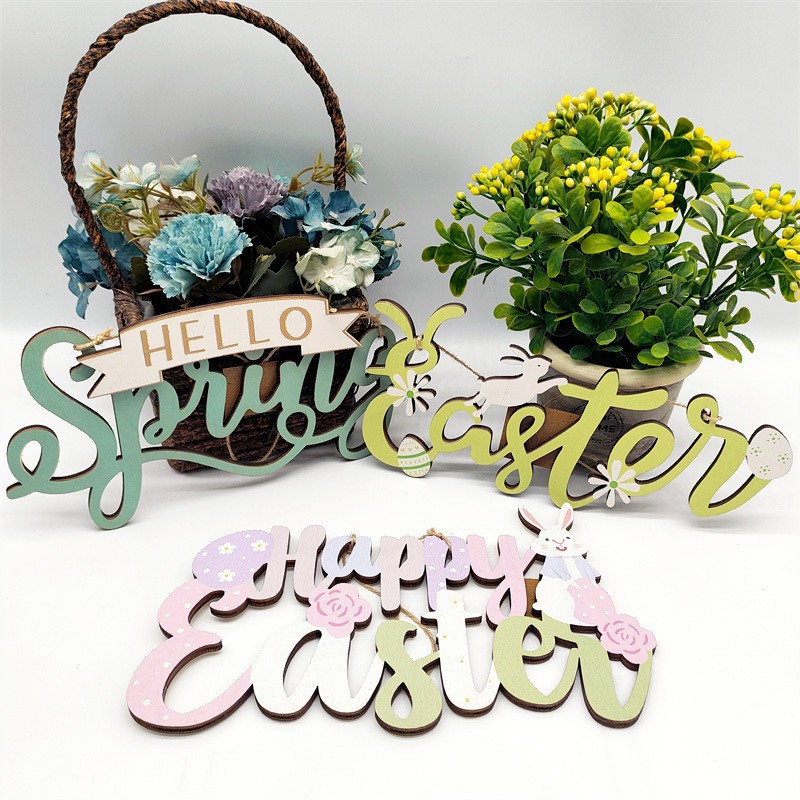
Easter Wooden Hanging Signs Hello Spring Happy Easter Bunny Decorative Plaid Bow Wood Cutout Wall Decor For Home Party Favors General
$0.37
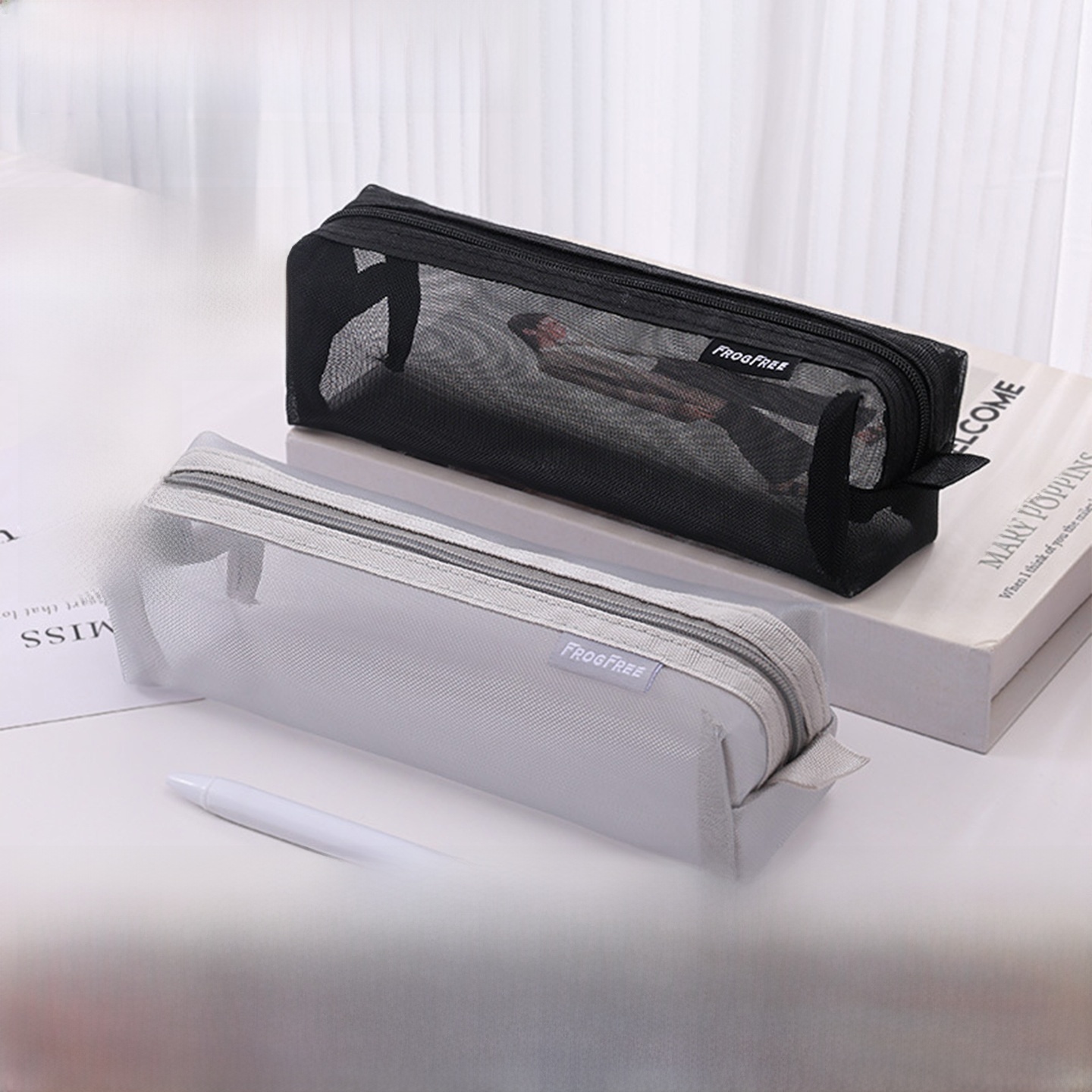
Transparent Nylon Mesh Pencil Case Large Capacity Stationery Bag Zipper Pen Organizer For School Office Students General
$0.78
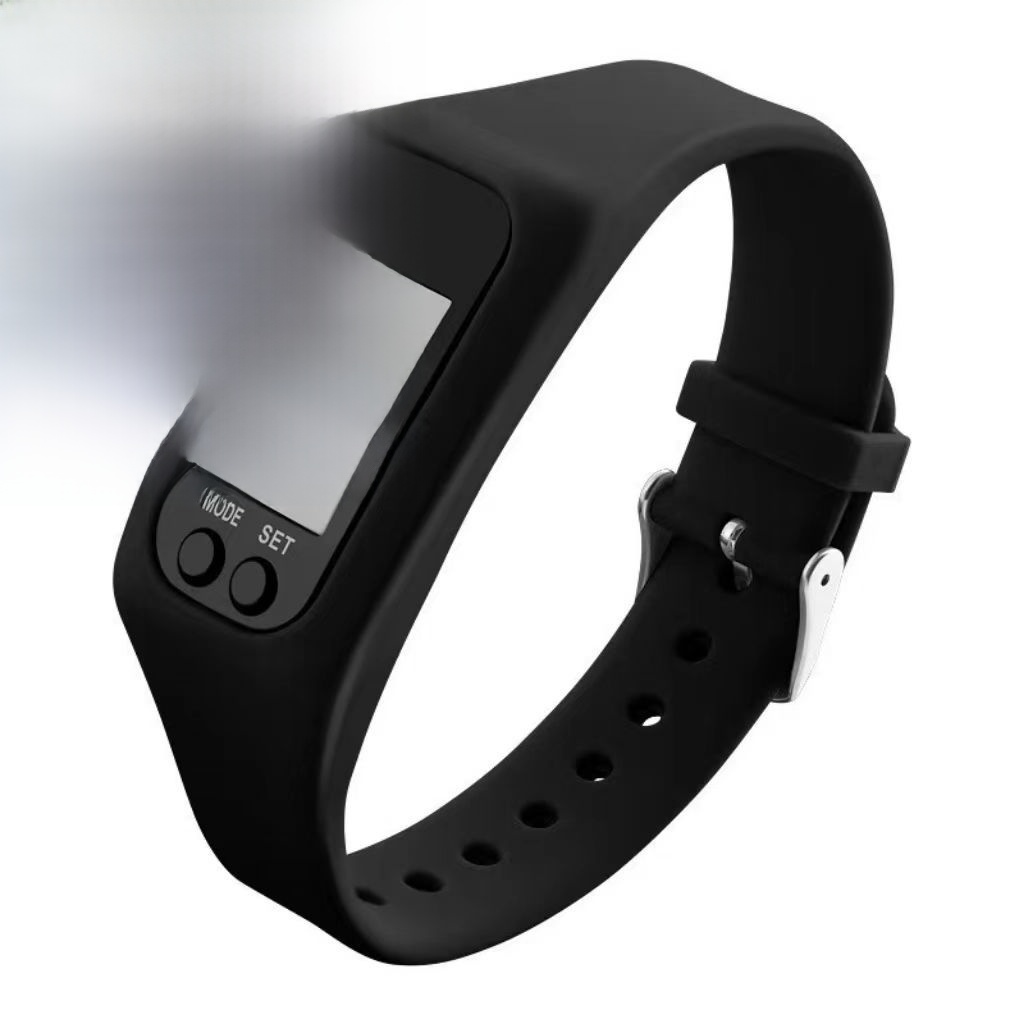
Multi-functional Silicone Sports Pedometer Watch LED Digital Display Fitness Bracelet Step Calorie Distance Counter For Running Outdoor General Unisex
$0.36
Bundle Ideas: Combine App Access with Tangible Learning Tools
Bundling your app subscription with a physical learning aid boosts average order value and reduces churn. Each bundle below pairs a specialized-development advantage with a DayJewel product that extends the learning experience offline.
Sensory Starter Set
For a preschool-focused app that teaches cause & effect through virtual experiments. The physical sensory ball and Montessori spinning drum reinforce the same concepts hands-on.
- Infant Sensory Rattle Ballhero
- Wooden Montessori Spinning Drumcomplement
- Educational Mushroom Nail Pegboardupsell
Bundle at $12.50 (retail) vs $15.00 separately. Wholesale cost $7.98, leaving $4.52 margin per bundle – 36% margin, with the app subscription carrying the higher margin.
Logic & Spatial Bundle
For an app that teaches geometry and logic puzzles. The physical wooden honeycomb puzzle and Tower of Hanoi extend screen time into tactile problem-solving.
- Wooden Honeycomb Puzzlehero
- Wooden Tower of Hanoicomplement
- Wooden 3D Animal Jigsawupsell
Bundle at $11.00 (retail) vs $13.50 separate. Wholesale cost $6.72, margin $4.28 (39%). The app subscription itself can be priced at $9.99/mo, making the hardware a high-perceived-value add.
Science & Space Discovery Set
For a virtual classroom app that covers astronomy and physics. The plasma ball lamp and space flash cards create a hands-on demo station for private tutoring sessions.
- Magic Plasma Ball Lamphero
- Space Exploration Flash Cardscomplement
- Handmade Crochet Rattle/Teetherupsell
Bundle at $16.00 (retail) vs $19.00 separate. Wholesale cost $10.84, margin $5.16 (32%). The lamp alone commands a 58% retail markup, enough to cover the cost of the app’s monthly hosting.
Trade Show Giveaway Pack
For a general agency build that needs low-cost branded items to hand out at education conferences. Personalised pet tags and greeting cards act as contact capture tools.
- Personalized Glitter Pet ID Tagupsell
- Vintage Kraft Greeting Card Setcomplement
- 3D Pop-up Greeting Cardshero
Bundle at $2.50 (wholesale) vs $3.20 separate. Cost per piece $0.83 – ideal for bulk ordering 500+ units at $0.65 each, keeping cost per lead under $1.