
Trend Report · May 10, 2026
Welcome Deals vs Special Offers: How Promotional Pricing Affects Your Wholesale Margins
Know how welcome deals and special offers affect your accessory wholesale costs. Avoid margin erosion from stacking errors. Profit scenarios included.
Are Welcome Deals Different Than Special Offers? The Pricing Trap That Costs You Margin
Sellers often assume stacking a welcome deal and a special offer yields the lowest unit cost. But as a recent seller discovered, the math doesn't always work. When you stack multiple special offer items, each item may actually cost more — not less. This is because special offer pricing can be set per item with a maximum discount cap, and welcome deals typically apply only to the first purchase of a qualifying product. For a wholesale buyer sourcing 500 blank jewelry price tags at $2.74, failing to understand this distinction could mean paying $3.50 per unit instead of $2.50 after the first order.
The key question: does the special offer pricing disappear after the first purchase? Based on common platform behavior, yes — special offer pricing is often an introductory rate tied to the first unit, not a volume discount. Once you buy, the price resets. And if you buy a welcome deal item, it may override the special offer on other items. This creates a margin trap if you plan your retail pricing based on the initial low cost without accounting for subsequent orders. For accessories like heart stainless steel bracelets ($2.75 wholesale), a $0.50 miscalculation per unit on a batch of 100 erases $50 of profit.
Why This Pricing Confusion Presents a Margin Opportunity
Most new boutique owners don't model the true cost of promotional pricing. They base their retail price on the best-case single-unit cost from a welcome deal, then find their margin slashed on reorders. This is where informed buyers gain an edge. By understanding the difference between offer types, you can structure your sourcing to maximize the welcome deal on one high-margin hero item (like the elegant alloy rhinestone butterfly brooch at $1.44 wholesale) and use special offers only for complementary items that won't be restocked frequently.
The margin opportunity lies in using welcome deals for test runs, then shifting to straight wholesale for scale. For example, a welcome deal might offer a heart zircon bracelet at $2.75 for the first 10 units, but the special offer might drop to $3.25 after — a 18% increase. A buyer who budgets for the higher cost avoids retail underpricing and preserves a 50% margin.
Who Benefits From This Analysis
This applies to anyone moving from first-time sample orders to repeat bulk purchasing. The profit erosion is most dangerous for sellers with thin margins — like flea-market operators selling $5 jewelry or Shopify stores competing on price.
Shopify seller
Struggles with consistent inventory pricing. Relying on special offer pricing for too many SKUs leads to variable costs that confuse profit calculations.
Etsy handmade seller
Often sources small batches of unique items. Welcome deals allow testing, but reorder costs must be known upfront to maintain 50%+ margins.
Pop-up stall operator
Operates on high volume, low margin per unit. A $0.10 difference per item across 500 units is $50 — understanding offer stacking prevents that loss.
Margin Anatomy: The True Cost of Promotional Pricing
| Component | Low Range | High Range | Notes |
|---|---|---|---|
| Wholesale unit cost before promotions | $0.14 | $5.33 | Base price per product from DayJewel catalog |
| Welcome deal discount (first purchase) | -$0.50 | -$1.00 | Typical discount on first unit, varies by platform |
| Special offer discount (first unit only) | -$0.20 | -$0.75 | Often smaller than welcome deal, applies per item |
| Promotional price reset cost (reorder) | +$0.30 | +$1.00 | Cost increase when buying subsequent units without discounts |
| Shipping cost per unit (small order) | $0.15 | $0.50 | Adds to effective unit cost, often overlooked |
| Effective unit cost after one order with both promotions | $2.50 | $4.80 | Example: heart bracelet welcome + special offer on first unit might yield $2.50, but subsequent orders are $3.50 |
Profit Scenarios Based on Pricing Strategy
| Scenario | Wholesale | Retail | Profit | Best For |
|---|---|---|---|---|
| Conservative: 30% margin using only wholesale prices | $3.00 | $9.99 | $6.99 | Shopify stores with no promotional pricing confusion |
| Optimistic: 50% margin on first order with stacked promotions | $2.50 | $9.99 | $7.49 | Pop-up stalls making one-time purchases only |
| Realistic: 40% margin accounting for reorder price reset | $3.50 | $9.99 | $6.49 | Repeat buyers who understand true cost |
| Risky: project 50% margin but face 20% actual due to costs | $4.00 | $9.99 | $5.99 | Warning scenario for new sellers |
How to Sell With a Promotional Pricing Strategy That Protects Margins
Rather than relying on platform promotions for every transaction, build your own bundle discounts. Use welcome deals to test one hero product per category. For example, order the heart zircon bracelet on welcome deal at $2.75. Then source packaging bags at straight wholesale for $0.05 each. Your effective cost per unit stays low without stacking risk. On each subsequent reorder, you know the true cost is $3.25 plus shipping. Price your retail at $12.99 for a healthy 60% margin on reorders.
List the welcome-deal hero item as a loss leader to drive traffic, then upsell special-offer items at full margin. Use the welcome sign ($5.33) to attract seasonal buyers, then suggest brooch ($1.44) and keychains ($0.35) at standard prices.
⚠ Etsy fees and shipping eat into margins if not factored in.
Create a 'stacking hack' video showing how to combine offers for a low-cost bundle. Sell the bundle as 'ultimate starter kit' with bracelet+tags+brooch. Price at $15.99, cost $6.50, profit $9.49.
⚠ TikTok's promotion thresholds may force you to underprice.
Set up automatic discount rules that mimic welcome/special offer behavior: 10% off first order on one item, 5% on second. Use margins to allow these discounts.
⚠ Customers may wait for future discounts, slowing reorders.
Top Products to Apply This Pricing Strategy
These products are ideal for testing welcome deal vs special offer dynamics — small, trendy accessories with wholesale prices under $5. Pair a welcome deal on one hero item with special offers on supporting inventory.
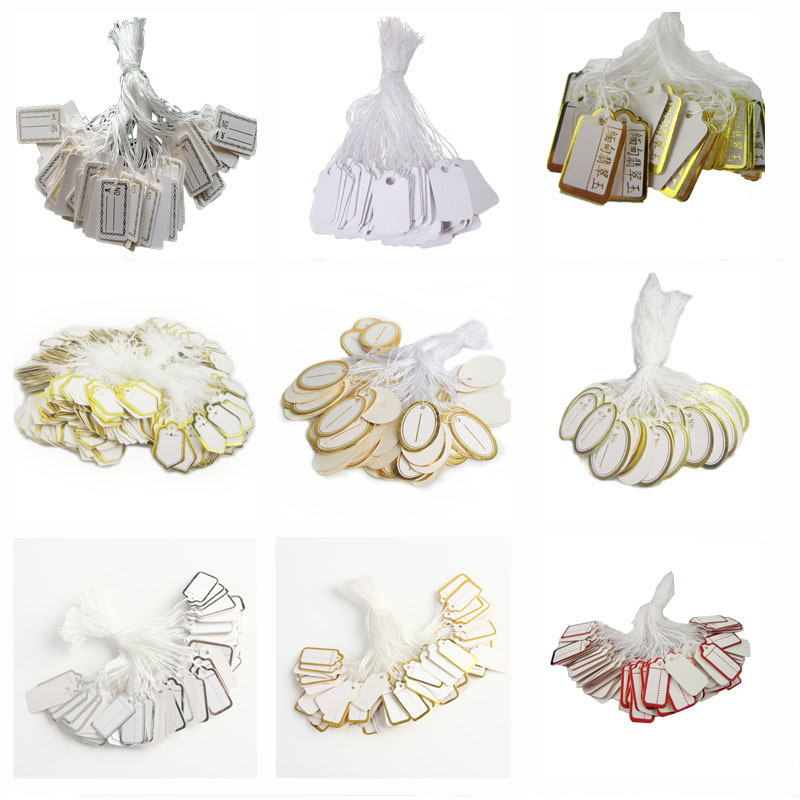
500pcs Blank Jewelry Price Tags with White Cotton String Paper Pricing Labels with Gold Silver Red Borders for Jewelry Clothing Accessories Pricing and Identification
$2.74
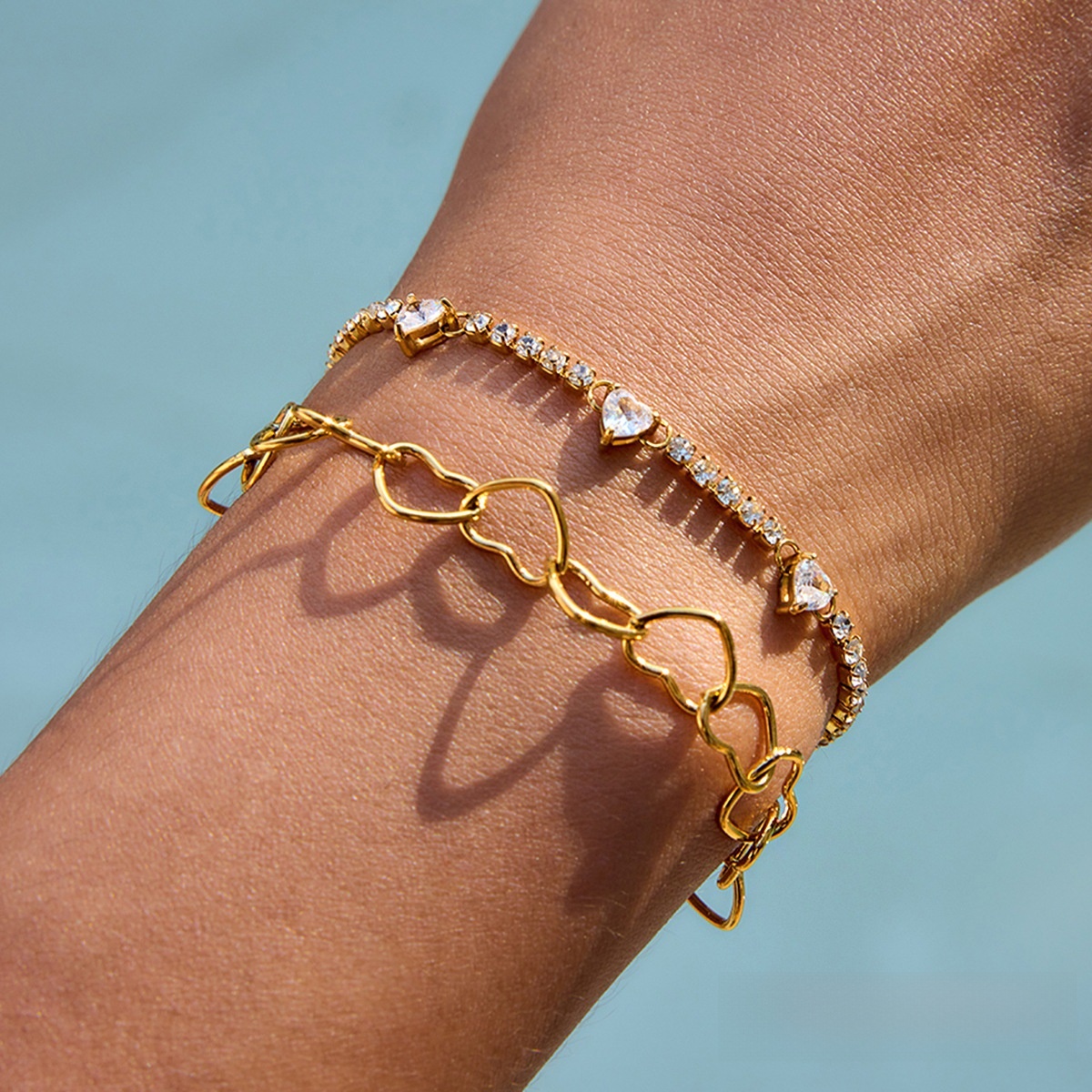
Heart Stainless Steel Zircon Bracelet Jewelry For Women Hot Item
$2.75
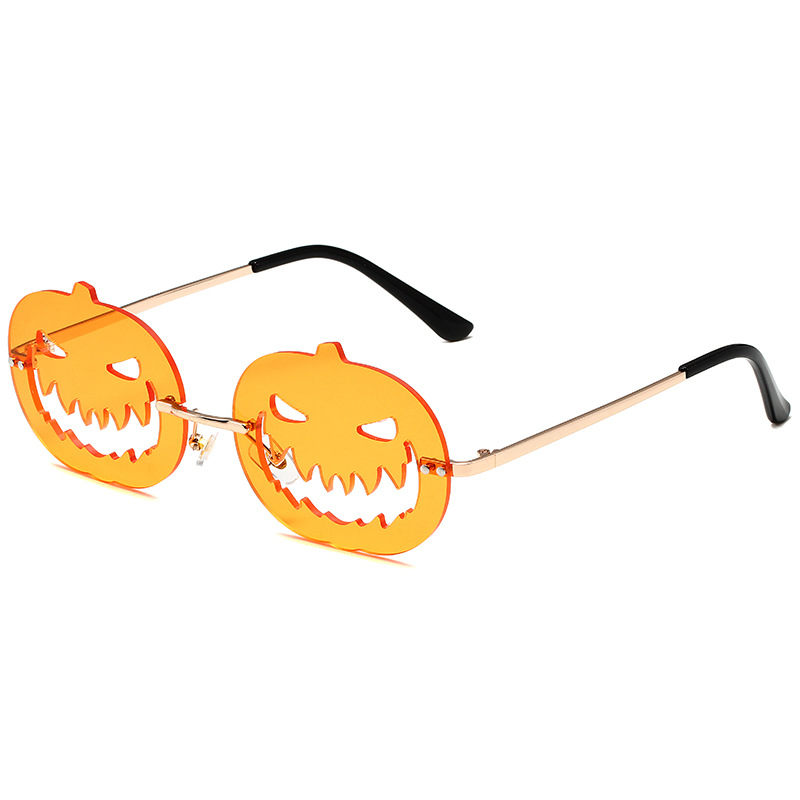
Hip-Hop Pumpkin Pc Special-Shaped Mirror Frameless Glasses
$2.74
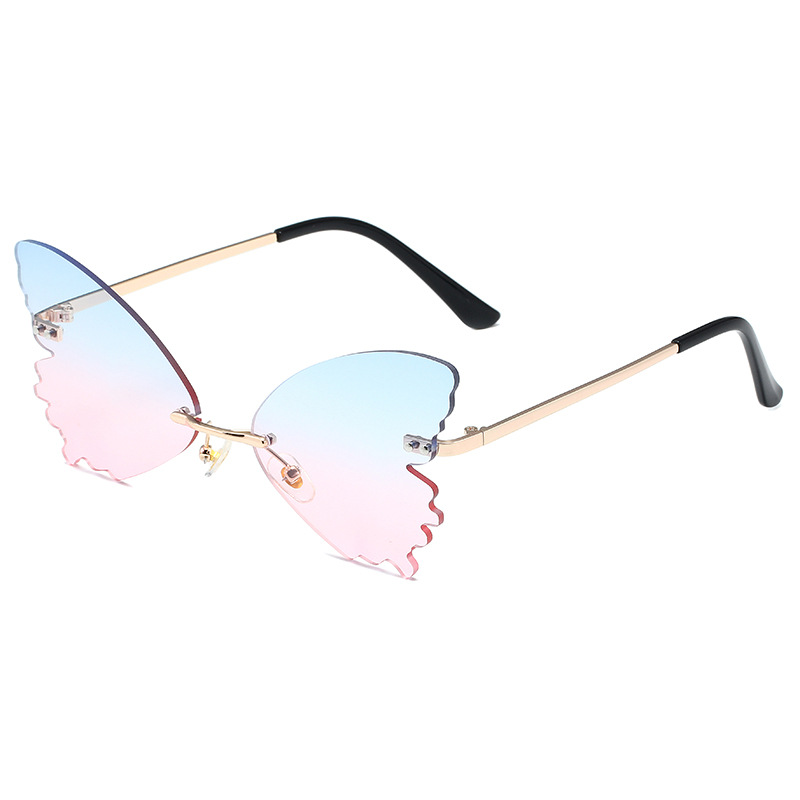
Sweet Minimalist Butterfly Pc Special-Shaped Mirror Frameless Glasses
$2.74
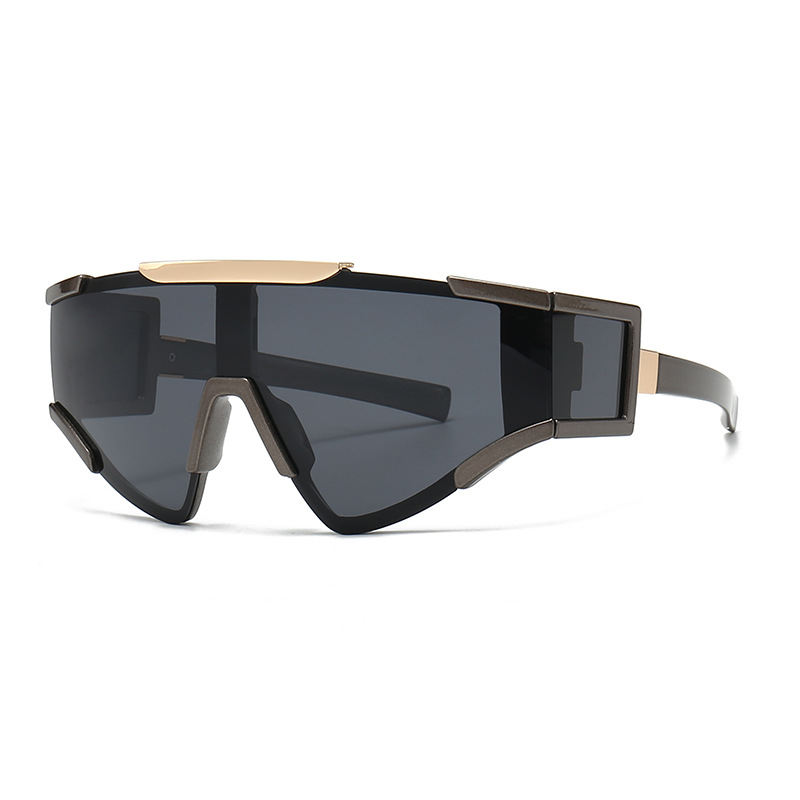
Minimalist Color Block Pc Special-Shaped Mirror Half Frame Glasses
$4.03
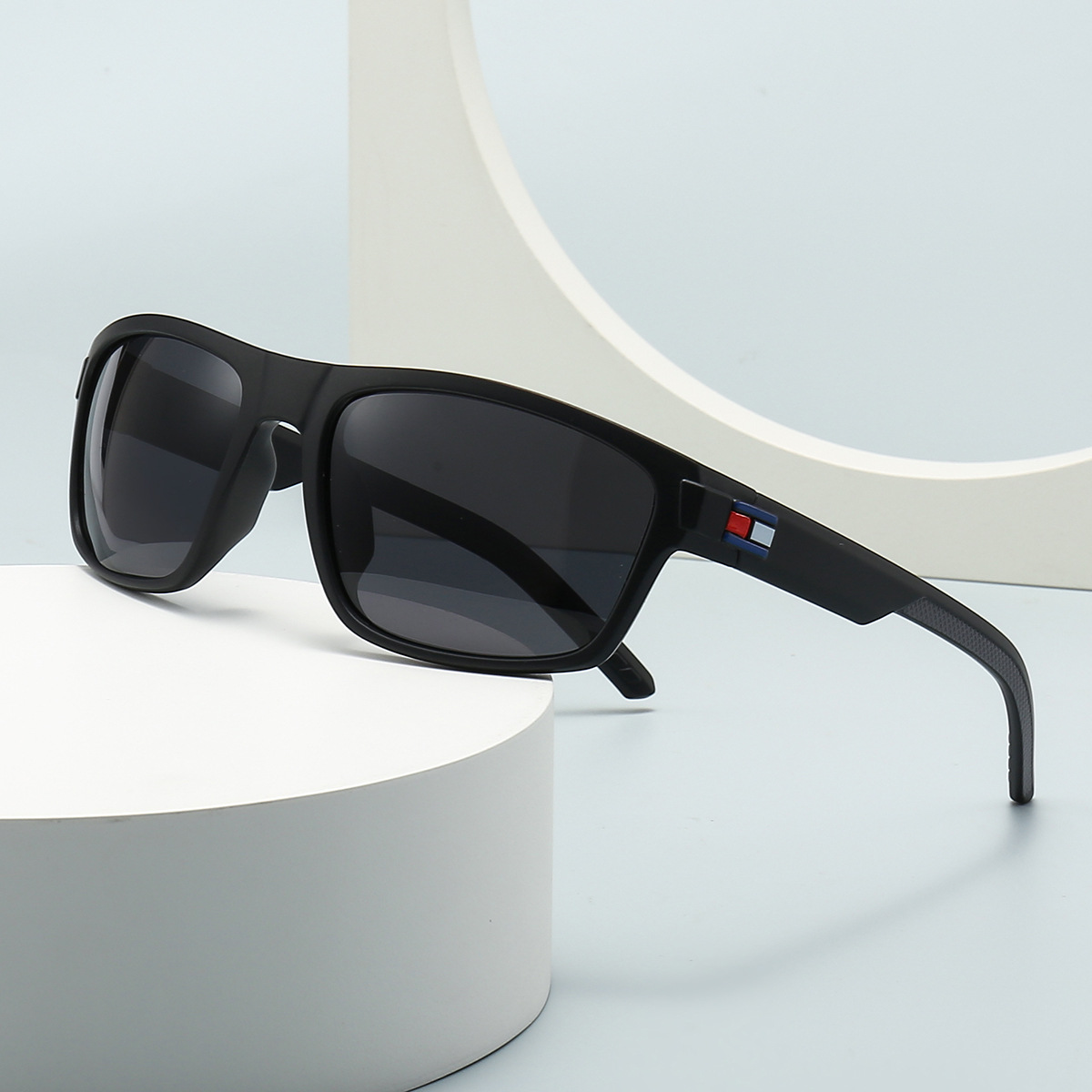
Casual Solid Color Pc Special-Shaped Mirror Full Frame Glasses
$4.03
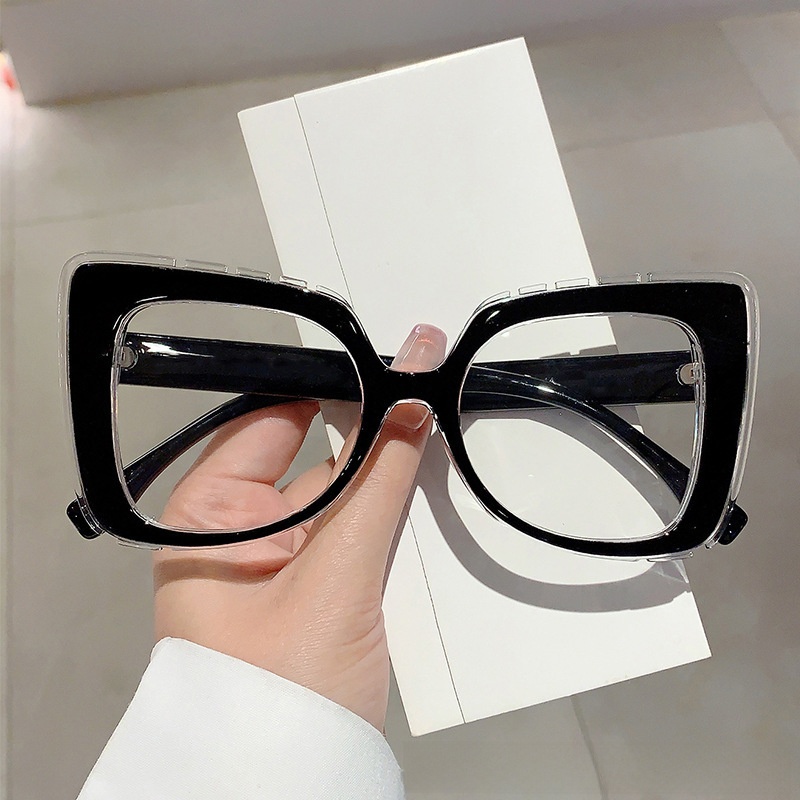
Basic Minimalist Geometric Pc Special-Shaped Mirror Full Frame Glasses
$2.02

Cute Flower Ac Special-Shaped Mirror Full Frame Women'S Sunglasses
$1.38
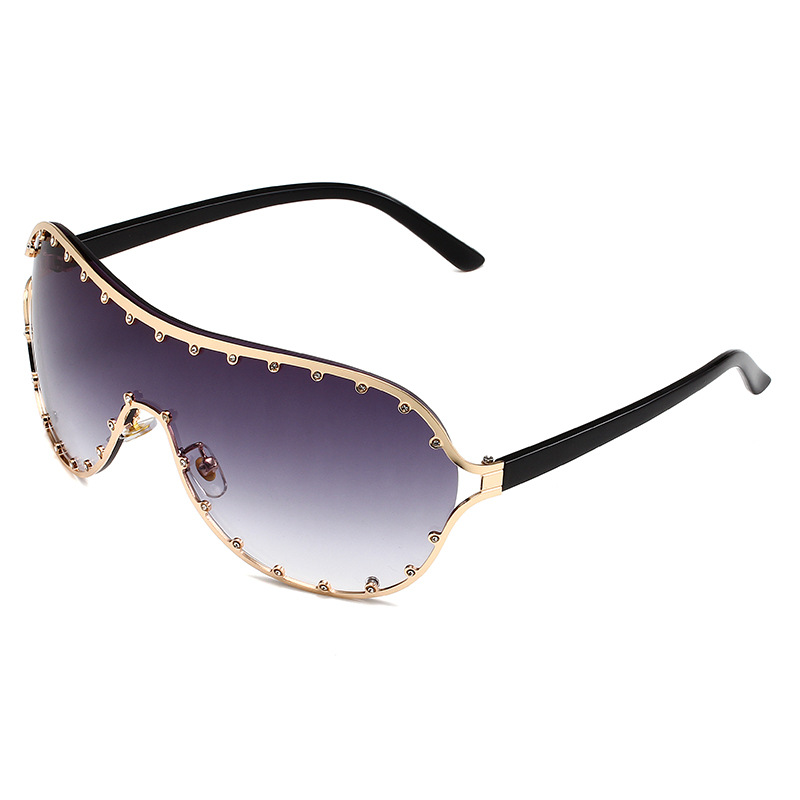
Vintage Style Minimalist Solid Color Pc Special-Shaped Mirror Frameless Glasses
$3.03
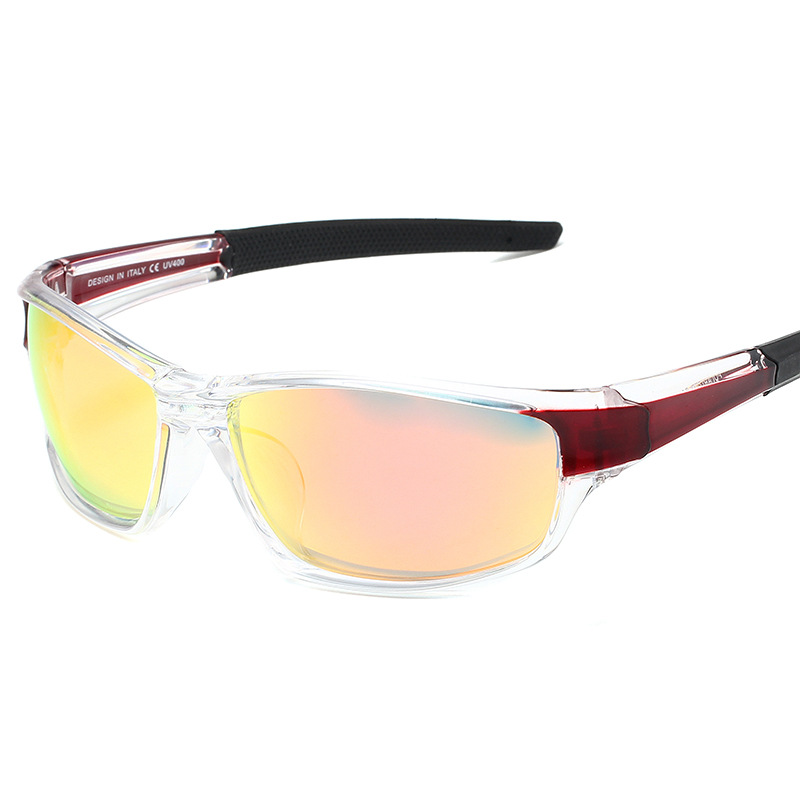
Sports Cool Style Geometric Pc Special-Shaped Mirror Full Frame Glasses
$1.59
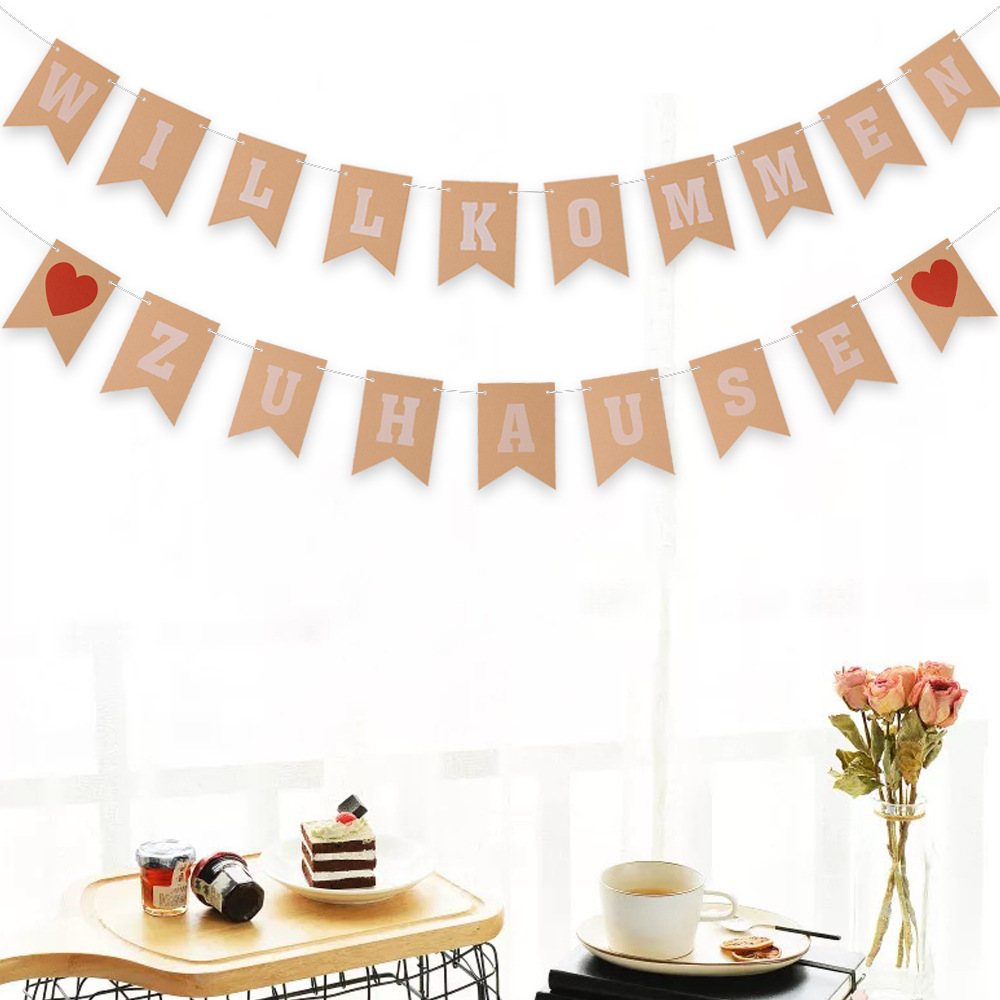
Kraft Paper Welcome Home Banner Willkommen Zuhause Bunting With Red Hearts Swallowtail Flags For Home Party Decoration German Welcome Sign
$1.10

Modern Style Solid Color Pc Special-shaped Mirror Full Frame Women's Sunglasses
$2.59

Christmas Wooden Gingerbread Man Welcome Friends Sign Hanging Ornament Cartoon Painted Wood Welcome Plaque For Xmas Tree Door Home Wall Decor
$1.61

Minimalist Sports Color Block Solid Color Pc Special-Shaped Mirror Half Frame Glasses
$3.03
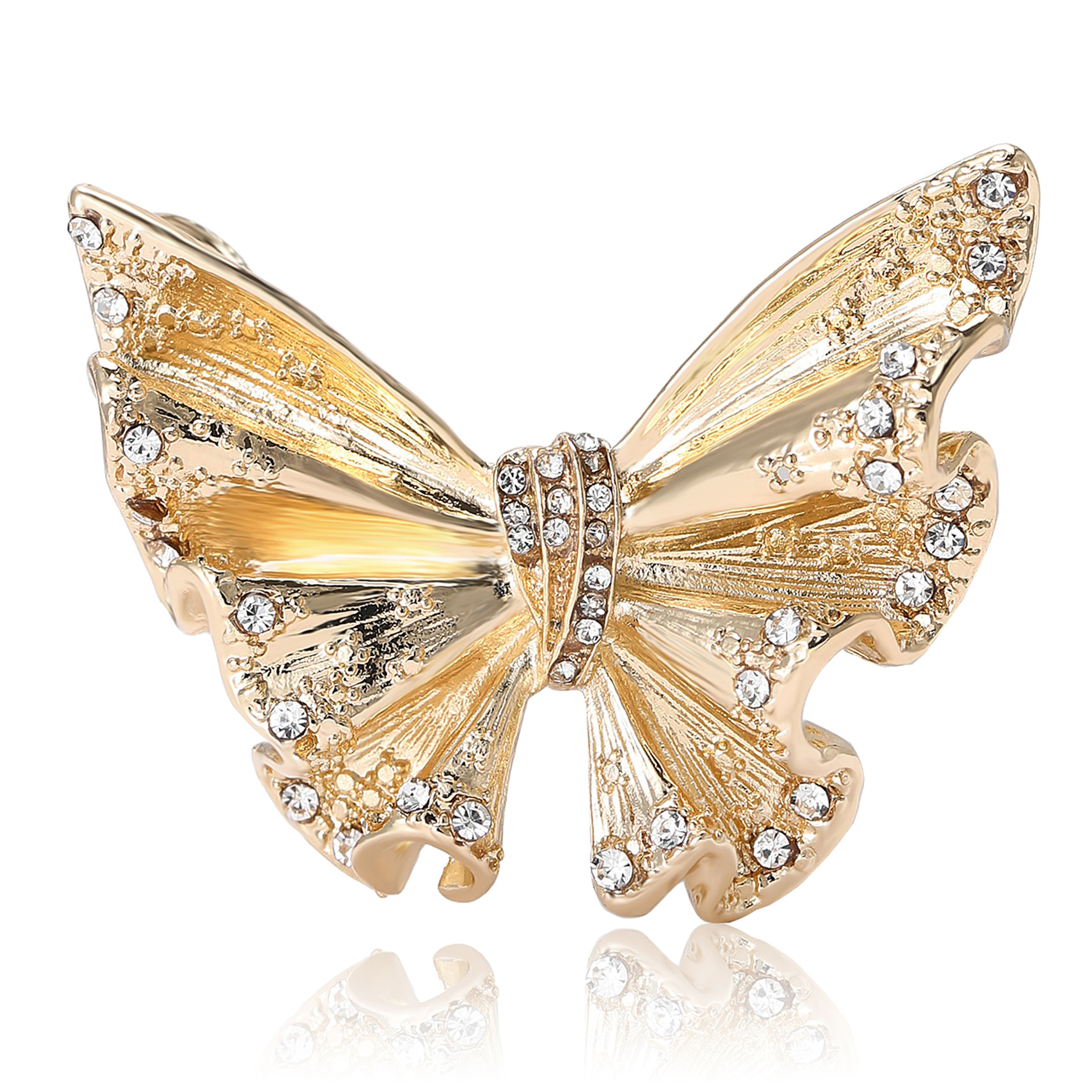
Elegant Alloy Rhinestone Butterfly Brooch For Women High Grade Enamel Insect Pin Fashion Suit Sweater Accessories Jewelry Sparkling Gift Item
$1.44
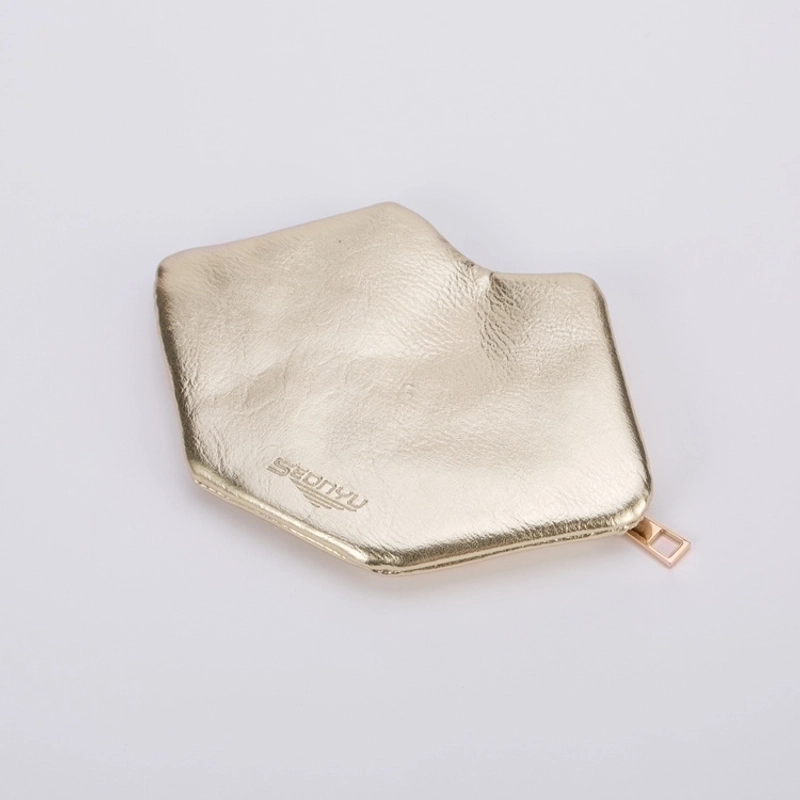
Creative Lip-Shaped Coin Purse PU Leather Metallic Gold Mini Card Key Pouch For Women Daily Small Item Storage Bag
$1.64
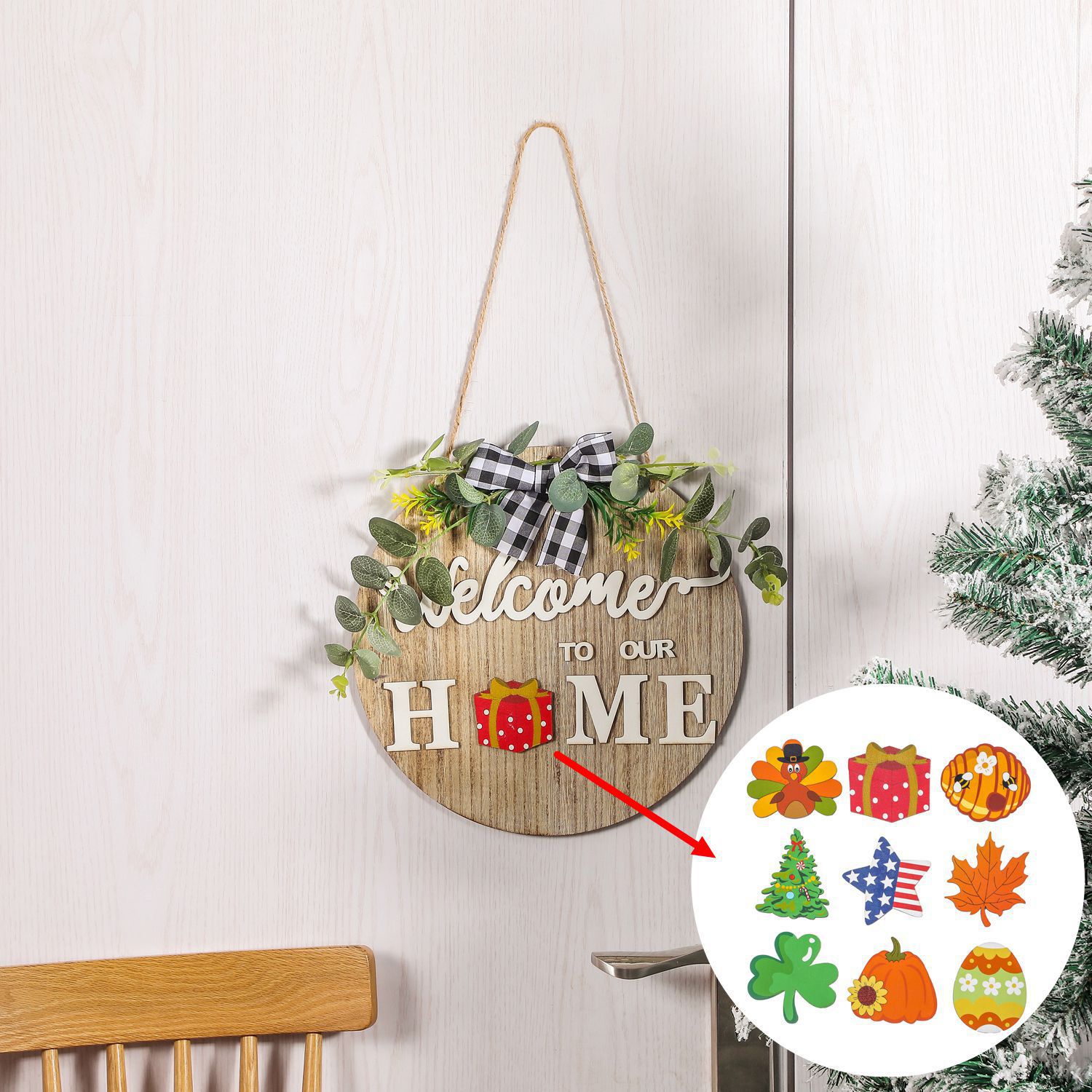
Interchangeable Seasonal Welcome Sign For Front Door Rustic Wooden Round Welcome To Our Home Hanger With 9 Icons Holiday Home Decor Wall Art
$5.33
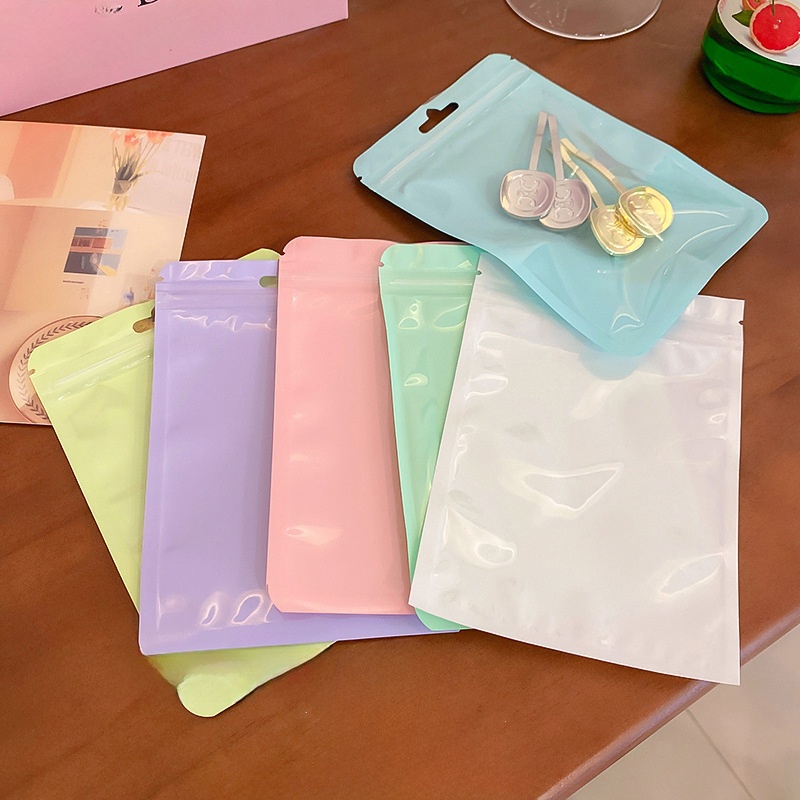
Macaron Colors Jewelry Packaging Bags Plastic Matte Ziplock Storage Bags With Hang Hole Small Item Packaging Bags For Earrings Necklace 15x10.5cm
$0.05
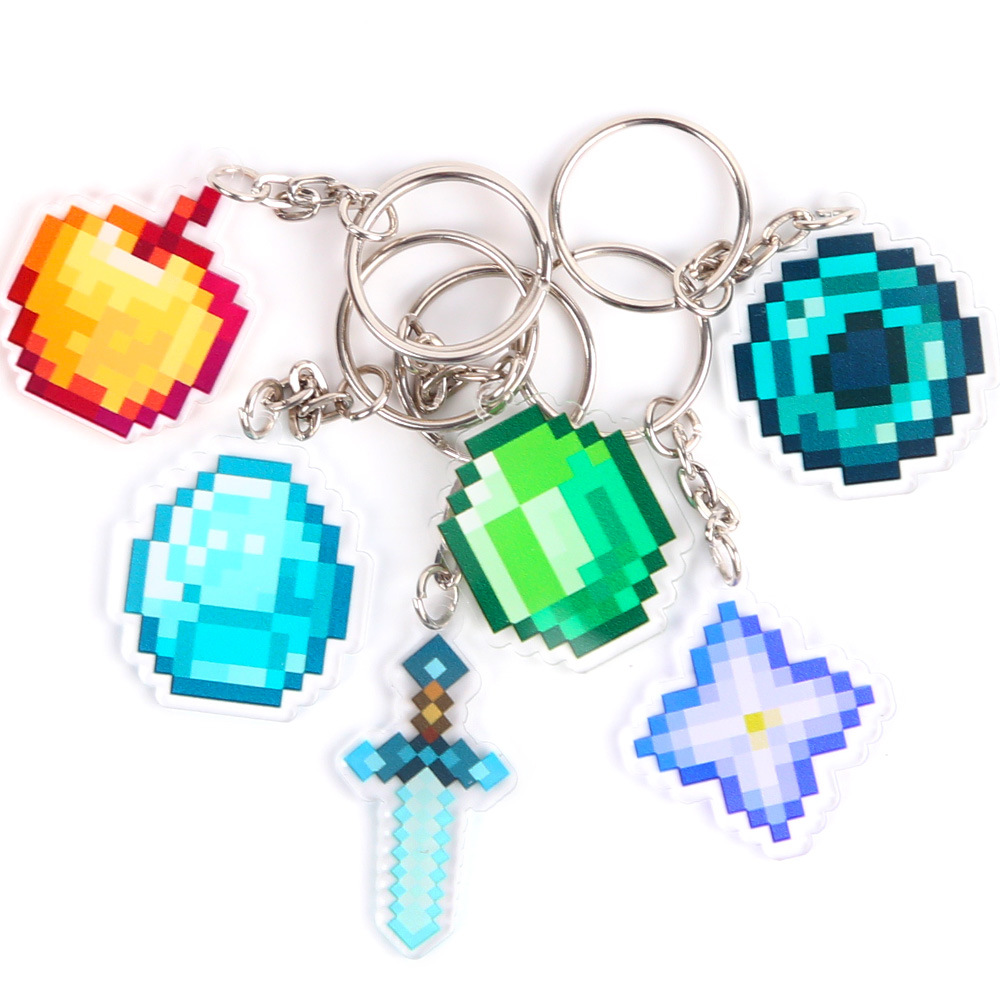
Pixel Game Item Keychains Acrylic Metal Ring Ornaments Retro Style Backpack Charms For Boys Girls Kids School Birthday Party Gift Accessories
$0.35
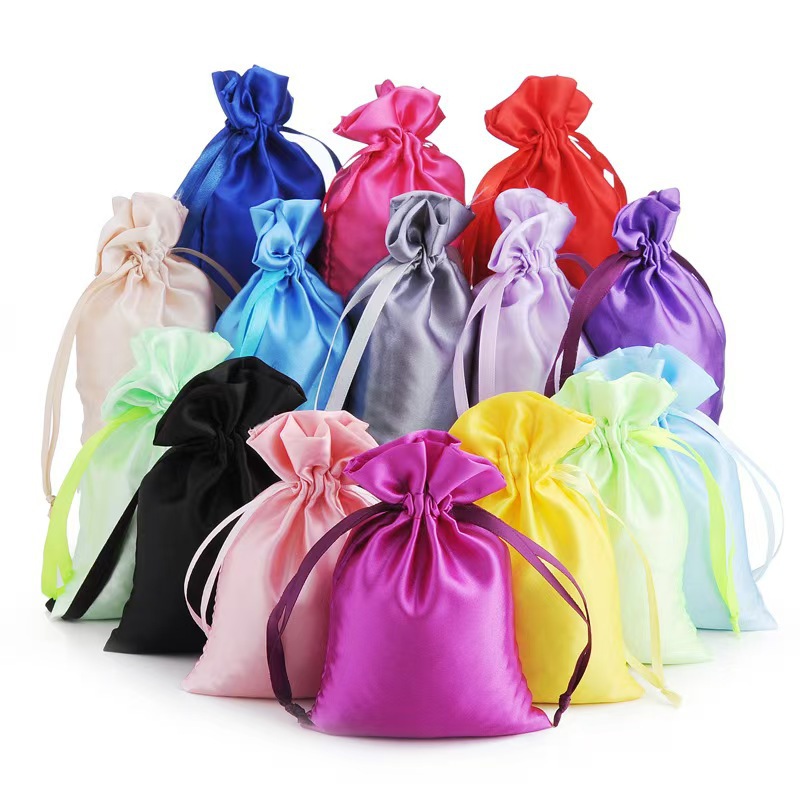
Glossy Satin Drawstring Bags Faux Silk Jewelry Packaging Pouches Dustproof Underwear Storage Bags For Gift Wedding Party Travel Small Item Organizer
$0.14
Bundle Economics: Stacking Promotions Without Profit Loss
Instead of relying on platform promotions for every item, create your own bundles that combine a welcome-deal hero with special-offer upsells. This preserves margin because you control the bundle price, not the platform.
Jewelry Starter Test Bundle
New seller testing demand for women's accessories
- Heart Stainless Steel Zircon Bracelethero
- 500pcs Blank Jewelry Price Tagscomplement
- Elegant Alloy Rhinestone Butterfly Broochupsell
Buying the bracelet alone on welcome deal: $2.75. Tags at special offer: $2.74 (reduced from $3.00). Bundle all three at DayJewel wholesale: $6.50 vs $7.23 separately — saving $0.73 and avoiding price reset.
Glasses & Bag Combo
Pop-up stall with trendy sunglasses and small bags
- Sweet Minimalist Butterfly Frameless Glasseshero
- Creative Lip-Shaped Coin Pursecomplement
- Macaron Colors Jewelry Packaging Bagsupsell
Butterfly glasses wholesale: $2.74. Coin purse: $1.64. 50-pack packaging bags: $2.50 for 50. Bundle at $6.50 vs $6.88 individually — a 5.5% savings that protects margin.
Welcome Sign & Decor Bundle
Home decor niche, leveraging welcome deal on seasonal signs
- Interchangeable Seasonal Welcome Signhero
- Kraft Paper Welcome Home Bannercomplement
- Christmas Wooden Gingerbread Welcome Signupsell
Interchangeable sign on welcome deal: $5.33. Banner: $1.10. Christmas sign: $1.61. Bundle at $7.50 vs $8.04 separately. Save $0.54, but more importantly, avoid special offer price reset across three items.