
Trend Report · May 15, 2026
The Awkward Situation with Customer: An Operational Playbook
Learn how to handle customers who want to co-create products, set boundaries, and keep your inventory moving with this operational playbook for jewelry wholesalers.
Awkward Situation with Customer
The 'Awkward Situation with Customer' is a recurring challenge for small business owners who sell accessories and jewelry wholesale. In the source scenario, a customer purchased three items across two orders (two custom, one standard) and then began suggesting future product ideas, sending links for supplies, and using language like 'we' can work on this together. The seller felt uncomfortable and unsure how to decline without losing the sale.
This pattern is becoming more common as ecommerce grows and customers feel empowered to co-create. Yet acting on these requests often pulls you away from proven inventory, adds complexity, and eats into margin. The timing window to address this is tight: once a customer feels entitled to influence your product line, resetting expectations becomes harder. Right now — while you still control the narrative — you need a scripted approach to say 'yes' to the order but 'no' to the partnership.
For wholesale buyers on DayJewel, your strength is volume and speed. Custom collaborations slow you down. This playbook helps you maintain focus on moving what you stock, not what a single customer wants you to source.
Why This Window of Opportunity Is Closing
The 'Awkward Situation with Customer' trend is emerging because direct-to-consumer platforms (Shopify, Etsy, TikTok Shop) have blurred the line between buyer and designer. Customers now send supply links expecting you to order them, and the 'we' language signals an assumption of shared business control. If you don't establish clear boundaries in the next 1-2 interactions, you risk custom orders that don't scale, unsold inventory from niche requests, and a diluted brand identity.
This window of opportunity closes fast because each subsequent message reinforces the customer's expectation. The source summary shows a customer who has already sent multiple suggestions — the seller's hesitation signals uncertainty. Once you ship the current order without addressing the boundary, the customer will assume the next order includes their custom items. Playbook timing: respond within 24 hours of receiving the suggestion, and always before shipping the current package.
By acting now, you preserve your margin. A custom item from a supplier link may cost you $1.50 but sell for $4 — but only to that one customer. Meanwhile, your existing inventory (like DayJewel's thank-you cards or fraternal rings) has a proven sell-through rate. The window is open until the customer places another order with expectations attached.
Who Needs This Playbook
Any wholesale jewelry seller who receives direct customer suggestions or co-creation requests needs this playbook. The profiles below share a common pain point: they risk overcommitting to a single buyer's vision while neglecting their core inventory.
Shopify seller
You run a lean store with limited SKU capacity. One custom request can derail your reorder cycle and create dead stock. This playbook helps you maintain a focus on best sellers without burning customer goodwill.
Etsy seller
Custom orders are part of Etsy's DNA, but the line between custom and co-creation is thin. This playbook gives you language to fulfill requests without committing to future supply orders that don't fit your brand.
Flea-market / pop-up operator
You test products weekly. A customer asking 'we' to work together on a new item distracts from your quick-turn strategy. Use this playbook to keep each interaction transaction-based.
Implementation Stages
Recognize the Situation
Trigger: Customer sends supply links for you to purchase, or uses language like 'we' can work on this together.
Identify whether this is a one-time suggestion or a pattern. Check the customer's order history (past purchases, any previous custom requests).
✓ You confirm this customer has bought two orders (one custom) and now wants to co-create future items — a clear pattern.
✗ Ignoring the signal and assuming it's harmless leads to further messages that escalate expectations.
Document the exact wording of their suggestion for your records.
✓ You have a clear record to refer back to if needed.
✗ Relying on memory causes you to misquote or downplay later.
Pause and Assess Your Capacity
Trigger: After recognizing the situation, before responding.
Review your current inventory and supplier lead times. Ask: can I fulfill their suggestion using existing DayJewel stock?
✓ You conclude that the suggested items are not in your catalog and would require sourcing from a new supplier.
✗ Feeling pressured to say 'yes' because you haven't checked your actual stock. You end up promising something you can't deliver.
Calculate margin on a hypothetical custom order using the customer's link (including shipping).
✓ You find the margin is lower than your average of 40% on DayJewel products — clear reason to decline.
✗ Agreeing without margin analysis leads to a money-losing order.
Draft Your Response
Trigger: Before you type your reply.
Write a three-sentence reply: (1) Thank the customer for their order and ideas. (2) State that your business focuses on existing inventory. (3) Offer a specific product from DayJewel that fits their stated interest.
✓ The customer feels heard but understands the boundary.
✗ Writing a long emotional explanation makes the boundary fuzzy and invites negotiation.
Avoid using 'we' or 'our' when referring to the suggestion. Use 'I' and 'my business'.
✓ Language reinforces that you control decisions.
✗ Using 'we' accidentally validates their partnership assumption.
Implement Boundary Statement Before Shipping
Trigger: When preparing the current order for shipment.
Include a small thank-you note (like Gold Foil Thank You For Your Order Stickers or Premium Black and Gold Thank You Cards) that reinforces your brand without custom language.
✓ The customer receives a professional package that focuses on your existing line.
✗ Shipping without any boundary statement leaves the customer assuming their future collaboration is welcome.
If needed, add a brief handwritten note: 'Thanks for your support! My current collection is always available at [your site].'
✓ Clear redirection to your existing inventory.
✗ Writing 'can't wait to work on your ideas' contradicts the boundary.
Redirect to Existing Inventory in Follow-Up
Trigger: After the package is delivered and the customer messages again about future items.
Reply with a direct link to a DayJewel product bundle that matches their previous purchases (e.g., fraternal rings if they ordered Eastern Star items).
✓ You show you have relevant products without custom work.
✗ Giving a generic link makes the customer feel ignored and pushes them to insist on their own idea.
Offer a time-limited discount on your existing line to encourage a new order: 'Use code READY15 for 15% off any in-stock items this week.'
✓ Customer places a new order from your current catalog.
✗ Neglecting to offer an incentive leaves the next order in limbo.
Adjust Your Future Standard Processes
Trigger: After the situation resolves (customer either places a new order or stops messaging).
Add a line to your order confirmation email: 'We do not accept custom product suggestions. Our inventory is curated from wholesale partners like DayJewel.'
✓ New customers have clear expectations from the start.
✗ Leaving the process unchanged means you'll repeat the awkward situation with every suggestion.
Create a canned response for future supply-link suggestions: 'Thank you for the idea. I only carry items from my current catalog. Please check out [link to category].'
✓ You can reply instantly without emotional weight.
✗ Writing a new response each time leads to inconsistency and risk of slipping into 'we' language.
Selling Through Awkward Customer Situations
Your ability to sell through these situations depends not on fulfilling the customer's custom vision, but on redirecting their buying impulse back to your proven inventory. The key is to treat the customer's suggestion as a buying signal, not a product development brief. They are interested in your niche; you just need to show them the product you already have that matches their interest. Common mistake: offering to order a sample of their supply link 'to check quality'. This opens the door to endless negotiation. Instead, state that you only stock items that have passed your sell-through test. Then immediately present an alternative from DayJewel that you know moves well. For example, if they want a custom fraternal ring, show them the Order Of The Eastern Star OES Pentagram Ring ($4.68) or the Stainless Steel Eagle Pendant Necklace ($2.99). The margin on those is 50-60%, whereas a custom order from an external supplier might yield 20% after fees and minimum quantities. The sales process becomes: acknowledge the idea → pivot to existing product → offer a specific bundle → close on a small order. You maintain control over your margin and inventory velocity.
When shipping the current order, include a small flyer listing your top 5 best-selling products (with prices). Add a handwritten note: 'These are my fastest movers — most customers reorder within 2 weeks.'
⚠ Customer may still focus on their custom idea and ignore the flyer. To mitigate, use a bold call-to-action like 'Order again within 7 days and get free holographic packaging bags ($2.36 value).'
After shipping, send an email: 'Thanks for your order! Here's a peek at what's new in my catalog [link]. 20% off your next order with code STOCK20 — valid 48 hours.'
⚠ Customer may use the discount but still ask for custom items. Have your canned boundary response ready for any subsequent messages.
After they receive the order, post a photo of their package with a generic caption (no tags). Then DM them: 'Glad it arrived safely! Let me know what else catches your eye from my line — I can have it out same day.'
⚠ Public DM can be screenshot and shared. Keep language professional and avoid any mention of custom deals that other customers might expect. Use DayJewel's velvet pouches ($0.11) to package the order professionally.
Products to Reinforce Your Boundaries
When customers push for co-creation, redirect attention to your existing catalog. These DayJewel products serve a dual purpose: reinforcing your brand's professionalism and giving the customer something concrete to reorder. The below items span packaging, niche segments, and seasonal themes — all proven for wholesale sell-through.
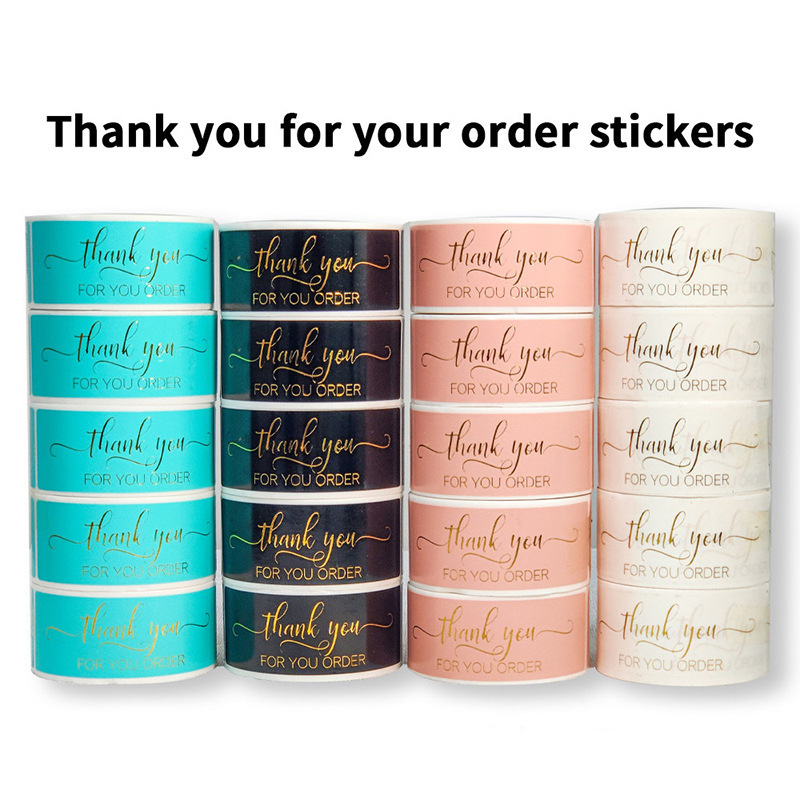
Gold Foil Thank You For Your Order Stickers Coated Paper Adhesive Labels For Gift Packaging Sealing Small Business Supplies
$1.67
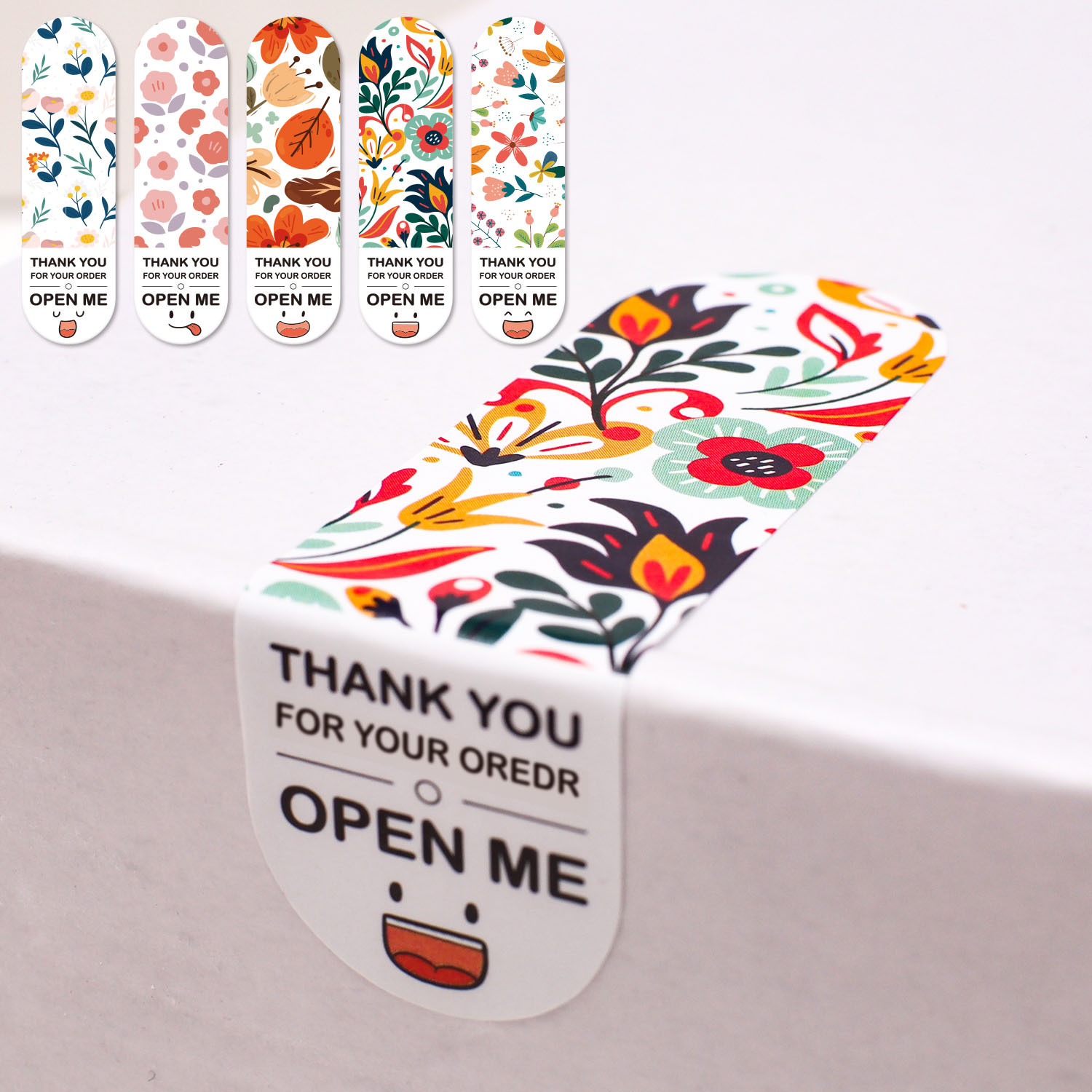
100pcs Floral Thank You For Your Order Stickers Coated Paper Adhesive Rectangle Sealing Labels For Gift Box Package Decorations
$0.47

Mother's Day Holiday-themed Photo Props Happy Mother's Day Holiday Scene Decorations Party Novelty Items
$1.73

Order Of The Eastern Star OES Pentagram Ring 316L Stainless Steel Colorful Enamel Vintage Religious Society Jewelry For Women Ladies
$4.68

Mini Ruler Compact Pendant Measuring Tool Portable Household Small Ruler For Jade Jewelry And Cultural Items
$0.18

Graduation Party Door Hanging Decoration Glitter Cardboard Doctoral Cap Shape Bright Future School Ceremony Party Supply
$0.49
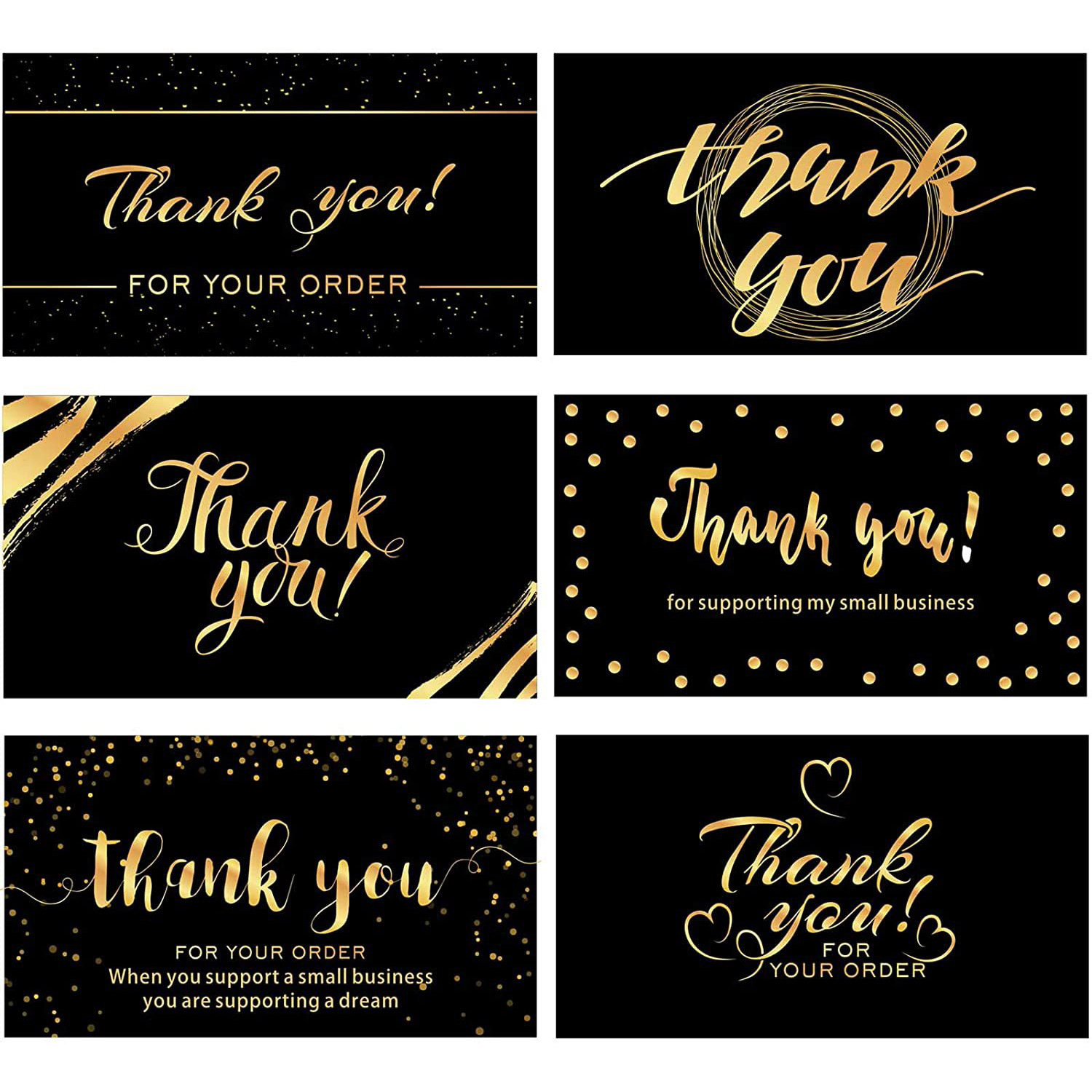
50pcs Premium Black and Gold Thank You for Your Order Cards Small Business Appreciation Cards for Packages Laminated Glossy Paper 3.5x2 Inch
$0.32
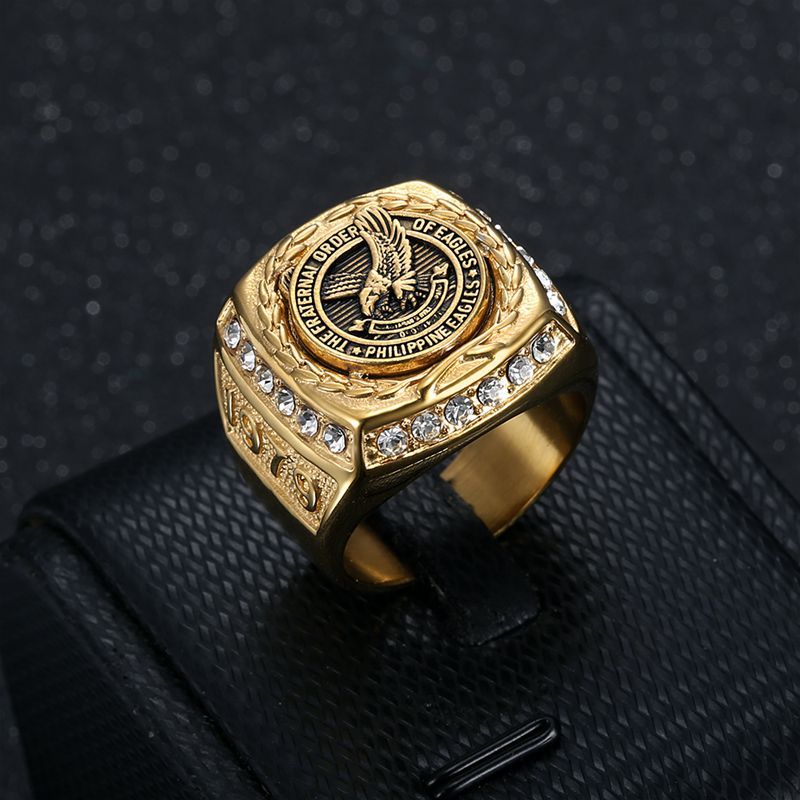
Men's Gold Plated Stainless Steel Signet Ring Philippine Eagles Fraternal Order Emblem White Cubic Zirconia Inlay Hip Hop Retro Jewelry For Men Gift
$3.67
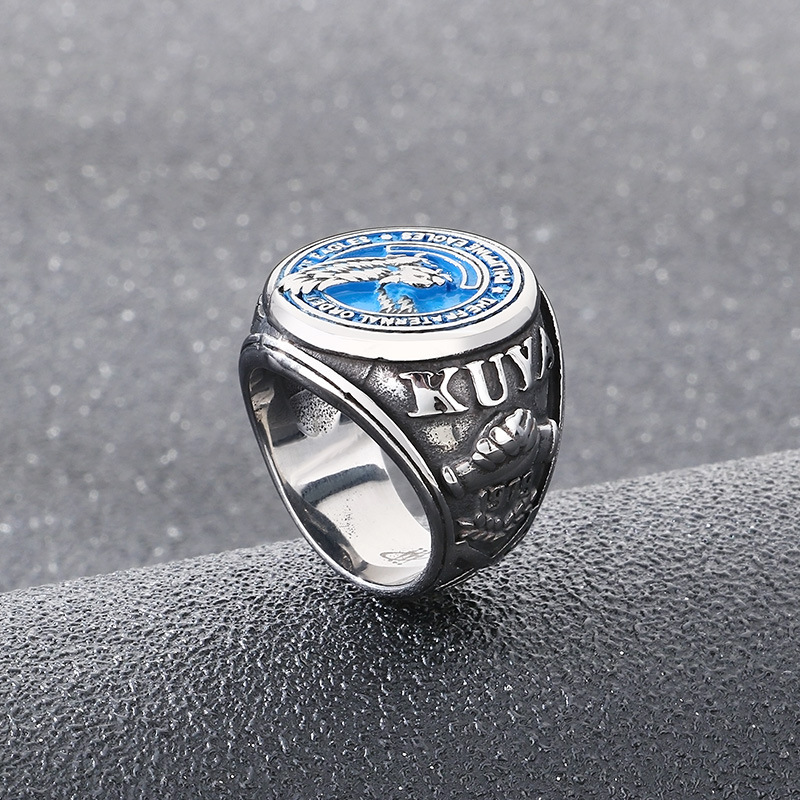
Fraternal Order Of Philippine Eagles TFOPE Signet Ring Stainless Steel Blue Enamel Eagle Logo KUYA 1979 Vintage Statement Ring For Men Jewelry Accessory
$3.04
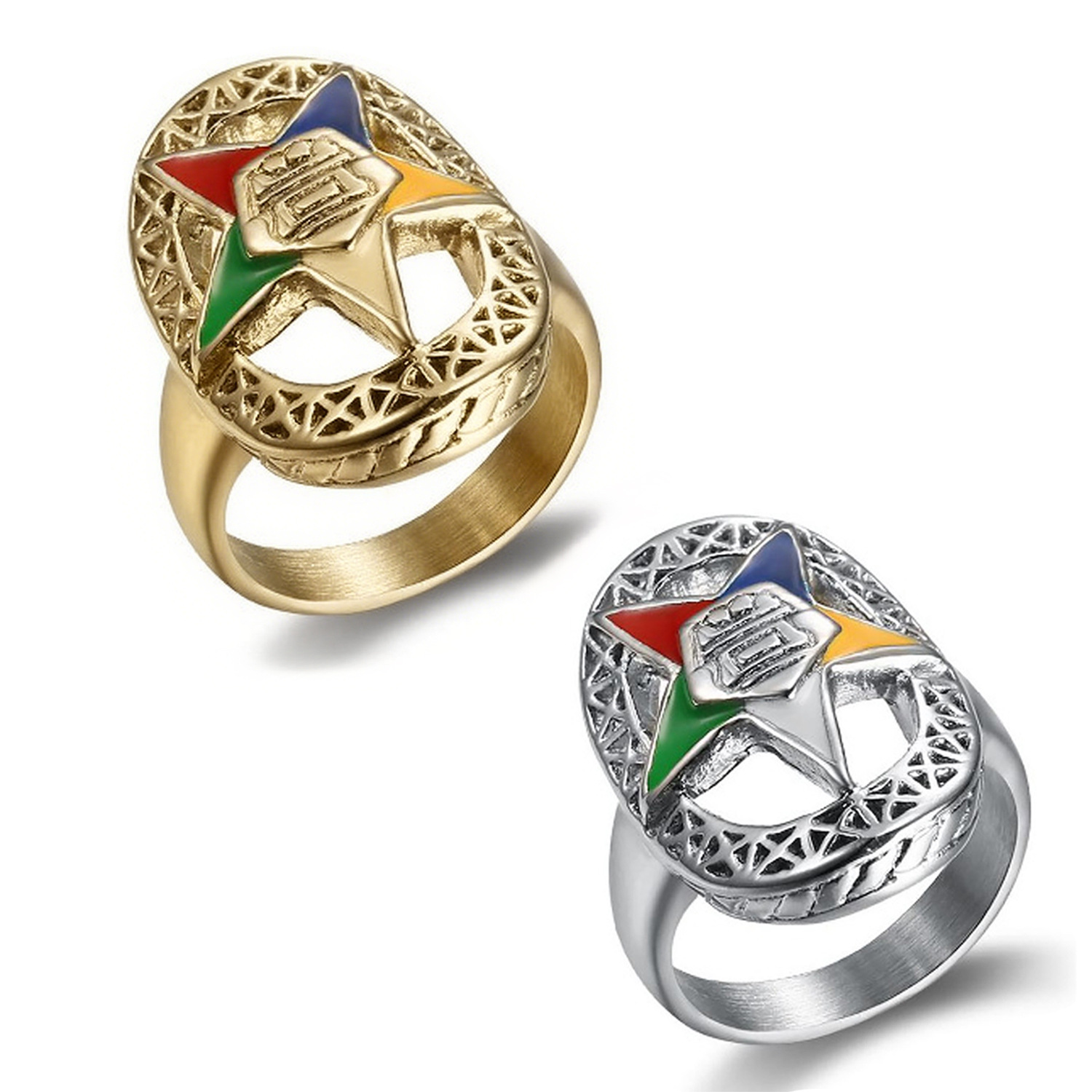
Vintage Order of the Eastern Star OES Ring Stainless Steel Colorful Enamel Five-Pointed Star Hollow Out Band Ring For Women Masonic Jewelry
$4.68
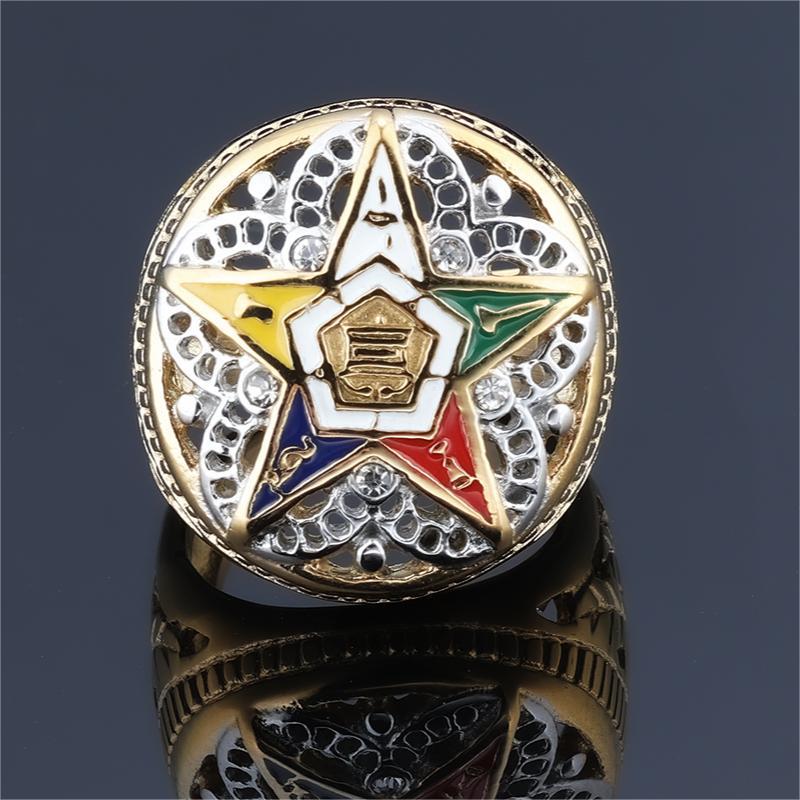
Masonic Order Of The Eastern Star Ring Gold Plated 316L Stainless Steel With Five Color Enamel Zirconia Hollow Engraved Vintage Religious Souvenir Jewelry
$4.85

120Pcs Black Gold Foil Thank You Cards For Your Order Appreciation Cards For Small Business Packaging Inserts Premium Glossy Cardstock With Blank Backside
$0.06
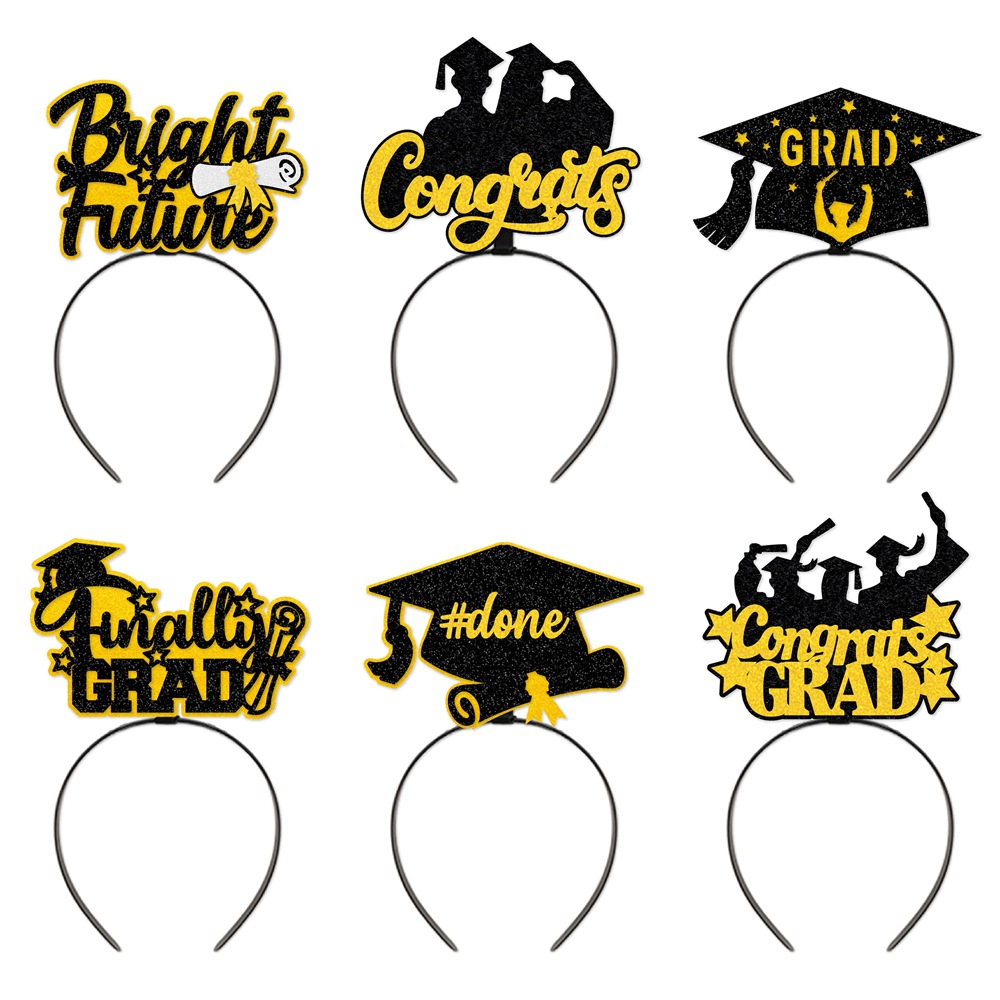
Graduation Party Headbands Glitter Paper Plastic Congrats Grad Bright Future Photo Booth Props School Ceremony Decor Accessories
$2.22
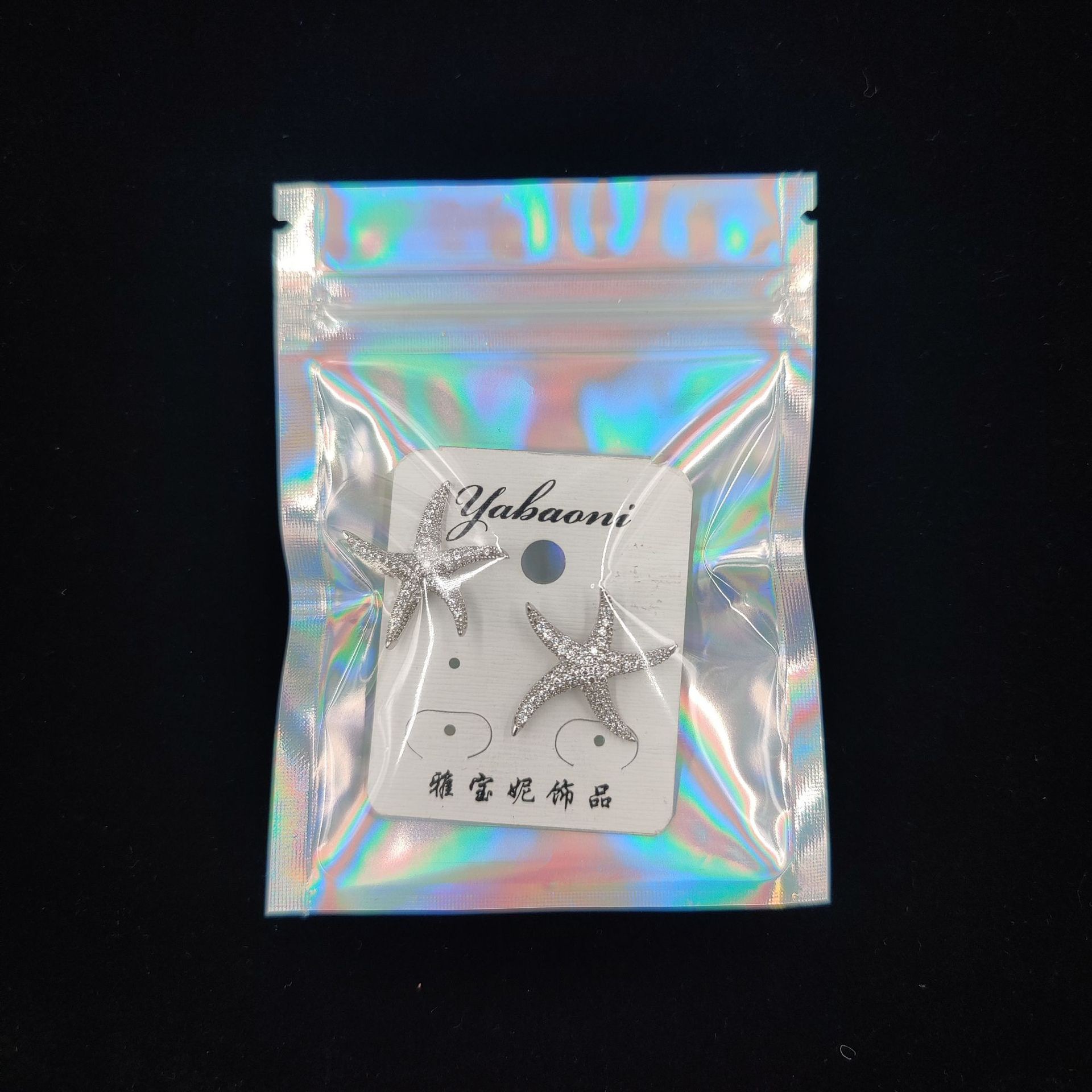
100pcs Holographic Jewelry Packaging Bags Plastic Laser Ziplock Sealable Storage Pouches For Earrings Hair Accessories Small Items Multi-size
$2.36
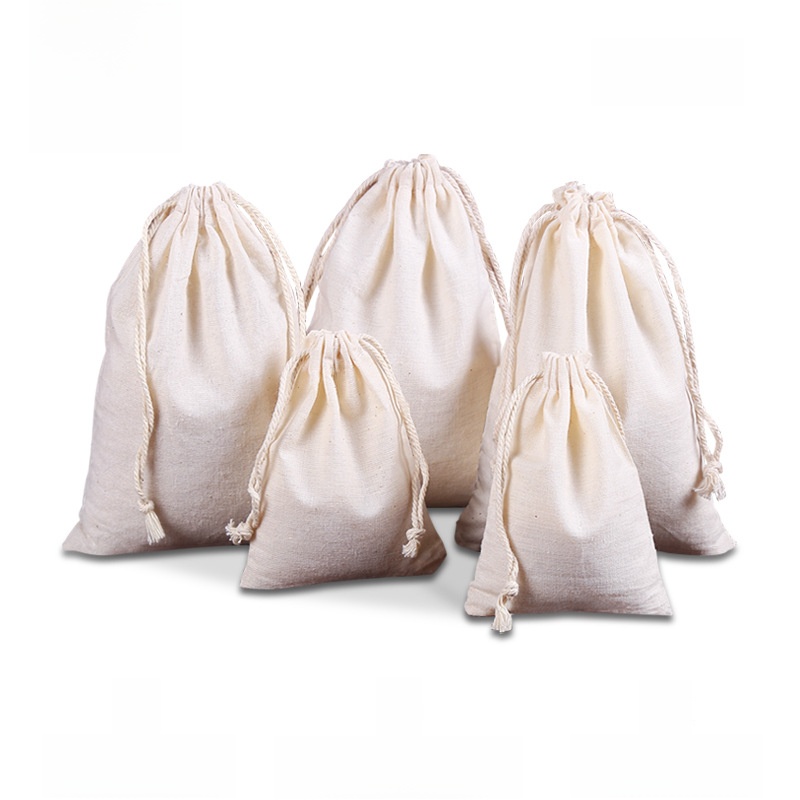
Cotton Linen Drawstring Pouch Beige Multi-size Gift Packaging Bag For Jewelry Small Items Storage Organizer Rustic Cloth Bag
$0.12
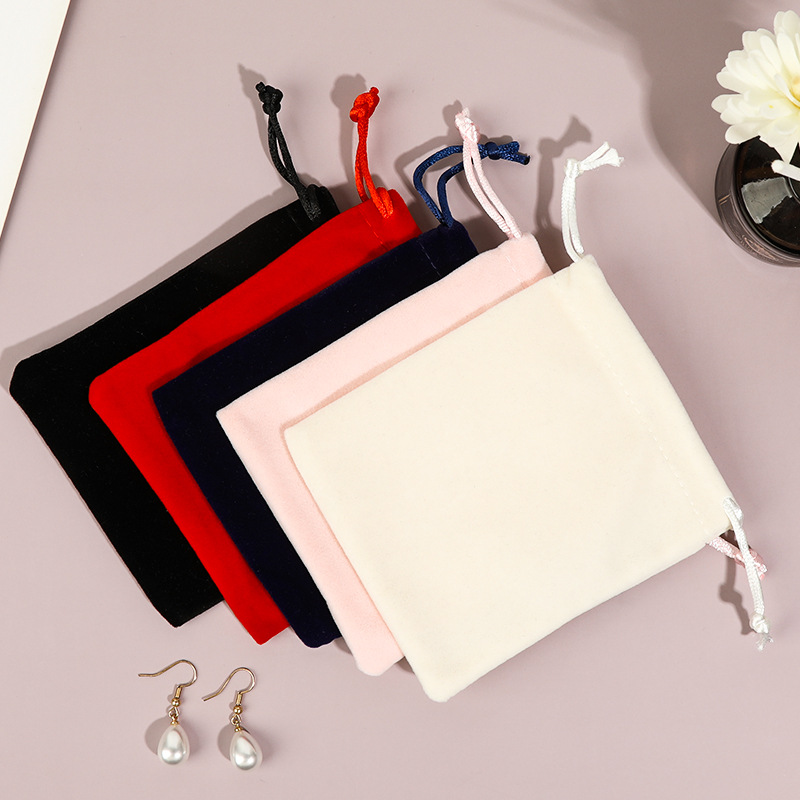
Thick Drawstring Velvet Jewelry Bags Soft Velvet Pouch Gift Packaging Storage Organization Small Items Portable Minimalist Rings Earrings Necklaces
$0.11
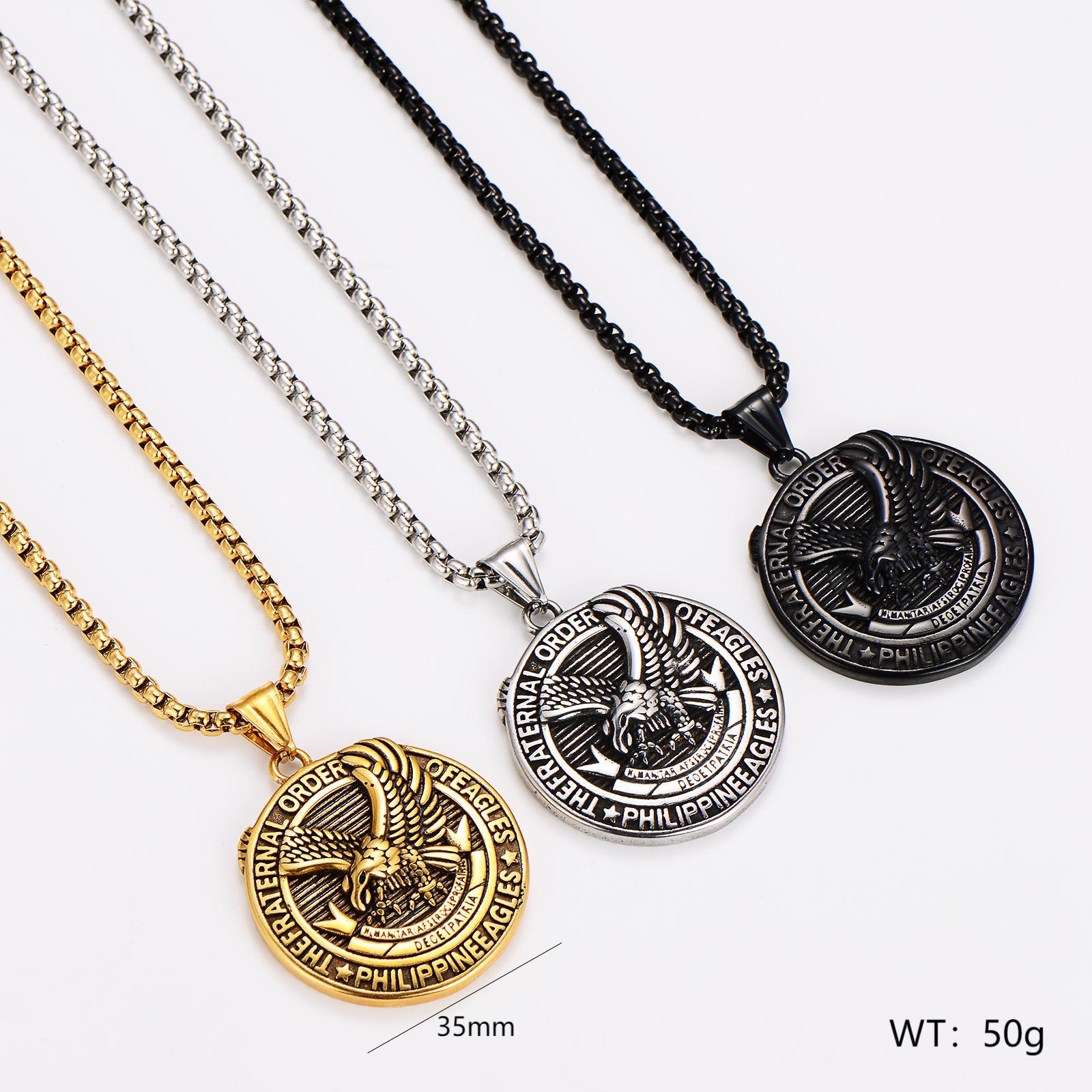
Stainless Steel Eagle Pendant Necklace Round Fraternal Order Of Eagles Philippine Eagles Medal Commemorative Jewelry For Men Vintage Embossed Box Chain Necklace Gold Silver Black
$2.99
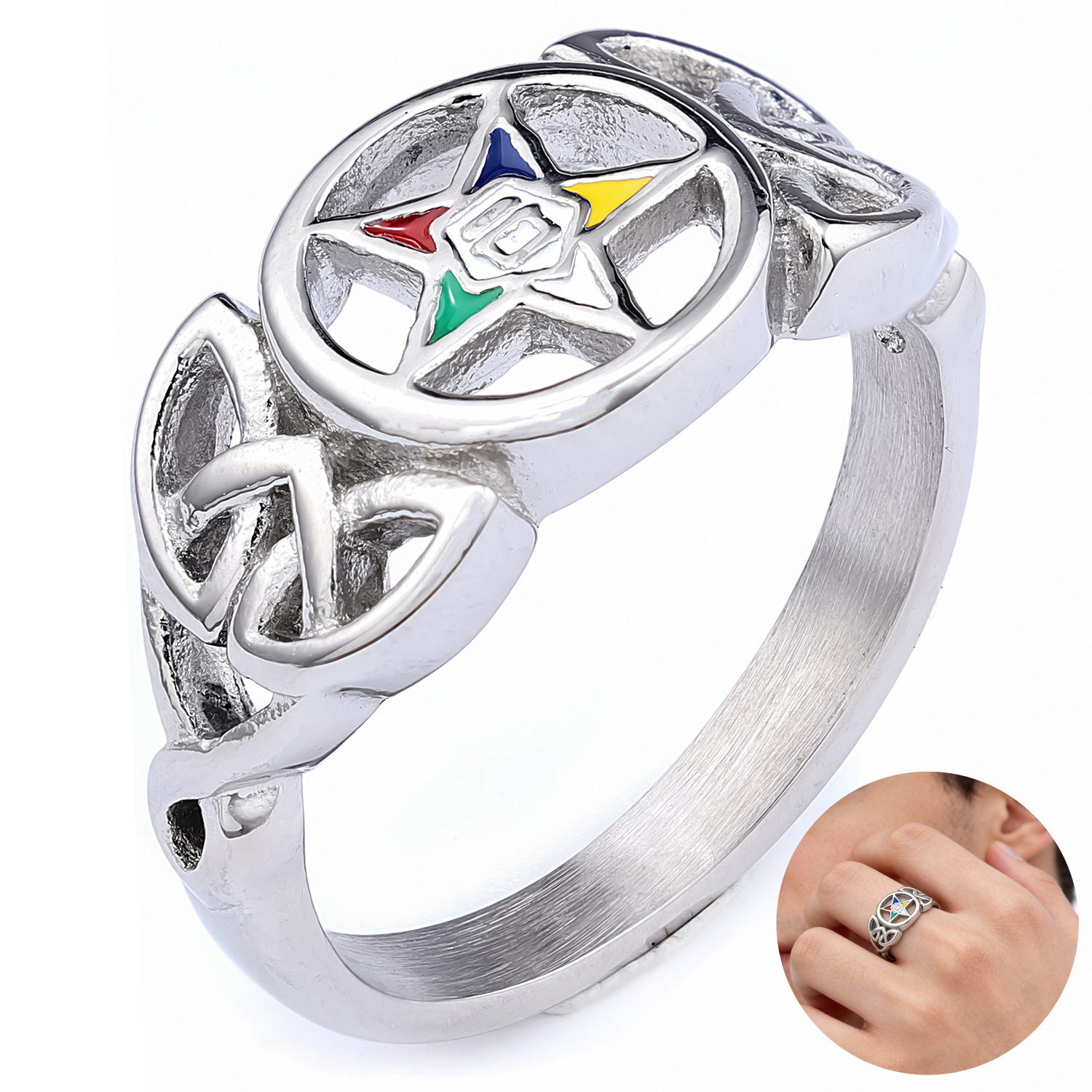
Stainless Steel OES Order of the Eastern Star Ring With Multi Color Enamel Five Pointed Star And Celtic Knot Openwork Band For Women Fraternal Jewelry
$4.42
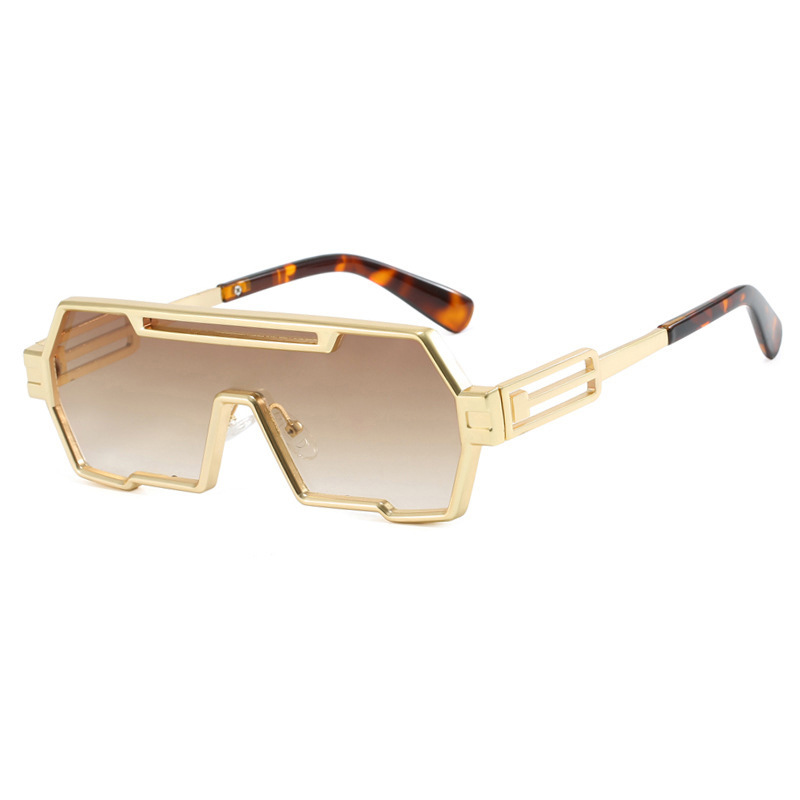
Future Punk Metal Sunglasses Geometric Large Frame UV400 Sun Glasses For Men Women Fashion Outdoor Travel Trendy Shield Eyewear
$4.61
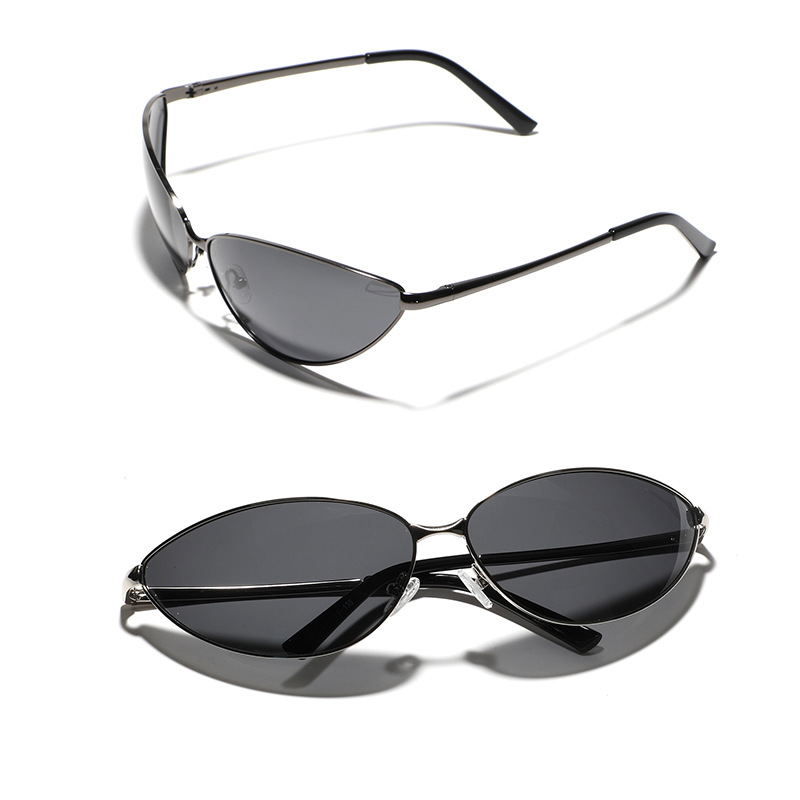
Fashion Metal Polarized Cat Eye Sunglasses Y2K Future Style UV400 For Men Women Trendy Outdoor Driving Streetwear Sun Glasses
$4.76
Bundle Strategies for Boundary-Setting
Bundling packaging with niche items gives you a structured upsell that doesn't require custom work. Each bundle below addresses a specific scenario from the 'Awkward Situation with Customer' playbook, using products your customer can order immediately without asking for collaboration.
Boundary Builder Bundle
Customer has sent supply links and wants 'we' collaboration. You need to redirect to your own product line while thanking them for their order.
- Gold Foil Thank You For Your Order Stickershero
- 120Pcs Black Gold Foil Thank You Cardscomplement
- 50pcs Premium Black and Gold Thank You Cardsupsell
Bundle at $1.79 (total separately $2.05) — gives you a near-cost item to include in every order, reinforcing your brand without custom work.
Niche Focus Redirect Bundle
Customer is interested in fraternal or religious jewelry and suggests you expand into their specific lodge designs. Redirect by offering proven bestselling rings instead.
- Order Of The Eastern Star OES Pentagram Ringhero
- Stainless Steel Eagle Pendant Necklacecomplement
- Fraternal Order Of Philippine Eagles TFOPE Signet Ringupsell
Bundle at $10.99 vs $11.71 separately — shows you have relevant inventory without needing custom sourcing. All items already in stock.
Future-Ready Accessory Bundle
Customer uses 'future' language and sends links for supplies. Gently acknowledge their forward thinking while offering your existing future-themed items.
- Future Punk Metal Sunglasseshero
- Fashion Metal Polarized Cat Eye Sunglasses Y2K Future Styleupsell
- Graduation Party Door Hanging Decoration 'Bright Future'complement
Bundle at $5.88 vs $6.98 separately — the 'future' keyword ties to their suggestions without requiring custom orders. Graduation theme can be replaced with any 'future' occasion.