
Trend Report · May 16, 2026
Buy Now Coins Not Working? How This Discount Glitch Affects Your Pricing Strategy
A Reddit user reports that the Buy Now coins discount failed on a $17.63 item. Learn how platform glitches affect pricing strategy and what wholesale sellers can do.
Buy Now Coins Not Working: The Inflection Point
A Reddit user known as Agitated_Poet_4739 recently detailed a frustrating experience with the 'Buy Now coins' discount. They had used the coins page before and understood the mechanics. On a journaling stamp priced at $17.63, the coin page advertised a 24.4% discount — which should have applied $4.23 in coins to the total. Instead, only $0.36 was credited. They tested the same item and several others across different listings, and none of the coin page discounts were working as displayed.
This is not an isolated complaint. When platform discount systems — like coin or loyalty point mechanics — fail at checkout, it shakes buyer confidence. For sellers who base their pricing on the assumption that these discounts will be applied, the gap between expected and actual cost can kill a conversion. The inflection point here is the moment a repeat user, familiar with the system, confirms the bug across multiple items. That signals a systemic issue, not a one-off glitch.
The pattern that emerges is one of dependency: many wholesalers and resellers rely on these platform-native discounts to make their margins work for buyers. But when the discount engine misfires, the entire price perception breaks. The takeaway for any operator: don't let your pricing strategy depend on a black-box discount algorithm that you cannot control or predict.
Why This Pattern Matters for Accessories Sellers
The 'Buy Now coins not working' pattern is becoming more relevant because platform discount mechanics are increasingly embedded in checkout flows. For small-ticket items like coin purses, earphone cases, and keychain wallets — typical DayJewel stock — even a $0.30 difference can determine whether a buyer clicks 'purchase' or abandons cart. The Reddit post shows a discrepancy of $3.87 on a $17.63 item, which is a 22% gap. For a customer expecting a discount to hit a certain budget threshold, that gap is a deal-breaker.
This pattern is replicable across multiple marketplaces — AliExpress, TikTok Shop, even some Shopify apps. The underlying lesson is not about fixing the platform bug (you can't). It's about building a pricing model that works with or without the discount. Operators who understand this can protect their conversion rates by setting base prices that already reflect a reasonable margin, then treating platform discounts as genuine surprises — not guarantees.
For accessories specifically — where average unit price is low and margin per unit is thin — any discount miscalculation can push the sale into the red from the seller's perspective or out of the buyer's comfort zone. The smart move is to test your own checkout flow regularly and communicate clearly with customers about what they should expect to pay at final click.
Who Should Study This Glitch
This case teardown is most relevant for operators who sell low-margin accessories through platforms that offer coin, points, or coupon-based discounts at checkout. If your profit per unit is under $2, you cannot afford a 22% swing in what the customer pays. The optimal profiles are those already active on marketplaces with dynamic discount schemes, and who have the inventory flexibility to adjust pricing quickly.
Shopify seller
You control your own pricing on Shopify but may use discount apps; this glitch teaches you to avoid relying on third-party discount engines that you cannot verify before each sale.
Flea-market / pop-up stall operator
You deal in cash and small margins; a discount promise that doesn't materialise in the customer's mind erodes trust. Set clear fixed prices and treat platform coins as a bonus, not a guarantee.
What Happened
On a popular online forum, a user called Agitated_Poet_4739 posted a detailed frustration: they had used the coin discount page many times before and understood the mechanics. This time, they were trying to buy journaling stamps priced at $17.63. The coin page showed a 24.4% discount, which logically should have deducted $4.23 in coins. But the actual amount applied at checkout was only $0.36. The loss of $3.87 was significant — over 22% of the item price. They tested the same item repeatedly and then switched to other listings, only to find the same behaviour: none of the coin page discounts were working as advertised. The post ended with an open question to the community: 'Is coin page + buy now working for you guys?' The replies and subsequent testing confirmed a systemic glitch, not a user error.
The Replicable Pattern
Platform discount mechanics can fail silently, creating a gap between what the buyer expects to pay and what they are charged.
Evidence: The user confirmed the glitch across multiple listings, not just one product. The advertised discount percentage (24.4%) was not the problem — it was the conversion to actual coin value at checkout.
Sellers who build their pricing on the assumption that discounts will always apply are exposed to conversion drops and lost trust.
Evidence: A $3.87 difference on a $17.63 item is large enough to cause cart abandonment. The user did not say they abandoned, but the very act of posting the bug shows the trust erosion.
The simplest hedge is to set a base price that works without discounts and treat coins as a bonus.
Evidence: Low-unit-cost coin purses from DayJewel (e.g., $0.23 each) allow margins of 80%+ at a $1.99 sell price, making coin mechanics irrelevant.
How to Sell Coin Purses Without Relying on Coin Discounts
The core lesson from this case is: don't anchor your selling price to a discount you don't control. For accessories like coin purses, the unit cost is so low that you can price competitively without any platform discount. The real margin opportunity lies in bundling, upselling, and creating perceived value through curation. First, use DayJewel's wholesale catalog to stock a variety of styles — from $0.23 canvas floral to $7.35 genuine leather — and price them evenly. For example, offer a '50% off when you buy 3' deal rather than relying on coin discounts. Second, employ a simple 'Price + Free Shipping' model to eliminate the need for any discount variable. Customers appreciate clarity. Third, if you must use coin discounts, test every month with a dummy account to verify the mechanism still works. The risk of not doing this: you wake up one day to a Reddit post about your products and a wave of customer complaints. The upside: consistent margins and trustworthy pricing.
Set a flat price for each coin purse at $2.99 and offer a 'Buy 2 Get 1 Free' bundle. This removes the coin discount from the equation. Advertise the bundle as a 33% saving.
⚠ You may lose bargain hunters who are conditioned to expect coin discounts. Counter by clearly stating 'No coupons needed — already marked down.'
Create a short unboxing video of a kawaii plush coin purse (48503) and explain that the price is fixed — no hidden coins or coupons required. Use the glitch story as a talking point to build trust.
⚠ The algorithm may penalise videos that explicitly mention glitches. Test first and frame it as 'price transparency' rather than 'our platform has bugs.'
Use the 'personalized' or 'made to order' tag for higher-end coin purses like the wool felt fox (201100). Price at $12.99 and offer free US shipping. No discount needed.
⚠ Higher price point narrows buyer pool. Use strong lifestyle photos to justify the premium.
Coin Purse Picks That Stay Within Your Pricing Control
The source incident revolves around a discount glitch on a low-ticket item. The coin purses below are prime examples of accessories that are often bought with coin discounts. By sourcing them directly from DayJewel at wholesale prices, you keep your margin intact regardless of what a platform's coin system does. Each product is priced low enough to sell without a discount and still leave a healthy profit.
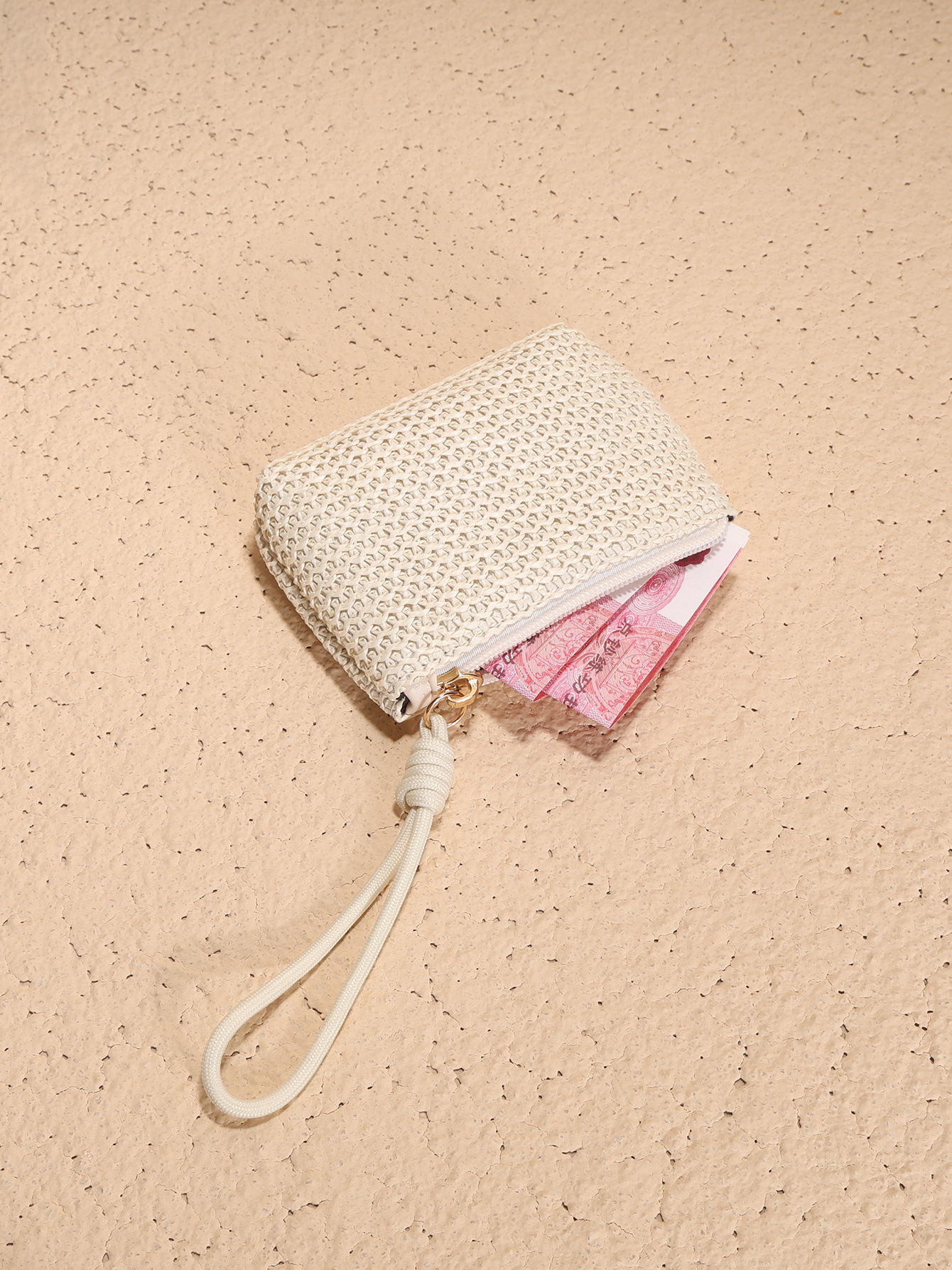
Women Straw Woven Coin Purse Mini Zip Wallet With Wristlet Summer Beach Style Handbag Small Storage Bag For Cards Keys Coins
$1.03
Round Tinplate Coin Purse Mini Zipper Portable Storage Box For Earphones Coins Keys Cartoon Printed Metal Case For Women Kids Gift
$0.34
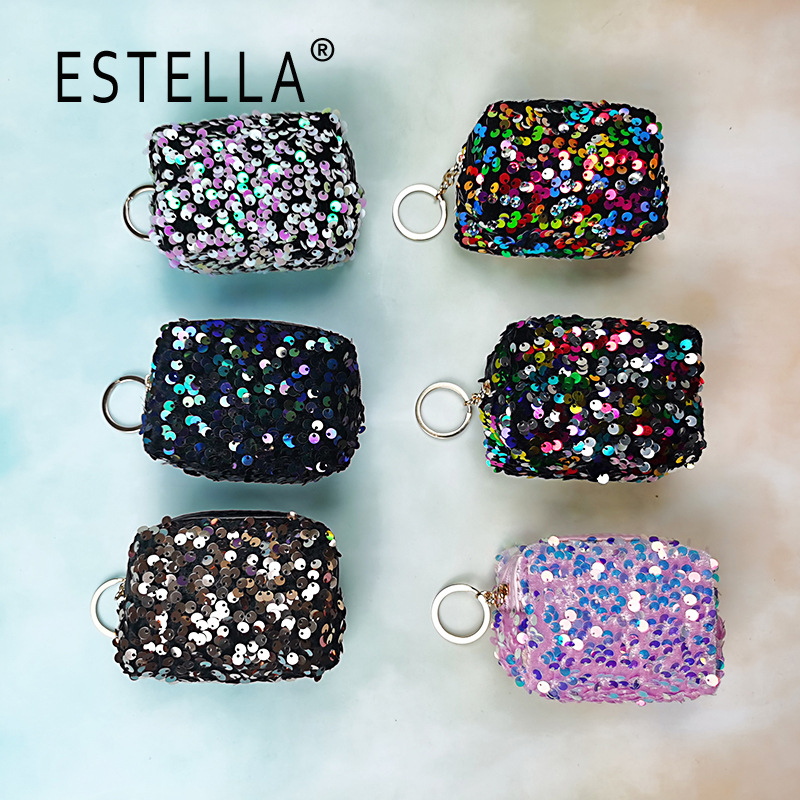
Mini Sequin Coin Purse With Keychain Sparkly Square Zipper Pouch For Coins Lipstick Earphones Storage Bag Shiny Glitter Wallet For Women Girls
$1.24
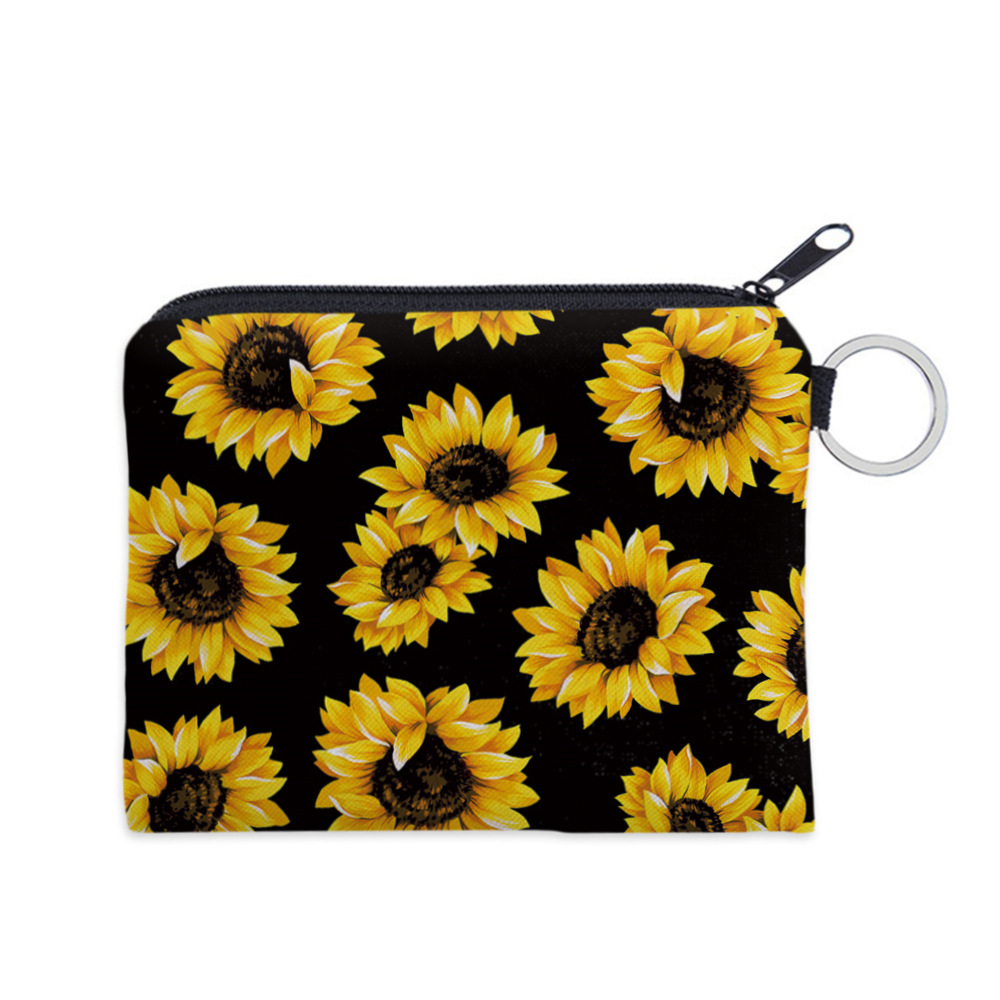
Mini Coin Purse Sunflower Flamingo Print Polyester Zipper Wallet With Keychain Ring Portable Small Storage Bag For Coins Cash Keys Cards Unisex
$0.96
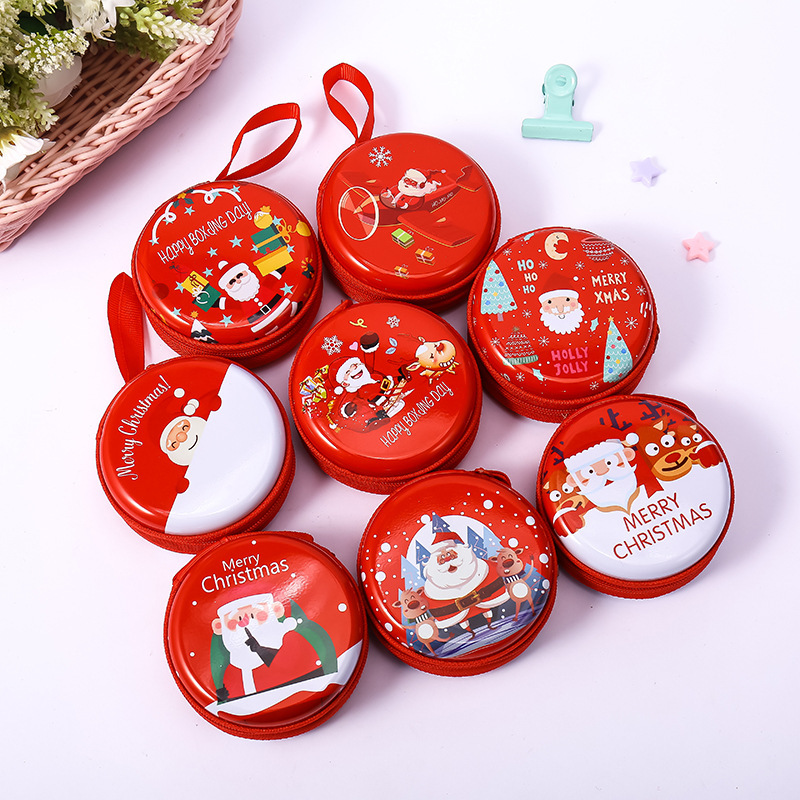
Portable Round Tinplate Coin Purse Mini Earphone Storage Box Cartoon Zipper Case For Coins Keys Jewelry Kids Party Favors Christmas Gift Pouch
$0.30
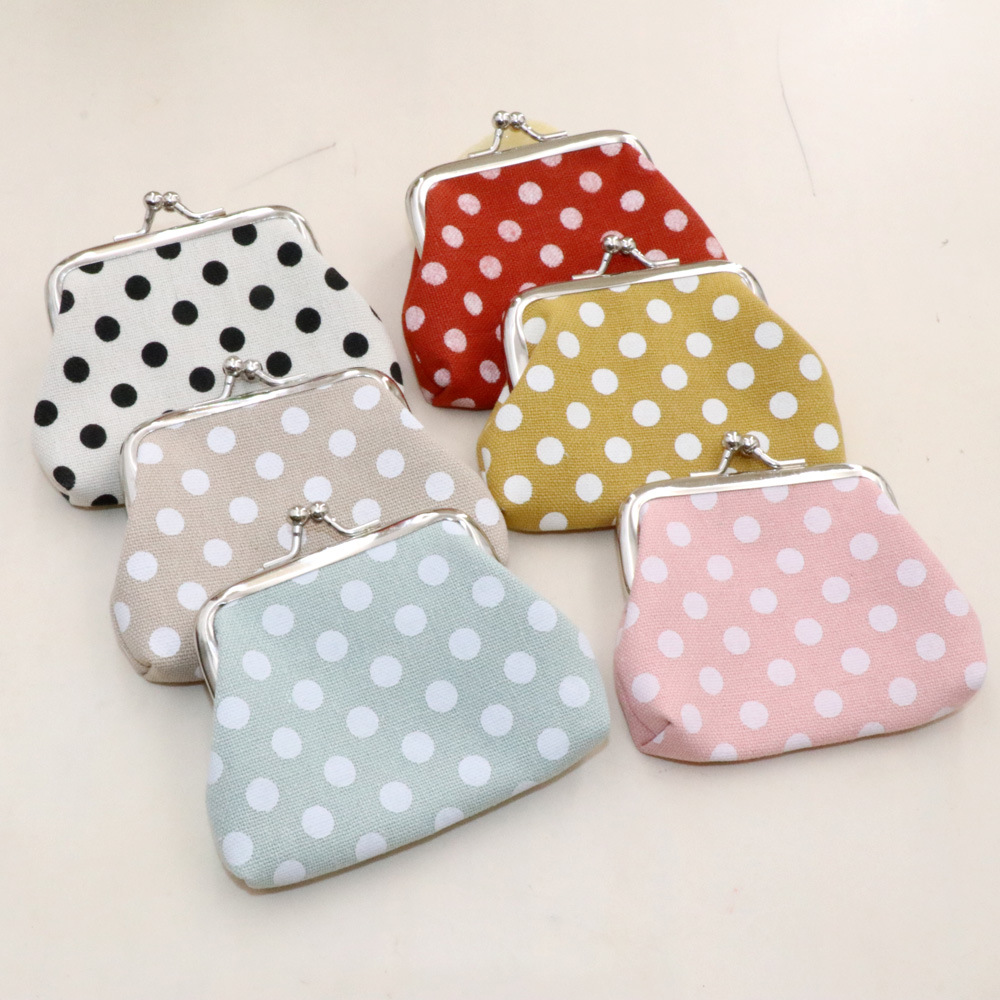
Mini Polka Dot Canvas Coin Purse With Metal Kiss-lock Clasp Retro Portable Small Wallet For Coins Keys Jewelry Kids Students Women
$0.52
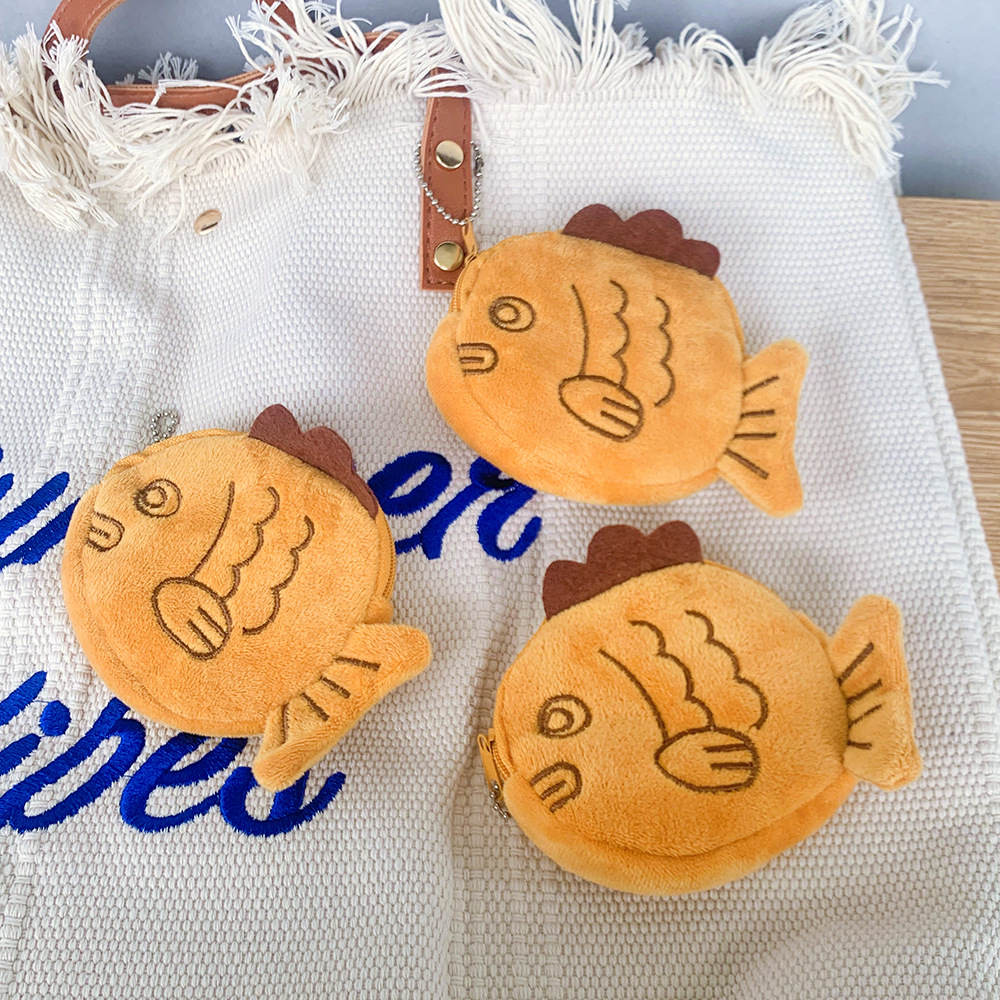
Cute Taiyaki Shaped Plush Coin Purse Kawaii Cartoon Mini Storage Bag For Coins Lipstick Keys Data Cable Women Girls Small Pouch Wallet
$0.71
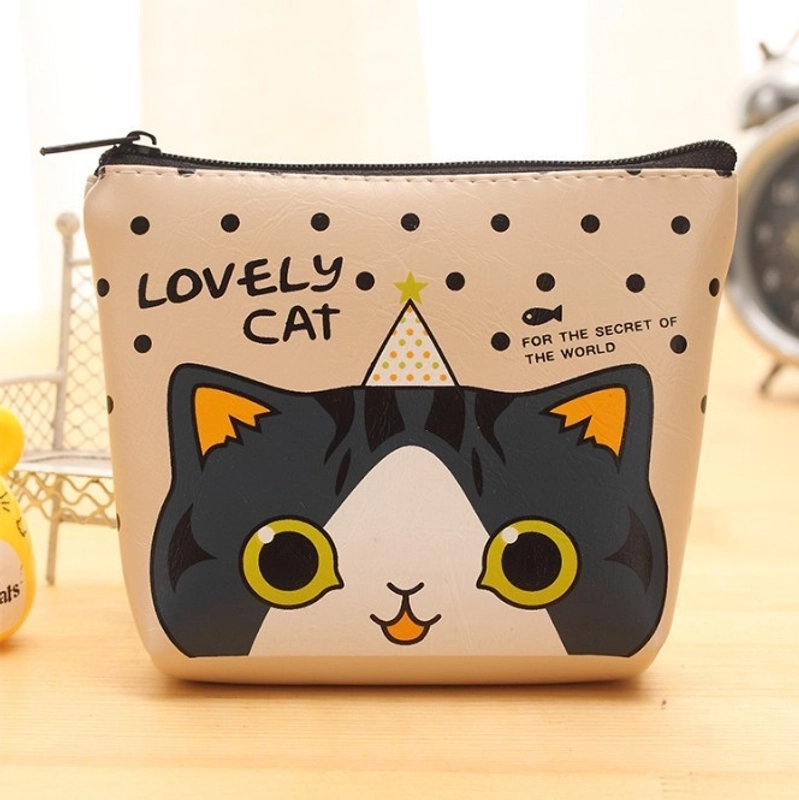
Cute Cartoon Cat PU Leather Coin Purse Portable Waterproof Zipper Mini Wallet Small Storage Bag For Earphone Coins Cards Women Kids Daily
$0.49
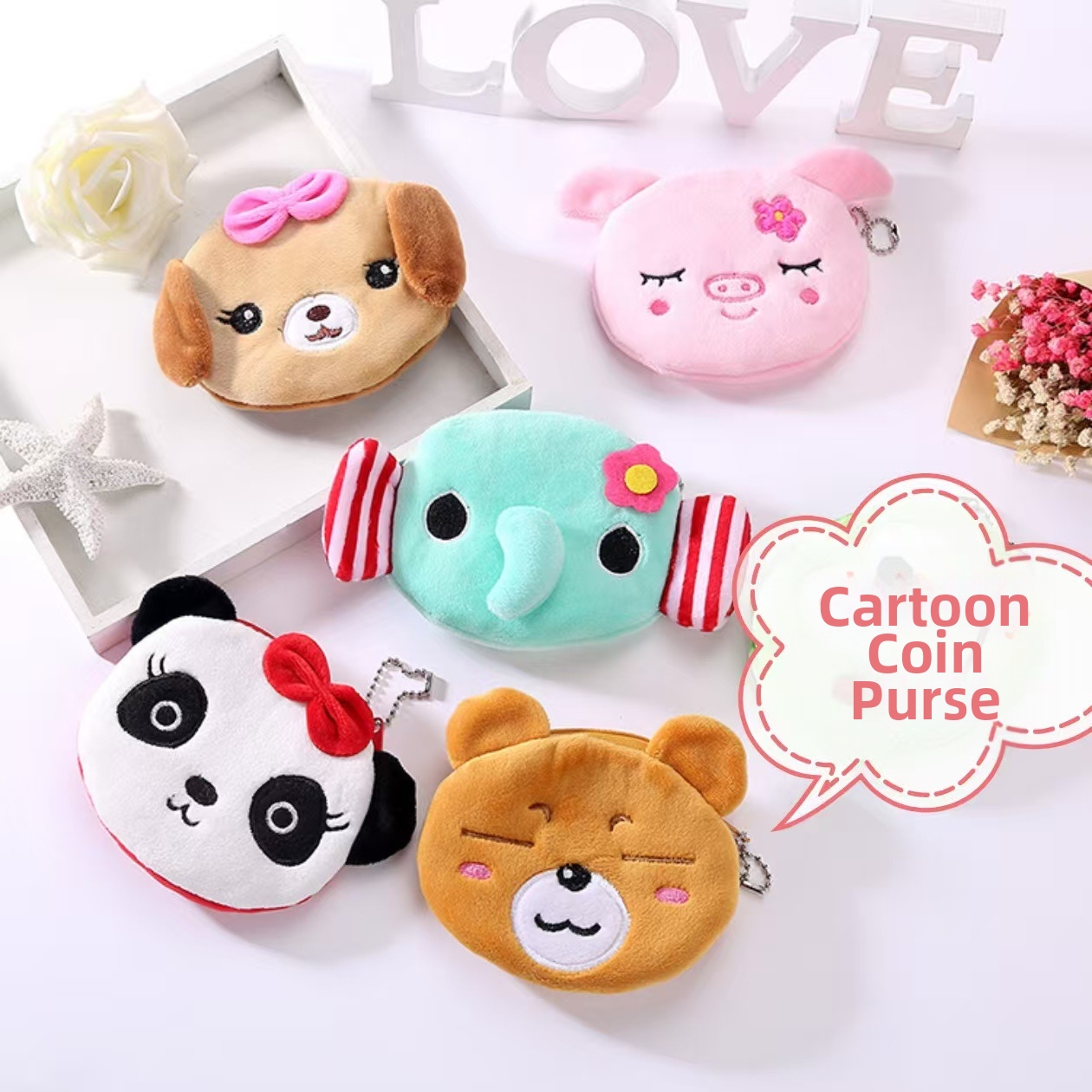
Cute Cartoon Animal Plush Coin Purse Soft Fabric Mini Wallet With Cotton Lining Metal Chain Zipper For Coins Keys Earphones Women Girls Gift
$0.45
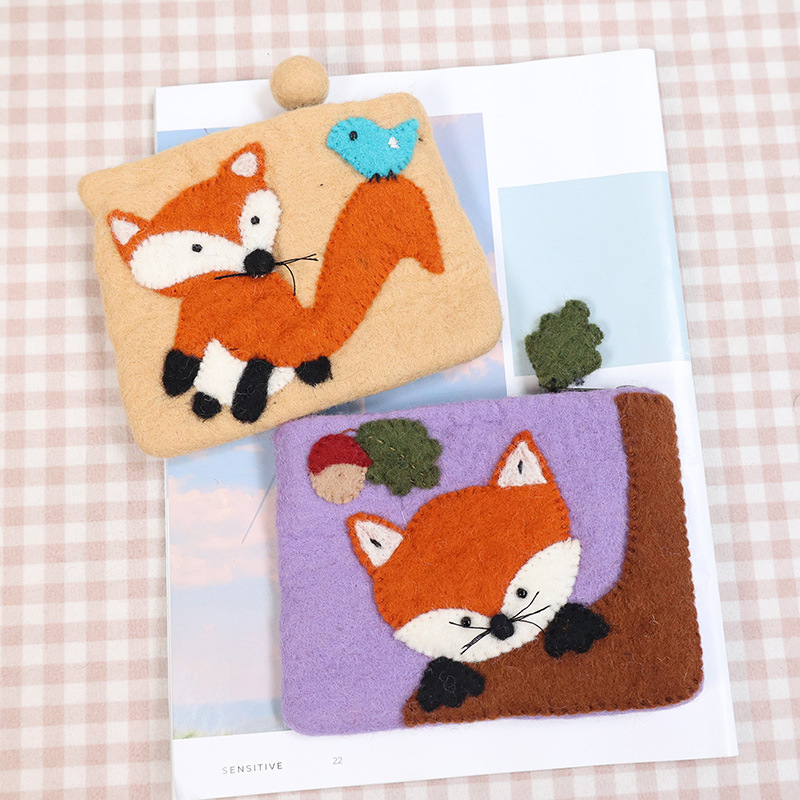
Cute Handmade Wool Felt Fox Shaped Coin Purse For Women Cartoon Animal Embroidery Small Zipper Storage Bag Mini Wallet For Coins Keys Earphones
$4.61
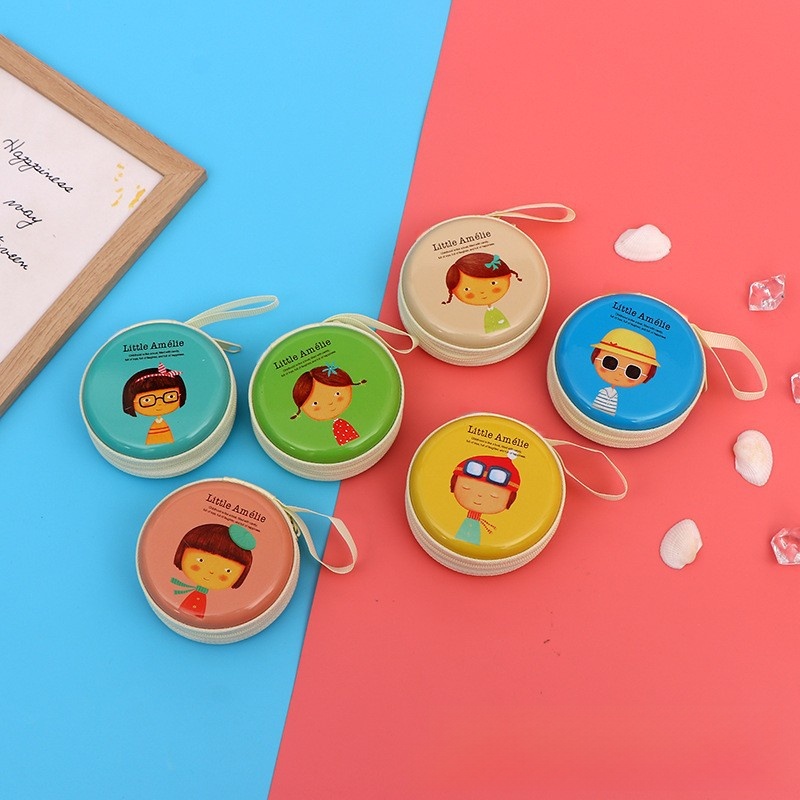
Mini Round Tinplate Coin Purse Cute Cartoon Zipper Headphone Storage Bag Portable Kids Hard Case Small Wallet With Hanging Rope For Coins Keys
$0.26
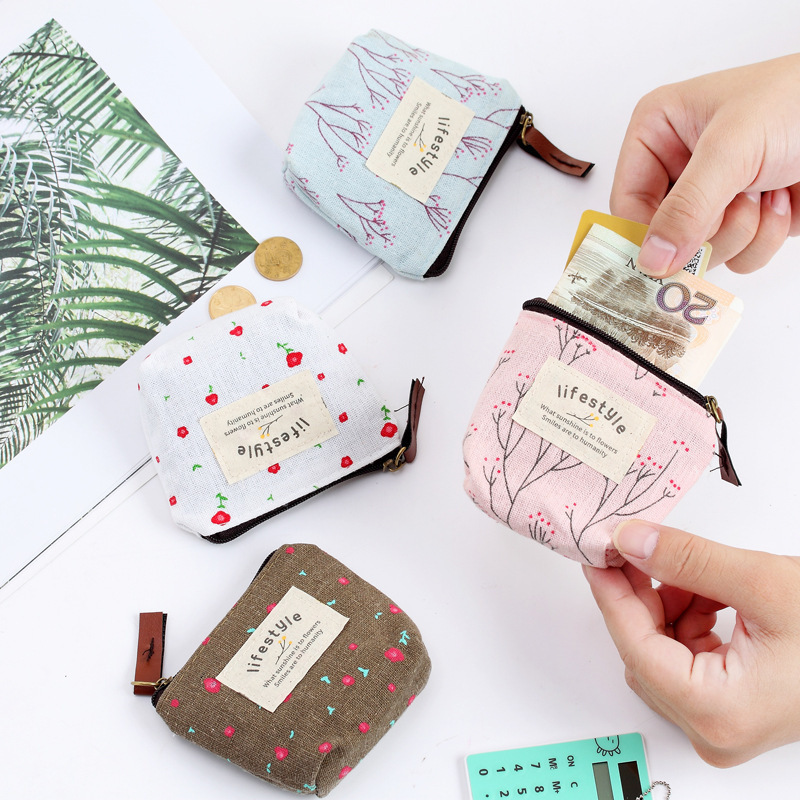
Portable Mini Canvas Coin Purse Floral Print Small Wallet With Zipper Closure For Coins Keys Earphones Mini Storage Pouch For Women Daily Use
$0.23
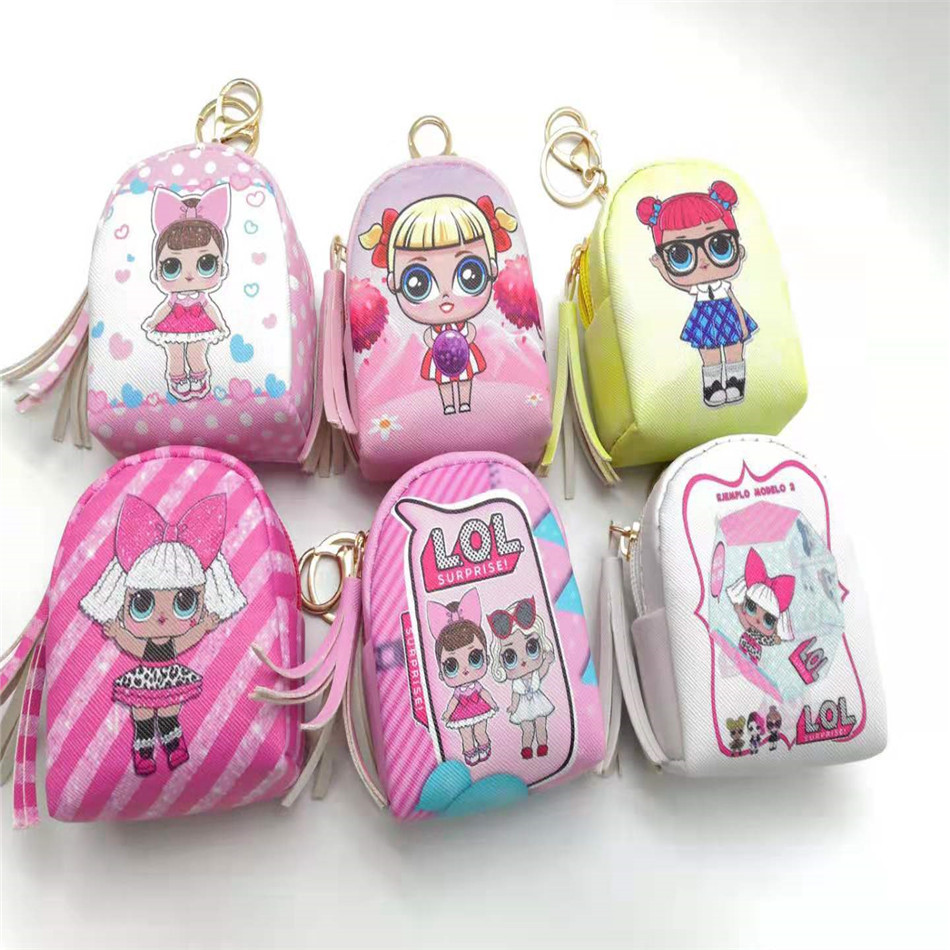
Cartoon Mini Backpack Coin Purse PU Leather Zippered Wallet With Tassel Keychain Portable Small Storage Bag For Kids Girls Coins Keys Data Cable
$1.38
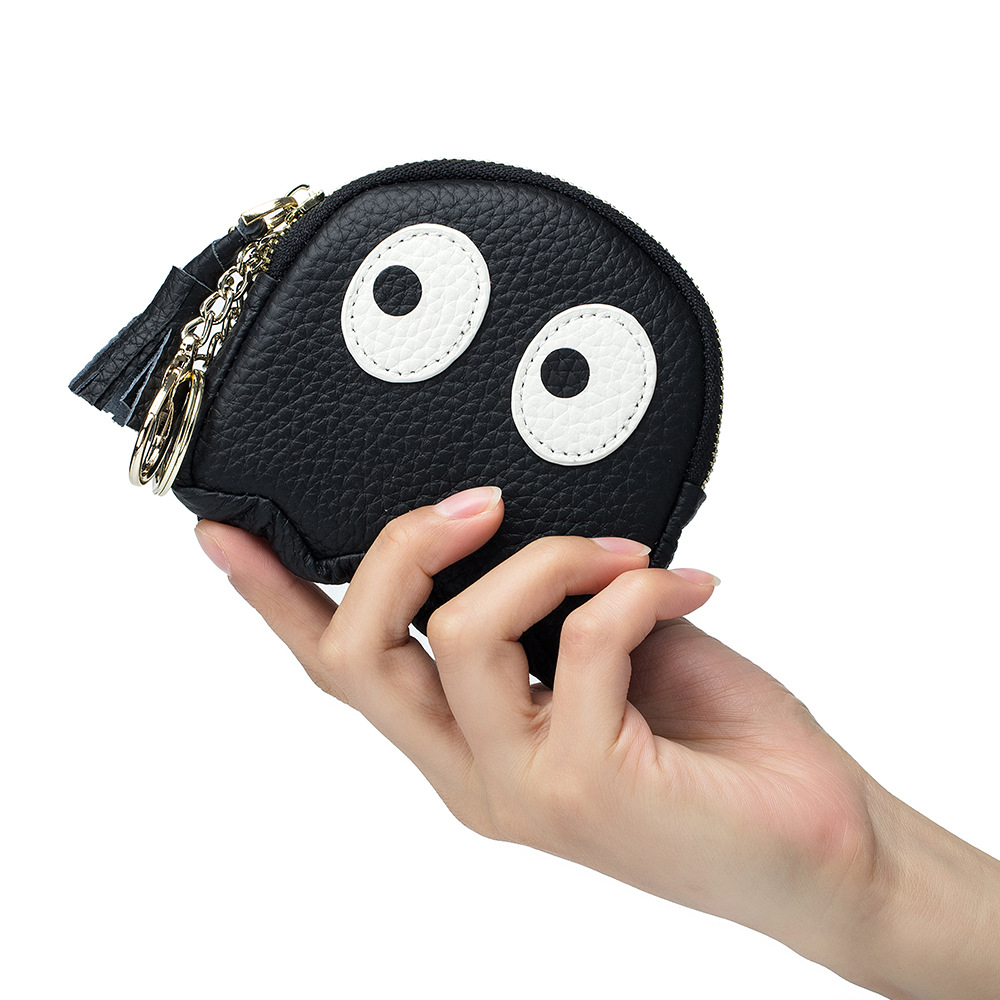
Mini Cartoon Ghost Shape Genuine First Layer Cowhide Leather Coin Purse With Tassel Keychain Small Zipper Pouch For Coins Cards Keys Women Girl
$7.35
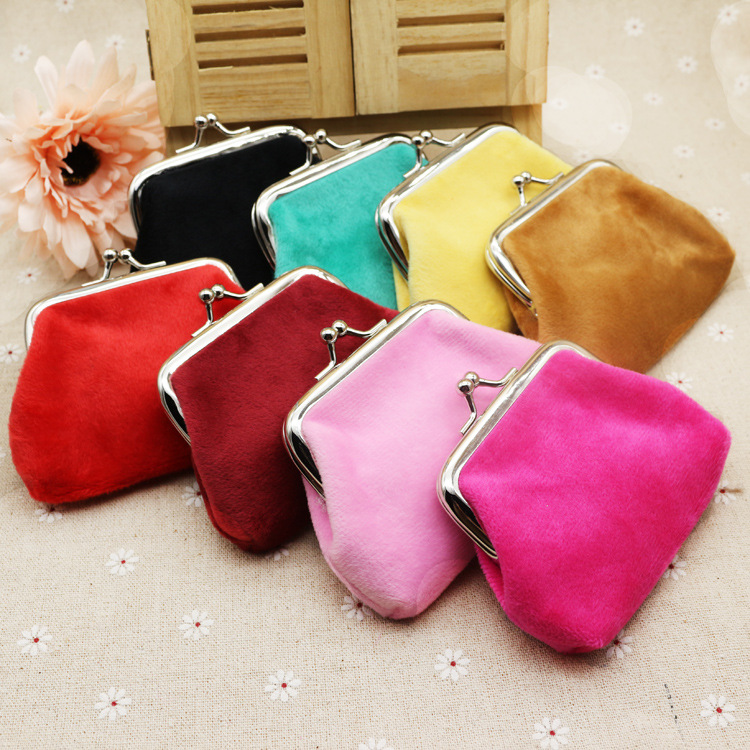
Mini Plush Coin Purse Small Velvet Wallet With Metal Kiss Lock Clasp Portable Change Pouch For Coins Keys Jewelry Gift For Kids Women
$0.52

Cute Macaron Silicone Coin Purse Mini Round Zipper Storage Bag With Hand Strap Portable Travel Earphone Pouch For Coins Keys Cards Women Kids
$1.96
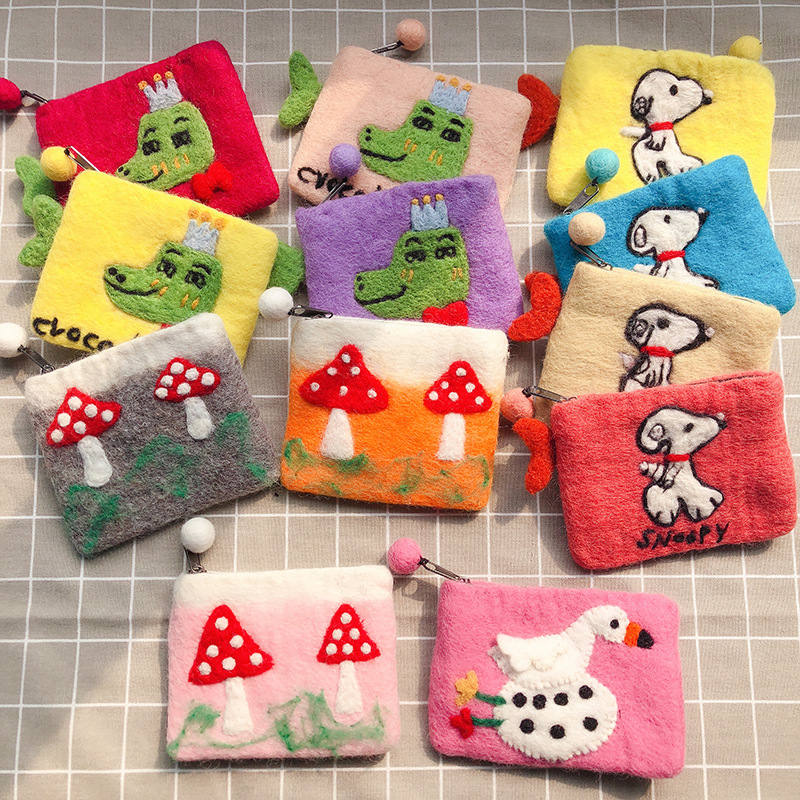
Handmade Wool Felt Nylon Lining Cartoon Animal Crocodile Mushroom Swan Coin Purse Mini Zipper Wallet With Hairball Embroidery For Coins Cards Kids Women
$4.52
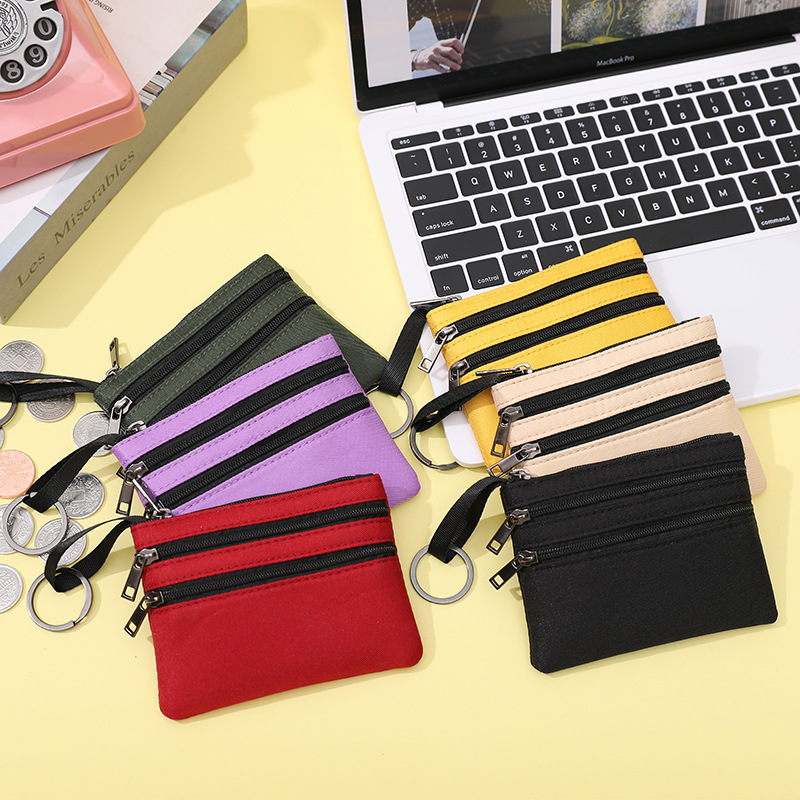
Women's Mini Coin Purse Portable Polyester Canvas Triple Zipper Pouch Small Wallet With Key Ring Holder For Coins Cards Keys Daily Storage Simple Design
$1.04
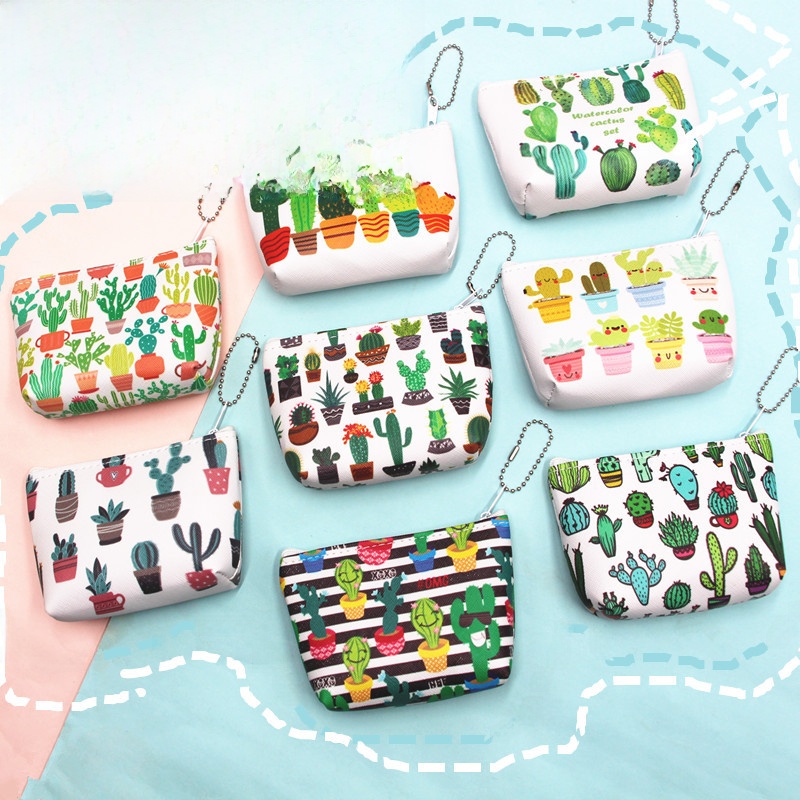
Cute Cartoon Cactus Print PU Leather Mini Coin Purse Small Portable Zipper Pouch With Metal Ball Chain For Women Girls Earphone Key Coins Storage Bag
$0.40
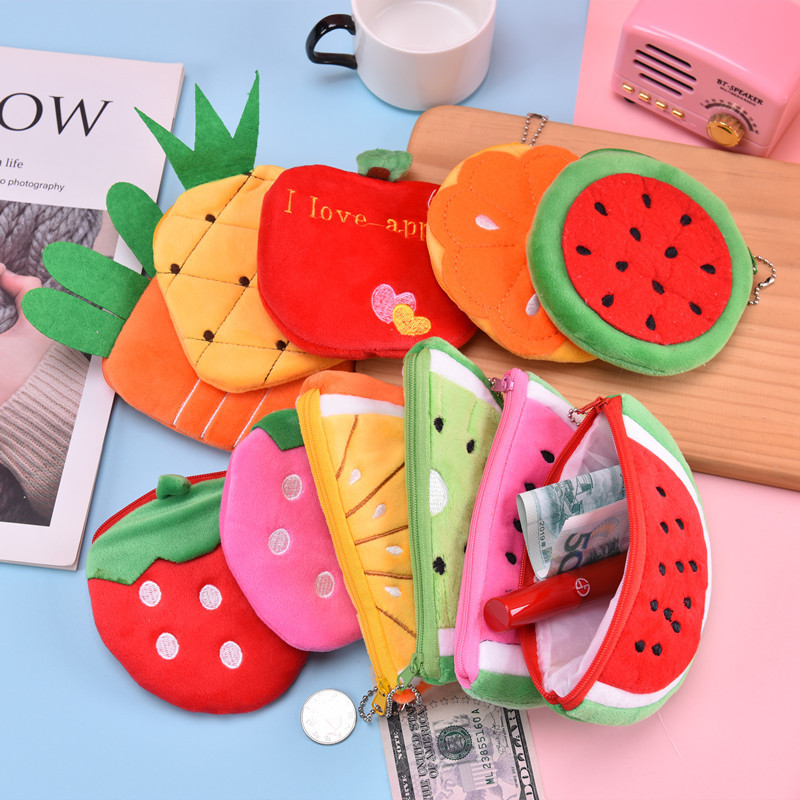
Cute Fruit Shape Plush Coin Purse Mini Watermelon Strawberry Orange Pineapple Carrot Soft Plush Storage Bag With Keychain For Coins Earphones Lipstick Kids Women Gift
$0.66
Bundle Strategies That Bypass Discount Dependency
Bundling shifts the buyer's focus from 'what discount will I get?' to 'what value am I getting in this set?' This reduces the pain of a missing coin discount and increases average order value. Each bundle below uses products from the DayJewel catalog that complement each other in theme or utility.
Budget-Friendly Starter Bundle
New entrepreneurs testing the coin purse category with minimal risk. They want low cost per unit and high perceived value if the coin discount fails.
- Portable Mini Canvas Coin Purse Floral Printhero
- Mini Round Tinplate Coin Purse Cute Cartoonupsell
- Portable Round Tinplate Coin Pursecomplement
Bundle individually: $0.23 + $0.26 + $0.30 = $0.79. Bundle price: $0.65. Even if the coin discount fails completely, you still have a 50% margin when selling at $1.50.
Kawaii & Plush Bundle
Targeting TikTok Shop buyers who love cute, shareable products. The bundle should be visually cohesive for unboxing content.
- Cute Taiyaki Shaped Plush Coin Pursehero
- Cute Fruit Shape Plush Coin Purseupsell
- Cute Cartoon Cat PU Leather Coin Pursecomplement
Separate: $0.71 + $0.66 + $0.49 = $1.86. Bundle at $1.65. If the coin discount doesn't apply correctly, the buyer still sees a fair deal.
Premium Handmade Feel Bundle
Gift market — customers buying coin purses as small presents expect uniqueness and quality. Bundled with higher-priced handmade items to absorb any discount uncertainty.
- Cute Handmade Wool Felt Fox Shaped Coin Pursehero
- Handmade Wool Felt Nylon Lining Cartoon Animal Crocodile Mushroom Swan Coin Purseupsell
- Mini Cartoon Ghost Shape Genuine First Layer Cowhide Leather Coin Pursecomplement
Separate: $4.61 + $4.52 + $7.35 = $16.48. Bundle at $14.99. A 9% margin is retained even if a promised coin discount of 24.4% fails — you can still offer a 10% off coupon to close the sale.