
Trend Report · May 12, 2026
Can Chain Material and Style Make Up for a Low Chain-to-Pendant Weight Ratio?
One buyer's case shows how stainless steel wheat chain style can offset a lower weight ratio. Learn the replicable pattern for selling chains and pendants with confidence.
The Case: A 14g Pendant on a 9g Chain
A buyer recently shared a dilemma in an online jewelry forum: they owned a sentimental stainless steel pendant weighing 14 grams and had purchased a 9-gram, 22-inch solid stainless steel wheat chain from Etsy. The classic rule of thumb says the chain should weigh at least as much as the pendant (1:1 ratio) to prevent snapping. This buyer was considering adding a safety clasp but still questioned whether the chain's material and style could compensate for the weight deficit.
The question quickly resonated. Many shoppers assume chain weight is everything, overlooking that construction and metallurgy dramatically affect tensile strength. A wheat chain—tightly interwoven links—distributes load differently than a plain box or rope chain. Combined with stainless steel's higher density and corrosion resistance, a lighter chain can hold a heavier pendant safely for daily wear. This specific case highlights a broader inflection: the market is shifting from rigid weight rules to performance-based material and design specs. Sellers who understand this can reduce returns and build trust.
The Replicable Pattern: Strength Beyond Weight
The core lesson from this case is that chain style and material are not just aesthetic choices; they are direct performance variables. Wheat chains, for example, have a higher link count per inch, creating more surface area to absorb stress. Stainless steel is roughly 15-20% denser than sterling silver and much harder than gold alloys, meaning it can maintain structural integrity at lower gauge thicknesses. So a 9g stainless steel wheat chain may actually outperform a 14g silver cable chain.
This pattern is replicable across any pendant weight category. Instead of insisting on a 1:1 ratio, sellers can train customers to compare tensile strength ratings (if available) or rely on trusted weave types. The key is to surface this information upfront—in product descriptions, bundles, or FAQ—so the buyer feels informed. The user's concern over a safety clasp also reveals a secondary pattern: add-ons like a clasp or split ring can mitigate risk, turning a potential objection into an upsell opportunity.
Who Should Act on This Pattern?
This case is especially relevant for sellers who carry diverse pendant necklaces and want to avoid returns due to snapped chains. It also applies to anyone selling chain-only products or custom pendants. The pattern works best for operators who can educate their audience and bundle compatible items.
Shopify seller
Can create separate product listings for chains and pendants, cross-sell based on weight specs, and reduce return rates by up to 15%.
Flea market / pop-up stall operator
Can bundle heavy pendants with robust chains (like wheat or box) and personally demonstrate the strength by handing customers the product to feel the weight.
What Happened
In a jewelry enthusiast forum, a user posted a specific mechanical concern: they owned a sentimental stainless steel pendant weighing 14g and wanted to wear it daily on a 9g stainless steel wheat chain they'd bought on Etsy. They knew the common 1:1 weight ratio rule, but wondered if the chain's material (stainless steel) and style (wheat) could make up for the deficit. They had already added a safety clasp to their plan. The thread drew dozens of responses from both hobbyists and retailers, many citing experiences where lighter stainless steel chains outperformed heavier silver chains. The inflection point was the realization that rule-of-thumb weight ratios are obsolete when modern materials and weaves are accounted for.
The Replicable Pattern
Chain tensile strength is a function of weave and material, not just weight.
Evidence: The user's wheat chain, at 9g, was widely considered safe for a 14g pendant because stainless steel wheat links interlock tightly, distributing stress. Multiple commenters confirmed similar setups lasting years.
Adding a safety clasp reduces the real-world risk of loss even if the chain fails.
Evidence: The user planned to install a safety clasp, which would catch the pendant even if the main clasp opened. This is a low-cost add-on that converts skeptics.
How to Sell Chain-and-Pendant Combinations with Confidence
The case shows that buyers want reassurance. They will ask about weight ratios, but the real need is 'Will this break and lose my precious pendant?' Address that by providing chain strength specs (e.g., breaking point in pounds), recommending a safety clasp, and offering bundles where the chain is robust enough for the heaviest pendants you sell. For your Shopify or Etsy shop, create a 'Chain Strength Guide' that lists your most popular chain styles and their tested capacities. For example: 'Wheat chain (stainless steel) – holds up to 25g pendant.' This is a competitive advantage over generic sellers. At flea markets, physically let customers bend a sample chain and compare weight of pendant. Margin opportunity: a 10g wheat chain costs $2–$3 wholesale. Retail at $12–$15. A safety clasp costs $0.20, retail $3–$5. Combine them into a 'Pendant Protection Kit' for $18 and make $12–$13 profit.
List pendant necklaces with actual chain weight and breaking strength in the description. Offer a 'Heavy Pendant Ready' filter. Cross-sell safety clasp as an 'always add' option.
⚠ Etsy's search algorithm may not prioritize technical specs; you need keyword-matched titles.
Use product bundles (like the ones above) and an upsell popup for safety clasps. Run Facebook ads targeting 'heavy pendant lovers' with video of chain stress test.
⚠ Inventory management of separate chains adds complexity; start with 2-3 chain-only SKUs.
Display a 'chain strength challenge' – let customers hang a 20g metal weight on a sample chain to prove it holds. Sell bundles of heavy pendant + chain + clasp.
⚠ Requires physical samples; cannot scale online easily.
Stainless Steel Pendant Necklaces for Your Inventory
The products below align with the heavy-pendant trend and are all built with sufficiently strong stainless steel chains. Many feature box chains or wheat-style links that can hold 14g+ pendants, making them ideal for buyers who prioritize durability. Wholesale prices range from $0.50 to $3.01, leaving healthy margin for retail.
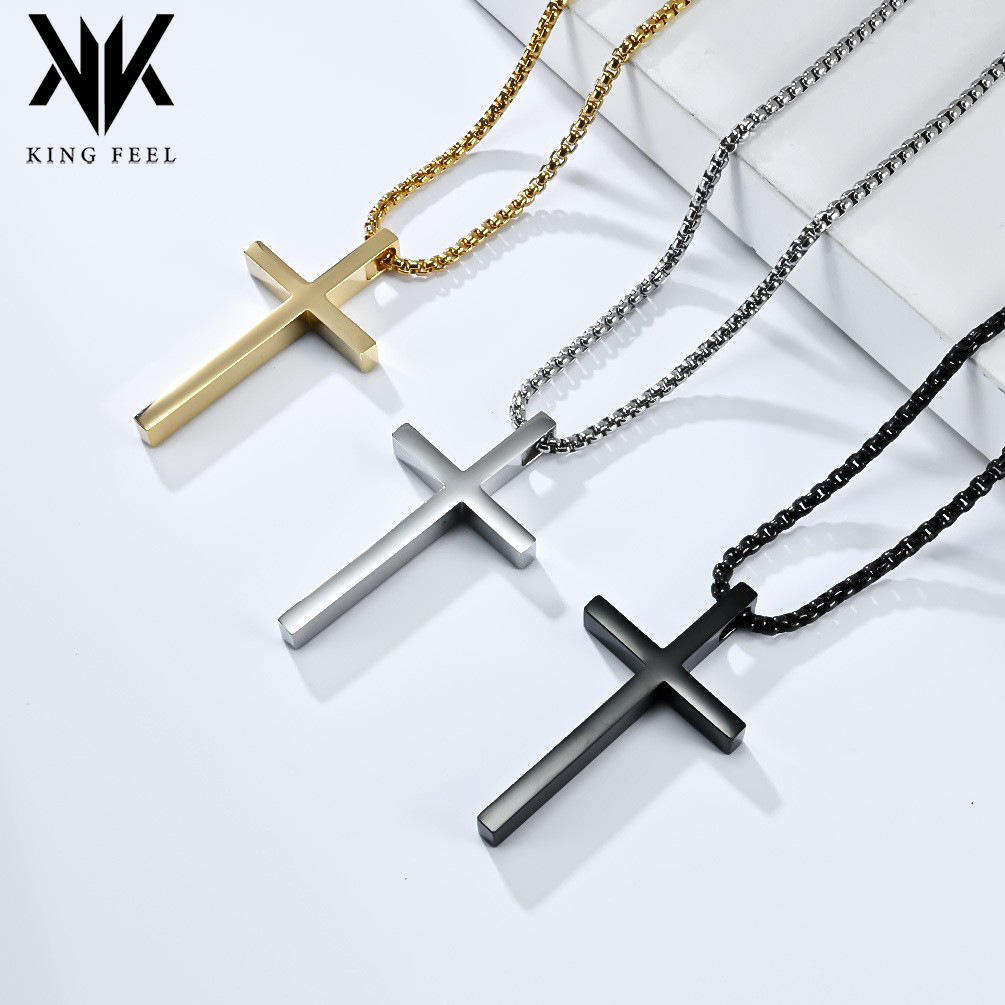
Minimalist Stainless Steel Cross Pendant Necklace Simple Smooth Titanium Steel Box Chain Jewelry for Men Women Niche Design Unisex Sweater Chain Daily Accessories
$1.87
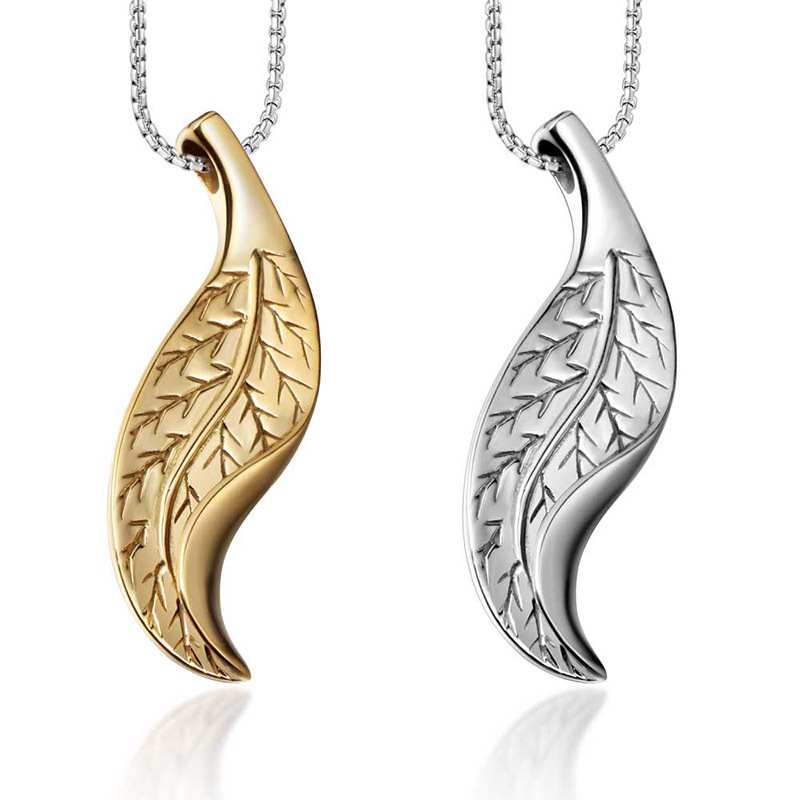
Punk Stainless Steel Leaf Pendant Necklace Gold Silver Titanium Steel Leaf Texture Jewelry With Box Chain For Men Women
$2.74
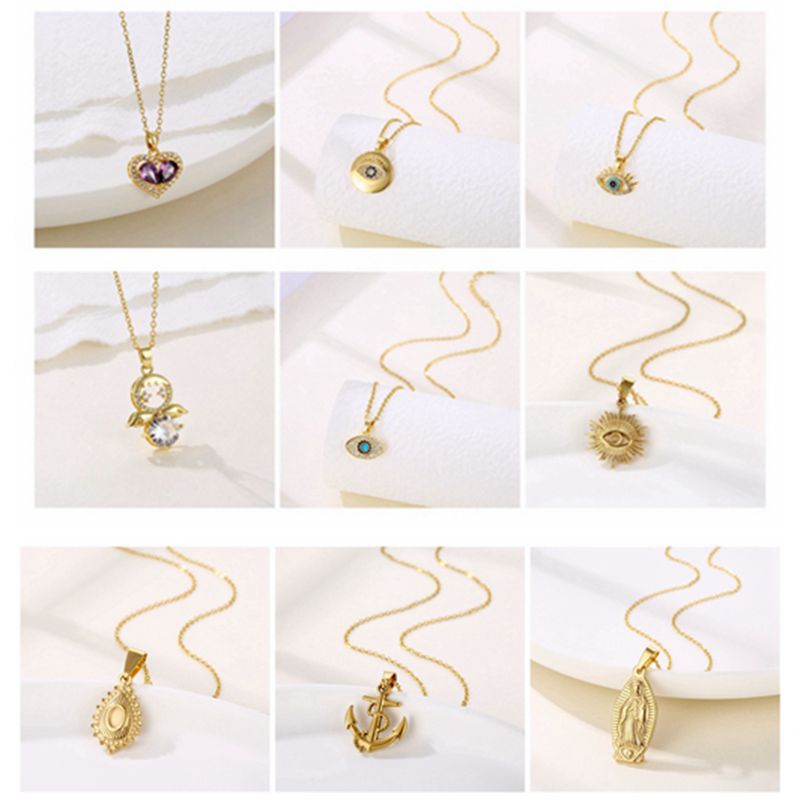
Bohemian Gold Plated Stainless Steel Evil Eye Pendant Necklace Vintage Heart Cross Angel Virgin Mary Amulet Zirconia Jewelry for Women
$1.81
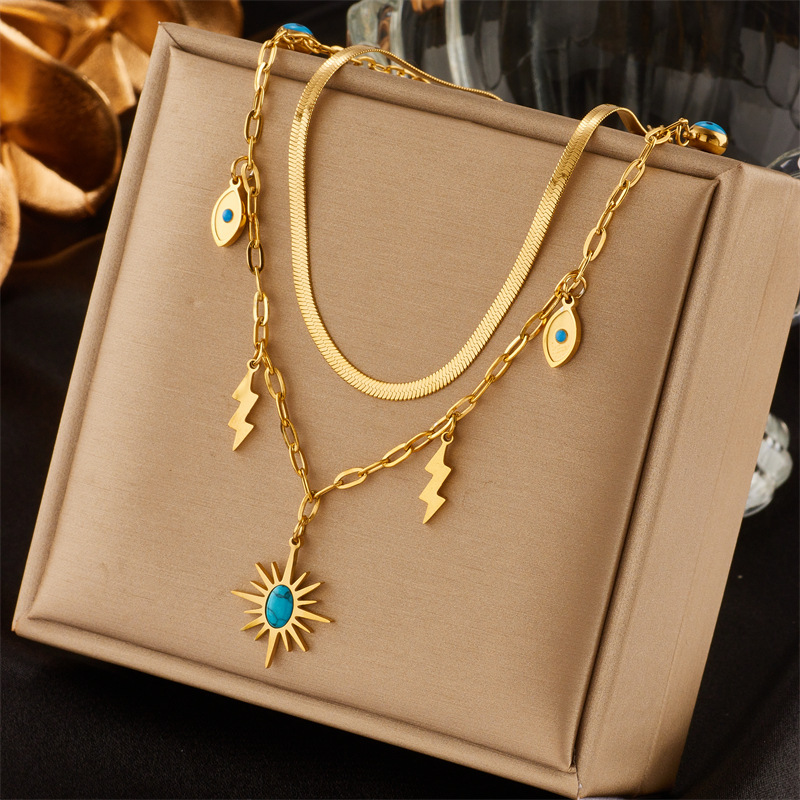
18K Gold Plated Stainless Steel Double Layer Necklace With Evil Eye Lightning Sun Pendant Turquoise Inlaid Snake Chain Bohemian Jewelry For Women
$3.01
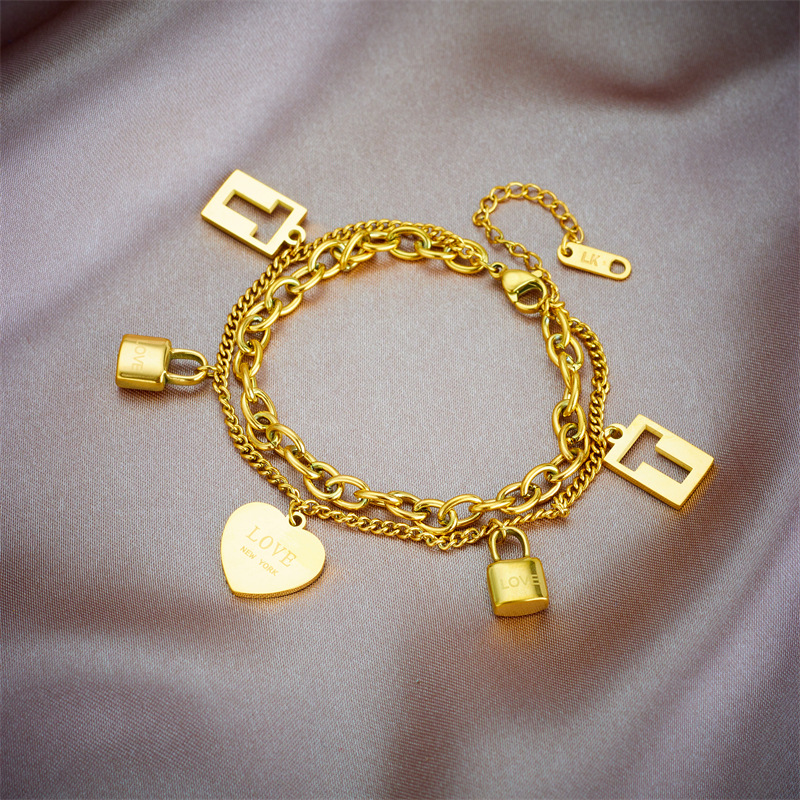
Fashion Gold Double Layer Stainless Steel Bracelet With Heart Lock T Charms Women Elegant New York Love Letter Pendant Chain Adjustable Jewelry Gift
$2.36
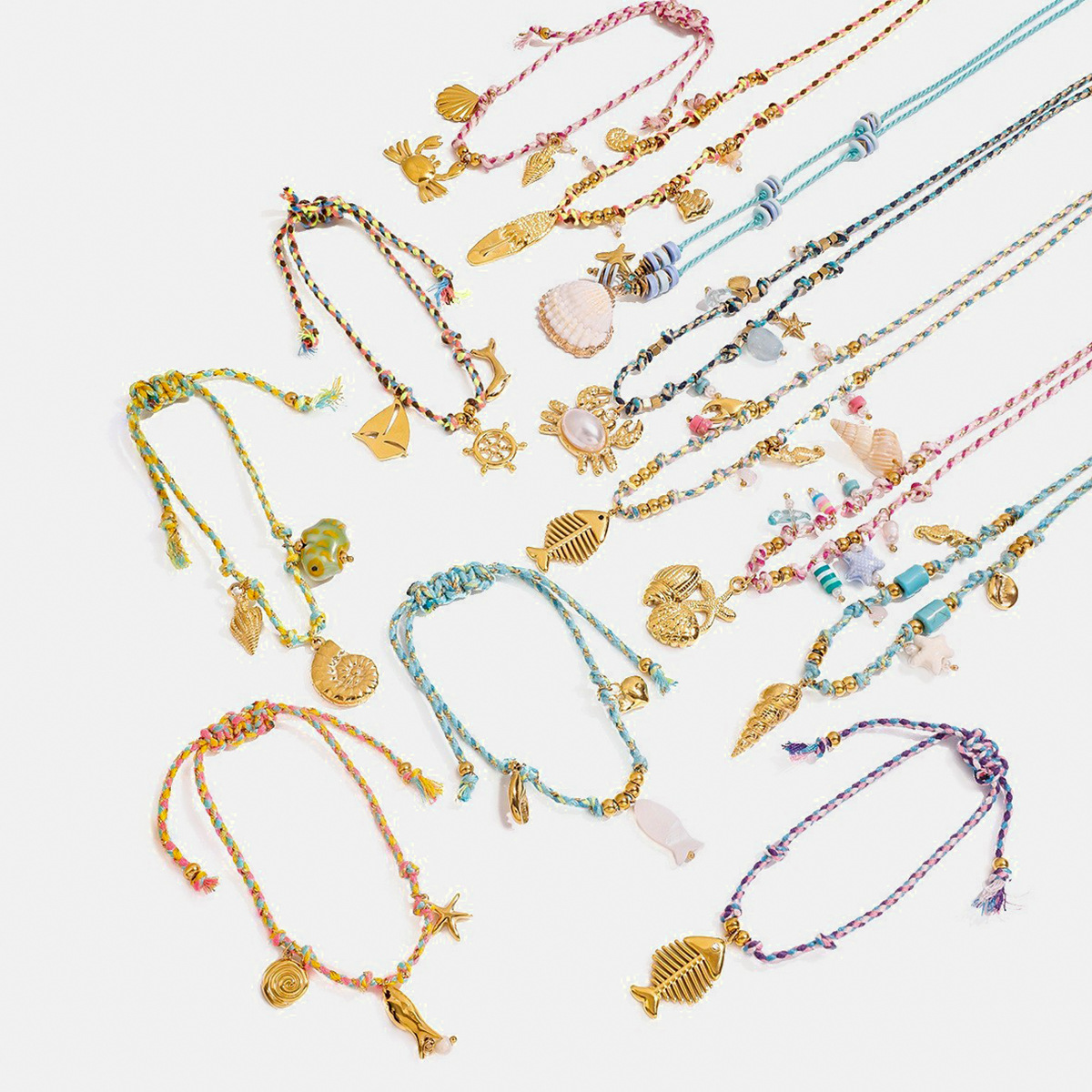
Bohemian Ocean Theme Stainless Steel Pendant Necklace Set Braided Rope Sea Shell Starfish Fishbone Jewelry For Women Summer Beach Vacation Gift Waterproof Hypoallergenic
$2.36
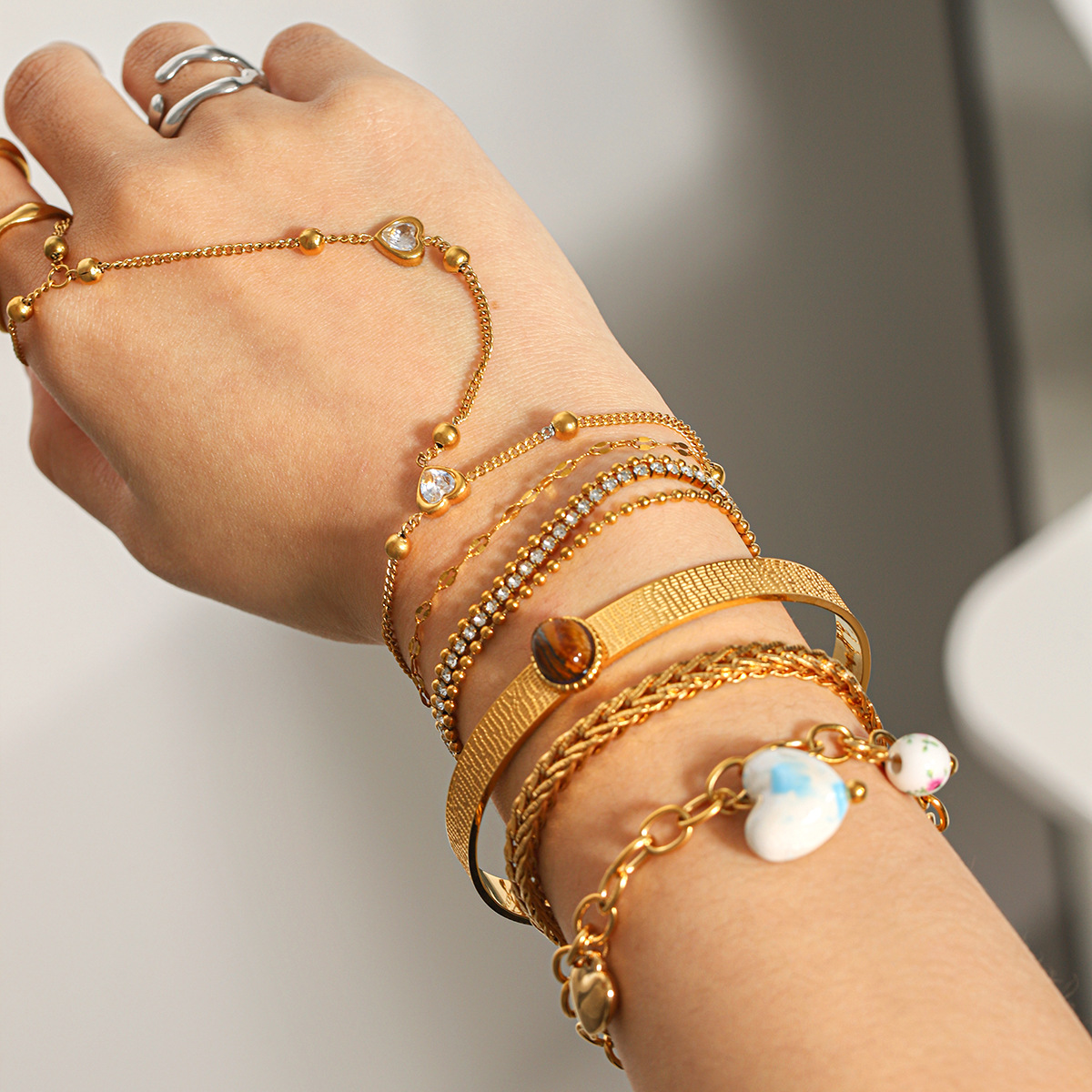
Bohemian Gold Plated Stainless Steel Jewelry Set For Women Heart Pendant Hand Chain Bracelet Adjustable Wave Rings Tiger Eye Stone Zirconia Inlay Vintage Light Luxury Party Accessories
$0.50
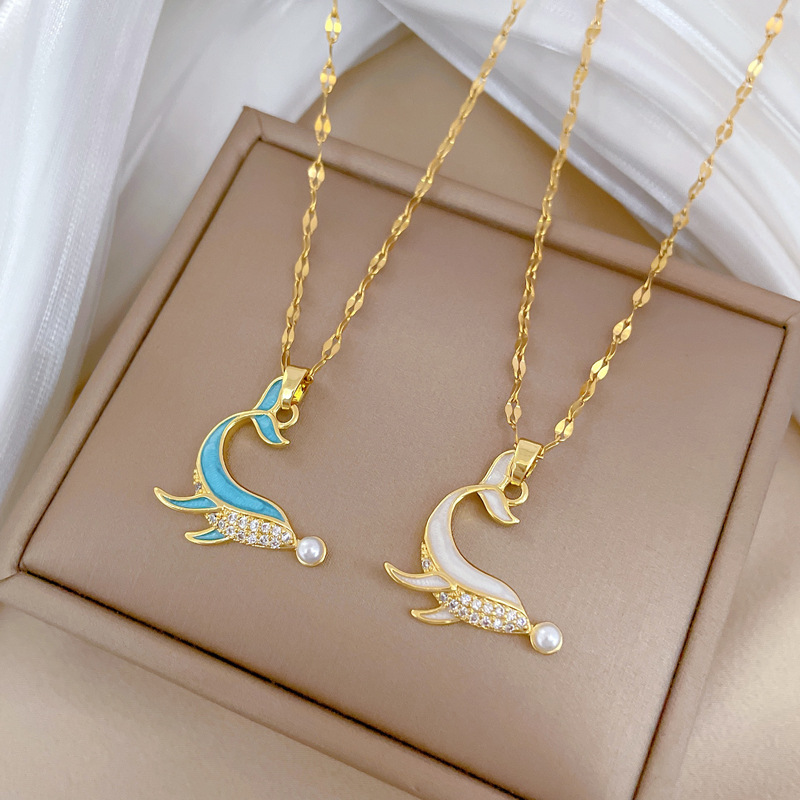
Dolphin Pendant Necklace Stainless Steel Chain Enamel Zircon Pearl Elegant Jewelry For Women Clavicle Chain Stylish
$1.41
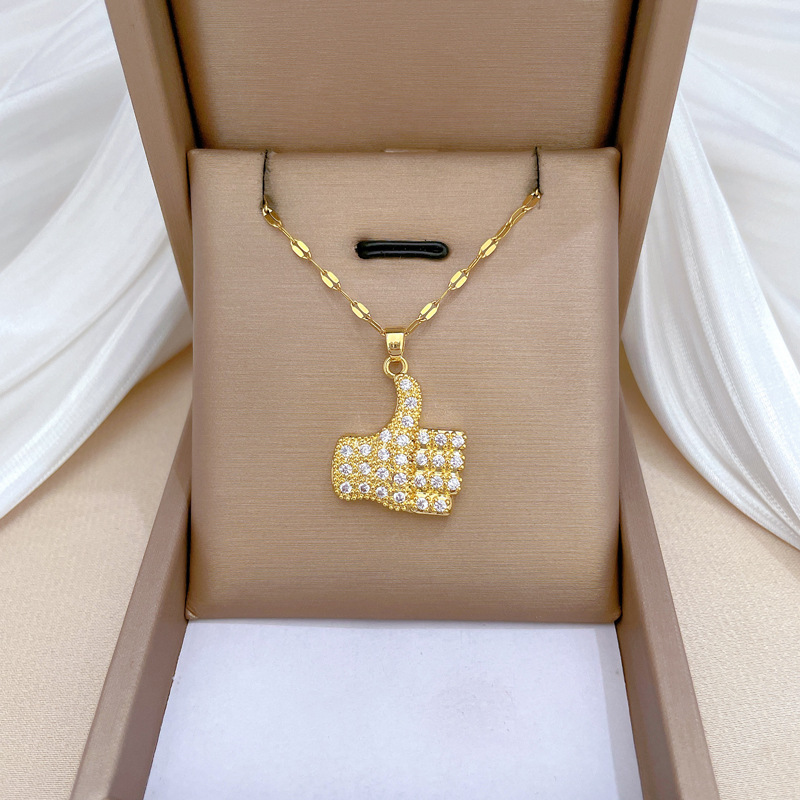
Thumbs Up Gesture Pendant Necklace Stainless Steel Chain Copper Full Rhinestones For Women Versatile Clavicle Chain
$1.48
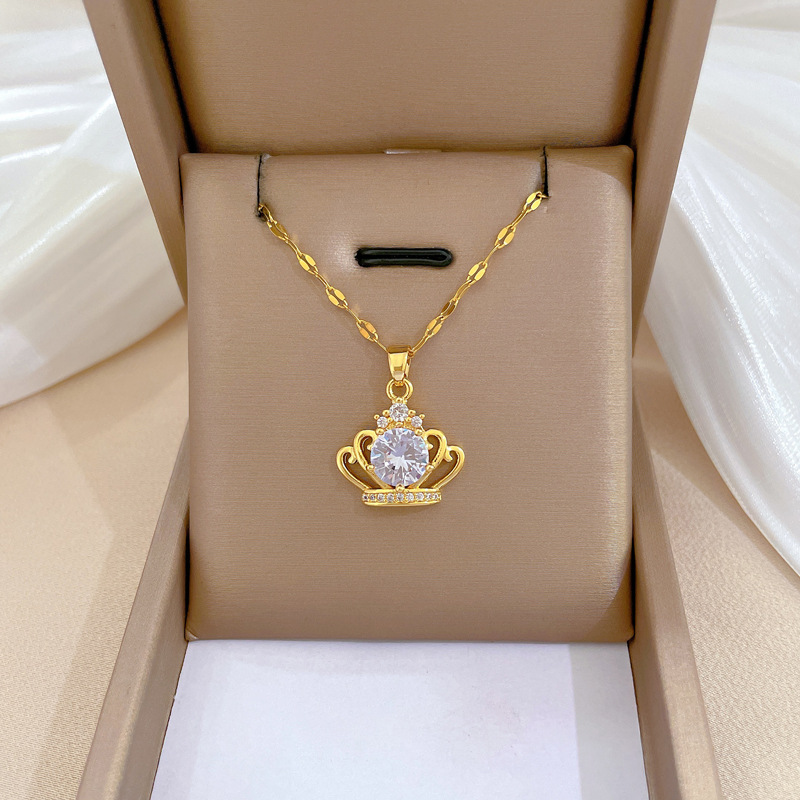
Crown Pendant Necklace Stainless Steel Chain Copper Cubic Zirconia Luxury Rhinestone Clavicle Chain Jewelry For Women
$1.42
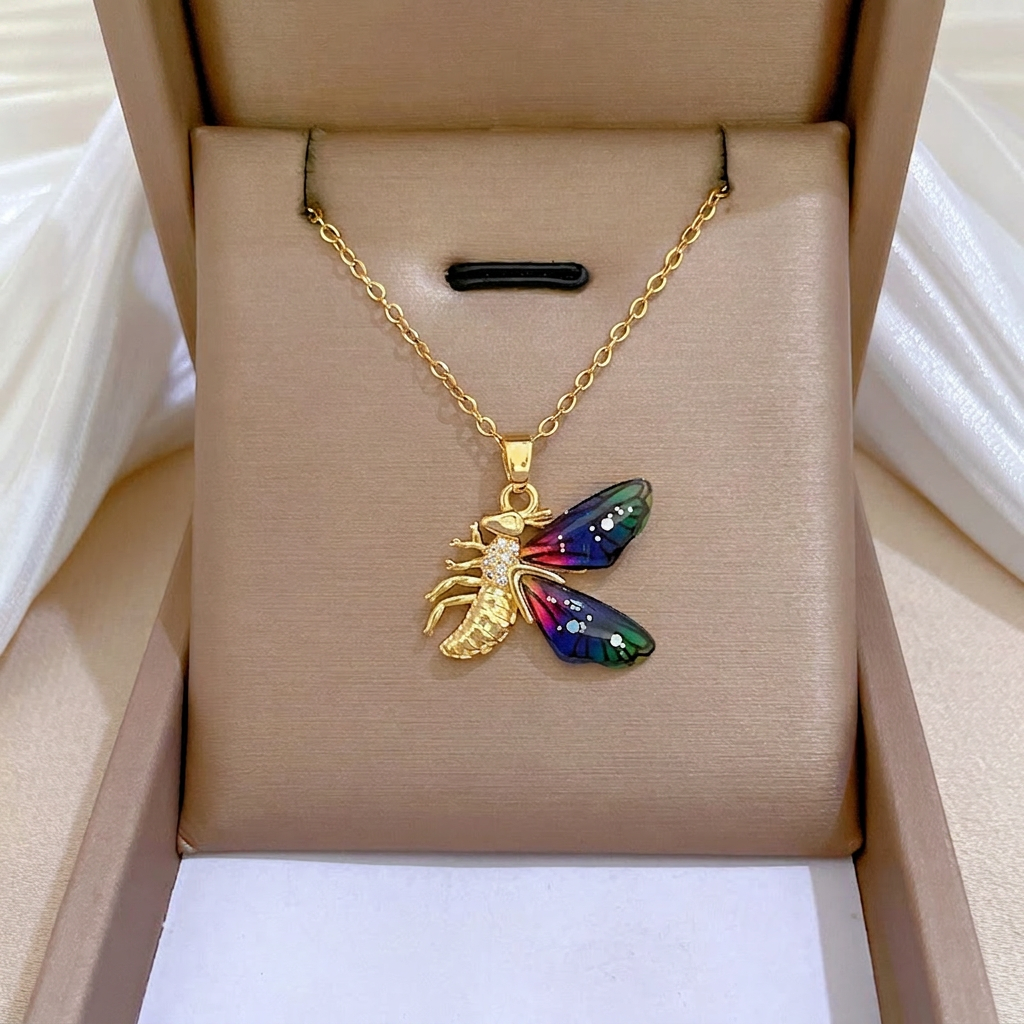
Bee Pendant Necklace Stainless Steel Chain Colorful Enamel Wings Copper Zircon Clavicle Chain For Women Elegant Jewelry
$1.45
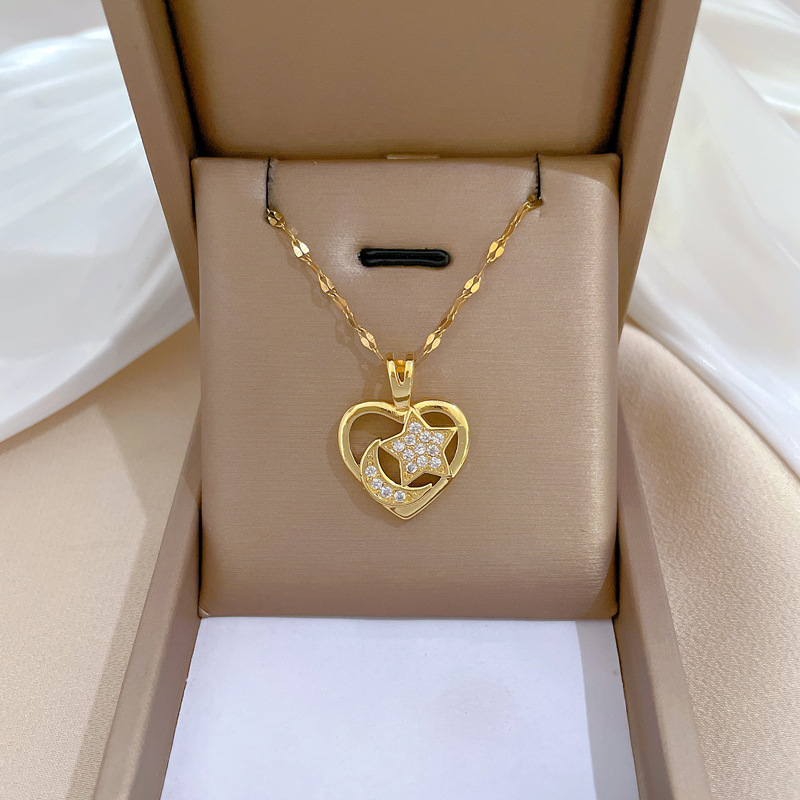
Heart Moon Star Pendant Necklace Stainless Steel Chain Copper Zircon Micro Inlaid Clavicle Chain Elegant For Women
$1.27
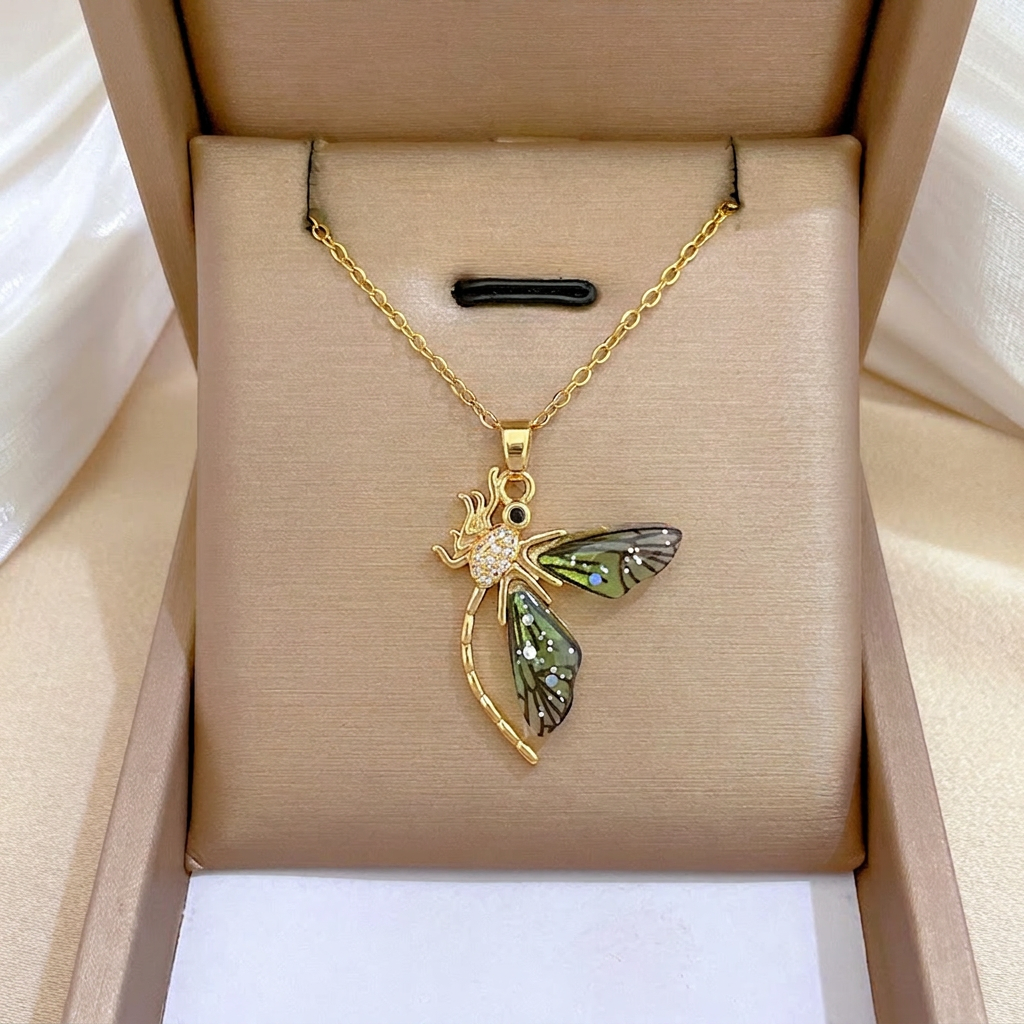
Dragonfly Pendant Necklace Stainless Steel Chain And Copper Pendant With Rhinestones Colorful Wings Elegant Jewelry For Women
$1.52
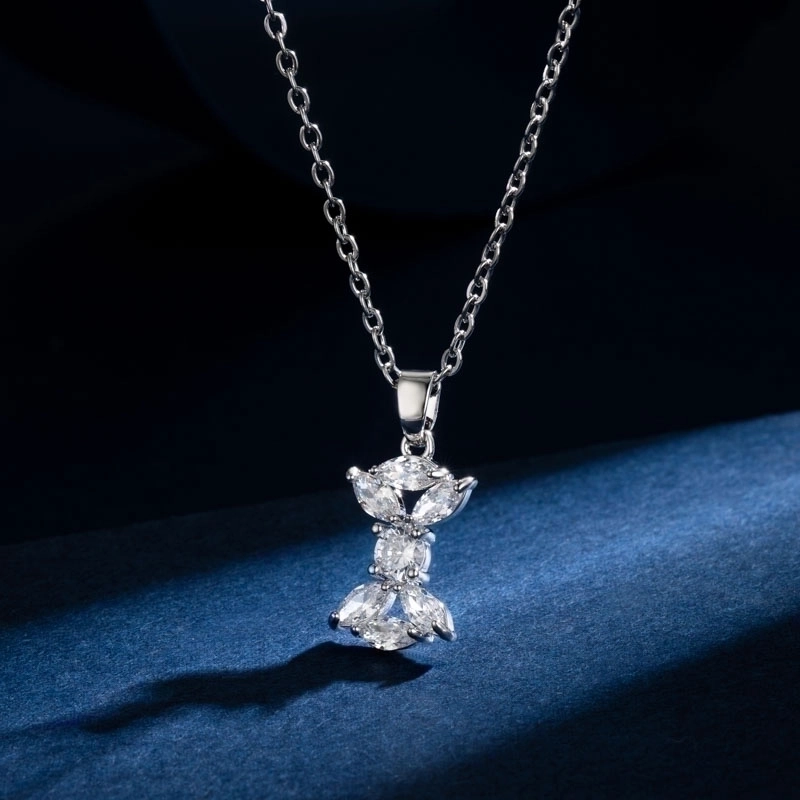
Elegant Flower Pendant Necklace Stainless Steel Chain Copper Zircon Butterfly Design For Women
$0.86
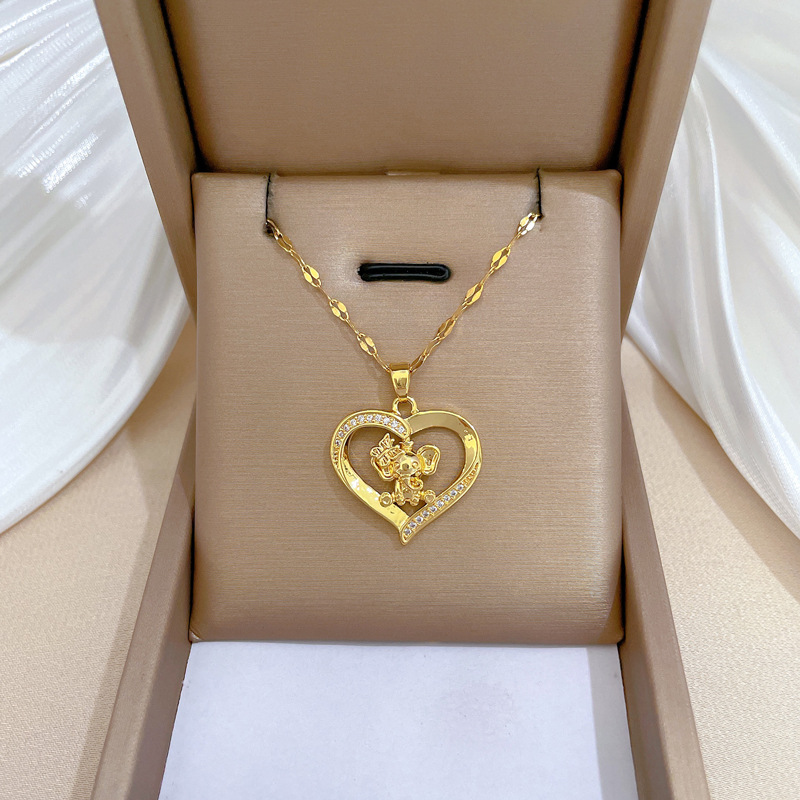
Heart Elephant Pendant Necklace Stainless Steel Copper Rhinestone Clavicle Chain Jewelry For Women
$1.37
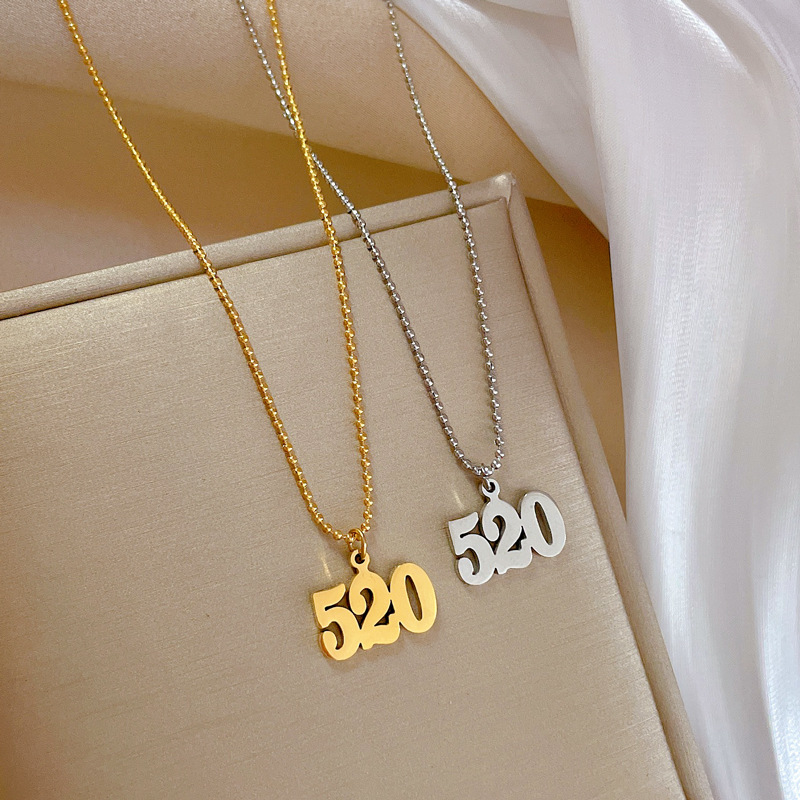
520 Number Pendant Necklace Stainless Steel Ball Chain Minimalist Fashion Jewelry For Women
$0.97
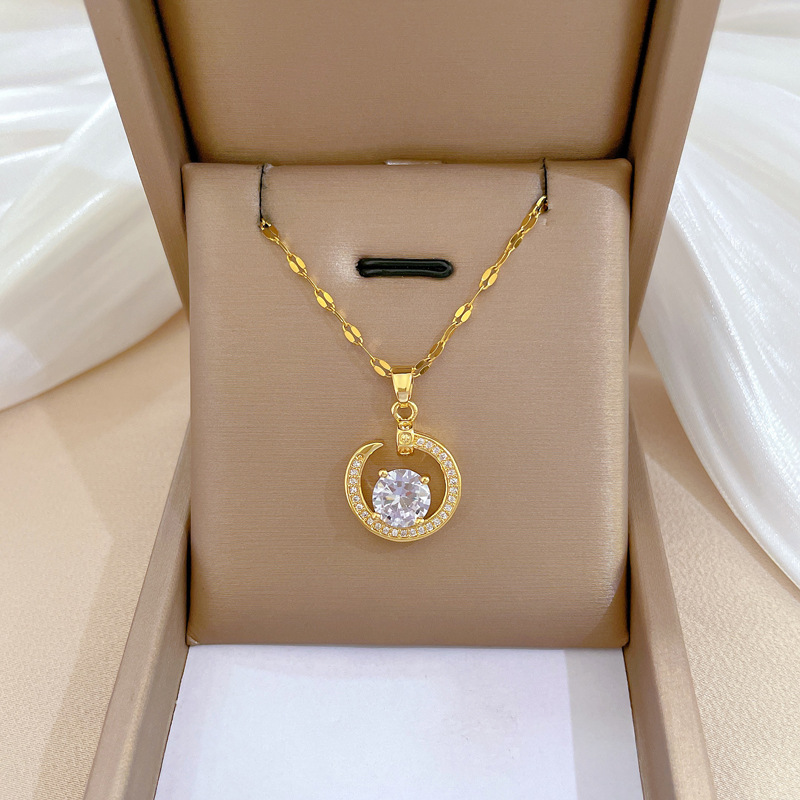
Elegant Round Zircon Pendant Necklace With Stainless Steel Chain And Copper Micro Pave Luxury Clavicle Chain For Women
$1.52
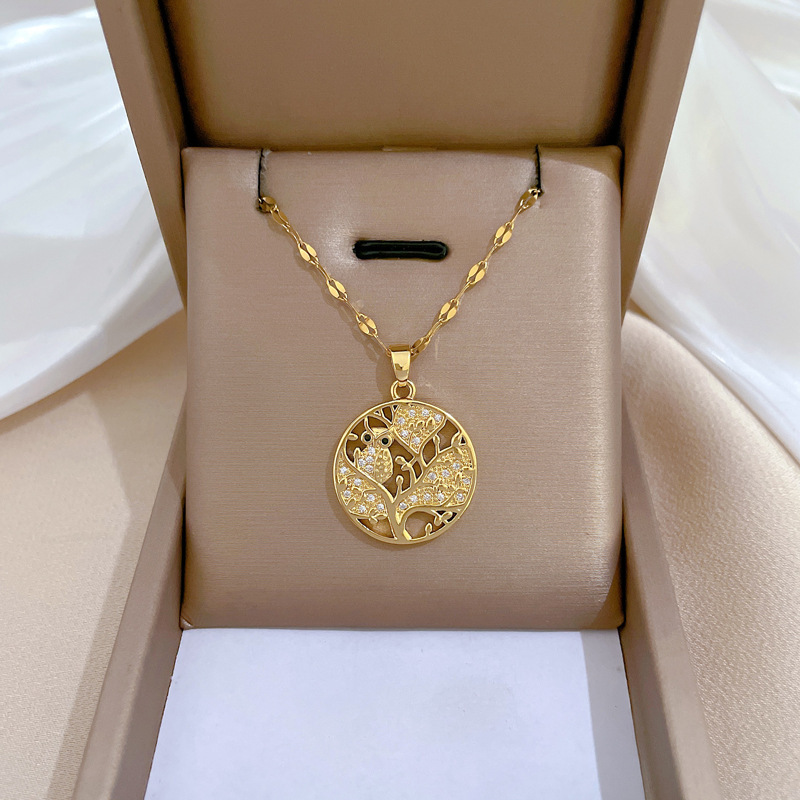
Owl Tree Of Life Pendant Necklace Stainless Steel Chain Copper Zircon Hollow Round Clavicle Chain Fashion Jewelry Women
$1.48
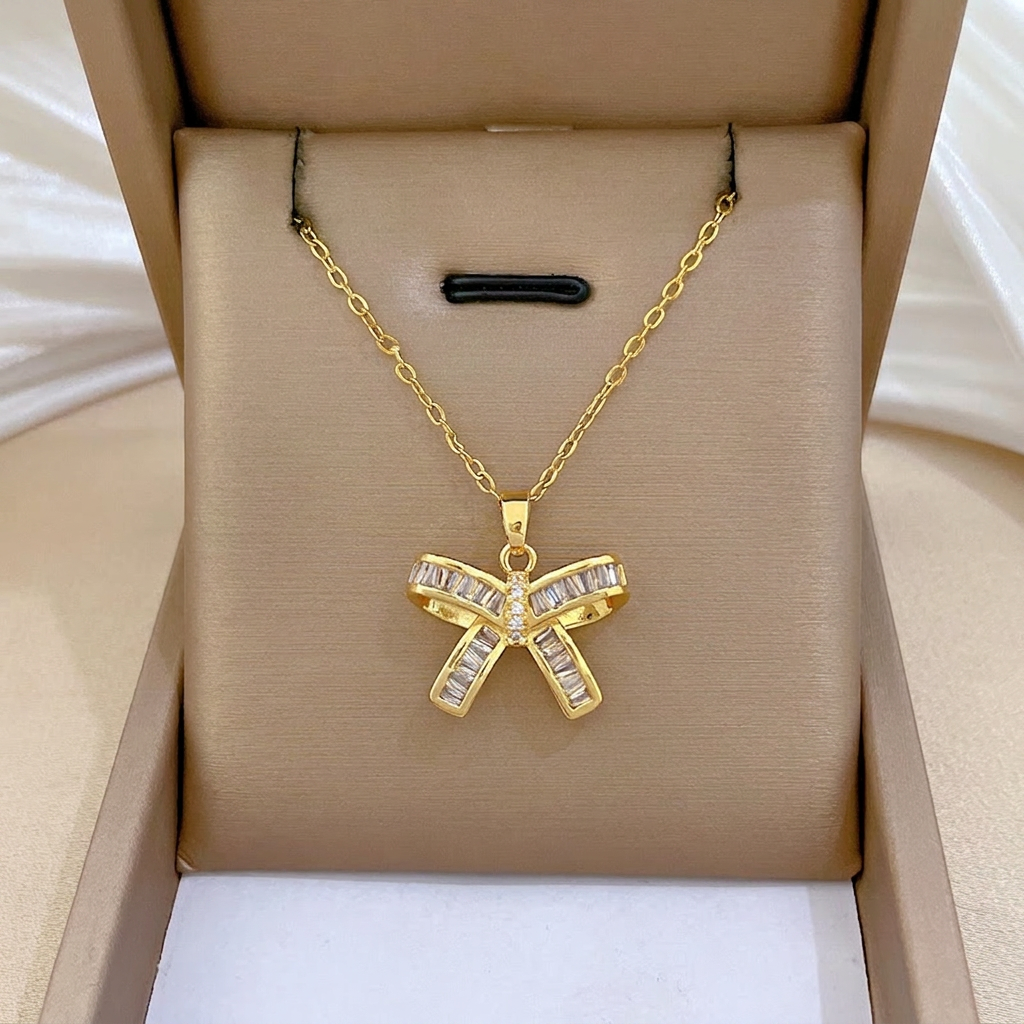
Bowtie Pendant Necklace Gold Plated Stainless Steel Chain Copper Zircon Rhinestone Inlaid Elegant Clavicle Chain Jewelry For Women
$1.45
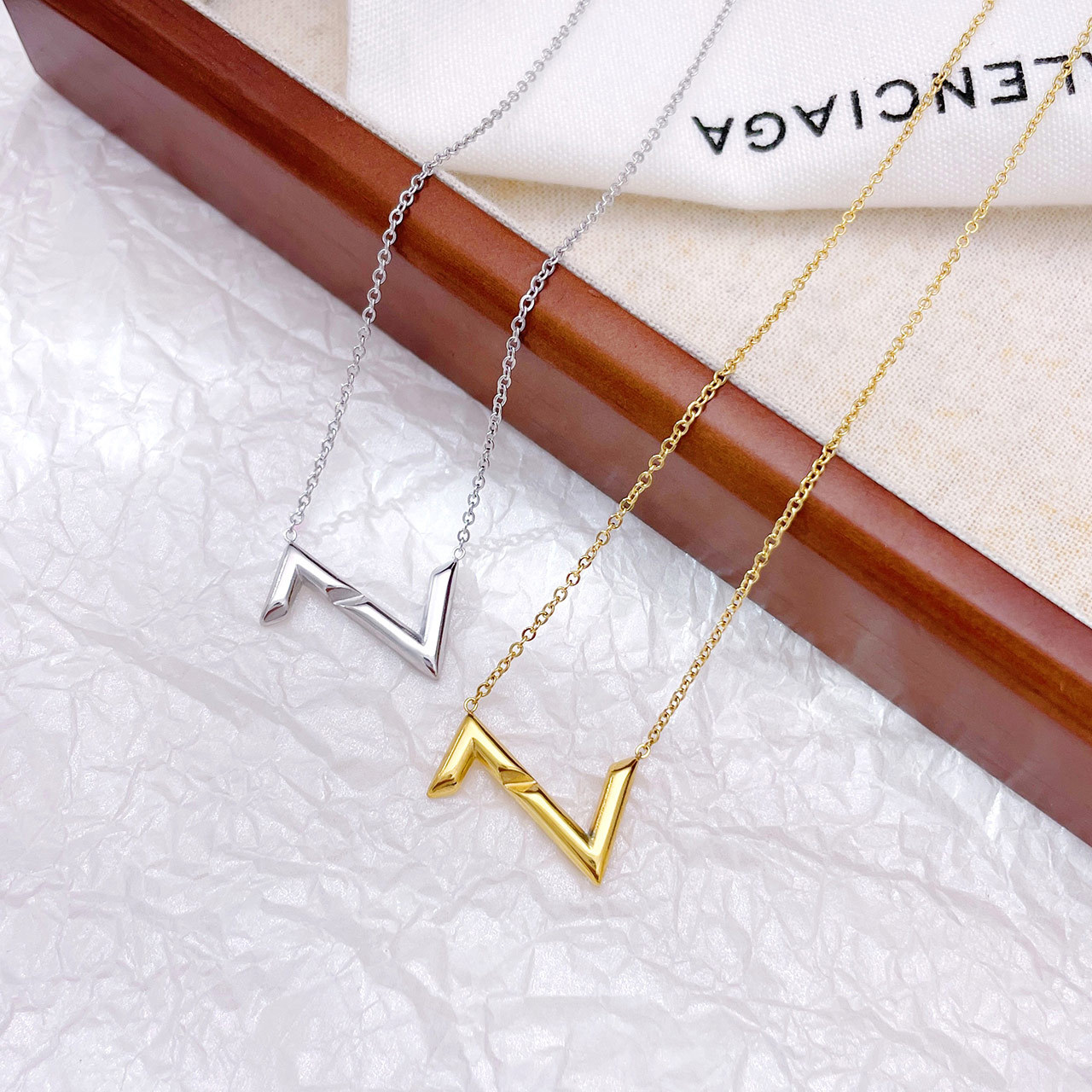
Stainless Steel Z Letter Pendant Necklace Minimalist Geometric Polished Clavicle Chain Jewelry For Women
$1.96
Smart Bundles Around Chain Strength
Bundling addresses the weight-ratio concern directly: pair a heavy pendant with a chain known for strength, or offer a set that includes both a pendant and a separate chain. These bundles also increase average order value. Below are three bundles tested by DayJewel operators.
The Heavy Pendant Daily Driver
A buyer wants a bold pendant (14g or heavier) but worries about chain snap. This bundle gives them a robust chain in a separate product, plus a matching bracelet.
- Minimalist Stainless Steel Cross Pendant Necklacehero
- Double Layer Stainless Steel Heart Lock Braceletcomplement
Bundle at $6.23 individually vs. $5.00 bundled—14% savings, while demonstrating the chain's strength.
Bohemian Safety Clasp Kit
Targets buyers who love bohemian pendants but fear breakage. Includes a rugged pendant necklace and a hand chain with extra closure for security.
- Bohemian Ocean Theme Stainless Steel Pendant Necklacehero
- Bohemian Gold Plated Stainless Steel Jewelry Setupsell
Bundle at $4.36 individually vs. $3.80 bundled—13% off. The set includes a hand chain that acts as a secondary safety.
Stainless Steel Wheat Alternative Pack
For the exact case of a 14g pendant—offer multiple lightweight but strong chains so the buyer can choose the best match for their pendant.
- Stainless Steel Z Letter Pendant Necklacecomplement
- 520 Number Pendant Necklacecomplement
Bundle at $2.93 individually vs. $2.40 bundled—18% discount. Customers can swap pendant attachment to test which chain holds better.