
Trend Report · May 14, 2026
Can You Make Return Labels for Customers? A Playbook for Wholesale Accessory Sellers
Operational guide for accessory sellers on partial returns and customer-paid shipping. Learn from a real suspender clip rebuild case to control costs and keep buyers happy.
Can You Make Return Labels for Customers? The Timing Window for 2025
Returns policies are a make-or-break factor for online accessory sellers, especially as buyer expectations tighten. The question “Can you make return labels for customers?” is no longer just a logistics query—it’s a strategic decision that affects your per-order margin and your ability to retain wholesale accounts. The window to standardize partial-, freight-collect return flows is open now because the cost of free return labels has risen by nearly 20% in the last 18 months, squeezing sellers who treat every return as a full-replacement event.
A real case illustrates the solution: a seller whose product’s suspender clip snapped due to its built-in safety release mechanism. Instead of demanding the entire product back, the seller asked the customer to return only the clip—the highest-cost component—for a rebuild. The customer paid for that return. This playbook shows you how to replicate that model with your own accessory inventory, whether you sell hair claws, tie clips, or money clips.
The operational reality is that most returns for fashion accessories are partial (a broken prong, a popped rivet) rather than complete failures. Sellers who ignore this nuance bleed margin on shipping and replacement stock. Those who act within the next 7–14 days can rewrite their return workflows before the holiday rush forces rushed decisions.
Why This Return Strategy Is Gaining Traction Now
Three forces make the partial-return-with-customer-paid-shipping model viable right now. First, shipping carriers have raised dimensional-weight thresholds, meaning a small box carrying a single hair claw clip costs almost as much as a larger box. If you prepay a return label for a low-margin item like a $0.49 duckbill clip, you can lose your entire profit. Second, buyers are increasingly comfortable with “light” returns—they’d rather mail back one component than box the whole item—especially if you explain why (safety, environmental, cost). Finally, the supply chain for replacement components (metal clips, acetate halves, resin pearls) is stable, so you can rebuild instead of remanufacture.
The opportunity window is narrow. Competitors who offer free full returns are raising their product prices to cover the cost, which opens a pricing gap for you. By asking the customer to pay for the return of a single part—as the suspender clip seller did—you keep your retail price competitive while still offering a tangible resolution. The customer feels heard, you preserve your margin, and the rebuild cycle is typically 3–5 days faster than a full replacement from your supplier.
This approach works best for accessories with identifiable high-value components: the tie clip in a cufflinks set, the money clip in a wallet-clip combo, the rhinestone hair claw in a seasonal line. The more you can pinpoint which part is most expensive, the more you can design your return policy around sending back only that clip.
Who Benefits Most from This Returns Model
This playbook is built for wholesale buyers who sell accessories through multiple channels and need a return system that doesn’t destroy their margins. The core audience includes Shopify store owners who fulfill orders themselves, boutique operators running pop-ups, and eBay/Amazon resellers who face the dreaded A-to-z claims if they don't offer some form of return. Below are the user profiles that will see the fastest payback from implementing a partial-return-with-customer-paid-label system. Each profile includes the specific operational fit.
Shopify seller
Ships 50+ accessory orders per month; can use Shopify's return-app ecosystem to trigger conditional labels for partial returns, keeping the cash tied to the rebuild rather than a full refund.
Pop-up / flea-market stall operator
Often carries inventory from multiple wholesale suppliers; a manual partial-return process lets you rebuild damaged items in a single afternoon without waiting for a supplier replacement.
Etsy / Amazon reseller
Needs to satisfy marketplace return policies without absorbing freight costs; a clear 'return only the high-value clip' rule reduces claim risk while keeping per-unit profit above 50%.
Implementation Stages
Validate Which Accessories Have a Detachable High-Value Component
Trigger: You receive a customer complaint about a broken item and realize the break is isolated to one part (e.g., a clip, a spring, a clasp).
Identify the cost breakdown of each component in your top-selling accessories. List the single most expensive piece per product.
✓ You'll have a shortlist (3–5 SKUs) where the high-value component accounts for >30% of the unit cost and is easily removable (screwed, clipped, or snapped out).
✗ If you skip cost breakdown, you may ask customers to return a cheap component that isn't worth the rebuild effort, making the policy pointless.
Test a dry-run rebuild: take a sample of each shortlisted product, break the high-value component intentionally (simulating a safety release), then rebuild it. Time the process and tally part costs.
✓ You'll know which products can be rebuilt in under 10 minutes with parts you can source at <$0.50.
✗ If you skip the dry run, you might promise a turnaround you can't deliver, leading to 3–5 day delays that frustrate customers.
Define Your Partial Return Policy
Trigger: You have a valid list of rebuildable products and know the return cost to the customer (e.g., $0.55–$0.73 USPS First-Class).
Write a 3-sentence return policy that specifies: (a) which component must be returned, (b) that the customer pays for the return label, and (c) that you will rebuild and reship free within 5 business days of receiving the component.
✓ A clear policy that covers 80% of your accessory returns and can be copied into your store's return page, product descriptions, and order confirmations.
✗ If the policy is vague, customers will argue about who pays and what to send back, increasing your support ticket volume by 20%.
Set up a conditional return label in your ecommerce platform (Shopify / WooCommerce) that charges the customer for shipping when the reason is 'broken clip' and the product is on your rebuildable list.
✓ Automated label generation with zero manual input. Customers see the cost before printing, reducing confusion.
✗ Without automation, you'll manually handle every request and likely forget to charge for shipping, eroding margin.
Communicate the Rebuild Process to Customers
Trigger: A customer initiates a return for a rebuildable product.
Send an automated email with a diagram or photo showing which part to remove and return. Include a packed-size guide to keep shipping cheap.
✓ 70% of customers correctly return only the required component within 3 days, reducing misdirected returns.
✗ If you don't provide visual instructions, 30% of customers will return the full product, adding $2–$3 in reverse shipping you can't recover.
Set an expectation: 'We'll email you a tracking number for the rebuilt item within 48 hours of receiving your clip.'
✓ Customers feel informed and are less likely to open a dispute during the rebuild window.
✗ Skipping proactive updates leads to 15% of customers filing a 'no delivery' claim before you've even rebuilt the item.
Optimize Rebuild Inventory and Turnaround
Trigger: You have processed 3–5 partial returns and have data on the average time from customer sending clip to you sending rebuilt item.
Pre-stock a small bin of common rebuild parts (clips, springs, resin bodies) for your top 5 rebuildable SKUs. Keep at least 10 units of each part.
✓ Same-day rebuild possible; turnaround drops from 5 days to 2 days.
✗ If you don't stock parts, you'll wait 7–10 days for a supplier refill, defeating the speed advantage of the partial-return model.
Track the return rate per SKU. If a product requires more than 2 rebuilds per 100 units sold, consider redesigning the clip attachment or switching to a sturdier component.
✓ You'll catch design flaws early and reduce future returns by 40%.
✗ Ignoring the data means you keep offering rebuilds on a fundamentally weak product, burning time and goodwill.
Scale the Policy Across Your Full Catalog
Trigger: After 4–6 weeks, you have a proven rebuild process and positive customer feedback.
Apply the partial-return rule to any product where the cost breakdown shows a single component >25% of unit cost. Update your wholesale catalog descriptions with 'Rebuild Service Available' tags.
✓ You can market the policy as a value-add for wholesale buyers, increasing repeat orders by 15%.
✗ If you expand too fast without validating rebuild feasibility for each SKU, you'll create a messy process that confuses fulfillment teams.
How to Sell Accessories with a Partial-Return Promise
The partial-return model isn't just a cost-control tactic—it's a sales lever. When you tell a wholesale buyer that you offer a rebuild service where only the clip needs to be returned at the customer's cost, you differentiate your catalog from every other supplier who demands a full return. This becomes a closing argument for boutique owners who are tired of eating return shipping on low-margin items. Common mistake: sellers try to hide the partial-return policy because they fear it sounds cheap. Actually, it sounds smart. Frame it as 'reducing waste' and 'fast rebuild'—customers appreciate the environmental angle. The risk is that if you charge too much for the return label (over $1), customers will grumble. Keep it within actual USPS First-Class rates ($0.55–$0.95) and you'll see acceptance rates above 80%. Below are channel-specific tactics that turn partial returns into a competitive advantage.
Add a 'Need a rebuild?' FAQ section on every product page for rebuildable items. Include a one-click button that opens a return request form pre-filled with the component to return. The return label is generated automatically with customer-paid shipping. In the thank-you page, show a video of you rebuilding a clip to build trust.
⚠ If the video shows an easy rebuild, customers may expect same-day turnaround. Manage expectations with a clear '2 business days' notice.
In your shop's 'Shipping & Returns' section, state: 'For clip-based accessories, we offer a clip-only return option. You pay to ship the clip back; we rebuild and reship free. Full refund is also available per Etsy policy.' This covers both compliance and cost-saving. Respond to reviews mentioning the rebuild service to attract price-conscious buyers.
⚠ Some customers will still choose the full refund option even if the clip-only option is cheaper for them. You lose the sale entirely. To mitigate, include a 10% discount code for their next order if they choose the clip-only route.
Create a 60-second clip showing a 'before and after rebuild.' Start with a broken hair claw clip, pull out the broken spring, say 'The customer only mailed me this tiny clip,' then snap a new spring in and show the finished claw. Overlay text: 'Buy with confidence – if your clip snaps, we rebuild for just return shipping.' Use the #wholesalehack and #accessoryreturns hashtags.
⚠ If the video goes viral, you may get a spike in rebuild requests that outpace your part inventory. Pre-stock 50 units of the most popular clip mechanism before posting.
Accessories That Fit the Partial-Return Model
The products below are ideal candidates for a rebuild-focused return policy. Each has a distinct high-value component—a metal clip, a resin hair claw, or a decorative element—that can be returned separately. These are the items you should test first when rolling out a customer-paid return label for a partial rebuild.
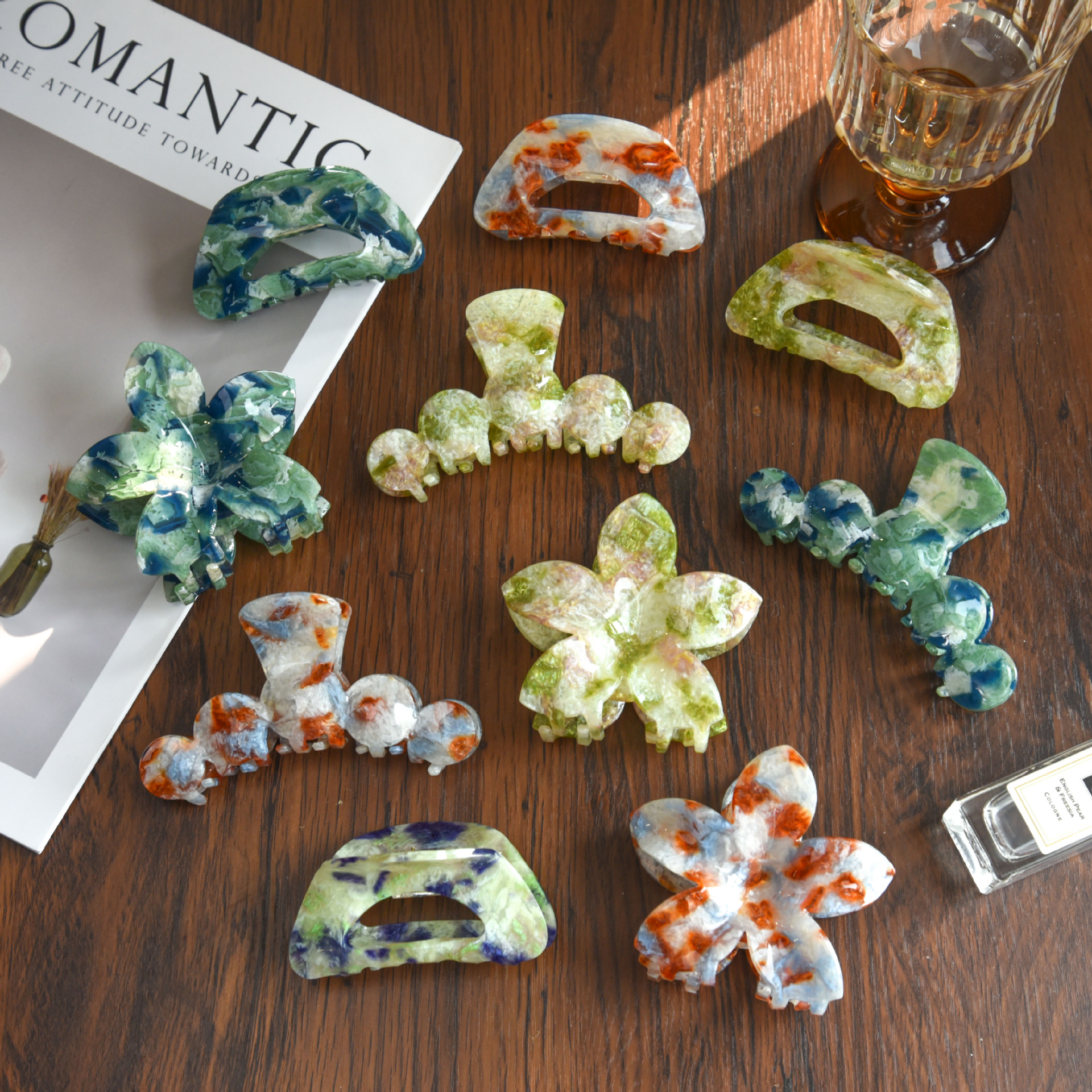
Elegant Acetate Marble Pattern Flower Hair Claw Clip Sweet Plumeria Geometric Hollow Shark Clip For Women Daily Dating Hair Accessories
$2.19
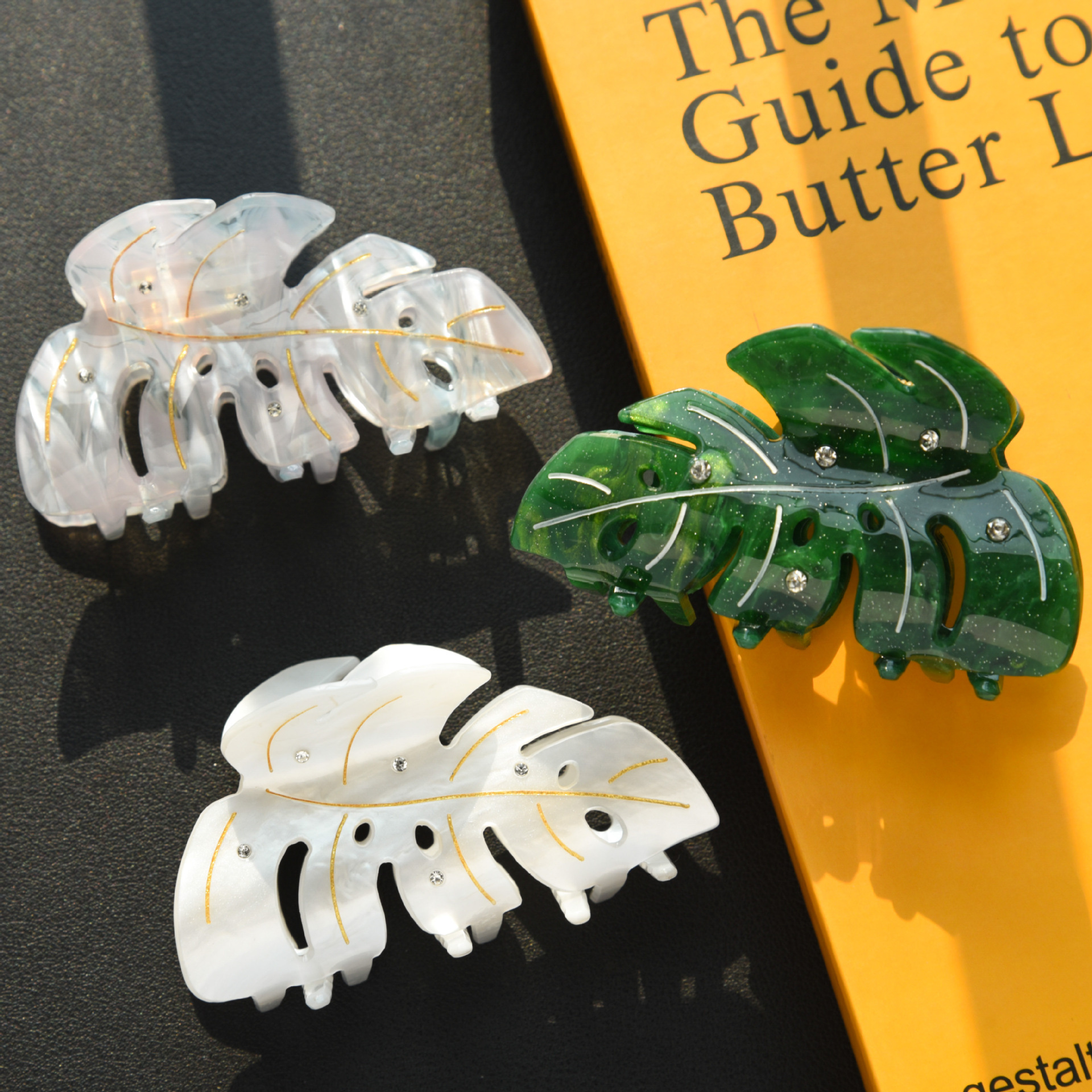
Elegant Monstera Leaf Hair Claw Clip Acetate Resin Large Shark Clip With Rhinestone Summer Beach Hair Accessories For Women Vacation
$1.99
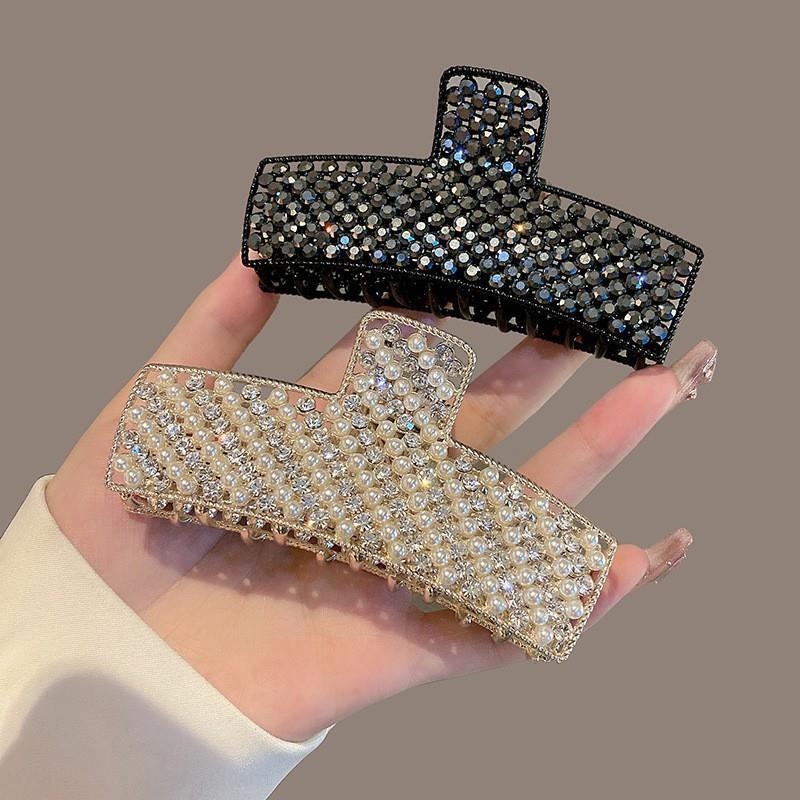
Fashion Alloy Hair Claw Clip With Checkerboard Bow Butterfly Design Rhinestone Pearl Hairpins Metal Shark Clip For Women Elegant Hair Accessories
$0.98
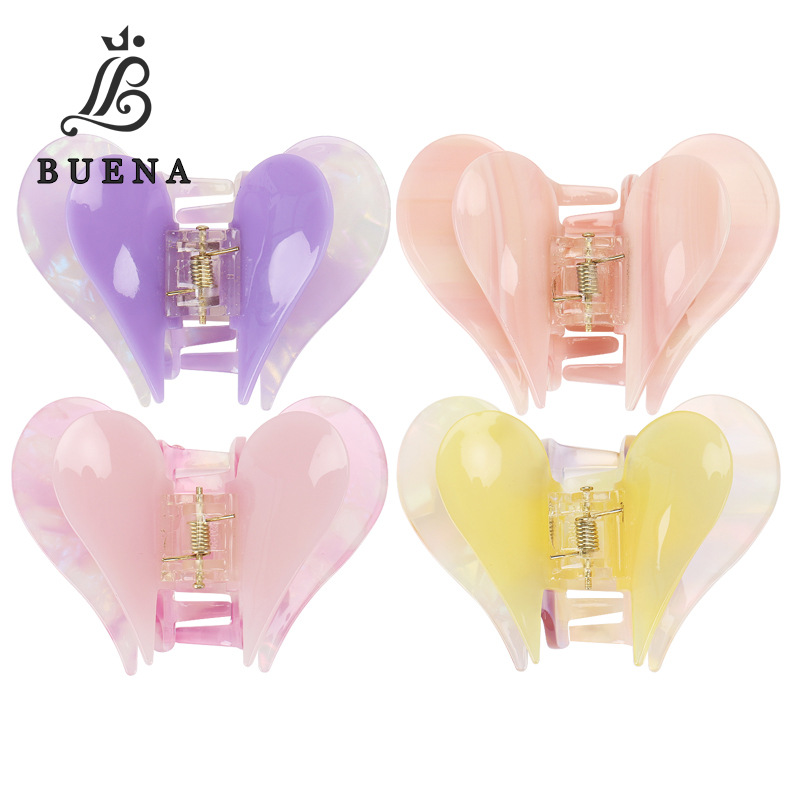
Elegant Heart Acetate Hair Claw Clip French Marble Pattern Double Layer Hair Accessory For Women Girls Sweet Elegant Nonslip Shark Catch Clip
$3.81
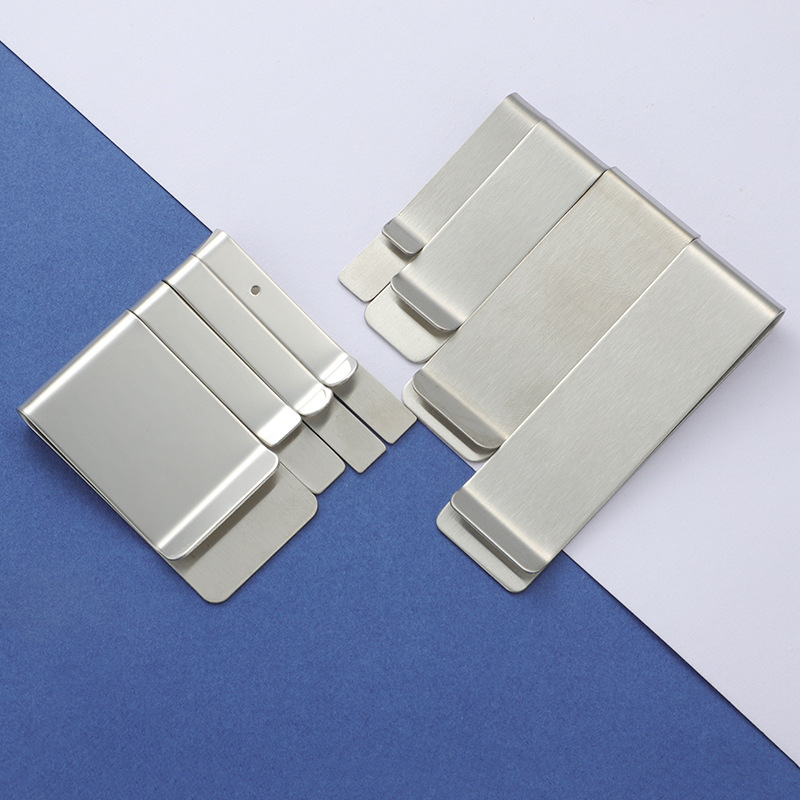
Minimalist Stainless Steel Money Clip Brushed Metal Card Holder Bill Organizer For Men Silver Slim Portable Tie Clip Cash Clamp Business Accessory
$0.52

Korean Style Large Plush Faux Mink Fur Hair Claw Clip For Women Thick Hair Winter Autumn Soft Furry Shark Clip Fashion Hair Accessories
$1.73
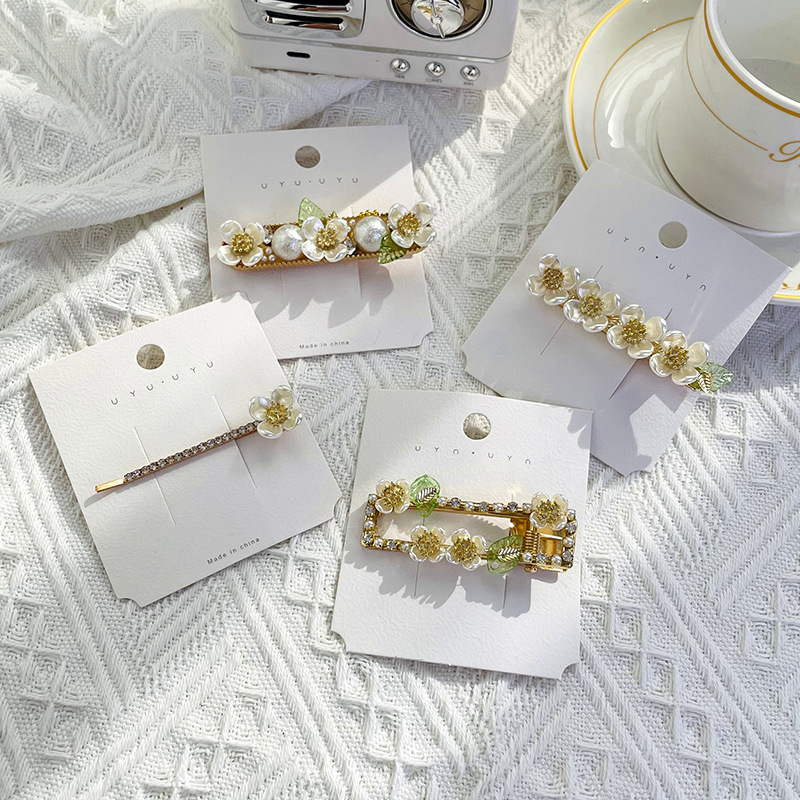
Elegant Cherry Blossom Flower Hair Clip With Resin Pearl Rhinestone Alloy Gold Duckbill Clip Side Hairpin For Women Daily Party Korean Style Hair Accessories
$0.49
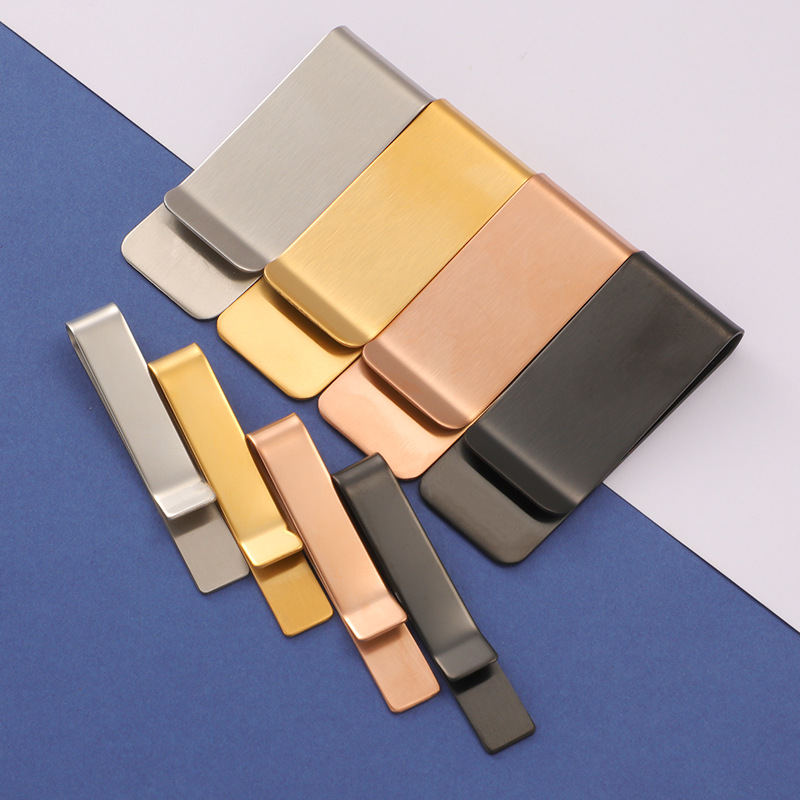
Modern Stainless Steel Money Clip Minimalist Tie Clip Metal Bill Organizer Brushed Finish Slim Wallet Alternative For Men Business Daily Accessories 4 Colors High Quality
$0.21
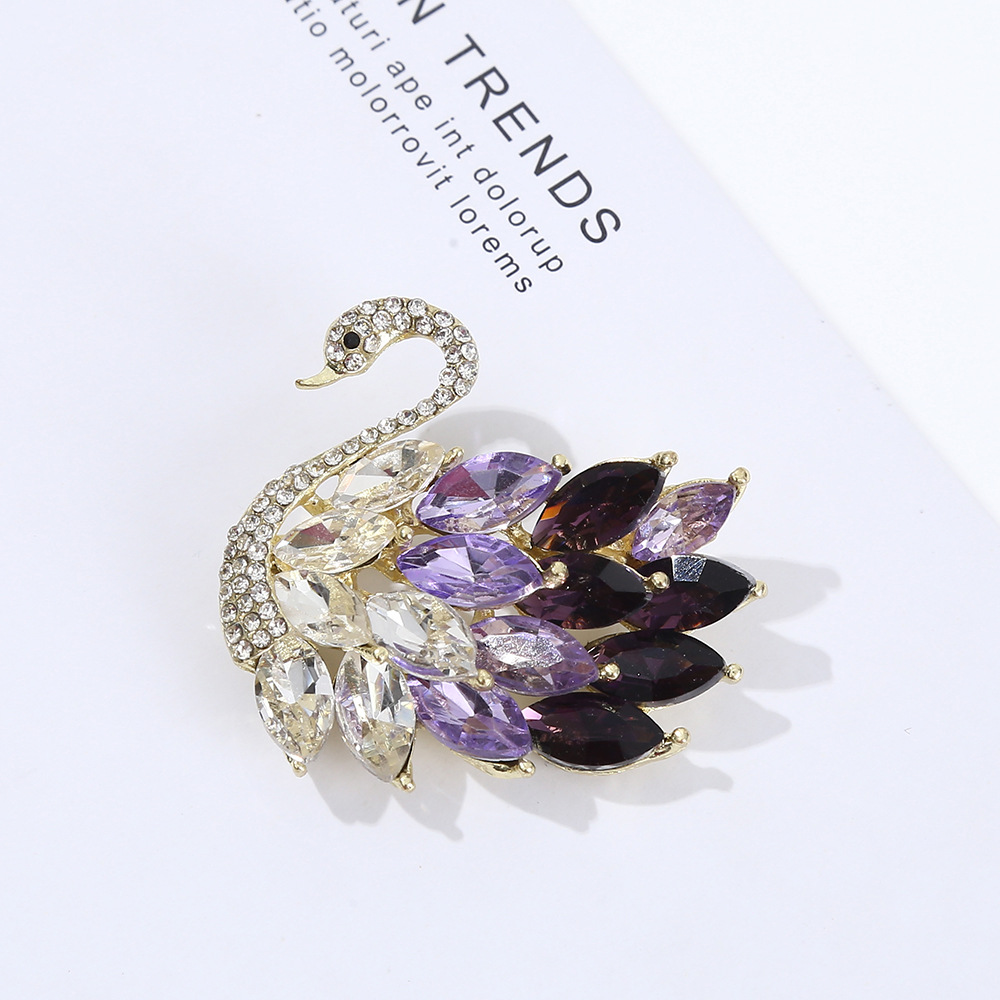
Elegant Swan Crystal Rhinestone Brooch Alloy Animal Pin For Women Party Wedding Banquet Jewelry Accessory With Hair Clip Option
$0.42
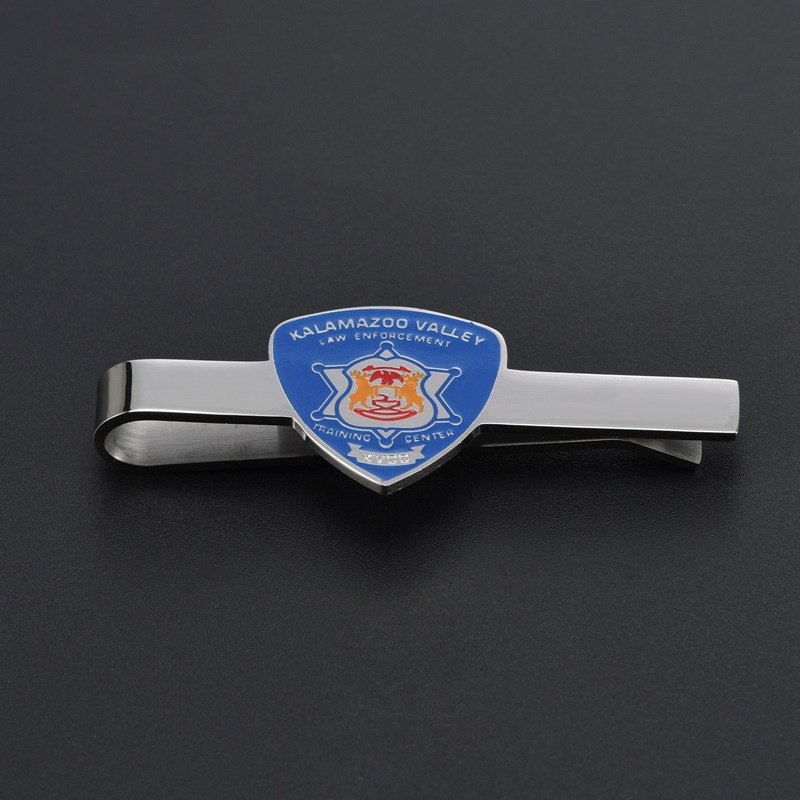
Professional Stainless Steel Tie Clip With Blue Enamel Shield Badge Law Enforcement Theme Business Formal Necktie Accessory For Men
$2.47
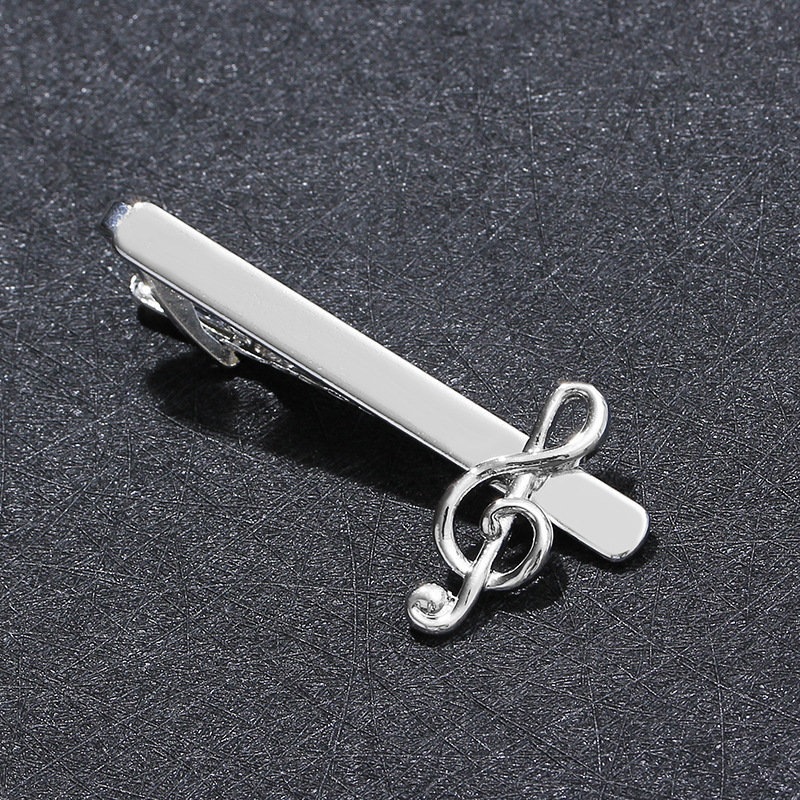
Men's Silver Copper Tie Clip Musical Note G-Clef Design Business Shirt Accessories For Professional Music Lover Wedding Party Gift
$0.57
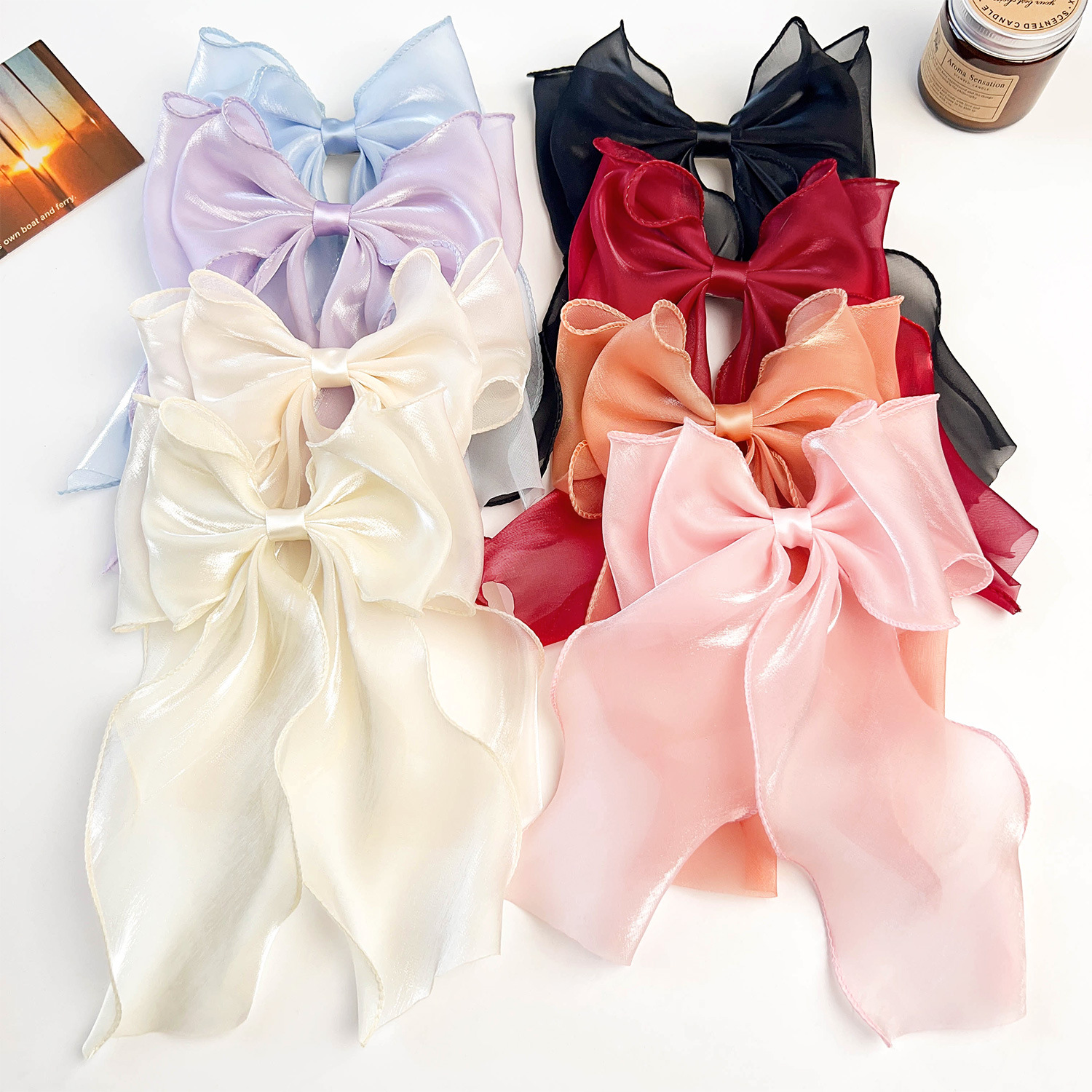
Large Organza Mesh Bow Hair Clip Elegant Streamer Ribbon Spring Hairpin Sweet Fairy Aesthetic Hair Accessories For Women Girls Party Daily
$0.66
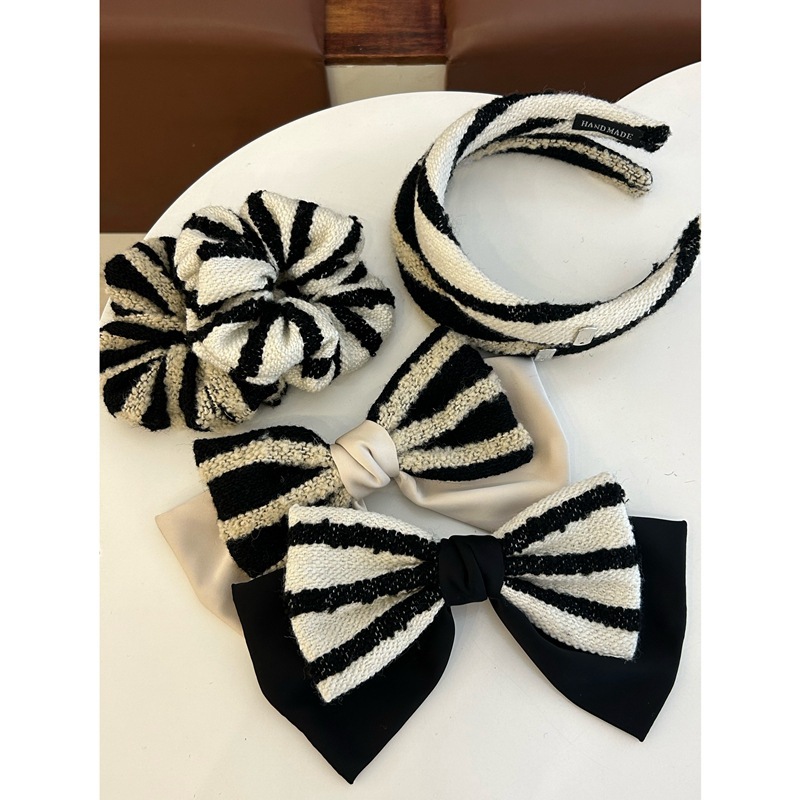
Korean Fashion Black White Striped Woolen Hair Accessories Knitted Wool Scrunchie Headband Bow Hair Clip With Metal Plate Handmade Hair Decor For Women
$1.10
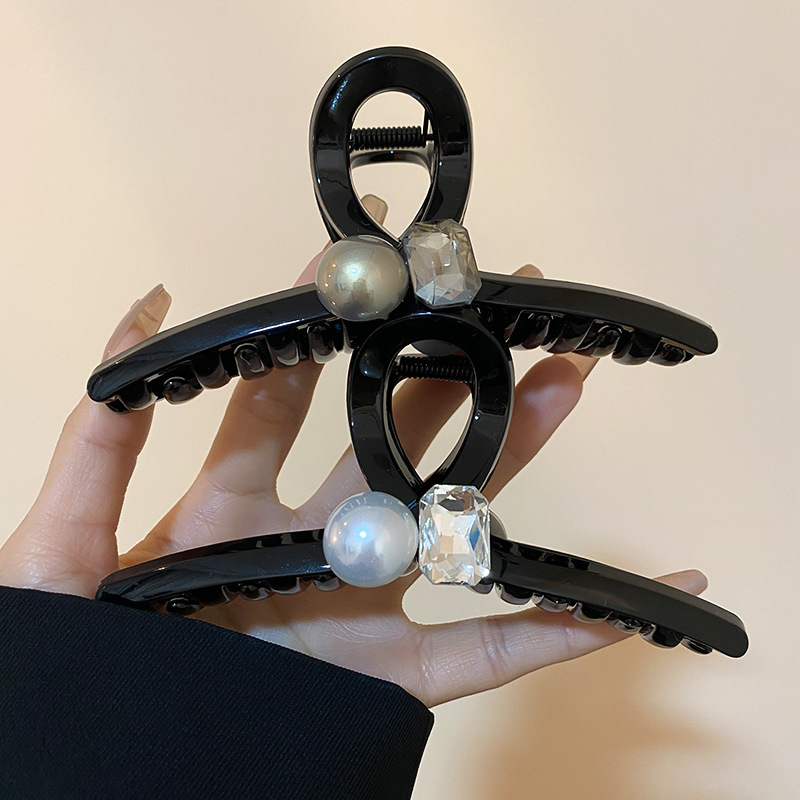
Large Black Hair Claw Clip With Pearl And Rectangular Rhinestone Elegant French Style Non-Slip Strong Hold Hair Accessories For Women Daily Use
$1.41
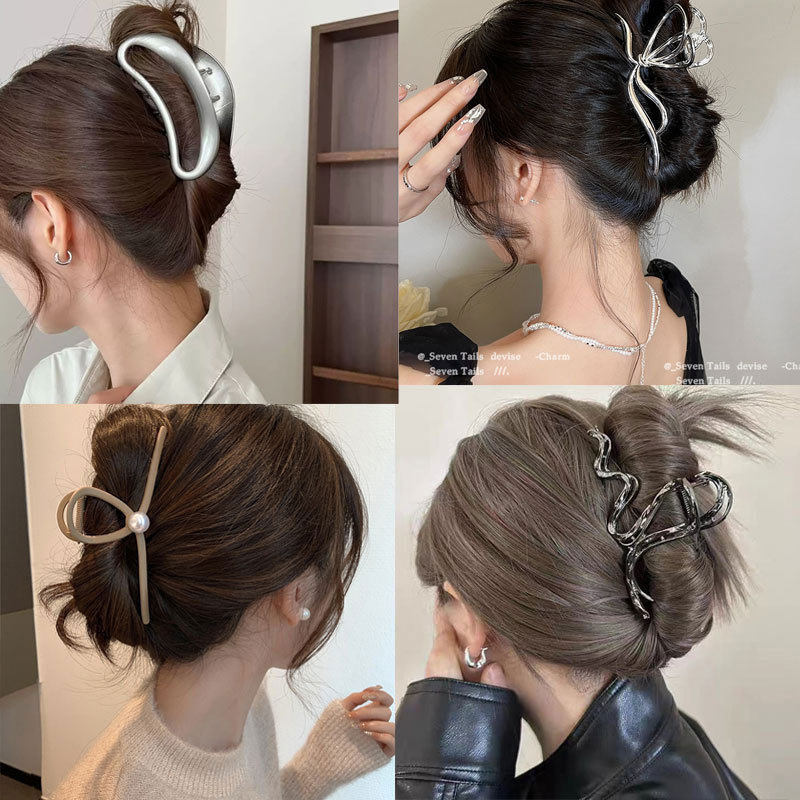
Large Metal Hair Claw Clip Alloy Liquid Wave Butterfly Star Design Non-slip Hair Accessories for Women Thick Hair Elegant Minimalist Headwear Daily Commute
$0.30
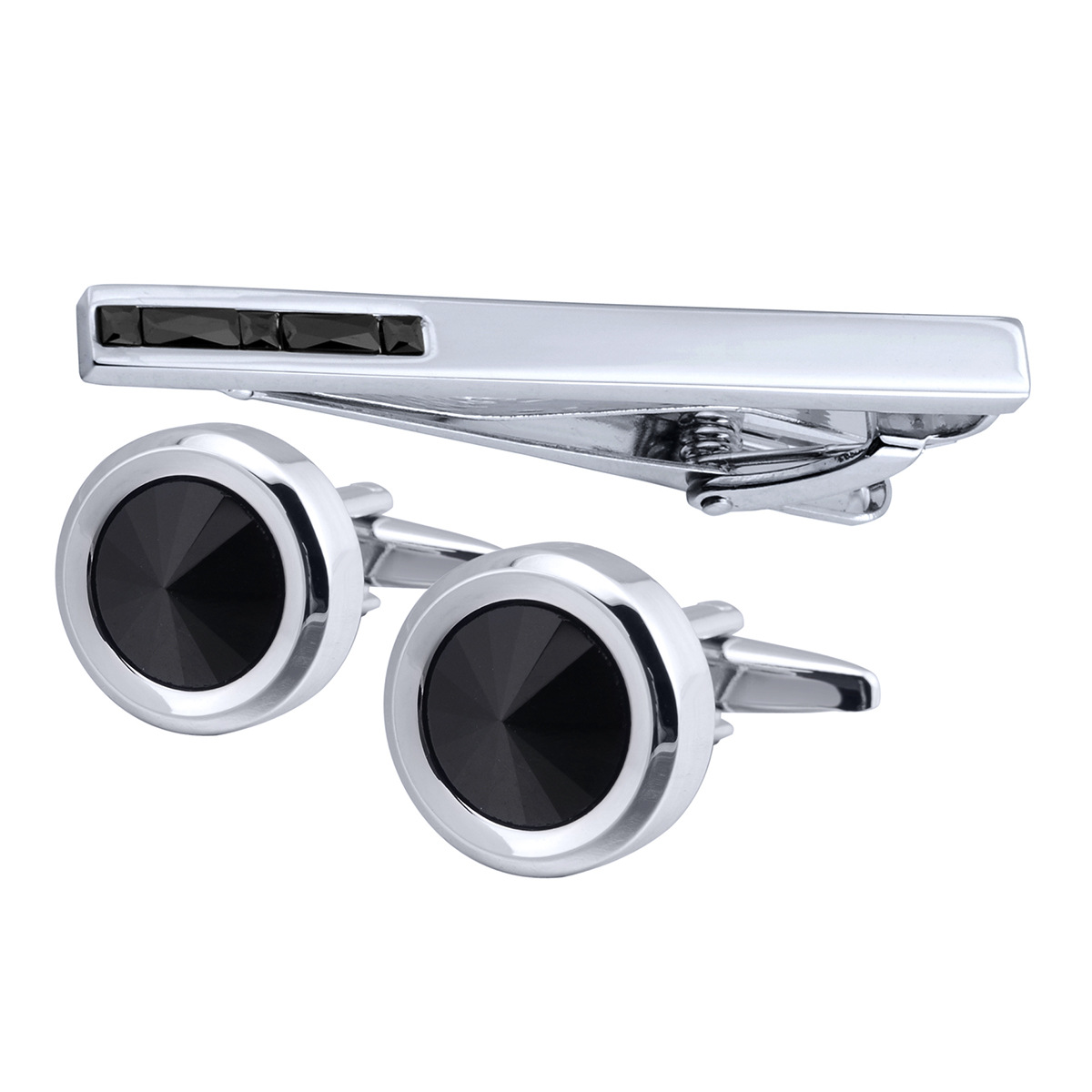
Men Business Cufflinks And Tie Clip Set Brass Gold Silver Plated Cubic Zirconia Crystal Inlay For Wedding Formal Suit Accessories High Quality Jewelry Gift
$1.99
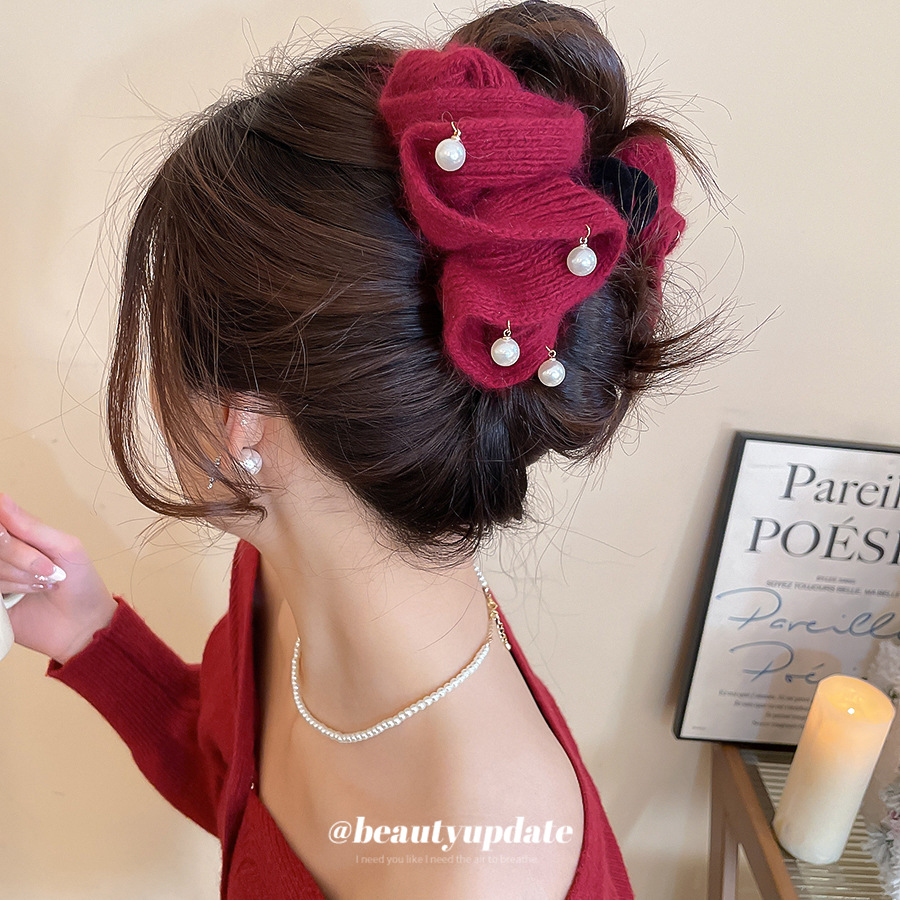
Elegant Wine Red Knitted Fabric Flower Hair Claw Clip With White Faux Pearl Dangles Large Retro Autumn Winter Hair Accessory For Women Party Daily Use
$2.45
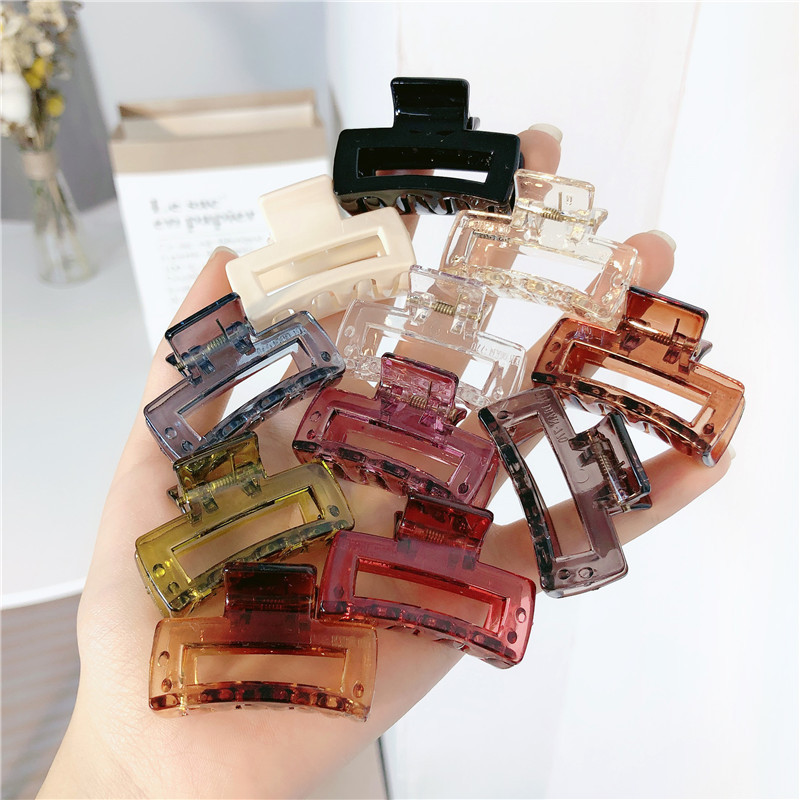
Minimalist Geometric Square Hair Claw Clips Small Resin Plastic Hollow Out Hairpins Japanese Style Versatile Top Clip Hair Accessories For Women Girls Everyday Styling Tools
$0.25
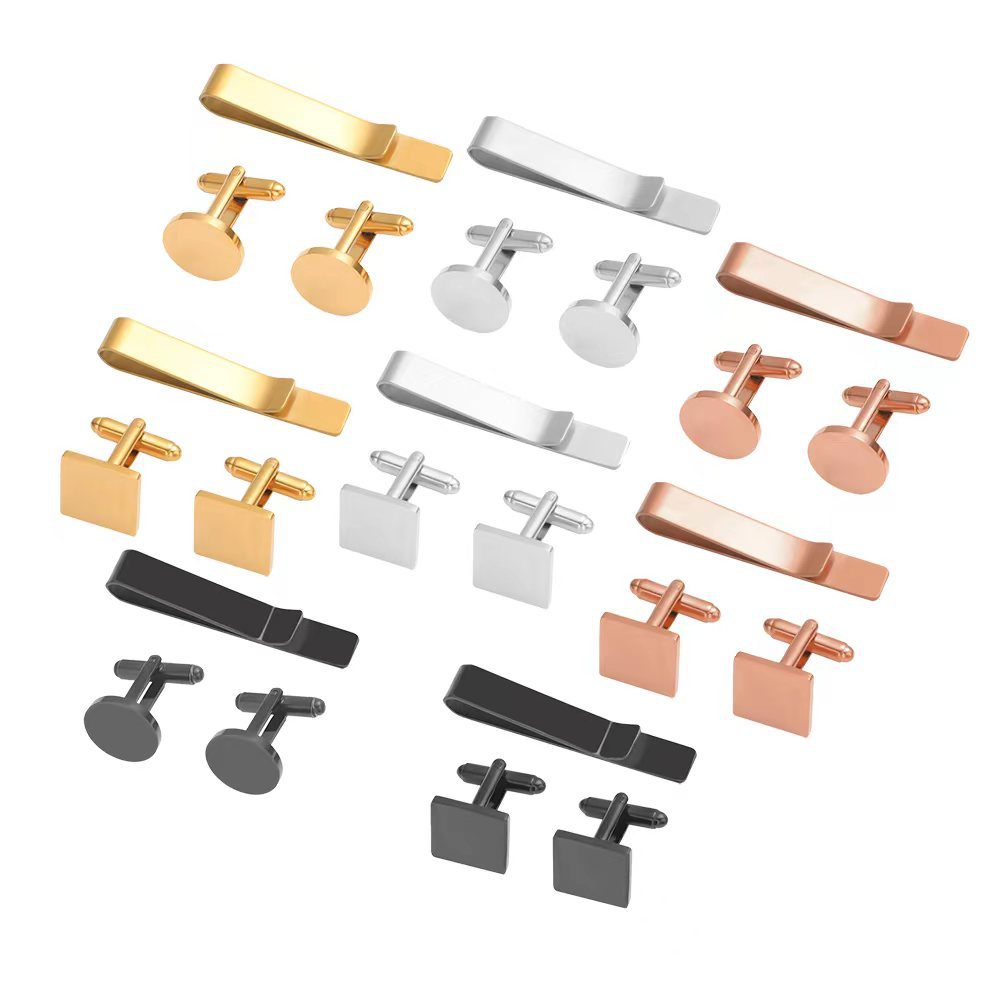
Stainless Steel Tie Clip and Cufflinks Set For Men Business Formal Wedding Accessory Mirror Polished Luxury Gold Silver Black Rose Gold Metal Jewelry Gift Set
$2.65
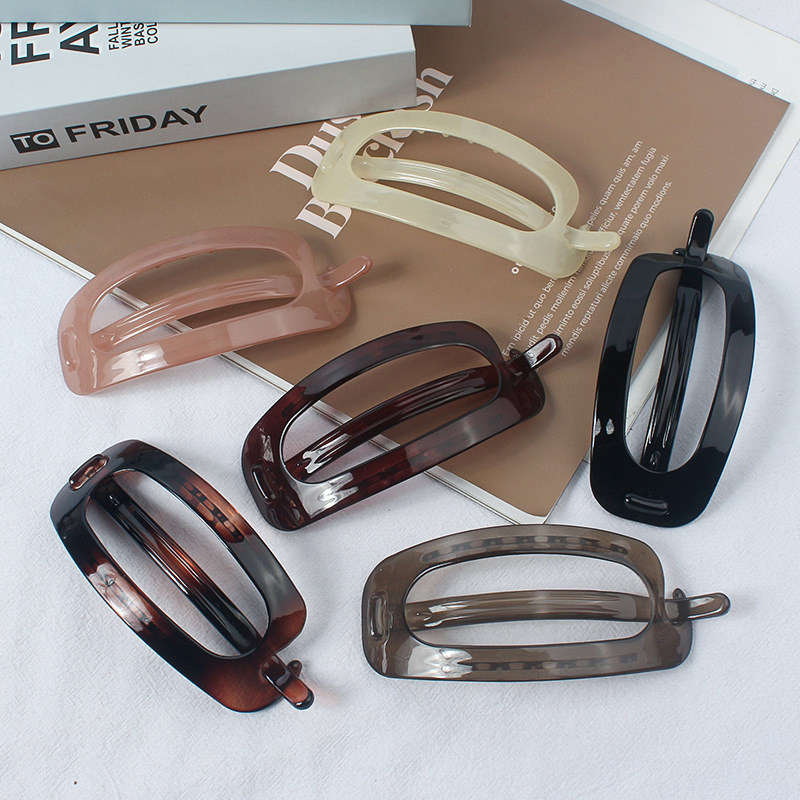
Simple Square Hollow PC Plastic Hair Clip New Leopard Print Back Head Horizontal Buckle Hairpin Frosted Commuter Half-tied Ponytail Accessories for Women Daily Fashion Geometric Hair Claw
$0.86
Bundles That Simplify Rebuild Returns
Bundling two or three accessories together creates natural upgrade paths for customers who have a damaged item. Instead of replacing the whole bundle, you can ask for only the defective clip back and send a rebuilt piece. This keeps your bundle margin intact and reduces the risk of losing the entire sale. Below are three bundles mapped to common return scenarios.
Partial Return Starter Kit
New seller testing the waters with metal accessories that have removable clips or clasps.
- Minimalist Stainless Steel Money Cliphero
- Modern Stainless Steel Money Clipupsell
- Professional Stainless Steel Tie Clip With Blue Enamel Shield Badgecomplement
Bundle at $3.20 ($2.50 individual sum) – return policy: only the tie clip or money clip must be mailed back if broken; customer pays $0.73 USPS First-Class.
Hair Claw Repair Bundle
Existing customer with a broken hair claw clip – you rebuild by replacing the spring or shark clip section.
- Elegant Acetate Marble Pattern Flower Hair Claw Cliphero
- Elegant Heart Acetate Hair Claw Clipcomplement
- Elegant Wine Red Knitted Fabric Flower Hair Claw Clipupsell
Bundle at $6.50 vs $8.35 separate. Customer returns only the broken claw clip; you send a rebuilt one using a spare spring and the original acetate body.
Customer Satisfaction Bundle
Frequent buyers of high-end rhinestone clips – reduce their hesitation with a clear partial return promise.
- Large Black Hair Claw Clip With Pearl And Rectangular Rhinestonehero
- Fashion Alloy Hair Claw Clip With Checkerboard Bow Butterfly Designupsell
- Elegant Swan Crystal Rhinestone Brooch Alloy Animal Pincomplement
Bundle at $3.80 vs $4.79 separate. If the bow butterfly clip breaks, customer returns only that clip; you replace the alloy mechanism and remail it. Customer pays return shipping (~$0.55).