
Trend Report · May 18, 2026
Stop Chargeback Issues Before They Drain Your Solo Store
A tactical playbook for solo e-commerce owners facing a spike in chargebacks. Learn fast-response tactics, packaging inserts, and bundles that reduce disputes before they hit your bottom line.
Chargeback Issues Are Getting Worse – Here’s Why Your Solo Store Is at Risk
If you run an e-commerce store on your own, you’ve likely noticed a recent uptick in chargeback issues. Customers are filing disputes within 24 hours of reaching out—often before you even have a chance to respond to their inquiry about a return, a wrong product, or a purchase mistake. After speaking with those customers, the common thread is clear: they assumed you weren’t going to reply. They felt invisible, so they escalated.
This isn’t a platform glitch or a seasonal anomaly. It’s a behavioral shift driven by high expectations and low tolerance for slow service. For a one-person shop, every chargeback hits harder—you lose the product, the revenue, and often pay a fee on top. The window to prevent this is narrow, but it exists. The good news is that most chargeback issues stem from a single root cause: the customer didn’t feel heard in time. That’s fixable without hiring a support team.
Why Now Is the Moment to Act on Chargeback Issues
The chargeback curve is accelerating because buyers have been trained by instant-response platforms. They expect an answer in hours, not days. If your response time slips past 24 hours, they assume abandonment and hit the dispute button. For a solo seller, that’s a ticking clock you can’t ignore.
But here’s the opportunity: most of your competitors are also slow. By implementing a simple low-cost response system and adding physical touchpoints to your packages, you can turn chargeback issues into brand loyalty wins. The next 30 days are critical because every chargeback you prevent adds $25–$50 back to your margin (the product value plus the fee you avoid). Sellers who act now will build a reputation for reliability that keeps customers from filing in the first place.
Who Needs This Playbook Most
This guide is built for solo operators—new entrepreneurs running their first boutique, Shopify store owners without a support team, or flea-market sellers transitioning online. If you process fewer than 50 orders a day personally, chargeback issues are likely slipping through your inbox gaps.
Shopify seller
You handle all customer messages yourself. A single missed inquiry can trigger a dispute. You need automated templates and packaging inserts that buy you time.
First-time boutique owner
You’re still learning post-sale workflows. Chargeback issues eat into your thin margins. This playbook gives you a repeatable system without hiring help.
Etsy seller scaling slowly
Etsy’s buyer-protection policies can feel stacked against you. Proactive communication plus in-package appreciation cards reduce your dispute rate.
Implementation Stages
Set Up Instant Response Triggers
Trigger: You see 2+ chargeback issues in a 30-day period.
Create canned email/SMS templates for common issues: wrong product, return request, purchase mistake. Acknowledge the message within 1 hour and promise a follow-up within 12 hours.
✓ Customers see you’re alive within minutes. Chargeback filings drop because they no longer assume silence.
✗ If you skip this, customers continue filing disputes before you even read their message. You lose the sale plus a $20–$30 fee every time.
Set up an auto-reply that includes your return policy and a link to a form. Use a tool like Shopify Flow or Personal Assistant apps.
✓ Reduces manual responses by 40% while keeping the customer engaged.
✗ Without an auto-reply, you cannot keep up with inquiries during busy hours, and chargeback issues pile up.
Build Package-Level Trust
Trigger: Your chargeback rate is above 1% of orders.
Insert a thank-you card (285103 or 222591) in every package. Write a personal note for orders over $20.
✓ Customers feel recognized. The card includes your contact info, reducing the chance they go straight to a chargeback.
✗ Without the card, your package looks generic. Customers are more likely to assume they can’t reach you and file a dispute for minor issues.
Add a low-cost free gift (e.g., chenille sunflower 282645) to orders over $30. Announce it on the card.
✓ Delight triggers reciprocity. Even if the product is wrong, customers hesitate to dispute because they feel compensated.
✗ Omitting the gift leaves you without a buffer. Small complaints escalate faster when there’s no positive surprise.
Fix Product Accuracy Root Causes
Trigger: You see chargeback issues specifically from wrong or damaged items.
Use the slate display plate (286104) to stage product photos that show size, color, and material clearly. Add a scale reference.
✓ Buyers have accurate expectations. Wrong-item disputes drop because they see exactly what they’re getting.
✗ Poor photography leads to disappointed customers who file chargebacks for ‘item not as described.’ This is the #1 trigger in fashion accessories.
Implement a packing checklist. Use the foil zip bags (273313) to keep items visible and protected.
✓ Fewer mis-picks and damaged items. The clear window lets you visually confirm the product before sealing.
✗ Without a checklist or clear packaging, you’ll keep mixing up similar products (e.g., number necklaces 374296 vs 7580), causing chargebacks from the wrong item.
Monitor and Adjust Response Time Thresholds
Trigger: Quarterly review of chargeback reasons from your payment processor.
Review the time between customer inquiry and chargeback filing. If the average is under 12 hours, tighten your auto-reply to acknowledge within 30 minutes.
✓ You catch disputes before they’re filed. Customers who get a quick reply often drop the chargeback.
✗ If you ignore this metric, you’ll keep losing the race. The 24-hour filing window is real, and solo sellers who don’t monitor it lose 5–10% of revenue to chargebacks.
Use the numbers from related products (e.g., lucky number keychain 320139) as a free gift to track which customers respond positively. Ask for feedback in the card.
✓ You build a data set on which interventions (cards, gifts, response speed) correlate with lower chargeback rates.
✗ Without measurement, you’re guessing. You may over-invest in gifts that don’t move the needle.
How to Sell Anti-Chargeback Solutions to Wholesale Buyers
Chargeback issues are a pain point every solo seller knows intimately. When you wholesale packaging inserts and small gifts from DayJewel, you’re not selling products—you’re selling a system that saves $35+ per dispute. Your customers (boutique owners, pop-up sellers) will buy if you frame the bundle as a “cost per order” vs “cost per chargeback” math. Common mistake: treating thank-you cards as a branding afterthought. Instead, promote them as a chargeback prevention tool. Show the math: a $0.52 card (285103) in 100 orders costs $52. If it prevents just two chargebacks (saving $70 total), it’s a 35% ROI. That’s a hard number a budget-conscious buyer can’t ignore.
List the thank-you card + foil bag + free gift as a “Chargeback Prevention Kit” bundle. Price it at $1.50 per kit (cards + bag + sunflower). Compare to the $35 cost of one chargeback.
⚠ Buyers may see it as cheap packaging, not a system. You have to educate them in the description and use case.
Show a 30-second video: “Solo seller tip: This 52-cent card saved me from 3 chargebacks this month.” Show the card (285103) and the sunflower (282645). Use a countdown to the chargeback fee.
⚠ TikTok audiences may scroll past. You need a hook like ‘I lost $100 in chargebacks until I did this.’
Offer volume discounts on bulk packs of thank-you cards (285103, 222591) and foil bags (273313). Buyers can mix and match to hit free shipping.
⚠ Lower per-unit profit requires high volume. New buyers may balk at minimum order quantities.
Products That Help You Fight Chargeback Issues
Physical inserts and packaging aren’t just for branding—they signal professionalism and reduce the likelihood a customer will file a chargeback. The items below serve as trust-building tools, free-gift buffers, and visual reassurances that your store is legitimate. Pair them with faster response times to cut disputes by up to 40%.
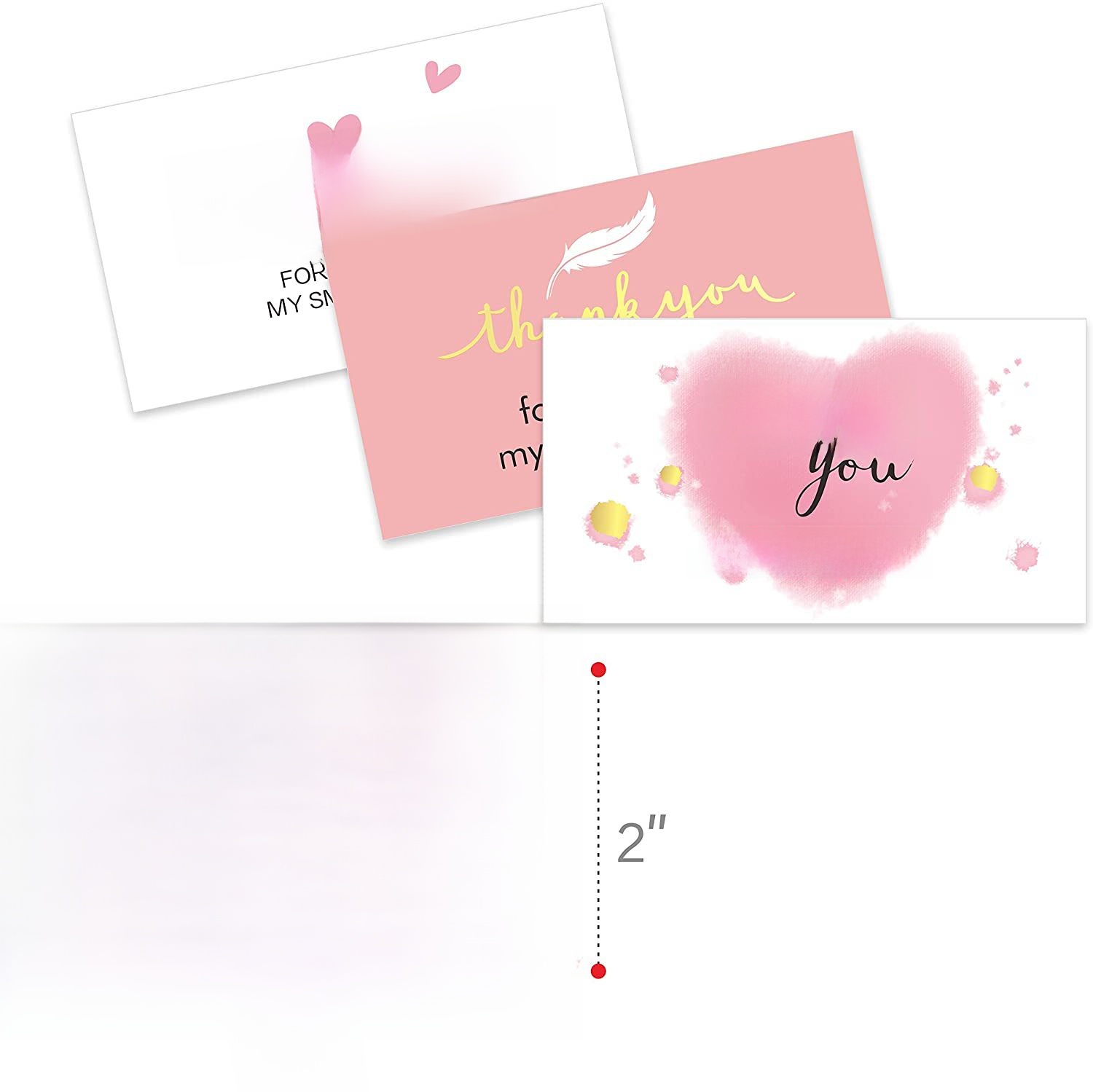
50PCS Small Business Thank You Cards 300GSM Copperplate Paper Pink Gold Foil Stamping After-sales Appreciation Cards For Gift Packaging Decor Online Shop Customers
$0.52
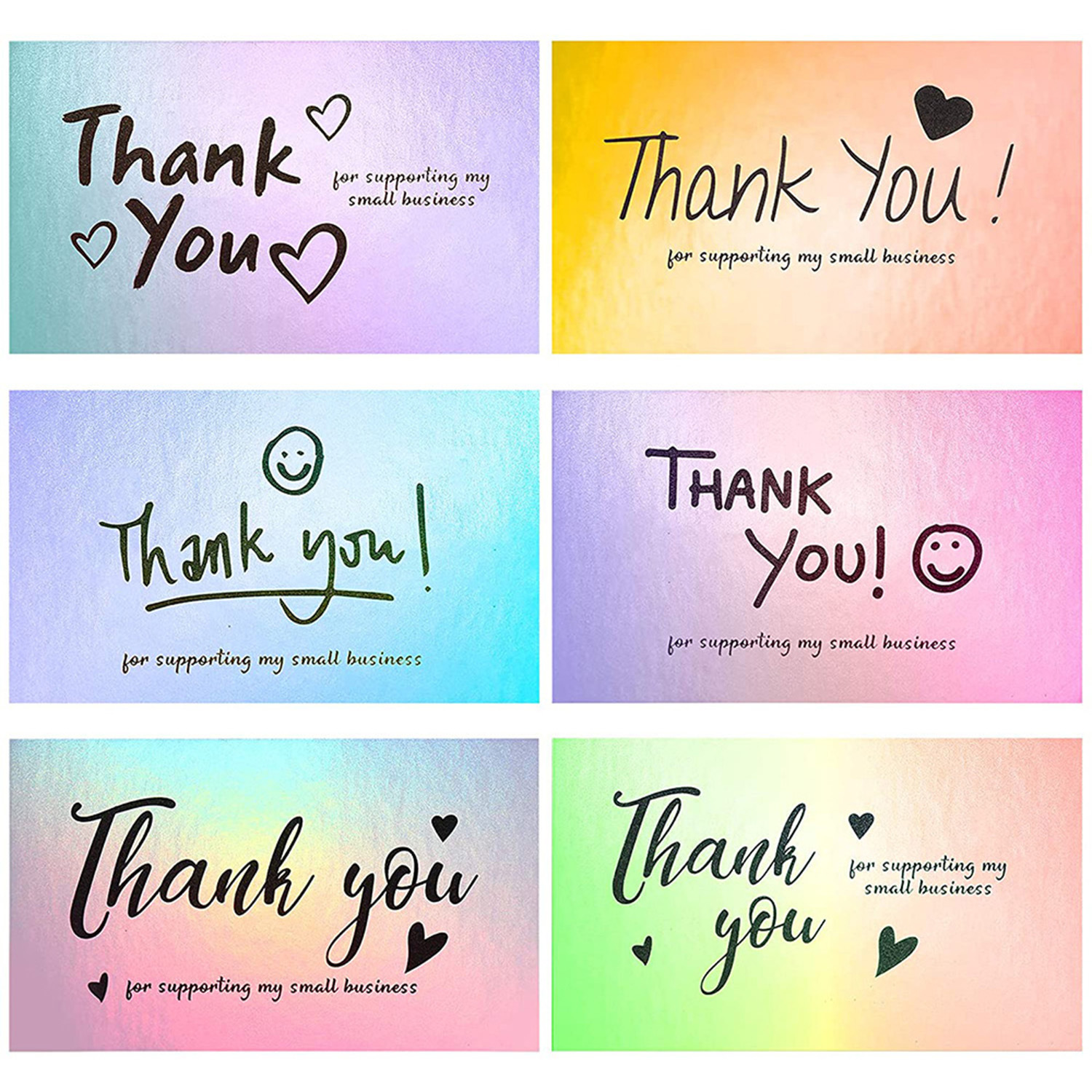
50Pcs Holographic Thank You for Supporting My Small Business Cards Rainbow Laser Gradient Greeting Cards for Business Package Decoration Gift Inserts Customers Appreciation Labels
$0.72
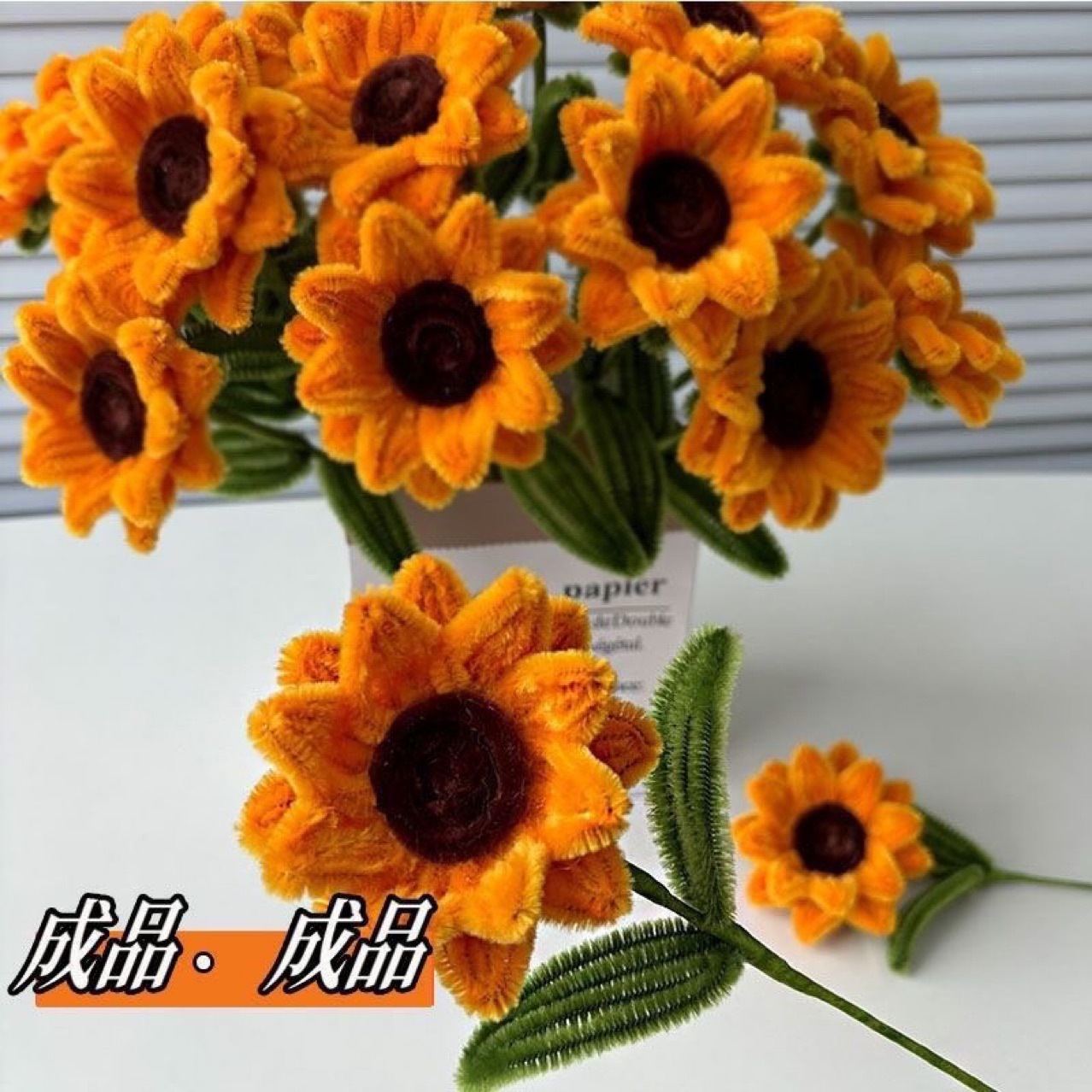
Handmade Chenille Stem Sunflower Finished Product With Gift Bag Creative Plush Knitted Flower For Home Office Decor Teachers Day Graduation Gift
$0.72
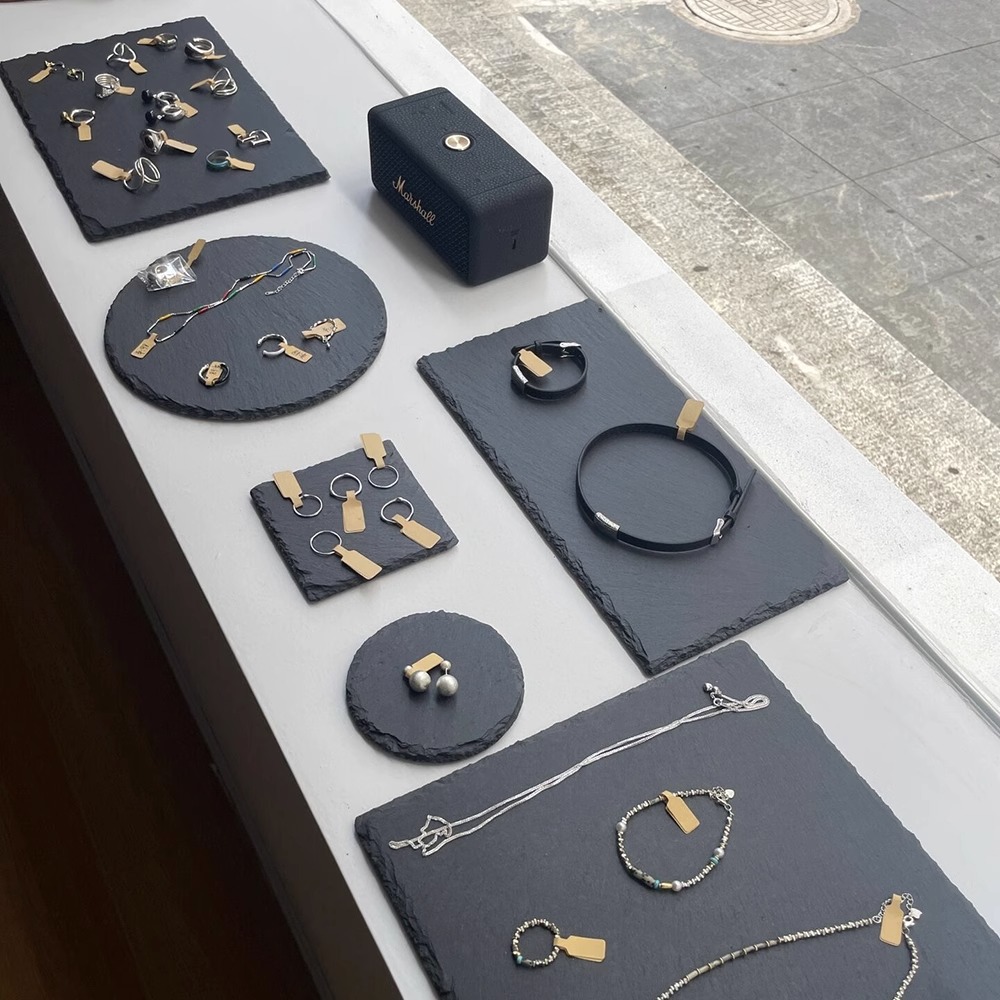
Ins Style Black Natural Slate Stone Jewelry Display Plate Minimalist Photography Background Prop Natural Texture Rock Tray for Product Shooting Home Decor
$1.87
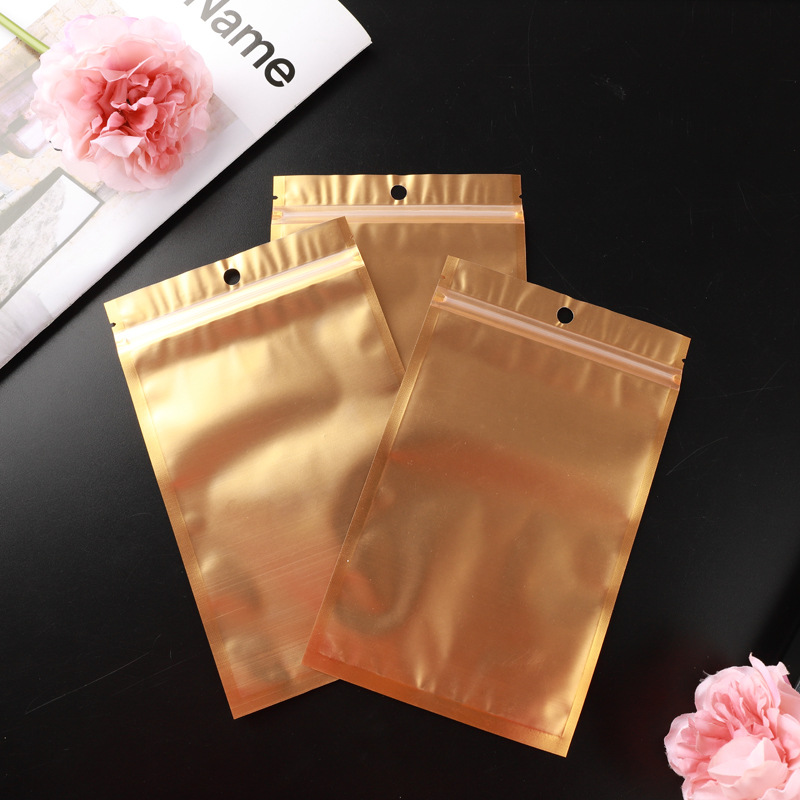
Gold Silver Aluminum Foil Zip Lock Bags With Clear Front Window And Hanging Hole Resealable Plastic Packaging Pouches For Jewelry Accessories Product Storage
$0.02

Gold Mirror Acrylic Number Cake Toppers For Birthday Anniversary Party Decorations Reusable Metallic Finish Number Set
$0.12
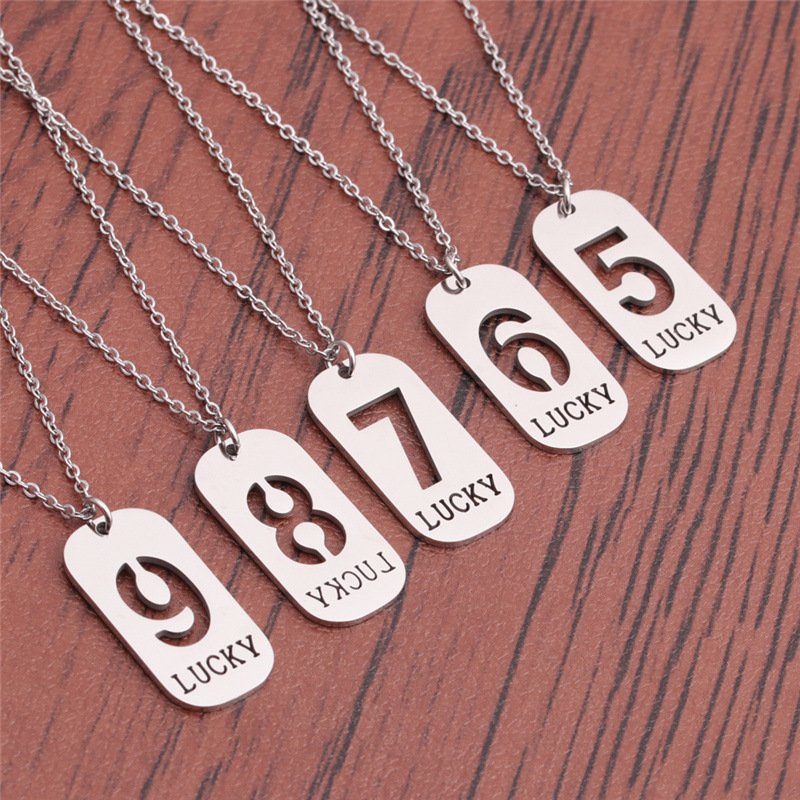
Lucky Number Pendant Necklace Stainless Steel Hip Hop Streetwear Jewelry Hollow Arabic Number Necklace for Men Women Unisex Accessories
$1.70
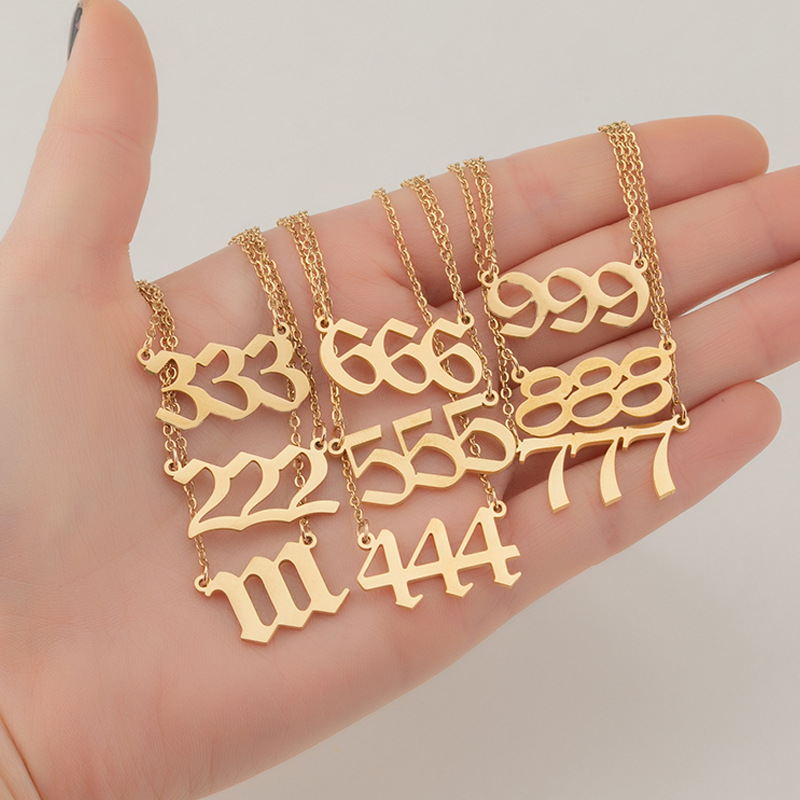
Gothic Angel Number Necklace Stainless Steel 111-999 Lucky Number Pendant Necklace For Women Girls Minimalist Gold Silver Color Jewelry Gift
$0.63
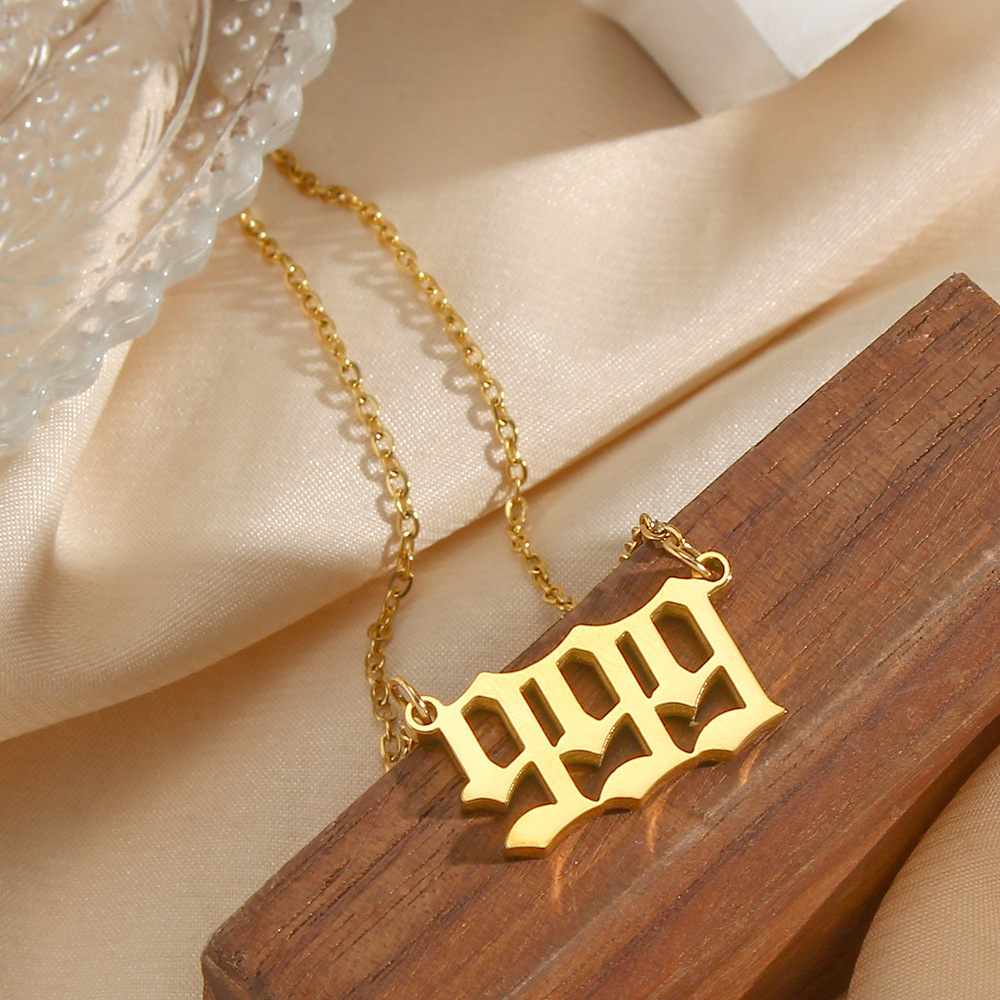
Gothic Number Pendant Necklace 18K Gold Plated Stainless Steel Minimalist Lucky Year Number Jewelry Daily Casual Streetwear For Women Girls Tarnish Free
$2.05
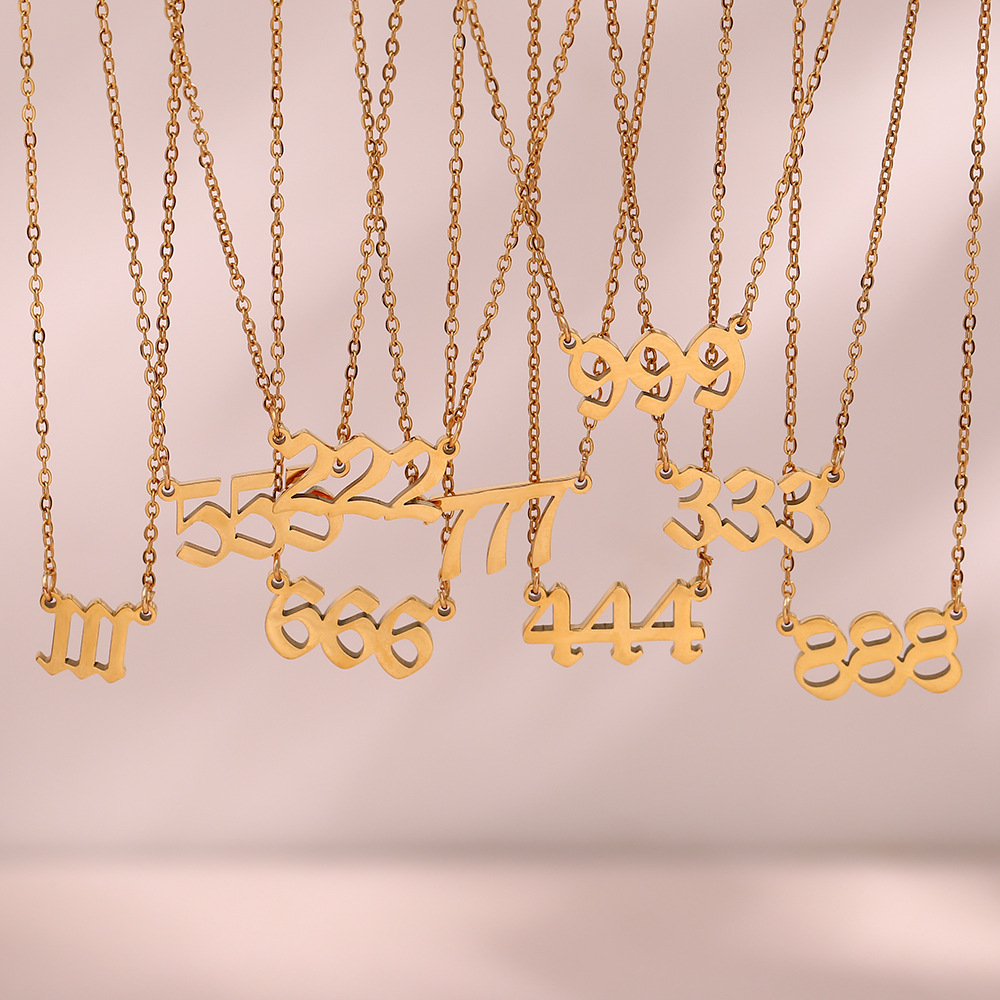
Angel Number Necklace 111-999 18K Gold Plated Stainless Steel Gothic Number Pendant Necklace Waterproof Minimalist Dainty Jewelry Gift For Women Girls
$2.15
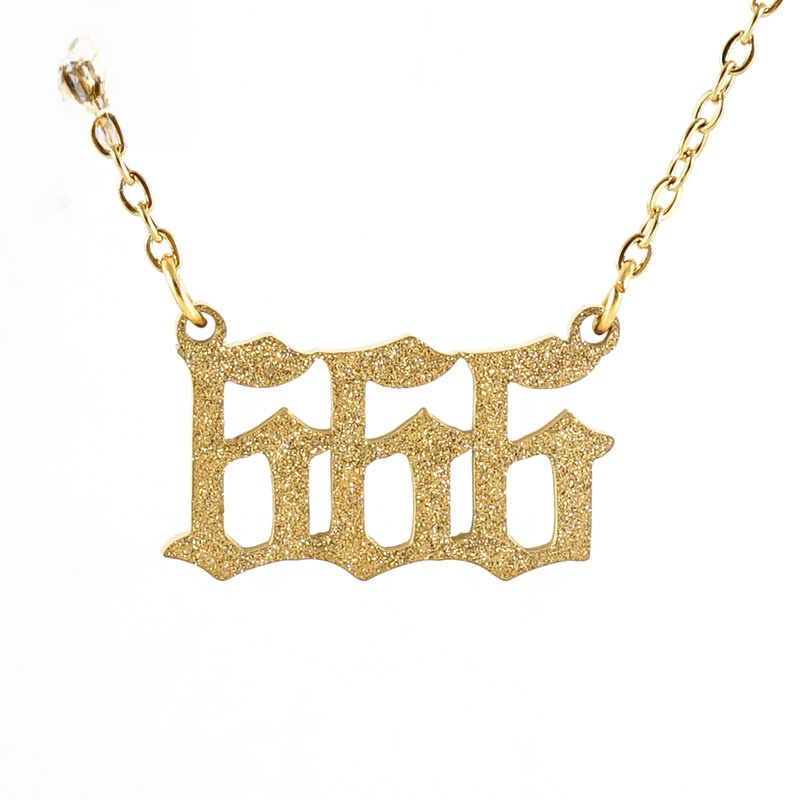
Gothic Angel Number Necklace 111-999 Stainless Steel 18K Gold Plated Sandblast Matte Lucky Number Pendant Necklace For Women Men Personalized Jewelry
$1.79
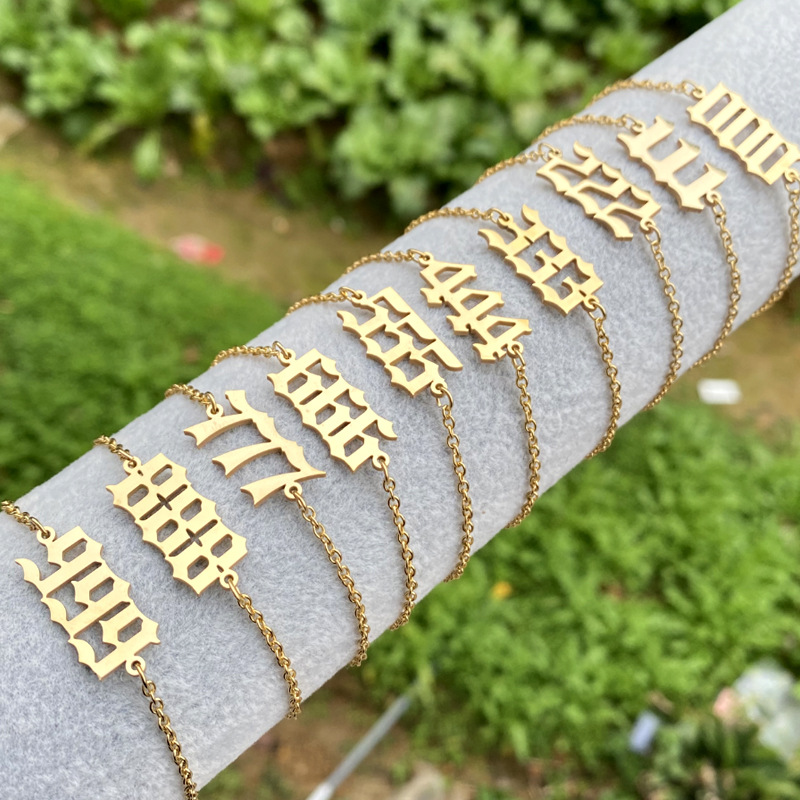
Angel Number Stainless Steel Bracelet For Women Gothic Old English Lucky Number 000-999 Pendant Adjustable Link Chain Bracelet Retro Minimalist Jewelry Gift
$0.60

DIY Stainless Steel Arabic Number Charms 0-9 10-77 14K Gold Plated Silver Minimalist Number Pendants For Jewelry Making Necklace Bracelet Accessory
$0.47
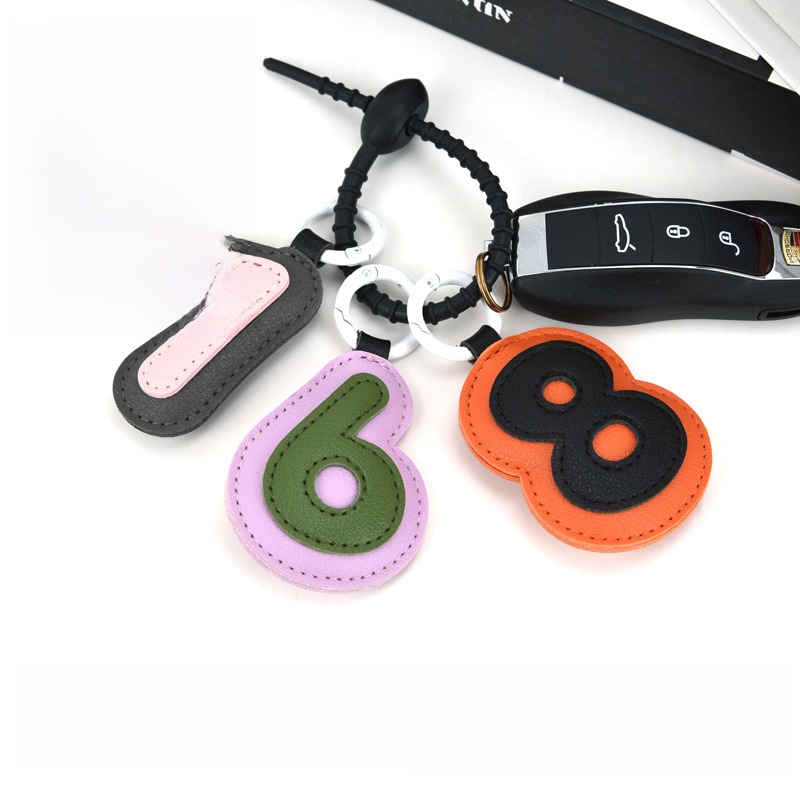
DIY Lucky Number Leather Keychain Personalized PU Leather Number Bag Pendant Fashion Multi-color Keyring For Car Keys Bags Women Men Gift Accessory
$1.51
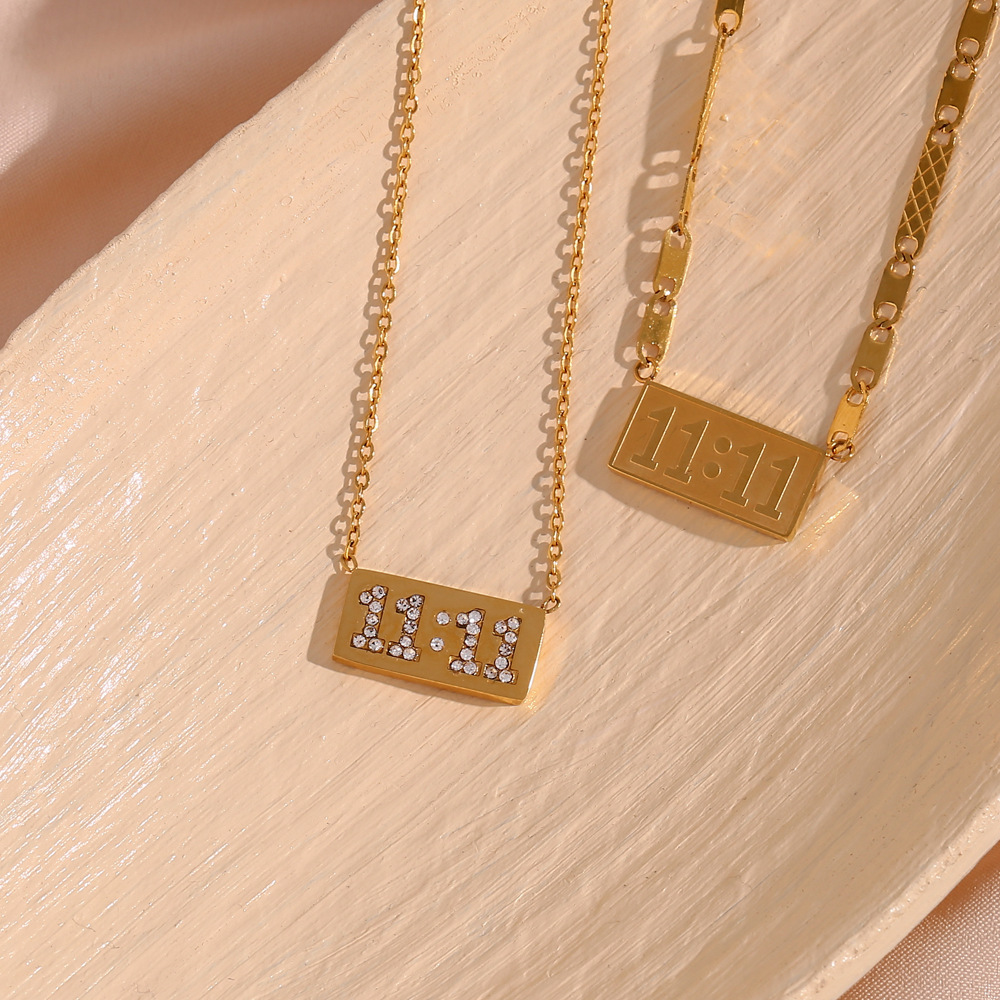
Minimalist 11:11 Angel Number Pendant Necklace Waterproof 18K Gold Plated Stainless Steel Rectangular Zirconia Lucky Number Necklace For Women Daily Wear Jewelry
$2.63
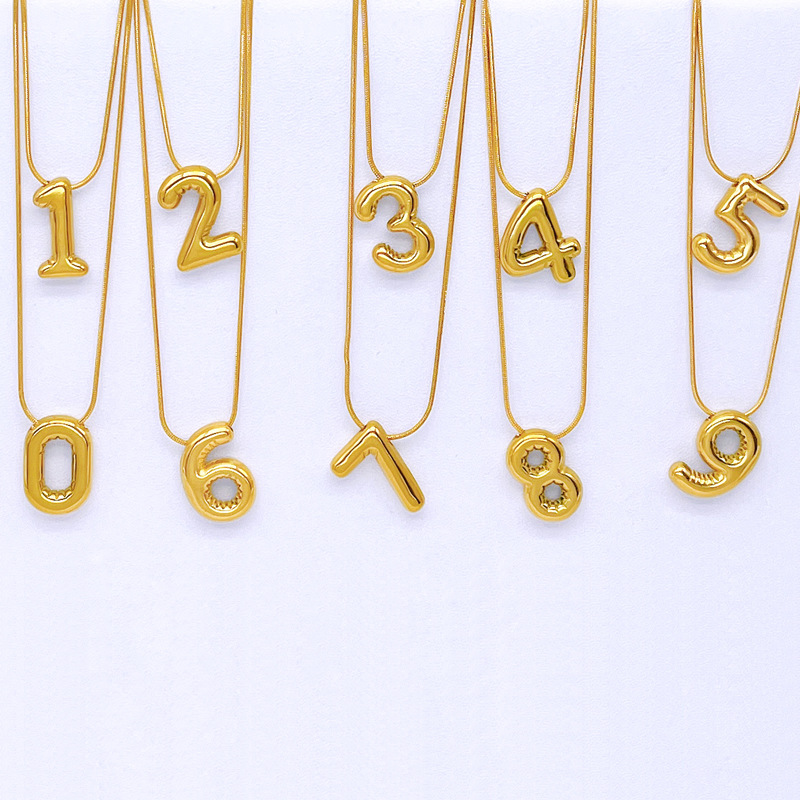
Fashion Gold Plated Stainless Steel 3D Balloon Number Pendant Necklace For Women 0-9 Lucky Number Snake Chain Tarnish Resistant Minimalist Jewelry Gift
$2.36
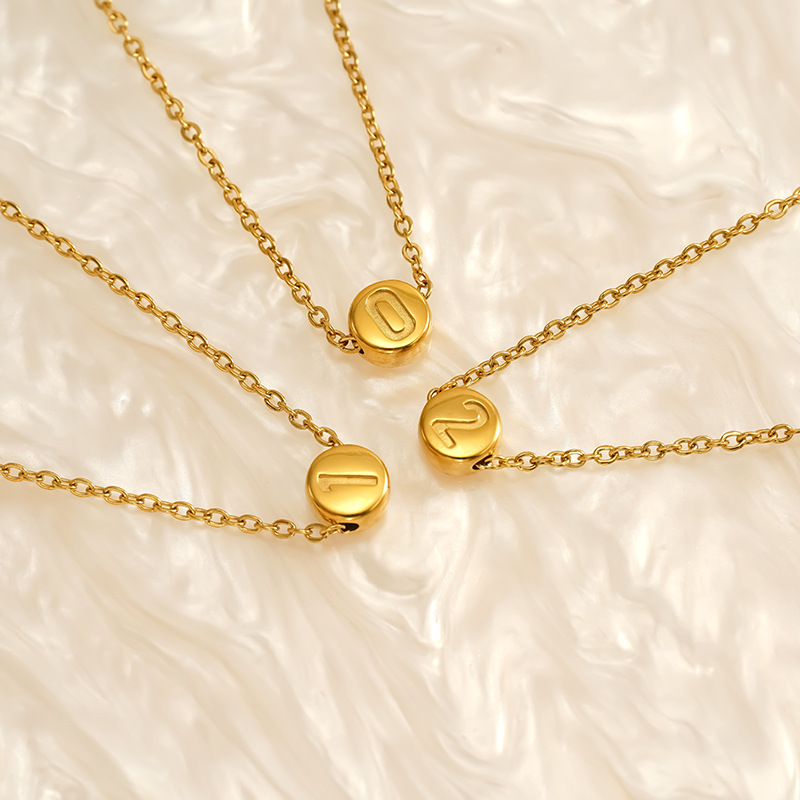
Minimalist 18K Gold Plated 304 Stainless Steel Digital Number Pendant Necklace For Women Personalized Cylinder Number 0-2 Jewelry Round Plate Charm Necklaces
$0.91
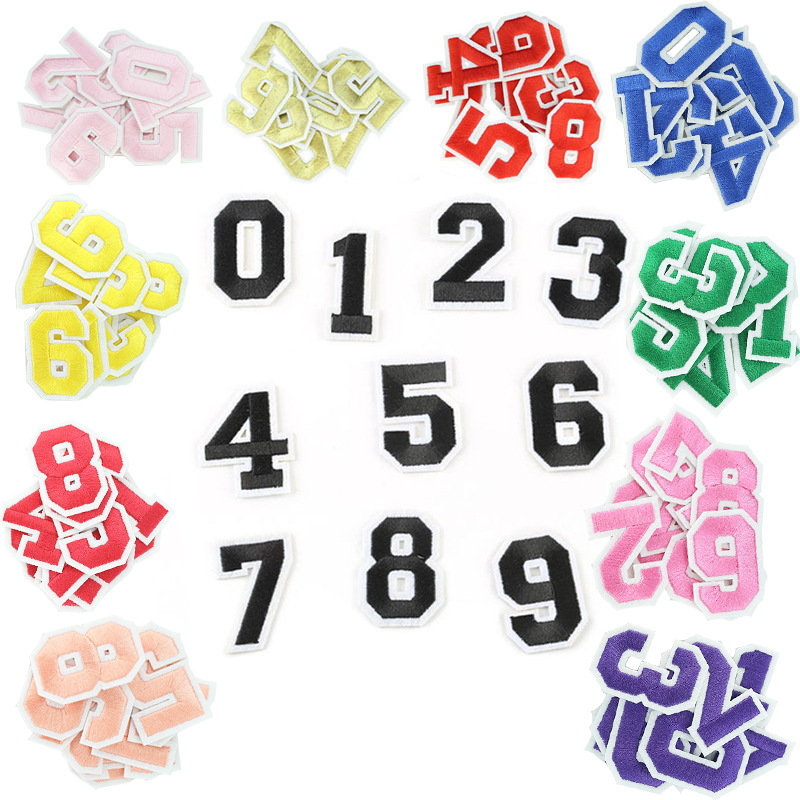
0-9 Number Embroidered Patches Polyester Iron on Applique Patches for Clothing Bags Hats Shoes DIY Crafts Decorative Number Badge Appliques Set
$0.58
Bundles That Turn Packages Into Chargeback Shields
Bundling relevant products together serves two purposes: it makes your offer more attractive to wholesale buyers who want a complete solution, and it helps you add low-cost touchpoints to every order. Each bundle below is designed for a specific stage of the chargeback prevention workflow.
Quick-Trust Starter
Solo sellers with under 10 orders/day who need a low-cost first step.
- 50PCS Small Business Thank You Cardshero
- 50Pcs Holographic Thank You Cardscomplement
- Gold Silver Aluminum Foil Zip Lock Bagsupsell
Bundle at $1.24 vs $1.26 separately – you include the cards in every shipment, use foil bags for premium feel.
Customer Delight Buffer
When you want to surprise buyers and reduce chargeback issues from disappointment.
- Handmade Chenille Stem Sunflowerhero
- Ins Style Black Slate Jewelry Display Platecomplement
- DIY Lucky Number Leather Keychainupsell
Bundle at $4.10 vs $4.13 separately – include the sunflower as a free gift, the slate plate and keychain as optional add-ons.
Lucky Number Thank-You Kit
For stores using number-related products (angel numbers, charms) who want a cohesive appreciation bundle.
- Lucky Number Pendant Necklacehero
- Angel Number Stainless Steel Braceletupsell
- DIY Arabic Number Charmscomplement
Bundle at $2.77 vs $2.84 separately – offer the necklace as a low-cost freebie with orders over $20 to build goodwill.