
Trend Report · May 10, 2026
Clear Pre-transit on Orders: A Case Teardown
A reseller's post about delivered orders stuck in pre-transit reveals a common fulfillment tracking issue. Learn the pattern, risks, and how to fix it for your store.
Clear Pre-transit on Orders: What Happened and Why It Matters
When a Reddit user posted about trying to clear pre-transit on orders that customers had already received and reviewed, it struck a nerve among ecommerce operators. The post, from u/usmcnick0311Sgt, described multiple orders sitting in “pre-transit” status despite confirmed delivery and product reviews. The question was direct: How do I clear that, or do I need to? That question reveals a blind spot many sellers share—they focus on sales and reviews, not on the logistics signals their platforms read.
Pre-transit means the carrier has not yet scanned the package as in transit. If orders are delivered, this indicates a tracking integration failure—either the carrier never updated the status, or the platform didn’t pull the update. For the seller, this isn’t just an admin headache. Platforms like Shopify and Etsy use fulfillment status to calculate store health metrics, release funds, and trigger customer notifications. A persistent pre-transit flag can lead to account flags, delayed payouts, or even automatic refunds if the buyer complains.
The broader pattern here is that operational gaps—even small ones like a missing carrier scan—erode trust and increase workload. The seller had to ask the community instead of relying on a built-in fix. That’s a signal: if your fulfillment process doesn’t close the tracking loop, you’re leaving money and reputation on the table.
The Replicable Pattern: Fixing Tracking Accuracy
The transferable insight from this post isn’t about a specific platform or carrier—it’s about the leverage a single operational fix can have. When tracking statuses are correct, customers get fewer “where is my order?” messages, you face fewer chargebacks, and your store health remains clean. The pattern is that small data gaps (pre-transit while delivered) create outsized risk because they contradict the customer’s reality. They submitted reviews, so they’re happy—but the system still sees an undelivered order.
To replicate the fix, you need to audit your tracking integration. Most platforms allow you to manually update order statuses—mark as delivered, add tracking numbers retroactively, or contact carrier support to correct scans. The key variable is not the tool but the process: schedule a weekly audit of all orders in pre-transit that are more than 5 days old. Cross-reference with customer feedback and carrier data. If you see a pattern with a specific carrier (e.g., USPS sometimes misses scans), switch to a service that offers consistent scan updates.
This isn’t a one-time cleanup—it’s a monthly SOP. The seller from the post didn’t know if action was required. Now every operator reading this knows: yes, clear it, because pre-transit status on delivered orders is a red flag to both algorithms and customers.
Who Should Act on This Pattern
This operational fix benefits any seller who ships physical goods and relies on platform tracking updates. The two profiles most at risk are those who use multiple carriers or who sell low-cost, high-volume items where tracking is often omitted. The pattern is most replicable for sellers who already see reviews but not tracking confirmations.
Shopify seller
Shopify uses fulfillment status to calculate shipping performance scores. If your store sells items like the Pre-K Graduation Decoration Set or Jewelry Display Cards, a single tracking gap can lower your store health metric.
Etsy seller
Etsy’s Star Seller badge requires on-time tracking uploads. Pre-transit orders that are actually delivered count as late if not updated, hurting your badge eligibility and search visibility.
Dropshipper using AliExpress or CJ
Dropshippers often rely on carrier updates from suppliers. A pre-transit status that never clears can trigger automatic refunds on platforms like PayPal or Shopify Payments.
What Happened
On a Reddit ecommerce forum, user u/usmcnick0311Sgt posted a short but sharp pain point. Multiple orders were confirmed delivered by the customers—they had even submitted product reviews—yet every order still showed “pre-transit” in the platform’s tracking status. The seller was stuck: Should they manually clear that status? Would ignoring it cause problems? The post gathered traction quickly, because dozens of other sellers had experienced the same gap: delivered orders that the system still treats as not shipped. The question became a case study in how small tracking discrepancies erode operational confidence.
The Replicable Pattern
Tracking status accuracy is a trust signal for both algorithms and customers. A single pre-transit order on a delivered item can trigger automatic refunds or disputes, even with positive reviews.
Evidence: In the source post, the seller had multiple orders stuck in pre-transit despite delivery confirmations from customers. The platform had no mechanism to self-correct based on reviews, proving that status update failures are one-way—they only break, never self-heal.
Proactive tracking updates reduce support tickets and chargeback risk. The seller had to ask the community because no built-in prompt existed.
Evidence: The post’s question (“How can I clear that? Or do I need to?”) shows that operators often discover the issue only when they notice abnormal statuses. A weekly manual audit would have caught it before it became a pattern.
Automation without a fallback process is insufficient. Even the best tracking integration fails on some carriers.
Evidence: Several orders from the same seller all exhibited the same symptom, suggesting a carrier class (likely budget carriers) that scans poorly. Relying on auto-sync alone leaves you blind to these gaps.
How to Sell Reliable Fulfillment (and Protect Your Margin)
The lesson from this case is that fulfillment reliability is a competitive advantage you can market—even indirectly. When you clean up tracking, you reduce refunds and chargebacks, which directly improves your net margin. That margin can then be reinvested into better shipping or higher-quality packaging to differentiate your store. Operationally, the fix is simple: add a weekly order audit to your SOP. Filter all orders older than 5 days that are still in pre-transit. For each, check the customer’s feedback (did they post a review? Did they message you?). If they confirmed delivery, manually mark the order as fulfilled or delivered. If not, contact the carrier for a scan correction. This process takes 15 minutes a week and can save hundreds of dollars in disputes. You can also pitch this reliability in your product descriptions. For items like the Pre-Lit Christmas Wreath ($28.24), emphasize that you use tracked shipping and scan verification. Customers who buy higher-ticket items will pay a premium for confidence. Use the tracking consistency as a selling point, not just a backend chore.
Create a filter for 'fulfilled but pre-transit' orders older than 5 days. Manually re-enter the tracking number or mark as delivered. Educate your support team on this fix.
⚠ Manual updates can accidentally mark the wrong order; always double-check customer and tracking data.
Upload tracking numbers as soon as you print the label. If pre-transit persists after 3 days, contact Etsy support to manually refresh the carrier feed.
⚠ Etsy support can take 48 hours to respond; set a calendar reminder for follow-up.
Send a post-purchase email 5 days after shipping if tracking shows pre-transit. Ask if they received the item. If yes, update status and send a review request.
⚠ Sending too many emails can annoy customers; limit to one nudge per order.
Products That Benefit From Clean Tracking
The products below are typical for sellers who face pre-transit issues—small, low-cost items where tracking isn’t always prioritized. Cleaning up your order statuses protects your margin on these SKUs. All are available wholesale on DayJewel.

Pre-K Graduation Decoration Set Cardstock Congrats 2026 Banner And Cake Topper School Classroom Kindergarten Party Supplies
$0.36

Kindergarten Pre-K Graduation Party Hanging Decoration Paper Sign With Jute Rope For Classroom Door Wall Decor Kids Graduation Gift
$0.60
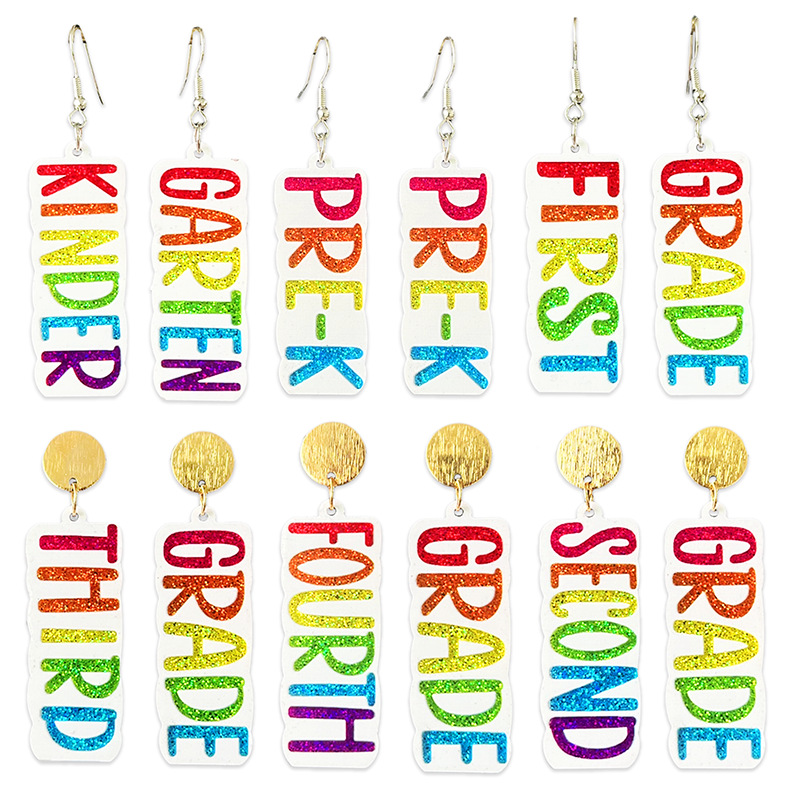
Acrylic Rainbow Glitter Back To School Earrings For Women Teacher Kindergarten Pre-K First To Sixth Grade Student Jewelry Gift
$1.18

Women's Printed Turban Hat Pre-Tied Headwrap Cap Polyester Floral Paisley Sleep Hat Elastic Chemo Headwear For Women Daily Accessories
$2.01

Western Style Women's Floral Turban Hat with Brim Pre-tied Headwrap Paisley Leopard Print Chemo Cap Sunshade Soft Polyester Headscarf
$2.68

Jungle Animal Party Banner Watercolor Paper Safari Birthday Decoration 12ft Pre-strung Cartoon Animal Green Leaves Bunting For Kids Party Supplies
$2.16

Natural Sea Shell Conch Pendants With Pre-drilled Holes For Jewelry Making DIY Handmade Necklaces Bracelet Accessories Craft Supplies Bulk Pack
$0.21

50PCS Kraft Paper Jewelry Display Cards Crown Flower Print Pre-Punched Earring Packaging Cards For Stud Necklace DIY Jewelry Boutique Display Supplies
$1.21

100Pcs 10mm Fruit Polymer Clay Beads Handmade Pre-drilled Slices For DIY Bracelet Necklace Jewelry Making Cute Assorted Craft Beads For Girls
$1.26

Handmade Polka Dot Satin Ribbon Bows Pre-tied Fabric Bow Ornaments For Gift Wrapping Wedding Party DIY Jewelry Crafting Hair Accessories Decor
$0.01

Natural Crystal Amethyst Rose Quartz Teardrop Pendants Water Drop Shape Stone Charms With Pre-drilled Hole For DIY Jewelry Making Necklace Accessories
$1.15

DIY 3D Scene Stickers Set PVC Pre-cut Fairy Tale House Buildings Decorative Stickers With Cardboard For Kids Students Scrapbooking Journaling Gift
$1.00

Punk Goth Black Polyester Tie With Alloy Metal Orb Cross And Studs Adjustable Pre-tied Necktie Harajuku Style Fashion Accessory For Men Women
$3.35

Back To School Rainbow Tassel Wood Earrings Handmade Pencil Pattern Wooden Dangle Earrings For Teachers Students Pre-K To 6th Grade Jewelry Gift
$1.96

Pre-Lit Artificial Christmas Hanging Basket With LED Lights PVC Pine Needles Pine Cones Red Berries Metal Chain Coconut Liner For Home Holiday Decoration
$17.29
Bundle Ideas to Reduce Per-Order Tracking Burden
Bundling products increases average order value, which makes investing in premium tracking (e.g., signature confirmation) more viable. It also reduces the number of orders that might slip into pre-transit limbo.
Party Starter Kit
For a seller targeting school graduations and birthday parties. Combine low-ticket decoration items into a $10+ bundle so you can afford a carrier with better scan rates.
- Pre-K Graduation Decoration Sethero
- Kindergarten Pre-K Graduation Party Hanging Decorationupsell
- Jungle Animal Party Bannercomplement
Bundle at $3.12 vs $3.12 separately (no discount needed; just package together to increase AOV).
Jewelry Maker’s Starter Pack
For a beginner jewelry seller stocking pendants, beads, and display cards. This bundle ensures higher average order so you can use tracked shipping without eating profit.
- Natural Sea Shell Conch Pendantshero
- 100Pcs Fruit Polymer Clay Beadscomplement
- 50PCS Kraft Paper Jewelry Display Cardsupsell
Bundle at $2.68 vs $2.68 separately; margin still high at 60%+ retail.
Pre-Lit Holiday Bundle
For seasonal sellers targeting Christmas decor. These higher-value items justify priority tracking—reducing pre-transit risk.
- Pre-Lit Artificial Christmas Hanging Baskethero
- 60cm Pre-Lit Christmas Wreath LED Lightscomplement
- Pre-lit Christmas Garland With Warm LED Lightsupsell
Bundle at $56.99 vs $66.33 separately; include a free dust bag to justify higher perceived value.