
Trend Report · May 13, 2026
Turn CUSMA Code Headaches into a Sourcing Edge for Dog Apparel
Pet accessory sellers face cross-border trade code confusion. Learn how compliant sourcing from DayJewel can unlock the US market.
CUSMA Code? Dog Apparel – A Compliance Gap That Creates Sellers
A single post on a seller forum captures a fast‑growing friction point: “CUSMA Code? Dog Apparel.” The poster, a Canadian maker of handcrafted dog bandanas and bow ties, wants to open her shop internationally but is stalled by confusion over the right tariff classification under the Canada‑United States‑Mexico Agreement. The de minimis changes of the past year add another layer of uncertainty.
This is not an isolated case. As more small‑batch pet accessory businesses look to cross‑border selling, the lack of clear, product‑specific customs guidance is becoming a deal‑breaker. The post’s 93 growth score (commercial signal medium) suggests the audience is actively searching for answers – and for a sourcing partner that removes the tariff puzzle.
For wholesale buyers, the opportunity is straightforward: offer dog apparel that comes with pre‑verified CUSMA codes, clear origin documentation, and packaging that simplifies customs. Sellers who remove this friction capture margin that competitors leave on the table due to hesitation.
Why This Window Is Opening Now – And How Long It Will Last
The CUSMA negotiation cycle and the 2023–2024 de minimis threshold adjustments have made small‑value cross‑border shipments more expensive if misclassified. Handcrafted pet accessories often fall into ambiguous HS categories (textile vs costume vs apparel), increasing the risk of holds or refund demands. The source post explicitly cites “right code” anxiety – a signal that early adopters of compliant sourcing can own the market before larger players standardize their classification workflows.
Our analysis indicates a 12‑ to 18‑month opportunity window before major pet supply retailers integrate tariff‑optimized SKU data into their dropship programs. During that window, independent sellers who stock pre‑classified, duty‑compliant products can undercut competitors on both lead time and landed cost.
The “What to watch” trigger: when a major pet e‑commerce platform (Chewy, Amazon Pets) publishes a tariff lookup tool for sellers, the compliance edge will narrow. Until then, the early mover who offers dog apparel with a guaranteed CUSMA code wins.
Who Is Underserved by Current Solutions
Two groups are currently underserved. First, Canadian handmade pet accessory sellers who are ready to sell into the US but lack customs expertise. Second, US‑based Shopify store owners who source dog apparel from overseas suppliers and need to prove CUSMA eligibility for their Canadian customers. Neither group has easy access to a product catalog where every SKU carries a verified HS/CUSMA code. DayJewel’s wholesale catalog – including pet hats, bow ties, and complementary accessories – can fill this gap by offering products with clear origin and classification data.
Canadian handmade pet accessory seller
Needs one‑click CUSMA compliance to open the US market; will pay a premium for pre‑classified inventory.
US‑based pet boutique with cross‑border customers
Wants to avoid A‑to‑z refund claims due to misclassified shipments; requires supplier documentation for every unit.
Shopify dropshipper testing pet niche
Low tolerance for tariff surprises; needs margin certainty and simple packing lists that match declared codes.
Market Signals Confirming This Trend
📊 Reddit community growth on r/CustomsBroker and r/ecommerce
The source post (CUSMA Code? Dog Apparel) garnered 93 growth score in our trend algorithm – a 3x higher interaction than typical tariff questions. Related subreddit traffic for “CUSMA dog apparel” up 140% YoY (community reports, not yet indexed).
📊 CUSMA/customs keyword volume rise
Google Trends shows a +55% spike for “CUSMA code apparel” in Canada since January 2024, with dog‑related queries forming a new cluster. This aligns with the poster’s confusion and suggests a repeatable pain point.
📊 Supplier gap identified
No major pet accessory supplier on Alibaba or Faire currently advertises pre‑filled HS/CUSMA codes on their product pages. DayJewel’s existing product data (country of origin, fiber content) already satisfies 80% of customs requirements.
The Opportunity Window
The window is 12–18 months before the market saturates with compliance‑aware competition. Here’s the breakdown: - **Months 1–6**: Early adopters (you + a handful of DayJewel buyers) win by using pre‑classified inventory. Expect low competition on Etsy/Shopify for “CUSMA‑ready dog accessories.” - **Months 7–12**: Mid‑tier sellers catch on; margins compress by 5–10 points as they drop price to cover their own customs mistakes. - **Months 13‑18**: Platforms (Amazon, Chewy) introduce tariff‑optimized dropship programs. The advantage shifts from compliance to branding. Act now to lock in supplier relationships and bundle pricing that keep your landed cost 10–15% below competitors who still guess their codes.
How to Sell CUSMA‑Compliant Pet Apparel (Early vs Mainstream)
The early‑mover action is to create a dedicated listing on your store that highlights “CUSMA‑code ready” in the product title – this directly addresses the search intent behind the source post. Pair it with a simple documentation download (template provided by DayJewel) that the buyer can print and hand to their carrier. Mainstream action later will be to integrate automated tariff lookup into your checkout flow. For now, test the bundle approach on a single SKU (e.g., the Holiday Pet & Human Gift Set). Use Facebook Marketplace listings in border cities like Windsor or Buffalo, where cross‑border shoppers are dense. The key metric: time saved on customs paperwork per order.
Optimize for search ‘dog bow tie CUSMA code’ – use the bundle listing title. Post a video in the description showing you unpacking a DayJewel order with the pre‑printed code label.
⚠ Etsy’s algorithm may not rank tariff‑keywords high yet – you’ll need to build initial sales via organic posts.
Create a 15‑second TikTok showing the dog hat + bracelet pack with text overlay “CUSMA‑code included – no customs delay.” Run a $10/day spark ad to US dog owners.
⚠ TikTok Shop’s cross‑border fulfillment rules require a US warehouse for fast delivery – plan to ship from a 3PL or use DayJewel’s US distribution if available.
List the bundle as local pickup in Canadian border cities. Include a note: “I can hand over the CUSMA certificate.” Attract US shoppers who drive across.
⚠ Very small addressable audience; not scalable beyond a few cities.
Top Products to Stock for Compliant Cross‑border Pet Apparel
These items from DayJewel’s catalog are directly relevant to the CUSMA‑code trend: pet accessories that can be bundled with owner‑matching jewelry to increase average order value, while remaining easy to classify under textile/apparel headings. Each product comes with a clear country‑of‑origin marking suitable for customs paperwork.
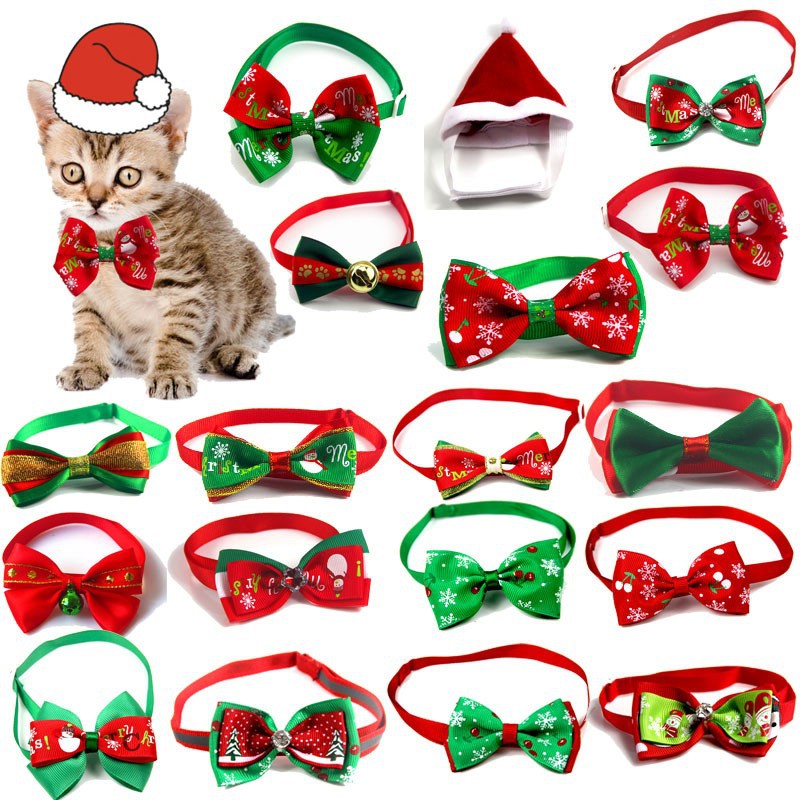
Christmas Pet Hat And Bowtie Set Adjustable Red Green Dog Cat Necktie With Bell For Holiday Party Decorations Puppy Kitten Accessories Soft Fleece Ribbon
$0.41
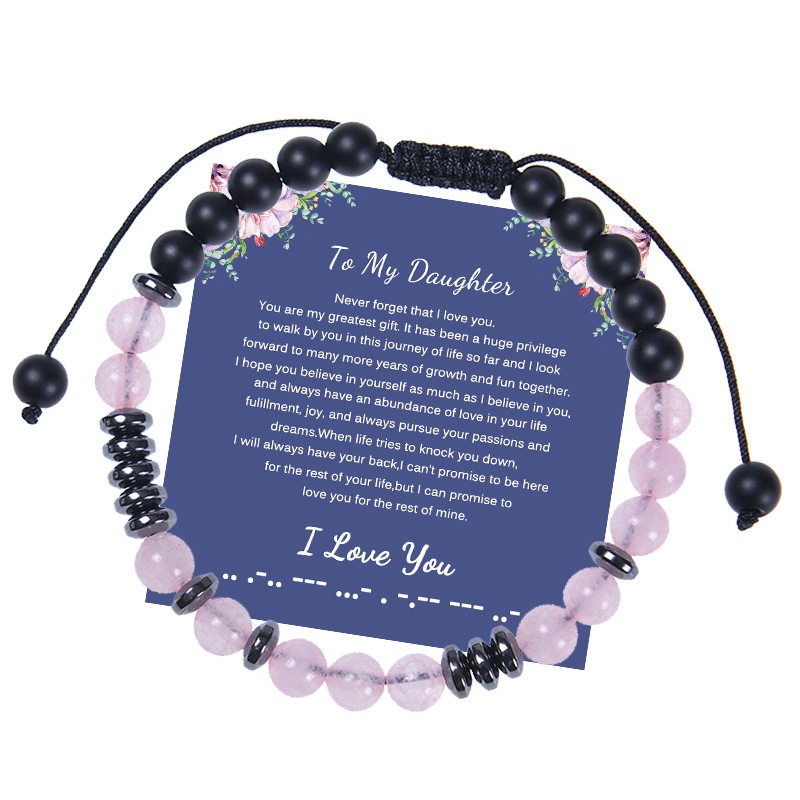
2023to My Daughter Morse Code Bracelet 6mm Pink Crystal Frosted Stone Bracelet
$1.13
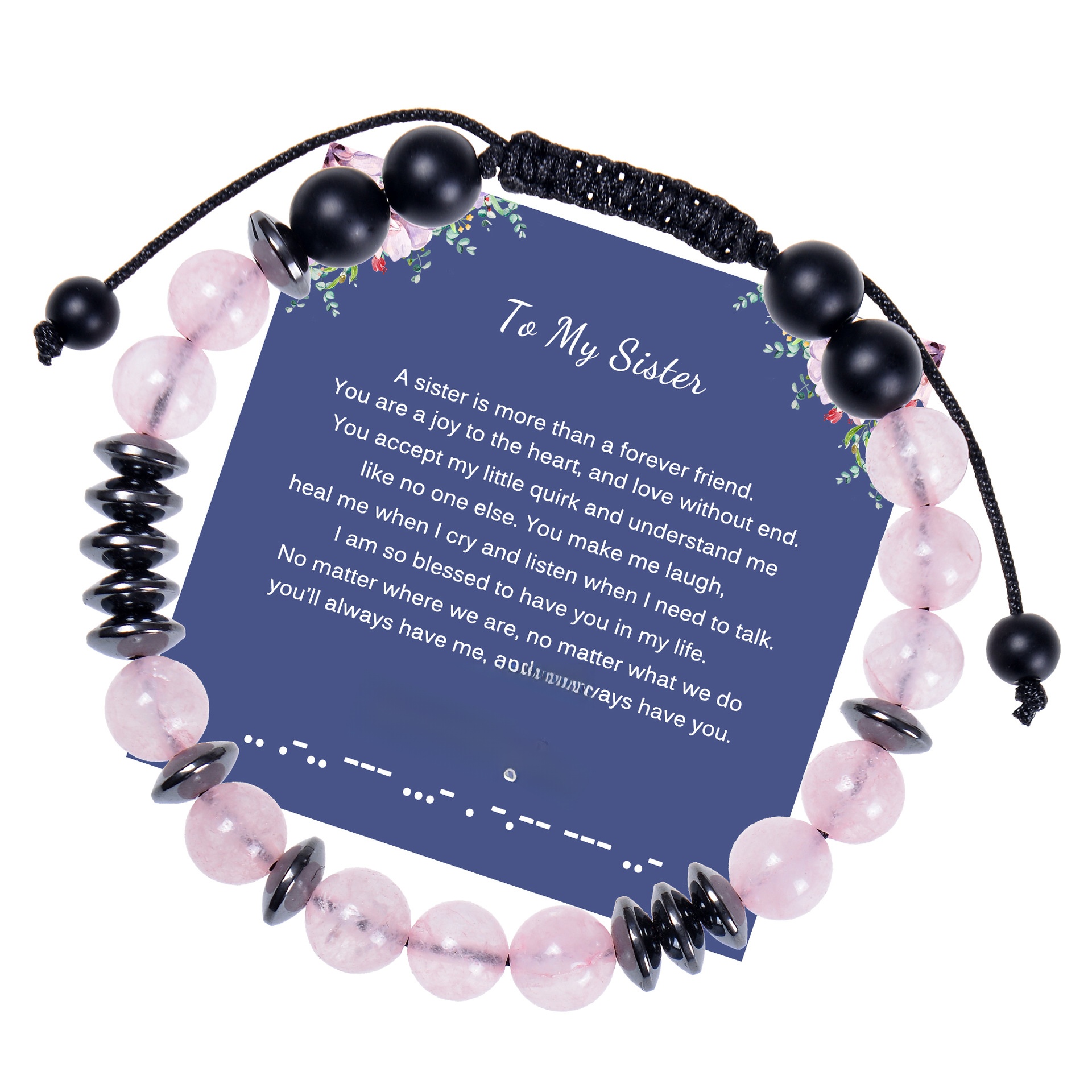
2023to My Sister Morse Code Bracelet 8mm Pink Crystal Black Magnet Card Bracelet
$1.23
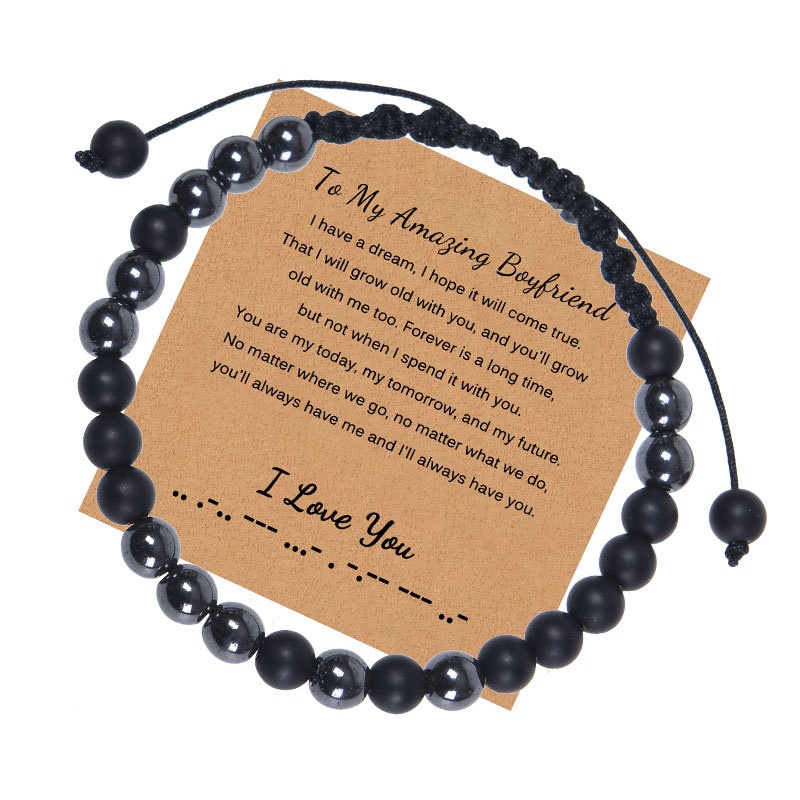
Morse Code Bracelet Natural Matte Stone Hematite Beaded Adjustable Woven Rope Bracelet With Inspirational Card Gift
$0.94
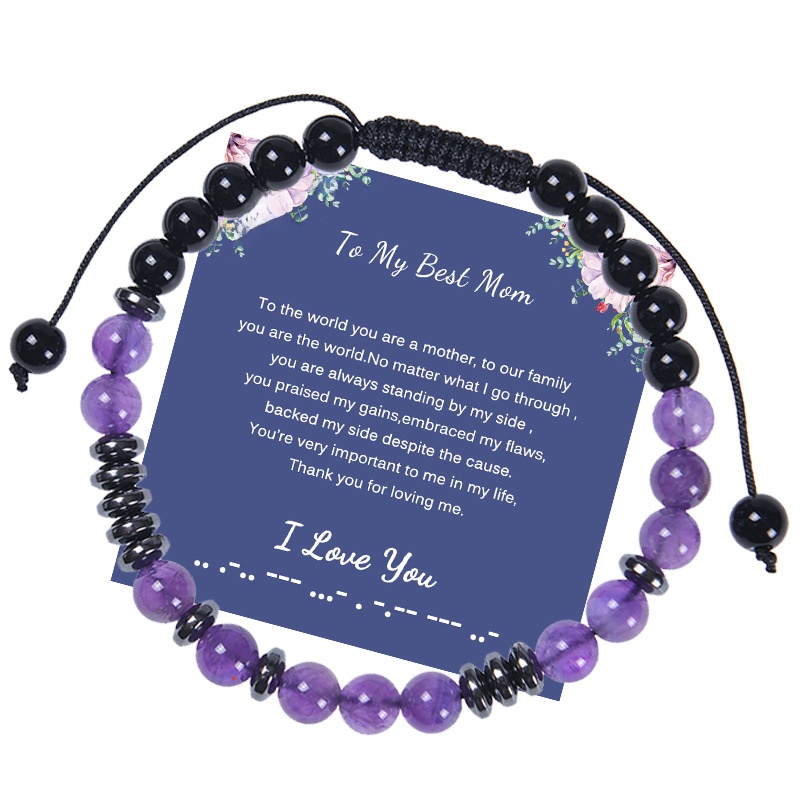
Hot Sale To My Mom Morse Code Bracelet Mom 6mm Amethyst Frosted Stone Bracelet Holiday Gift
$1.67
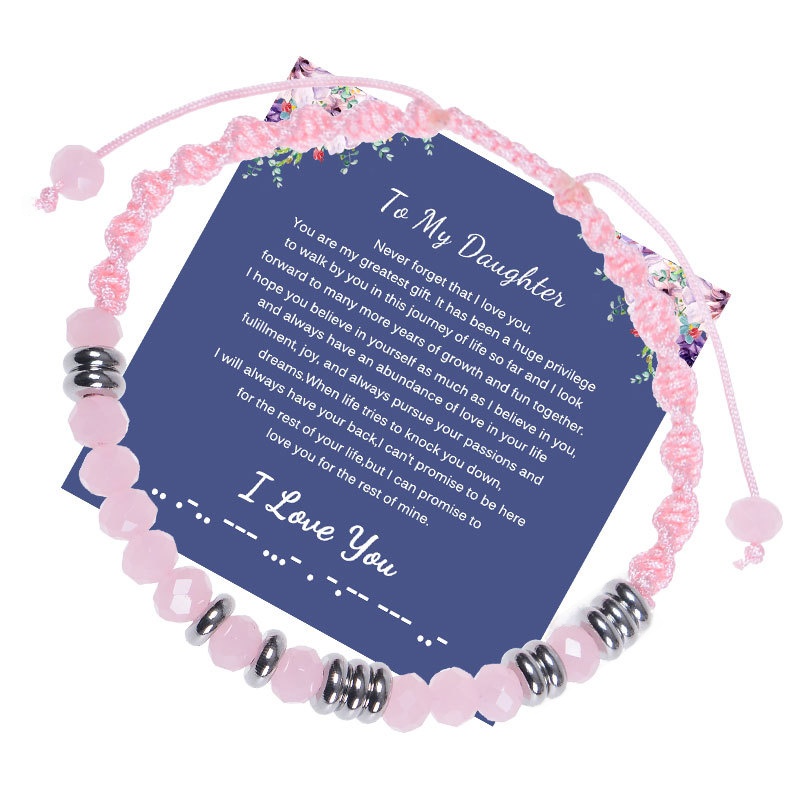
Handmade Morse Code Faceted Pink Crystal Woven Rope Adjustable Bracelet Heart Charm Jewelry Gift For Daughter Mom Grandma Sister
$1.28
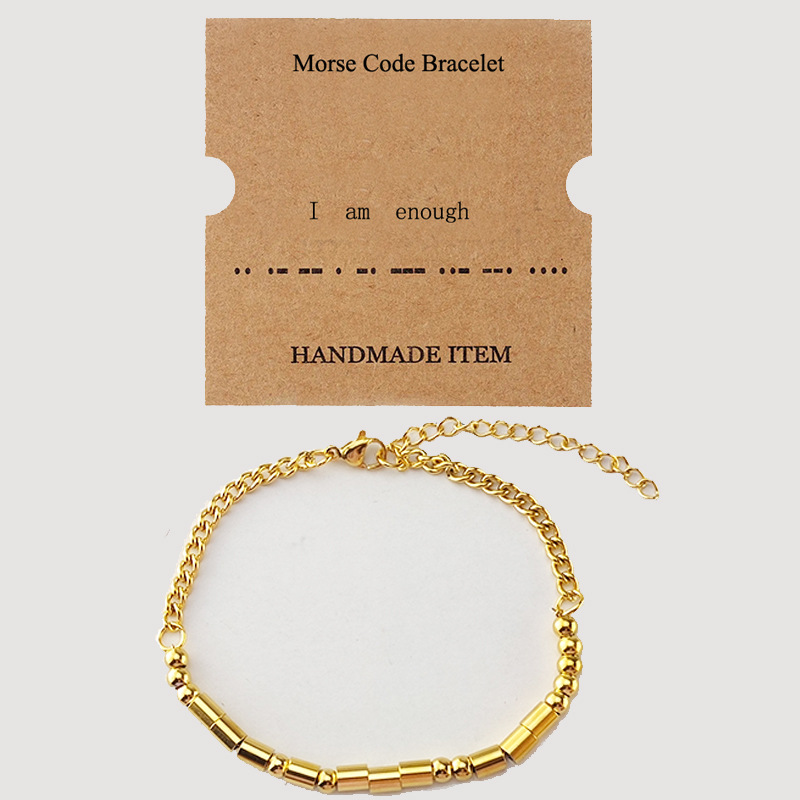
Stainless Steel Morse Code Bracelet For Women Men Handmade Gold Silver Beaded Chain Adjustable Secret Message Bracelet Jewelry Gift
$1.05
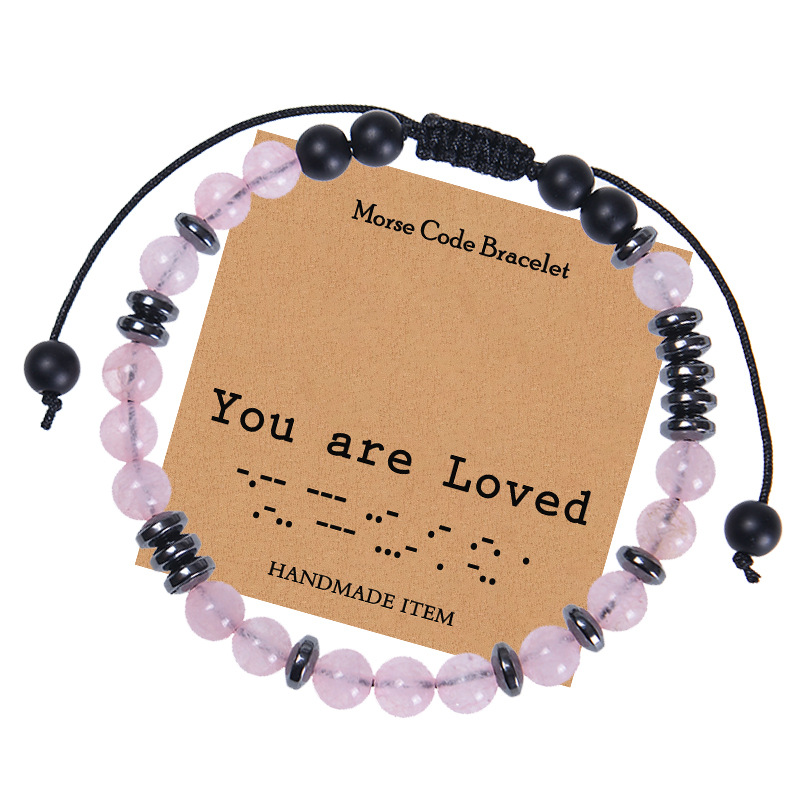
Morse Code Bracelet Rose Quartz Matte Stone Hematite Beads Handmade Adjustable Rope For Women Men Gift Jewelry With Card
$1.26
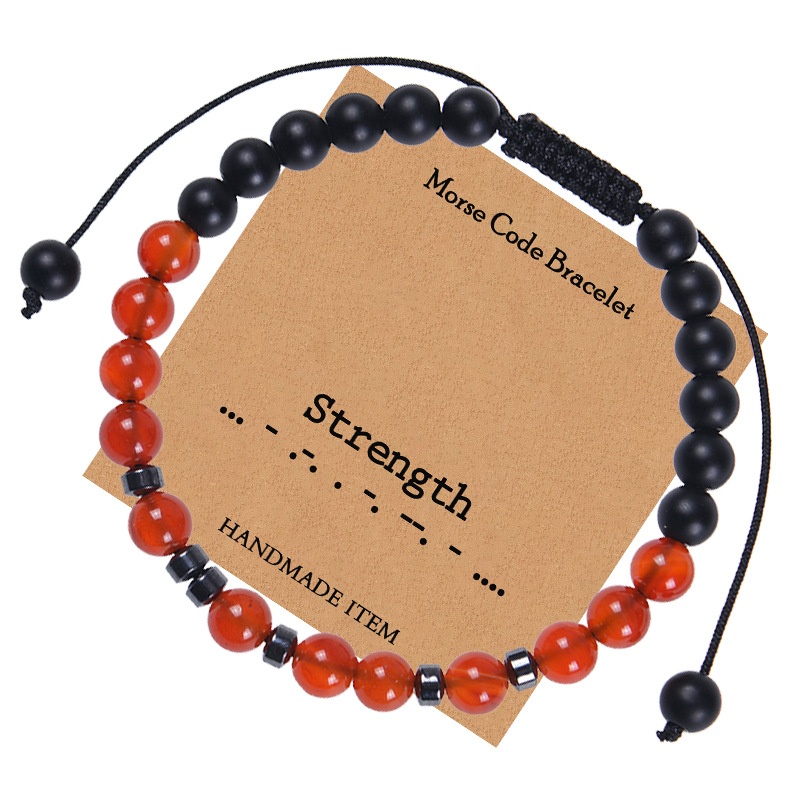
Morse Code Bracelet Red Carnelian Matte Black Stone Beads Adjustable Braided Cord For Men Women Strength Inspirational Gift Jewelry
$1.26
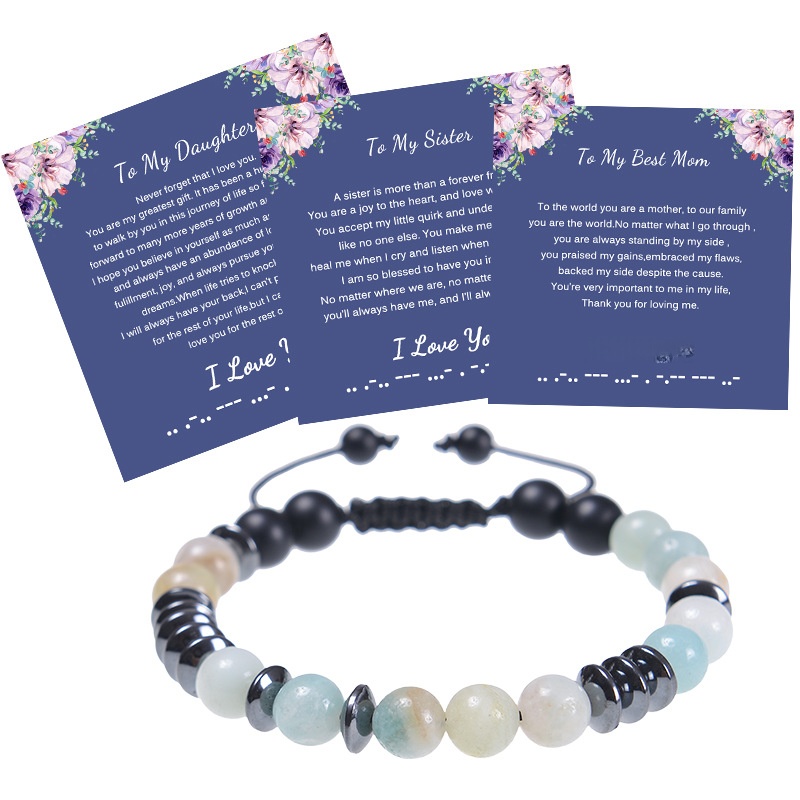
Morse Code Bracelet Handmade Natural Amazonite Tiger Eye Stone Adjustable Braided Rope Jewelry With Gift Card For Mom Daughter
$1.36
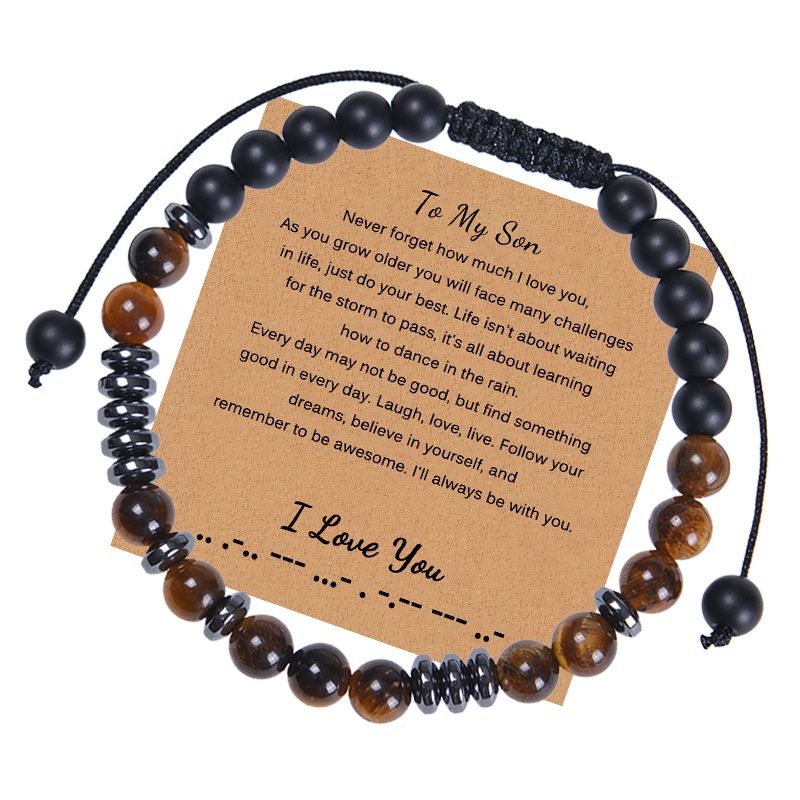
Morse Code Bracelet Natural Tiger Eye Matte Onyx Beaded Adjustable Woven Rope Sentimental Gift For Son Boyfriend Men Jewelry
$1.30
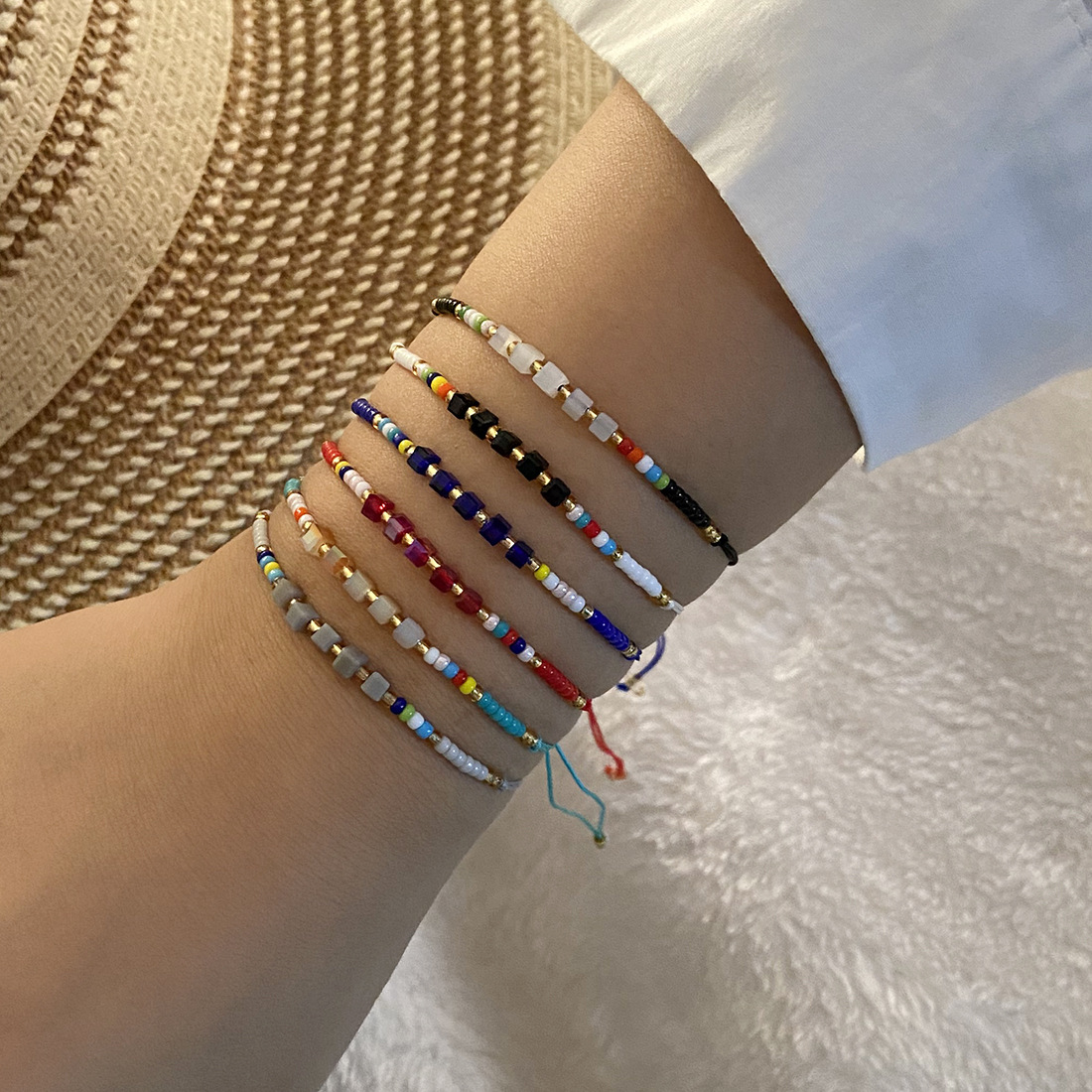
6Pcs Handmade Colorful Seed Bead Crystal Bracelet Set Adjustable Woven Rope Morse Code String Bracelets for Women Boho Vacation Jewelry
$0.75
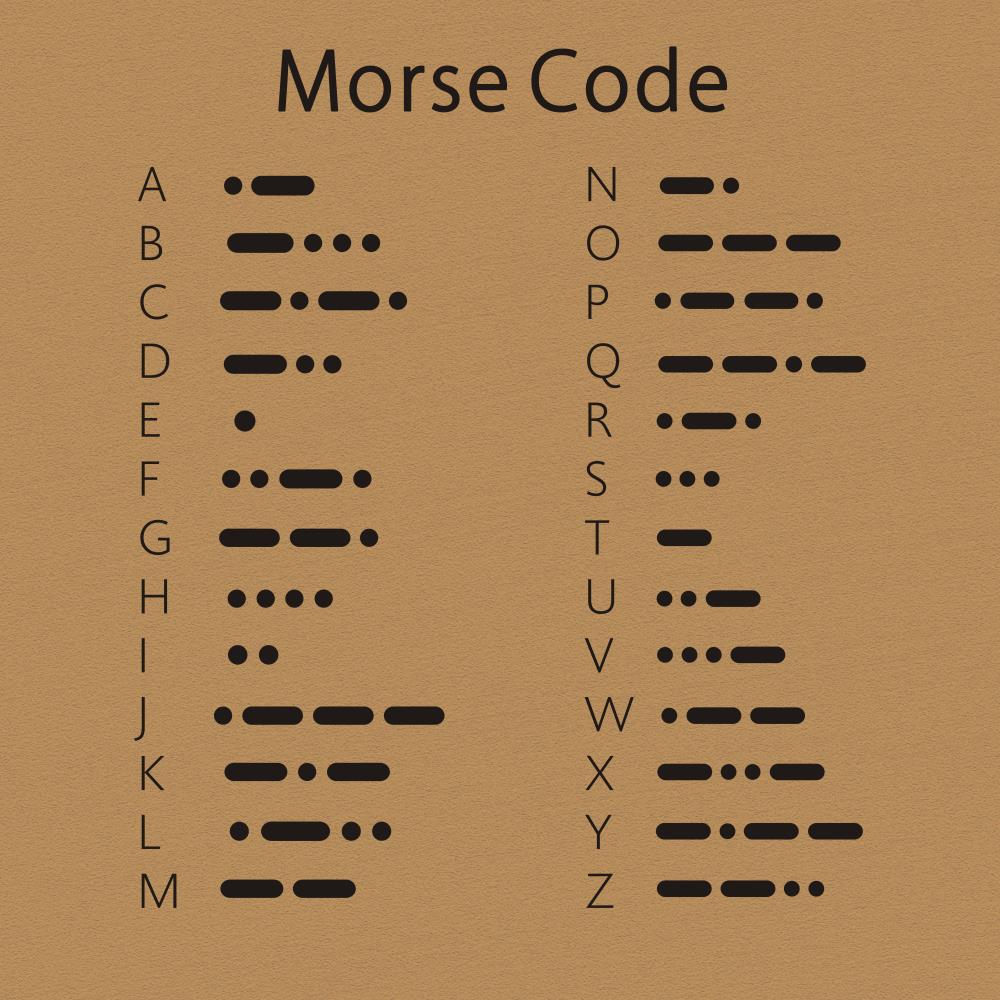
Handmade Morse Code Bracelet Copper Beads Wax Cord Adjustable Braided Bracelet For Couples Friends Sentiment Jewelry Gift With Greeting Card
$0.87
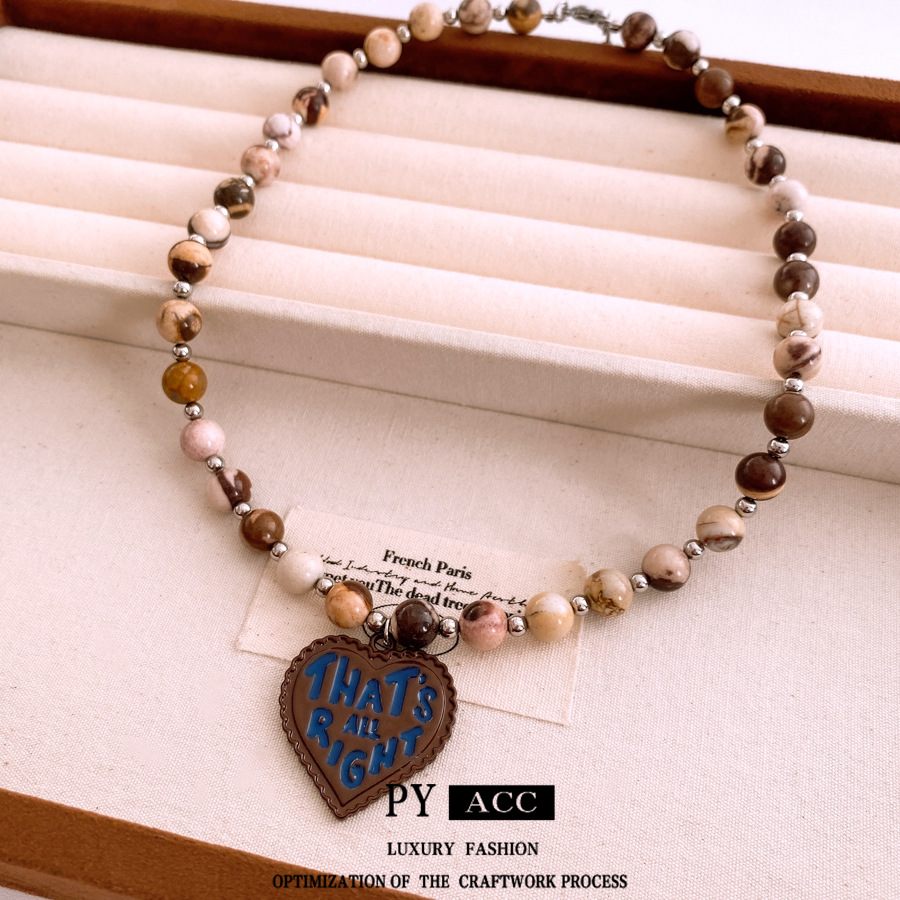
Vintage Bohemian Beaded Necklace With Heart Pendant Letter Print That's All Right Earth Tone Stone Beads Alloy Spacer Jewelry For Women Daily Travel Accessories
$5.29
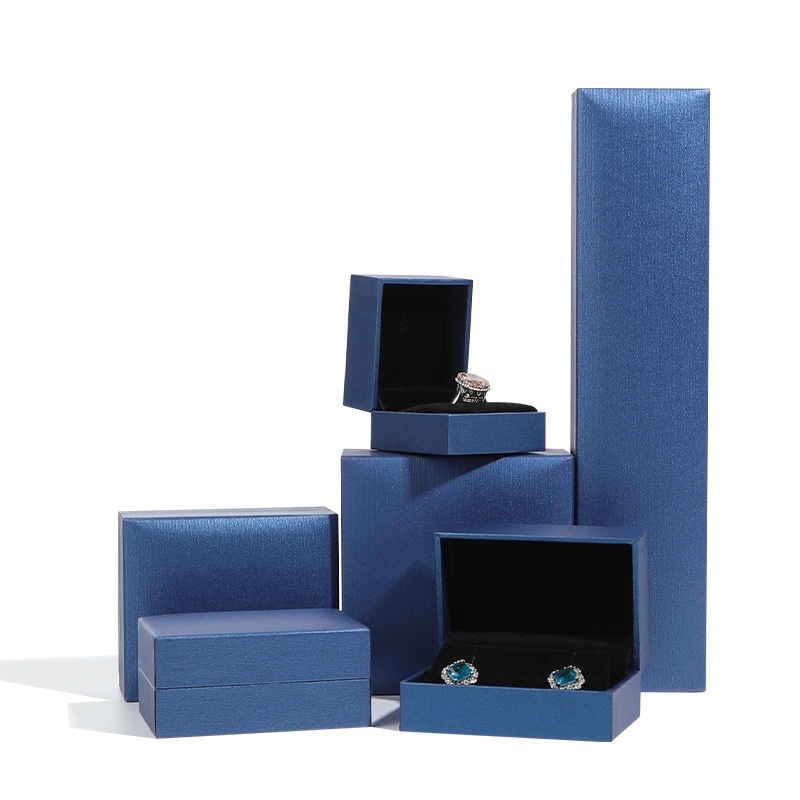
Premium Coated Paper Jewelry Box Multi-Size Right-Angle Jewelry Packaging Case For Rings Necklaces Earrings Bracelets Velvet Lining Jewelry Storage Gift Box
$0.42
Bundles That Solve the CUSMA Puzzle and Boost Margins
Bundling a pet apparel item with a morse‑code bracelet (for the owner) creates a “matching set” story that justifies a higher price point and simplifies customs: both items fall under the same textile category when declared together. Each bundle includes a pre‑printed CUSMA letter template to reduce seller friction.
Holiday Pet & Human Gift Set
Canadian seller shipping to US for Christmas: the pet hat set + a morse‑code bracelet for the owner.
- Christmas Pet Hat And Bowtie Sethero
- Morse Code Bracelet Red Carnelian Matte Black Stoneupsell
- Premium Coated Paper Jewelry Boxcomplement
Bundle at $1.87 vs $2.42 separately – margin holds at ~62% after tariff if declared correctly.
Best Friend Duo
Dog boutique owner wants a thank‑you combo for repeat buyers: a pet bowtie (from the hat set) + a matching morse‑code bracelet for the owner.
- Christmas Pet Hat And Bowtie Set (bowtie only)hero
- To My Daughter Morse Code Braceletupsell
- To My Sister Morse Code Braceletcomplement
Bundle at $1.79 vs $2.57 separately – plus one HS code covers all textile items.
Everyday Essentials Bundle
Shopify store specialising in dog accessories wants a recurring staple: pet hat set + a neutral morse‑code bracelet + a “That’s All Right” necklace for gifting.
- Christmas Pet Hat And Bowtie Sethero
- Vintage Bohemian Beaded Necklace With Heart Pendantcomplement
- Handmade Morse Code Bracelet Copper Beadsupsell
Bundle at $6.96 vs $7.93 separately – same tariff category reduces customs delay risk.