
Trend Report · May 20, 2026
Customer Got Refunded, Opened a Chargeback, and Won – Case Teardown and How to Reverse
One seller refunded an out-of-stock item, still lost the chargeback. This case teardown shows the pattern, how to prevent it, and which products protect margins.
Customer Got a Refund and Still Opened a Charge Back.. and WON. How Do I Reverse?
A merchant accepted an order on a Sunday. The item was set to drop-ship. When they went to fulfill Monday morning, the item was out of stock. They emailed the customer explaining the situation, cancelled the order, and issued a refund. The next day, the customer filed a chargeback with the reason code credit not processed. The merchant immediately lost the dispute and was charged a fee—despite already giving the money back.
This specific event shows a critical pain point for small e-commerce operators: timing and documentation. The refund was initiated, but the bank’s processing lag allowed the dispute to move faster. The merchant had no evidence at the moment of the chargeback that a refund had been issued—only an email sent the day before. The inflection point is the gap between a merchant-initiated refund and the bank’s acknowledgment. Once that gap exists, a chargeback can beat you to the punch.
This pattern is widespread among dropshippers and first-time boutique owners who rely on manual stock checks and ad-hoc cancellation emails. Without automated refund confirmation and timely evidence submission, a lost chargeback becomes a predictable cost of doing business—one that eats into already thin margins.
The Replicable Pattern: Why Refunds Don’t Prevent Chargebacks
The pattern is not unique to this case, and it is replicable across any store that lacks a formal cancellation-and-refund workflow. The core issue: a refund is not a chargeback blocker. Banks process disputes based on the data they have at the moment of filing. If the merchant’s refund has not yet settled in the customer’s account, the bank sees an unpaid charge and rules against the seller.
The key variable is timing and proof. If you can provide a timestamped refund receipt from your payment gateway showing the exact date and amount, and a clear record of customer communication, your chances of winning rise significantly. But many sellers—especially those using drop-shipping without real-time inventory—fail to collect that evidence before a dispute is filed.
Another replicable factor: the customer’s motivation. The bank’s decision to rule in the customer’s favor suggests that the customer had no visible refund in their account when they called their bank. Even a well-intentioned refund can appear as a false promise if the customer doesn’t see it. This pattern is common for weekend orders, when refunds might not process until Monday.
Who Should Pay Attention to This Pattern
<p>This case is most relevant to Shopify sellers, Etsy owners, and TikTok Shop operators who handle their own fulfillment—especially those who rely on drop-shipping suppliers without live inventory syncing. Anyone selling low-margin accessories where a $15–30 chargeback fee can wipe out profit on multiple orders needs to build a chargeback-prevention routine.</p>
Shopify seller
Frequent out-of-stock events trigger cancellations; manual refunds lack automation. A $20 chargeback fee on a $10 order destroys margin. Automated refund tracking and evidence collection are essential.
Dropshipping operator
Out-of-stock is a daily reality. Without a pre-established return-and-refund process with supplier, cancellations happen later than ideal. High volume means more chargeback exposures.
Pop-up stall starter
Low budget leaves no room for chargeback losses. While in-person sales rarely face chargebacks, online orders for repeat customers are vulnerable. Better to build margin with high-margin accessories from DayJewel.
What Happened
<p>On a Sunday, a customer placed an order for an item that was going to be drop-shipped. The merchant accepted the order. The next morning, when they tried to fulfill, they discovered the item was out of stock. They immediately sent the customer an email explaining the situation, cancelled the order, and processed a full refund. That seemed like the right move.</p><p>But on Tuesday—just 24 hours after the refund was initiated—the customer filed a chargeback with their bank under the reason code ‘credit not processed’. The merchant received a notice within hours that they had lost the dispute and were being charged a fee. They had already given the money back, yet they were now out the product cost (zero, since it was cancelled), the transaction amount, and an additional chargeback fee.</p><p>The inflection point: the refund had not yet cleared the bank when the customer called. The merchant had no time-stamped proof of refund from the payment gateway, only an email. The bank ruled on the data at the point of dispute, and that data showed no refund.</p>
The Replicable Pattern
Immediate refund confirmation is not enough; you need proof of bank processing.
Evidence: The merchant refunded the same day, but the bank's processing delay allowed the chargeback to proceed and win.
Automating cancellation and refund communication with the customer reduces the chance of a dispute.
Evidence: The merchant sent a manual email; a system that automatically issues a refund and sends a notification with a reference ID could have proven the refund earlier.
Chargeback evidence requirements are strict; you must provide a clear refund receipt with date and amount.
Evidence: The merchant likely submitted only the email, not a transaction ID from the payment processor. The bank demanded an actual receipt.
How to Sell with a Chargeback-Proof Process
<p>The best defense against this kind of loss is operational. If you automate order cancellations and refunds, and ensure every transaction leaves a clear paper trail, the chance of losing a chargeback drops dramatically. Also, building higher margins into your product mix gives you room to absorb the occasional fee.</p><p>Start by setting up a chargeback response kit: include templates for evidence submission, pre-saved documentation of your refund policy, and a checklist to verify refund processing before responding to a dispute. For dropshippers, use inventory syncing apps that block sales of out-of-stock items to avoid cancellations altogether.</p><p>Below are three channel-specific tactics that apply directly to the pattern seen in this case.</p>
Set up automatic order cancellation and refund via apps like Oberlo or Spocket with real-time inventory. When an item goes out of stock, the app automatically voids the order and sends a refund receipt to the customer and cc to you. Store that receipt in a dedicated ‘chargeback evidence’ folder.
⚠ Automation may accidentally refund an order that could still be fulfilled later if stock restocks quickly. Set a minimum out-of-stock duration before auto-cancelling (e.g., 48 hours).
Pre-verify stock with your supplier before going live on TikTok. If you sell a product in a live stream that later runs out, refund immediately and send a private message with a refund screenshot. Also ask the customer to wait 48 hours before contacting their bank—explain that the refund will show up by then.
⚠ Asking customers to wait may feel pushy; some will still dispute. Use the TikTok Shop dispute tool to upload refund evidence before the 48 hours are up.
Use the ‘Shop Updates’ feature to post a public note about order delays? Instead, use direct convo to send a refund confirmation with a screenshot. Keep a log of all order cancellations with timestamps. If a chargeback occurs, submit that log plus the convo as evidence.
⚠ Etsy’s case system is slow; evidence must be uploaded within 5 days. Miss that window and the case defaults in buyer’s favor.
Featured Products to Source from DayJewel
<p>To offset the risk of chargeback fees, focus on products with strong gross margins—under $5 cost with perceived values above $15. The following accessories, packaging supplies, and small fashion items let you maintain healthy margins even when a $20 fee lands. Each product is available in bulk from DayJewel’s wholesale catalog.</p>

Heart Stainless Steel Zircon Bracelet Jewelry For Women Hot Item
$2.75
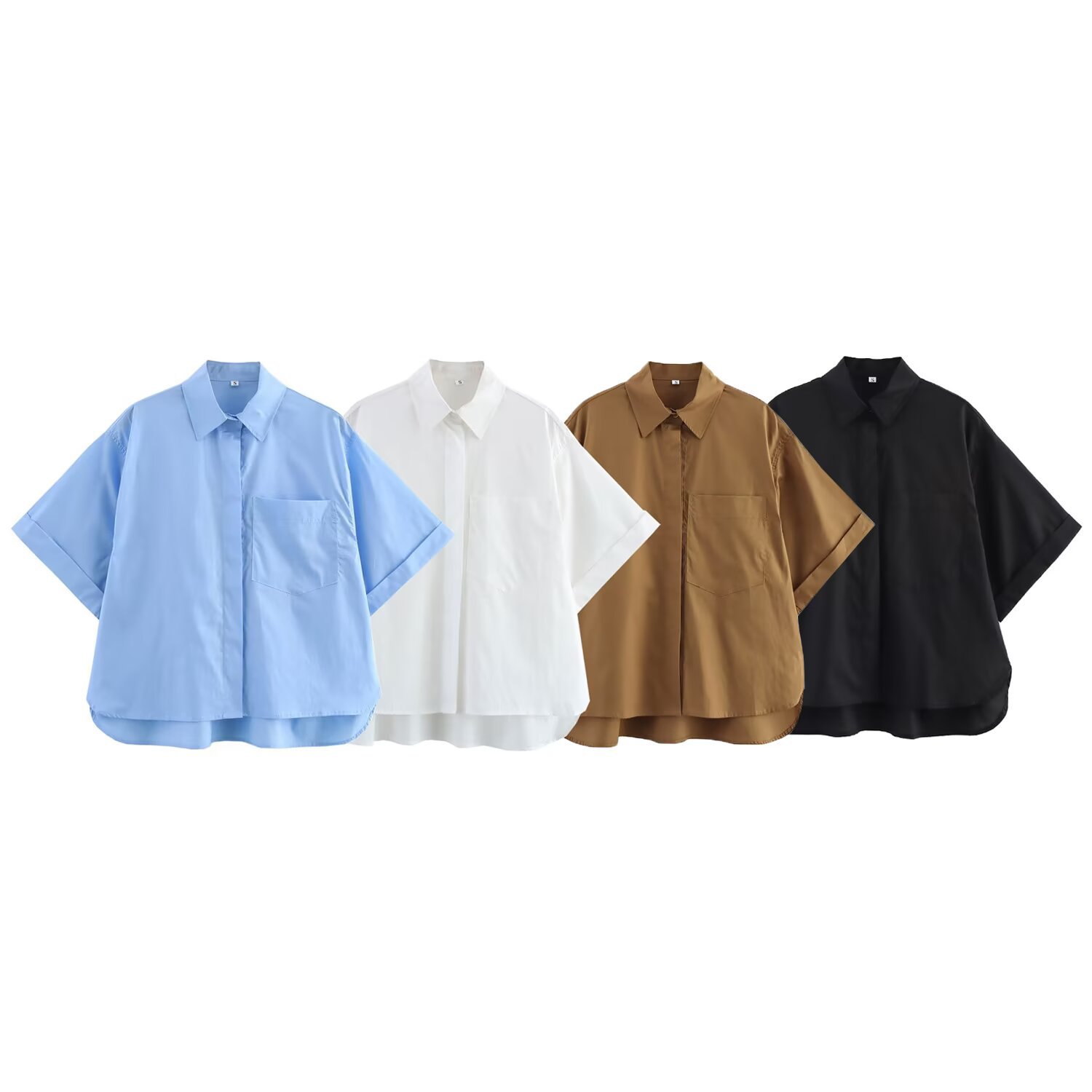
Women's Poplin Short Sleeve Lapel Shirt With Pocket Solid Color Polyester Patchwork Loose Blouse Top For Streetwear Office Casual Women Clothing
$12.10
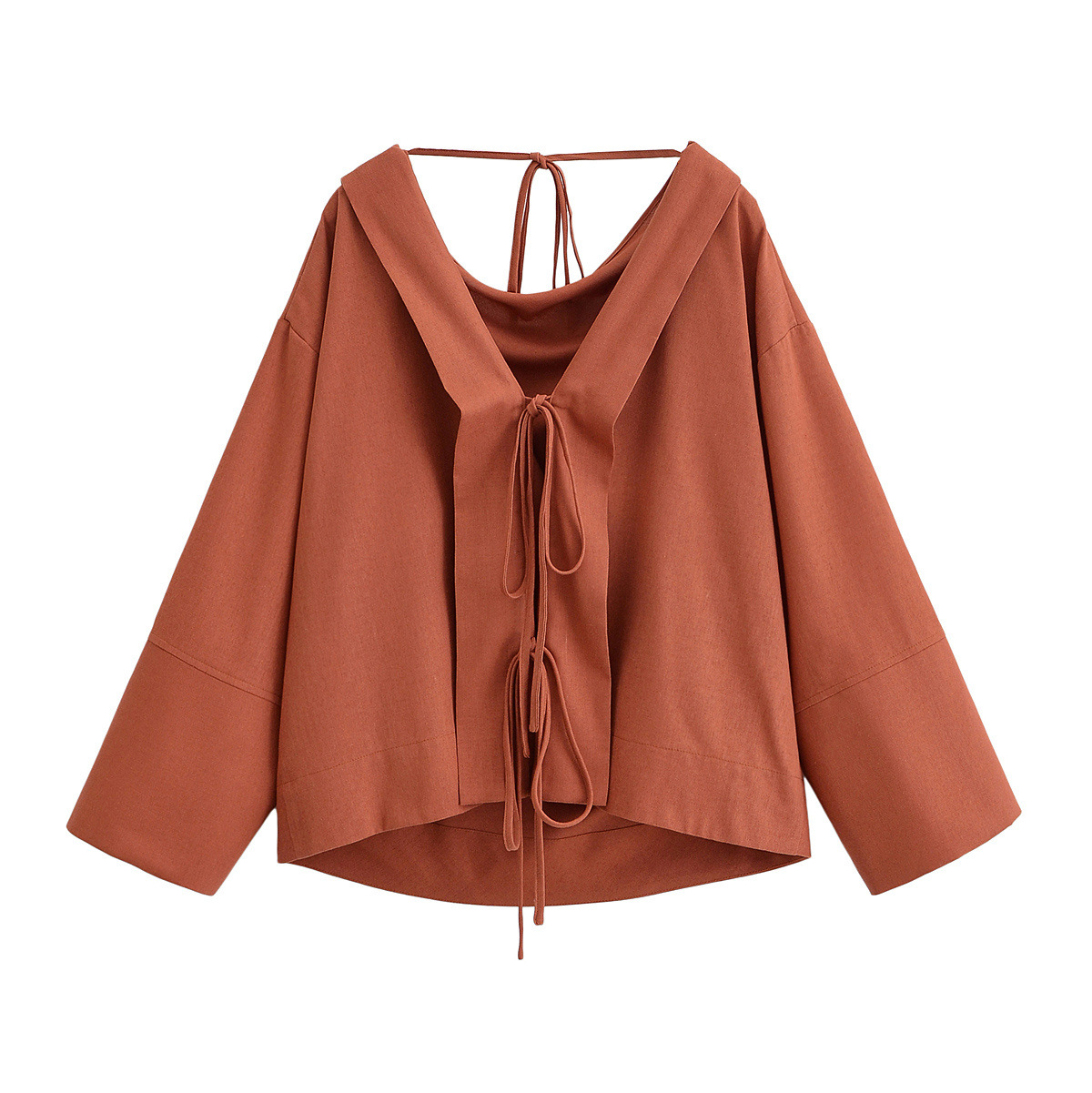
Women's Long Sleeve Blouse Fashion Solid Color V-Neck Tie Front Back Two-Way Wear Shirt Casual Polyester Linen Texture Top For Lady Spring Autumn
$12.10

Women's Casual Loose Knit V-Neck Sweater Soft Solid Color Long Sleeve Pullover Ribbed Knit Jumper For Daily Streetwear Comfort Top
$16.71

Large Capacity Jewelry Display Stand Metal And Wood Organizer Holder With Necklace Hooks Earring Holes Bracelet Bars And Ring Tray Nordic Style Storage Rack For Dressing Table Women Girls
$10.45

Elegant Alloy Rhinestone Butterfly Brooch For Women High Grade Enamel Insect Pin Fashion Suit Sweater Accessories Jewelry Sparkling Gift Item
$1.44
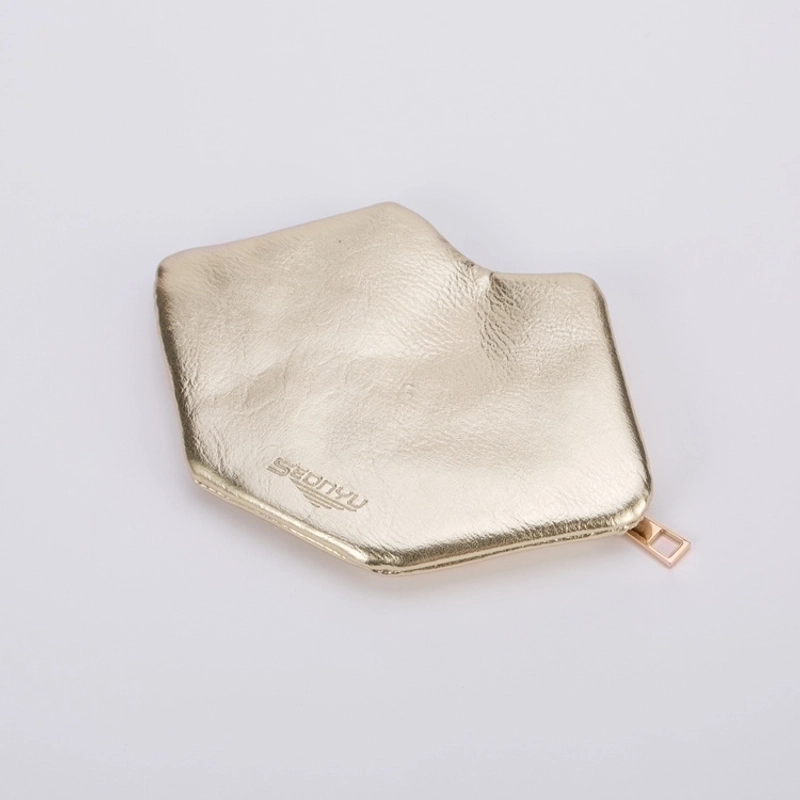
Creative Lip-Shaped Coin Purse PU Leather Metallic Gold Mini Card Key Pouch For Women Daily Small Item Storage Bag
$1.64
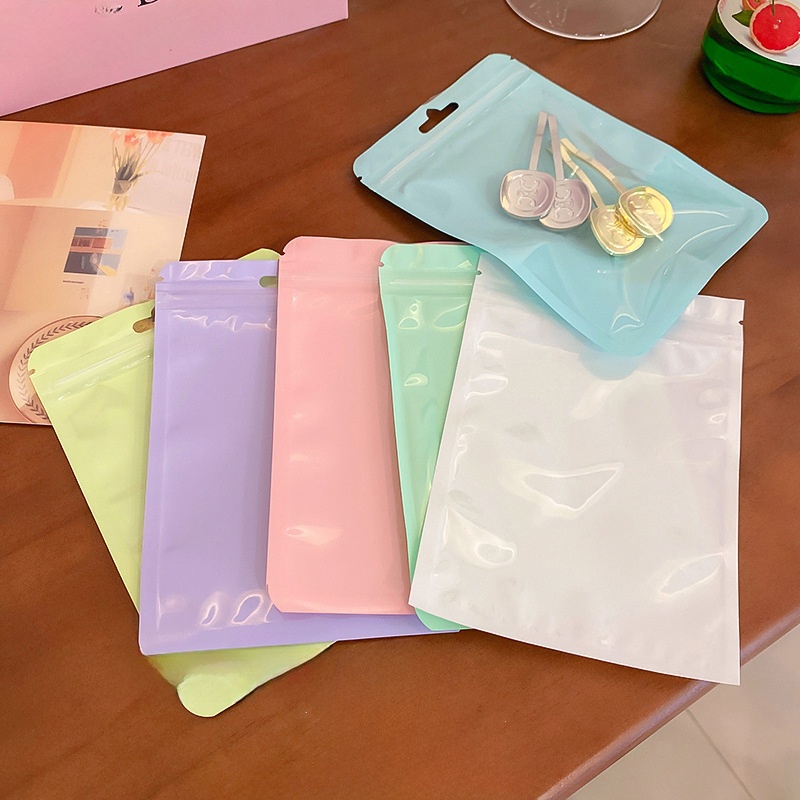
Macaron Colors Jewelry Packaging Bags Plastic Matte Ziplock Storage Bags With Hang Hole Small Item Packaging Bags For Earrings Necklace 15x10.5cm
$0.05

Pixel Game Item Keychains Acrylic Metal Ring Ornaments Retro Style Backpack Charms For Boys Girls Kids School Birthday Party Gift Accessories
$0.35

Glossy Satin Drawstring Bags Faux Silk Jewelry Packaging Pouches Dustproof Underwear Storage Bags For Gift Wedding Party Travel Small Item Organizer
$0.14

Cute Cartoon Puppy Rabbit Gift Bag Portable White Kraft Paper Handbag For Birthday Party Kids Girls Small Item Storage Packaging Bags
$0.47
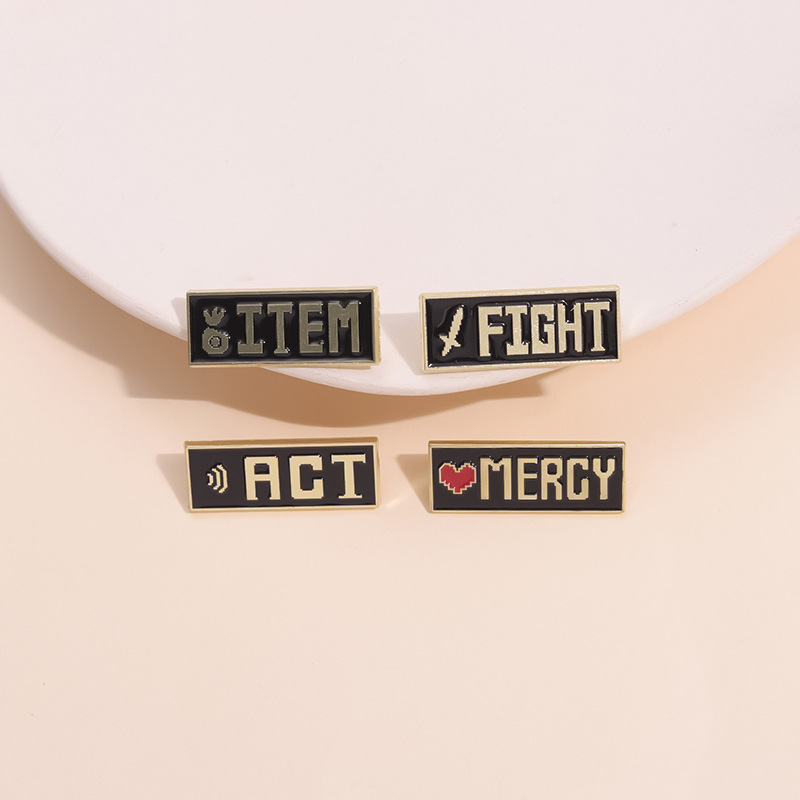
Pixel Art Game Theme Enamel Pin Set Zinc Alloy Fight Act Item Mercy Rectangular Lapel Brooch For Clothing Backpack Decoration Unisex Jewelry
$0.55
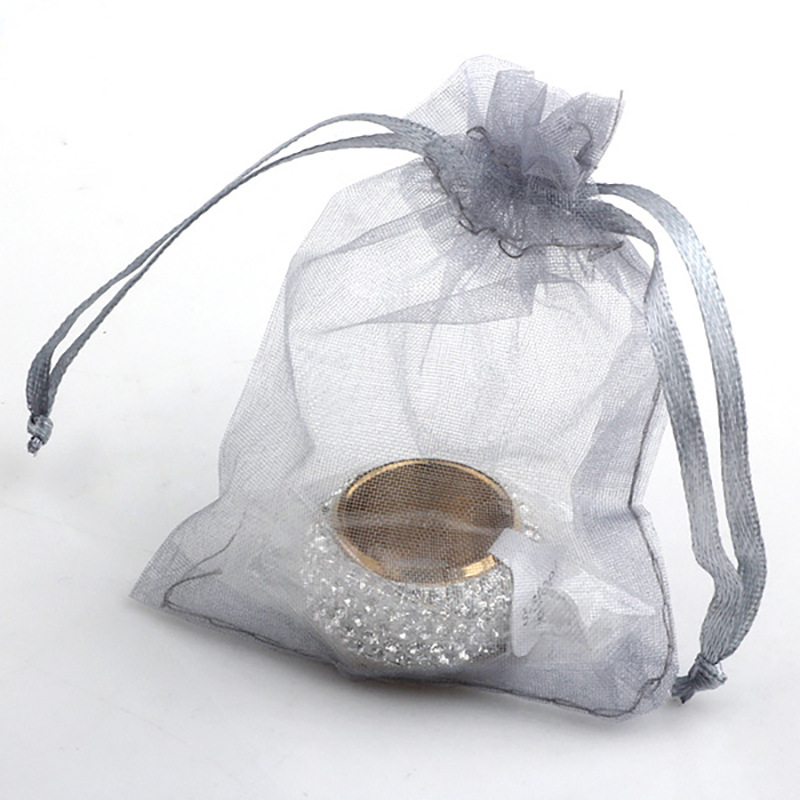
Multicolored Organza Drawstring Jewelry Pouches Sheer Mesh Gift Bags Bronzing Chiffon Packaging Bags For Wedding Party Jewelry Storage Display Small Item Wraps
$0.07
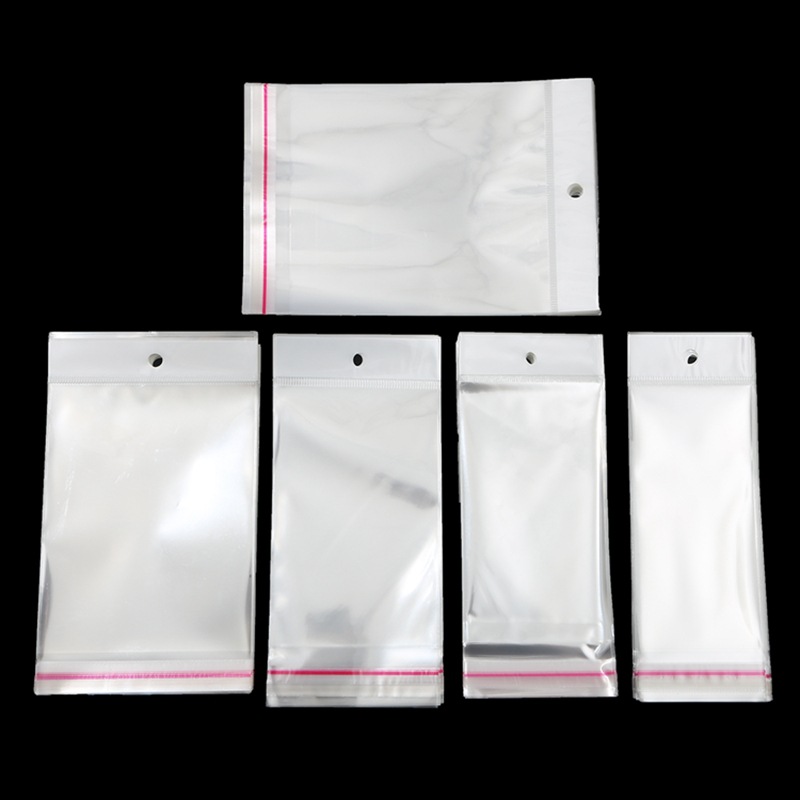
100pcs Clear OPP Self Adhesive Sealing Bags With Hanging Hole Transparent Plastic Packaging Bags For Jewelry Necklace Bracelet Display Small Item Storage Bags
$0.61
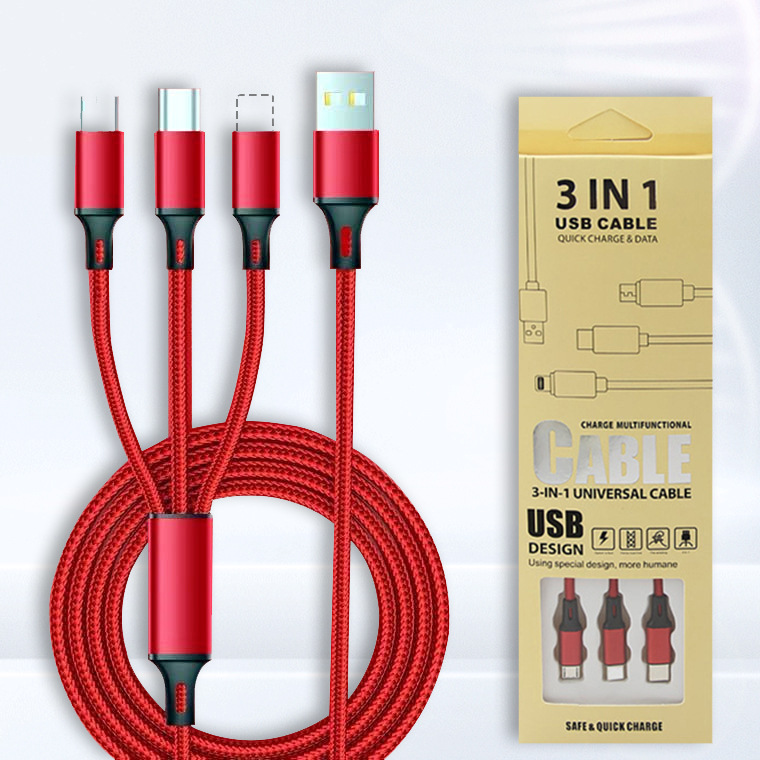
3-in-1 Multi USB Charging Cable Nylon Braided Fast Charge Cord with Lightning Type-C Micro USB Connectors for Multi-Device Universal Office Travel Accessories
$0.52
Product Bundles to Protect Margins Against Chargeback Losses
<p>Bundling increases average order value, so even if a chargeback occurs, the net margin per order is higher—giving you room to absorb the fee. These bundles are tailored to the chargeback-vulnerable seller: low unit cost, high perceived value, and easy to ship together.</p>
Starter Jewelry Kit
New boutique owner wants to test a few SKUs without over-inventory. This bundle covers bracelet, brooch, and small pouch for gift or personal sale.
- Heart Stainless Steel Zircon Bracelethero
- Elegant Alloy Rhinestone Butterfly Broochupsell
- Creative Lip-Shaped Coin Pursecomplement
Bundle at $4.50 vs $5.83 separately – 23% savings for buyer, and your margin on bundle is 60%+ after fees.
Packaging Prep Pack
Seller preparing for holiday rush. Need low-cost, professional packaging to reduce returns and disputes. Bundle ensures every order goes out with proper bags.
- Multicolored Organza Drawstring Poucheshero
- Macaron Colors Jewelry Packaging Bagscomplement
- Clear OPP Self Adhesive Sealing Bagsupsell
Bundle cost $0.73 (3 units) vs $0.82 separately. At 1,000 orders, that $9 saving offsets nearly half a chargeback fee. Risk: customers may still dispute packaging quality; ensure bags are intact before shipping.
Fashion Starter Caption
Shopify seller wanting to test women’s tops and accessories. Combo helps them hit $25 AOV threshold for free shipping, reducing chargeback incidence.
- Women's Poplin Short Sleeve Lapel Shirthero
- Women's Casual Loose Knit V-Neck Sweaterupsell
- Heart Stainless Steel Zircon Braceletcomplement
Bundle at $30.56 vs $31.56 separately. Margin around 45% on bundle – enough to absorb one $20 chargeback fee and still leave $7 profit. Risk: higher ticket may trigger more scrutiny in chargeback reviews, so documentation must be even tighter.