
Trend Report · May 9, 2026
Stop Customer Complaints: Wholesale Sourcing for Resellers
Turn customer rants into profit: avoid lowball offers and Goodwill price hikes by sourcing wholesale from DayJewel at margins up to 5x. Start flipping smarter.
The 'Customer Issues, Rants, and General Complaints Thread' Reality Check for Resellers
If you're flipping items sourced from thrift stores or Facebook Marketplace, your gross margin typically runs 30-50%. But after lowball offers, haggling, and the occasional A-to-z refund, net margin often drops to 10-15%. This is the emotional roller coaster described in the Customer Issues, Rants, and General Complaints Thread — a daily grind where every sale feels like a negotiation. The source material makes it clear: resellers are getting priced out of local Goodwills and undercut by buyers who want everything for half the listed price.
That thread isn't just a venting space — it's a signal. When your cost basis is tied to secondhand sources, you have no control over pricing or supply. You react to market whims instead of setting them. The solution isn't to complain louder; it's to shift your supply chain. Wholesale sourcing from DayJewel turns rants into repeat business because your unit costs become predictable and your margins become defensible.
A concrete example: a Funny Shark Enamel Pin Set costs $0.50 wholesale. At a thrift store, you might find similar pins for $2-3 each. With DayJewel, you can sell that pin for $4.99 and still pocket $4.49 before fees — a 9x margin. That's the difference between fighting over nickels and building a real profit stream.
Why This Trend Creates a Margin Opportunity
The Customer Issues, Rants, and General Complaints Thread is growing because flippers are squeezed from both sides. Supply costs at thrift stores are climbing as more people jump into reselling. Demand is flat or rising slowly, but buyers have more options and demand lower prices. This margin compression is the perfect moment to rethink your sourcing model. Instead of fighting at Goodwill for a $1 shirt, buy 100 pieces of trending accessories for $0.50 each from DayJewel. Your per-unit cost drops by 70-80%, and you can price low enough to beat lowballers while still earning a healthy profit.
The margin opportunity is structural. When you buy wholesale, inventory is consistent, quality is uniform, and you can scale without running out of product. Compare that to a Facebook Marketplace lowball scenario where you spent an hour driving to pick up an item and then get offered half your price. With wholesale, your time is spent on marketing and fulfillment, not haggling. The emotional toll vanishes because your business model doesn't depend on one-off transactions. This is how you turn a complaint thread into a cash flow statement.
Who Benefits Most from This Sourcing Shift
This trend directly impacts resellers who are active on platforms like Facebook Marketplace, Poshmark, or eBay — anyone who has felt the sting of a lowball offer or a scam return. The profiles below outline which seller types gain the most by moving to wholesale sourcing.
Shopify seller
Needs predictable inventory and consistent quality to avoid customer complaints about product variation; wholesale allows SKU control and margin planning.
Flea-market operator
Relies on quick turns and cash sales; wholesale gives a wide variety of low-cost items ($0.08-$4.47) that can be priced for impulse buys, reducing haggling.
Pop-up stall owner
Short event windows demand high-margin products; accessories like rings and scarves ($1.52-$3.83) can be flipped at 4-5x cost with minimal customer objections.
Margin Anatomy
| Component | Low Range | High Range | Notes |
|---|---|---|---|
| Wholesale cost | $0.08 | $4.47 | Driven by quantity ordered; products under $1 yield highest margin potential. |
| Shipping in | $0.05 | $0.50 | Depends on weight and order size. Flat-rate boxes keep this low for larger orders. |
| Packaging & labor | $0.10 | $0.50 | Poly mailers for small items; extra for fragile items like ceramic mugs. |
| Platform fees | $0.30 | $3.00 | 10-15% of retail price for Facebook Marketplace, Etsy, or Shopify Payments. |
| Refund/contingency | $0.05 | $0.20 | Set aside 5% of revenue for returns or damage claims. |
Profit Scenarios
| Scenario | Wholesale | Retail | Profit | Best For |
|---|---|---|---|---|
| Conservative: 30% margin | $5 | $15 | $10 | Flea-market operator who wants quick cash and minimal customer service. |
| Moderate: 50% margin | $2 | $8 | $6 | Shopify seller who pays for ads and needs room for shipping costs. |
| Aggressive: 70% margin | $0.50 | $4.99 | $4.49 | Pop-up stall owner at craft fairs who prices for impulse buys. |
How to Sell These Products Profitably
Success in flipping customer-complaint-prone products comes down to channel strategy. Each platform has different fee structures and buyer expectations. The key is matching your product's price point to the platform's typical ticket size. Items under $5 sell best on Facebook Marketplace and TikTok Shop, while bundles in the $10-20 range perform well on Etsy and Shopify. Your estimated margin will vary based on whether you offer free shipping, run ads, or accept returns. A good rule: keep total cost of goods sold (including shipping, packaging, and platform fees) under 40% of retail price. That leaves 60% gross margin to cover overhead and profit. For example, a bundle of three items costing $1.79 wholesale should retail for at least $7.99 to hit that target. Tactics below break down specific channel approaches with realistic margin estimates and the honest downsides you'll face.
List individual items like the Pet ID Tags ($0.42) at $3.99 each. Accept cash or PayPal. Use local pickup to avoid shipping costs.
⚠ Lowball offers are common; expect 1 in 5 buyers to try haggling. Stand firm on price because your cost is so low.
Create themed bundles (e.g., 'Stationery Lover Pack' with pencil case, bookmarks, and washi tape). Price at $9.99. Use free shipping and absorb the $0.20 listing fee.
⚠ Etsy's search algorithm favors shops with many reviews; initial sales may be slow until you build a reputation.
Run a 'Customer Appreciation' campaign with the 3D Pop-up Cards and Greeting Card Set. Sell as a pack of 5 for $15.99. Spend $5/day on a TikTok video showing the card pop-up.
⚠ Ad fatigue hits fast; creative needs refreshing every 2-3 weeks. TikTok's algorithm may not show your ad if the product isn't 'trending'.
Products That Kill Customer Complaints
These 20 items from DayJewel's wholesale catalog are ideal for resellers looking to escape lowball offers. Each product has a wholesale cost under $5, high perceived value, and broad appeal. Sourcing them eliminates the 'priced out' problem because your cost basis is fixed and low.
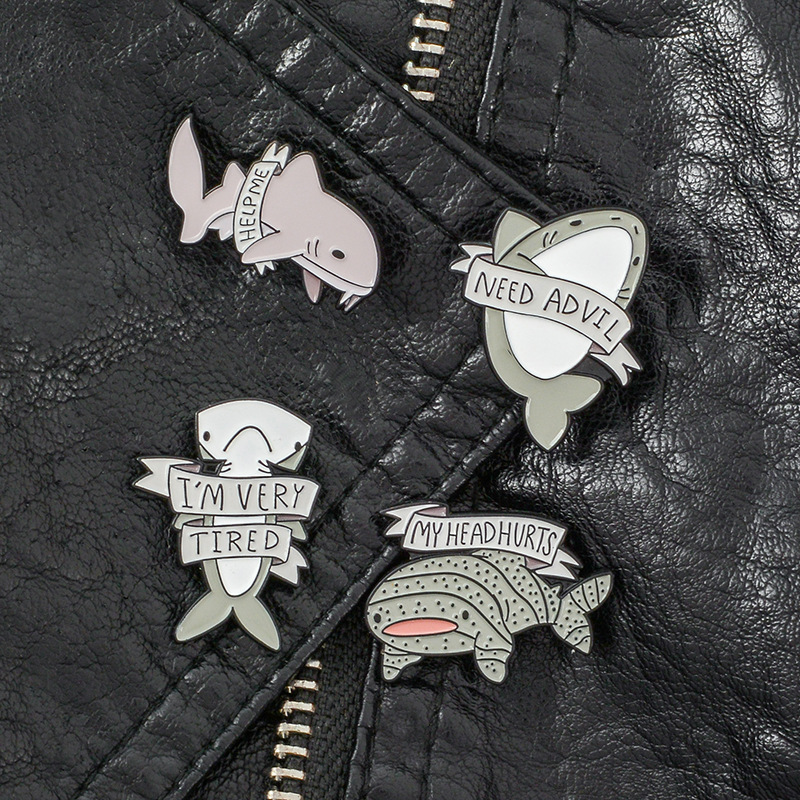
4Pcs Funny Shark Enamel Pin Set Cartoon Animal Alloy Brooch With Humorous Slogan Help Me Need Advil Pins For Backpack Clothing Jacket Accessories Men Women
$0.50
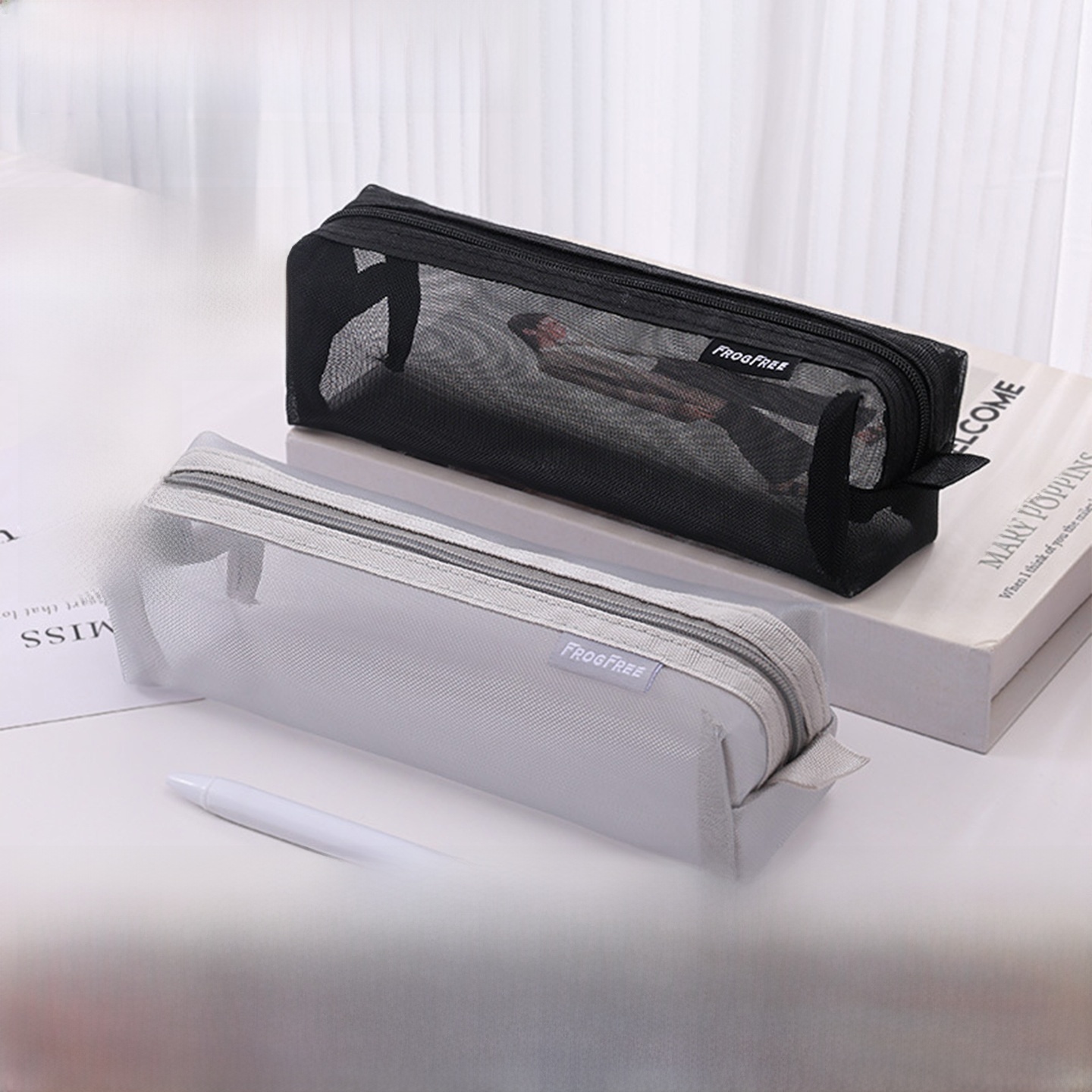
Transparent Nylon Mesh Pencil Case Large Capacity Stationery Bag Zipper Pen Organizer For School Office Students General
$0.78

Multi-functional Silicone Sports Pedometer Watch LED Digital Display Fitness Bracelet Step Calorie Distance Counter For Running Outdoor General Unisex
$0.36

Easter Wooden Hanging Signs Hello Spring Happy Easter Bunny Decorative Plaid Bow Wood Cutout Wall Decor For Home Party Favors General
$0.37
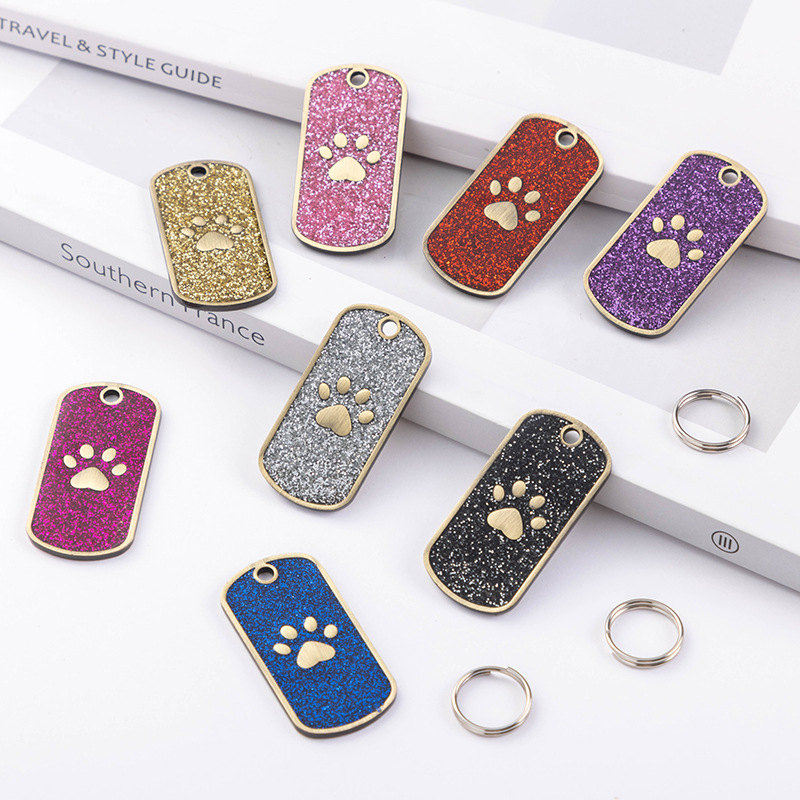
Personalized Glitter Paw Print Pet ID Tag Zinc Alloy Engravable Anti-lost Dog Cat Name Tag Rectangular Pendant Necklace Accessories For General Pets
$0.42
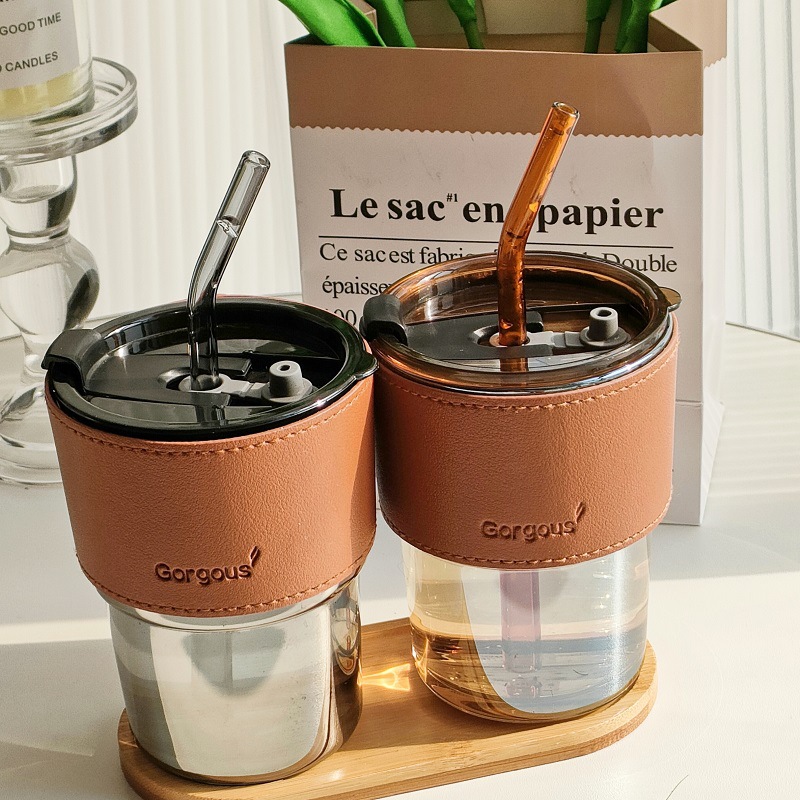
Bamboo Joint Glass Coffee Mug With Insulated Leather Sleeve And Straw Heat Resistant Transparent Amber Portable Drinking Cup For Office Home General Gift
$0.93
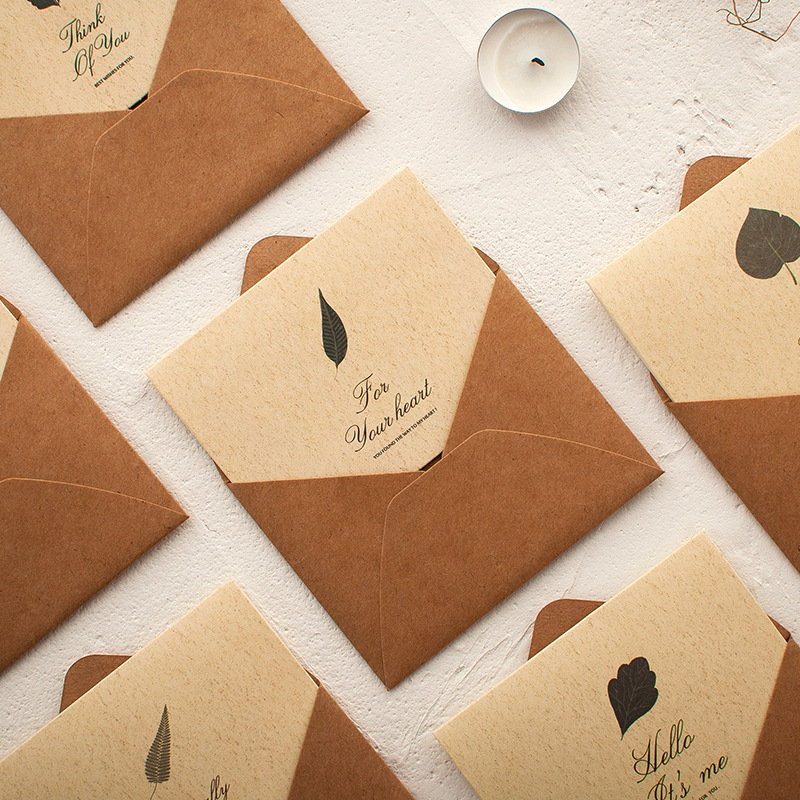
Vintage Kraft Paper Folding Greeting Card Set With Envelopes And Stickers Floral Leaf Design Thank You Birthday Blessing Cards For Teachers Friends General Use
$0.22

Wireless Bluetooth 5.4 Headphones Over-Ear Foldable Noise Cancelling Gaming Headset With Soft Protein Leather Ear Pads Stereo Sound For Music Sports Gaming General Use
$2.72
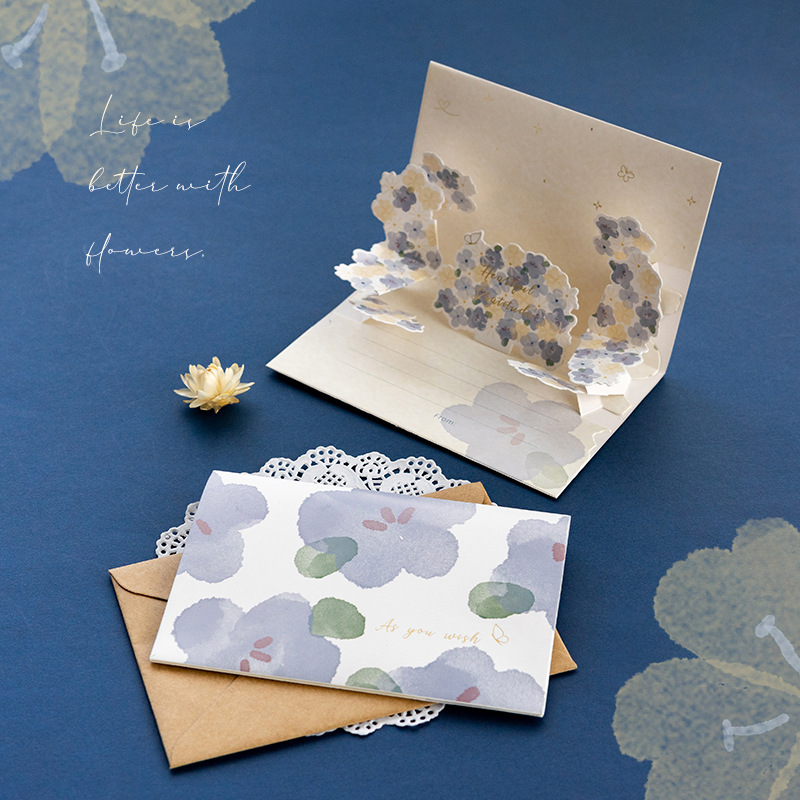
3D Pop-up Greeting Cards With Envelopes And Stickers Watercolor Floral Flowers Pattern Handmade Cardstock Gratitude Blessing Cards For Wedding Birthday Party Graduation Gifts General
$0.58
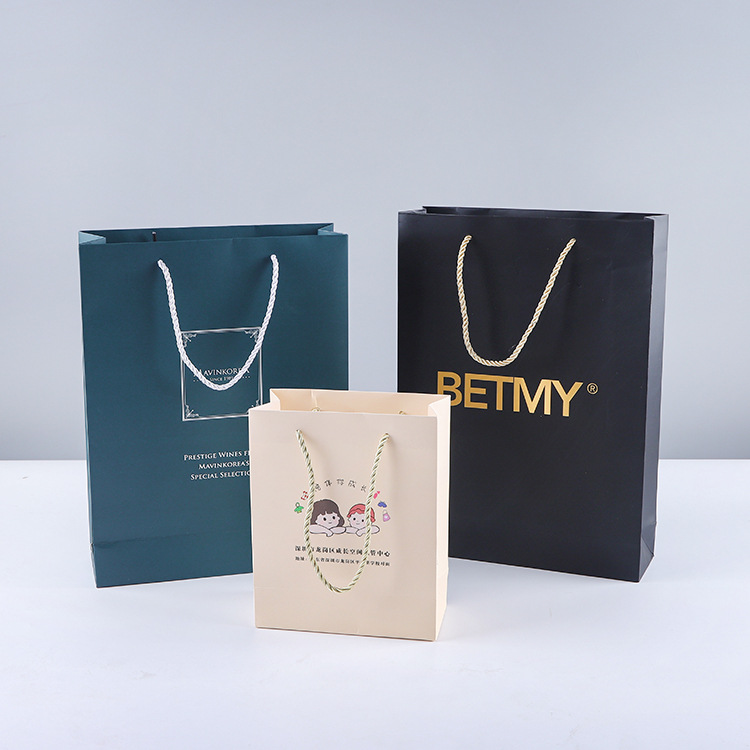
Thick Cardboard Paper Gift Bags With Rope Handles Multiple Sizes For Wedding Birthday Party Packaging Minimalist Elegant Marble Style General Use High Quality Packaging Bags
$0.22
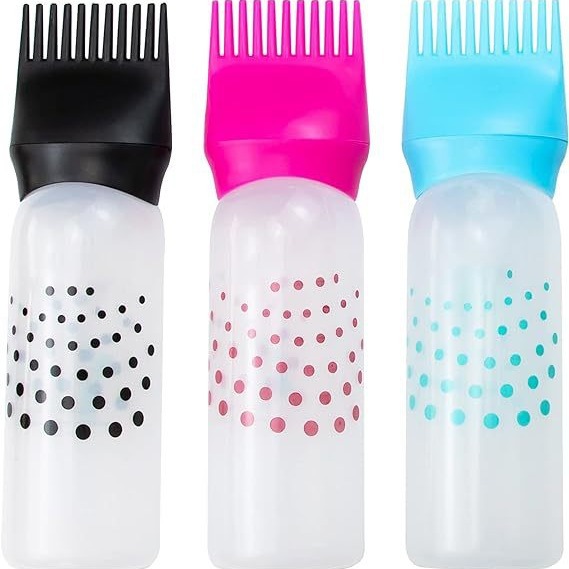
Professional 170ml Hair Dye Applicator Bottle With Root Comb For Hair Coloring Salon Home Treatment Squeeze Bottle With Graduated Scale Styling Tool
$0.29
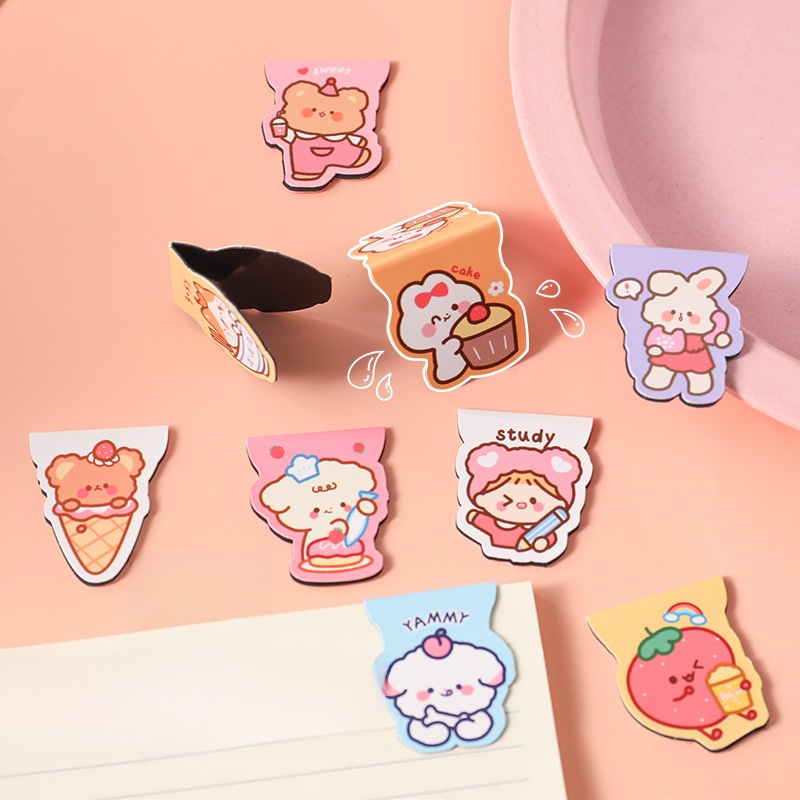
Magnetic Bookmarks Cartoon Animal Fruit Paper Magnet Page Markers For Students Kids Reading Office School Supplies Cute Stationery Book Clips
$0.08
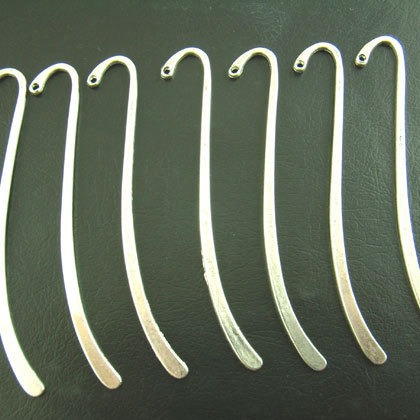
Metal Bookmark DIY Craft Accessories Zinc Alloy Curved Book Page Marker For Office School Stationery Supplies Handmade Jewelry Findings Gold Silver Tone
$1.90
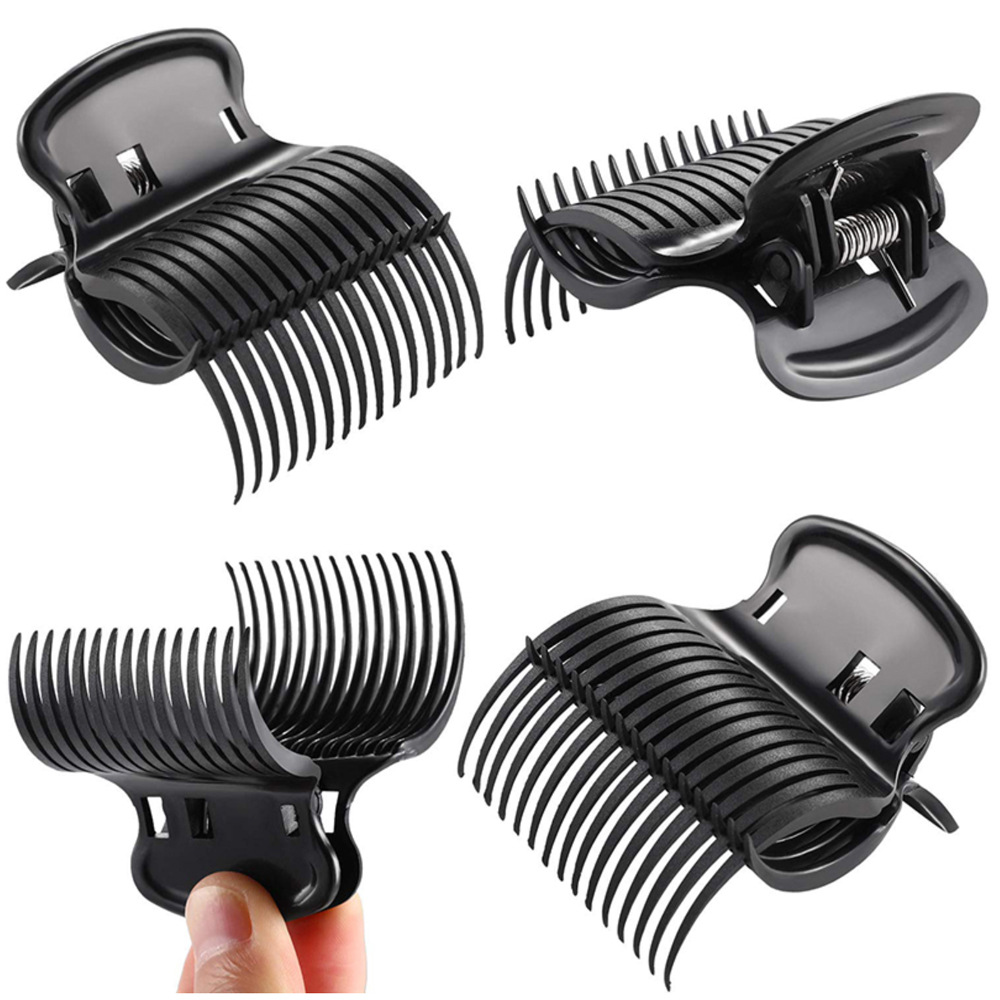
12Pcs Professional Salon S-Type Claw Hair Clips Heat Resistant ABS Plastic Sectioning Styling Clips For Perming Curling Women Hairdressing Tools Hair Accessories
$2.16
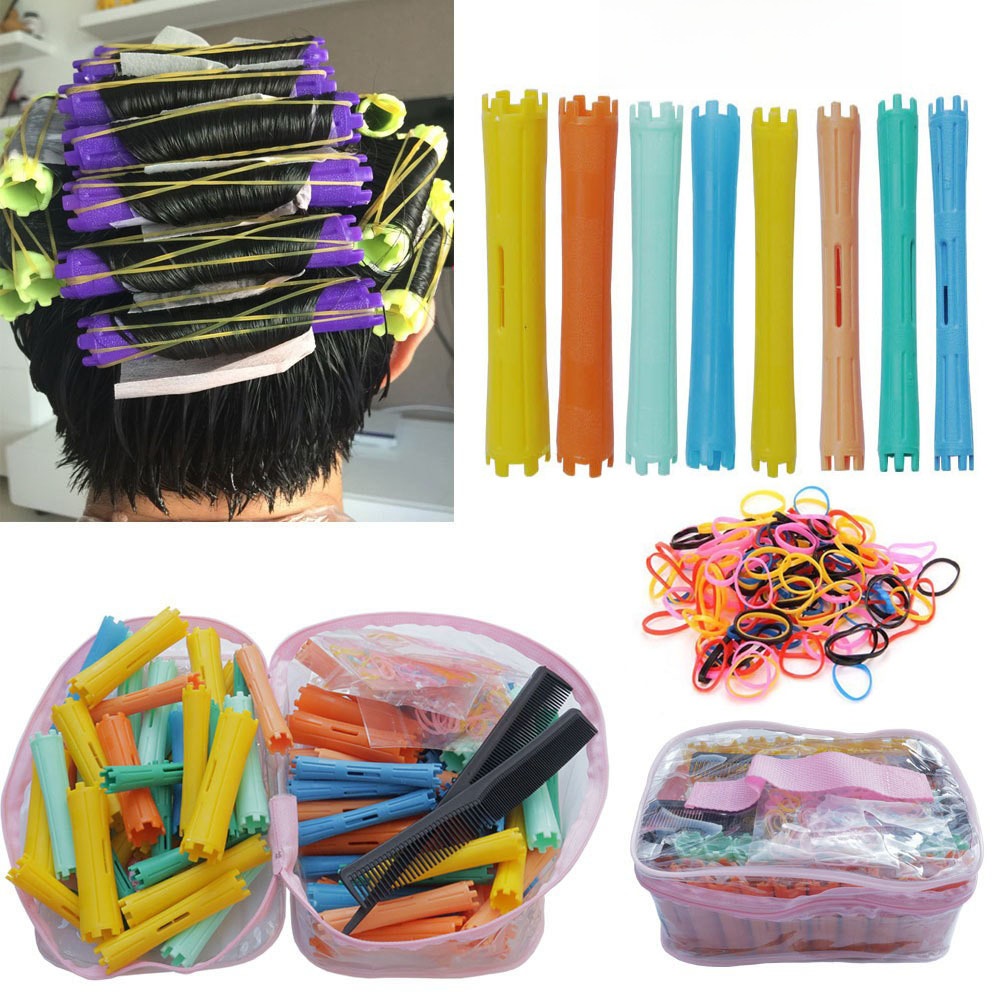
80Pcs Hair Rollers Set Plastic Perm Rods Cold Wave Rods With Combs And Rubber Bands PVC Bag Storage For Hair Styling DIY Home Salon Women Multicolor
$4.47
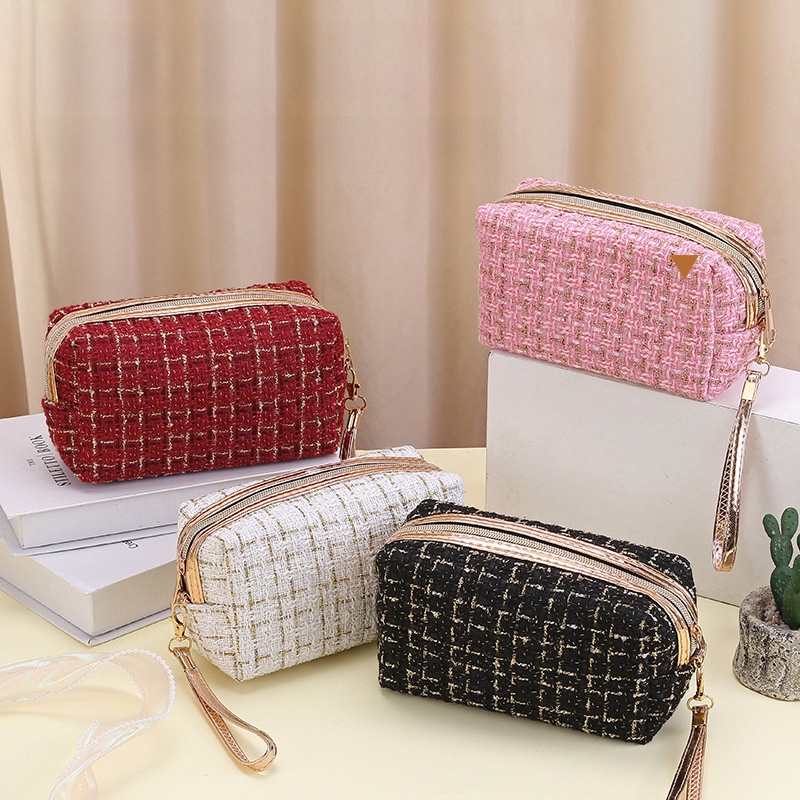
Rectangular Tweed Cosmetic Bag Large Capacity Gold Thread Polyester Toiletry Bag For Travel Makeup Storage Portable Handle Organizer Handbag For Women
$2.16
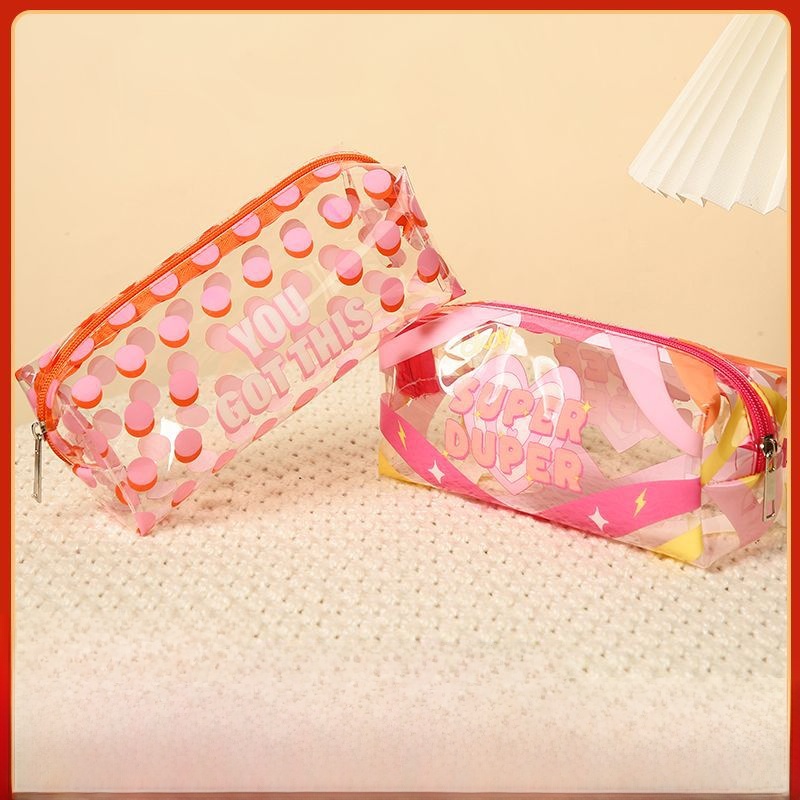
Ins Style Clear PVC Toiletry Bag Waterproof Transparent Makeup Pouch Large Capacity Travel Cosmetic Storage Bag With Zipper For Women
$0.92
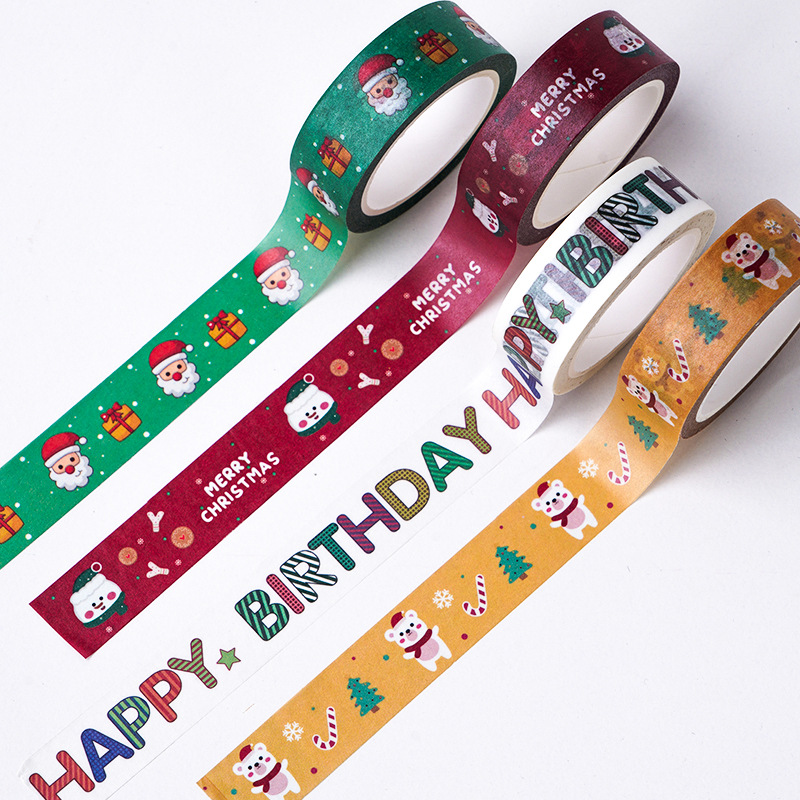
Merry Christmas Happy Birthday Washi Tape 1.5cm x 10m Decorative Masking Tape For DIY Scrapbooking Scrapbook Journal Gift Wrap Stationery Party Decorations
$0.58
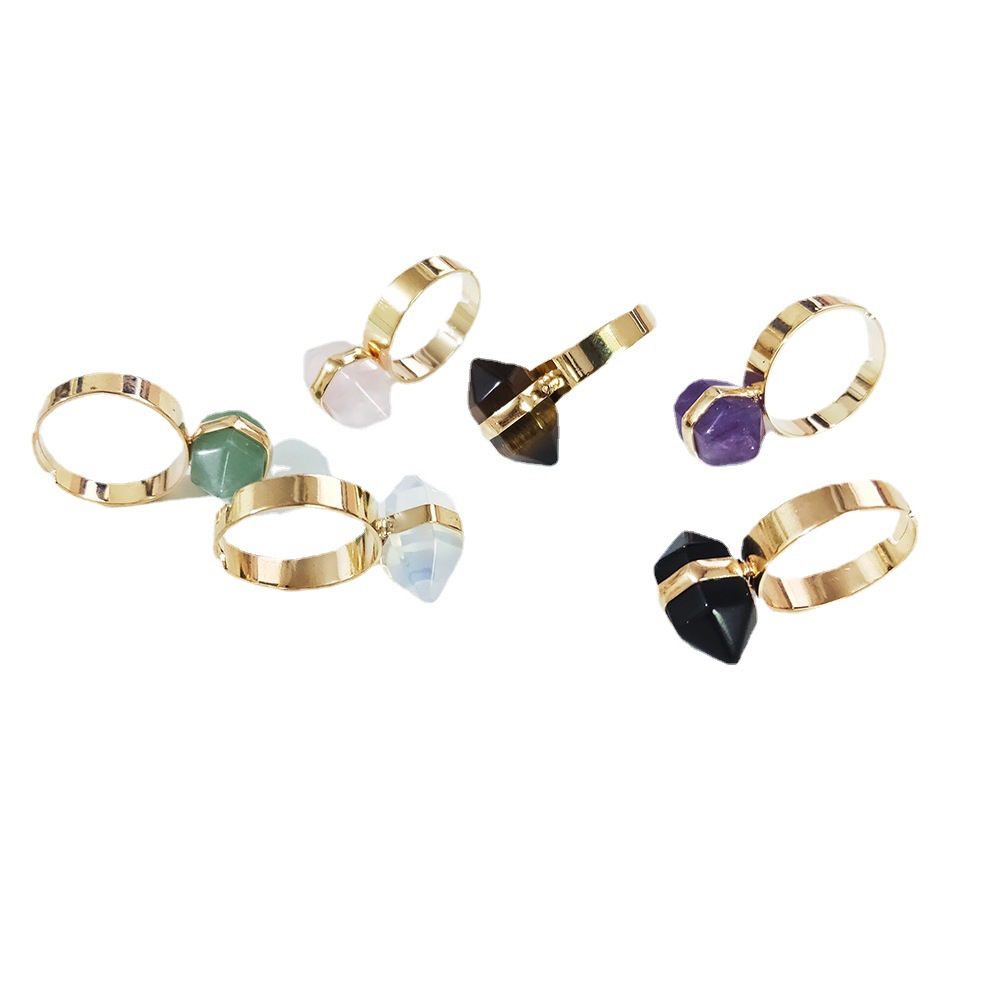
Fashion Hexagonal Pillar Natural Stone Ring Gold Plated Adjustable Open Crystal Ring Amethyst Rose Quartz Tiger Eye Aventurine Boho Jewelry for Women Men
$1.52
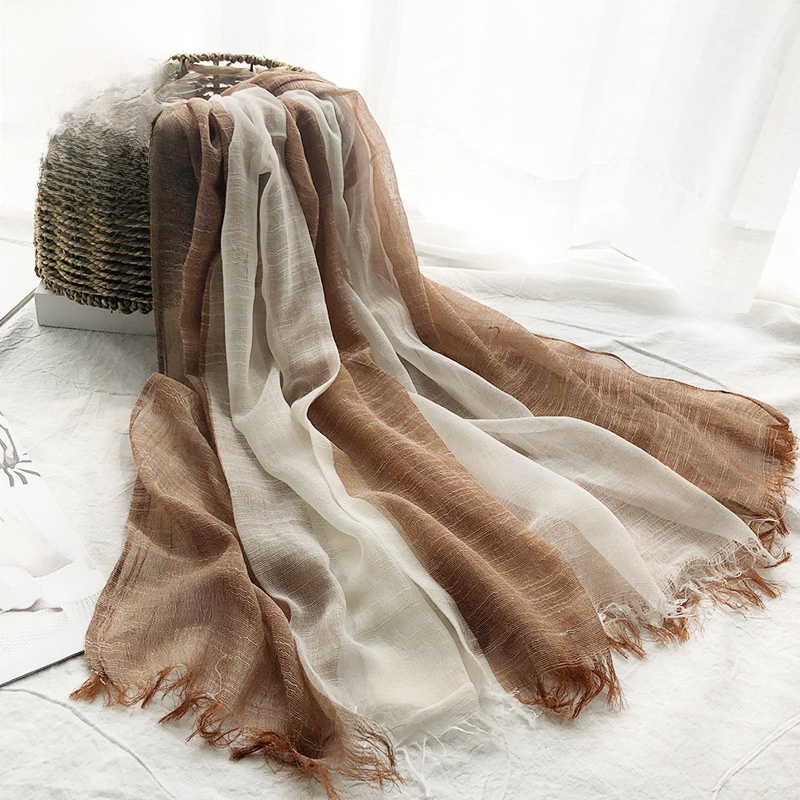
Women Long-Staple Cotton Blend Solid Color Gradient Scarf Thin Breathable Crinkle Fringed Shawl Large Sun Protection Muslim Hijab Wraps for Spring Summer Travel Daily
$3.83
Bundle Strategies to Amplify Margins
Bundling lets you increase average order value while reducing per-unit shipping and handling costs. For resellers dealing with customer complaints, a bundle transforms a single low-margin item into a high-margin value pack that feels like a deal to the buyer and improves your profit per transaction.
Complaint-to-Smile Bundle
Perfect for a Shopify store targeting stressed office workers or joke gift buyers.
- 4Pcs Funny Shark Enamel Pin Sethero
- 3D Pop-up Greeting Cards With Envelopes And Stickersupsell
- Merry Christmas Happy Birthday Washi Tapecomplement
Individual total: $0.50+$0.58+$0.58=$1.66. Bundle at $5.99 yields $4.33 gross profit — vs $0.50 from selling the pin alone.
Tech & Travel Bundle
For flea-market operators targeting commuters or casual travelers looking for functional gifts.
- Wireless Bluetooth 5.4 Headphoneshero
- Multi-functional Silicone Sports Pedometer Watchcomplement
- Ins Style Clear PVC Toiletry Bagcomplement
Individual cost: $2.72+$0.36+$0.92=$4.00. Bundle at $14.99 gives $10.99 profit — a 2.7x margin vs 1.8x selling separately.
Home Office Starter Pack
For resellers on Etsy catering to remote workers or college students.
- Bamboo Joint Glass Coffee Mughero
- Transparent Nylon Mesh Pencil Casecomplement
- Magnetic Bookmarks Cartoon Animal Fruitcomplement
Individual total: $0.93+$0.78+$0.08=$1.79. Bundle at $8.99 yields $7.20 profit — 4x margin, compared to 2-2.5x individually.