
Trend Report · April 30, 2026
Why Some Stores Refund Damaged Packaging and Others Don’t: A Sourcing Strategy Guide
Learn why stores differ on damaged packaging refunds and how to use strategy and packaging supplies to manage buyer expectations, reduce returns, and protect margins.
Different stores will and won't give discounts for damages packaging.
A recurring frustration among online shoppers is the inconsistency in how stores handle damaged packaging that wasn't caused by shipping. One buyer might receive a partial refund for a crushed box, while another gets a flat denial for the same issue. This variation isn't random—it reflects each store's margin tolerance, return policy structure, and sourcing philosophy. For Shopify sellers and dropshippers, understanding this dynamic is essential to setting your own policy, selecting the right packaging supplies, and avoiding disputes that erode customer trust. The core problem is that factory-origin damage—like a scuffed holographic bag or a dented kraft box—is often indistinguishable from handling damage, leaving stores to decide case by case. The trend reveals a gap in standardisation, but also an opportunity: sellers who communicate clearly and use protective packaging can turn this friction into a loyalty builder.
Why the Inconsistency in Damaged Packaging Discounts Matters for Your Store
The source summary captures a genuine pain point: buyers feel slighted when a store refuses a discount for packaging damage they believe is the manufacturer's fault. For a growing number of consumers, the packaging is part of the product experience—especially for gift items, jewelry, and small accessories. When a velvet pouch arrives wrinkled or a ziplock bag has a tear from the factory, the perceived value drops. Stores that offer even a small partial refund (e.g., 10-15% of the item's price) often retain repeat buyers, while those that refuse risk negative reviews and chargeback disputes. The commercial signal for this trend is medium, but the growth score of 91 indicates rising interest in packaging quality as a differentiator. For sellers, this means investing in reliable packaging materials—like anti-oxidation EVA bags or reinforced drawstring pouches—can both reduce damage claims and justify a consistent no-discount policy. The key is to align your sourcing choices with your customer's expectations. If you sell low-margin items, a flat policy of no partial refunds for packaging damage may be safer; if you sell premium goods, offering a nominal refund can protect your reputation without cutting deeply into profit. The inconsistency across stores is a signal to define your own stance early and communicate it clearly in your return policy.
Who Should Care About This Trend: Shopify Sellers and Dropshippers
This trend directly affects any online seller who ships small items in branded or unbranded packaging. Dropshippers relying on third-party suppliers are especially vulnerable because they have little control over packaging quality. Shopify store owners who hand-pack orders can standardise their response, but must still choose packaging that holds up during transit. The following profiles highlight how different operator types can adapt.
Shopify seller
You control fulfilment. You can test packaging quality before buying in bulk, and you can write a clear policy on damaged packaging refunds. Your fit is strong because you can choose products like thick drawstring velvet bags or rigid kraft boxes that reduce damage claims.
Dropshipper
Your supplier picks the packaging. To stay consistent, you need suppliers who use protective materials like holographic zip lock bags with clear windows (avoiding cheap, thin plastic). If your supplier's packaging is inconsistent, plan to eat partial refunds occasionally—factor that into your margin.
Boutique buyer
You curate products and often repackage them. You can absorb small packaging damage by reusing the items in your own branded pouches, but you need reliable second-tier packaging like cotton drawstring bags or foldable gift boxes. Your policy should offer a small discount only if the inner product is affected.
How to Sell (and Set Policy) Around Damaged Packaging
To turn the damaged packaging dilemma into a sales advantage, you need a dual approach: operational policy and product presentation. First, decide on a clear, published policy. Option A: No refund for packaging-only damage—justify it by showing your packaging choices (e.g., thick, resilient materials). Option B: Offer a fixed partial refund (e.g., $1-2 per order) for reported damage, and absorb it as a customer retention cost. Which you choose depends on your margin per unit and volume. Second, curate packaging products that genuinely resist typical damage. The products below are designed for small items and can be paired with warning labels to reduce mishandling. Test a few materials before committing to bulk. Use ad angles that highlight durability: “We pack so your gift arrives perfect” or “Satisfaction guaranteed even on the package.” Avoid mentioning refunds in ads, but include a clear policy in your FAQ and order confirmation. For low-budget tests, start with 100-unit orders of cotton drawstring bags or holographic ziplock pouches—both under $10 per lot—and monitor damage reports.
Run a video showing your unboxing experience—focus on the sturdy packaging (e.g., thick drawstring velvet bag). Overlay text: “We choose packaging that survives shipping.” Target users interested in jewelry or small accessories.
⚠ High ad cost if your packaging isn't genuinely durable—customers may leave negative comments about damages.
List products as ‘gift-ready’ and emphasize packaging that can be reused. For example, a velvet pouch doubles as a jewelry case. Include in photos: “Your item arrives in a holographic bag (see photo) – if packaging is damaged, contact us.”
⚠ Etsy buyers are more sensitive to packaging appearance; even minor scuffs may trigger a request for a refund.
Post a short video showing the difference between flimsy packaging (cheap plastic bag) vs. your reinforced Kraft box + warning label. Caption: “Why your package won’t arrive crushed.” Engage with comments about damaged packaging stories.
⚠ Viral videos can be copied; competitors may use the same tactic and undercut you on price.
Top Packaging Supplies to Reduce Damage Claims and Build Trust
The right packaging materials are your first defense against damaged packaging complaints. Below are 15 products from our catalog that offer varying levels of protection, aesthetics, and cost—choose based on your item type and price point. Use thicker materials for higher-value goods and consider adding warning labels for extra care during shipping.
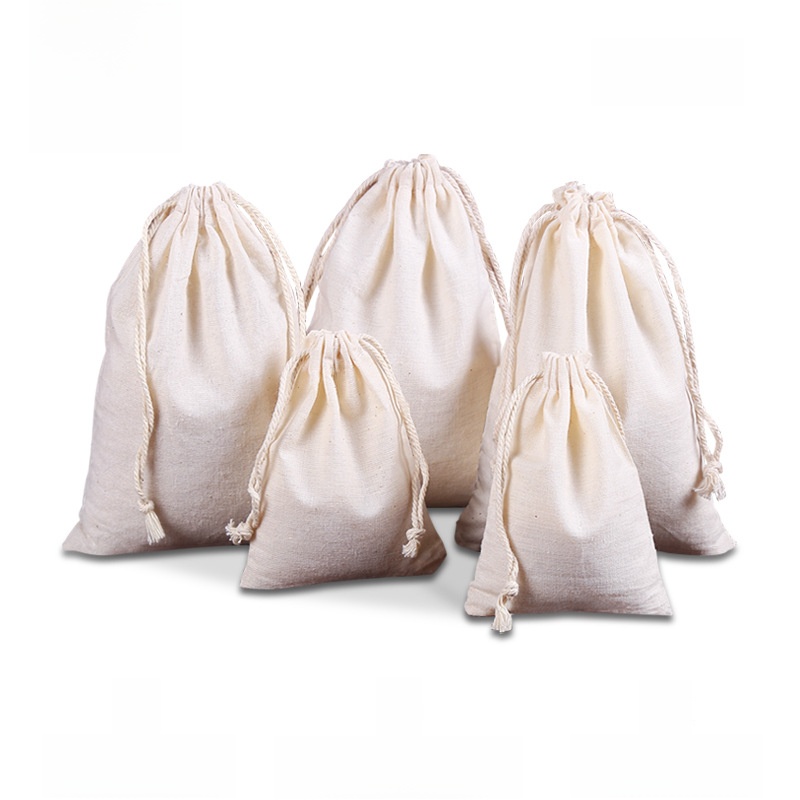
Cotton Linen Drawstring Pouch Beige Multi-size Gift Packaging Bag For Jewelry Small Items Storage Organizer Rustic Cloth Bag
$0.12
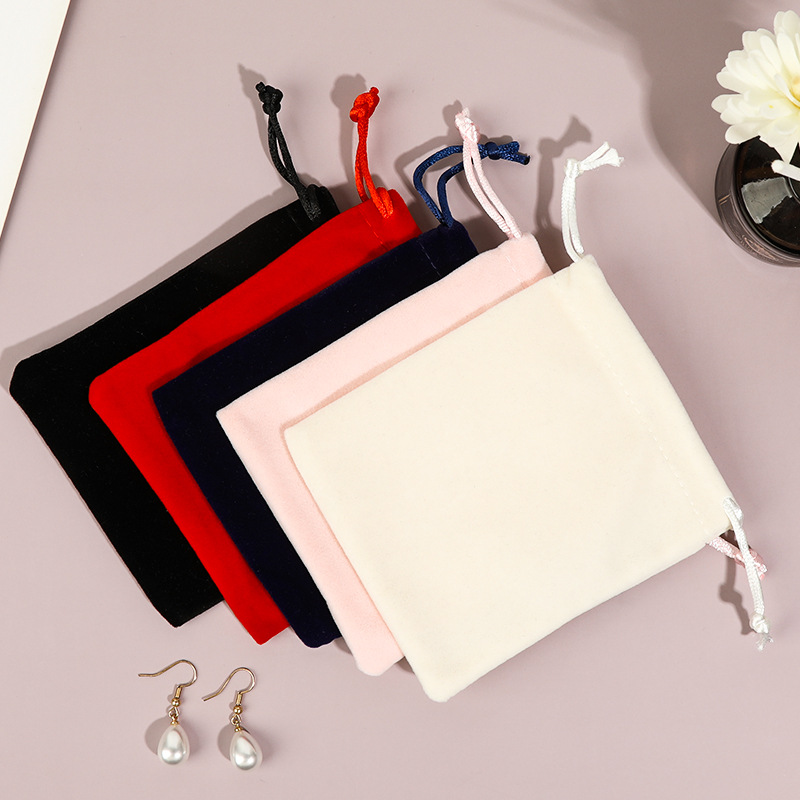
Thick Drawstring Velvet Jewelry Bags Soft Velvet Pouch Gift Packaging Storage Organization Small Items Portable Minimalist Rings Earrings Necklaces
$0.11
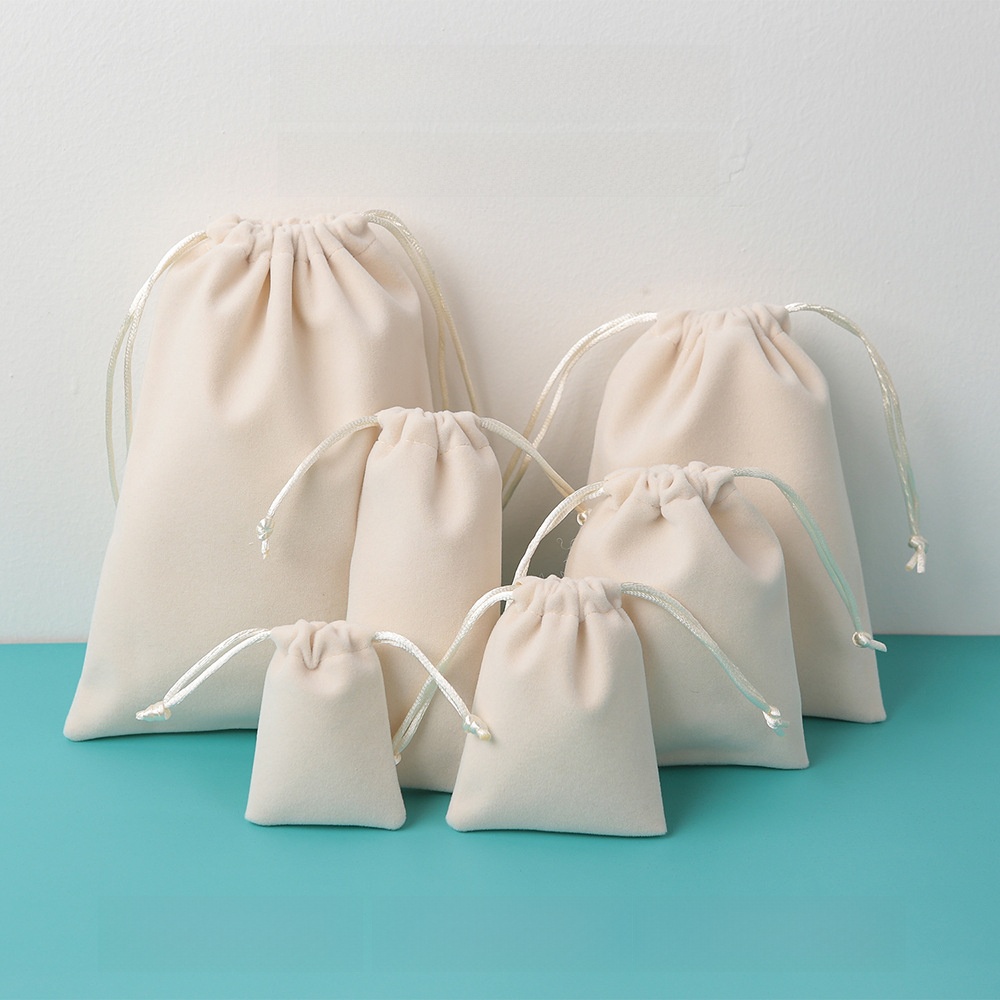
Velvet Drawstring Jewelry Bags Soft Velveteen Gift Pouches For Earrings Bracelets Rings Necklaces Small Items Storage Packaging Wedding Party Favor Bags
$0.15
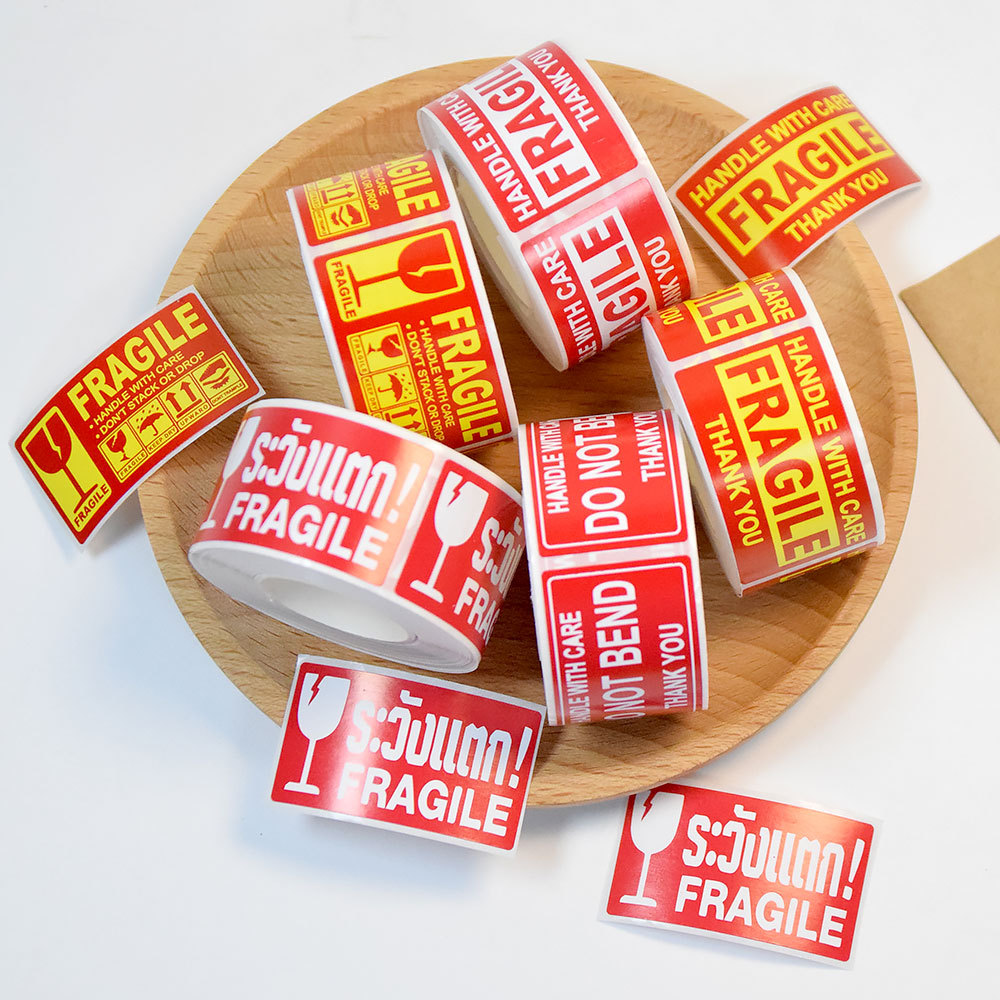
250Pcs Fragile Handle With Care Warning Label Stickers Self Adhesive Red Yellow Shipping Labels For Moving Packaging Mailing Fragile Items 45x25mm
$0.33
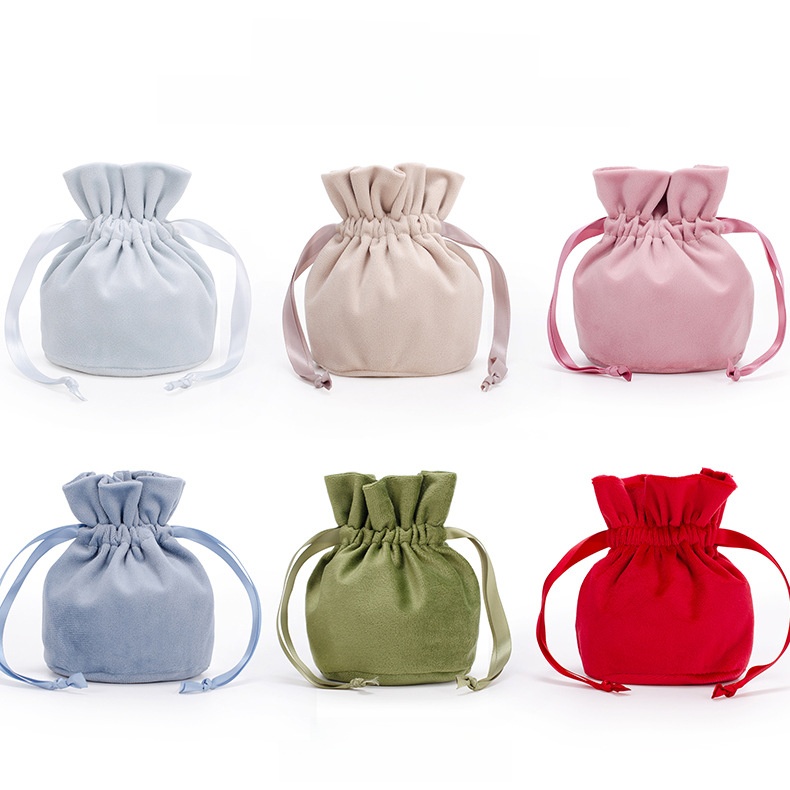
Soft Velvet Drawstring Gift Bag Round Bottom Ribbon Closure Jewelry Storage Pouch For Candy Wedding Party Favors Small Items Packaging Multicolor
$0.66
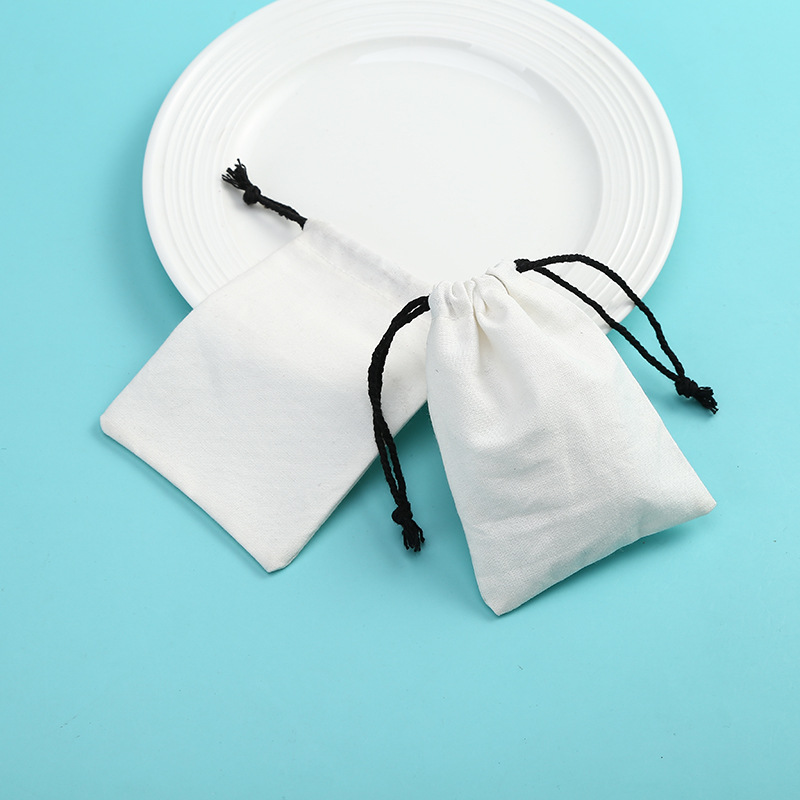
Cotton Drawstring Bags Simple Canvas Jewelry Pouches Small Gift Packaging Bags For Wedding Party Travel Storage Bags Universal Minimalist Small Items Organizer
$0.16
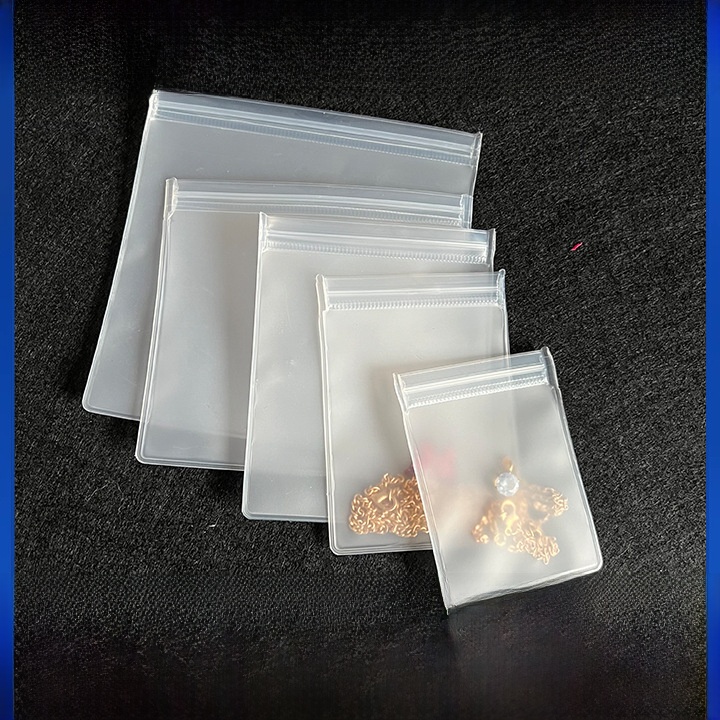
EVA Ziplock Jewelry Storage Bags Anti-Oxidation Frosted Transparent Plastic Packaging Pouch For Necklace Earrings Rings Bracelet Small Items Home Travel Organizer
$0.03
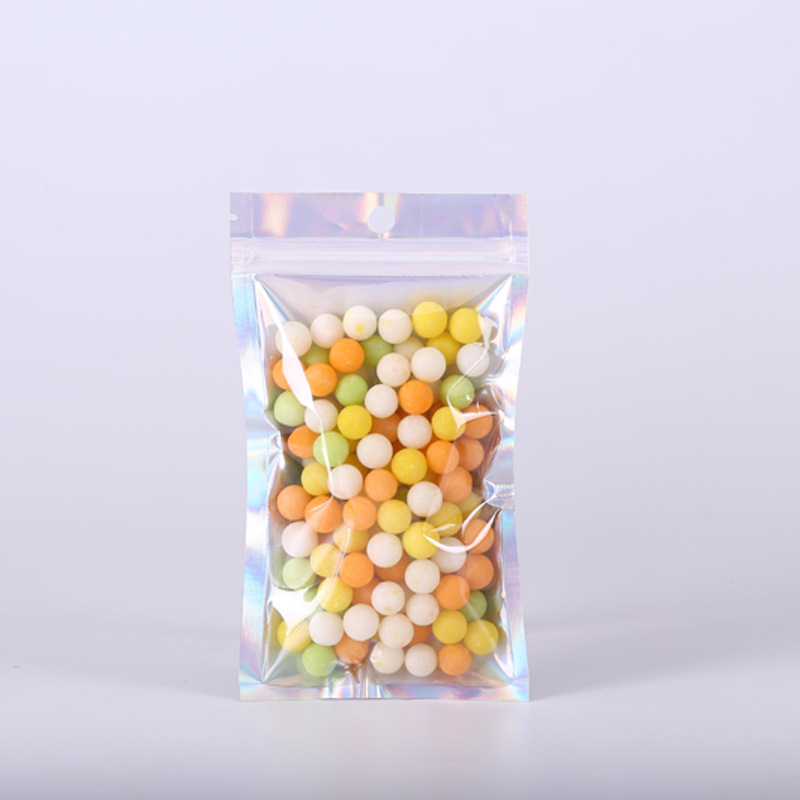
Holographic Zip Lock Bags Rainbow Laser Plastic Storage Bags Transparent Front Resealable Pouches For Jewelry Cosmetics Electronics Accessories Small Items Gift Packaging
$0.01
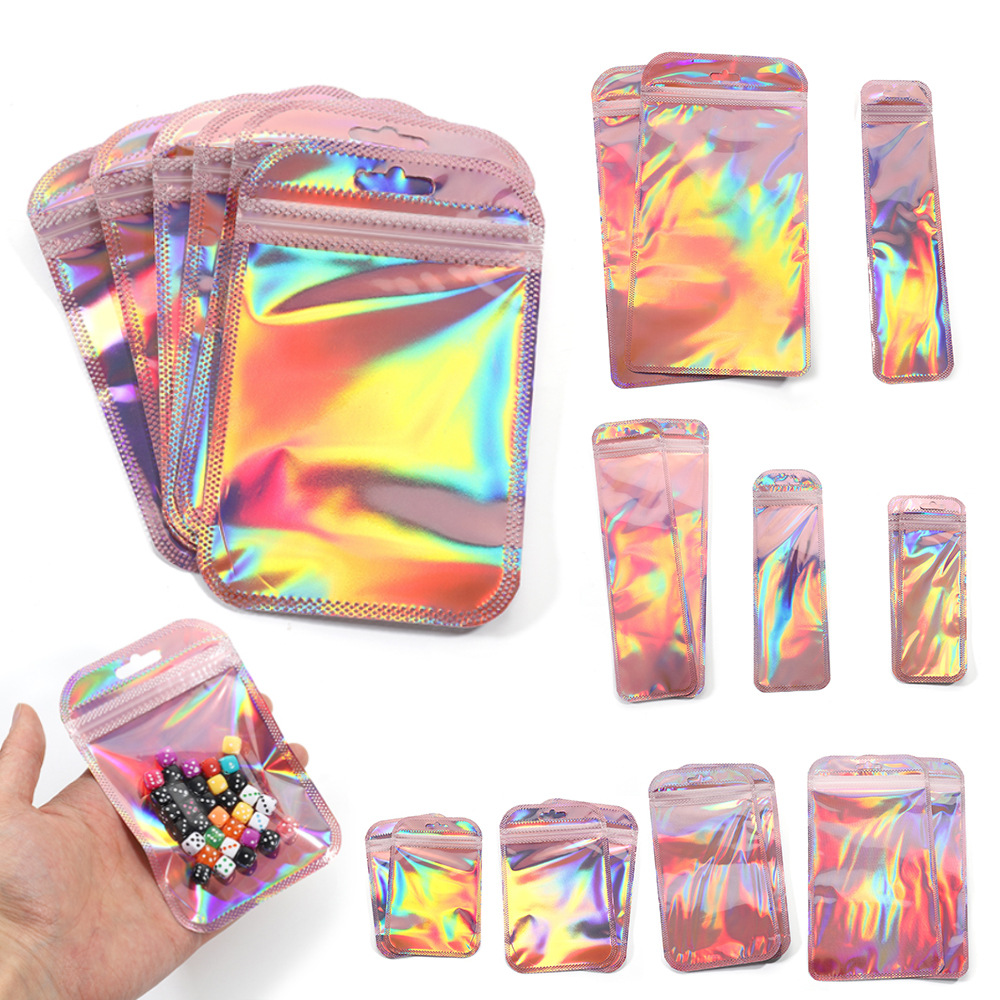
Holographic Ziplock Bags Rainbow Laser Plastic Resealable Packaging Pouches For Jewelry Cosmetics Small Items Storage Smell Proof Thickened Clear Window With Hanging Hole
$0.02
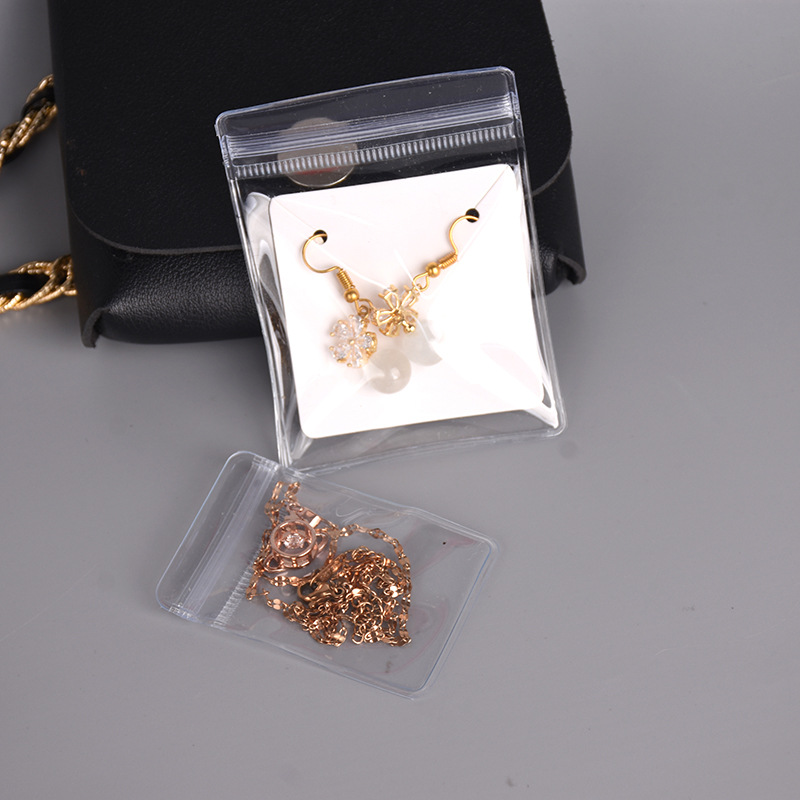
Transparent PVC Ziplock Jewelry Storage Bags Reusable Clear Plastic Self Sealing Pouches For Earrings Necklace Ring Small Items Organizer Waterproof Jewelry Packaging Bags
$0.01
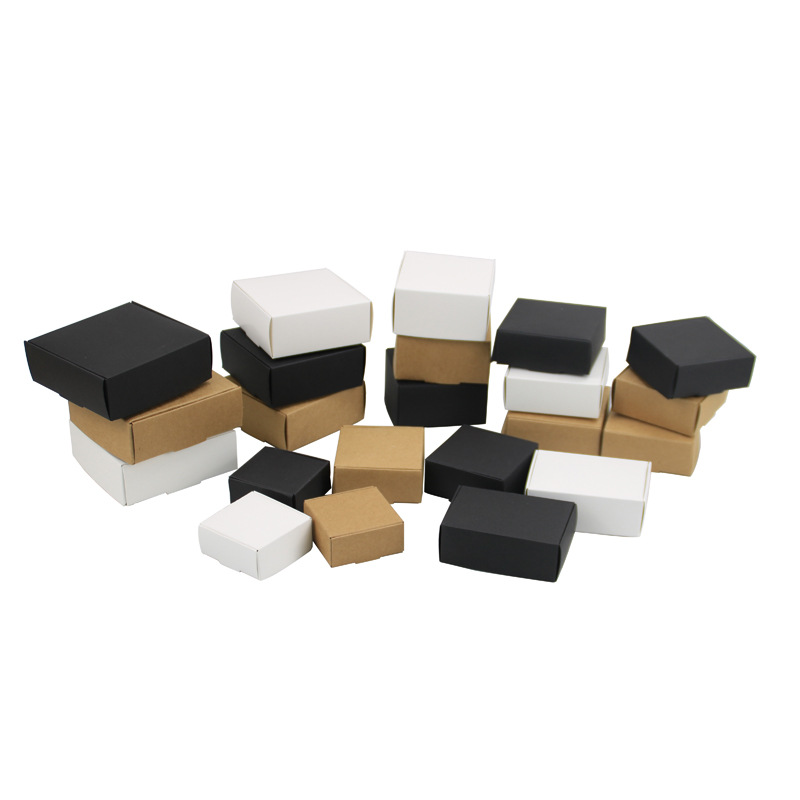
Small Kraft Paper Box Foldable Gift Box For Jewelry Candy Wedding Favor Packaging Mini Cardboard Aircraft Box Square Rectangular Boxes For DIY Handmade Items
$0.05
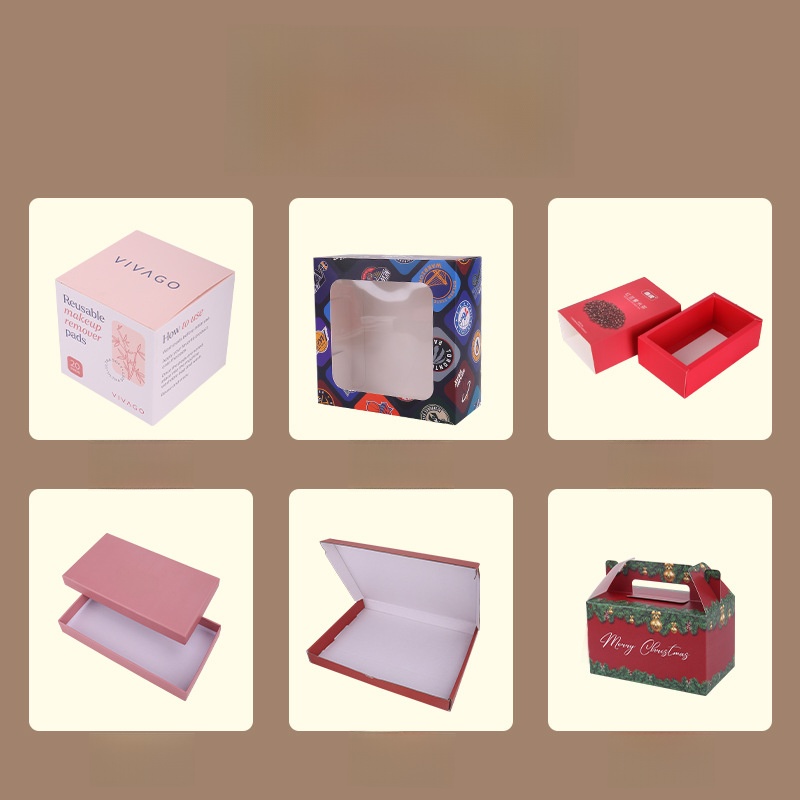
Minimalist Foldable Paper Gift Boxes Kraft Black White Cardboard Packaging Box with Clear Window for Jewelry Handmade Soap Small Items Candy Wedding Party Supplies
$0.04
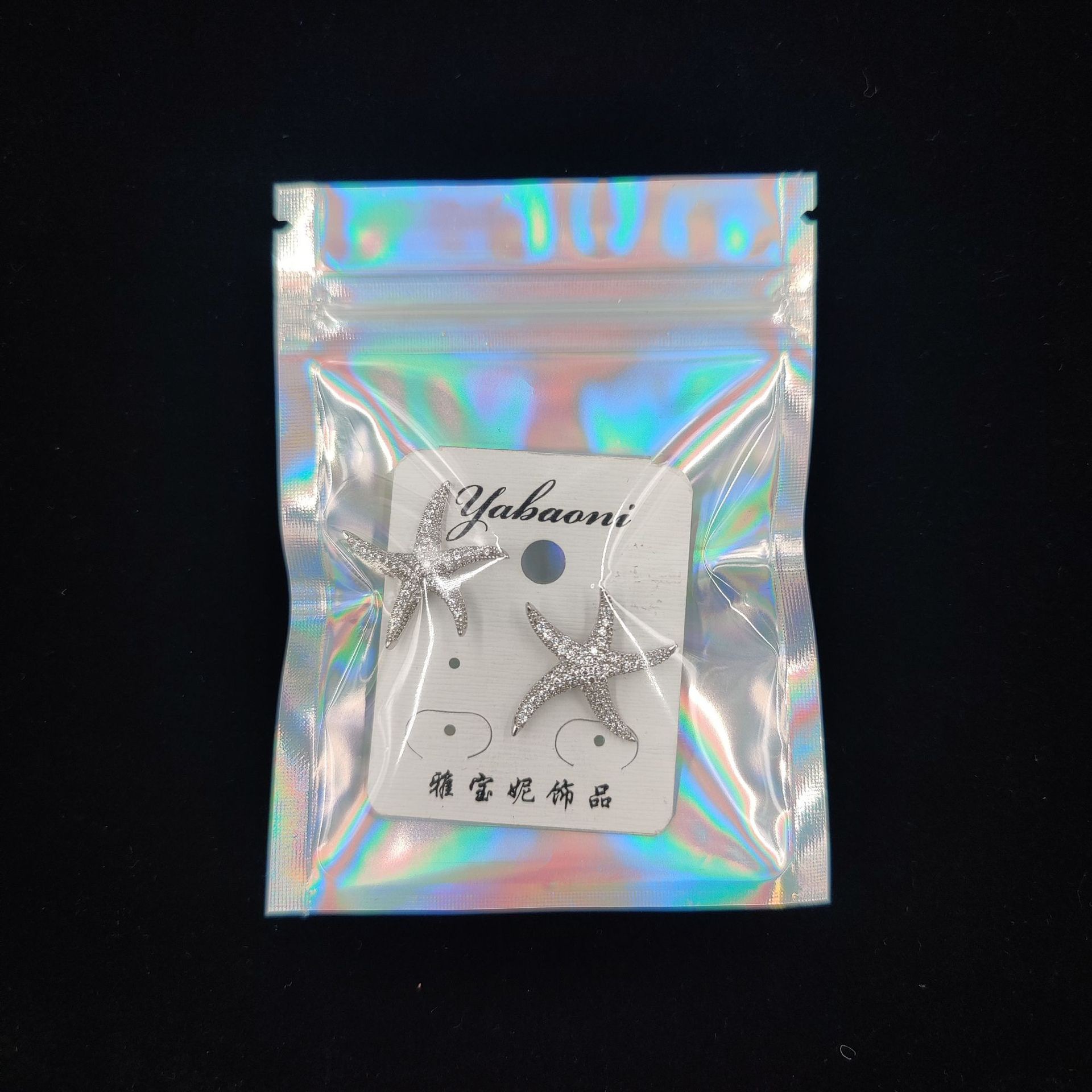
100pcs Holographic Jewelry Packaging Bags Plastic Laser Ziplock Sealable Storage Pouches For Earrings Hair Accessories Small Items Multi-size
$2.36
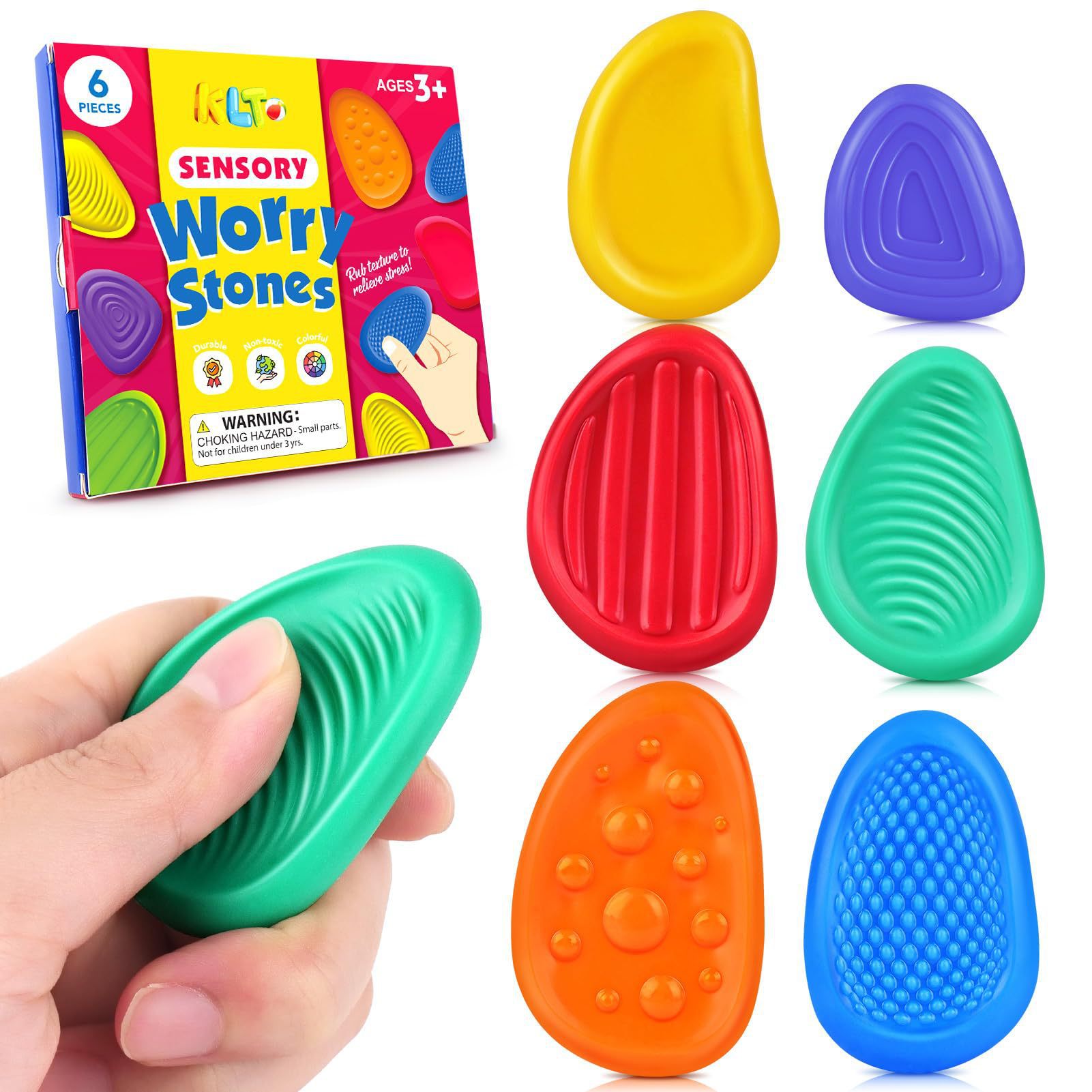
Sensory Worry Stones For Kids Anxiety Stress Relief Silicone Fidget Toys With Different Textures Colorful Decompression Stones For Boys Girls
$1.59

Autism Awareness Enamel Pin Brooch Set Alloy Puzzle Heart Square Colorful Badge "Different Not Less" Pins For Clothing Bag Accessories
$0.47
Bundle Ideas to Offset Packaging Costs and Increase Perceived Value
Bundling a product with a reusable or sturdy packaging item allows you to absorb the cost of higher-quality packaging while offering the customer a tangible upgrade. This also gives you an excuse to avoid discounts on packaging damage—the customer gets a free pouch or box that they can reuse. Each bundle includes a hero product (the primary sale), an upsell (higher-end packaging), and a complement (protective label or fidget tool).
Jewelry Gift-Ready Bundle
A customer wants to buy earrings as a gift. They are likely to care about packaging appearance. This bundle guarantees a pristine look.
- Thick Drawstring Velvet Jewelry Baghero
- 100pcs Holographic Jewelry Packaging Bagsupsell
- 250Pcs Fragile Handle With Care Warning Label Stickerscomplement
Bundle at $4.99 vs $6.30 separately—saves 21% while upgrading the protection.
Zero-Waste Small Items Care Package
A customer bought sensory worry stones and wants to keep them safe in transit and at home. The bundle replaces single-use plastic.
- Sensory Worry Stones For Kids Anxiety Stress Relief Silicone Fidget Toyshero
- Cotton Drawstring Bags Simple Canvas Jewelry Pouchesupsell
- Transparent PVC Ziplock Jewelry Storage Bagscomplement
Bundle at $2.89 vs $3.75 separately—margins stay healthy, customer gets a reusable cotton bag.
Boutique Maker's Packaging Starter Kit
A small brand selling enamel pins and small items wants to standardise their packaging quality. This bundle equips them to impress wholesale buyers.
- Small Kraft Paper Box Foldable Gift Boxhero
- Soft Velvet Drawstring Gift Bag Round Bottom Ribbon Closureupsell
- Autism Awareness Enamel Pin Brooch Setcomplement
Bundle at $5.50 vs $6.90 separately—a cost-effective way to offer premium unboxing for pins and small accessories.