
Trend Report · May 18, 2026
Building Trust in Accessories Sourcing: Lessons from the eBay Authentication Debate
Use DayJewel's sourcing checklist inspired by eBay authentication concerns to vet suppliers, avoid fakes, and build customer trust in your accessories line.
Do we trust eBay authentication?
The question of trust in aftermarket platforms like eBay isn't just about sneakers — it cuts to the core of every wholesale buying decision. When a shopper asks 'Do we trust eBay authentication?', they're really asking how to separate genuine product from clever fakes. That same anxiety hits accessories buyers: how do you know the jewelry arriving from your supplier is the real deal, matching the specs and materials promised?
For DayJewel wholesale buyers, the trust gap is a sourcing opportunity. While eBay authentication relies on third-party inspectors and buyer reports, wholesale sourcing demands a different system — one you control. You vet suppliers before ordering, examine samples, and build relationships that minimize counterfeit risk. The shoes and high-end goods that dominate eBay authentication debates have direct parallels in fashion jewelry: plated alloys marketed as solid gold, natural stone sets swapped for resin, enamel pins with printing errors.
Now is the right entry point because buyer skepticism is high. Educated end-customers are looking for proof of authenticity in your product pages. If you can demonstrate your sourcing process — from supplier audits to material transparency — you convert that trust deficit into a pricing premium. DayJewel's catalog, with each item priced and described upfront, gives you a starting point where the authenticity question is already partially answered.
Why Authenticity-Friendly Sourcing Is Now Profitable
The eBay authentication conversation reveals a market where consumers are willing to pay more for verified product — but they also punish retailers who sell fakes, even unknowingly. This dynamic makes accessories sourcing newly profitable for buyers who build trust into their supply chain. The category is no longer a low-trust commodity race; it's a margin game where authenticated sourcing wins.
Demand for unique, story-driven accessories — like the enamel pins, necklace sets, and straw totes in DayJewel's inventory — is growing. But so is sophistication among buyers: they check material, plating quality, and even packaging. The same skepticism that fuels 'Do we trust eBay authentication?' questions on Reddit now applies to your Shopify store. If you can source pieces that withstand scrutiny — where the metal content matches the listing and the stones aren't glued plastic — you capture customers who abandoned cheaper competitors.
Profitability comes from two levers: lower return rates (fewer 'not as described' disputes) and higher average order value (trust justifies premium pricing). DayJewel's wholesale model gives you verified supplier relationships for categories like the 'Here Comes The Sun' tote bags and trust-themed pins. You skip the eBay authentication headache because your vetting happens pre-order.
Who Should Use This Checklist
This sourcing checklist is designed for wholesale buyers who need to verify product authenticity without relying on third-party authentication services. It's especially relevant if you've ever asked 'Do we trust eBay authentication?' and realized you need your own system. The profiles below show how different experience levels apply the same principles.
Shopify seller with 6+ months in accessories
Already sourcing but saw chargebacks or negative reviews citing material discrepancies. Needs a replicable vetting process to protect brand trust.
First-time importer building a boutique line
Starting from scratch with limited budget. Must avoid fake products that could kill customer confidence before the business launches.
Flea market or pop-up operator expanding to online
Accustomed to visual inspection in person but needs remote authentication methods for supplier orders. Requires sample-focused checklist.
Sourcing Vetting Checklist
Phase 1: Supplier Identification
✓ Search for suppliers using specific product keywords (e.g., 'enamel trust pin wholesale').
Why: Generic searches yield price-only results; specificity filters out re-sellers who may supply fakes.
✓ Review supplier business license and Alibaba/Wholesale verification badges.
Why: Verification status often requires annual audits; unverified suppliers have higher risk of misrepresenting goods.
Phase 2: Supplier Qualification
✓ Request a product catalog in PDF format with material specs and MOQ.
Why: A professional catalog indicates the supplier controls production, not just trades.
✓ Ask for third-party test reports for metal composition (for jewelry) or fabric content (for bags).
Why: Test reports verify claims like 'stainless steel' or 'paper woven' against industry standards (ASTM, OEKO-TEX).
Phase 3: Sample Ordering
✓ Order 2-3 identical samples from different suppliers for the same product.
Why: Side-by-side comparison reveals quality differences in plating, finish, and packaging.
✓ Weigh each sample and record measurements. Compare to listing specifications.
Why: Weight discrepancy often indicates cheaper materials (e.g., hollow metal instead of solid).
Phase 4: Quality Control
✓ Perform a 4-point inspection: visual, tactile, function, and durability.
Why: Each test catches different defect types — color mismatch, sharp edges, broken clasps, fading.
✓ Run a magnet test on all metal items to check for non-ferrous content.
Why: Genuine stainless steel and zinc alloy are non-magnetic; a magnetic pull indicates cheaper steel filler.
Phase 5: Payment Terms
✓ Negotiate 30% deposit, 70% on inspection (not on loading).
Why: Paying the balance after QC gives you leverage if the bulk shipment differs from samples.
✓ Use a credit card or PayPal for the first order, even if wire transfer offers a discount.
Why: Credit card chargeback rights are your only remedy if the shipment contains fakes.
Phase 6: Shipping and Logistics
✓ Request photos of the packed cartons before shipping (with labels visible).
Why: Pre-shipment images confirm carton condition and prevent substitution after QC.
✓ Insure the shipment for 110% of the invoice value.
Why: Insurance covers loss, damage, and — if written explicitly — mis-shipment.
Phase 7: Customs and Compliance
✓ Verify that the Harmonized System (HS) code used matches the product category (e.g., 7117 for imitation jewelry).
Why: Wrong HS code can lead to higher tariffs, inspection delays, or seizure.
✓ Request a Certificate of Origin for country-specific duty benefits.
Why: Some countries accept imports from China at reduced rates under certain trade agreements.
Sourcing Steps for Trust-First Accessories Wholesale
Selling accessories that customers trust starts with how you source — not how you market. The same skepticism that sparks 'Do we trust eBay authentication?' debates protects you if you build authentication into procurement. Here are the three critical sourcing steps: supplier identification, sample ordering, and quality control. First, supplier identification: use DayJewel's curated list to avoid the wild west of unverified marketplace sellers. Focus on suppliers who provide material composition data and packaging specs upfront. For example, the 'Here Comes The Sun' tote bag (ID 198155) comes with detailed fiber content and weight, making it easier to compare against samples. Second, sample ordering: never bulk-order on spec. Order 2-3 units of top candidates. Test metal reaction, check enamel adhesion, and confirm stitching on bags. A failed sample on the 'Trust In The Lord' bracelet ($3.77) costs pennies compared to a 200-unit shipment of bad goods. Finally, QC during production: request mid-production photos if ordering 500+ pieces. For the 'Trust Me I'm A Doctor' pin series (IDs 56851, 319181), a photo of the enamel filling stage lets you catch color bleeding early. Pair this with a final random inspection before shipment release.
Use the product IDs provided (e.g., 62243, 45337) to filter suppliers by price range and material. Cross-reference feedback rating and order history.
⚠ Limited pool of suppliers for niche themes; may need to expand to broader categories for higher volume.
Order 2 units of 5 different products from the list above. Label each with product ID, date, and supplier code. Test for 7 days to catch early wear.
⚠ Sample cost adds up (10 samples at avg $0.50 = $5); but prevents a $200 bulk order of defects.
For orders over 200 pieces of the 'Gothic Never Trust The Living' bag (ID 204912), request a video of random bag weighing and strap stress test.
⚠ Suppliers may delay production if you request mid-run photos; factor 2-3 extra days into lead time.
Top Accessories for Trust-Building Inventory
These products from DayJewel's catalog align with the authenticity-aware sourcing approach. Each piece carries design cues — trust slogans, shoe motifs, sun symbols — that customers associate with verifiable origin. Use them as anchors in your trust-focused product line.
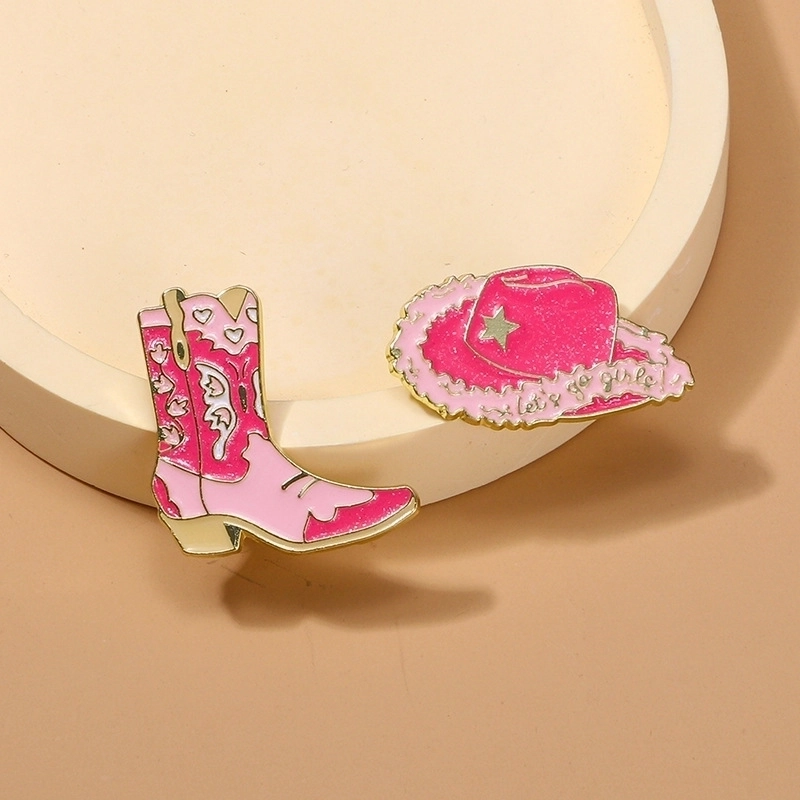
Pink Cowboy Hat And Boots Enamel Pin Set Cartoon Zinc Alloy Glitter Brooches Let's Go Girls Badge For Clothing Bags Backpacks Women Girls Fashion Jewelry Accessories
$0.39
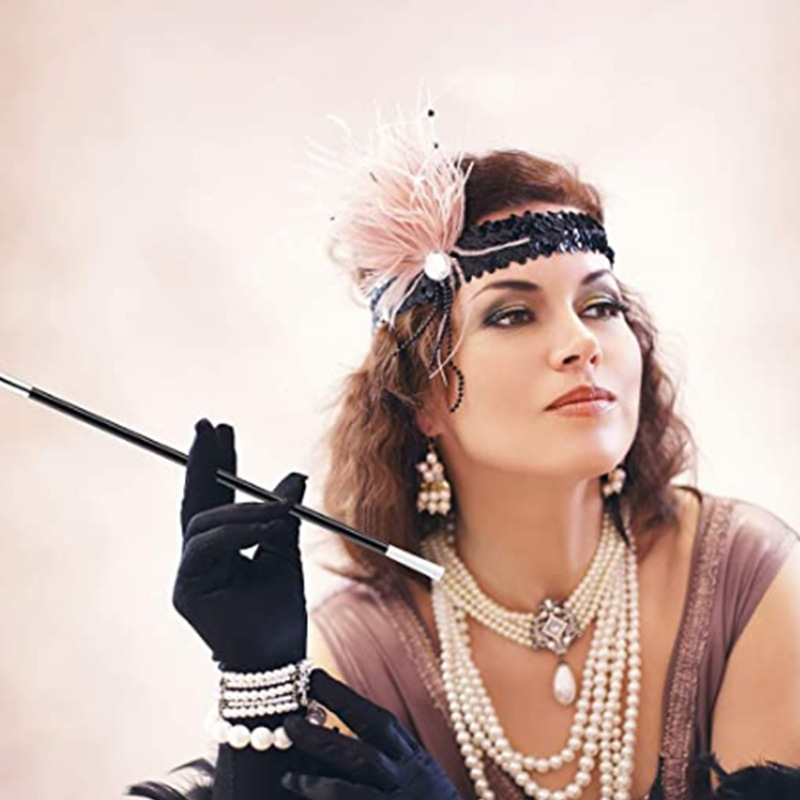
1920s Flapper Accessories Set For Women Great Gatsby Party Faux Pearl Necklace Long Satin Gloves Plastic Cigarette Holder Retro Halloween Costume Props
$0.35
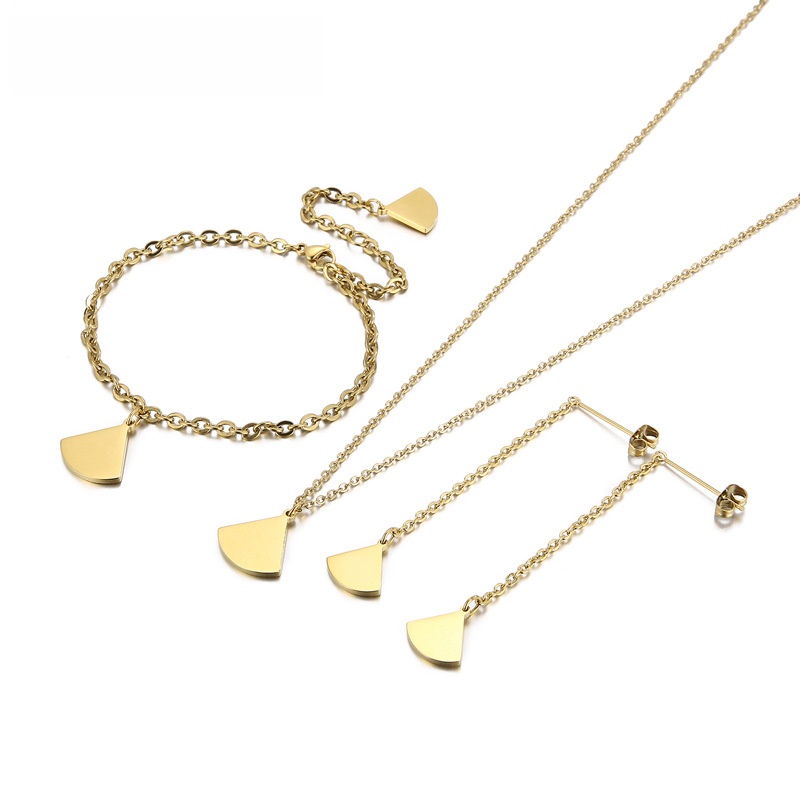
Stainless Steel Fan Shaped Jewelry Set Gold Silver Plated Fan Pendant Necklace Bracelet Earrings Set For Women Elegant Minimalist Party Accessories
$5.30
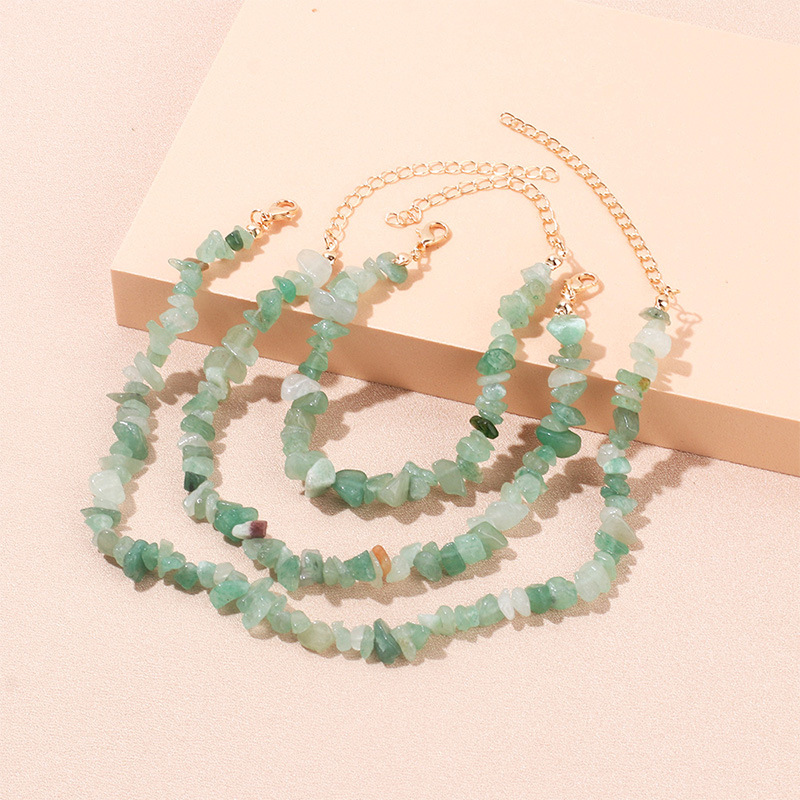
Bohemian Irregular Natural Stone Jewelry Set For Women Multilayer Crushed Stone Necklace Bracelet Anklet Set With Gold Plated Alloy Extension Chain Handmade Natural Crystal Jewelry
$0.62
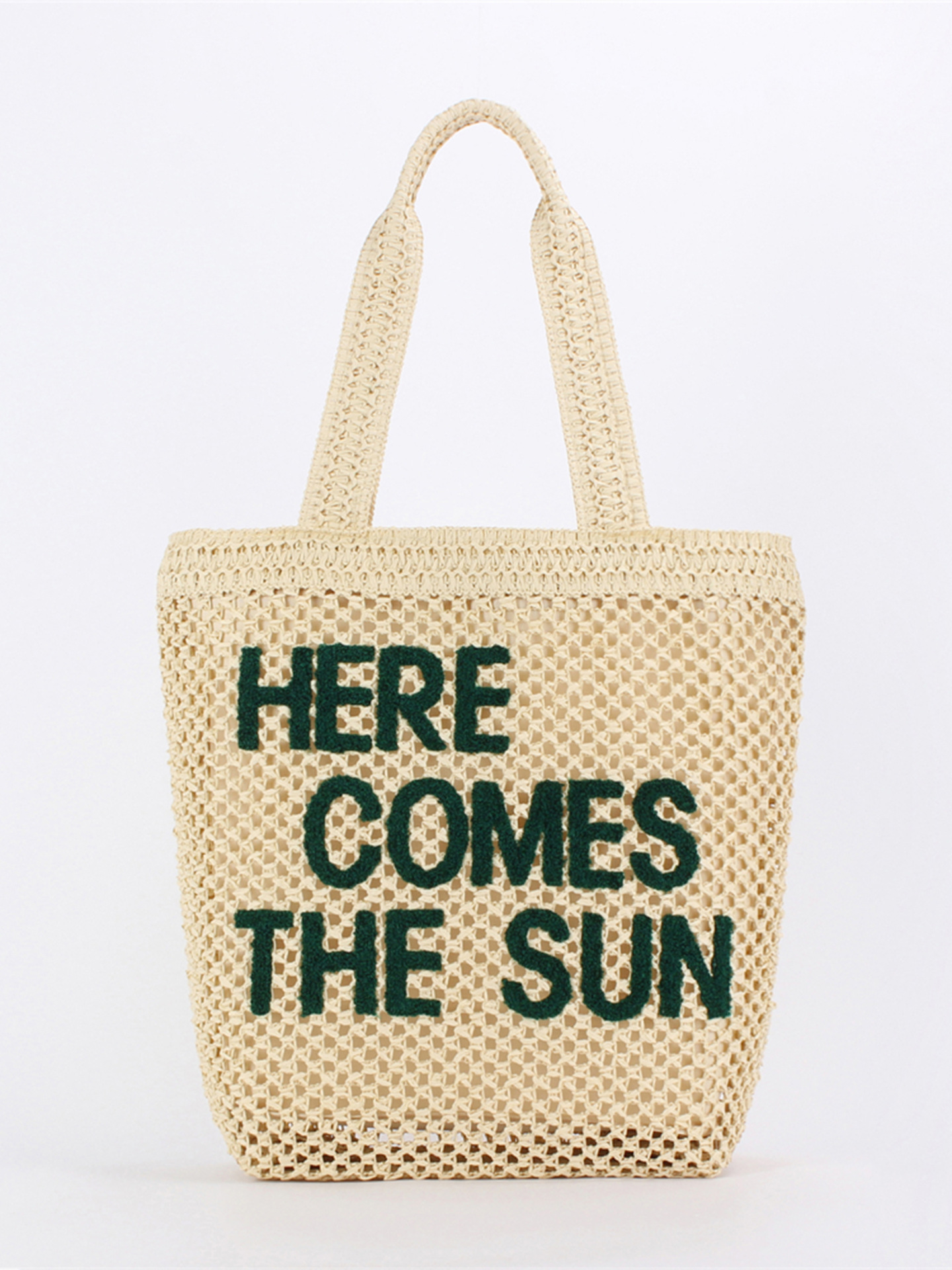
Large Capacity Straw Woven Shoulder Bag With Embroidery Letter Here Comes The Sun Summer Beach Casual Tote Bag For Women
$8.65
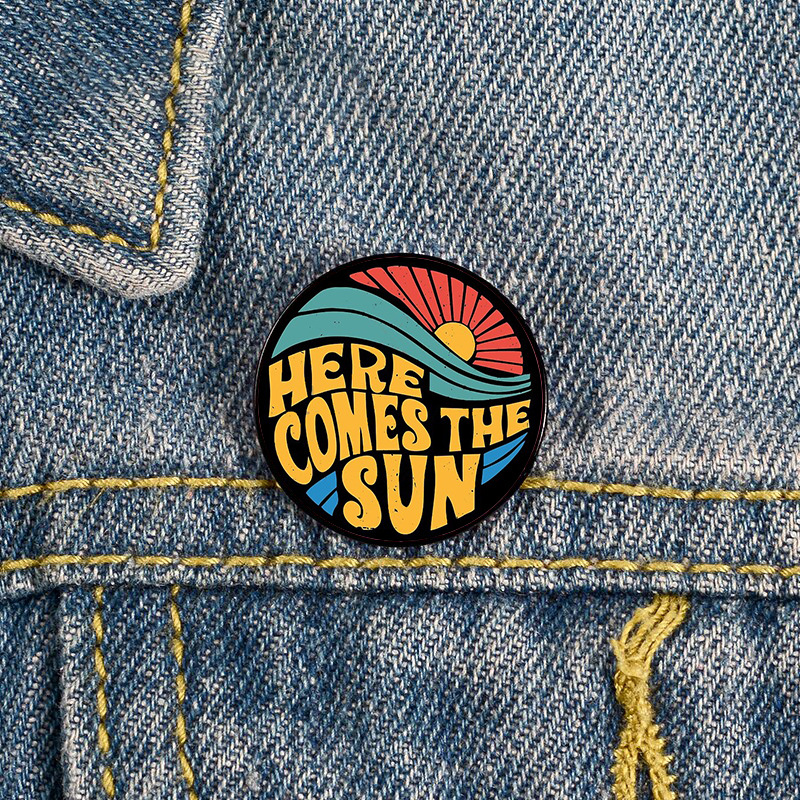
Here Comes The Sun Brooch Round Sunset Wave Enamel Pin Vintage Cartoon Badge For Clothing Bags Backpack Decoration Unisex Jewelry Accessories
$0.92
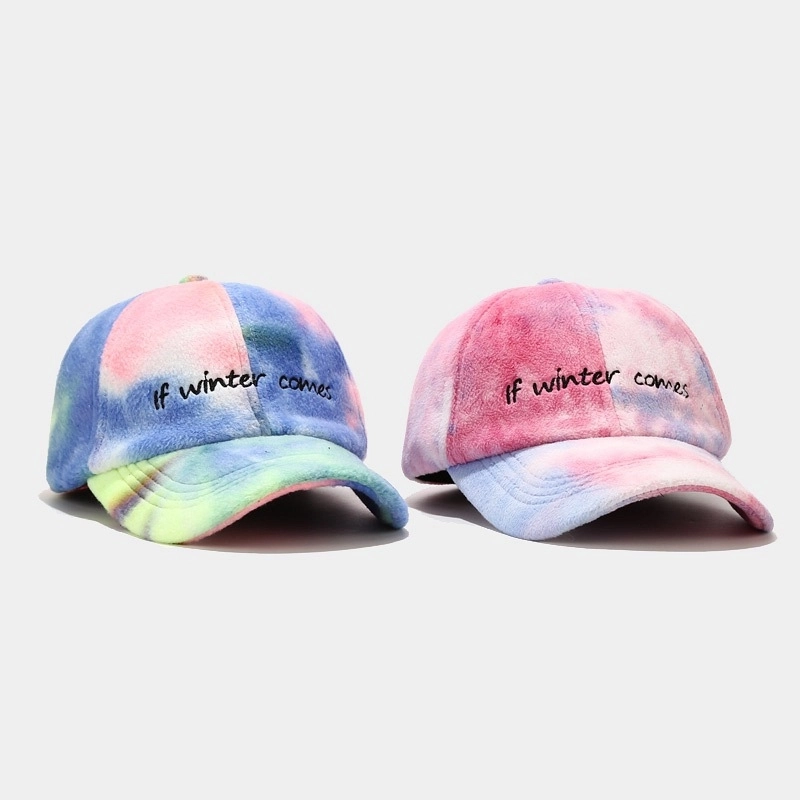
Winter Warm Plush Fleece Tie-Dye Baseball Cap With Winter Comes Embroidery Adjustable Faux Fur Snapback Hat For Men Women Streetwear Outdoor
$3.85
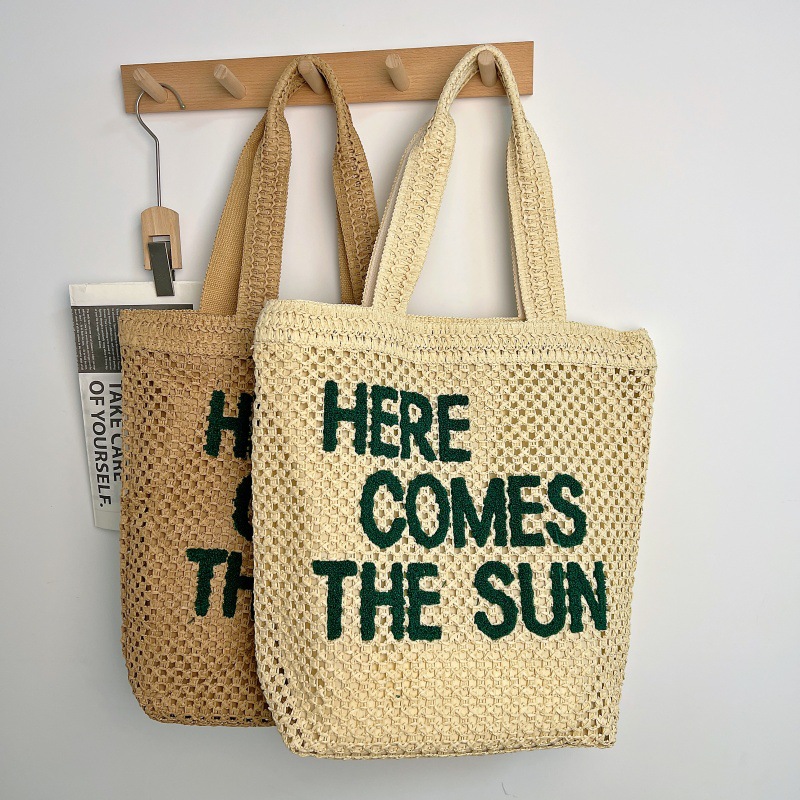
Fashion Large Capacity Straw Tote Bag Paper Woven Handbag With Embroidery Here Comes The Sun Letters For Summer Beach Vacation Women Shoulder Bag
$8.65
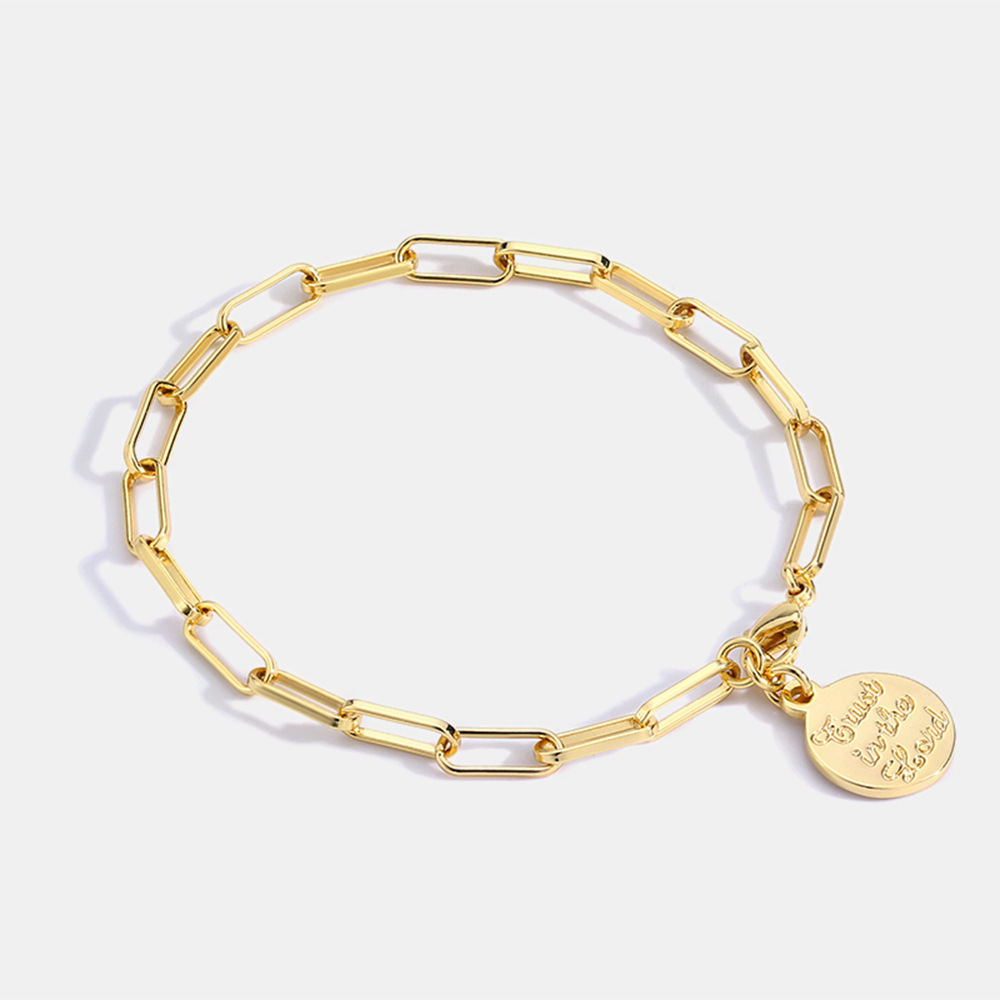
Paperclip Chain Bracelet With Round Coin Pendant Engraved Trust In The Lord Brass Jewelry For Women Minimalist Gift
$3.77
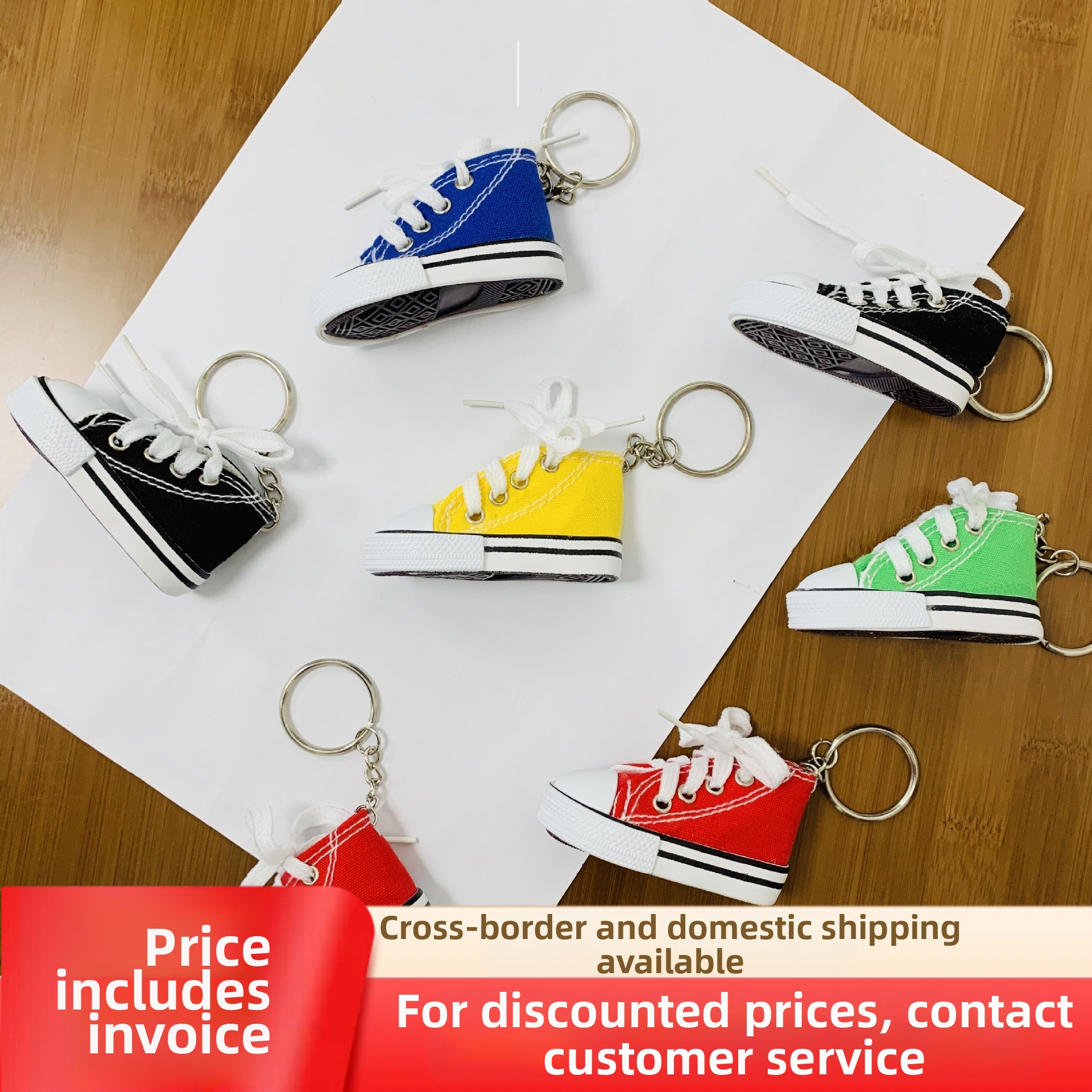
Mini Canvas Shoes Keychain Fashion Sneakers Pendant Charm For Motorcycle Bicycle Side Stand Decor Creative Canvas Rubber Small Shoes Bag Ornament Keyring
$0.45
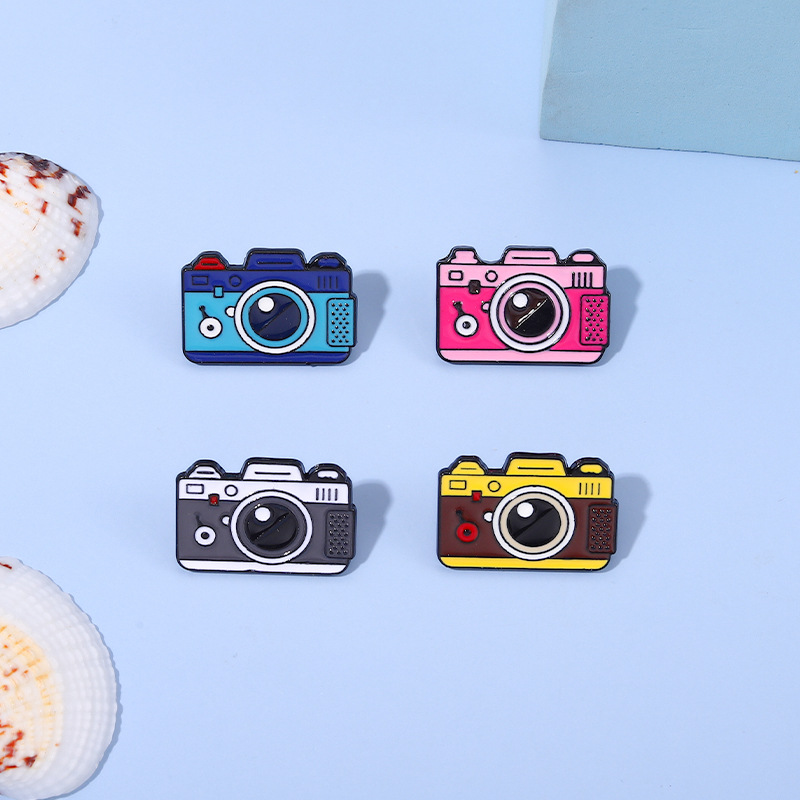
Retro Alloy Enamel Camera Brooches Cartoon Trust Me I'm a Nurse Doctor Pins For Backpacks Clothing Accessories For Women Men Badges
$0.42
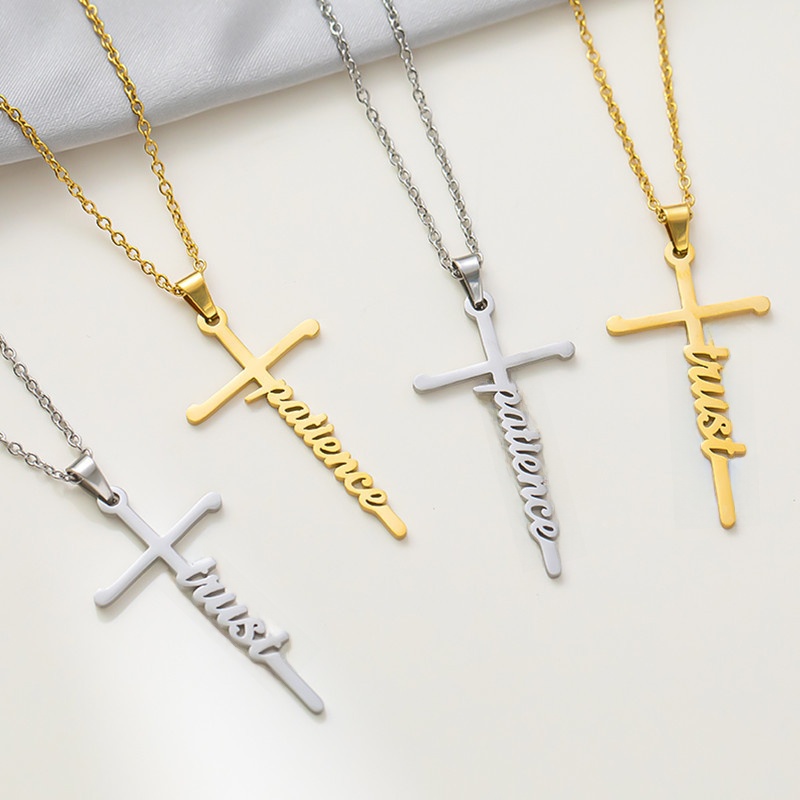
Stainless Steel Cross Pendant Necklace For Women Inspirational Letter Hope Love Blessed Grace Patience Trust Jewelry Elegant Daily Fashion Necklaces Gift
$1.22
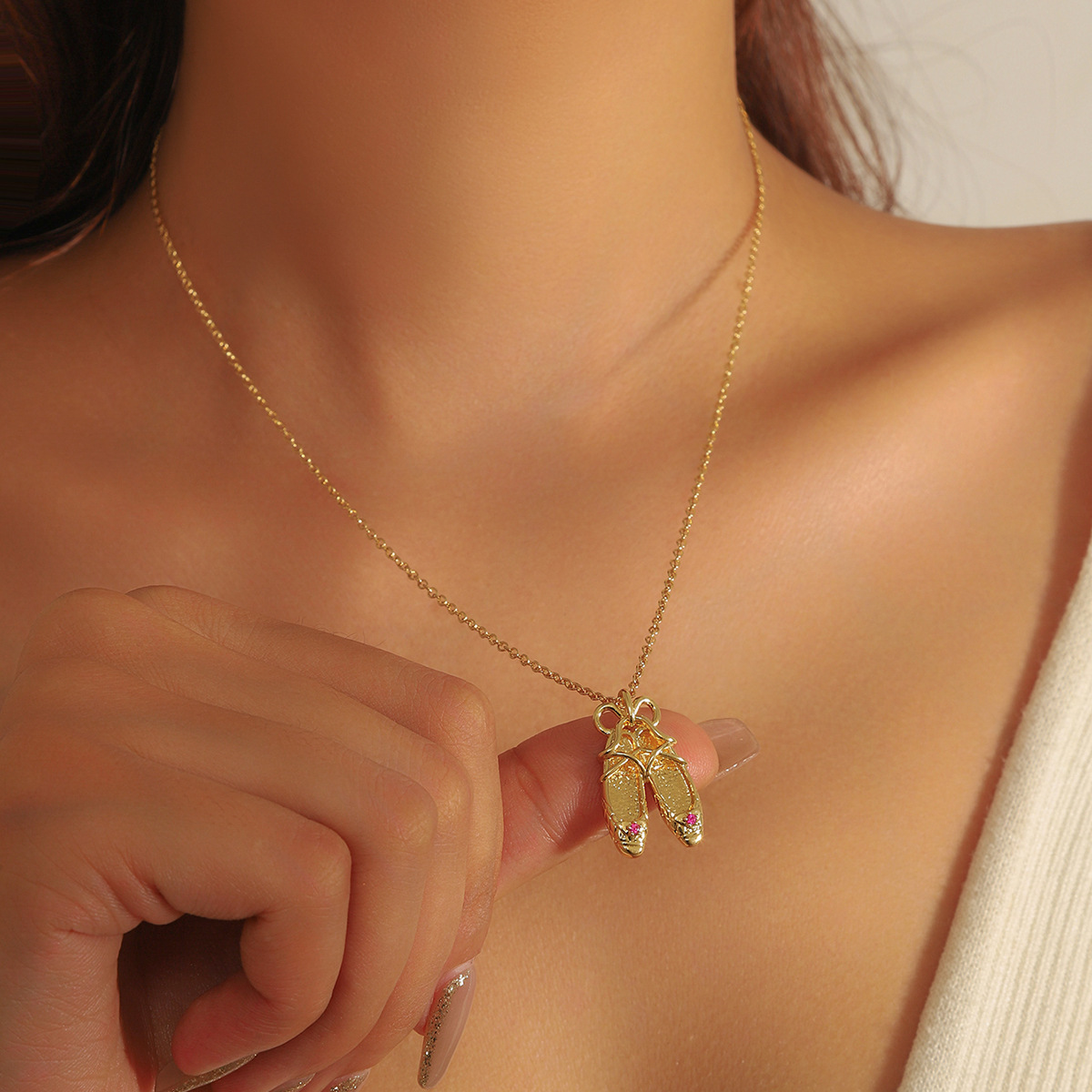
Ballet Shoes Pendant Necklace Copper With Sparkling Rhinestone Dainty Charm Elegant Jewelry For Women Girls Ballet Lovers
$0.94
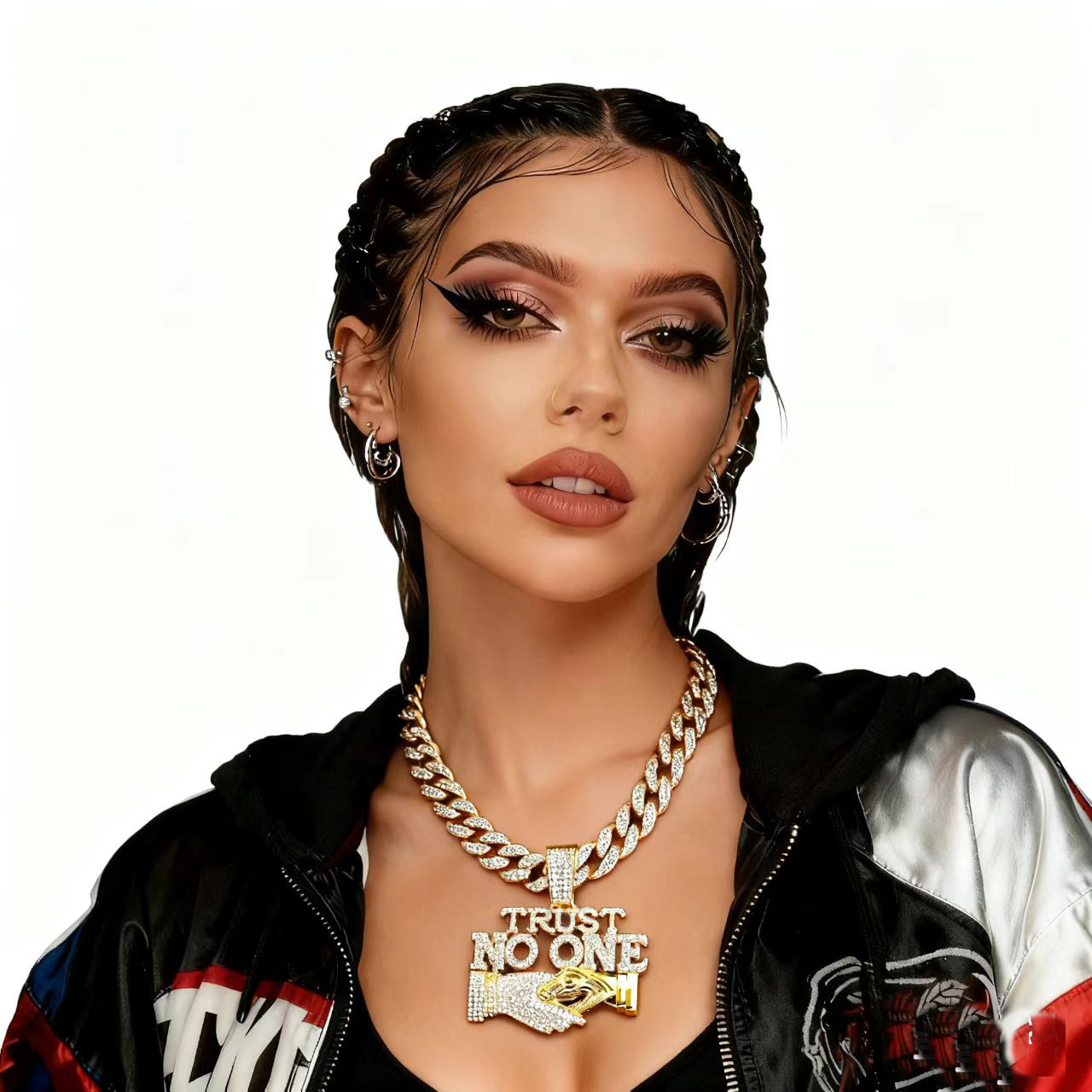
Hip Hop Trust No One Handshake Pendant Necklace For Men Women Iced Out Zinc Alloy Rhinestone Cuban Chain Necklace Personalized Streetwear Jewelry
$2.83
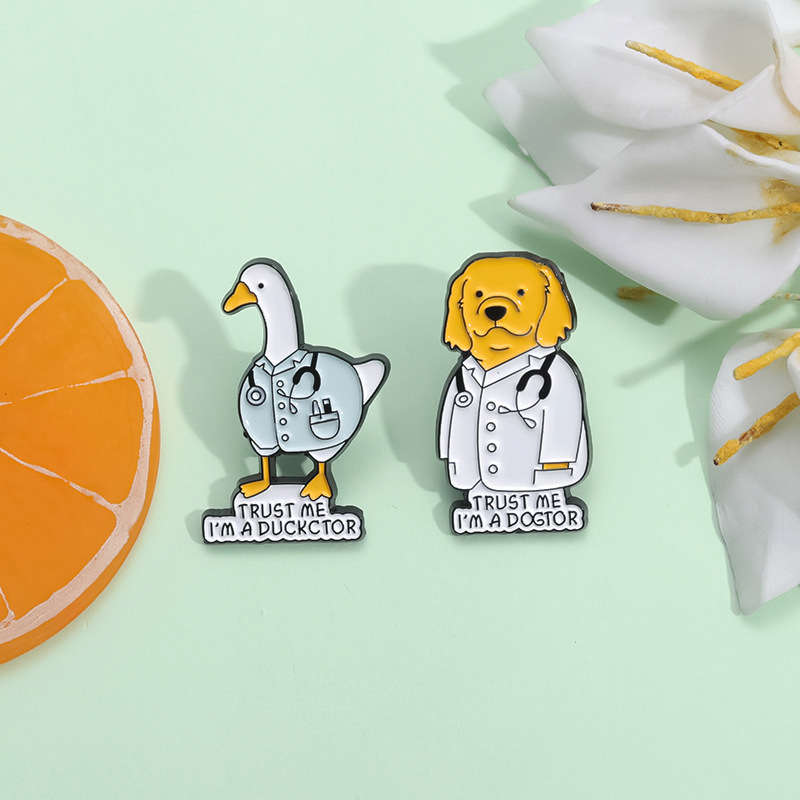
Funny Animal Doctor Enamel Pins Set Trust Me I'm A Duckctor Dogtor Alloy Brooches For Backpack Clothing Decoration Cartoon Gift For Nurse Students
$0.52
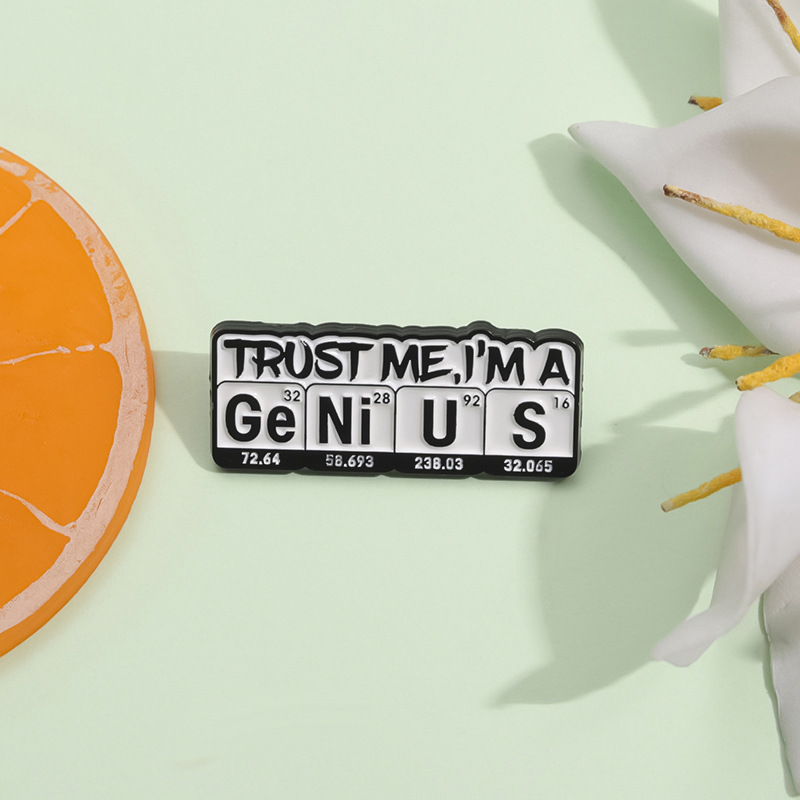
Creative Science Chemistry Enamel Pin Trust Me I'm A Genius GeNiUS Alloy Brooch For Backpack Clothing Jacket Funny Science Jewelry Gift For Teachers Students
$0.47
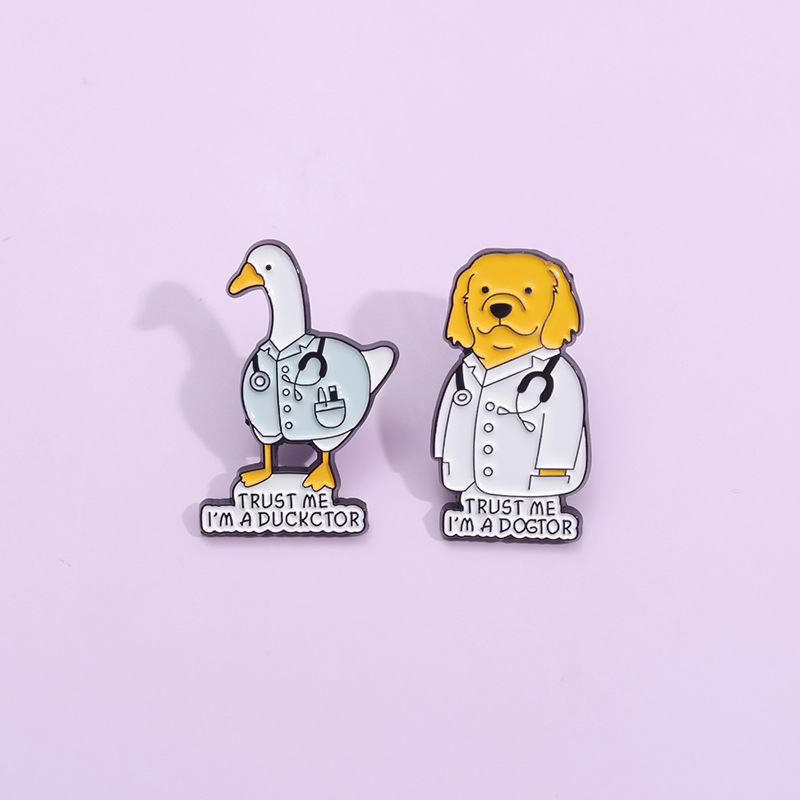
Funny Cartoon Enamel Doctor Animal Brooches Trust Me I'm A Duckctor Dogtor White Duck Golden Retriever Pins Alloy Badge For Backpack Clothing Jewelry Gift
$0.52
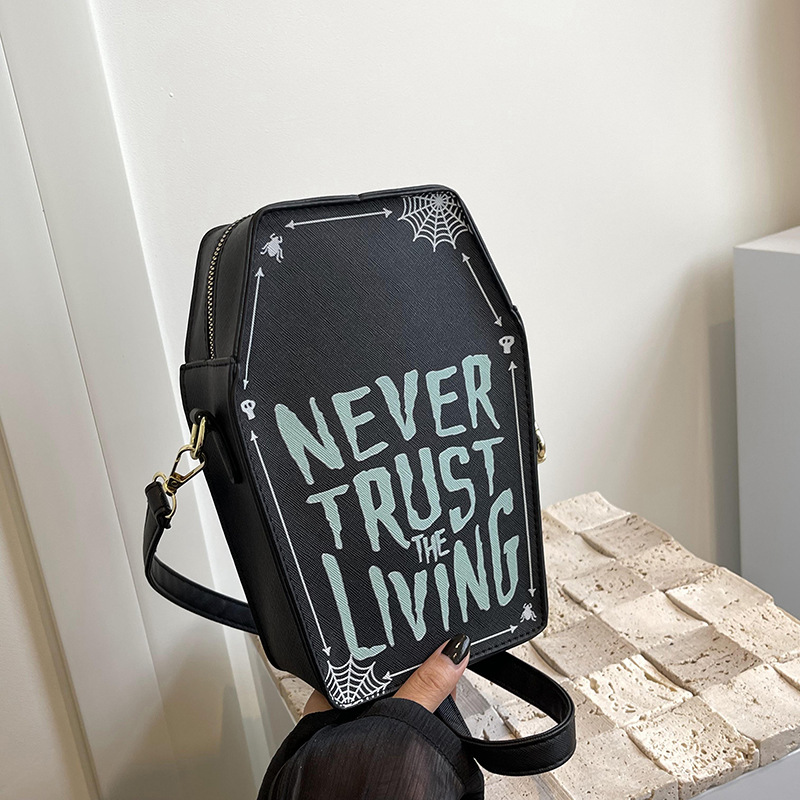
Gothic Coffin Crossbody Bag PU Leather Never Trust The Living Slogan Spider Web Print Small Phone Purse Dark Aesthetic Halloween Party Shoulder Bag Women
$5.62
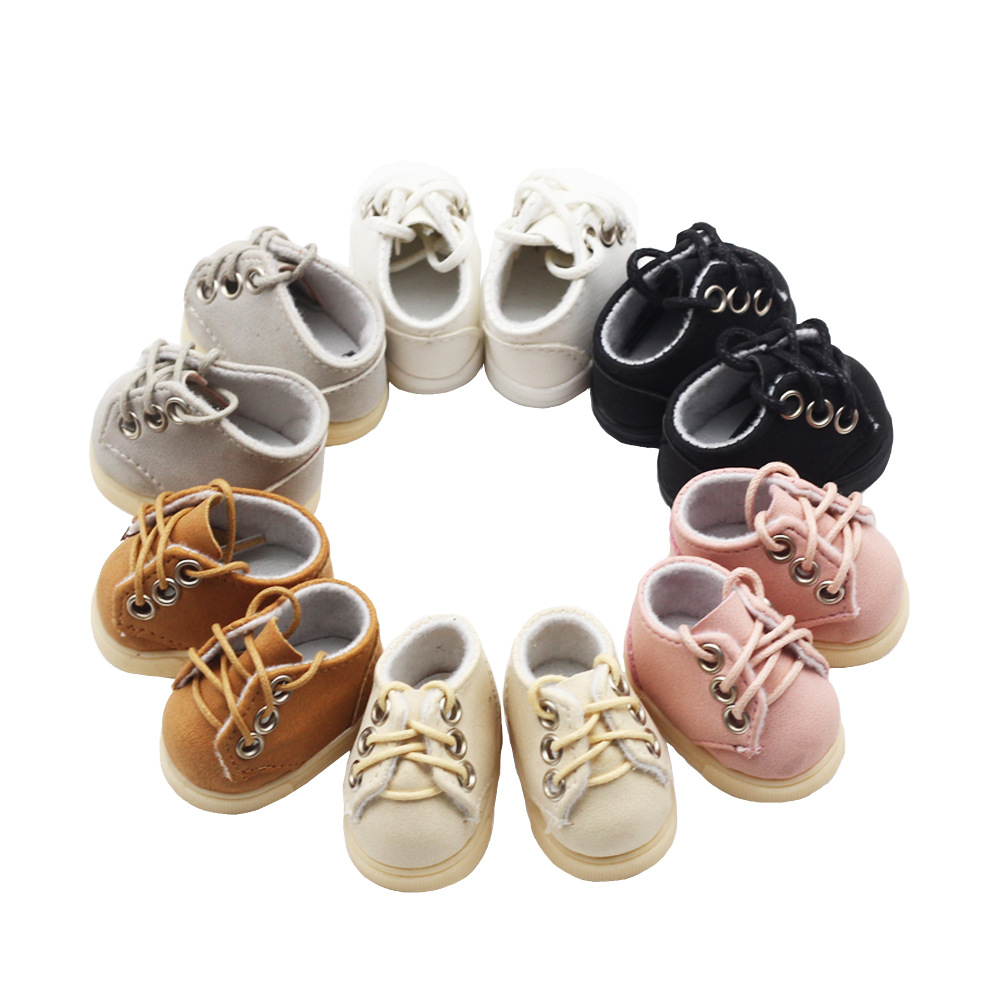
Miniature Doll Shoes Faux Suede Lace-up Sneakers For 15-20cm Cotton Dolls 1/6 BJD Doll Accessories Casual Mini Shoes For Kids Girls DIY Toy Accessories
$2.31
Breathable Mesh Pet Shoes For Small Medium Dogs Anti-Slip Rubber Sole Puppy Boots Reflective Magic Tape Walking Shoes Comfortable Soft Dog Sandals For Summer Outdoors 4Pcs Set
$1.38
Trust-Building Bundle Ideas
Bundling products with shared themes — trust messaging, shoe accessories, or sun motifs — lets you offer a curated 'authenticated set' that increases perceived value. Customers see cohesion and are more likely to trust the whole purchase. Each bundle represents a different buyer scenario.
Trust Quote Starter Bundle
New Shopify seller wants to test trust-themed products with low risk.
- Paperclip Chain Bracelet With Round Coin Pendant Engraved Trust In The Lordhero
- Stainless Steel Cross Pendant Necklace Inspirational Letter Hope Love Blessed Grace Patience Trustcomplement
- Hip Hop Trust No One Handshake Pendant Necklace Iced Outupsell
Bundle at $4.50 vs $7.44 separately. Yields 40% discount illusion while maintaining margin.
Shoe Lover Mini Collection
Pop-up seller targeting sneaker culture with accessory tie-ins.
- Mini Canvas Shoes Keychain Fashion Sneakers Pendant Charmhero
- Elegant Ballet Shoes Pendant Necklace Rhinestone Pointe Shoescomplement
- Miniature Doll Shoes Faux Suede Lace-up Sneakers BJD Accessoriesupsell
Bundle at $2.80 vs $5.60 separately. Ideal impulse purchase; risk is limited niche appeal.
Here Comes The Sun Summer Set
Flea market stall operator preparing for summer season with beach-themed inventory.
- Fashion Large Capacity Straw Tote Bag With Embroidery Here Comes The Sun Lettershero
- Here Comes The Sun Brooch Round Sunset Wave Enamel Pincomplement
- Large Capacity Straw Woven Shoulder Bag With Embroidery Here Comes The Sunupsell
Bundle at $15.50 vs $17.99 separately. Risk: seasonal sell-through window of 8-10 weeks.