
Trend Report · April 30, 2026
When Your Best-Selling Product Stops Selling: Causes and Recovery Tactics
Understand why your best-selling product may experience severe downward trends and learn actionable strategies to revive sales using seasonal party decoration bundles.
Do You Ever Notice Severe Downward Trends with Your Best Selling Product? Or Has It Always Performed Well?
A Shopify seller recently reported that their first and best-selling product hasn't had a sale in two months, despite excellent reviews and no visible competition. The product had consistently performed well before this sudden drop. This scenario raises a critical question for any operator: can you expect it to bounce back, or is this a permanent shift?
In e-commerce, even top-performing items can experience severe downward trends. The absence of sales doesn't always signal a dead product — it may reflect seasonality, algorithm shifts, or a change in buyer intent. For sellers using party decorations and recognition gifts (like our "Best Mom Ever" or "Best Dad Ever" ranges), these lulls often coincide with holiday cycles or inventory fatigue.
The key is to diagnose the cause before pivoting. If reviews are strong and competitors haven't emerged, the issue might be ad fatigue or platform ranking changes. Resetting your testing budget and introducing fresh bundling strategies can often reignite demand. The source seller's question is common, and the answer depends on how quickly you adapt your sourcing and marketing approach.
Why Best-Selling Products Suddenly Stall
When a product that once dominated sales stops moving, it's tempting to blame the market. But the source seller's case — good reviews and no competitors — points to internal or platform-level causes. Even a well-reviewed item can fall out of favor due to algorithm deprioritization, seasonal drift, or buyer attention shifting to newer listing formats.
Another factor is product lifecycle. The "best ever" niche (Mother's Day, Father's Day, Teacher Appreciation) is inherently seasonal. If your top seller was a Mother's Day keychain, the post-holiday lull is predictable. Without a catalog refresh or bundling strategy, you'll see a sharp decline. This is not a failure of the product, but a failure to plan for repeat purchase cycles.
Operationally, this trend is emerging because many dropshippers source single hero products without building a surrounding inventory. The solution lies in SKU depth and adjacent product testing. The seller can mitigate future downturns by maintaining a pool of complementary items — like banners, cake toppers, and hanging decorations — that keep the store relevant across multiple occasions.
Who This Trend Matters To Most
Any Shopify seller or dropshipper with a single hero product is vulnerable to this downward spiral. The trend directly impacts boutique buyers who rely on a narrow range of party or recognition items. These operators need to diversify their product mix without overcomplicating inventory management.
Shopify seller
If you have one best-selling item that suddenly dropped to zero sales for two months, you need to test adjacent products and retarget existing buyers with bundles instead of markdowns.
Dropshipper
Dropshippers who source seasonal recognition gifts face predictable lulls. Adding Mother's Day and Father's Day banners and keychains extends your selling window and reduces reliance on a single listing.
Boutique buyer
Boutique owners curating party supplies must ensure their best-seller never dominates >50% of revenue. Use the bundled product approach to smooth demand and protect margin.
How to Test and Sell Your Way Out of a Sales Drop
When your best-selling product stalls, resist the urge to slash prices — that erodes margin and may signal low quality. Instead, focus on fresh ad angles and product bundling. For the "best ever" category, combinations like a keychain plus cake topper or banner plus hanging swirls create visual variety and justify higher perceived value. Test with low-budget interest ads on Facebook or TikTok. Target audiences by specific occasion (Teacher Appreciation Week, Father's Day) instead of generic party shoppers. Use the source seller's insight: if the product still has no competitors and positive reviews, the problem is likely awareness, not product fit. Once you see initial engagement, offer bundles at a 20-30% savings vs. individual purchase. This increases average order value and reintroduces your hero product as part of a collection. Track sell-through weekly and cut any bundle that doesn't move within 14 days.
Create a campaign targeting teachers and parents during Teacher Appreciation Week. Use a video ad showing the combination of keychain [164232] and banner [163730] with a countdown timer.
⚠ Low budget ($20/day) may not generate enough data to optimize quickly; scale only after 3 sales.
List a 'Best Mom Ever' bundle combining door hanger [783749] and cake topper [784414]. Use phrase match keywords: 'mother's day gift set', 'mom keychain bundle'.
⚠ Etsy fees (transaction + listing) eat into margin; ensure bundle price is at least $8.
Send free bundles to micro-influencers (10k-50k followers) in the parenting niche. Ask them to show how they decorate for Mother's Day using a kit that includes banner [784358] and hanging swirls [784350].
⚠ UGC campaigns have long lead times; you may invest $50-100 in product cost before any sale.
Top Products to Revive Your Best-Selling Catalog
These items are directly relevant to the 'best ever' trend and can be mixed into bundles or standalone tests. Each supports the recovery strategy of broadening your hero product into a collection.
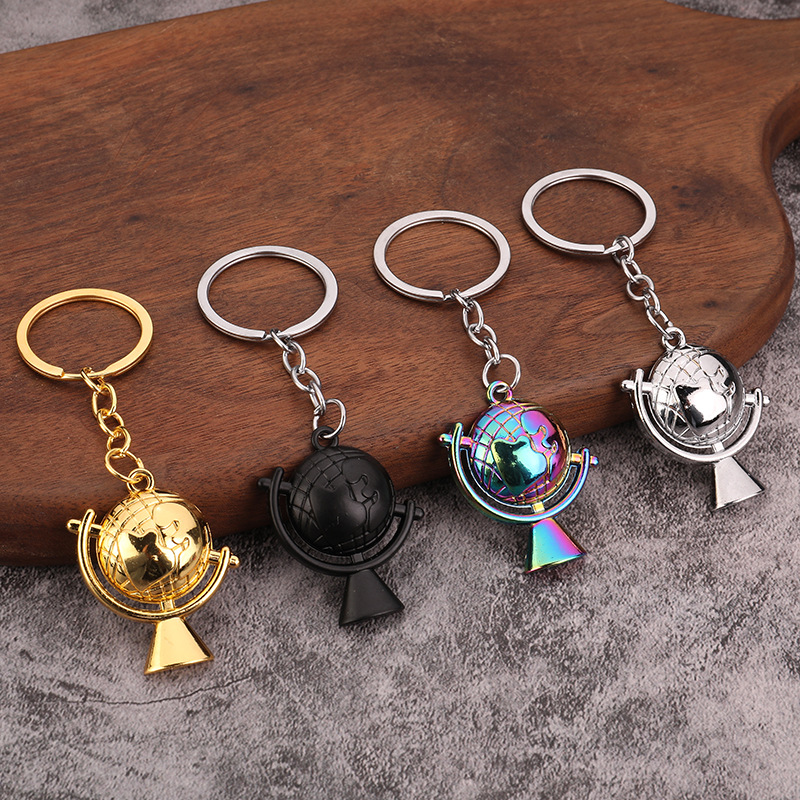
Best-selling Globe Pendant Keychain
$0.28
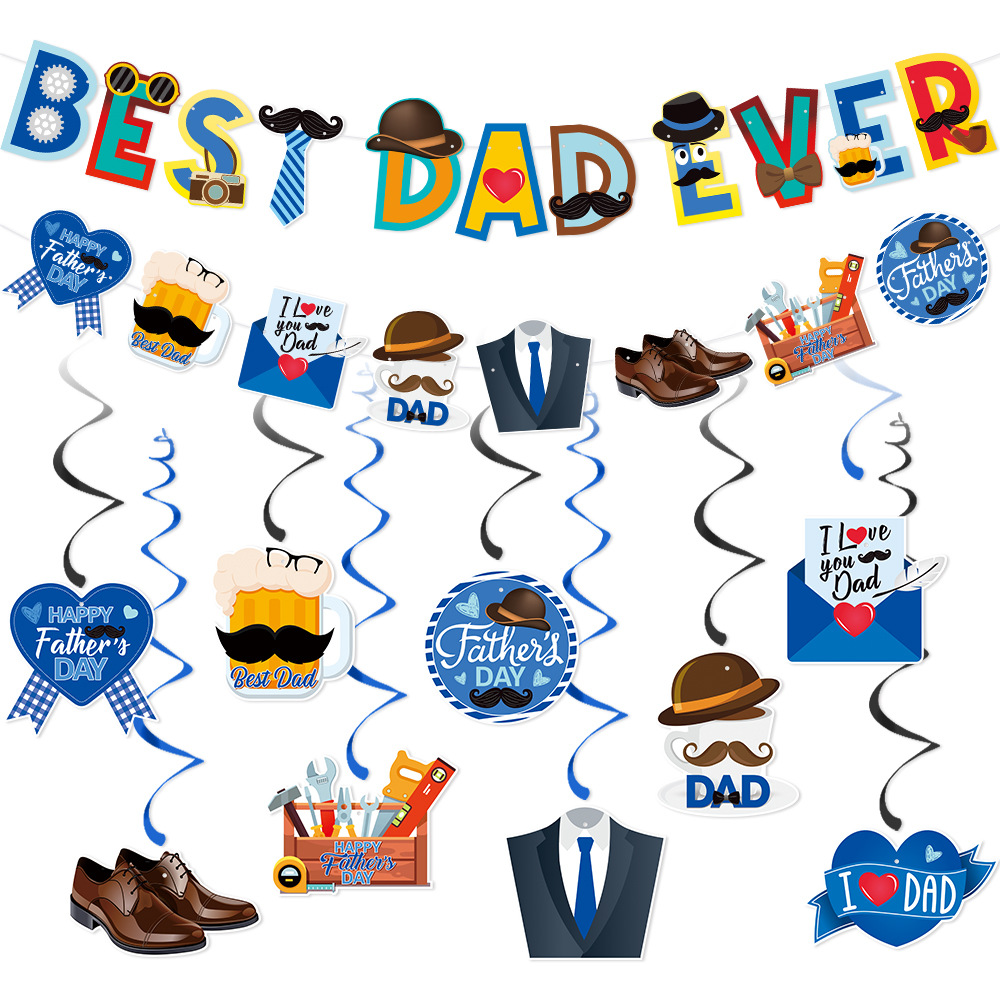
Father's Day Party Decorations Paper Banner Best Dad Ever Garland Hanging Swirls For Dad Birthday Party Celebration
$0.89
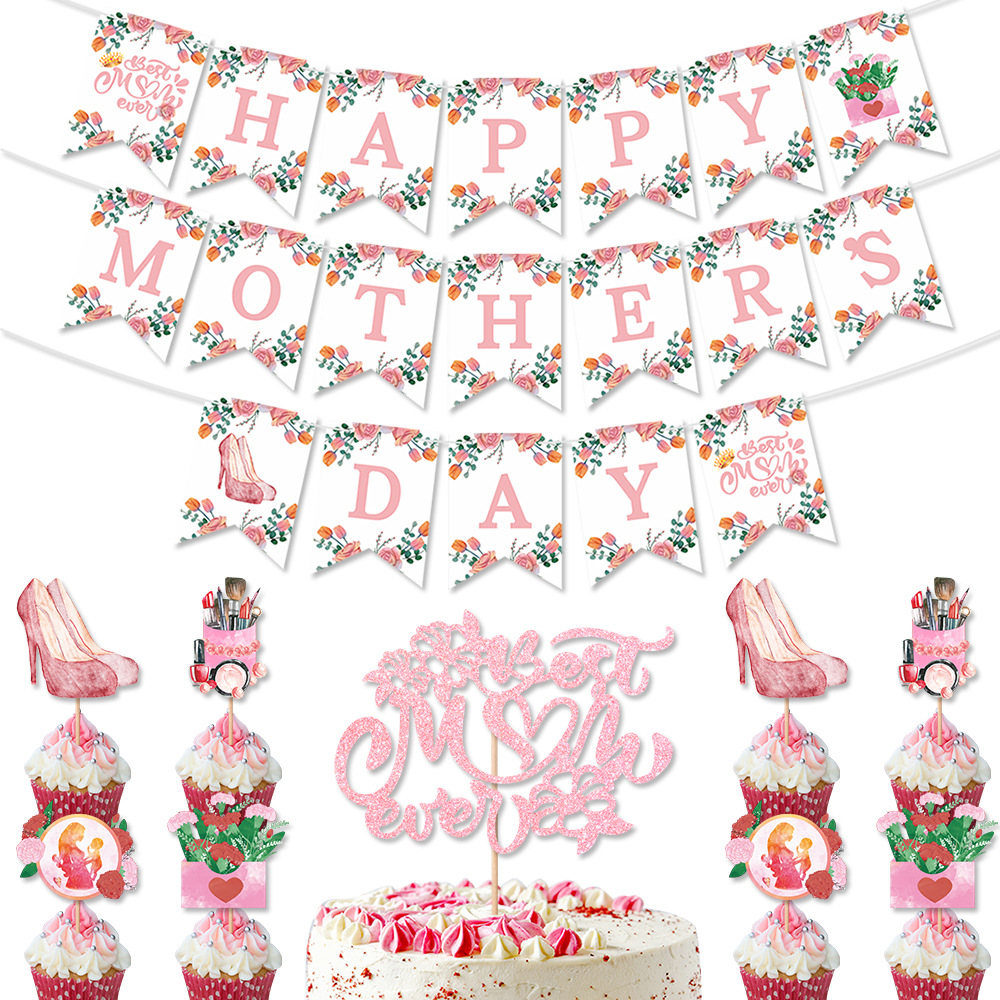
Mother's Day Party Decoration Set Banner Best Mom Ever Cake Topper Pink Tulip Paper Bunting Party Supplies Celebration
$0.43
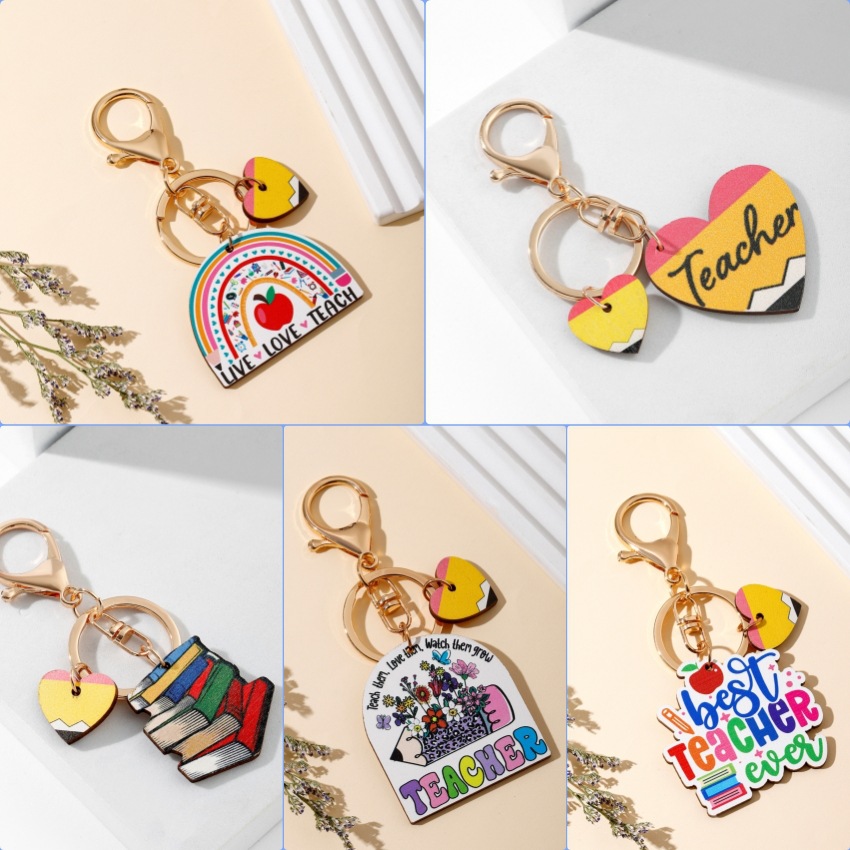
Teacher Appreciation Keychains Wooden Alloy Metal Pencil Rainbow Apple Book Design Creative Colorful Graduation Gift For Best Teacher Ever
$0.68
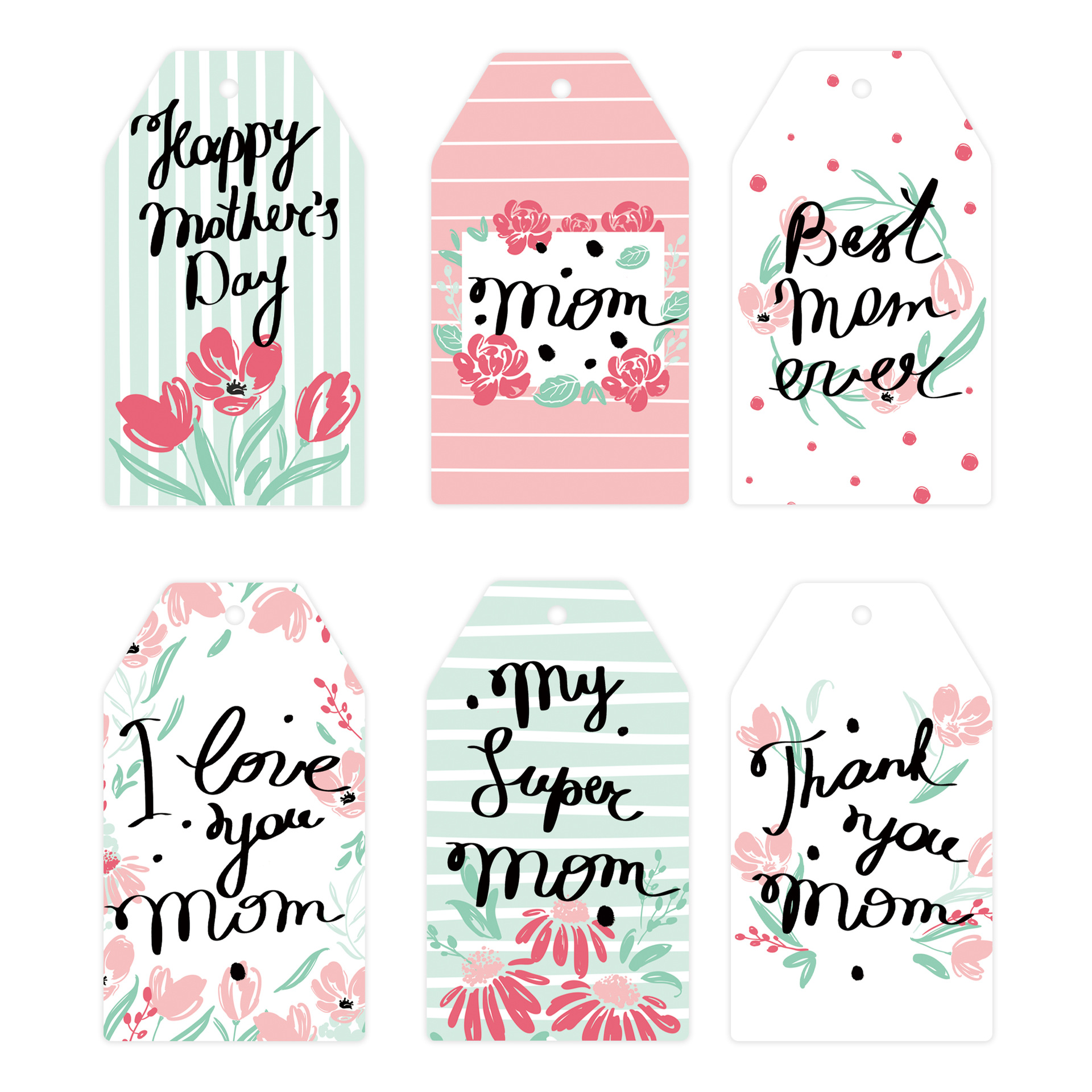
Mother Day Gift Tags Paper Floral Heart Best Mom Ever Pattern For Gift Wrapping Party Decoration For Mothers Women
$1.96
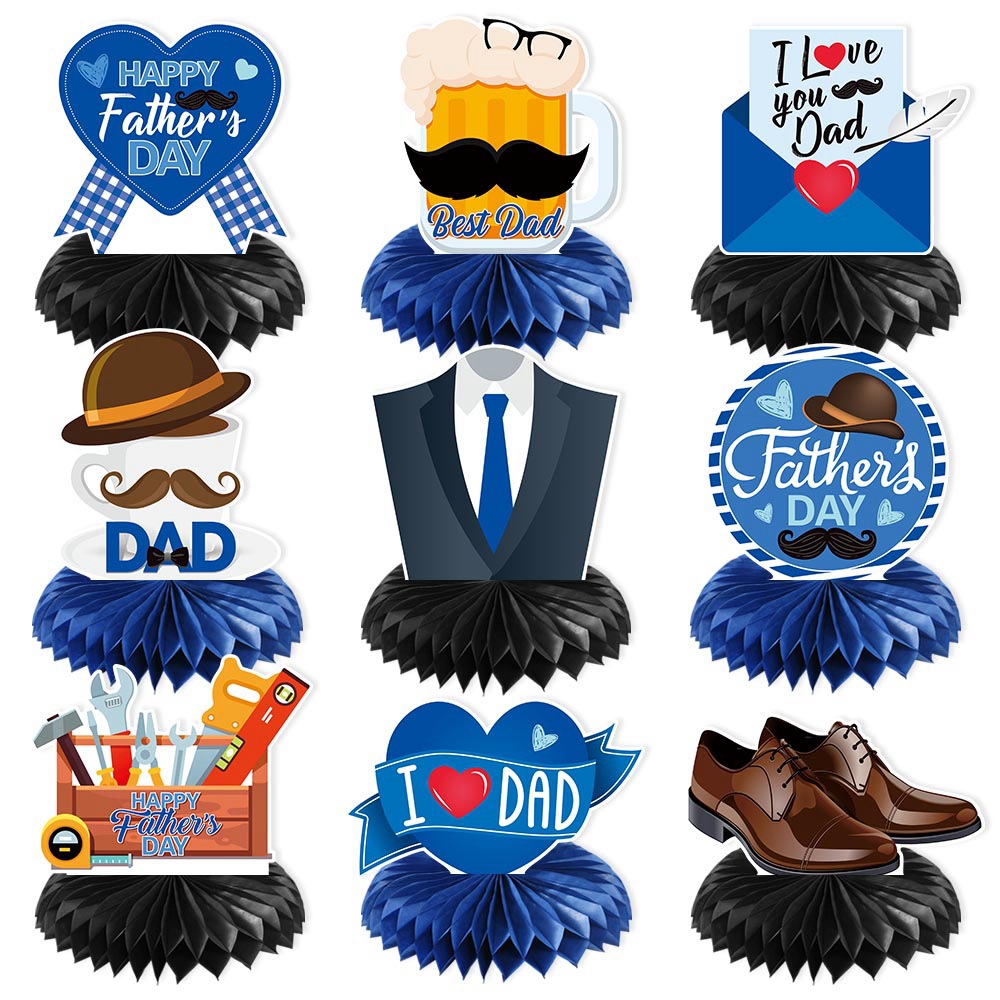
9PCS Father's Day Honeycomb Centerpiece Decorations Best Dad Ever Paper Table Toppers DIY Party Decor For Home Dining Table
$3.89
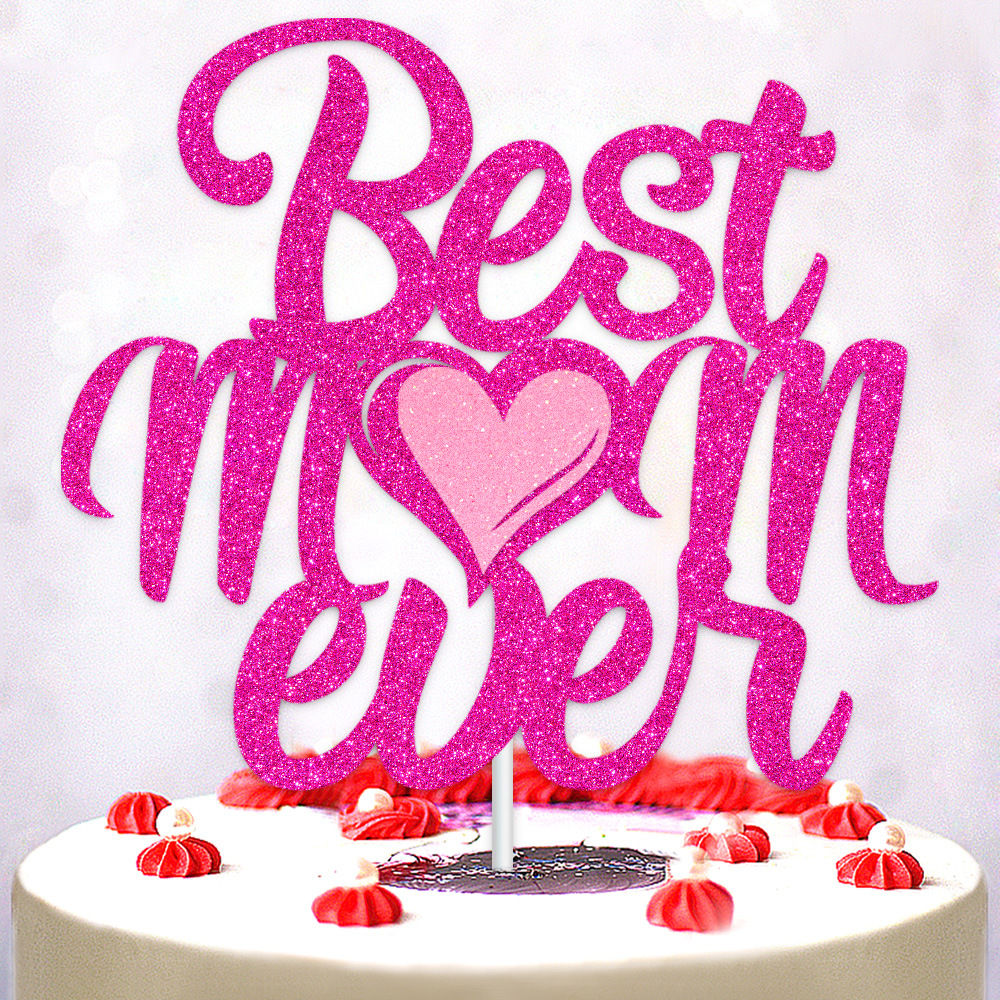
Pink Glitter Best Mom Ever Cake Topper Paper Heart Design Mother's Day Party Dessert Decoration Cupcake Pick For Mother
$0.36
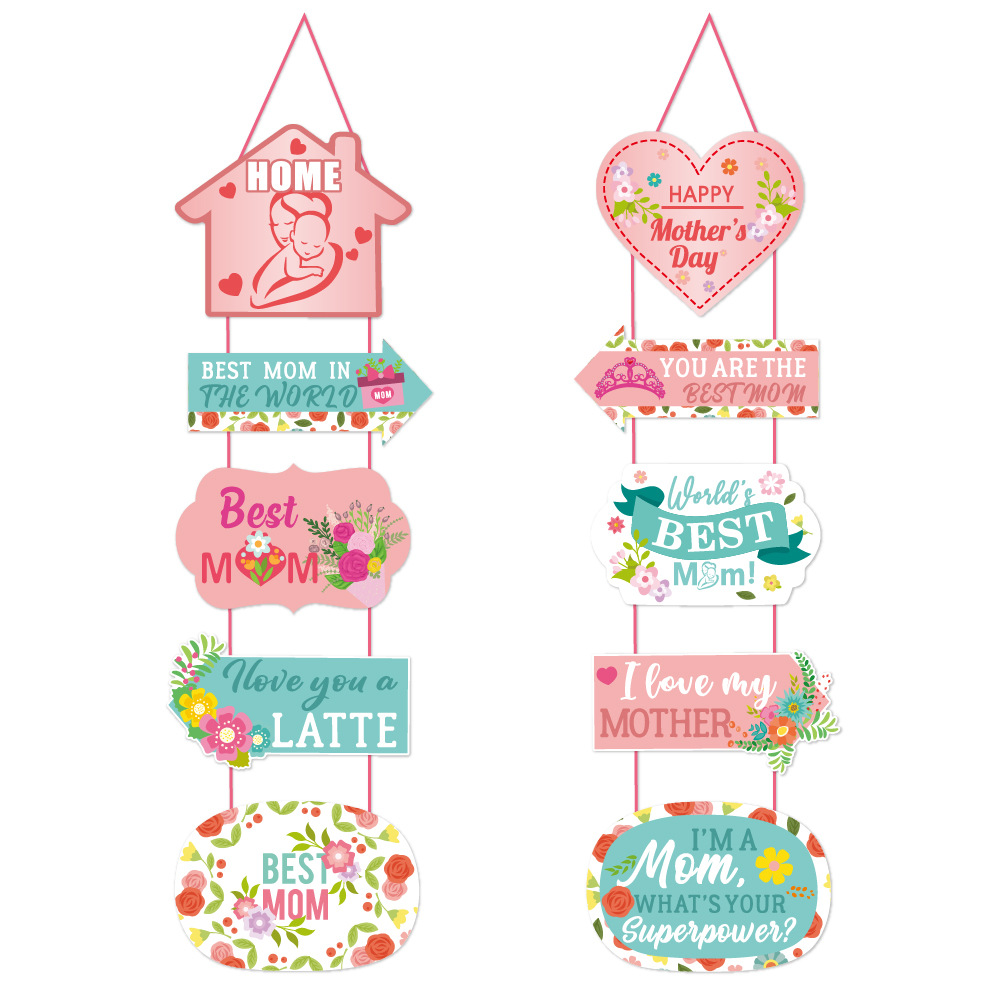
Best Mom Ever Happy Mother's Day Door Hanging Decorations Cardstock Floral Heart Hanging Sign For Party Home Wall Decor
$2.96
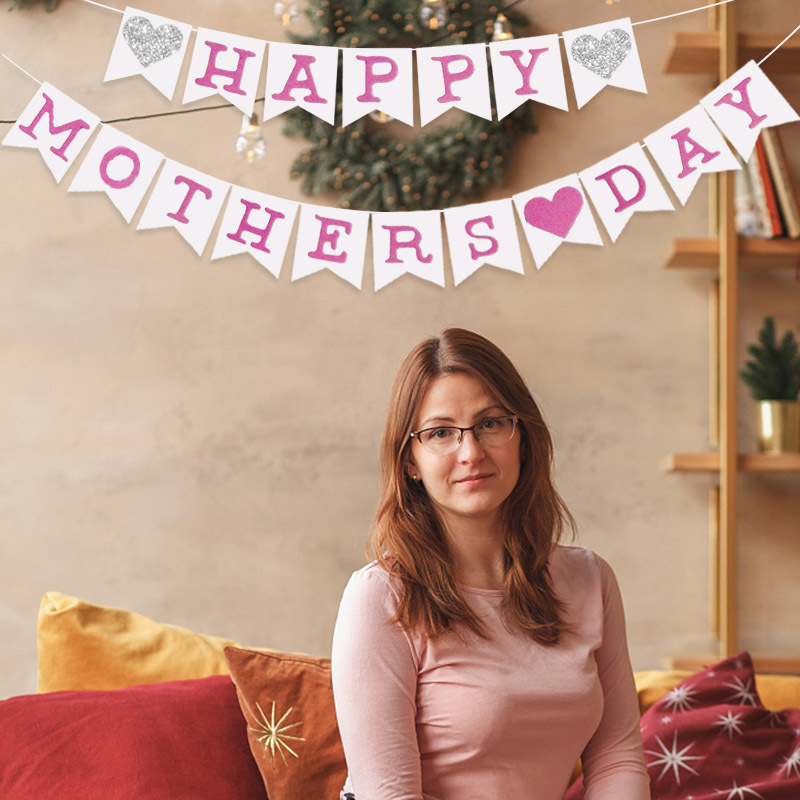
Happy Mother's Day Cardboard Paper Banner BEST MOM EVER Glitter Heart Hanging Garland For Mother's Day Party Home Decor
$1.51
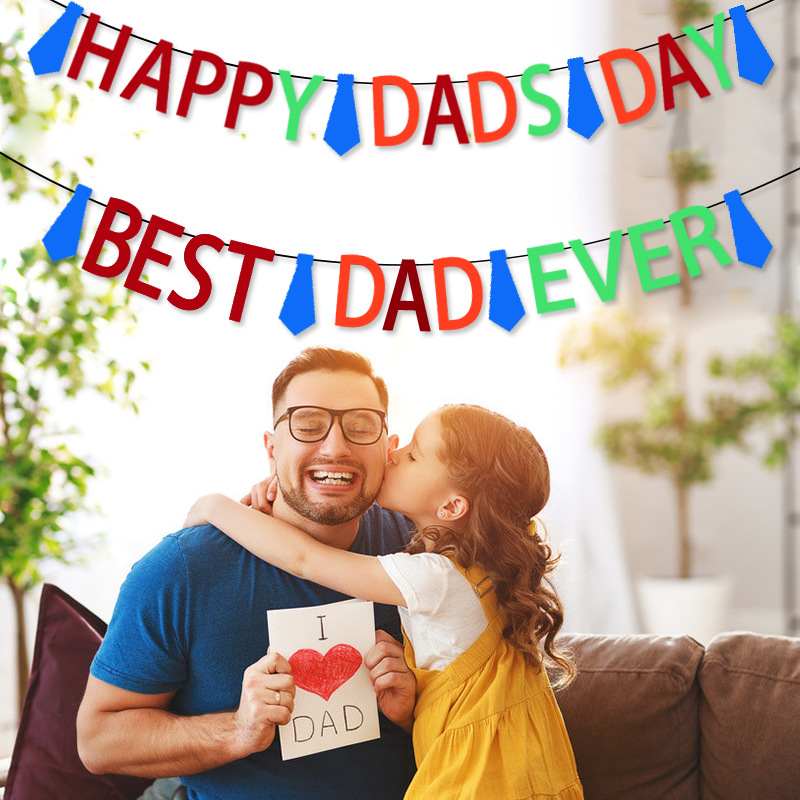
Father's Day Banner Best Dad Ever Happy Dad's Day Bunting Garland Multicolor Cardstock Tie Design Party Decorations Home Decor
$2.62
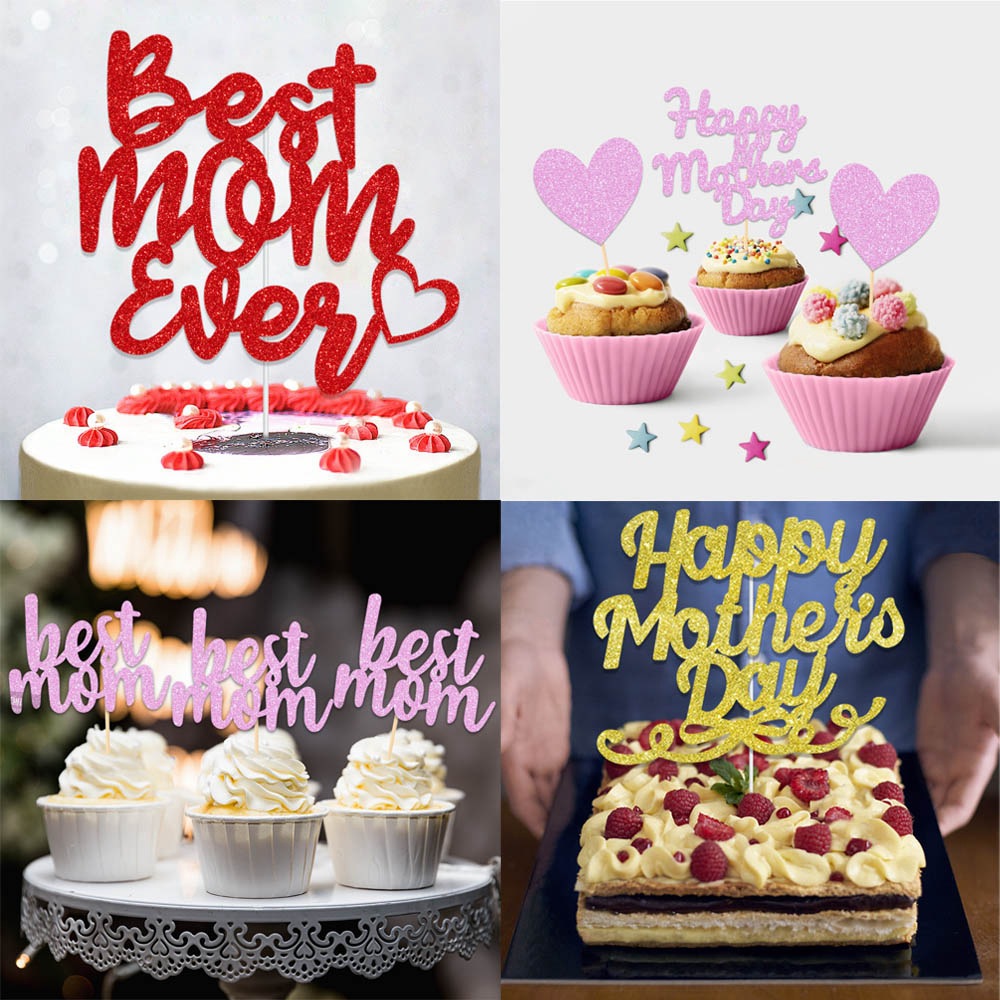
Mother's Day Cake Toppers Glitter Cardstock Best Mom Ever Happy Mother's Day Cake Decorations For Mom Birthday Party Supplies
$0.16
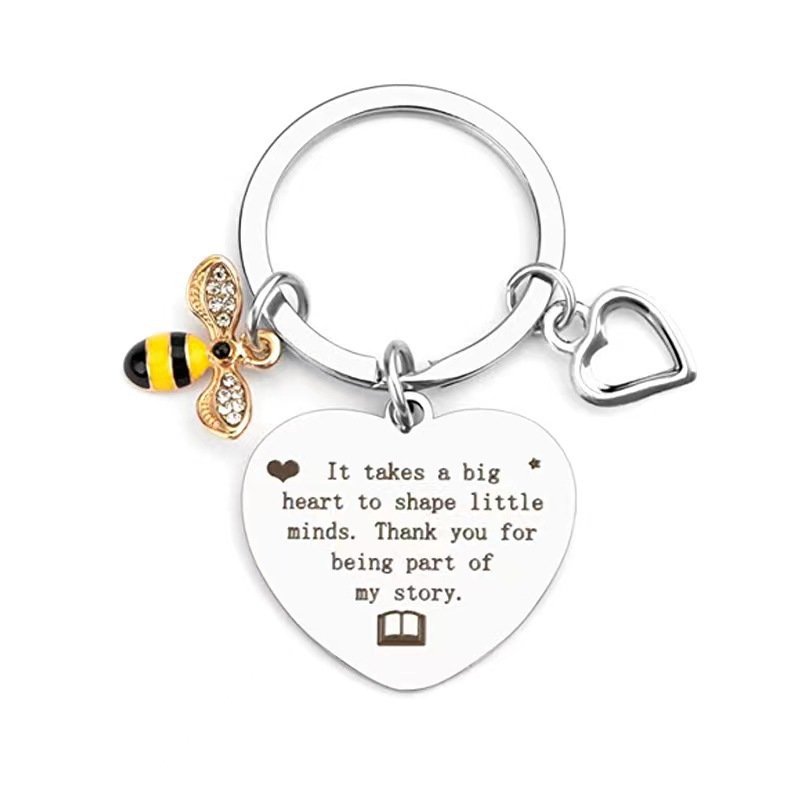
Teacher Appreciation Gift Stainless Steel Keychain Bee Heart Charm Rhinestone Engraved Inspirational Quotes Best Teacher Ever Graduation Year End Gift
$0.55
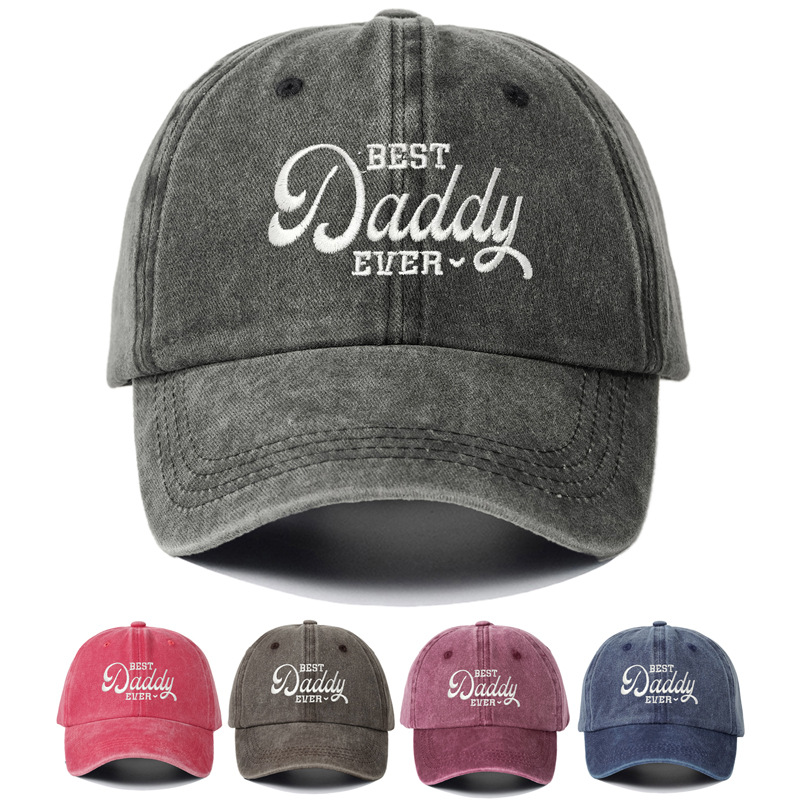
Best Daddy Ever Embroidered Baseball Cap Washed Cotton Vintage Adjustable Dad Hat For Men Women Outdoor Casual Sunshade Sports Cap
$3.46
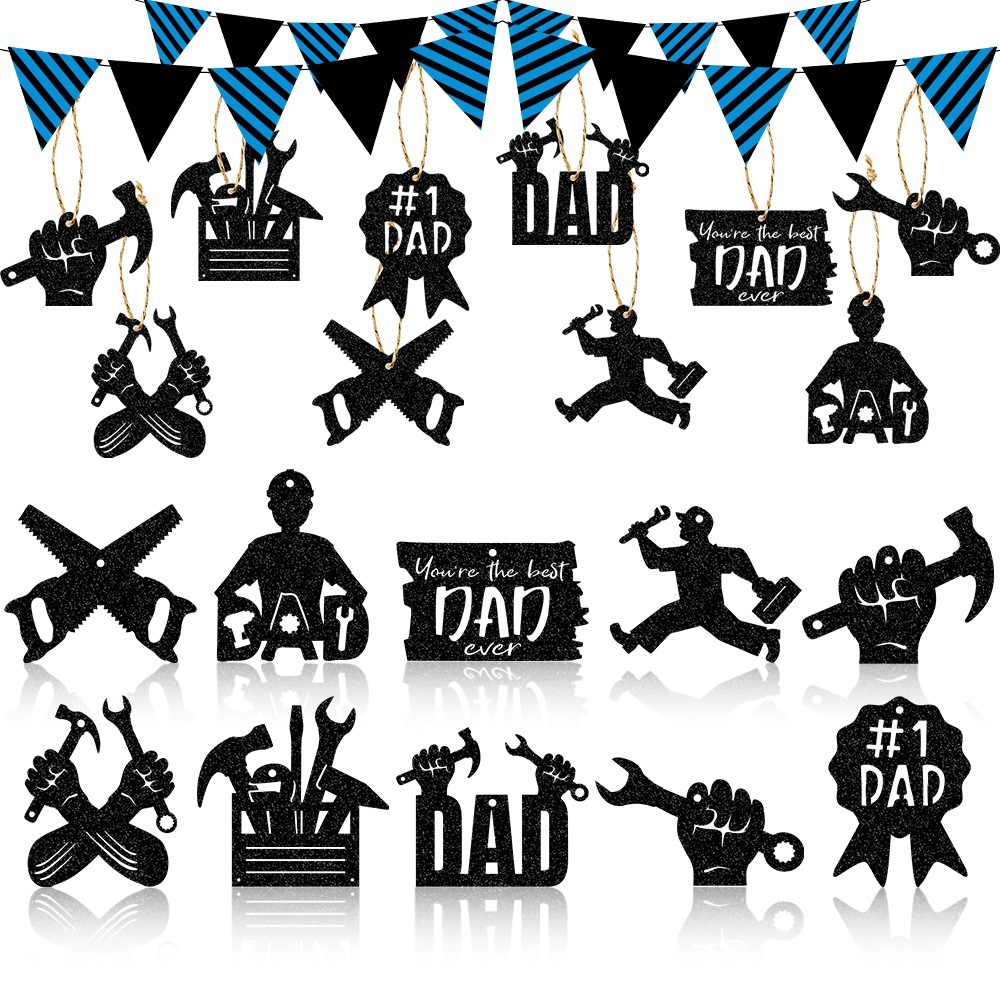
Black Glitter Paper Tools Design Father's Day Hanging Tags With Hemp Rope For DIY Party Decoration Best Dad Ever Ornaments
$0.88
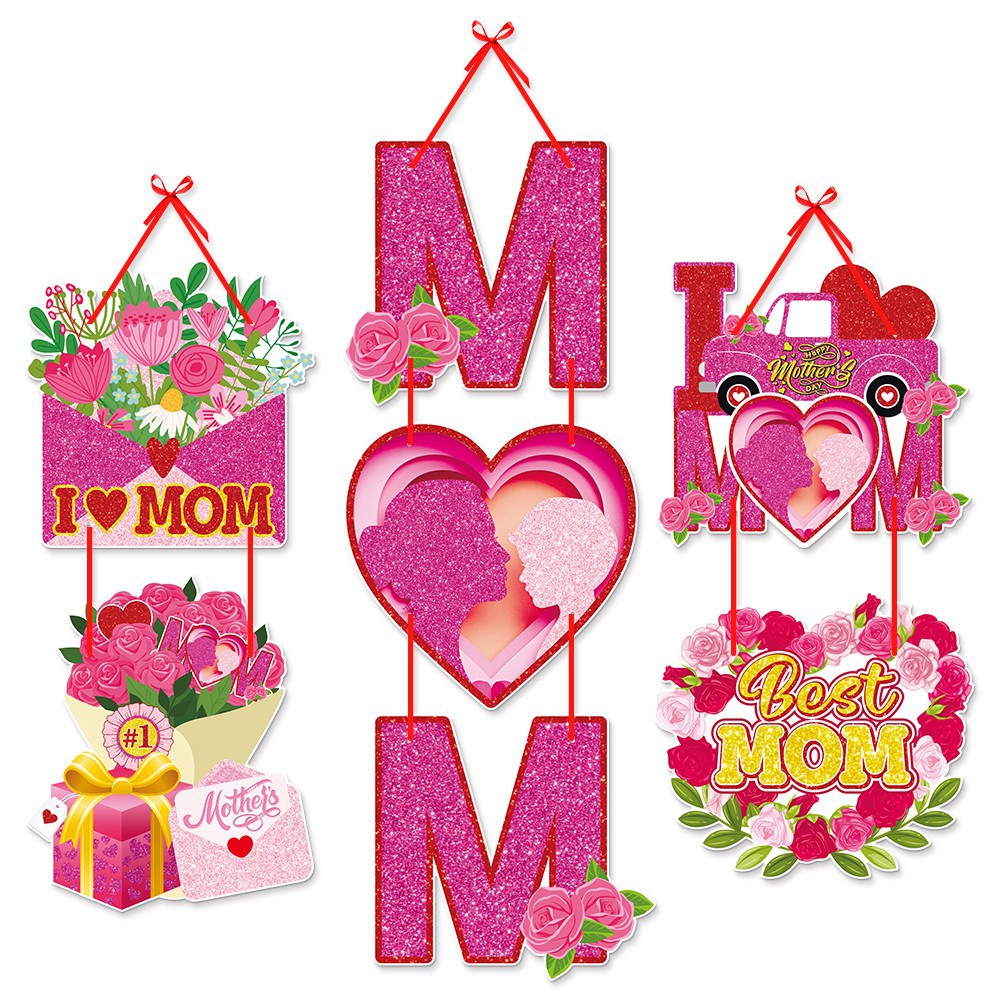
Glitter Paper Mother's Day Door Hanging Sign MOM Heart Floral Wall Decorations For Party Home Window Best Mom Ever Gifts
$0.99
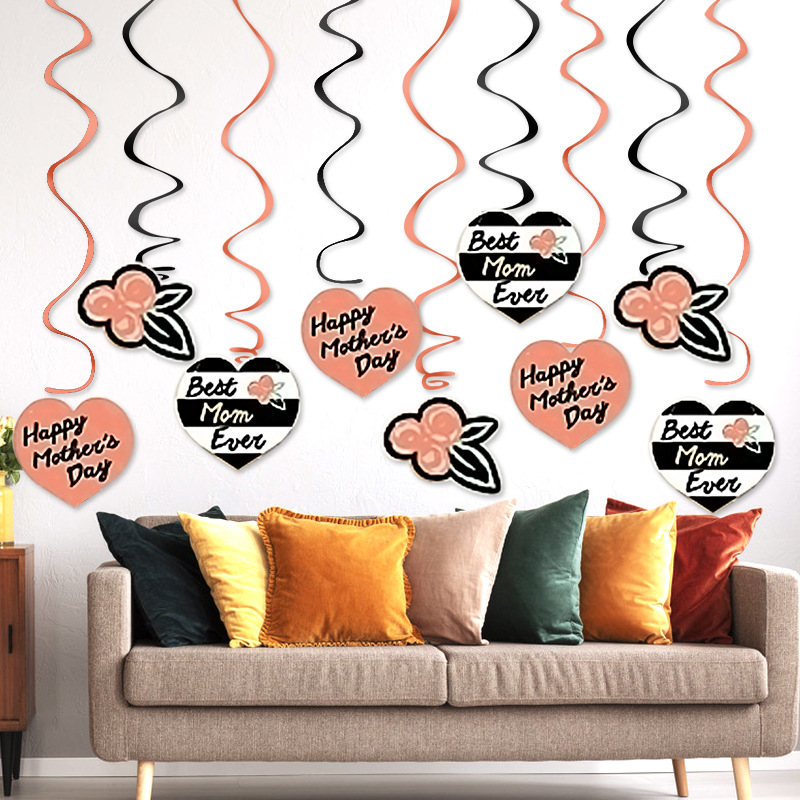
Happy Mother's Day Hanging Swirl Decorations Pink Black Cardstock PVC Heart Flower Best Mom Ever Party Home Decor Ceiling Ornaments
$1.84
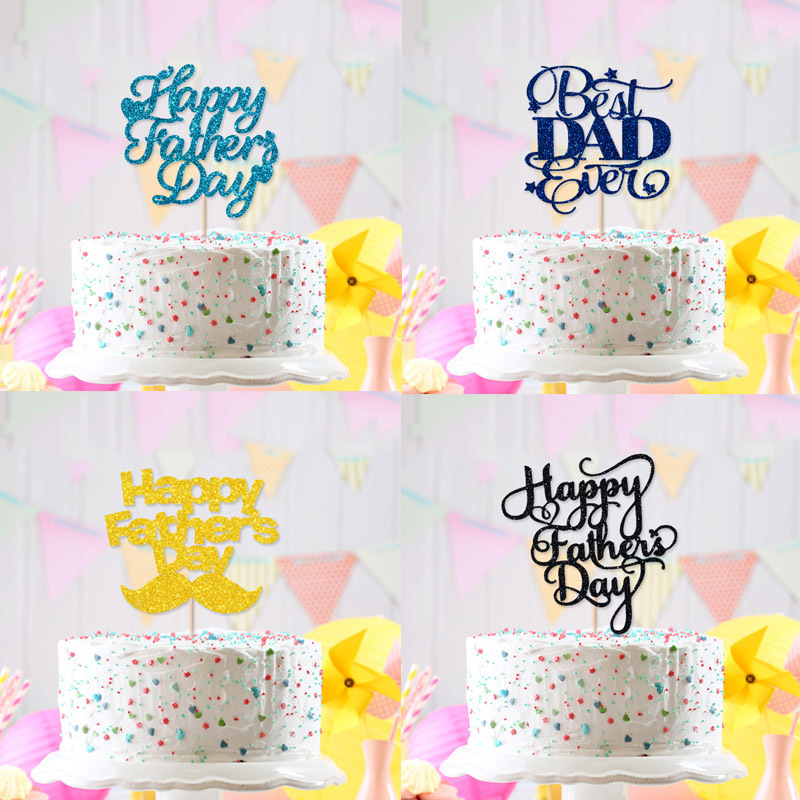
Glitter Paper Father's Day Cake Topper With Bamboo Stick Happy Father's Day Best DAD Ever Party Dessert Decor For Dad
$0.30
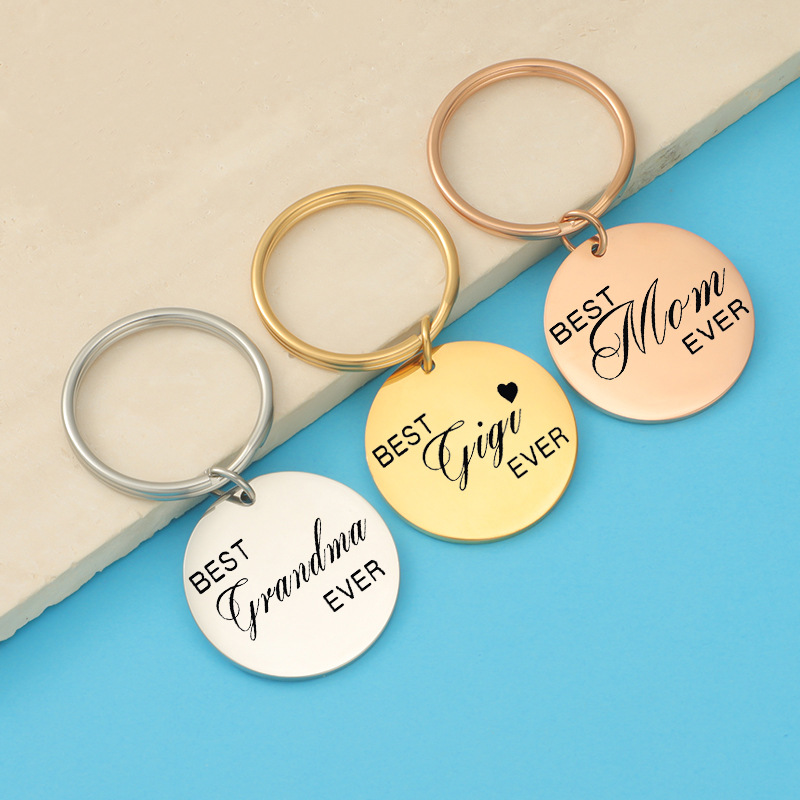
Stainless Steel Round Keychain Best Mom Grandma Wife Ever Engraved Metal Key Ring Polished Mirror Finish Gift For Family Jewelry Accessories
$0.71
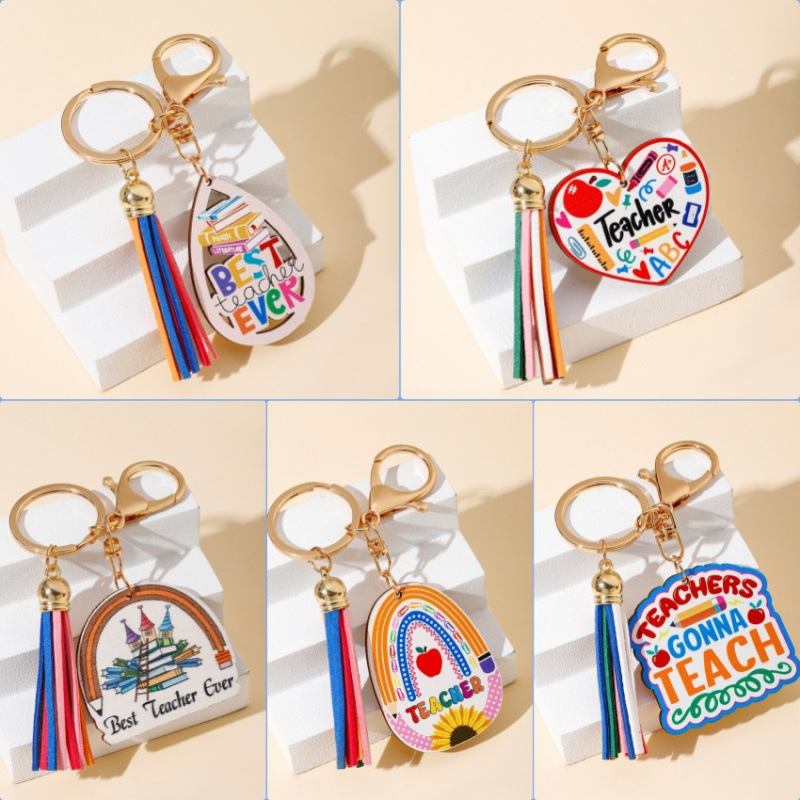
Teacher Appreciation Keychain Wooden Plaque Colored Tassel Gold Metal Best Teacher Ever Gift For School Graduation Thank You Rainbow Apple Design
$0.76
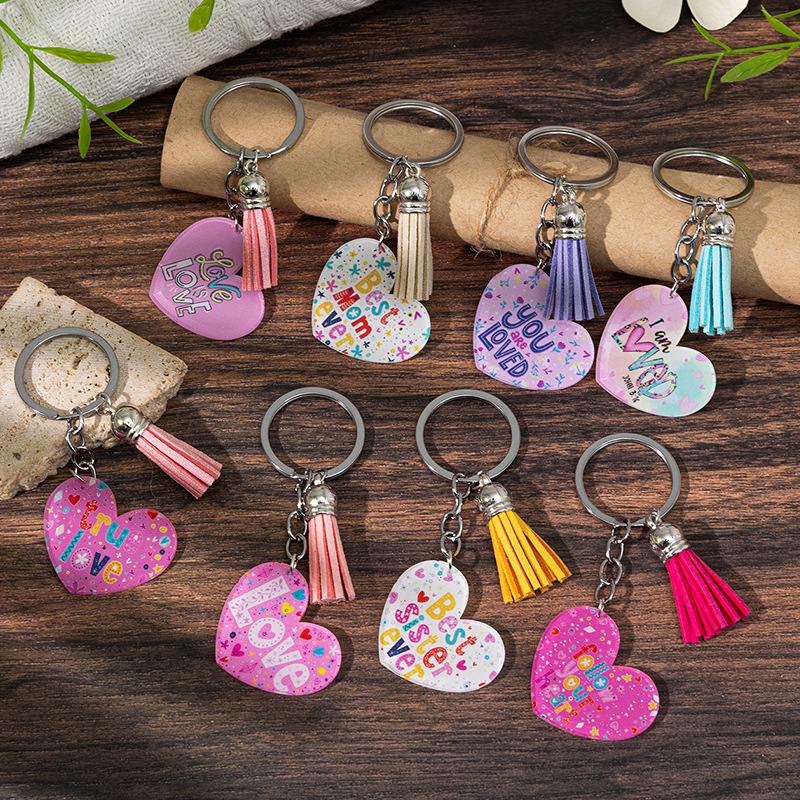
Acrylic Heart Slogan Keychain With Tassel For Women Girls Best Mom Ever Love You Bag Pendant Mother's Day Gift Jewelry Accessory
$0.86
Bundle Ideas to Break the Sales Lull
Bundling works because it increases perceived value and reduces the risk of a single product failure. For the 'best ever' niche, grouping a keychain, banner, and cake topper creates a complete party kit that commands a higher margin than any single item.
Ultimate Mother's Day Party Kit
A Shopify seller whose 'Best Mom Ever' keychain stopped selling can combine it with a banner and cake topper to create a gift set for upcoming Mother's Day.
- Acrylic Heart Slogan Keychain with Tasselhero
- Happy Mother's Day Cardboard Paper Banner BEST MOM EVERupsell
- Pink Glitter Best Mom Ever Cake Toppercomplement
Bundle at $5.99 vs $6.08 separately — minor savings but major convenience for mom shoppers.
Dad's Day Decor Bundle
A seller whose 'Best Dad Ever' baseball cap [168364] is not selling can reposition it as part of a Father's Day decoration set.
- Best Daddy Ever Embroidered Baseball Caphero
- Father's Day Banner Best Dad Everupsell
- 9PCS Father's Day Honeycomb Centerpiece Decorationscomplement
Bundle at $9.99 vs $11.70 separately — risk is cap sizing; include one-size-fits-all note.
Teacher Appreciation Mini Kit
A dropshipper who only sells teacher keychains [164232] can combine with a banner and cake topper to create a classroom gift set for the end of the school year.
- Teacher Appreciation Keychain Wooden Plaque with Tasselhero
- Teacher Appreciation Keychains Wooden Alloy Metal Pencil Rainbowcomplement
- Father's Day Party Decorations Paper Banner (repurpose as 'Thanks Teacher')upsell
Bundle at $4.99 vs $5.81 separately — downside: the banner design says 'Dad', so only use for non-specific teacher events.