
Trend Report · April 30, 2026
Should You Post on Amazon and eBay Alongside Your Store? Here's the Breakdown
Straight talk on listing your products on Amazon, eBay, and Etsy simultaneously—budget, risk, and the margin math every Shopify seller needs.
Do You Also Post on Amazon and eBay? The Cross-Listing Reality Check
A Reddit user recently asked: 'Do you guys also post on Amazon and eBay?' It's the exact question on every new seller's mind when they open an Etsy store. The short answer is yes, you can, but the long answer determines your actual profit. The core dilemma is simple: more platforms mean more eyeballs, but they also mean more fees, more inventory headaches, and more time spent managing listings. For a Shopify store owner or dropshipper testing a jewelry line, the decision comes down to whether the extra volume justifies the operational drag.
Running a multi-platform operation forces you to reconcile separate fee structures. Amazon takes referral fees (8–20%), plus FBA storage if you use fulfillment. eBay has insertion fees and final value fees that vary by category. Etsy takes a listing fee and a transaction fee. If you're selling our Colorful Rainbow Zircon Huggie Hoop Earrings (product ID 113716) at $2.04, those fees can eat a third of your revenue before you even pay for shipping. The margin game gets tight fast. The smartest sellers test one platform at a time, build a baseline, then expand—but never blindly.
Inventory sync is the silent profit killer. If you sell the same SKU on three marketplaces and it sells out on one, you risk a cancellation penalty on the others. Amazon's A-to-z refund policy hits hard if you don't fulfill on time. eBay's defect rate can kill your account. Until you have a reliable inventory management system (like a real-time sync app), posting everywhere at once is a high-risk move. The Reddit thread didn't get into fulfillment details, but every experienced seller knows: fulfillment at scale is where the cash flow breaks.
Why Cross-Platform Selling Still Works for Jewelry Sellers
The 'Do you guys also post on Amazon and eBay?' question comes from a place of opportunity. Jewelry is one of the most searched categories on all three platforms, but each marketplace attracts a different buyer profile. Amazon buyers want fast shipping and easy returns; eBay buyers hunt for deals or unique vintage finds; Etsy shoppers want handcrafted or personalized feels. If you can source products that fit all three vibes—like our Freshwater Pearl Stud Earrings (product ID 42162) at $39.66—you can capture segments that don't overlap.
There's no explicit trend data in the source summary, but the pattern is clear from industry experience: diversifying channels reduces dependency on a single traffic source. A Shopify store relies on your own marketing; marketplaces bring built-in search. For a new seller with a low budget, eBay and Etsy have low entry costs compared to Amazon. However, the risk of saturation is real. Everyone and their cousin lists earrings on Amazon. The key is to differentiate—use unique product photography, bundle creatively, and target long-tail keywords on each platform.
The 'everyone' comment in the source summary hints at the FOMO sellers feel. The truth is that most sellers fail because they spread too thin. A smarter approach is to use your Shopify store as your landing page, then selectively list high-margin SKUs on one extra platform at a time. Our least expensive earrings, like the Vintage Geometric Earrings (product ID 78508) at $0.72, might work well on eBay where low price plus unique style can attract bargain hunters without competing with FBA giants.
Who Should Pay Attention to This Multi-Platform Strategy
This strategy isn't for everyone. It's best for sellers who have already validated a product on one channel and have the bandwidth to manage two more. The profiles below explain which operators get the most out of cross-listing.
Shopify seller
Direct benefit: you can use your Shopify store as the single source of truth for inventory, then push selected SKUs to marketplaces to generate extra revenue without building brand traffic yourself. Low-cost earrings like our Minimalist Twisted Geometric Stud Earrings (product ID 108830) at $2.75 are ideal for testing.
Dropshipper
Dropshipping margins are already thin—cross-listing multiplies your exposure but also multiplies fulfillment errors. Only list products with reliable suppliers and avoid Amazon Prime if you can't guarantee 2-day shipping. Our Titanium Steel Cute Bear Earrings (product ID 153000) at $3.92 are a safe test because the low price minimizes risk per order.
Boutique buyer (wholesale)
If you buy in bulk, cross-listing helps clear volume faster. Use eBay for clearance lots and Etsy for elevated product listings. Our Baroque Pearl Earrings Natural Freshwater Pearl (product ID 121279) at $6.89 have a vintage look that appeals to both Etsy and eBay audiences.
How to Sell Across Amazon, eBay, and Etsy Without Bleeding Cash
The tactical playbook starts with product selection. Pick items that have a cost low enough to absorb marketplace fees but high enough to leave margin after shipping. Test with 10–15 SKUs first. Do not list all 20 earring styles at once. Use a channel like eBay to test demand without monthly store fees—eBay allows up to 250 free listings per month for basic accounts. Once a product shows consistent sales, graduate it to Amazon where you'll need a Professional account ($39.99/month) but get access to higher search volume. For each platform, optimize the listing title to include platform-specific search terms. On Amazon, stuff keywords like 'geometric stud earrings sterling silver' in the title. On eBay, front-load with phrases like 'vintage' or 'handmade'. Etsy prefers a story—mention the material and craft. Our Lightning Bolt Stud Earrings (product ID 145365) at $2.57 would sell well on Amazon under 'minimalist dangle earrings' but could be repositioned on Etsy as 'edgy silver studs for women'. Inventory synchronization is non-negotiable. Use a repricing tool that adjusts across platforms when stock depletes. Also, set different prices per platform to account for fee differences. A product that costs $2.04 wholesale (like product ID 113716) might retail at $8.99 on Amazon, $10.99 on eBay (to cover higher shipping costs), and $12.99 on Etsy (to include free shipping). The margin delta is real.
List only items you can fulfill within 2 days. Use FBA for higher-margin earrings like Freshwater Pearl Stud Earrings (product ID 42162) at $39.66. Avoid FBA for cheap items because storage fees kill profits. Start with FBM (fulfilled by merchant) and switch to FBA once you have consistent volume.
⚠ Amazon A-to-z claims can wipe out your profit on a single high-value item if you mess up shipping.
Use eBay for clearance or unique styles. List our Vintage Baroque Heart Drop Earrings (product ID 143161) at $1.12 with a 'starting bid' of $0.99 to generate quick sales. Use Buy It Now for stable sellers. Take advantage of eBay's 250 free listings per month.
⚠ eBay's defect rate can suspend your account if you have more than a few cancellations or late shipments.
Etsy buyers want personality. List our Hollow Flower Monstera Leaf Dangle Earrings (product ID 129335) at $4.40 with a backstory about artisan copper. Use all 13 photo slots. Price slightly higher than Amazon to cover Etsy's $0.20 listing fee per item.
⚠ Etsy's algorithm heavily favors shops with many sales and reviews—starting from zero is slow.
Top Earrings for Cross-Platform Testing
These 18 earring products are ideal for a multi-platform experiment. They cover a range of price points ($0.72 to $39.66) and styles—from minimalist studs to boho drops—so you can test which audience fits each marketplace. Source them all from this list to keep your inventory simple.
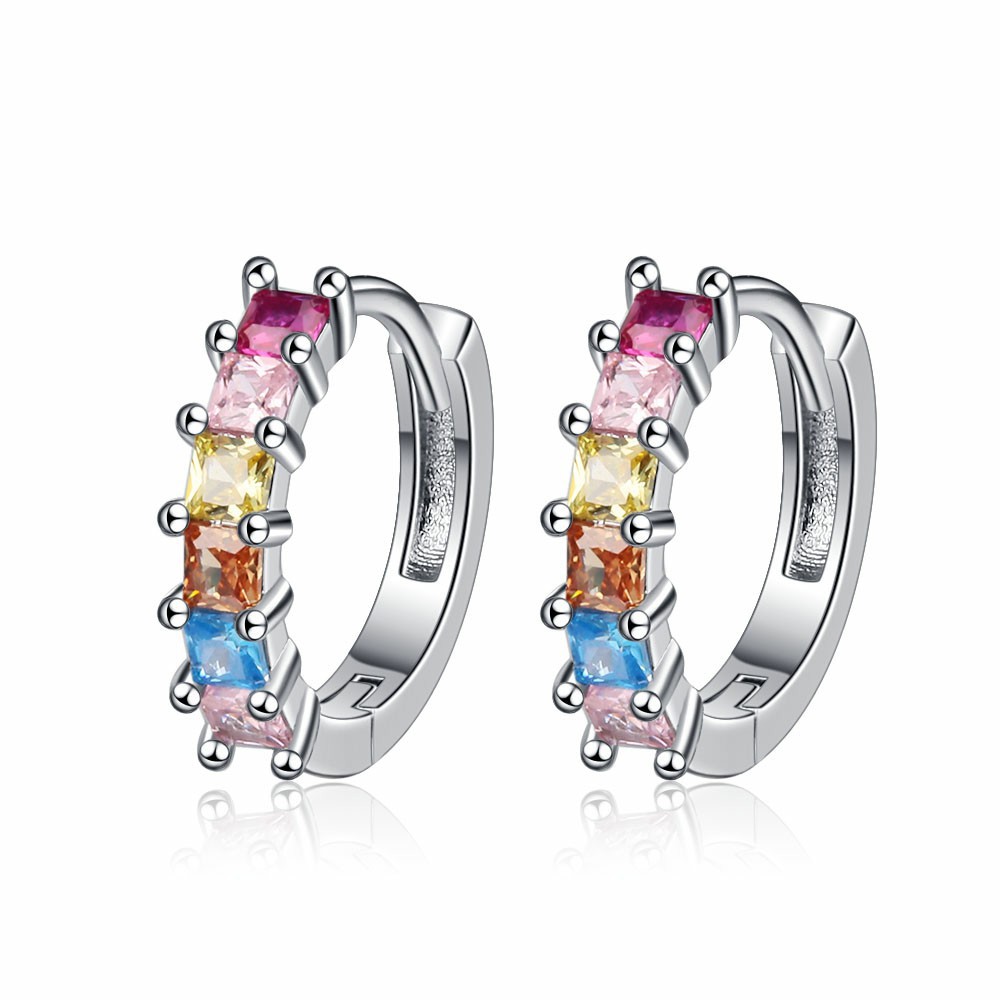
Colorful Rainbow Zircon Huggie Hoop Earrings Geometric Copper Jewelry For Women With Silver Earring Post
$2.04
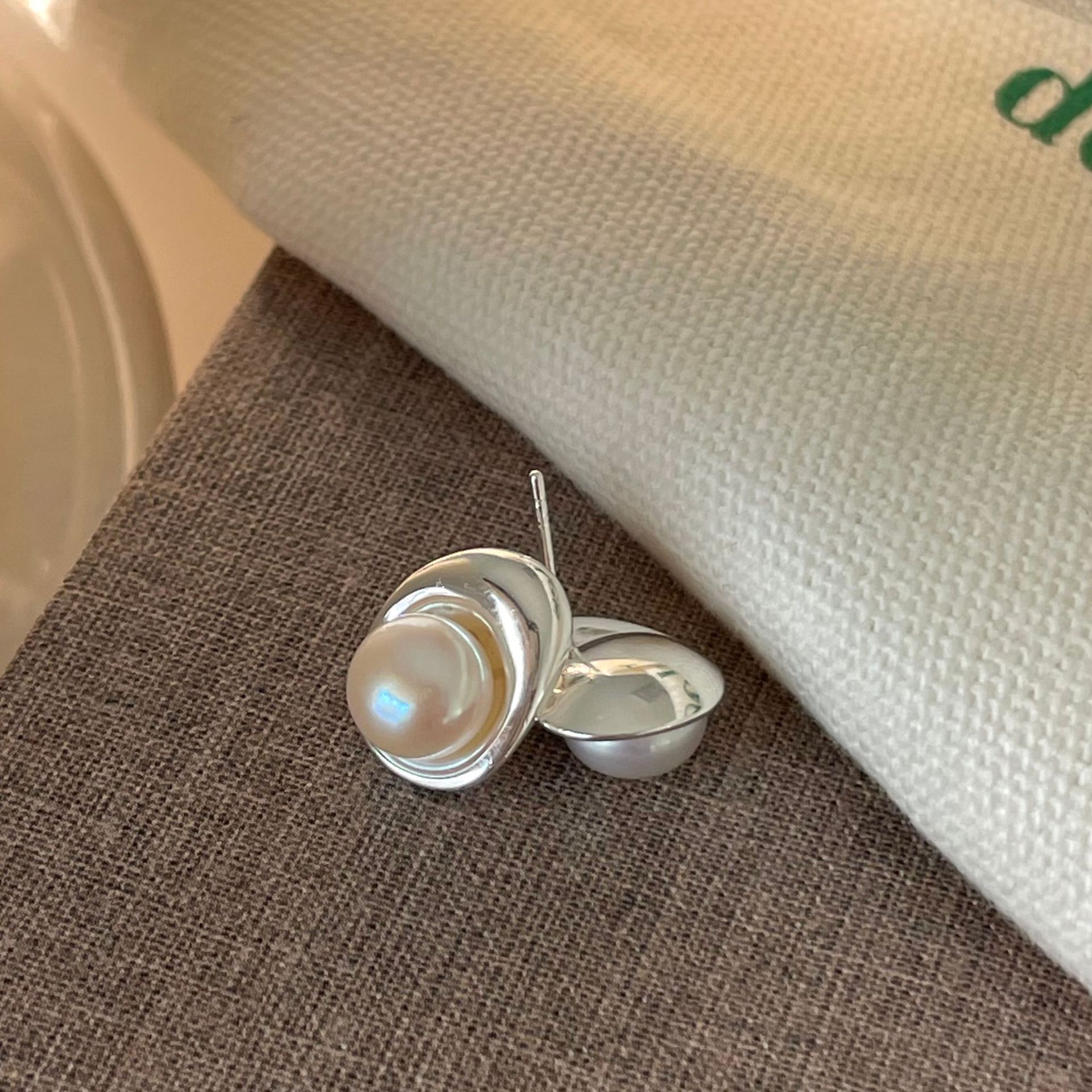
Freshwater Pearl Stud Earrings With 925 Sterling Silver Earring Post Minimalist Irregular Fashion For Women
$39.66
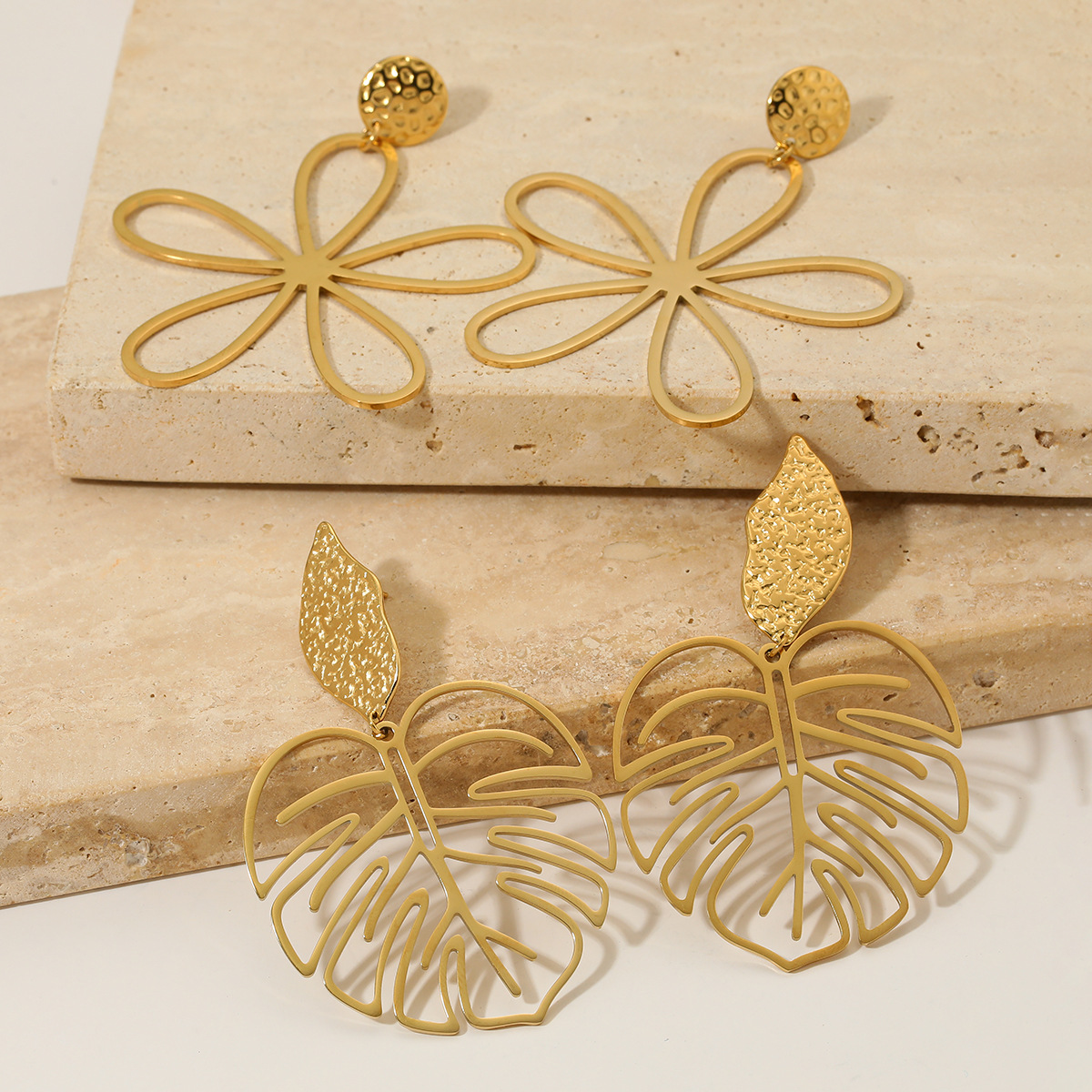
Hollow Flower Monstera Leaf Dangle Earrings 316 Stainless Steel Textured Post Elegant Boho Jewelry For Women
$4.40
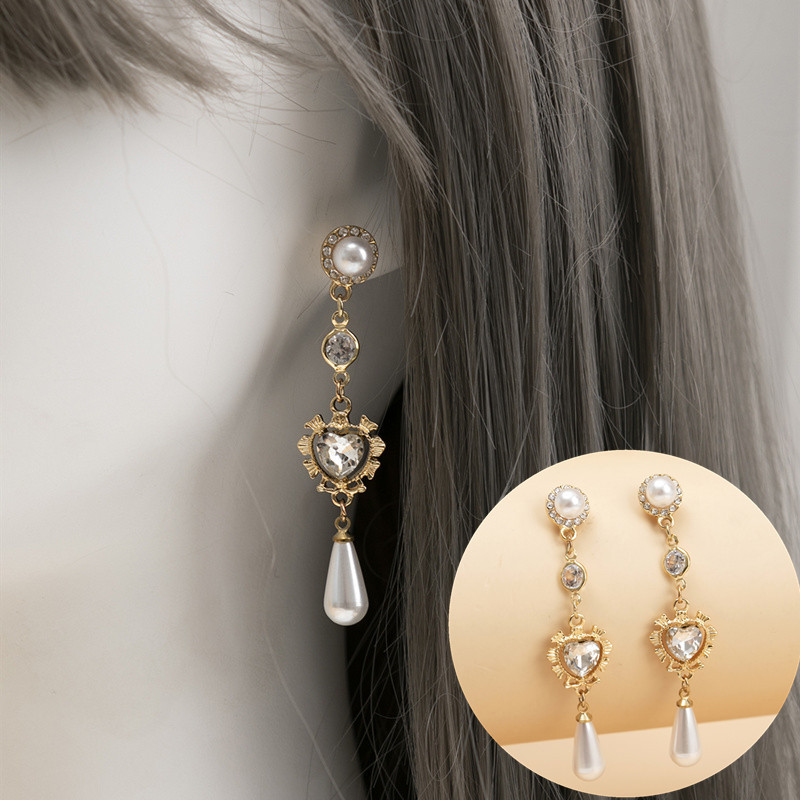
Vintage Baroque Heart Drop Earrings With Faux Pearls Rhinestone And Stainless Steel Earring Post For Women
$1.12
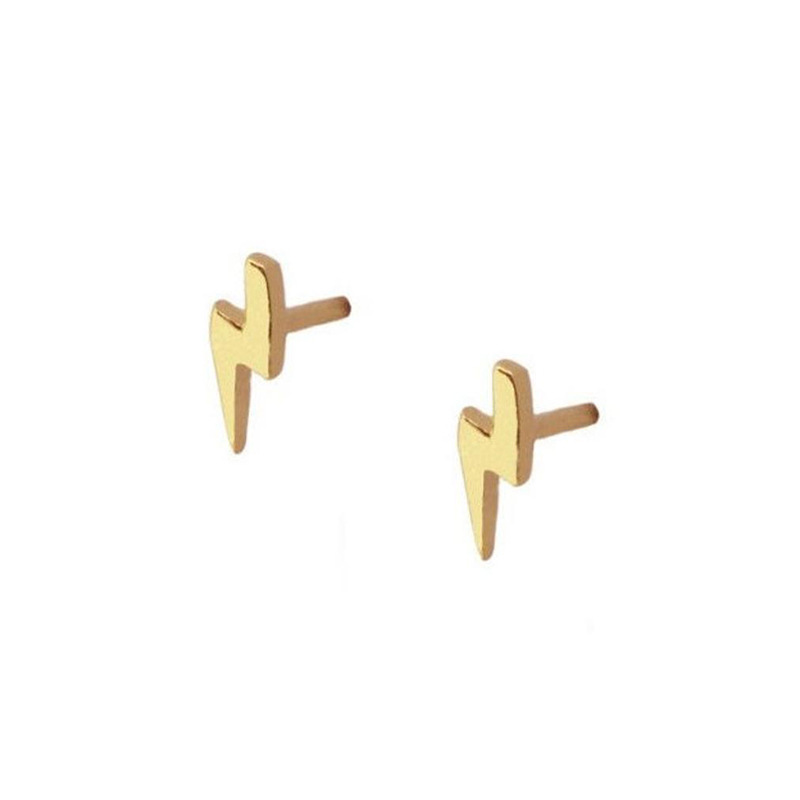
Lightning Bolt Stud Earrings With 925 Sterling Silver Earring Post Minimalist Geometric Copper Jewelry For Women
$2.57
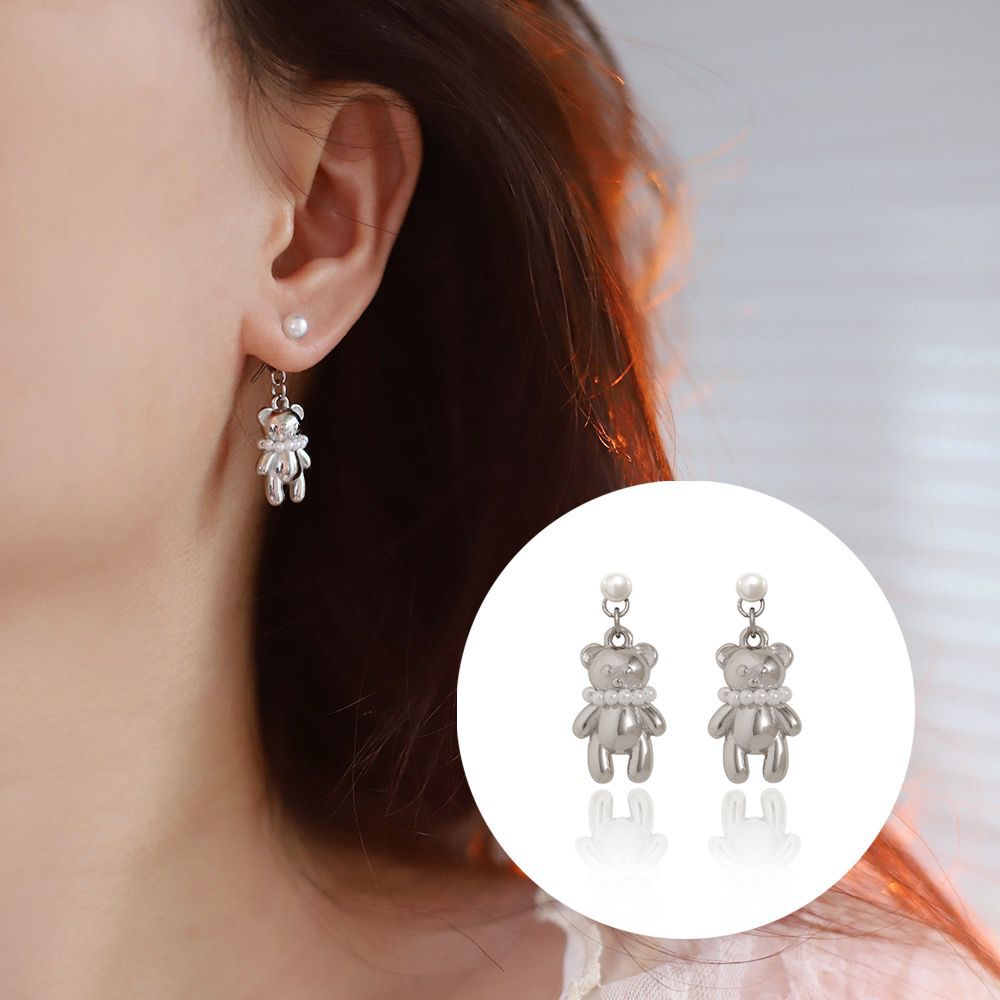
Titanium Steel Cute Bear Earrings With Stainless Steel Earring Post And Imitation Pearl Versatile Style Jewelry
$3.92
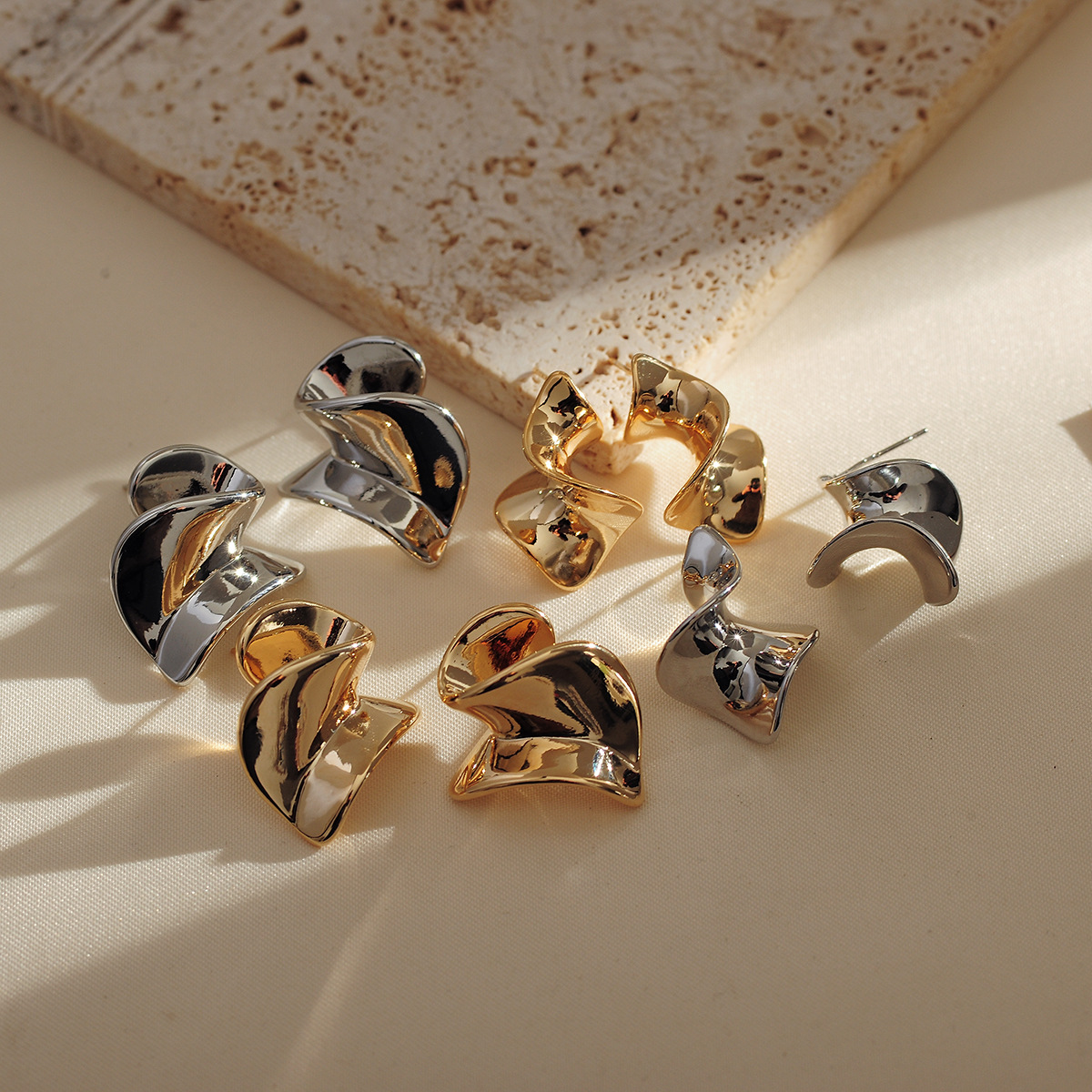
Minimalist Twisted Geometric Stud Earrings With 925 Sterling Silver Earring Post Copper Metal Spiral For Women
$2.75
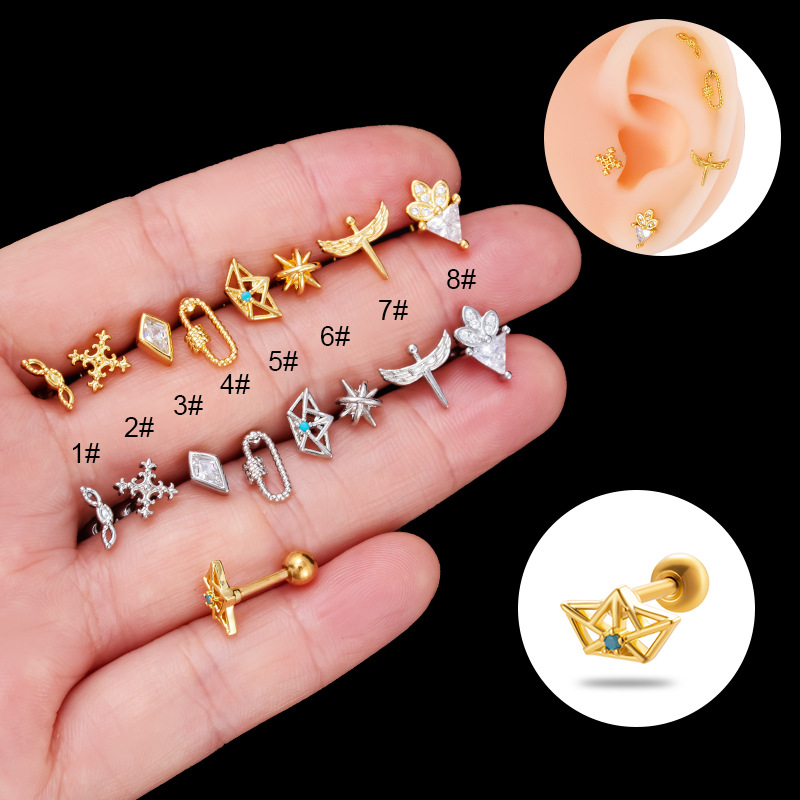
Zircon Stud Earrings With Stainless Steel Earring Post Minimalist Geometric Star Cross Wings Cartilage Piercing Jewelry
$1.01
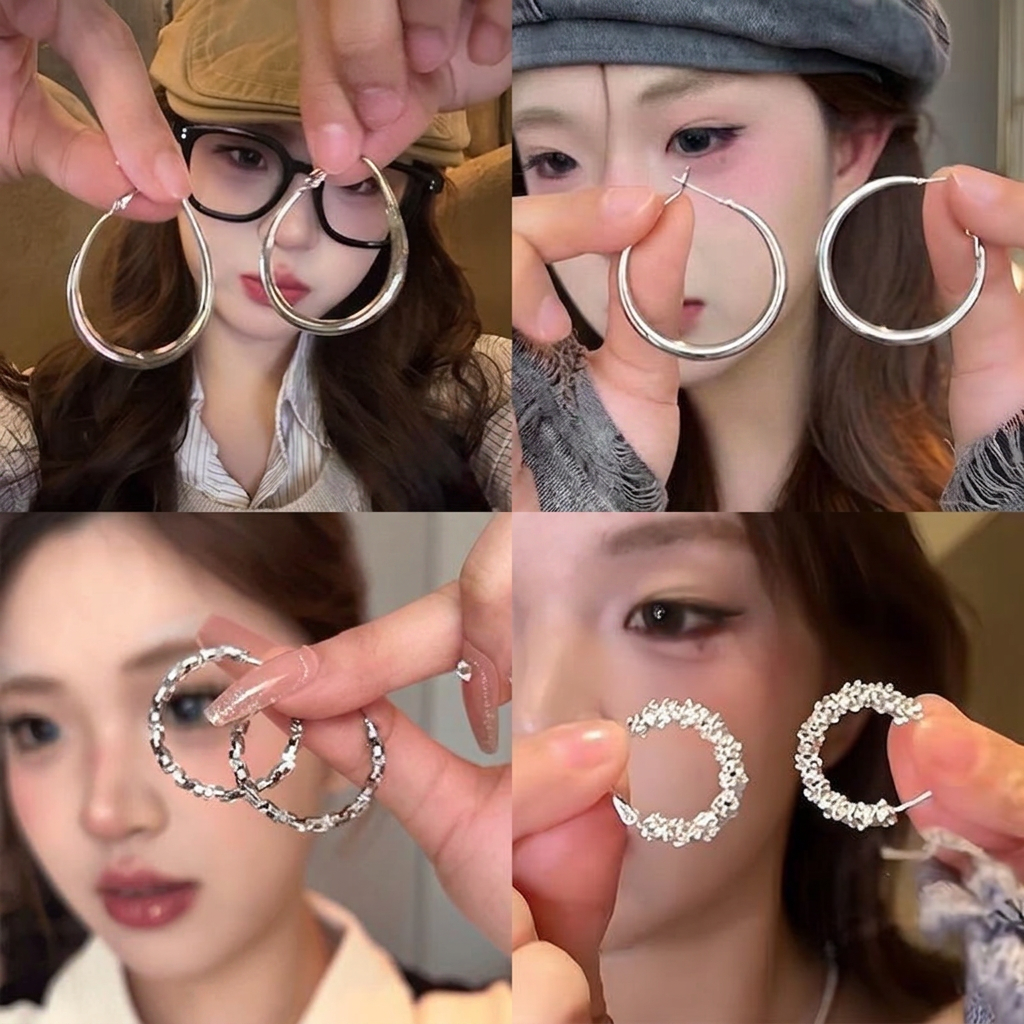
Vintage Geometric Earrings With Silver Earring Post Copper Resin Pearl Fashion Accessories For Women Elegant Jewelry
$0.72
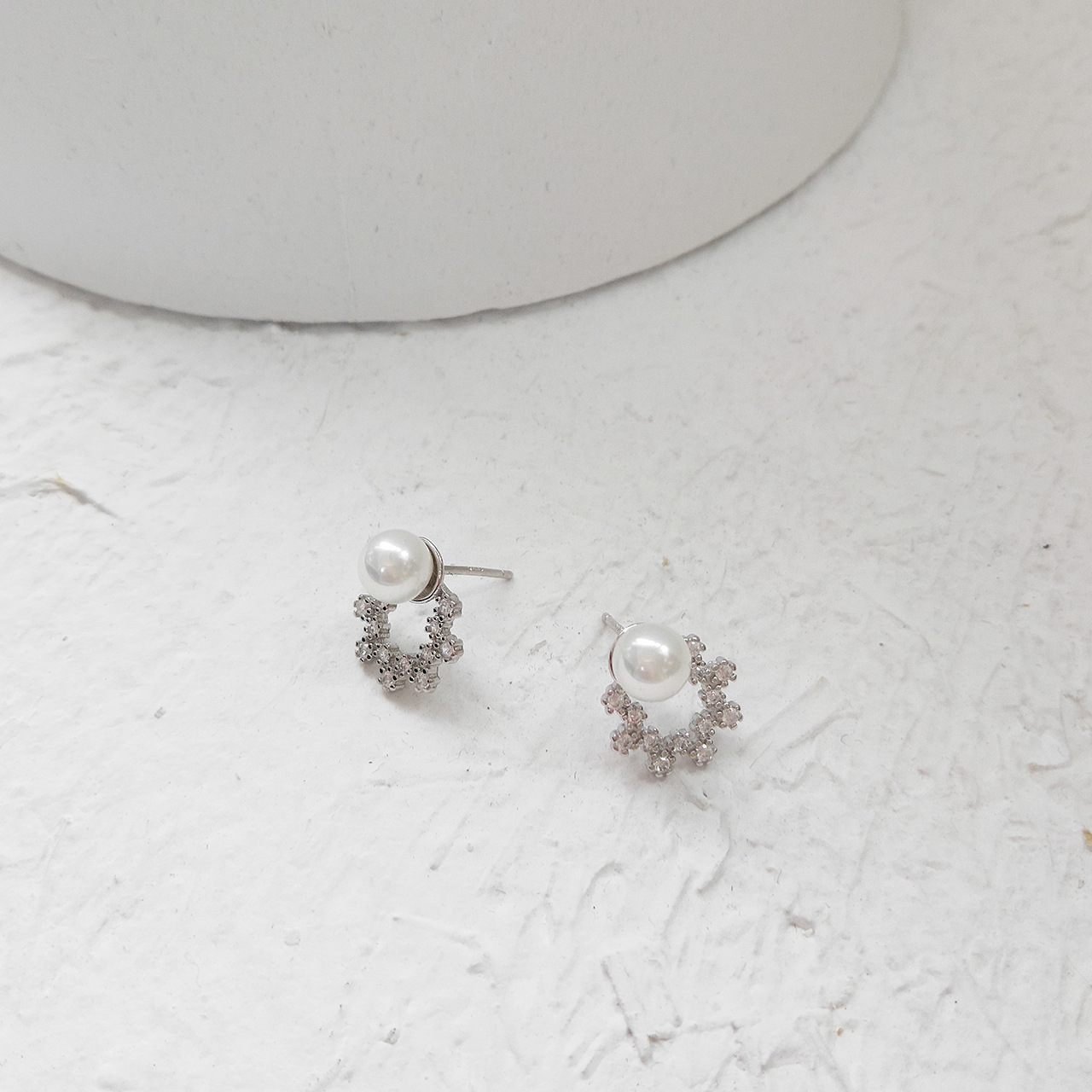
Snowflake Pearl Earrings With 925 Sterling Silver Earring Post Zircon Micro Inlaid Elegant Jewelry For Women
$20.17
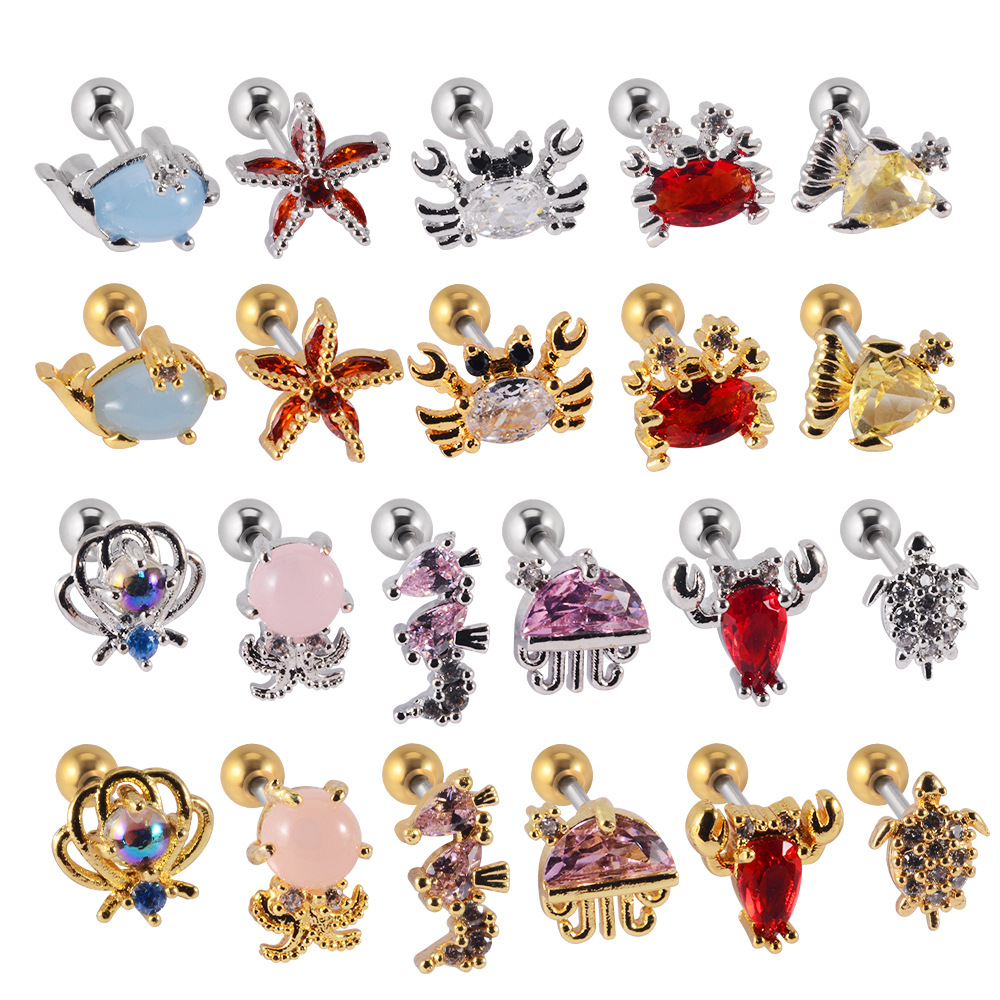
Marine Animal Helix Stud Earrings Copper Zircon Inlaid Stainless Steel Earring Post Screw Back Cartilage Jewelry
$1.19
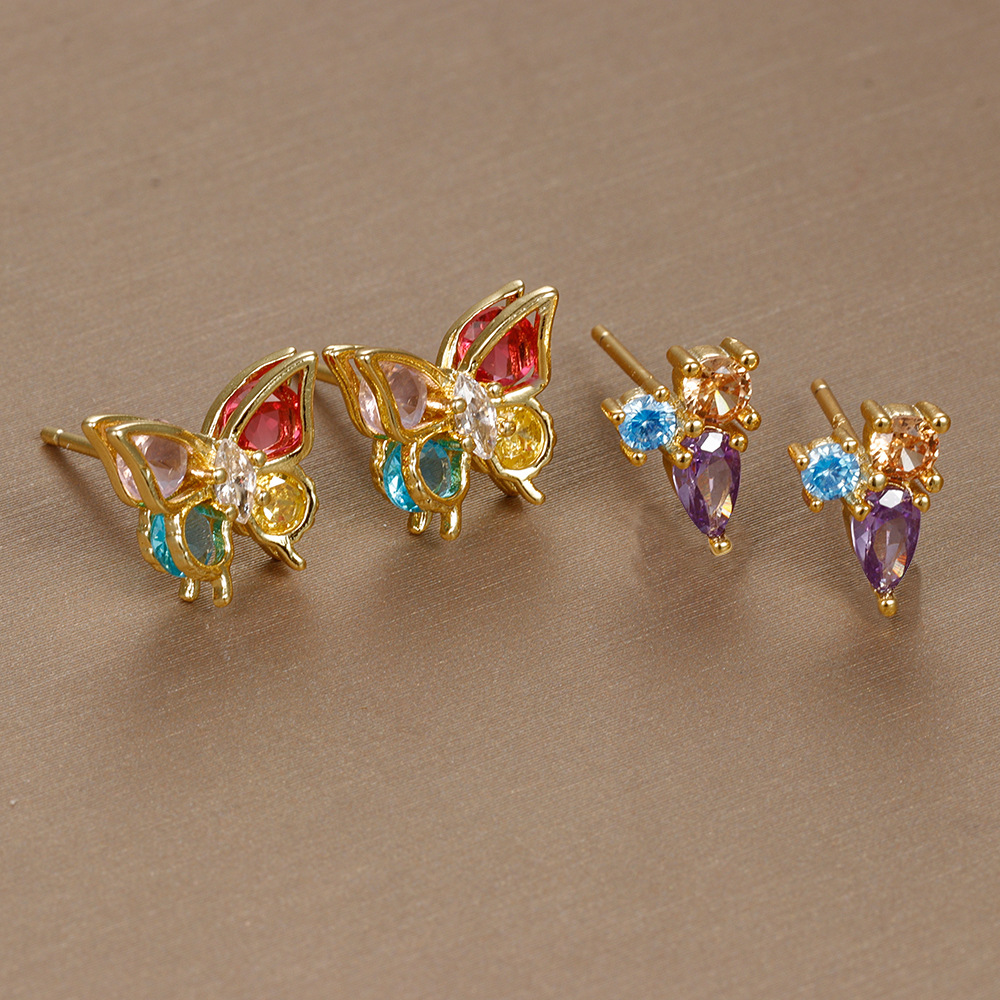
Colorful Butterfly Zircon Stud Earrings With 925 Sterling Silver Earring Post Gold Plated Copper Sweet Jewelry
$1.39
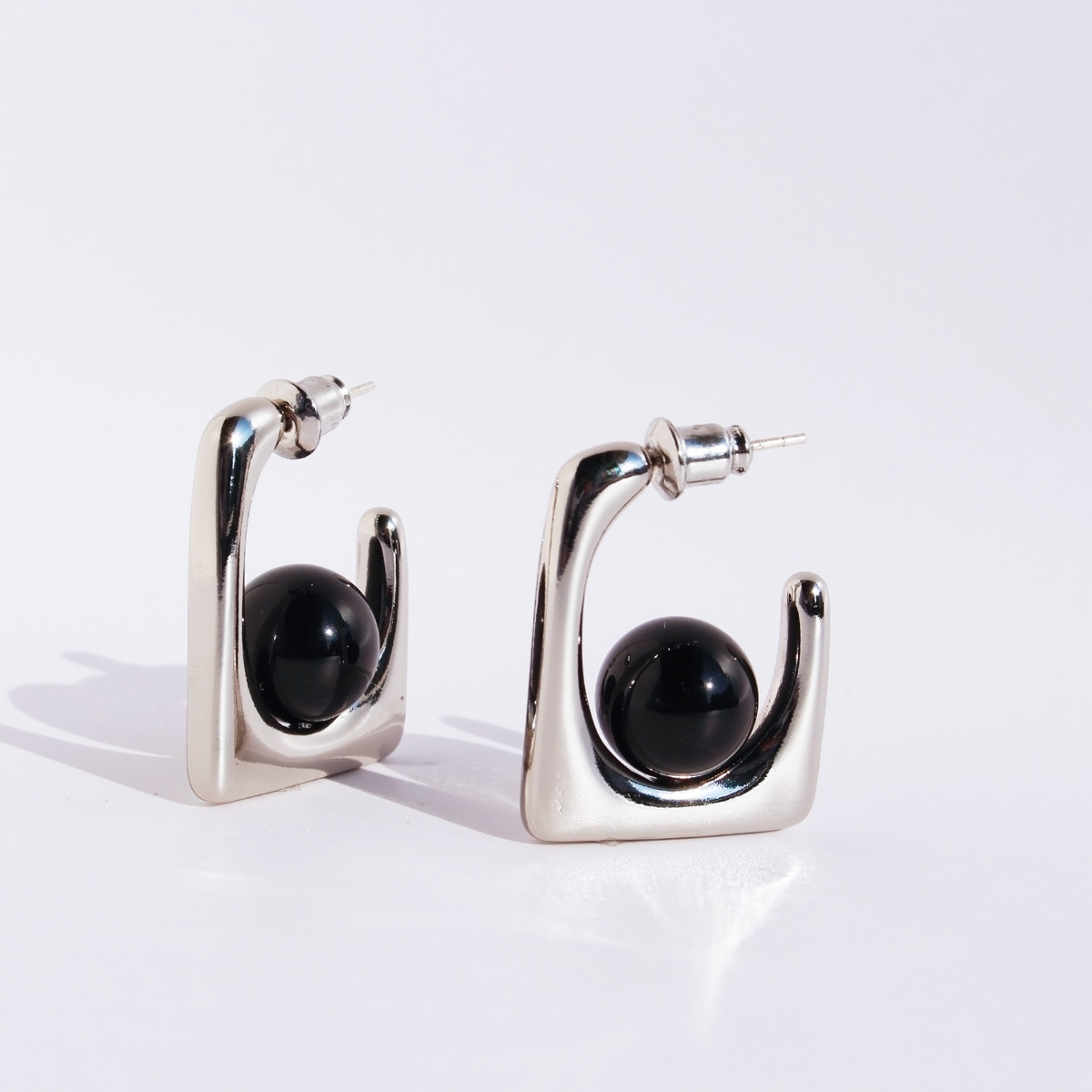
Geometric Square Earrings Gold Plated Brass With Black Agate And 925 Sterling Silver Earring Post Minimalist
$4.66
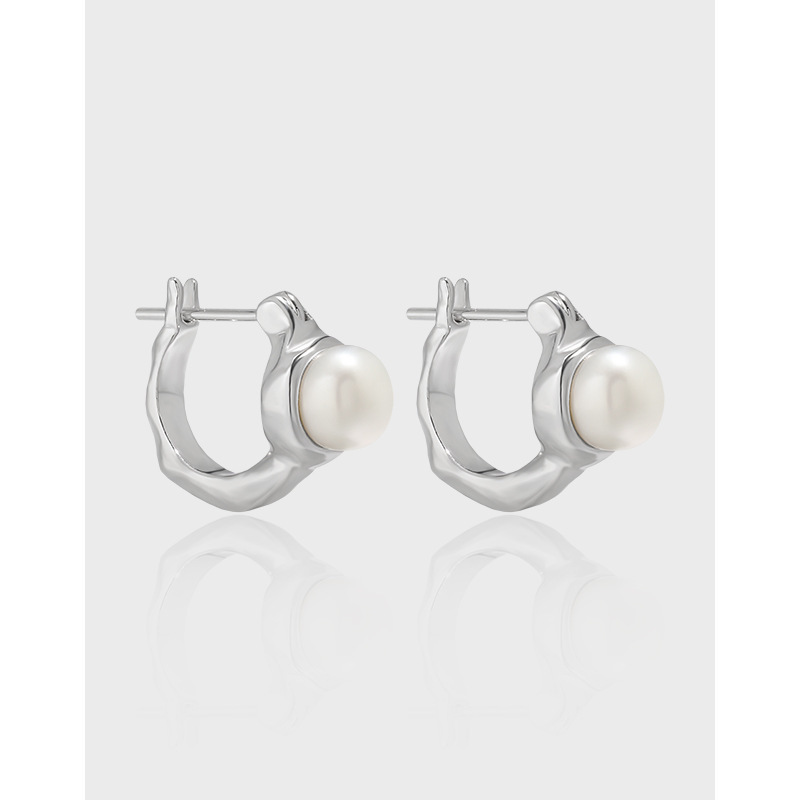
Freshwater Pearl Earrings With 925 Sterling Silver Earring Post C Shaped Buckle Minimalist Jewelry For Women
$21.70
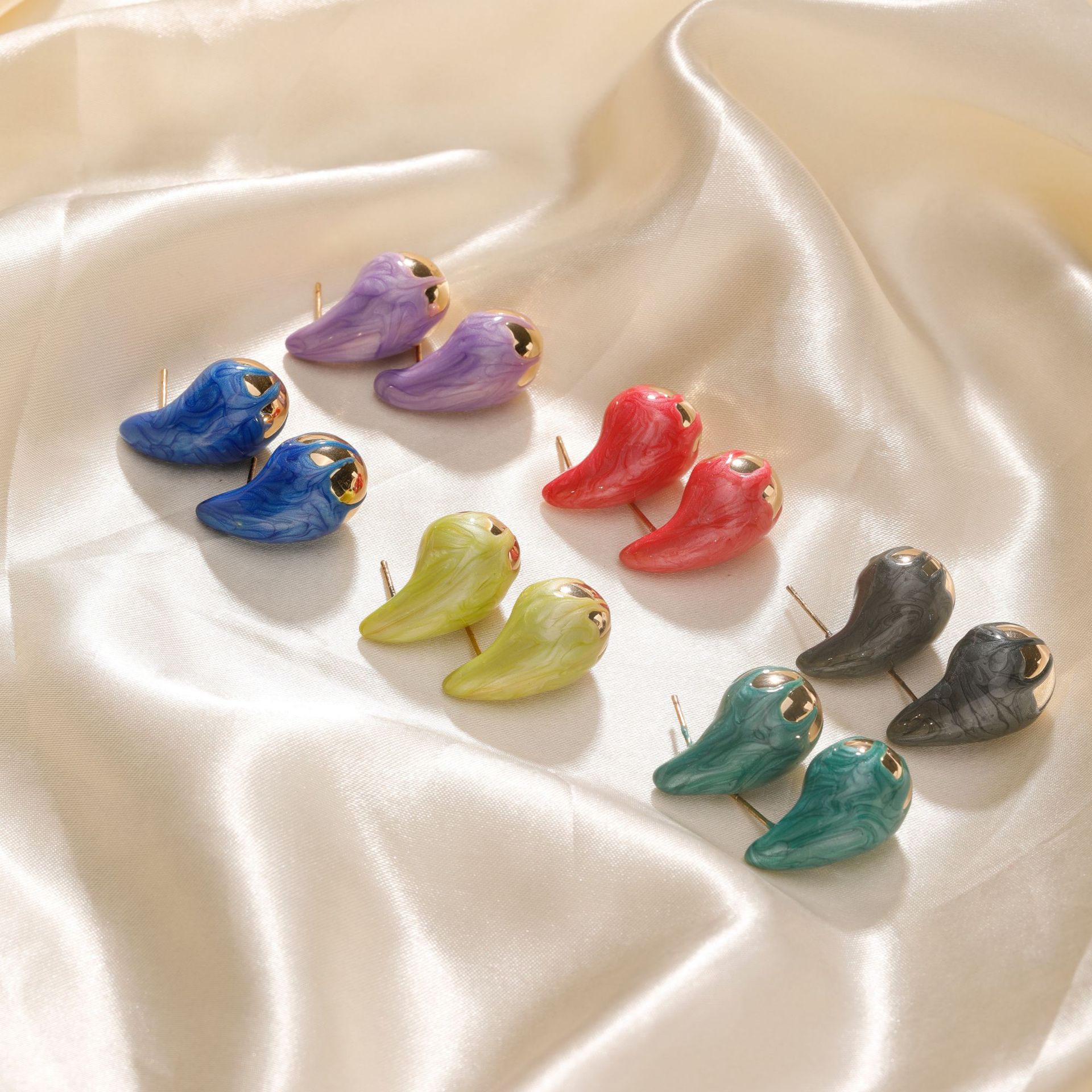
Colorful Marble Texture Teardrop Earrings With Copper Earring Post Resin Geometric Fashion Jewelry Accessories For Women
$1.24
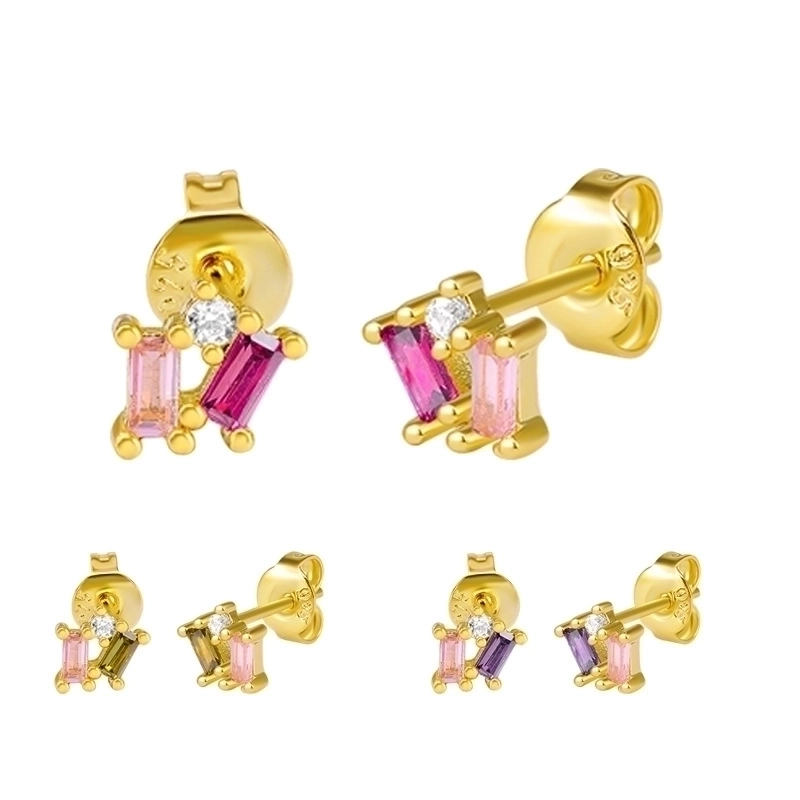
Geometric Stud Earrings Copper With 925 Sterling Silver Earring Post Colored Zircon Minimalist Jewelry For Women
$2.23
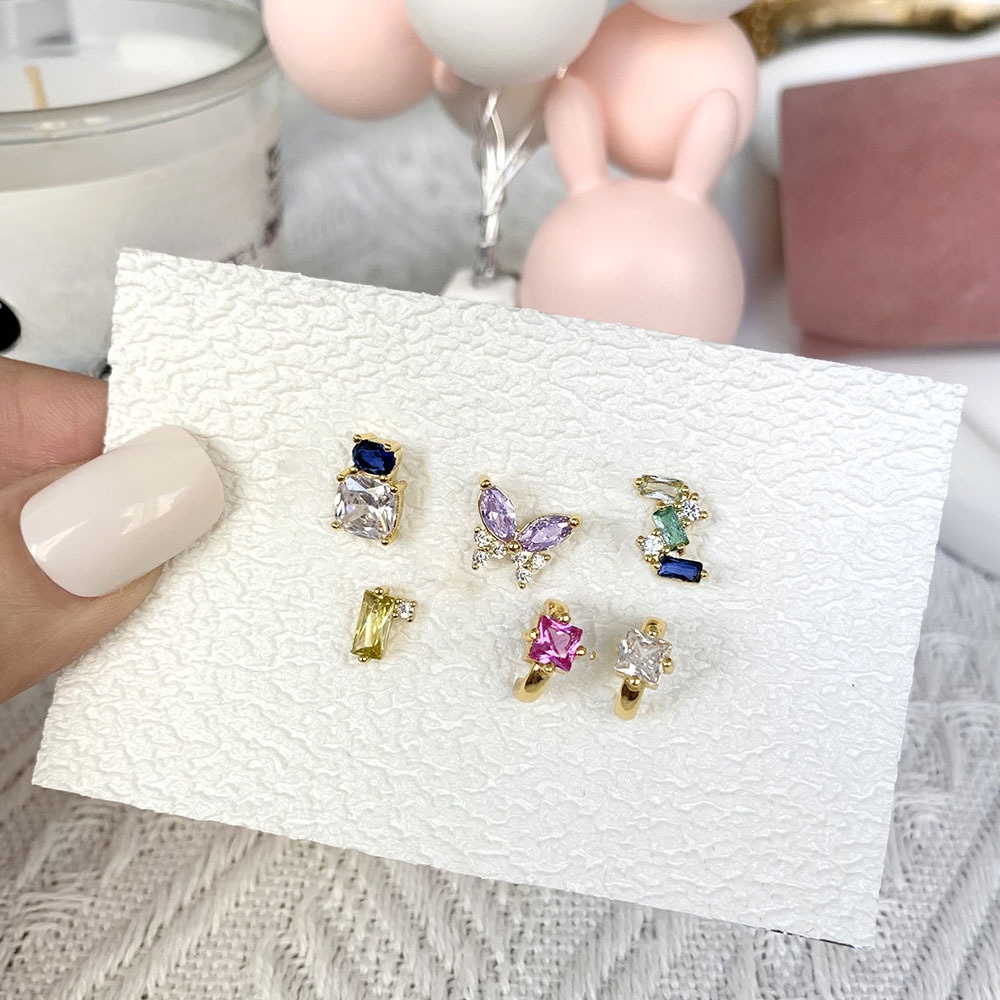
Brass Zircon Stud Earrings Colorful Butterfly Geometric Small Dainty Jewelry For Women With Brass Earring Post
$0.97
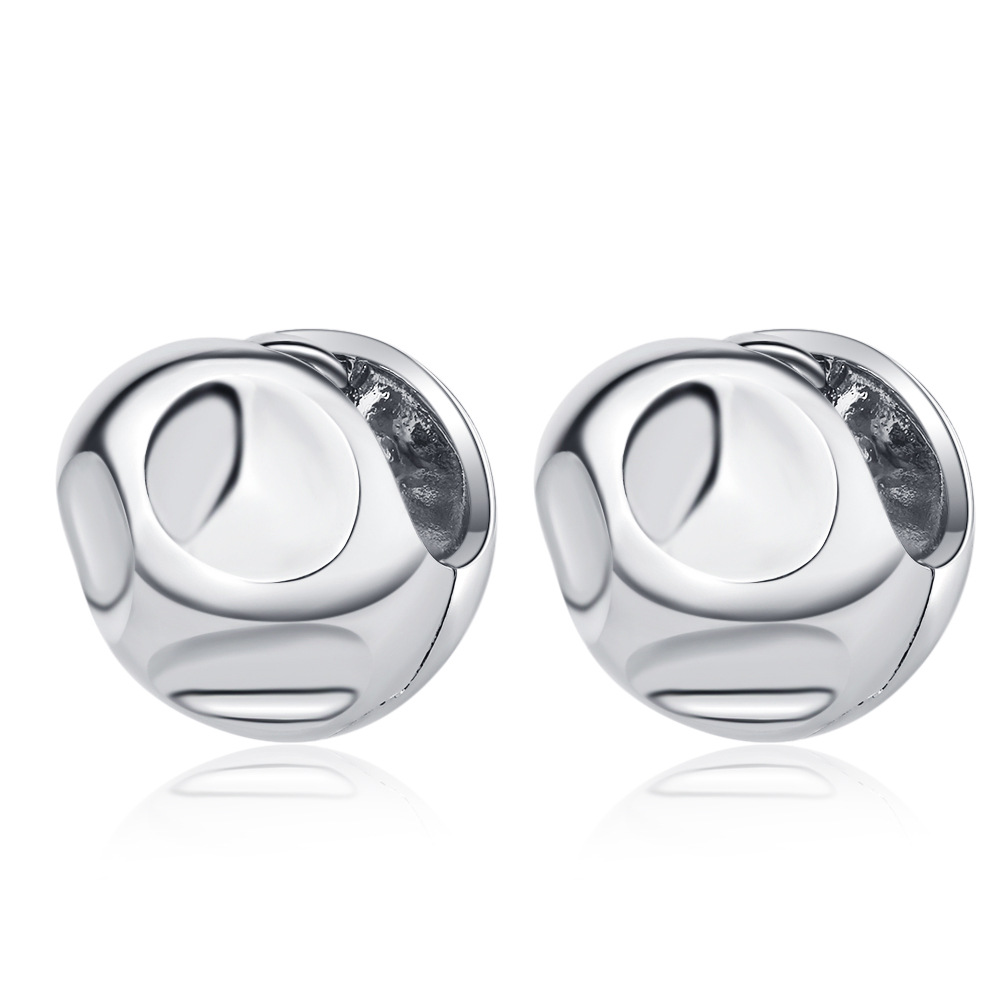
Irregular Liquid Metal Hoop Earrings Smooth Polished Copper Jewelry With Silver Earring Post Minimalist For Women
$2.02
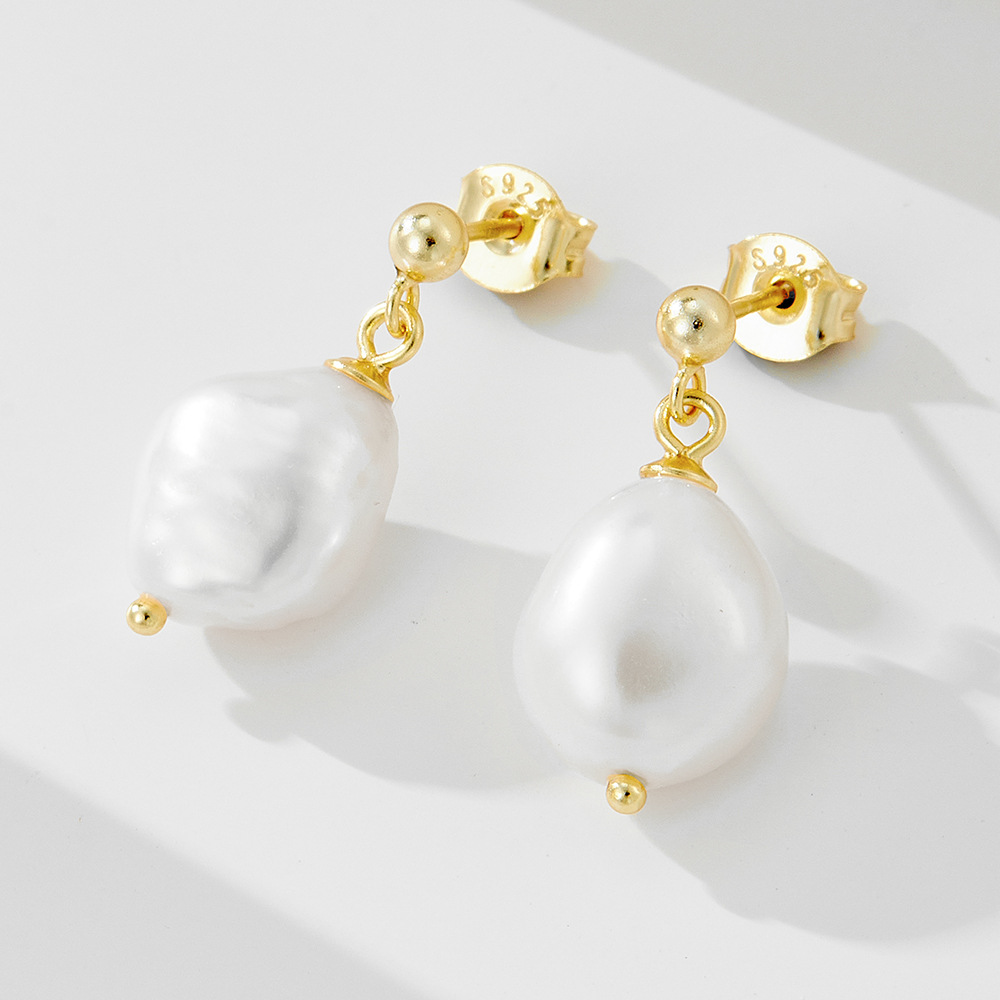
Natural Freshwater Pearl Stud Earrings With 925 Sterling Silver Earring Post Baroque Irregular Geometric Elegant Jewelry
$16.18
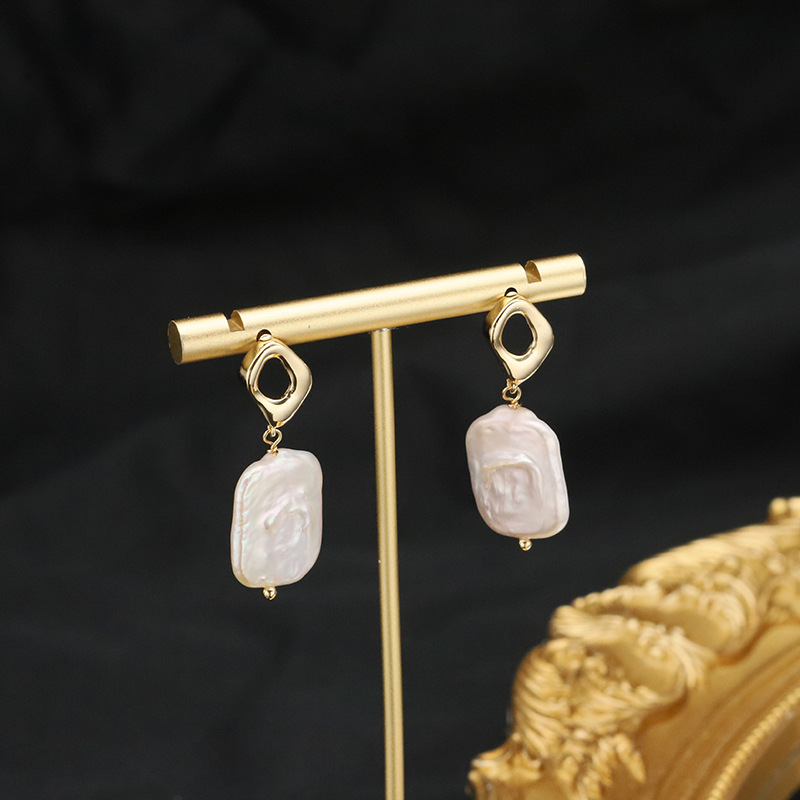
Baroque Pearl Earrings Natural Freshwater Pearl With 925 Sterling Silver Earring Post Vintage Geometric Hollow For Women
$6.89
Earring Bundles That Move Fast on Multiple Platforms
Bundling solves two problems: it increases average order value and reduces per-item shipping costs. For a multi-platform seller, bundles also reduce the risk of stock-outs on individual SKUs because you can swap components. These three bundles are designed for different buyer scenarios you'll encounter across Amazon, eBay, and Etsy.
Starter Studio Bundle
New Etsy seller wants a cohesive set of 4 earring styles to launch their shop without overwhelming inventory.
- Colorful Rainbow Zircon Huggie Hoop Earringshero
- Lightning Bolt Stud Earringsupsell
- Minimalist Twisted Geometric Stud Earringscomplement
Bundle at $12.99 (individual total $16.34), saving the buyer $3.35. Works well on Etsy with a 'starter set' description.
Boho Drop Collection
eBay buyer looking for a unique gift set—multiple pairs to cover different occasions.
- Hollow Flower Monstera Leaf Dangle Earringshero
- Vintage Baroque Heart Drop Earringsupsell
- Colorful Marble Texture Teardrop Earringscomplement
Bundle at $8.99 (individual total $10.76). The low price point makes this an easy impulse buy on eBay with free shipping.
Pearl Essentials Set
Amazon Prime customer wants a higher-end pearl set they can gift or wear to an event.
- Freshwater Pearl Stud Earringshero
- Freshwater Pearl Earrings C Shaped Buckleupsell
- Natural Freshwater Pearl Stud Earrings Baroque Irregularcomplement
Bundle at $59.99 (individual total $77.85). A strong margin play for Amazon—just be ready for FBA fees on the higher-priced items.