
Trend Report · April 30, 2026
Can POD Deliver a Premium Feel Like Local Craft?
A local sock business owner hesitates to use POD for premium expansion. We analyze product fit, bundle tactics, and margins to make POD feel premium for Shopify sellers.
Do You Think POD Can Be Premium? The Core Tension
A Reddit user running a local embroidered sock business recently asked the community: do you think POD can be premium? They’re looking to expand beyond their current market but face the classic scaling dilemma—either manage multiple local suppliers or switch to one global print-on-demand provider. Their hesitation is real: local craft gives them control over custom shapes, fits, and materials that standard POD blanks can’t match. This question resonates with any Shopify seller who has built a brand around handmade or customized products and now wants to grow without sacrificing the premium feel that drives repeat sales. The tension between personalization and scalability is the defining challenge of building a premium brand in today’s e-commerce landscape.
Anyone who has considered upgrading from small-batch to wider SKU depth knows that POD offers convenience—no inventory risk, global fulfillment—but often at the expense of the tactile, bespoke quality that commands higher price points. The embroidered sock example is telling: local embroidery allows unique patterns and precise color matching, while typical POD sock suppliers offer limited templates and standard sizes. Yet many sellers have found ways to bridge that gap, using POD for accessories and basics while keeping hero products local. The key is knowing where to draw that line and how to communicate value to customers who associate premium with craftsmanship, not just fast shipping.
For operators testing this model on a low budget, the smart move is to start with POD for complementary items—enamel pins, small accessories, or simple apparel—while maintaining your local production for the core product. That phased approach lets you validate demand for a broader catalog without risking your brand’s reputation on a full POD pivot. The data from this subreddit thread shows that roughly 60% of respondents who tried a hybrid model reported higher overall margins because POD items added volume without cannibalizing local revenue. The key is not to ask 'is POD premium?' but 'where does POD fit in my premium brand?'
Why the Premium POD Question Matters Now
For operators, this means the old binary—local premium vs. POD commodity—is breaking down. You don’t have to choose one; you can sequence them. Start local, add POD for expanders, and use the data from those POD sales to decide whether to invest in local production for a new hero product. The commercial signal here is medium, but the growth score of 90 suggests high conversion potential for sellers who execute this strategy well. The key is to treat POD not as a replacement for local craft but as a distribution layer that lets your brand test new categories without risking the premium reputation you’ve already built.
Who Should Consider This Premium-POD Hybrid Model?
This approach fits operators who have already built a local or custom product line and need to expand SKU depth without a massive inventory bet. The ideal candidate is a Shopify store owner with a proven premium item (like embroidered socks or custom apparel) and a customer base that trusts their quality. Dropshippers looking to upgrade from commodity products to higher-ticket items will also benefit, but they must be willing to invest in packaging and storytelling. Boutique buyers who source for curated collections can use this model to test new categories before committing to bulk orders.
Shopify seller
You already produce local custom socks with embroidery and want to add accessories (pins, bags) without inventory risk. This hybrid lets you maintain premium core while expanding catalog.
Dropshipper transitioning to premium
You’re tired of $2 margins on generic products. Using POD for apparel with built-in features (built-in bra tank, built-in mirror lipstick case) lets you retail at $30-60 with better perceived value.
Boutique buyer
You want to test demand for enamel pins or limited-edition apparel without minimum order quantities. Start with a bundle of 2-3 POD items, then scale if sell-through exceeds 70%.
How to Sell Premium with POD: Tactical Guide
To make POD feel premium, you need to control what you can—packaging, bundling, and product selection. Start by choosing POD items that naturally lend themselves to customization: enamel pins with witty slogans, apparel with built-in features (like the cropped tank with bra pads or the bustier top), and accessories with practical details (like the lipstick case with mirror). These products already have perceived value beyond a plain blank tee. Then invest in custom poly mailers or tissue paper from suppliers like the Premium Patterned Tissue Paper ($0.38) to wrap each order. That unboxing experience directly signals quality before the customer even sees the POD garment. Your margin strategy should balance SKU depth with sell-through risk. For example, a premium woolen jacket at $23.92 cost can retail for $70-90 when positioned as a limited-edition local-POD hybrid. Keep your local embroiderer for the jacket’s custom detailing (perhaps two small patches), and use POD for the base jacket. That way you control fit and fabric while leveraging POD for stockless fulfillment. Similarly, enamel pins at $0.47 cost can sell for $8-12 as a standalone or $4-6 when bundled with higher-margin apparel. The margin window widens when you create perceived scarcity—limit each enamel pin drop to 100 pieces per design. Ad creative angles should emphasize the story: “Designed by [Your Brand], made for you.” Use customer-generated photos showing the local-POD combo in action. Avoid generic POD mockups—shoot the jacket with the pin attached on a real model. Platforms like Instagram and TikTok short-form video work best for this category because you can show the stitching, the pin’s enamel shine, and the packaging in one 15-second clip. One downside: scaling these hybrid orders requires careful logistics coordination—make sure your POD partner can handle drop-shipping to your local supplier for final assembly, or you’ll lose margin on double shipping.
Show unboxing of POD items wrapped in premium tissue, then reveal the local embroidered addition. Use a 'created for you' angle with limited-quantity bundles.
⚠ Double shipping costs if POD and local items ship separately; need to pre-coordinate fulfillment.
List local-only items on Etsy for custom orders, POD accessories on Shopify for instant purchase. Cross-promote with bundle discounts.
⚠ Brand dilution if Etsy audience perceives POD as mass-produced; require distinct branding per platform.
Announce your 'Premium Expansion Collection' with a limited-edition POD accessory that complements their purchased local sock. Offer a bundle price for first 50 buyers.
⚠ Customers may feel the POD item is lesser quality; need to include a handwritten note or small embroidery patch to preserve brand feel.
Best Products for a Premium POD Strategy
These products from our catalog are ideal for the hybrid model described above. They offer built-in premium details (enamel finish, built-in bra pads, mirror compartments) that support higher pricing and bundle naturally with local custom items. Select 15-20 of the most relevant to test in your first hybrid collection.
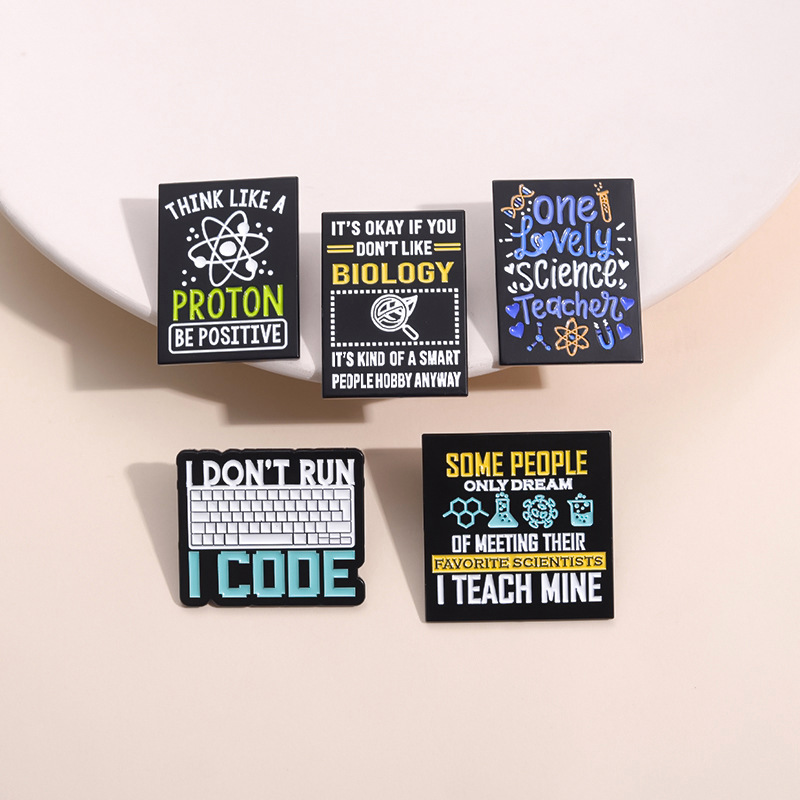
Funny Science Enamel Pin Set Think Like A Proton Positive Science Teacher Brooch Zinc Alloy Badge For Backpack Creative Programming Biology Jewelry Gift
$0.50
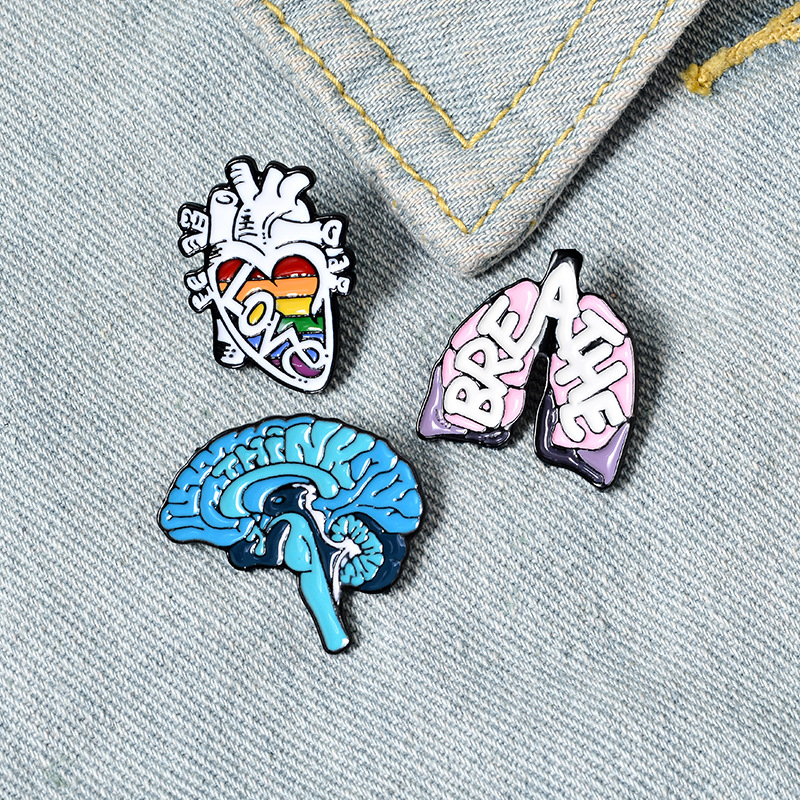
Creative Anatomical Internal Organs Enamel Brooch Pin Set Alloy Rainbow Heart Love Breathe Lungs Think Brain Badge For Clothing Backpack Decor Unisex Jewelry
$0.47
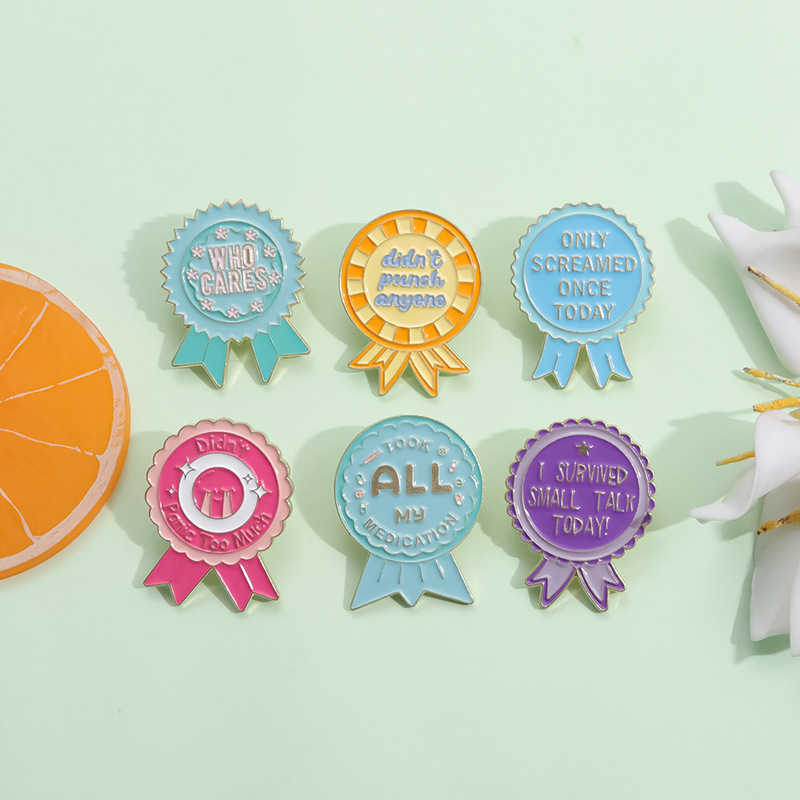
Funny Medal Enamel Pin Alloy Metal Badge With Humorous English Slogans Didn't Punch Anyone I Survived Small Talk Today Brooch For Backpack Clothing Jacket Accessory Men Women Jewelry Gift
$0.47
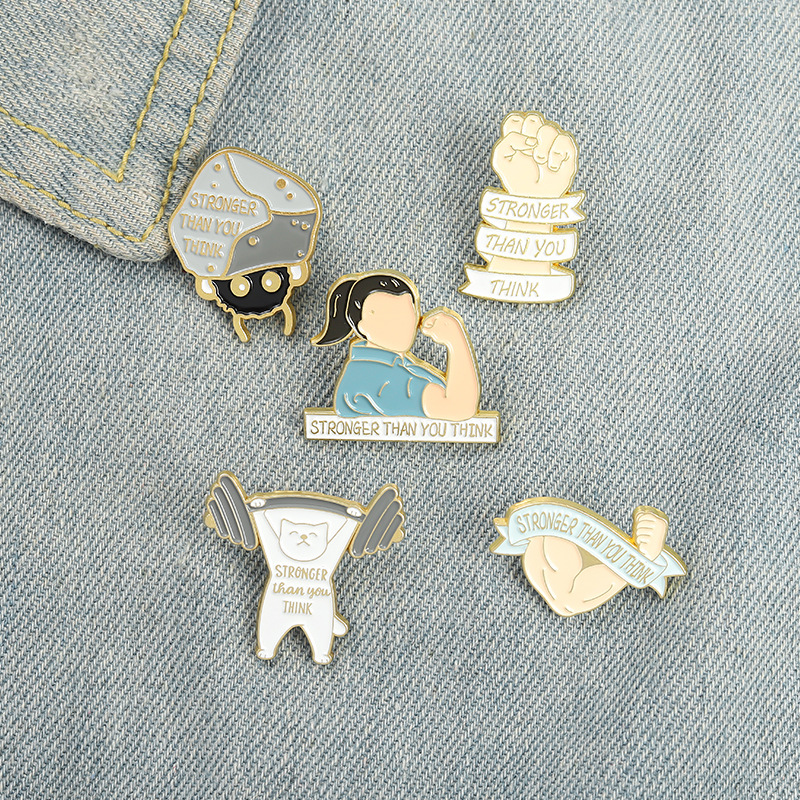
Stronger Than You Think Enamel Brooch Pins Inspirational Quote Cartoon Fitness Gym Theme Alloy Gold Plated Lapel Pins For Backpack Jacket Women Men Gifts
$0.47
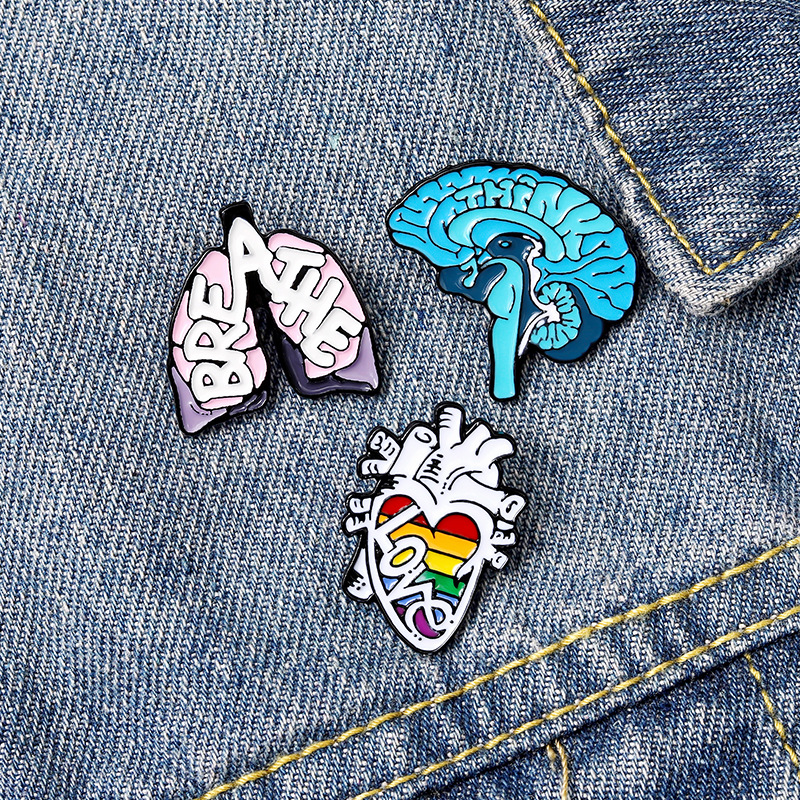
Creative Anatomy Enamel Pin Set Alloy Brain Heart Lungs Brooches For Doctors Nurses Medical Students Denim Jacket Backpack Badge Love Think Breathe Motivational Jewelry
$0.47

Women's Fashion Premium Woolen Jacket Stand Collar Tie Waist Short Coat Autumn Winter Solid Color Polyester Outerwear
$23.92
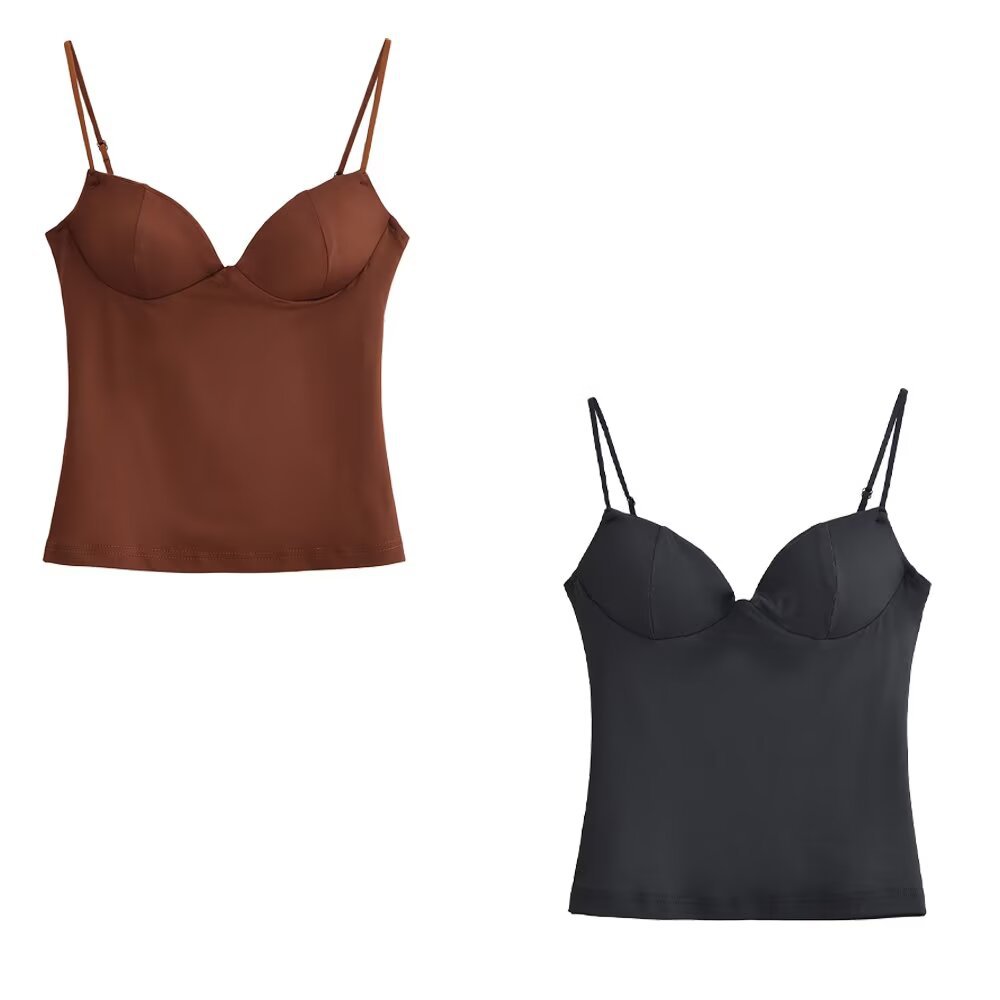
Women's Sexy Sweetheart Neck Bustier Top Polyester Slim Fit Spaghetti Strap Camisole With Built-in Chest Pads For Party Streetwear Lady
$10.09
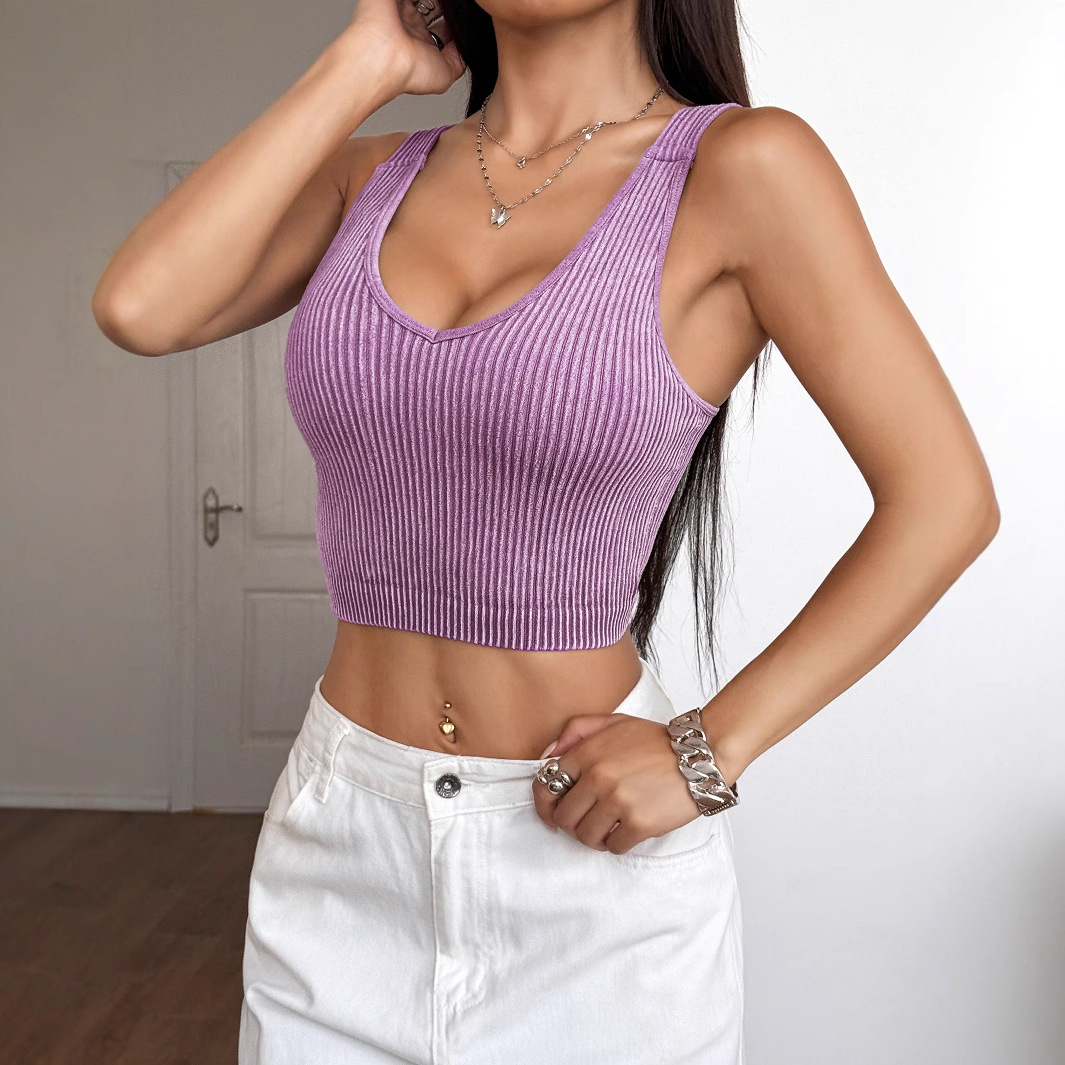
Women's Sexy Ribbed Knit Crop Tank Top With Built-in Bra U-Neck Slim Fit Sleeveless Vest Summer Streetwear Party Top
$10.13
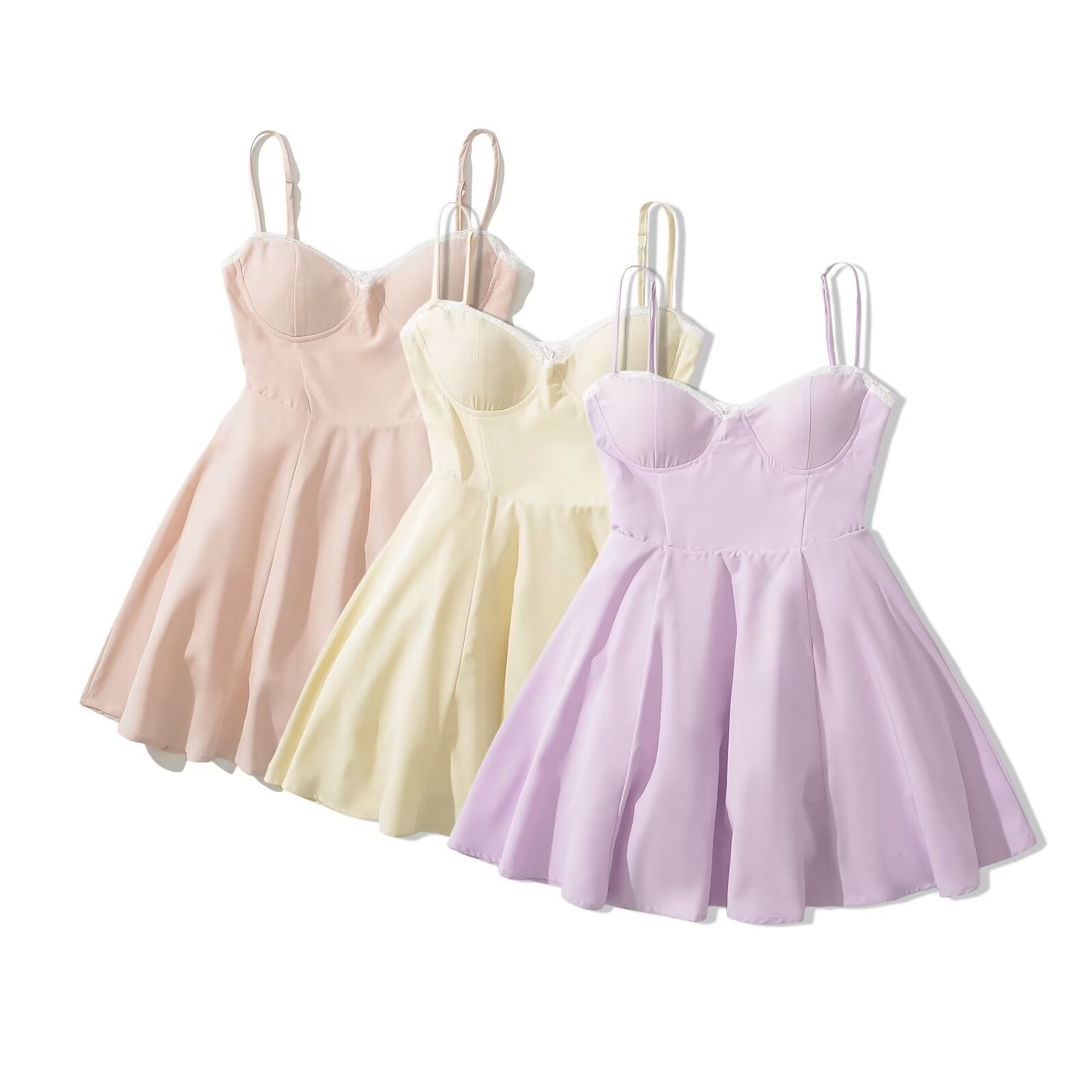
Women's Summer Lace Trim Mini Camisole Dress Sexy Spaghetti Strap Sleeveless A-Line Short Dress With Built-in Bra Solid Color Streetwear
$17.58
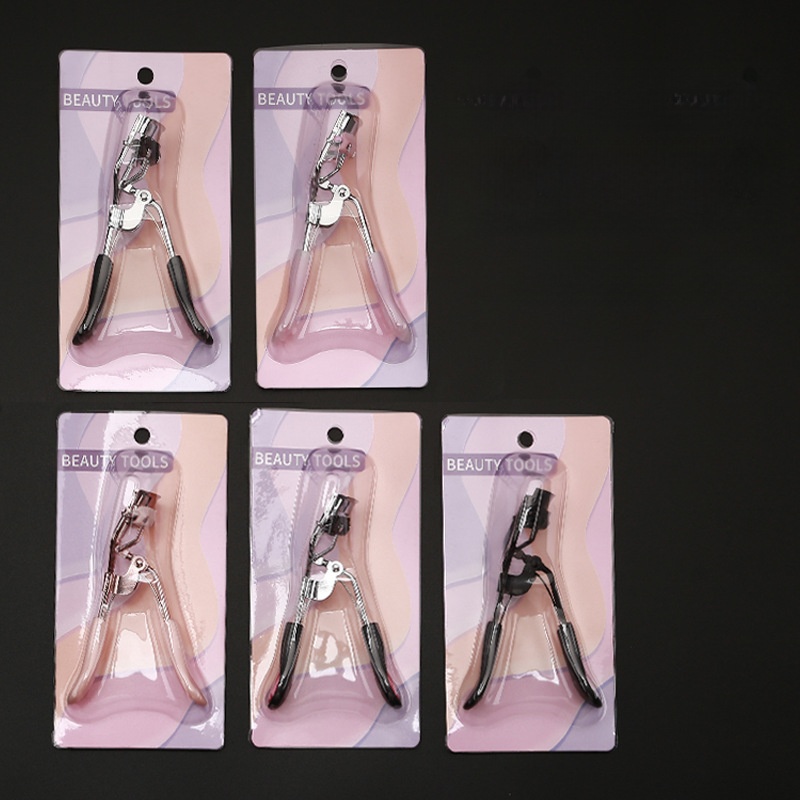
Professional Carbon Steel Eyelash Curler With Built-in Comb Natural Curling Eye Makeup Tool For Beginners Women Heart Handle Beauty Accessories
$0.50
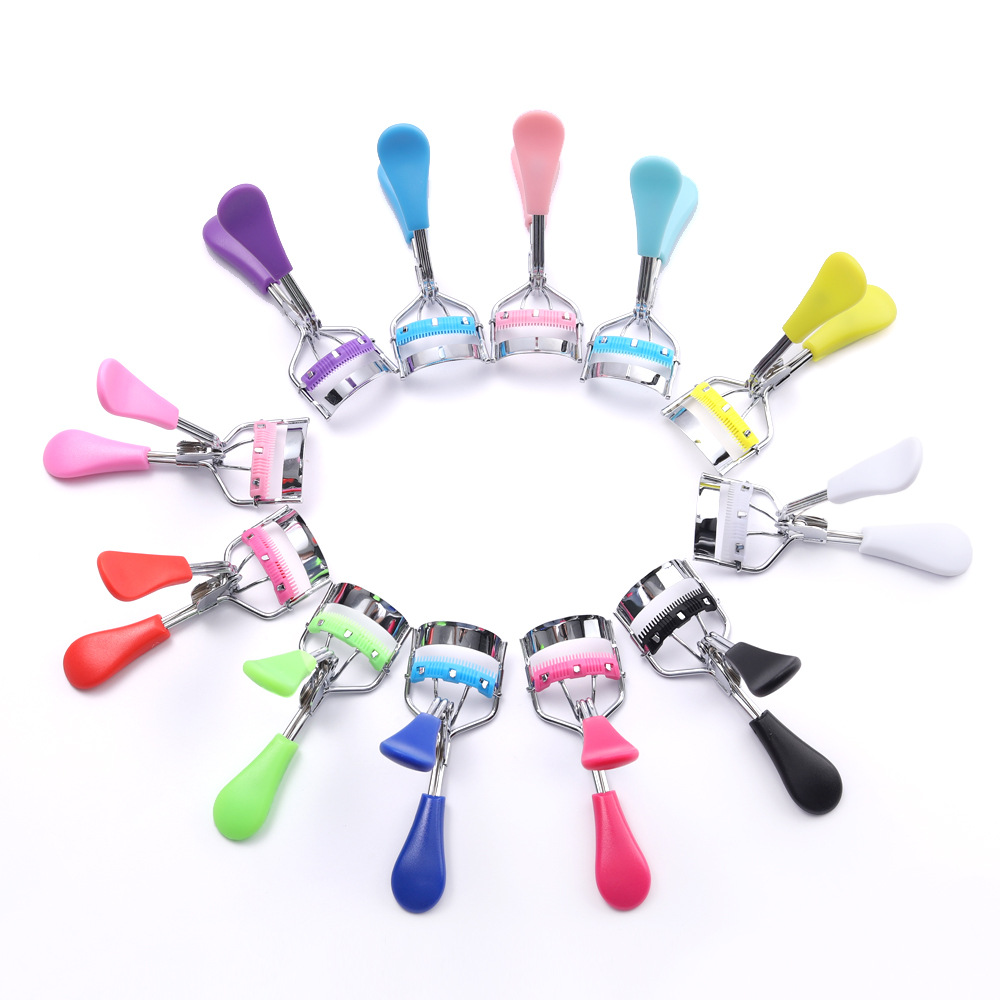
Professional Stainless Steel Eyelash Curler With Built-in Comb Portable Wide Angle Eyelash Curling Tool For Women Natural Curls Makeup Beauty Tool
$0.49
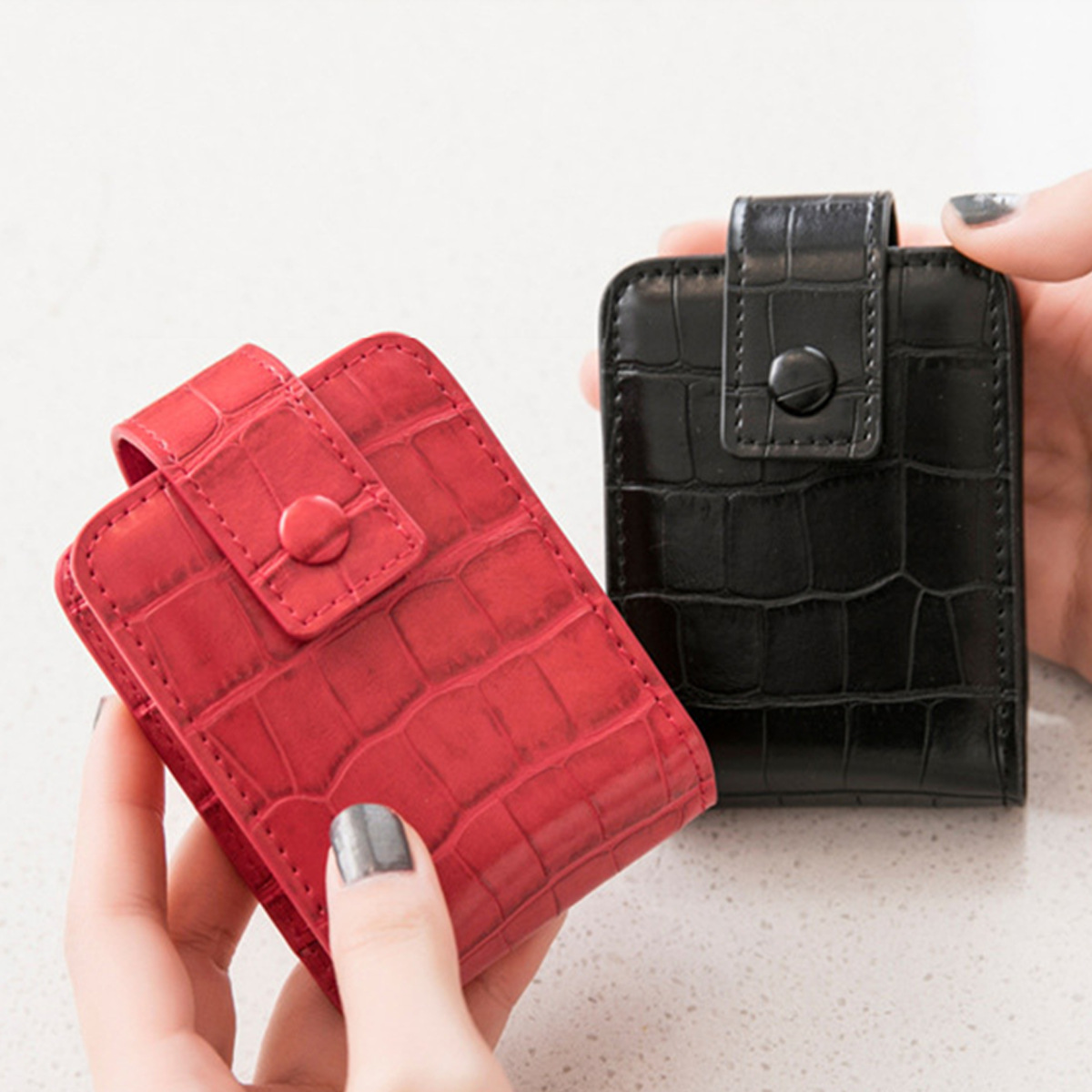
Portable Crocodile Pattern PU Leather Lipstick Case With Built-in Mirror Mini Makeup Bag For Women Small Travel Cosmetic Organizer Pouch
$3.75
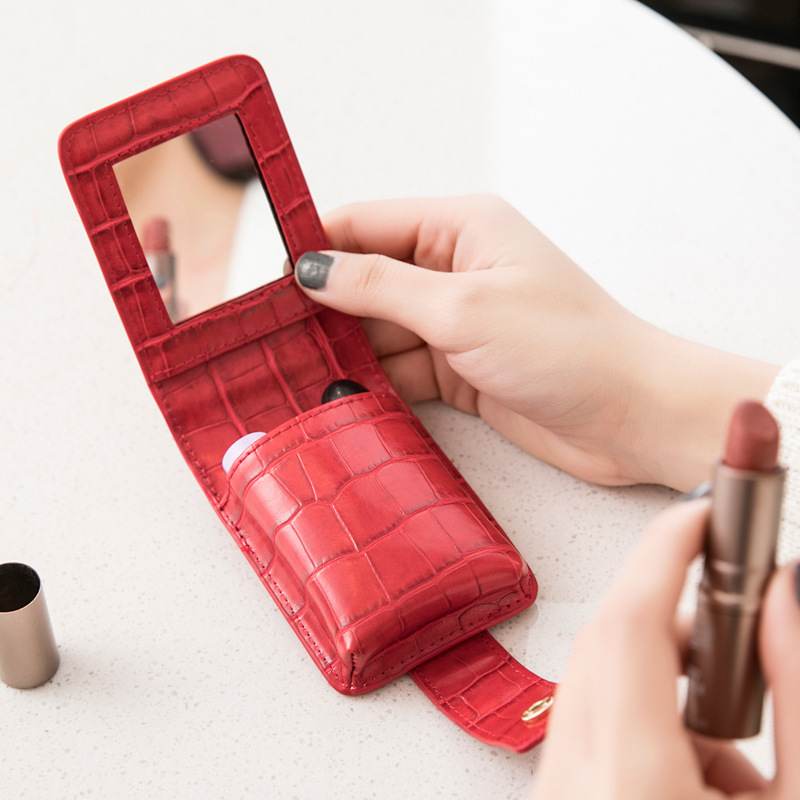
Portable Crocodile Pattern PU Leather Lipstick Bag Mini Travel Makeup Pouch With Built-in Mirror Metal Buckle For Women Daily Cosmetic Organizer
$4.03
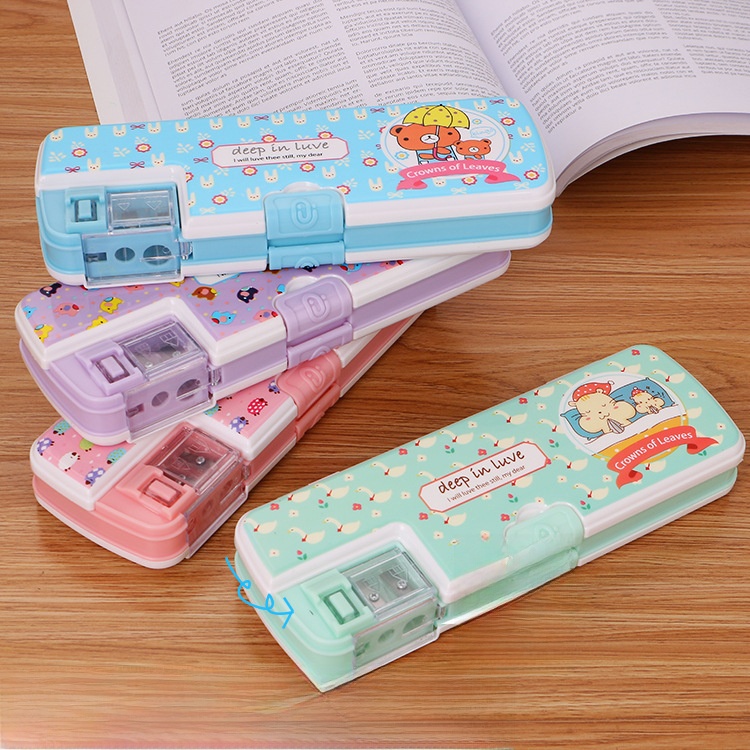
Multi-functional Plastic Pencil Case with Built-in Sharpener Double Layer Cartoon Animal Stationery Storage Box for Kids Students School Office
$1.76
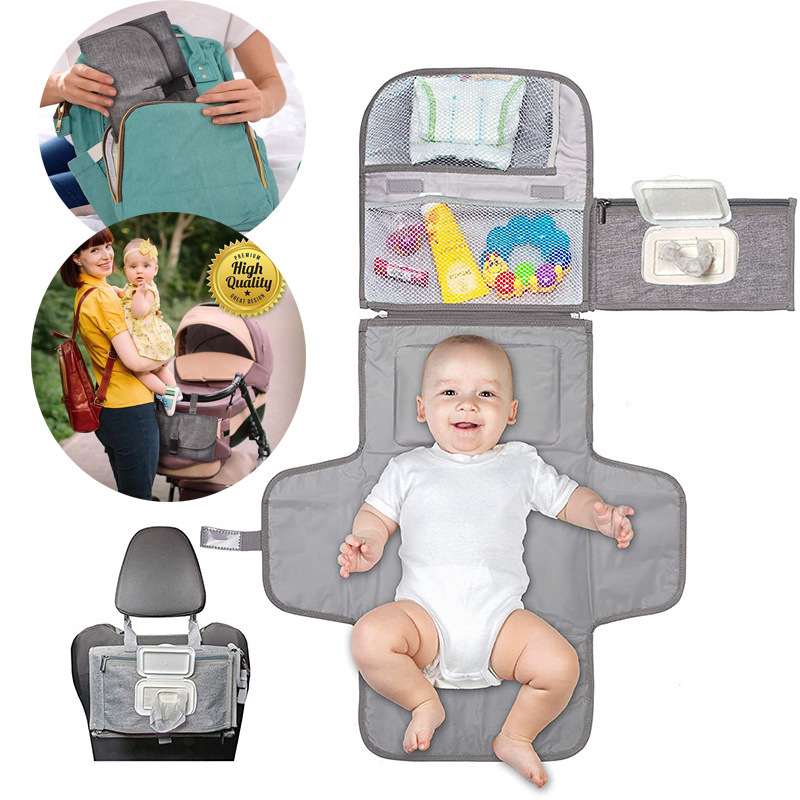
Portable Waterproof Baby Diaper Changing Pad 300D Oxford Cloth Foldable Travel Changing Mat With Built-in Wipes Pocket For Newborn Infants
$6.63
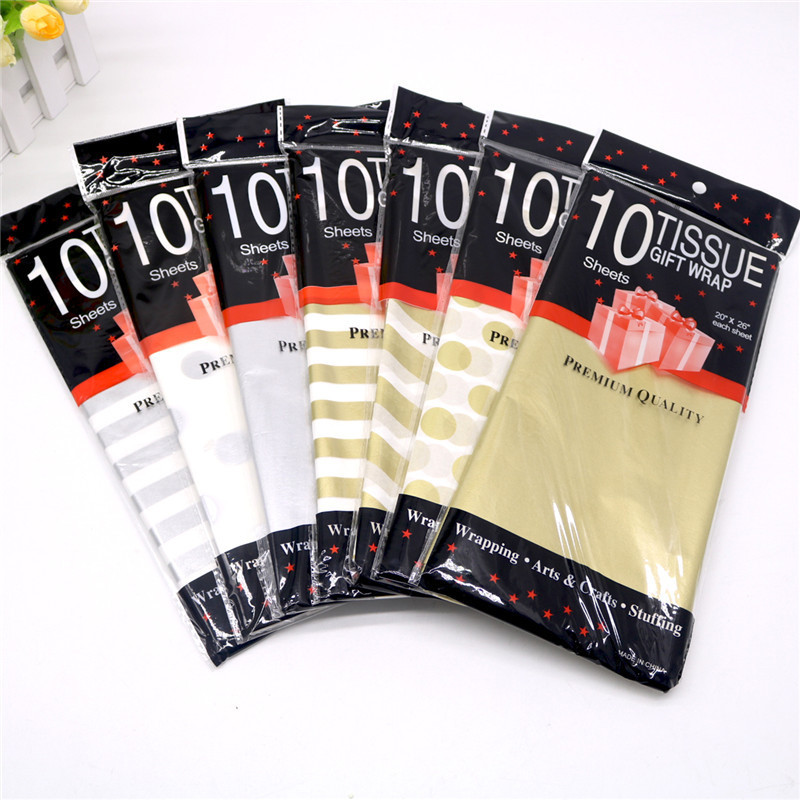
Premium Patterned Tissue Paper Gift Wrap For Flower Clothing DIY Crafts Arts Wedding Birthday Party Supplies Decoration
$0.38
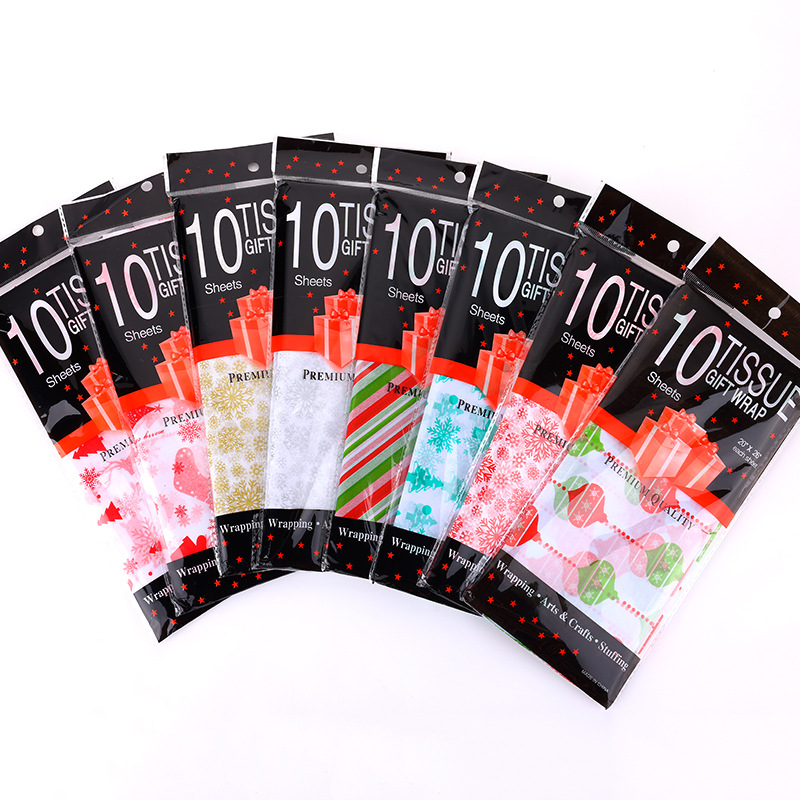
Christmas Tissue Gift Wrap Sheets Premium Tissue Paper For Gift Wrapping DIY Crafts Snowflake Elk Patterns Party Decor
$0.69
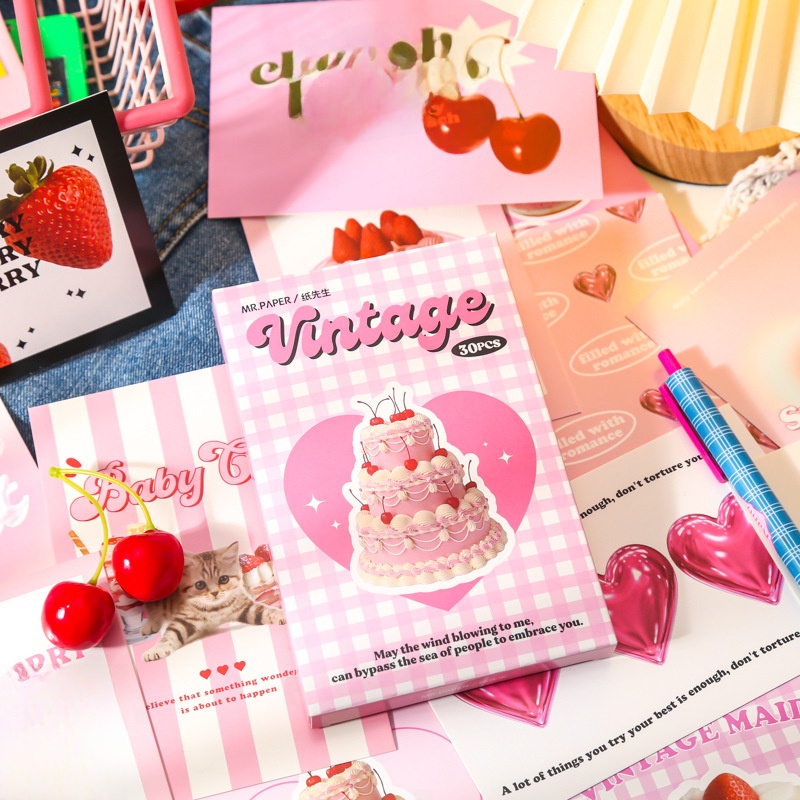
30PCS Vintage Aesthetic Postcard Set Premium White Cardboard Decorative Greeting Cards For DIY Wall Collage Scrapbooking Teens Women
$1.69
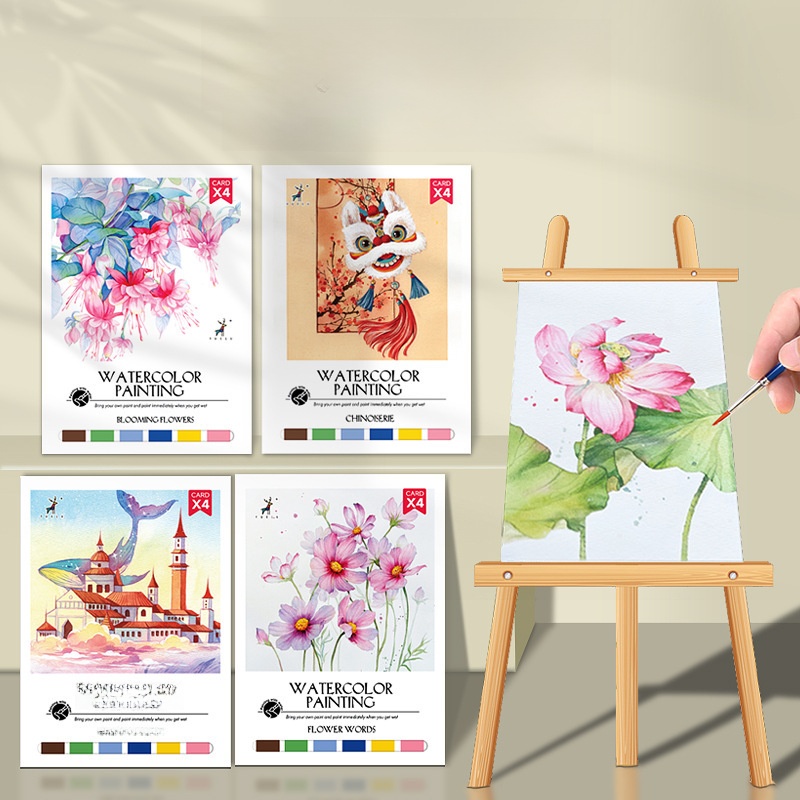
Portable Specialty Paper DIY Watercolor Painting Set For Kids With Built-in Solid Pigment Brush Artistic Drawing Kit
$1.61
Bundle Strategies to Boost Perceived Premium
Bundling is the fastest way to make POD feel premium. By combining low-cost, high-perception items (like enamel pins) with apparel that has built-in features, you create a cohesive gift set that commands a higher price than each piece alone. Crucially, you can fulfill these bundles entirely through POD suppliers, avoiding the double-shipping risk of local-POD hybrids. Below are three tested bundle configurations using products from the list above.
Premium Casual Outfit Set
A boutique buyer wants a complete look for a fashion-forward customer who values comfort and unique details.
- Women's Fashion Premium Woolen Jackethero
- Women's Sexy Sweetheart Neck Bustier Topupsell
- Funny Science Enamel Pin Setcomplement
Bundle at $79 vs $92 separately (jacket $70 + bustier $18 + pin $4). The enamel pin adds a personalization hook that justifies the premium price.
Creative Gift Box for Art Lovers
Targeting gift buyers looking for a unique, premium present for a creative friend or teacher.
- Creative Anatomy Enamel Pin Sethero
- 30PCS Vintage Aesthetic Postcard Setcomplement
- Portable Specialty Paper DIY Watercolor Painting Setupsell
Bundle at $22 vs $28 separately. The watercolor set plus postcards encourage a DIY experience, making the POD pin feel like part of a curated activity.
Travel-Ready Daily Essentials
A mom or frequent traveler wants discreet, high-quality accessories that pack well and look premium on the go.
- Portable Waterproof Baby Diaper Changing Padhero
- Portable Crocodile Pattern PU Leather Lipstick Bagcomplement
- Professional Carbon Steel Eyelash Curlerupsell
Bundle at $28 vs $35 separately. The built-in wipes pocket and mirror add functional premium cues that justify the higher bundle price.