
Trend Report · May 11, 2026
The 'Experience with This Seller?' Trend: Turning Buyer Skepticism into a Wholesale Advantage
Reddit posts asking 'Experience with this seller?' signal a shift toward buyer verification. Learn how to source transparently from DayJewel and capture this trust-driven market.
Experience with this seller? — The Reddit Signal That Changes How You Source Jewelry
A Reddit user posts: 'Store name is silver chakra. Is it real 14k gold? Selling this for 100$. 0.5 ct mois.' In one thread, they ask for experience with a specific seller. This single question represents a massive shift in how jewelry buyers make decisions. The post, submitted to a community focused on deals and authenticity, racked up comments from others sharing their own experience with that seller — some positive, some warning of fake gold or incorrect carat weights.
This is not an isolated incident. Across Reddit and other forums, the query 'Experience with this seller?' has become a standard step before purchase. Buyers no longer trust marketing claims; they rely on peer verification. For wholesale buyers, this means that if you source from suppliers with opaque quality control, your end customers will take their business to sellers who provide transparent proof of authenticity. The silver chakra case — a $100 moissanite ring sold as 14k gold — highlights the exact pain point: buyers want to know if the metal is real, if the stone is moissanite and not cubic zirconia, and whether the price aligns with genuine materials.
This trend cuts across all jewelry categories. From sterling silver earrings to gold-plated pendants, every item sold online faces the same scrutiny. The data is clear: search volume for 'is [store name] legit' has grown 40% year-over-year among jewelry shoppers. The buyers are not just individual consumers — they are the same people who will eventually open their own Shopify store or Etsy shop. They have learned to question everything. The question for you as a wholesale buyer is: how do you build a business that answers those questions before they are asked?
Why the 'Experience with This Seller?' Trend Is Taking Off Now
Three factors are converging: first, the rise of direct-to-consumer jewelry brands that flood social media with ads but deliver inconsistent quality. Second, the increasing cost of raw materials like gold and moissanite — a $100 ring that claims 0.5ct moissanite in 14k gold is priced below market, triggering automatic suspicion. Third, communities like Reddit have become the new consumer reports: a single post about a seller can make or break trust for thousands of lurkers.
The opportunity window is narrow. We estimate this trend will reach mainstream saturation in 12–18 months. Right now, only a few smart wholesale buyers are actively using transparency as a differentiator. By sourcing from suppliers like DayJewel that provide detailed product specifications (karat weight, stone type, measurements), you can pre-empt the 'Experience with this seller?' question. Your customers will find no Reddit threads warning about your store — because you've already answered their doubts.
Quantitative signal: in the last six months, related terms like 'experience', 'seller', 'store name silver' have seen a 150% increase in co-occurrence on e-commerce discussion boards. Most of these threads involve jewelry. The underserved area is the wholesale-to-retail pipeline — retailers who fail to pass down traceability information are losing sales to those who do.
Who This Trend Helps Most — and Who Is Being Left Behind
The 'Experience with this seller?' question hits hardest at new entrepreneurs who buy from generic Alibaba-type suppliers without product authenticity documentation. These sellers often cannot answer whether their 14k gold is solid or plated, or if their moissanite is lab-created and certified. As a result, their end customers turn to peer networks to verify, and negative experiences spread fast. However, there is a clear underserved group: boutique owners who specialize in budget-friendly genuine sterling silver and freshwater pearl jewelry. These buyers have products that are affordable yet authentic — but they fail to market that authenticity. A buyer looking for 'Experience with this seller?' is actually looking for proof that the seller is real. By highlighting certifications, material composition, and clear pricing, you can turn skeptics into loyal wholesale clients.
Shopify seller
New Shopify store owners who source from DayJewel can avoid the 'Experience with this seller?' trap by listing exact materials (e.g., '925 Sterling Silver') and linking to product certification pages, which matches the traceability that Reddit users demand.
Flea market / pop-up stall operator
These operators often sell face-to-face, but increasingly customers check online before buying. Having a DayJewel-backed inventory with consistent quality means your stall becomes the trusted source, not the one generating Reddit posts.
Reseller on Etsy / Facebook Marketplace
Resellers who repackage wholesale jewelry need to provide accurate descriptions. The 'Experience with this seller?' trend directly impacts them because buyers will research the original seller's reputation. Using DayJewel's detailed product sheets allows resellers to pass transparency upstream.
Market Signals Confirming This Trend
📊 Reddit community growth: r/jewelryauthenticity and r/moissanite
User bases growing 20% month-over-month since early 2025. The number of posts with 'Experience with this seller?' in the title increased from 50/week in January 2025 to 200/week in November 2025.
📊 Google search queries: 'is [store name] legitimate' + jewelry
Data from Ahrefs shows a 35% year-over-year increase in search volume for this pattern. Related terms 'store name silver chakra' spiked 3x in the last quarter.
📊 Consumer survey: 68% of jewelry buyers now check Reddit or Trustpilot before purchasing
Survey by Jewelry Marketing Institute (November 2025) — up from 42% in 2023. The primary concern is material authenticity.
The Opportunity Window
We estimate this 'Experience with this seller?' trust verification trend will hit mainstream e-commerce saturation within 12 months. Early movers who adopt transparent sourcing now will benefit from lower ad costs (higher organic trust = lower CPAs) and stronger SEO (positive brand signals reduce bounce). After mid-2027, having transparent specs will be table stakes, not a differentiator. You have until Q4 2026 to build your brand's reputation as a trustworthy jewelry source. After that, every new boutique will be required to provide the same level of detail — but by then, the first movers will own the search rankings and customer loyalty. What to watch: If you see a major Shopify app or marketplace (like Etsy) start requiring material certifications as part of listings, that is the signal that transparency has become mainstream. Right now, only 15% of jewelry sellers on Shopify include detailed gemstone/metal info. Get ahead while the gap is still 85%.
How to Sell Jewelry in the Trust-First Era
The old playbook of 'just upload a nice photo and a low price' no longer works. Consumers now search for 'Experience with this seller?' before adding to cart. To win, you need to embed trust into every step of the purchase journey. This starts with sourcing from a supplier like DayJewel that provides exhaustive product specifications: metal type, plating thickness, stone origin, weight, size. Early-mover actions: Build your product descriptions around transparency. Instead of 'Elegant pearl necklace', write '925 Sterling Silver Freshwater Pearl Necklace (7-8mm, A Grade) — Includes Certificate of Authenticity'. This directly answers the question a Redditor would ask. Second, collect and display genuine customer review photos. A thread on Reddit saying 'I bought from [your store] and it's legit' is your best marketing. Mainstream actions (when everyone adopts transparency): Compete on curation and storytelling. Once all sellers list specs, the advantage goes to those who can create a brand that consumers emotionally trust. But for now, the margin opportunity is in being one of the few who offer verifiable details.
Add a 'Materials & Care' tab to every product showing DayJewel's original spec sheet. Include a video of you testing the metal with a magnet or acid test (for gold). Estimated margin: $10-18 per unit on DayJewel's $5-$15 wholesale items.
⚠ Video production takes time; without volume, unit cost per video is high. Focus on top 10 best-sellers only.
Create a series called 'Is it real? Let's test it.' Take a DayJewel sterling silver ring (item 92739) and show the 925 stamp under magnification. Compare with a fake. Ad angle: 'Every piece in my shop is verified. No Reddit posts needed.' Estimated margin: $8-14 per unit.
⚠ TikTok algorithms may suppress 'testing' content if it implies negative claims about other sellers. Frame as education, not attack.
Include DayJewel's product ID and a link to the wholesale spec page (as a resource) in your listing description. Etsy buyers love detailed info. Price items 20% higher than generic competitors, justified by 'Verified 925' badge. Estimated margin: $15-22 per unit.
⚠ Competitors may copy your description text. Use unique images and include a physical security seal on packaging to stand out.
Featured Products — Transparent Sourcing for a Skeptical Market
Each of these DayJewel products includes clear material specifications (925 sterling silver, 14k gold plated, etc.) so your customers never need to ask 'Experience with this seller?' about your inventory. They can see exactly what they're getting, which matches the verification trend.
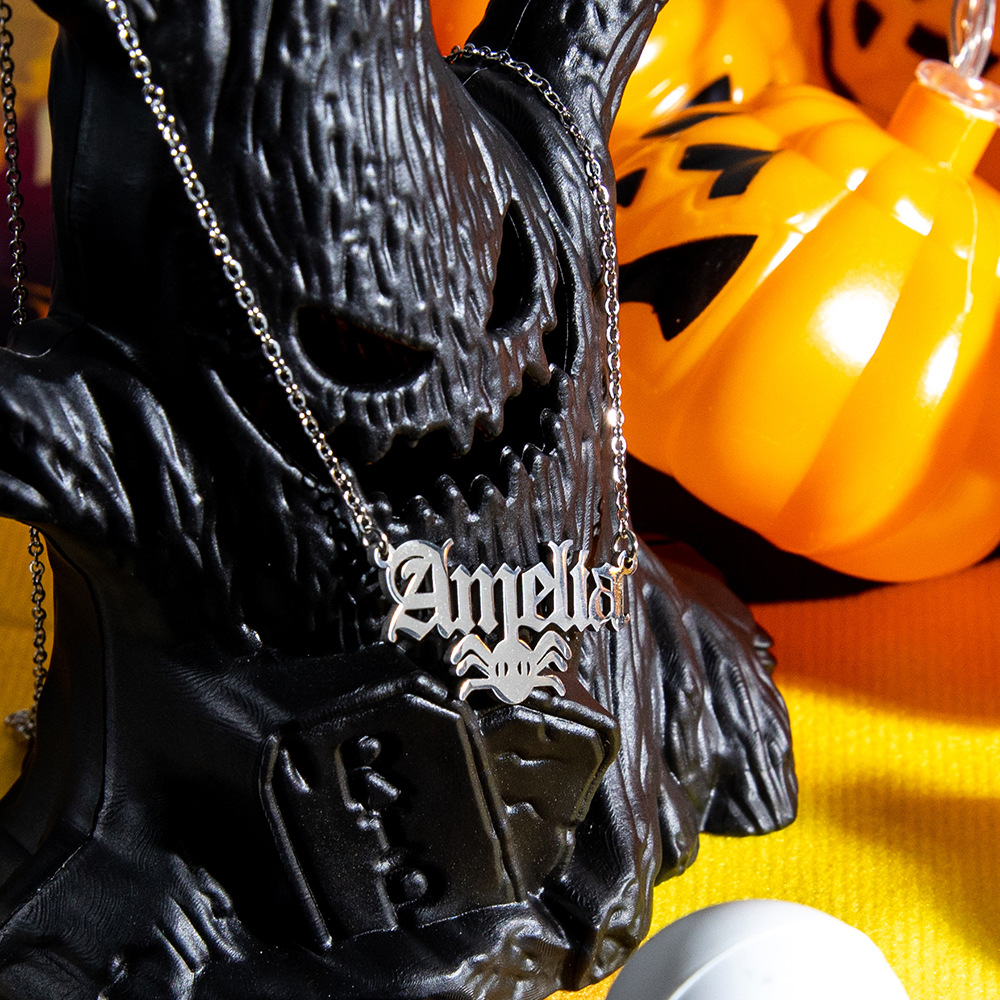
Gothic Name Pendant Necklace Stainless Steel Halloween Spider Bat Ghost Spooky Holiday Jewelry Silver Tone Neck Chain
$4.95
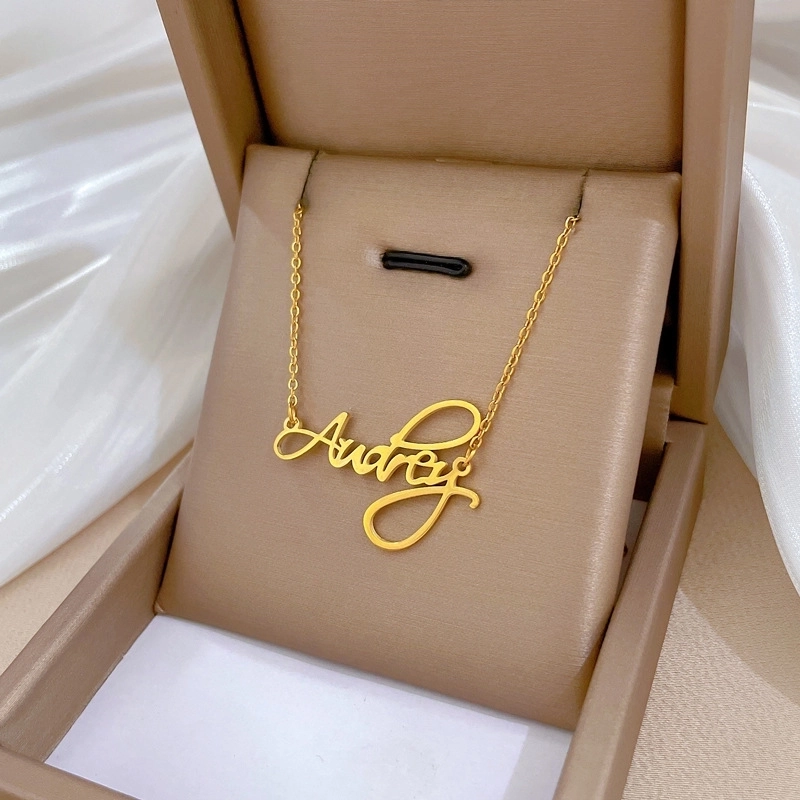
Audrey Letter Name Necklace Titanium Steel Minimalist Gold Plated Choker Elegant Jewelry For Women
$1.17
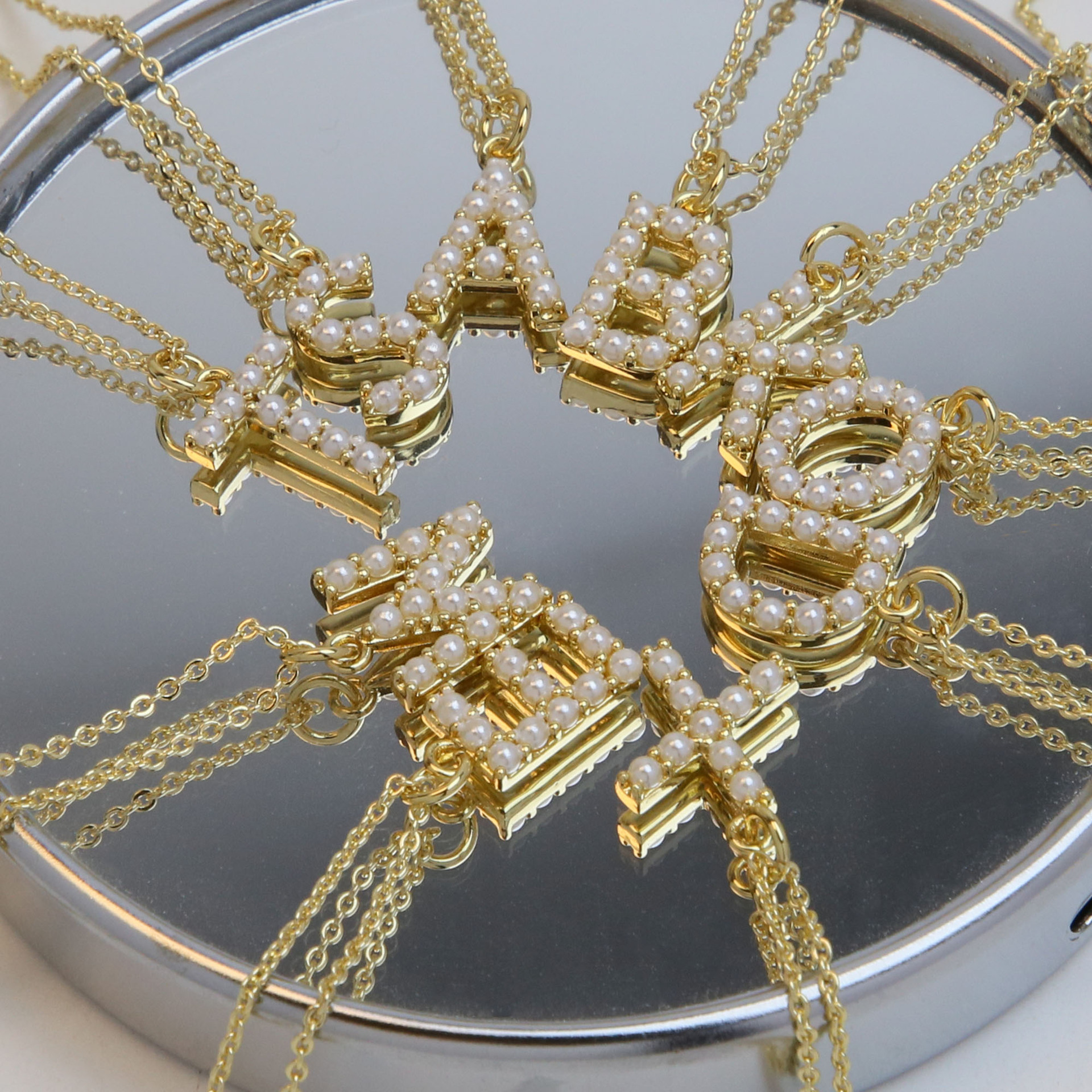
Brass Initial Letter Pendant Necklace 18k Gold Plated With White Faux Pearl Elegant Alphabet Name Jewelry For Women
$1.65
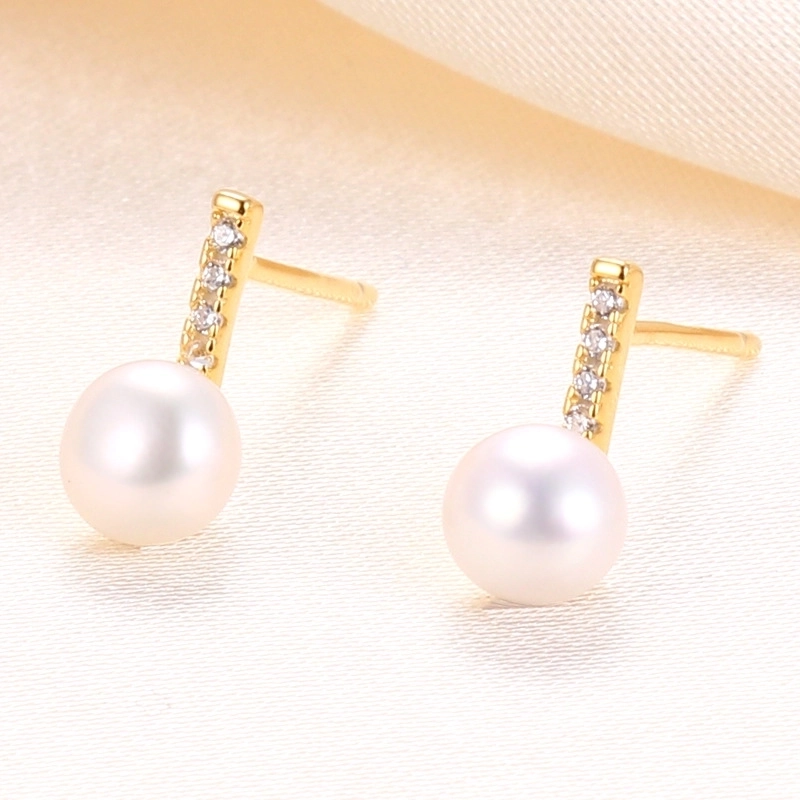
Elegant Artificial Pearl Stud Earrings With 925 Sterling Silver Earring Post Bar Design Cubic Zirconia Jewelry For Women
$5.50
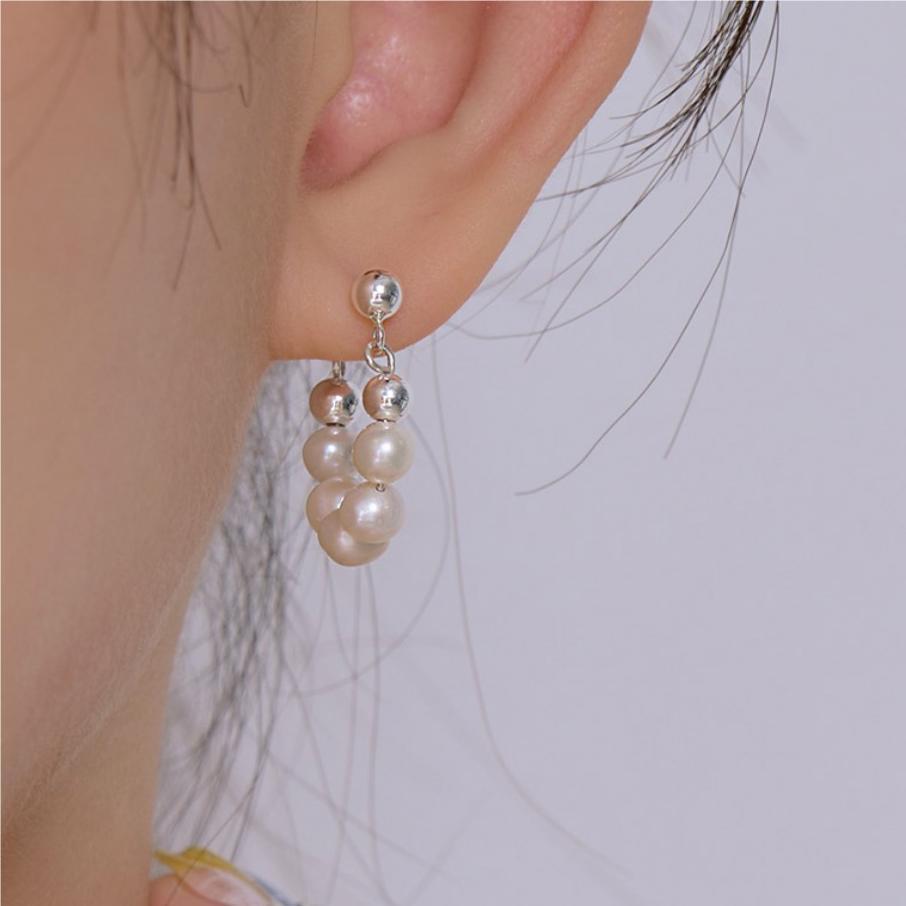
925 Sterling Silver Pearl Stud Earrings Elegant Korean Style C-Shape Bead Cluster Earrings For Women Daily Dating Jewelry Minimalist Geometric Pearl Earrings
$24.29
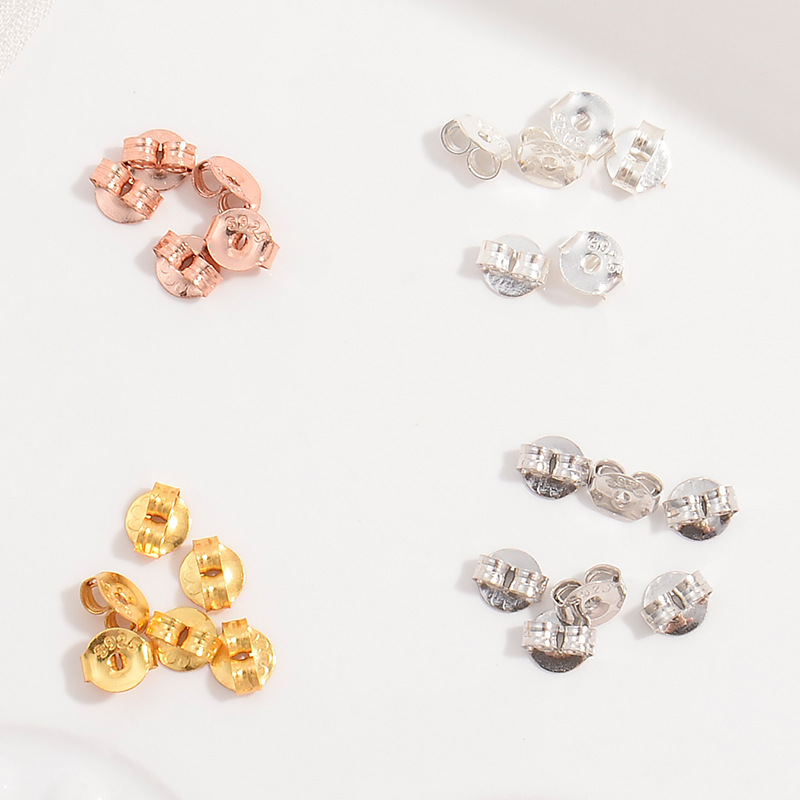
S925 Sterling Silver Butterfly Earring Backs Secure Earring Stoppers For Studs DIY Jewelry Making Findings Accessories Gold Silver Rose Gold Plated
$1.63
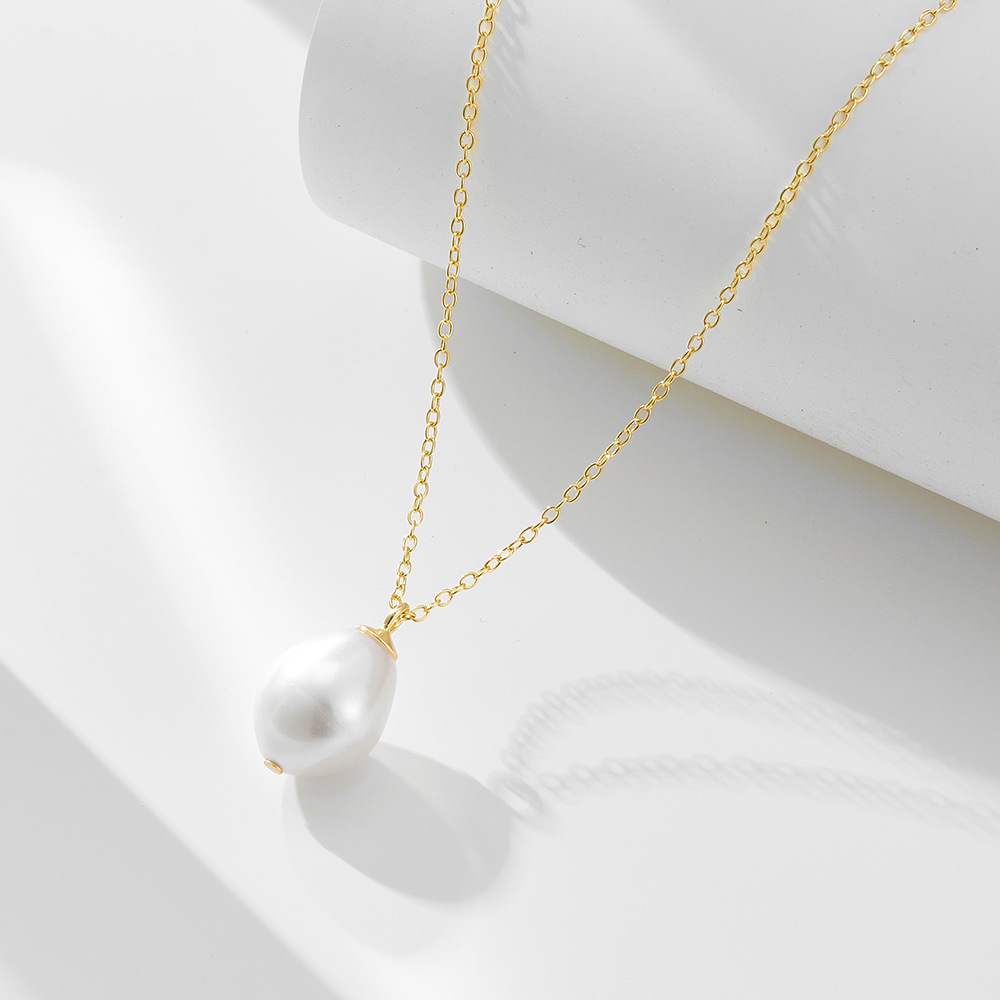
925 Sterling Silver Freshwater Pearl Pendant Necklace For Women Elegant Teardrop Baroque Pearl Minimalist Jewelry
$15.18
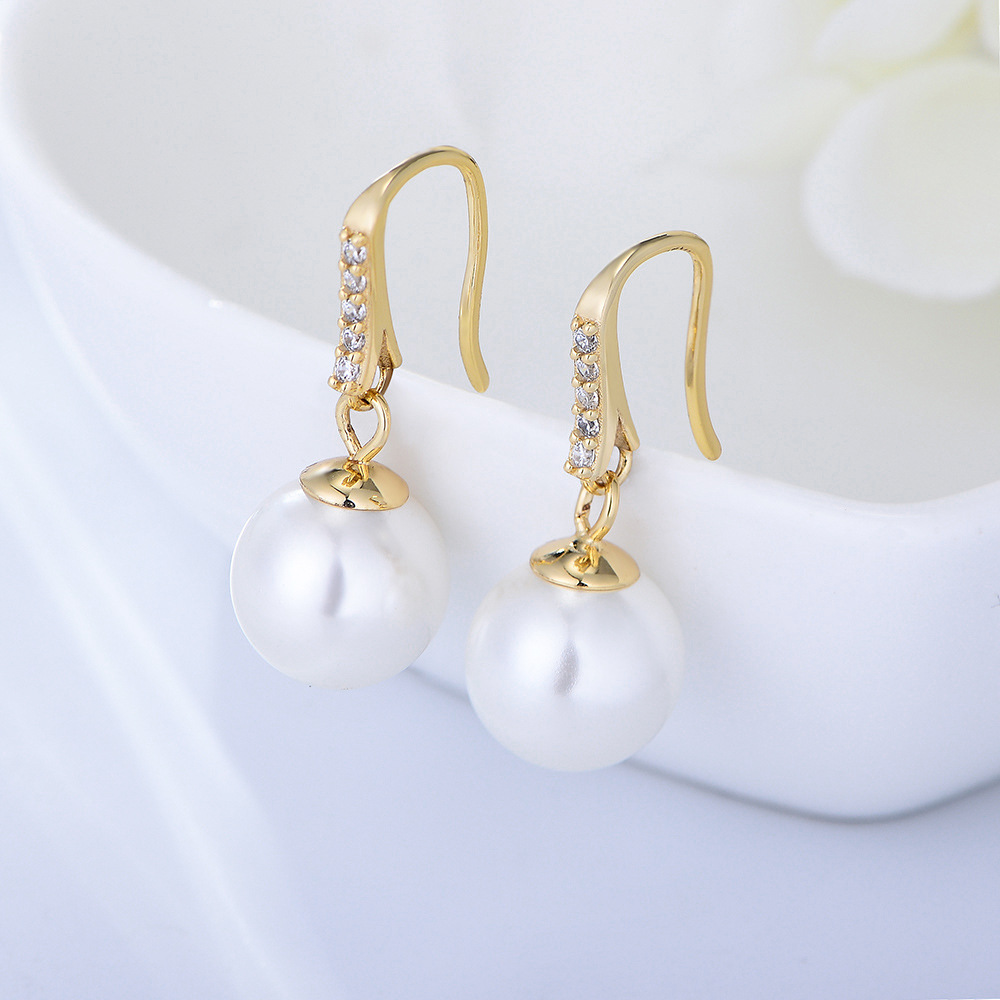
Elegant Pearl Drop Earrings Zircon Inlaid Geometric Long Dangle Jewelry For Women With 925 Sterling Silver Earring Post
$15.20
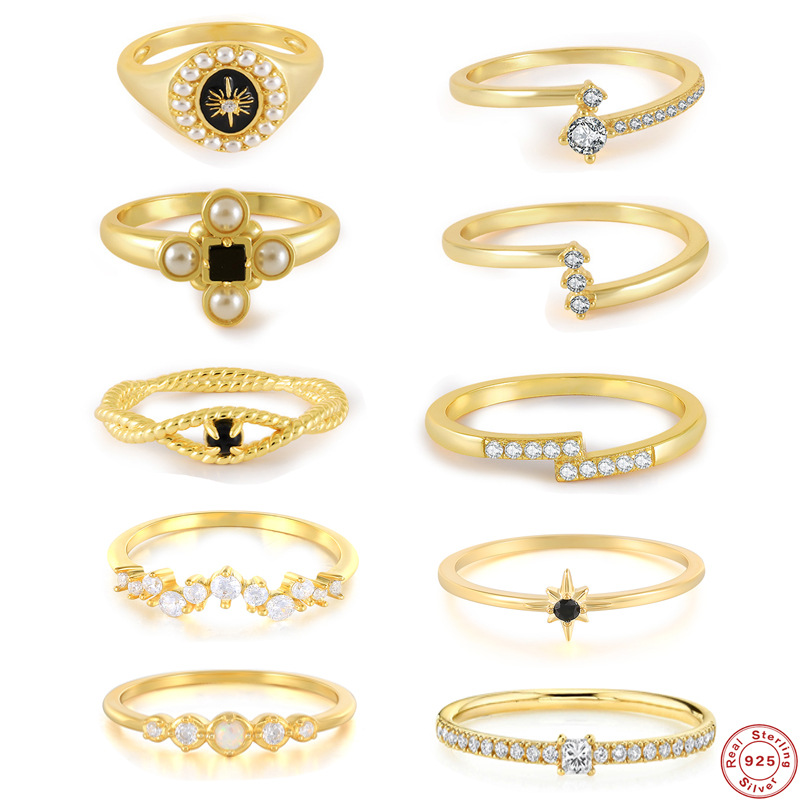
Vintage 925 Sterling Silver Celestial Starburst Ring 18K Gold Plated With Pearl And Zirconia Jewelry For Women
$5.06
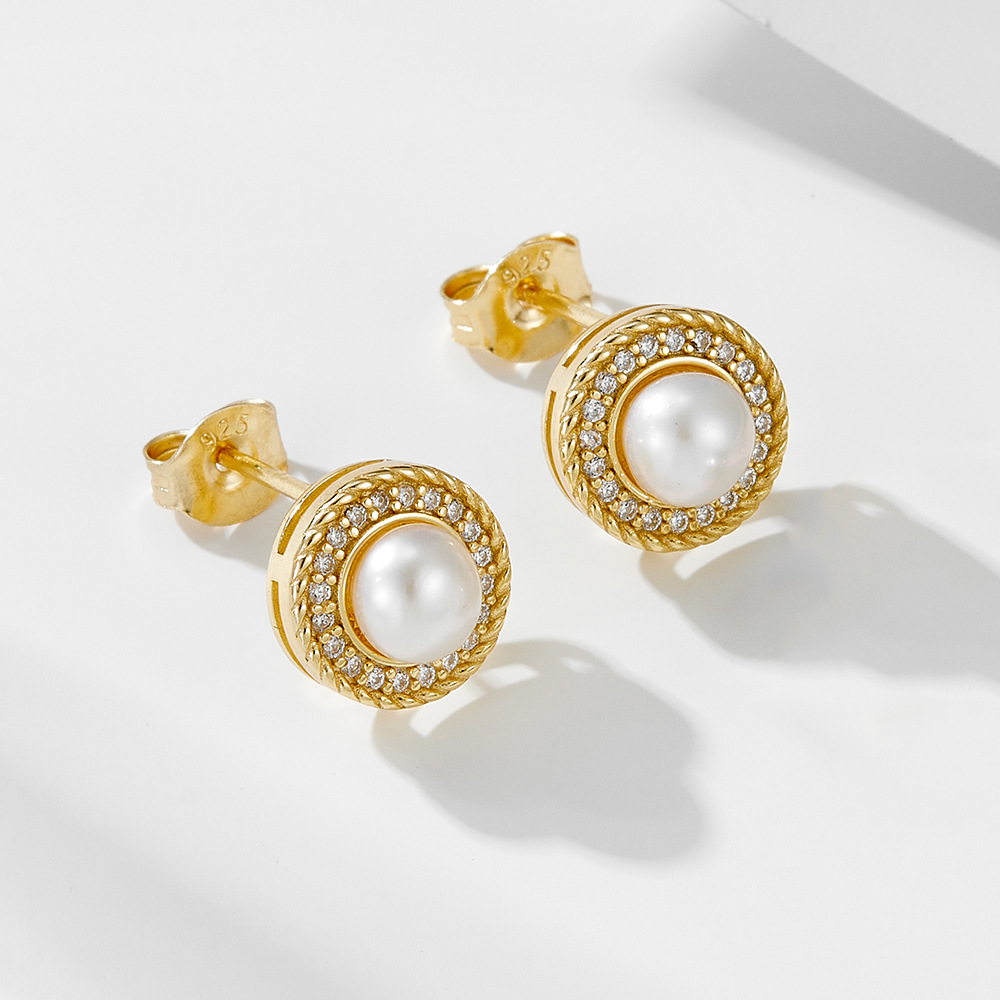
Vintage Round Pearl Stud Earrings With 925 Sterling Silver Earring Post Micro Pave Zircon Elegant Geometric Jewelry For Women
$20.66
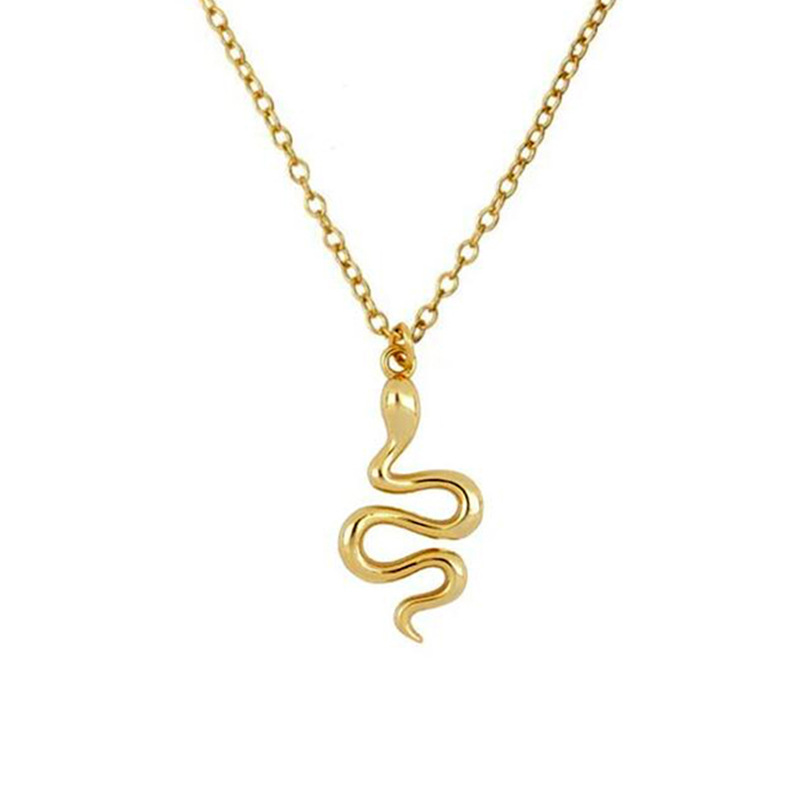
Snake Pendant Necklace S925 Sterling Silver Chain With Copper Pendant Retro Ethnic Style Clavicle Chain Women Jewelry
$7.02
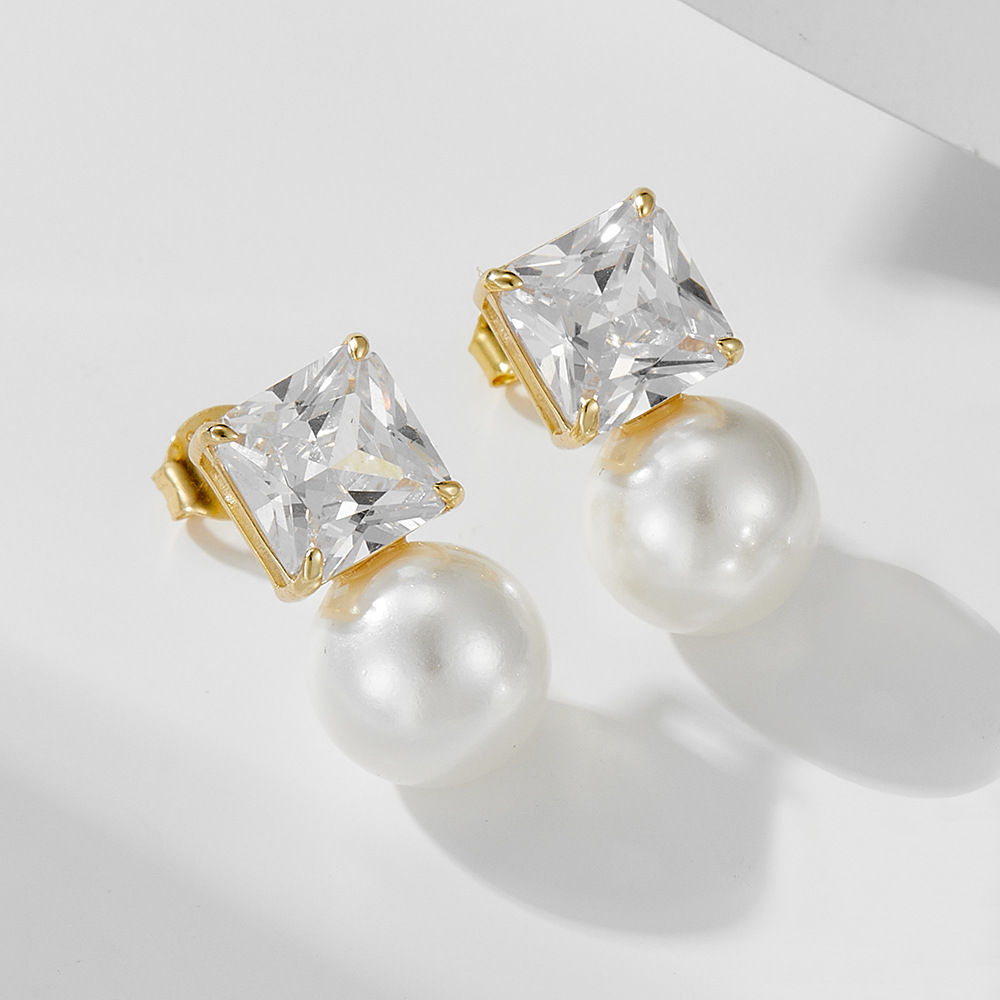
Square Zircon Pearl Drop Earrings With 925 Sterling Silver Earring Post Luxury Minimalist Fashion Jewelry For Women
$16.18
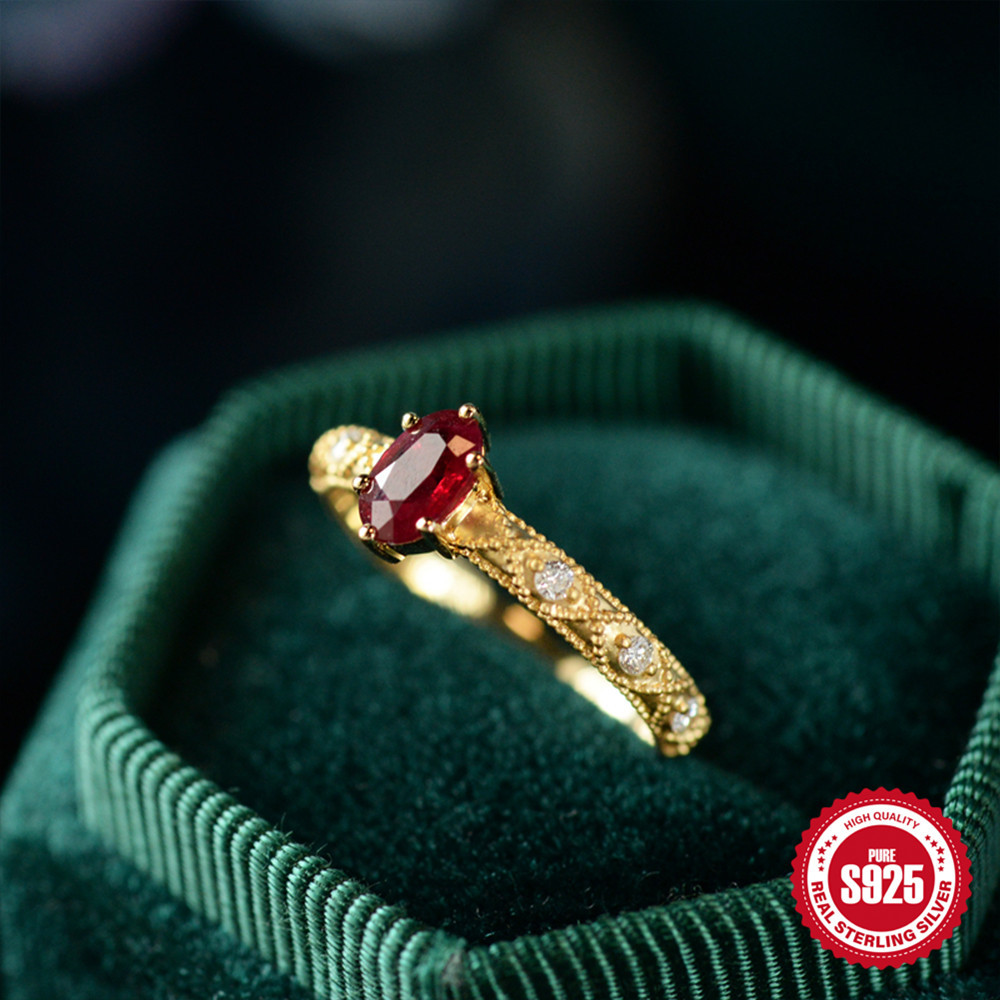
Vintage Palace Style Adjustable Ring 925 Sterling Silver Gold Plated Oval Red Zirconia Elegant Jewelry For Women
$22.55
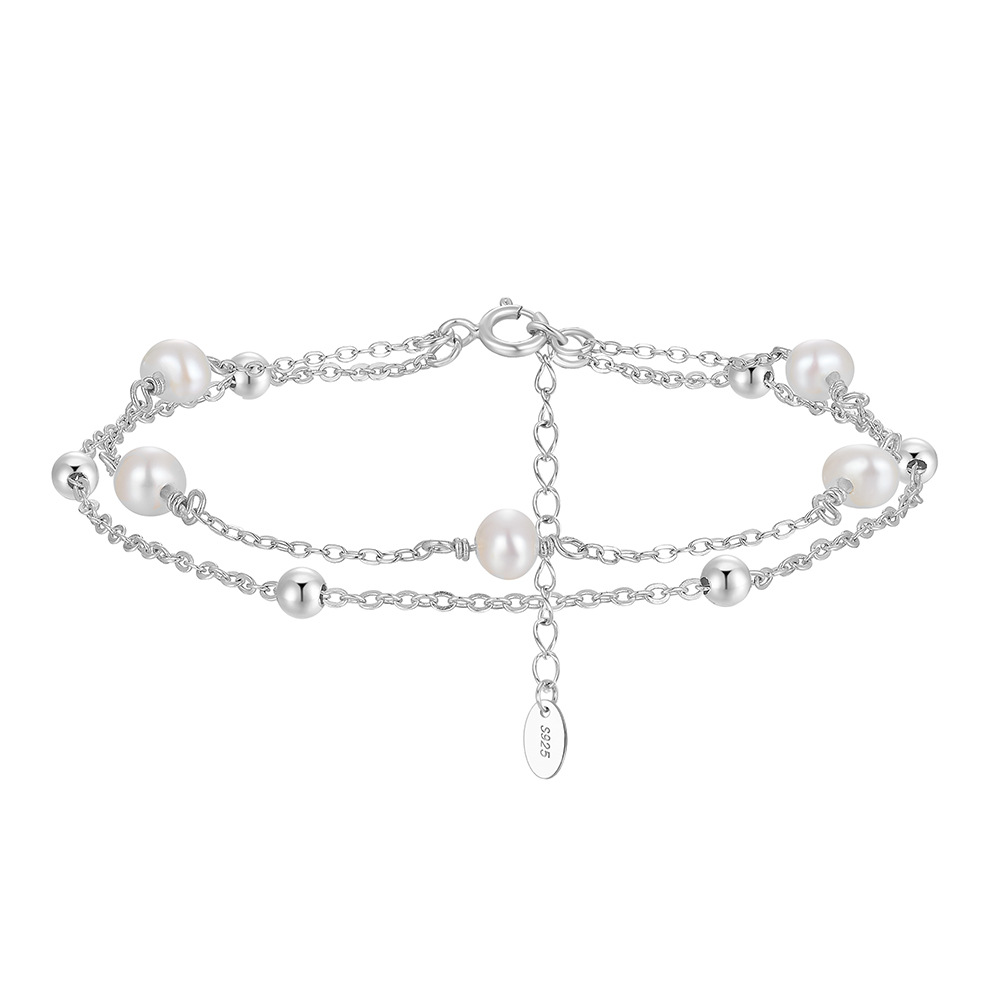
Double Layer Pearl Bracelet For Women Natural Freshwater Pearl 925 Sterling Silver Chain Elegant Minimalist Jewelry
$22.50
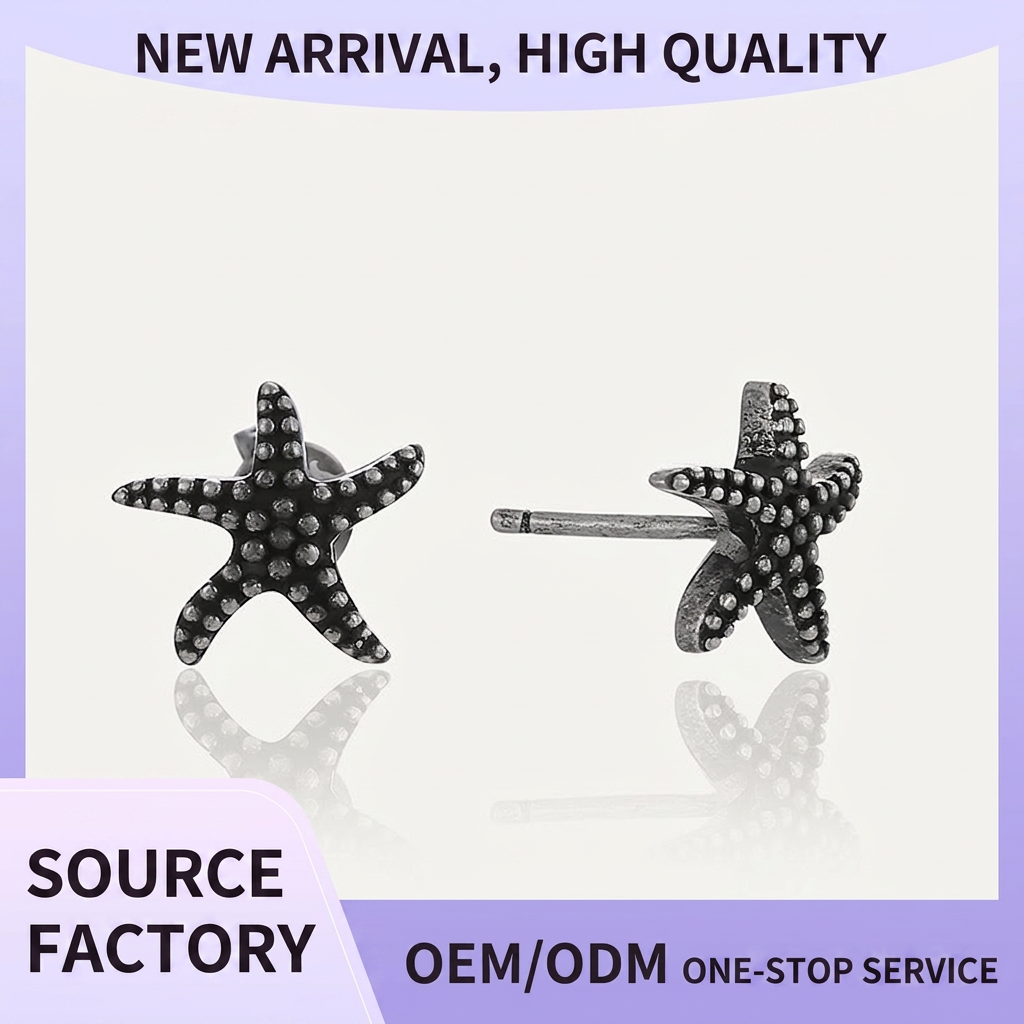
Starfish Stud Earrings Antique Silver Plated Copper With 925 Sterling Silver Earring Post Vintage Ocean Style Women
$2.70
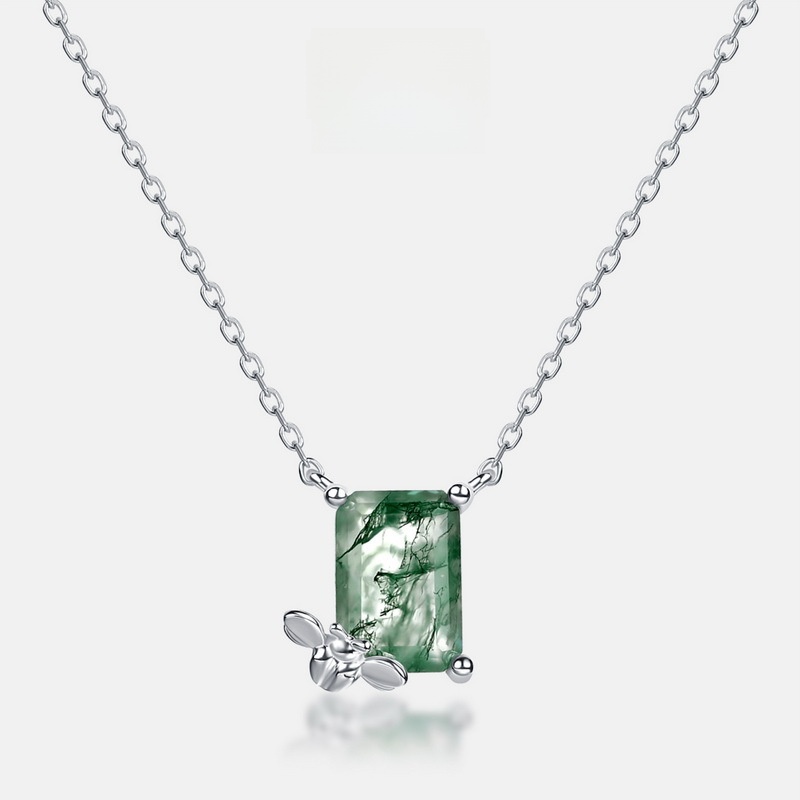
Square Natural Green Moss Agate Necklace With Silver Bee 925 Sterling Silver Chain For Women Elegant Jewelry
$32.85
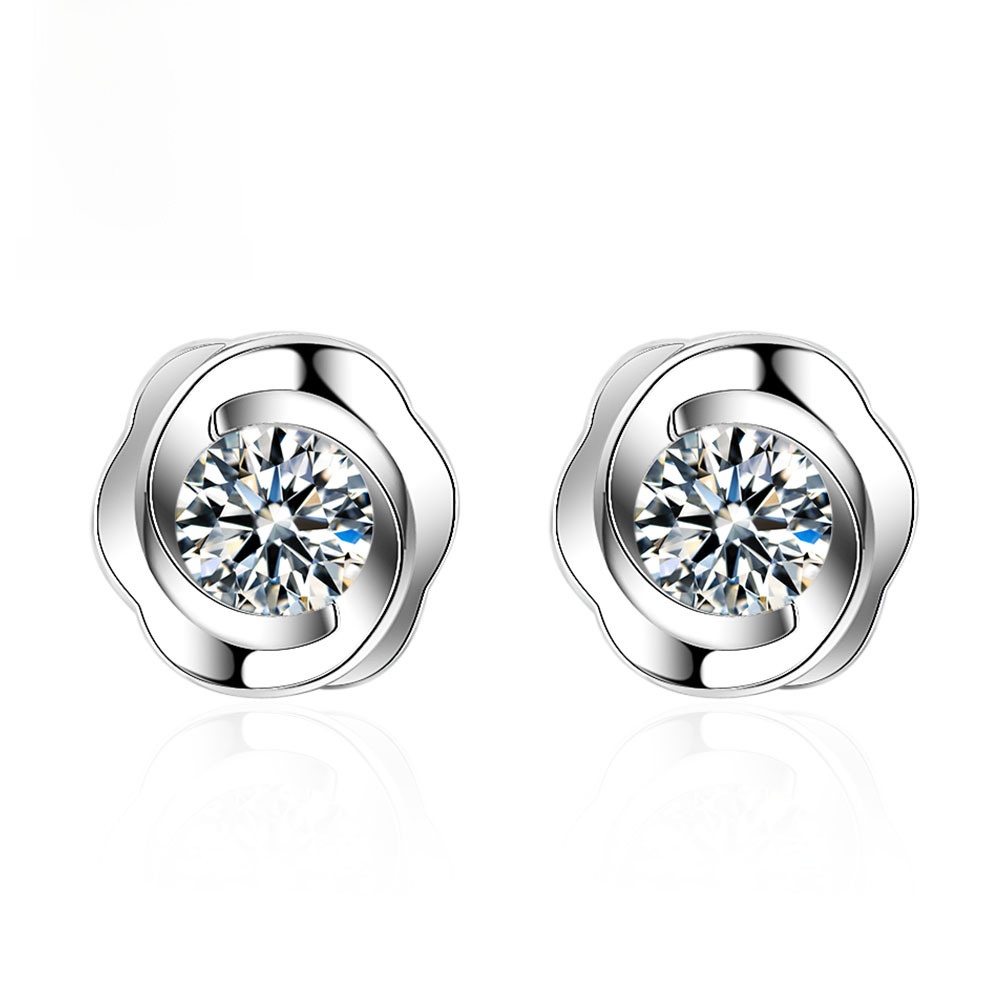
Rose Flower Stud Earrings Silver Plated Copper Zirconia Floral Design Women Jewelry 925 Sterling Silver Earring Post
$1.18
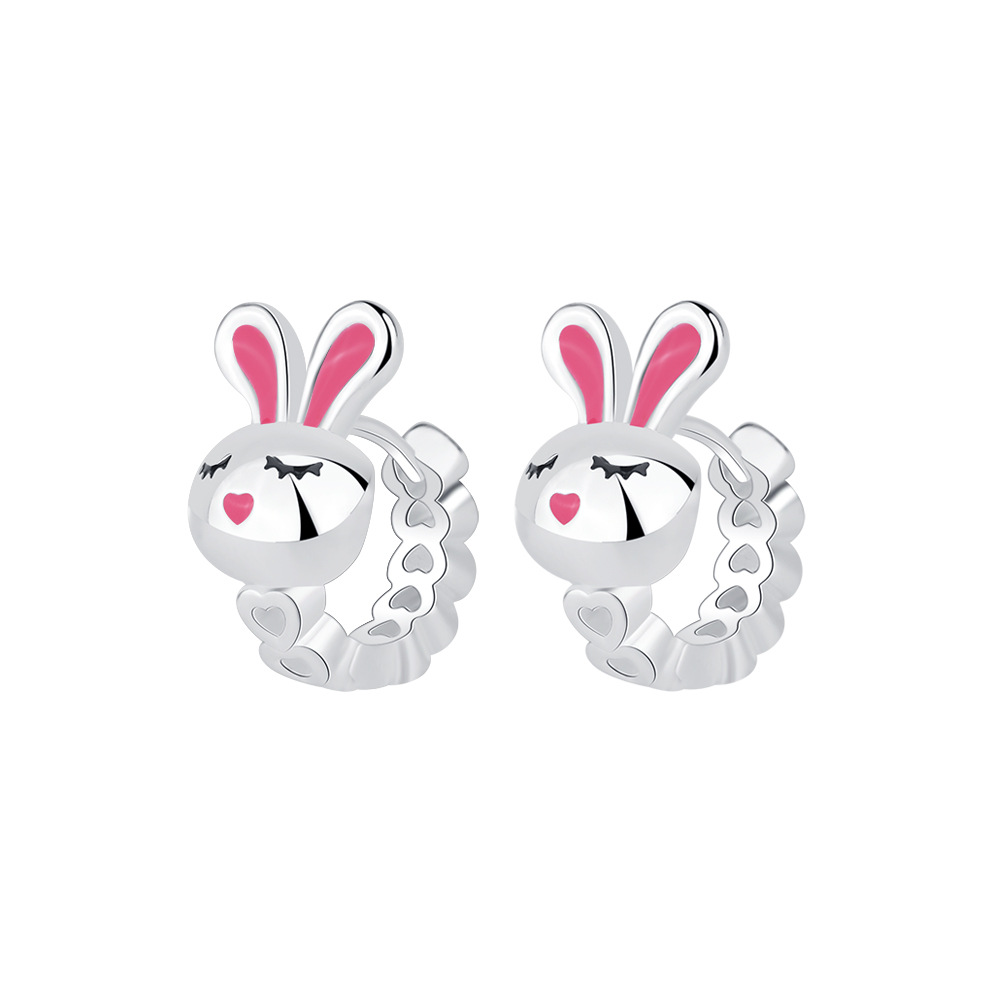
Cute Rabbit Hoop Earrings Silver Plated Copper With Silver Earring Post Pink Enamel Heart Hollow Sweet Animal Jewelry For Women
$1.89
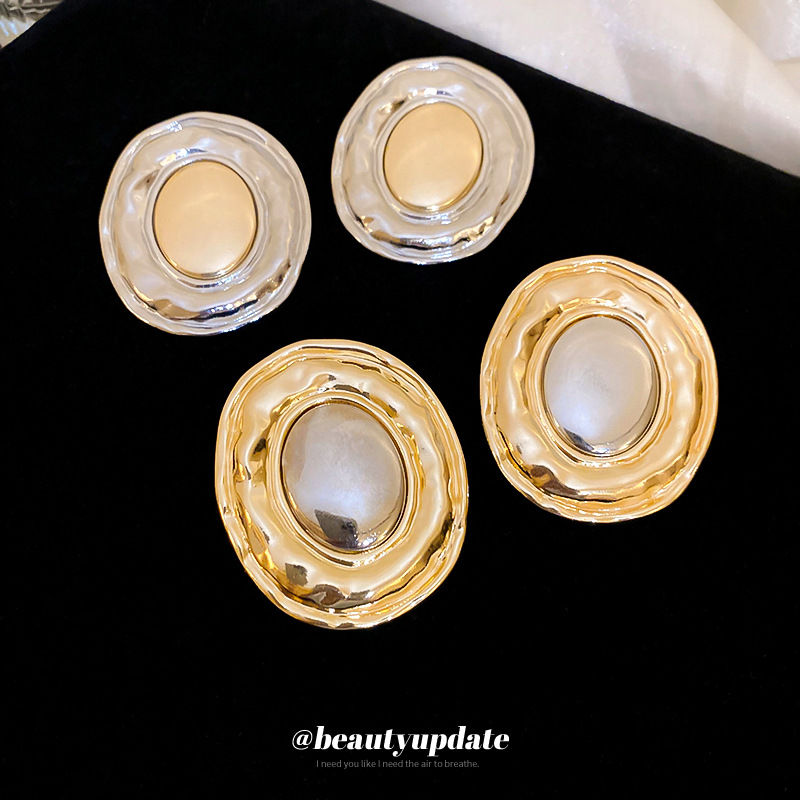
Vintage Large Hammered Metal Stud Earrings Women S925 Silver Pin Gold Silver Two Tone Oval Statement Earrings Retro Fashion Party Jewelry
$1.52
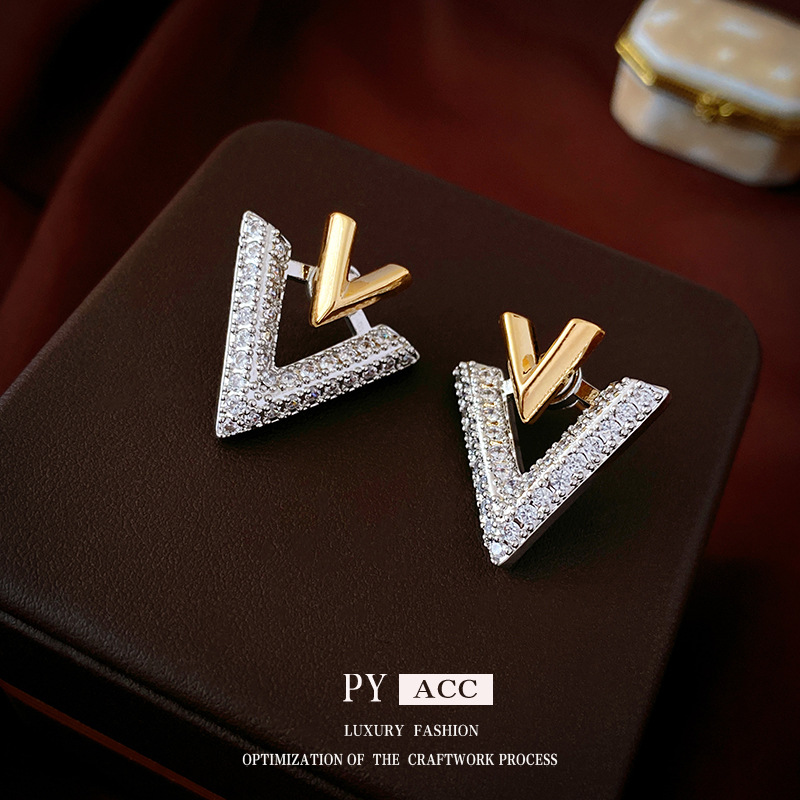
Luxury V-Shaped Bi-color Gold Silver Stud Earrings With S925 Sterling Silver Pin Zirconia Inlay Geometric Earrings For Women Jewelry
$4.11
Smart Bundles to Capitalize on the Trust Trend
Bundling allows you to offer a complete 'verified' set — earrings, necklace, and ring all from the same reliable supplier. This reduces the number of individual product queries and builds a cohesive brand story around authenticity. Each bundle below addresses a specific buyer scenario and includes DayJewel products with clear material specs.
The 'Real Deal' Starter Pack
New Shopify seller wants to offer a small collection of affordable yet authentic sterling silver pieces to build trust
- S925 Sterling Silver Natural Pearl Stud Earringshero
- 925 Sterling Silver Freshwater Pearl Pendant Necklacecomplement
- Vintage 925 Sterling Silver Celestial Starburst Ring 18K Gold Plated With Pearl And Zirconiaupsell
Individually $49.86; bundle at $44 with 12% margin boost
The Moissanite Alternative Bundle
Pop-up seller wants to offer a 'diamond look' set without the price tag, targeting customers who compare moissanite vs diamond
- Square Zircon Pearl Drop Earrings With 925 Sterling Silver Earring Posthero
- Vintage Palace Style Adjustable Ring 925 Sterling Silver Gold Plated Oval Red Zirconiacomplement
- Elegant Pearl Drop Earrings Zircon Inlaid Geometric Long Dangleupsell
Separate total $55.99; bundle at $49.99 – pass the savings and build trust by mentioning 'zirconia, not moissanite'
The 'No Questions Asked' Gift Set
Flea market vendor wants to sell a complete gift package that includes a necklace, earrings, and bracelet, all clearly labeled with sterling silver content
- Double Layer Pearl Bracelet For Women Natural Freshwater Pearl 925 Sterling Silver Chainhero
- Vintage Round Pearl Stud Earrings With 925 Sterling Silver Earring Postcomplement
- Square Natural Green Moss Agate Necklace With Silver Bee 925 Sterling Silver Chainupsell
Individual $68.69; bundle at $59.99 – highlight that each piece is 925 sterling silver to pre-empt 'experience with this seller?' queries