
Trend Report · May 9, 2026
That Extra 3.5% FBA Fee Changes Everything – Here's Your Margin Playbook
How Amazon's extra 3.5% FBA fee erodes margins on accessories. A 5-step playbook to re-audit SKUs, source lightweight products, and protect profit.
Extra 3.5% FBA fee made me go back and look at my numbers again this month
The announcement of an extra 3.5% FBA fee didn't land like a sledgehammer for most sellers. It was a quiet blip in the monthly Amazon statement. But that blip, combined with creeping PPC costs, storage fees, and return rates, is turning once-comfortable SKUs into break-even inventory. For a seller with a few years of history, this isn't panic – it's a signal to run fresh numbers.
The fee change isn't a single hit. It compounds across every unit shipped. If you're selling accessories like fashion jewelry or hair clips, you're paying more on an item that already had thin margins. The good news? This fee creates a clear operational mandate: find products that are light, compact, and low-return, and adjust your pricing math accordingly.
This timing window matters because fee adjustments rarely roll back. The market is shifting, and sellers who don't re-audit their SKU mix will see profitability slip further over the next 90 days. Acting now – within the next week – lets you restock with margin-safe inventory before the next fee cycle locks in.
Why This Window Is Critical – Fee Creep Is Snipping Your Bottom Line
The extra 3.5% FBA fee didn't appear in a vacuum. It joins a string of incremental cost increases: storage fees that tick up during peak months, PPC that's up 15-20% year over year, and return processing that eats another $3-5 per unit on some categories. On a $10 product, that 3.5% is only $0.35, but add it to the other charges and you can lose $1.50-$2.00 in real cost per sale. If your margin was $3.00, you're now working with $1.00 – below sustainable.
For accessories – especially items under $5 – the fee hike hits hardest. A $0.92 pair of acrylic earrings or a $0.09 temporary tattoo set has razor-thin margins to begin with. The only way to absorb these changes is to choose products with ultra-low weight and return rates below 3%. The shift in Amazon's fee structure makes lightweight, low-risk accessories more attractive than ever.
The opportunity window is short. Competitors who ignore the numbers will either raise prices (which kills conversion) or exit certain SKUs. That leaves shelf space for sellers who re-optimize now. The operational play is to pivot to items that fit the new fee reality before everyone catches on.
Who Needs This Playbook
This playbook is for Amazon FBA sellers who carry low- to mid-priced accessories and are feeling margin pressure from the extra 3.5% fee. It's also for Shopify sellers who are considering FBA for fulfillment and need to vet products before scaling. And for new entrepreneurs who want to start with margin-safe inventory from day one. The profiles below represent the most common sellers who benefit from this operational shift.
Amazon FBA seller (1-3 years)
Already feeling fee creep across multiple SKUs; needs a repeatable audit process and new sourcing targets to protect 30%+ margins.
Shopify store owner using FBA
Wants to expand into Amazon without getting burned by fee surprises; will use lightweight, low-return accessories as testing entry.
Flea market / pop-up operator scaling online
Sells high-margin hair clips and jewelry at in-person events; needs an FBA-friendly product line that won't get eaten by fees.
Implementation Stages
Audit Your Current SKU Margins
Trigger: Monthly Amazon statement showing the new 3.5% fee line item.
Download your last 3 months of transaction reports. For each SKU, calculate total revenue minus COGS, FBA fees (including the extra 3.5%), storage, PPC, and return costs. Flag any SKU with net margin under 30%.
✓ Identify 5-10 SKUs that are now marginally profitable or break-even. You'll know exactly which products need price hikes, bundling, or removal.
✗ Skipping this step means you keep losing money on products that look fine on the surface but are actually eroding your overall profit.
Identify Product Categories with Natural Fee Advantages
Trigger: After auditing, you see that heavier or larger items (clothing, bulky hair clips) have the lowest margins.
List the physical dimensions and weight of your current inventory. Compare with FBA fee tiers. Target products that are under 0.5 lbs and under 15 inches in any dimension. Accessories like temporary tattoos, acrylic earrings, and small hair clips fit this perfectly.
✓ A shortlist of 20-30 product types that will incur the lowest possible FBA fees, leaving more room for profit even after the 3.5% increase.
✗ If you ignore dimensions, you'll end up sourcing items that look cheap but actually carry high FBA fees, defeating the purpose of the margin fix.
Source Margin-Safe Inventory from DayJewel
Trigger: You have a list of lightweight, low-return product categories.
Order small batches (100-200 units) of 5-10 SKUs from DayJewel's wholesale catalog. Focus on items under $1 wholesale like the Back To School Temporary Tattoos ($0.09), Cute Acrylic Teardrop Earrings ($0.92), and the Extra Large Hair Claw Clip ($1.53). Use the featured products list in this article for priority items.
✓ For about $100-$200, you'll have test inventory that can absorb the 3.5% fee without breaking your margin. Initial batch allows you to validate sell-through rates before scaling.
✗ Ordering too many units of an untested product can lead to storage fees piling up. Always test small first – the fee structure won't kill you on 100 units, but it will on 1,000 unsold units.
Test with a 7-Day PPC Campaign
Trigger: Inventory is received at Amazon fulfillment center and ready for sale.
Create a Sponsored Products campaign for 5 test SKUs. Budget $10 per SKU per day. Target keywords like 'cheap earrings', 'temporary tattoos for kids', 'large hair clip'. Track CVR and ACoS daily.
✓ Within 7 days you'll see which products have a natural conversion rate above 5% and an ACoS below 30%. Those are the ones to scale. Products with ACoS above 40% under the new fee structure are likely toast.
✗ Not tracking cost per click along with fee costs. A high click price can combine with the 3.5% fee to make even cheap products unprofitable.
Scale and Bundle the Winners
Trigger: At least 2-3 test SKUs show net margins above 35% after all fees including the 3.5%.
Order 500-1,000 units of the winning products. Create bundles as shown in the Product Bundles section to increase AOV. For example, combine the temporary tattoos with the pencil earrings for a back-to-school theme. Adjust pricing so that the bundle net margin stays above 40%.
✓ You'll have a small, focused catalog of 5-10 products that consistently deliver $2+ net profit per unit, even after the extra 3.5% fee. Bundling raises AOV by 25-40%, spreading the fee impact over a larger sale.
✗ Scaling too fast without rechecking production lead times. Lightweight items can run out of stock during peak seasons; maintain a 2-month buffer.
How to Sell Through the Fee Increases
The extra 3.5% FBA fee isn't a death knell – it's a signal to get surgical with your inventory. The days of listing random products and hoping for profit are over. Now you need to know your numbers at the SKU level and choose products with natural cost advantages. Common mistake: raising prices across the board without re-evaluating product mix. Price hikes kill conversion on impulse items. Instead, shift to products with lower fee structures and bundle complementary items. For example, a set of temporary tattoos plus a small hair clip can be sold as a party favor kit for $5.99 – the FBA fee stays under $2.50, leaving you $3.49 before COGS. Use the tactics below for your most likely sales channels. Each is tailored to the new fee reality.
List lightweight accessories as individual items with a competitive price of $5.99-$9.99. Run automatic PPC with a max bid of $0.50 to keep ACoS under 25%. Monitor returns weekly – low-return items like enamel pins (0.39) and number stickers (0.30) keep your account healthy.
⚠ High competition on common accessories – you'll need unique bundles or better photos to stand out.
Use FBA for fulfillment but price 15% higher than Amazon to account for the fee. Promote bundles like the Bath & Organize Set ($12.99) on social media, emphasizing the convenience of having multiple items in one order.
⚠ Customers may compare prices with Amazon and feel overcharged – justify with bundle value messaging.
Sell high-touch items like vintage hair clips ($1.53) and lotus rings ($1.89) in-person. Hand out cards with a QR code to your online store where you offer the same items as FBA bundles. In-person sales don't incur the 3.5% fee, so your margin is higher.
⚠ Managing two channels can split inventory – keep 20% buffer for online orders.
Margin-Safe Products for the New Fee Reality
The products below all share key traits: low unit cost, light weight (under 1 oz typically), compact dimensions, and low return risk. These are exactly the categories that can absorb a 3.5% fee increase without ruining your profit structure. Each product is available wholesale on DayJewel and can be sourced in small batches for testing.
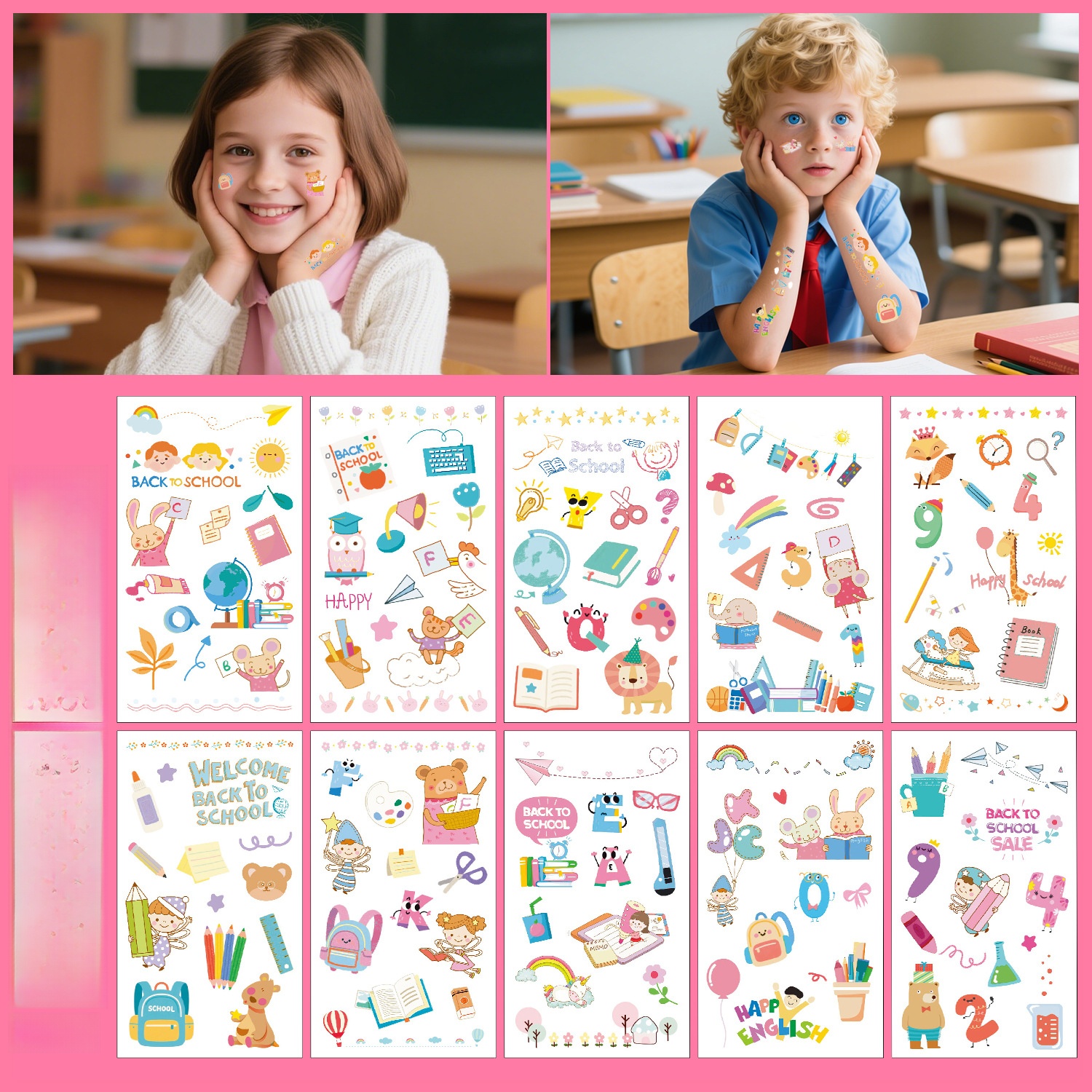
Back To School Temporary Tattoos Children Cartoon Animal Stationery Alphabet Numbers Waterproof Temporary Tattoo Stickers Set For Kids Students Body Art Decoration
$0.09
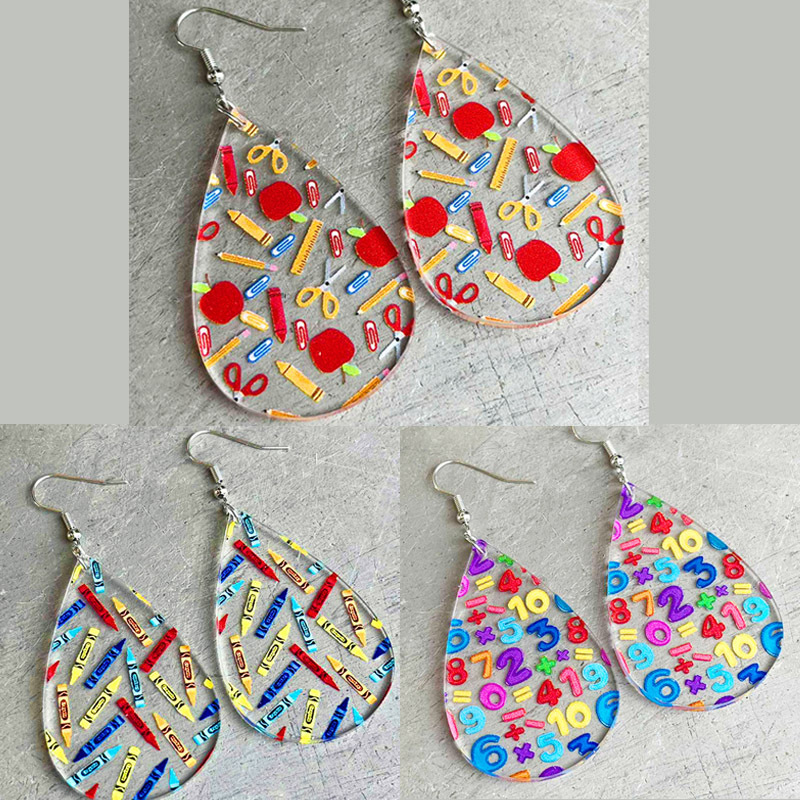
Cute Transparent Acrylic Teardrop Earrings For Women Students Back To School Gift Jewelry Pencil Ruler Math Numbers Crayons Print Drop Earrings With Iron Hooks
$0.92
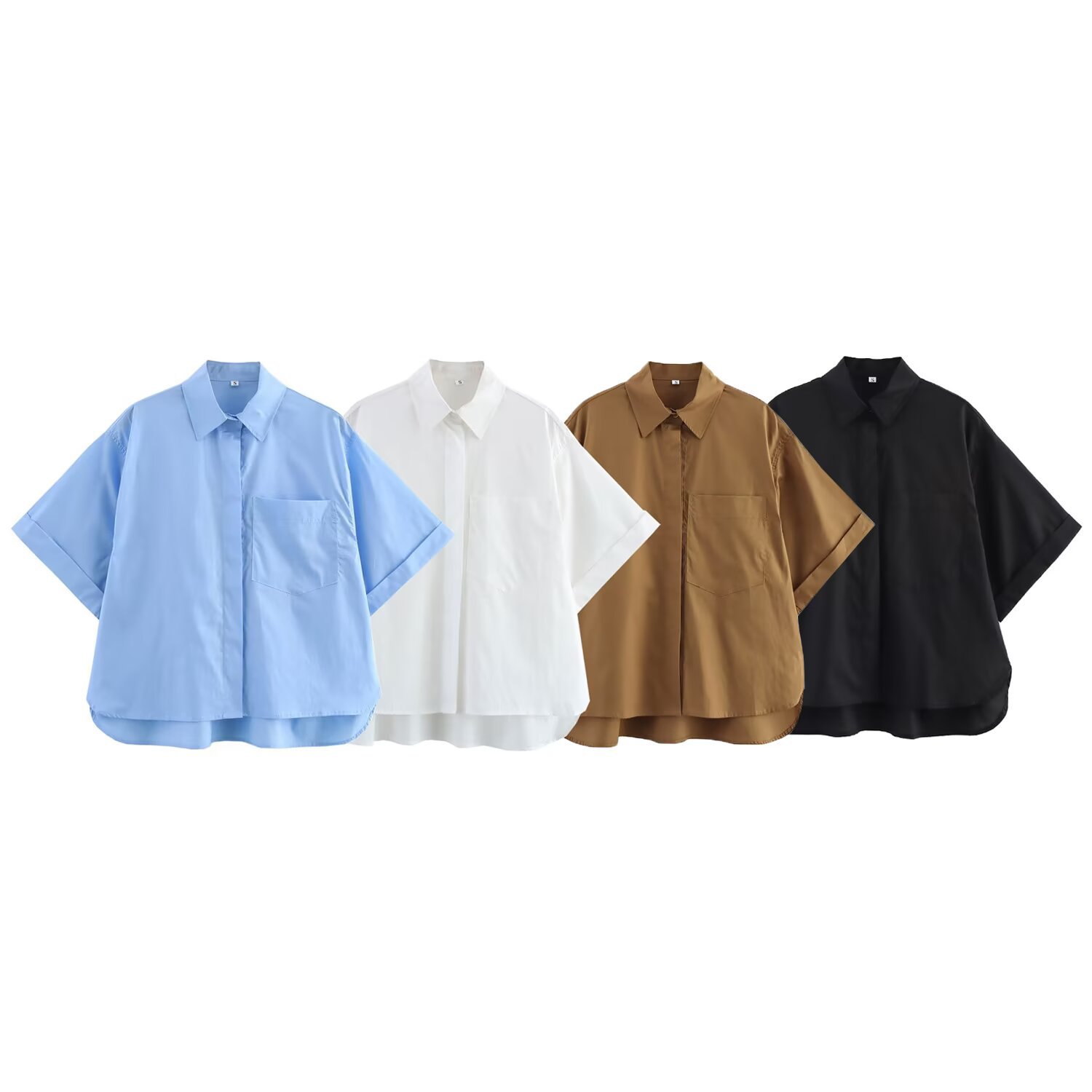
Women's Poplin Short Sleeve Lapel Shirt With Pocket Solid Color Polyester Patchwork Loose Blouse Top For Streetwear Office Casual Women Clothing
$12.10
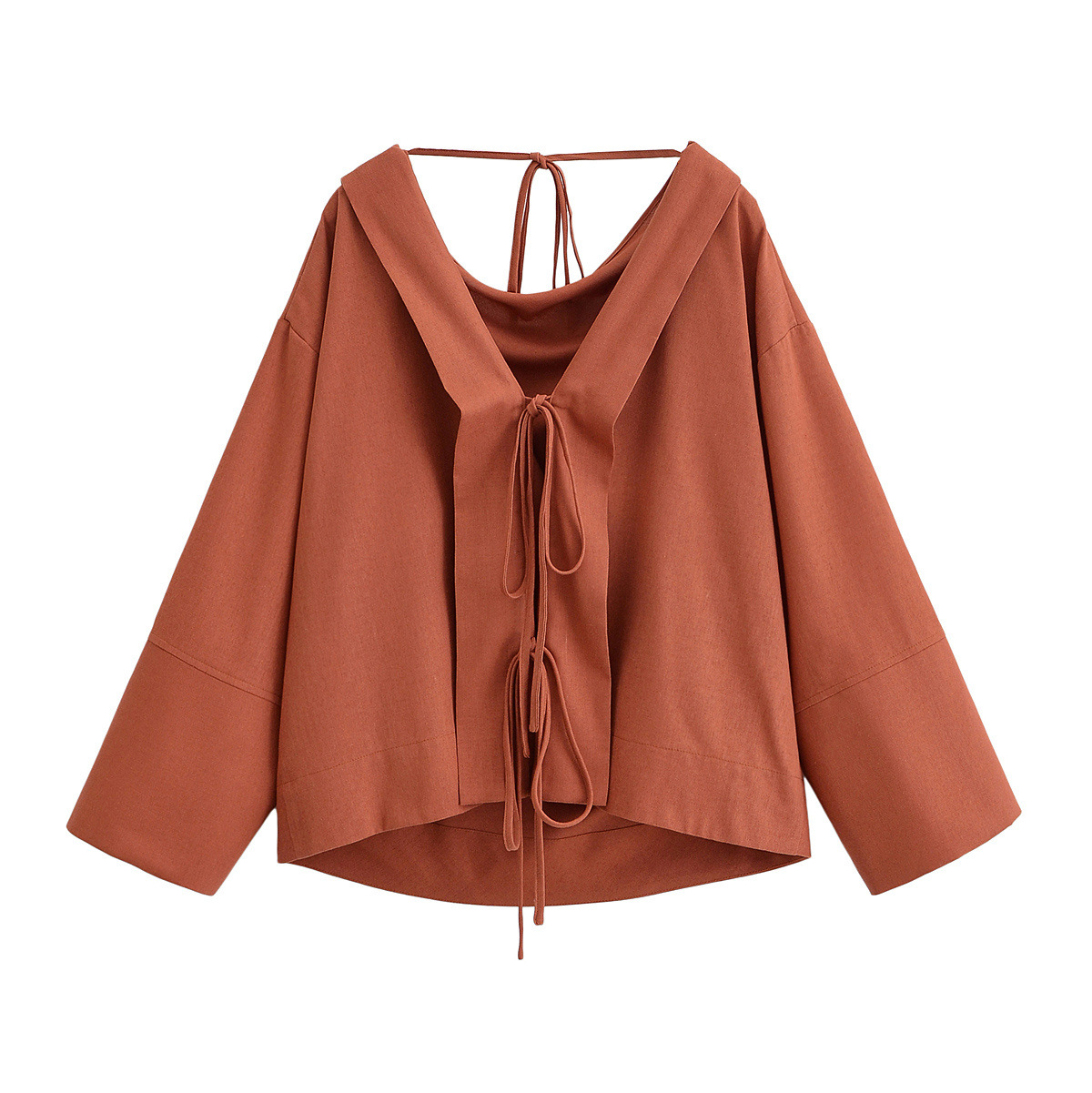
Women's Long Sleeve Blouse Fashion Solid Color V-Neck Tie Front Back Two-Way Wear Shirt Casual Polyester Linen Texture Top For Lady Spring Autumn
$12.10

Women's Casual Loose Knit V-Neck Sweater Soft Solid Color Long Sleeve Pullover Ribbed Knit Jumper For Daily Streetwear Comfort Top
$16.71
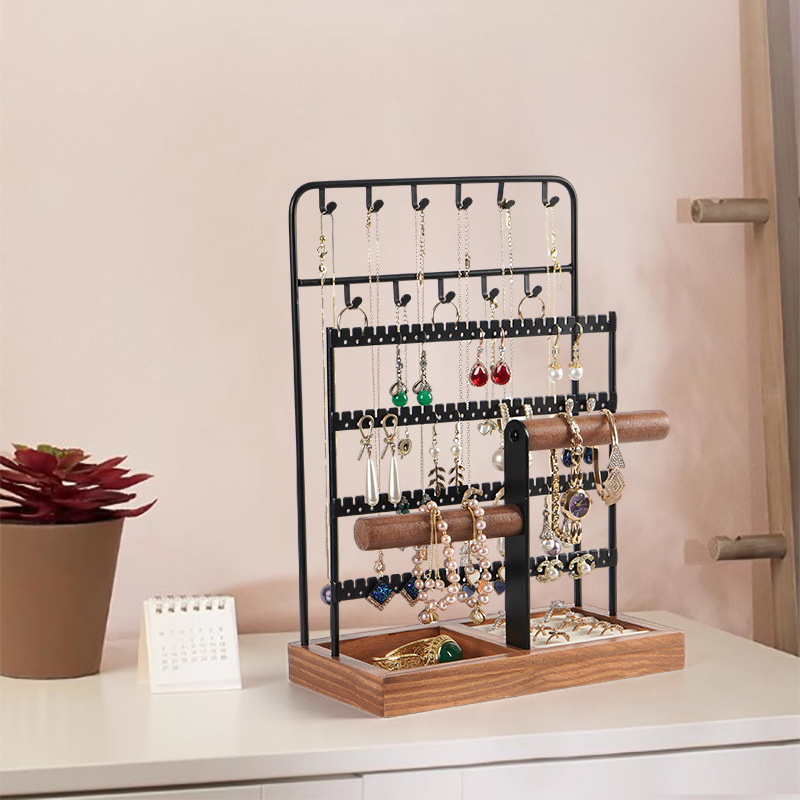
Large Capacity Jewelry Display Stand Metal And Wood Organizer Holder With Necklace Hooks Earring Holes Bracelet Bars And Ring Tray Nordic Style Storage Rack For Dressing Table Women Girls
$10.45
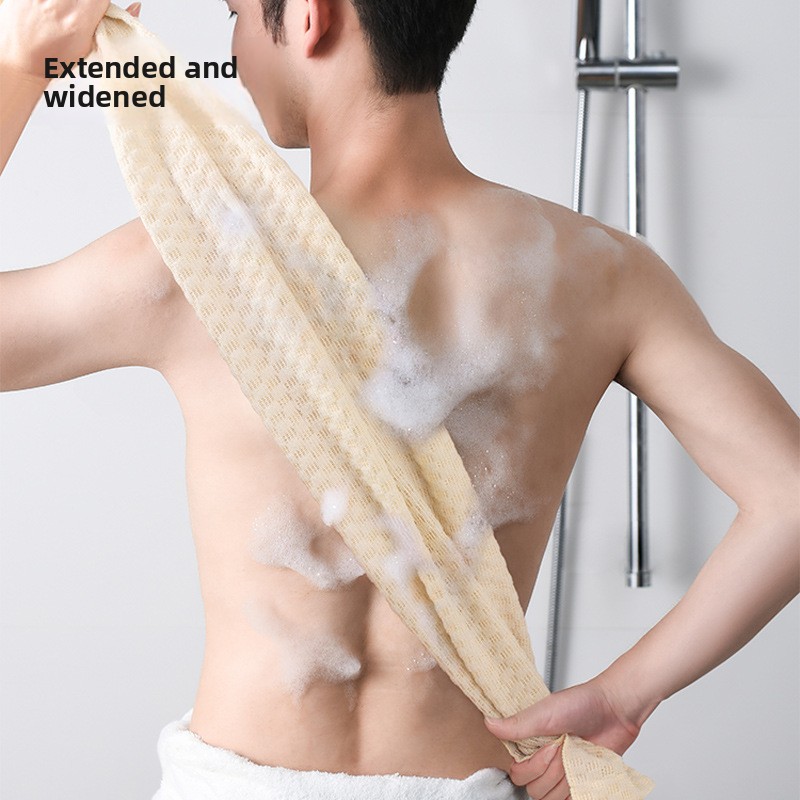
Extra Long Polyester Exfoliating Back Scrubber Towel 3D Weave Deep Cleaning Bath Strip For Body Shower Scrub For Men And Women White Blue Bathroom Accessories
$2.24

Funny Acrylic Beer Mug Dangle Earrings With Liquid Yellow Wine Glass Drop Earrings For Women Party Jewelry Warning The Girls Are Drinking Again
$0.87

Extra Large PC Plastic Hair Claw Clips Simple Geometric Shark Clip Strong Hold 15cm Big Size For Thick Hair Women Fashion Commute Back Head Bun Hair Accessories
$1.53
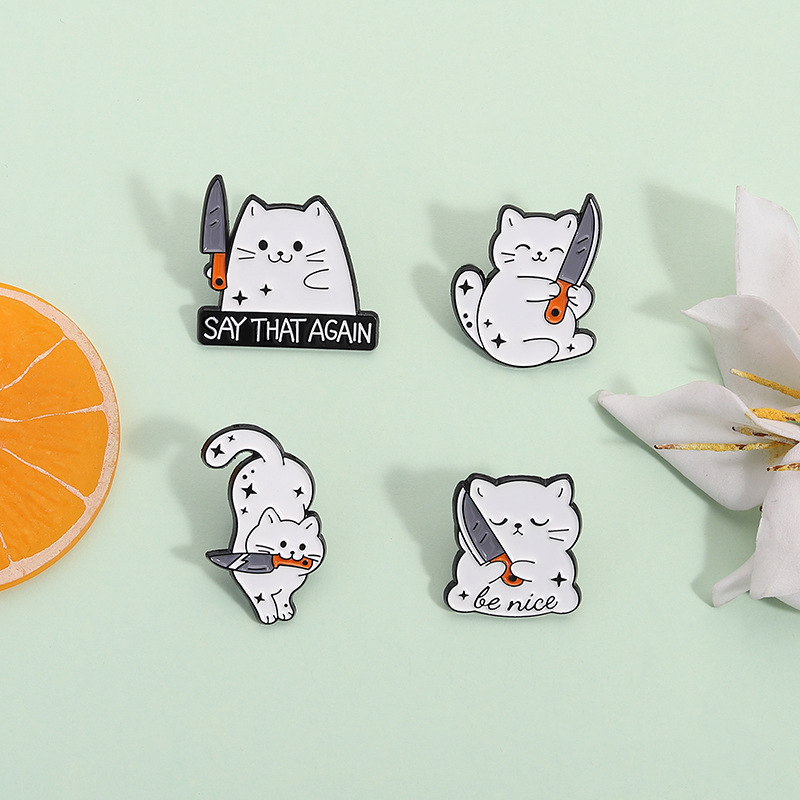
Funny Cartoon Cat With Knife Enamel Pin Alloy Humorous Say That Again Be Nice Badge Brooch For Backpack Clothing Accessories Gift Men Women Kids
$0.39
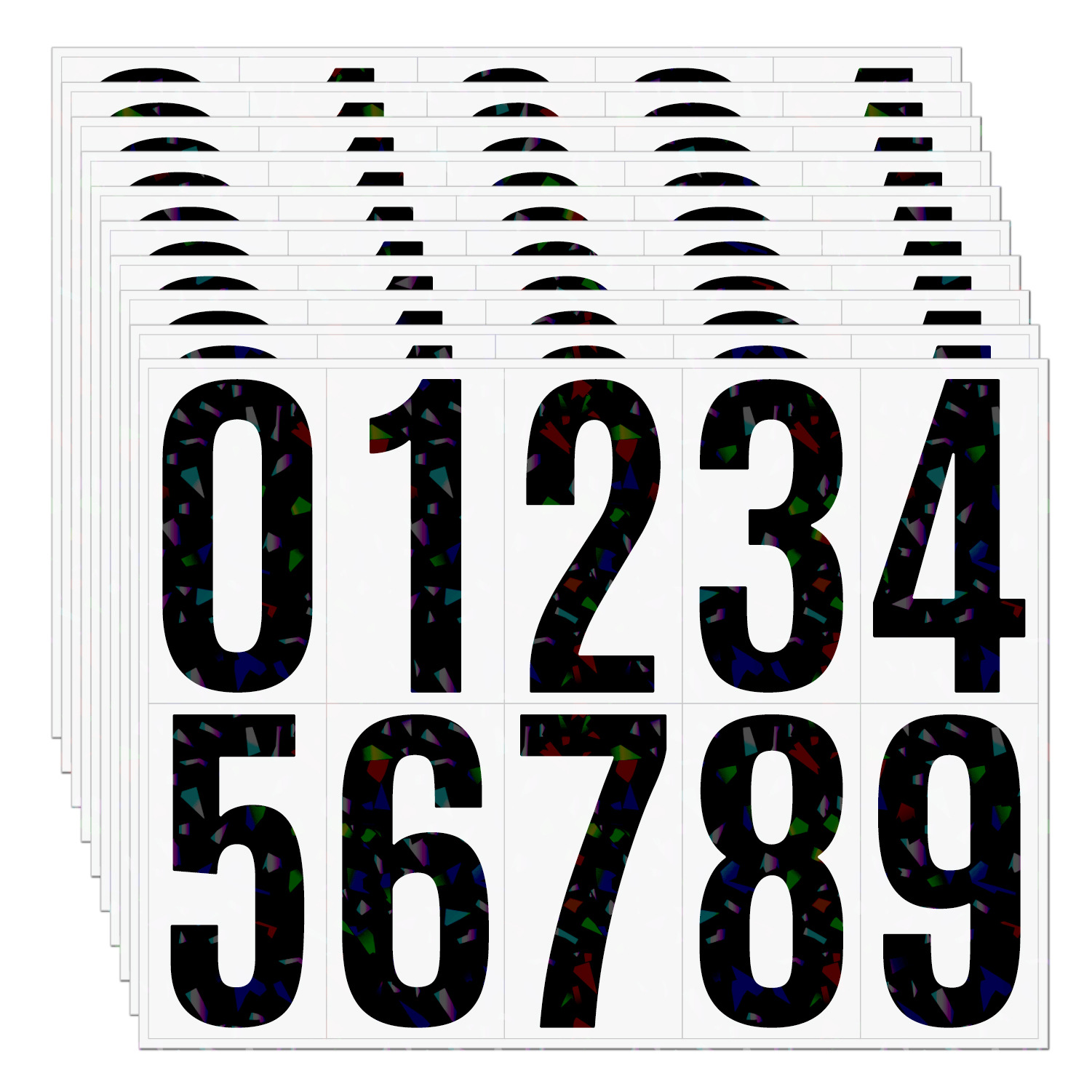
4 Inch Large Reflective Number Stickers Waterproof Vinyl Holographic Laser Mailbox Address Numbers Self-Adhesive 0-9 Sparkle Black Numbers For Trash Bin Storage House Sign Decor
$0.30
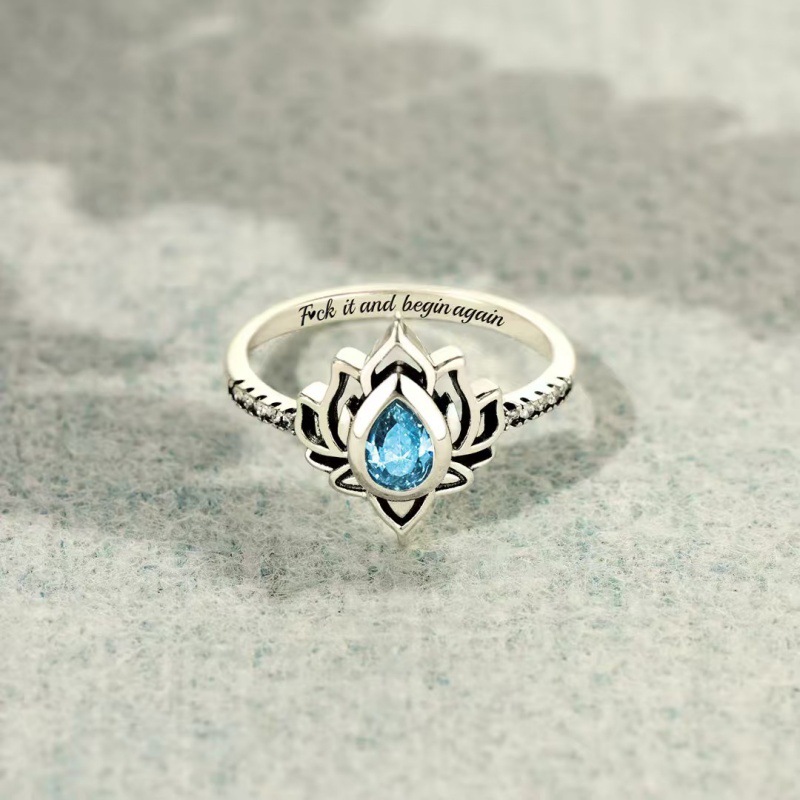
Vintage Lotus Flower Ring Silver Plated Copper Pear Cut Zirconia Water Drop Ring For Women Retro Engraved Quote Fuck It And Begin Again Boho Jewelry
$1.89

Extra Large Vintage Hair Claw Clip French Style Matte PC Plastic Hair Clamps For Thick Hair Elegant Shark Clips Non-Slip Jelly Color Hair Accessories For Women Back Head Bun
$1.15
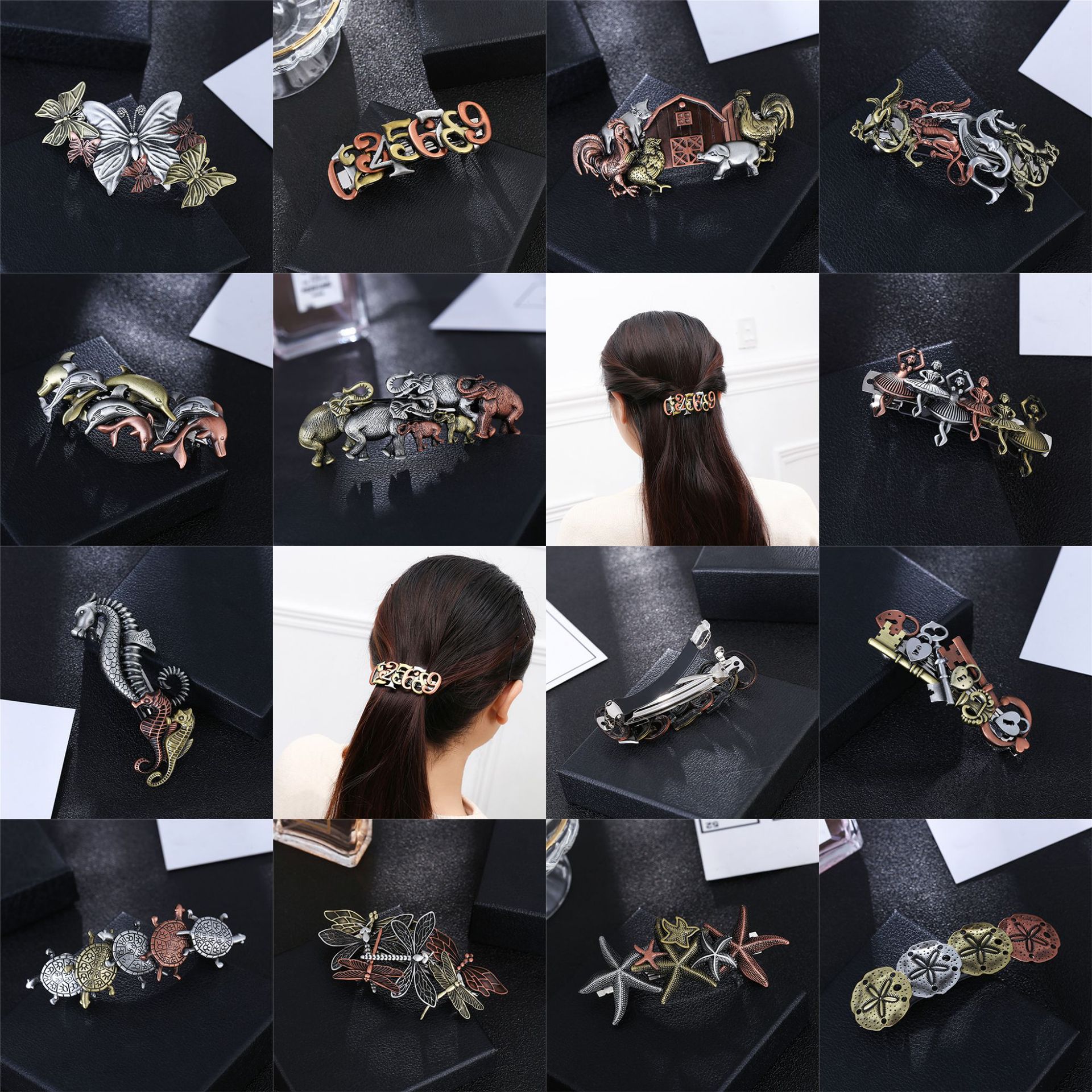
Vintage Steampunk Alloy Metal Hair Clips Antique Bronze Silver Animals Butterfly Numbers Dragonfly Hairpins For Women
$1.53
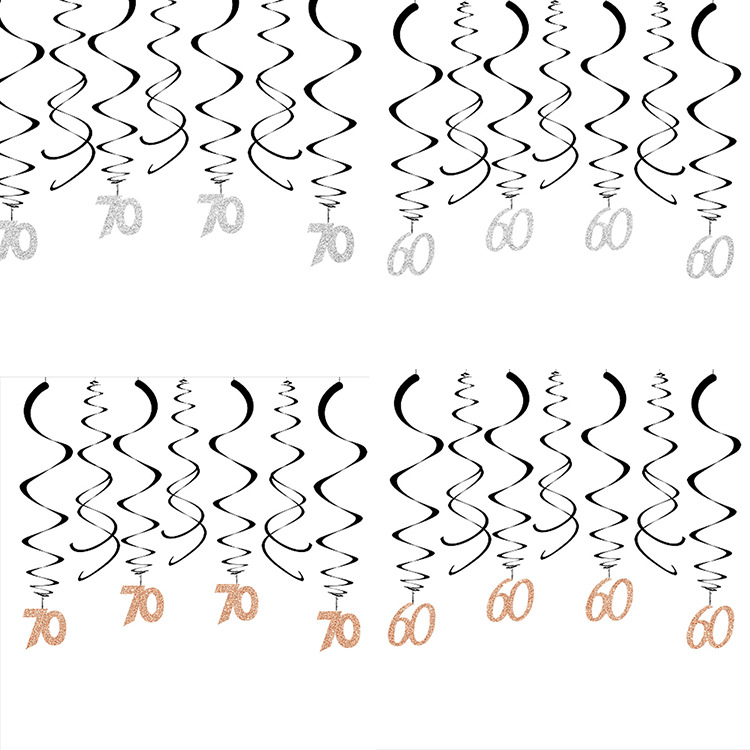
Glitter PVC Birthday Anniversary Hanging Swirl Decorations Milestone Age Numbers Ceiling Spiral Streamers For Party Decor
$0.98
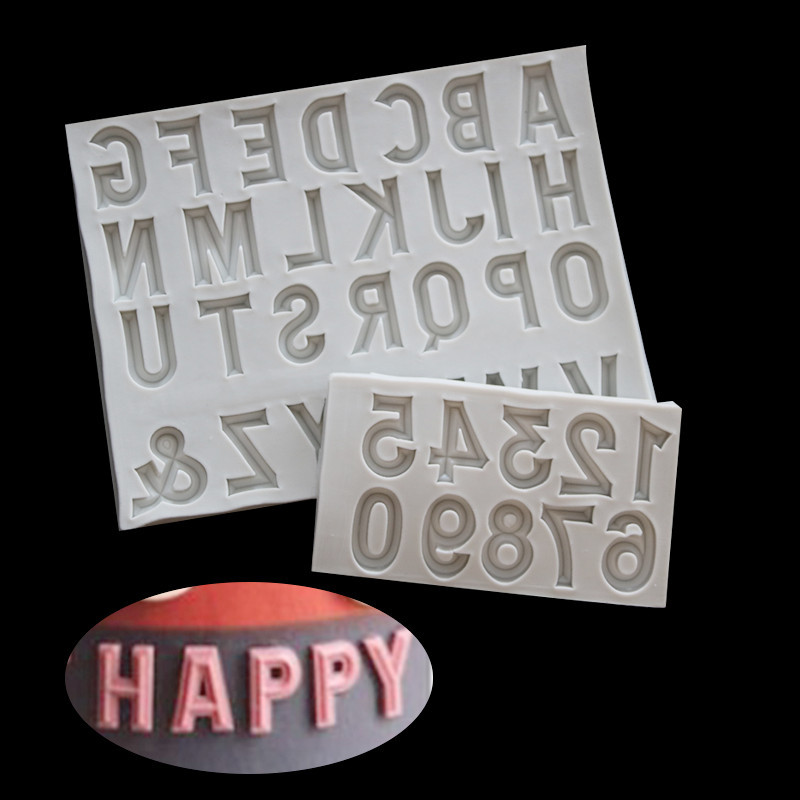
Alphanumeric Silicone Mold 3D Letters Numbers Fondant Mold For Cake Decoration Chocolate Candy DIY Baking Tools
$0.38
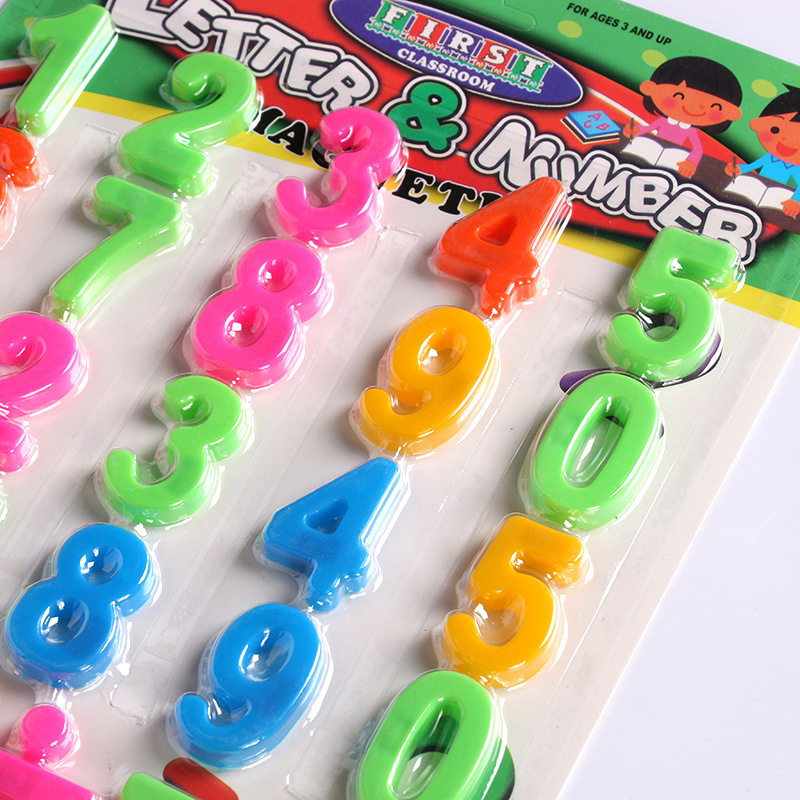
Multicolor Magnetic Numbers And Mathematical Symbols Set Plastic Educational Learning Kit For Fridge Kids Toddlers Classroom
$0.63
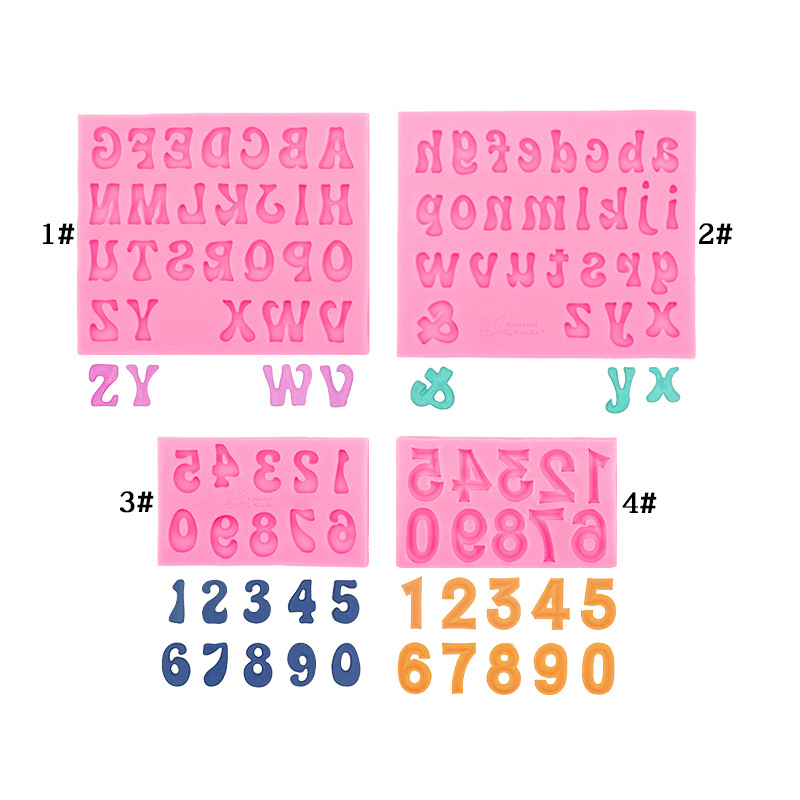
Alphabet Number Silicone Mold For Fondant Chocolate Cake Topper Decoration DIY Craft Baking Tools Capital Small Letters Numbers
$0.33
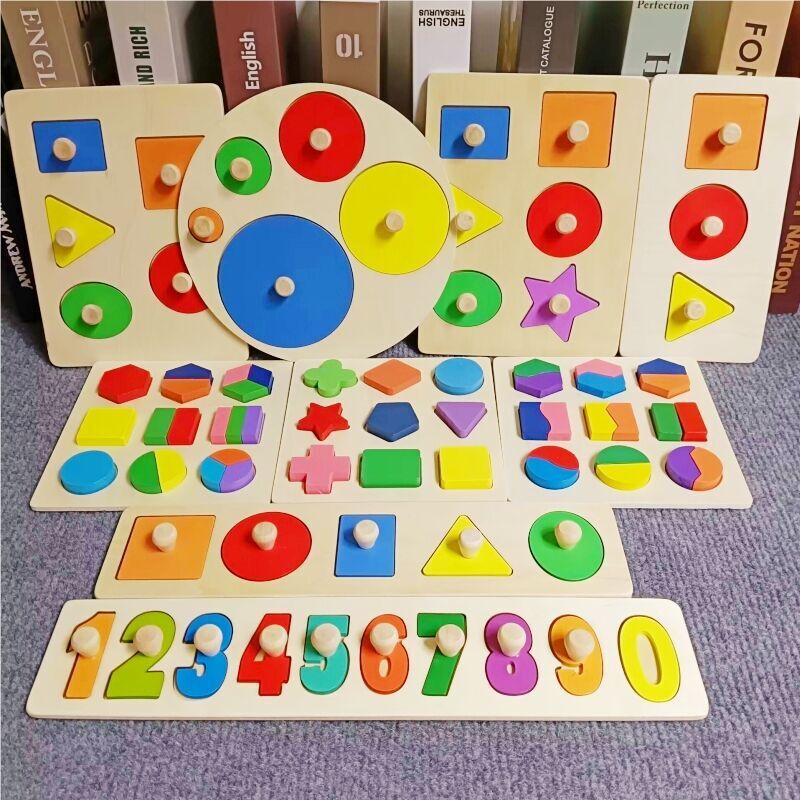
Wooden Montessori Puzzle Board Colorful Alphabet Numbers Geometry Shapes Peg Board for Toddlers Early Learning Educational Kids Toy
$0.51
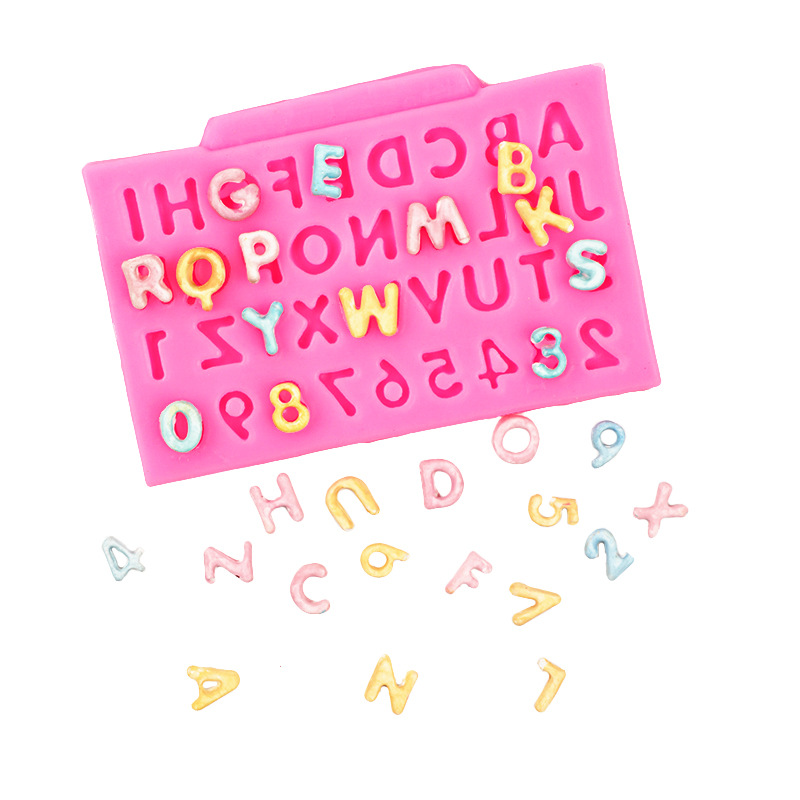
Silicone Letters And Numbers Cake Mold DIY Fondant Chocolate Clay Resin Casting Mold For Baking Cake Decoration Kitchen Accessories
$0.47
Bundle Strategies to Offset Fee Pressure
Bundling lets you increase average order value (AOV) without proportionally raising shipping costs. Since FBA fees scale by weight and dimensions, adding a small accessory to an existing product barely increases the fee – but can raise your profit per order by 20-30%. These bundles are designed for the new fee landscape.
Back to School Survival Kit
For sellers targeting back-to-school traffic in Q3 – parents buy multiple small items for kids.
- Back To School Temporary Tattooshero
- Cute Transparent Acrylic Teardrop Earringsupsell
- Wooden Montessori Puzzle Boardcomplement
Bundle at $4.99 vs $6.07 separately – you net ~$3.50 after all fees, still 70% margin.
Bath & Organize Set
Targeting home/self-care buyers with low return risk (consumables + storage).
- Extra Long Exfoliating Back Scrubberhero
- Extra Large PC Plastic Hair Claw Clipcomplement
- Large Capacity Jewelry Display Standupsell
Bundle at $12.99 vs $14.13 separately – the extra 3.5% fee adds only $0.45 to total cost, keeping margin healthy.
Numeric Party Pack
Great for birthday, anniversary, or educational sellers – lightweight and easy to package.
- Glitter PVC Birthday Swirl Decorationshero
- 4 Inch Reflective Number Stickerscomplement
- Magnetic Numbers And Mathematical Symbols Setupsell
Bundle at $3.99 vs $4.55 separately – FBA fee per unit stays under $2.50, leaving you $1.49 profit.