
Trend Report · May 11, 2026
How to Find an Accountant for Your China-Based US Ecommerce Business
Step-by-step guide for US ecommerce businesses with China-based owners to find and work with a US tax accountant. Includes product sourcing tips from DayJewel.
Finding Accountant For China-based, US E-commerce Business
Tax season is closing in, and if your Shopify store is registered in the US but you and your co-founders live in China, the clock is ticking on a reliable filing solution. The old approach—passing documents to family members who aren't business tax experts—leads to late submissions, stress, and growing penalty risk. After eight years of that cycle, you know the inefficiency firsthand.
Finding Accountant For China-based, US E-commerce Business isn't a generic “hire a CPA” task. It requires a specialist who understands US ecommerce tax rules, the quirks of multi-state nexus, and the reality of managing finances from a different time zone and legal system. That combination is rare, but it exists—and the right hire will unlock clean books, accurate filings, and peace of mind before the next deadline.
Why This Window Matters Now
The market for cross-border ecommerce accounting services is still fragmented. Most US-based CPAs shy away from clients who reside abroad due to extra compliance paperwork and scheduling friction. Meanwhile, many Chinese accountants lack US tax law depth. That gap leaves businesses like yours in a no-man's-land—exactly why the opportunity to secure a specialist is still open.
Early adopters who act before the Q1 rush will have pick of experienced pros who serve China-based US ecommerce operations. Waiting another year means risking higher fees, fewer options, and another cycle of late filing. The sooner you build a relationship with a qualified accountant, the more time you have to clean up past returns and set up streamlined processes for the coming year.
Who This Playbook Is For
This playbook targets US ecommerce operators who live in China but run a US-registered company, primarily through Shopify, Etsy, or Amazon. The core pain point: finding an accountant who can handle US federal and state taxes while being accessible from across the Pacific.
Shopify seller
Your store's sales data, sales tax nexus, and multi-owner structure (US/China split) need an accountant who reads Shopify reports natively and understands pass-through entity taxation.
Etsy seller
Similar complexity, but with smaller average transaction volumes. You need an accountant who won't charge enterprise rates for a boutique operation.
Implementation Stages
Assess Your Current Tax Situation
Trigger: It's <12 weeks until tax deadline, or you just filed late again.
Pull your last two years of filed returns and compare them to your Shopify revenue reports.
✓ You'll see if income was understated or if deductions were missed. This gives a baseline for what needs fixing.
✗ If you skip this, you may hire an accountant without knowing how messy your books are, leading to surprise fees or an unqualified candidate.
Define the Accountant Requirements
Trigger: After stage 1, you have a clear picture of complexity.
Write a job description listing required skills: US ecommerce tax, foreign residency experience, multi-member LLC, ability to communicate via WeChat/WhatsApp, familiarity with Shopify reports.
✓ You'll have a filter to quickly reject accountants who only serve domestic clients or charge too much.
✗ Hiring a general CPA who doesn't understand cross-border issues will result in errors or refusal to take you on mid-season.
Source and Vet Candidates
Trigger: Requirements defined, search begins.
Post in expat Facebook groups, Shopify community, and Upwork for cross-border ecommerce CPAs. Also search professional networks like the AICPA’s 'Find a CPA' using keywords 'expat' and 'ecommerce'.
✓ You'll get 5–10 responses. Filter by those who understand Living in China and have at least three US ecommerce clients.
✗ Relying only on recommendations from family or friends who don't run an online store may yield a CPA who can't handle Shopify data feeds.
Interview and Check References
Trigger: After shortlisting 3 candidates.
Conduct a 30-minute video call. Ask specific questions: 'How do you handle state nexus for a business shipping from China to US customers?' and 'Have you worked with non-resident alien partners?'
✓ A strong candidate will answer clearly and maybe show a sample engagement letter. You'll be confident in their fit.
✗ Skipping reference calls—a smooth talker may lack the actual cross-border experience and leave you with mistakes in the final return.
Onboard and Set Up Processes
Trigger: After you sign an engagement letter.
Give the accountant read-only access to your Shopify admin and bank feeds. Set up a shared folder for receipts and Chinese supplier invoices. Schedule a monthly 15-minute check-in.
✓ Clean books from month one, no last-minute scrambles. The accountant will flag issues early.
✗ If you just send PDFs once a year, you'll repeat the late stress. Proactive sharing is essential.
Review and Prepare for Next Year
Trigger: After the first tax filing is complete.
Debrief with the accountant: what documentation was hardest to find? Which state filings caught you off guard? Adjust your systems accordingly.
✓ Year two will be smoother and cheaper. You'll also have a checklist for your family assistant.
✗ Not iterating means you'll repeat the same pain next season, and your accountant may get frustrated with disorganized clients.
Selling Tea Store Add-Ons to Boost Revenue
While you fix your accounting, don't neglect your online store's earning potential. Tea customers often appreciate home decor items that enhance the tea ceremony experience—figurines, night lights, or thank-you cards inside the package. DayJewel offers these at wholesale prices that leave plenty of margin even after shipping from China. Test these add-ons as upsells on your Shopify checkout page. Because you already ship from China, adding lightweight items like bracelets or ornaments barely increases shipping cost. Aim for a 30-40% conversion rate on low-ticket upsells to add $1-2 per order. That alone can cover the cost of your new accountant.
Use an app like Zipify or OneClickUpsell to offer a 'tea corner decoration' bundle after the customer adds tea to cart. Price the bundle at cost + 100% markup (e.g., $4 bundle priced at $8).
⚠ Some customers may feel pushed; test only one upsell per cart and A/B the offer.
Create a separate listing for 'Tea Lover Gift Set' combining tea with a Tang lady ornament and a ceramic bird. Use Etsy's direct checkout to capture impulse buyers.
⚠ Etsy's algorithm may bury your listing if you don't have consistent sales velocity.
Boost Your Tea Store's Margins with These Add-Ons
While you sort out your accounting, consider diversifying your inventory with high-margin accessories from DayJewel that complement your tea offerings. These items fit the aesthetic of a living room or office tea corner and encourage impulse buys—adding dollars per order without extra shipping cost.

Retro Chinese Palace Style Girl Resin Figurine Q-Version Ancient Character Ornament For Desktop Living Room Decor Creative Handicraft Gift
$1.99

Nordic Minimalist Ceramic Bird Figurines Modern Gold Silver Black White Animal Sculptures for Home Living Room Desk Decor Artistic Desktop Ornaments
$1.01

Woven Straw Flower Pot Basket Natural Bulrush Storage Basket With Waterproof Lining For Indoor Plants Living Room Home Decor Nordic Minimalist Style
$4.32
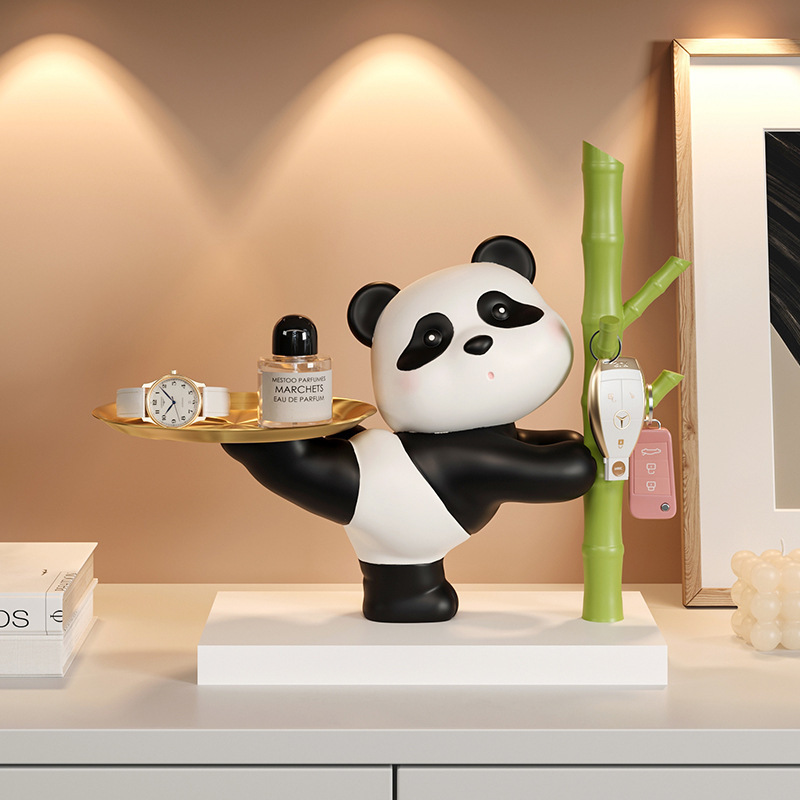
Cute Panda Resin Storage Tray Key Holder Home Decor Organizer For Entrance Living Room Desktop Creative Animal Statue Decorative Ornament Housewarming Gift
$1.64
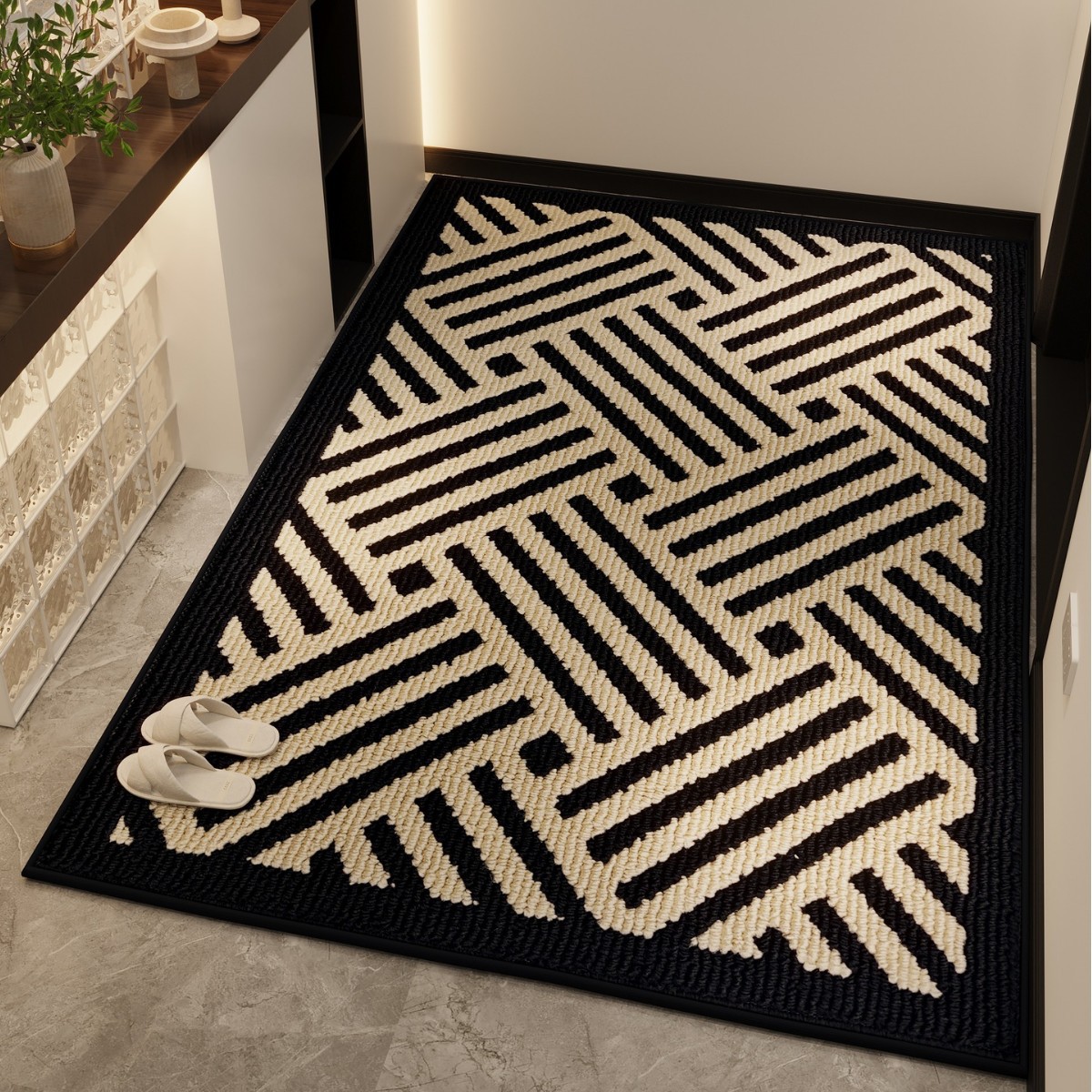
Modern Geometric Door Mat Polypropylene TPR Anti-Slip Entryway Rug For Living Room Bedroom Kitchen Home Decor Dirt-Resistant Washable Floor Mat
$5.48
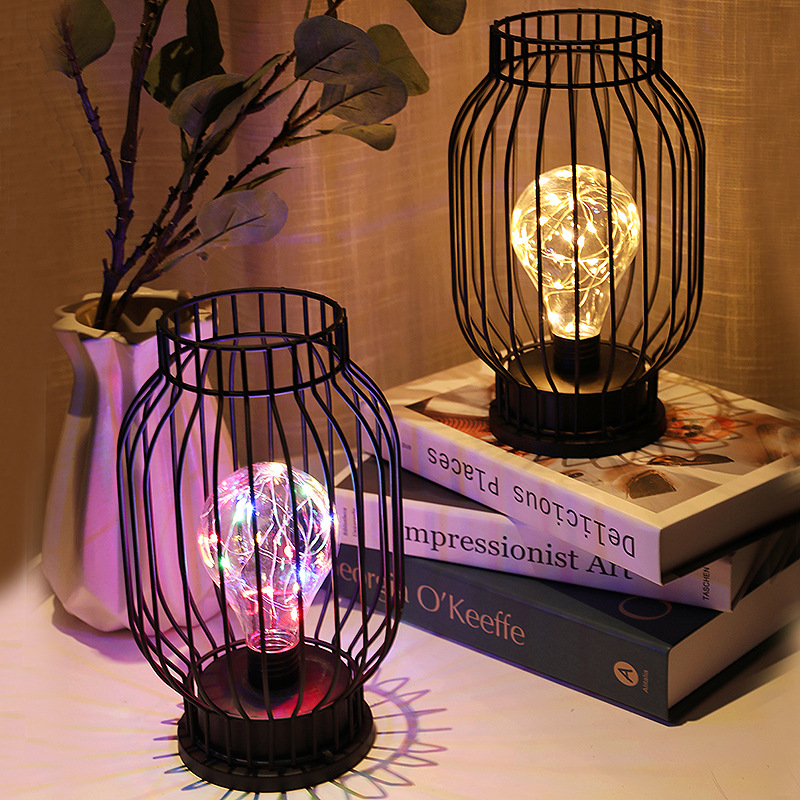
Modern Nordic LED Night Light Metal Iron Glass Lantern Battery Operated String Lights Table Lamp For Home Bedroom Living Room Office Atmosphere Decoration
$5.65

Vintage European Golden Swallow Angel Wall Decor Set 3D Resin Relief Bird Cherub Sculpture Home Decor Accents For Living Room Bedroom Wall Hanging
$1.10

Natural Crystal Money Tree Handmade Copper Wire Wrapped Gemstone Tree Desktop Decor Citrine Amethyst Life Tree Ornament For Office Living Room Fortune Wealth Gift
$3.24
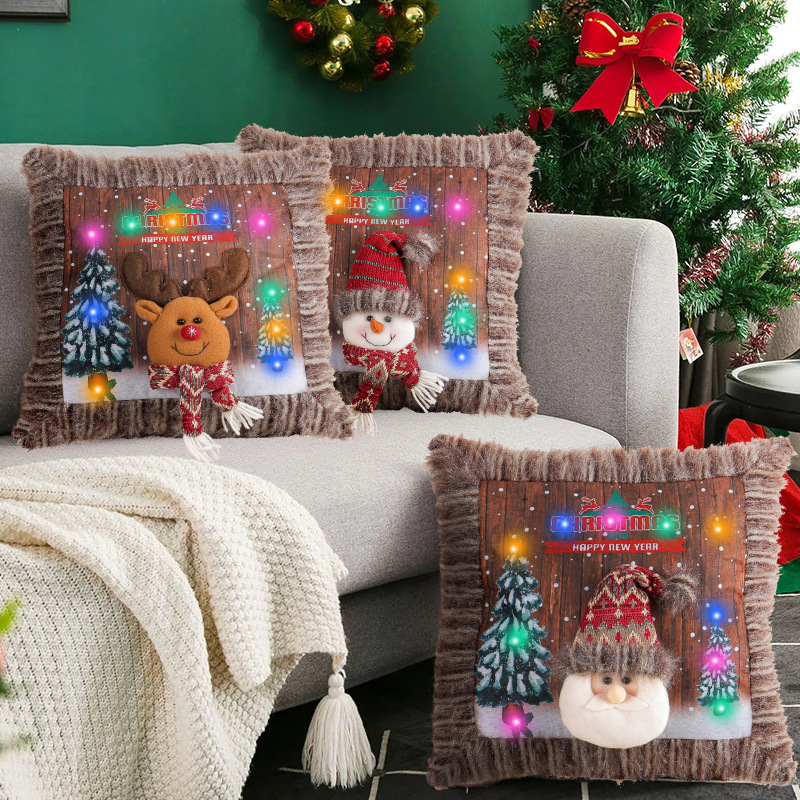
Christmas LED Glowing Pillowcase Plush Faux Fur Trim Santa Claus Reindeer 3D Doll Cushion Cover for Sofa Living Room Home Decor Happy New Year Gift
$6.30
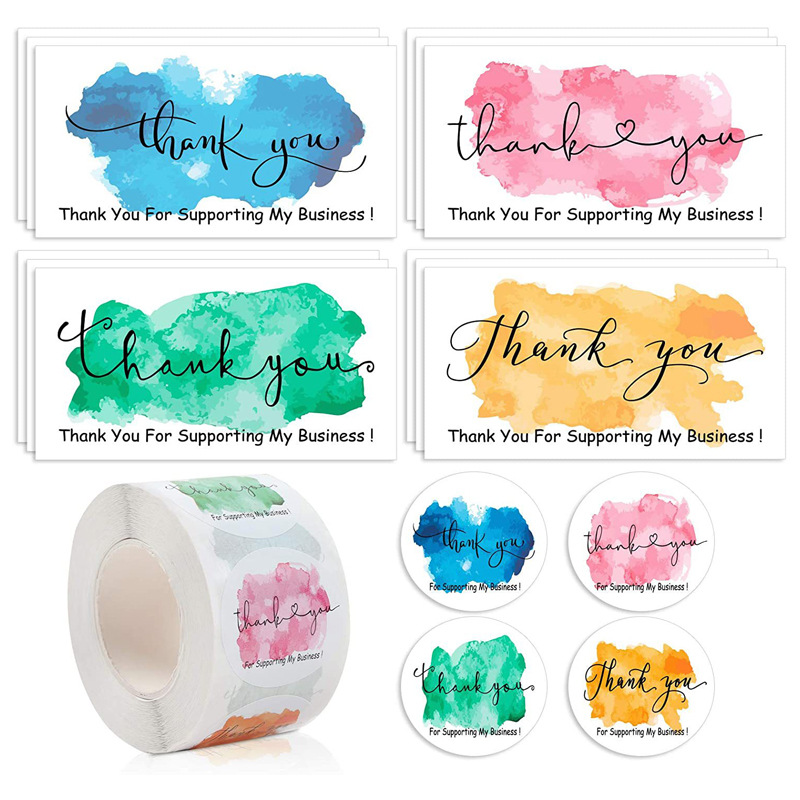
Watercolor Thank You Stickers And Cards Set For Small Business Paper Self-Adhesive Labels For Gift Packaging Decor Stationery For Online Sellers
$0.03

Ancient Style Tang Lady Resin Ornament Cute Cartoon Chinese Culture Desktop Decoration Figurine Home Decor Accents For Office Living Room Gift
$2.09
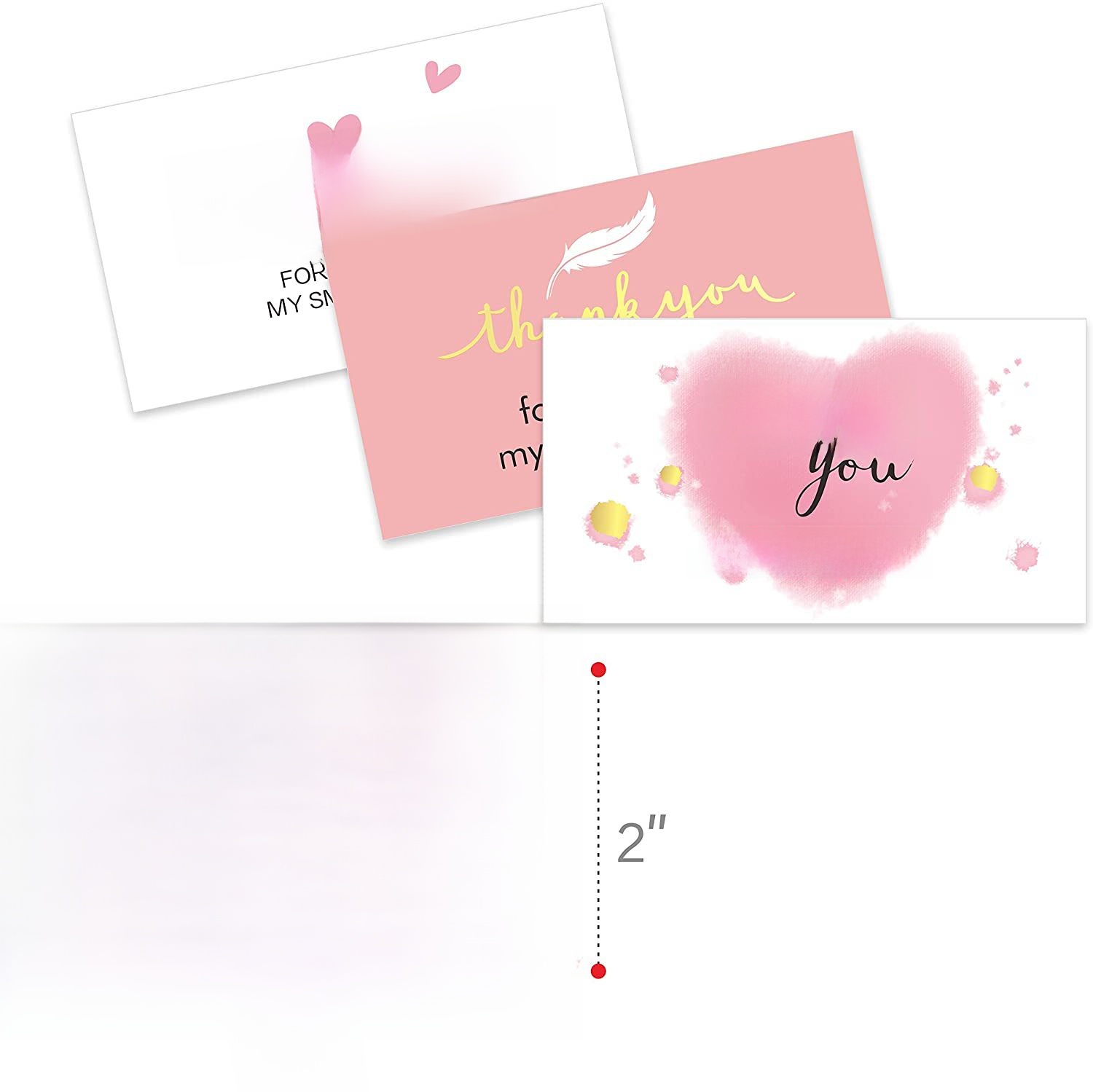
50PCS Small Business Thank You Cards 300GSM Copperplate Paper Pink Gold Foil Stamping After-sales Appreciation Cards For Gift Packaging Decor Online Shop Customers
$0.52

Holographic Rainbow Thank You Cards Waterproof PET Laminated Appreciation Cards For Supporting My Small Business 50x90mm Laser Gradient Stickers For Gift Packaging Online Retailers
$0.06
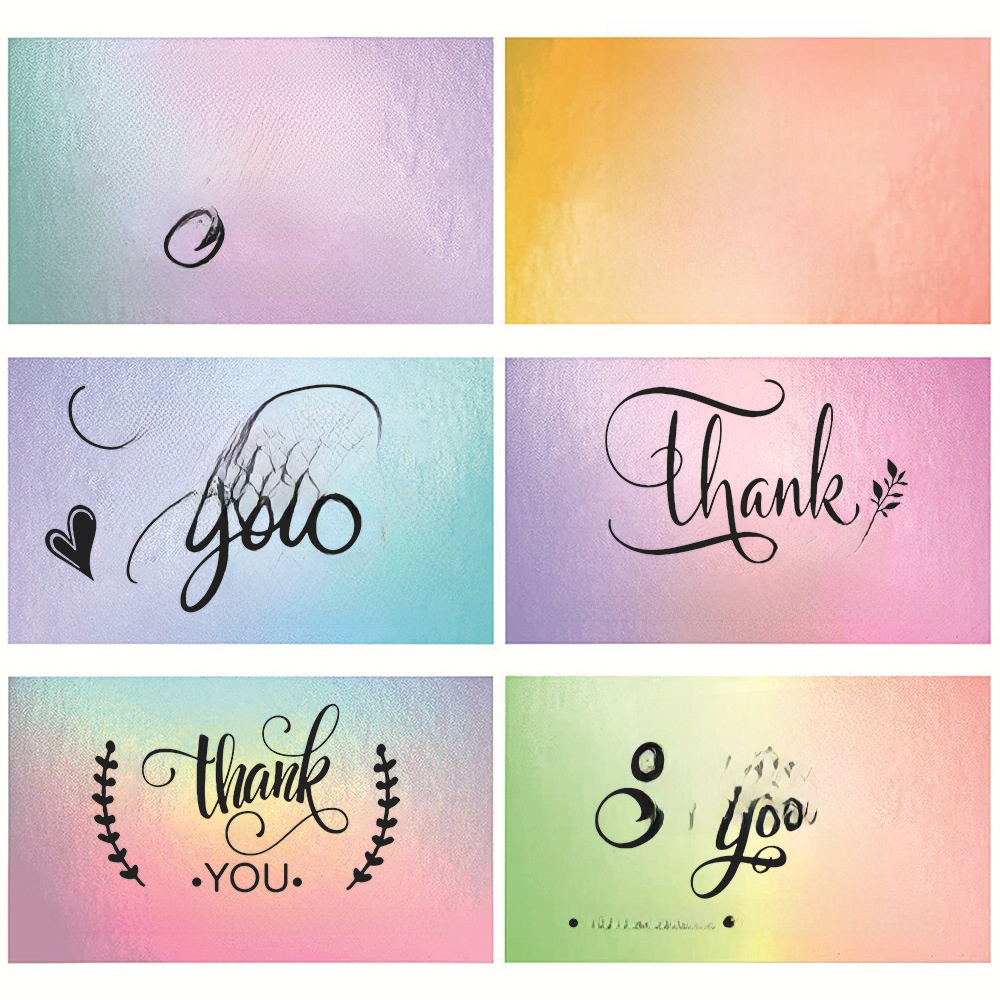
50Pcs Holographic Thank You For Supporting My Small Business Cards Laser Rainbow Gradient Floral Leaf Heart Packaging Decoration Cards For Online Shops Boutique Gift Packaging
$0.72
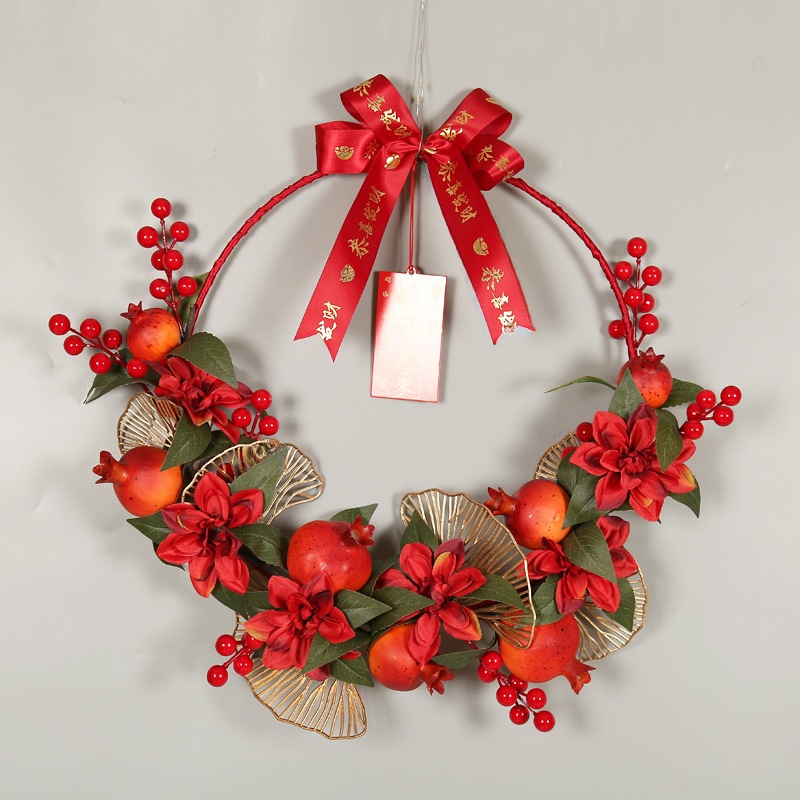
Artificial Chinese New Year Wreath With Red Pomegranate Flowers Berries And Golden Ginkgo Leaves Garland For Home Living Room Wall Decoration Spring Festival Party Ornament 45cm
$15.56
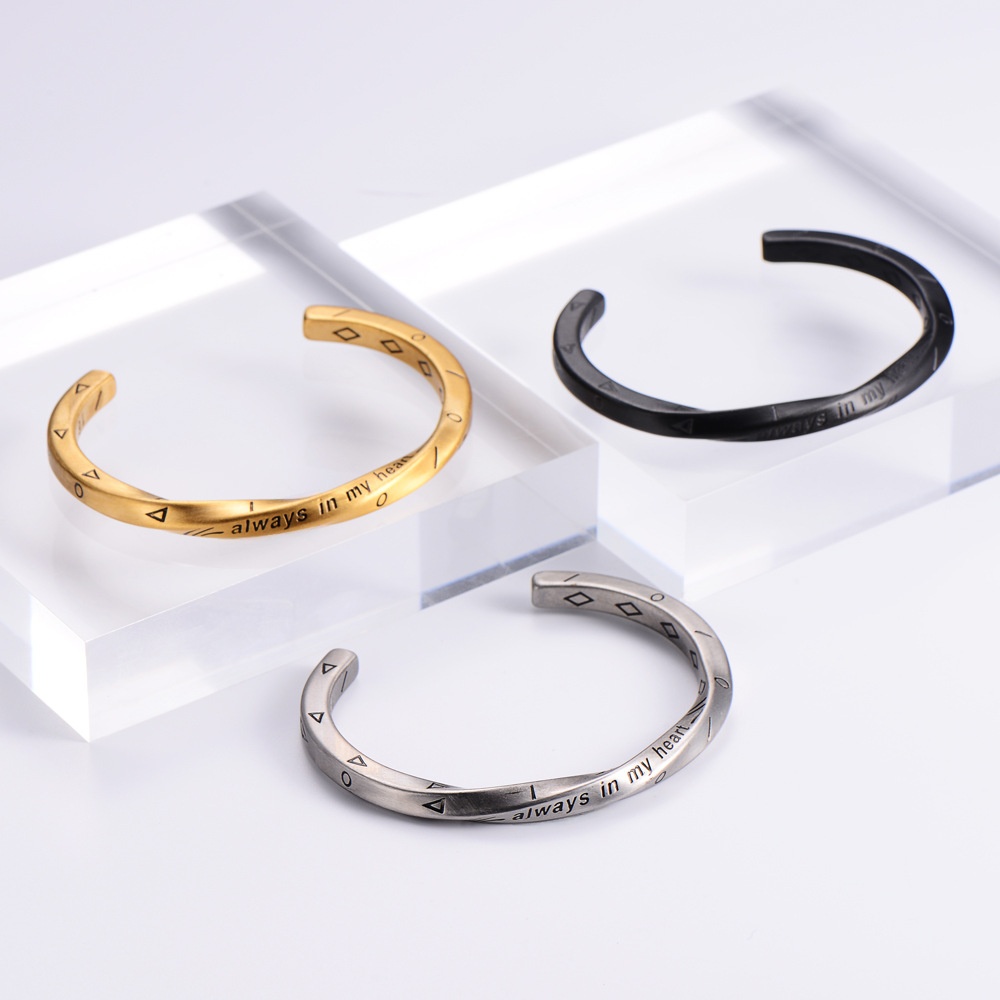
Mobius Twist Cuff Bangle 316L Stainless Steel Always In My Heart Engraved Vintage Hip Hop Bracelet For Men Women
$5.48

Inspirational Stainless Steel Curved Plate Bracelet Always Believe In Yourself Laser Engraved Rope Chain Adjustable Bangle Jewelry for Women Gift
$1.94

Gold Plated Stainless Steel Heart Jewelry Set Engraved I Love You Today Tomorrow Always Twisted Cable Bangle Necklace For Women
$1.31
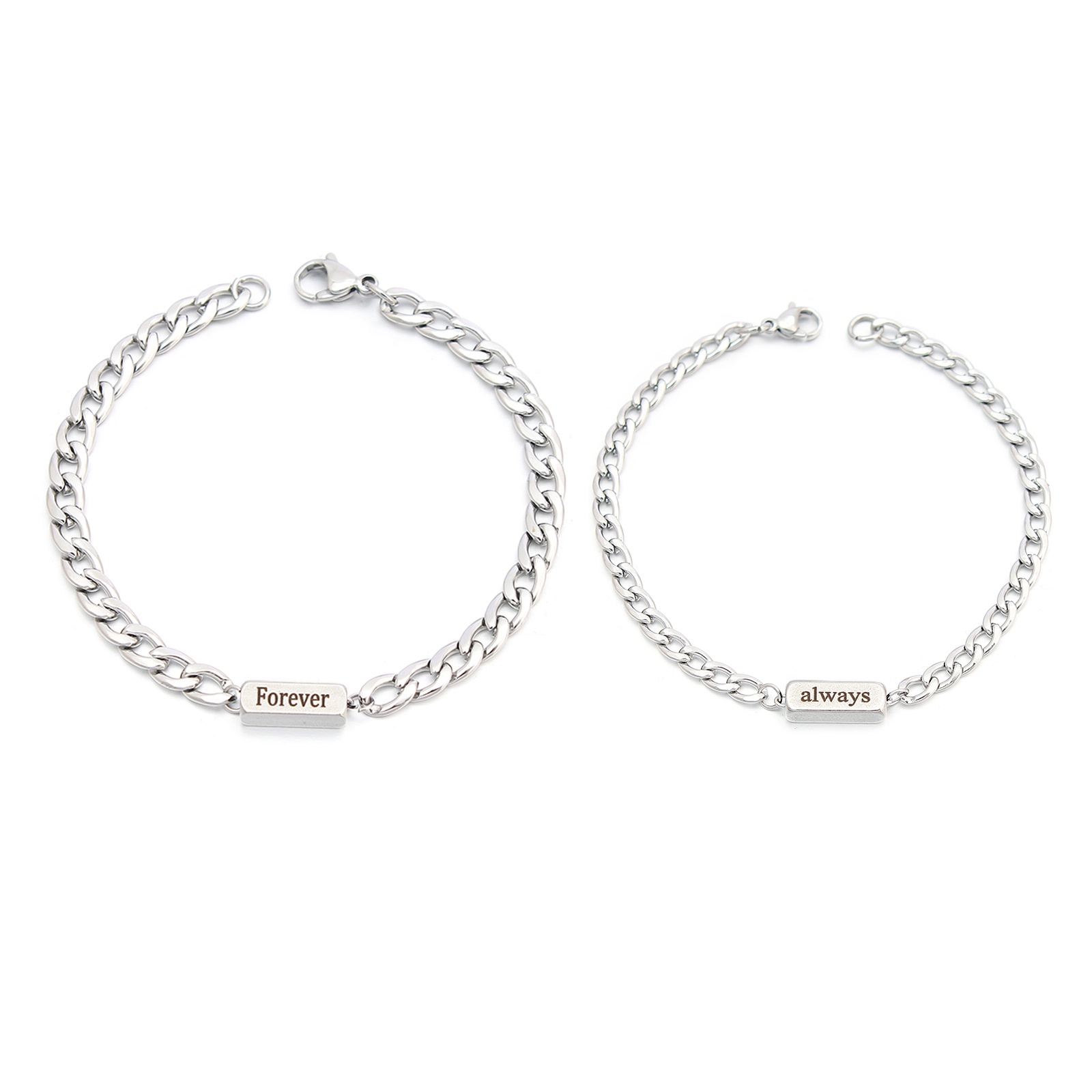
Couple Stainless Steel Engraved Bracelets Set Forever Always Cuban Link NK Chain For Anniversary Wedding Lovers Gift Minimalist Silver Jewelry
$0.87
Bundle Ideas for Cross-Selling
Bundling these items with tea orders raises average order value and clears slow-moving stock. Test these combos in your Shopify store's upsell pop-ups.
Tea Time Ambiance Bundle
Customer buys premium loose-leaf tea. Offer this bundle of calm decor to enhance their drinking experience.
- Nordic Minimalist Ceramic Bird Figurineshero
- Modern Nordic LED Night Lightupsell
Bundle at $6.49 vs $6.66 separately – grab attention with a low threshold, high perceived value.
Customer Appreciation Kit
After purchase, thank the customer and encourage repeat orders with a small gift.
- 50PCS Small Business Thank You Cardshero
- Watercolor Thank You Stickers And Cards Setcomplement
Cost $0.55 per bundle, add 50¢ to order total as a low-cost loyalty builder.
Chinese Heritage Accent Bundle
Tap into customers interested in Chinese culture alongside your tea. Pair these with a traditional oolong.
- Ancient Style Tang Lady Resin Ornamenthero
- Retro Chinese Palace Style Girl Resin Figurineupsell
Bundle at $3.99 vs $4.08 separately – margin-friendly and story-driven.