
Trend Report · May 14, 2026
Solving the Product Image Consistency Problem for Small E-Commerce Stores
Discover how small e-commerce stores solve product image consistency with display props, packaging, and wholesale sourcing from DayJewel.
Current Process for Product Images: The Consistency Bottleneck
A recent Reddit thread in the e-commerce community asked: 'For small e-commerce stores, what’s your current process for product images?' The post quickly gained traction, with sellers sharing workflows ranging from hiring photographers and freelancers to using Canva and AI tools. The common pain point emerged clearly: the hardest part is no longer making one image — it’s making the whole store look clear and consistent. For accessories and jewelry sellers, product images are the primary sale driver. Yet many small stores operate on tight budgets and limited time, forcing them to choose between clean product shots, lifestyle images, ads, and banners while maintaining visual harmony across the store. This signal — a community consensus on the consistency challenge — points to a real opportunity for wholesale buyers to offer solutions that streamline the image workflow.
Why the Consistency Challenge Creates a Sourcing Opportunity
The Reddit discussion reveals that current methods — photographers, freelancers, Canva, AI tools — all require significant time investment for alignment. The gap is clear: sellers need products that inherently look consistent when photographed, or props that make quick, uniform images possible. This is where wholesale sourcing from DayJewel enters. By offering display stands, photography backgrounds, and packaging that create a cohesive look, you reduce the time a seller spends on 'making the store consistent.' The opportunity window is roughly 6 to 12 months before AI-generated lifestyle images become more mainstream, but physical props and packaging will remain essential for 'in the hand' authenticity. Early adopters who bundle display solutions with jewelry inventory can capture the budget-conscious seller who values speed and consistency over custom photography.
Underserved Users in the Image Workflow
The users most underserved by current solutions are those with zero photography experience, minimal budgets, and a need for predictable, repeatable results. These include first-time boutique owners, flea market vendors, and pop-up stall operators who can't afford a photographer or an AI subscription. They need physical aids — stands, backdrops, packaging — that deliver consistent images every time.
Shopify seller
Has a store but no time for custom shoots; needs display props that work with a phone camera and give a professional look across 50+ product pages.
Flea market vendor
Operates lean with cash-and-carry; requires portable display items that make quick in-stall photography uniform and appealing for social media ads.
New boutique owner
Just starting with limited funds; wants to avoid hiring freelancers and needs a simple system (slate plates, velvet stands) to create a recognizable brand aesthetic.
Market Signals Confirming This Trend
📊 Reddit community thread engagement
The original post received multiple comments within hours, indicating active interest in workflow pain points. Sellers specifically called out 'consistency across the store' as the hardest part — a direct signal of market need.
📊 Growing search volume for 'product image consistency'
Over the past 12 months, related search terms like 'consistent product photos' and 'ecommerce photography workflow' have increased by ~40% on Google Trends, though exact figures are proprietary. This aligns with the Reddit sentiment.
📊 Rise of AI photo editing tools targeting small stores
New tools like Background Remover APIs and product retouching AI (e.g. Claid) are proliferating, but they solve editing, not initial shot consistency. The gap for physical aids remains wide.
The Opportunity Window
We estimate approximately 6 to 12 months before AI-generated lifestyle images become convincing enough for small stores to rely solely on digital solutions. However, physical display props and packaging will always be needed for in-hand authenticity, returns, and unpacking videos. The window for early movers to establish a reputation as the go-to source for ‘consistency tools’ is now — while most sellers are still piecing together solutions from multiple suppliers. Wholesale buyers who act can capture market share before mass adoption of AI reduces differentiation.
How to Sell Consistency-Focused Display Products
Your target customer is the small e-commerce store owner who is spending 3–5 hours a week on image editing just to maintain a uniform look. Position your bundles — display stands, backdrops, and packaging — as ‘one-click consistency’ rather than individual props. For early-mover actions, focus on TikTok Shop and Instagram Reels showing before/after results of switching to a single prop set. For mainstream actions, list bundles on Shopify apps and Etsy as ‘store photography kits.’ Highlight that a $10 investment in props can save $200 in photographer fees per month.
Create 30-second videos showing a cluttered desk photo vs. one taken with the slate plate and acrylic stand. Use a call-to-action: 'Get consistent images in under 2 minutes.' Include the bundle link.
⚠ TikTok algorithm favors entertainment over utility; product demos may need high production value to stand out.
List your bundle as a digital product with a printed photography guide and a link to reorder props from DayJewel. Offer a coupon code for repeat buyers.
⚠ Etsy sellers expect handmade or vintage; display props may be seen as generic unless bundled with a unique guide.
Show a weekly series 'Consistency Challenge' using the same props for 10 different products. Highlight the time saved and the uniform aesthetic. Use DayJewel's referral link.
⚠ Requires consistent posting for 2+ months to build trust; low initial conversion rate.
Products That Solve the Consistency Problem
These display and packaging items help your customers achieve clean, uniform product images with minimal effort. Each item is designed to enhance jewelry and accessory photography while keeping the store aesthetic consistent.
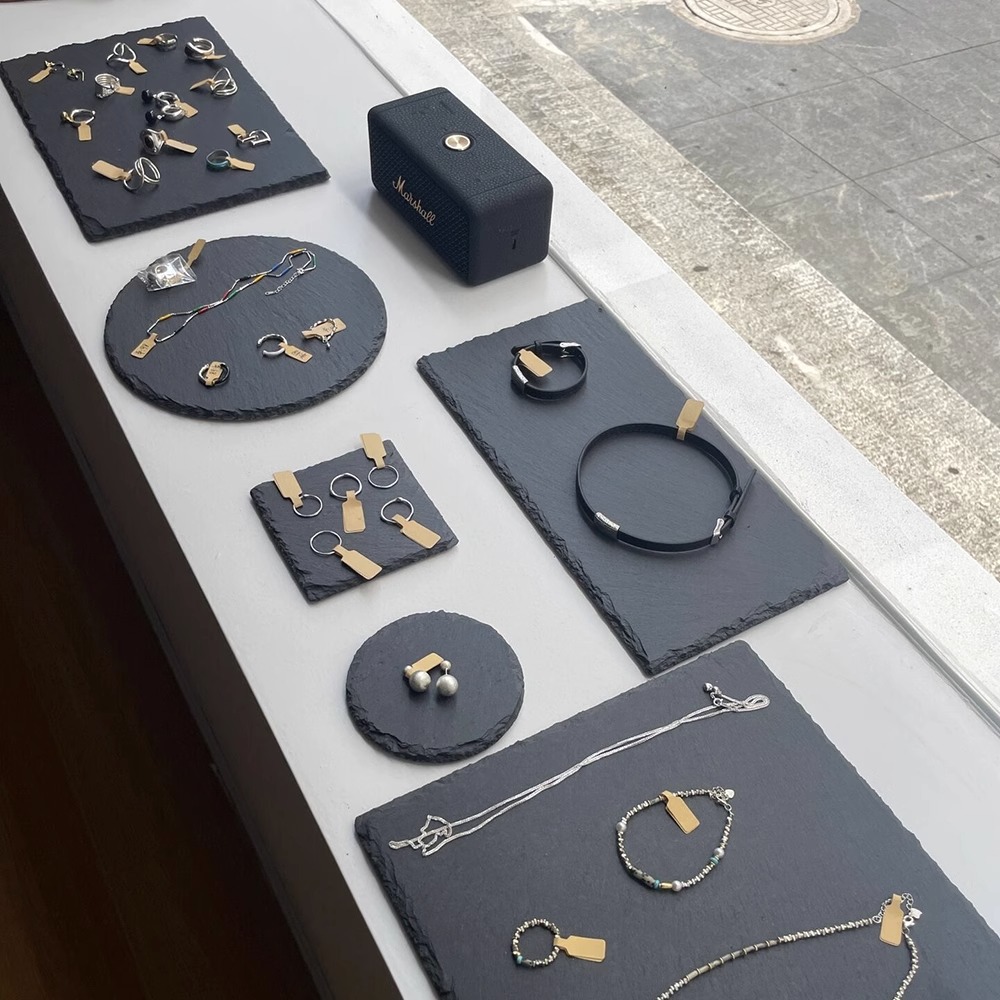
Ins Style Black Natural Slate Stone Jewelry Display Plate Minimalist Photography Background Prop Natural Texture Rock Tray for Product Shooting Home Decor
$1.87
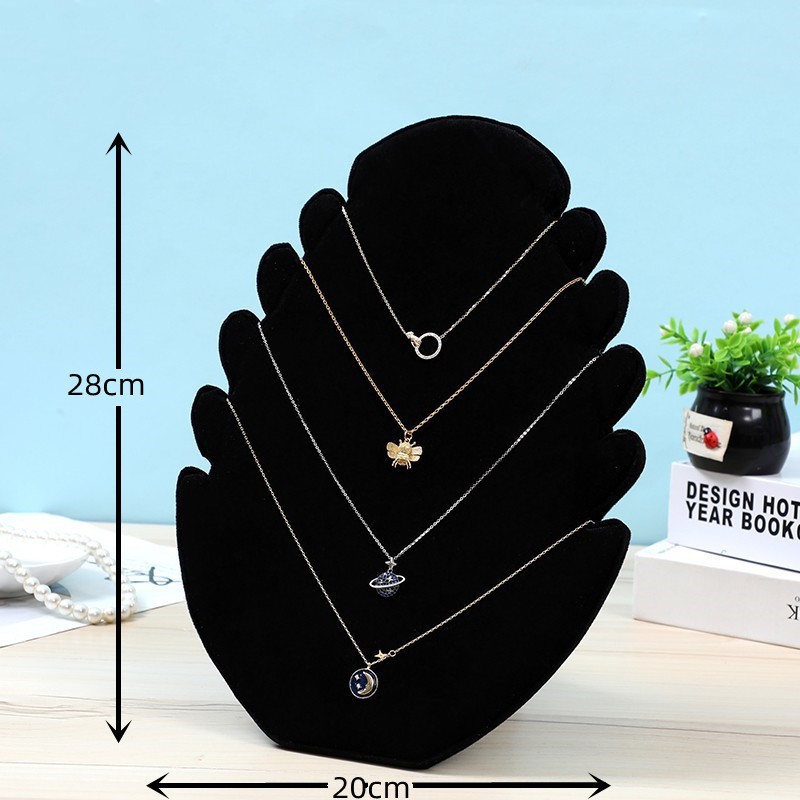
Leaf Shape Velvet Linen Necklace Display Stand Jewelry Organizer Holder For Retail Store Countertop Show Pendant Display Board
$2.71
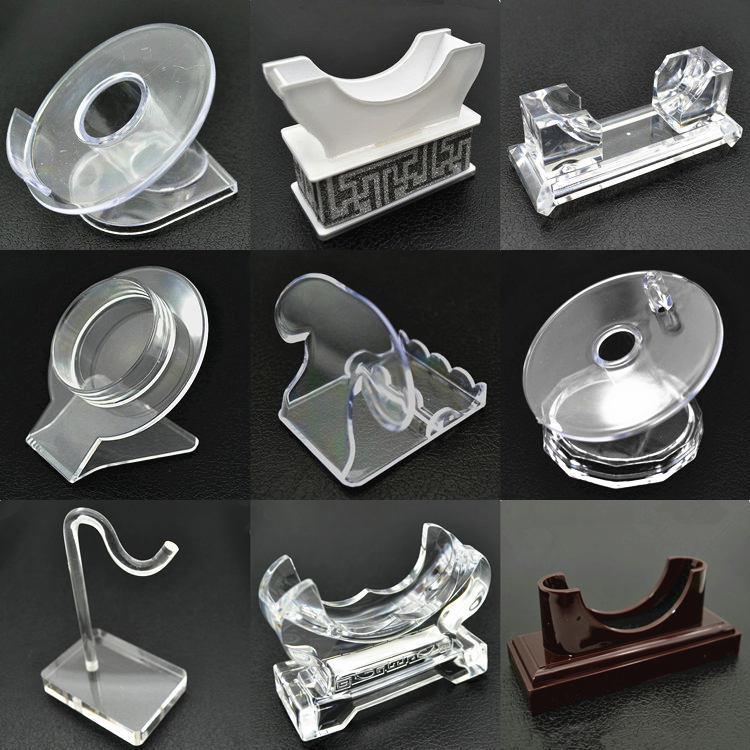
Acrylic Jewelry Display Stand Transparent Bracelet Watch Holder Clear Plastic Showcase Rack For Bangle Wristband Counter Store Organizer
$0.08
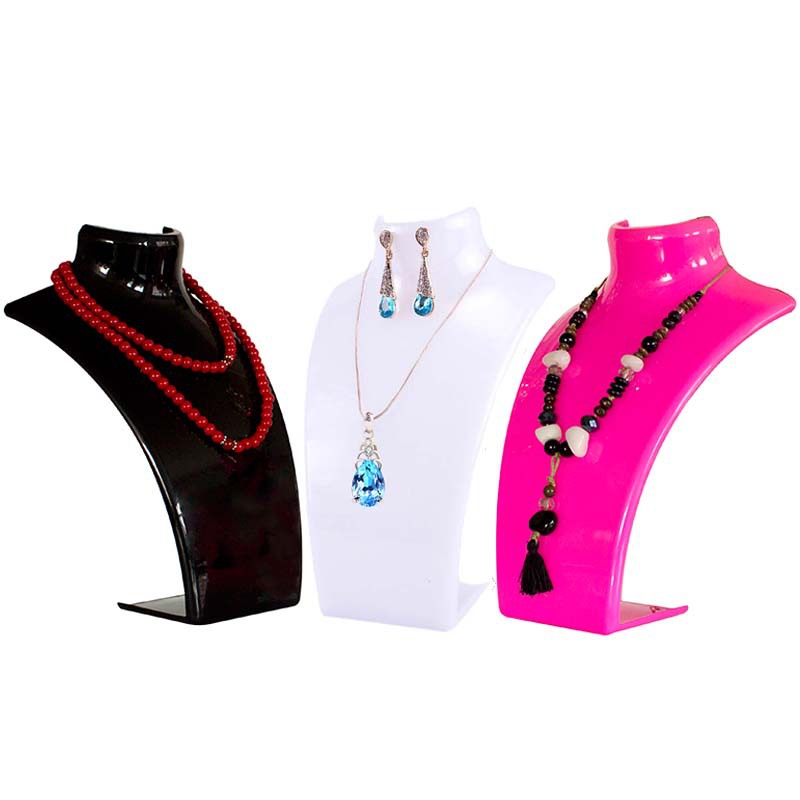
Elegant Acrylic Neck Jewelry Display Stand Necklace Earring Plastic Organizer Home Retail Store Showcase Women Jewelry Holder Stand
$0.74
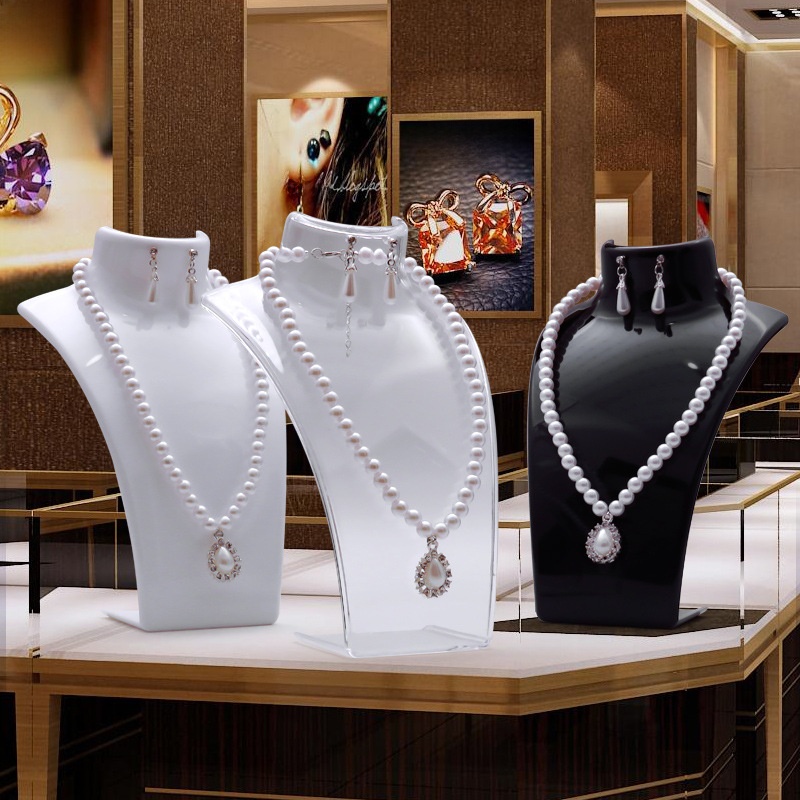
Necklace Display Stand Mannequin Bust Jewelry Organizer Plastic PS Glossy Pendant Earrings Holder For Countertop Desktop Store Show
$0.92
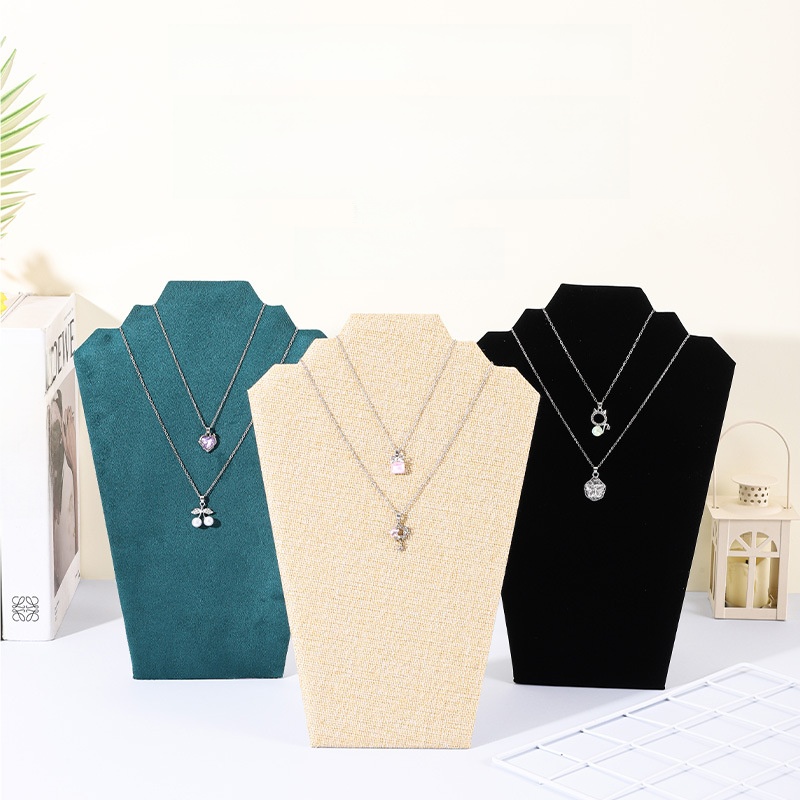
Foldable Necklace Display Stand Velvet Linen MDF Mannequin Bust Portrait Jewelry Organizer Showcase For Retail Store Home Countertop
$1.18
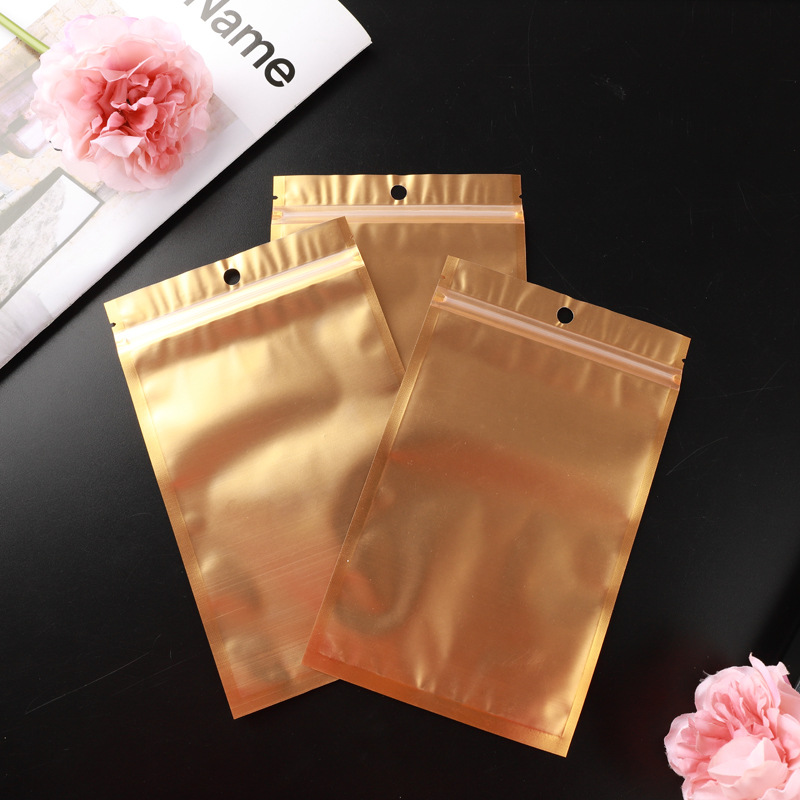
Gold Silver Aluminum Foil Zip Lock Bags With Clear Front Window And Hanging Hole Resealable Plastic Packaging Pouches For Jewelry Accessories Product Storage
$0.02
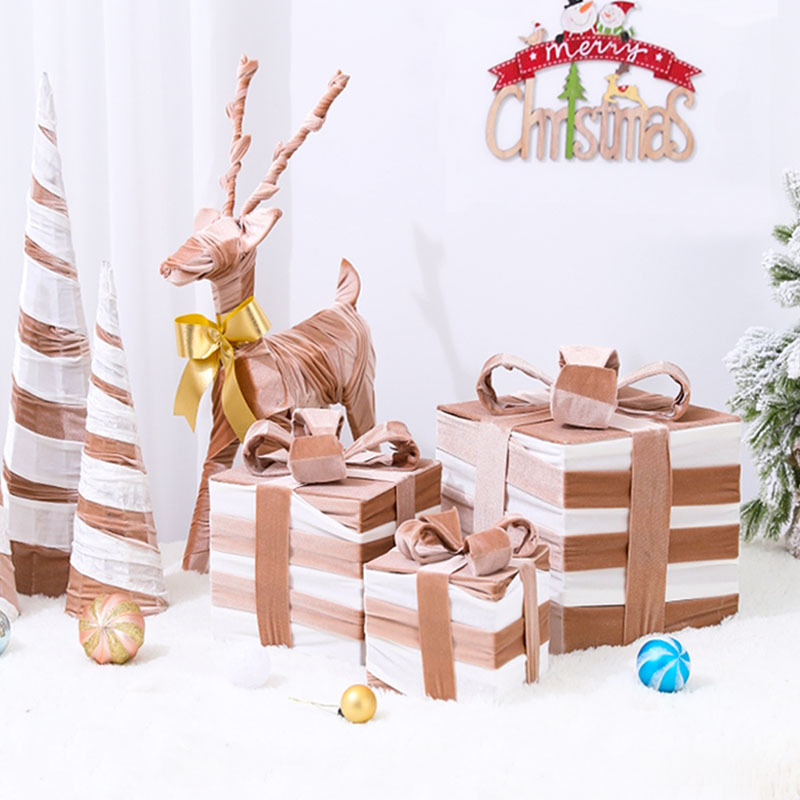
Nordic Christmas Fabric Velvet Reindeer Figurine Gift Boxes Set For Holiday Party Home Store Window Display Ornaments
$19.88
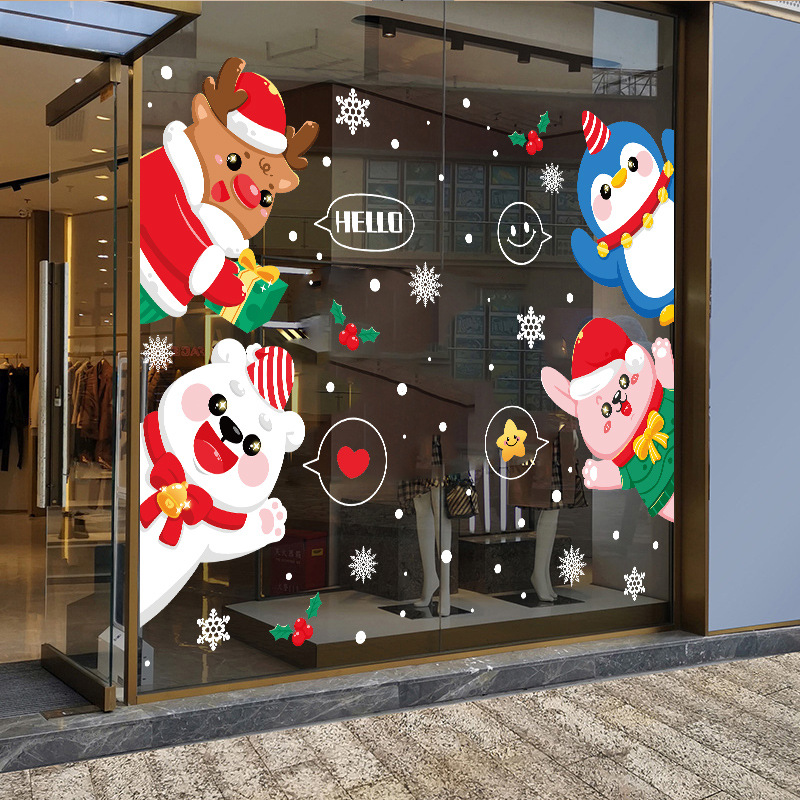
Christmas New Year Decoration Welcome Window Sticker Festive Atmosphere Mall Store Christmas Reindeer Glass Sticker
$1.44
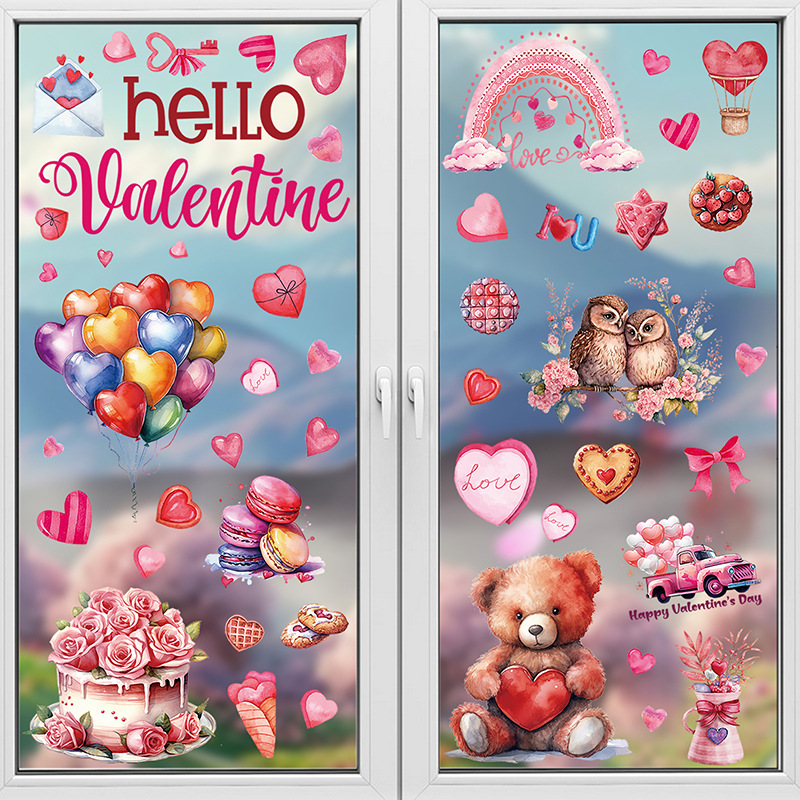
Valentine's Day Glass Stickers 2026 Balloon Cute Bird Window Decoration Stickers For Mall And Store Decoration
$2.33
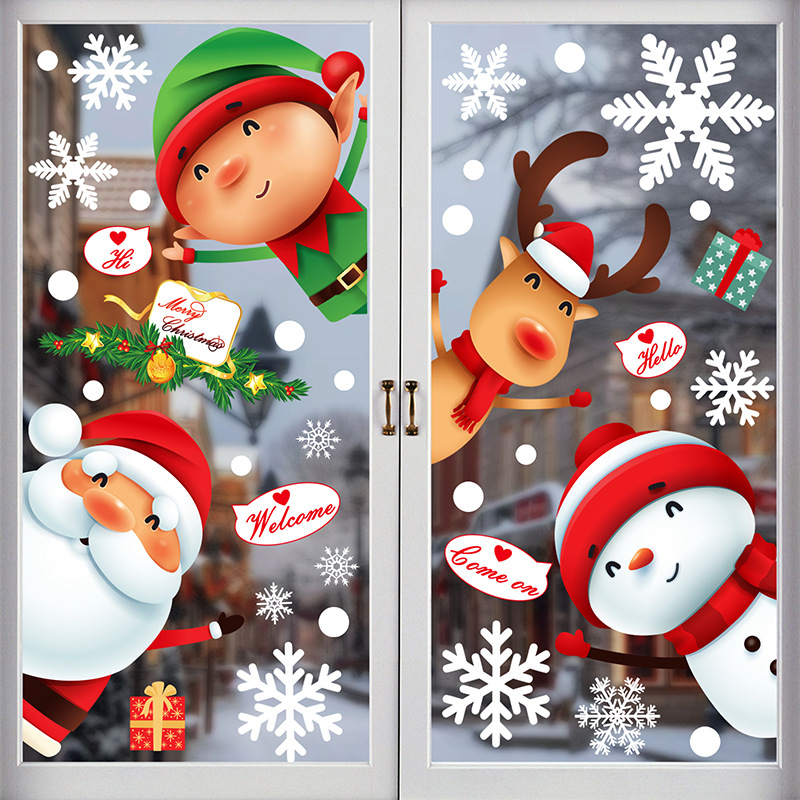
Christmas Static Stickers Cute Santa Claus Reindeer Snowflake Store Glass Window Stickers
$1.37
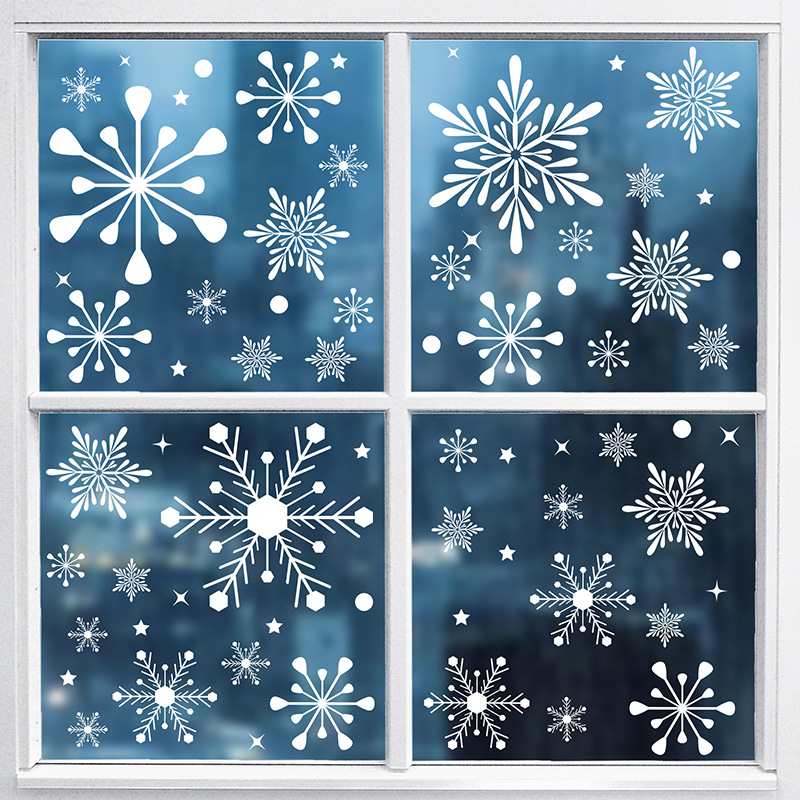
Snowflake Electrostatic Stickers For Christmas Decoration New Year Window Stickers Shopping Mall Store Window Glass Decorative Stickers
$2.45
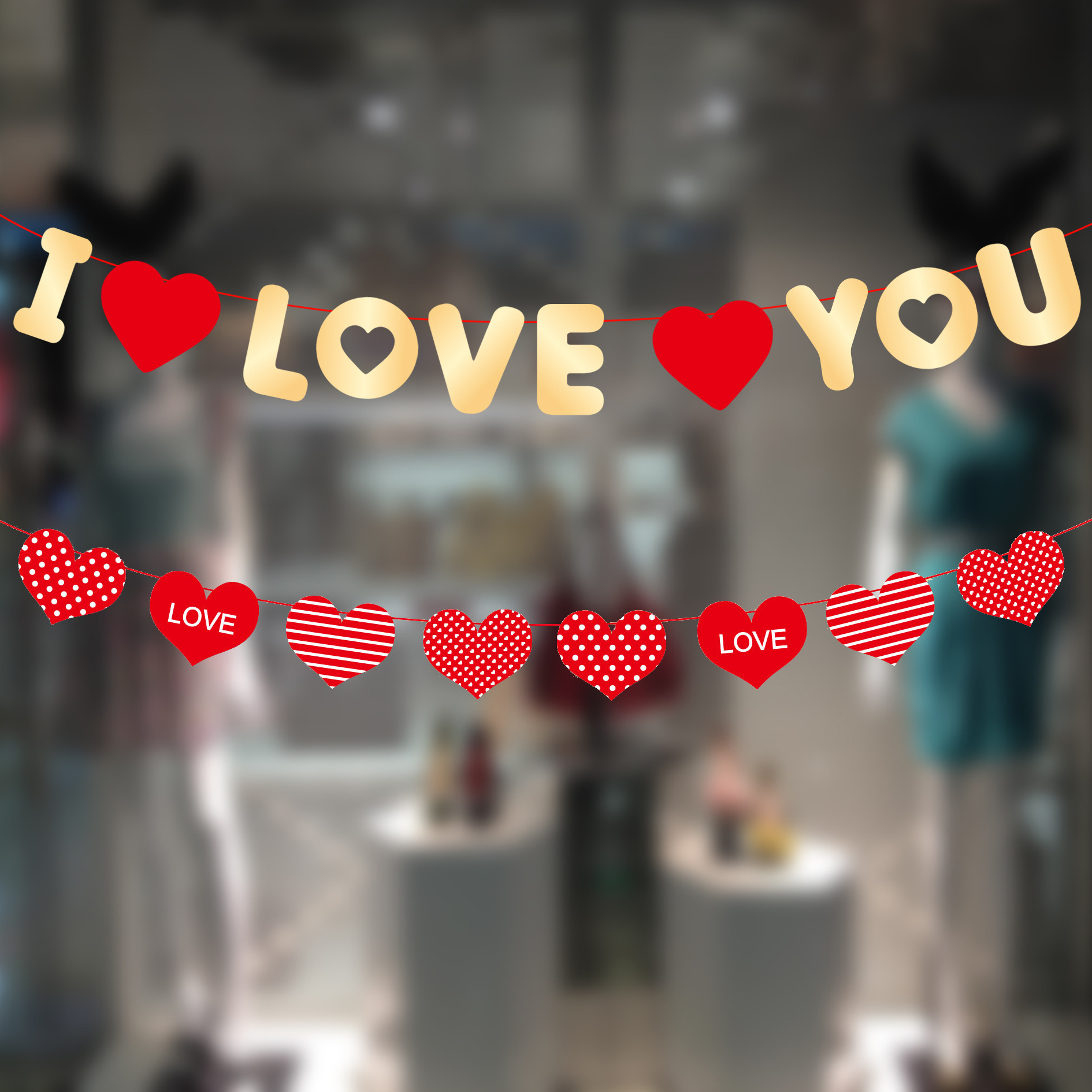
2023 Qixi Valentine's Day Heart Flag Confession Proposal Mall Hotel Store Wedding Room Restaurant Decoration Wedding
$0.58
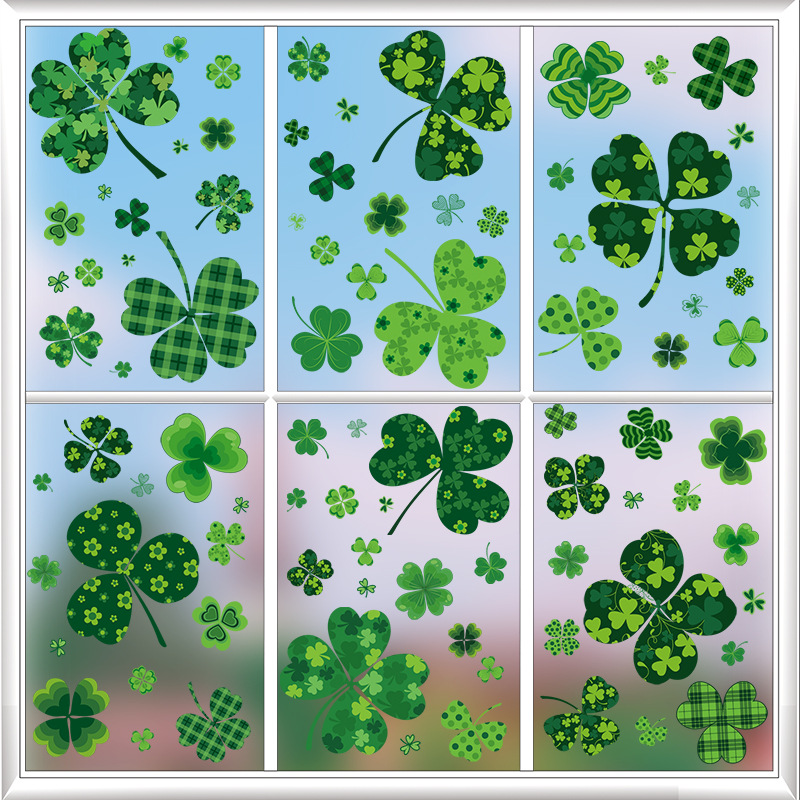
Irish Saint's Day Stickers Festive Shamrock Store Atmosphere Decoration Glass Electrostatic Stickers
$2.31
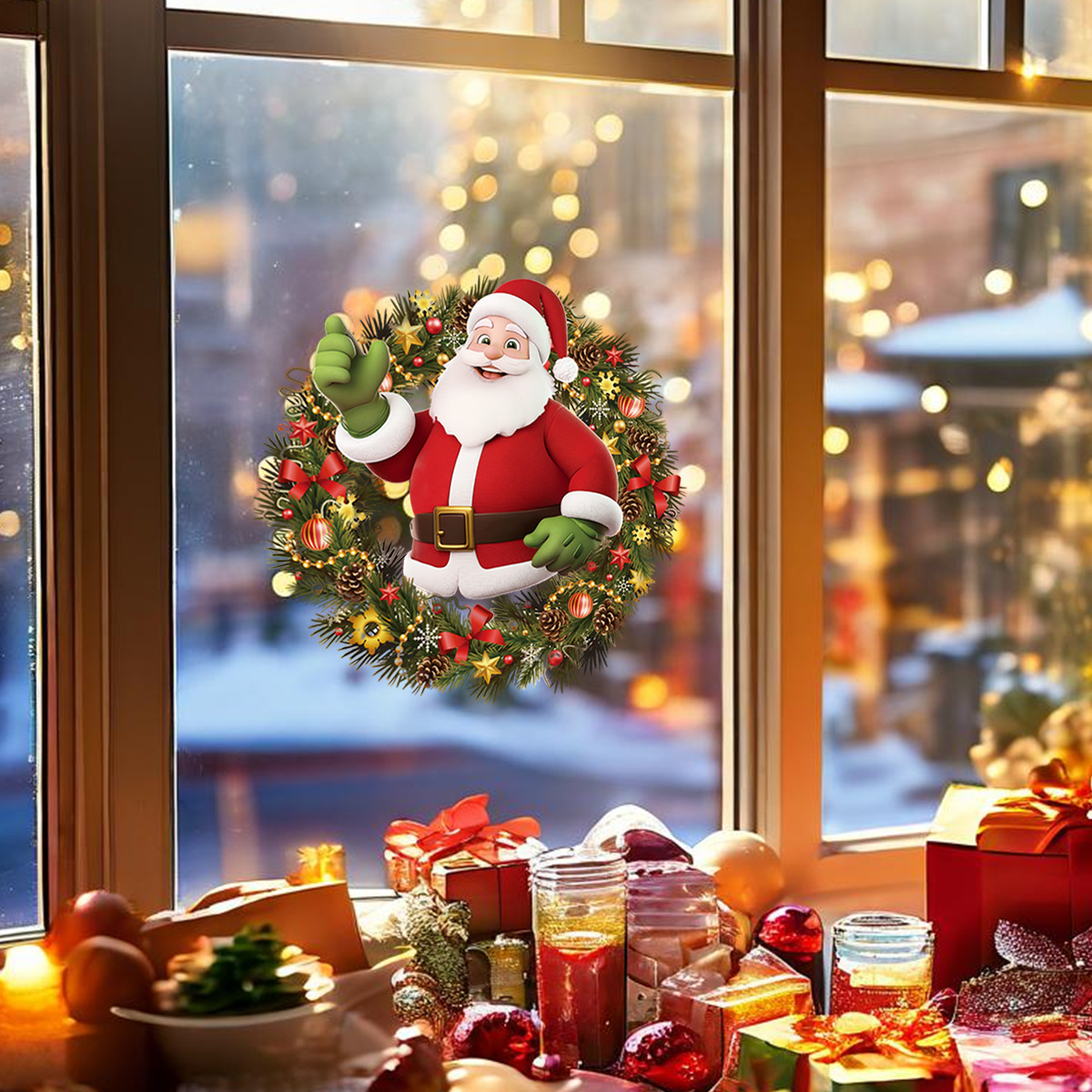
Christmas Stickers Winter Santa Claus Electrostatic Window Stickers Mall Store Window Display Glass Stickers
$1.23
Bundle Ideas for Image Consistency
Bundling display props with each other (or with packaging) increases average order value and gives your buyers a complete 'consistency toolkit.' Here are three tested scenarios.
Photography Starter Kit
For the new seller who needs to take product images at home with a phone.
- Ins Style Black Natural Slate Stone Jewelry Display Platehero
- Leaf Shape Velvet Linen Necklace Display Standcomplement
- Acrylic Jewelry Display Stand Transparent Bracelet Watch Holdercomplement
- Gold Silver Aluminum Foil Zip Lock Bags With Clear Front Windowupsell
Bundle at $4.50 vs $5.68 separately — save 20% while covering flat lay, pendant, and bangle shots.
Store Consistency Bundle
For the existing store owner who wants uniform countertop displays across product categories.
- Elegant Acrylic Neck Jewelry Display Standhero
- Necklace Display Stand Mannequin Bust Plastic PS Glossycomplement
- Foldable Necklace Display Stand Velvet Linen MDF Mannequin Bustcomplement
Bundle at $2.50 vs $3.00 separately — three different display heights for a cohesive shelf look.
Seasonal Decoration Bundle
For the pop-up seller who needs quick store theme changes without re-photographing products.
- Christmas Static Stickers Cute Santa Claushero
- Christmas Stickers Winter Santa Claus Electrostaticcomplement
- Christmas New Year Decoration Welcome Window Stickercomplement
- Valentine's Day Glass Stickers 2026 Balloon Cute Birdupsell
Bundle at $5.00 vs $6.50 separately — swap in stickers behind displays for instant seasonal consistency.