
Trend Report · May 17, 2026
French EPR/ROP Registration Requirements for Jewelry Resellers
A jewelry seller's guide to French EPR/ROP registration requirements: legal obligations, costs, enforcement risks, and how to source compliant inventory at wholesale prices.
The French EPR/ROP Registration Requirements Wake-Up Call
A seller from another EU country recently posted in an ecommerce forum about discovering French EPR/ROP registration requirements. They were selling products to customers in France and learned they might need to register and pay eco-contributions. The post captured a growing anxiety among cross-border sellers: environmental compliance is no longer optional, and the rules are actively enforced.
This inflection point—a single seller's confusion—reflects a broader shift. France has implemented Extended Producer Responsibility (EPR) across multiple product categories, including jewelry and accessories. The 'ROP' (likely a variant term for the same regime) adds registration duties for any seller placing goods on the French market, regardless of where they are based in the EU. The post's core question—'Do I actually have a legal obligation?'—now echoes through forums as sellers realize that ignoring these requirements can lead to fines, delistings, and marketplace suspension.
Why This Compliance Issue Matters Now for Jewelry Sellers
The pattern is clear: France is systematically tightening environmental compliance for all distributors. The law applies to any 'producer'—defined as any company that first places a product on the French market, including importers and remote sellers. For jewelry resellers, this means registering for packaging EPR (through eco-organismes like Citeo) and potentially for the jewelry category itself if it falls under textile or household waste streams.
The replicable insight isn't unique to France. Similar systems exist in Germany (VerpackG), Austria, Spain, and the UK. But France’s enforcement is notably aggressive—marketplaces like Amazon and Cdiscount require a Unique Identification Number (UIN) to list certain product categories. The transferable lesson: if you sell to French consumers, you must treat registration not as a cost option but as a market access requirement. Early adopters who register avoid last-minute listing blocks and potential back-taxes.
Who Is Best Positioned to Handle This Compliance Shift?
Not every seller needs to panic, but some profiles can turn compliance into a competitive advantage. The key variable is whether you already operate with formal business registration and can absorb small per-item fees. Sellers with higher volume and margin can spread the eco-contribution cost across many units, while micro-sellers may struggle with the administrative overhead.
EU-based Shopify seller dropshipping to France
Already registered for VAT in France? EPR registration adds a recurring filing, but your margins on jewelry (often 40-60%+ after sourcing from DayJewel wholesale) can easily absorb the per-unit fee (~€0.01-0.05). The risk of ignoring is high: marketplaces may block your listings.
Flea-market / pop-up stall operator in France
You are physically in France and likely already registered as a seller. EPR registration for packaging is mandatory even for small quantities. DayJewel's low minimum order quantities let you test French-style products without overstock, keeping compliance manageable.
US/China-based dropshipper targeting France
You are the farthest from compliance—no EU registration at all. The pattern shows that appointing an authorized representative in France is possible but costly. Best approach: pivot to using a EU fulfillment partner or consider the French market only if you can commit to full registration.
What Happened
A Reddit user posted in an ecommerce community revealing they had just discovered French EPR/ROP registration requirements while selling from another EU country to French customers. They asked plainly: 'Do I actually have a legal obligation?' The post sparked dozens of responses from sellers who had either registered quietly or were gambling on non-compliance. The moment captured a systemic pain point—many sellers never see these laws coming because they operate across borders and assume EU regulations are harmonized. French EPR is a national extension, and its enforcement ramped up sharply after 2022.
The Replicable Pattern
Environmental compliance is turning into a market access barrier rather than a 'green' optionality.
Evidence: France, Germany, and soon other EU states require registration and reporting for packaging and product waste. Sellers who ignore it lose marketplace access before they see a fine.
The cost of compliance is far lower than the cost of non-compliance when you scale.
Evidence: Per-unit eco-contribution fees are 1-5 cents; registration costs €100-300/year. Getting banned from Amazon France or having goods seized wipes out entire order batches.
Early registration creates a competitive moat—new sellers may skip France due to complexity, reducing competition.
Evidence: Multiple sellers in the Reddit thread noted that after registering, they saw fewer competitors for certain jewelry keywords on French marketplaces because others had not yet complied.
How to Sell Jewelry in France Legally (Without Getting Fined)
Selling to French consumers requires three steps: register with an approved eco-organization (Citeo for packaging is most common), obtain your UIN from ADEME, then file quarterly or annual returns with contribution payments. For jewelry, the packaging contribution is typically based on the weight and material of your shipping boxes and pouches. If you buy from DayJewel wholesale, the products themselves come with negligible packaging, keeping your eco-contribution low. Once registered, you can confidently list on Amazon France, Cdiscount, and your own Shopify store. Include your UIN on invoices and product pages (e.g., 'UIN: FRXXXXXX'). This transparency builds buyer trust, especially as French consumers become more eco-aware. You can even market your compliance as a selling point: 'Every piece contributes to French recycling programs.' The risk of skipping registration is real. Market surveillance is increasing, and competitors can report non-compliant sellers. A single complaint can trigger an audit. The honest downside: registration adds an annual overhead of roughly €200-400 (including eco-contribution fees based on volume). But for a seller moving 500+ units per month at a 50% margin, that's under 1% of revenue—a small price for market access.
Register via Citeo and then provide your UIN in Seller Central. Amazon requires it to list in certain categories. You can use Amazon's Authorized Representative service for some EPR categories, but for packaging you must register directly.
⚠ Listing blocks if UIN is not provided or expires. Amazon may also require proof of registration for all new launches.
Add the UIN to your footer or checkout page. File quarterly reports through a service like RePack to avoid manual admin. Offer a 'green shipping' upgrade to align with compliance.
⚠ You are fully responsible for reporting. Missing a filing deadline can lead to penalties even if you registered. Set calendar reminders.
Etsy does not currently require UIN display, but you are still legally liable. Register anyway and include compliance info in your shop policies. Many French buyers appreciate seeing it.
⚠ Etsy may eventually require UIN as enforcement spreads. Being proactive avoids scrambling later.
French-Style Jewelry Wholesale for Compliant Resellers
Once you've handled your EPR registration, you need inventory that appeals to French consumers. DayJewel's catalog includes dozens of French-inspired designs—from Eiffel Tower pendants to retro geometric earrings—at wholesale prices starting under $1.50 per piece. This collection covers the styles that perform well on French platforms, backed by low cost basis to preserve margins even after eco-contributions.
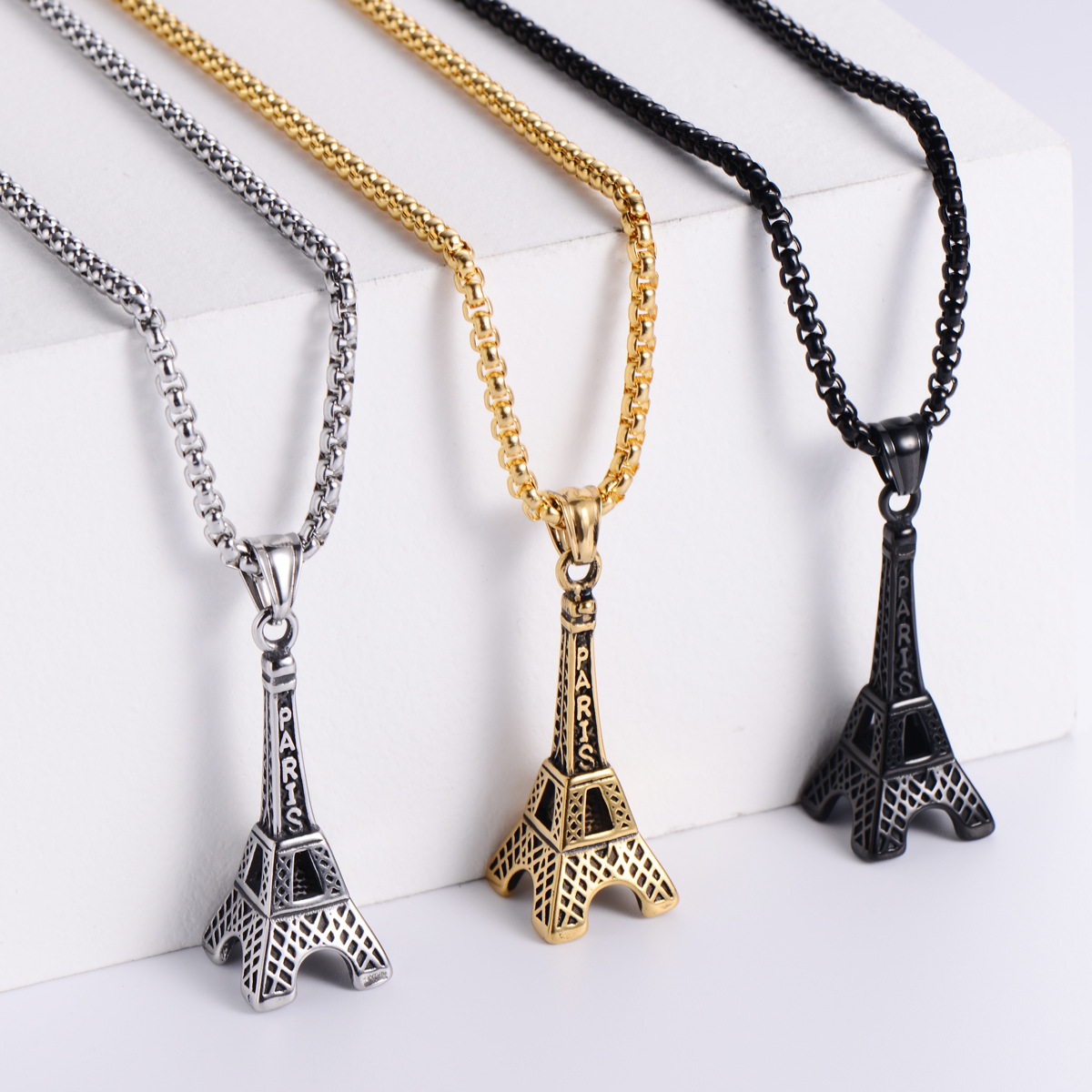
Vintage Eiffel Tower Pendant Necklace Stainless Steel 3D Paris France Retro Punk Jewelry For Men Women Box Chain
$2.24
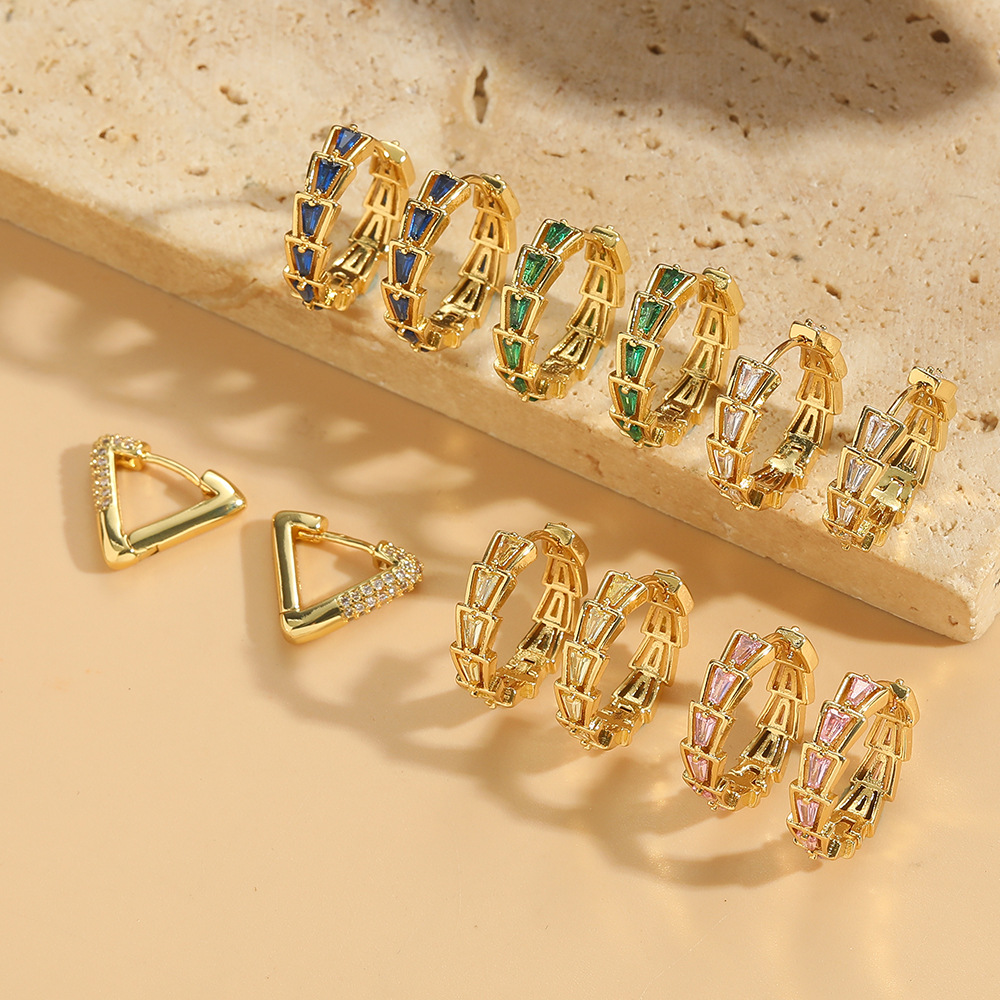
Geometric Hoop Earrings Copper Zirconia French Retro Scale Texture Elegant Jewelry Women
$3.14
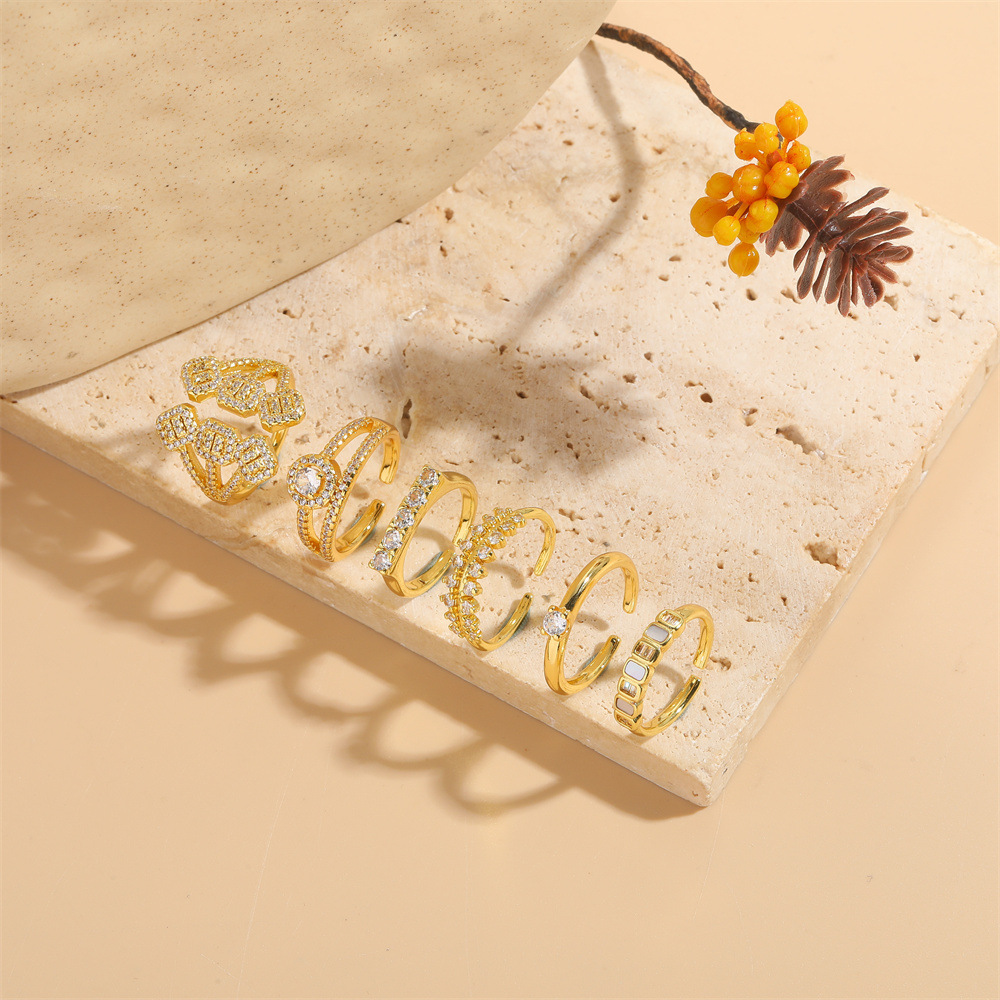
French Vintage Minimalist Copper Zirconia Adjustable Open Ring For Women Geometric Jewelry
$1.39
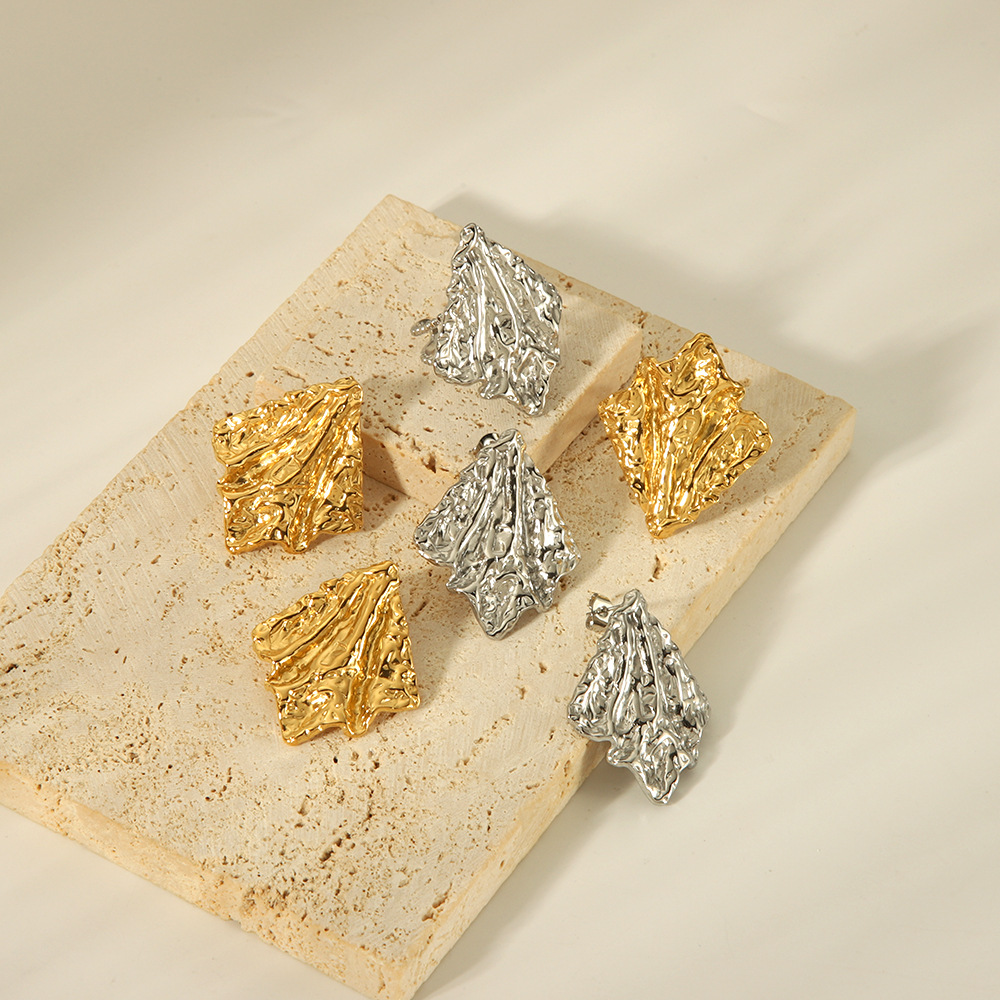
Nordic Style French Style Rhombus 18K Gold Plated 304 Stainless Steel Open Rings
$1.53
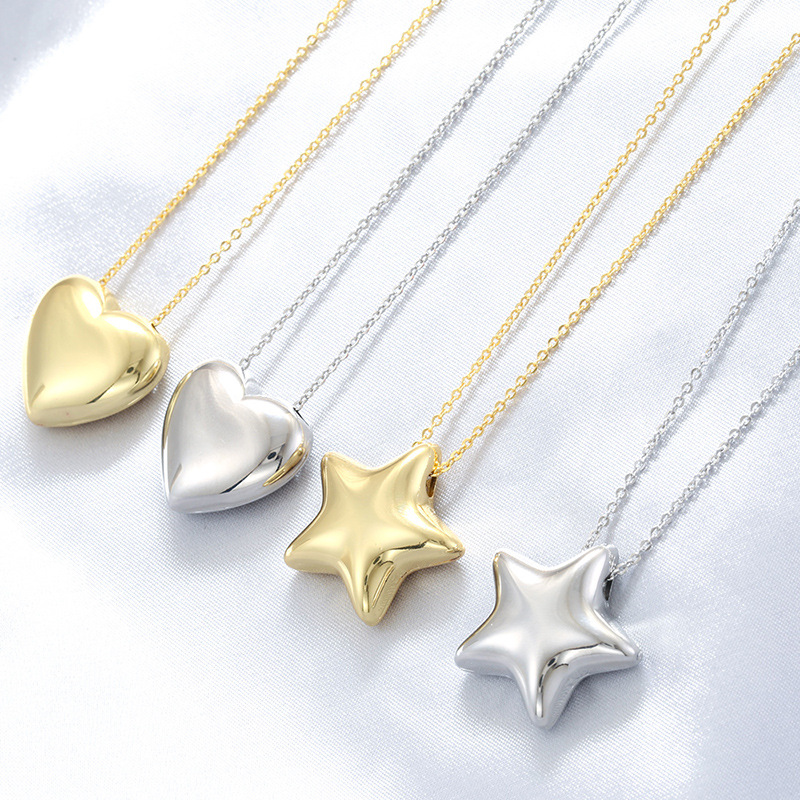
French Retro Glossy Heart Star Pendant Necklace Minimalist Copper O-Chain For Women
$2.27
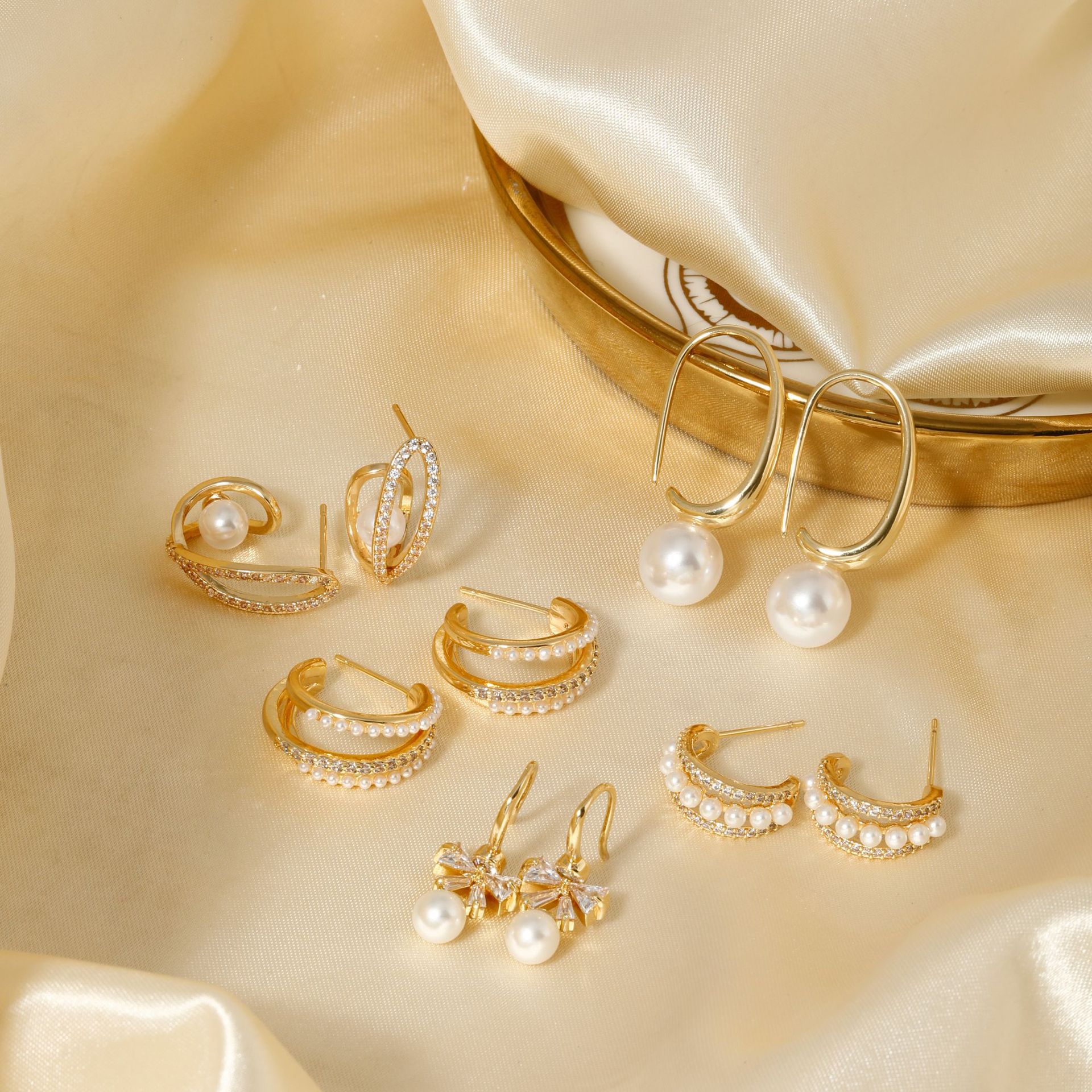
Elegant Copper Zircon Faux Pearl Earrings For Women French Style Trendy Jewelry Accessory
$1.39
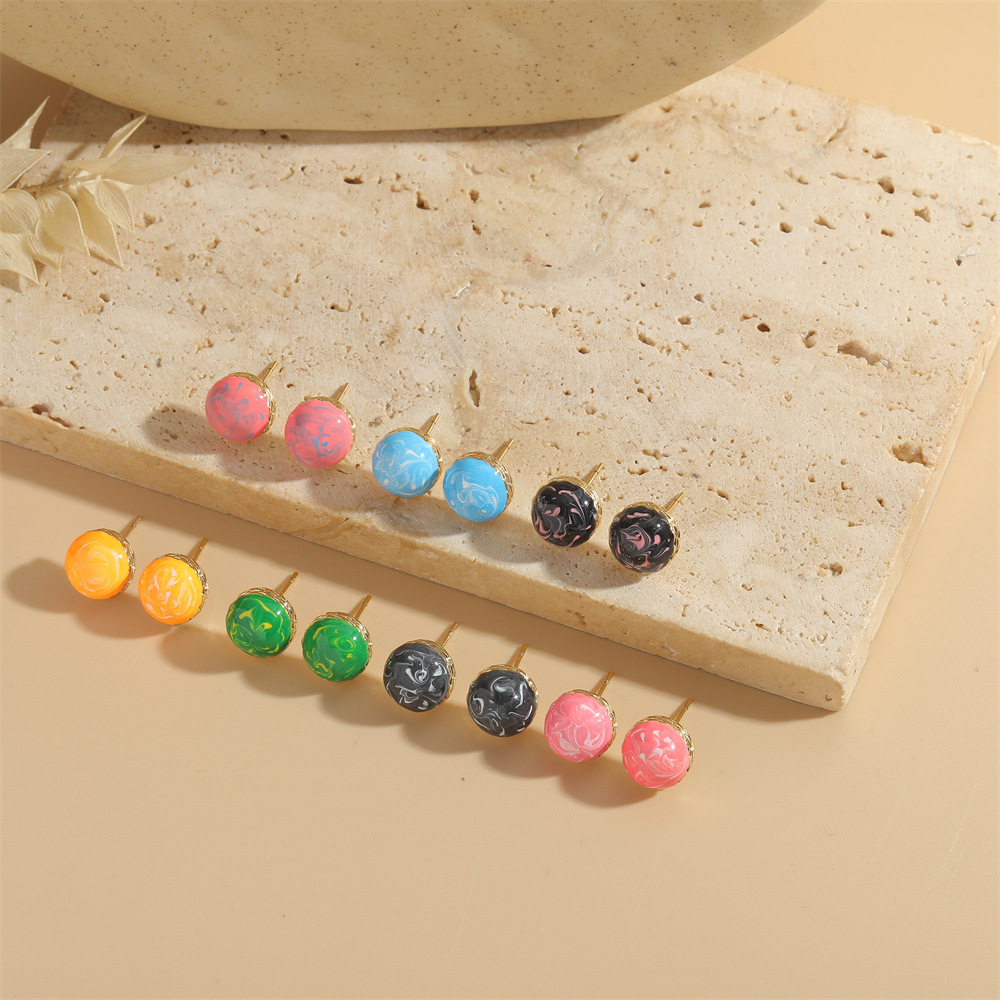
Retro Round Stud Earrings French Minimalist Copper Resin Marble Pattern Jewelry For Women
$1.96
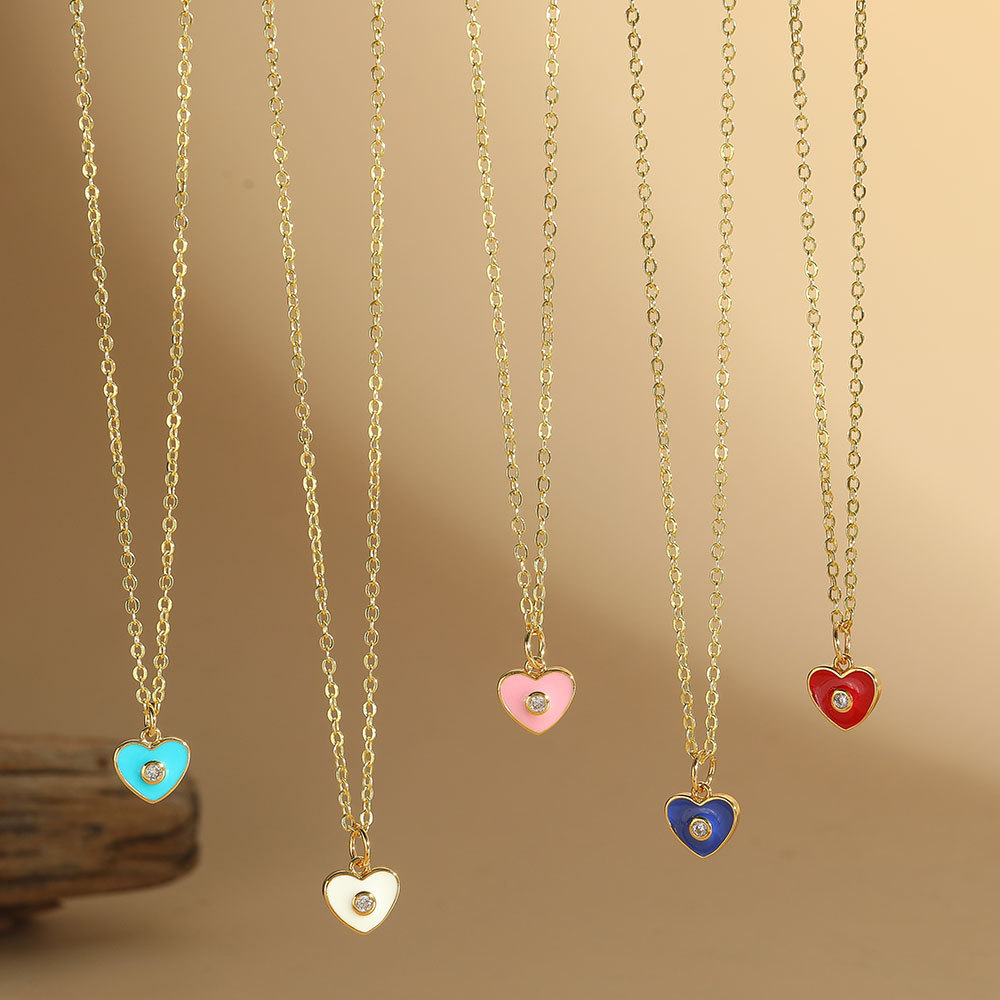
French Retro Heart Pendant Necklace Copper Zircon Enamel Clavicle Chain Jewelry For Women
$1.57
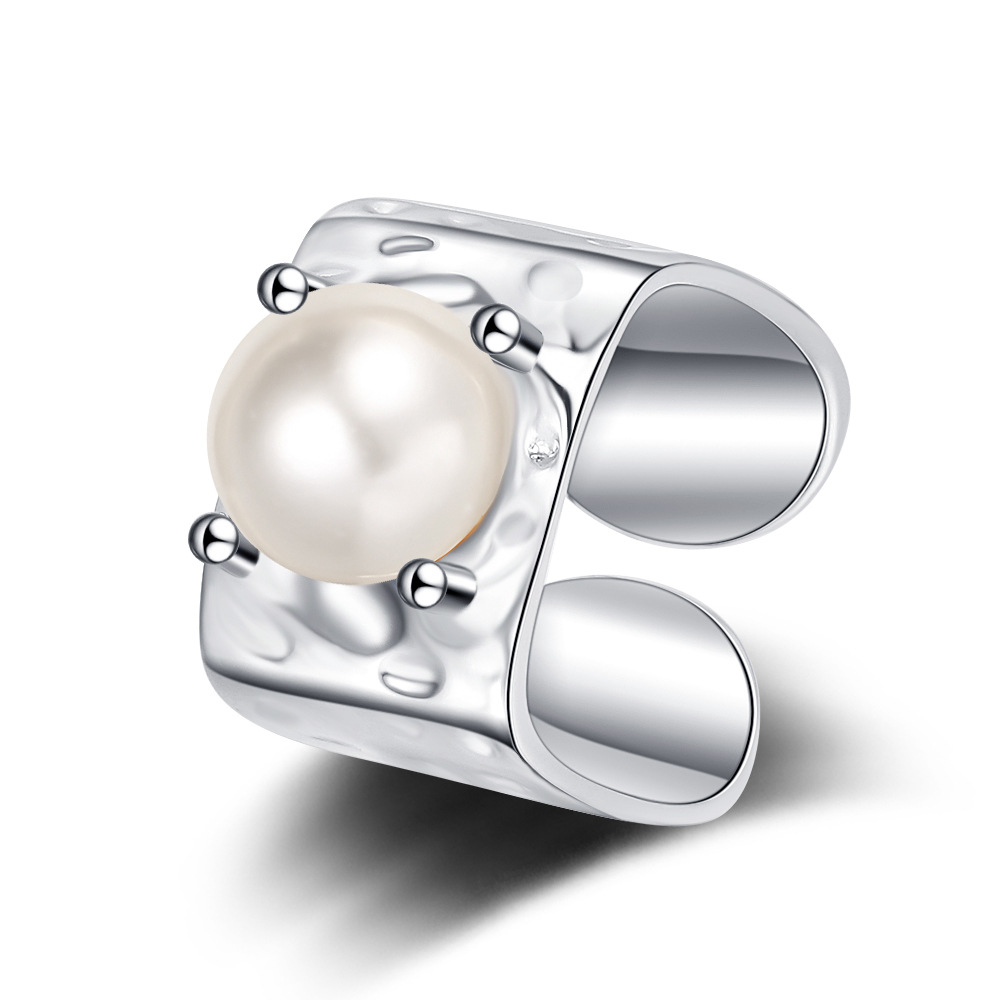
Wide Band Pearl Ring Copper Hammered Irregular Texture Adjustable French Retro Elegant For Women
$2.02
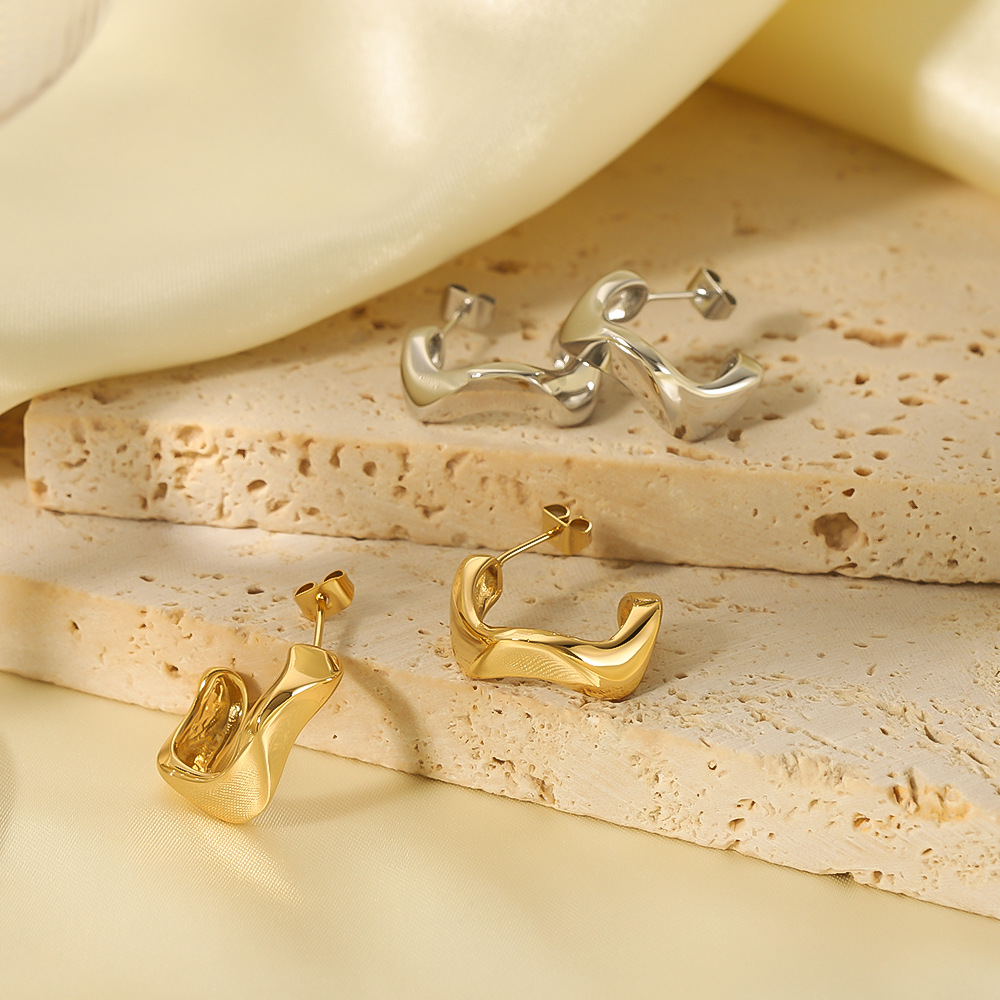
Geometric Twisted Hoop Earrings Stainless Steel Irregular French Niche Style Minimalist For Women Jewelry
$4.31
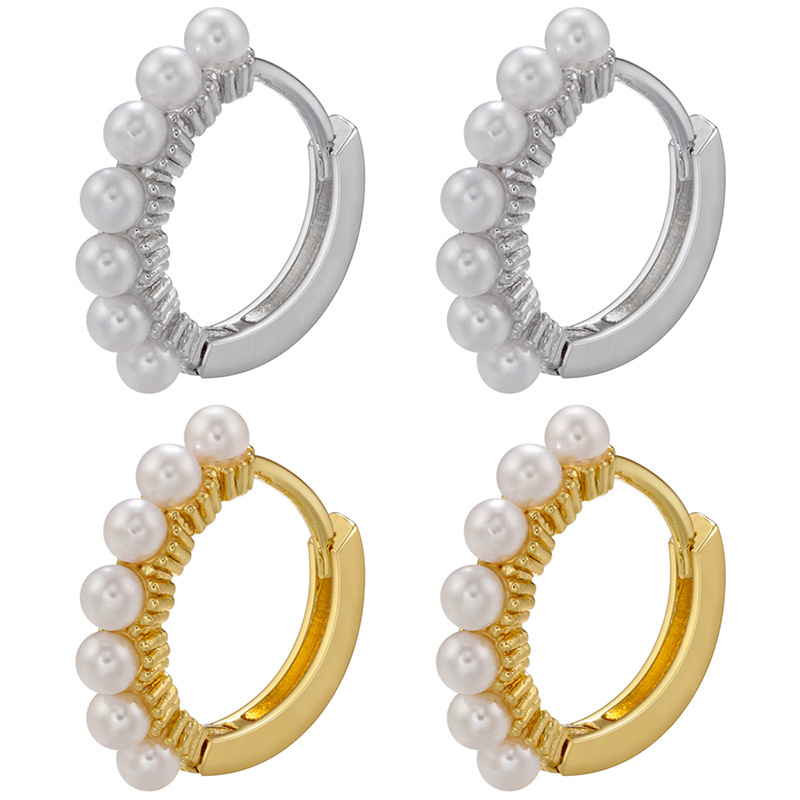
Minimalist Copper Plated Pearl Hoop Earrings Elegant French Style Small Huggie Jewelry For Women
$1.81
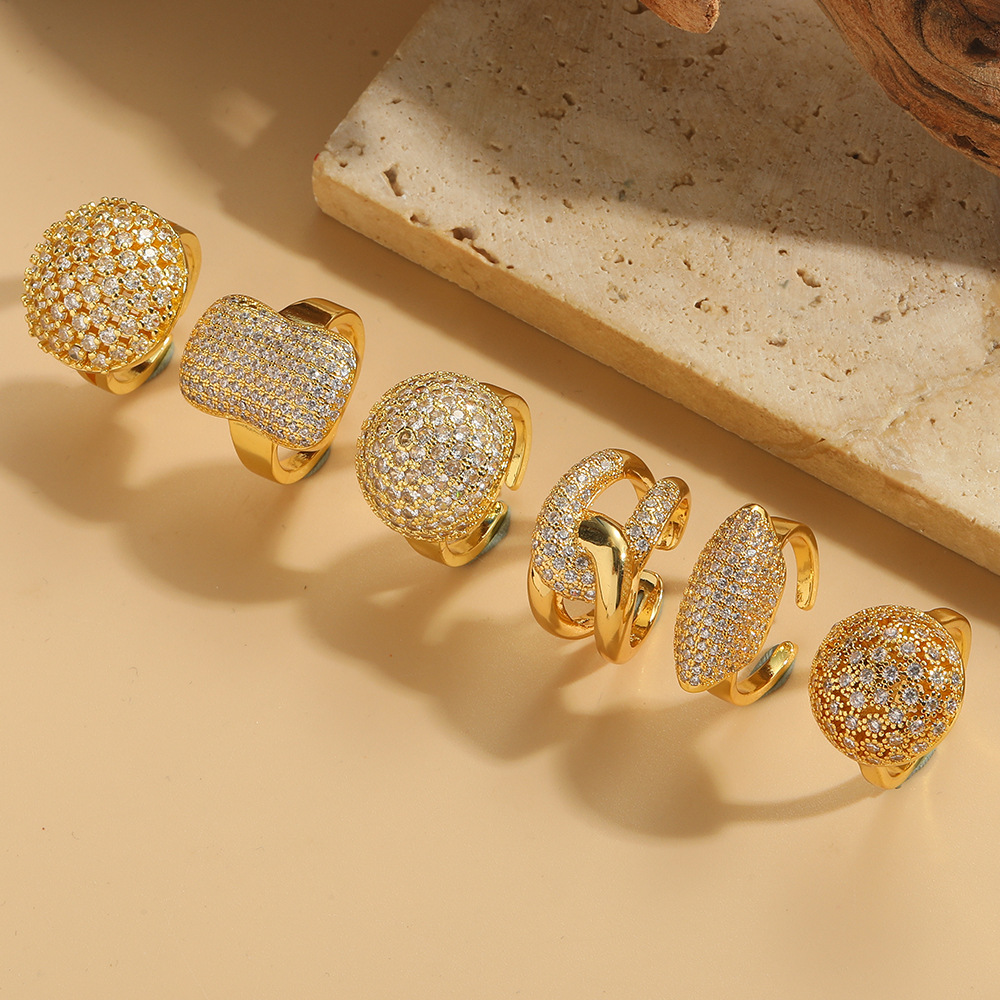
Copper Zircon Ring French Vintage Open Adjustable Full Pave Geometric Finger Jewelry For Women
$2.67
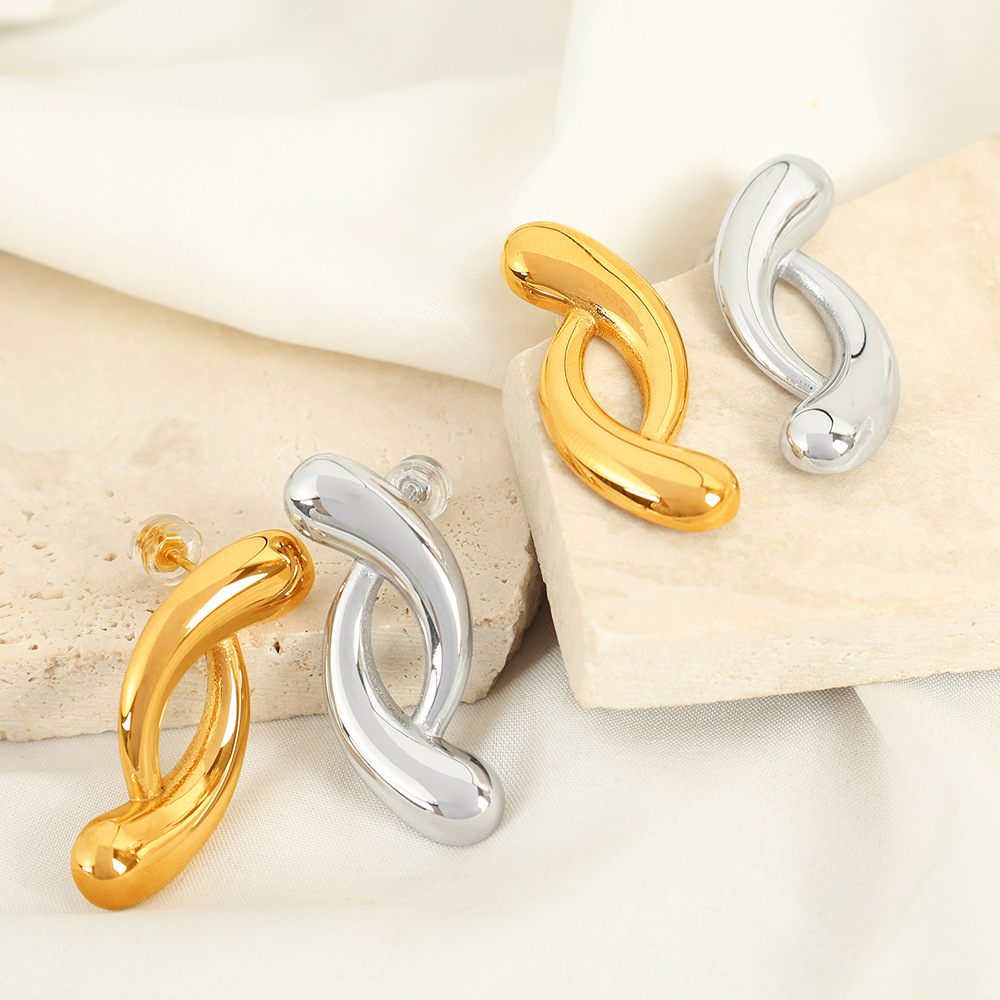
Stainless Steel Geometric Earrings French Minimalist Irregular Twisted Hoop Studs For Women Chic Jewelry
$3.88
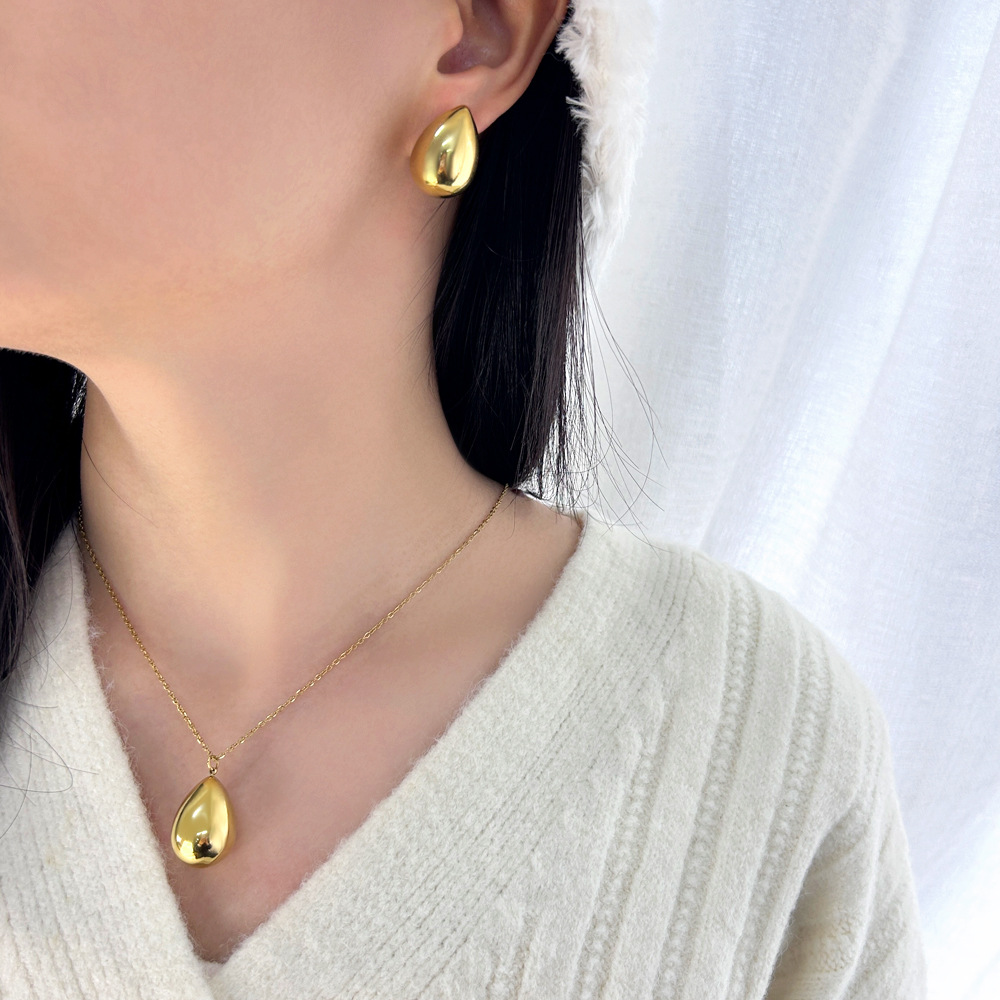
Water Drop Necklace And Earrings Stainless Steel Minimalist French Retro Style Jewelry For Women
$3.17
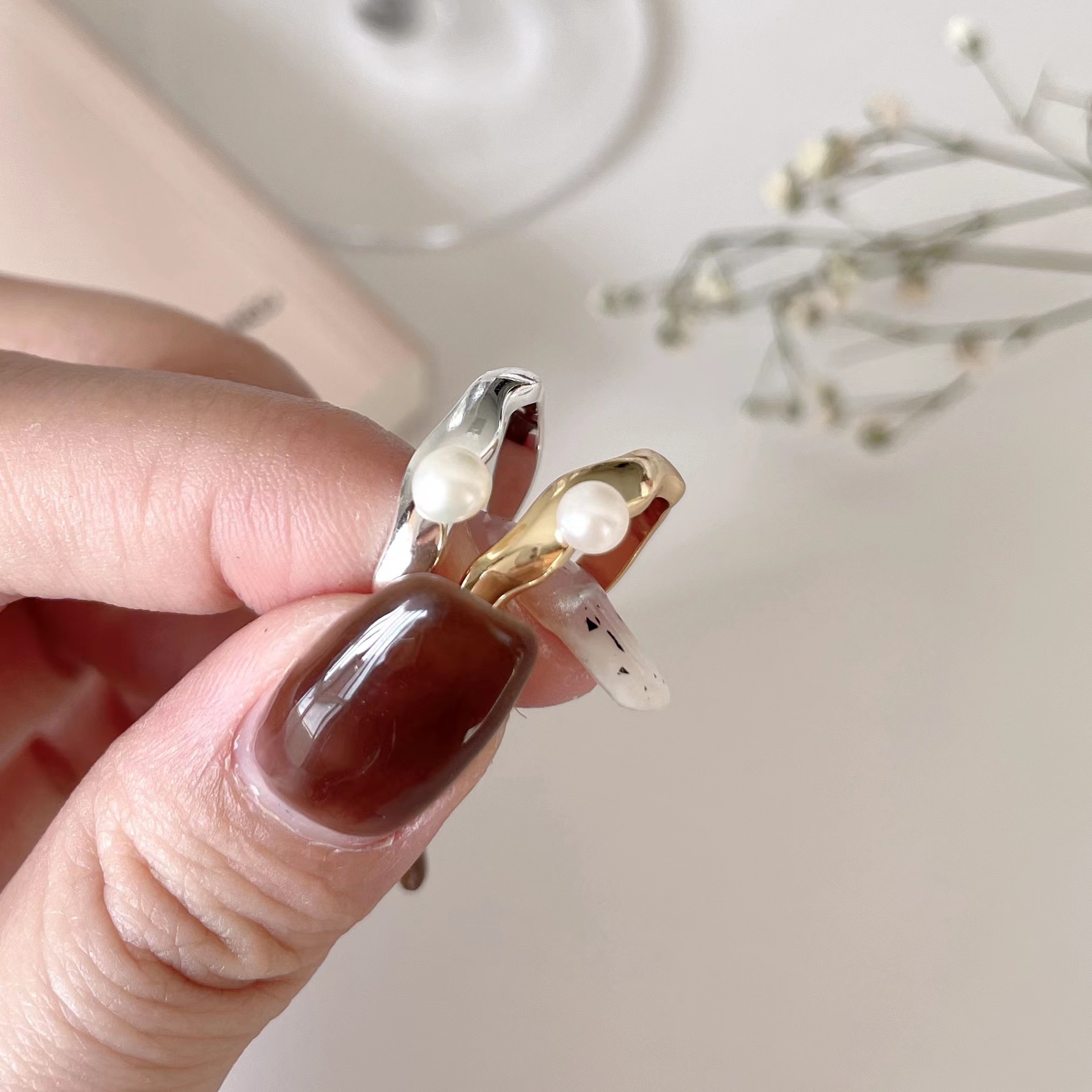
Minimalist 925 Sterling Silver Pearl Ring For Women French Style Open Adjustable Finger Jewelry
$21.55
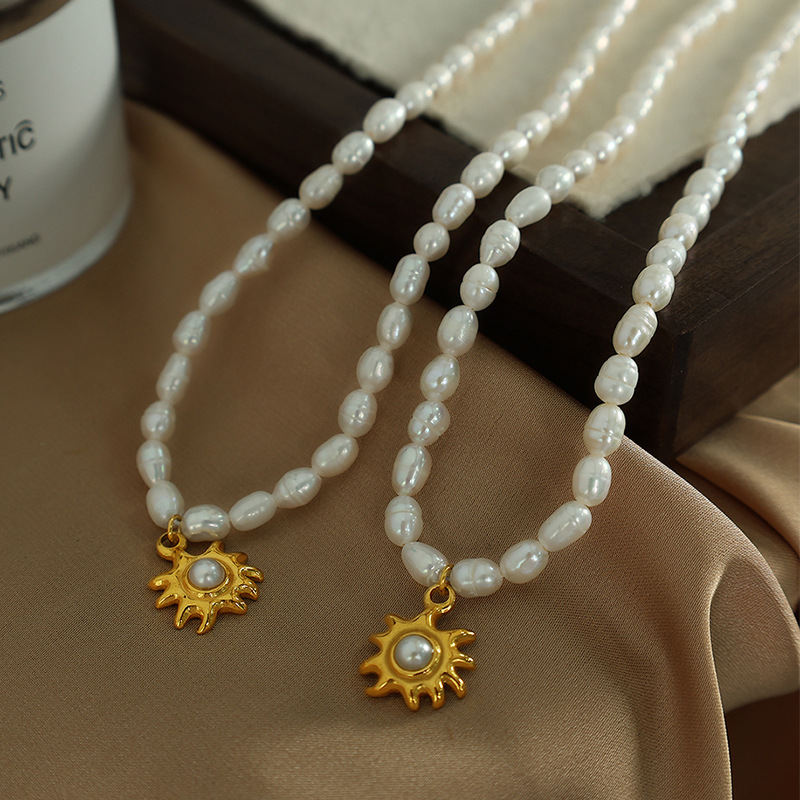
Freshwater Pearl Necklace Gold Sun Pendant Titanium Steel French Vintage Baroque Jewelry For Women
$9.59
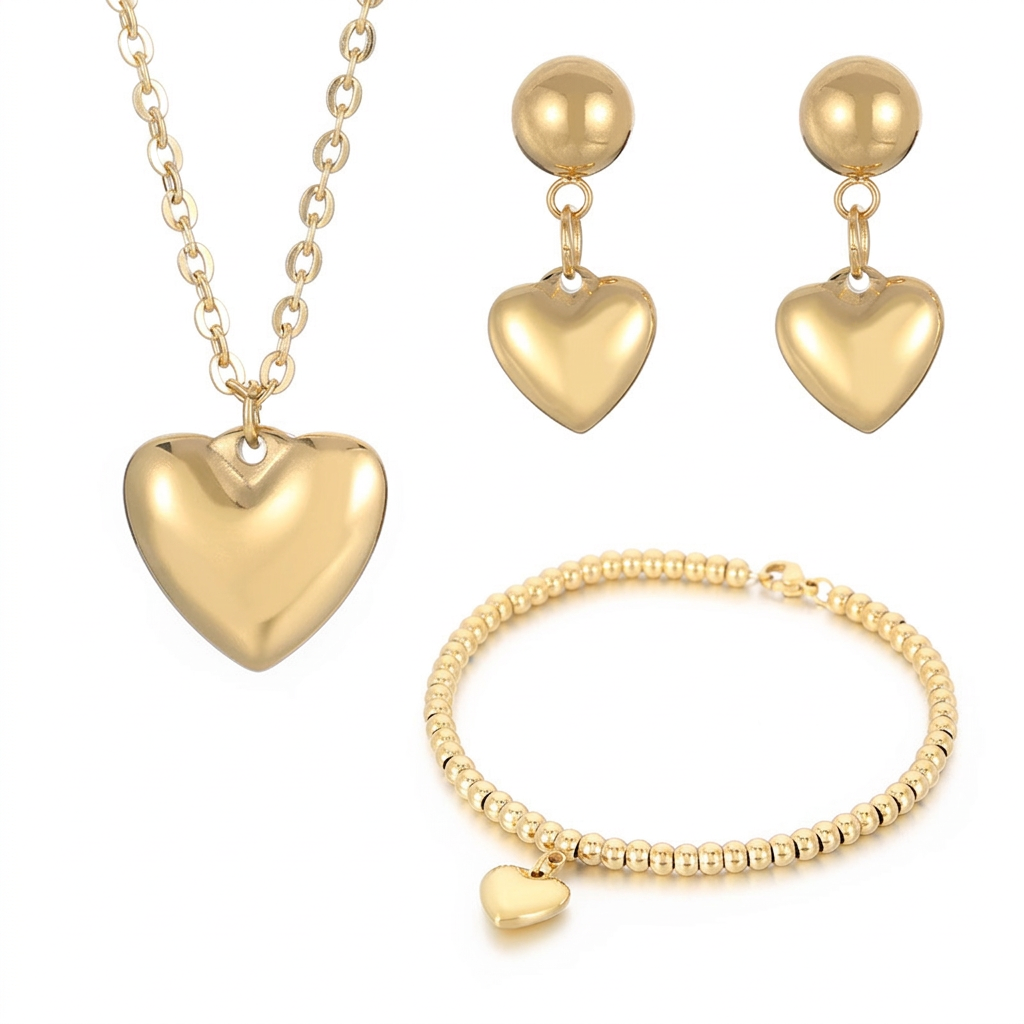
Stainless Steel Heart Necklace Earrings Bracelet For Women Polished Minimalist French Style Jewelry Accessories
$1.59
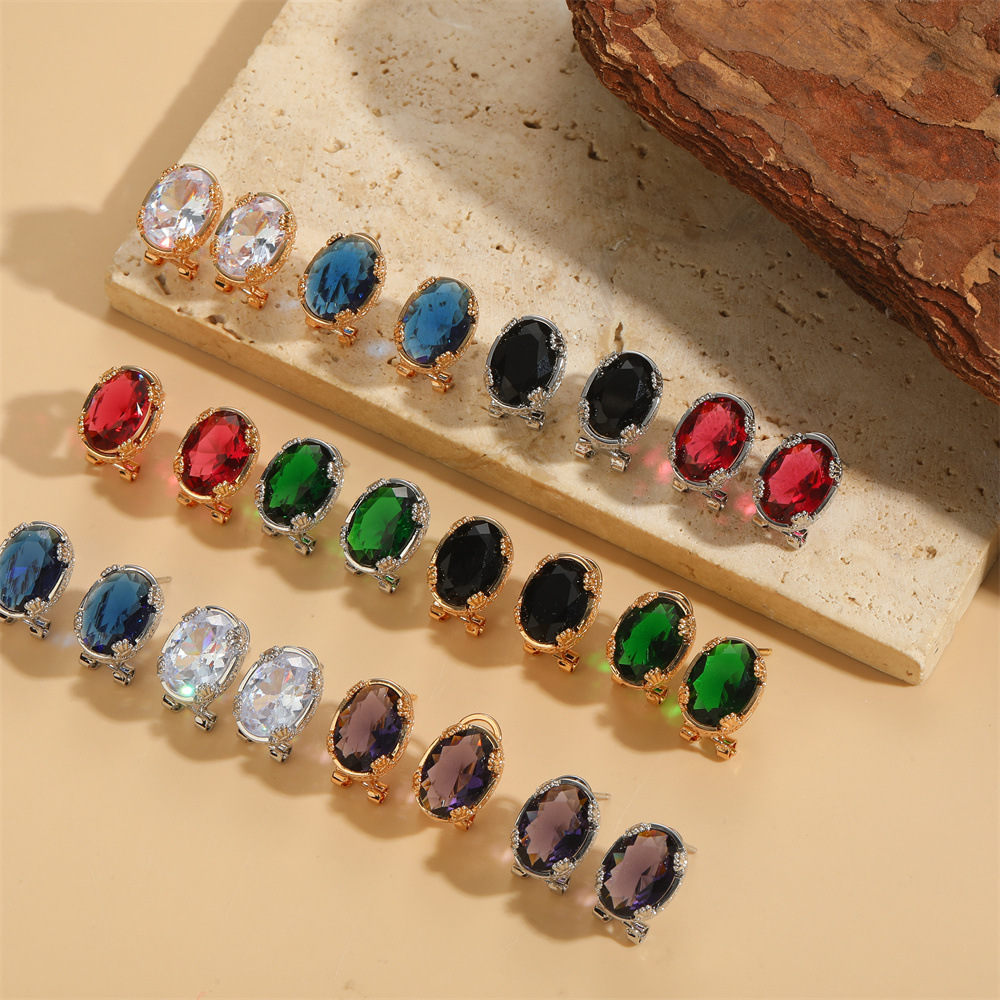
French Retro Oval Crystal Zircon Earrings Copper Vintage Colorful Gemstone Ear Jewelry For Women
$2.04
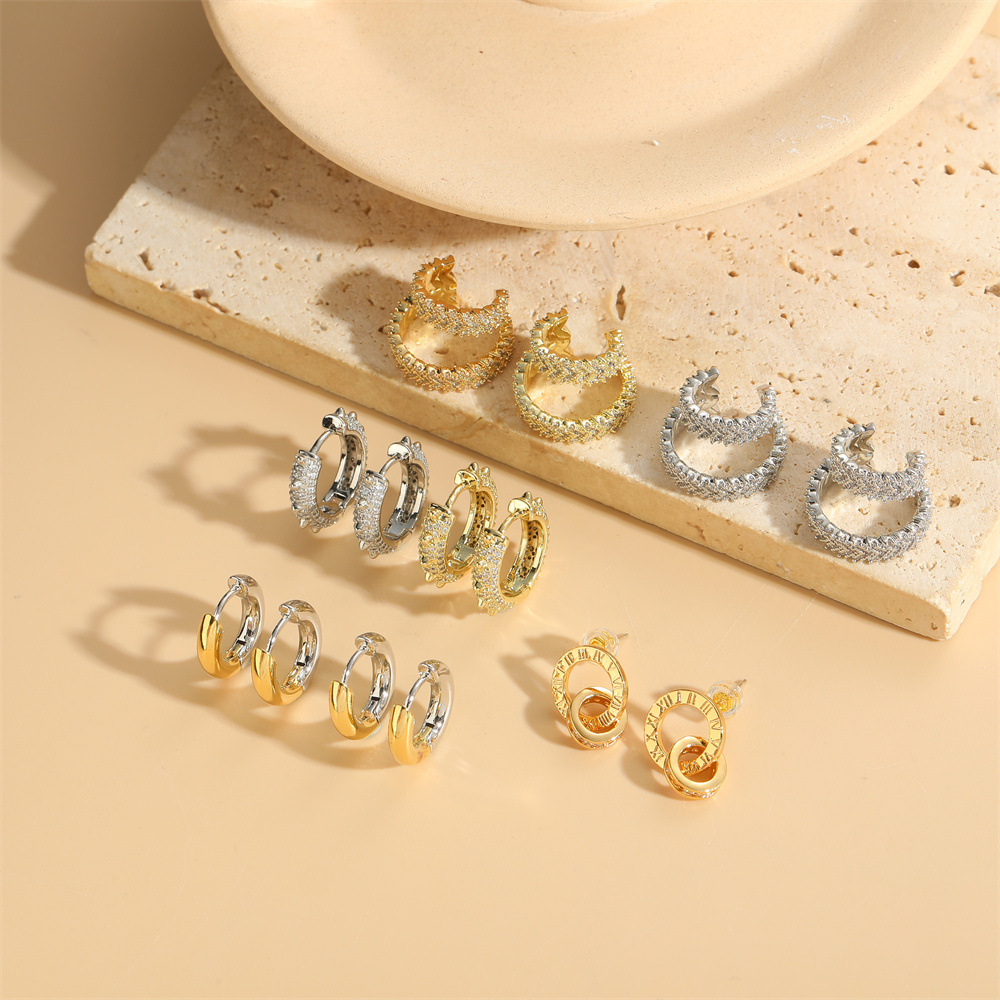
French Vintage Geometric Copper Earrings With Zircon Micropave Full Rhinestone Fashion Jewelry For Women
$3.37
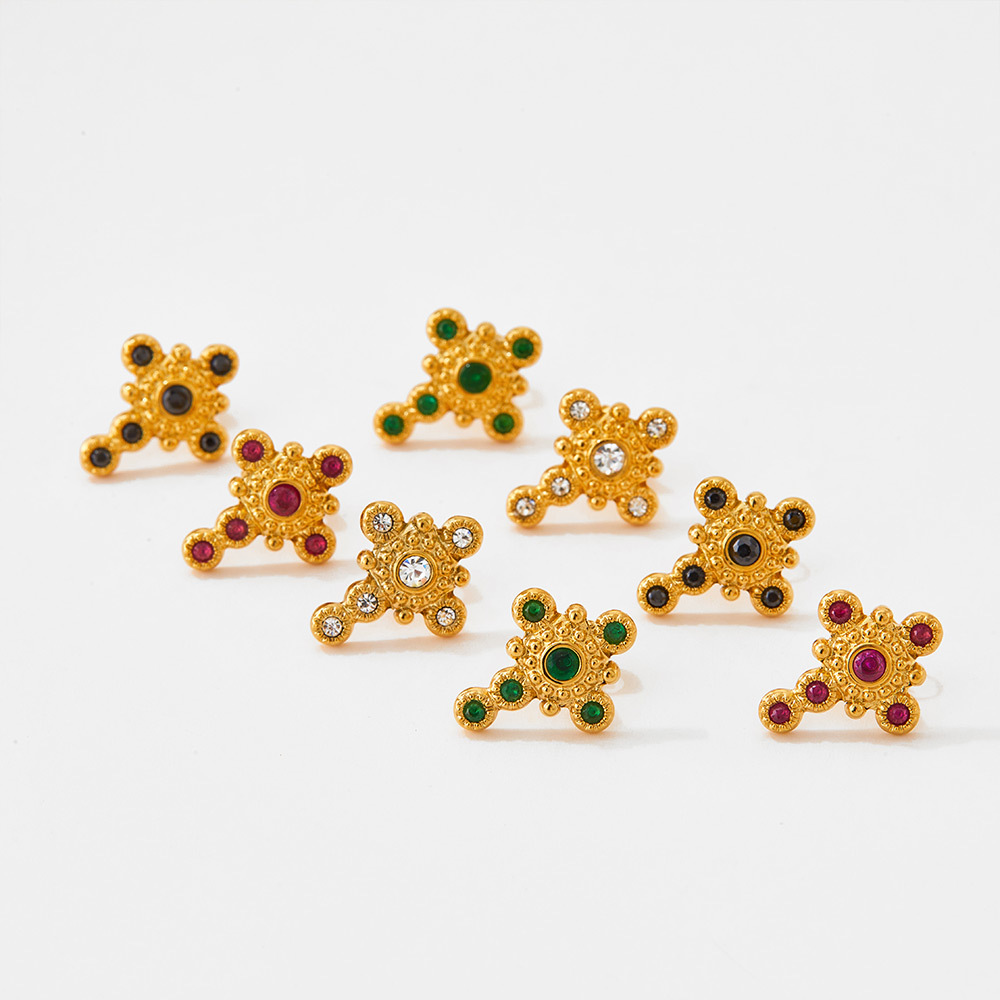
French Retro Cross Earrings Stainless Steel With Colorful Zircon Byzantine Medieval Style Jewelry For Women
$3.80
Curated Bundles to Launch Your French Market Test
Bundling helps you test the French market with minimal upfront cost while keeping per-unit margins healthy. Each bundle combines a hero item, a complement, and an upsell—so you can gauge which style family resonates with French buyers before scaling orders.
Parisian Essentials Bundle
First-time France seller wanting a low-risk test for a pop-up or Etsy shop.
- Vintage Eiffel Tower Pendant Necklacehero
- Geometric Hoop Earrings Copper Zirconia French Retrocomplement
- French Vintage Minimalist Copper Zirconia Adjustable Open Ringupsell
Bundle at $5.87 vs $6.77 separately—saves buyer $0.90 while adding a ring to raise average order value.
Eco-Chic Pearl Collection
Eco-conscious reseller highlighting sustainable credentials; easy to pair with EPR compliance messaging.
- Minimalist Copper Plated Pearl Hoop Earringshero
- Minimalist 925 Sterling Silver Pearl Ringcomplement
- Freshwater Pearl Necklace Gold Sun Pendantupsell
Bundle at $32.50 vs $36.18 separately—upsell the necklace to boost ticket while keeping bundle under €30 at retail.
French Retro Romantic Pack
Valentine's Day or Galentine's campaigns targeting French female buyers aged 18-35.
- French Retro Heart Pendant Necklacehero
- Stainless Steel Geometric Earrings French Minimalistcomplement
- French Retro Oval Crystal Zircon Earringsupsell
Bundle at $7.08 against $8.06 separate. Add a free care card about your EPR compliance—builds trust.