
Trend Report · May 15, 2026
Gin 100ml Trend: How Small Format Won Rural South Africa
Learn how the 100ml gin bottle became a major player in South African rural liquor & apply the same mini-bundle strategy to accessories for high-margin sales.
What Happened: The Rise of Gin 100ml in South Africa
A Reddit post on r/Gin recently cracked open a quiet revolution. A user named KwikPikZa asked the community: "Seeing the products and ranges grow. Gin 100ml is becoming a major player in the South African Liquor business, especially in the Rural areas. What Gin Brands do you find sells well with a good return?" That simple question exposed an inflection point — the 100ml mini bottle was no longer a novelty; it was a market force. The post attracted attention because it wasn't about a fancy cocktail trend but about a format shift that unlocked entire segments of customers.
In South Africa's rural areas, full-sized liquor bottles are often too expensive for daily or even weekly consumption. The 100ml bottle drops the entry price to almost an impulse level, making it accessible to a much wider buyer base. What started as a stocking stuffer or travel size evolved into a core SKU. The user's observation — and the thread's engagement — proved that this wasn't just supplier hype. Real resellers were seeing the change on the ground: brands were growing, ranges were expanding, and returns were solid. This is a textbook case of "right-sizing" creating new demand without inventing a new product.
Why the 100ml Format Is Winning
The replicable pattern is straightforward: lower the price barrier to access an existing product, and you unlock buyers who were priced out before. The Gin 100ml trend did not introduce a new flavor or a new brand; it repackaged an established product into a smaller, cheaper unit. That move alone turned a luxury occasional purchase into an everyday option for rural shoppers. The same principle applies to accessories. A $10 necklace may be out of reach for a customer in an emerging market, but a $3 mini bundle of pins and bracelets feels affordable — and still carries a similar emotional reward.
This pattern is especially powerful because it doesn't require a new product category. You can take items already proven in urban or premium channels and shrink the unit size and price. The risk is minimal: test with a small batch, measure sell-through, and scale the winners. The growth in South Africa's rural gin segment was not a fluke — it was a calculated size strategy. Accessories buyers can copy it by focusing on "mini" formats: keychain sets, multi-packs of pins, bracelet stacks. The goal is to hit a retail price point under $5 per bundle, where the purchase is almost automatic.
Who Can Replicate This Pattern?
This pattern fits operators who serve price-sensitive or underserved customer bases. Think new entrepreneurs launching their first Shopify store with a small budget, or pop-up stall owners in areas where disposable income is tight. The 100ml gin success came from rural South Africa — not an urban cocktail bar. Your target should be similar: customers who want the product but can't (or won't) pay full size. Resellers who already have a presence in flea markets, township stalls, or rural wholesale routes are best positioned to test mini bundles and see immediate traction.
Shopify seller
Low upfront cost to stock mini bundles ($20-50), easy to A/B test price points and ad angles, and fast sell-through reduces cash flow pressure.
Pop-up stall operator
Direct contact with price-conscious buyers; can display bundles on peg hooks and adjust mix based on daily feedback.
Etsy newcomer
Niche mini bundles (e.g. bookish, gothic, growth-themed) attract targeted traffic with minimal competition from big sellers.
What Happened
It started with a Reddit post in r/Gin. A user named KwikPikZa shared an observation that had been building for months: "Seeing the products and ranges Grow. Gin 100ml is becoming a major player in the South African Liquor business, especially in the Rural areas. What Gin Brands do you find sells well with a good return?" The thread filled with responses from bar owners, distributors, and casual drinkers who confirmed it. Small brands like Bottega and local craft distilleries were reporting that their 100ml variants were selling out faster than the full-sized bottles. The inflection point was when a major supermarket chain in rural KwaZulu-Natal started dedicating an entire shelf to mini bottles — a space previously reserved for beer and soft drinks. That physical retail validation turned the trend from curiosity into a must-follow case study for any reseller looking to break into underserved markets.
The Replicable Pattern
Lower the entry price by reducing size, not quality.
Evidence: Gin 100ml offered the same brand experience as a 750ml bottle but at 13% of the price, making it accessible to rural consumers who previously couldn't afford premium liquor. Accessories buyers can do the same: keep the design and material quality high, but package fewer items per unit.
Target underserved distribution channels where competition is low.
Evidence: The post explicitly mentioned rural areas — not city bars or liquor stores. Those areas had few options for premium gin until the 100ml format made it available. For accessories, that means flea markets, township stalls, and community e-commerce groups where buyers aren't bombarded with ads.
Let the product's own numbers sell the decision.
Evidence: The original question asked "what brands sell well with a good return?" — proof that resellers were already tracking sell-through and margin. Your mini bundles should be small enough to test 10 units, measure sell-through in 14 days, and reorder only the winners.
How to Sell Mini Accessories Like Gin 100ml
First, choose a niche that matches the rural or price-sensitive dynamic. The growth-themed sets (pins, bracelets, keychains) work well because they carry a universal message that requires no translation. Second, price your bundle at $5-$12 retail to mirror the impulse threshold of a 100ml gin bottle. Third, emphasize value in your marketing: display the individual prices and show the bundle saving. The psychological trick is that the buyer feels they're getting more for less, just like the mini bottle drinker feels they're sipping premium gin without the full premium price. For online channels, create a dedicated product page for the bundle with clear photos of each item. Use ad copy that highlights "starter set" or "mini collection" to trigger the same mental model as the 100ml gin. For physical stalls, peg hooks work best — arrange bundles by price point ($3, $5, $7) so customers can self-select. Train your staff to say: "This bundle gives you three pieces for the price of two." The risk: mini bundles can feel low-value if the items look too cheap. Avoid this by bundling items with distinct designs (e.g., a pin + a pendant + a ring) rather than three identical items. Test first; if sell-through is below 20% in 30 days, try a different theme or adjust the price down.
Display bundles on peg hooks at $3, $5, $7 price points. Use signage: 'Mini Collection – Get 3 for the price of 2'.
⚠ Low ticket size means you need volume; ensure you have 50+ units to make transport and stall fee profitable.
Create a collection called 'Mini Growth Bundles' with a comparison table showing individual vs. bundle prices. Run Facebook ads to interest groups (e.g., 'Gifts Under $10').
⚠ Shipping cost can eat margin if not optimized; use smaller packaging and USPS First Class Package for single bundles.
List bundles as 'Gift Sets' with tags like 'mini', 'small business', 'affordable gift'. Encourage reviews by including a handwritten thank-you card.
⚠ Etsy search algorithm may not favor bundles over single items; use specific long-tail keywords (e.g., 'mini book lover gift set').
Mini Accessories to Bundle Like Gin 100ml
Just as the 100ml gin bottle unlocked rural demand, these small, affordable accessories let you create entry-level bundles that appeal to price-conscious shoppers. Each product costs under $2 at wholesale, giving you room to bundle 2-3 items and still hit a $4-$6 retail price.
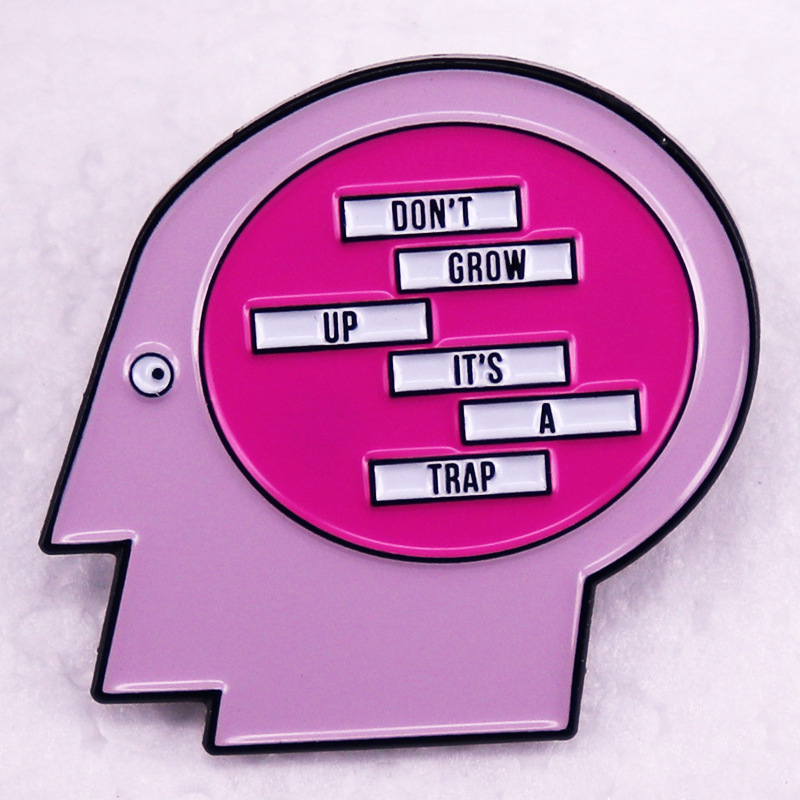
Don't Grow Up It's A Trap Enamel Pin Brain Silhouette Alloy Brooch For Backpack Clothing Decoration Unisex Trendy Jewelry Accessory
$1.28
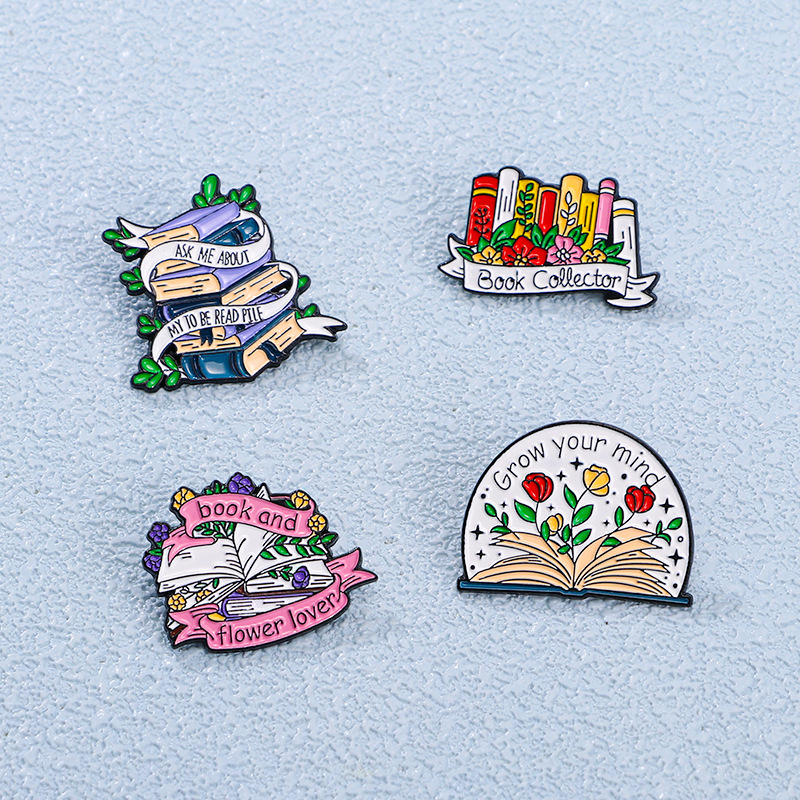
Creative Book Flower Enamel Brooch Pins Book Collector Grow Your Mind Literary Badge Jewelry For Students Backpack Clothing Lapel Pins Gift
$0.54
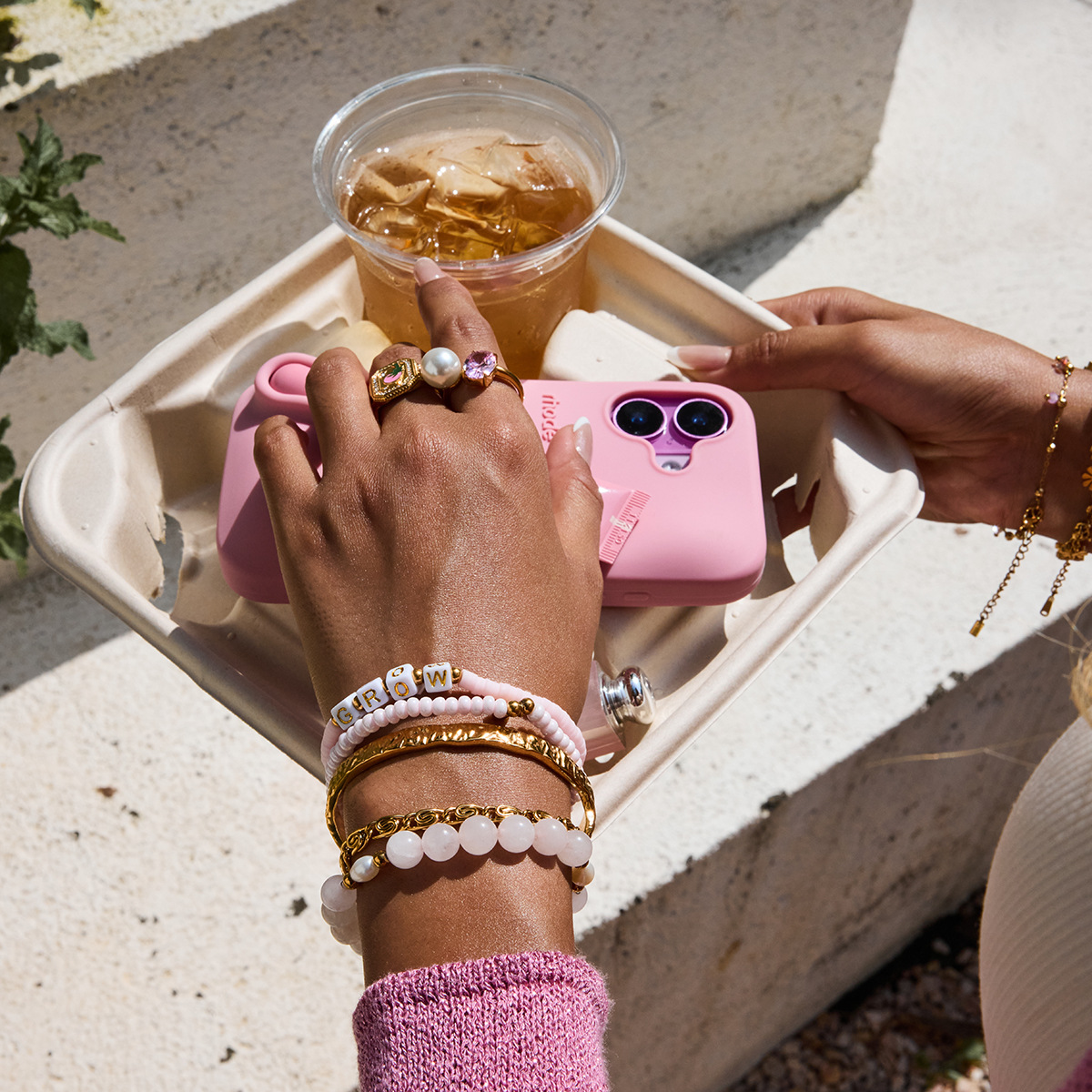
Fashion Pink Beaded Letter GROW Bracelet Set Stainless Steel Hammered Open Bangle Palm Tree Ring Set For Women Vacation Vacation Accessories Jewelry
$3.27
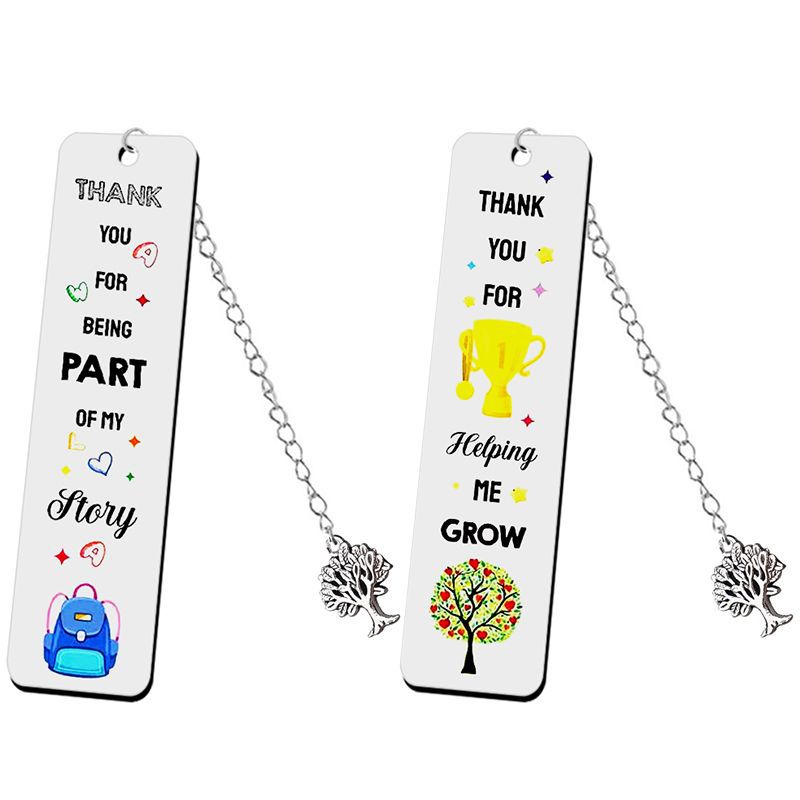
Stainless Steel Bookmark With Tree Of Life Pendant Teacher Appreciation Gifts Thank You For Helping Me Grow Graduation Birthday Retirement Presents For Book Lovers
$0.27
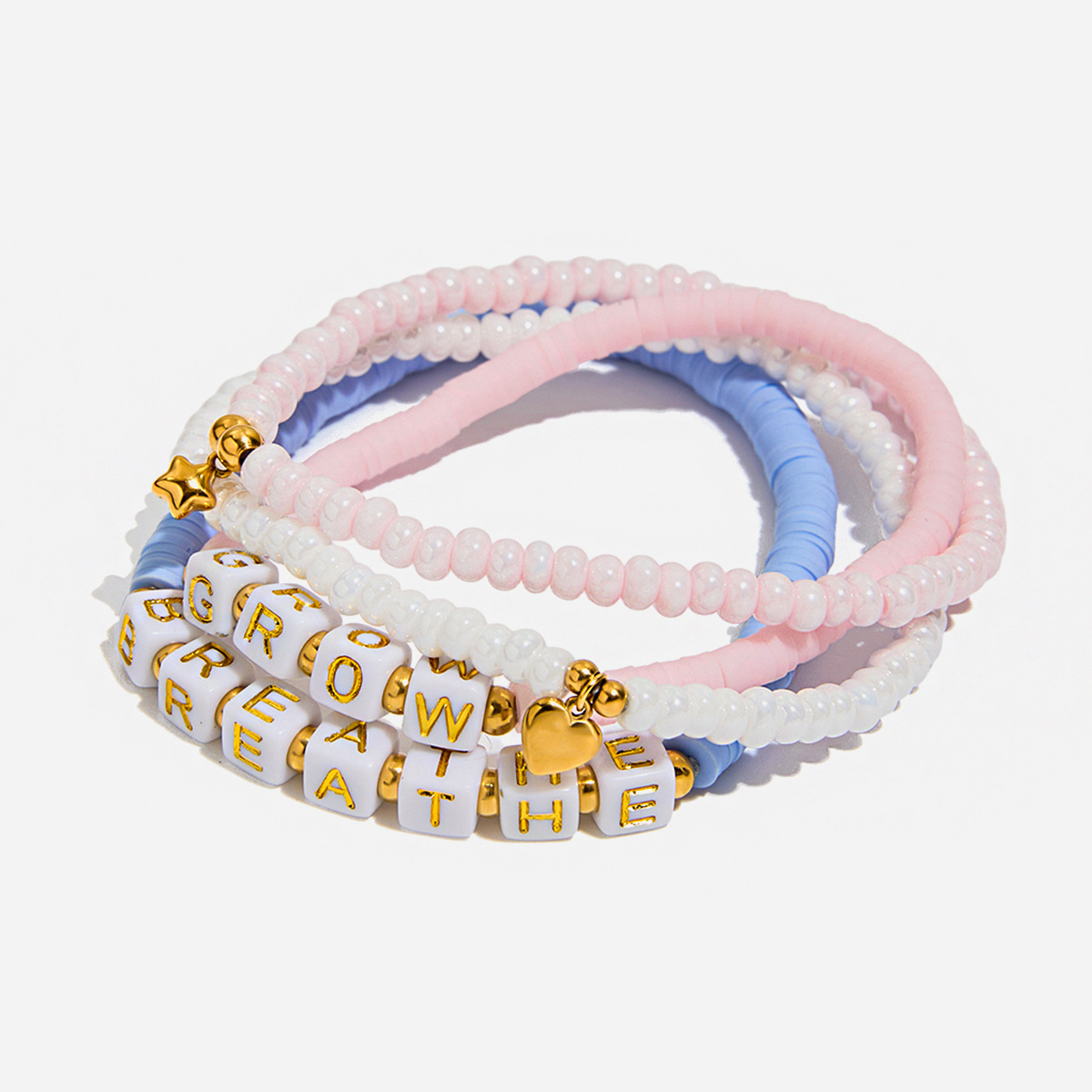
18K Gold Plated Stainless Steel Beaded Bracelet Set With Heart Star Charm Letter GROW BREATHE Soft Clay Heishi Bead Bohemian Summer Jewelry For Women
$3.27
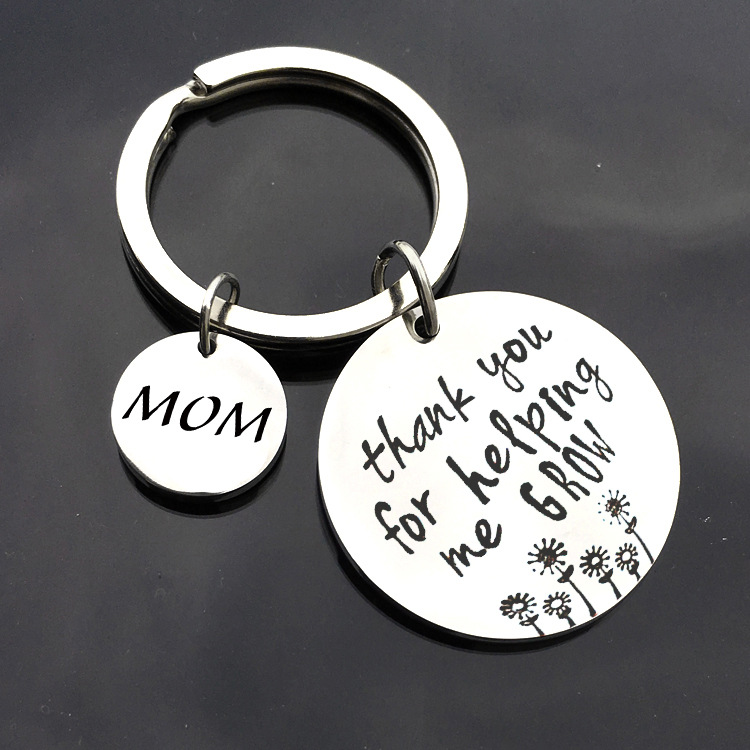
Stainless Steel Keychain Thank You For Helping Me Grow Lettered Keyring For Mother's Day Father's Day Gift Silver Flower Pattern Pendant Keychain For Mom Dad
$0.42
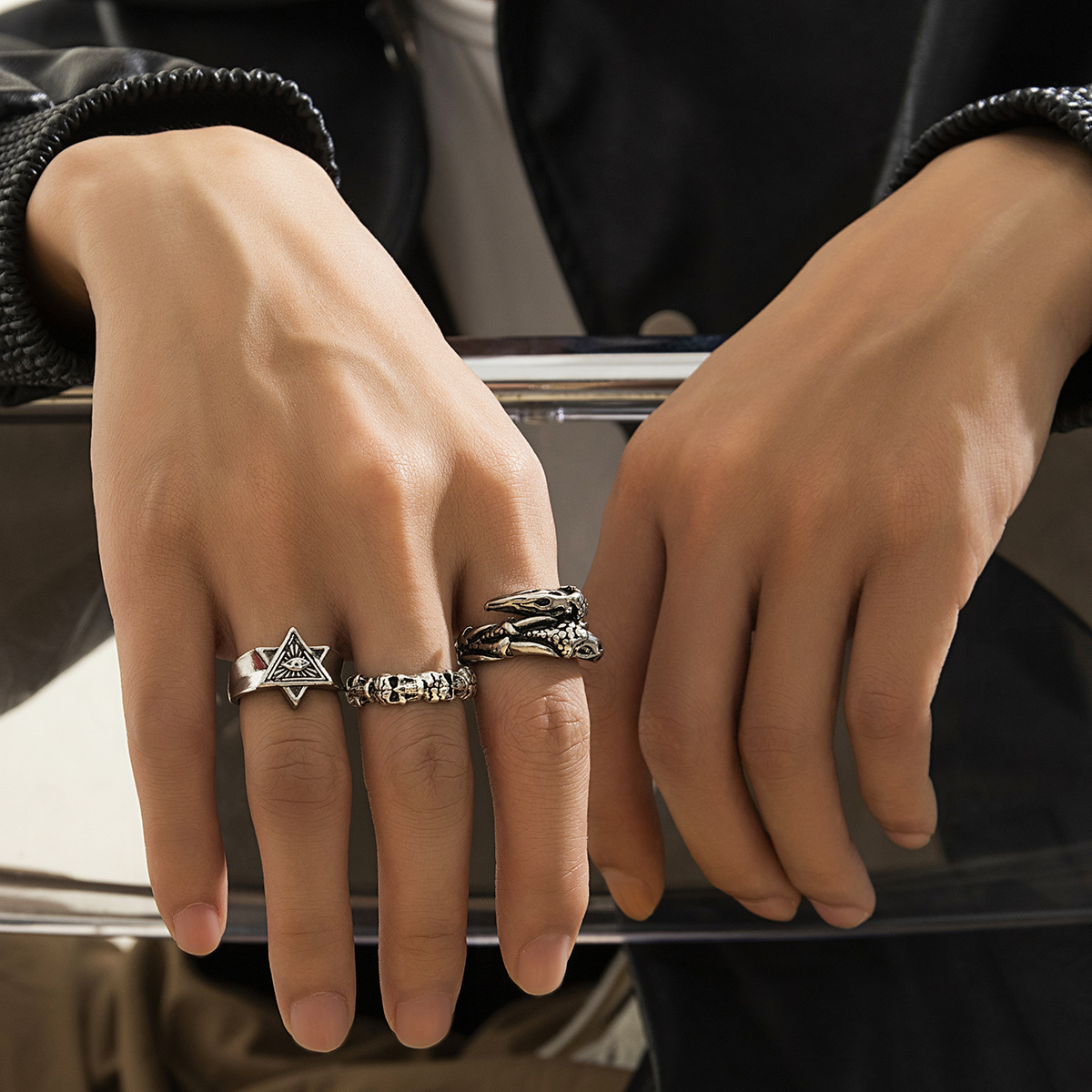
Men's Vintage Punk Gothic Rings Set Antique Silver Alloy Skull Hexagram All-Seeing Eye Hip Hop Stackable Jewelry
$1.55
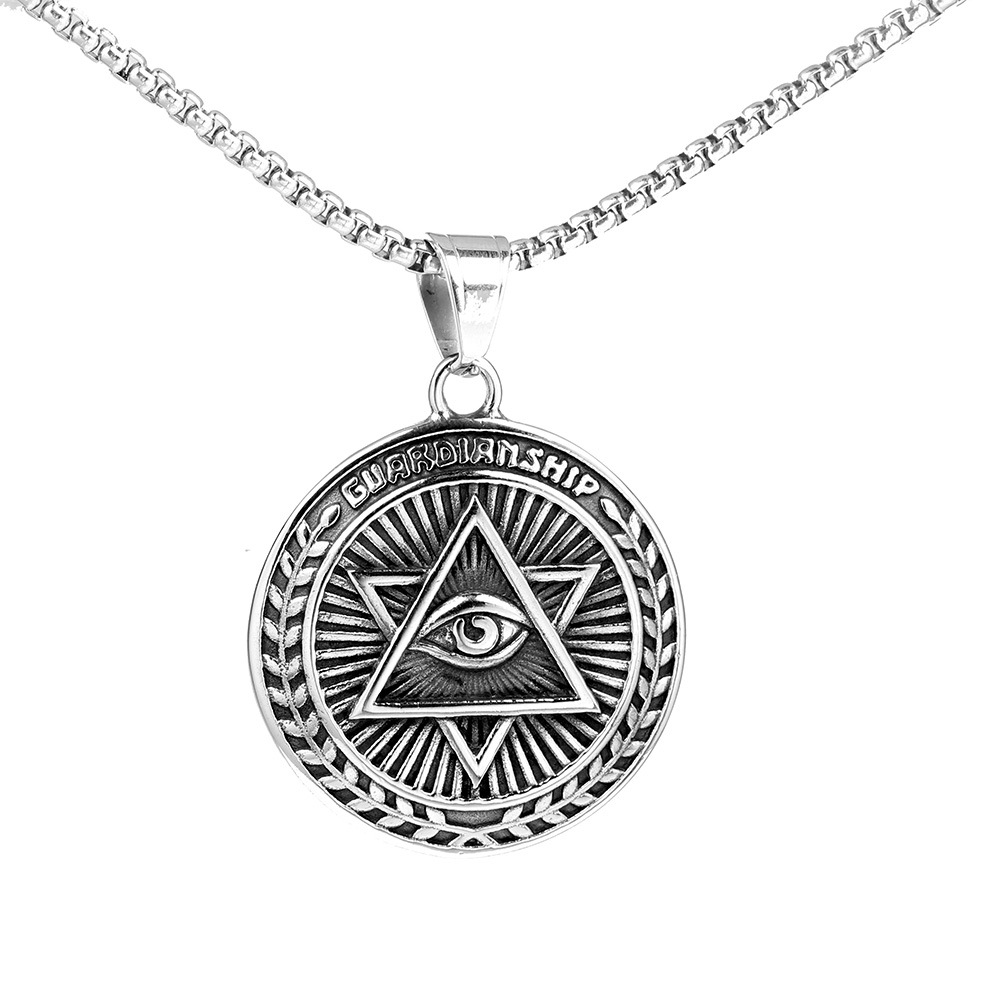
Vintage Stainless Steel All-Seeing Eye Hexagram Pendant Necklace For Men Guardianship Engraved Medallion Box Chain Religious Fashion Jewelry
$0.52
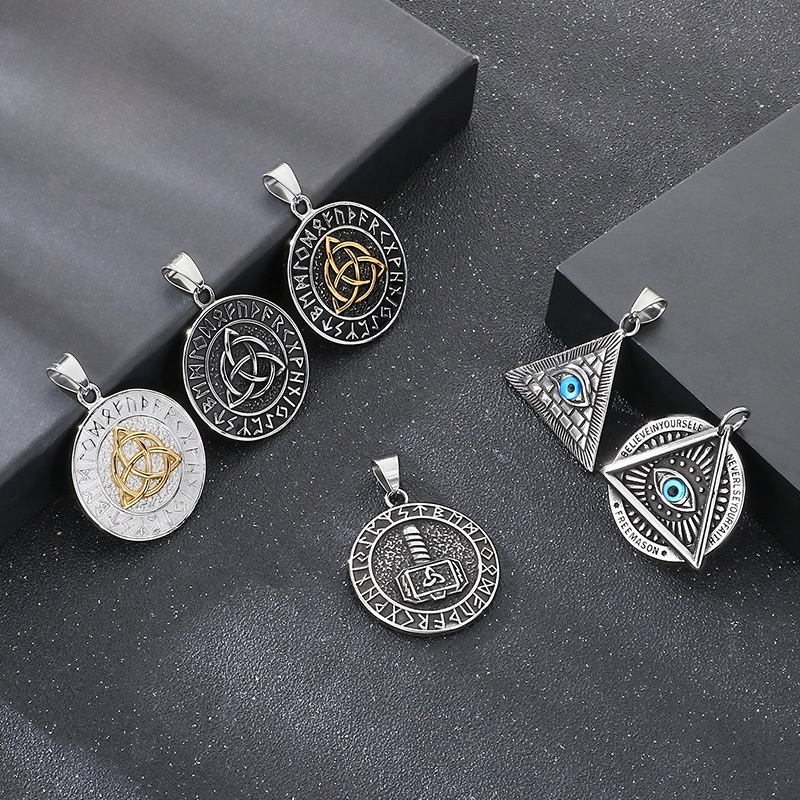
Men's Vintage Stainless Steel All-Seeing Eye Pendant Necklace Nordic Viking Thor's Hammer Celtic Knot Runes Medallion Jewelry Gift
$0.48
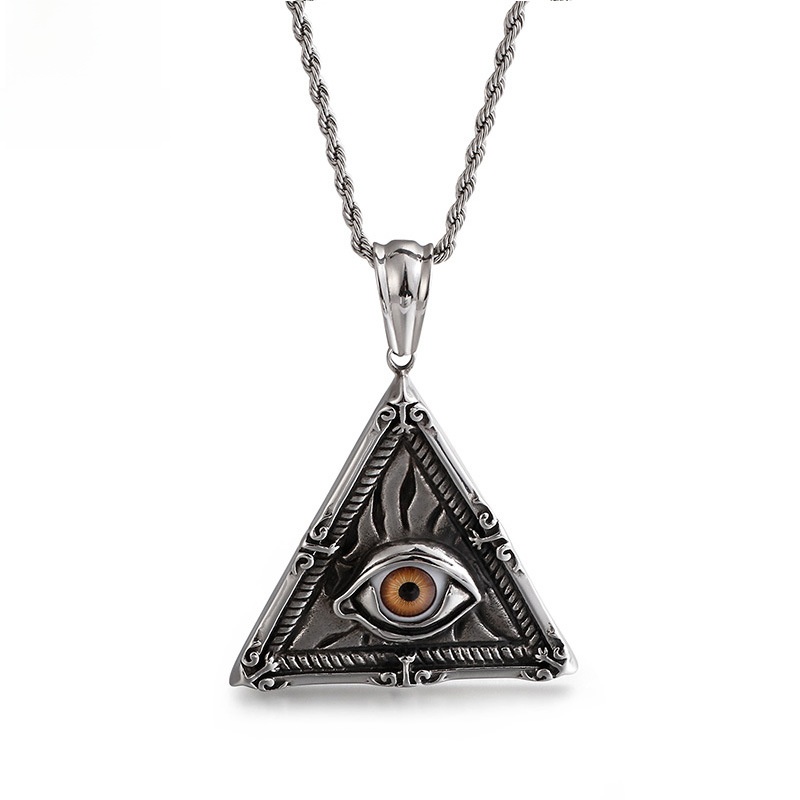
Vintage 316L Stainless Steel All-Seeing Eye Triangle Pendant Necklace For Men Women Retro Gothic Punk Providence Eye Religious Jewelry
$5.30
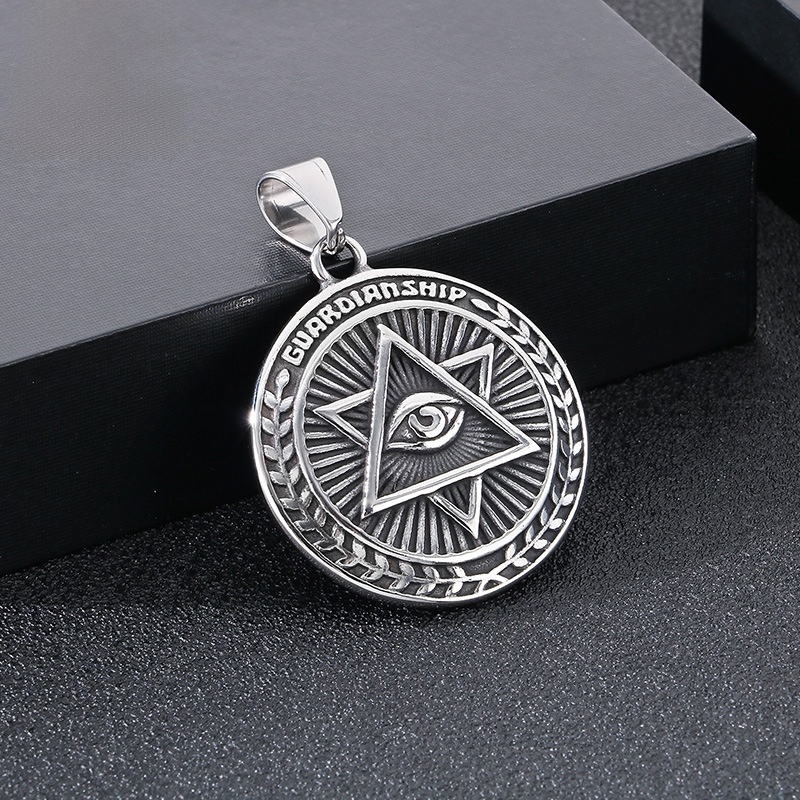
Retro Stainless Steel Eye of Providence Pendant Necklace for Men Guardianship All Seeing Eye Round Medal Box Chain Amulet Jewelry
$0.82
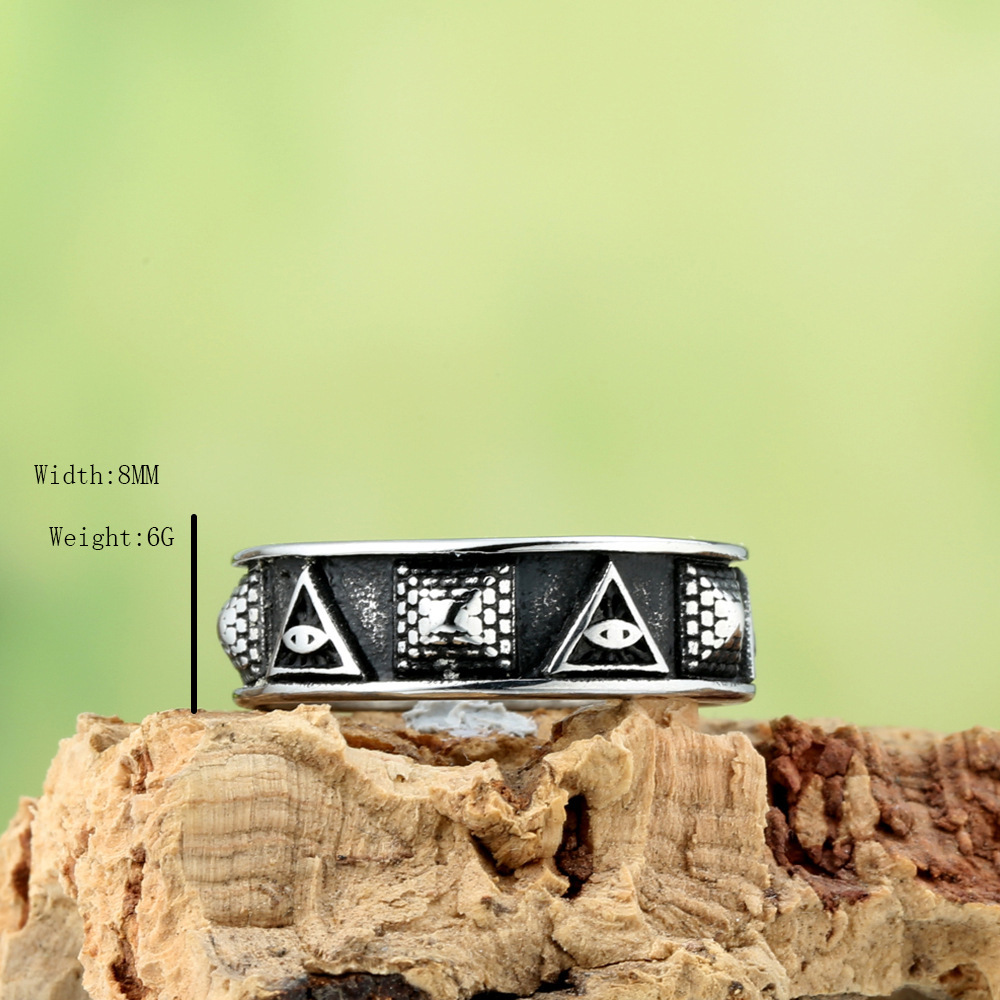
Vintage Titanium Steel All Seeing Eye Pyramid Ring For Men Women Punk Gothic Mystical Triangle Eye Symbol Band Ring Jewelry
$3.27
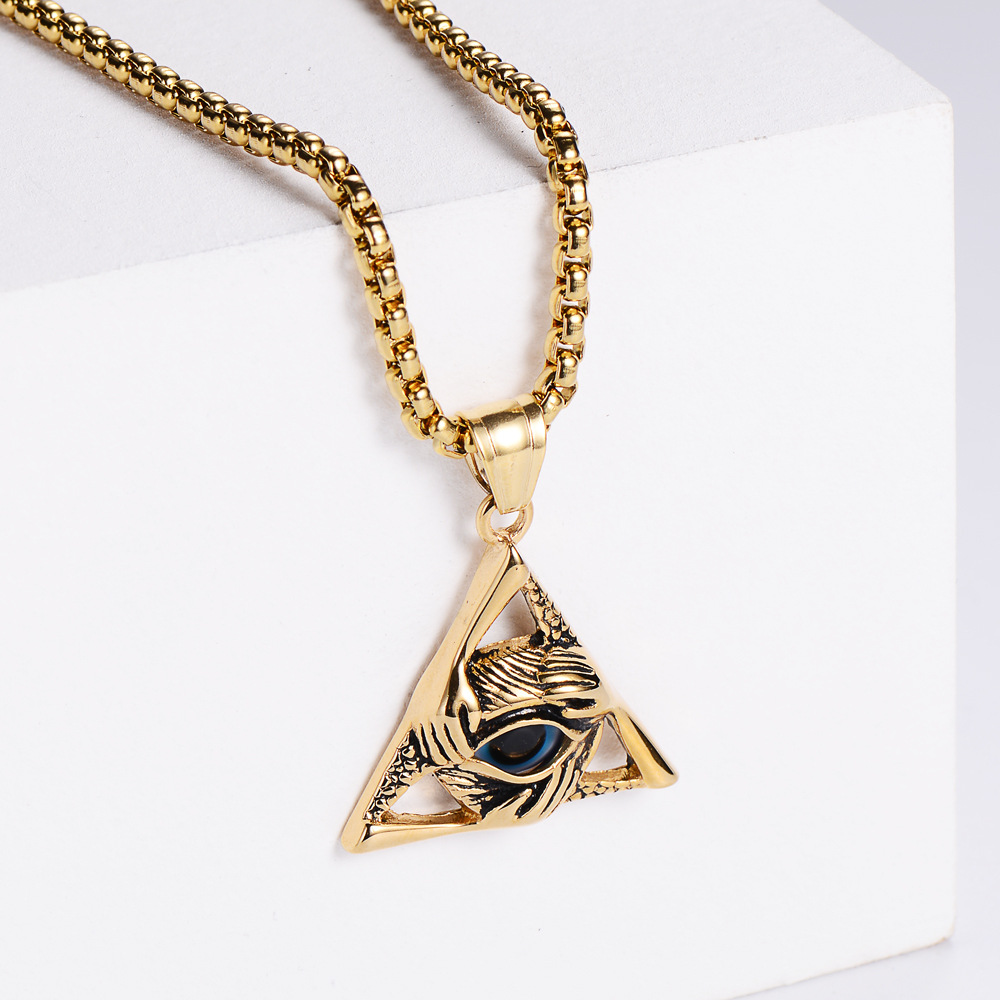
Punk Triangle All-Seeing Eye Pendant Necklace Stainless Steel Box Chain Gold Silver Black Gothic Mysterious Jewelry For Men Women
$2.24
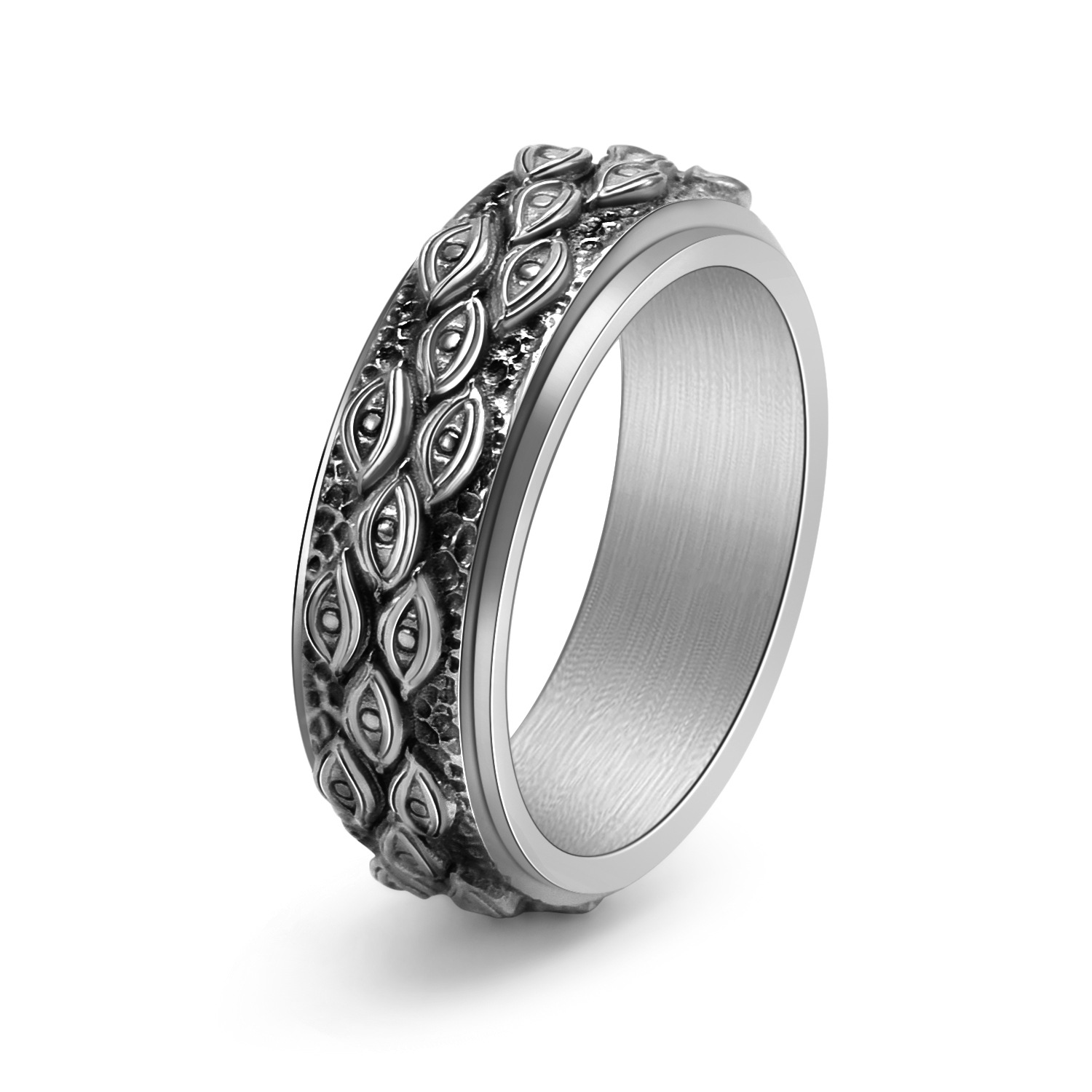
Retro Stainless Steel Evil Eye Spinner Ring Vintage Gothic Rotatable All Seeing Eye Relief Band For Men Worry Relief Jewelry Gift
$2.62
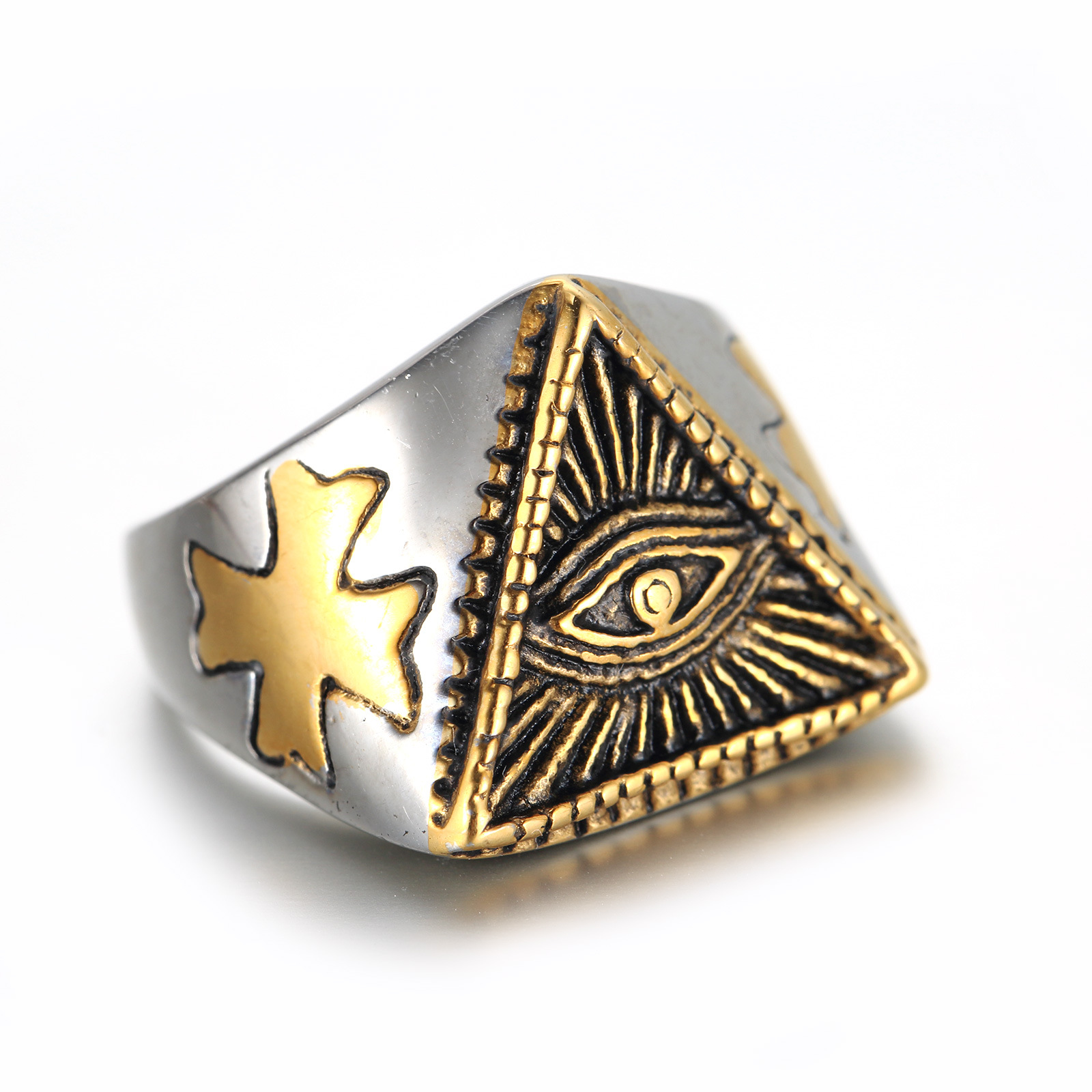
Vintage Men's Stainless Steel Ring All-Seeing Eye Pyramid Gold Plated Cross Religious Signet Band Two-Tone Mystery Ring Jewelry Accessory
$4.45
Mini Bundle Ideas That Mirror the 100ml Strategy
Bundling several small accessories creates a '100ml effect': low retail price that feels like a deal, while you keep 50%+ margin. Each bundle below uses products from our catalog at wholesale prices.
Growth Starter Pack
New reseller targeting rural markets or teacher appreciation events
- Don't Grow Up It's A Trap Enamel Pinhero
- Fashion Pink Beaded Letter GROW Bracelet Setcomplement
- Stainless Steel Keychain Thank You For Helping Me Growupsell
Wholesale cost: $1.28 + $3.27 + $0.42 = $4.97. Bundle at $8.99 retail increases perceived value; single items would total $0.72-$0.84 more per unit in shipping.
All-Seeing Eye Mini Collection
Gothic/punk niche buyers at flea markets or online shops
- Vintage Stainless Steel All-Seeing Eye Hexagram Pendant Necklacehero
- Punk Triangle All-Seeing Eye Pendant Necklaceupsell
- Retro Stainless Steel Evil Eye Spinner Ringcomplement
Wholesale cost: $0.52 + $2.24 + $2.62 = $5.38. Bundle at $12.99 retail yields 59% margin. Risk: niche audience may be smaller, but conversion is higher due to thematic consistency.
Book Lover & Mind Growth Set
Targeting students, teachers, or graduation gifts in low-budget markets
- Creative Book Flower Enamel Brooch Pins Book Collector Grow Your Mindhero
- Stainless Steel Bookmark With Tree Of Life Pendantcomplement
- 18K Gold Plated Stainless Steel Beaded Bracelet Set With GROW BREATHE Charmupsell
Wholesale cost: $0.54 + $0.27 + $3.27 = $4.08. Retail at $9.99 offers 59% margin. Risk: seasonal demand peaks around graduations, so order in small batches initially.