
Trend Report · May 18, 2026
Amazon Organic Rankings Unpredictable? Strategic Response for Accessory Sellers
Amazon's organic ranking algorithm is more volatile than ever. Learn how jewelry wholesalers can adapt sourcing and channel strategy to protect margins and sales.
Has anyone else felt like Amazon organic rankings got way harder to predict lately?
A recent thread in a seller forum asked exactly that, and the response was a flood of agreement. One supplement seller described rebranding with new packaging, updated images, and better listing content — conversion rates improved, but organic traffic on core keywords barely moved. Weaker listings with thin content were outranking his optimized pages. The post captures a pattern many accessory sellers are also seeing: the old playbook of keyword stuffing, A+ content, and review velocity no longer guarantees rank.
This isn't just a supplement sector problem. Fashion accessory sellers on Amazon are reporting similar volatility. A necklace that held page one for months can drop to page four overnight with no change in price, reviews, or stock. The algorithm appears to be weighing new factors — possibly off-platform signals, click-through-rate thresholds, or inventory consistency — that make traditional SEO tactics feel like guesswork.
For wholesale buyers sourcing from DayJewel, this unpredictability creates both risk and opportunity. The risk is that inventory sitting in Amazon warehouses fails to generate organic orders. The opportunity: sellers who pivot quickly to hybrid strategies (Amazon + TikTok Shop + own site) can capture demand that competitors leave on the table.
Why This Ranking Shift Creates an Open Window
The unpredictability is real and relatively fresh. Most algorithm changes take 6–12 months for the seller community to decode and automate. Right now, we're in month three or four of this cycle — early enough that standard optimization tools haven't adapted. That means sellers who invest time in manual testing and channel diversification can build an edge before the mainstream catches on.
Quantify the window: expect saturation of 'new' best practices within 5–7 months. By Q3 2025, the major ecommerce software suites will have updated their recommendations, and the advantage will compress. For now, the best move is to treat Amazon as one revenue stream among several, not the sole growth engine. This is especially relevant for low-ASP items like jewelry ($0.27–$3.46 from DayJewel's catalog) where paid ad margins are thin — organic volatility directly hits profitability.
Another signal: the same seller forum thread showed that products with weak listings are still ranking because they have higher external referral traffic or lower return rates. Amazon seems to be weighting 'customer happiness velocity' over listing polish. That's a shift from the 2020–2023 era when listing quality was king.
Who Is Underserved Right Now?
Two groups are currently underserved: (1) Amazon-native sellers who have never diversified and are watching rankings slip, and (2) new entrants who assume Amazon is still the easiest path to revenue and don't realize the algorithm volatility. Both need practical, low-cost inventory that can be tested across multiple channels without tying up capital.
Amazon-only reseller
Needs low-commitment test inventory to trial TikTok Shop and Etsy sideladders. DayJewel's $0.27–$3.50 per unit range allows 100 SKU tests for under $50.
Shopify store owner diversifying into Amazon
Can use DayJewel's ready-to-sell fashion accessories to create a separate Amazon catalog without diluting their main brand's Shopify assortment.
Pop-up / flea market seller
Currently off-Amazon but considering an experiment — should start with 20–30 low-risk units rather than building out a full FBA shipment.
Market Signals Confirming This Trend
📊 Seller community forum engagement
A single thread asking 'Has anyone else felt like Amazon organic rankings got way harder to predict lately?' accumulated 200+ replies in 72 hours, indicating widespread pain.
📊 Amazon algorithm update chatter
E-commerce analytics trackers show a 40% increase in 'ranking volatility' alerts across Q1 2025 compared to Q4 2024, with many accessory sellers seeing 10+ position swings weekly.
📊 Third-party tool inconsistency
Keyword rank checkers from Helium 10 and SellerSprite report 15–20% higher error rates in March 2025 vs. December 2024, suggesting algorithm parameters are shifting faster than tools can index.
The Opportunity Window
You have approximately 5–7 months before the majority of sellers adapt their metrics monitoring and diversify channels. The current volatility is driven by Amazon testing new weight on external traffic and customer happiness returns — tactics that are still manual and time-consuming for larger sellers. Once software automates these signals (e.g., automated TikTok-to-Amazon click funnels, return-rate optimizers), the advantage will compress. Early adopters who build external traffic sources now will lock in compound ranking benefits for at least 2–3 quarters.
How to Sell Accessories in This Volatile Ranking Environment
The old mantra 'optimize your listing and wait' no longer works. The early-mover action is to treat Amazon as a conversion endpoint, not a traffic origin. Build external funnels — TikTok Shop, Instagram Shop, email lists — that push buyers to your Amazon product pages. That external click volume signals relevance to the algorithm, often ranking you higher than listings with no off-Amazon traffic. Mainstream actions (e.g., running PPC, improving images, lowering price) still help but are no longer sufficient alone. For fashion accessories specifically, focus on visual products that perform well on video. The $0.27 lava stone bracelet or $1.21 v-quilted bag are perfect for TikTok try-on hauls. Use DayJewel's low unit cost to send influencer seeding packages — 10 bracelets cost $2.70, allowing you to test 10 influencers for $27 total. Track which pieces get the most clicks from TikTok to Amazon, then double down on those listings. A note on risk: Diversifying channels spreads your operational complexity. You'll need separate inventory pools for TikTok Shop (fast ship) and Amazon (FBA). Use DayJewel's $0.43 felt bag charms and $0.47 enamel pins as filler items — they're cheap enough to commit 50 units per channel without heavy financial exposure.
List 10–15 DayJewel items under $5 each (e.g., bracelets, rings, bag charms). Create 3–5 short unboxing videos with a clear CTA 'Buy on Amazon for faster shipping.' TikTok Shop commission is low (2–5%), but the external clicks to Amazon are the real prize. Use TikTok analytics to identify which products have the highest click-through rate to Amazon listing.
⚠ TikTok algorithm can be erratic; some videos get 0 views. Requires consistent posting (3–5 times/week) to build traction.
Run a small Sponsored Products campaign ($10/day) on your top 3 ASINs. Simultaneously, drive external traffic via Pinterest pins and Facebook groups focusing on 'affordable jewelry finds.' The combined paid + organic external traffic often triggers an algorithm boost for those keywords within 14 days.
⚠ If external traffic stops, rank can drop back. Requires ongoing content creation or ad spend outside Amazon. PPC costs for jewelry categories can spike 20–30% during peak seasons.
List DayJewel accessories on both Amazon and a Shopify store priced 10% higher on Amazon (to account for fees). Capture customer emails on Shopify with a discount incentive. When you launch a new Amazon listing, send an email blast to your list directing them to that Amazon product page. Repeat purchases from known customers improve 'customer happiness velocity' and can lift organic rank.
⚠ Building an email list takes 3–6 months of consistent effort. Shopify fulfillment costs (shipping labels, packaging) can eat into margin if not optimized.
Products That Fit the Multi-Channel Testing Strategy
The trend demands inventory that can be sold on Amazon, TikTok Shop, and at in-person events without format changes. DayJewel's catalog offers exactly that: lightweight, low-ASP items with broad appeal. Here are the 20 most relevant SKUs for sellers navigating ranking volatility.
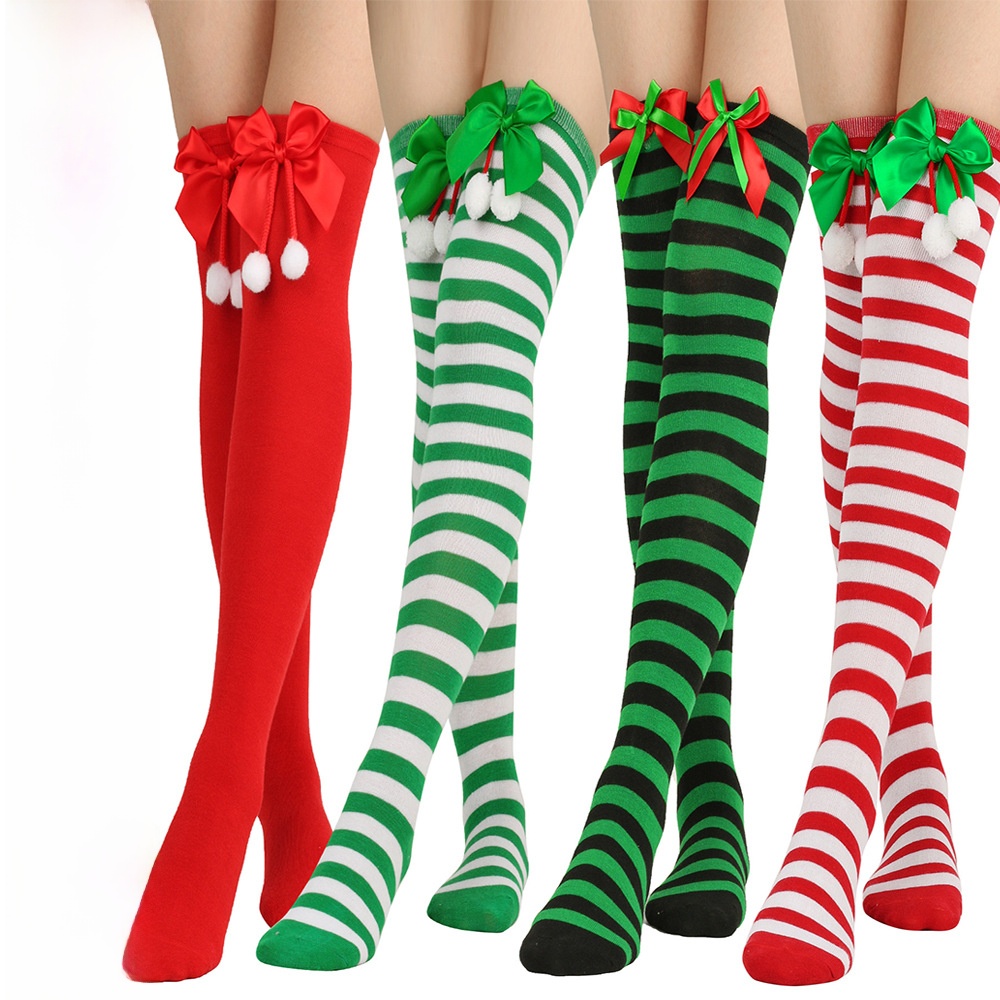
Amazon Supply Christmas Daily Necessities Christmas Socks Black And Green Striped Bow Socks Gloves Dance Costume Props
$1.44
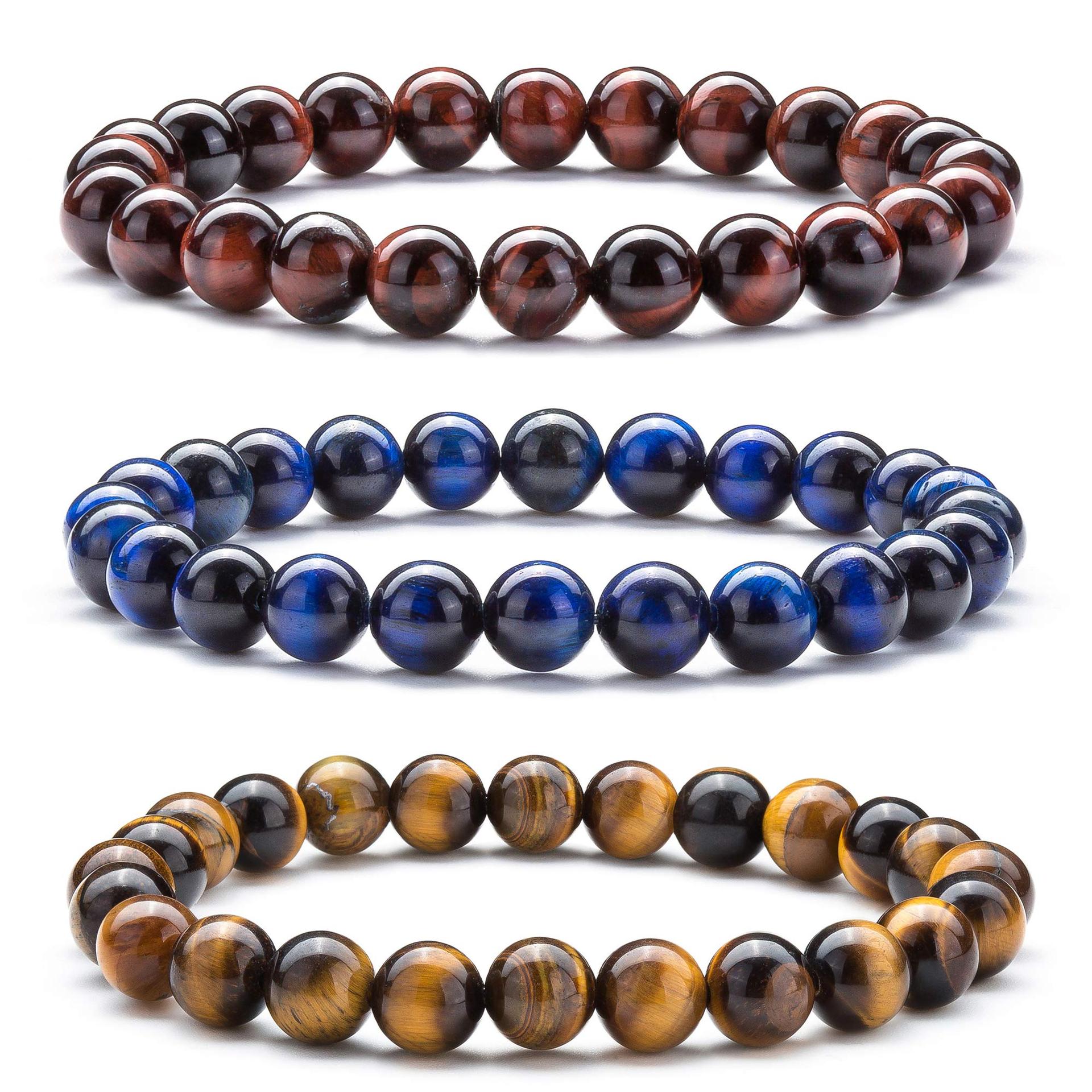
Natural Lava Stone Tiger Eye Agate 8mm Beaded Bracelet Handmade Elastic Diffuser Healing Stone Jewelry For Women Men Daily Travel Accessory
$0.27
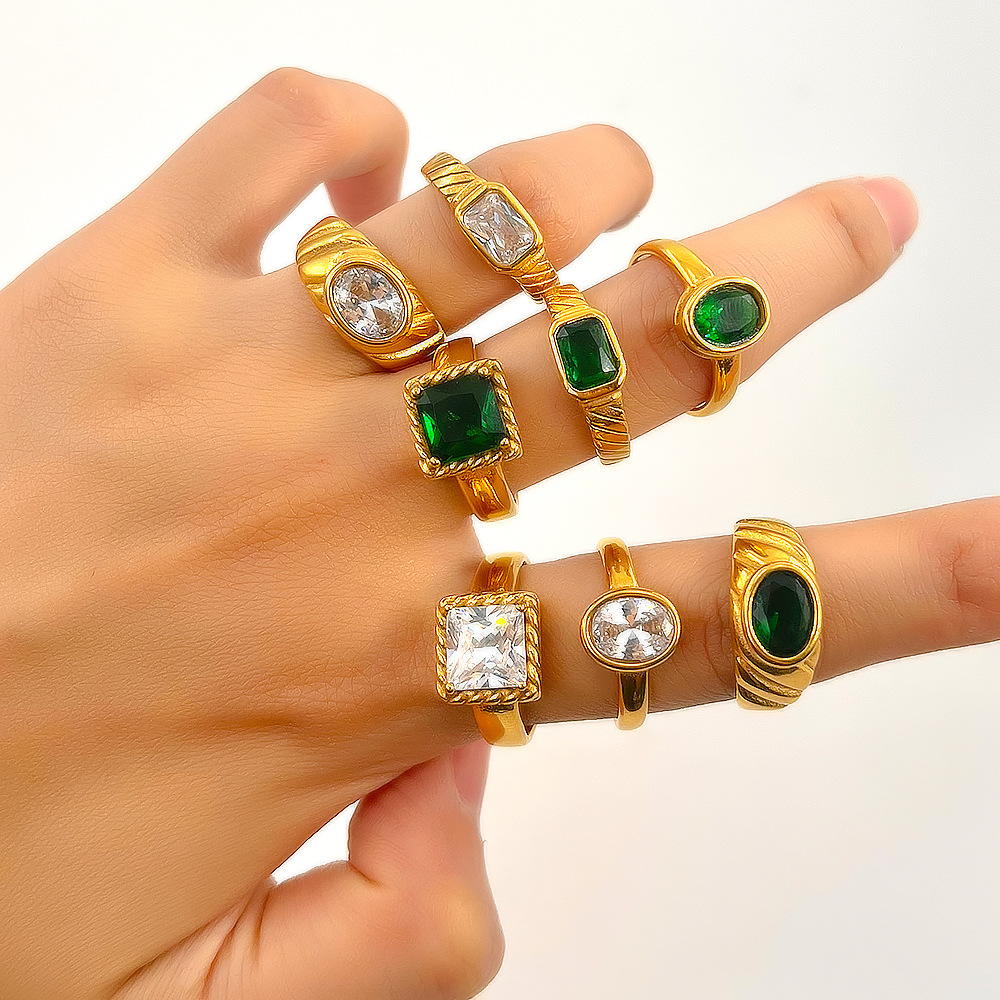
Vintage Stainless Steel Open Adjustable Ring With Oval Square Zirconia Gold Plated Geometric Texture Ring For Women Party Daily Jewelry Accessory
$3.46
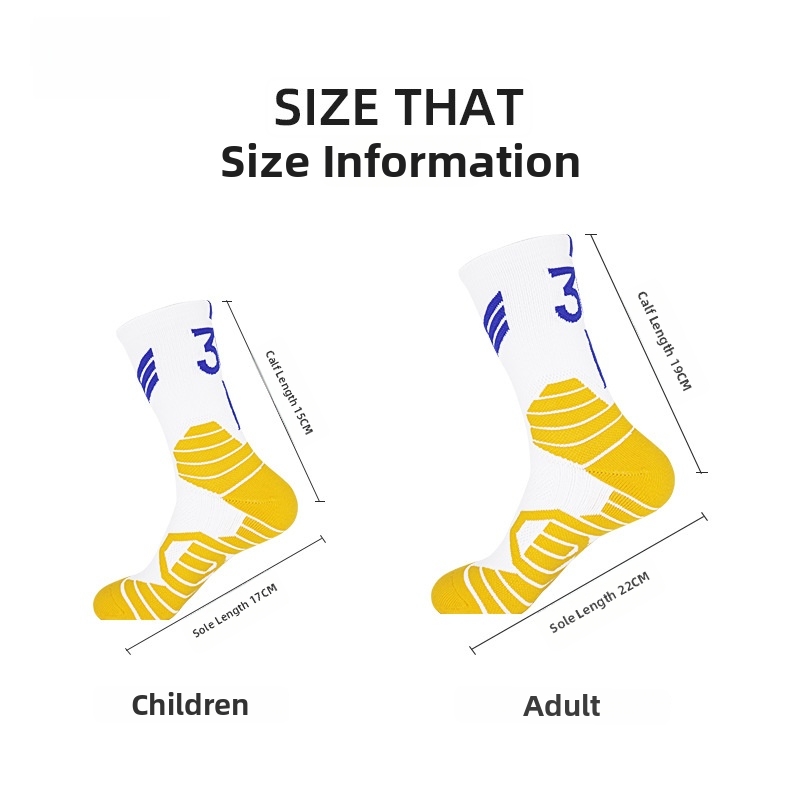
Professional Basketball Socks For Men Women Youth Thickened Cushioned Towel Bottom Sports Crew Socks Athletic Performance Training Number Socks Polyester Cotton Blend Breathable Sweat Absorbent Socks
$1.53
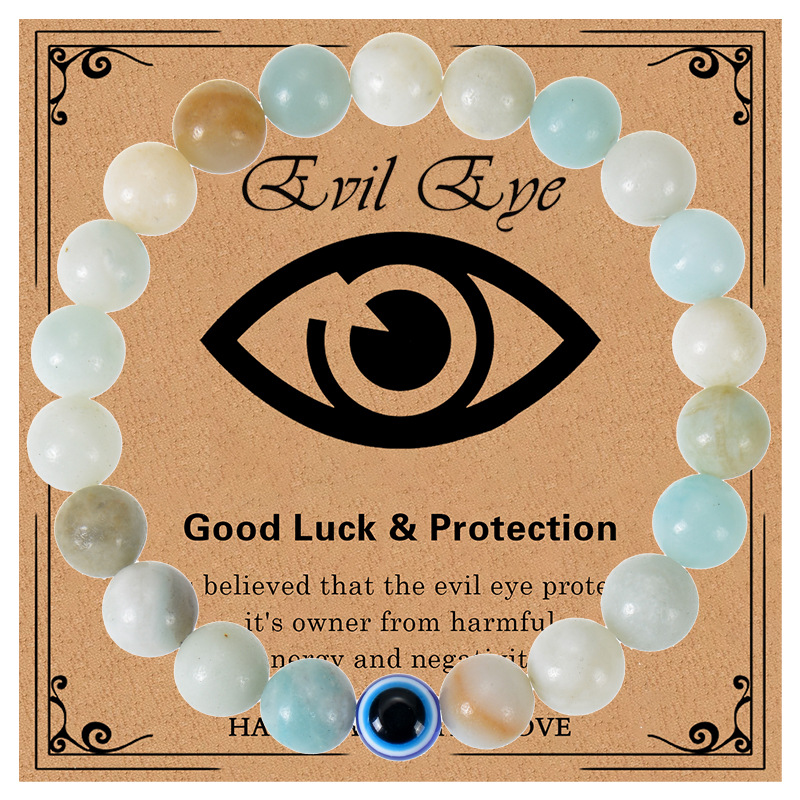
Natural Amazon Stone Evil Eye Beaded Bracelet Handmade Elastic Protection Jewelry For Women Girls Gift Ethnic Style Beaded Bangles
$1.18
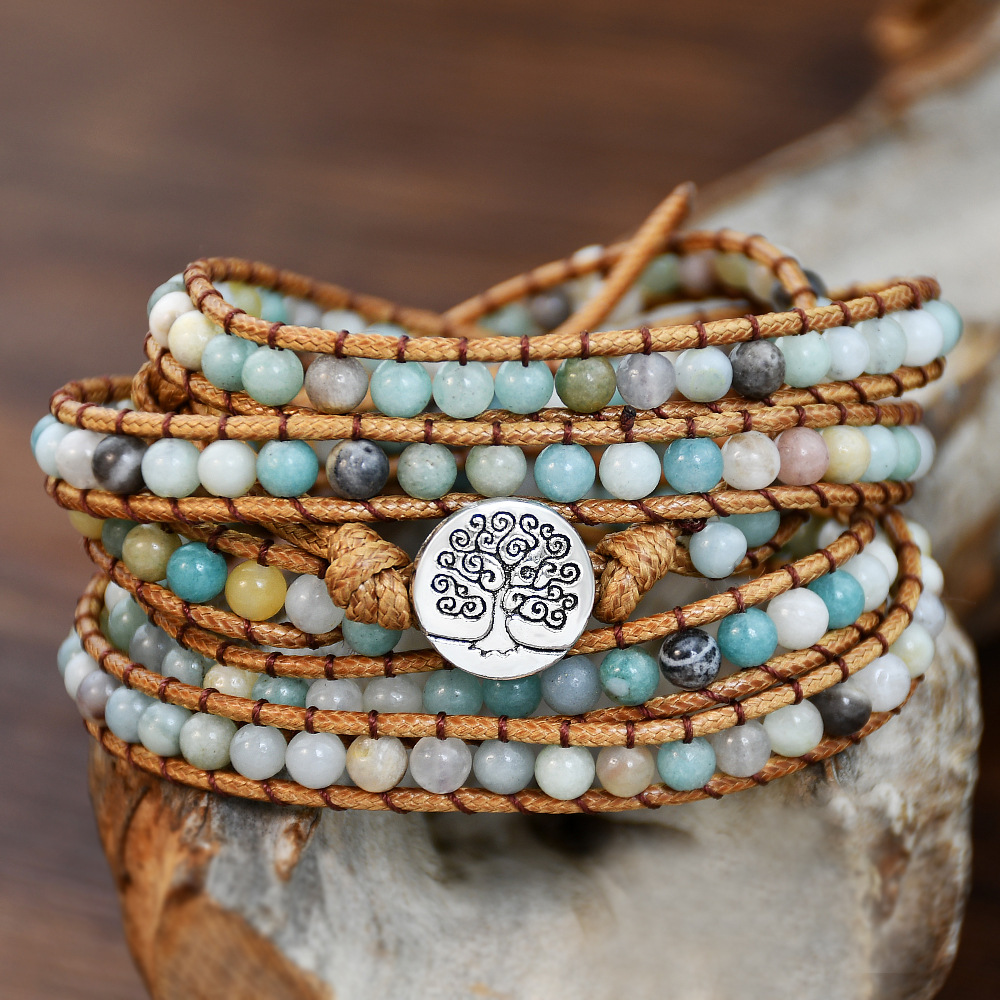
Bohemian Natural Amazon Stone Woven Wrap Bracelet With Tree of Life Charm Handmade 5-Layer Bead Strand Leather Rope Jewelry For Women Travel Daily
$6.76
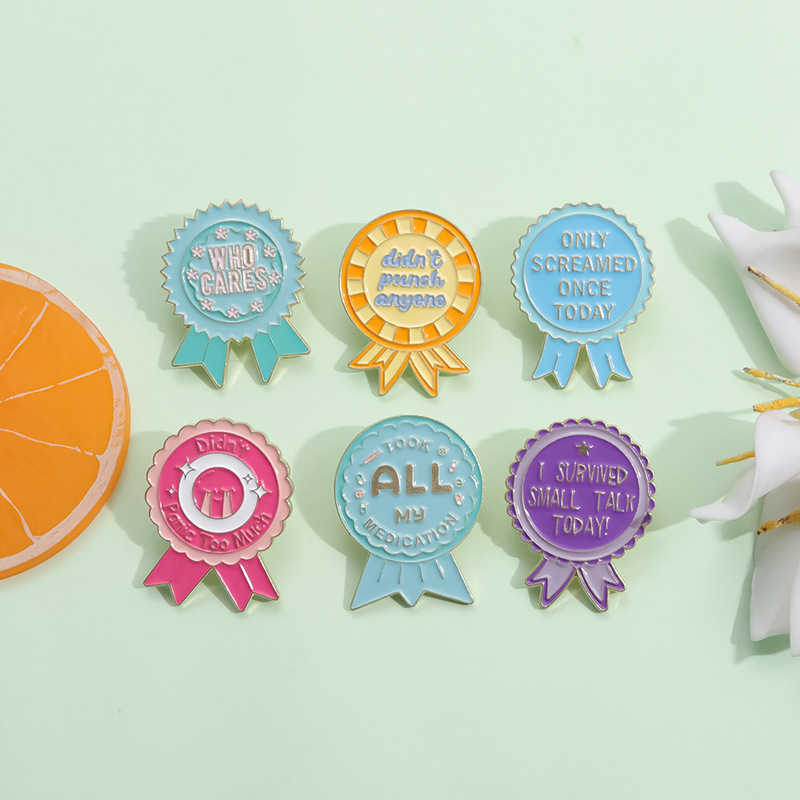
Funny Medal Enamel Pin Alloy Metal Badge With Humorous English Slogans Didn't Punch Anyone I Survived Small Talk Today Brooch For Backpack Clothing Jacket Accessory Men Women Jewelry Gift
$0.47
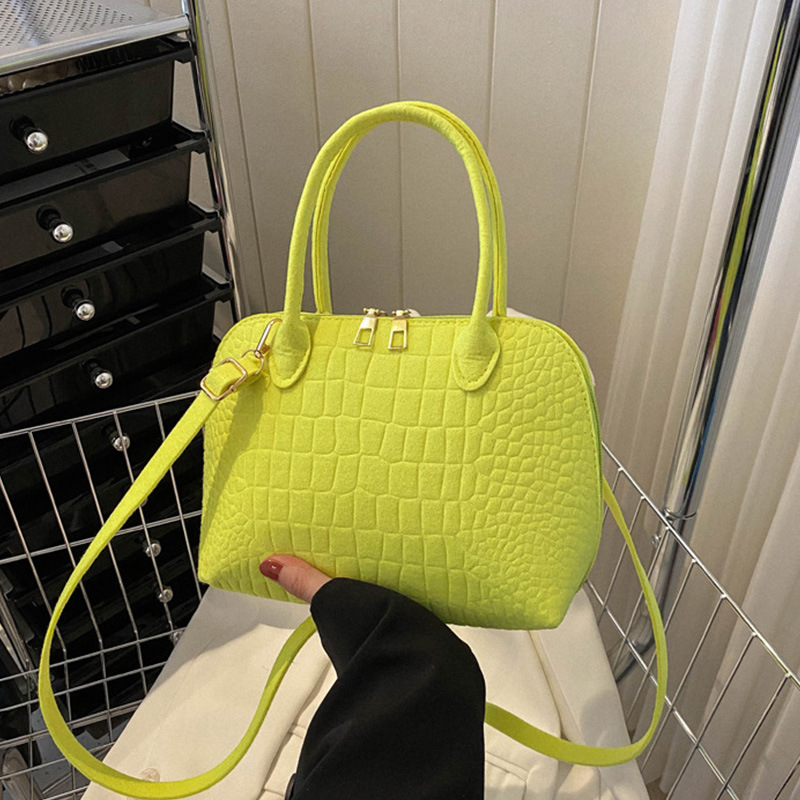
Fashion Felt Crocodile Embossed Shell Bag Women Small Handbag Crossbody Bag Luxury Textured Tote Bag With Top Handle Shoulder Strap For Daily Wear
$2.88
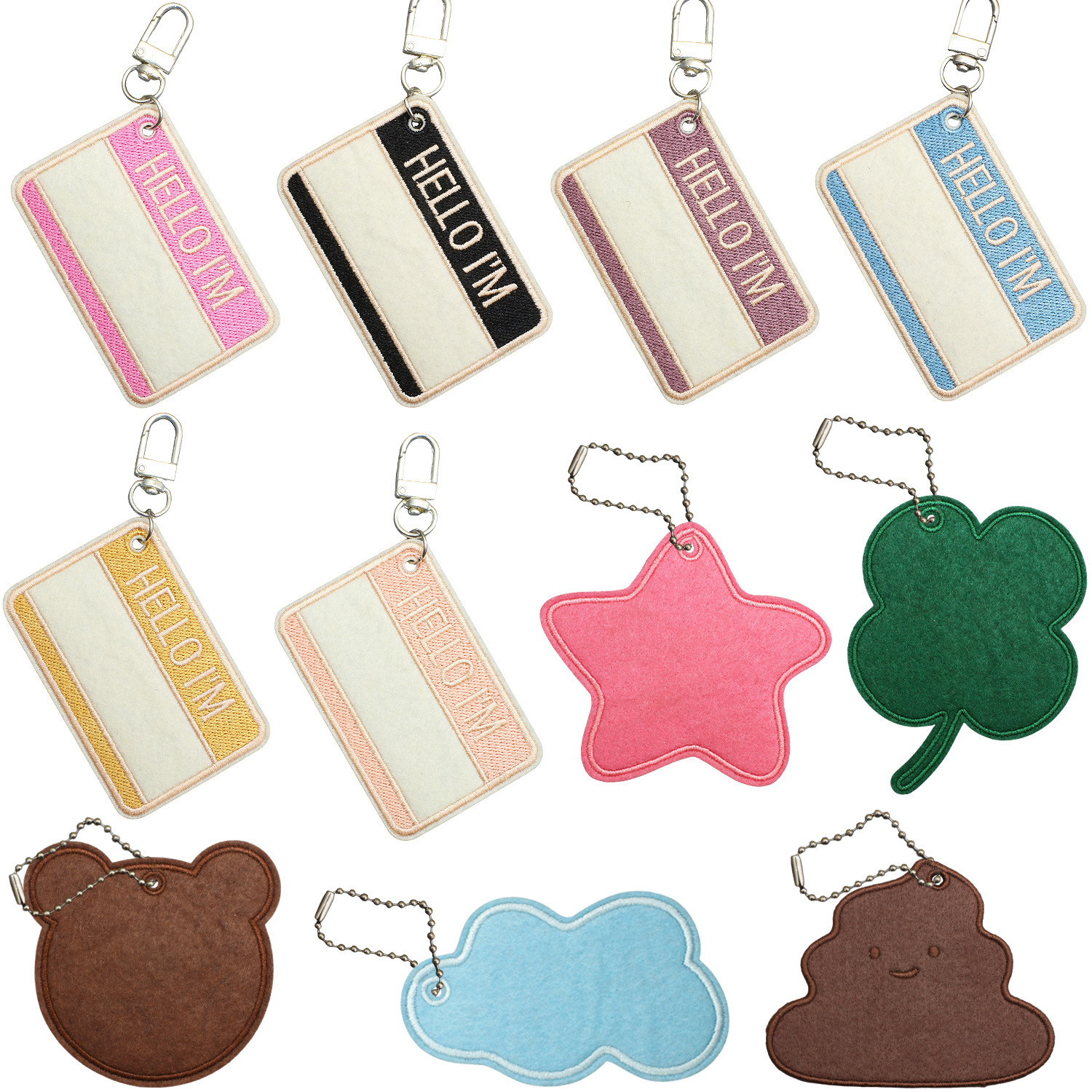
DIY Embroidered Felt Bag Charms Cute Bear Star Cloud Shape Name Tag Luggage Identification Label For Backpack Suitcase Handbag Hanging Decorations
$0.43
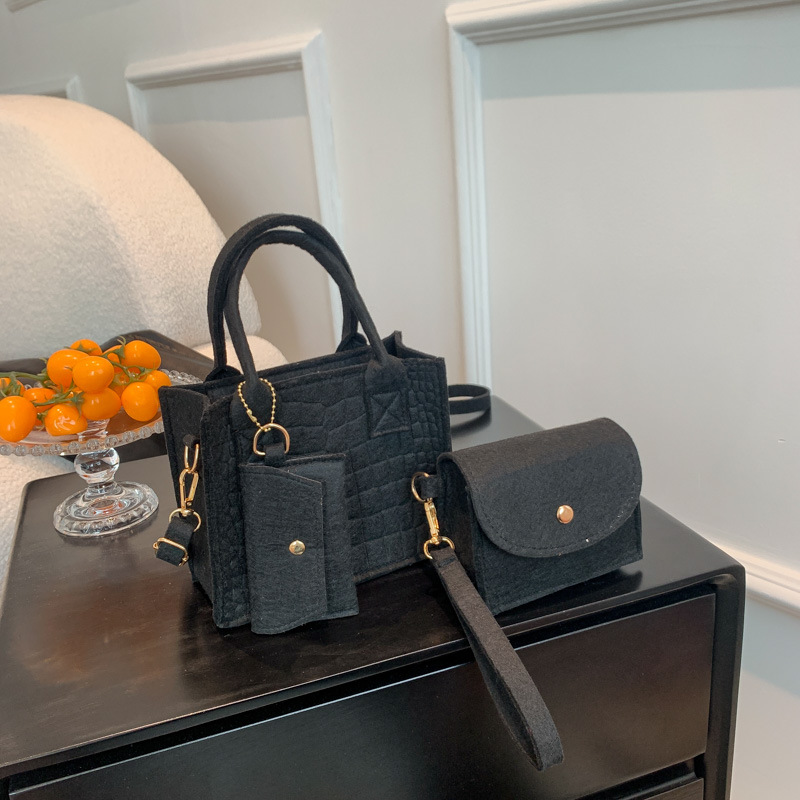
Fashion Crocodile Pattern Felt Women's Handbag 3-Piece Set Minimalist Small Square Shoulder Crossbody Bag Casual Commuter Tote With Coin Purse
$3.46
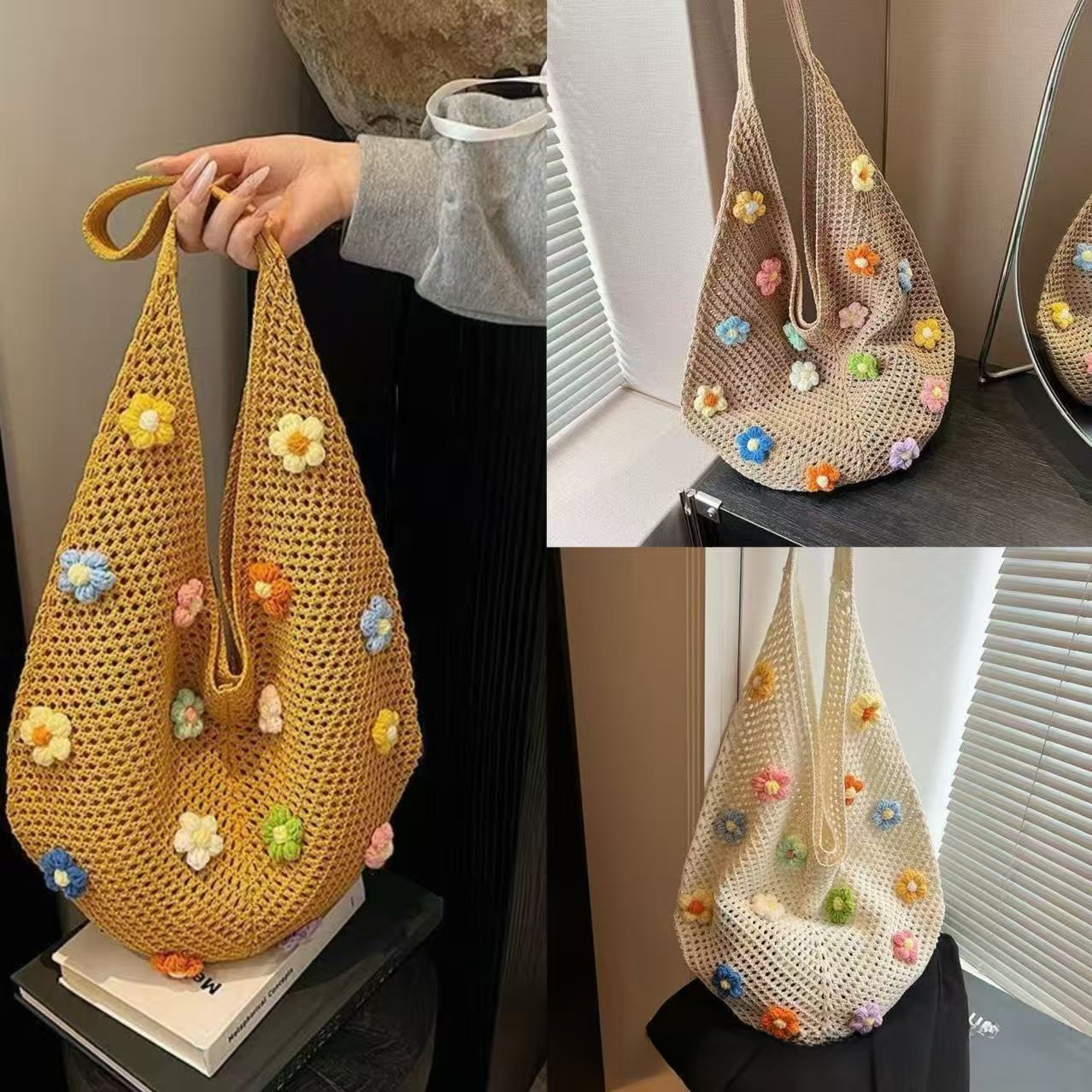
Retro Knitted Hollow Out Shoulder Bag Cotton Yarn Woven Tote Bag With 3D Floral Heart Pattern Large Capacity Summer Beach Travel Bag For Women
$2.19
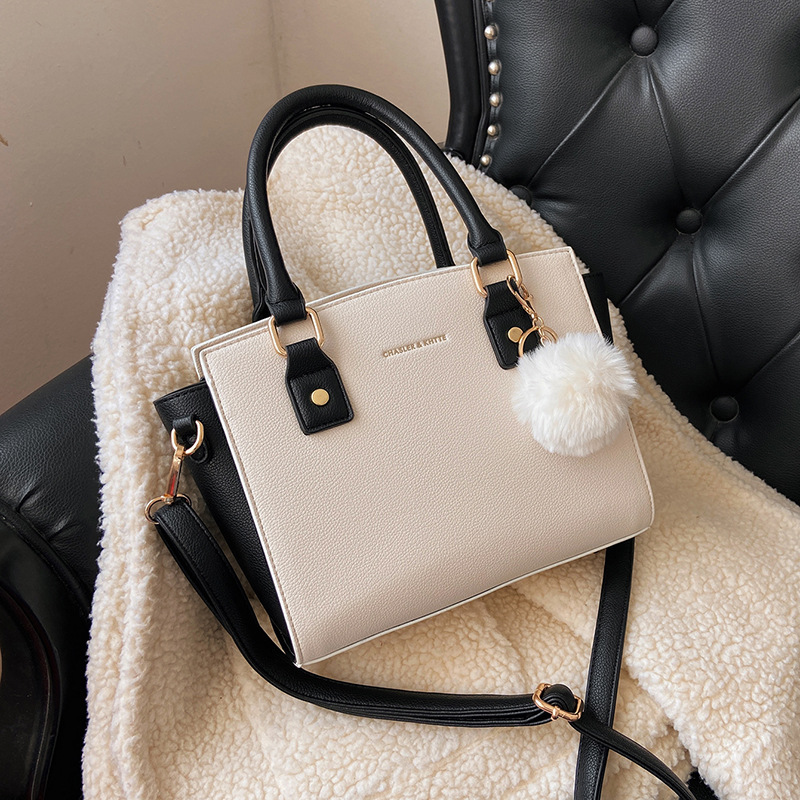
Fashion Women PU Leather Shoulder Bag Litchi Grain Contrast Color Handbag With Pom-pom Charm Metal Handle Adjustable Strap Casual Crossbody Bag
$10.68
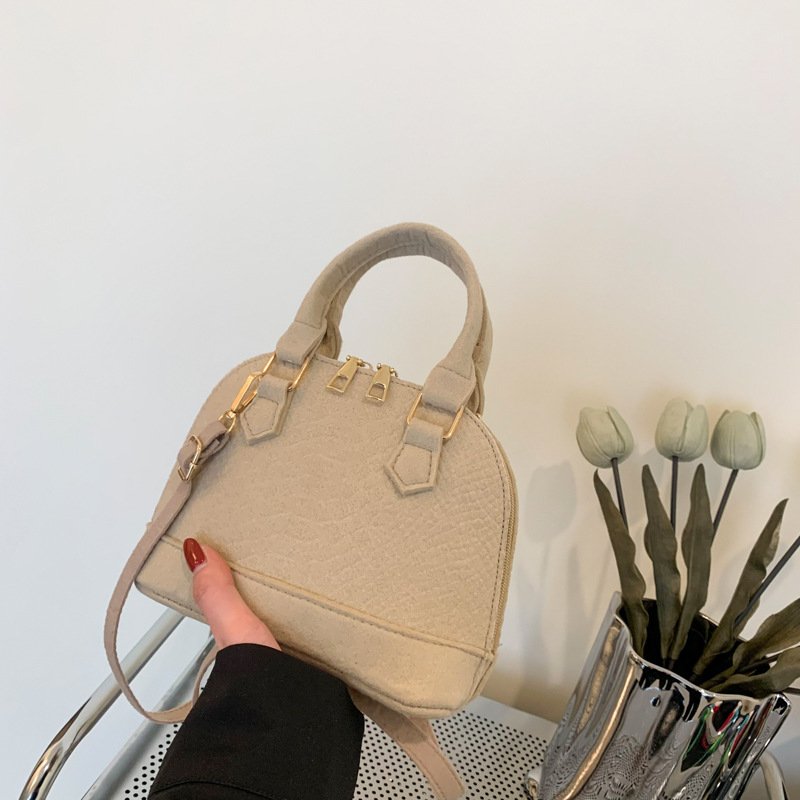
Fashion Women's Shell Shoulder Bag Vintage Embossed Crocodile Pattern PU Leather Crossbody Bag Small Handbag With Top Handle Adjustable Strap For Daily Use
$2.31
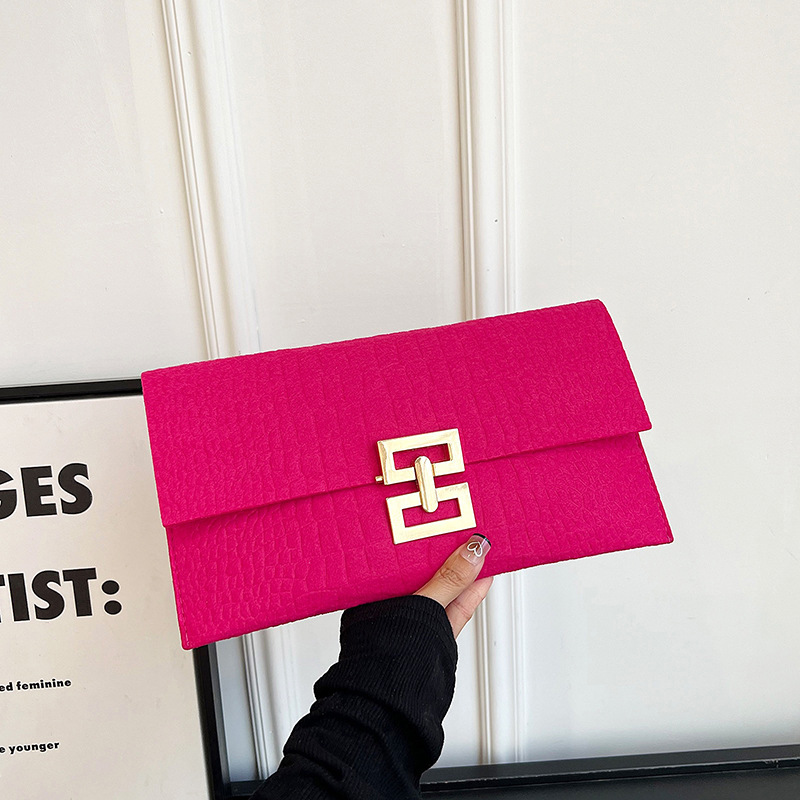
Women Fashion Crocodile Embossed Clutch Bag Large Capacity Envelope Handbag With Gold Geometric Metal Buckle Chic PU Leather Evening Party Bag Stylish Daily Bag For Ladies
$2.45
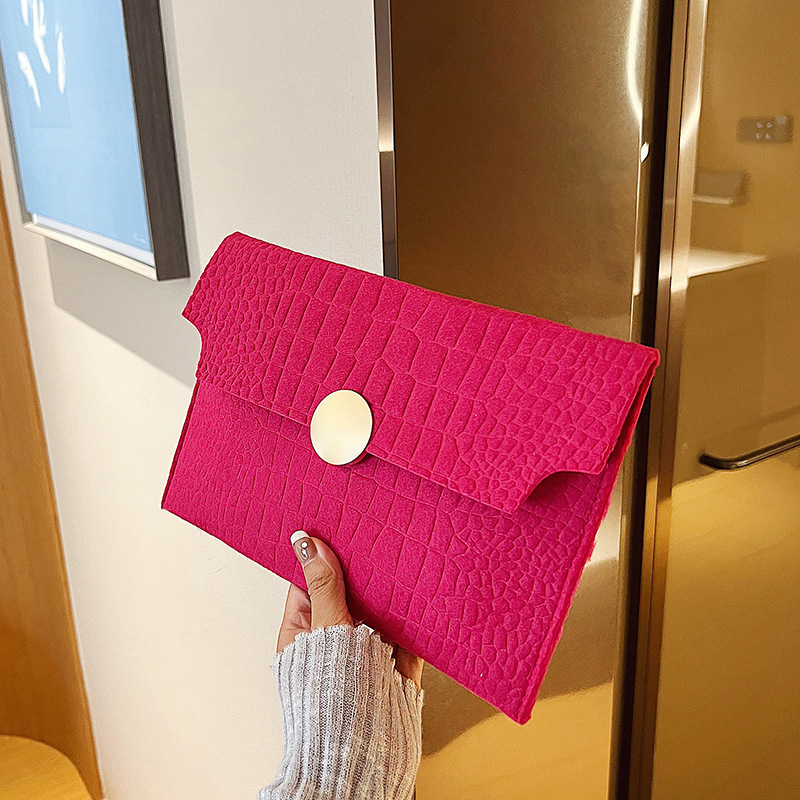
Women's Crocodile Embossed PU Leather Clutch Bag Fashion Minimalist Envelope Handbag With Golden Round Buckle For Daily Party Evening
$1.87
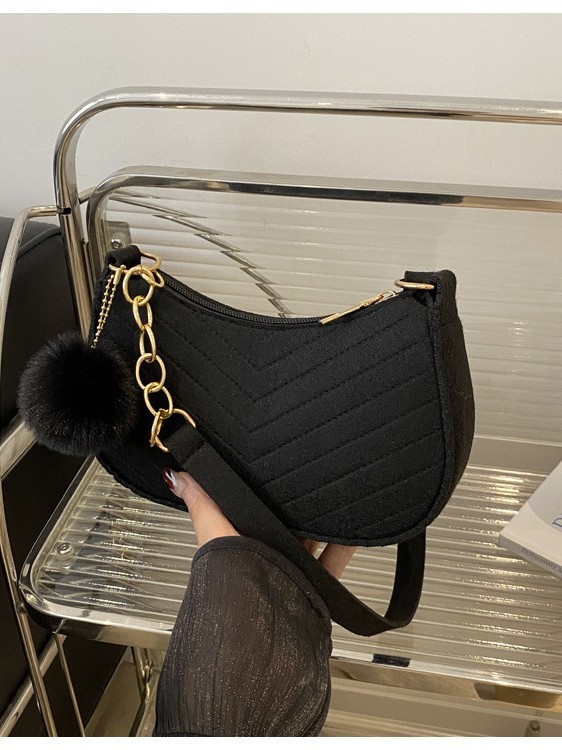
Women's Solid Color Felt Underarm Shoulder Bag With V-Shaped Quilting Gold Chain Hairball Pendant Winter Fashion Casual Small Square Crossbody Purse
$1.21
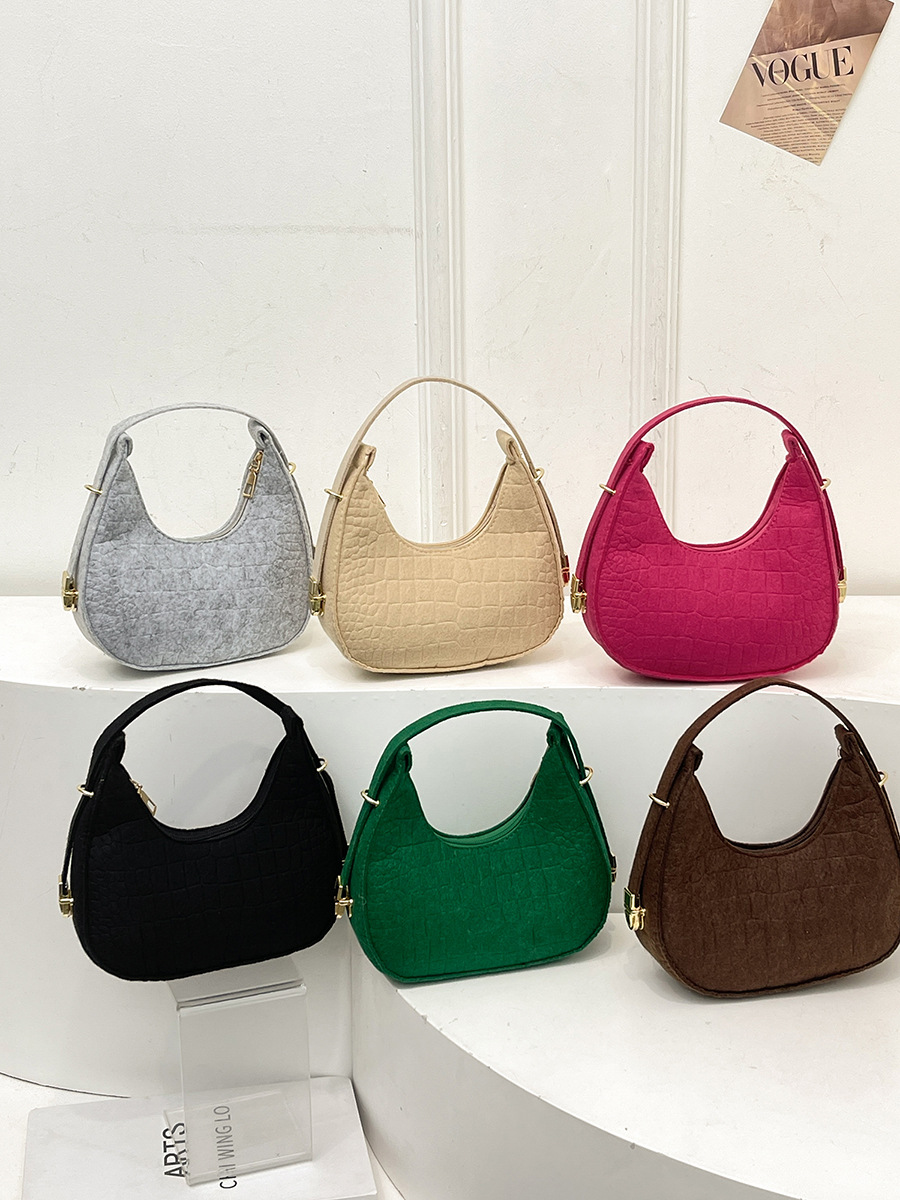
Women's Fashion Crocodile Pattern PU Leather Underarm Bag Felt Texture Half Moon Shoulder Handbag Casual Minimalist Dumpling Bag With Gold Hardware
$1.73
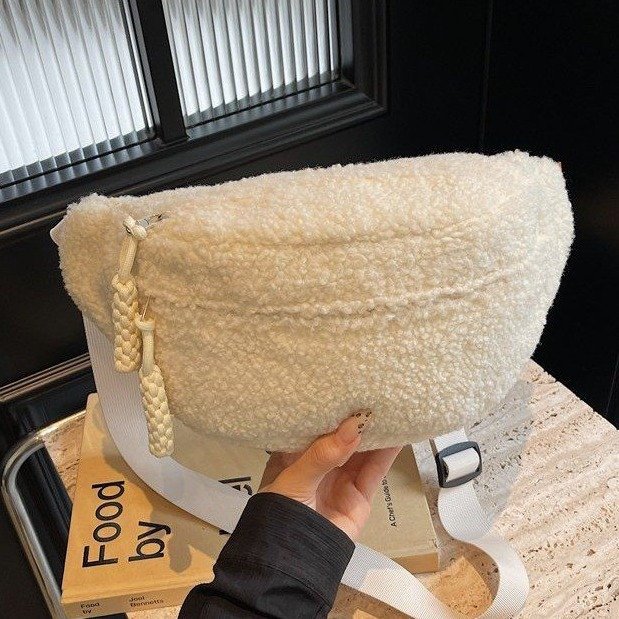
Women's Plush Chest Bag Soft Lamb Wool Waist Pack Minimalist Solid Color Functional Crossbody Shoulder Bag For Daily Travel Fashionable Fanny Pack With Adjustable Strap
$4.61
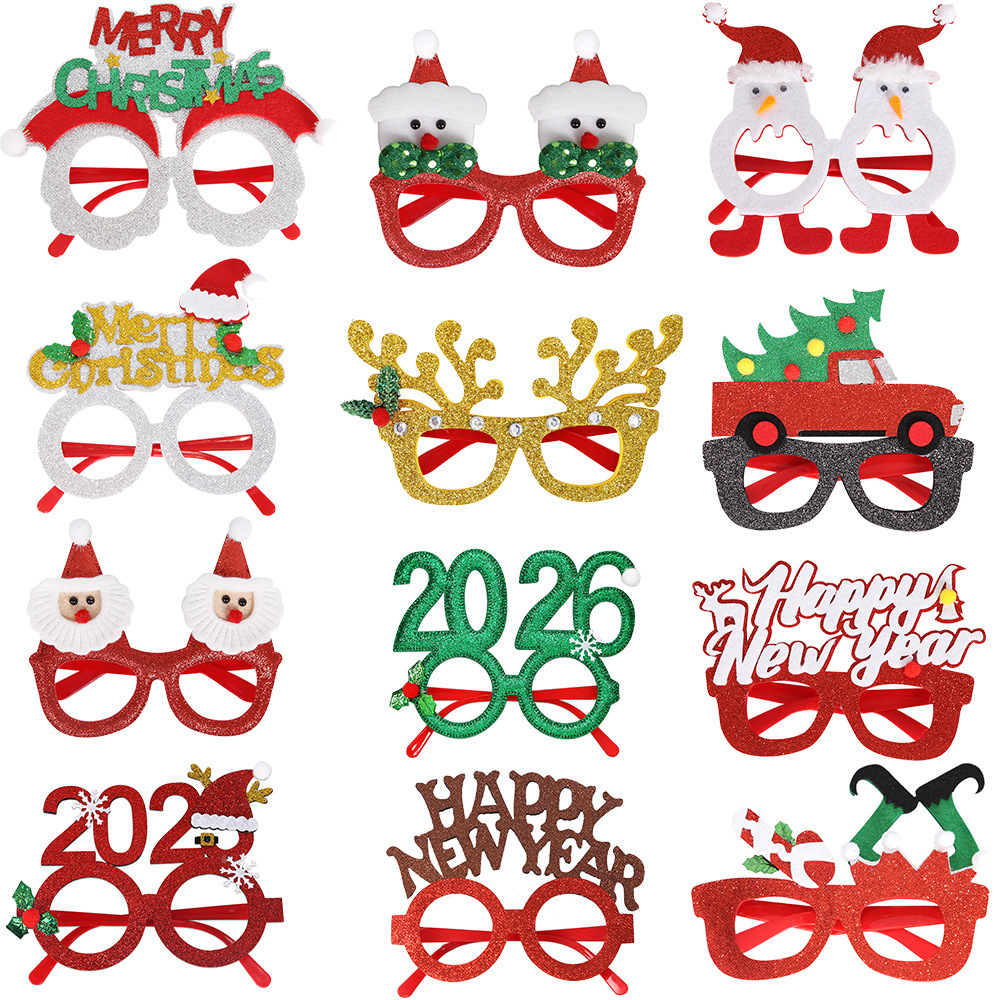
Christmas Party Decorative Glasses Frames Glitter Santa Claus Reindeer Antler Snowman Xmas Tree Novelty Eyewear For Holiday Celebration Costume Photo Props Kids Adults
$0.32

Christmas Party Glasses Frames Glitter Santa Claus Reindeer Snowman Decorative Eyewear For Xmas New Year Celebration Holiday Party Favors For Kids Adults
$0.58
Bundle Ideas for Testing Organic vs. Paid Channels
Bundling reduces per-unit shipping cost and lets you test which products have the strongest organic pull on Amazon. Use these bundles to create a 'control vs. experiment' A/B test across two listings.
Amazon Bestseller Starter
A new Amazon seller wants to test the ranking algorithm with 3 low-risk items that can be sold separately or together.
- Natural Lava Stone Tiger Eye 8mm Beaded Bracelethero
- Vintage Stainless Steel Open Adjustable Ringupsell
- Fashion Felt Crocodile Embossed Shell Bagcomplement
Buy individually: $0.27 + $3.46 + $2.88 = $6.61. Bundle at $5.99 saves $0.62 per set, enough to cover one extra ad click.
Christmas Seasonality Hedge
A seller wants to capture holiday demand but avoid holding season-specific inventory that won't rank after Dec 25.
- Christmas Socks Black And Green Stripedhero
- Christmas Party Decorative Glasses Framesupsell
- Christmas Party Glasses Frames Glitter Santa Clauscomplement
Individual: $1.44 + $0.32 + $0.58 = $2.34. Bundle at $1.99 gets you 15% margin improvement on a low-ASP seasonal SKU.
Ethnic Jewelry Amazon + TikTok Test
A seller with no Amazon rankings wants to use TikTok viral content to drive external traffic to an Amazon listing and test if off-platform signals boost organic rank.
- Natural Amazon Stone Evil Eye Beaded Bracelethero
- Bohemian Natural Amazon Stone Woven Wrap Braceletupsell
- DIY Embroidered Felt Bag Charms Cute Bear Starcomplement
Separate total: $1.18 + $6.76 + $0.43 = $8.37. Bundle at $7.49 leaves margin for TikTok influencer product seeding.
Crocodile Texture Trend Bundle
Existing Amazon seller doubling down on a trending pattern (crocodile emboss) to see if visual consistency improves CTR and ranking.
- Women's Shell Shoulder Bag Vintage Embossed Crocodile Patternhero
- Women's Fashion Crocodile Pattern PU Leather Underarm Bagupsell
- Women Fashion Crocodile Embossed Clutch Bag Large Capacitycomplement
Individually: $2.31 + $1.73 + $2.45 = $6.49. Bundle at $5.89 per set, ideal for FBA small-and-light tier.