
Trend Report · May 17, 2026
Bought a Bale of Vintage Clothing? Here's What to Expect
One reseller's $1k-4k gamble on a 1000lb bale of clothing. Learn the pattern, avoid regret, and how to sell accessories alongside vintage finds.
Have you ever bought a bale of clothing? If so, how much regret did you have?
Three years of dreaming ended with a single purchase: a bale of clothing weighing 1,000 lbs, costing between $1,000 and $4,000 depending on grade. The buyer — a reseller with 12 years of experience sourcing from nearly every channel — had never operated at this level. The question they posed to the community became the inflection point: 'How much regret did you have?' That post captured a universal tension in wholesale buying — the leap from curated sourcing to bulk, unsorted inventory. For every operator who has stared at a pallet or a bale and wondered if the math works, this story resonates.
The bale cannot be specified as only vintage. It contains both vintage and modern pieces, forcing the buyer to sort, grade, and price a mixed stream. The upfront commitment — $1,000 to $4,000 for a ton of fabric — means the margin depends entirely on downstream sorting speed and sales channel efficiency. There is no middleman to absorb the risk; the bale buyer is the first and last filter. This is not a purchasing decision for the faint of budget or the light on storage space.
What makes this trend newsworthy is not the vintage niche itself but the operational shift it signals: experienced resellers are willing to accept higher variance in product mix in exchange for lower per-unit cost. The bale model challenges the assumption that curation must happen before purchase. For wholesale buyers on platforms like DayJewel, the lesson is clear — sometimes the biggest margins come from the messiest inventory, provided you have a system to sort, price, and sell the pieces you didn't expect.
Why Bulk Unsorted Lots Are Becoming a Replicable Pattern
The pattern that emerges from this story is transferable beyond vintage clothing. Any wholesale buyer can apply the same logic to accessories, jewelry, or general merchandise: buy a large unsorted lot at a steep discount, sort by category and quality, then sell individual items at a premium. The key variable is sorting throughput — how many units you can grade and list per hour. In this case, 1,000 lbs of clothing might yield 2,000 to 4,000 items. If you can sort 100 items per hour, you're looking at 20 to 40 hours of labor before the first sale. That time cost must be baked into your margin calculation.
The second insight is channel diversification. The bale buyer has run sales through eBay, Poshmark, fleamarkets, and Instagram over 12 years. An unsorted bale demands multiple outlets because one channel won't absorb the mix. Vintage pieces go to Etsy; modern basics to eBay; damaged items to rag buyers. The same principle applies to accessory wholesalers: a single bale of mixed jewelry might contain gold-tone, enamel, and resin pieces. You need a Shopify store for curated sets, a flea market table for bulk bins, and a TikTok shop for the oddball pieces that go viral. The bale buyer's regret is minimized when each channel has a role.
Finally, the financial buffer required is explicit. At $1,000 to $4,000 per bale, the buyer needs at least $5,000 in working capital to absorb sorting lag and slow-moving stock. The replicable pattern is not 'buy a bale' — it is 'have the labor, channels, and capital ready before you touch a bale.' For new entrepreneurs, starting with smaller curated lots from DayJewel's catalog provides the same learning curve without the freight-weight risk.
Who Should Try This Pattern
This pattern fits operators who already have a sales velocity system in place — not beginners who are still learning listing workflows. The bale model amplifies both speed and risk. The profiles below are best positioned to replicate the pattern without drowning in unsorted inventory.
Shopify seller
Already has product photography workflow, listing templates, and a customer base that tolerates vintage mixes. Can sort bale items into collections and test pricing quickly.
Fleamarket / pop-up stall operator
Can move unsorted inventory via $1-$5 bins. The bale's modern pieces sell fast at low touch, while vintage goes to higher-margin racks.
Etsy vintage curator
Has an eye for the 10-20% of bale items that are true vintage. Can cherry-pick and leave the rest for bulk channels. Low overhead, high selectivity.
What Happened
After three years of dreaming about opening a vintage clothing shop, a reseller with 12 years of experience finally pulled the trigger. They had sourced from estate sales, thrift stores, online auctions, and wholesale suppliers — but never at this level. A local connection offered a bale of clothing: roughly 1,000 pounds of mixed garments, priced between $1,000 and $4,000 depending on the grade. The catch? There was no way to specify only vintage. The bale would contain modern pieces alongside the sought-after vintage stock. The buyer posted their story to a reselling community, asking if anyone had bought clothing specifically at this level and how much regret they had experienced. The question itself became the signal: even a seasoned reseller was unsure about the math on this deal.
The Replicable Pattern
Sorting speed determines profit — not the bale price.
Evidence: The reseller had never bought at this level despite 12 years of sourcing. The bottleneck is processing time, not capital. A $1,000 bale can yield $8,000 in revenue if sorted and listed in days, or $2,000 if it sits for months.
Diversified channels absorb mixed inventory.
Evidence: The bale contains both vintage and modern. No single channel can sell both efficiently. The reseller's experience across eBay, Poshmark, and flea markets is the safety net that turns a mixed bale into profit.
Uncertainty about contents is the biggest regret driver.
Evidence: The seller regrets not knowing the vintage-to-modern ratio before buying. The uncertainty is structural — it cannot be eliminated, only managed by setting a lower price expectation per unit and planning for 70% modern.
How to Sell Bale Clothing and Accessories for Maximum Profit
The bale buyer's success depends on three sequential moves: sort fast, price by channel, and bundle with accessories. Sorting should happen within 48 hours of delivery. Use a three-bin system — vintage, modern, and damaged. Vintage goes to Etsy or Instagram at $15-$40 per item. Modern goes to eBay or flea markets at $3-$8. Damaged goes to a rag buyer who pays by the pound. Do not hold pieces hoping they'll become vintage later — cash flow matters more than speculation. Accessories from DayJewel serve as the profit multiplier. When you bundle a vintage dress with a brooch like the Elegant Red Rose (product 169536 at $1.83 wholesale), you increase the order value by 10-15% while adding zero sorting labor. The pin already has a set price and photo — just drop it in the package. This is the most capital-efficient way to extract more revenue from your existing bale inventory. Finally, use time-boxed pricing. The first week, list all vintage at full price. After week two, discount by 20% and move to cross-channel promotion. After month one, batch modern pieces into mystery boxes or grab bags. The bale is not a set of SKUs to hold — it is a raw material that depreciates daily.
Target the top 20% of bale items that are truly vintage. Style them with DayJewel brooches like the Vintage Route 66 Brooch (product 162620) in photo shoots. Price vintage dresses at $25-$45, accessories at $5-$8. List only 1-2 per day to avoid shop saturation.
⚠ Etsy's algorithm heavily favors shops with recent sales. If you list too many similar items at once, your visibility drops.
Film a 'bale unboxing' video showing the sorting process, then offer a 'pick one from the pile' LIVE sale. Pair each clothing item with a pin from DayJewel as a free gift for orders over $20. Use product 59478 (LGBTQ+ Pride Pin) or 59753 (Colorful Animal Brooch) as low-cost incentives.
⚠ Returns and disputes are higher on TikTok Shop because customers buy impulsively and sometimes regret. Keep accessory gifts cheap enough that you don't cry if the whole order returns.
Set up a 'by the pound' bin for modern bale clothing at $2/lb. Have a second table of DayJewel hair clips (product 55000 ponytail buckle, $0.84) and scrunchies (product 53292, $1.44) at $1 each. The fast cash from the bin offsets the slower vintage sales.
⚠ Weather and foot traffic are unpredictable. If it rains, you're stuck with a car full of bale inventory. Always have a secondary online listing ready to go.
Accessories to Pair with Vintage Finds
Once your bale clothing is sorted, adding accessories like brooches, hair clips, and pins increases average order value without adding sorting complexity. These items ship cheap, store flat, and appeal to the same customer who buys vintage dresses or denim jackets. DayJewel's catalog offers a range of enamel pins, hair accessories, and statement brooches that complement any vintage inventory mix.
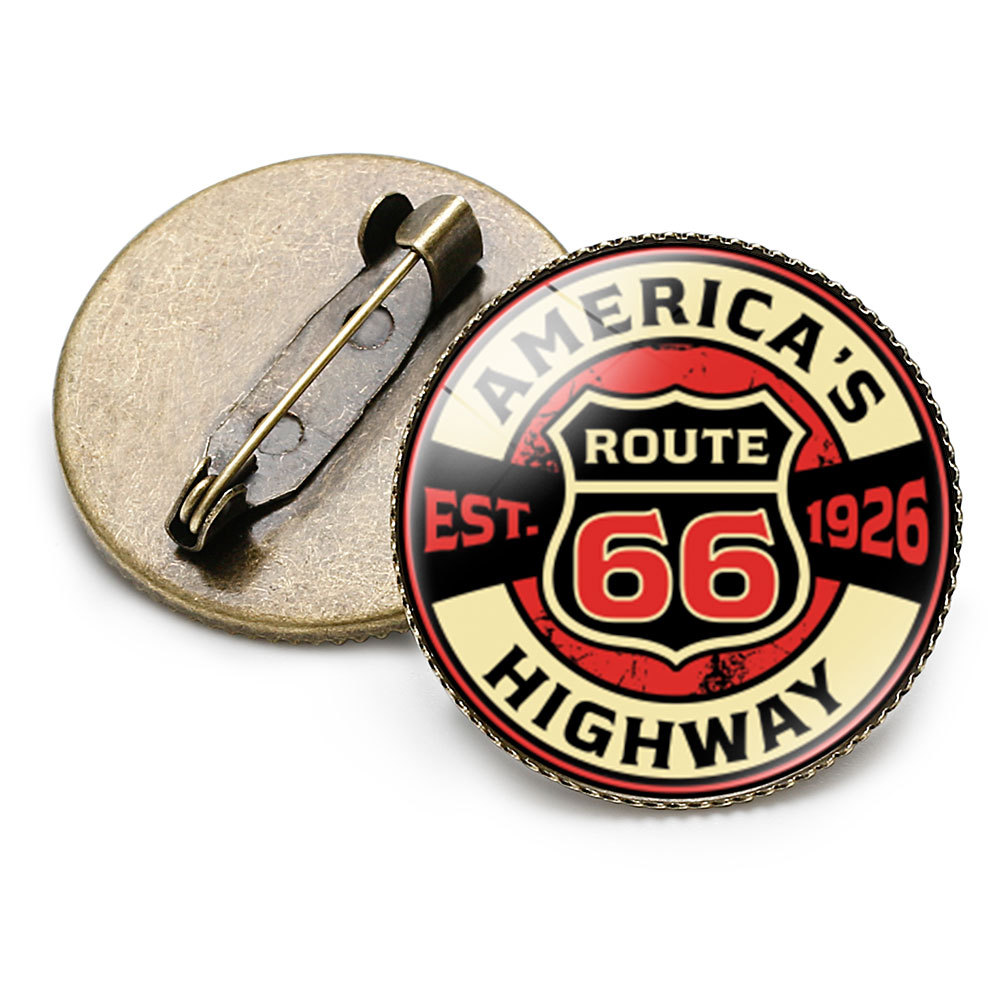
Vintage Route 66 American Highway Glass Dome Brooch Retro Bronze Alloy Pin Badge For Clothing Bag Hat Decoration Unisex Punk Accessories
$0.34
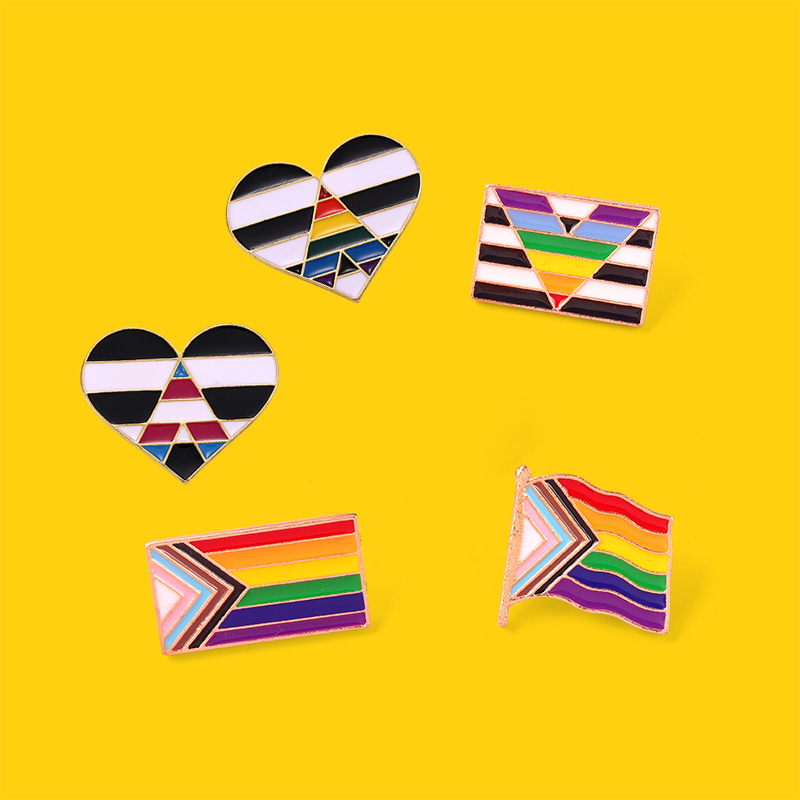
LGBTQ+ Pride Enamel Pins Progress Rainbow Flag Heart Shape Metal Brooches Alloy Badge Jewelry For Backpacks Clothing Decoration Unisex Gift
$0.47
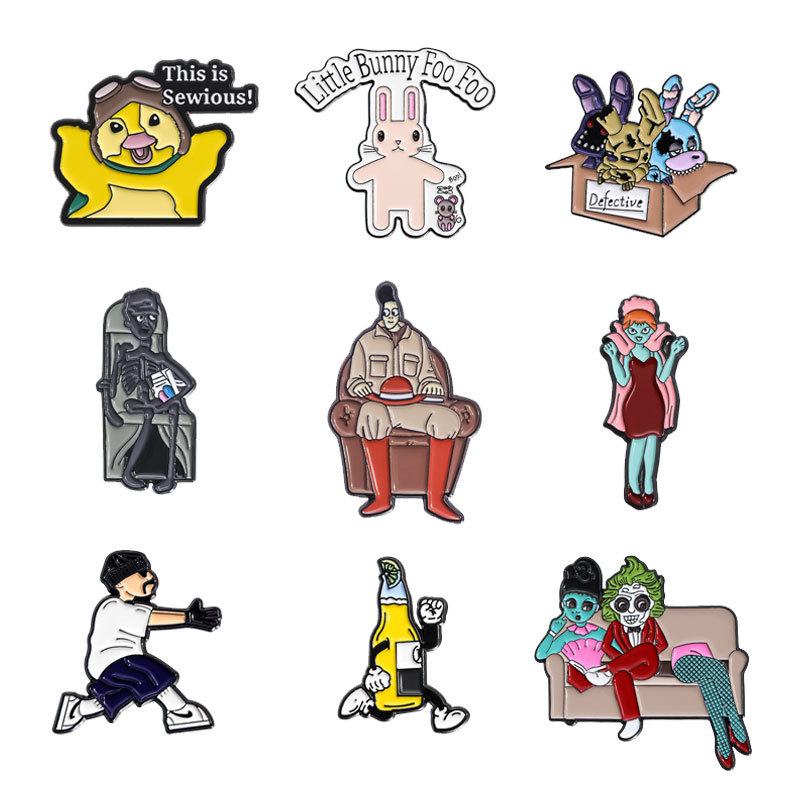
Cartoon Enamel Lapel Pin Set Zinc Alloy Metal Brooches For Backpack Clothing Jackets Decorative Badges For Men Women Teens Accessories
$0.39
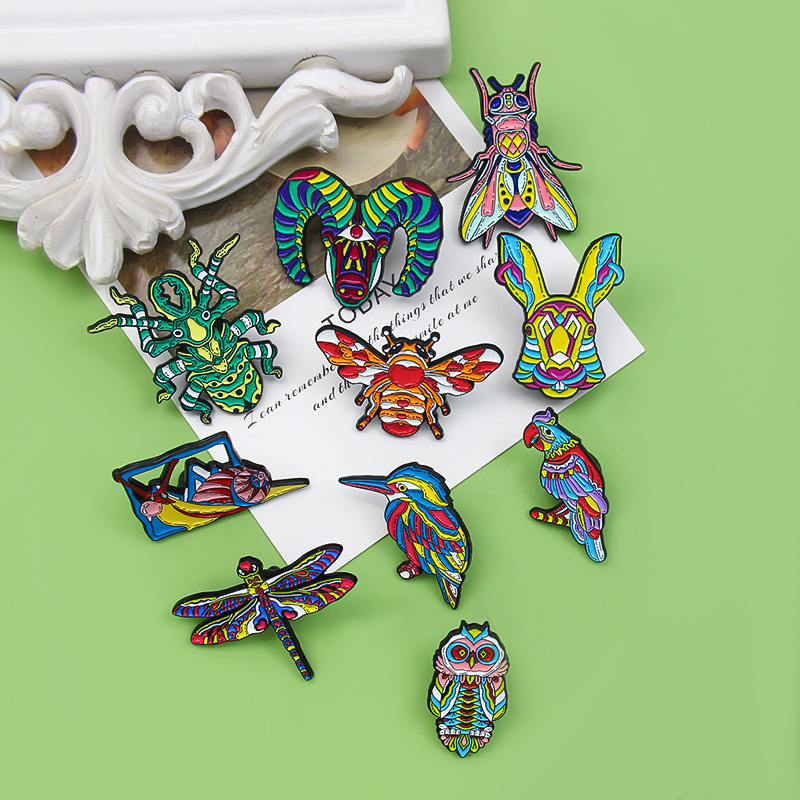
Colorful Animal Enamel Brooch Alloy Baking Varnish Lapel Pins Sheep Owl Rabbit Dragonfly Kingfisher Snail Jewelry Clothing Accessories Men Women Gift
$0.79
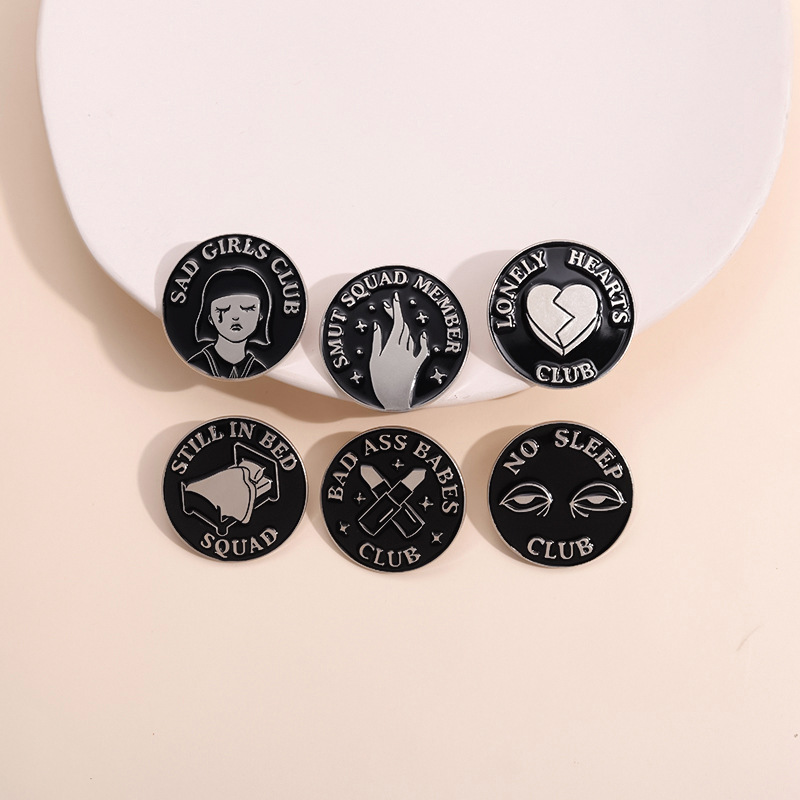
Round Black Enamel Metal Brooch Pins Funny Sad Girls Club Smut Squad Member Badges For Backpack Jacket Clothing Accessories Unisex Gift
$0.42
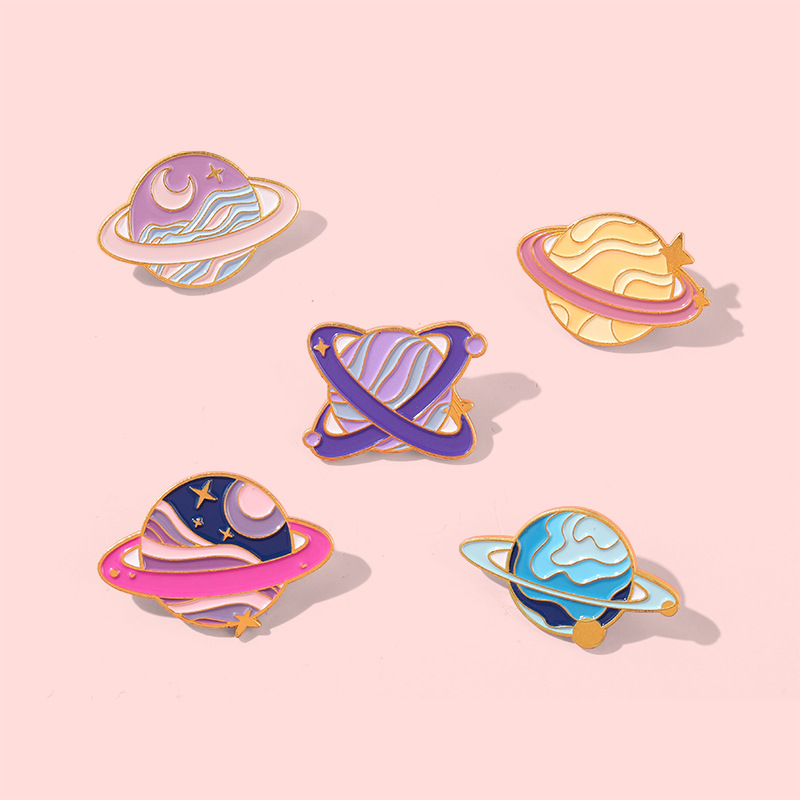
Colorful Planet Enamel Pin Set Cartoon Galaxy Universe Space Saturn Brooches Alloy Enamel Metal Badge For Clothing Backpack Scarf Decoration Unisex Accessory
$0.45
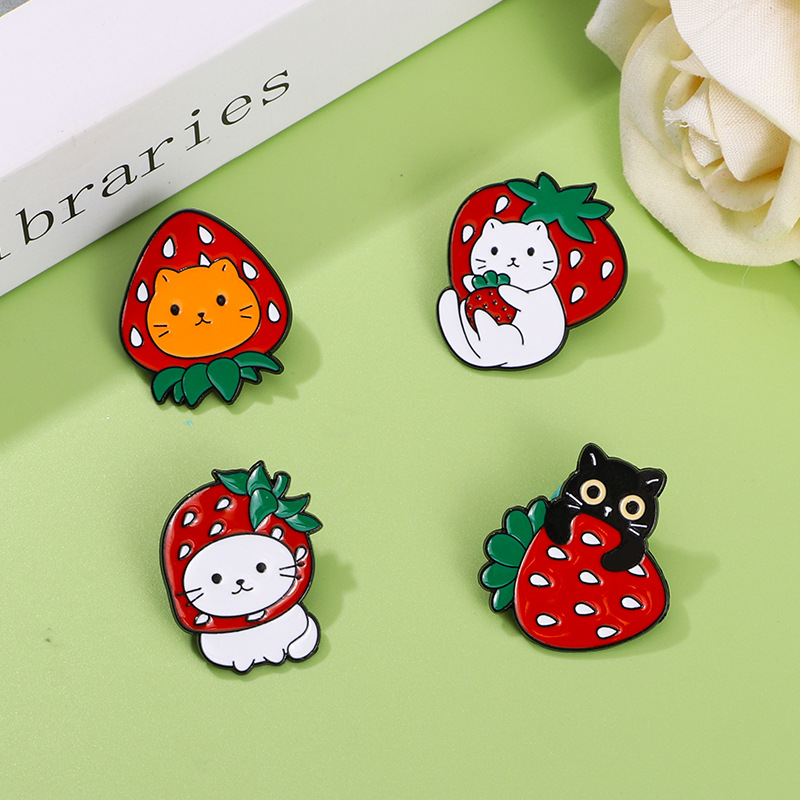
Cute Cartoon Cat Strawberry Enamel Pin Set Alloy Drip Oil Brooch For Backpack Clothing Jacket Decoration Gift For Cat Lovers Women Kids
$0.42
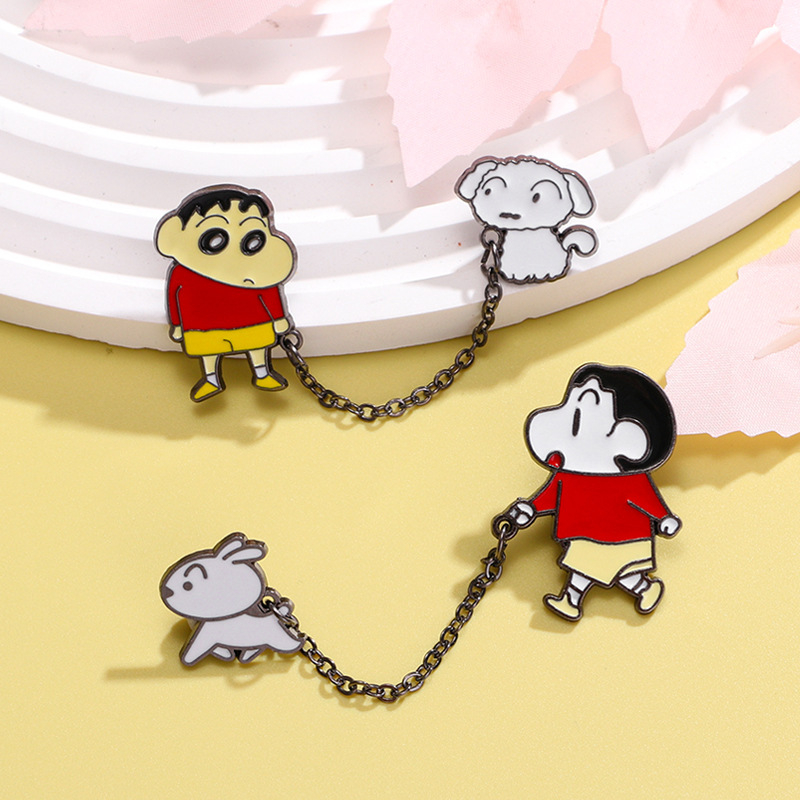
Cartoon Character Enamel Brooch Pin Set Alloy Drip Oil Animal Shape With Link Chain Clothing Bag Decoration Badge For Students Women Men Accessories
$0.31
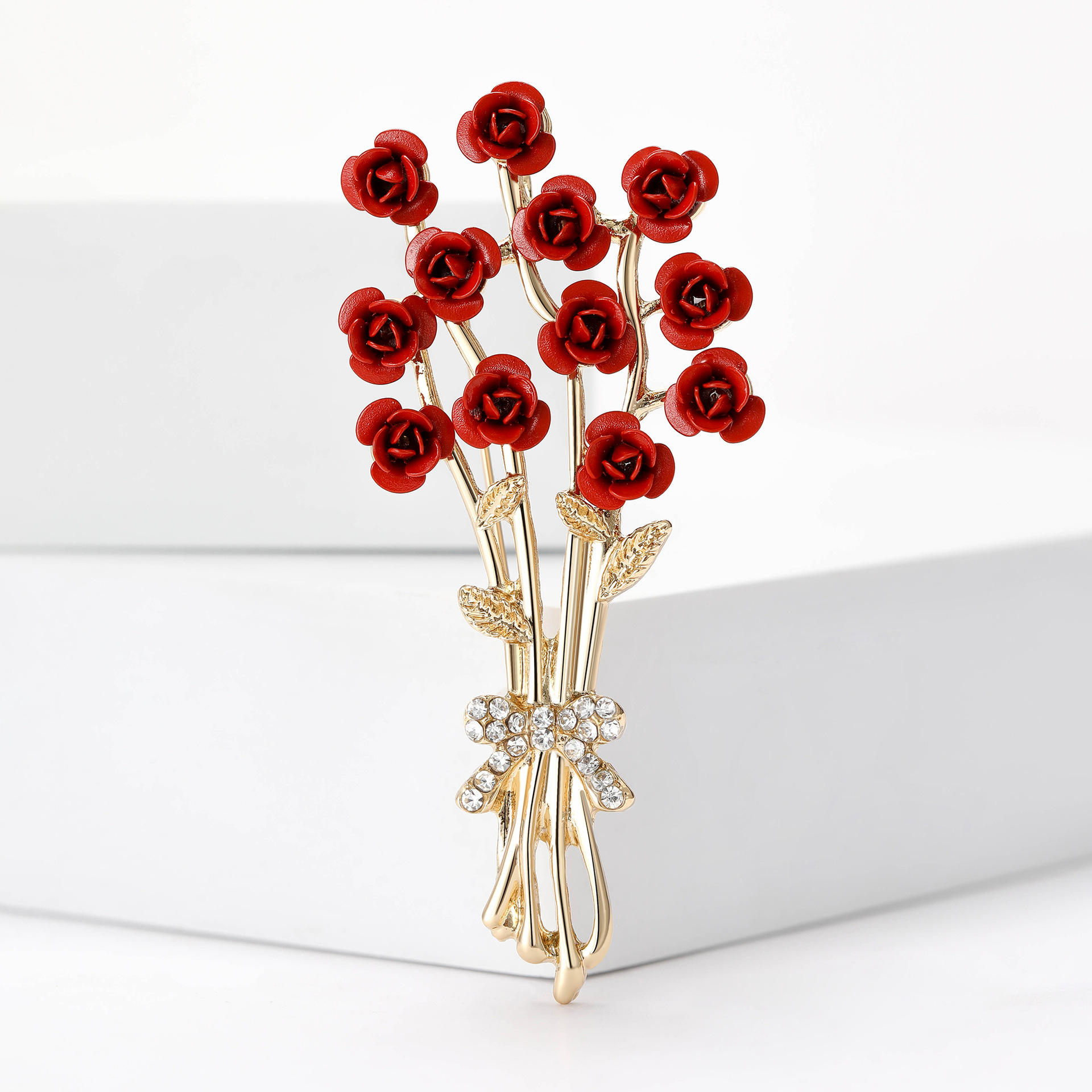
Elegant Red Rose Flower Brooch For Women Gold Plated Alloy Enamel Rhinestone Bowknot Bouquet Pin Fashion Clothing Accessories For Party Wedding Mother's Day Gift
$1.83
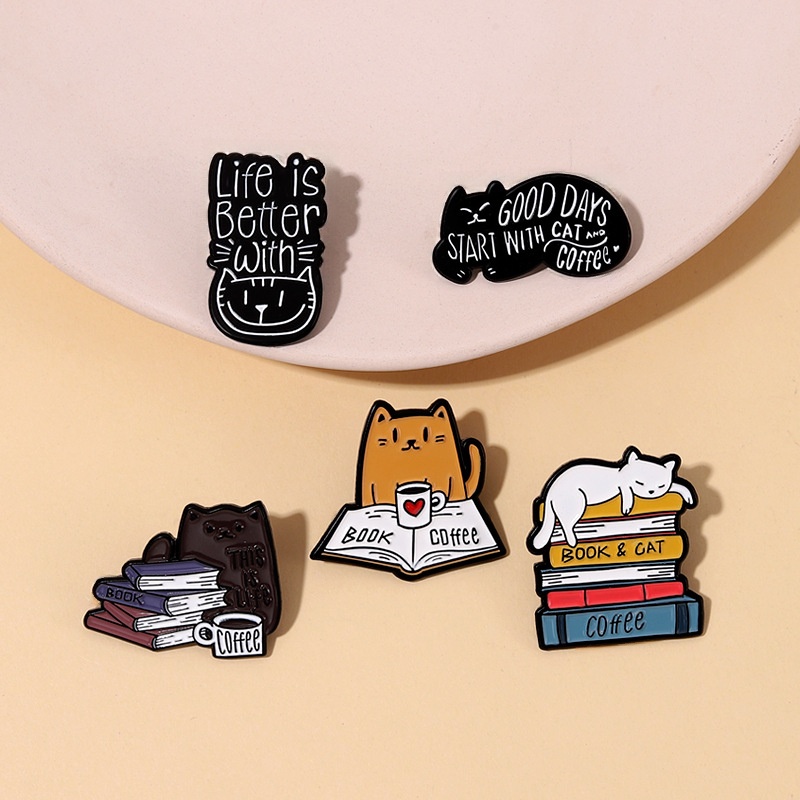
Cute Cartoon Cat Book Enamel Brooch Pin Set Alloy Animal Reading Coffee Lapel Pins For Backpack Clothing Accessories Gift For Cat Lovers Women Men
$0.42
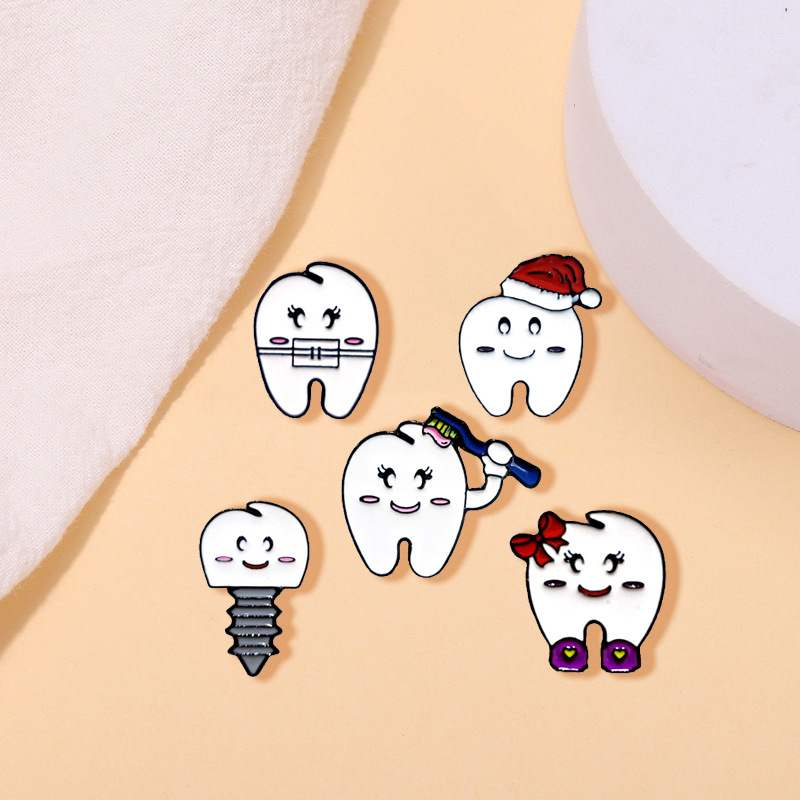
Creative Cartoon Tooth Enamel Brooch Pins Set Funny Dental Braces Brushing Graduation Christmas Teeth Badges Medical Jewelry Gifts for Dentists Nurses Kids Backpack Clothing Accessories
$0.47
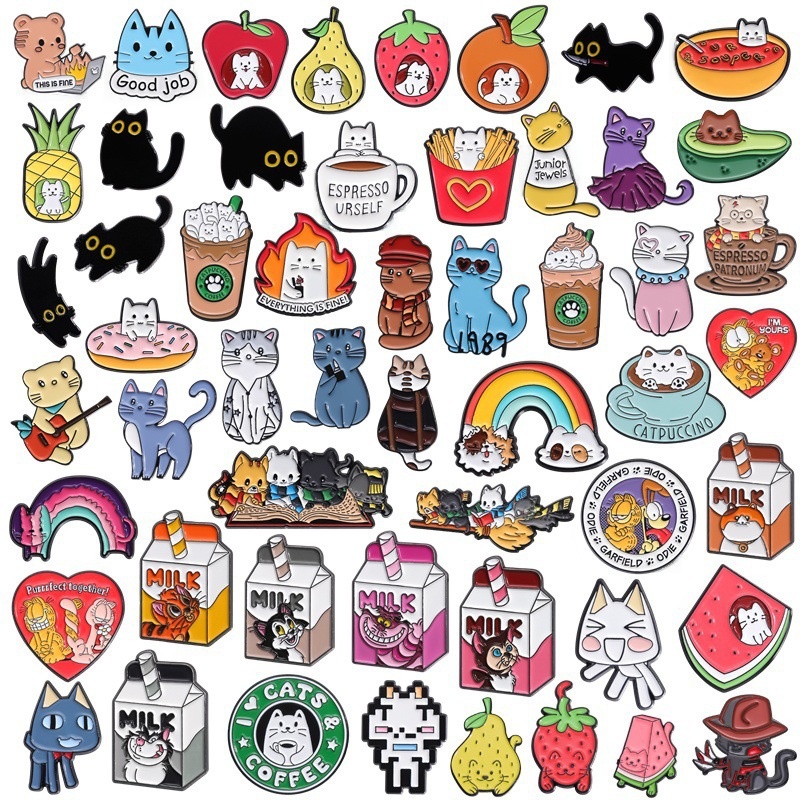
Creative Cartoon Enamel Cat Brooches Set Alloy Fruit Milk Box Coffee Cup Shape Badges For Backpack Clothing Pins Accessories Cute Animal Jewelry For Kids Adults Gifts
$0.45
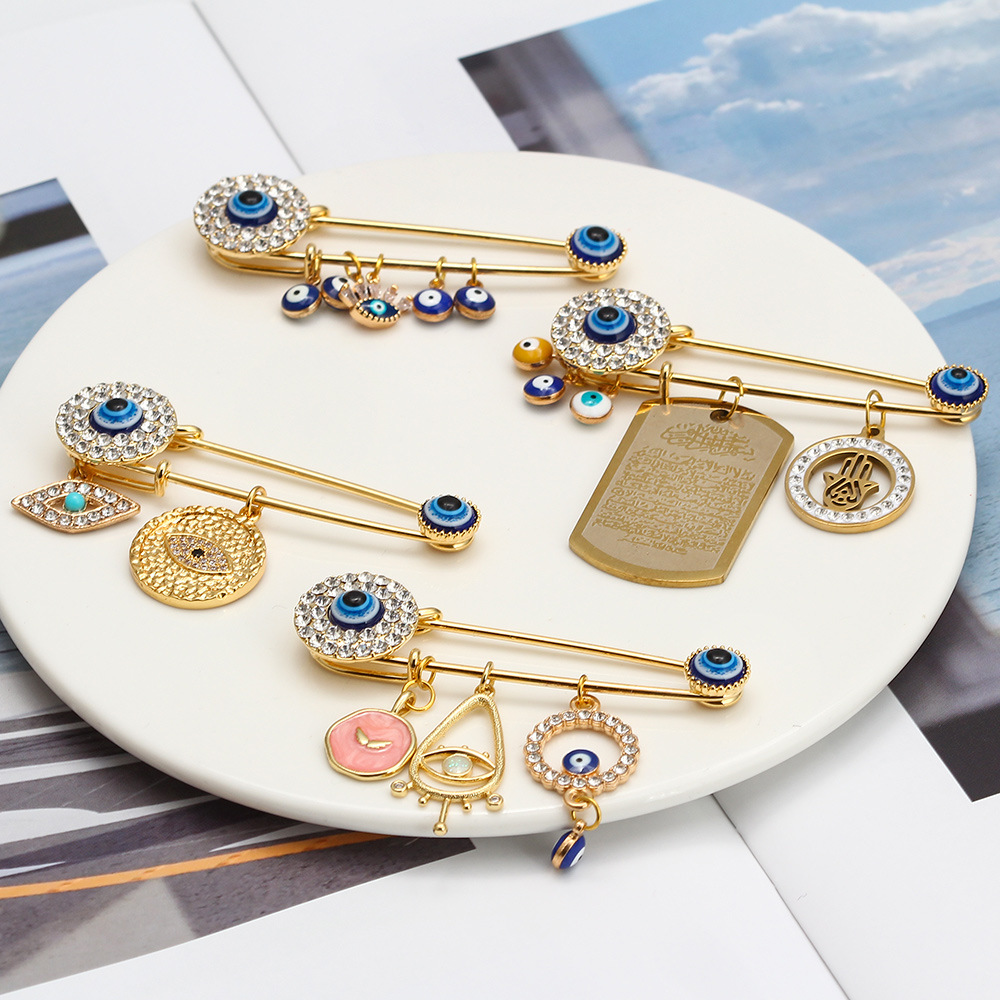
Evil Eye Hamsa Hand Safety Pin Brooch Alloy Rhinestone Enamel Talisman Jewelry For Women Men Clothing Accessories Bohemian Charms Pin For Daily Wear Party Wedding Decor
$2.10
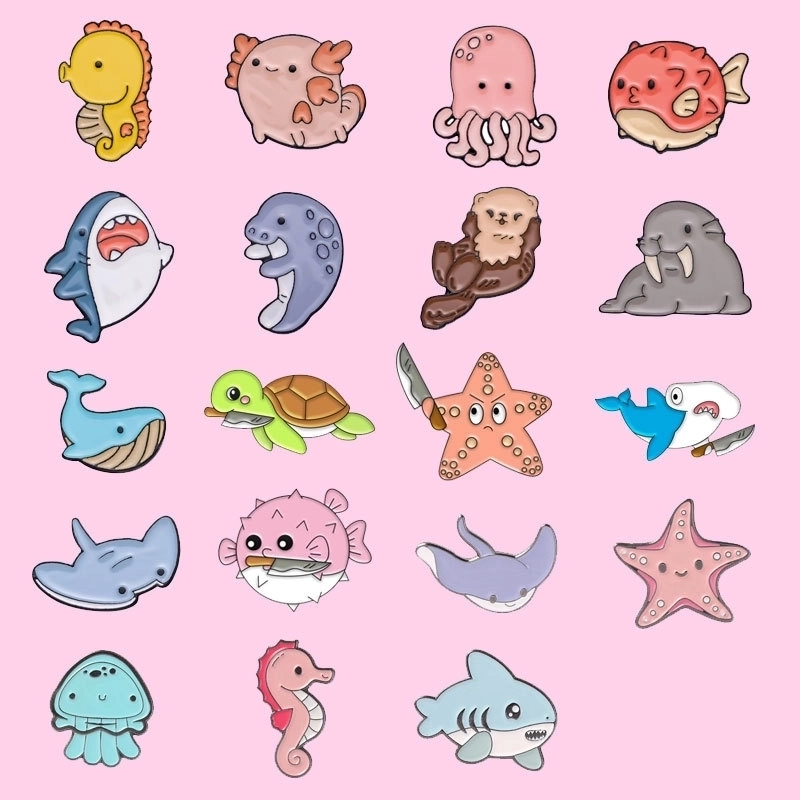
Kawaii Ocean Life Enamel Pins Cute Shark Axolotl Jellyfish Turtle Starfish Alloy Enamel Brooches For Backpack Hats Jackets Clothing Accessories Funny Animal Jewelry Gift For Kids Women Men
$0.42
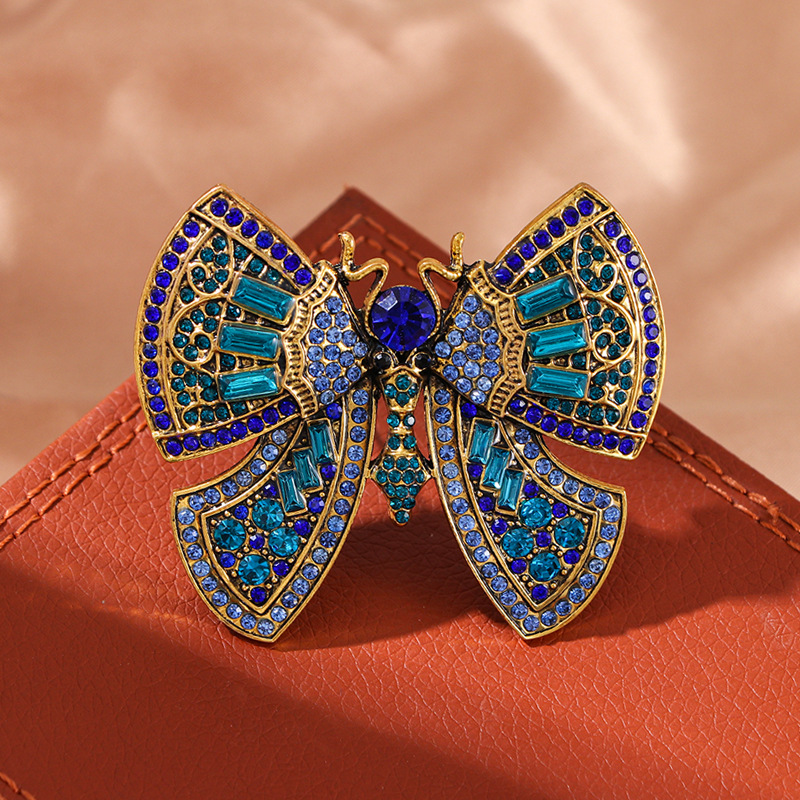
Vintage High-End Full Rhinestone Butterfly Brooch For Women Zinc Alloy Butterfly Pin For Winter Coat Sweater Fashion Insect Jewelry Accessories
$1.96
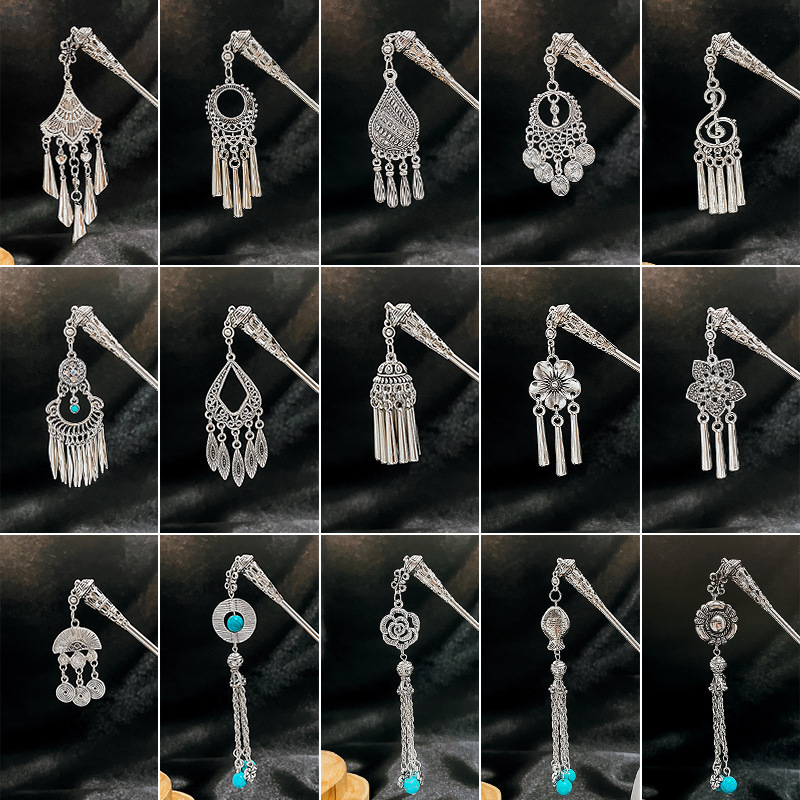
Vintage Chinese Style Alloy Hair Stick With Long Tassel Turquoise Red Gemstone Ethnic Hollow Out Palace Hair Fork For Women Hanfu Hair Accessories
$1.07
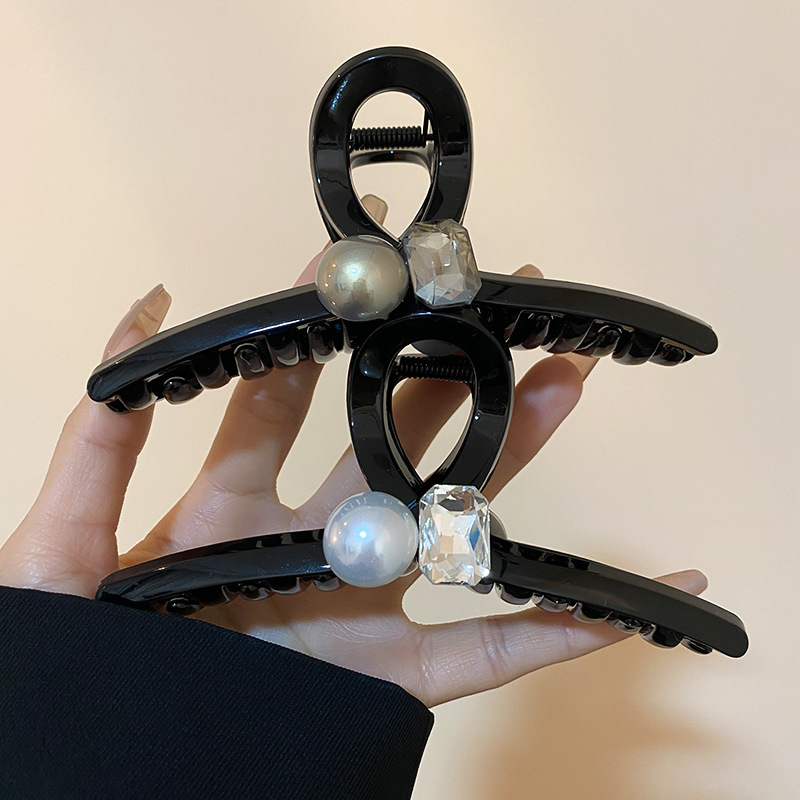
Large Black Hair Claw Clip With Pearl And Rectangular Rhinestone Elegant French Style Non-Slip Strong Hold Hair Accessories For Women Daily Use
$1.41
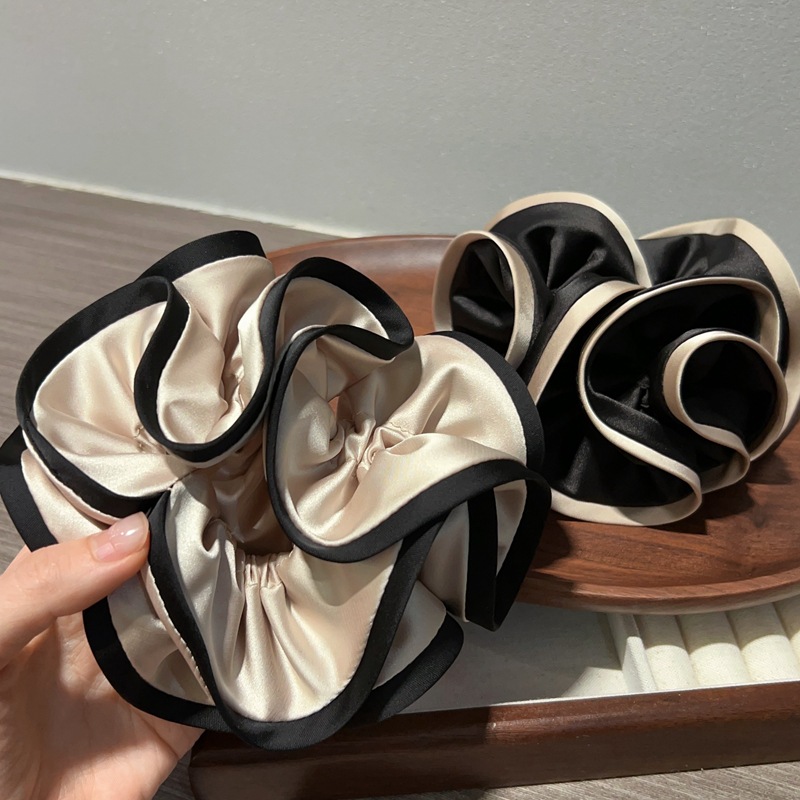
Large Satin Scrunchies Vintage Contrasting Edge Hair Ties Silk Texture Elastic Hair Bands For Women Daily Dating Accessories
$1.44
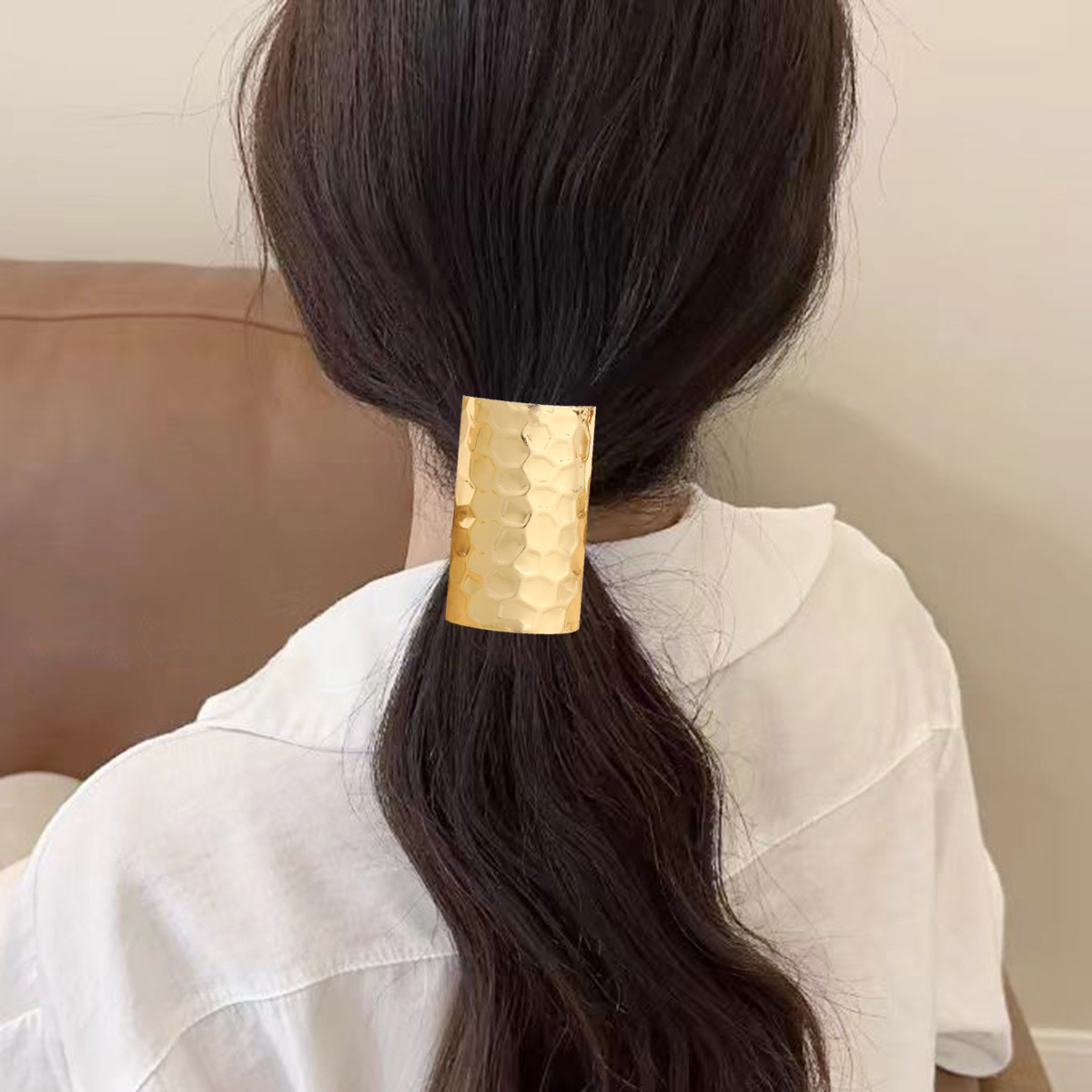
Modern Minimalist Alloy Ponytail Buckle High Ponytail Hair Hook With Honeycomb Hammered Texture Cold Style Metallic Hair Accessories For Women
$0.84
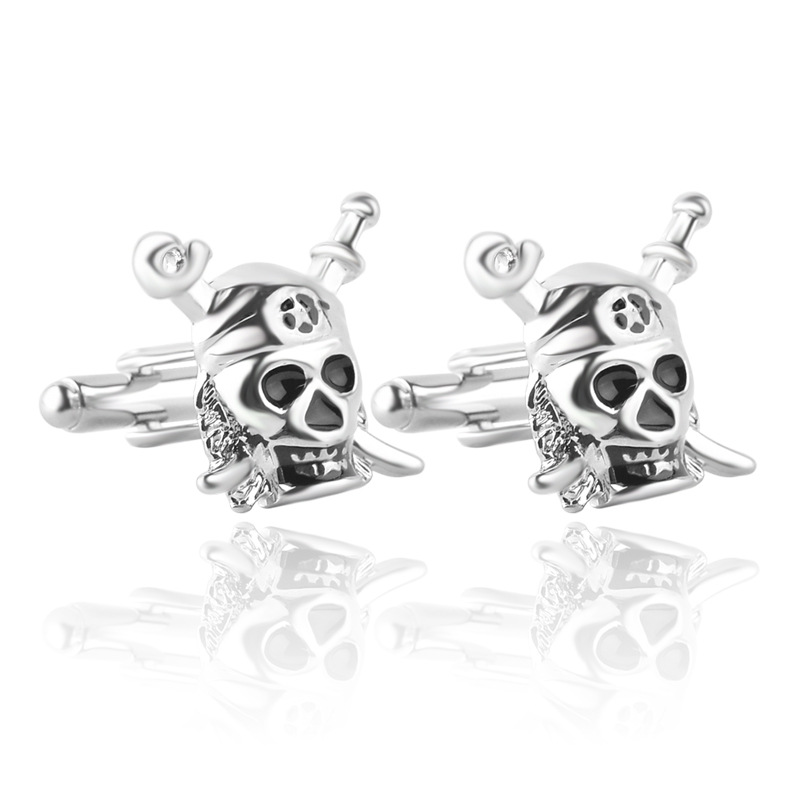
Vintage Pirate Skull and Crossbones Zinc Alloy Cufflinks for Men Retro Punk Style Business Wedding Party Shirt Accessories Jewelry Gift
$0.92
Bundle Ideas for Bale Buyers
Bundling solves one of the bale buyer's biggest problems: moving the 80% of items that aren't the top 20% heroes. By pairing a hero vintage piece with 2-3 accessories from DayJewel, you create a perceived value bundle that justifies a higher price point and clears inventory faster.
Vintage Road Trip Bundle
Shopify sellers curating vintage Americana need a quick upsell to reach free-shipping thresholds. This bundle pairs a hero brooch with a hair accessory and a second pin.
- Vintage Route 66 Glass Dome Broochhero
- Elegant Red Rose Flower Broochupsell
- Large Black Hair Claw Clip with Pearlcomplement
Bundle at $2.50 vs $3.13 separately — you net $0.63 more per sale while moving three units.
Pride & Vintage Bundle
Pop-up stall operators targeting inclusive vintage shoppers can use this bundle to attract younger buyers who value statement accessories alongside vintage clothing.
- LGBTQ+ Pride Enamel Pin Heart Shapehero
- Evil Eye Hamsa Hand Safety Pin Broochupsell
- Large Satin Scrunchies Vintage Contrasting Edgecomplement
Bundle at $3.80 vs $4.44 separately — the scrunchie adds perceived value with minimal cost.
Animal Lover's Vintage Bundle
Etsy shops focused on quirky vintage appeal can combine enamel pins with a fun hair accessory to capture the 'cute aesthetic' buyer segment.
- Colorful Animal Enamel Brooch - Owl, Rabbit, Snailhero
- Cute Cartoon Cat Strawberry Enamel Pin Setupsell
- Kawaii Ocean Life Enamel Pins Shark Jellyfishcomplement
Bundle at $1.55 vs $1.88 separately — easy impulse add-on at checkout.