
Trend Report · May 14, 2026
Turning Mutual Testing Into Profit: Low-Risk Accessory Validation at $0.05–$0.50 Wholesale
Use peer-testing tactics from the app world to validate accessories with $0.05–$0.50 wholesale cost and net $4–9 per unit at retail.
Help Need Tester: The Mutual Testing Model for Accessories
A pin set wholesales at $0.50 and retails for $6–10, clearing $5.50–9.50 per unit before fees. The real opportunity isn't just the margin — it's the zero-risk testing loop. The phrase "Help need tester. In return, I’m happy to test your app back" describes a barter-based validation model common in app communities. Adapt that for accessories: send a few units from DayJewel's catalog to a closed testing group in exchange for feedback, photos, and social proof. No bulk commitment, no inventory risk.
DocuSnap, the app behind the source material, shows how tech-based documentation (annotated photos, dimensions, arrows) can replace expensive product photography. An accessories seller using a similar workflow can let testers produce shareable content — dimensions on a pin back, close-ups of a baguette keychain's texture — and use that to pre-sell before placing a larger wholesale order. The model flips the traditional buy-first-hope-for-demand approach into a test-first-buy-second cycle.
Why Mutual Testing Drives Higher Margins
The wholesale cost of accessories in DayJewel's catalog is already razor-thin — $0.05 for a miniature resin baguette keychain, $0.09 for a strawberry teapot charm. But the margin risk isn't the unit cost; it's the volume you over-order on a hunch. The mutual testing model cuts that risk by letting you validate demand with a sample of 5–10 units before scaling. Each test unit costs you wholesale price plus shipping (under $1), yet it can generate early sales at full retail price if the feedback is positive.
Because the source community uses Google Groups and Play Store links to recruit testers, you can replicate that in a niche Facebook group or a subreddit. The key is the barter: access to a low-cost sample in exchange for a photo report (like DocuSnap's annotated images) and permission to use the content. The content then becomes your ad creative, removing the photography cost that eats into margin for most new sellers. The net effect: 70–85% margin per piece versus 40–50% if you shot, stored, and unsold stock.
Who Benefits Most from This Testing-Led Strategy
Any buyer who operates with a tight cash flow and needs to validate SKU velocity before committing to case quantities. The model works best for sellers who already have a small audience — even 100 followers — and can invite them into a testing group. No platform is too small.
Shopify seller
Can test 3-5 SKUs at $0.50 each, collect user-generated photos via a DocuSnap-like workflow, and launch only winning SKUs with paid ads backed by real testimonials.
Flea market vendor
Uses a $0.05 keychain as a tester giveaway; recipient posts a photo on social media; vendor uses that to pre-sell orders for next market day.
Etsy shop owner
Runs a limited 'tester batch' listing with a longer ship time; feedback on dimensions and color helps refine the final product before ordering 100+ units.
Margin Anatomy of a Tester Bundle
| Component | Low Range | High Range | Notes |
|---|---|---|---|
| Wholesale cost (1 pin set + 2 miniature charms) | $0.59 | $0.64 | Based on products in featured set. Pin set is $0.50, charms are $0.05-$0.09 each. |
| Shipping & packaging per tester bundle | $0.60 | $1.20 | Domestic USPS First Class or similar. Poly mailer adds $0.05-$0.10. |
| Incentive or cost of feedback collection | $0.00 | $0.50 | If you offer a discount on future purchase instead of free product, cost drops to near zero. |
| Total cost per tester bundle | $1.19 | $2.34 | At low end, free feedback; at high end, free product with paid shipping. |
| Retail value of bundle | $8.00 | $14.00 | Enamel pin set alone retails $6–10. Miniatures add $1–2 each. |
Profit Scenarios for Testing-First Accessories
| Scenario | Wholesale | Retail | Profit | Best For |
|---|---|---|---|---|
| Conservative: 30% after costs | $0.64 | $8.00 | $2.40 | New seller with no audience; assumes only 1 in 10 testers becomes a paying customer, and you spend on paid ads to each new customer. |
| Moderate: 65% margin | $0.64 | $10.00 | $6.50 | Seller with small social following who uses tester content organically; no ad spend beyond time. |
| Aggressive: 85% margin | $0.64 | $12.00 | $10.20 | Established Etsy or Shopify store with loyal customers who join testing group; over half of testers buy the full product at full price. |
Three Tactical Sales Channels for Testing-Informed Products
Once you've validated which accessories perform, you need a channel that converts the social proof from testers into sales. Each channel below has a different cost structure and margin window. The key is matching the channel to your audience size and content type. The DocuSnap-style annotated photos work best on platforms that reward visual detail.
Create a 15-second video showing the tester photos and annotations (e.g., 'We sent this $0.50 pin to 5 people — here's what they shot'). Use a small ad budget of $10/day to target jewelry enthusiasts. Link directly to the product listing.
⚠ TikTok's algorithm is volatile; a non-viral video can yield 0 sales even with good content. You need 5+ videos to see consistent returns.
List the tested accessory with a 'Tester-Approved' badge and include user-submitted annotated photos from your testing group. Price at $8–12 to align with Etsy's buyer expectations. Use the 'Great Review' listing optimization.
⚠ Etsy sellers face fierce competition on pricing; your $8 pin may be undercut by a $4 pin from a larger store. Differentiate with packaging and the testing story.
Display the physical product alongside a QR code linking to the tester photo gallery. Offer a 'tester price' of $5 for the first hour only to create urgency. Use the annotated photos as signs.
⚠ Weather-dependent; one rainy weekend can zero out revenue. Also, customers may take a photo of the QR code and buy later online, reducing immediate cash flow.
Best Accessories for Your Tester Bundle Program
These items have wholesale prices under $1, making them ideal for low-risk testing. Each can be sampled for less than $0.50, and with a retail price of $3–10, the payoff per tester justifies the logistics.
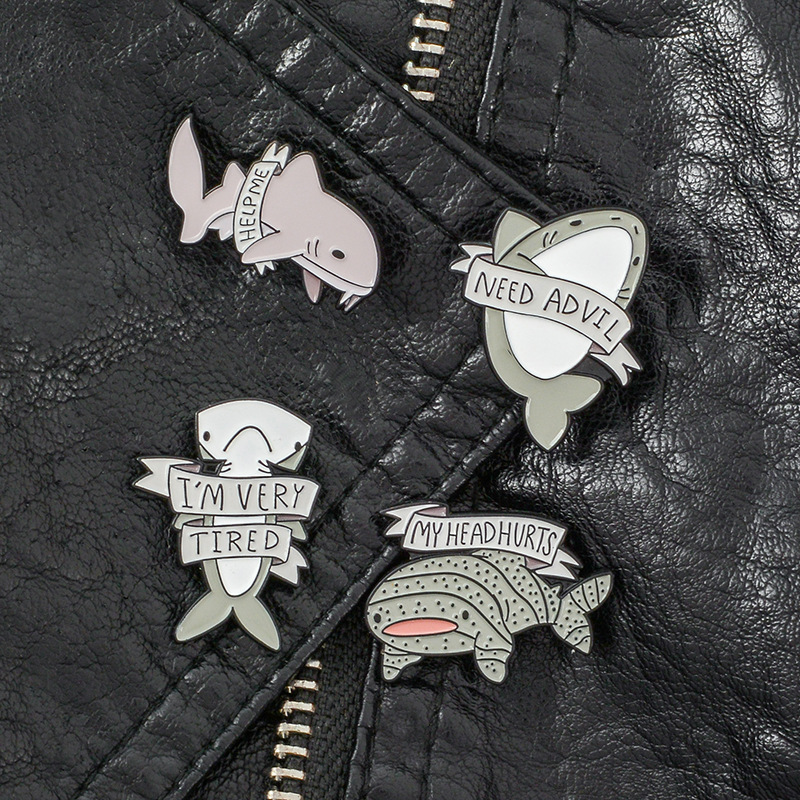
4Pcs Funny Shark Enamel Pin Set Cartoon Animal Alloy Brooch With Humorous Slogan Help Me Need Advil Pins For Backpack Clothing Jacket Accessories Men Women
$0.50
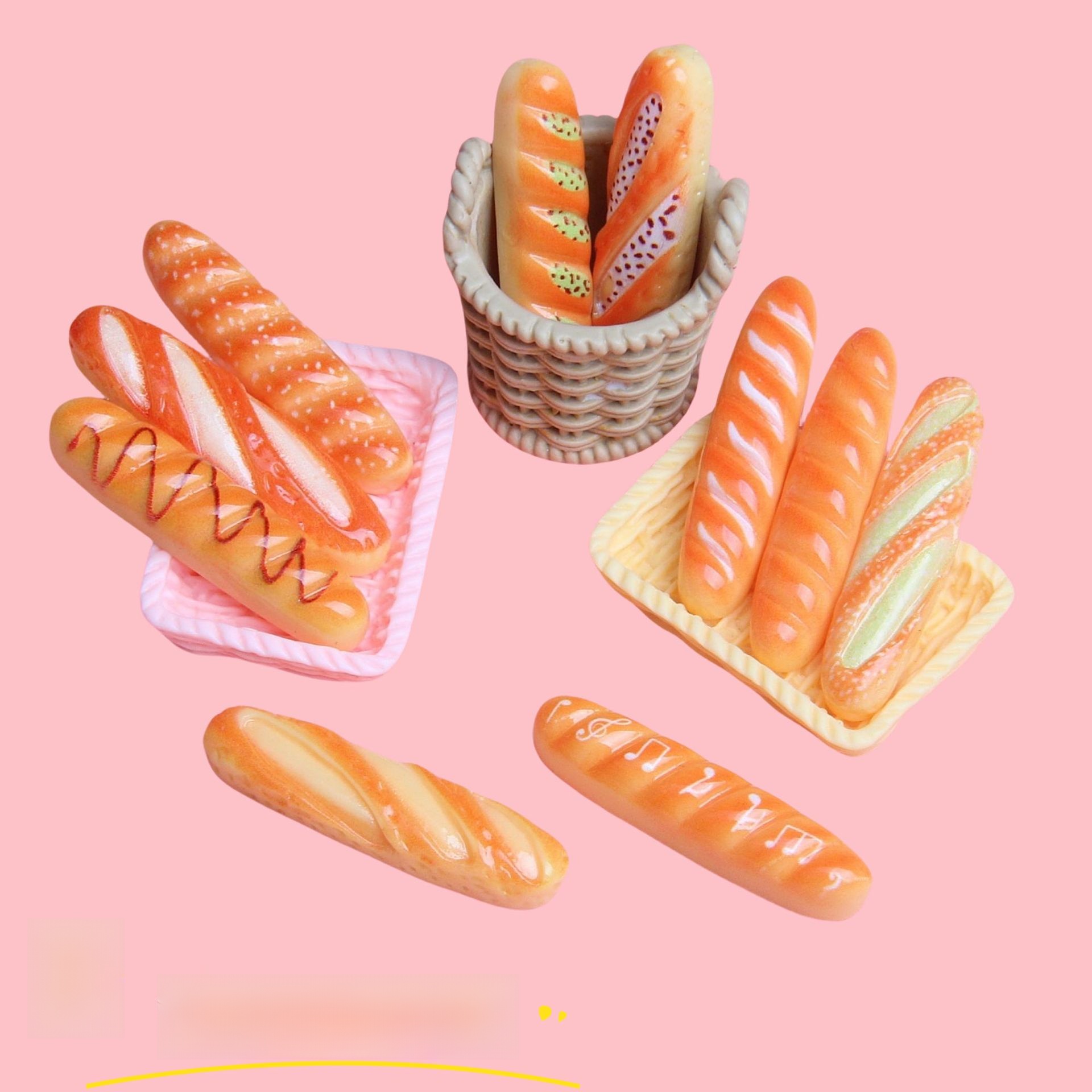
Miniature Resin French Baguette Food Play Simulation Bread Dollhouse Decor DIY Keychain Hair Clip Accessories Miniature Bakery Shop Ornament For Kids Play
$0.05
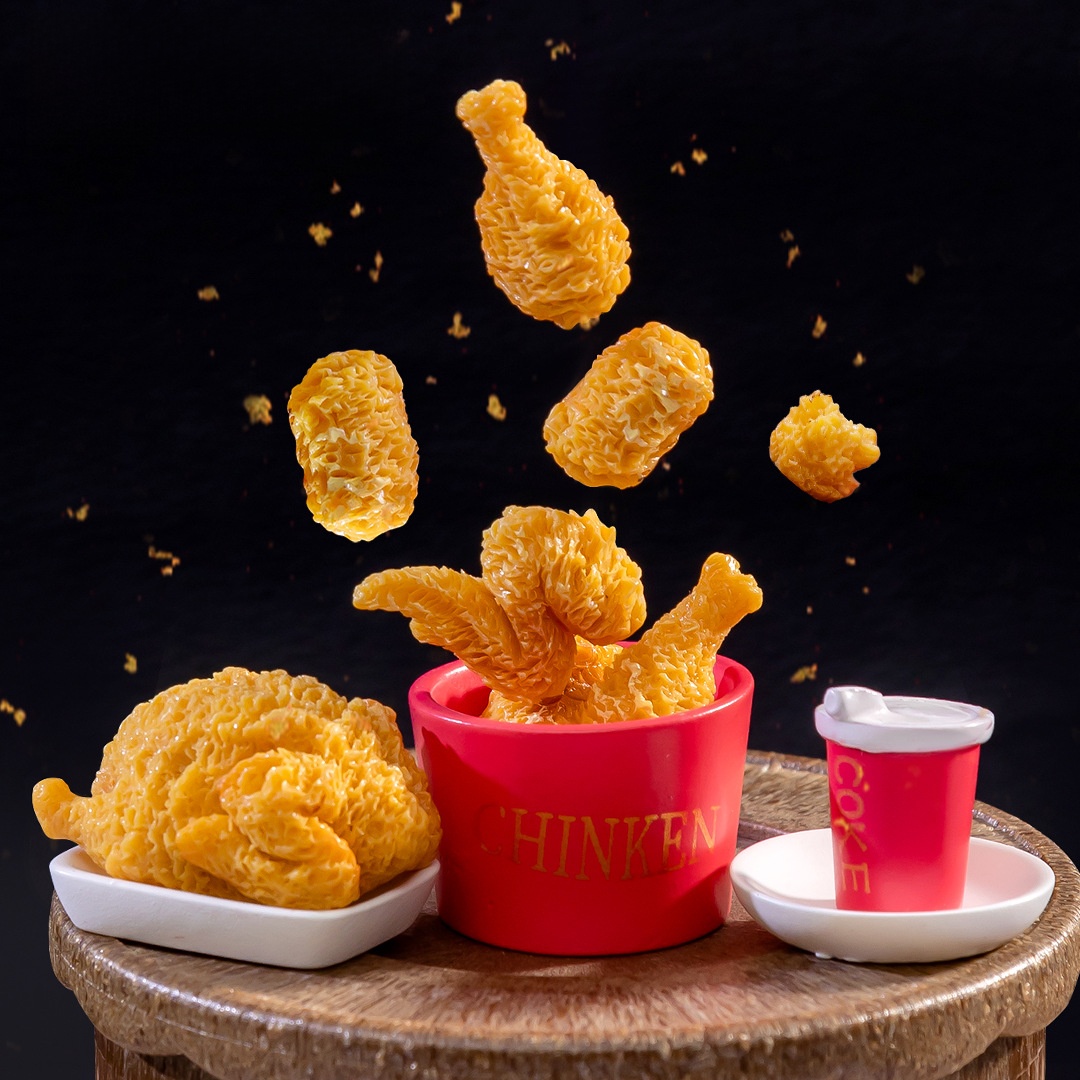
Miniature Food Play Set Resin Realistic Fried Chicken Leg Wing Coke Cup Model DIY Micro Landscape Ornaments Desk Decoration Accessories Dollhouse Kitchen Play Toy
$0.04
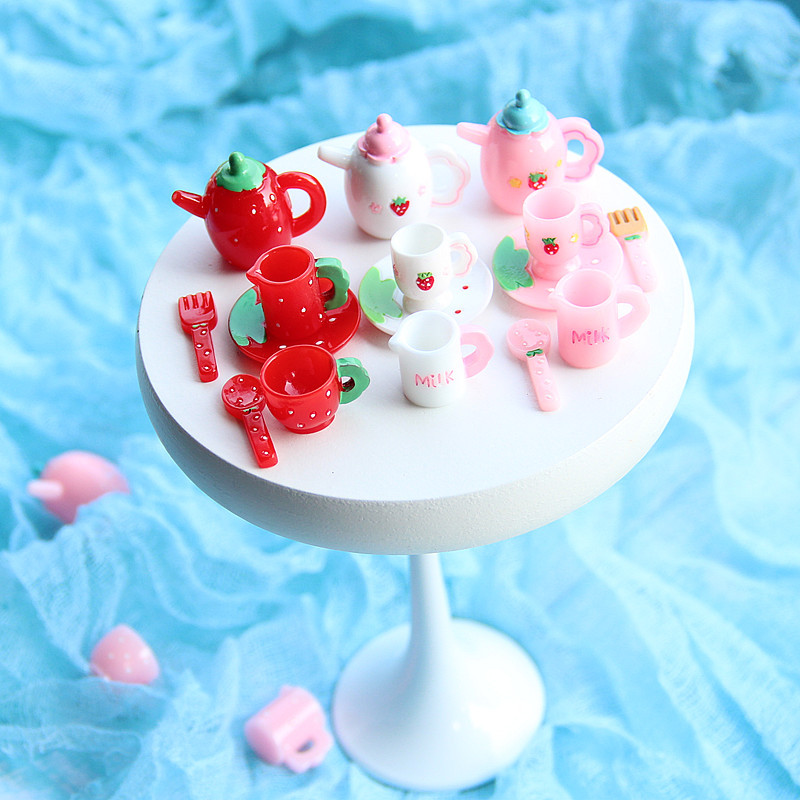
Miniature Strawberry Teapot Cup Set 3D Resin Fruit Model DIY Dollhouse Accessories Cute Food Play Toy For Kids Play House Fridge Magnet Decoration
$0.09
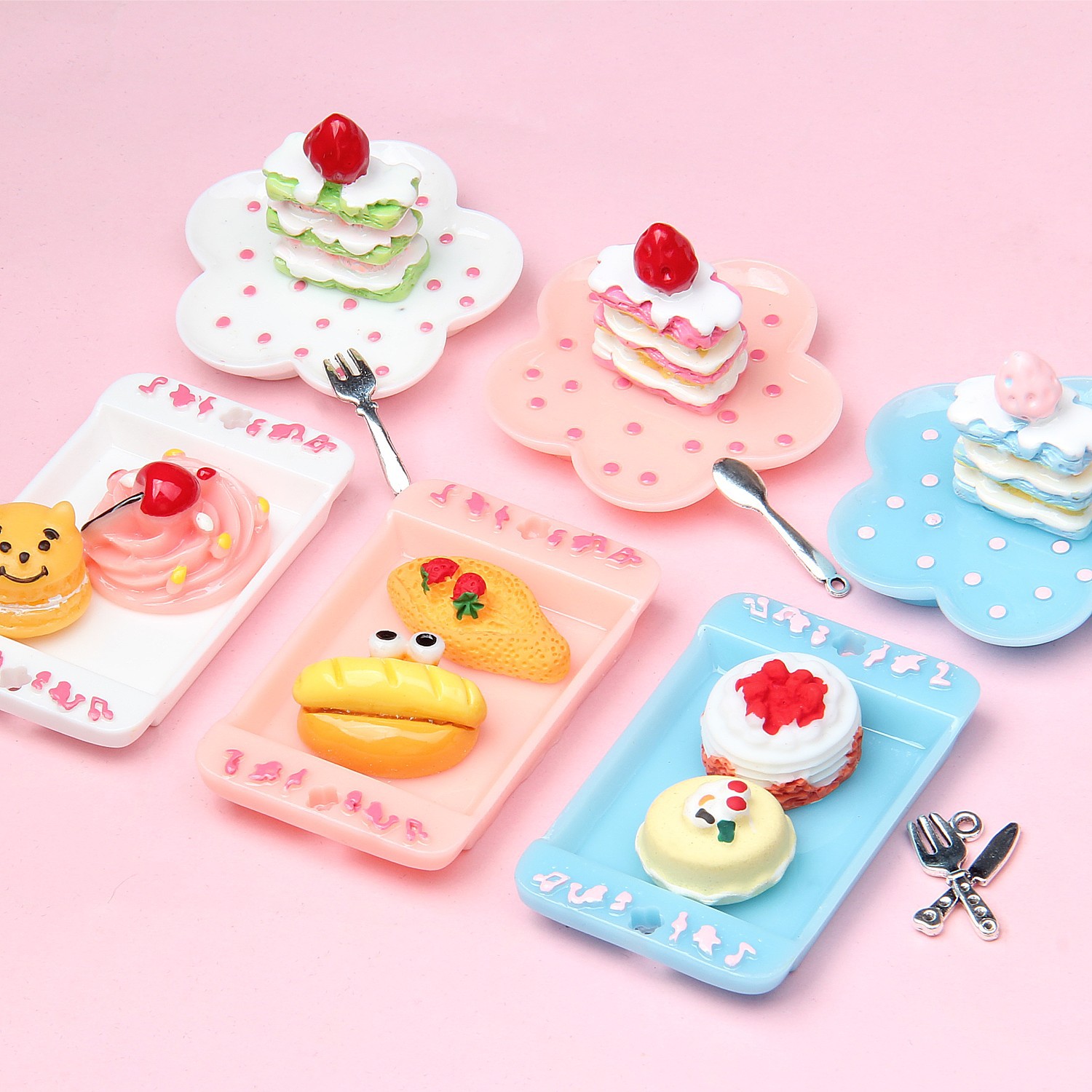
Miniature Polka Dot Plate Set Resin Food Play Tableware For Dollhouse DIY Accessories Cute Small Tray Pretend Play Toy For Kids Decoration Pink Blue White
$0.18
Tester Bundles That Validate Demand and Drive Ad Creative
Bundling reduces per-unit shipping for testers and increases the chance they'll provide comprehensive feedback. Each bundle includes a hero product (high perceived value) and a complement that generates variety in the photos.
Starter Tester Pin Pack
A new Shopify seller wants to test enamel pin designs before ordering 100 units.
- 4Pcs Funny Shark Enamel Pin Sethero
- Miniature Resin French Baguette Keychaincomplement
- Miniature Strawberry Teapot Charmupsell
Bundle wholesale cost: $0.64 ($0.50 + $0.05 + $0.09). Sold individually at $0.64 or bundled at $0.50 for testers. Retail bundle value $18 vs $12 if sold separately — the $6 gap funds the testing program.
Miniature Food Charm Sample Set
A flea market vendor wants to test which food shapes sell best without buying 12 of each.
- Miniature Fried Chicken Leg Wing Charmhero
- Miniature Polka Dot Plate Setcomplement
- Miniature French Baguette Keychainupsell
Wholesale cost per tester bundle: $0.27 ($0.04 + $0.18 + $0.05). Retail if sold as a set: $8.50. Tester program cost including shipping: ~$2 per bundle — break-even with one retail sale.
Testing Feedback Kit + Bonus
An Etsy seller wants social proof images for listing photos and needs to incentivize testers to submit annotated photos.
- 4Pcs Funny Shark Enamel Pin Sethero
- Miniature Strawberry Teapot Charmcomplement
- Miniature Fried Chicken Leg Wing Charmupsell
Bundle cost: $0.63 wholesale. Retail sold individually: $14. Tester pays nothing but provides 3 annotated photos (via DocuSnap-like app). The photos save $50 on a professional shoot, making the 0.63 cost trivial.