
Trend Report · May 20, 2026
How Competitive Is the Men's Fashion Business? A Supplier's Teardown of the Lean Quality-at-Affordable Model
Analyzing a Reddit entrepreneur's idea to sell trad/ivy/prep clothing at Uniqlo prices. Can you replicate his lean, quality-at-affordable model? Discover pricing, sourcing, and bundling strategies from the trend.
How competitive is the men's fashion business?
The question hit r/Entrepreneur like a cold splash: one user asked, 'How competitive is the men's fashion business?' He described a specific vision — classically fitted trad/ivy/prep clothing sold at Uniqlo prices. No brand, he claimed, was offering that combination. The inflection point wasn't a product launch or a viral video; it was the raw, unvarnished ask itself. It revealed a gap so obvious that other operators had missed it: quality construction in a traditional Ivy aesthetic, priced to compete with fast-fashion giants, run on a skeleton crew.
Zoom out and the pattern becomes clearer. Every few months, a similar question surfaces: someone spots a price-quality vacuum in a 'saturated' category. In men's fashion, most entrants either go premium (J.Crew, Brooks Brothers) or ultra-cheap (H&M, Shein). The middle ground — solid fits, natural fabrics, under $50 per garment — is a desert. The user's lean operating model (no retail overhead, no huge minimums, dropship or on-demand) was the only way to make the math work. This isn't a pipe dream; it's a playbook that has worked in accessories and will work in apparel.
The Replicable Pattern: Price-Quality White Space
The user's key observation — 'I don't think any brand sells this kind of thing at the prices I'm looking for' — is the gold. Most new operators look at a market's crowded surface and assume it's locked. But competition is not uniform. Men's trad/prep clothing is dominated by high-margin heritage brands ($80+ for a polo) or low-quality fast fashion ($10 with threads falling out). The gap at $25-40 for a well-cut Oxford cloth button-down is real.
The replicable pattern is three-fold: (1) identify a specific aesthetic (Ivy/prep) that has a loyal but underserved customer base; (2) target a price window where no competitor owns the customer's trust; (3) operate leanly — no warehouse, no full-time staff, test with micro-SKUs first. The user's mention of 'lean' is critical. He didn't need to compete on variety; he could compete on fit consistency and price transparency. That's exactly how DayJewel's best wholesale buyers start: with a tight category and a margin advantage.
Who Should Replicate This?
This model fits operators who already understand low-CAC acquisition and can move fast with small batches. Two profiles stand out.
Shopify seller
If you can test the trade/Ivy niche with a handful of core styles — e.g., an Oxford shirt, chinos, a shetland sweater — and source blanks at wholesale, your margin on a $30 shirt could hit $14-18 per unit after ads. The risk is sizing returns; start with a 3-size sample and a perfect-fit guarantee.
Pop-up stall operator
Physical presence at flea markets or college events lets you win with fit and feel. Source 2-3 styles from DayJewel's accessories (pins, caps) to build trust while you test a small apparel line. The key variable is your ability to explain the value: 'same quality as J.Press, priced like Uniqlo.'
What Happened
A Redditor with the handle /u/Major_Conflict posted a single question in r/Entrepreneur: 'How competitive is the men's fashion business?' He laid out his plan — sell classically fitted trad/ivy/prep clothing at Uniqlo prices, operate as lean as possible. He didn't have a brand name, a website, or a supplier. What he had was a conviction that no existing brand offered the intersection of Ivy fit, natural quality, and $25-35 price point. The post gathered hundreds of comments, some dismissive, some outlining the exact sourcing path he could take. The inflection point wasn't a launch — it was the proof that dozens of other entrepreneurs were wondering the same thing. When people asked 'Is this a pipe dream?' the real answer was: only if you try to compete on breadth instead of precision.
The Replicable Pattern
Find an aesthetic that legacy brands have abandoned and fast fashion can't imitate well.
Evidence: The user specifically said 'classically fitted trad/ivy/prep' — a look that Brooks Brothers abandoned for modern slim cuts and Shein can't reproduce in quality fabrics. No competitor at $30 had that fit.
Operate leanly enough that your break-even is under 100 sales per month.
Evidence: The user mentioned 'very lean way' — no rental, no staff, just himself. That means a cost structure of <$200/month. Even at $5 profit per unit, he only needs 40 sales to cover overhead. The Be Kind cap ($3.17 cost) sold at $8 gives $4.83 profit per unit.
Test demand with low-risk accessories before committing to apparel.
Evidence: The user's question was theoretical, but the pattern from DayJewel's best buyers is: start with pins, caps, and tees that carry the same message. A Slogan enamel pin ($0.50) can gauge if customers want the 'kind' messaging. If it sells, order the sweater.
How to Sell the Lean Quality-at-Affordable Model
Your sales angle is not the product — it's the story of the gap. Customers in the trad/prep space are tired of either paying $80 for a logo or $15 for a shirt that shrinks. You need to show them a third path. Use your own founder story: 'I couldn't find a quality Ivy shirt for under $40, so I found a factory and sold out.' That narrative converts better than any discount. Start with Instagram and TikTok, showing side-by-side comparisons of your product vs a $60 brand. Use the DayJewel accessories as 'brand proof' — a hat with a clever slogan makes customers feel they're buying into a philosophy, not just a piece of cotton. Price your core shirt at $29-35, with a bundle discount for adding a pin or cap. Your unit economics: cost of shirt $10 + cap $3.17 = $13.17, sell bundle at $35, net $21.83 before ads. That's a 40% gross margin, enough to test Facebook ads at a $15 CPA.
Film a reel showing your shirt next to a J.Crew shirt, highlighting the identical quality but stating your price. Use the caption 'Same fit, different price.' Link to a product page with a bundle of the shirt and a Be Kind pin.
⚠ High production cost for good UGC — you need good lighting and a clean background to make cheap fabric look premium.
Set up a small table with 3 shirts (sizes M, L, XL), 5 hats, and a basket of pins. Let customers touch the fabric. Offer a combo: buy a shirt, get a pin free. Collect emails for follow-up.
⚠ Weather and foot traffic dependent; you might sell only 10 units per event. But low fixed cost ($50 for a table) means you're profitable at 2 shirts sold.
Sell a single Oxford shirt + a hat as a 'Starter Pack'. Use a product page that tells the story of the Reddit user's question. Run Google Shopping ads targeting 'trad ivy shirt cheap'.
⚠ Google Shopping can be expensive ($1-3 CPC) and your single-product store may have low repeat purchase. Use email follow-up to sell second bundles.
Low-Cost Accessories to Test Demand Before You Scale
Before investing in apparel inventory, test your brand's 'lean spirit' with affordable accessories. These items carry the same price-quality story and can validate customer willingness to buy from a new name. Each product under $10 means you can run small-batch tests without overstock.
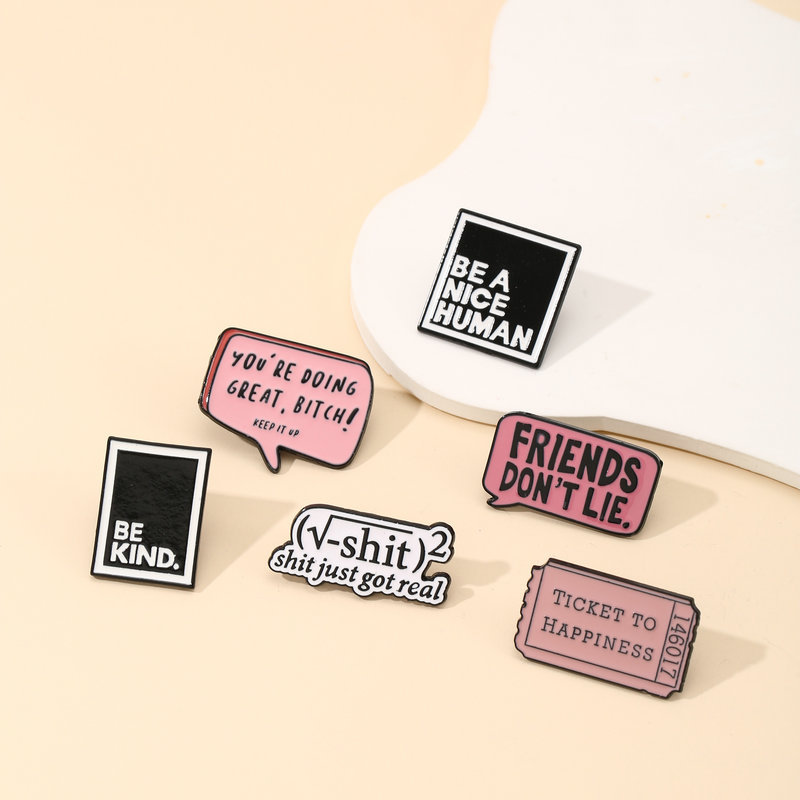
Fashion Simple Letter Alloy Brooch Enamel Pins Badge For Clothes Bag Decor Be Kind Friends Don't Lie Math Formula Quote Lapel Pins For Men Women Accessories
$0.44
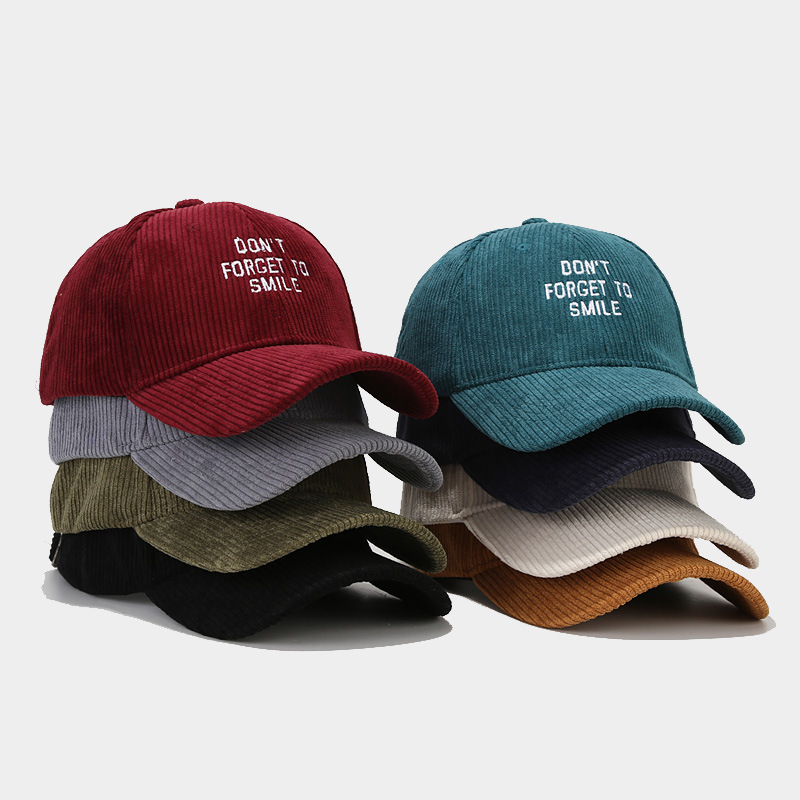
Women Corduroy Baseball Cap Don't Forget To Smile Letter Embroidery Curved Brim Sunshade Adjustable Hat For Outdoor Travel Casual Sporty Fashion
$3.60
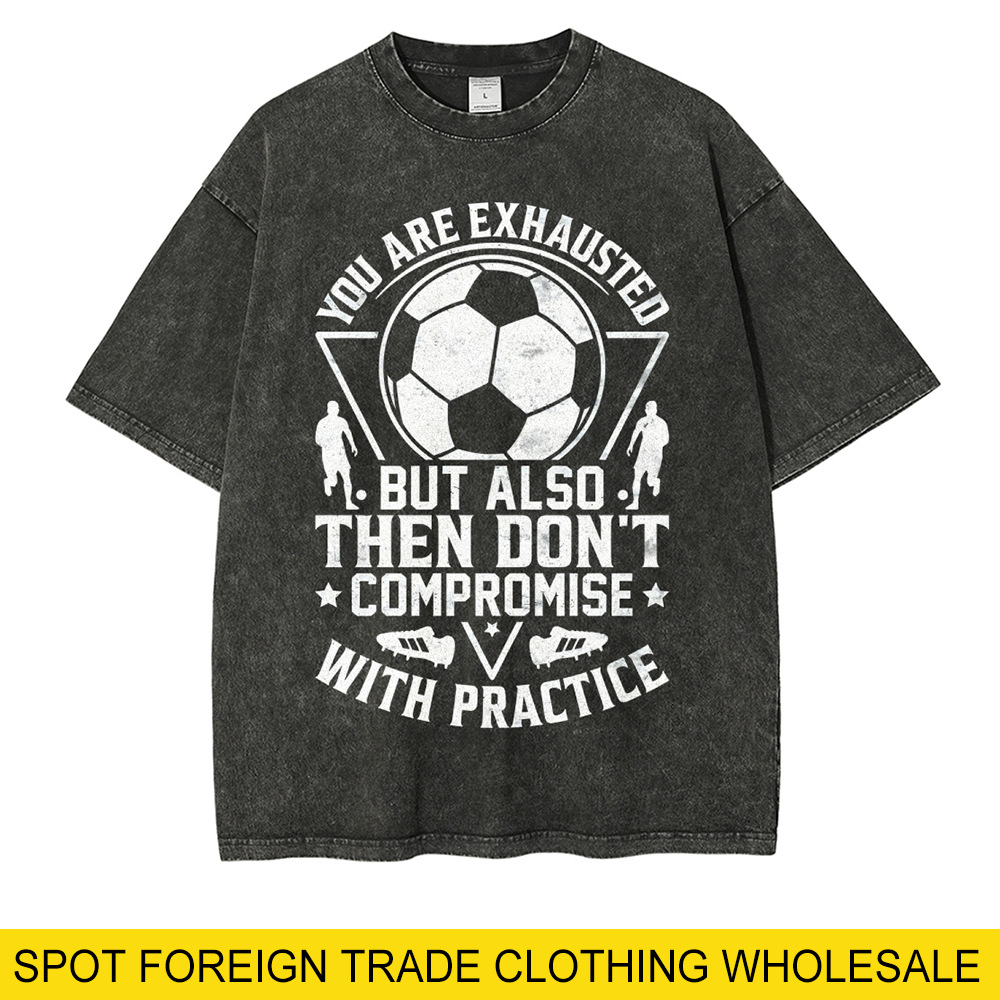
Don't Compromise Football Print Summer Sports Personalized Daily T-shirt Washed Casual Short Sleeve
$8.62
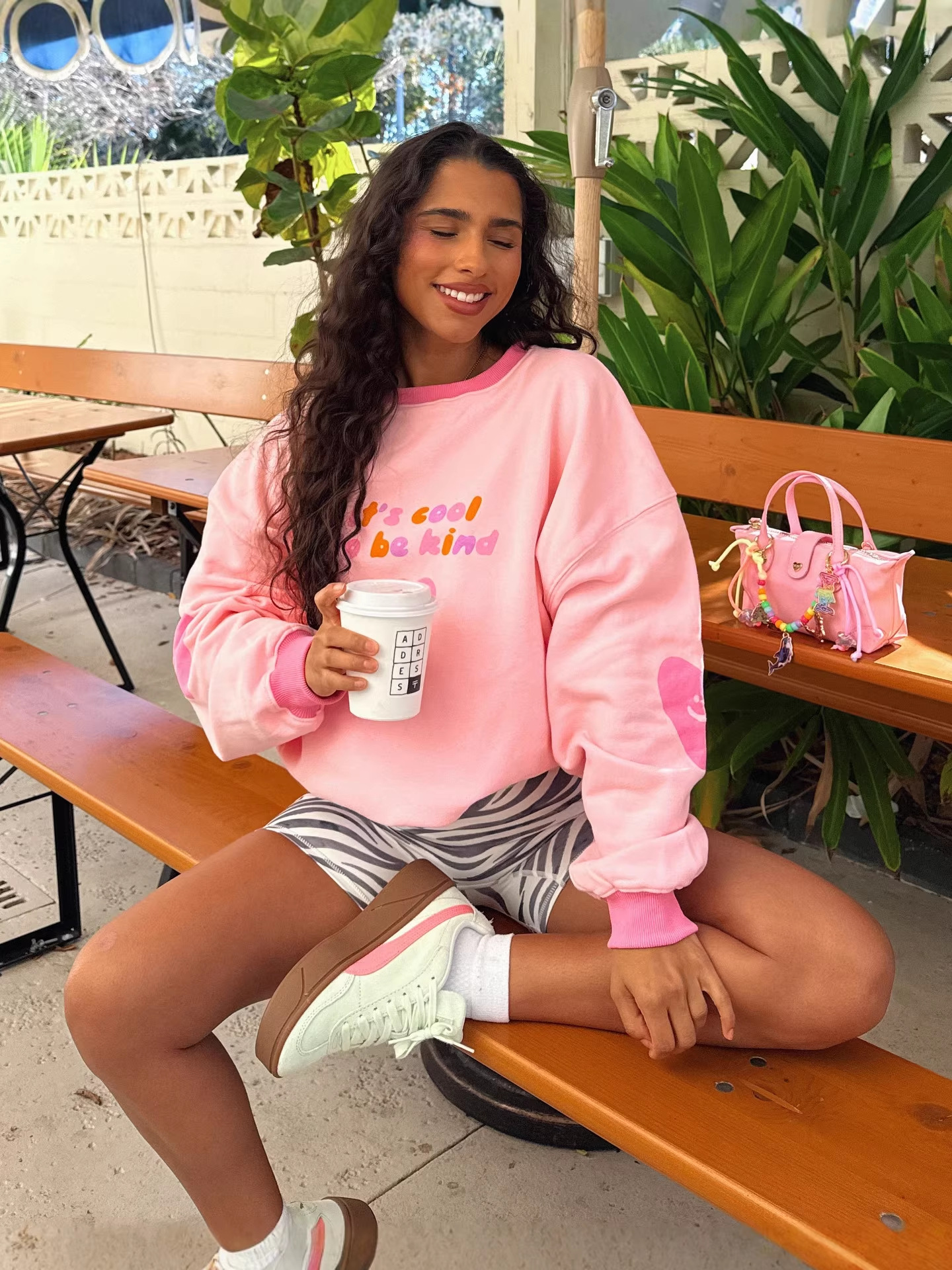
Women's 100% Cotton Pink Letter Print Sweatshirt Casual Loose Round Neck Long Sleeve Pullover Top Streetwear With Heart Kind Slogan
$18.16
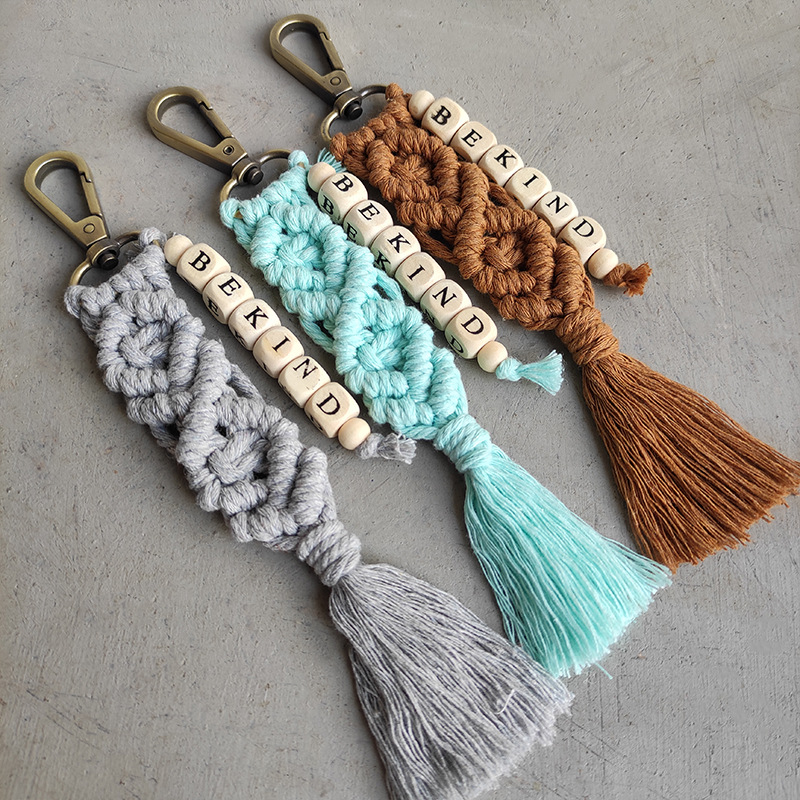
Handmade Macrame Keychain With BE KIND Wood Letter Beads Cotton Thread Tassel Bag Charm For Women Friends Gift Bohemian Boho Accessory
$2.60
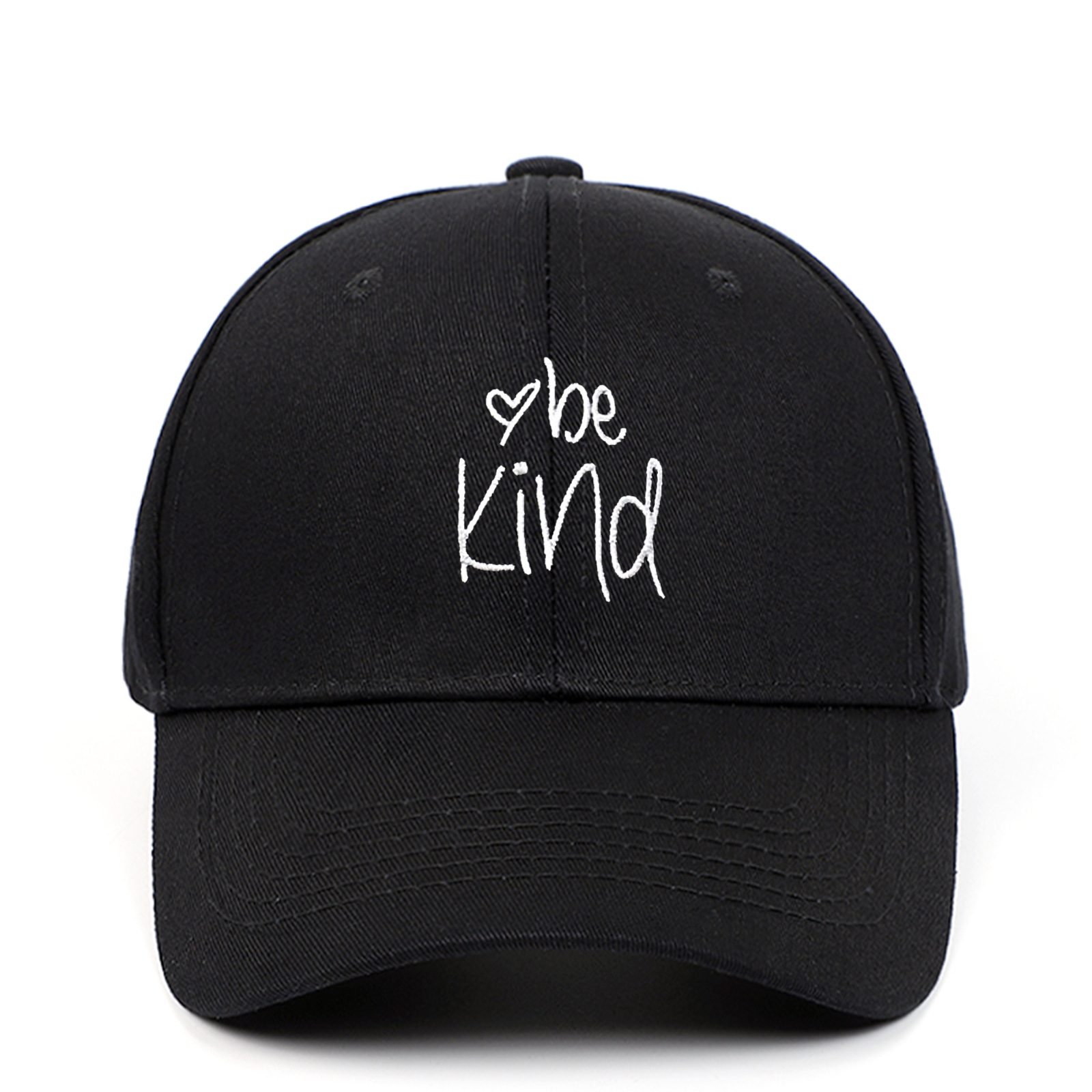
Be Kind Heart Embroidery Baseball Cap Cotton Adjustable Sun Hat For Men Women Casual Hip Hop Streetwear Outdoor Sport Snapback Hat
$3.17
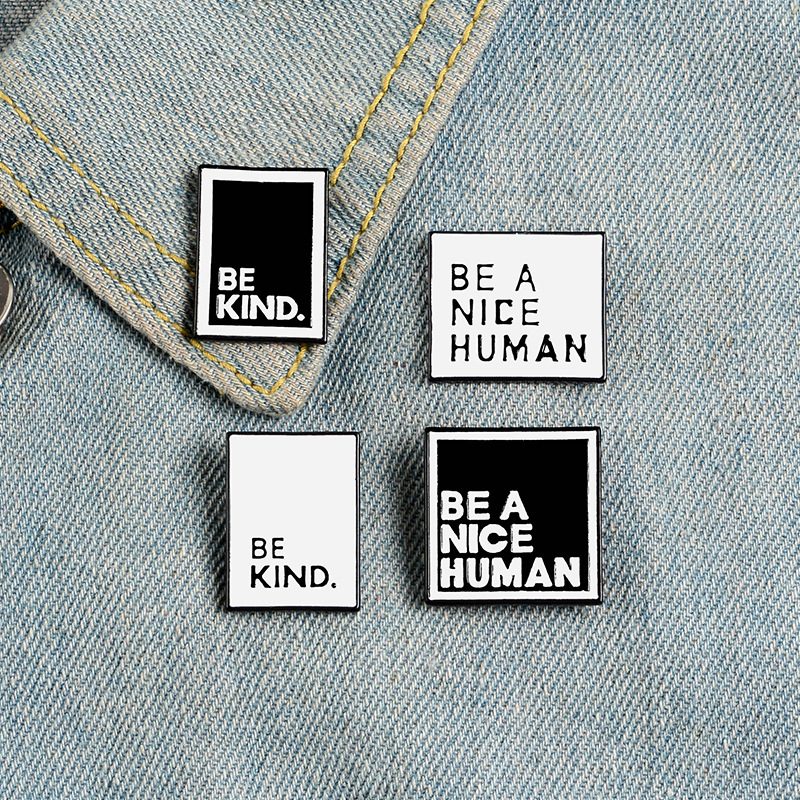
Minimalist Slogan Enamel Pin Badge BE KIND BE A NICE HUMAN Alloy Metal Brooch For Clothes Backpack Jacket Decor Black White Jewelry
$0.50
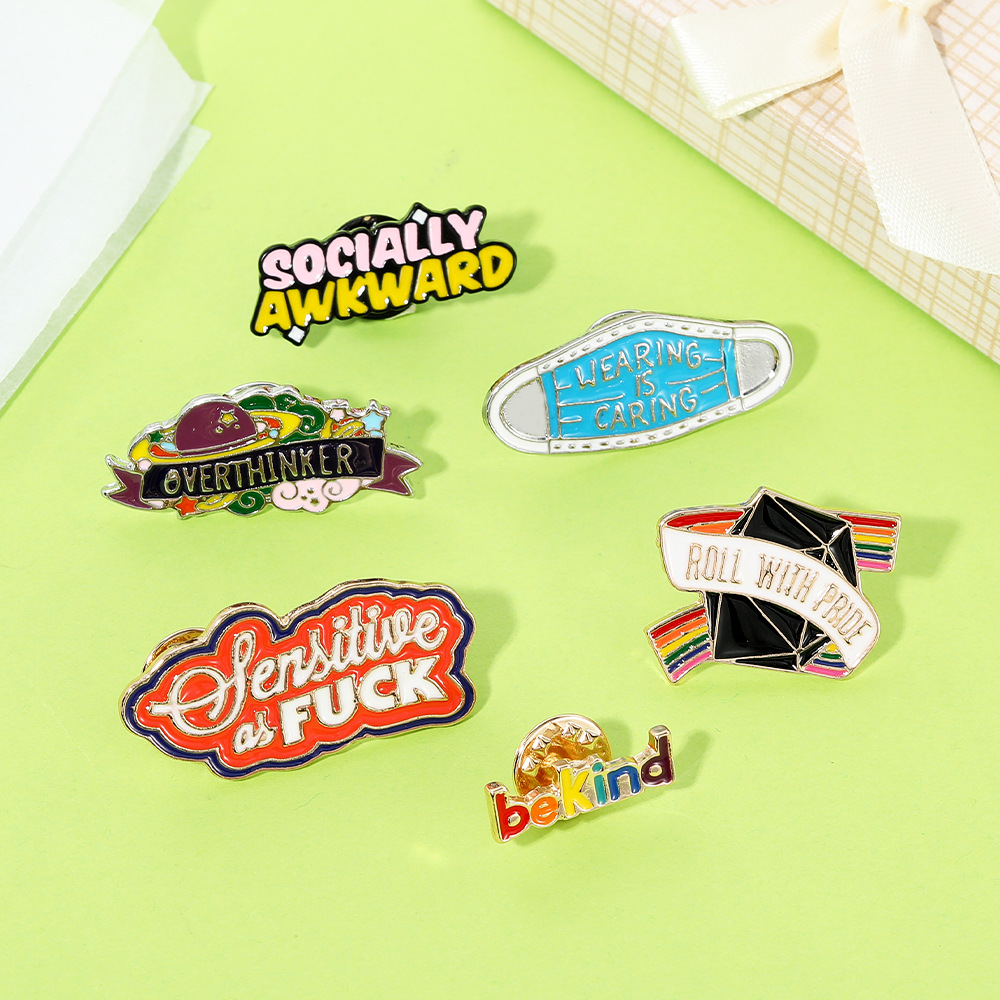
Creative Enamel Pins Alloy Drip Oil Brooches Socially Awkward Wearing Is Caring Overthinker Be Kind Badges For Clothing Backpack Decoration Unisex Jewelry
$0.28
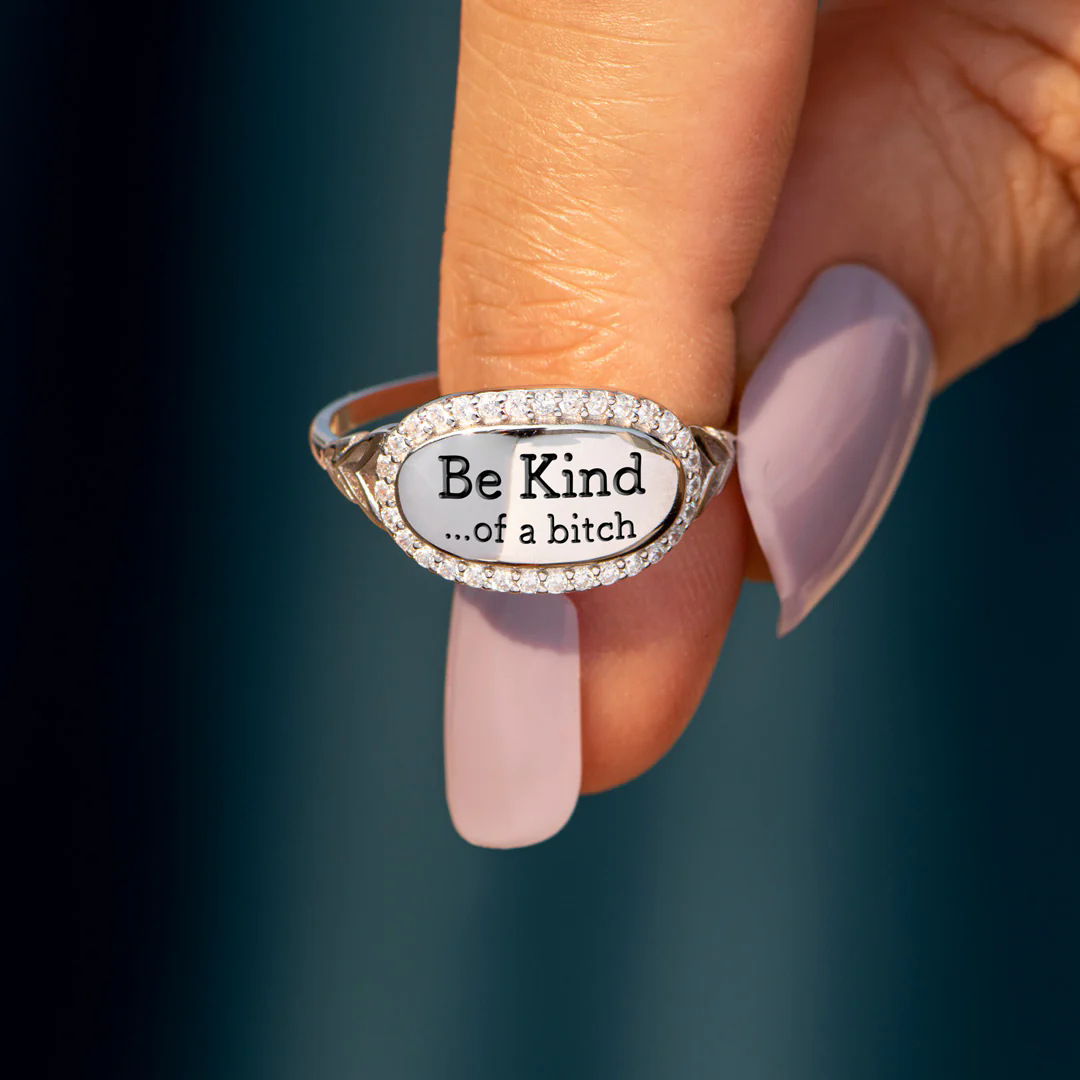
925 Sterling Silver Engraved Be Kind Letter Ring For Women White Gold Plated Oval Zirconia Inlaid Minimalist Statement Ring Fashion Jewelry Gift
$6.34
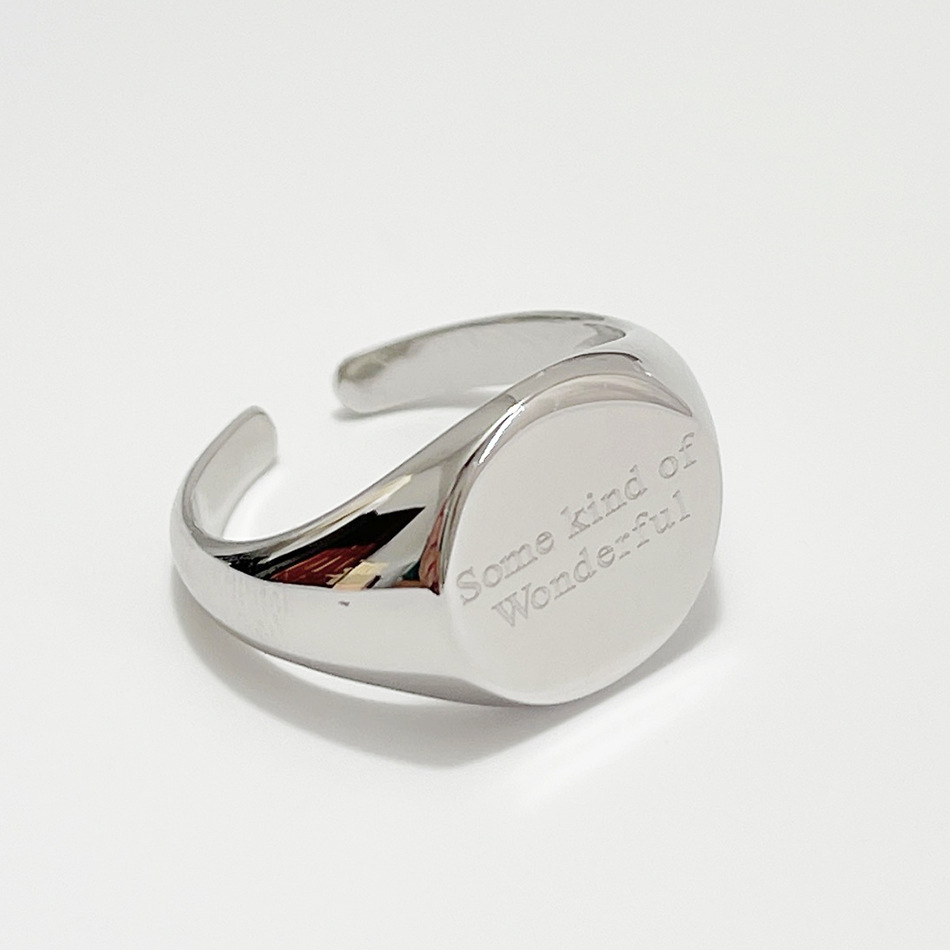
S925 Sterling Silver Some Kind Of Wonderful Letter Engraved Signet Ring Minimalist Adjustable Open Finger Ring For Women Retro Personalized Jewelry Gift
$24.11
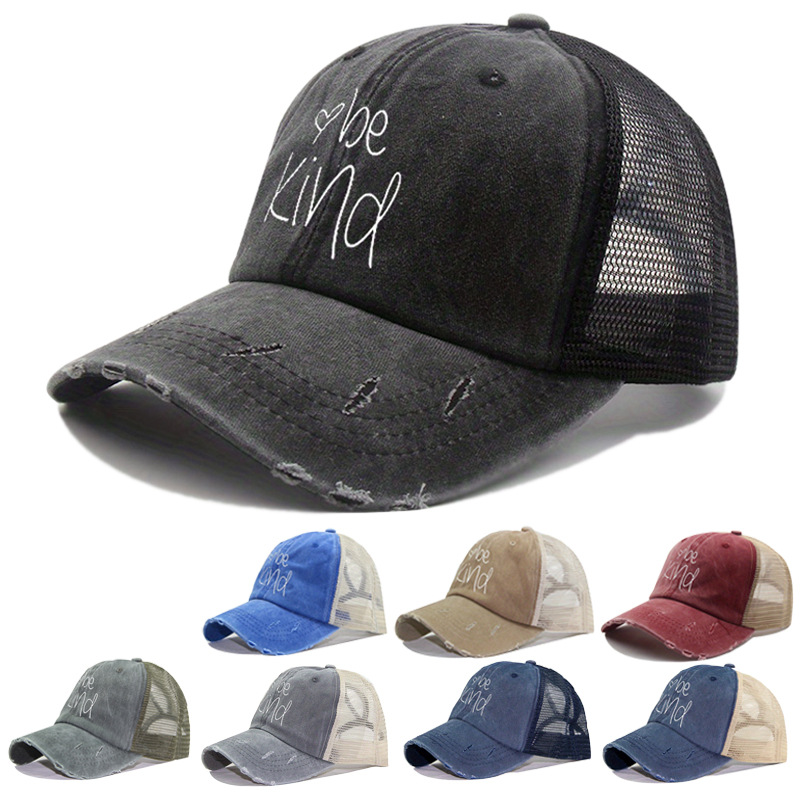
Women's Ponytail Baseball Cap Distressed Washed Cotton Mesh Sun Protection Hat be kind Heart Embroidered Outdoor Breathable Messy Bun Trucker Cap Adjustable Visor
$3.89
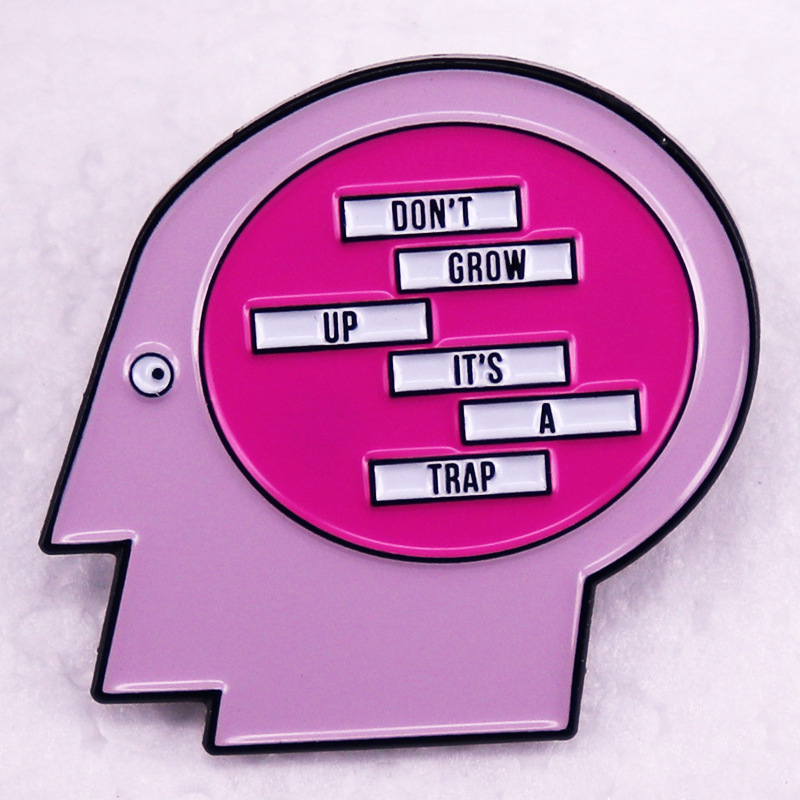
Don't Grow Up It's A Trap Enamel Pin Brain Silhouette Alloy Brooch For Backpack Clothing Decoration Unisex Trendy Jewelry Accessory
$1.28
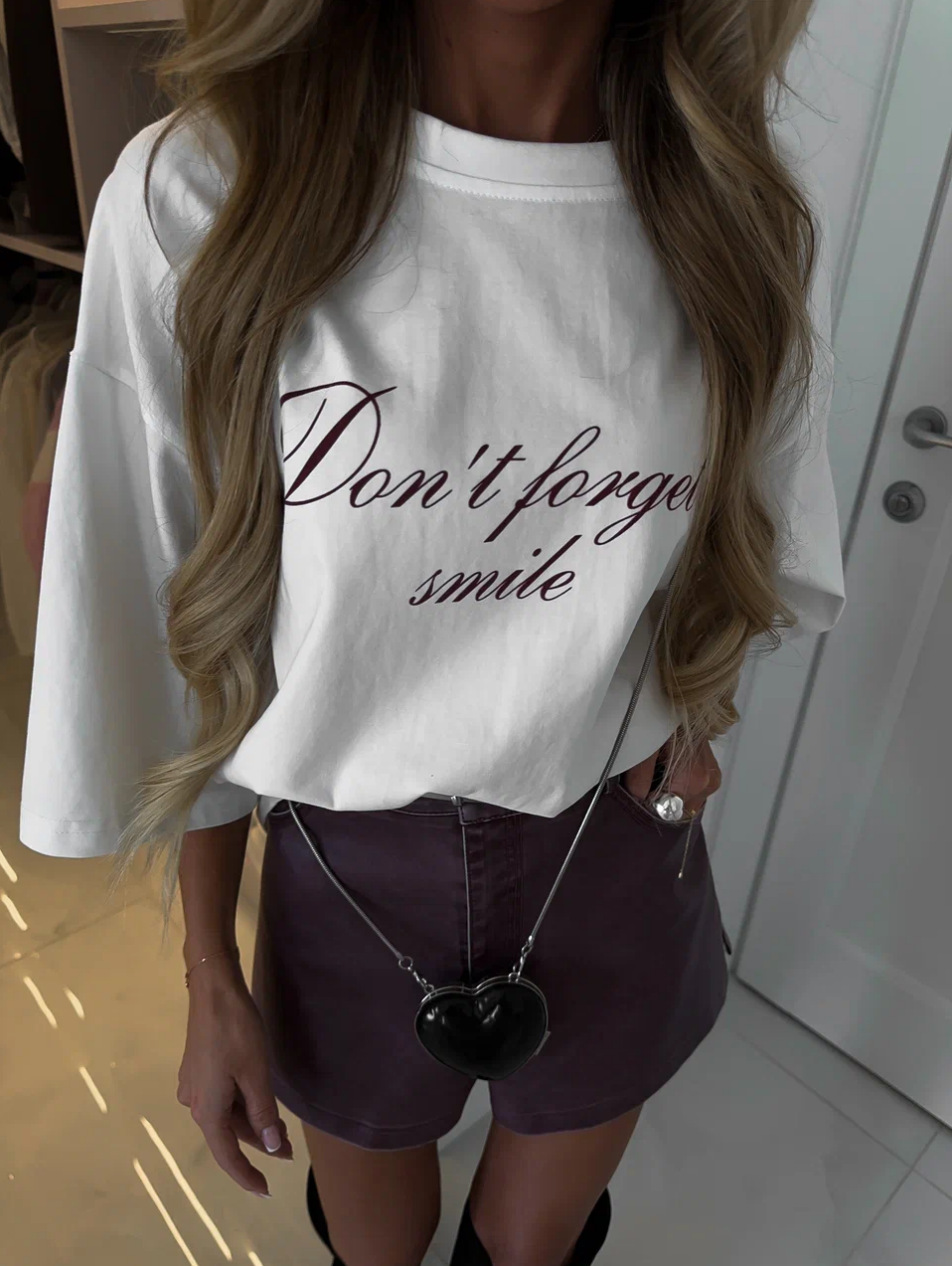
Women's 100% Cotton Letter Print T-Shirt Don't Forget Smile Round Neck Short Sleeve Loose Fit Summer Casual Streetwear Top
$10.68
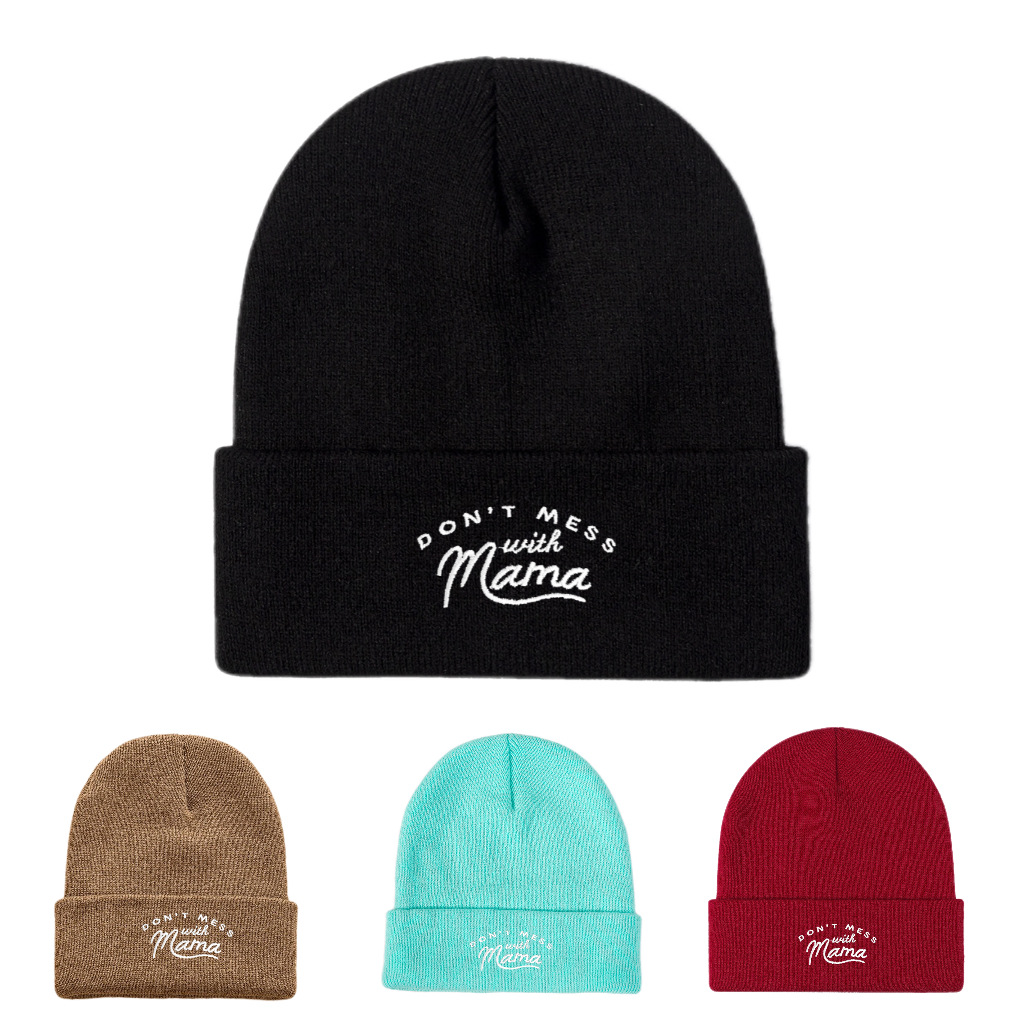
Autumn Winter Unisex Embroidered DON'T MESS WITH MAMA Knit Beanie Hat Casual Warm Acrylic Cuffed Skull Cap For Men Women
$2.39
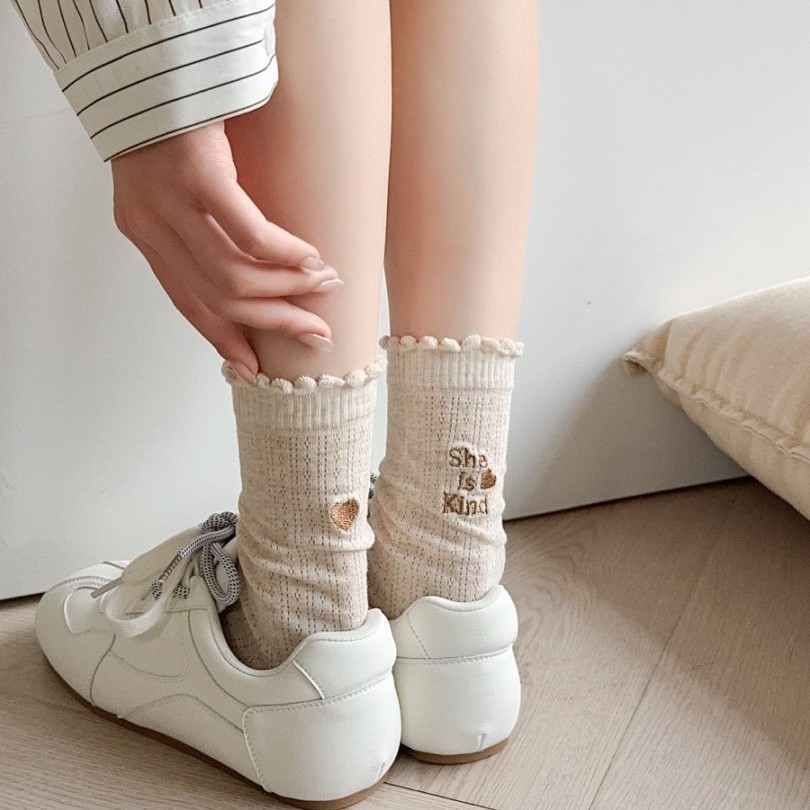
Women's Mid-Calf Crew Socks Combed Cotton Blend Heart Embroidery She Is Kind Lettering Lettuce Edge Ruffle Cuff Casual Daily Wear Korean Ins Style
$1.01
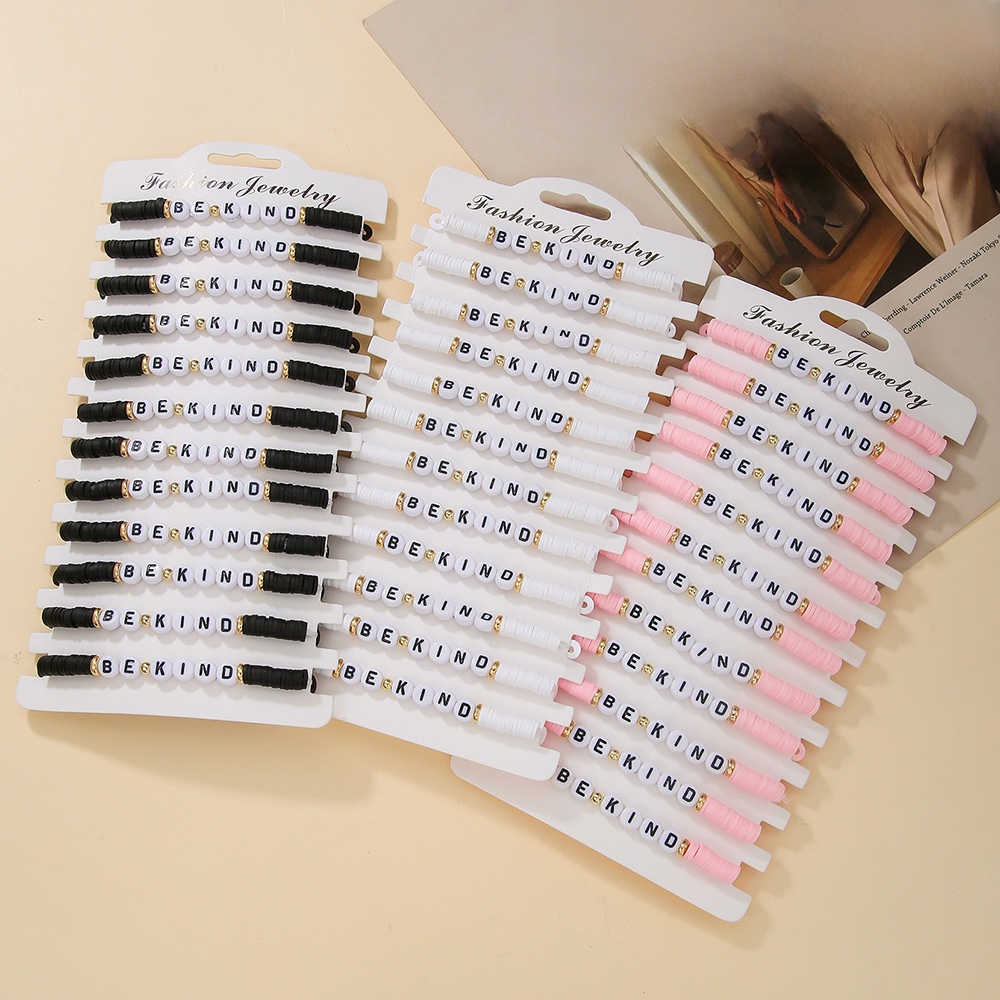
12Pcs Polymer Clay Heishi Beaded Bracelet Set With BE KIND Letter Beads Handmade Boho Stacking Stretch Bracelets For Women Girl Summer Beach Jewelry Gift
$2.59
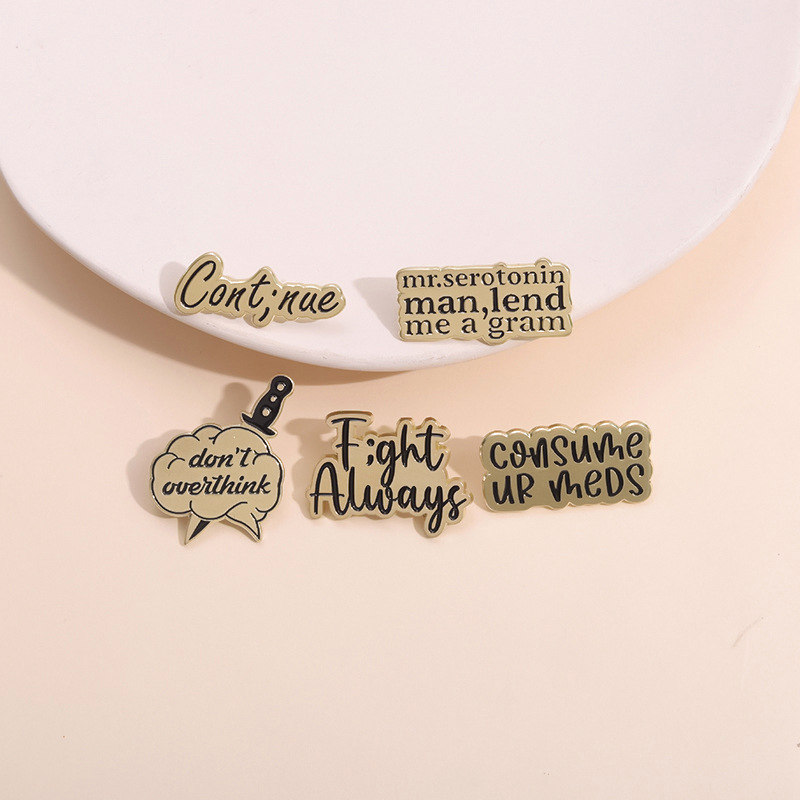
Motivational Mental Health Enamel Pin Set Don't Overthink Zinc Alloy Metal Brooch Serotonin Badge For Backpack Clothes Jackets Women Men Jewelry
$0.45
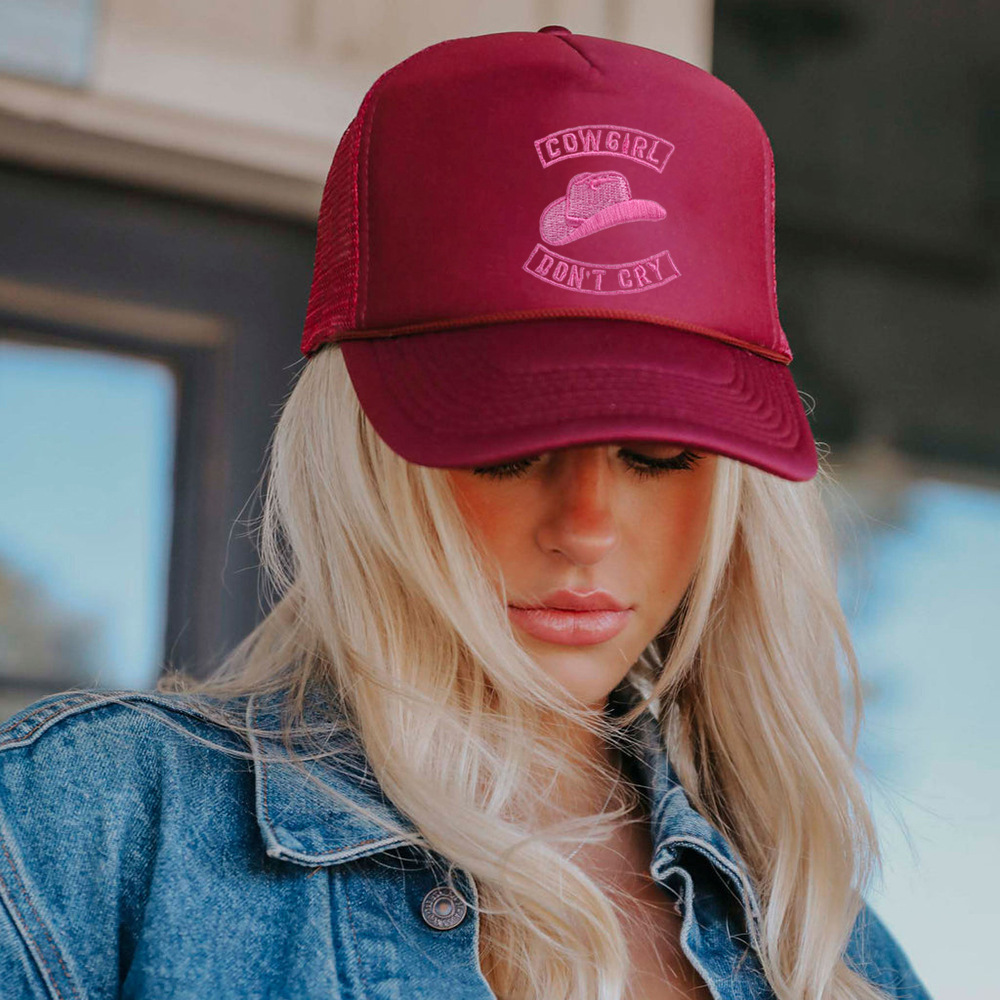
Cowgirl Don't Cry Embroidered Trucker Hat Women's Breathable Mesh Baseball Cap Western Style Adjustable Snapback Sun Hat Summer Outdoor Beach Cap
$3.03
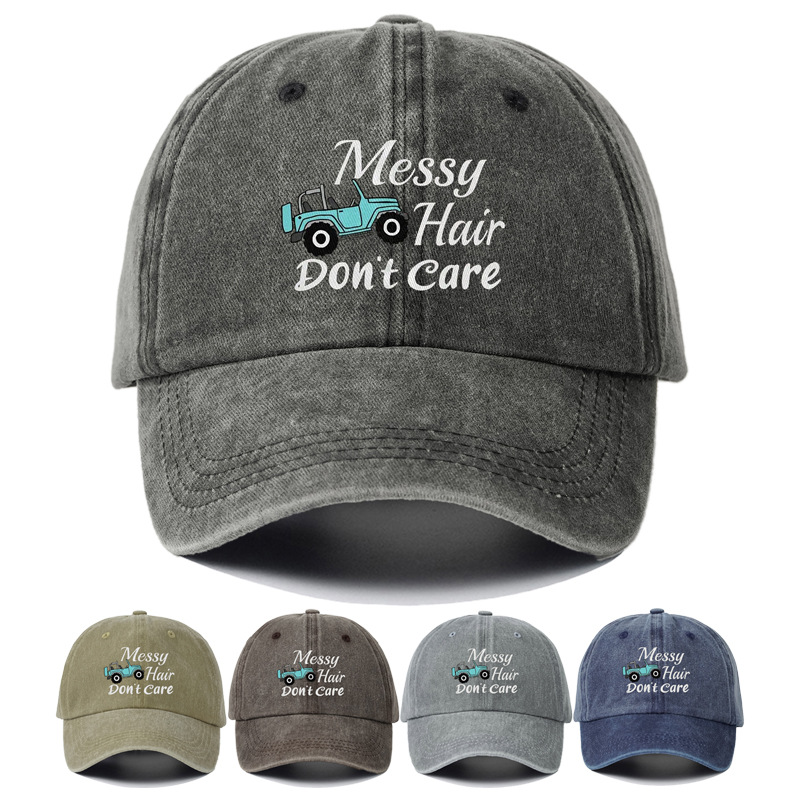
Washed Cotton Baseball Cap Messy Hair Don't Care Embroidered Vintage Denim Hat Sun Protection Adjustable Casual Trucker Cap for Men Women
$3.46
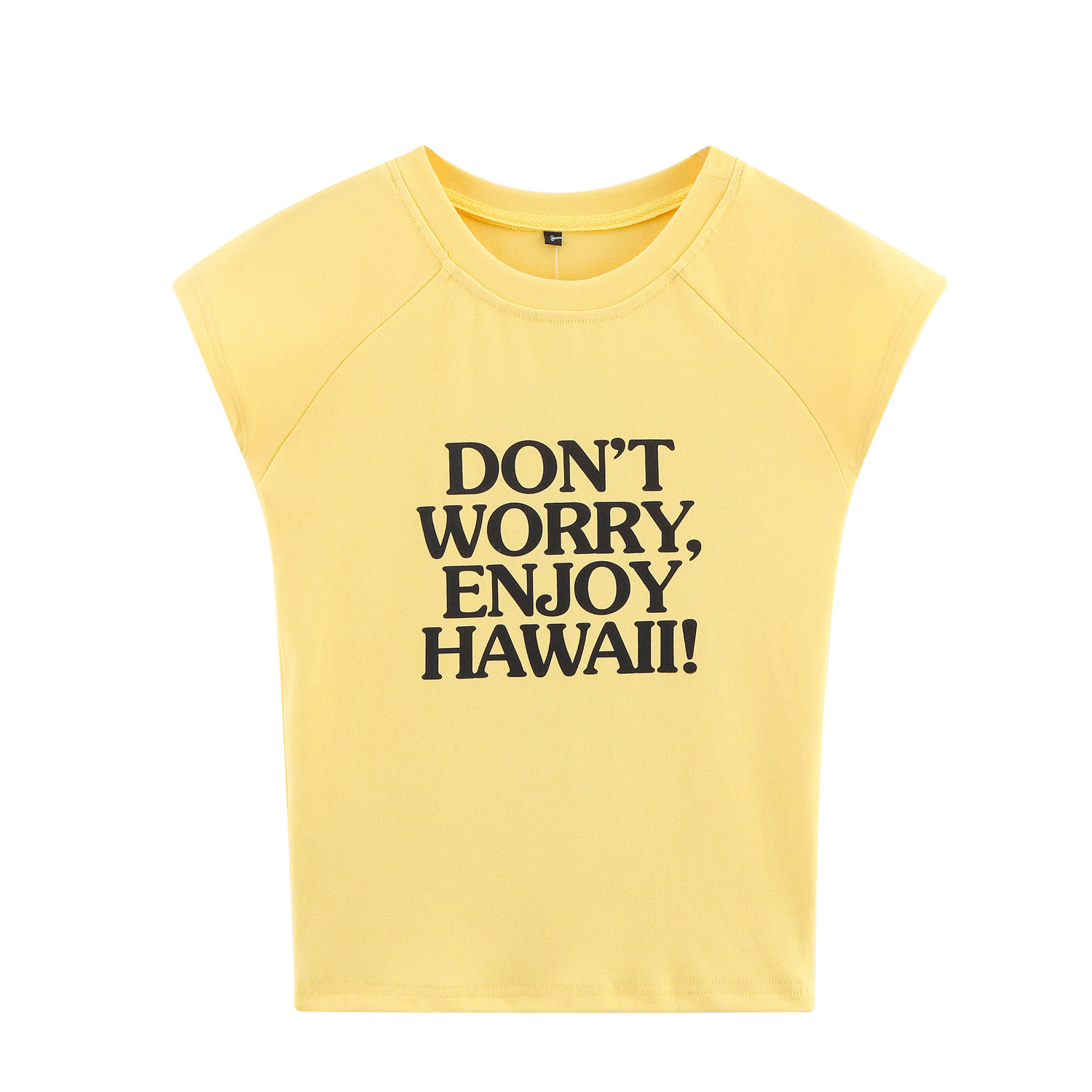
Women's Summer T-Shirt Casual Cotton Blend Knitted Round Neck Sleeveless Don't Worry Enjoy Hawaii Letter Print Crop Top Streetwear Women Vest
$9.51
Bundles That Prove You Understand the Price-Quality Gap
Bundling reinforces your brand's 'affordable quality' message. When a customer buys a hat plus a pin, they see value savings versus retail competitors. These bundles work for both online add-ons and pop-up table stacks.
Lean Entry Pack
New entrepreneur testing the tradition-minded crowd at a flea market. Needs low upfront cost and high perceived value.
- Be Kind Heart Embroidery Baseball Caphero
- Minimalist Slogan Enamel Pin Badge BE KINDcomplement
- 12Pcs Polymer Clay Heishi Beaded Bracelet Set With BE KINDupsell
Separately $3.17 + $0.50 + $2.59 = $6.26. Bundle at $5.50 — customer saves 12%, you keep $2.80 margin per bundle.
Prep Lifestyle Starter
Shopify store targeting the trad/prep aesthetic. These items match classic Ivy styling but carry a modern 'don't smile' message.
- Washed Cotton Baseball Cap Messy Hair Don't Carehero
- Motivational Mental Health Enamel Pin Set Don't Overthinkcomplement
- Women's Cotton Letter Print T-Shirt Don't Forget Smileupsell
Separate total $3.46 + $0.45 + $10.68 = $14.59. Bundle at $12.99 — margin $7.50 on a $12.99 bundle.
No-Brainer Add-On Kit
Pop-up stall where customers buy one shirt; offer this as a $5 add-on to increase ticket size.
- Creative Enamel Pins Alloy Drip Oil Broocheshero
- Don't Grow Up It's A Trap Enamel Pincomplement
Separately $0.28 + $1.28 = $1.56. Bundle at $1.20 — barely any cost, but drives a second purchase and brand recall.