
Trend Report · May 19, 2026
How to Choose the Right Paper Weight for High-Quality Eco-Friendly Posters
A confused shopper at a printing store reveals the gap in eco-friendly poster supplies. Learn how to source clear, quality alternatives for wholesale.
How do I choose the right paper weight for high-quality posters?
Two days ago, a shopper walked into a printing materials store asking about eco-friendly poster printing supplies. They wanted something safer for the environment—no plastic waste, no chemical smell—but still good print quality. What they found was a wall of confusion. Products boasted 'biodegradable' and 'recyclable' labels but offered almost no data on weight, durability, or how the print would look. The shopper left without buying.
That moment is the inflection point. It shows that eco-friendly poster materials are not yet commoditized. Buyers want sustainability but won't sacrifice quality. And suppliers who can deliver both with transparent specs will capture a growing slice of the poster market—especially as dropshippers and boutiques look for differentiated inventory.
This isn't just about paper. The same gap exists across eco-friendly accessories: tote bags, stationery, gift wraps. Customers are skeptical of vague green claims. Concrete numbers—like GSM weight, recycled content percentage, and chemical certifications—close the deal.
The Replicable Pattern: Clarity Wins Over Claims
The pattern here is simple: when a market segment (eco-friendly posters) is flooded with claims but starved of specifics, the seller who provides clarity owns the shelf. The shopper in the store didn't need more greenwashing. They needed to know: 'Is 120 GSM recycled paper enough to avoid show-through? Does this material work with pigment inks? Will the print look dull?' No one answered.
This pattern repeats in accessories. To sell eco-friendly tote bags to poster buyers, you must list the fabric weight (e.g., 140 GSM cotton linen), the print method (screen vs. DTG), and the recycling instructions. Generic 'eco-friendly' doesn't cut it. The transferable insight: treat your product spec sheet as your sales script. Highlight the one metric that matters for that buyer's use case—for posters it's paper weight; for bags it's material weight and durability.
Ecommerce relevance is high. Shopify stores and Etsy sellers who cross-sell posters with tote bags or stationery can use this pattern to build trust. A listing that says '120 GSM recycled paper poster' with a weight chart converts better than one that says 'eco poster' alone.
Who Should Act on This Pattern Now
Three operator profiles are best positioned to repeat this pattern: (1) store owners who already sell posters or art prints and want to add eco-friendly options without bleeding margin, (2) beginners launching a 'green' gift or home decor shop who need a differentiated angle, and (3) pop-up sellers who can demo physical products to overcome skepticism.
Shopify seller
You already know your customers ask about eco credentials. Add a filterable attribute for paper weight and recycled content. Use bundles to cross-sell tote bags as 'poster-friendly packaging' and raise AOV.
Pop-up vendor
In-person, you can let customers feel the difference between 80 GSM and 200 GSM. Carry a few tote bag samples printed with poster art to show the material quality. Your honesty about specs builds repeat buyers.
Etsy newbie
Start with a small SKU depth: 2 paper stocks and 2 tote bag designs. List the exact GSM and ink compatibility. Avoid overcommit—use test orders from DayJewel to validate sell-through before scaling.
What Happened
Two days ago, a shopper walked into a printing materials store looking for eco-friendly poster supplies. They wanted something that didn't dump plastic waste or stink of chemicals. The store stocked products labeled 'biodegradable' and 'recyclable,' but zero details on weight, ink compatibility, or actual environmental impact. The shopper left empty-handed, frustrated by the gap between promise and proof.
The Replicable Pattern
Green labels without specs erode trust. Sellers who provide concrete metrics (GSM, recycled content, test results) capture the decisive buyer.
Evidence: The shopper explicitly wanted 'good print quality without looking dull.' They couldn't assess that from a vague 'eco-friendly' claim.
Cross-category bundling solves the 'where do I start?' paralysis. The shopper was looking for one material; a bundle of bags + pencils + gift wrap meets broader needs.
Evidence: The source shows a single-purpose visit that failed. A full 'eco poster starter kit' would have turned that visit into a sale.
Low SKU depth with clear specs beats wide but vague inventory. The store had variety but no useful detail.
Evidence: The shopper checked 'some eco-friendly materials' but got 'very little information.' Narrower selection with full data would have built confidence.
How to Sell Eco-Friendly Poster Accessories (The Playbook)
Your advantage is clarity. Most sellers still use the same fuzzy language that confused the store shopper. You can cut through with three moves: First, every listing must include the material weight (GSM for bags, ply for paper), the recycled content percentage, and the certification or test standard. Second, use social proof that shows the product in use — a video of a tote bag holding a rolled poster, or a photo of a pencil set next to a printed poster. Third, create bundles that turn a single interest (posters) into a full eco-lifestyle offer. Here are three specific tactics to test this week, with honest risk notes.
Sell a 'Poster Art Tote Bag' — list the bag's material weight (e.g., 140 GSM jute), show it holding a rolled poster. Price at $10.95. Use the title 'Eco-Friendly Poster Tote Bag — Heavyweight Jute, Fits 24x36 Prints.'
⚠ Etsy customers who expect soft cotton may be put off by jute texture. Add a fabric sample photo to avoid returns.
Show the Van Gogh tote (187017) next to a poster print. Text: 'Most eco bags lie about quality. This one is 200 GSM canvas — same weight as a high-end poster.' Target women 25-40 interested in art and sustainability. A $20/day test for 5 days.
⚠ Niche audience means slow scaling. Test two creative variations before scaling budget.
When a customer adds a poster to cart, show a popup: 'Carry your poster in style — add a 200 GSM eco canvas tote for $8.95.' Use the Korean tote (190030) as the hero image.
⚠ Only works if the poster itself is related (art prints, not event posters). Test with one collection first.
Eco-Friendly Accessories for Poster Lovers
While paper itself isn't in DayJewel's catalog, the eco-aware shopper buying poster supplies also shops for reusable tote bags, eco-friendly stationery, and gift packaging. These products let you extend the 'quality eco-friendly' promise across your store. Below are the most relevant items to test with poster buyers.
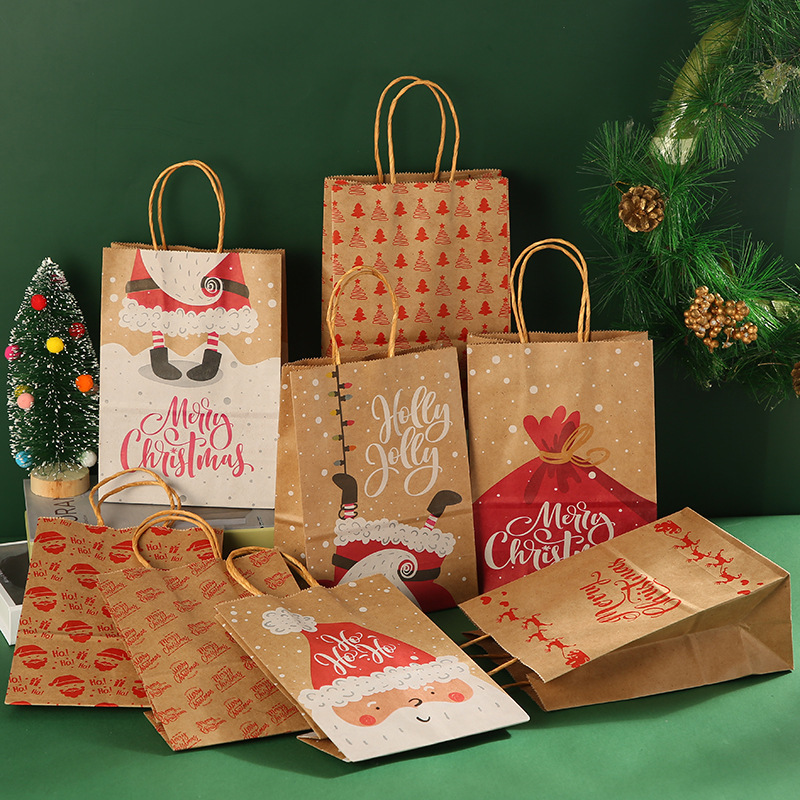
Christmas Kraft Paper Gift Bags With Handles Eco-Friendly Santa Claus Christmas Tree Reindeer Patterns For Holiday Party Favor Packaging Supplies
$0.17
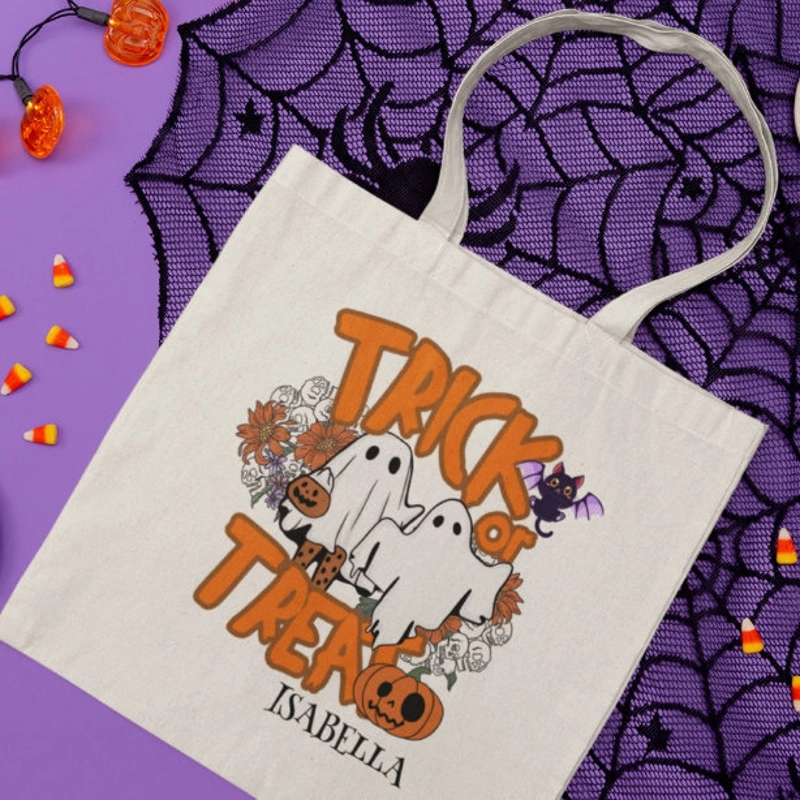
Halloween Ghost Pumpkin Print Canvas Tote Bag Reusable Grocery Shopping Bag Large Capacity Eco-friendly Handbag For Women Halloween Party Supplies Gift
$2.56
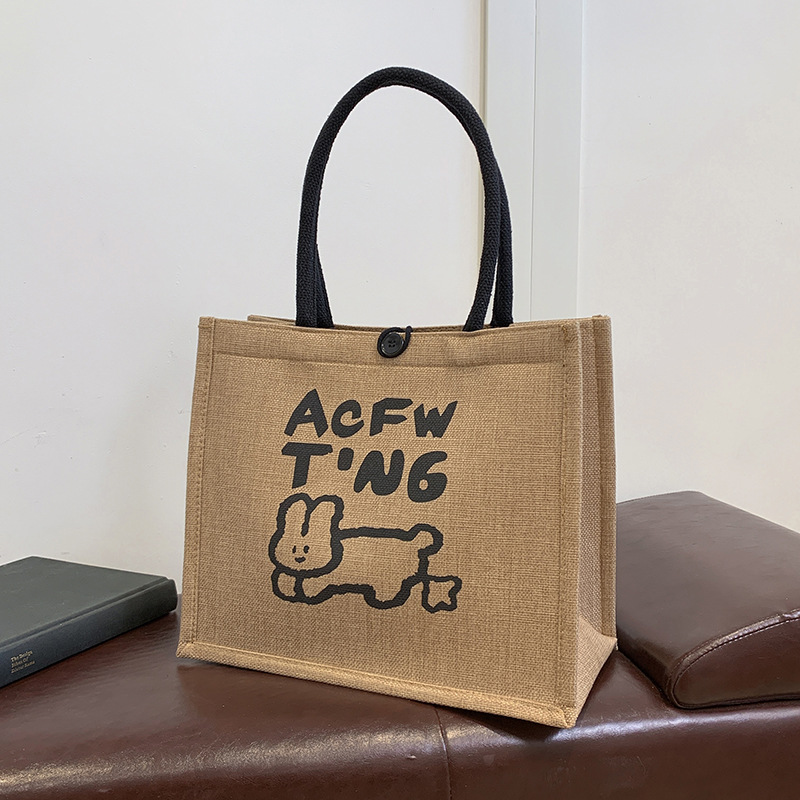
Women's Large Jute Tote Bag Eco-Friendly Linen Handbag With Inner Zipper Pocket Button Closure Artistic Printing Reusable Shopping Bag For Daily Travel
$2.74
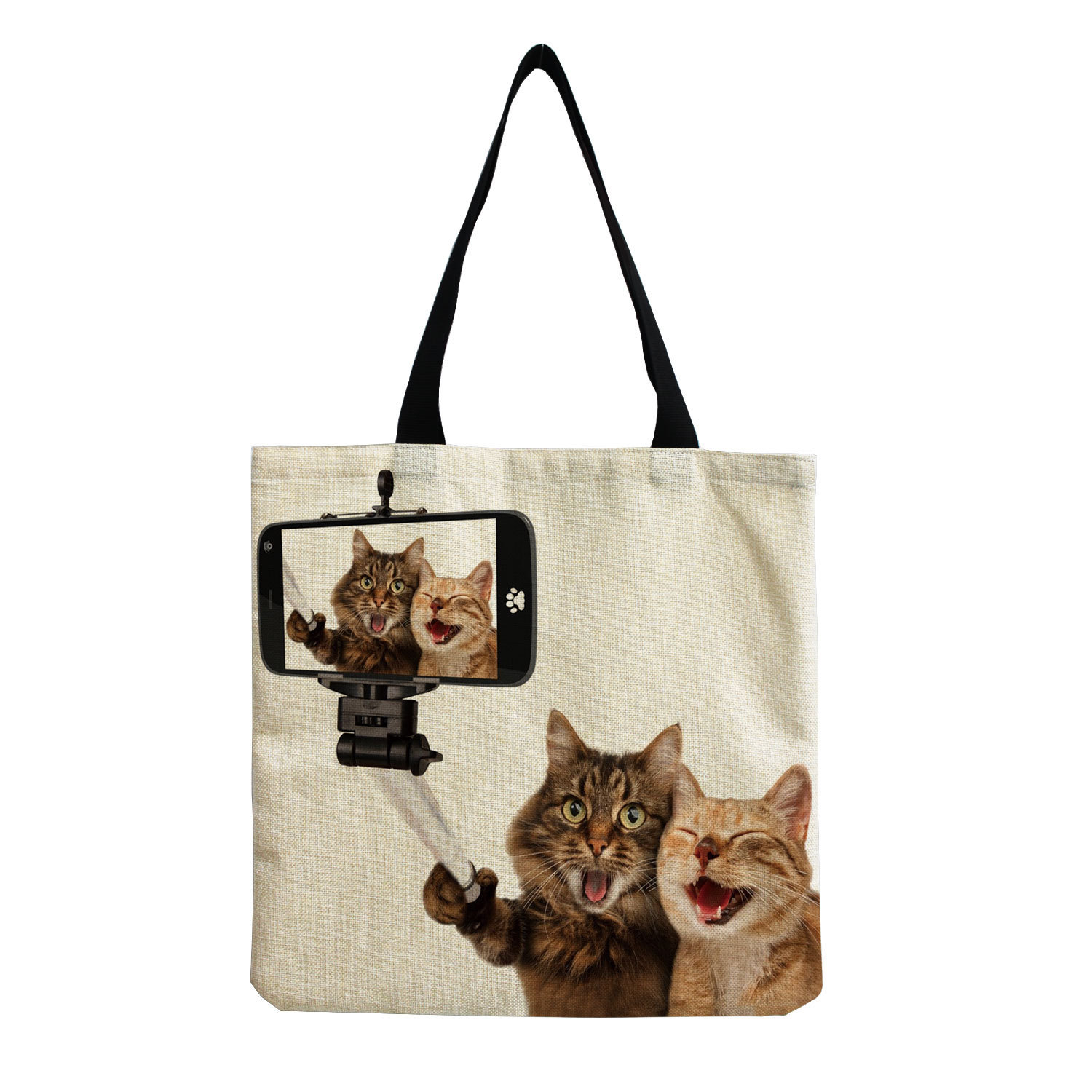
Women's Casual Cotton Linen Tote Bag Eco-Friendly Reusable Shopping Handbag With Cute Cat Printing Large Capacity Shoulder Bag For Daily Travel Grocery
$2.16

Waterproof Eco-friendly Soccer Temporary Face Tattoos National Flag Fan Support Sticker For Sporting Event Party
$0.20

Natural Wood Graphite Pencils HB Hexagonal Log Pencils Eco-Friendly For School Office Students Sketching Writing Drawing Stationery Supplies
$0.03
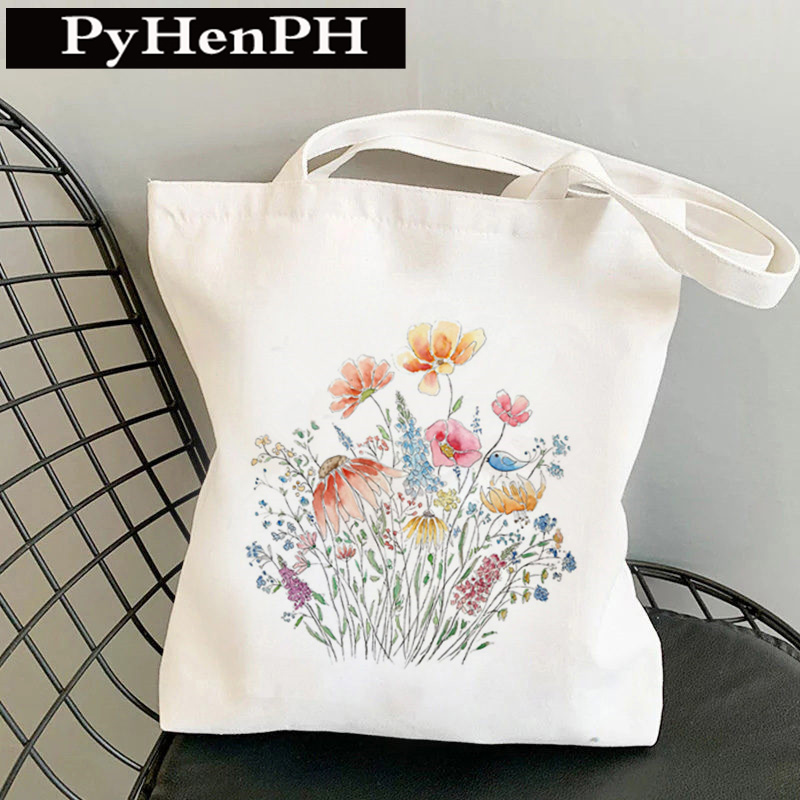
Wildflower Canvas Tote Bag Women Floral Aesthetic Print Reusable Grocery Shopping Shoulder Bag Eco-Friendly Large Capacity Handbag
$2.85

Wheat Straw Long Handle Kitchen Dish Brush Round Scrubber For Pots Pans Stove Cleaning Tool Durable Eco-Friendly Household Cleaning Supplies
$0.01
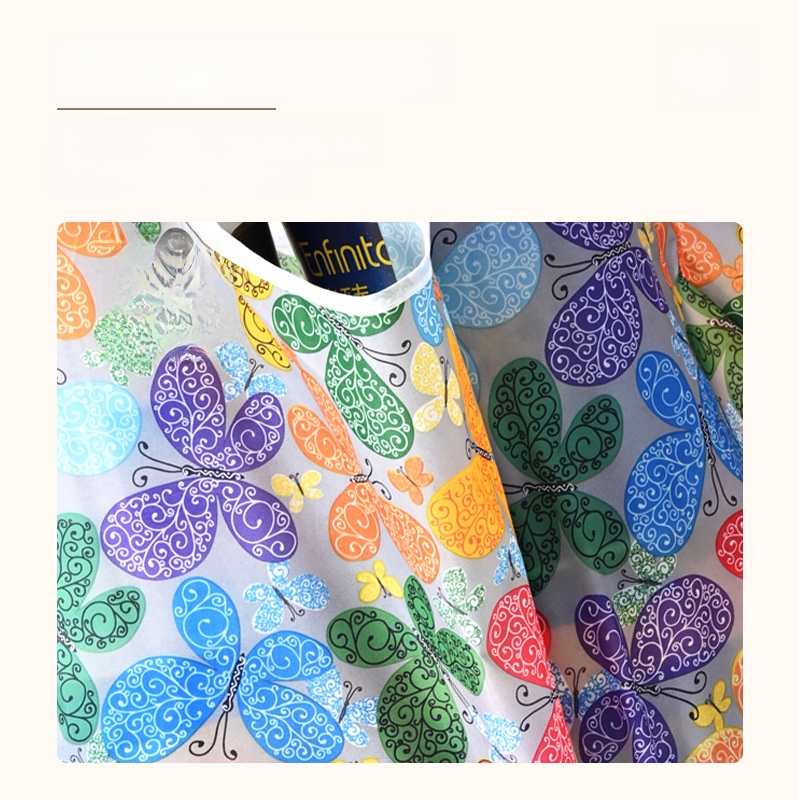
Portable Foldable Shopping Bag Large Capacity 190T Polyester Reusable Grocery Tote Bag For Supermarket Travel Eco-Friendly Print Handbag
$0.72
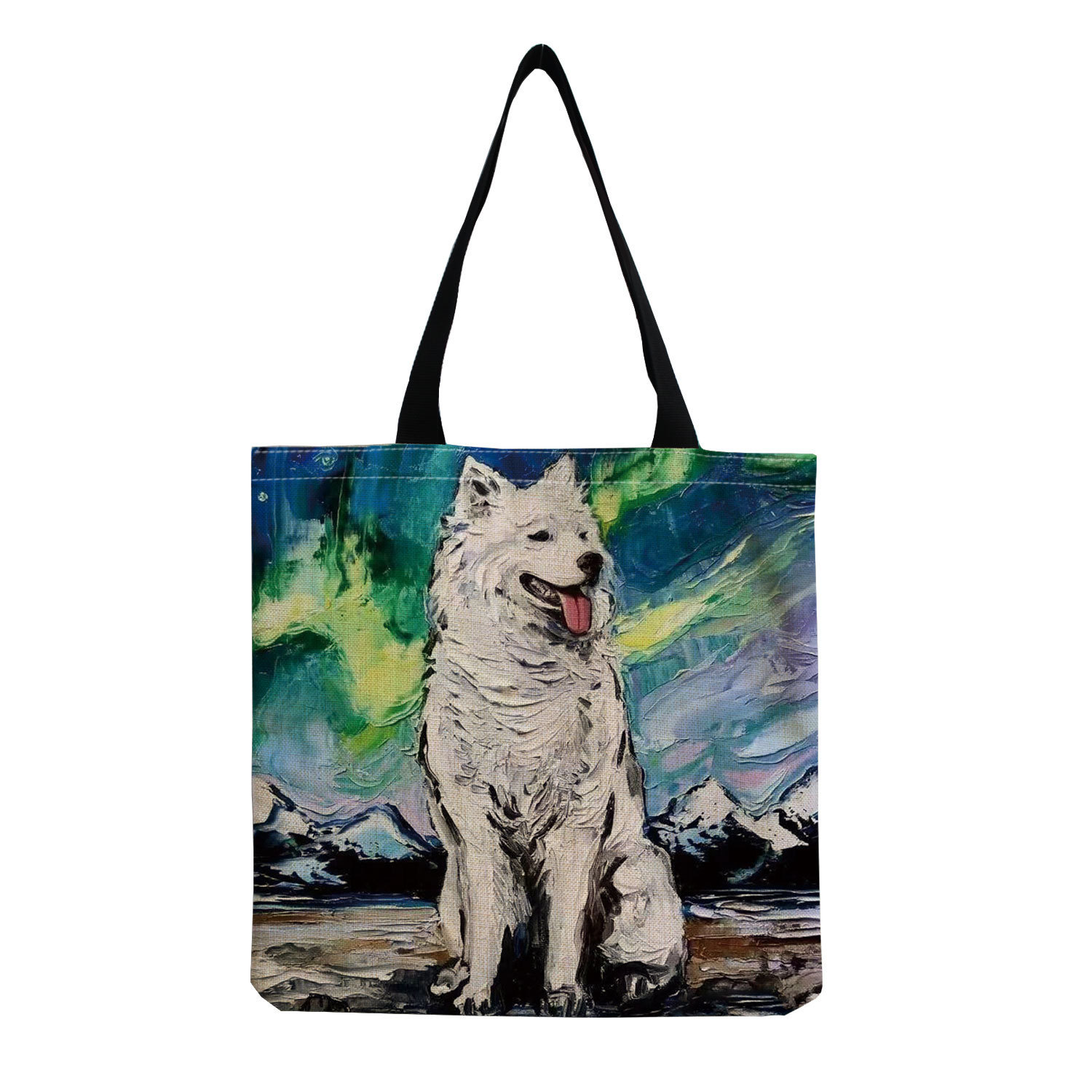
Women's Canvas Tote Bag Cotton Linen Shopping Bag Van Gogh Starry Sky Animal Oil Painting Eco-friendly Large Handbag
$2.16
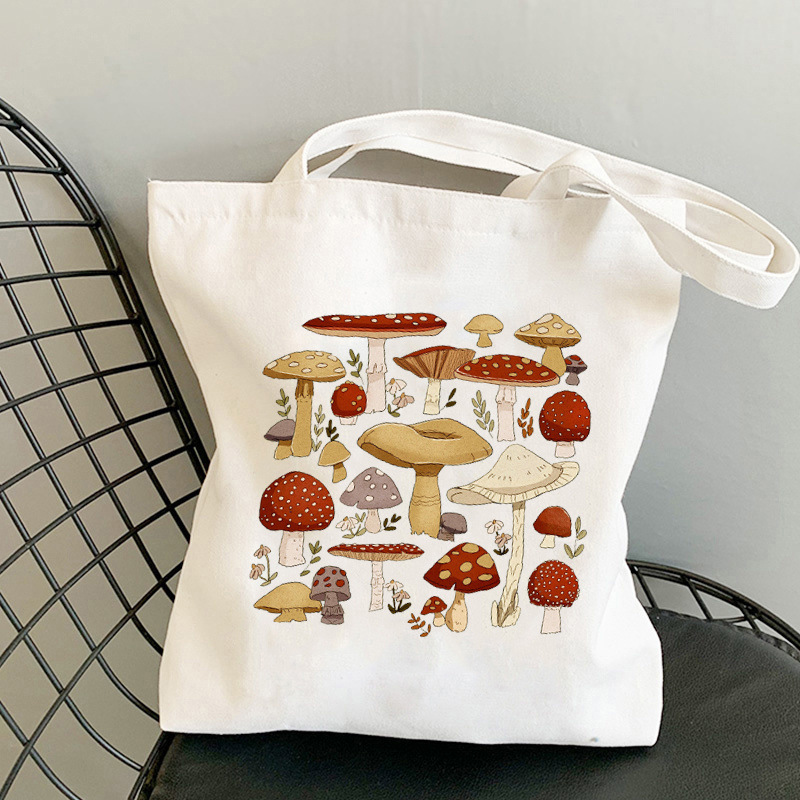
Vintage Mushroom Botanical Illustration Canvas Tote Bag Eco-Friendly Cotton Fabric Shoulder Handbag For School Travel Daily Shopping Women
$2.71
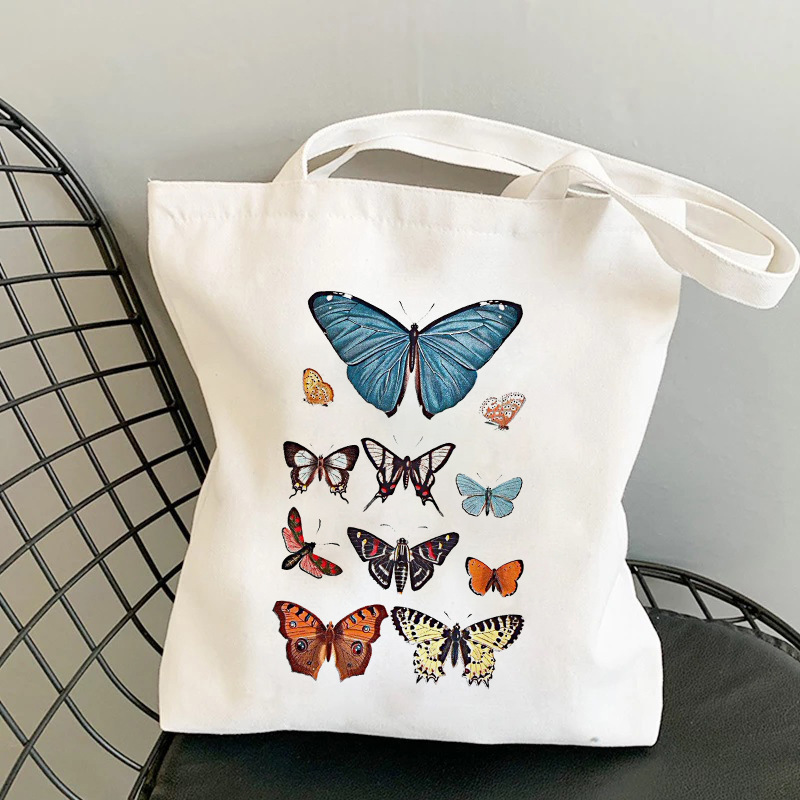
Women Retro Butterfly Floral Print Canvas Tote Bag Large Capacity Casual Shoulder Shopping Bag Minimalist Aesthetic Eco Friendly Reusable Handbag
$2.56
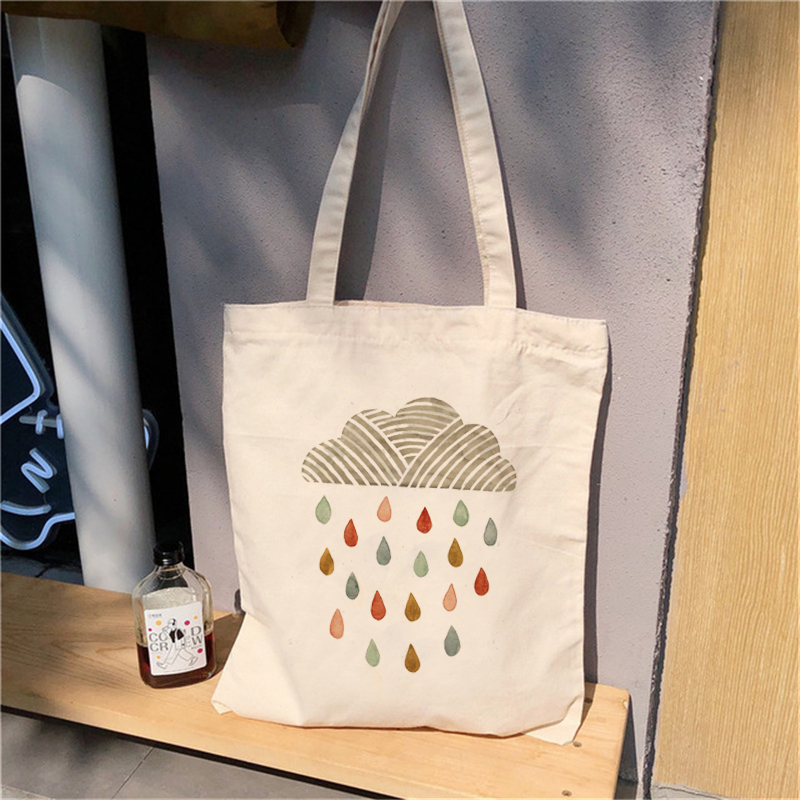
Women Large Capacity Canvas Tote Bag Simple Korean Eco-Friendly Shopping Shoulder Bag School Daily Casual Handbag Multi-Print Design
$3.98
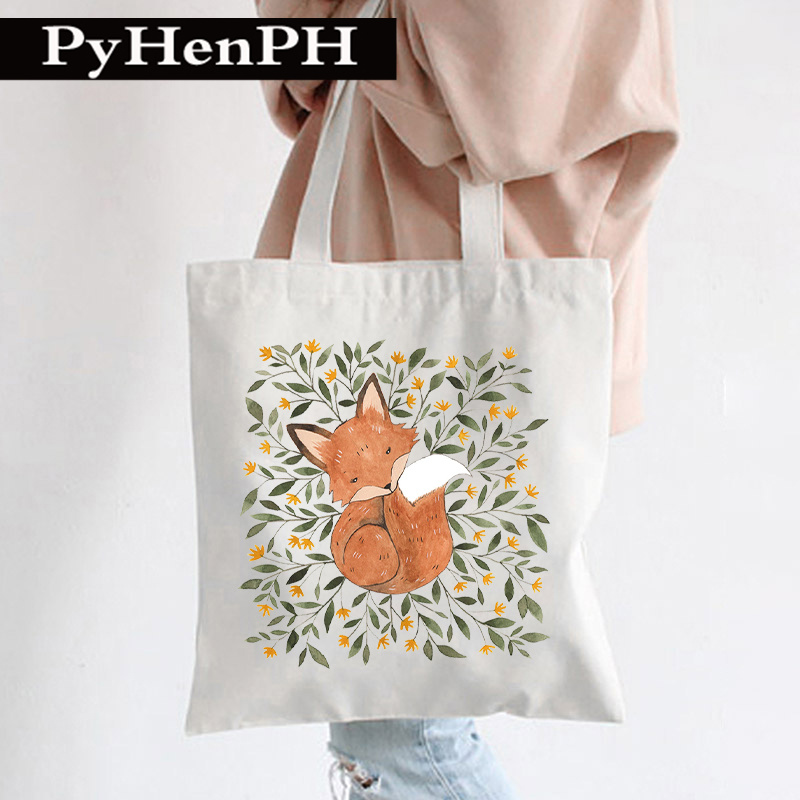
Women's Large Canvas Tote Bag Cute Fox Floral Print Reusable Eco-friendly Shopper Shoulder Bag For Shopping School Daily Travel
$2.85
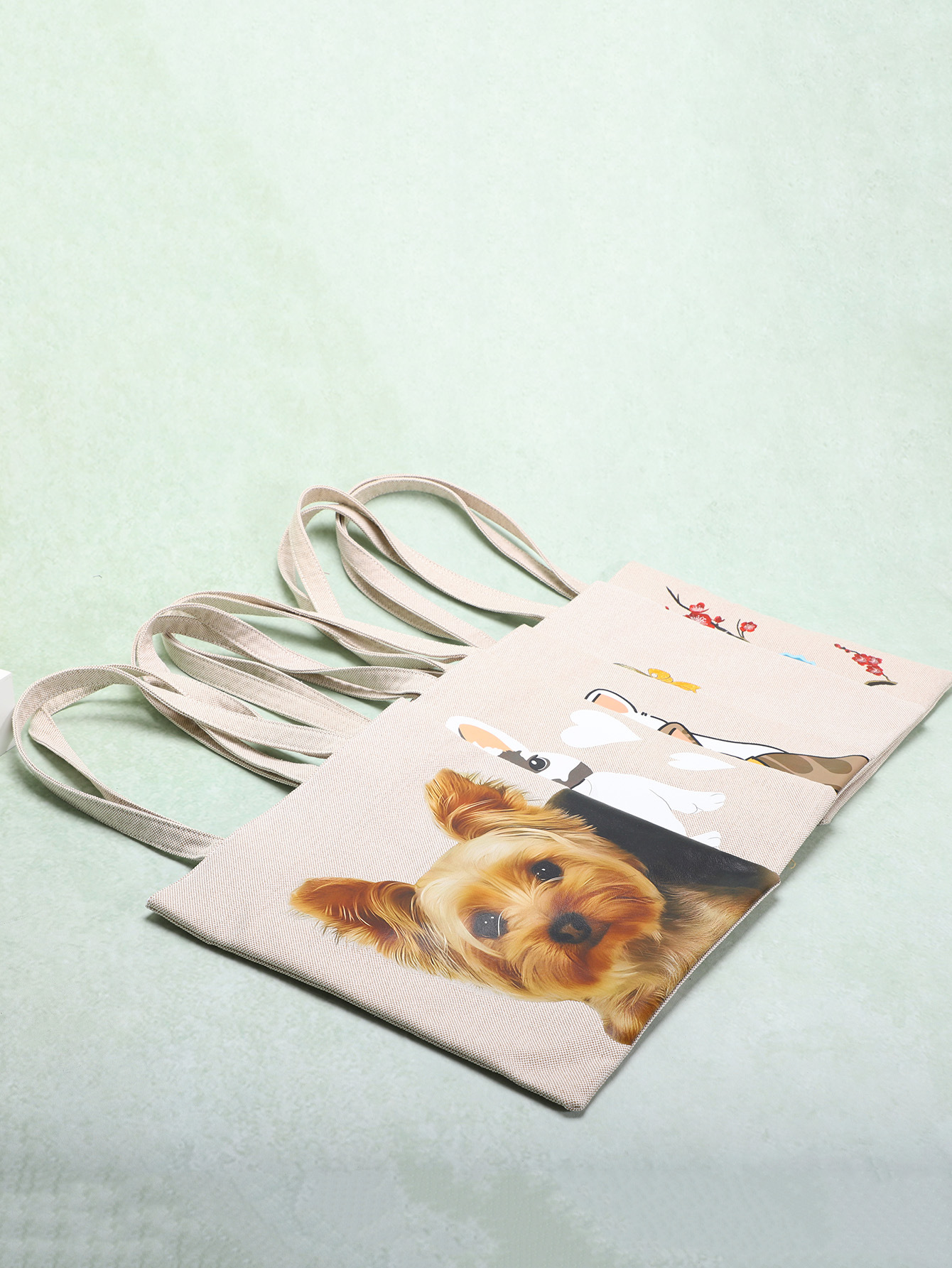
Cute Cartoon Dog Cat Print Canvas Tote Bag For Women Eco Friendly Reusable Shoulder Shopping Bag Large Capacity Casual Handbag
$4.90
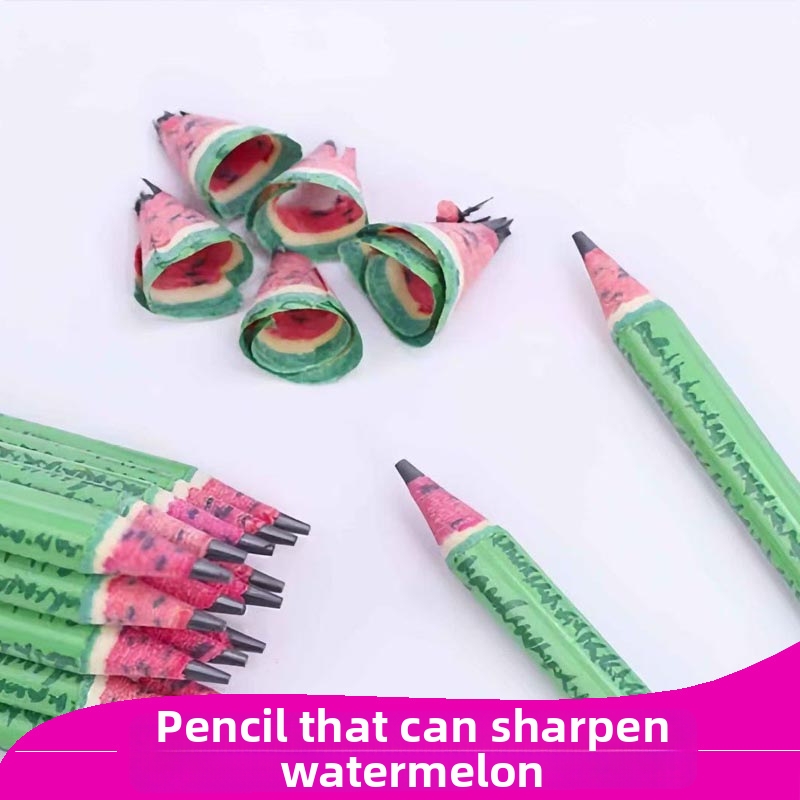
12PCS Eco-Friendly Recycled Paper Rainbow Pencils And Watermelon Pattern Wood HB Pencils For Kids Writing Drawing School Office Supplies Stationery Set
$2.35

Striped Paper Straws With Honeycomb Flamingo Mermaid Pineapple Decoration Biodegradable Drinking Straws For Wedding Birthday Party Cocktail Juice Eco Friendly Party Supplies
$0.06
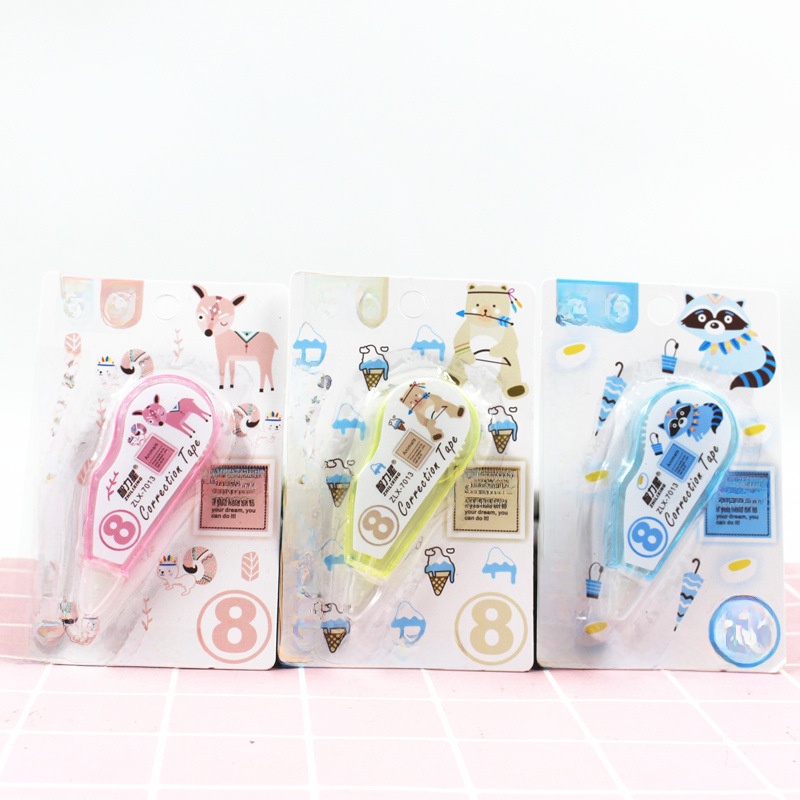
Cute Cartoon Animal Plastic Correction Tape 8M Long Eco-Friendly Non-Toxic Eraser Tape for Kids Students School Office Supplies Stationery Gifts
$0.22

Mini Resin Ice Cream Popsicle Charms Flatback Cabochons For DIY Crafts Phone Case Hair Clips Making Eco-Friendly Simulation Food Jewelry Supplies
$0.09
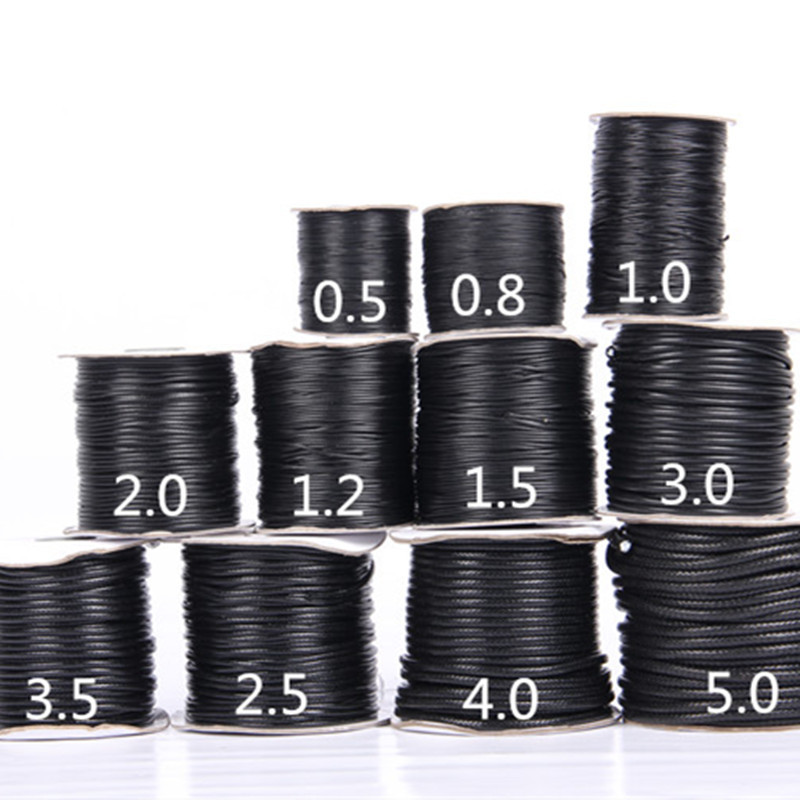
Eco-Friendly Round Waxed Cord Polyester Braided String For DIY Necklace Bracelet Jewelry Making Supplies Handmade Beading Cord Multi-Color 0.5-5.0mm
$2.23
Bundles That Turn Poster Interest Into Repeat Sales
Bundling addresses the shopper's core problem: they want a complete eco-friendly solution, not a single item. Pair a tote bag (for carrying or displaying posters) with small gifts (pencils, straws, stickers) to increase perceived value without adding heavy inventory risk.
Poster Lover's Starter Kit
First-time buyer who wants one eco-friendly shopping tote and some gifts for a friend
- Women's Large Jute Tote Baghero
- 12PCS Recycled Paper Rainbow Pencilsupsell
- Christmas Kraft Paper Gift Bagscomplement
Bundle at $3.85 vs $4.86 separately — save $1.01. Risk: jute may fray if buyer expects high sheen.
Art Show Survival Pack
Vendor at a pop-up selling prints who needs eco-friendly bags and giveaways
- Wildflower Canvas Tote Baghero
- Natural Wood Graphite Pencils HB (100 units)complement
- Waterproof Eco-friendly Temporary Face Tattoosupsell
Bundle at $3.50 vs $4.55 — margin healthy, but tattoos have short shelf life if used as samples.
Eco-Artist Desk Bundle
Home office buyer who prints posters and wants matching accessories
- Vintage Mushroom Canvas Tote Baghero
- Rainbow Pencils 12-Packcomplement
- Eco-Friendly Round Waxed Cordupsell
Bundle at $4.90 vs $5.80 — cord adds DIY appeal but may confuse non-crafters.