
Trend Report · May 19, 2026
Spot a Real Jewelry Factory vs Middleman: The Checklist
Learn how to distinguish genuine jewelry factories from trading companies using our sourcing checklist. Spot red flags, ask the right questions, and source confidently.
How to Tell if a Jewelry Supplier is a Factory or Middleman
Sourcing factory-direct can cut your cost per unit by 30-50% on fashion jewelry. But many suppliers claiming to be factories are actually trading companies—middlemen who add no production value and inflate prices. The problem is that today's middlemen are polished. They have slick websites, fluent English, and stock photos that look indistinguishable from a real manufacturer's catalog. The difference only surfaces when you push into production details.
Real factories can show you the messy, boring details: the cutting floor, the electroplating tanks, the reject pile. They answer specifics about alloy composition, plating thickness, and lead time for a new mold. Middlemen answer in generalities—'no problem, we can do that'—and then shop your order to a factory they don't control. If you're starting a jewelry line or scaling an existing store, learning to spot the difference is the single highest-leverage skill you can build.
Why Factory Verification Matters More Now
E-commerce has lowered the barrier for middlemen to appear as factories. A trading company with a rented warehouse and a laptop can list 10,000 SKUs overnight, all with professional images. At the same time, margins on jewelry are tight—wholesale buyers need every dollar. If you pay a middleman's markup on a $0.50 enamel pin, your profit per unit might drop from $4 to $1.80. That difference determines whether a TikTok Shop campaign or Shopify store is viable.
Another shift: more boutique owners are ordering small batches (100-500 units) to test designs before committing. Factories often accommodate this directly if you approach them correctly. Middlemen, however, typically add a premium for small quantities and may lack the production flexibility to adjust colors or materials quickly. Verifying that you're dealing with the actual manufacturer means you can negotiate better terms, request custom packaging, and fix quality issues without a middleman bottleneck.
Who Needs This Checklist
This checklist is built for anyone adding jewelry to their product line—whether you're a first-time importer testing a single brooch design or an established Shopify store owner expanding into enamel pins and hair accessories. The tactics here assume you have limited experience with direct factory sourcing and need a repeatable process to qualify suppliers before writing a purchase order.
First-time boutique owner
You're launching a jewelry side hustle and need to avoid overpaying for inventory; factory-direct sourcing gives you 40%+ better margins.
Shopify store scaling to custom designs
You already sell stock products and want to develop exclusives; you need to vet suppliers for mold-making and plating capability, not just stock availability.
Pop-up / flea market seller
You sell at events and need low MOQ with fast turnaround; a real factory can often split larger production runs into weekly drops, while a middleman cannot.
Sourcing Vetting Checklist
Phase 1: Phase 1: Initial Supplier Research
✓ Check the supplier's business license for 'manufacturer' classification.
Why: A factory's license code will include manufacturing; a middleman's will list 'trade' or 'import/export'.
✓ Search the supplier name + 'factory' or 'workshop' on Google Maps satellite view.
Why: Real factories sit in industrial parks; trading offices are in commercial buildings.
✓ Look for production equipment lists on their website or Alibaba profile.
Why: Factories list die-casting machines, plating lines, polishing wheels; middlemen don't.
Phase 2: Phase 2: Communication Authenticity Test
✓ Ask about a specific production step, e.g., 'How many electroplating tanks do you have and what metals do you use?'
Why: A real factory can describe their process in detail; middlemen give vague responses.
✓ Request photos of the current production floor, including a piece of paper with today's date.
Why: Prevents stock photos and confirms active manufacturing.
✓ Ask about their scrap/reject rate and how they handle defects.
Why: Factories track scrap (2-5% typical); middlemen don't know because they don't produce.
Phase 3: Phase 3: Production Capability Confirmation
✓ Request a sample that includes an unfinished part or a piece from a different production run.
Why: A factory will have unused components; a middleman only has finished goods.
✓ Ask about mold-making lead time and cost for a custom design like a unique brooch.
Why: Factories quote 7-15 days for mold creation and $100-500 fee; middlemen quote longer or avoid quoting.
✓ Inquire about minimum order quantity per color for enamel pins.
Why: Factories have per-color MOQ of 300-500 pieces; middlemen may claim no MOQ but split into smaller batches at higher cost.
Phase 4: Phase 4: Sample Order and Quality Check
✓ Order a sample before placing bulk order. Pay for shipping, do not ask for free sample.
Why: Willingness to sell a single piece at cost indicates they want a long-term relationship.
✓ Inspect sample for plating quality, sharp edges, and color consistency using a loupe.
Why: Factory quality control should be tight; middlemen samples may match bulk poorly.
✓ Weigh the sample and compare to listed weight. Real metals have predictable densities.
Why: A middleman may substitute cheaper materials to save cost.
Phase 5: Phase 5: Order Negotiation and Terms
✓ Negotiate payment terms: 30% deposit, 70% after inspection and before shipment.
Why: Real factories can float the production cost; middlemen need full payment to pay the factory.
✓ Confirm lead time in writing including buffer for holidays, shipping delays.
Why: Factories quote 20-30 days for most jewelry items; middlemen may overpromise.
✓ Request a packing list and inspection report before shipment.
Why: A factory will have internal QC documentation; a middleman will not.
How to Source Factory-Direct Jewelry: Step by Step
Finding a real factory for fashion jewelry starts with the right channels. Focus on platforms like Alibaba with verified manufacturer tags, but don't stop there. Cross-reference on industry directories like MakersRow or attend trade shows where you can meet production teams in person. Once you have a shortlist of 3-5 suppliers, run them through the checklist above. The goal is to eliminate middlemen before investing time in sample orders. Sample ordering is your second gate. Order one of each product style—say a brooch, a hair clip, and a pet collar accessory. Compare the quality against price: a reliable factory will have consistent finish across different items. If the enamel pin is flawless but the brooch has rough edges, that's a sign the factory may be cherry-picking or outsourcing. After sample approval, negotiate terms with a small trial order (200 units total) to test the process before scaling to full MOQ. Freight and customs are often overlooked. Request the mold-making cost and shipping weight per unit in advance. A factory can provide precise dimensions and weight for a single brooch (e.g., 15g with card). This helps you plan shipping cost per unit and avoid surprises at customs when the declared value triggers duties. Keep your trial order under $2,500 to simplify customs clearance.
Use filters: 'Manufacturer' + 'Trade Assurance' + 'Gold Supplier' with at least 3 years. Message 10 suppliers with a specific question about plating thickness for an enamel pin.
⚠ Even verified manufacturers can be trading companies leasing a factory space for photos; cross-check with video call.
Order 2 samples per product from your top 2 suppliers. Weigh each, check with magnet for base metal, and test enamel hardness with a fingernail.
⚠ Sample quality may not match bulk due to 'showrooming'; request a sample from a run of 500 pieces if possible.
Offer to pay 30% deposit via secure payment (e.g., Alibaba Trade Assurance) and 70% after your own QC inspection at factory or via third-party agent.
⚠ Some real factories prefer Western Union for small orders; use a credit card or Alibaba to ensure dispute protection.
Products You Can Source Factory-Direct
Once you confirm a supplier is the actual factory, you unlock wholesale prices on items like these from DayJewel's catalog. Each represents a category where factory-direct pricing makes a visible margin difference.
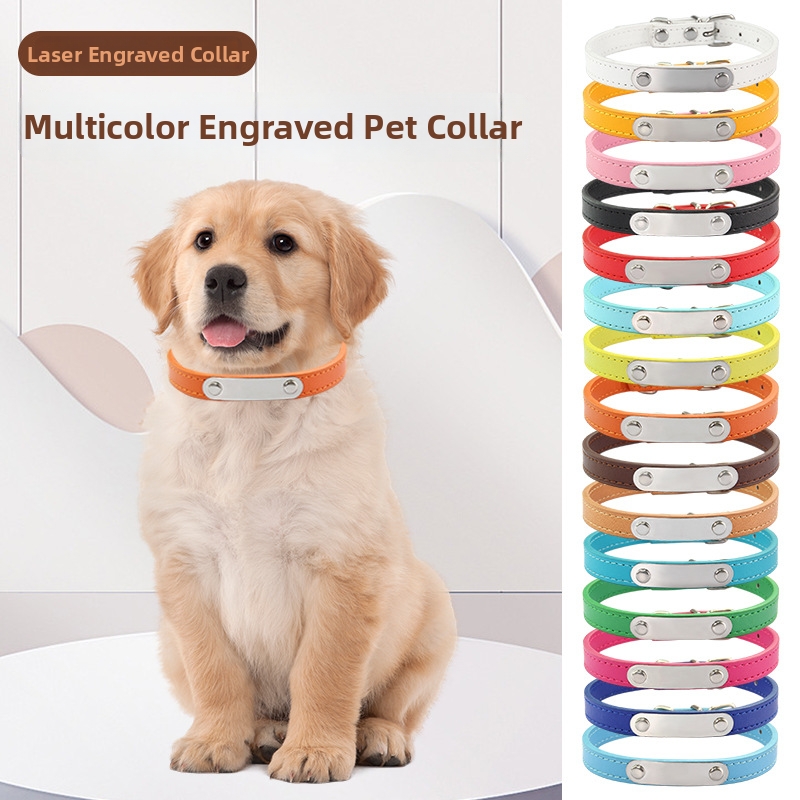
Psm Factory Direct Sales Pet Supplies Pu Leather Adjustable Collar Multiple Dog Cat Collar One Piece Dropshipping
$0.86
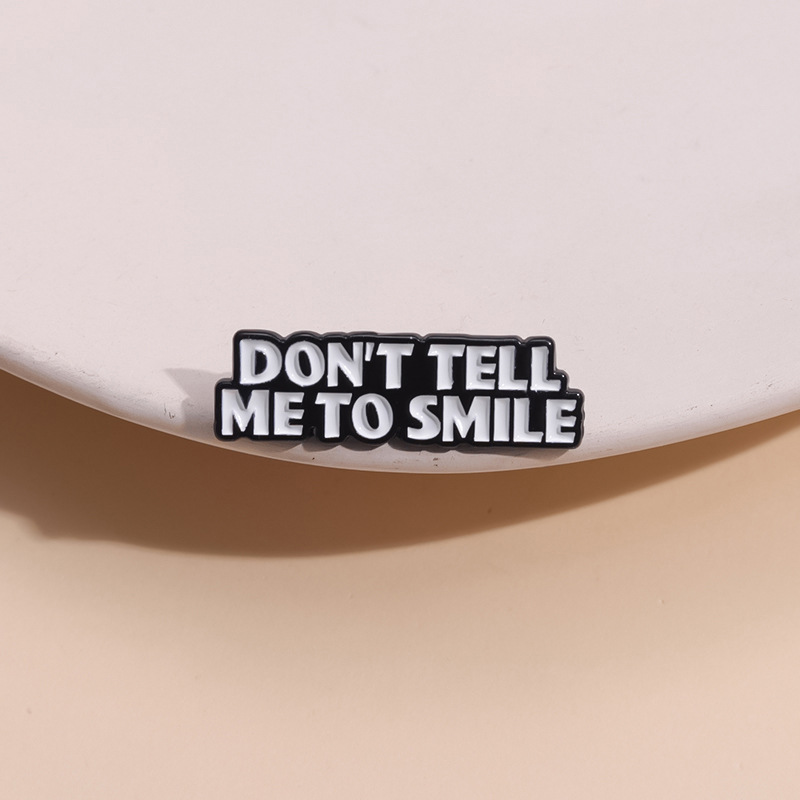
Don't Tell Me To Smile Enamel Pin Zinc Alloy Geometric Letter Brooch Badge For Clothes Bags Minimalist Fashion Jewelry Gift For Women Men
$0.52
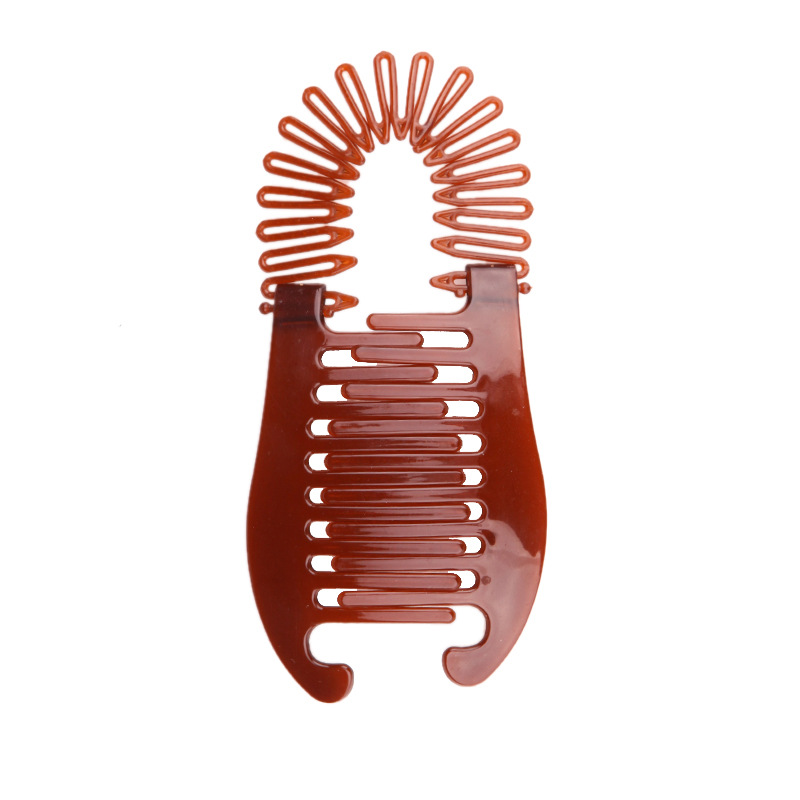
Factory Direct Korean Black Oval Pp Plastic Banana Clip Vertical Clip Korean Hair Clip Hair Accessories Hair Clip Spot
$0.49
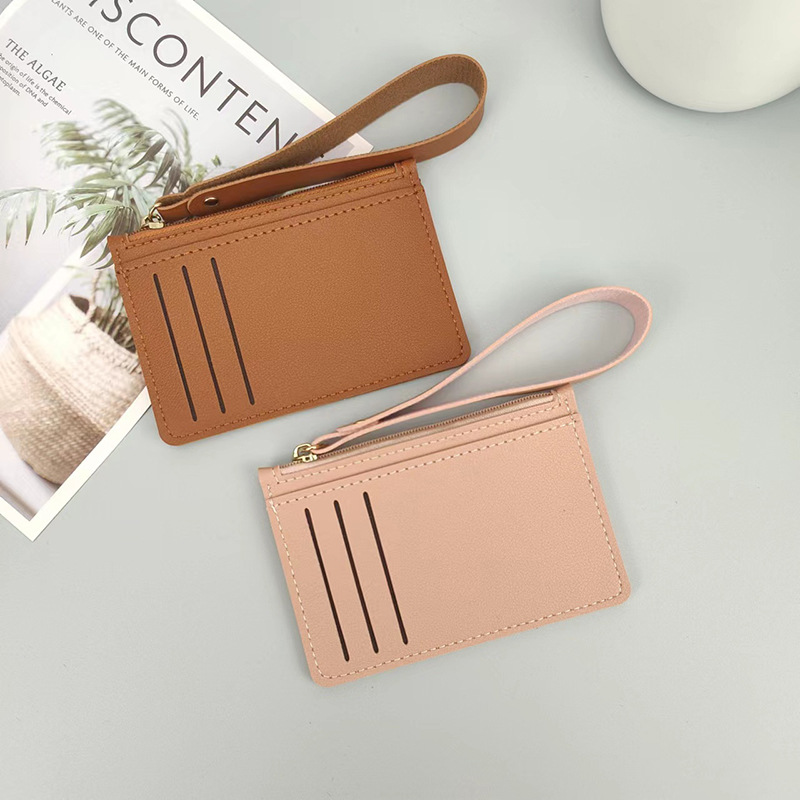
Women'S Change Ultra-Thin Card Bag With Zipper Solid Color Short Card Holder Driver'S License Card Factory Direct Sales
$1.04
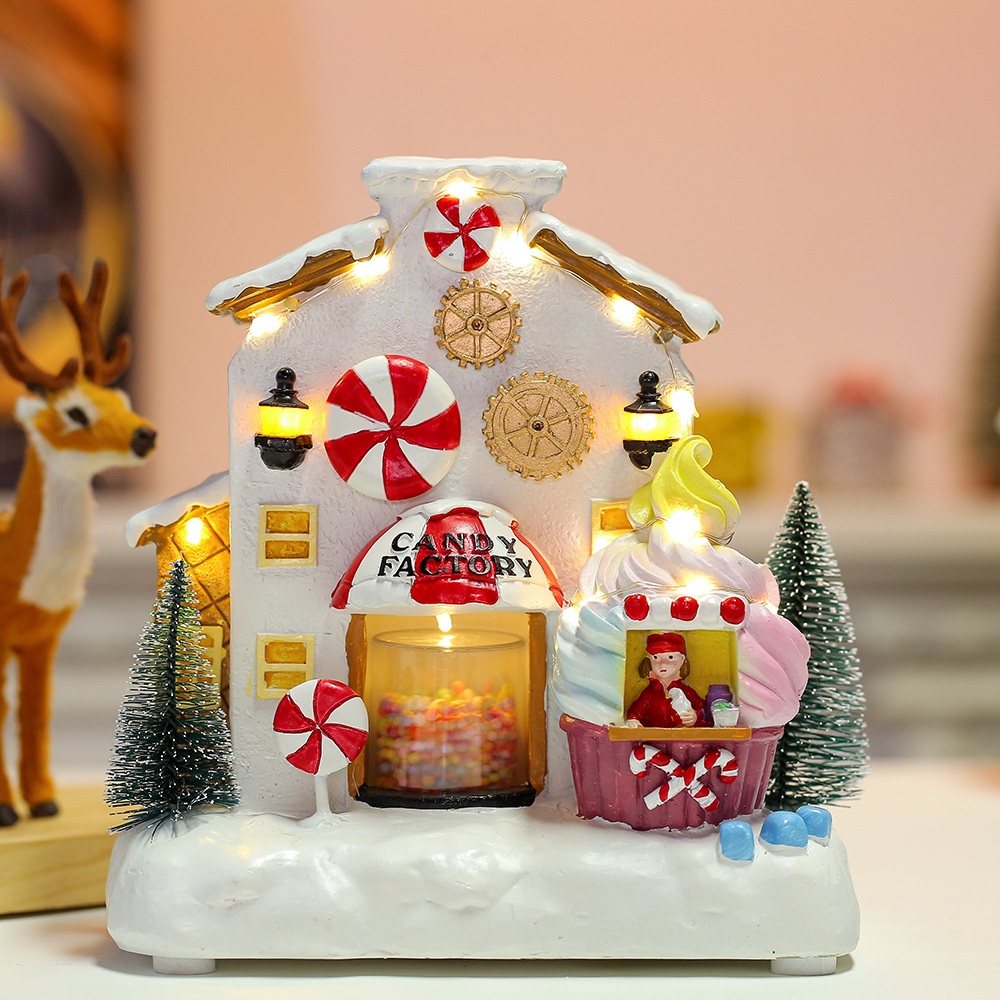
Christmas Musical Candy Factory House Ornament Resin LED Glowing Snow House Rotating Candy Scene Decoration Desktop Holiday Gift Home Decor
$27.38
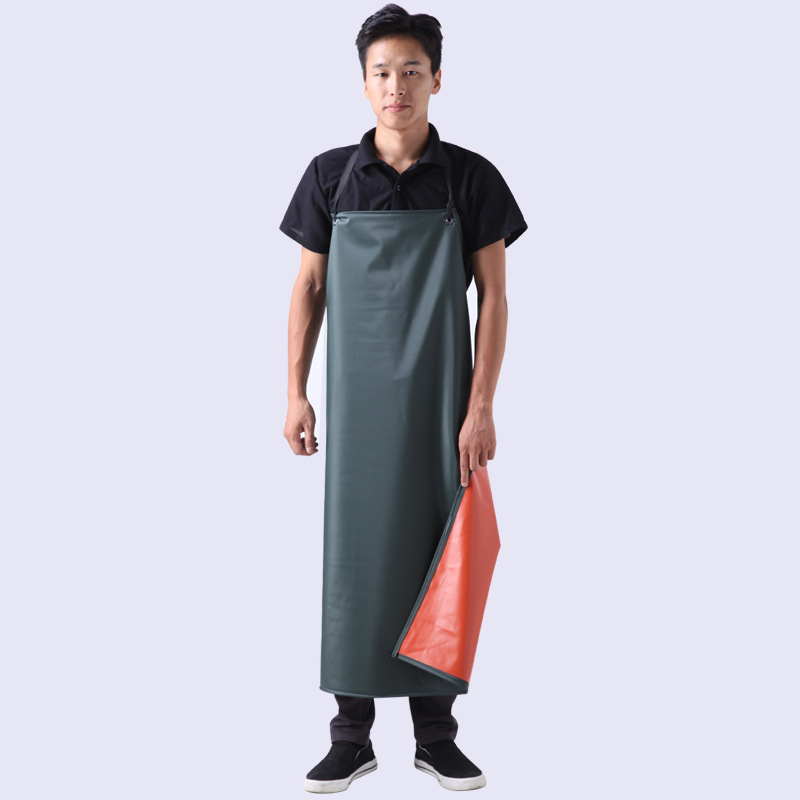
Durable Waterproof Oil-proof PVC Apron Double-layer Thickened Sleeveless Reversible Kitchen Food Factory Industrial Workwear For Men Women Protective Cleaning Apron
$3.29
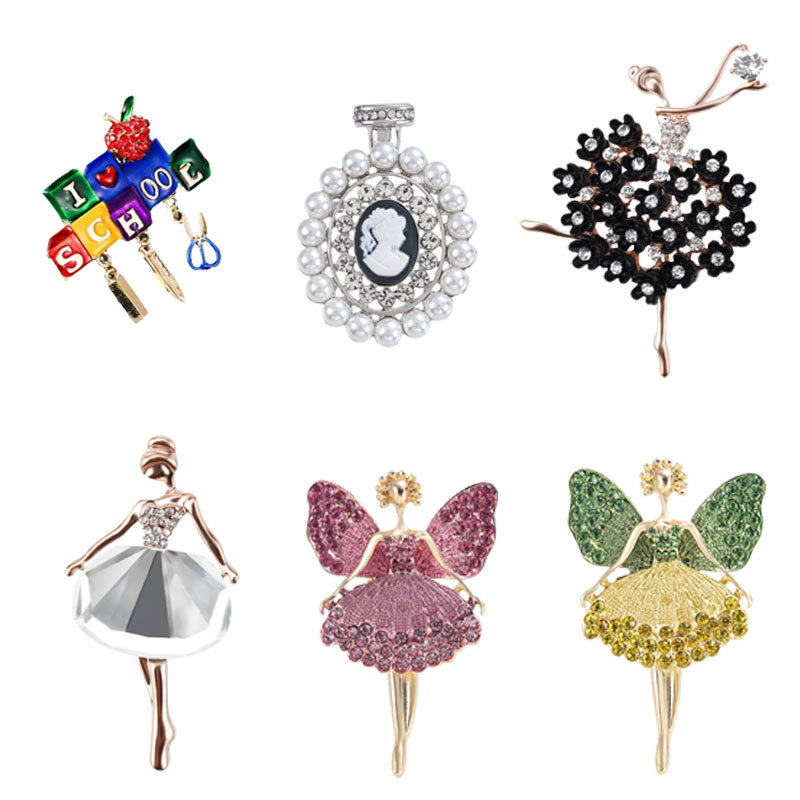
Fashion Alloy Rhinestone Brooches For Women Sparkling Crystal Eye Lips Ballet Dancer High Heels Fairy Corsage Pins For Clothing Decoration Jewelry Accessories Gift
$0.92
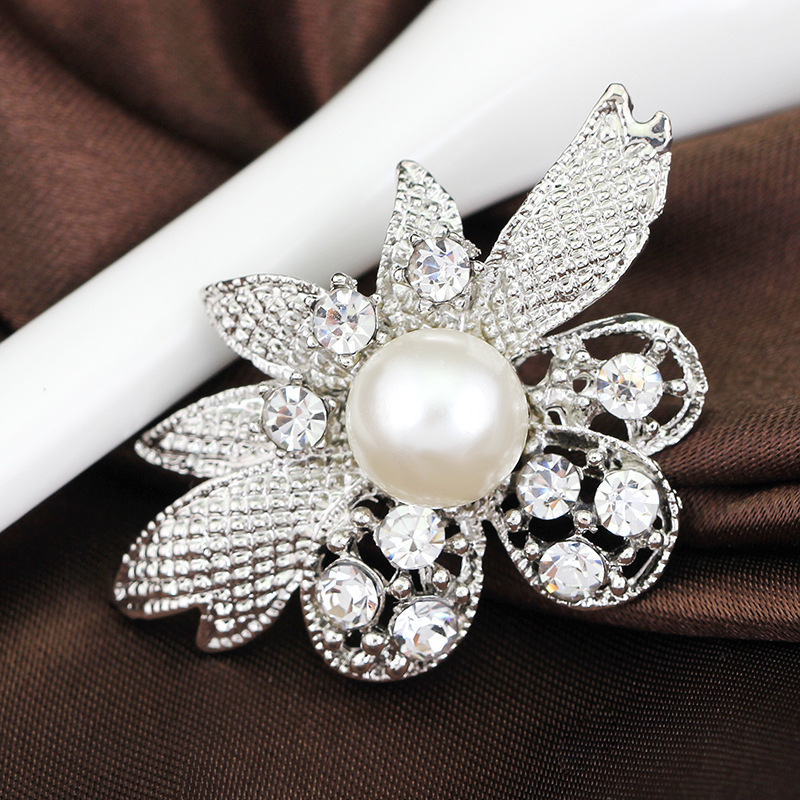
Elegant Silver Plated Alloy Flower Brooch For Women With White Imitation Pearl And Clear Rhinestone Crystal Western Fashion Jewelry Accessories For Wedding Party Banquet
$0.47
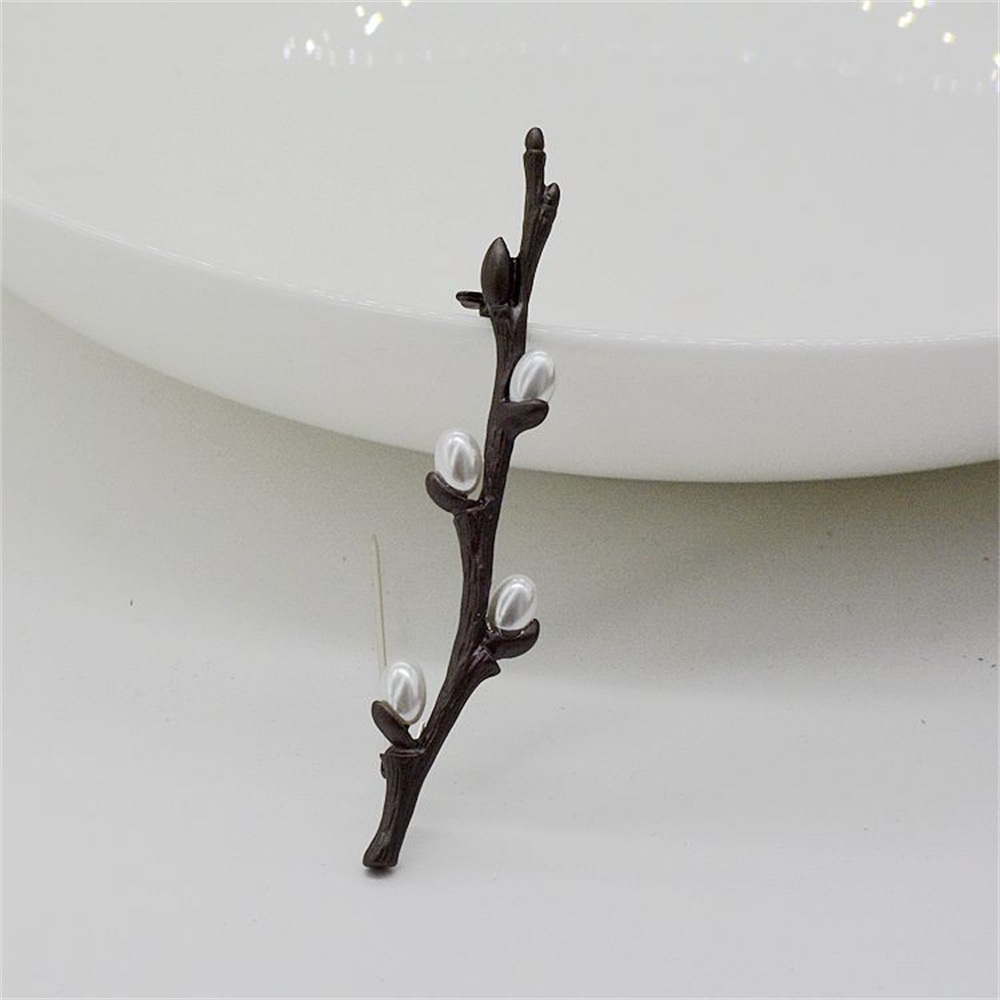
Vintage Plum Blossom Tree Branch Brooch Pin With Imitation Pearl Alloy Baking Paint Floral Corsage For Women Elegant Clothing Jewelry Accessories Gift
$1.28
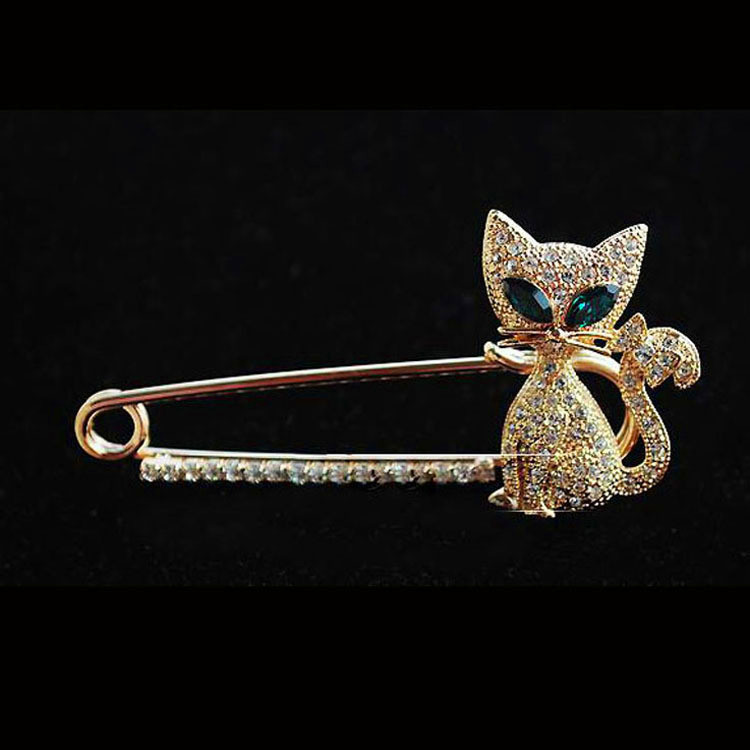
Cute Cat Brooch Pin With Green Eyes Alloy Rhinestone Animal Shape Jewelry For Women Korean Style Anti-exposure Safety Pin Accessory Gift
$0.65
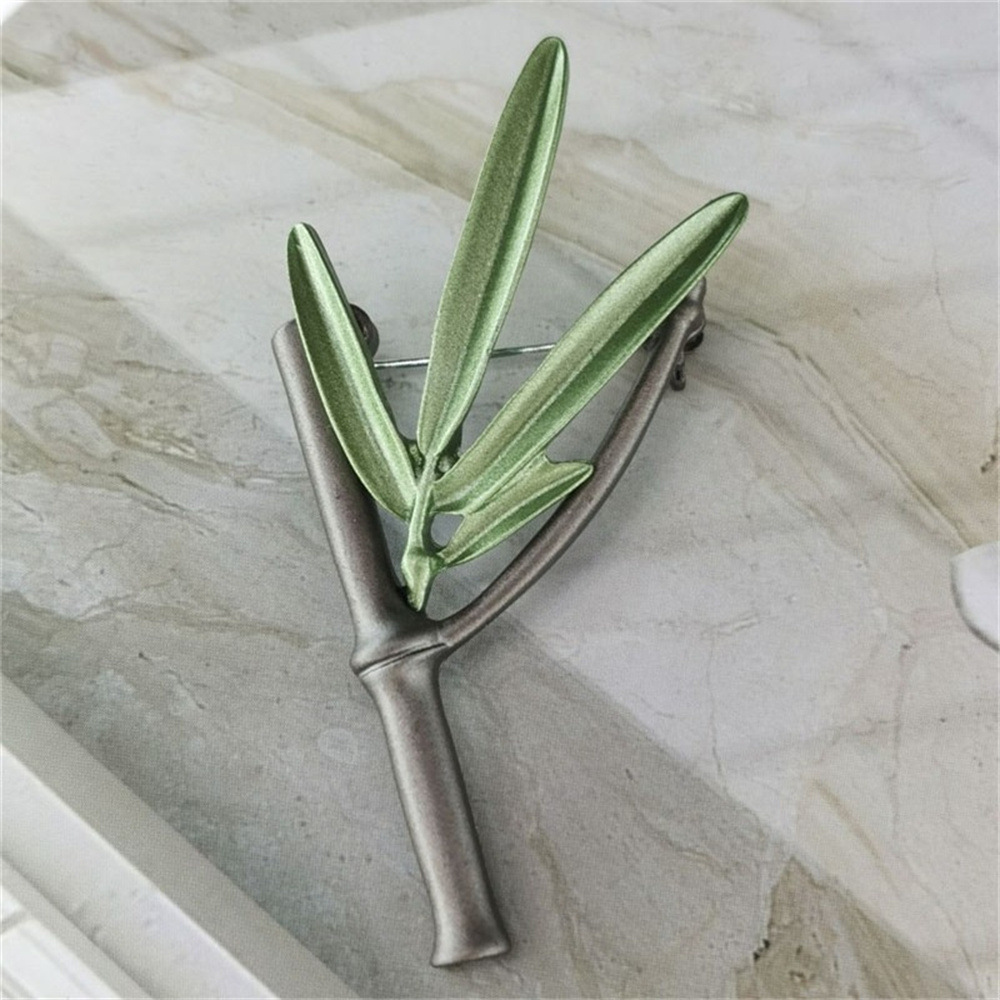
Vintage Zinc Alloy Green Enamel Bamboo Leaf Brooch Pin For Women Retro Plant Style Scarf Buckle Accessory Decoration Gift For Jewelry Lover
$1.05
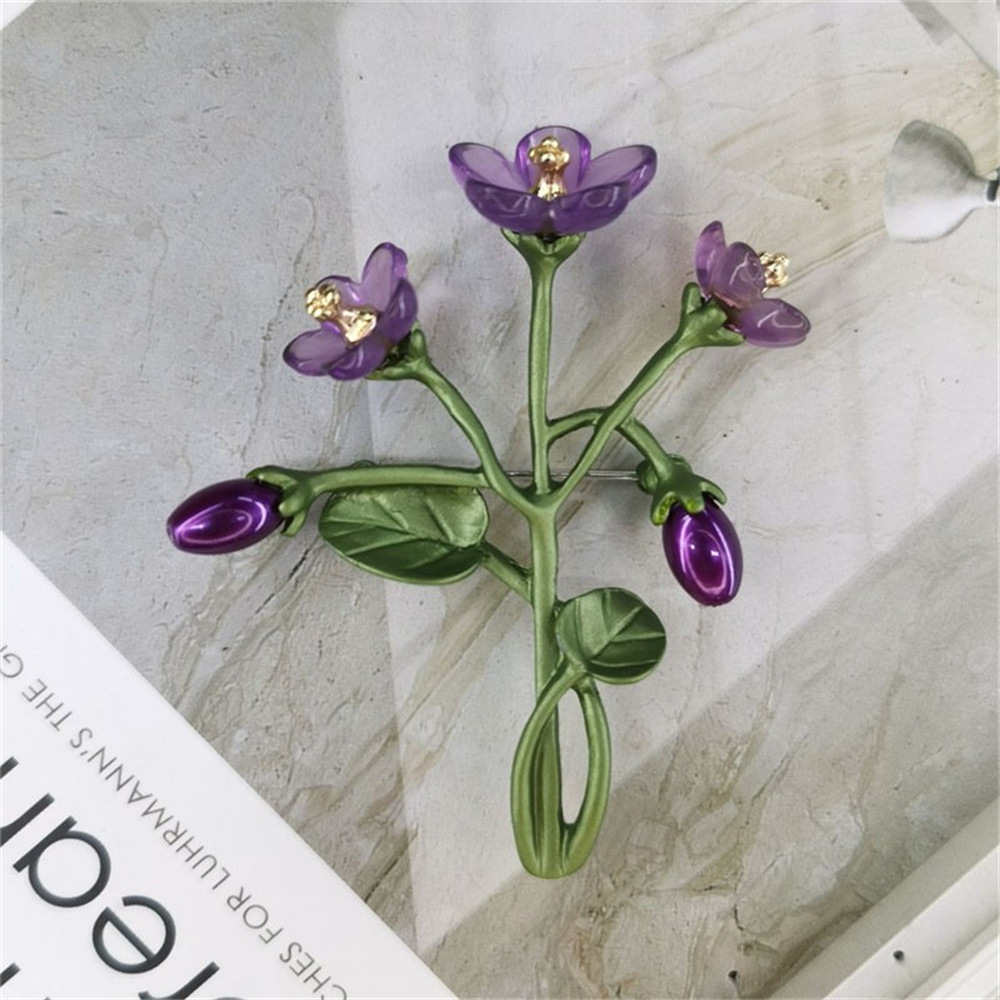
Vintage Purple Orchid Flower Brooch For Women Elegant Alloy Enamel Green Leaf Plant Suit Pin Metropolitan Museum Style Jewelry Gift For Party Daily Decor
$2.36
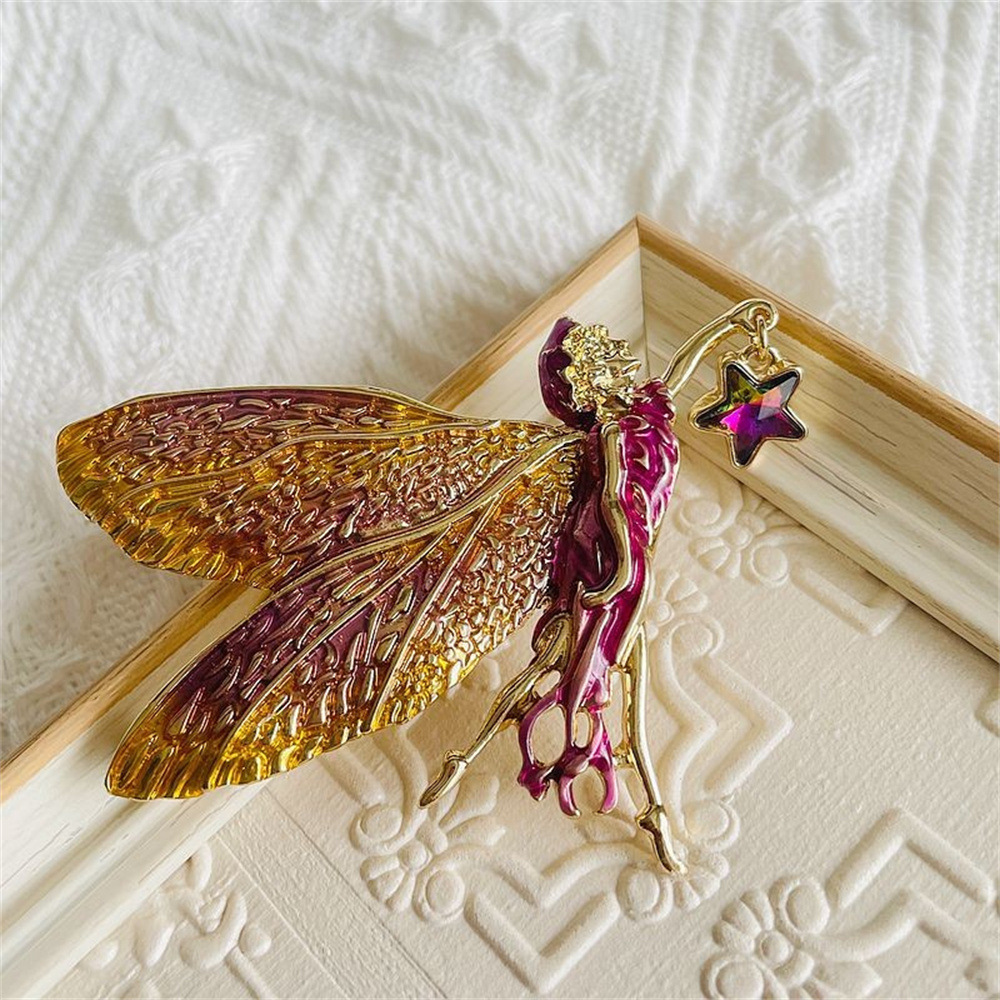
Vintage Alloy Fairy Brooch With Handmade Enamel Gradient Wings Star Pendant Rhinestone Angel Elf Pin For Women Fashion Jewelry
$1.99
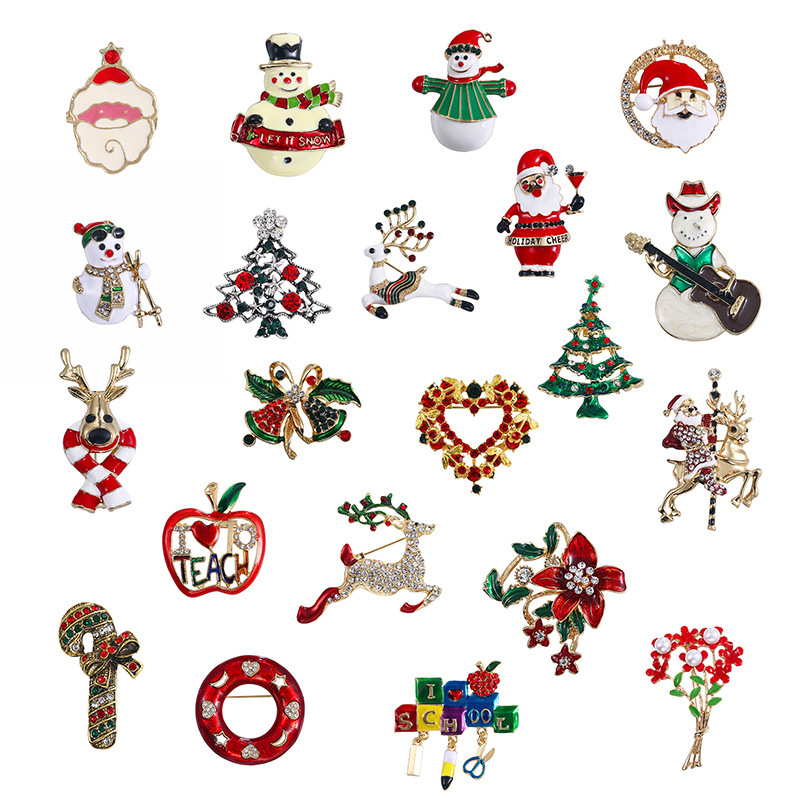
Vintage Christmas Brooches Pins For Women Men Alloy Enamel Rhinestone Santa Claus Christmas Tree Snowman Reindeer Angel Wreath Bells Stocking Festive Decorative Lapel Pins Jewelry Gifts
$0.39
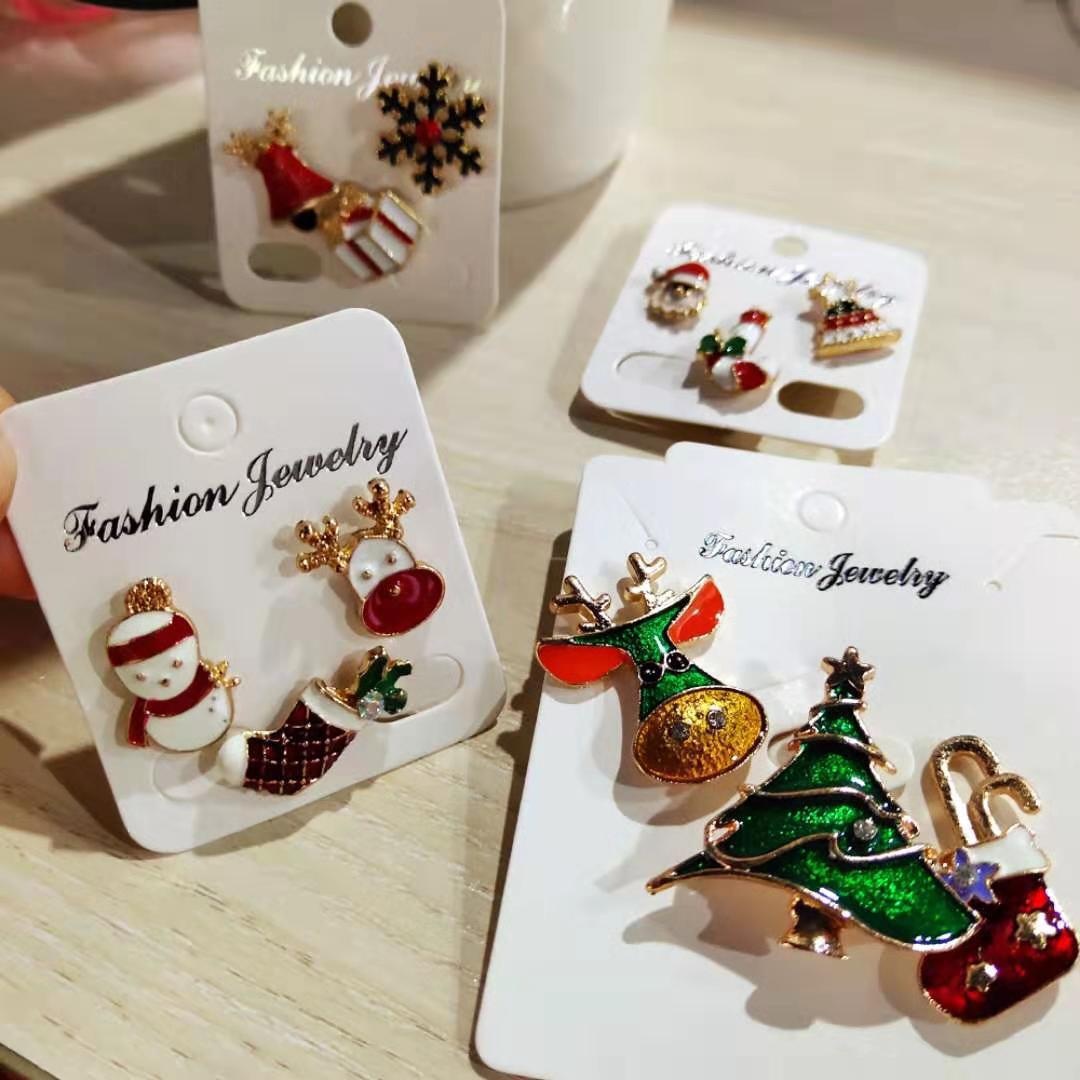
Christmas Brooch Pin Set 3Pcs Alloy Enamel Reindeer Christmas Tree Santa Claus Snowman Snowflake Stocking Badge For Holiday Party Women Jewelry Accessories
$0.87
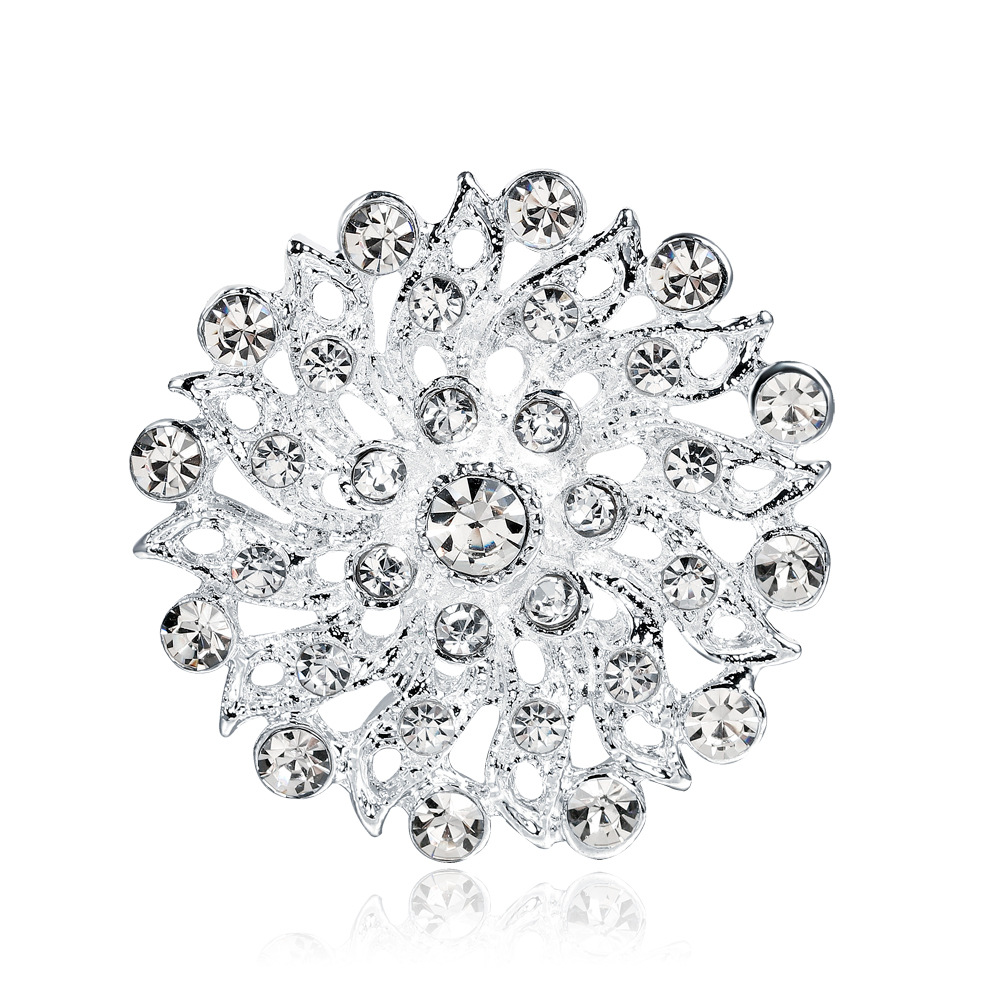
Elegant Radiating Flower Shape Alloy Rhinestone Brooch Pin Hollow Design Sparkling Crystal Lapel Pin Jewelry For Women Wedding Party Daily Outfit Accessories
$0.45
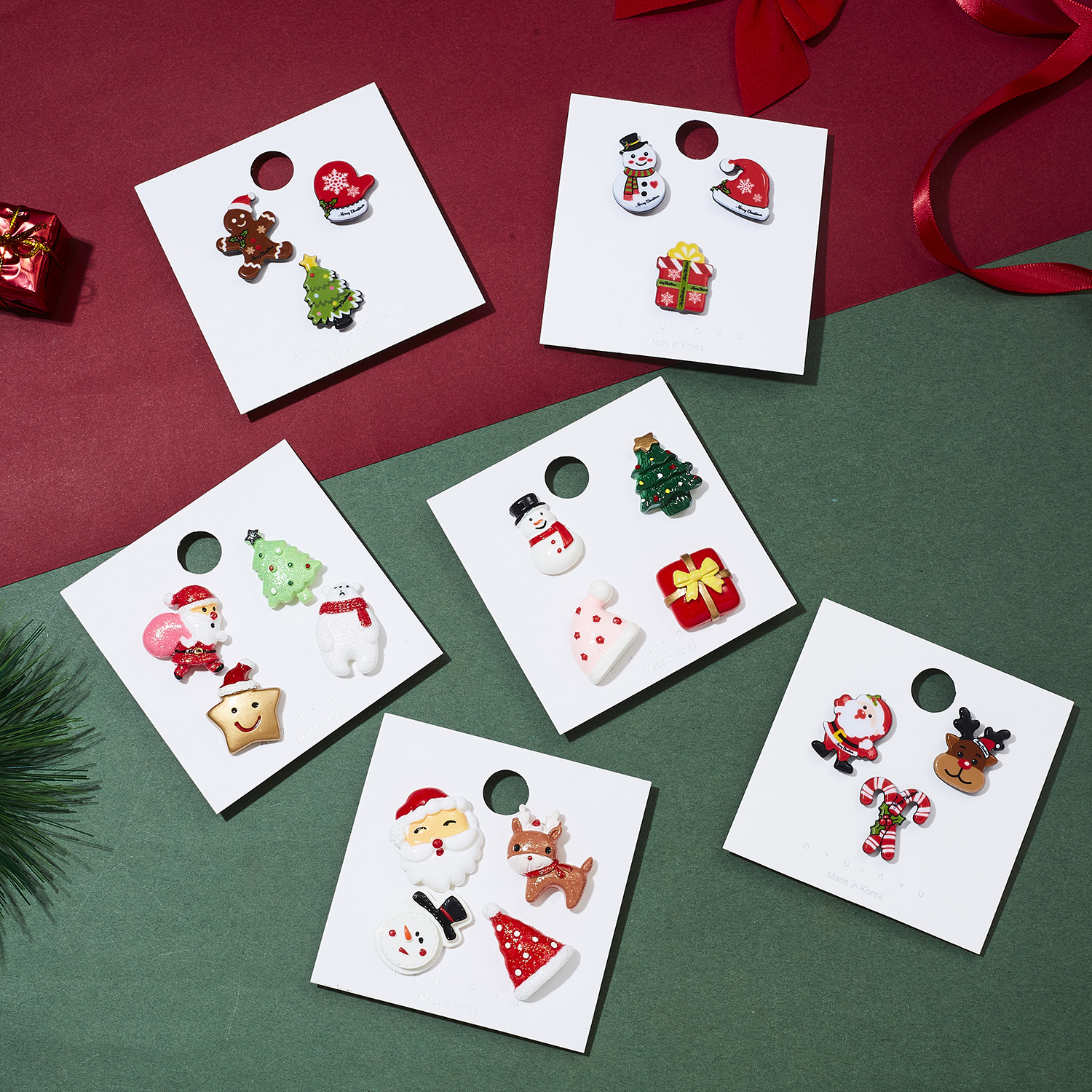
Christmas Cartoon Brooch Set Alloy Resin Santa Claus Reindeer Snowman Enamel Pins For Holiday Party Jewelry Decoration Women Men Accessories
$0.60
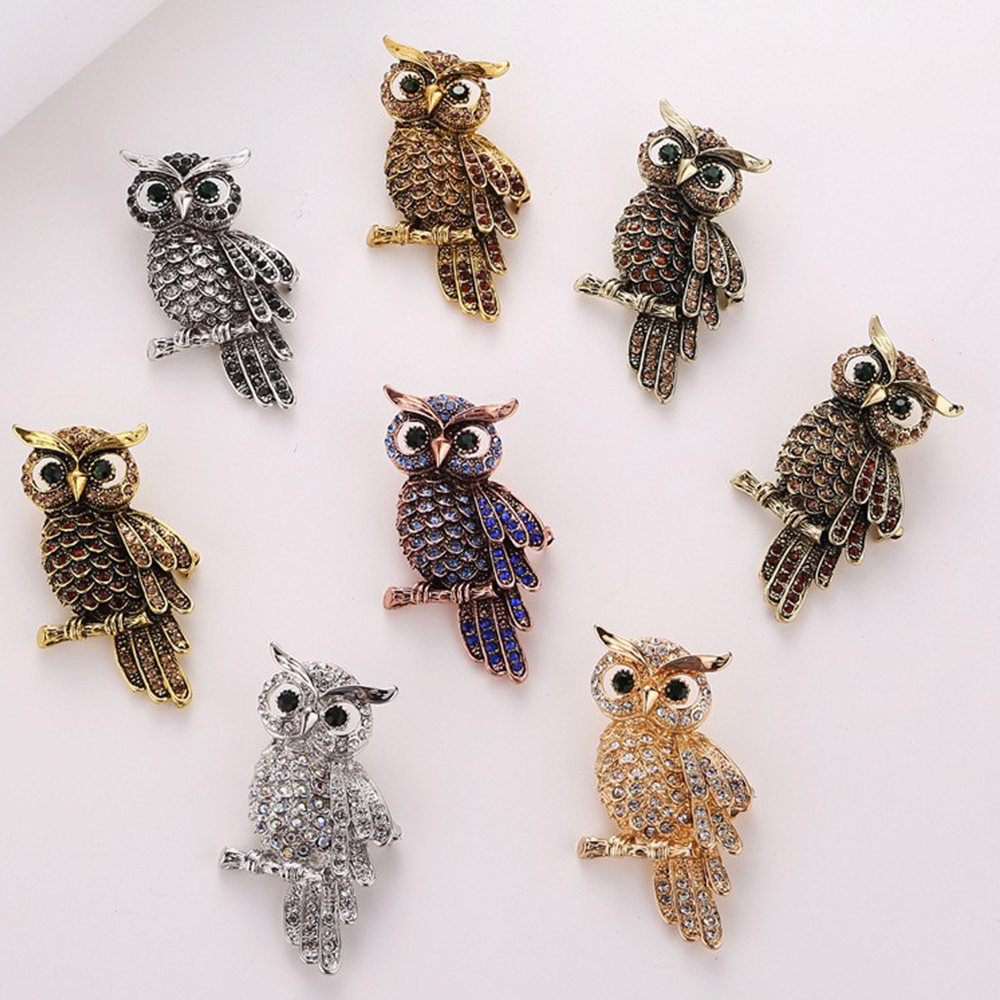
Luxury Vintage Alloy Owl Brooch Pin With Sparkling Colorful Rhinestones Retro Animal Breastpin For Women Fashion Clothing Scarf Jewelry Gift
$1.18
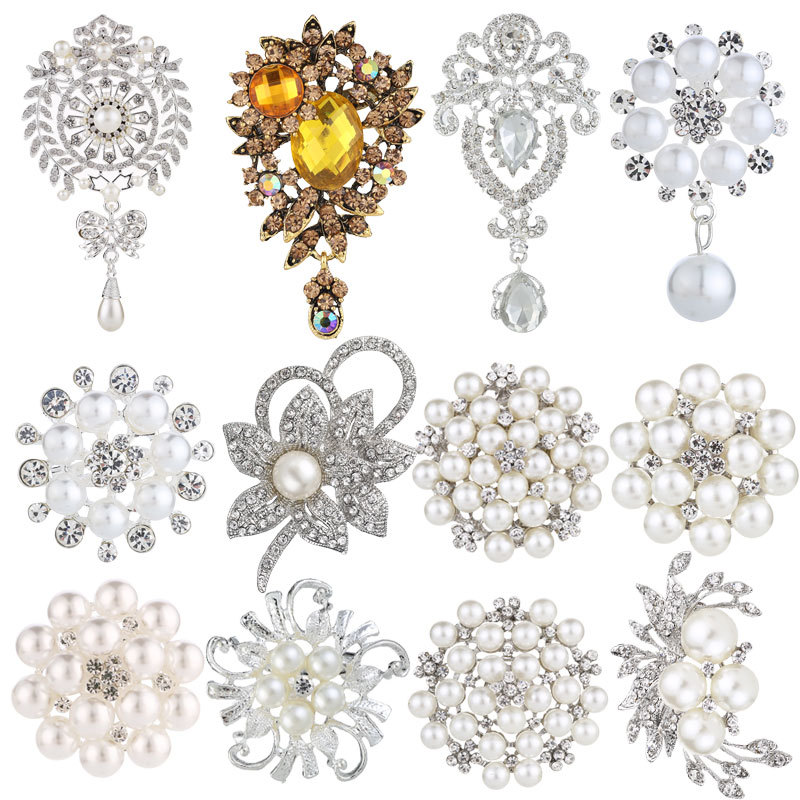
Elegant Alloy Rhinestone Pearl Brooch Pin Flower Animal Shape For Women Wedding Party Jewelry Vintage Fashion Dress Accessories With Pearl And Crystal
$0.52
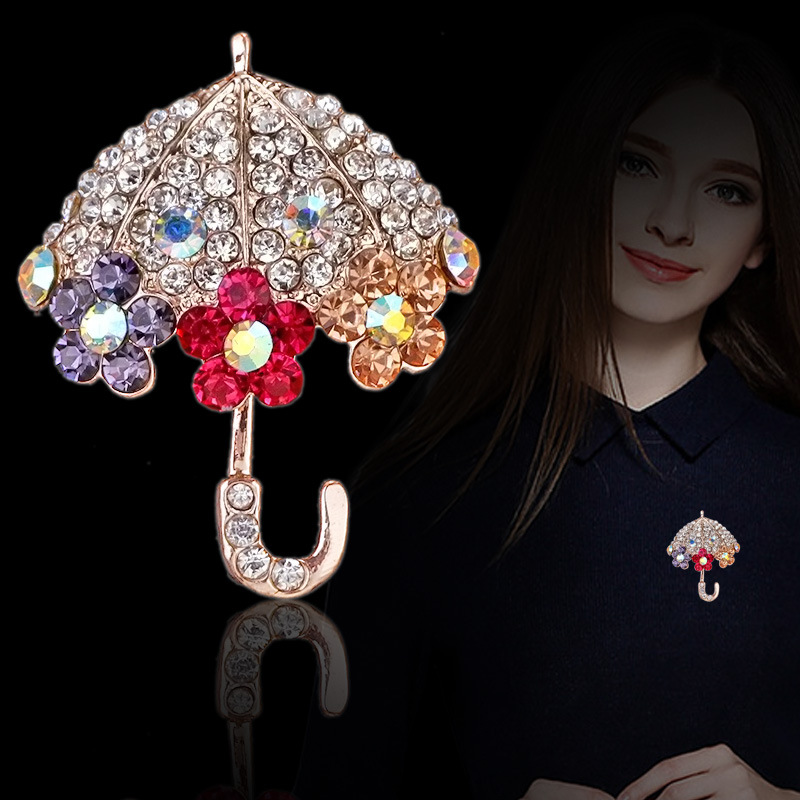
Elegant Umbrella Brooch Pin For Women Rose Gold Alloy Full Rhinestone Flower Pins Jewelry For Wedding Party Banquet Clothing Accessories Gift
$1.05
Smart Starter Bundles for Factory Orders
When you place your first factory order, bundling complementary SKUs lets you test multiple price points without multiplying MOQ headaches. Each bundle below combines a hero piece with upsells and companions, designed for a specific sales channel.
Brooch Starter Assortment
A new boutique owner wants to test brooch demand across four styles without meeting higher MOQ for each separately.
- Elegant Silver Plated Flower Broochhero
- Cute Cat Brooch with Green Eyesupsell
- Vintage Purple Orchid Flower Broochcomplement
Bundle all three at $1.80 per unit vs $2.68 bought separately—a 33% savings.
Christmas Party Set
A pop-up seller preparing for holiday markets needs seasonal pins that work as impulse buys.
- Vintage Christmas Brooch Santa Claushero
- Christmas Cartoon Brooch Set Santa Clauscomplement
- Christmas Brooch Pin Set 3Pcsupsell
At $0.62 per unit bundled vs $0.87 separately—you gain margin for ad spend and still sell at $4.99 each.
Everyday Fashion Mix
An existing Shopify store wants to refresh their everyday accessories line with six different styles across brooches and hair clips.
- Vintage Plum Blossom Branch Broochhero
- Vintage Green Enamel Bamboo Leaf Broochcomplement
- Korean Black Oval Hair Clipupsell
Bundle cost $1.05 per unit vs $1.63 separately—adds $0.58 pure profit per sale at average retail $7.99.