
Trend Report · May 14, 2026
What a Buyer Learned After 3 Sellers Sent the Wrong Sensor — and How You Can Avoid It
A buyer ordered the same sensor from 3 sellers and got the wrong type each time. Here's the pattern, how to avoid it in accessories sourcing, and actionable tactics to prevent inventory errors.
The Story: 3 Sellers, 3 Wrong Sensors
One buyer ordered a specific TYPE-B dual-color sensor from three different sellers on a major marketplace. Each time, the package contained a TYPE-A single-color sensor instead. The seller refunded and let the buyer keep the item—but the buyer just wanted the correct product. This isn't even the first time the buyer purchased this sensor; they'd already gone through the same routine with previous sellers. The frustration is real: 'I don't want free TYPE-A sensors anymore, I just want the actual TYPE-B double colour sensor.'
The incident highlights a deep operational gap in how sellers manage variant listings. When a product exists in multiple versions (Type A vs Type B, size small vs large, gold vs silver), the probability of sending the wrong one spikes if the listing doesn't enforce clear SKU separation or if warehouse pickers grab the most common variant. For accessories wholesalers, this scenario plays out daily with color, size, and material errors. The refund mechanism masks the root cause: inaccurate listings or lazy fulfillment.
What makes this case teardown valuable is the buyer's repeated behavior. They didn't switch categories—they stuck with the same product, hoping the next seller would get it right. That pattern tells you the marketplace listing likely conflated both variants under one product page, and sellers either didn't pick carefully or shipped whichever they had in stock. For any operator sourcing from China or low-cost suppliers, this is a red flag to test order accuracy from the very first PO.
The Replicable Pattern: Variant Ambiguity
The core pattern is the 'two-type trap': when a listing groups two distinct SKUs under one name without mandatory variant selection or clear imagery, the chance of mis-shipment skyrockets. The buyer ordered TYPE-B, but the seller saw 'sensor' and shipped TYPE-A. That ambiguity repeats across different sellers because they all copy the same flawed listing structure from the supplier.
For accessories, the equivalent is a pendant listed as 'gold/silver' without a dropdown, or a ring described as 'size adjustable' but shipped in one fixed size. The buyer's pain is a direct warning for retailers who rely on single-option listings for multi-variant products. The transferable insight: always require a specific variant selection in your listing, and order a sample of each variant before committing to bulk.
Three sellers, all with the same error, proves it's not isolated incompetence—it's a systemic supply chain issue. The pattern is replicable in any niche where products have subtle differences. By recognizing this, an operator can build processes that catch errors before customer complaints multiply.
Who Should Act on This Pattern
This case teardown is most actionable for operators who sell technical or multi-variant products—especially those sourcing from multiple suppliers. If you're building a store around functional accessories (sensor jewelry, smart gadgets, educational toys), you're vulnerable to the same mis-shipment pattern. The profiles below are best positioned to iterate on this insight.
Shopify seller
Can create clear variant options on product pages, set low min quantities for test orders, and use order management apps to flag mismatches.
Flea market / pop-up stall operator
Often buys single units from wholesale platforms—easy to catch wrong items immediately and refuse bulk if accuracy fails.
Dropshipper on eBay or Etsy
Relies on supplier accuracy; this pattern shows why you must order a ghost sample first to verify the actual item matches the listing photo.
What Happened
A Reddit user under the handle /u/frodoiee posted a frustration: they had bought the same sensor—a TYPE-B dual-color model—from three different sellers on a popular marketplace. Every single time, the package contained a TYPE-A single-color sensor. Each seller promptly refunded the purchase and told the buyer not to return the item. The buyer's plea: 'I don’t want free TYPE-A sensors anymore, I just want the actual TYPE-B double colour sensor.' The poster noted this wasn't their first experience with the product; they'd already been through the refund cycle before. The incident went viral on the subreddit, sparking discussion about lazy seller behavior, copycat listings, and the systemic failure of variant management in e-commerce. For accessory and jewelry sellers, the story is a stark reminder that listing accuracy isn't just about SEO—it's about preventing repeat errors that erode brand trust. The inflection point was the buyer's third attempt. That's when it became clear this wasn't a rogue seller mistake; it was a category of problem that affects every platform. The post gained over 1,000 upvotes and spawned testimonials from other buyers with similar stories about sensors, cables, and even earrings.
The Replicable Pattern
Variant ambiguity leads to shipment errors at a rate independent of seller reputation.
Evidence: Three different sellers, all with presumably average feedback, committed the exact same error on the exact same product. No seller deliberately shipped the wrong item—they just didn't have a clear process to pick the correct variant.
Refund-centric resolution destroys repeat purchase intent.
Evidence: The buyer received three free items but expressed zero satisfaction. They wanted the correct product, not compensation. In accessories, a customer who buys a 'gold' ring and receives 'silver' will not be happy with a refund alone—they'll leave a negative review or never return.
Small test orders from multiple suppliers reveal systematic failures before bulk commitment.
Evidence: The buyer's experience is a free audit: they now know that any seller using that listing will ship the wrong variant. By ordering one unit from each, they proved the listing is broken, not the seller. For wholesalers, ordering one sample of each variant across three suppliers is a $1–5 investment that saves hundreds in return costs.
How to Sell Accessories Without Falling Into the Same Trap
The sensor story is a blueprint for what not to do, but it also reveals clear tactics for success. Start by auditing your product listings: every item with color, size, or type variations must have a mandatory selection field. Use unique SKUs from the supplier level—if the supplier offers Type A and Type B, generate separate product pages or at least separate dropdown options with photos. Second, implement a quality buffer between supplier and customer. Order one unit of each variant yourself before listing them. For products like the Fashion Stainless Steel Shell Pearl Necklace ($3.86), verify the clasp type and length. For sensor-based items like the Smart Motion Sensor Diffuser ($16.41), test the sensor accuracy. The $16.41 investment protects your margin on a $40 retail sale. Third, use bundling to reduce variant confusion. When you sell a 'Sensor Gift Set' that includes the diffuser, night light, and temperature ring, each item is a separate SKU with its own specification. The bundle forces you to double-check every component. The risk: bundling can increase returns if one item is wrong—but if you test each component first, that risk drops to near zero.
Create a single product page per parent theme (e.g., 'Sensor Wellness') with variant dropdowns for the diffuser color and ring size. Add a mandatory note: 'Please select your variant from the dropdown before adding to cart.'
⚠ Customer may still select wrong dropdown option if labels are unclear. Use high-res variant images.
List each variant as a separate listing with distinct titles (e.g., 'Motion Sensor Diffuser – White' vs 'Motion Sensor Diffuser – Black'). Do not use a single listing with 'color: varied'.
⚠ Separate listings can hurt search ranking if you have too many similar products. Use strong variant keywords.
Display only one unit of each variant as a demo. Stock the matching inventory behind the table. When a customer asks for 'the golden sensor ring', hand them the exact one from the demo case.
⚠ Physical theft or damage. Keep only demo units on display; store bulk in locked containers.
Products That Avoid the Variant Trap
To sidestep the wrong-item headache, stock products with unambiguous specifications. DayJewel's catalog includes these items where colors, sizes, and types are clearly defined—so both you and your customers know exactly what to expect.
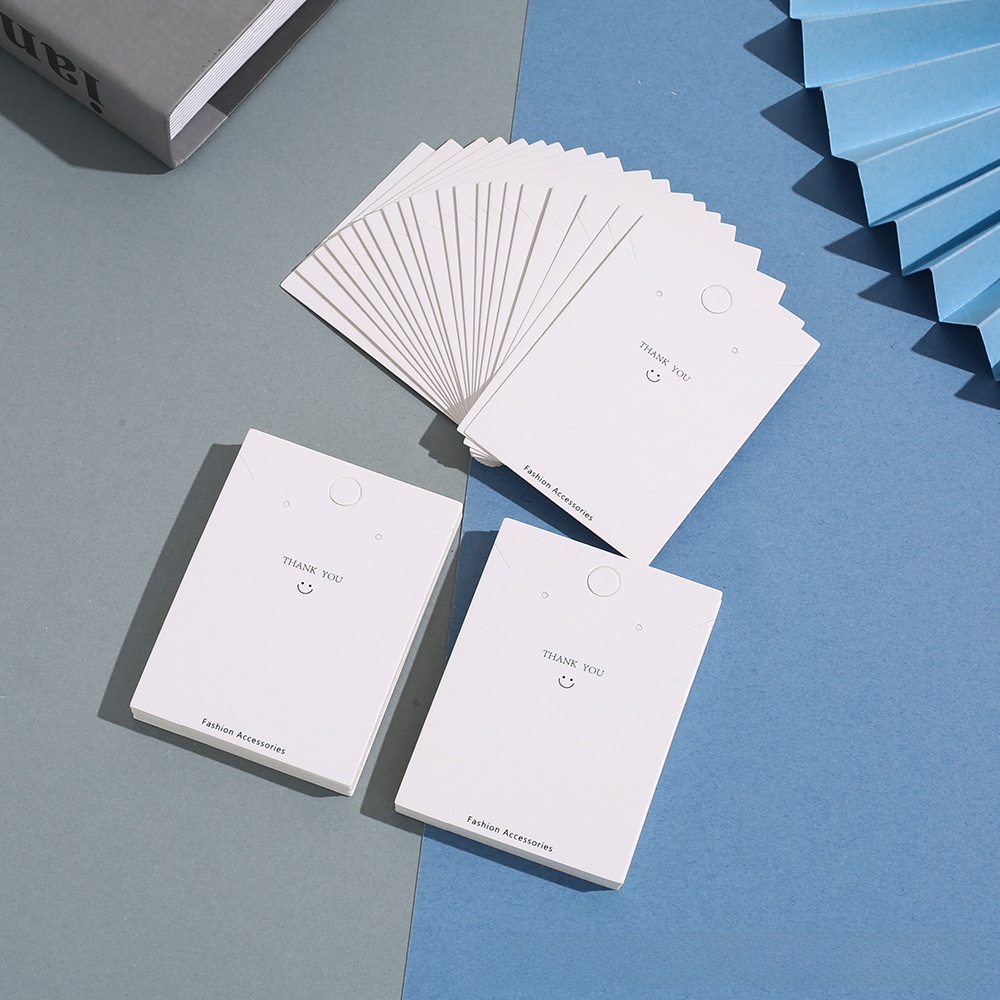
White Paper Jewelry Display Cards And OPP Bags Set Thank You Printed Cardboard Earring Necklace Packaging Cards For Jewelry Sellers Display Accessories
$0.02
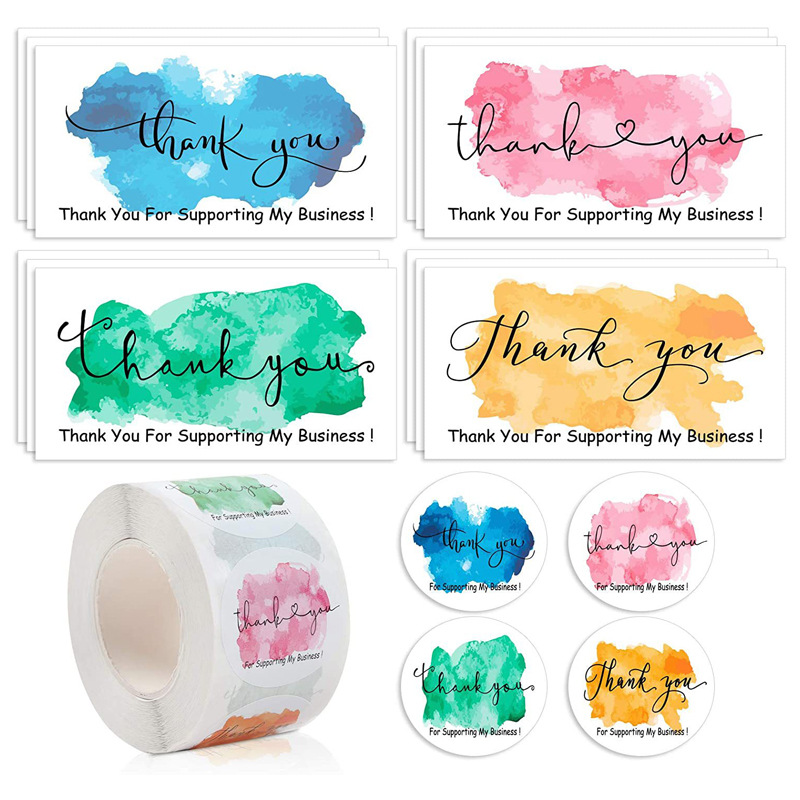
Watercolor Thank You Stickers And Cards Set For Small Business Paper Self-Adhesive Labels For Gift Packaging Decor Stationery For Online Sellers
$0.03
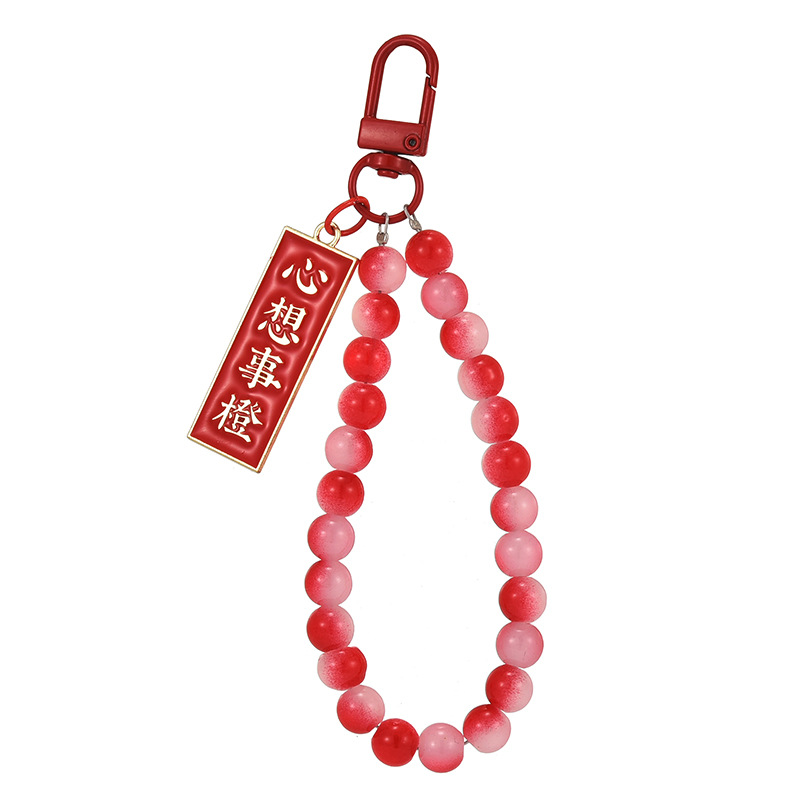
Painted Red Beaded Key Pendant With Festive Word Tag Metal Accessory "pass Every Exam" Bag Charm
$0.63
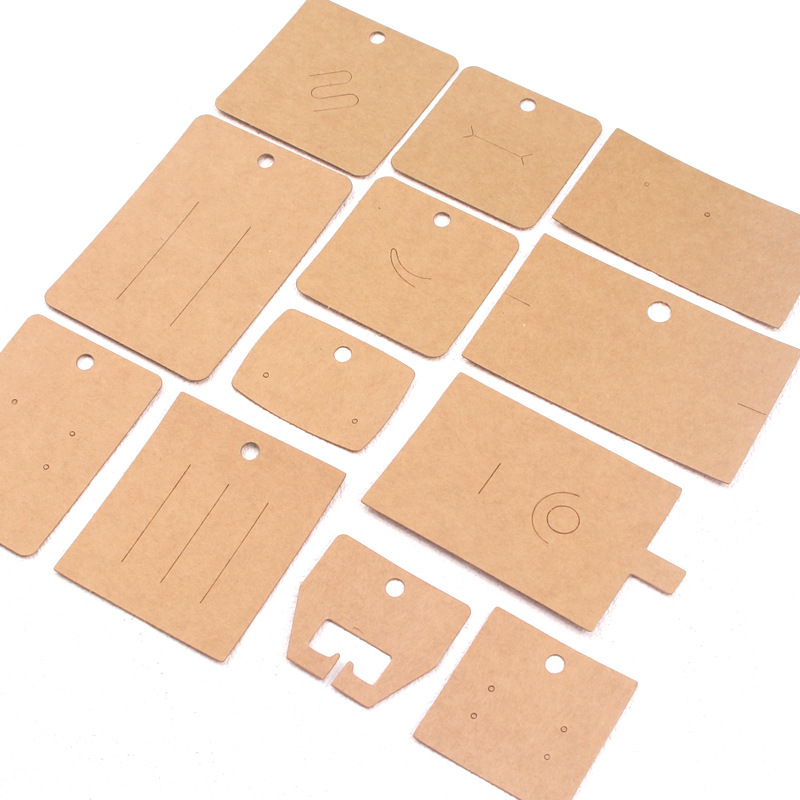
100PCS Blank Kraft Paper Jewelry Display Cards For Earrings Necklaces Bracelets Hair Clips Minimalist Jewelry Packaging Hanging Cards DIY Handmade Jewelry Tags For Sellers
$0.01

Autism Awareness Enamel Pin Brooch Set Alloy Puzzle Heart Square Colorful Badge "Different Not Less" Pins For Clothing Bag Accessories
$0.47
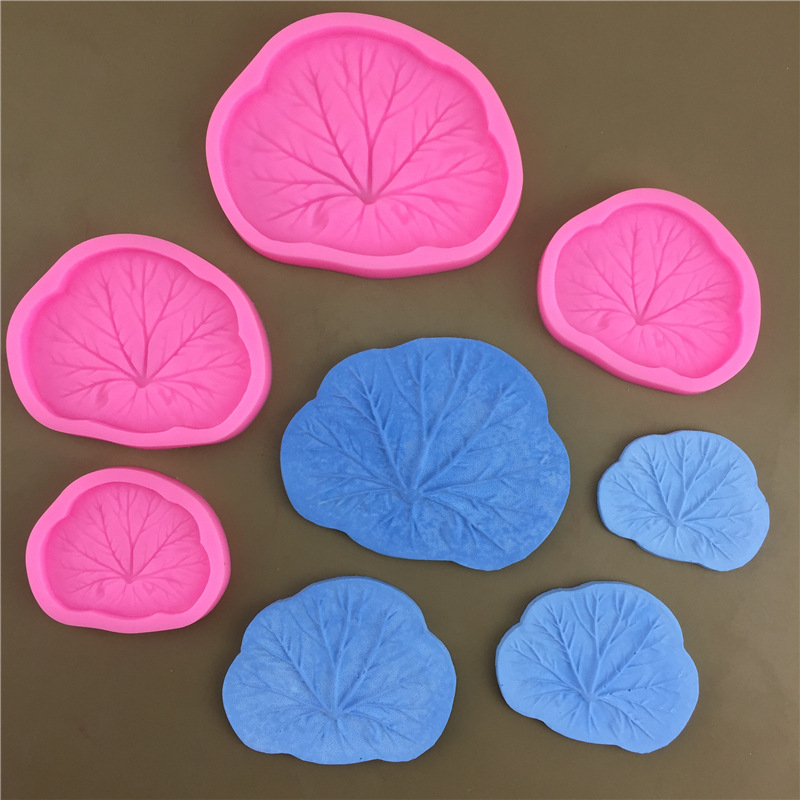
Lotus Leaf Silicone Mold Different Sizes Lily Pad Fondant Decoration Tool For Cake Chocolate Plaster Resin Craft DIY Baking Accessories
$0.18
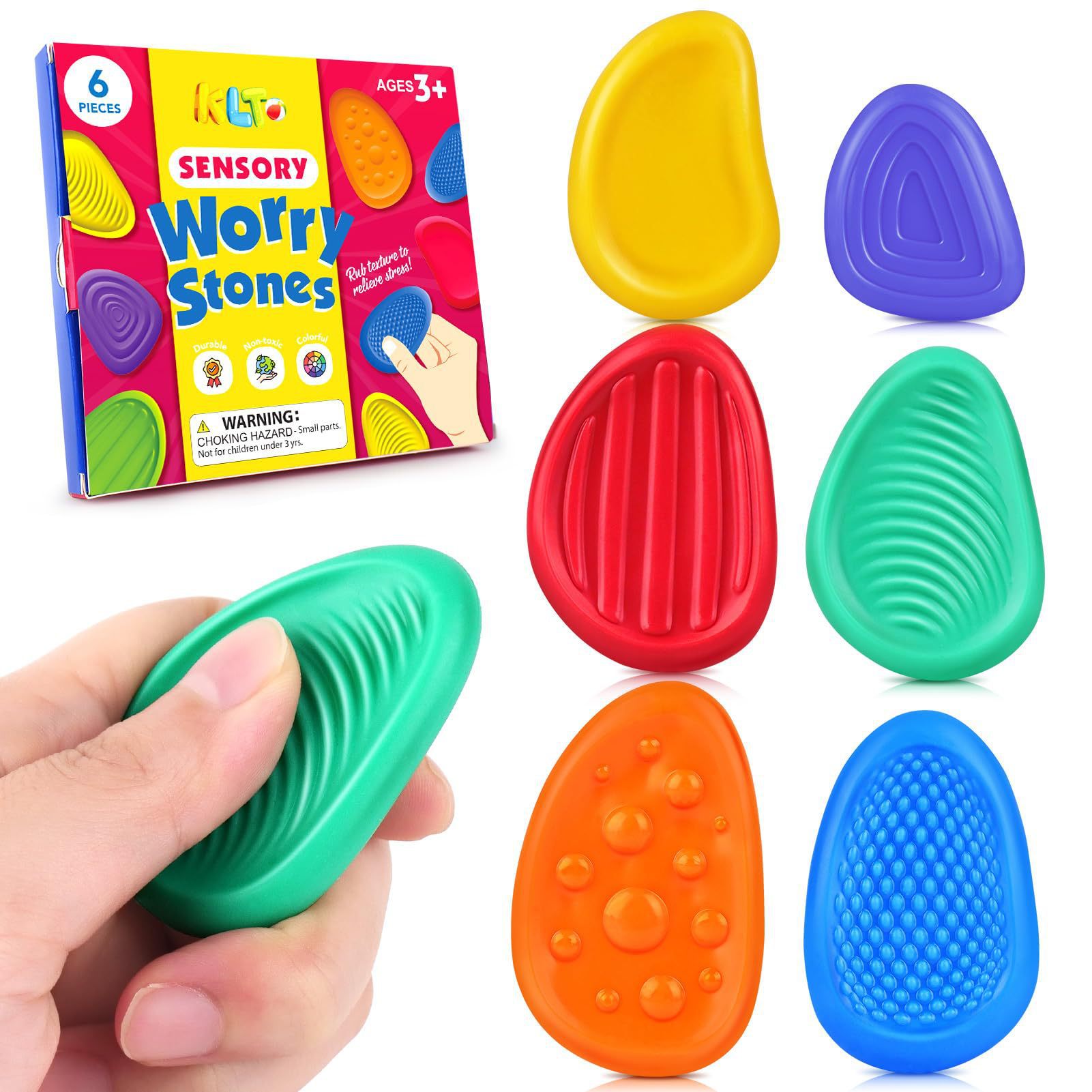
Sensory Worry Stones For Kids Anxiety Stress Relief Silicone Fidget Toys With Different Textures Colorful Decompression Stones For Boys Girls
$1.59
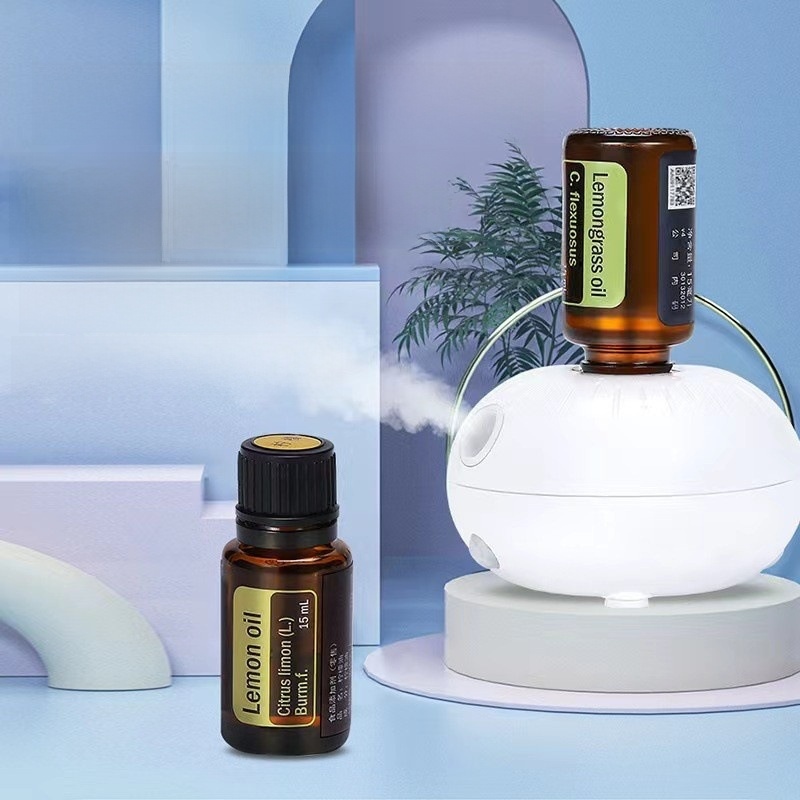
Smart Motion Sensor Essential Oil Diffuser Waterless Aromatherapy Machine USB Rechargeable Portable Fragrance Nebulizer For Home Office Car White
$16.41
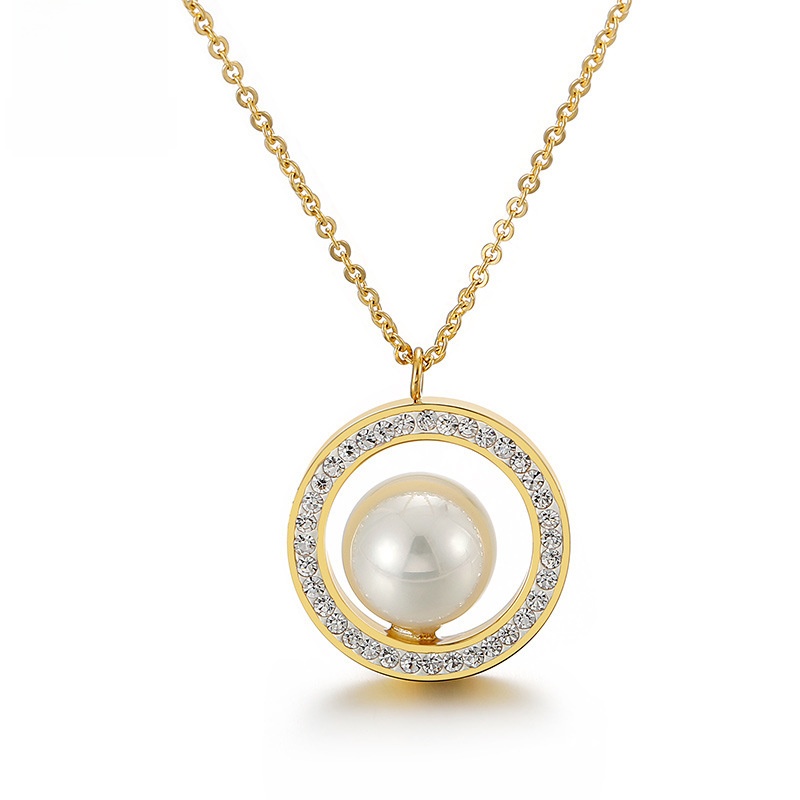
Fashion Stainless Steel Rhinestone Shell Pearl Round Pendant Necklace Gold Silver Elegant Simple Jewelry For Women Every Day Party Accessory
$3.86
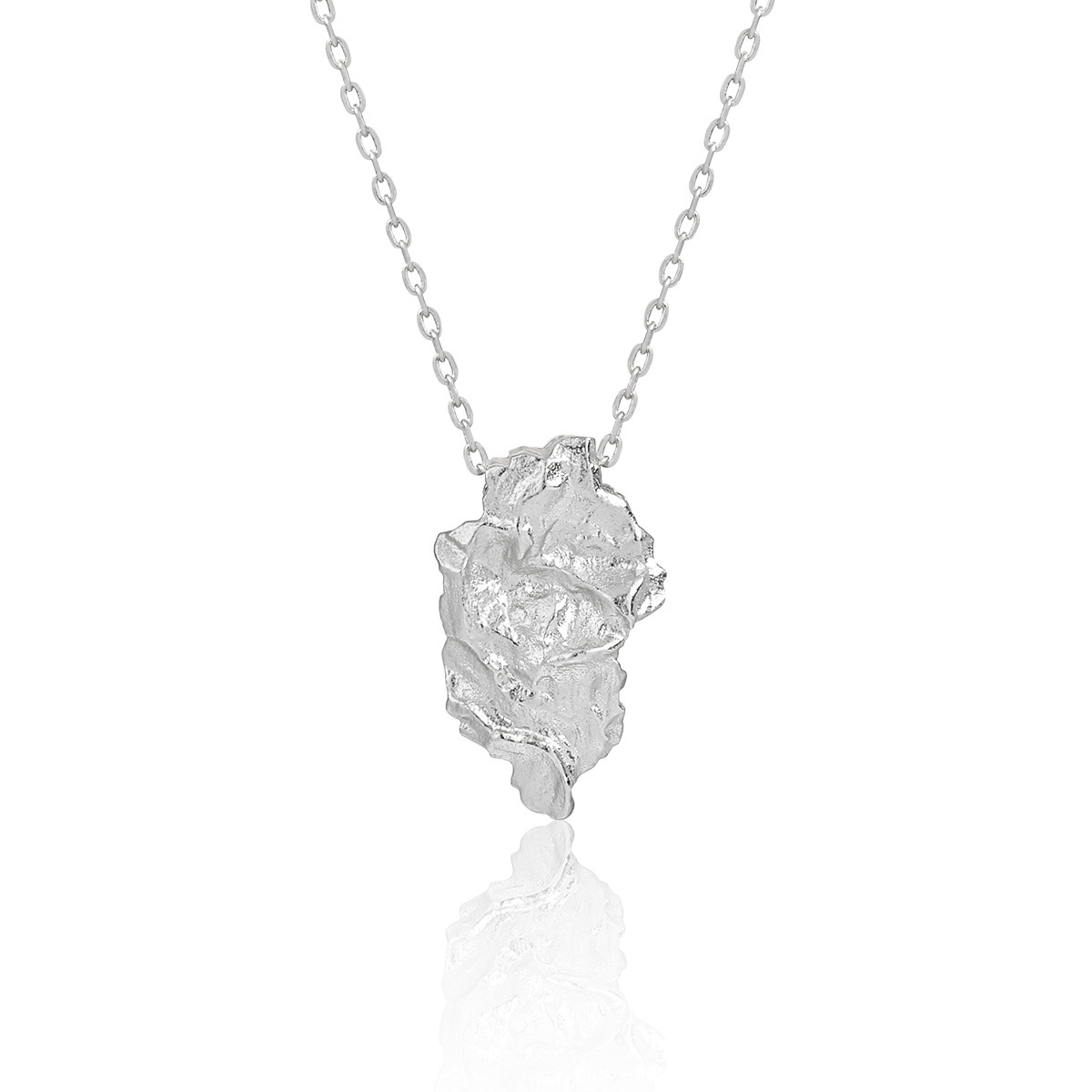
S925 Sterling Silver Irregular Lava Texture Pendant Necklace 18K Gold Plated Geometric Crumpled Minimalist Jewelry For Women Every Day Wear
$19.45
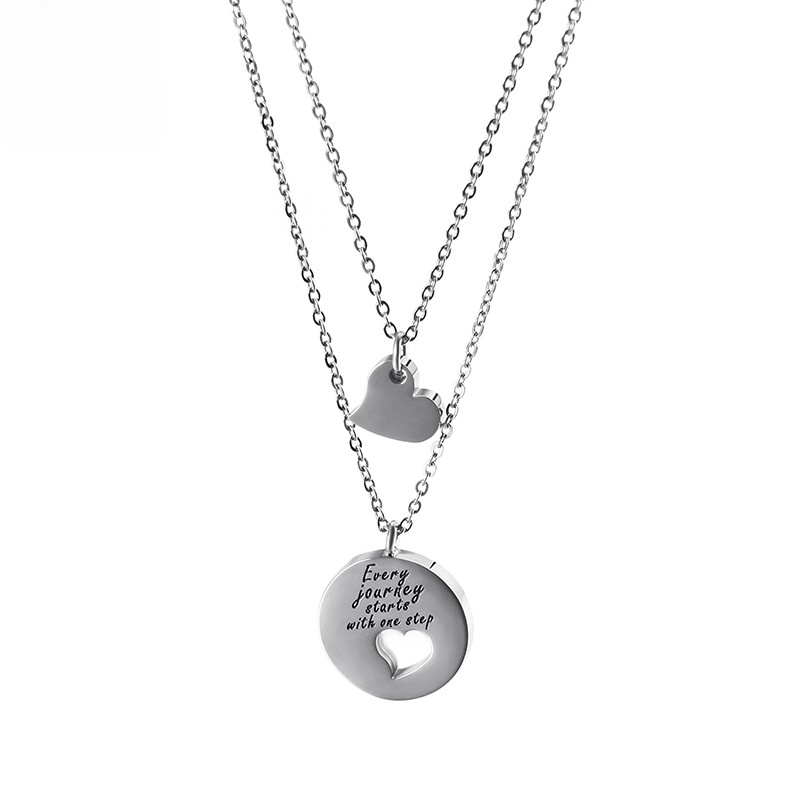
Modern Stainless Steel Double Layer Necklace With Heart And Engraved Circle Pendant Every Journey Starts With One Step Jewelry For Women
$1.93
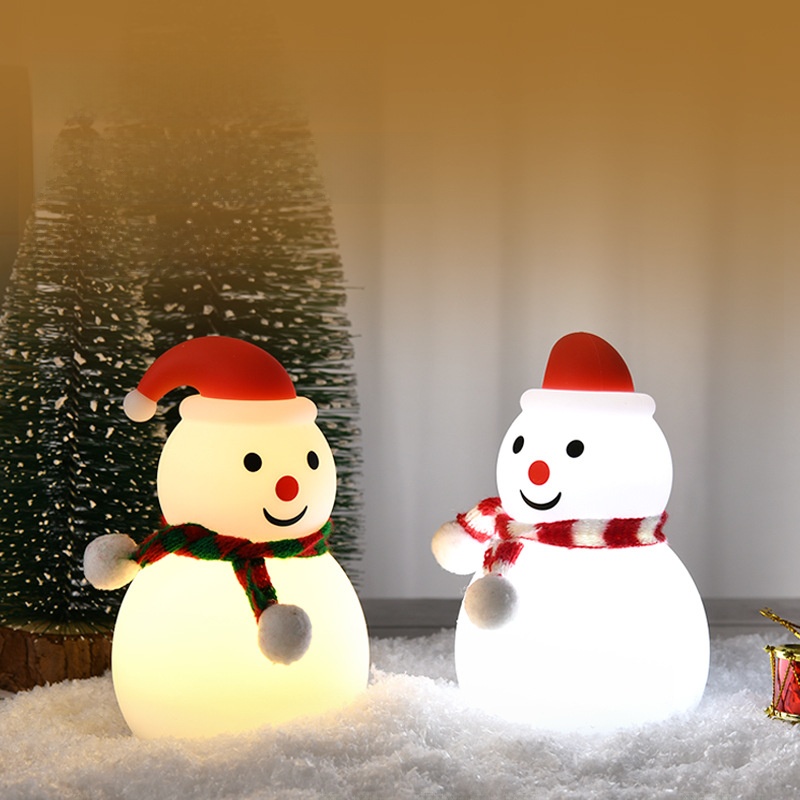
Christmas Snowman Silicone Night Light Bluetooth 5.0 Speaker Soft Touch Pat Sensor Dimmable LED Lamp For Kids Bedroom Decoration Xmas Gift
$6.92
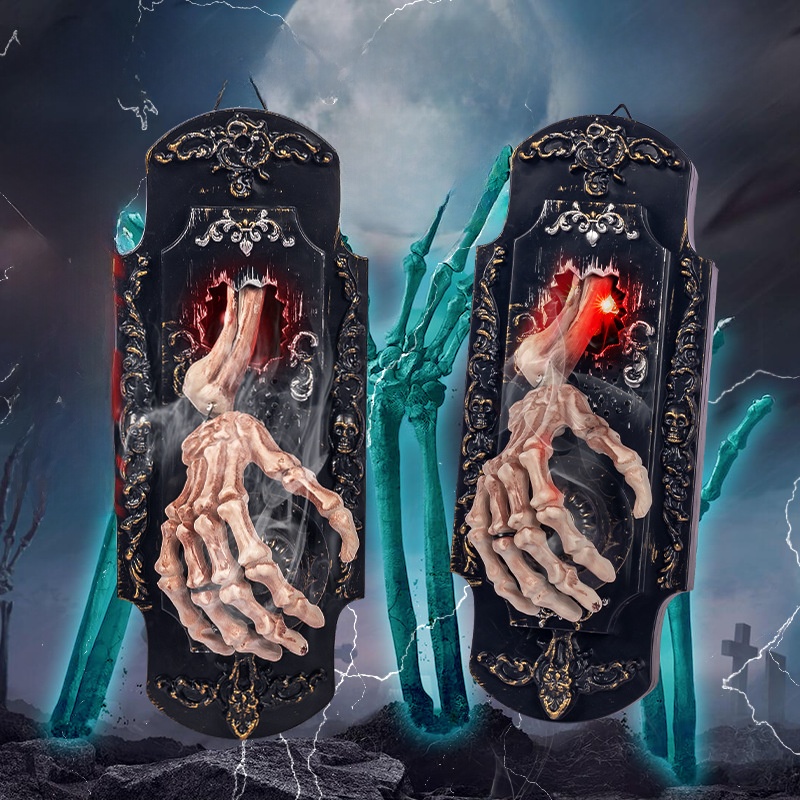
Halloween Skeleton Hand Spray Doorbell With Light Sound Sensor Ghost House Party Haunted Decoration Horror Devil Claw Plastic Electronics Hanging Ornament
$10.09
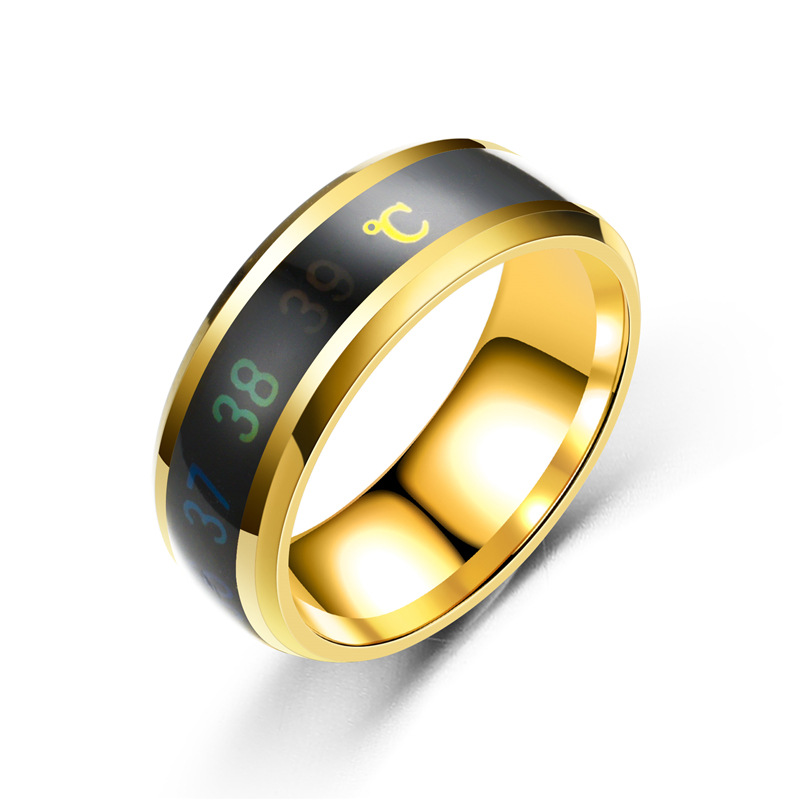
Smart Temperature Sensor Ring Stainless Steel Thermometer Display Mood Ring For Couples Men Women Daily Fashion Color Changing Jewelry Gift Band
$0.31
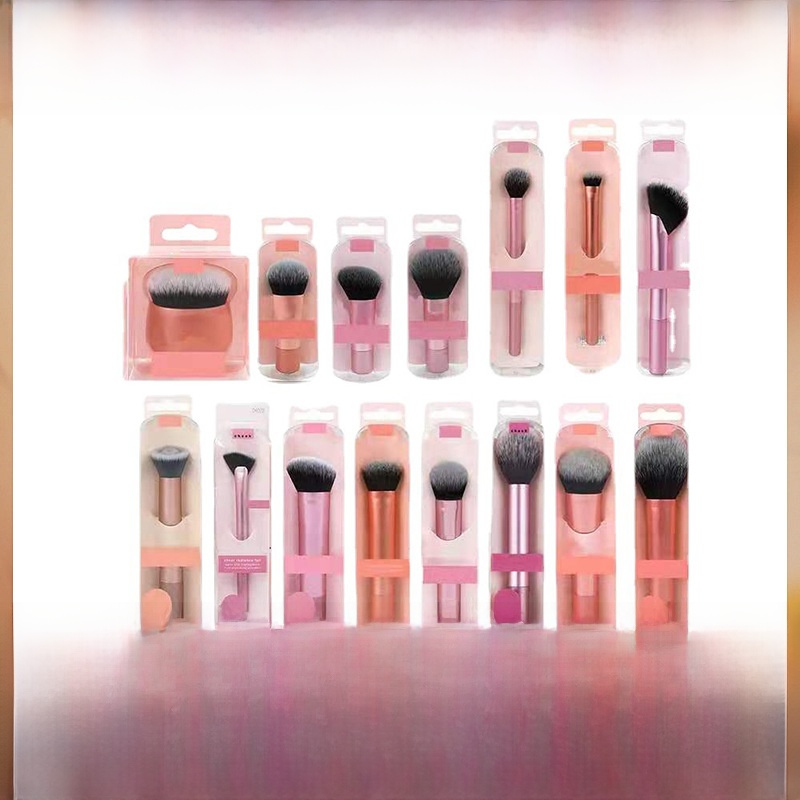
Professional Makeup Brush Set Synthetic Nylon Bristles ABS Metal Handle For Foundation Blush Highlighter Contour Eyeshadow Beauty Tools Kit Every Day Essentials
$1.04
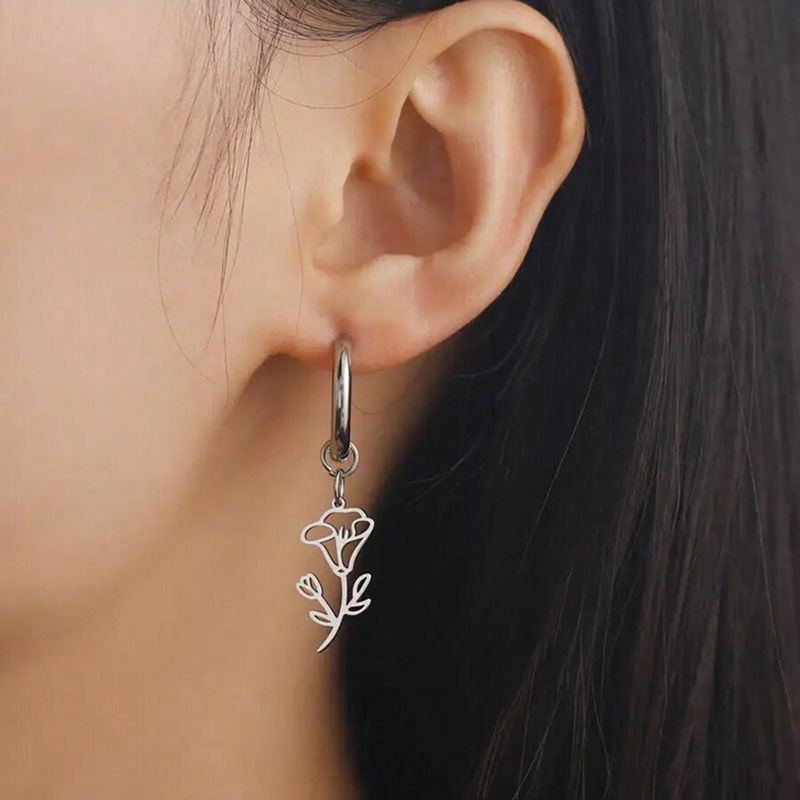
Stainless Steel Birth Month Flower Hoop Earrings For Women Girls Hollow Floral Pendant Dangle Earrings Pastoral Aesthetic Jewelry Gift For Every Month
$1.00
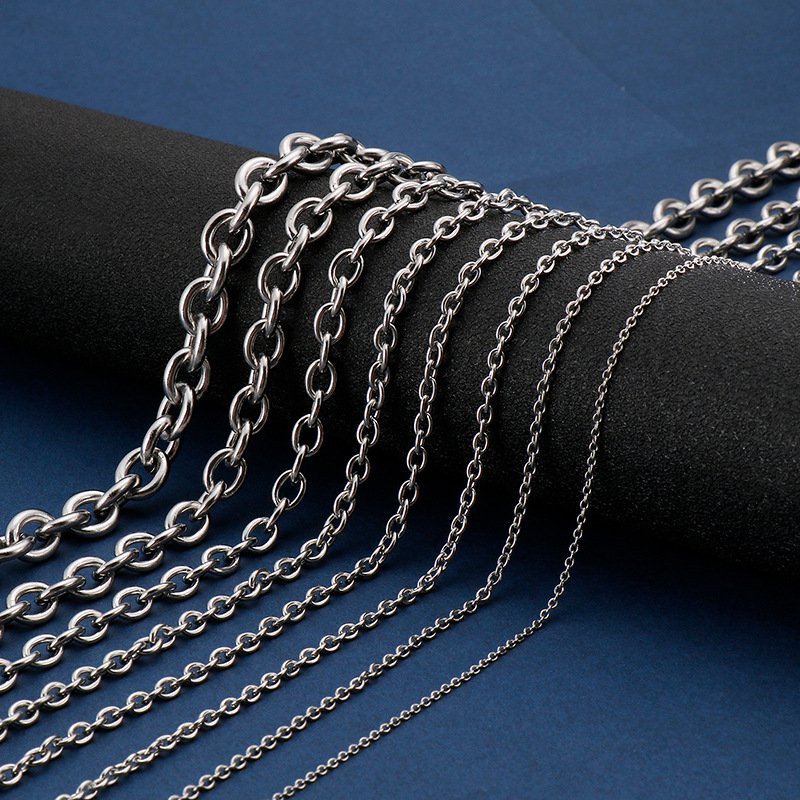
Stainless Steel Link Chain Necklace For Men Women Gold Silver Minimalist O-Chain Hip Hop Jewelry Gift Different Sizes 45-90cm Length Fashion Accessory
$0.48
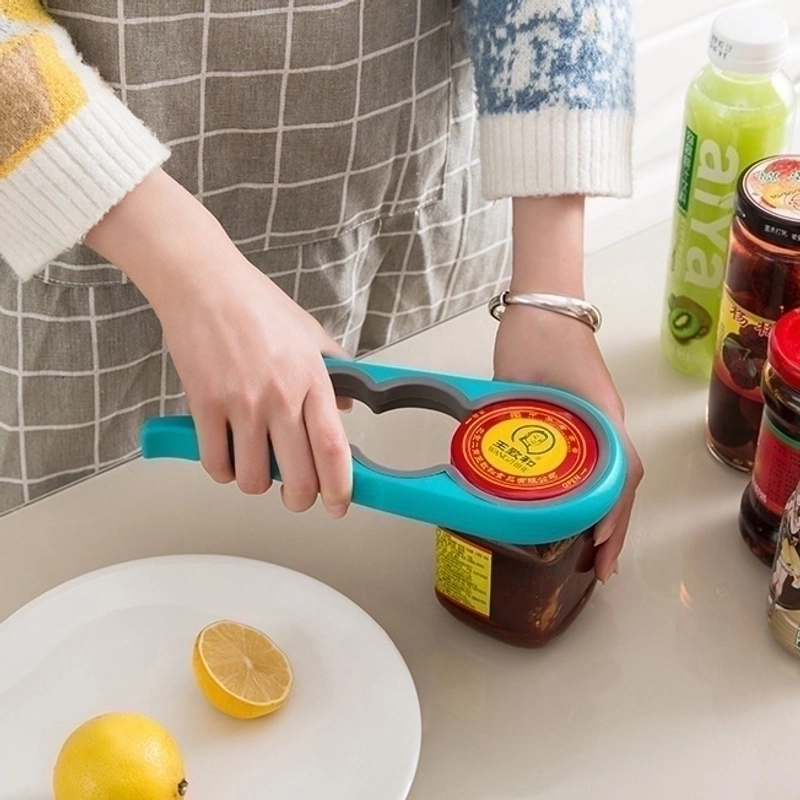
4-in-1 Multi-functional Jar Opener Non-slip Rubber Lining Manual Bottle Opener Kitchen Gadget For Different Cap Sizes Easy Grip Manual Tool
$0.34
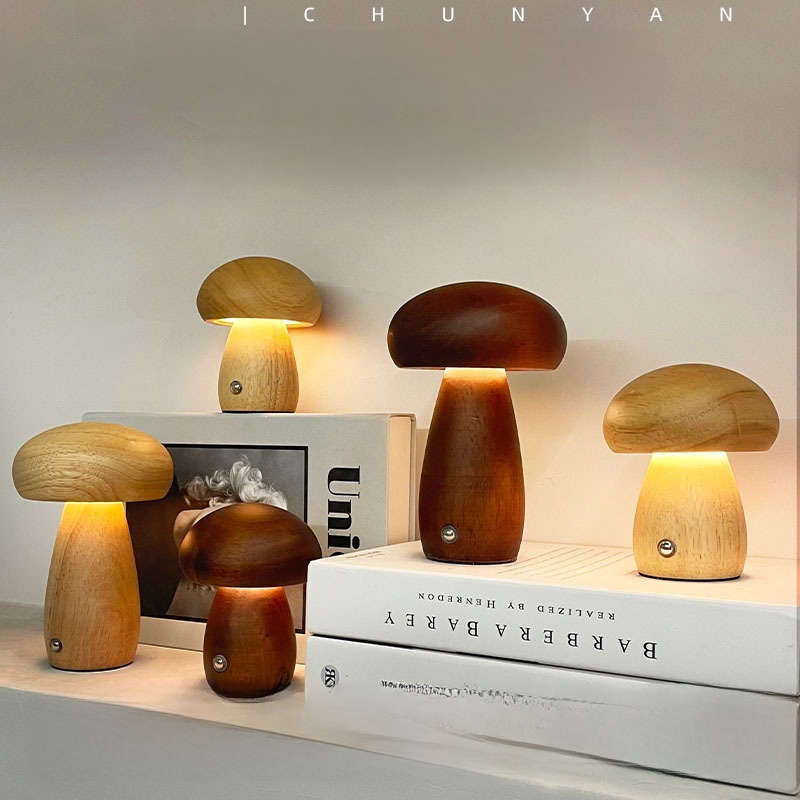
Modern Wood Mushroom Night Light LED Rechargeable Dimmable Table Lamp With Touch Sensor 3 Colors Light For Bedroom Living Room Decor Gift
$8.50
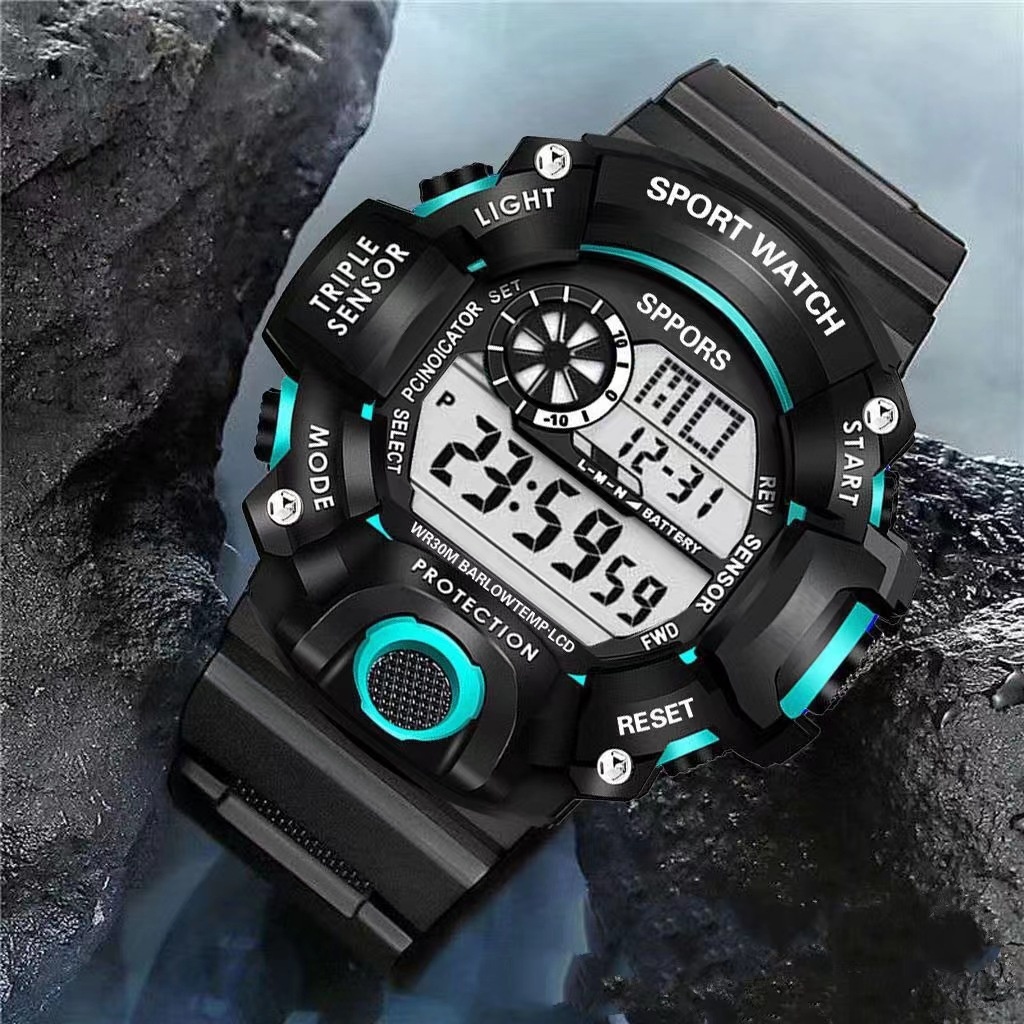
Military Tactical Sports Watch Waterproof LED Digital Triple Sensor Outdoor Wristwatch With Resin Strap Plastic Case For Men Women Daily Sporty Design
$1.10
Bundles That Build Trust Through Clarity
Bundling works for this trend because it forces you to define product roles and condition buyers to expect consistent quality. Each bundle below pairs a hero item with complementary products that share clear specifications, reducing return rates.
Smart Sensor Gift Set
For a Shopify store targeting tech-savvy customers who want functional accessories.
- Smart Motion Sensor Essential Oil Diffuserhero
- Christmas Snowman Silicone Night Lightupsell
- Smart Temperature Sensor Ringcomplement
Bundle at $23.50 vs $24.01 separately (single unit wholesale prices). Upsell potential to $42.99 retail.
Sensory Fidget Variety Pack
For flea market operators or pop-up stalls selling stress-relief items to kids and adults.
- Sensory Worry Stoneshero
- Autism Awareness Enamel Pinscomplement
- Military Tactical Sports Watchupsell
Bundle at $3.16 vs $3.06 separately — a slight bundle premium but encourages larger basket. Risk: watch may not fit 'sensory' theme, test conversion.
Jewelry Accuracy Starter Kit
For new boutique owners who want to test supplier reliability before ordering bulk.
- Stainless Steel Birth Month Flower Hoop Earringshero
- Stainless Steel Link Chain Necklacecomplement
- S925 Sterling Silver Irregular Lava Texture Pendant Necklaceupsell
Single unit cost $21.46, bundle at $20.90 — small incentive to order multiple variants together, reduce per-item shipping.