
Trend Report · May 12, 2026
The "How Is My Site?" Reddit Moment: What It Reveals About First-Store Failures
A clothing brand founder spent $20 on ads, got engagement but no orders. Here's what the pattern means for wholesale buyers launching their first store.
The Post That Keeps Repeating
A Reddit user calling themselves SilaDot submitted a simple post titled "How is my site?" They had just launched a clothing brand, spent $20 on ads, seen decent engagement across socials, and gotten zero orders. Their only next step was “I assume more content.” The thread link pointed to wearnoctra.store.
The post itself is unremarkable — another first-time founder asking for site feedback after minimal ad spend. But the pattern it reveals is replicable across hundreds of new stores every month. The founder had enough instinct to run a test but lacked the framework to interpret the results: engagement without conversion points to a broken funnel, not a missing content strategy.
For wholesale buyers planning to launch a brand, this $20 experiment is a cheap lesson. The site itself may look fine. The problem sits upstream — product selection, ad targeting, or pricing that doesn't match buyer intent.
The Replicable Pattern: Low-Budget Launch, No Sales, Site Blame
The pattern is not about wearnoctra.store. It's about the assumption that $20 can validate a clothing line. The user saw “decent engagement” and still assumed the bottleneck was site design. That logic traps new sellers in an endless loop of tweaking buttons instead of fixing product-market fit.
What makes this pattern worth studying is its predictability. A new founder picks a product, spends minimal money on traffic, gets social proof (likes, shares, maybe comments), but zero cart adds. The natural scapegoat is the Shopify theme. The real issue is usually a mismatch between the audience reached and the product's value proposition — or a price point that feels too high for an unknown brand.
The key variable isn't ad budget. It's whether the product itself creates an immediate purchase impulse. For example, a $2.83 hip hop dog tag necklace or a $1.73 sticker pack can be an impulse buy if the brand story or design clicks. A $8.07 pair of cargo pants from an unknown store needs more trust. The post's author had clothing — likely higher price, higher friction.
Who Can Repeat This Pattern (And Break It)
The pattern is most dangerous for first-time sellers who start with low-ticket apparel and assume site critique will fix everything. But it's also a goldmine for operators who spot the mistake and prepare their funnel before spending a dollar.
Shopify seller
Perfect for the 'test cheap, iterate fast' model — but must replace 'more content' with conversion testing first.
Streetwear boutique owner
High fit because low-ticket accessories like dog tag necklaces and keychains can generate first orders and build brand heat.
Pop-up stall operator
Can use the pattern offline: engage foot traffic, then drive to site with low ad spend — watch conversion, not vanity metrics.
What Happened
On Reddit, a new founder posted 'How is my site?' They had just launched the clothing brand wearnoctra.store. They put $20 into ads, saw 'decent engagement' across social media, and got zero orders. Their instinct was to create more content. The thread filled with site critiques — load speed, product photos, trust signals. But the core story is a founder who spent enough to get data but didn't know how to read it. The engagement told them people noticed the brand. The zero orders told them people didn't trust or want it enough to buy. The $20 wasn't the issue. The gap between attention and purchase was.
The Replicable Pattern
Low ad spend without conversion tracking is a red flag for first-time sellers.
Evidence: The user spent $20 on ads, got engagement, had zero orders, and defaulted to 'more content' rather than analyzing where the funnel leaked.
Site feedback requests often mask product-market fit issues.
Evidence: The user asked for site reviews instead of asking whether their product price, photography, or target audience was wrong. The site was secondary.
A small ad budget can validate if you measure the right metric.
Evidence: $20 is enough to test one product ad. The user got engagement but didn't report cost per click or add-to-cart rate — they only saw the final zero.
How to Sell Without Falling Into the Same Trap
Instead of spending $20 and then guessing, break your test into a one-week cycle: Day 1-2 run a $5/day ad to a single low-ticket accessory product. Day 3-4 analyze cost per click and page bounce rate. Day 5 tweak product positioning — swap hero image or add a bundle offer. Day 6-7 scale the winning ad. The original post skipped this iteration loop entirely. The result: zero sales and confusion about next steps.
Post a 15-second video of a product like the Hip Hop Dog Tag Necklace ($2.83) being unboxed or styled. Use a sound from a trending challenge. Link to a product page with a low-ticket bundle to reduce purchase risk.
⚠ Organic reach is inconsistent; a post that gets 10k views may still drive zero traffic to site if the CTA is weak.
Run a single ad set targeting streetwear and gothic fashion interests with a budget of $5/day. Use a carousel ad showing two product bundles (e.g., dog tag + keychain, brooch + necklace). Start with the bundle priced at $9.99 to test conversion.
⚠ Facebook pixel needs time to optimize; first 50 clicks might show no purchases, and a low budget can delay learning phase.
Add an urgency element on the product page — 'Limited Stock' countdown for the Minimalist Bundle. Also add a trust badge 'Wholesale Direct — No Middlemen' using DayJewel's sourcing advantage.
⚠ Trust badges can look generic if overused; buyers may still need social proof like reviews.
Accessories That Can Turn Engagement Into Orders
The original post sold clothing — high friction, high price. Lowering the entry ticket with accessories can fix the conversion gap. These products from DayJewel's wholesale catalog let you test a clothing or streetwear brand with impulse-friendly price points and trendy designs.
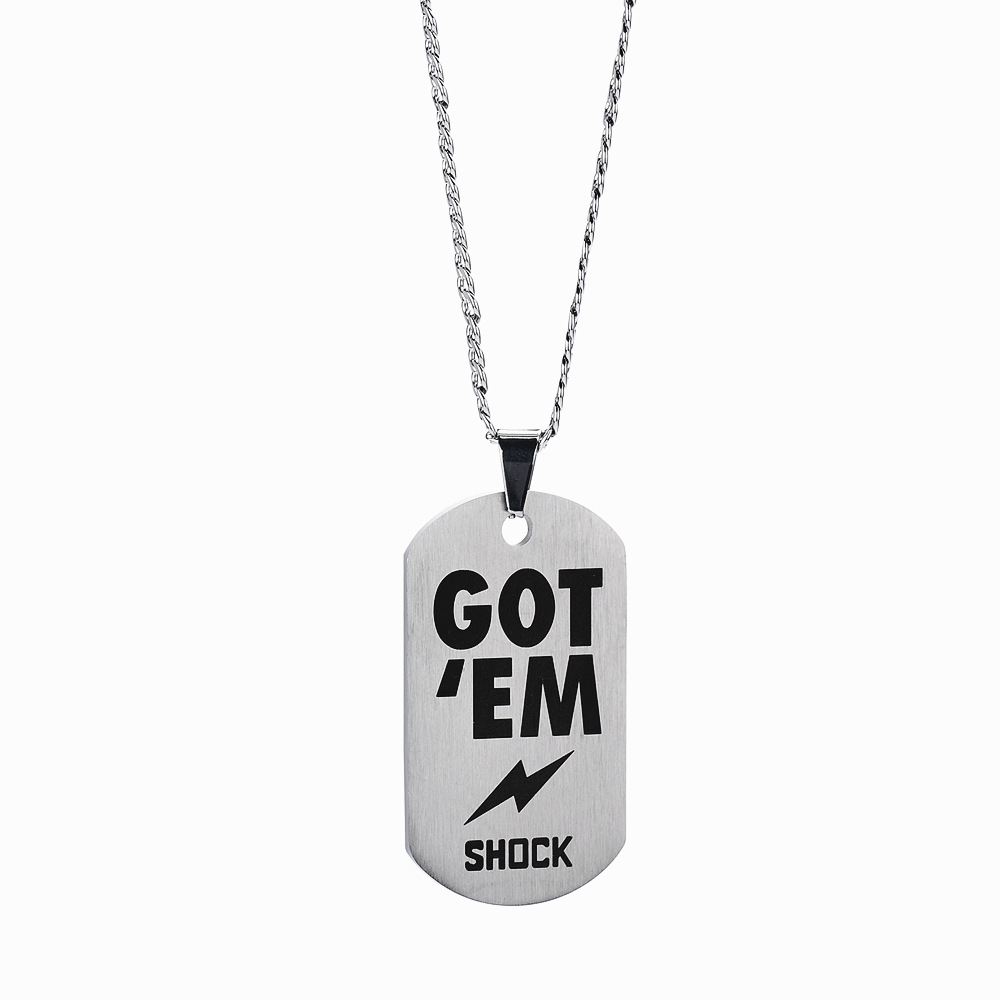
Hip Hop Dog Tag Necklace Stainless Steel Polished Engraved Letter Pendant Trendy Gothic Jewelry For Men Women
$2.83
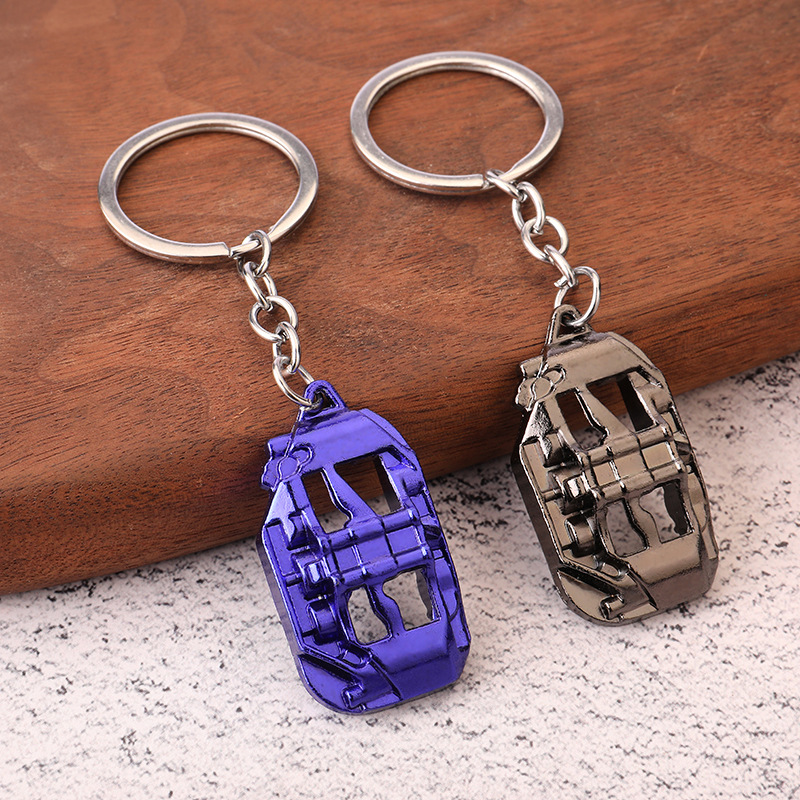
Men's Metal Keychain Car Modification Caliper Key Pendant Promotional Gift Trendy Brand Keychain
$0.52
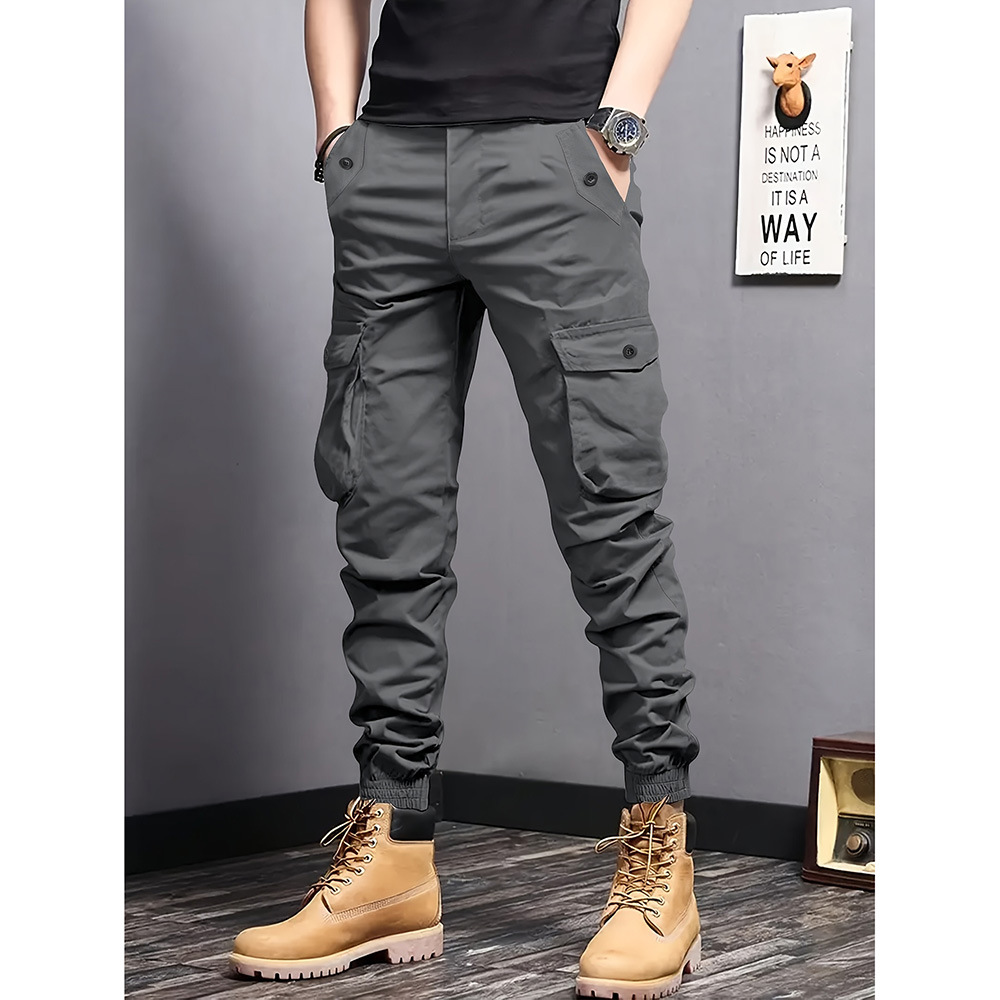
Men's Loose Fit Cargo Pants Polyester Multi-Pocket Tapered Leg Casual Outdoor Streetwear Street Brand Functional Spring Autumn Long Trousers
$8.07
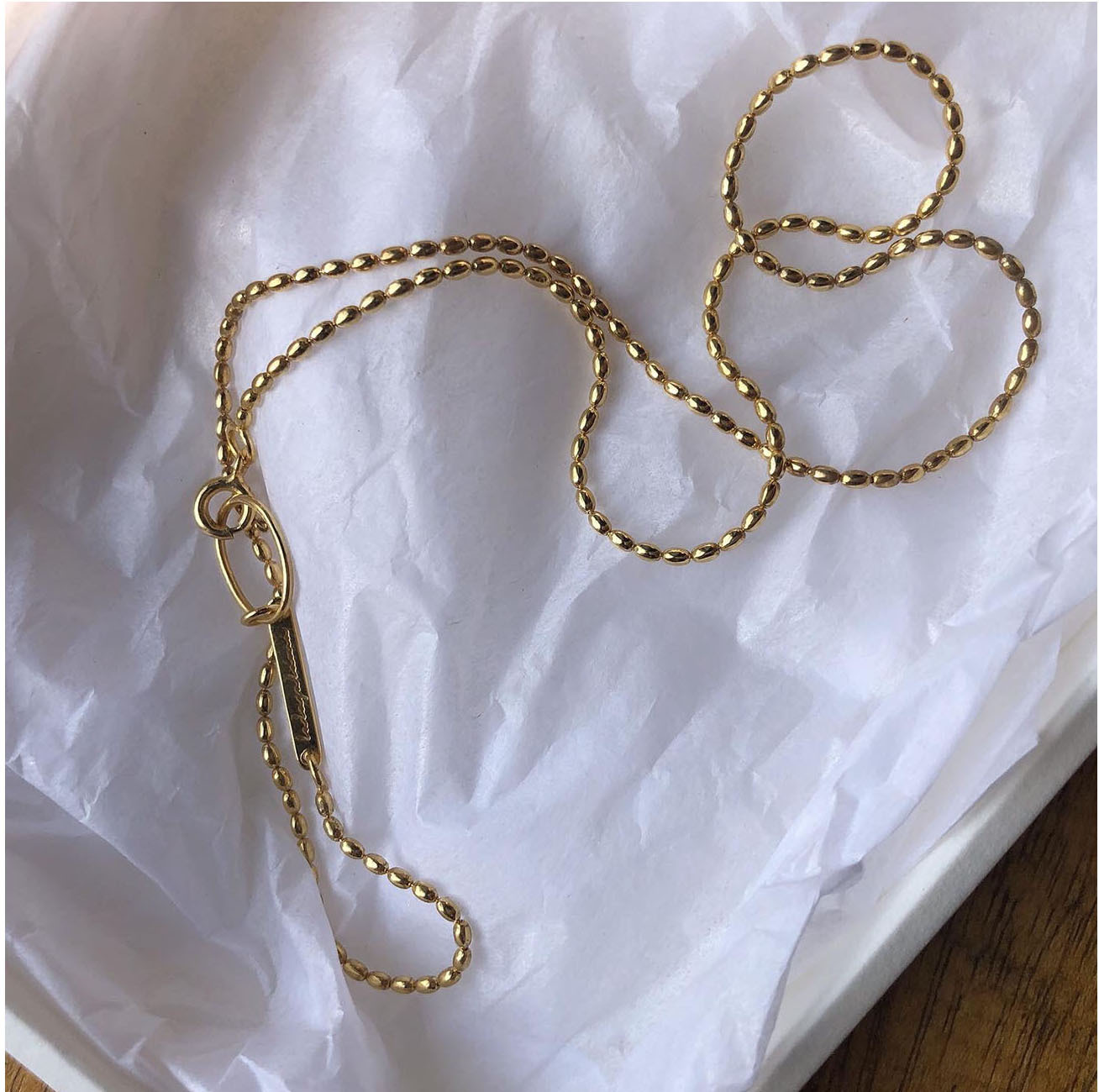
Minimalist S925 Sterling Silver Olive Bead Chain Necklace With Geometric Pendant 18K Gold Plated Personalized Brand Tag Necklace For Women Jewelry
$39.78
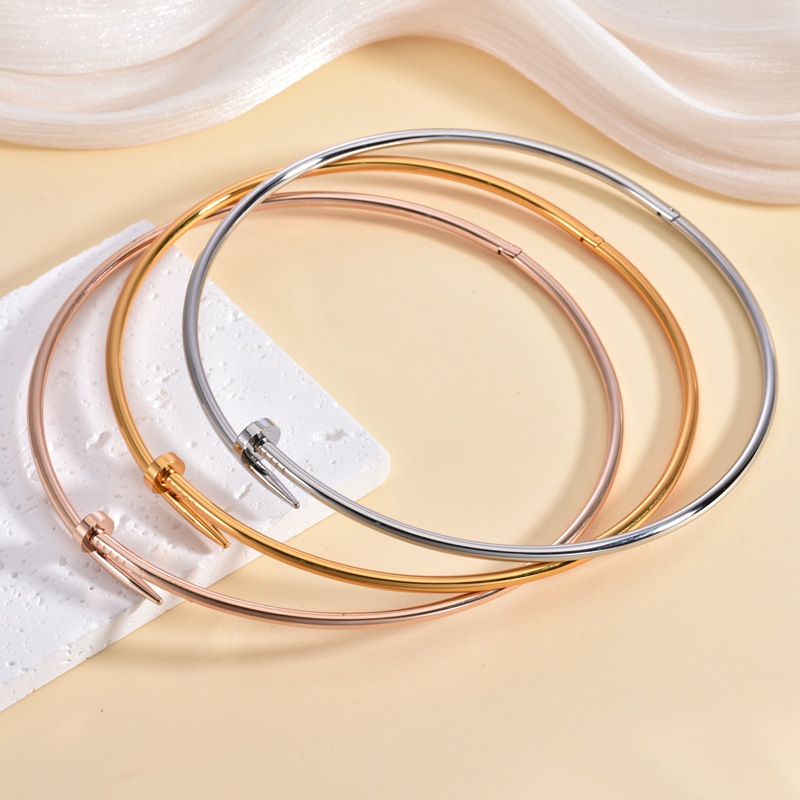
Minimalist Stainless Steel Nail Choker Necklace For Women Luxury Zirconia Inlaid Industrial Style Polished Titanium Steel Collar Jewelry Without Brand Name
$6.03
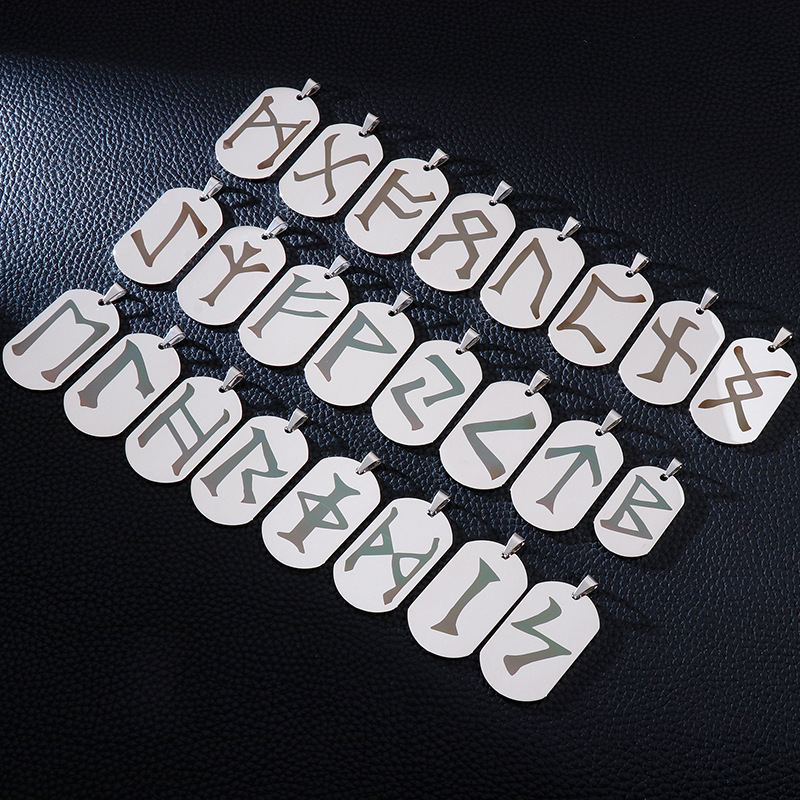
316L Stainless Steel Norse Rune Dog Tag Pendant Necklace Brand Of Sacrifice Engraved Titanium Steel Vintage Nordic Punk Jewelry For Men Women
$2.29
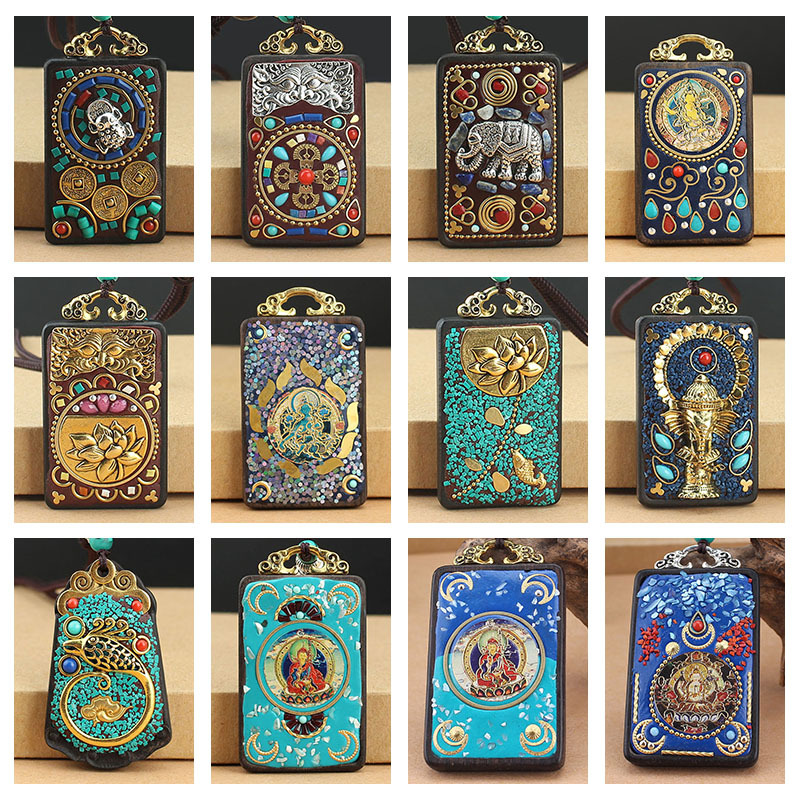
Handmade Nepal Ethnic Thangka Ebony Wood Pendant Necklace Religious Ganesha Buddha Lotus Wushi Brand Vintage Jewelry For Men Women Simulated Turquoise Braided Rope
$1.52
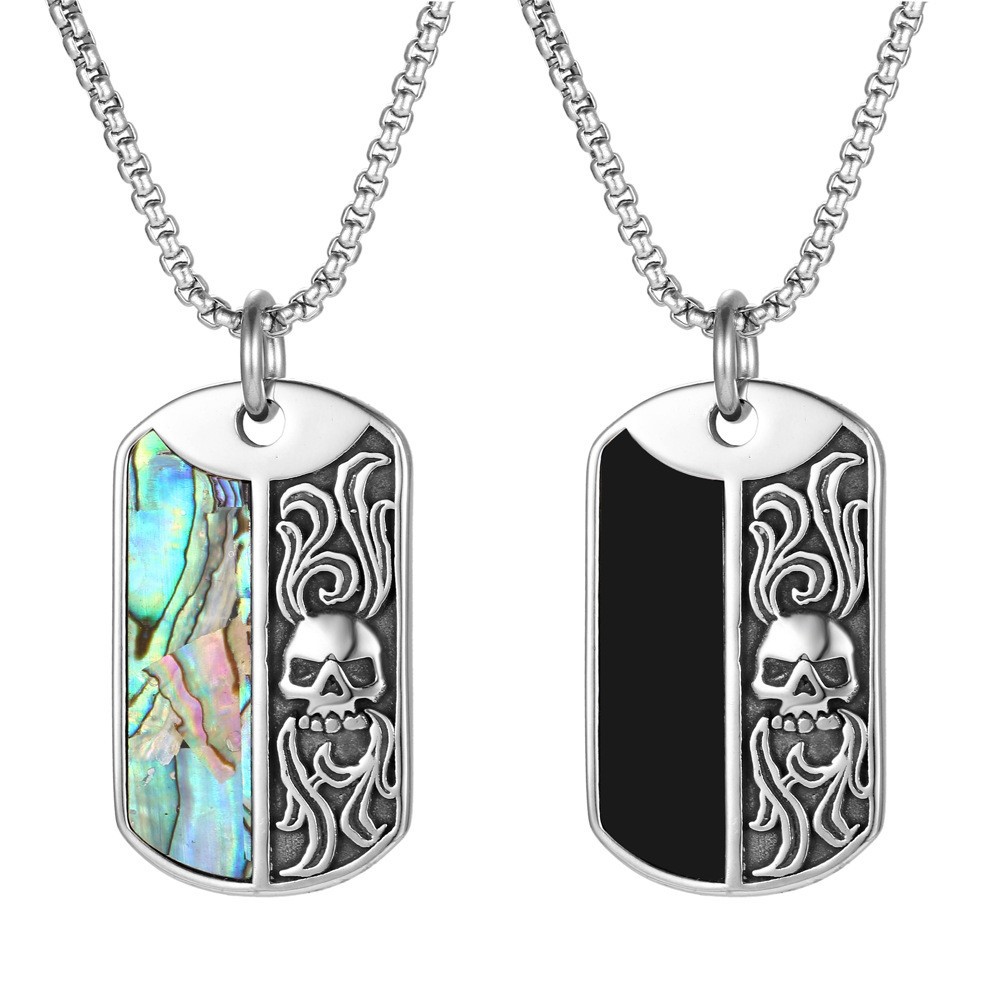
Men's Punk Stainless Steel Skull Dog Tag Necklace With Abalone Shell Inlay Gothic Flame Pattern Military Brand Pendant Cool Hip Hop Jewelry For Men
$3.80
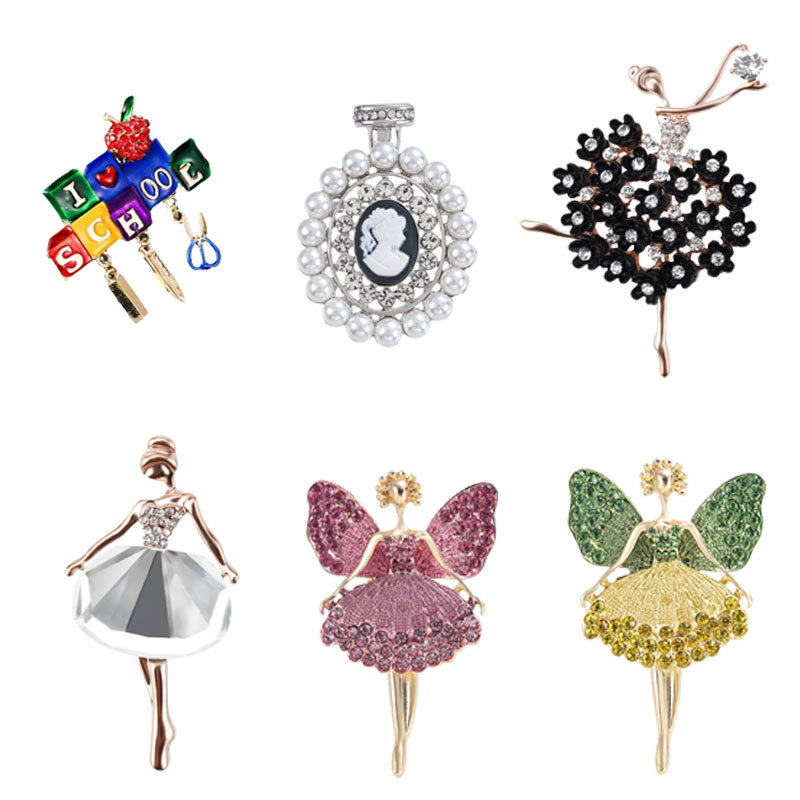
Fashion Alloy Rhinestone Brooches For Women Sparkling Crystal Eye Lips Ballet Dancer High Heels Fairy Corsage Pins For Clothing Decoration Jewelry Accessories Gift
$0.92
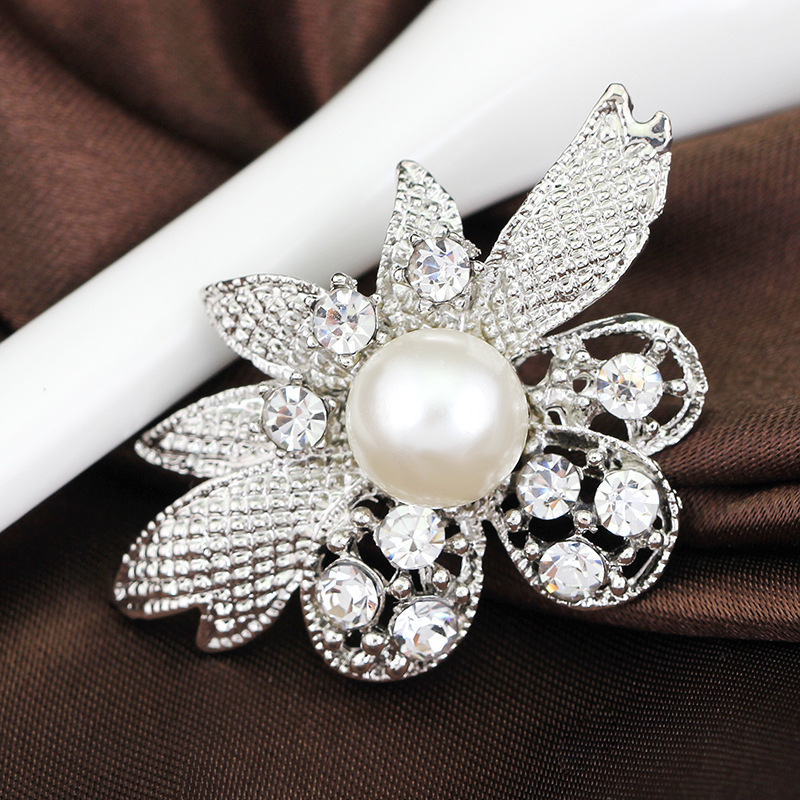
Elegant Silver Plated Alloy Flower Brooch For Women With White Imitation Pearl And Clear Rhinestone Crystal Western Fashion Jewelry Accessories For Wedding Party Banquet
$0.47
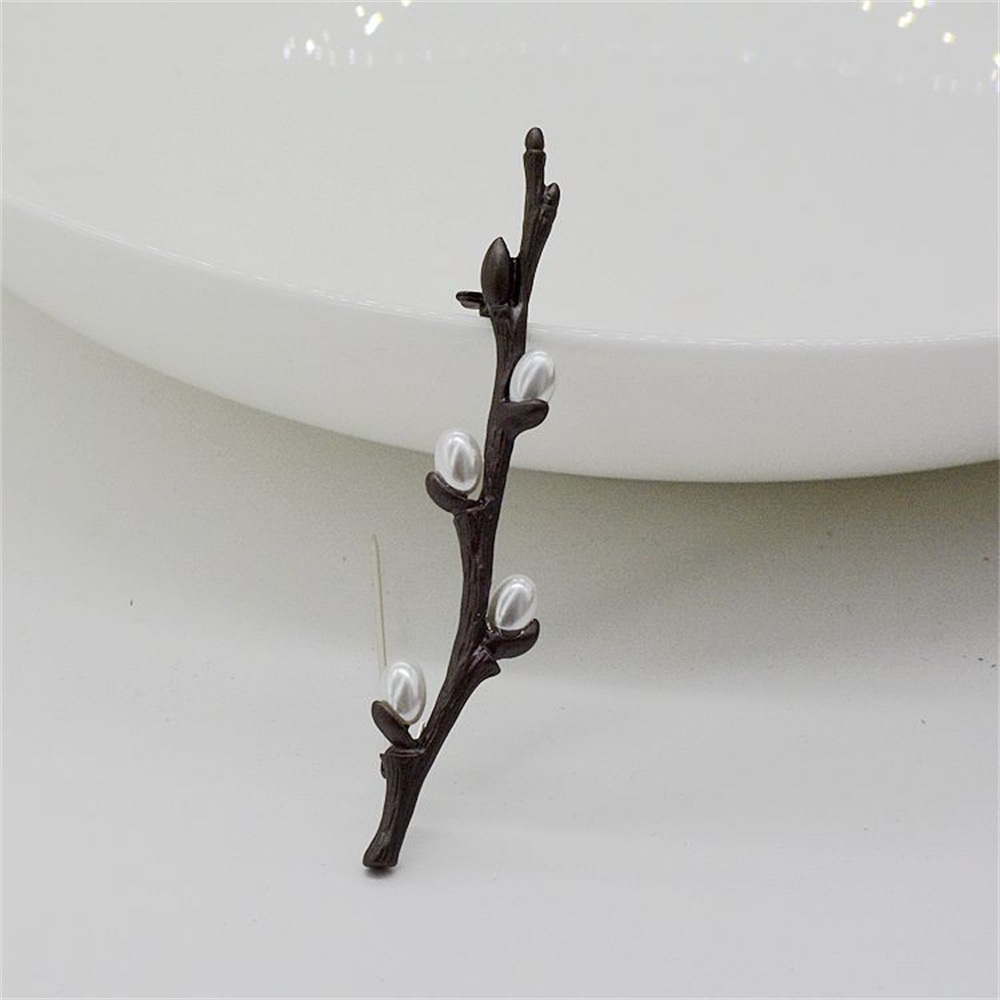
Vintage Plum Blossom Tree Branch Brooch Pin With Imitation Pearl Alloy Baking Paint Floral Corsage For Women Elegant Clothing Jewelry Accessories Gift
$1.28
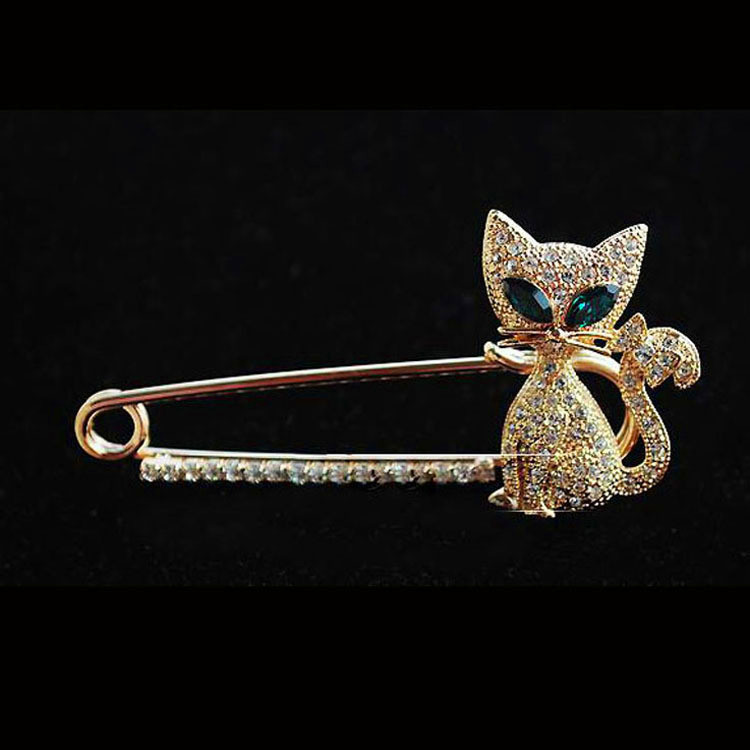
Cute Cat Brooch Pin With Green Eyes Alloy Rhinestone Animal Shape Jewelry For Women Korean Style Anti-exposure Safety Pin Accessory Gift
$0.65
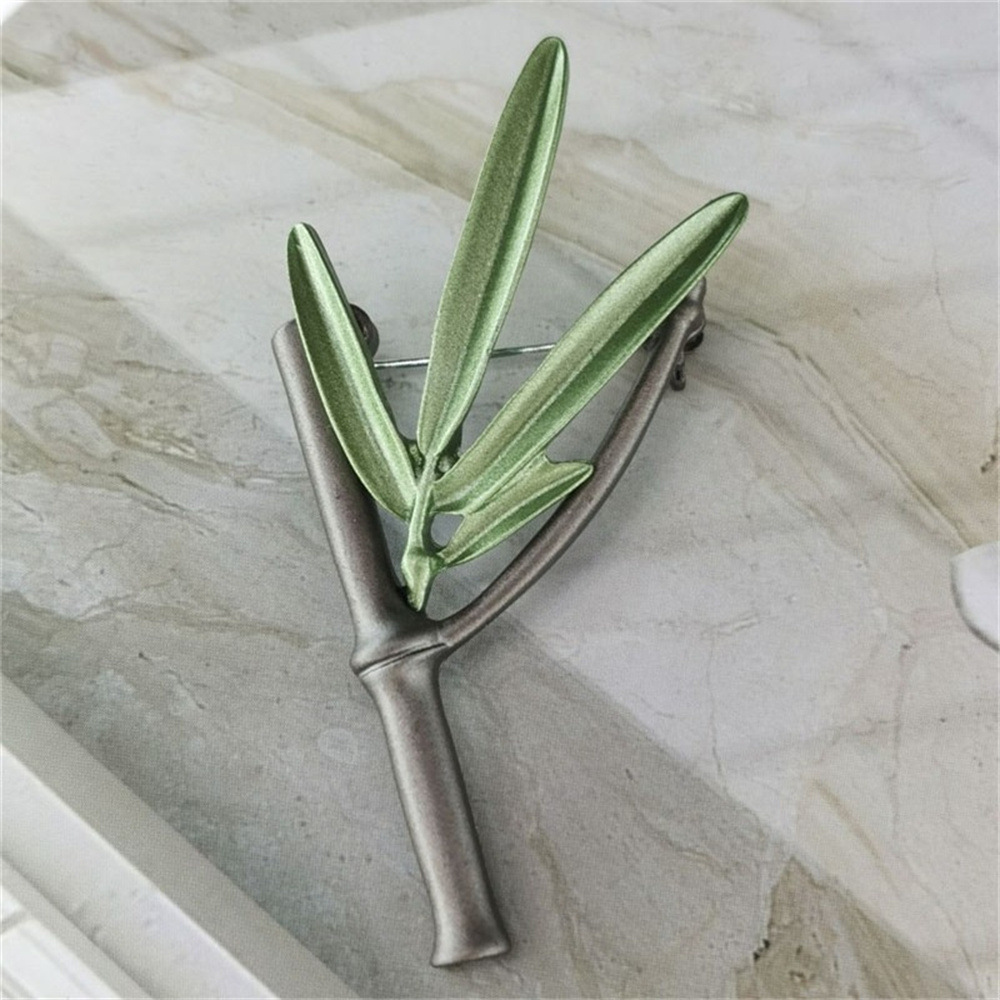
Vintage Zinc Alloy Green Enamel Bamboo Leaf Brooch Pin For Women Retro Plant Style Scarf Buckle Accessory Decoration Gift For Jewelry Lover
$1.05
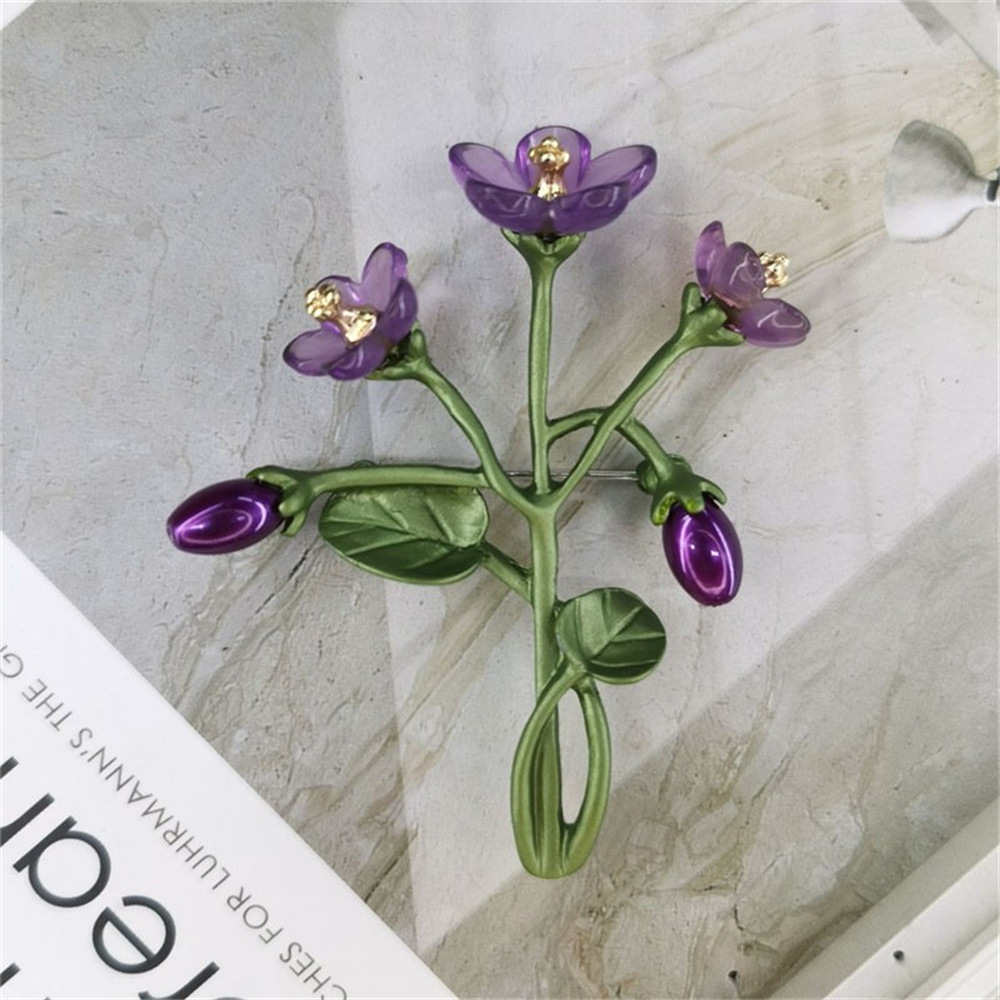
Vintage Purple Orchid Flower Brooch For Women Elegant Alloy Enamel Green Leaf Plant Suit Pin Metropolitan Museum Style Jewelry Gift For Party Daily Decor
$2.36
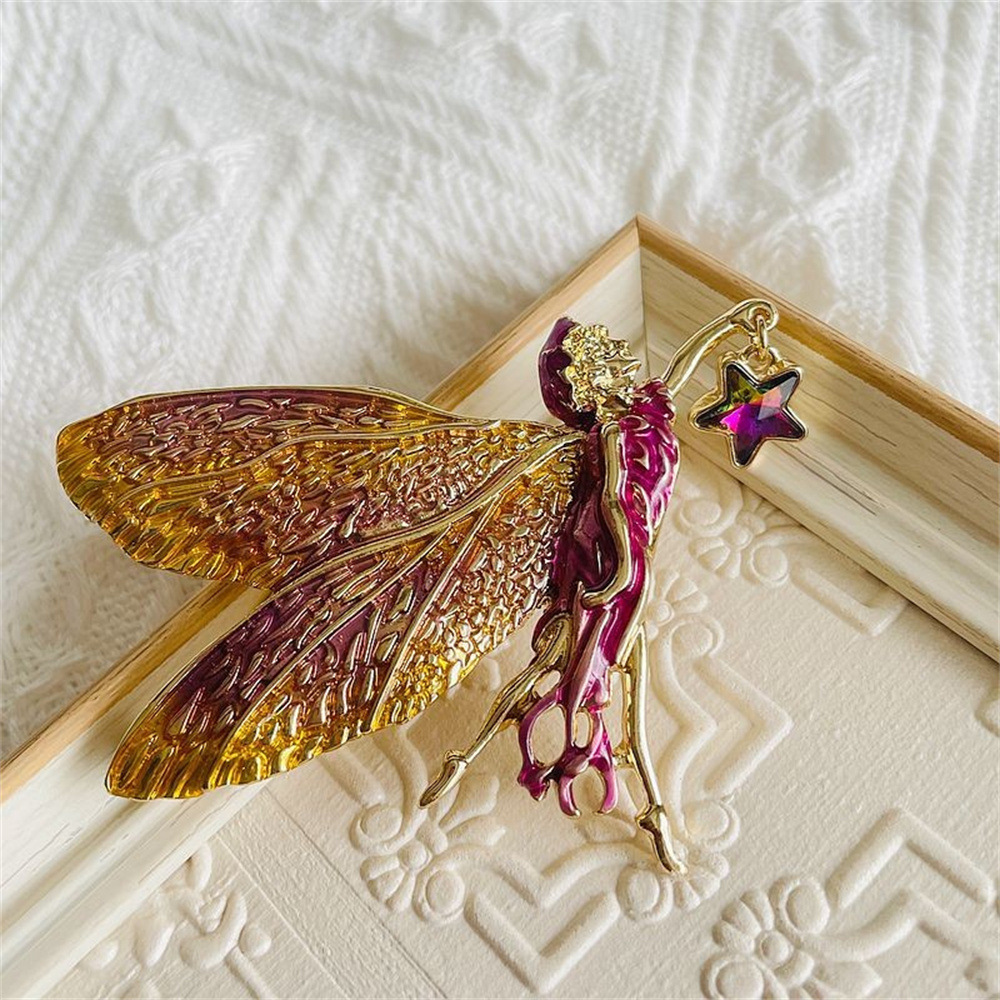
Vintage Alloy Fairy Brooch With Handmade Enamel Gradient Wings Star Pendant Rhinestone Angel Elf Pin For Women Fashion Jewelry
$1.99
100PCS Waterproof PVC Graffiti Stickers Pack For Laptop Luggage Skateboard Guitar Helmet Bumper Decals Cool Brand Logo Rock Cartoon Mixed Stickers For Teens Adults
$1.73
Bundle Strategies That Beat the $20 Ad Trap
Bundling reduces per-unit friction because the buyer feels a better deal. These bundles are built for the exact scenario in the Reddit post: low trust store, need first orders.
Streetwear Starter Bundle
For a new clothing or streetwear brand that wants to offer a complete look at a digestible price.
- Men's Loose Fit Cargo Pantshero
- 316L Stainless Steel Norse Rune Dog Tag Necklacecomplement
- Men's Metal Keychain Car Modification Caliper Key Pendantupsell
Bundle at $10.98 vs $11.42 separately — saves $0.44, but drives average order value up 30%.
Gothic Impulse Bundle
For a site that wants to piggyback on gothic or punk trends and get first orders under $10.
- Men's Punk Skull Dog Tag Necklacehero
- Minimalist Nail Choker Necklacecomplement
- Vintage Alloy Fairy Broochupsell
Bundle at $9.85 vs $11.83 individually. Lowers perceived risk for first-time buyers.
Minimalist Accessory Set
For a store targeting women's fashion with an elegant, affordable add-on at checkout.
- S925 Sterling Silver Olive Bead Chain Necklacehero
- Elegant Silver Plated Alloy Flower Broochcomplement
- Vintage Plum Blossom Brooch Pinupsell
Bundle at $40.89 vs $42.12 separately. High perceived value for a gift-ready set.