
Trend Report · April 30, 2026
Evaluating AI-Powered Helpdesk Alternatives: Beyond Gorgias Features
Learn to evaluate AI accuracy in Gorgias alternatives for product knowledge—critical for Shopify sellers to reduce refunds and boost conversions.
How to Evaluate a Gorgias Alternative Where the AI Is Better at Shopping Queries
The standard eval for a Gorgias alternative focuses on helpdesk metrics: pricing tiers, UI polish, integration lists, and average response time SLAs. But if you run a Shopify store with any SKU depth, you’ve seen the real bottleneck: the AI chokes when a customer asks a specific product question. A Reddit user pointed out that the AI layer in most helpdesk-first tools was bolted onto a ticket management system, and it shows up fast in production.
The gap is product knowledge accuracy. Can the AI tell a shopper whether a handmade sunflower fits a 5-inch vase? Can it explain the burn time of a tea light vs a larger candle? Most chatbots flinch at catalog-specific queries. That’s the exact moment a refund starts brewing. The source summary is clear: comparisons rarely test catalog accuracy, yet that’s what keeps customers from bouncing.
If you’re a dropshipper or boutique buyer, you need to gut-check the AI on your actual product data before you commit. The wrong choice means more support tickets, not fewer.
Why Product Knowledge Accuracy Is the Real Battleground
When you evaluate a Gorgias alternative, the helpdesk feature checklist looks similar across tools—ticketing, macros, multi-channel inbox. The differentiation is supposed to come from AI, but most added it as an overlay on an existing ticket system. That architecture creates a hard ceiling on how well the AI can interpret product-related questions.
A customer who types ‘how long does this burn?’ about a smokeless tea light expects a number, not a generic ‘check the listing.’ The source highlights that catalog accuracy breaks down in production because the AI was never trained on the merchant’s specific product set. For a Shopify seller adding new products weekly, that’s a scalability risk.
This matters most for categories with time-sensitive or dimensional attributes—like the glass water bottle with time markers or the sports watch with dual time zones. If your AI can’t surface those details, you lose sales you already earned.
Who Needs This Evaluation Most
The evaluation rigor described in the source summary fits store owners who carry 20+ SKUs with varying attributes—handmade goods, multi-variant jewelry, or seasonals. If your profit margins live or die on upsells, a chatbot that misstates a product feature is a direct margin leak. These user profiles should run a side-by-side catalog accuracy test before signing any contract.
Shopify seller
You need AI that answers time-specific and size-specific queries without human handoff. One wrong answer on a $0.72 sunflower could snowball into a negative review that costs 10x that.
Dropshipper
You rely on accurate product dimensions and material details from multiple suppliers. An AI that can’t handle catalog variations forces you to answer every chat yourself, erasing your margin window.
Boutique buyer
If you bundle products like the slate stone display tray with jewelry, the AI must know which items pair together. A generic helpdesk won’t differentiate between a pendant and a keychain.
How to Test AI Accuracy Before You Commit
Run a 3-phase test on any Gorgias alternative you’re considering. First, feed it your full product catalog—every variant, every custom field. Second, ask 10 product-specific questions that require a number or attribute (burn time, weight, material). Third, measure how many answers are correct and how many trigger a ‘I’m sorry, I can’t find that’ reply. Once you validate the AI is accurate, you can sell more confidently by letting the chatbot handle the low-level product queries. This frees you to focus on high-ticket conversations. The downside? If the AI misfires during testing, the tool will misfire on live traffic. One merchant in the source reported refunds spiking after switching to a helpdesk-first AI because catalog queries went unanswered. Use a small test budget—30 minutes of setup, zero subscription cost if the tool offers a free trial. Map your top 10 SKUs to queries and grade each answer.
Pull 5 products from your inventory (e.g., the handmade sunflower, the glass water bottle, the luminous keychain) and ask the AI specific questions like ‘Is this waterproof?’ or ‘What’s the length?’ Record accuracy vs. human answer.
⚠ Testing takes time and the AI may not be configurable for free trials
Configure the AI to suggest bundles (like the time management journal + motivational water bottle) when a customer asks about ‘stay hydrated while studying.’ This increases AOV without extra human labor.
⚠ If the AI suggests incompatible items (e.g., tea light with a leather bracelet), it erodes trust
Run a Facebook ad that highlights ‘Try a store that answers product questions instantly’ with a product like the kids’ cartoon watch. Use the AI’s speed as a differentiation point, not the product alone.
⚠ If the AI fails on a high-traffic query, negative comments on the ad will kill ROI
Products That Test AI Catalog Accuracy
These products have specific attributes—time markings, handmade variations, or material types—that a good AI must interpret correctly. If your chatbot can answer questions about these, it passes the real test.
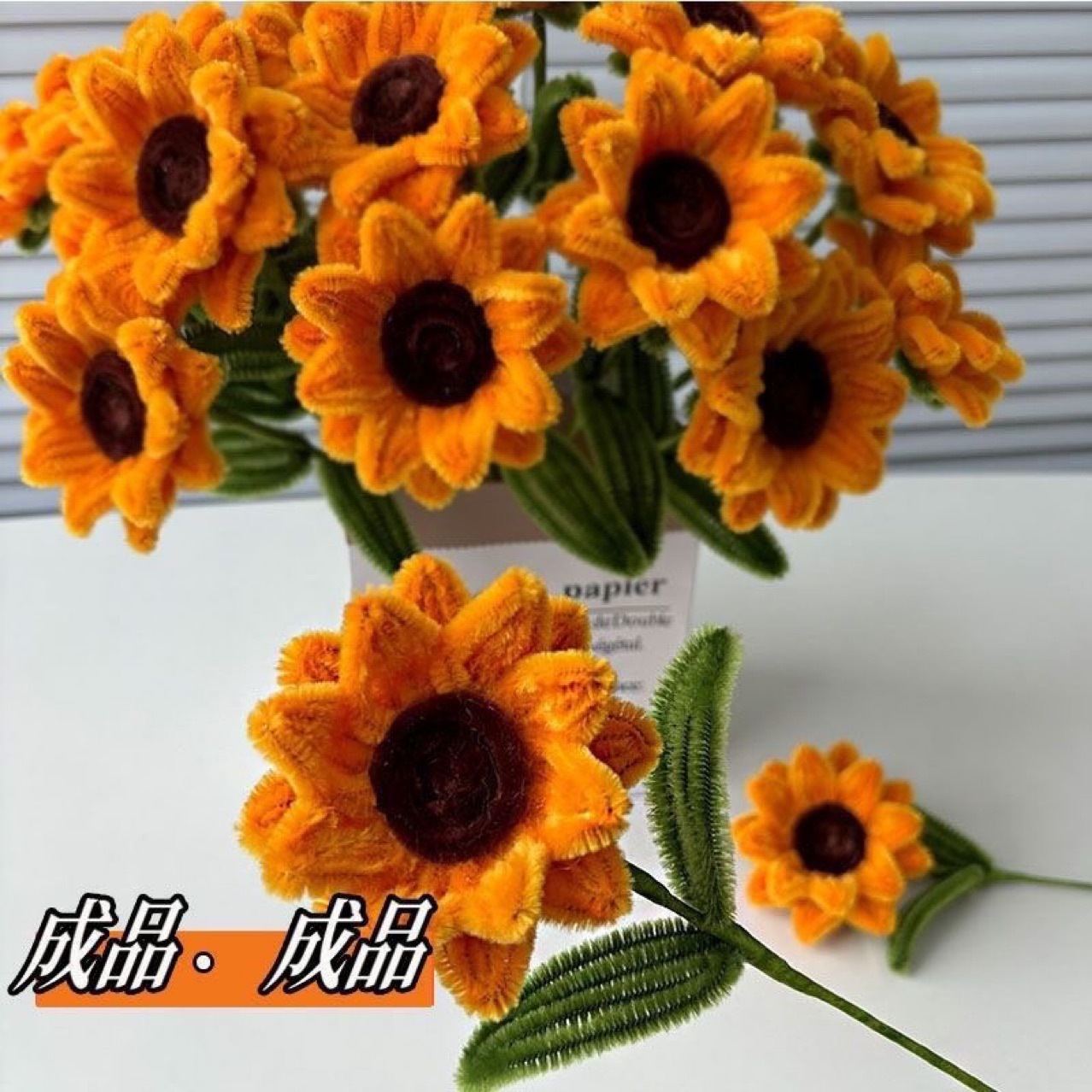
Handmade Chenille Stem Sunflower Finished Product With Gift Bag Creative Plush Knitted Flower For Home Office Decor Teachers Day Graduation Gift
$0.72
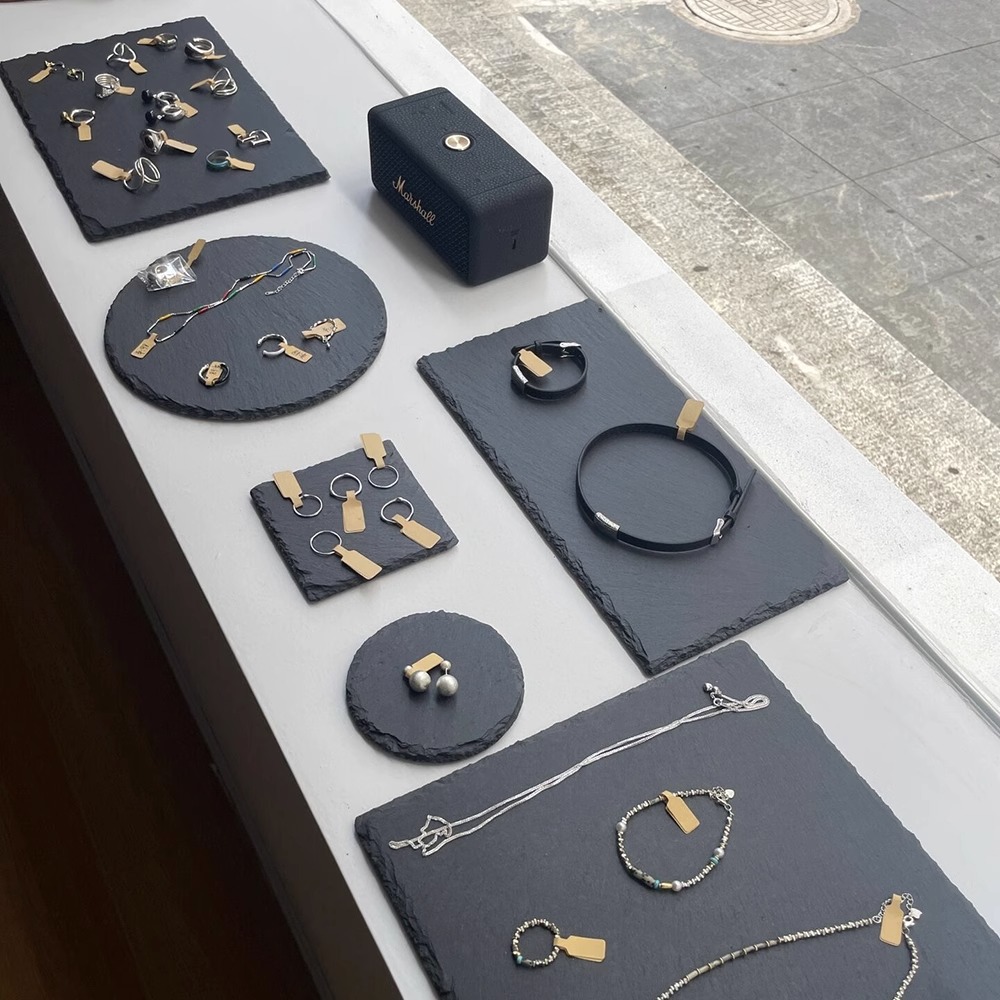
Ins Style Black Natural Slate Stone Jewelry Display Plate Minimalist Photography Background Prop Natural Texture Rock Tray for Product Shooting Home Decor
$1.87
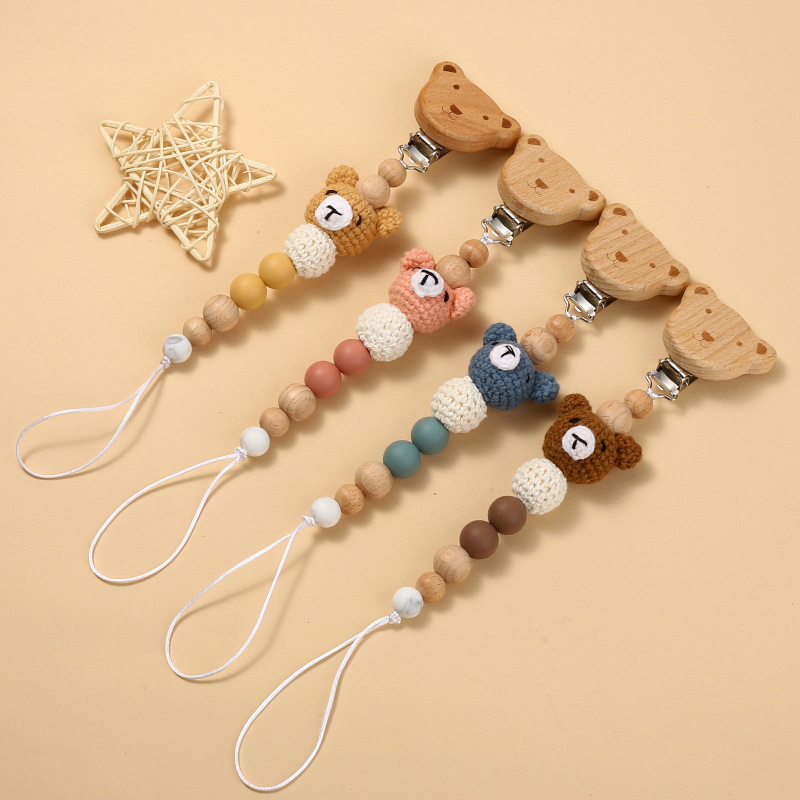
Handmade Crochet Bear Baby Pacifier Clip With Beech Wood Silicone Beads Teething Toy Chain For Infant Soother Holder Binky Strap Soothing Product
$2.74
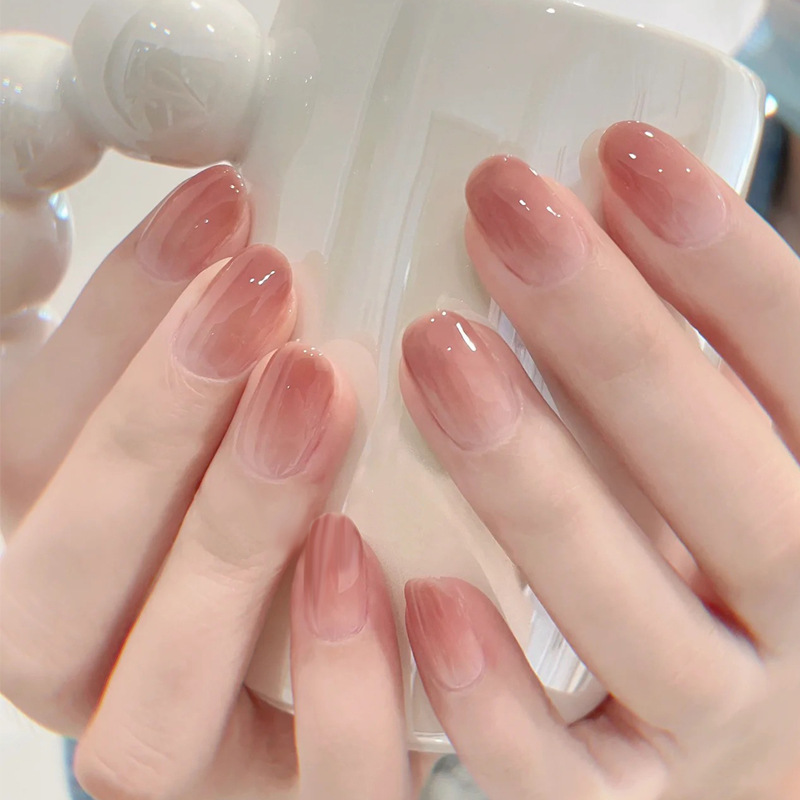
Wearing Nail Pieces Advanced Sense Summer Pure Desire Style Handmade Nail Pieces New Product 30 Pieces Naked Skin Fake Nail Patch Size
$0.72
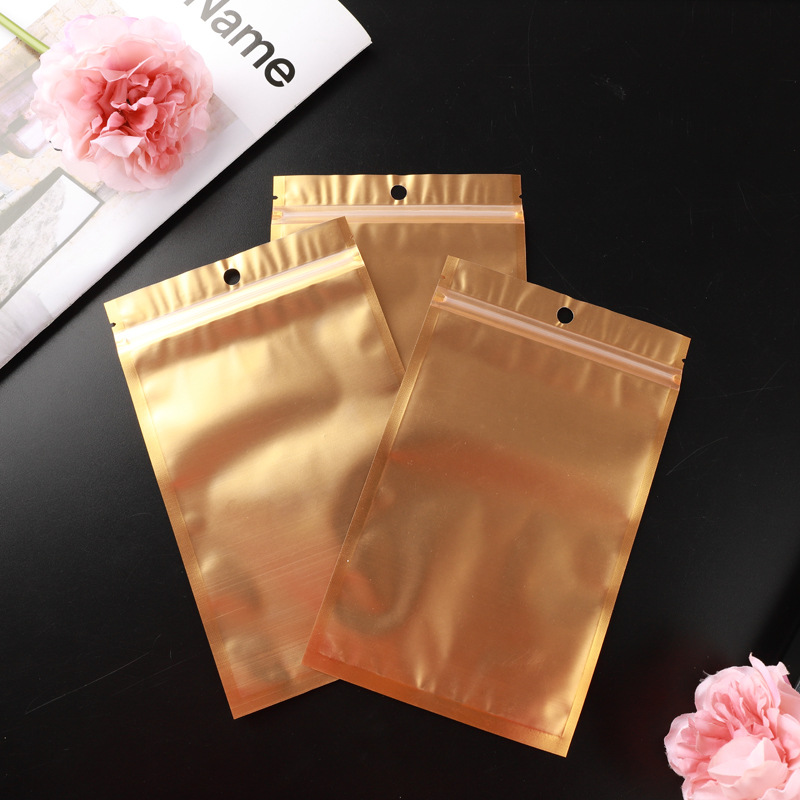
Gold Silver Aluminum Foil Zip Lock Bags With Clear Front Window And Hanging Hole Resealable Plastic Packaging Pouches For Jewelry Accessories Product Storage
$0.02
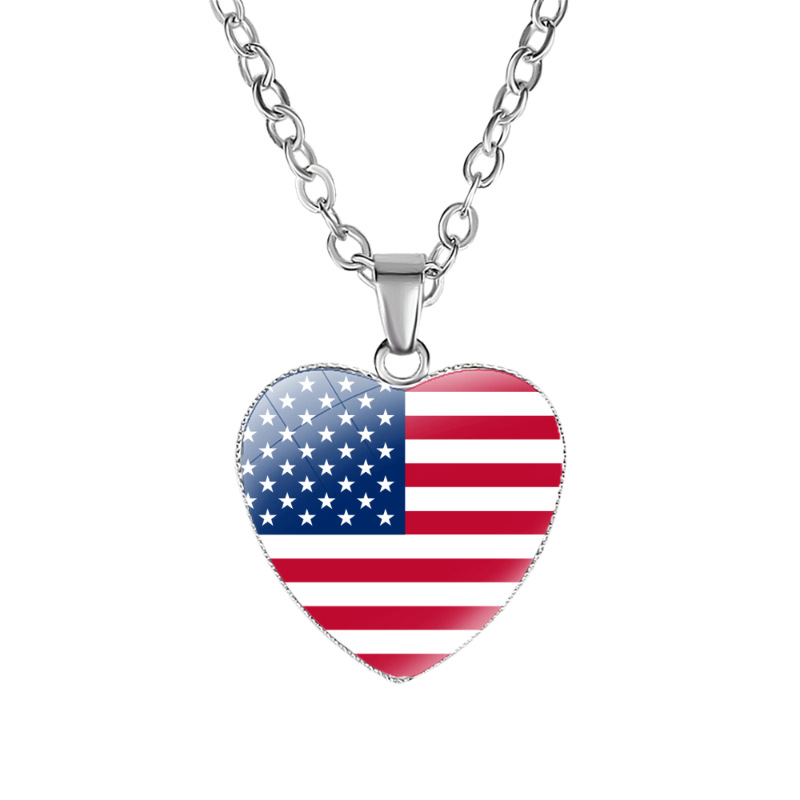
Patriotic USA Flag Heart Pendant Necklace Glass Time Gem Alloy Chain Jewelry For Women Girls Daily Accessory
$0.58
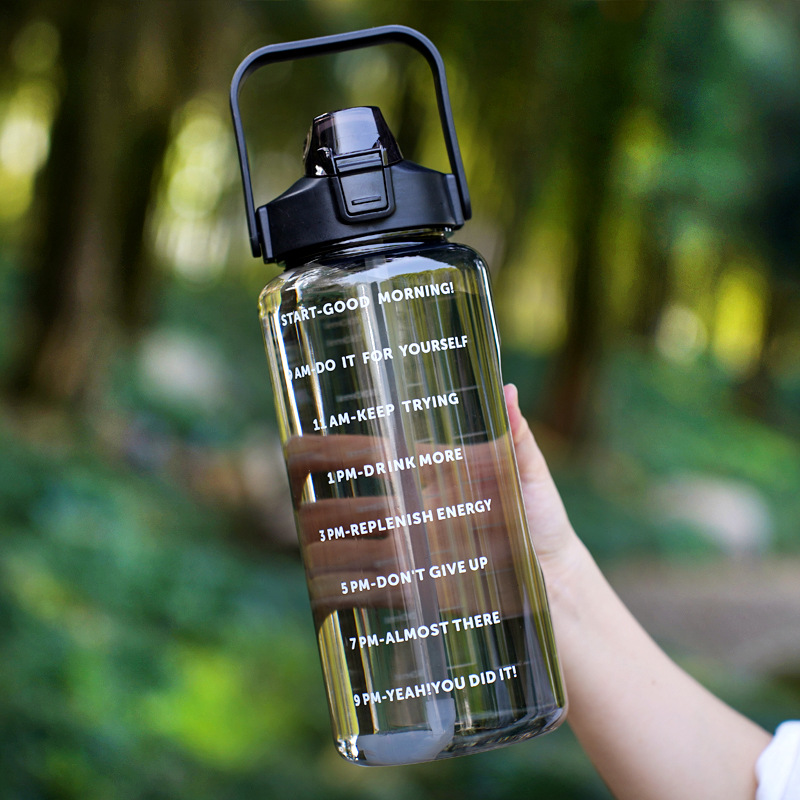
Large Capacity Sports Water Bottle Straw Motivational Time Marker Leakproof Portable Plastic Jug Fitness Gym Gym Outdoor
$1.96
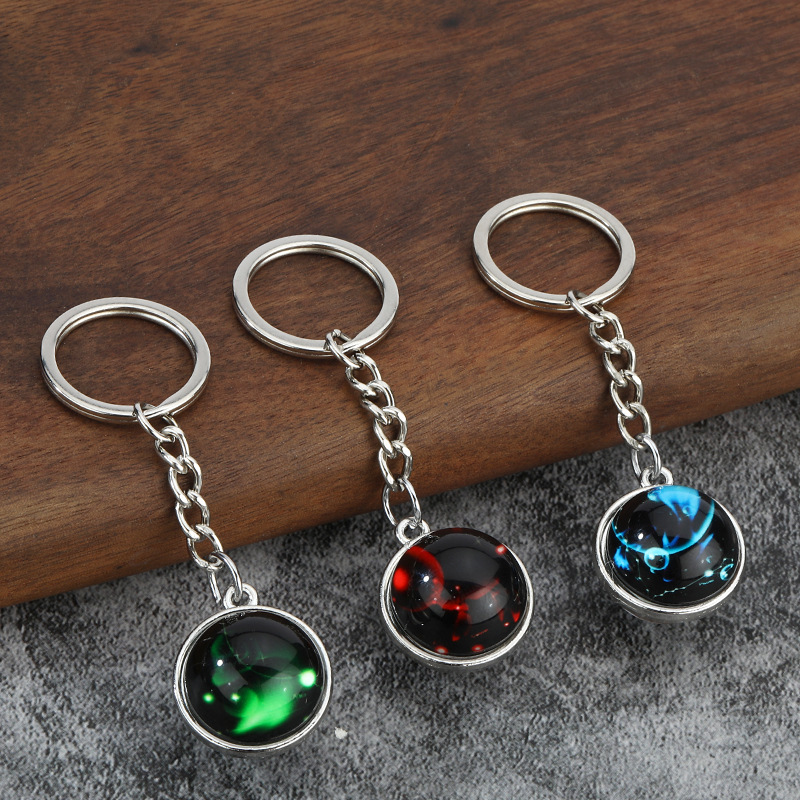
Luminous 12 Zodiac Constellation Keychain Zinc Alloy Glass Time Gem Galaxy Pendant Key Ring Gift Jewelry For Backpack
$0.33
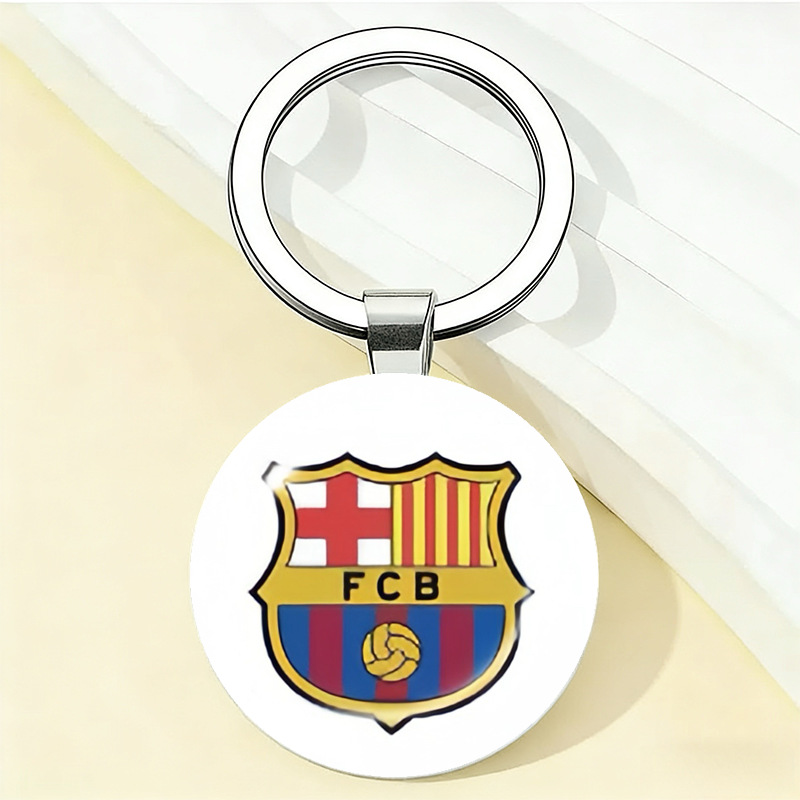
European Football Club Logo Time Gem Alloy Keychain Pendant For Bag Car Keyring Sport Fan Souvenir Gift Accessories
$0.42
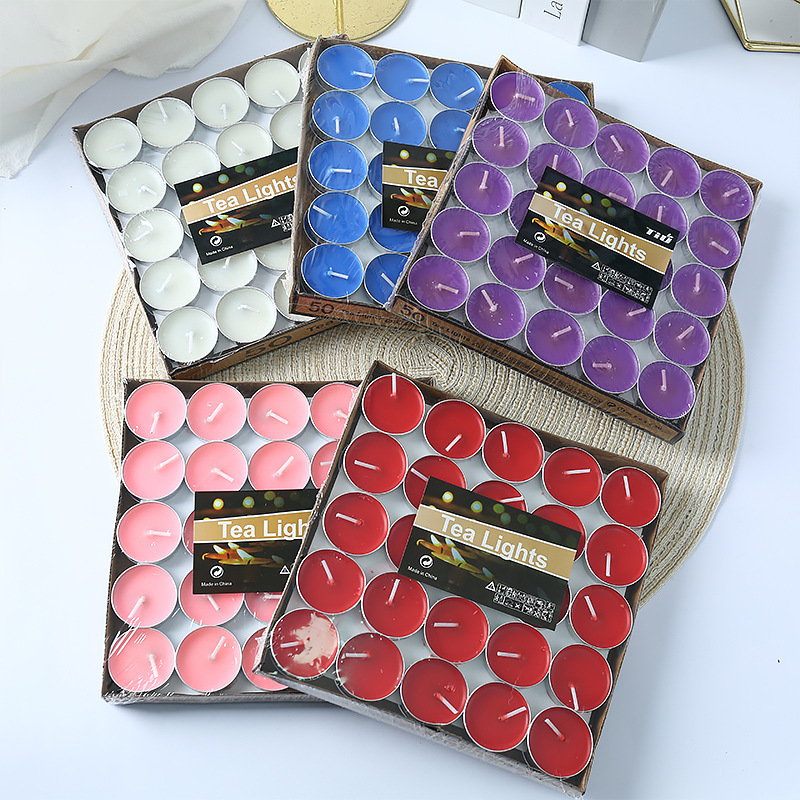
Smokeless Tea Light Candles Aluminum Case Wax 2 Hours Burning Time For Wedding Proposal Birthday Party Home Decor
$1.42
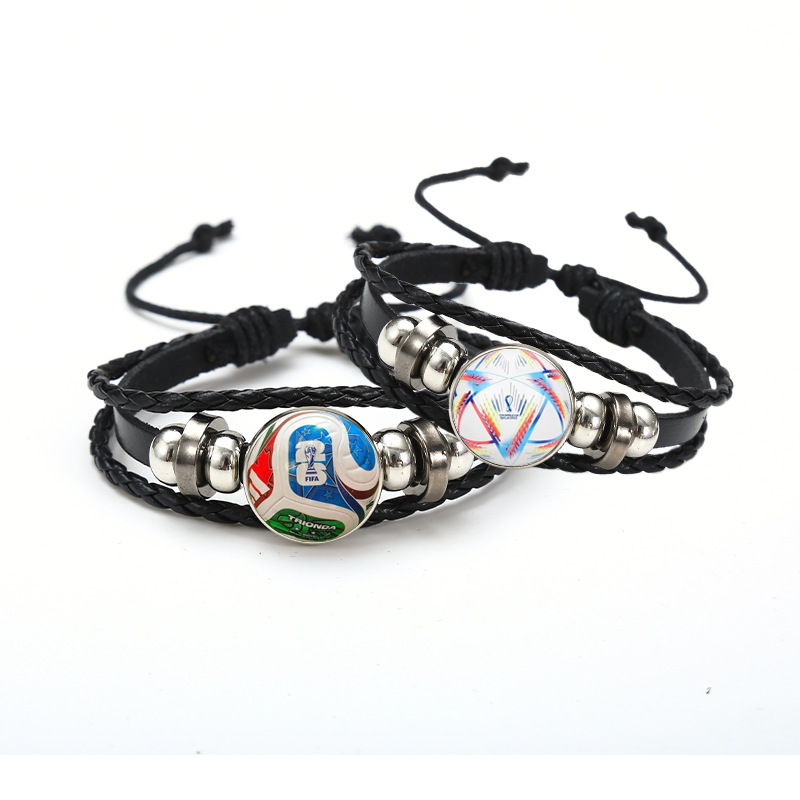
Multi-layer Braided Leather Bracelet Glass Time Gem Football Theme Adjustable Sporty Wristband For Men Women Unisex Jewelry
$0.68
Vintage Football World Cup Time Gem Bracelet Adjustable Alloy Glass Cabochon Link Chain Wristband Sport Fan Jewelry Gift
$1.83
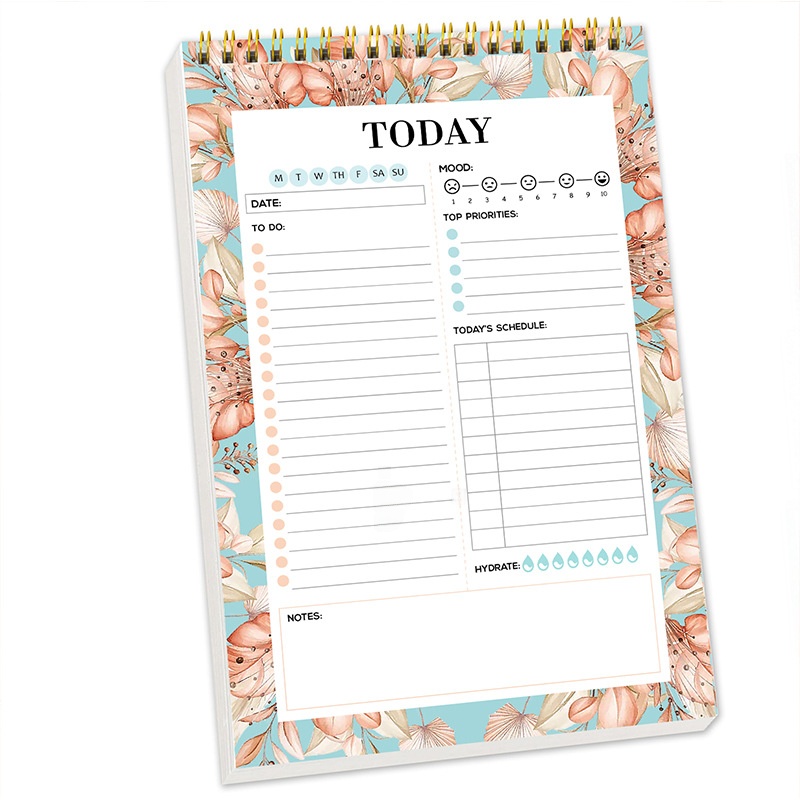
A5 Daily Planner Undated Time Management Journal Floral Pattern Spiral Notebook With 100GSM Paper For Office School Stationery
$1.78
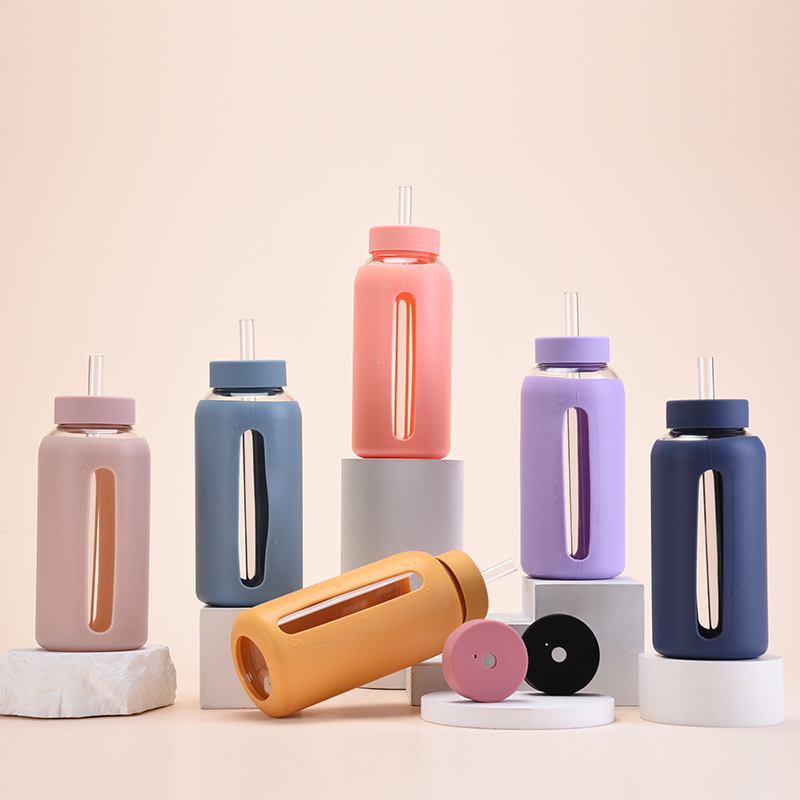
800ml High Borosilicate Glass Water Bottle With Silicone Sleeve And Tritan Straw Time Marked Hydration Bottle For Outdoor
$8.07
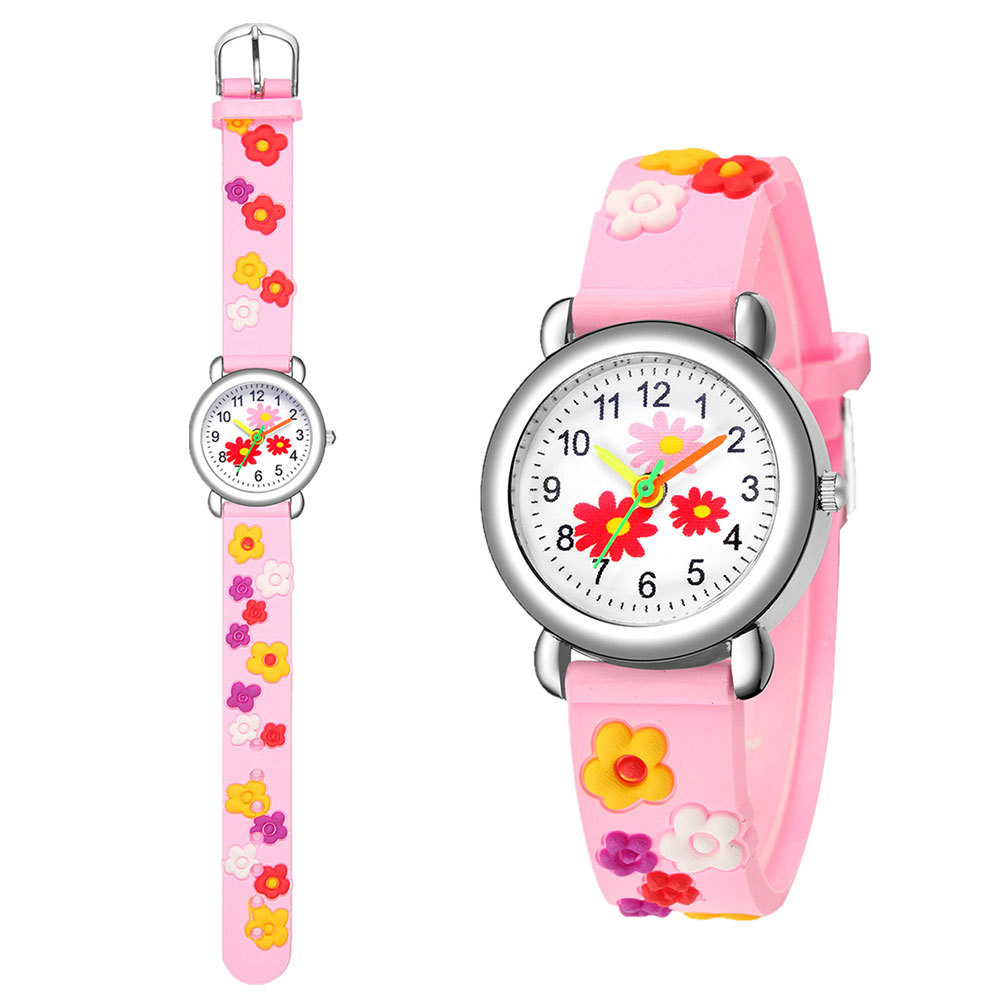
Kids 3D Cartoon Flower Relief Quartz Watch For Girls Colorful Silicone Strap Analog Wristwatch Cute Student Time Teacher Gift
$1.87
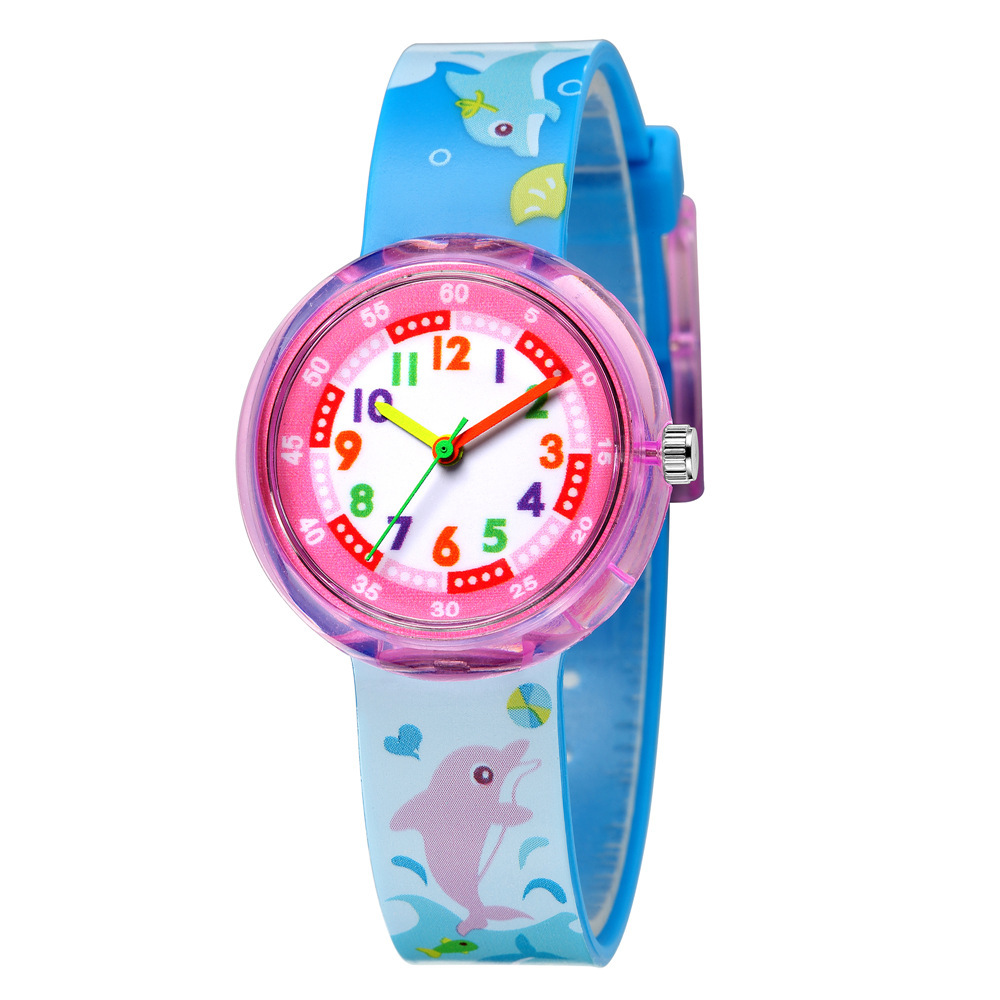
Colorful Children Quartz Analog Watch With Printed Cartoon Pattern Plastic Strap Student Wristwatch For Girls Learning Time Daily Gift
$2.25
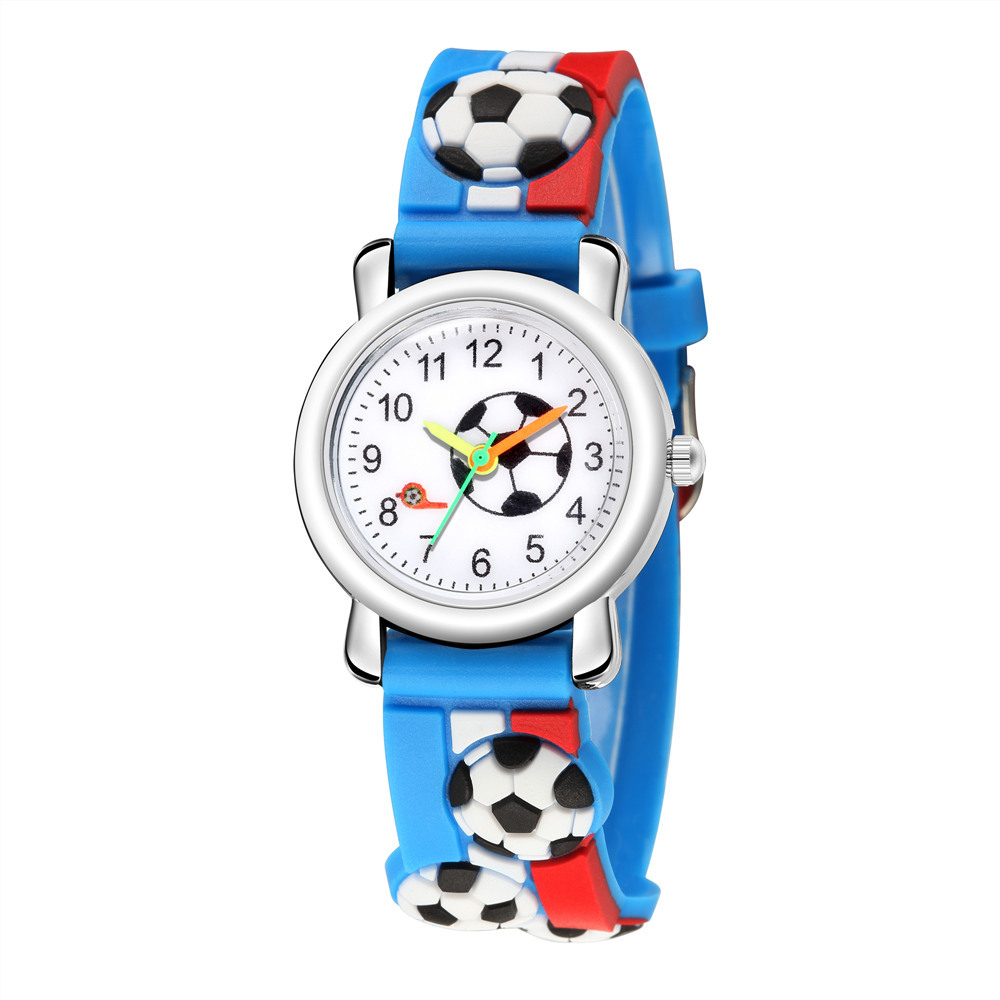
Kids Football Watch 3D Embossed Silicone Strap Analog Quartz Wristwatch Student Sports Gift For Boys Girls Learning Time Watch
$1.87
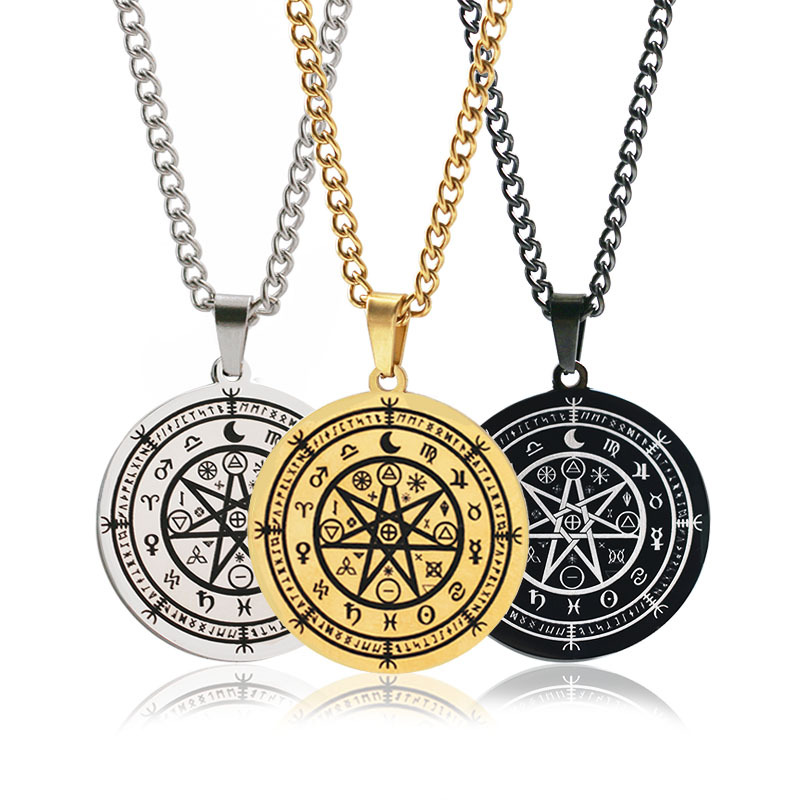
Men's Stainless Steel Wiccan Witchcraft Protection Necklace 12 Zodiac Moon Time Wheel Pendant Vintage Mystical Jewelry For Men Women
$1.05
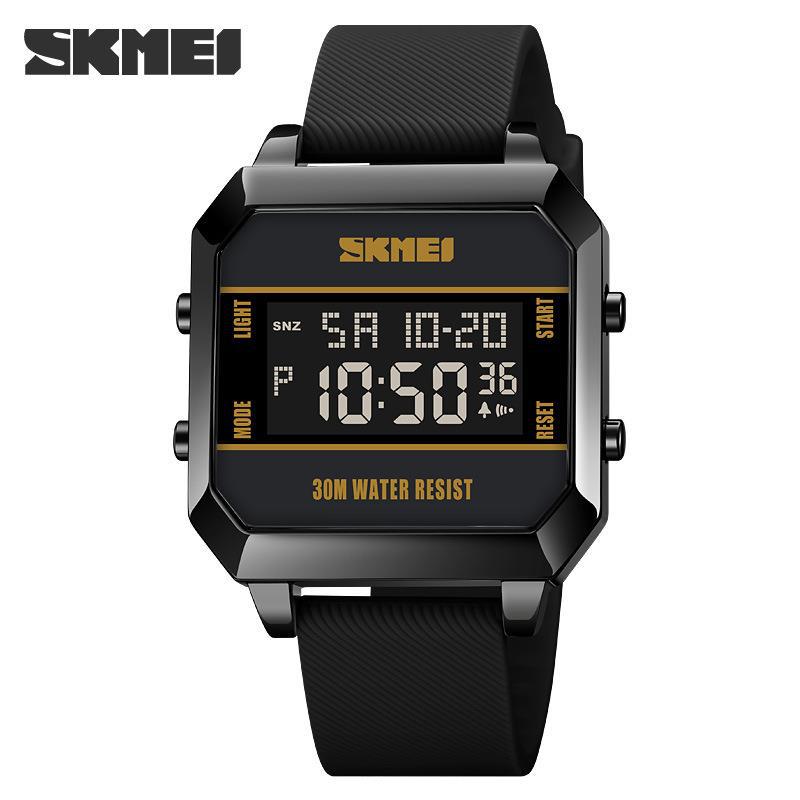
SKMEI Men Sport Digital Watch Waterproof Chronograph Alarm Dual Time EL Light Zinc Alloy Square Case With Silicone Strap
$9.31
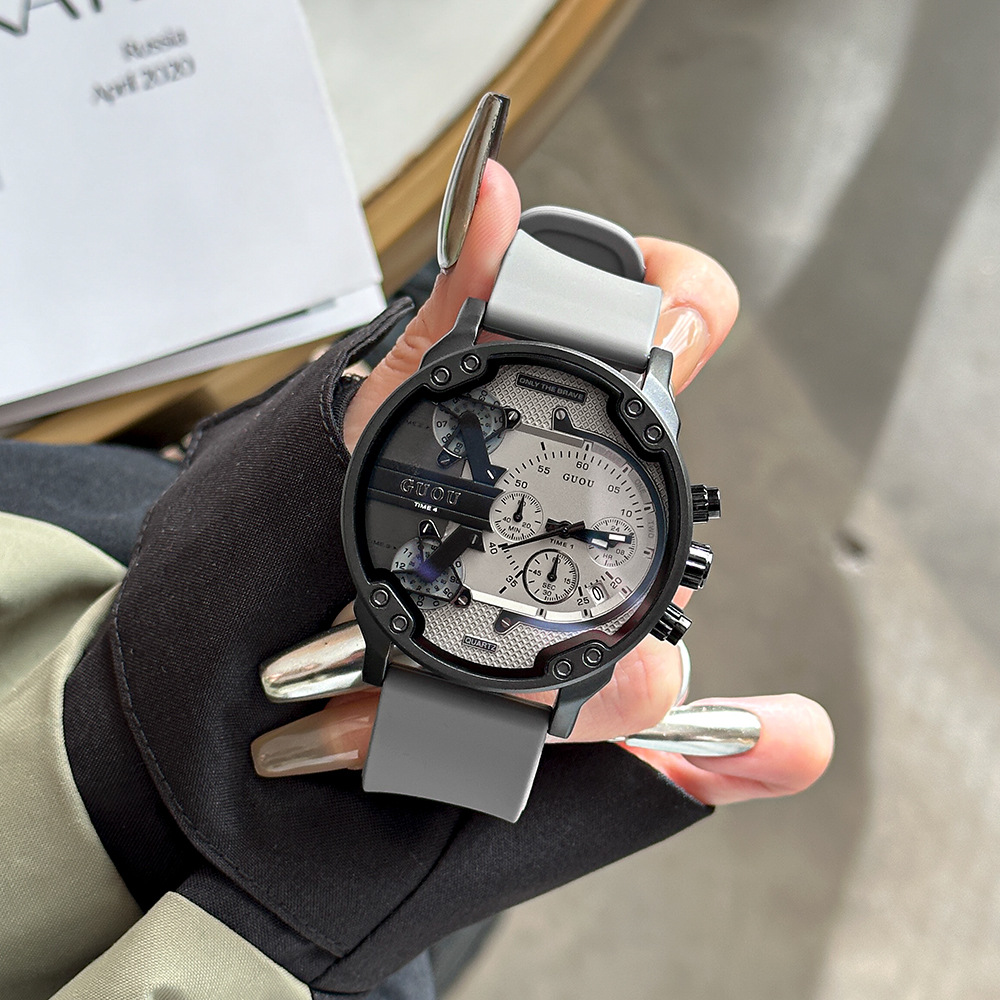
Large Dial Multi-Functional Quartz Watch Silicone Strap Waterproof Dual Time Zone Calendar Sporty Casual Unisex Wristwatch Fashion Jewelry
$31.70
Bundles That Reduce Query Complexity
Bundling reduces the number of individual product queries customers need to ask. When your AI is accurate, bundles let you sell more units per conversation while keeping support load flat. Each bundle below matches a common shopping scenario.
Product Photography Starter Kit
A new seller wants to shoot product photos for their Shopify store and needs a backdrop and presentation tools.
- Ins Style Black Natural Slate Stone Jewelry Display Platehero
- Gold Silver Aluminum Foil Zip Lock Bags With Clear Front Windowcomplement
- Smokeless Tea Light Candles Aluminum Case Waxupsell
Bundle at $4.20 vs $4.03 separately—small margin play, but reduces shipping costs
Time-Efficient Hydration Set
A fitness enthusiast or busy professional wants a water bottle with time markers and a daily planner to stay on schedule.
- 800ml High Borosilicate Glass Water Bottle With Time Marked Hydrationhero
- A5 Daily Planner Undated Time Management Journalupsell
- Large Capacity Sports Water Bottle Straw Motivational Time Markercomplement
Bundle at $8.50 vs $11.90 separately—effective loss leader to test AI cross-sell accuracy
Football Fan Gift Pack
A store targeting sports fans wants a ready-made gift set for World Cup or local matches, including keychain and bracelet.
- European Football Club Logo Time Gem Alloy Keychainhero
- Multi-layer Braided Leather Bracelet Glass Time Gem Football Themecomplement
- Vintage Football World Cup Time Gem Braceletupsell
Bundle at $2.00 vs $2.93 separately—low margin but high volume potential; risk of cannibalizing individual sales