
Trend Report · May 12, 2026
How to Handle a Buyer Who Broke an Item and Demands a Replacement
A seller damage-tested packaging and caught a false claim. Learn how to protect margins with proper supplies, photo evidence, and policies. Practical tips inside.
What Happened: The Broken Item Claim That Didn't Add Up
A jewelry seller faced this exact scenario: How to handle buyer breaking item and asking for a replacment? The buyer claimed the item arrived damaged during shipping. The seller had wrapped the piece in bubble wrap, placed it inside a custom travel case, bubble-wrapped that, and placed it in a sturdy box. When asked for photos, the buyer sent an image of the item snapped cleanly into three pieces. The seller had previously damage-tested the same packaging by dropping and shaking boxes — the only way to produce that break pattern was deliberate force, not transit stress. This story highlights a growing pain point for ecommerce sellers: fraudulent or exaggerated damage claims that eat into margins.
This isn't rare. As online jewelry sales grow, so do disputes where a buyer essentially breaks an item themselves then demands a free replacement. The seller's packaging was tested and proven; the buyer's claim was inconsistent with shipping damage. The inflection point here is the conflict between a seller who invested in quality packaging and a buyer who either mishandled the item or is being dishonest. The pattern that emerges is clear: documentation and forethought are your best defenses.
The broader lesson: when you can prove your packaging is sufficient — through damage testing, clear photos, and structured policies — you shift the burden back to the buyer. This case became a valuable reference for how to handle such claims without simply accepting fraud as a cost of business.
Why This Pattern Matters for Every Jewelry Seller
The replicable pattern here isn't the specific damage test — it's the system of evidence. This seller had already invested time in damage-testing their packaging. They knew the force required to snap the item in three places. That knowledge gave them leverage when the buyer claimed shipping damage. Most sellers skip this step, leaving themselves vulnerable to false claims.
Key variables: (1) document your packaging process with photos or video, (2) perform your own damage tests to understand failure points, (3) require photo evidence from the buyer before issuing any replacement, (4) set clear policies in your store about damage claims — especially stating that items must be in the original packaging for assessment. These steps don't eliminate all fraud, but they reduce it significantly.
For a wholesale buyer sourcing from DayJewel, this pattern means choosing packaging suppliers that offer robust, affordable supplies — bubble mailers, corrugated boxes, fragile stickers — can become part of your defense strategy. The cost of those supplies is pennies per shipment, but the protection against a fraudulent replacement saves dollar margins and operational headache.
Who Is Best Positioned to Repeat This Pattern
Any seller shipping fragile jewelry items can apply this pattern, but it's most valuable for those who handle high volumes of small orders — where each disputed claim represents a significant percentage of profit. New entrepreneurs with limited capital need this system most because they can't absorb chargebacks as easily.
Shopify jewelry seller
You ship 20-50 items daily. A single false damage claim can wipe out the profit from 10 orders. Implementing photo documentation and using damage-tested packaging from DayJewel's catalog (e.g., bubble mailers at $0.09/unit) directly protects your margin.
Etsy boutique owner
Etsy's buyer favoritism makes sellers vulnerable to over-credulous claims. Proving your packaging through testing and policy can tip disputes in your favor. Using fragile stickers ($0.46 for 100) adds visual evidence that you took care.
What Happened
A jewelry seller on a platform (Shopify/Etsy) received a message from a buyer: the item arrived broken. The buyer said it must have been damaged during shipping. The seller had used a meticulous packaging process: bubble wrap around the item, then a custom travel case, then another layer of bubble wrap, then a box. They asked for photos. The buyer sent an image of the item snapped into three pieces. The seller had previously conducted damage tests on that same packaging — dropping, shaking, even stepping on the box. The only way to achieve that specific break pattern was to deliberately apply force, not the jostling of transit. The seller realized the claim was likely false.
The Replicable Pattern
Proactive damage testing turns subjective claims into objective evidence.
Evidence: The seller knew the force required to break the item because they tested it. When the buyer's photo showed a three-piece break, the seller could confidently deduce shipping wasn't the cause.
Requiring photo proof filters out fraudulent claims quickly.
Evidence: Most dishonest buyers will drop the request when asked to provide photos. In this case, the buyer sent a photo that actually proved the seller's point — a clear win.
Documented packaging processes deter frivolous disputes.
Evidence: The seller had a repeatable packing method and could describe it in detail. That consistency makes it harder for a buyer to argue the item was poorly packed.
How to Operationalize This Pattern for Your Store
Start by standardizing your packaging process. Choose a primary box or mailer size that fits your most common items. Use consistent protective layers: at least two layers of cushioning around the item. Document your packaging with photos or a short video — you don't need to share them publicly, but have them ready for disputes. Then, perform your own damage tests with spare products: pack them, drop them, and photograph the results. Note the failure points. Next, update your store policies to require photo evidence for any damage claim within 48 hours. State that you reserve the right to ask for the item to be returned before issuing a replacement. This policy alone will reduce false claims because dishonest buyers won't want to ship back a broken item they broke themselves. Finally, invest in packaging supplies that reinforce your case — fragile stickers, tape with your brand, and thank-you notes that show care. The margin benefit is direct: each avoided fraudulent replacement saves you the cost of the product (e.g., a $2.75 heart bracelet) plus shipping (around $4). Even if you only avoid two claims per month, that's $13.50 in saved cost. Your packaging investment might be pennies per order — a high ROI.
Add a dedicated 'Damage Claims' page with your photo requirement and 48-hour window. Link to it in order confirmations. Include a reminder that all items are damage-tested before shipping.
⚠ Some genuine buyers may be annoyed by the photo requirement, but most will comply. Risk is low if you word it politely.
When a buyer opens a case, upload your packaging photos, your policy, and the buyer's photo that reveals unrealistic damage. Etsy's resolution team often sides with sellers who have clear documentation.
⚠ Etsy sometimes refunds buyers even with evidence, but the better your documentation, the higher your win rate.
Share a behind-the-scenes video showing how you package items for shipping. This builds trust and subtly warns potential fraudsters that you take packaging seriously. Use hashtags like #jewelrypackaging #smallbiztips.
⚠ Time investment; may not directly prevent claims. But the preventive effect is real.
Packaging Supplies That Protect Your Inventory
The best defense against false damage claims starts with packaging that you can prove works. These DayJewel products help you pack securely, label clearly, and leave an audit trail. Use them to replicate the seller's damage-tested approach.
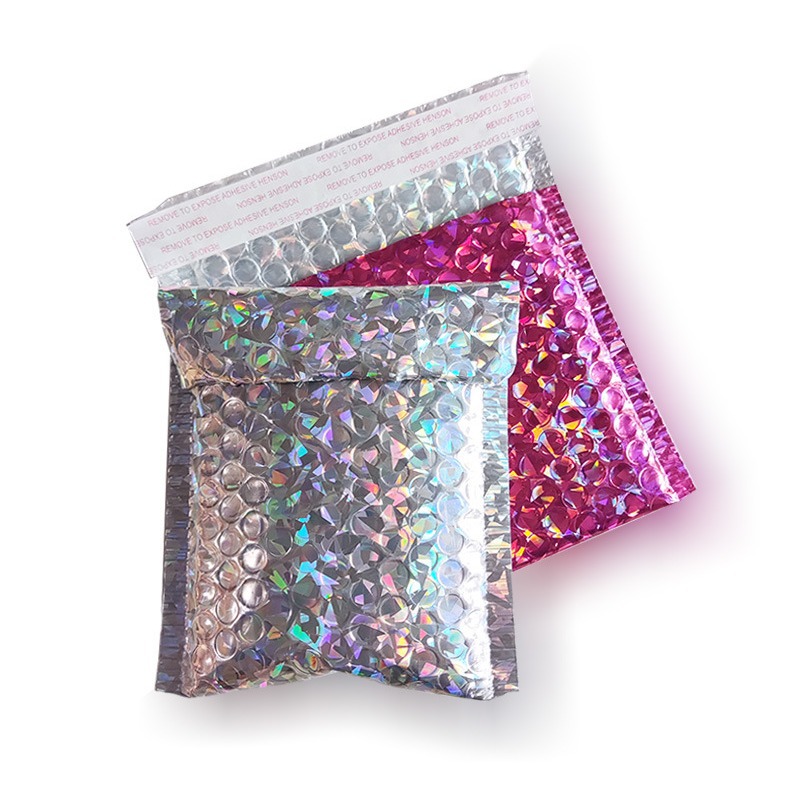
Holographic Laser Bubble Mailers Thickened Shockproof Waterproof Self Adhesive Padded Shipping Envelopes Hologram Laser Metal Film Shipping Bags For E-commerce Gift Packaging
$0.09
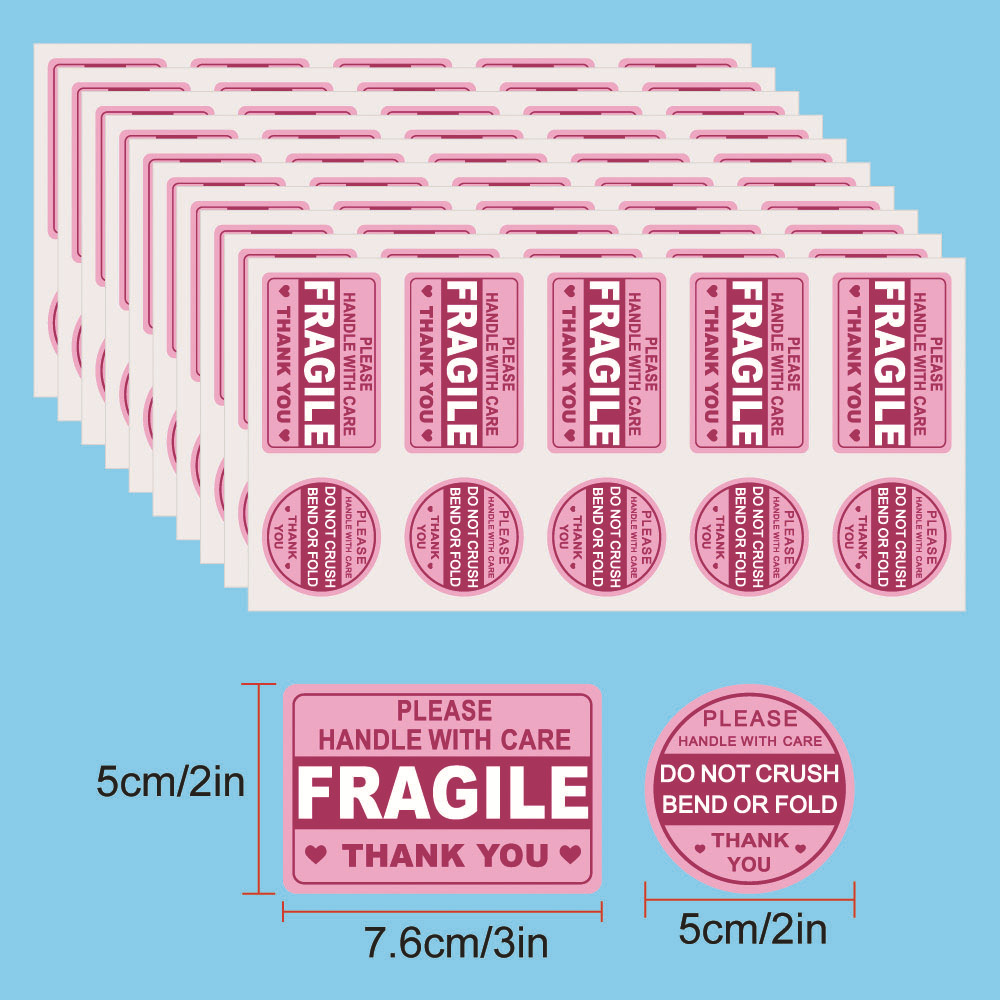
100PCS Pink Fragile Stickers Handle With Care Warning Labels Do Not Crush Bend Or Fold Self-Adhesive Shipping Labels For Shipping Moving Packaging Supplies
$0.46
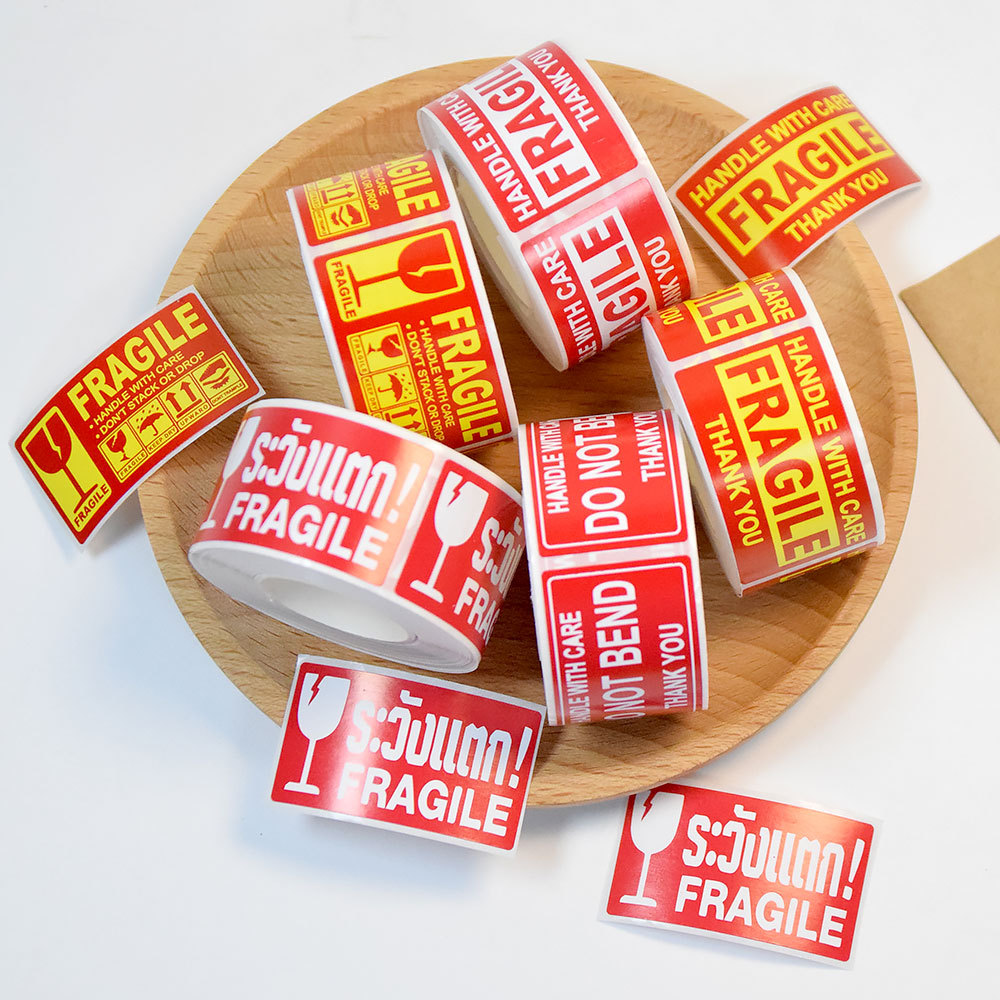
250Pcs Fragile Handle With Care Warning Label Stickers Self Adhesive Red Yellow Shipping Labels For Moving Packaging Mailing Fragile Items 45x25mm
$0.33
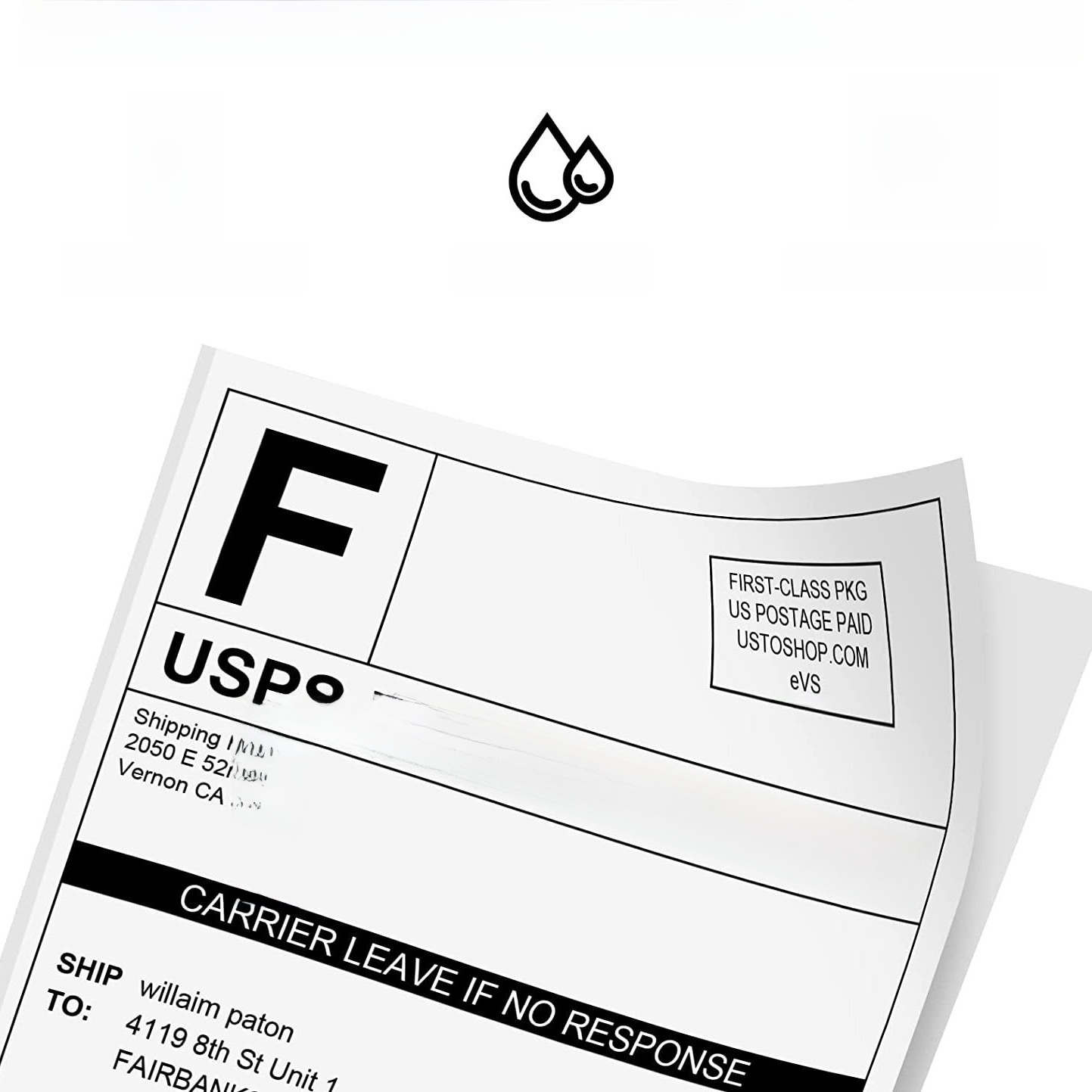
Waterproof Thermal Shipping Labels Adhesive Logistics Mailing Stickers For Printer Office Home Warehouse Storage Multi-size BPA Free Thermal Label Paper
$3.72
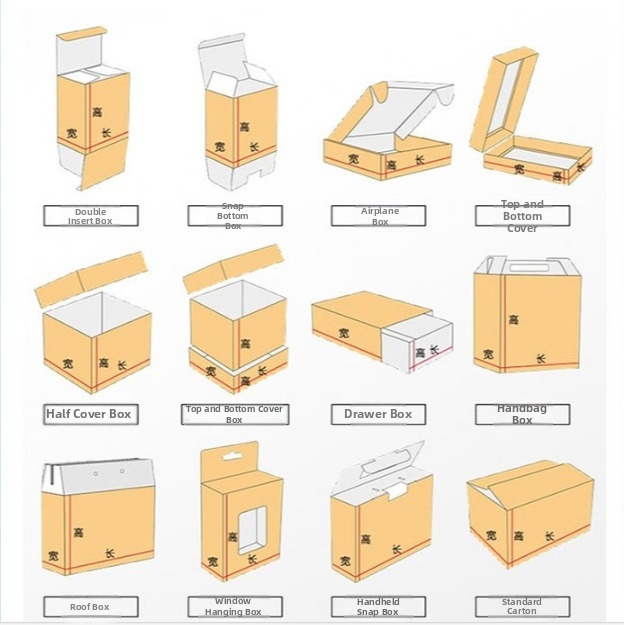
Folding Shipping Boxes Extra Hard Corrugated Mailing Box Small Airplane Boxes For Postcard Glass Film Cosmetics Multi-Color 3-Layer Cardboard Packing Supplies
$0.07
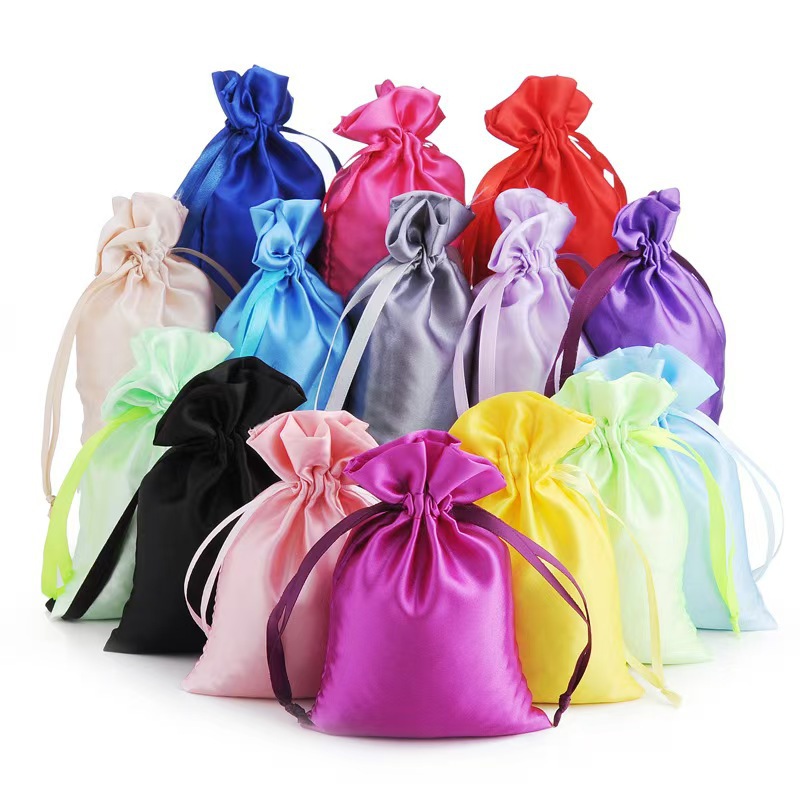
Glossy Satin Drawstring Bags Faux Silk Jewelry Packaging Pouches Dustproof Underwear Storage Bags For Gift Wedding Party Travel Small Item Organizer
$0.14
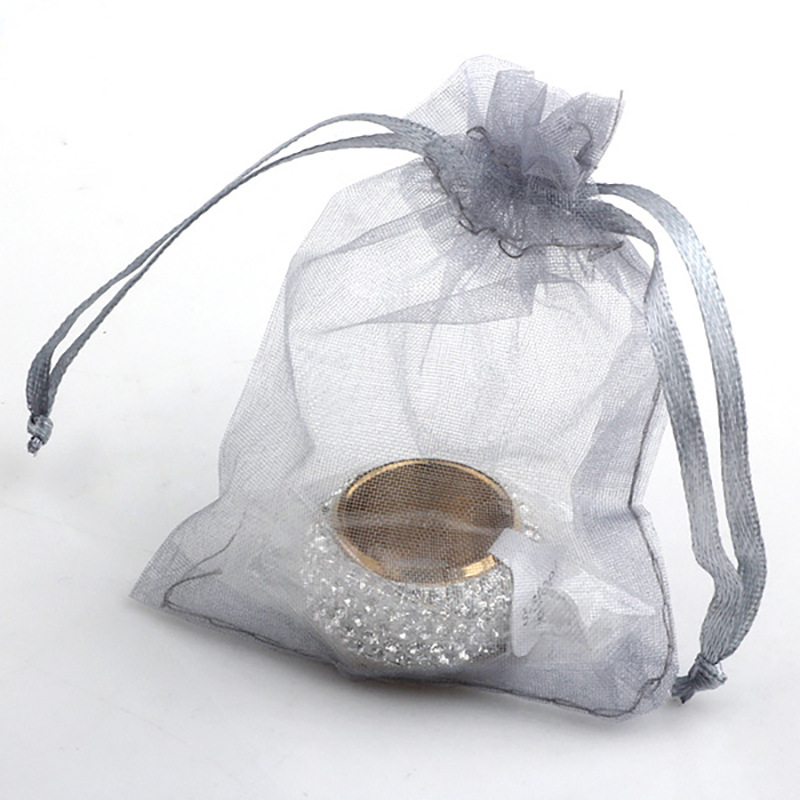
Multicolored Organza Drawstring Jewelry Pouches Sheer Mesh Gift Bags Bronzing Chiffon Packaging Bags For Wedding Party Jewelry Storage Display Small Item Wraps
$0.07
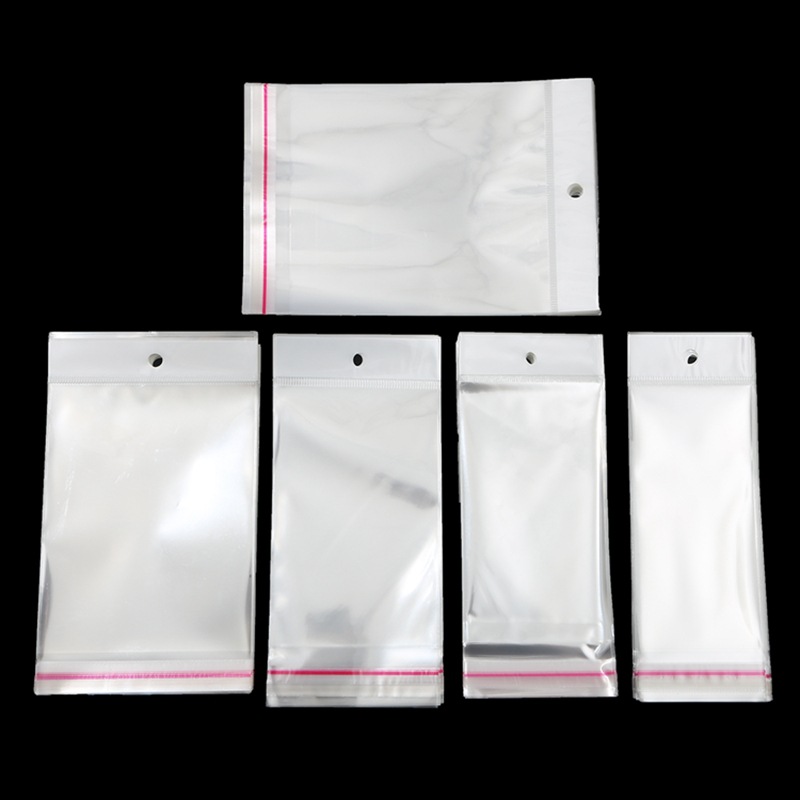
100pcs Clear OPP Self Adhesive Sealing Bags With Hanging Hole Transparent Plastic Packaging Bags For Jewelry Necklace Bracelet Display Small Item Storage Bags
$0.61
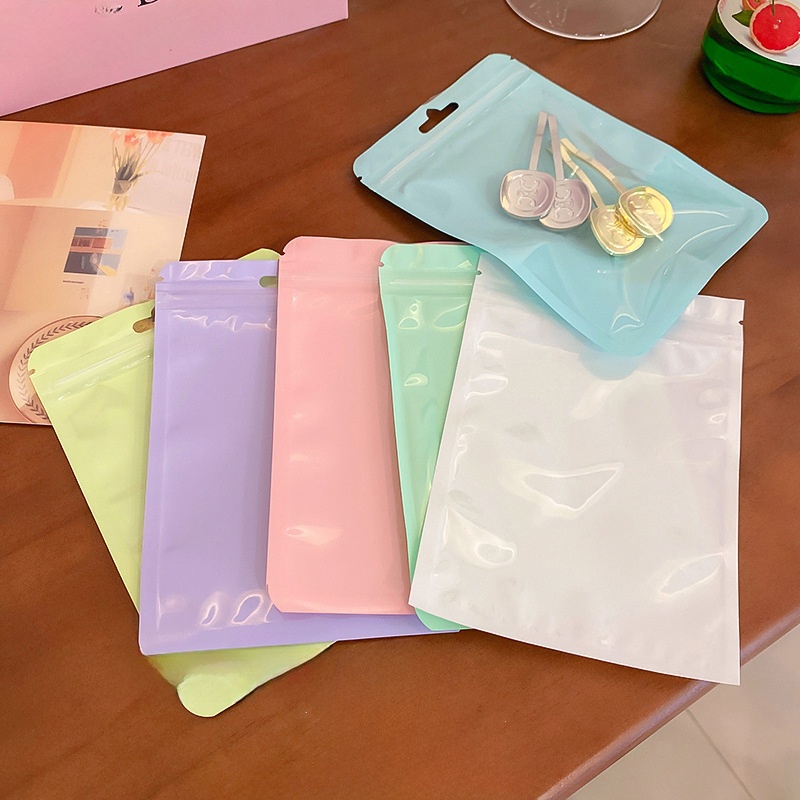
Macaron Colors Jewelry Packaging Bags Plastic Matte Ziplock Storage Bags With Hang Hole Small Item Packaging Bags For Earrings Necklace 15x10.5cm
$0.05

Velvet Jewelry Pouch Drawstring Gift Bag With Ribbon Bow Jewelry Storage Pouch For Wedding Party Favor Small Item Organizer Mint Green Packaging Bag
$0.21
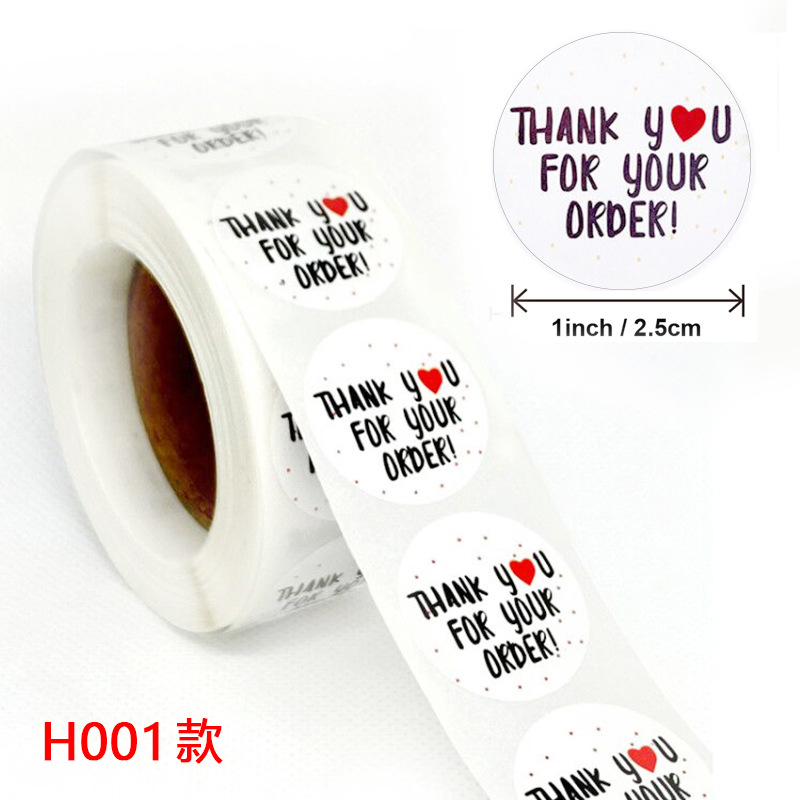
Thank You Stickers Roll Round Paper Labels For Business Shipping Gift Box Sealing Baking Heart Pattern Hand Lettering Bulk
$0.26
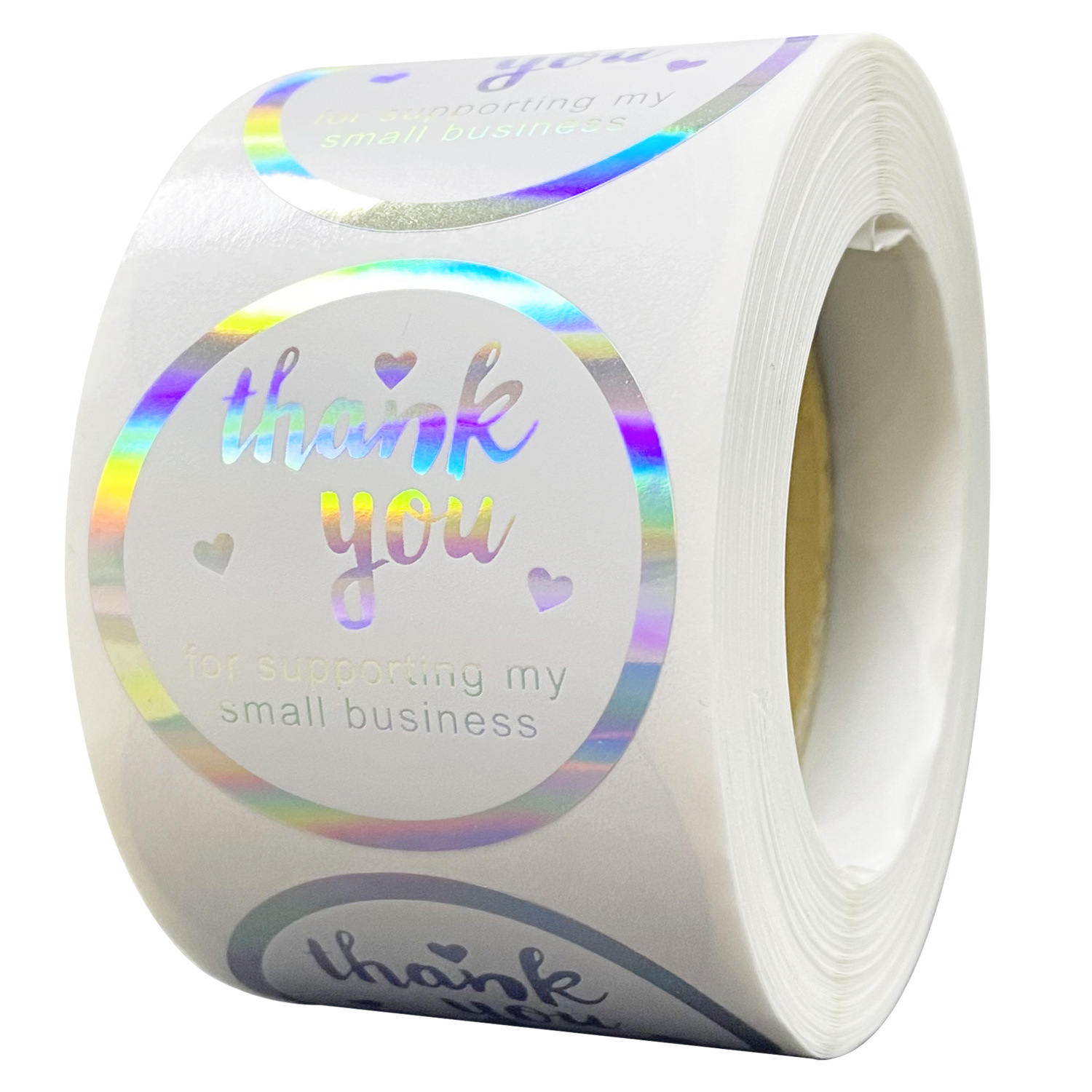
500pcs Roll Holographic Thank You Stickers Rainbow Laser Round Self Adhesive Labels For Small Business Packaging Gift Box Sealing Shipping Decor
$0.81
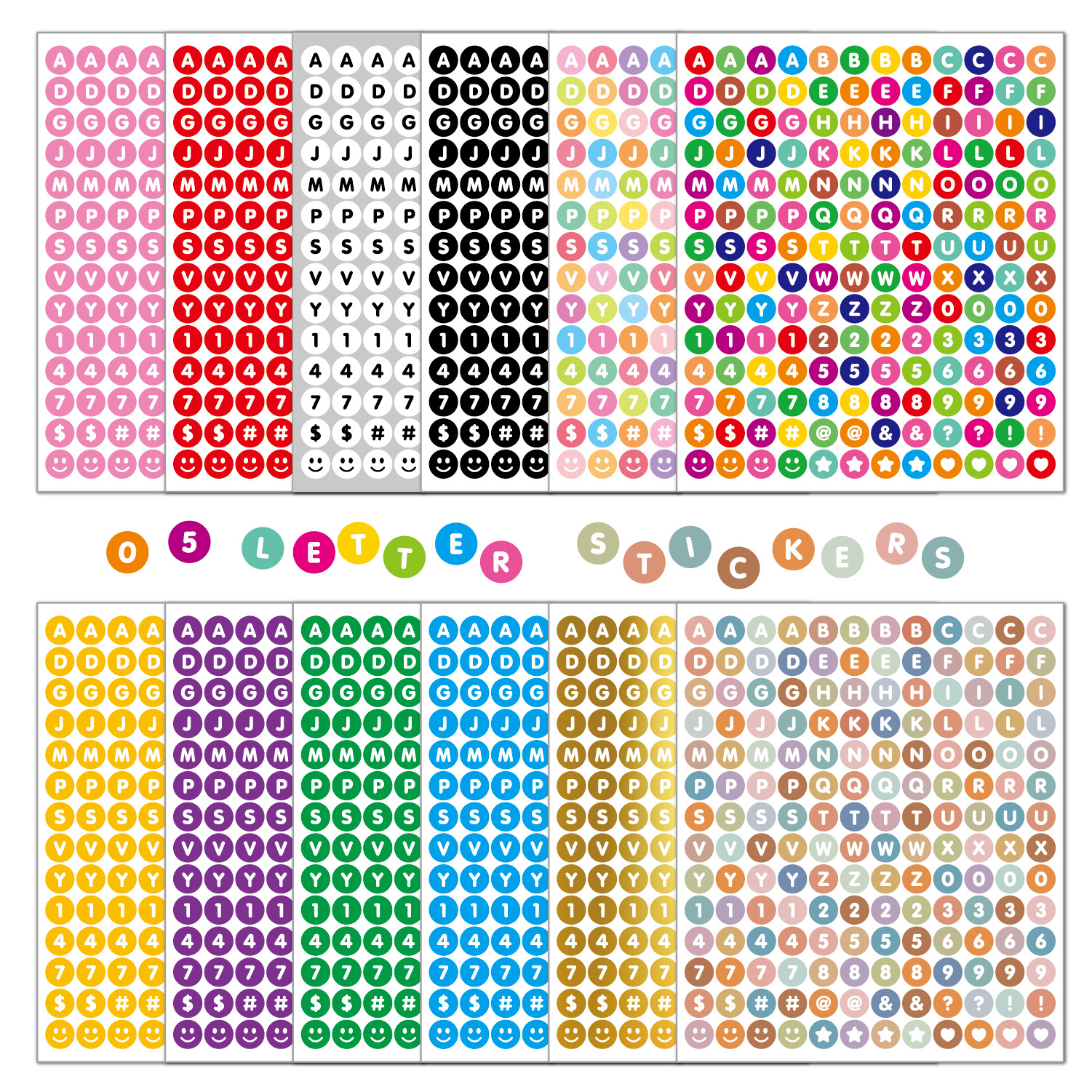
0.5 Inch Small Round Letter Stickers Vinyl Waterproof Alphabet Number Decals For DIY Scrapbooking Hand Account Office Item Identification 168 Pcs Per Sheet
$0.22
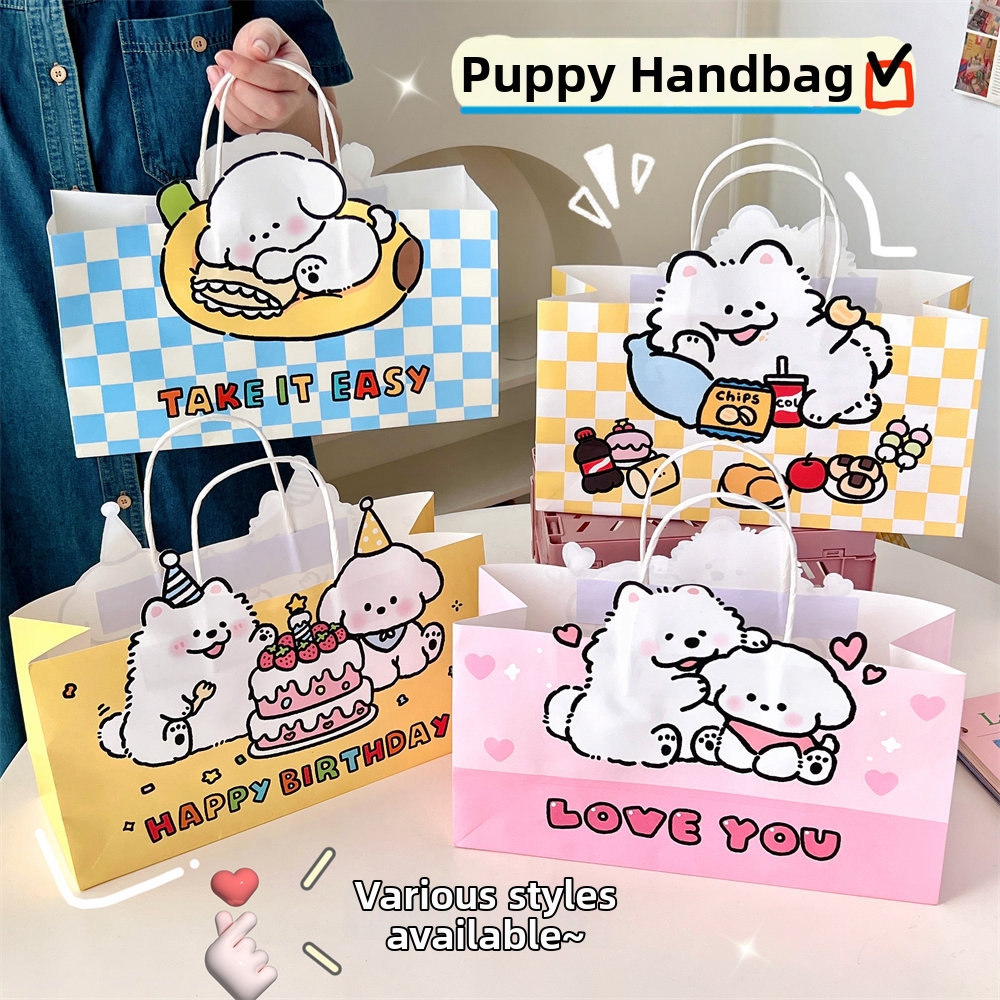
Cute Cartoon Puppy Rabbit Gift Bag Portable White Kraft Paper Handbag For Birthday Party Kids Girls Small Item Storage Packaging Bags
$0.47

Elegant Alloy Rhinestone Butterfly Brooch For Women High Grade Enamel Insect Pin Fashion Suit Sweater Accessories Jewelry Sparkling Gift Item
$1.44
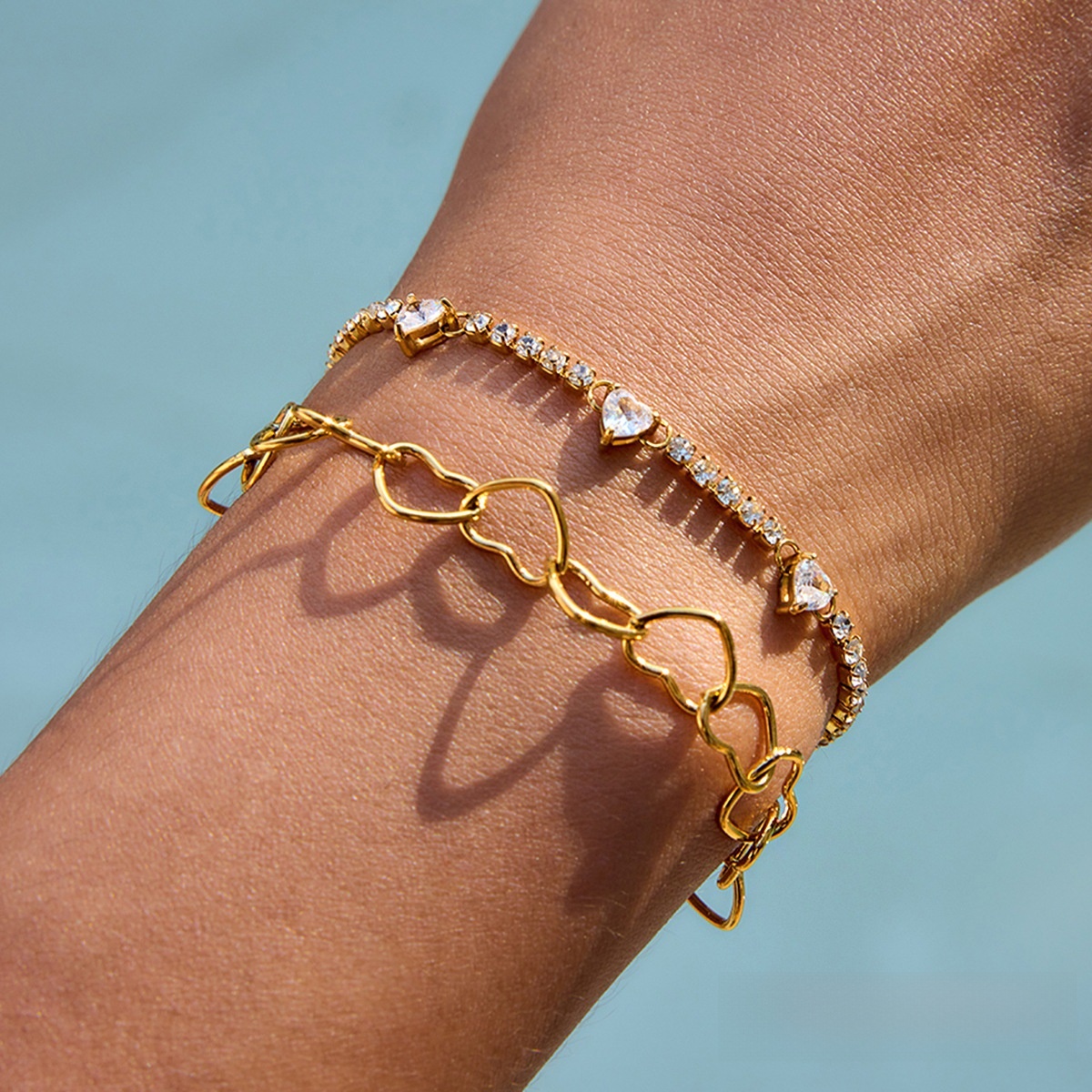
Heart Stainless Steel Zircon Bracelet Jewelry For Women Hot Item
$2.75
Smart Bundles for Damage Prevention & Documentation
Bundling packaging supplies saves time and ensures you have all the pieces to build a defendable shipping system. Each combo addresses a specific stage of the fulfillment process.
Damage-Proof Shipping Kit
For sellers shipping delicate items like the bracelet in the case — where material strength must be verifiable.
- Holographic Laser Bubble Mailershero
- Pink Fragile Stickersupsell
- Folding Shipping Boxescomplement
Bundle at ~$0.62 vs ~$0.91 separately — saves 32% while giving triple-layer protection.
Jewelry Packaging Starter Bundle
For new boutiques or Etsy sellers needing affordable, professional packaging that doubles as evidence of careful handling.
- Glossy Satin Drawstring Bagshero
- Multicolored Organza Pouchesupsell
- Macaron Colors Jewelry Packaging Bagscomplement
Bundle at ~$0.26 vs ~$0.38 separately — a low-cost way to layer packaging and show the buyer the item was well-protected.
Shipping Validation Kit
For sellers who want to document shipment weight and add a personal touch that reduces false claims (buyers think twice before defrauding a business that leaves clear tracks).
- Waterproof Thermal Shipping Labelshero
- Holographic Thank You Stickersupsell
- Small Round Letter Stickerscomplement
Bundle at ~$4.55 vs ~$5.00 separately — thermal labels let you print weight and tracking, thank you stickers humanize the package, and letter stickers help label boxes.