
Trend Report · April 30, 2026
Sourcing for Early Days: A Data-Backed Strategy for Shopify Sellers
Learn how to source and sell products that solve the 'early days' uncertainty for Shopify store owners, using data from trending celebration and learning categories.
How to Know If You're Applying Yourself Properly in Early Days
The early days of any store can feel like a vacuum. Zero sales, zero movement, zero indicators. One Reddit seller on Etsy put it bluntly: since there's no sales, movement, anything during the early days of opening an Etsy store, how do you know if you're doing it right? How do you know what to work on or adjust with no indicators? This frustration resonates with every operator who has launched a Shopify store and stared at an empty dashboard.
But the answer isn't to wait for sales to magically appear. It's to source products that come with built-in demand signals — items tied to predictable milestones like the 100th day of school, Advent countdowns, or early childhood learning milestones. These products don't require you to guess; the need is calendar-driven or developmental. You can test budget, run low-risk ad angles, and adjust without needing a sea of data. The 'early days' seller's problem becomes your advantage when you stock inventory that triggers urgency by design.
Why Early Days Products Are a Smart Bet for New Sellers
When you have no sales, you need products that sell themselves — at least in terms of timing and emotional pull. The products in this trend all revolve around 'early days' milestones: the first 100 days of school, the 24 days of Christmas, or a child's early education journey. These are moments parents, teachers, and gift-givers plan for weeks in advance. You don't need to convince them to buy; you just need to be visible when they search.
The source summary highlights the core dilemma of early-stage sellers: no indicators. But the solution is to choose categories where the indicator is external — a school calendar, a holiday countdown. Products like 100 Days of School decorations, Advent calendars, and early learning toys have predictable search spikes. You can set up a small test budget, run a few ad variations targeting '100 days of school party supplies' or 'Christmas advent calendar for kids', and read the click-through data within a week. The margin windows are solid: party supplies often net $8-15 per order, while educational toys can yield 40-60% gross margins at volumes under 100 units.
Who Needs These Products?
Your core buyers are time-pressed adults facing a countdown: teachers preparing classroom celebrations, parents planning a 100th day milestone, or shoppers scrambling for Advent gifts. These are people who know what they need and have a deadline. They're not browsing for inspiration — they're searching with high purchase intent.
Shopify seller
Ideal for new or scaling stores because these products have verified demand without requiring you to guess audience interest.
Dropshipper
Low-risk to test with small ad spend; each product type has a clear seasonal or event-based window that compresses the sell-through timeline.
Boutique buyer
Teachers and parents tend to be repeat buyers for school events and holiday cycles, making these products good for customer lifetime value.
How to Sell 'Early Days' Products on Your Shopify Store
The sales strategy for early days products hinges on timing and bundling. Since these products are tied to specific dates (100th day of school, Advent start), you need to list them 4-6 weeks ahead of the event. Use countdown timers on product pages to amplify urgency. For educational toys, evergreen ad rotation works because parents search year-round for 'early learning activities'. Test your ad creative by focusing on the emotional conflict: 'Worried your child is falling behind?' or 'Don't let the 100th day sneak up on you.' These angles directly address the anxiety in the source summary — the fear of not doing enough early on. Start with a low budget of $10-15/day per product, targeting keywords like '100 days of school decorations', 'Advent calendar for kids', or 'early learning toys'. Monitor click-through rates above 2% as a positive indicator.
Run a single-ad set targeting teachers and parents of elementary school children. Use the product image with 'Countdown to 100 Days' overlay. Test two copies: one focused on convenience, one on the child's excitement.
⚠ Seasonal drop-off after the event; need to rotate to next milestone product.
Optimize product titles to include '24 days Christmas countdown' or '100th day of school party kit'. Use Merchant Center promotions like 'Free shipping when you bundle 2 calendars'.
⚠ High competition for generic 'advent calendar' keywords; require negative keyword filtering.
List specifically for 'early days' concepts from the source trend. Use tags like 'early education', 'morning work', 'classroom countdown'. Replicate on Shopify with the same photography.
⚠ Etsy's algorithm favors shops with reviews; early days of zero sales on Etsy mirror the source problem.
Featured Products for Early Days Success
The products below cover the three core 'early days' themes: 100 Days of School celebrations, Christmas Advent countdowns, and early learning/educational tools. Each one directly serves buyers who are actively searching for solutions to their own 'how do I know if I'm doing it right' anxiety — whether as a teacher, parent, or holiday shopper. Sourcing these from verified B2B suppliers gives you testable margins from the start.
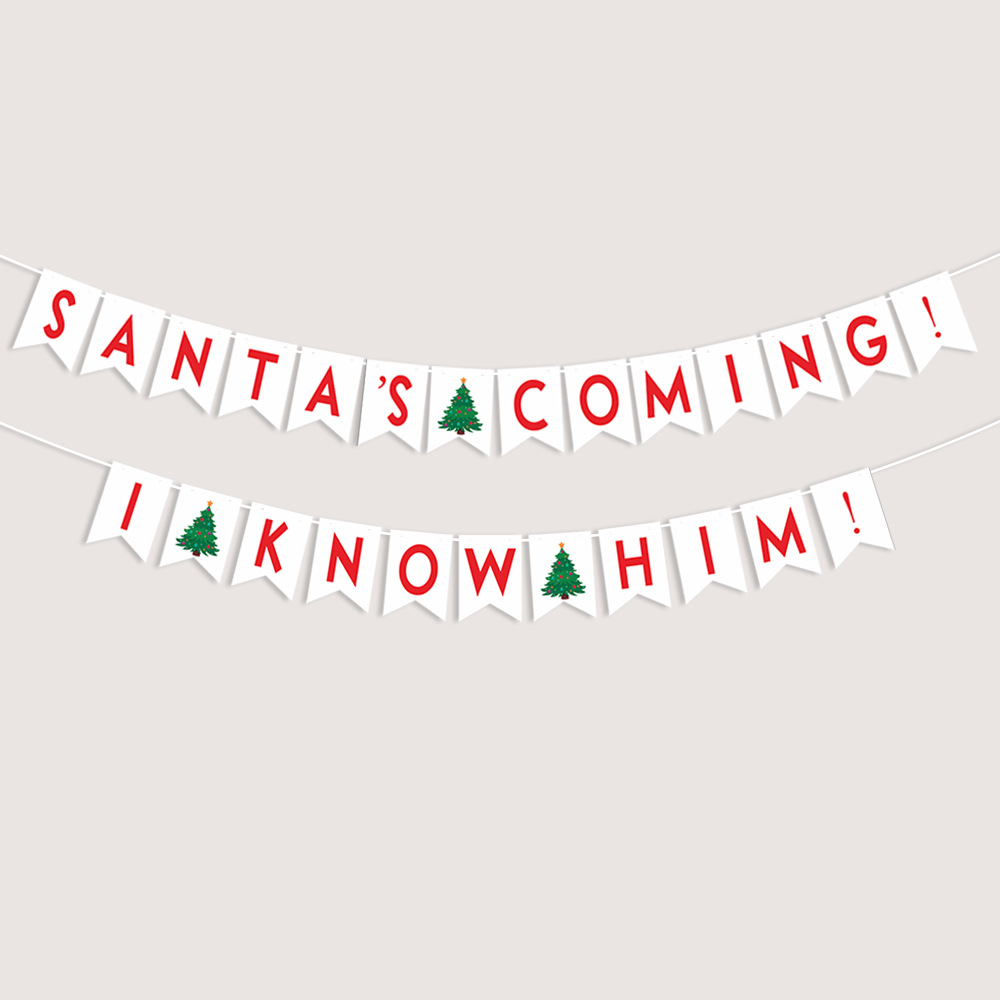
Christmas Banner Party Decoration Paper Cardboard Santa's Coming I Know Him Bunting For Home Window Xmas Party Decor
$2.60

Retro Washed Cotton Baseball Cap I Fix Stuff And I Know Things Funny Slogan Dad Hat Adjustable Distressed Sun Hat For Men Women Outdoor Casual
$3.46
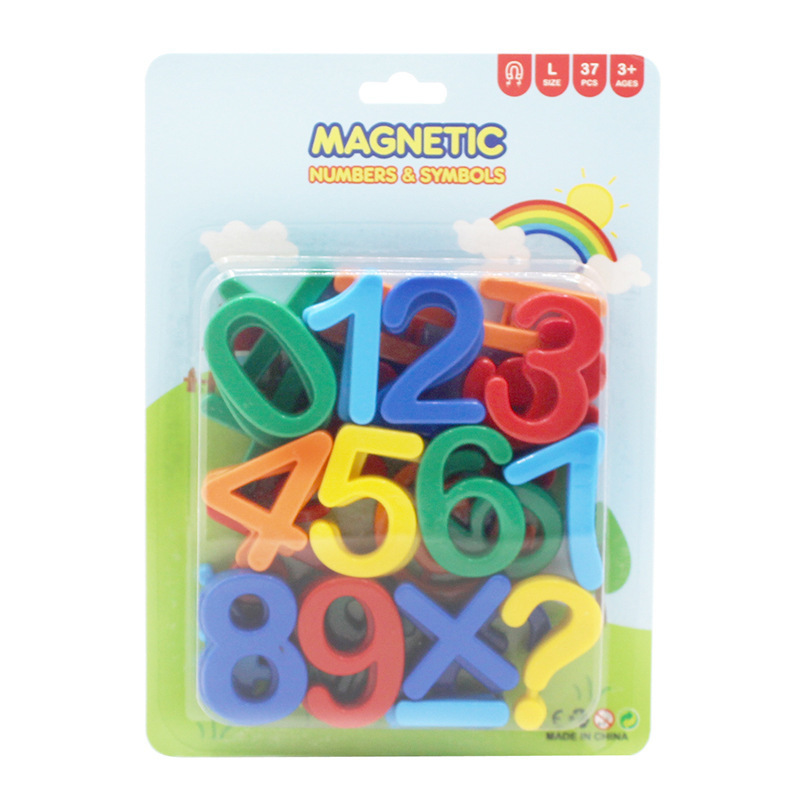
Magnetic Letters And Numbers Stickers Educational Learning Toy Plastic Colorful Alphabet Magnets For Fridge Blackboard Kids Children Early Education Aids Multi-Color Early Learning Teaching Tools
$1.12
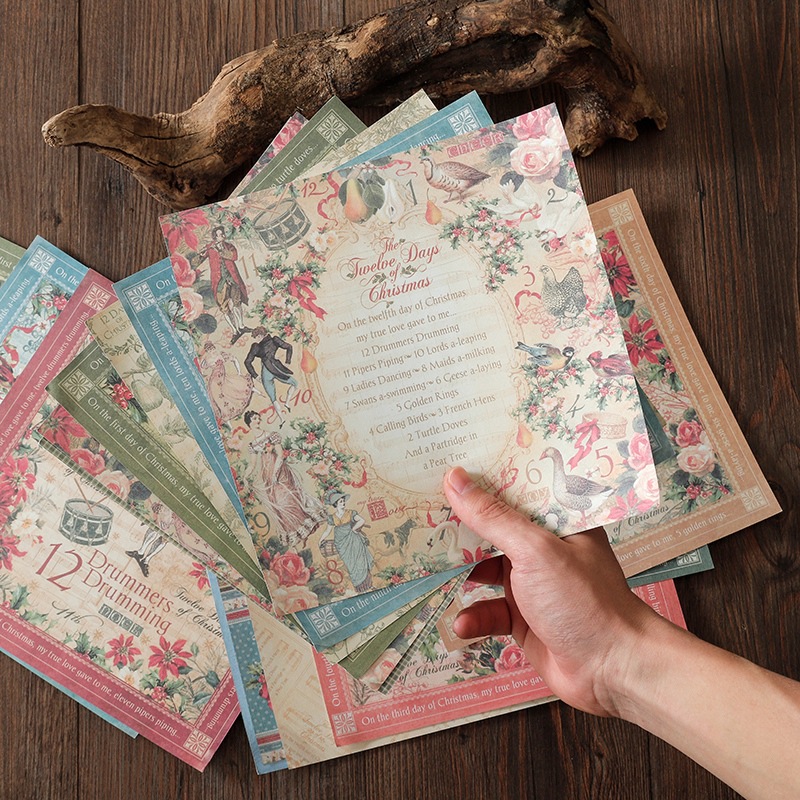
Retro Christmas Scrapbooking Paper Vintage Holiday Decorative Material For DIY Handbook Crafting Twelve Days Of Christmas Theme
$1.86
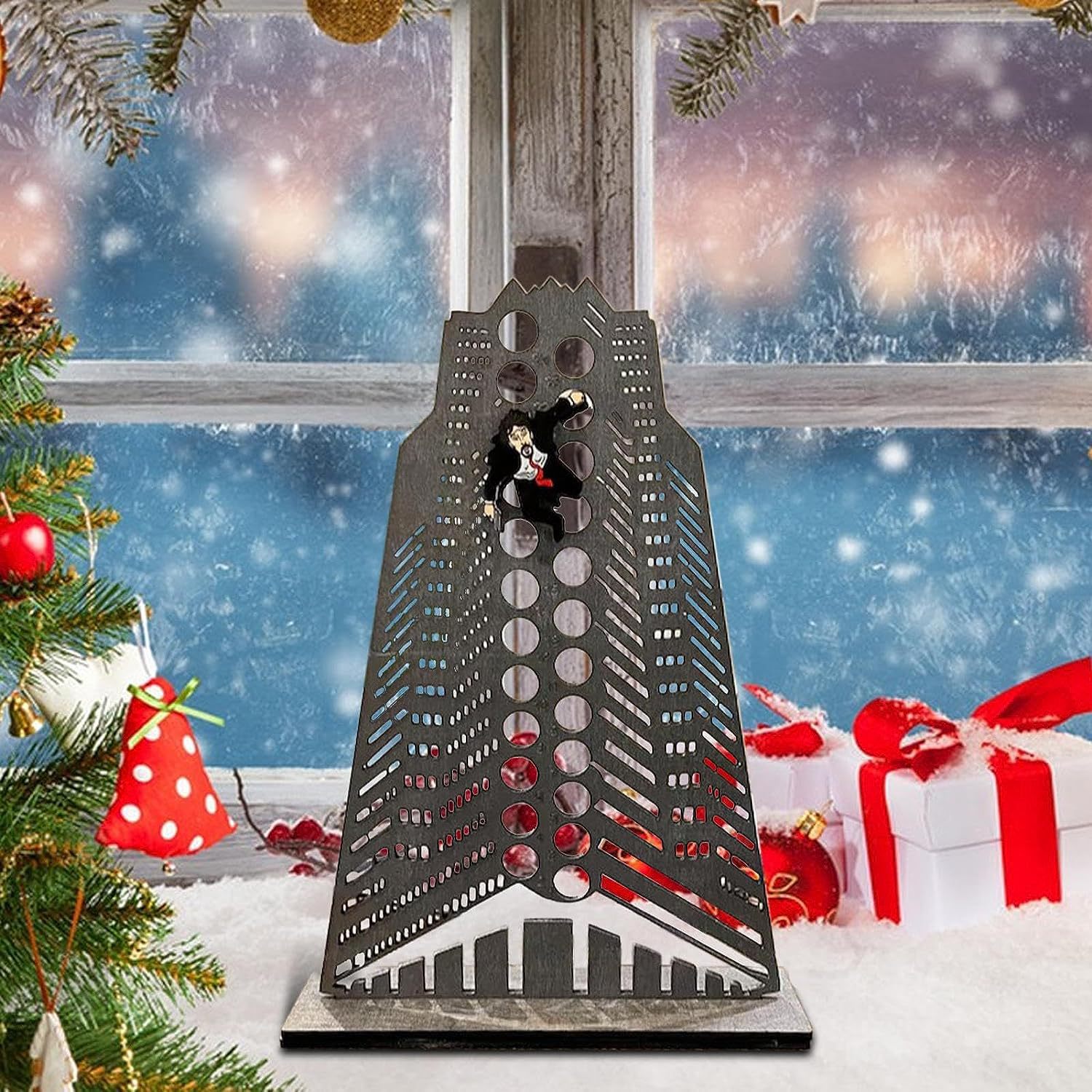
Skyscraper Advent Calendar 24 Days Christmas Countdown Wooden Ornament Desktop Architectural Model Holiday Decor For Home Office
$4.90
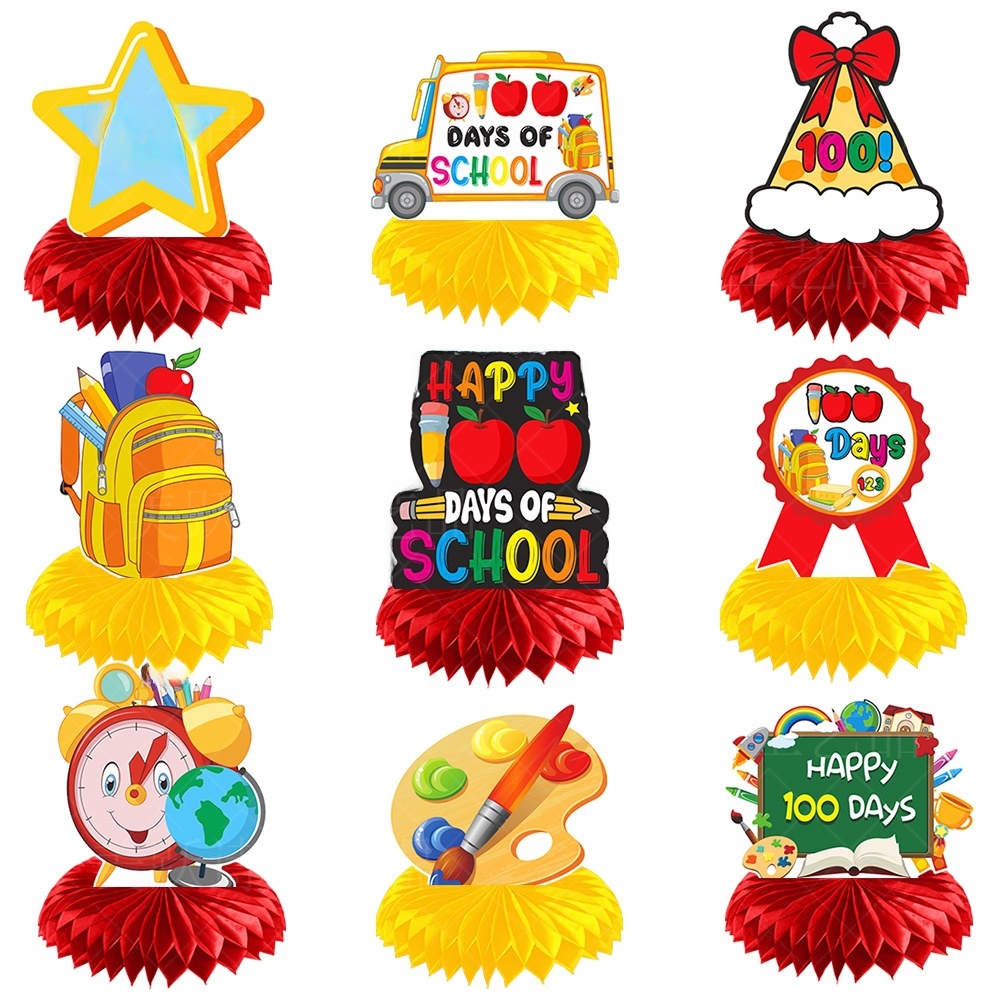
Happy 100 Days Of School Honeycomb Centerpieces Paper Desk Decorations For Classroom Party Supplies Students Teacher Gift
$3.98
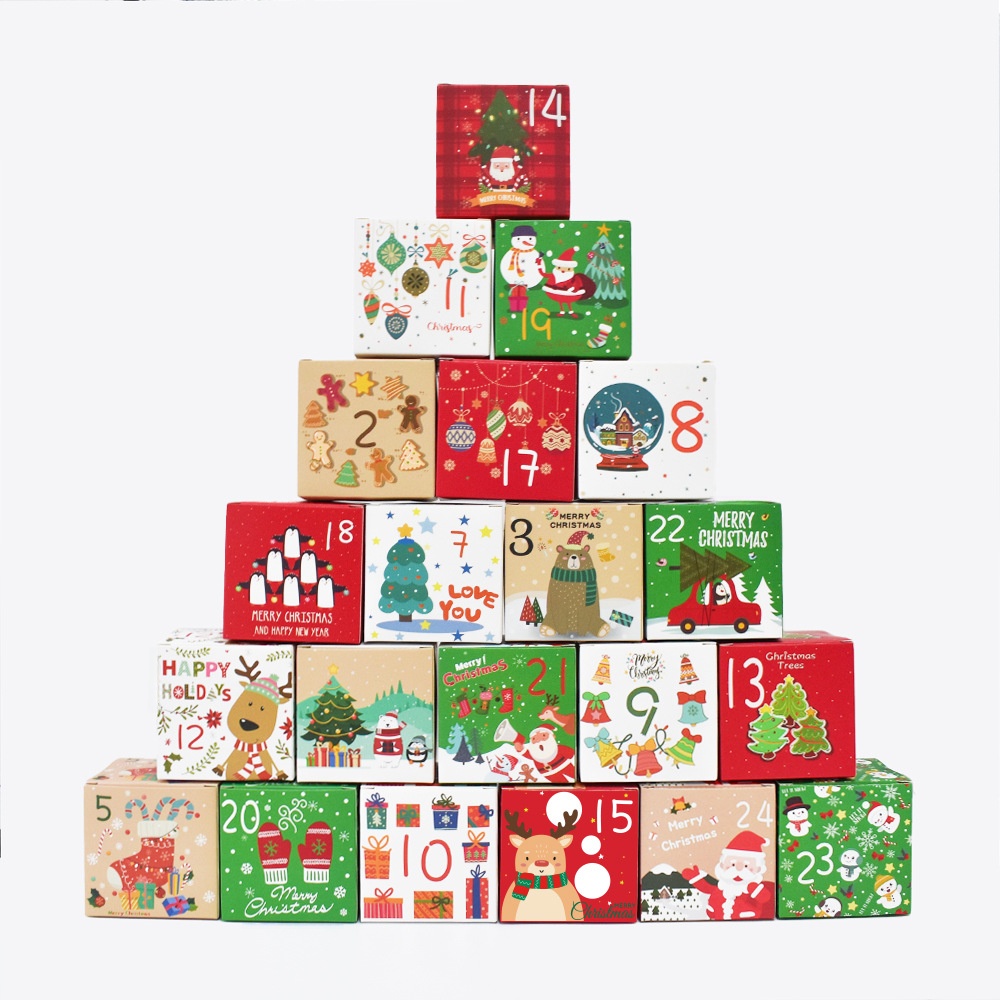
24 Days Christmas Advent Calendar Boxes Numbered Kraft Paper Gift Boxes For Candy Chocolate Countdown Xmas Party Decor
$2.59
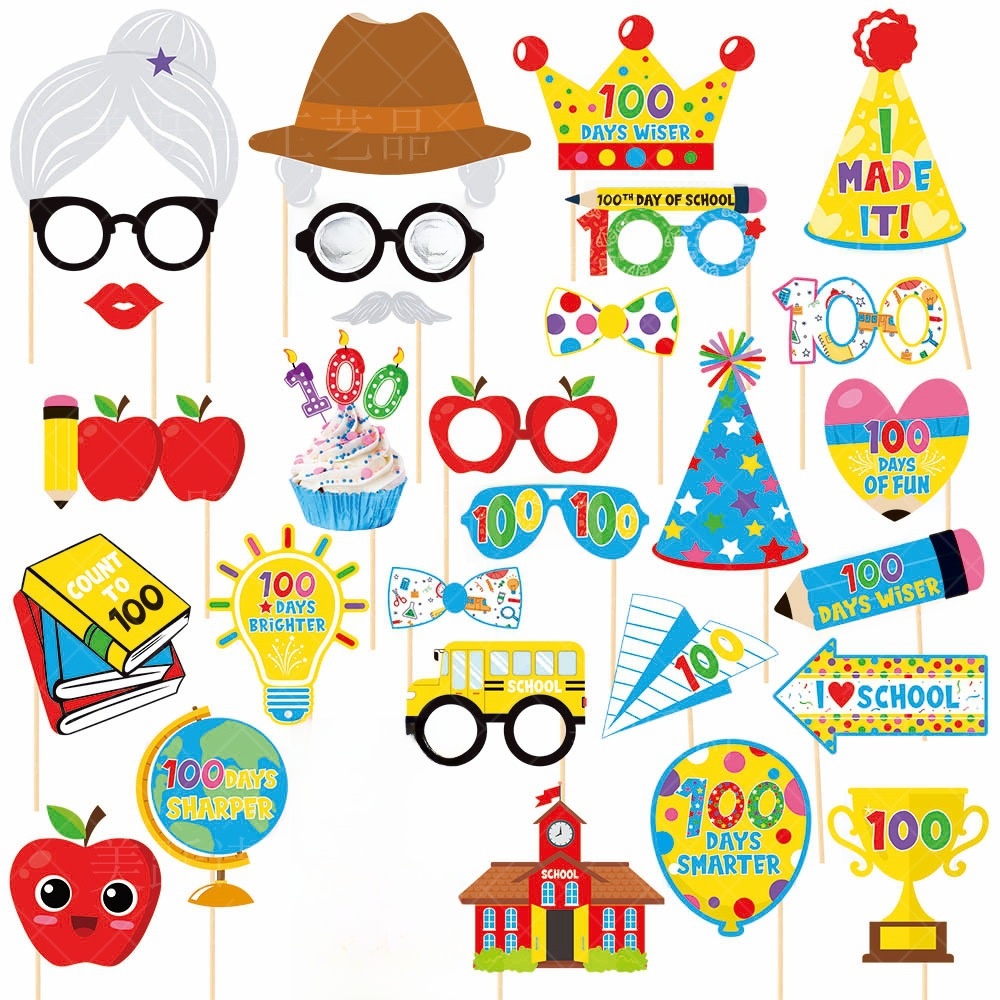
100 Days Of School Photo Booth Props DIY Paper Props With Wooden Sticks Classroom Celebration Back To School Decoration
$2.71
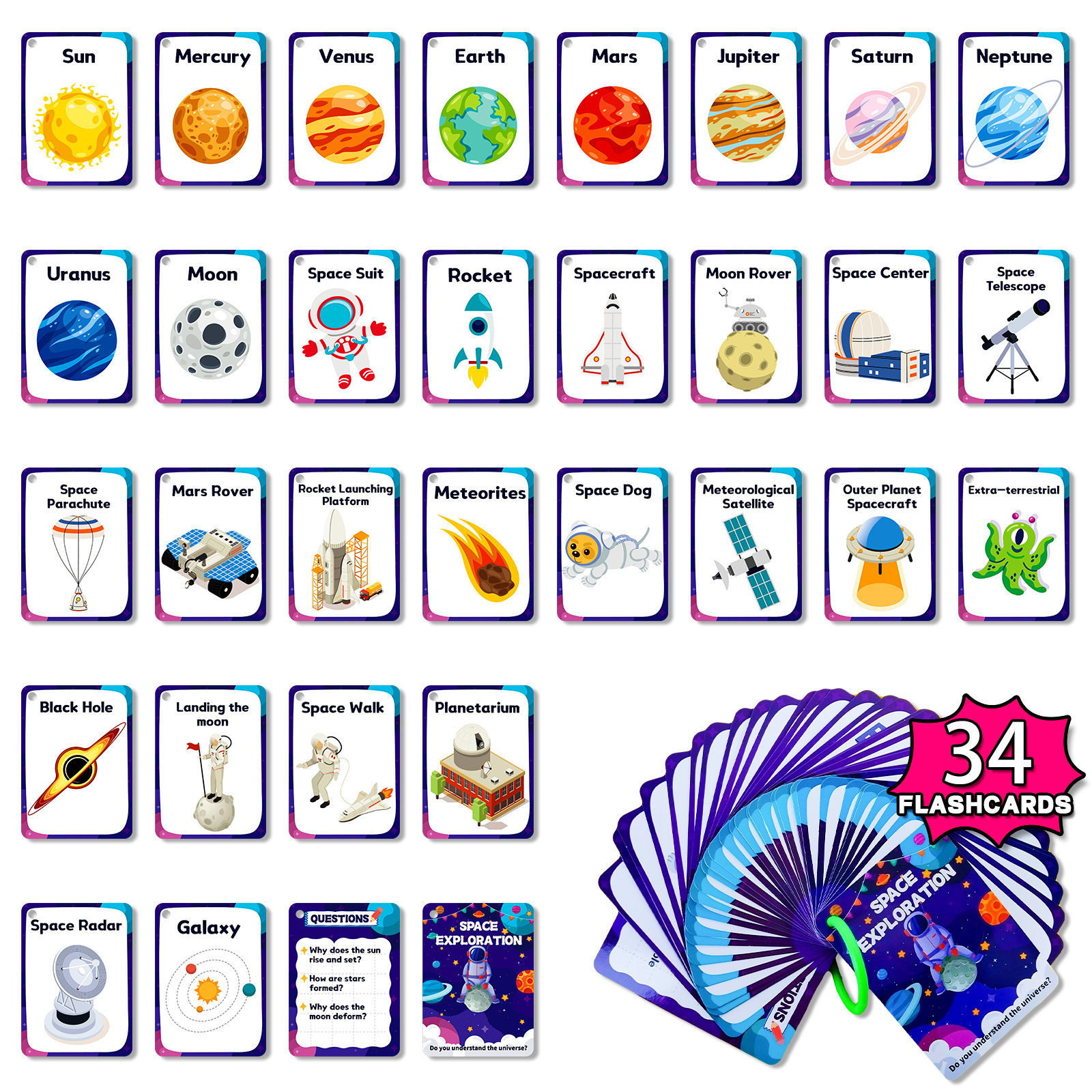
Space Exploration Educational Flash Cards Solar System Planet Cognitive Learning Cards For Kids Toddlers Early Education
$1.90
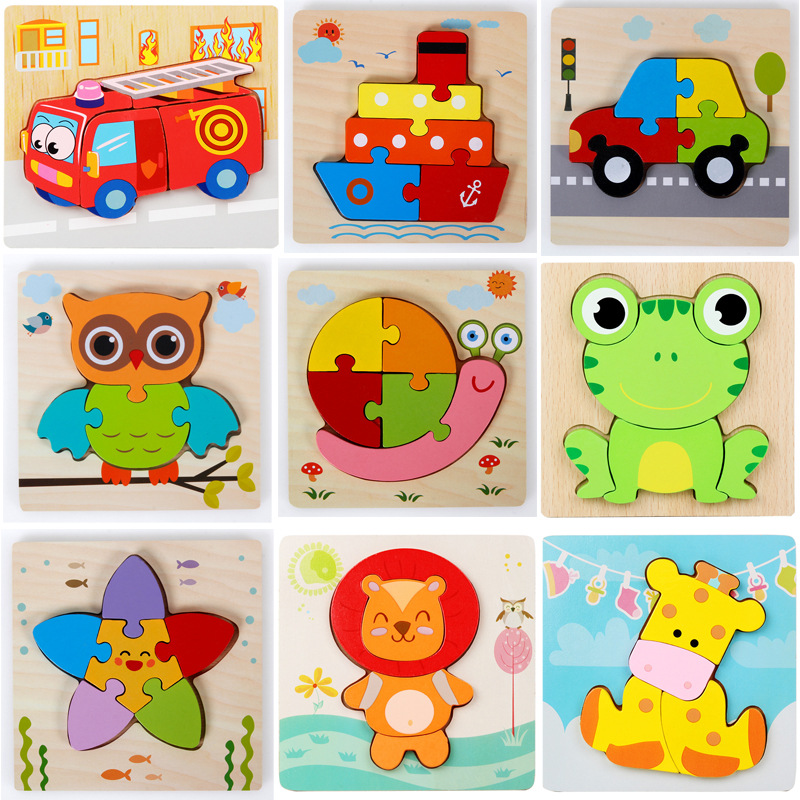
Wooden 3D Puzzle Montessori Educational Toys For Toddlers Animals Vehicles Early Learning Hand Eye Coordination Gift
$0.30
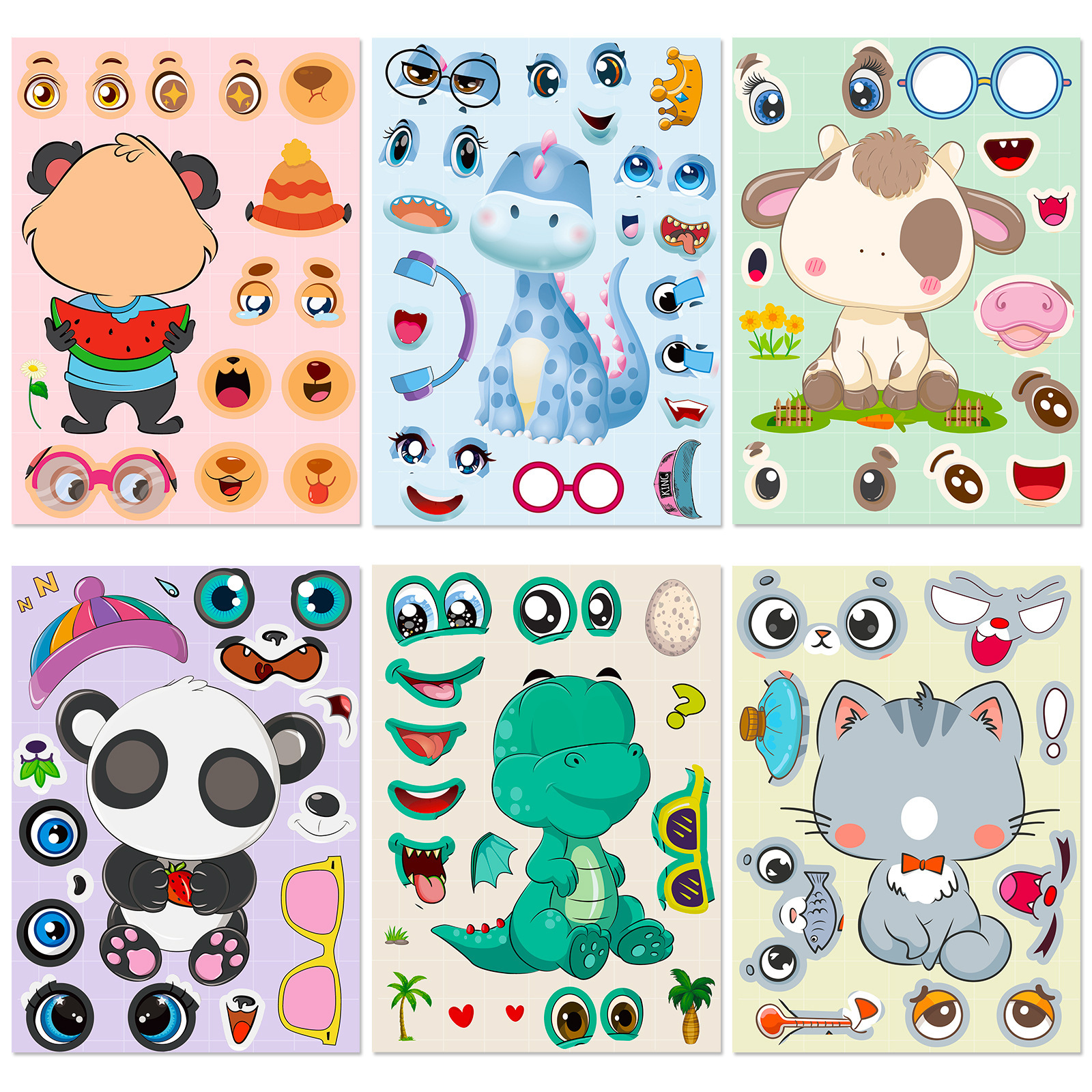
DIY Animal Face Change Stickers Pack For Kids Early Education Puzzle Cartoon Scrapbooking Decorative Stickers Set
$0.10
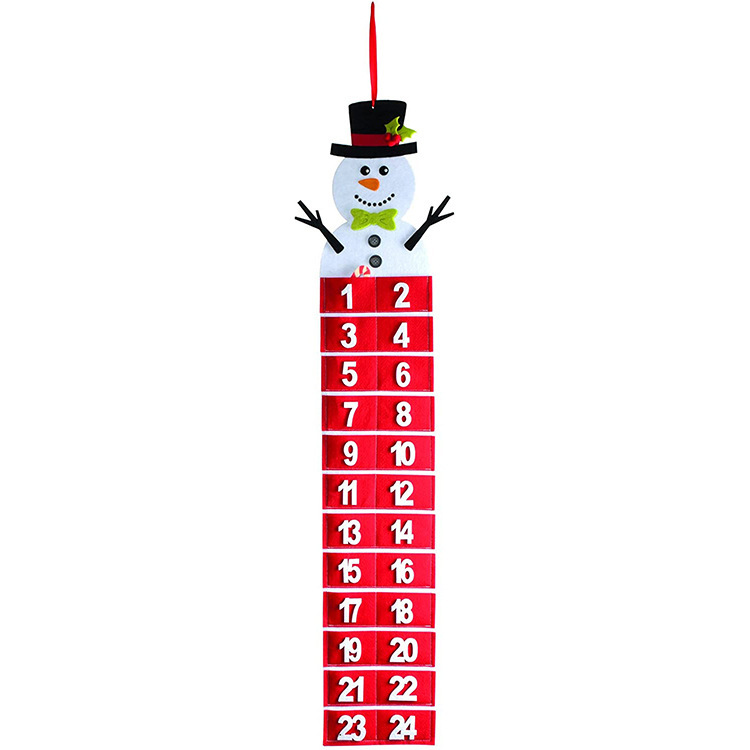
Christmas Advent Calendar Felt 24 Days Countdown Hanging Calendar With Pockets For Home Decor Santa Claus Snowman Xmas Party Decorations
$3.17
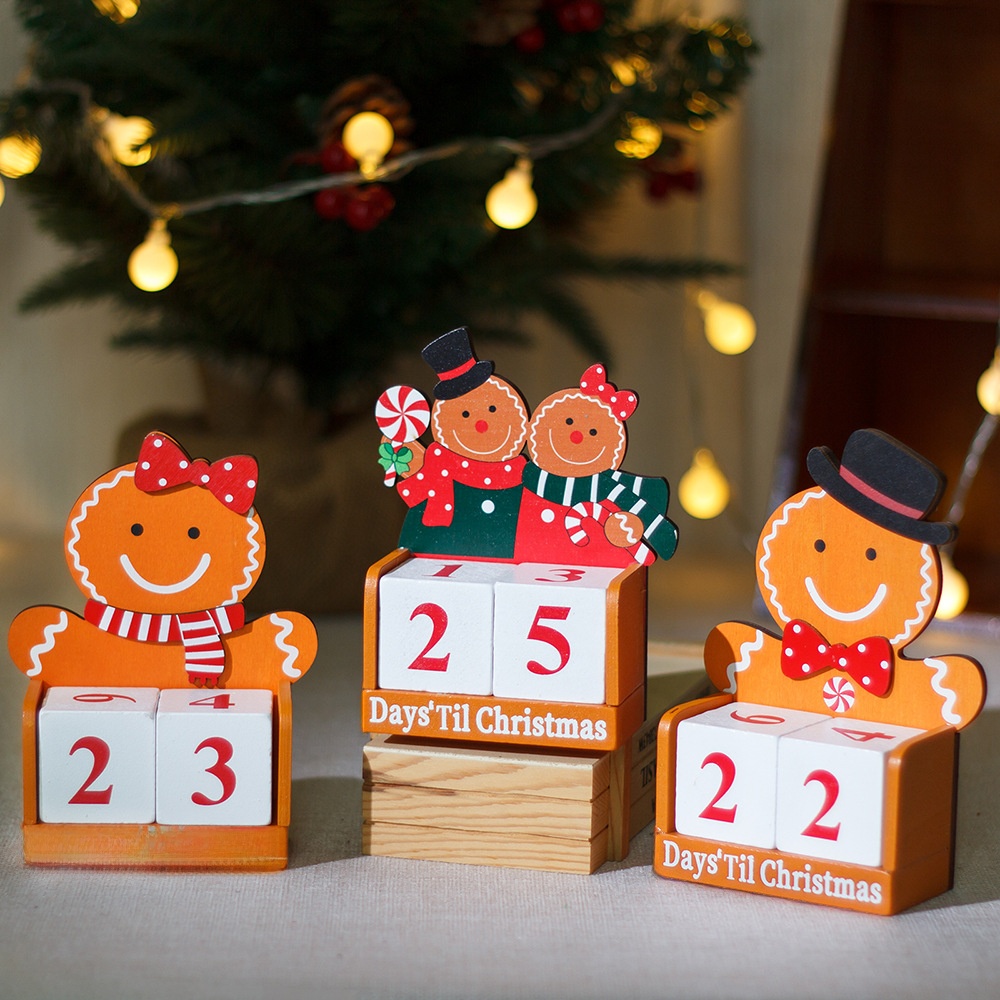
Wooden Gingerbread Man Christmas Countdown Calendar Tabletop Decoration Days 'Til Christmas Advent Ornament For Home Office Holiday Xmas Party Gift
$2.74
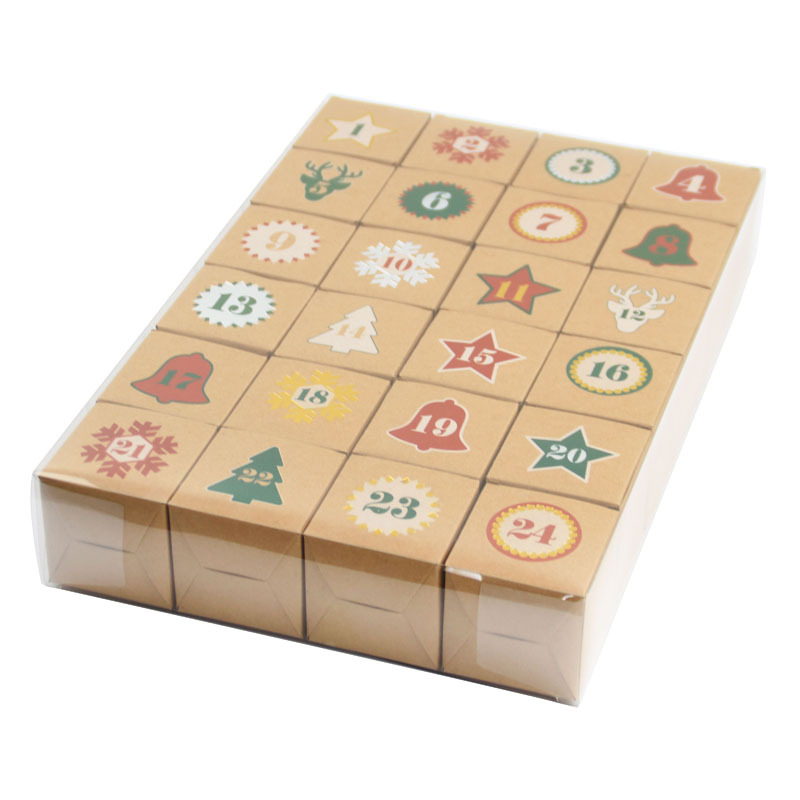
Christmas Advent Calendar Kraft Paper Gift Boxes 24 Days Countdown Numbered Reindeer Patterns For Candy Chocolate Packaging Holiday Party Decorations
$2.74
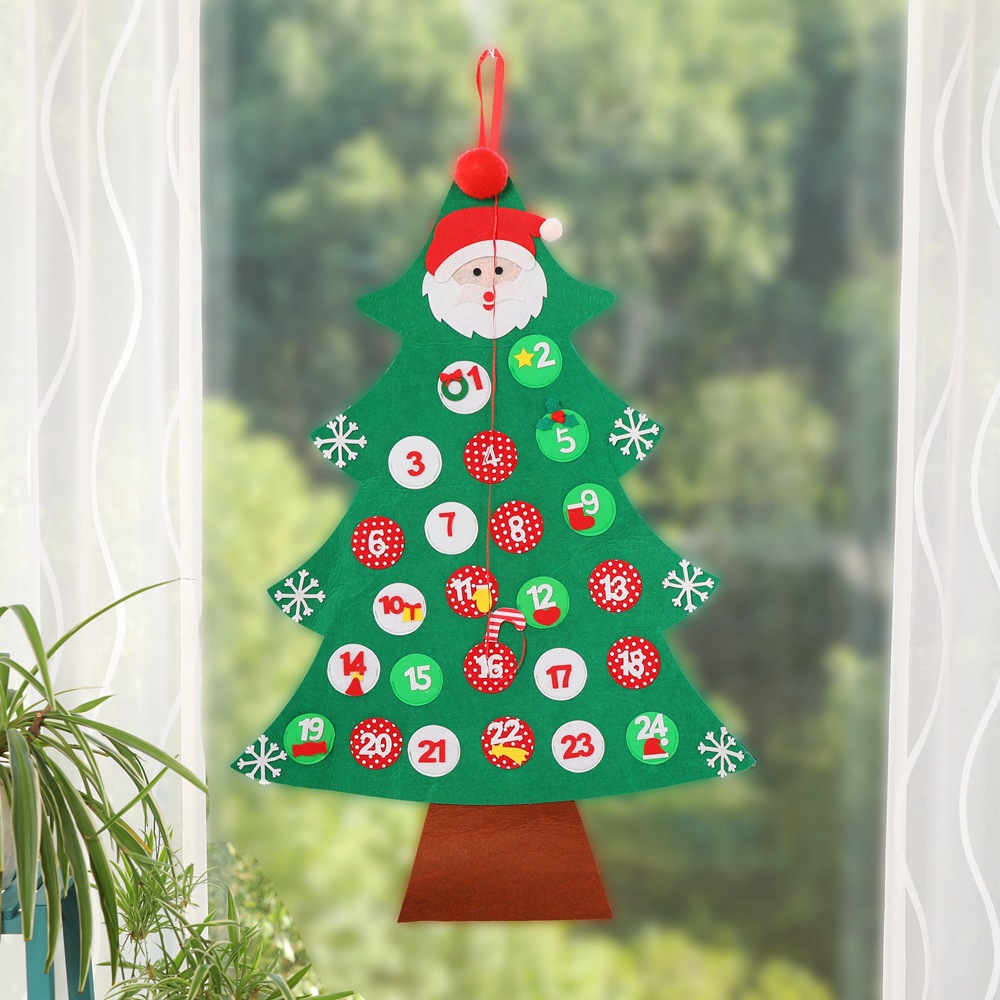
Christmas Advent Calendar Non-woven Felt 24 Days Countdown Pockets Santa Claus Christmas Tree Wall Hanging For Holiday Home Decoration
$7.64
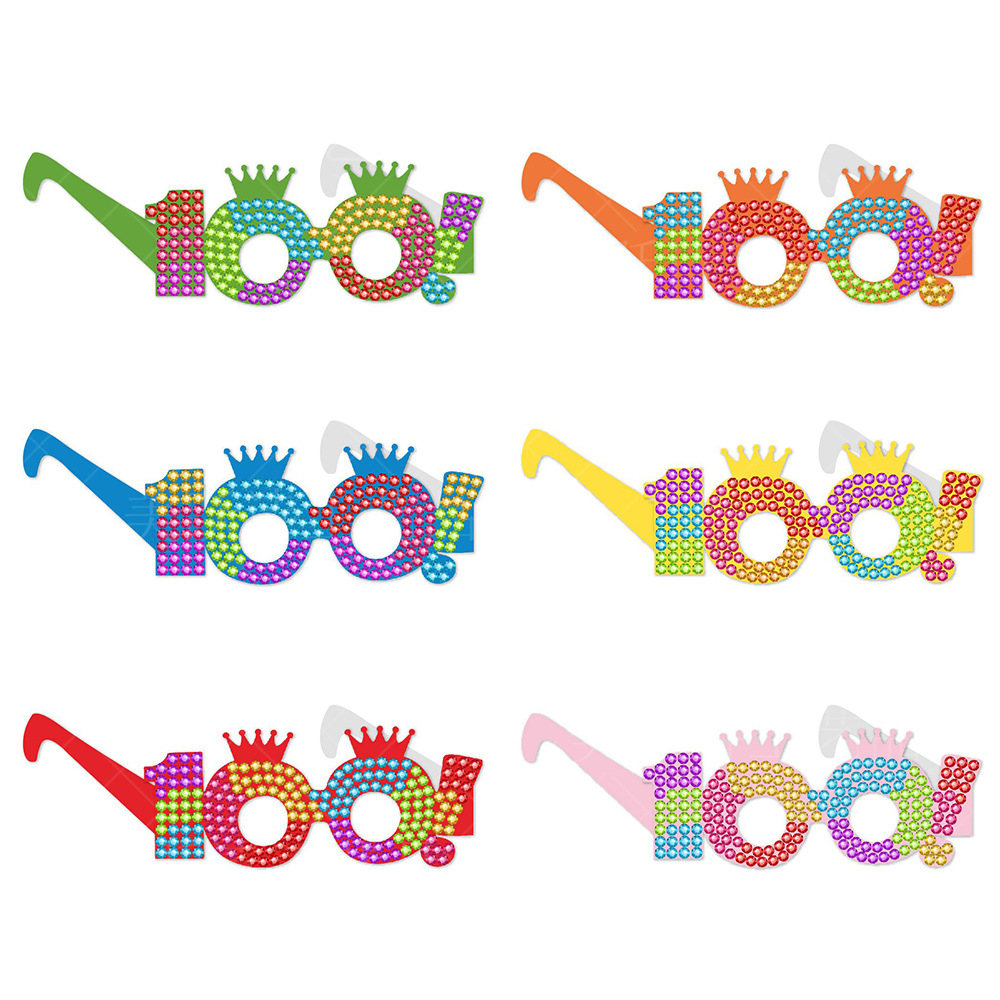
Paper 100 Days of School Party Glasses Crown Number Shape Photo Booth Props For Classroom School Celebration Kids Party Decorations
$1.24
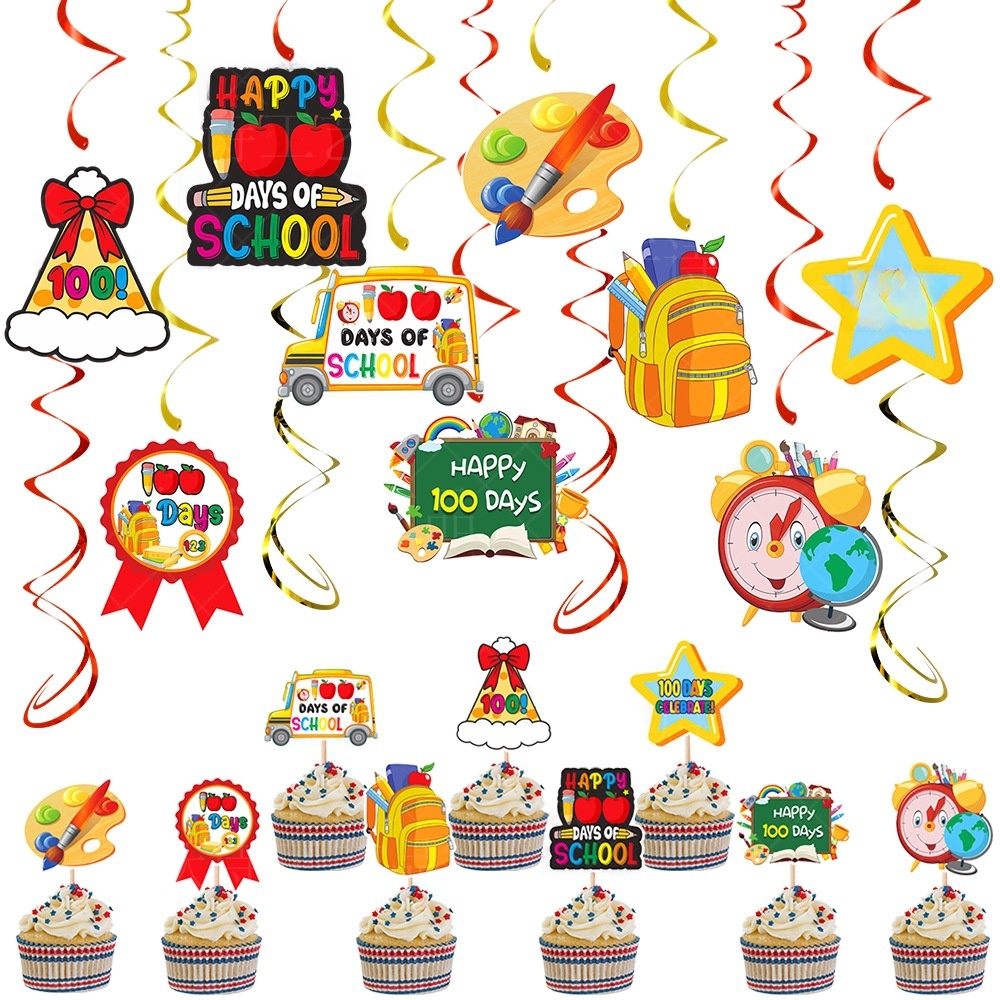
100 Days Of School Decorations Paper Hanging Swirls Cupcake Toppers Set School Bus Backpack Apple Design For Classroom Party Decor
$0.55
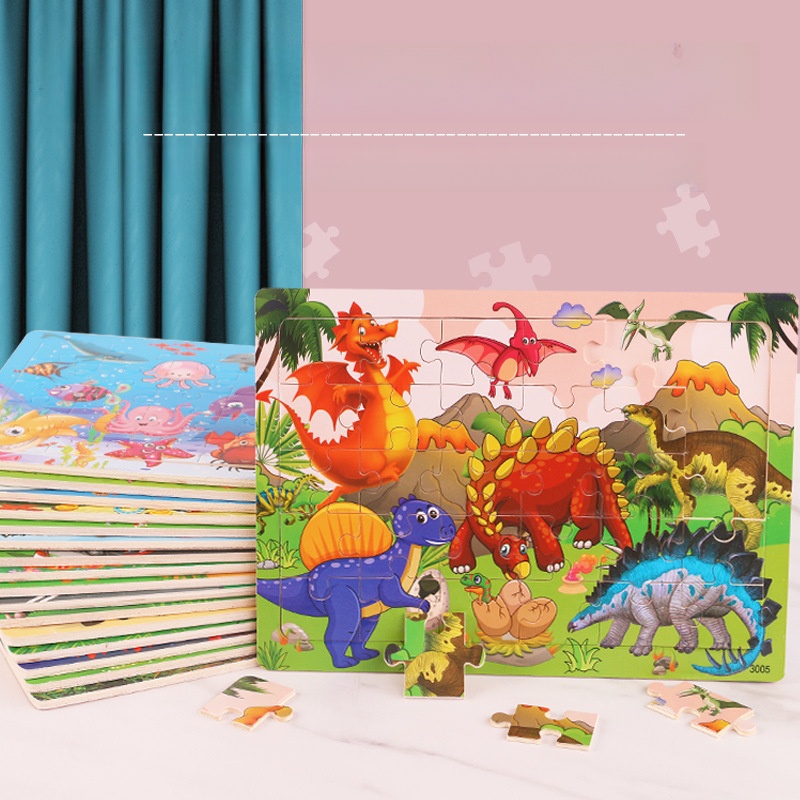
Wooden Jigsaw Puzzles Educational Cartoon Animal Dinosaur Space Pattern Early Learning Intelligence Toys For Toddlers Children Kids
$0.43
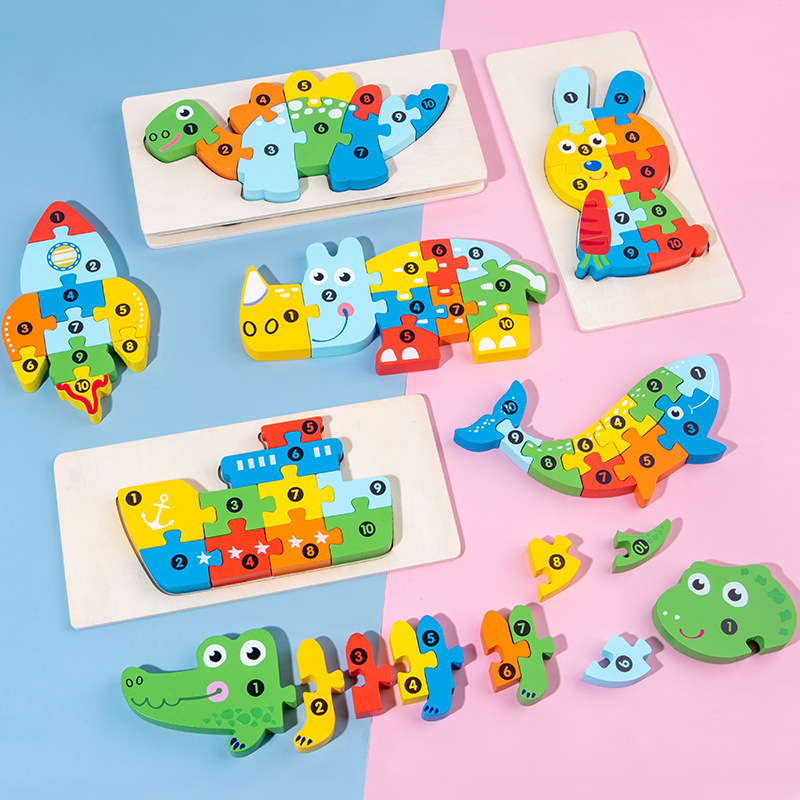
Wooden 3D Animal Vehicle Jigsaw Puzzle Educational Montessori Learning Toy For Children Number Recognition Preschool Early Education
$1.21
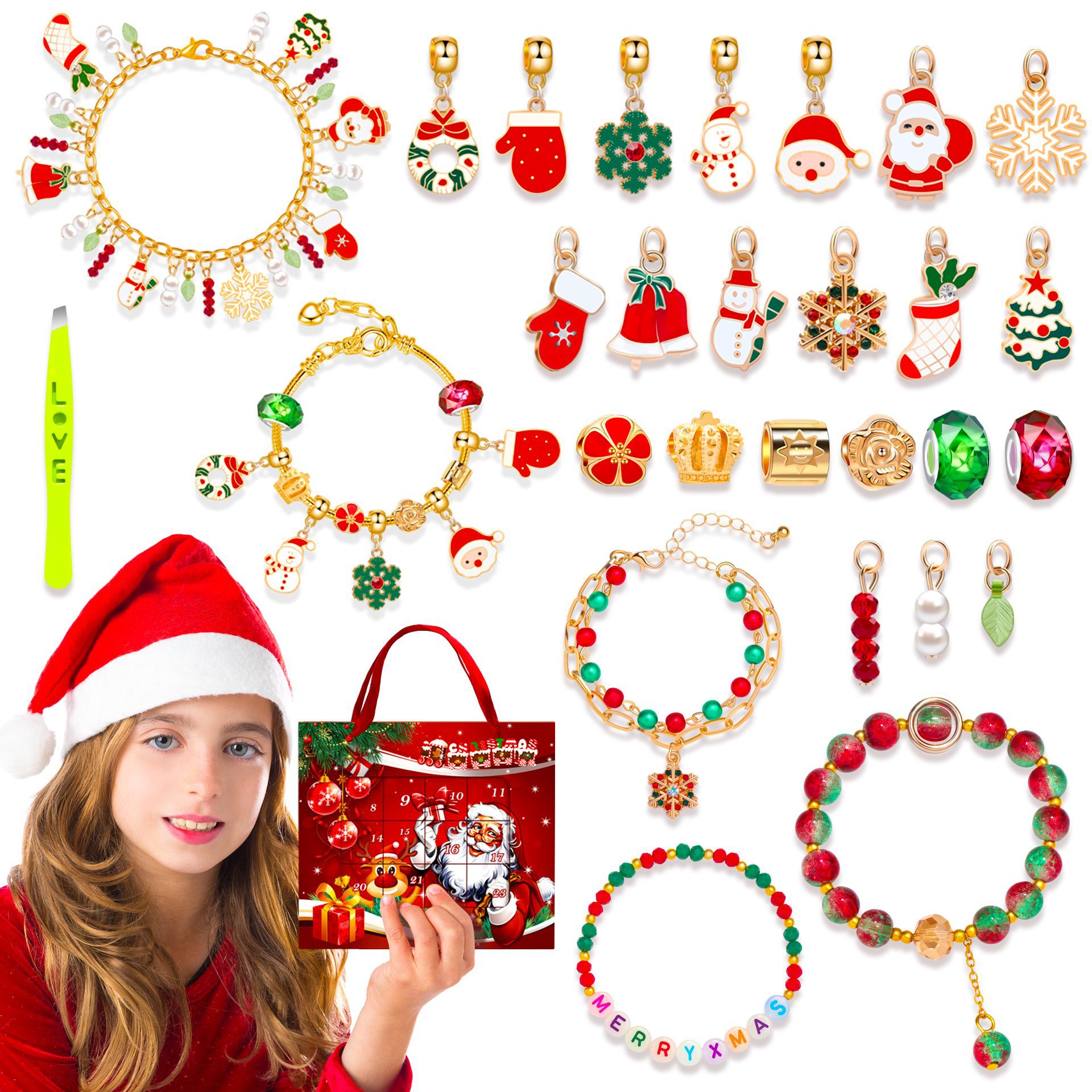
24 Days Christmas Advent Calendar Jewelry Bracelet Set DIY Beaded Alloy Crystal Charms Kit For Girls Kids Xmas Surprise Party Gift
$4.96
Bundle Ideas to Maximize Average Order Value
Bundling is especially effective for early days products because buyers are often shopping for complete solutions — a full party kit, a multi-day countdown, or a starter educational set. Bundles also reduce shipping costs as a percentage and increase perceived value. Below are three specific bundles you can create from the product list.
100 Days of School Party Kit
A teacher with 30 students needs a full classroom decoration set for the 100th day celebration.
- Happy 100 Days Of School Honeycomb Centerpieceshero
- 100 Days Of School Decorations Paper Hanging Swirls Cupcake Toppers Setupsell
- Paper 100 Days of School Party Glasses Crown Number Shape Photo Booth Propscomplement
Bundle at $9.99 vs $12.29 separately; estimated margin $6.50 per bundle.
24-Day Advent Countdown Combo
A parent wants a reusable advent calendar plus fillers for two children, covering both decorations and a small gift.
- Christmas Advent Calendar Non-woven Felt 24 Days Countdown Pockets Wall Hanginghero
- 24 Days Christmas Advent Calendar Jewelry Bracelet Set DIY Beaded Alloy Crystal Charms Kitupsell
- 24 Days Christmas Advent Calendar Boxes Numbered Kraft Paper Gift Boxescomplement
Bundle at $18 vs $22.18 separately; high margin but inventory risk if unsold after Dec 1.
Early Learning Starter Set
A parent of a toddler wants educational toys for home learning during the early days of preschool preparation.
- Magnetic Letters And Numbers Stickers Educational Learning Toyhero
- Space Exploration Educational Flash Cards Solar System Planet Learning Cardsupsell
- Wooden Jigsaw Puzzles Educational Cartoon Animal Dinosaur Space Patterncomplement
Bundle at $7.99 vs $10.48 separately; low cost per unit but can test with small ad budget.