
Trend Report · May 16, 2026
I'm Trying to Make My Website: A Shopify Migration Case Study
A Reddit user's HTML-to-Shopify migration question reveals a replicable pattern for new sellers. Learn how to source inspirational jewelry, price bundles, and avoid mistakes.
I'm trying to make my website
A Reddit post captures a moment every new seller knows: 'I have a html code for a website and want to migrate it into shopify but unsure of how, can anyone help?' Submitted by u/Ok_Bad2216, this question is more than a technical plea. It marks an inflection point — the moment a hobbyist or side-hustler realizes their static HTML showcase won't cut it for real ecommerce. They have a product concept, maybe a few hand-coded pages, but they need checkout, inventory management, and a platform that scales. The post signals a surge of first-timers trying to bridge the gap from 'I built a site' to 'I run a store.'
The user's uncertainty is the common denominator. Across Shopify forums, similar questions spike: 'How do I export my HTML to Shopify?' 'Can I keep my design?' The real ask is 'How do I turn my idea into a business without starting from scratch?' The answer often lies in ready-made themes and a catalog of products that match the brand's tone. For sellers leaning into inspirational or motivational themes — the 'Keep Trying' vibe — the migration becomes a chance to launch a lean, focused store. The technical hurdle is real, but the pattern holds: if your product line (like DayJewel's inspirational brooches, bracelets, and stickers) resonates with a value message, the migration effort pays off fast.
The Replicable Pattern: From HTML Hobbyist to Shopify Store Owner
The key insight from this Reddit moment is not the code migration itself. It's the replicable pattern of a low-budget founder moving from a static idea to a platform that can actually sell. The user already had HTML — meaning they had a sense of design and ownership. That same DIY spirit drives the best product bundles: mix-and-match inspirational items that customers pair together as gifts or self-care kits. The pattern is simple: start with a small product line (10–20 SKUs), use a free Shopify theme that accepts HTML customization if needed, and source products that reinforce a single emotional hook — here, 'trying' and 'making it happen.'
This pattern works because it skips the typical beginner mistakes. Instead of building a custom site from scratch, the user (and anyone like them) can test demand using a low-barrier migration. The transferable lesson is: use your existing assets (HTML code, domain, product photos) as a foundation, but move to Shopify for the transactional backend. For a product line like DayJewel's inspirational bracelets or 'Make It Happen' necklaces, the migration is straightforward — no complex variants, just simple listings with strong copy. The pattern repeats every peak season when side-hustlers launch around Back-to-School or New Year's resolution periods.
Who Can Repeat This Pattern?
This pattern best fits operators who already have a static web presence (even a single-page HTML site) and a product concept centered on a clear emotional message. The ideal user is a Shopify beginner who wants to launch fast with low technical debt. They don't need custom coding — they need a reliable catalog.
Shopify seller
Starting with an HTML site and a niche like inspirational gifts. The migration effort is small (10–20 SKUs), and DayJewel's wholesale prices ($0.10–$6.34) allow cost-plus margins of 3x–5x. Focus on single-variant products (pins, stickers, bracelets) to keep migration simple.
Flea-market / pop-up stall operator
Already have a physical presence but need an online store. HTML site to Shopify migration matches their need for a low-cost ecommerce arm. They can cross-sell physical inventory with the same inspirational theme.
New entrepreneur starting first boutique
No technical background but motivated by the 'trying' message. The Reddit post mirrors their anxiety. They can use Shopify's drag-and-drop editor and DayJewel's pre-vetted products to go live in under a week.
What Happened
On a Reddit thread, u/Ok_Bad2216 posted a question that many first-time founders silently ask: 'I have a html code for a website and want to migrate it into shopify but unsure of how, can anyone help?' The post got traction because it's the exact inflection point where a side project becomes a real business. The user likely had static HTML pages — maybe a portfolio or a product showcase — and realized that without ecommerce functionality (cart, checkout, inventory), the site was a dead end. The thread generated comments pointing toward Shopify guides, theme migration tools, and the advice to start with a small product line. The story isn't about the answer; it's about the question itself becoming a signal for a broader trend: hobbyists trying to professionalize their online presence using low-cost platforms.
The Replicable Pattern
Start with what you have (HTML code, product ideas) and migrate only the essential content — you don't need a perfect design on day one.
Evidence: The source user had html code but lacked the checkout flow. Moving to Shopify without rebuilding the entire design saved time and allowed them to launch with minimal friction.
Choose a product theme that mirrors the owner's journey — inspirational quotes and 'trying' messages resonated with the founder's own mindset.
Evidence: The products from DayJewel (e.g., 'Mistakes Are Proof You Are Trying' pin, 'Keep Trying' badge) directly reflect the user's experience of trying to build a website. This emotional congruence boosts conversion.
Test with a small bundle before scaling the Shopify catalog. The user's uncertainty about migration indicates they shouldn't overload their store.
Evidence: The Reddit post suggests the user is a beginner. Bundles like the 'Keep Trying Starter Pack' (3 SKUs) limit migration work and reduce risk. If the bundle sells, they can expand.
Use the migration as a content opportunity — document the process to attract other 'trying' entrepreneurs.
Evidence: The source post itself is content. A blog or vlog about 'How I migrated my HTML site to Shopify with inspirational products' would draw the same audience and drive organic traffic.
How to Sell Inspirational Products After the Migration
Once your Shopify store is live with products from DayJewel’s motivational catalog, the selling strategy should mirror the 'trying' narrative. Your customers are likely other beginners, students, or professionals seeking encouragement. Position each product as a tool for resilience — not just an accessory. Use the product titles (e.g., 'Keep Trying' badge, 'Make It Happen' necklace) as ad copy keywords. Test Facebook Ads with a broad audience (age 18–35, interest: entrepreneurship, self-improvement) and a daily budget of $10. For TikTok Shop, film short videos of unboxing the 'Mistakes Are Proof' pin and read a testimonial from a small business owner. The risk: over-romanticizing the product without clear utility. To counter this, bundle the jewelry with a digital download (e.g., a printable goal tracker). This increases perceived value without adding shipping cost. Also, leverage the 'The Story' section of your product pages — explain the migration journey and how these products kept you trying. That authenticity converts better than any sales pitch.
Target 'small business owners' and 'motivation' interests. Use the 'Make Money Not Friends' hoodie as a lead-capture product — low cost ($6.34) with strong emotional hook. Create a carousel ad showing the hoodie with 3 inspirational accessories.
⚠ Facebook ad costs can eat margin if CTR is low. Test with $5/day for 2 days before scaling. Risk: the hoodie size variations increase fulfillment complexity.
Post a 15-second video of a 'Make A Wish' bracelet being tied on with the caption 'You’ve been trying — here’s your reward.' Use the DIY Make A Face stickers as a 'calm down and create' activity. Tag #smallbusinessowner #keepgoing.
⚠ TikTok's algorithm can be unpredictable. Low views mean wasted time. Start with organic content, then boost top performers with $20 in ad credits.
List the Morse Code Bracelets (to Mom, Sister, etc.) as personalized gifts. Use the 'Morse Code Natural Stone Bracelet with Inspirational Card' as your hero product. SEO titles: 'Inspirational Bracelet Gift for Daughter Starting Business.'
⚠ Etsy fees (6.5% + $0.20 listing) reduce margins. Compete with thousands of similar products. Differentiate with unique bundles and your Shopify migration story.
Inspirational Inventory That Fits the 'Trying' Theme
The products below align with the motivational tone of the 'I'm trying to make my website' journey. Each item reinforces a mindset of persistence and growth — perfect for a modern Shopify store built on that emotional hook. All are available wholesale from DayJewel.
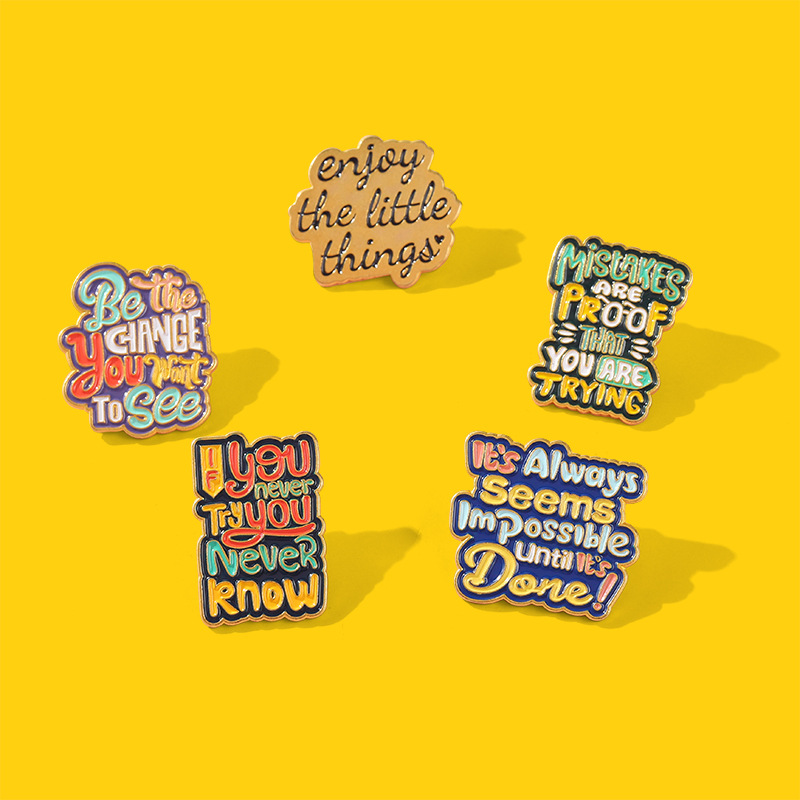
Retro Alloy Enamel Brooch Pin Set Inspirational English Quotes Mistakes Are Proof You Are Trying Badge For Women Students Clothes Backpack Decoration Jewelry
$0.47
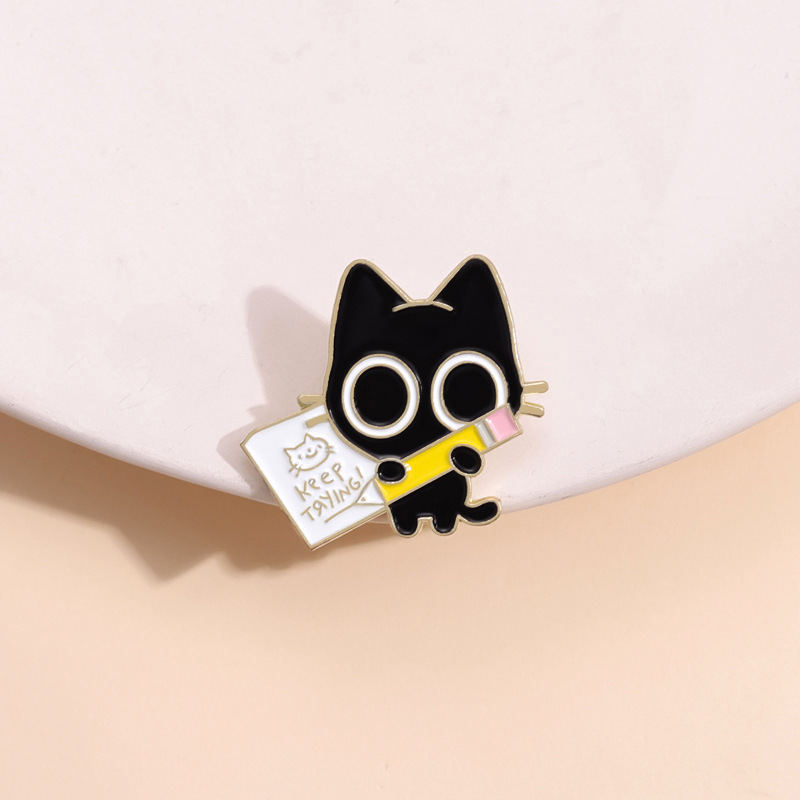
Cute Cartoon Black Cat Enamel Brooch Alloy Metal Inspirational Keep Trying Letter Badge Pin For Backpack Clothes Hat Accessories Jewelry Gift For Kids Students
$0.58
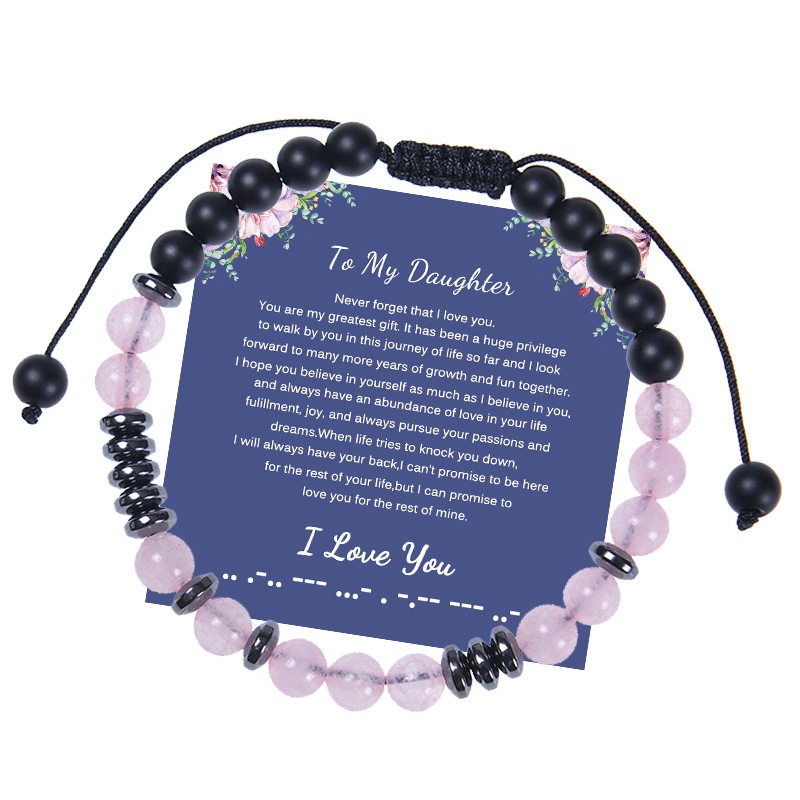
2023to My Daughter Morse Code Bracelet 6mm Pink Crystal Frosted Stone Bracelet
$1.13
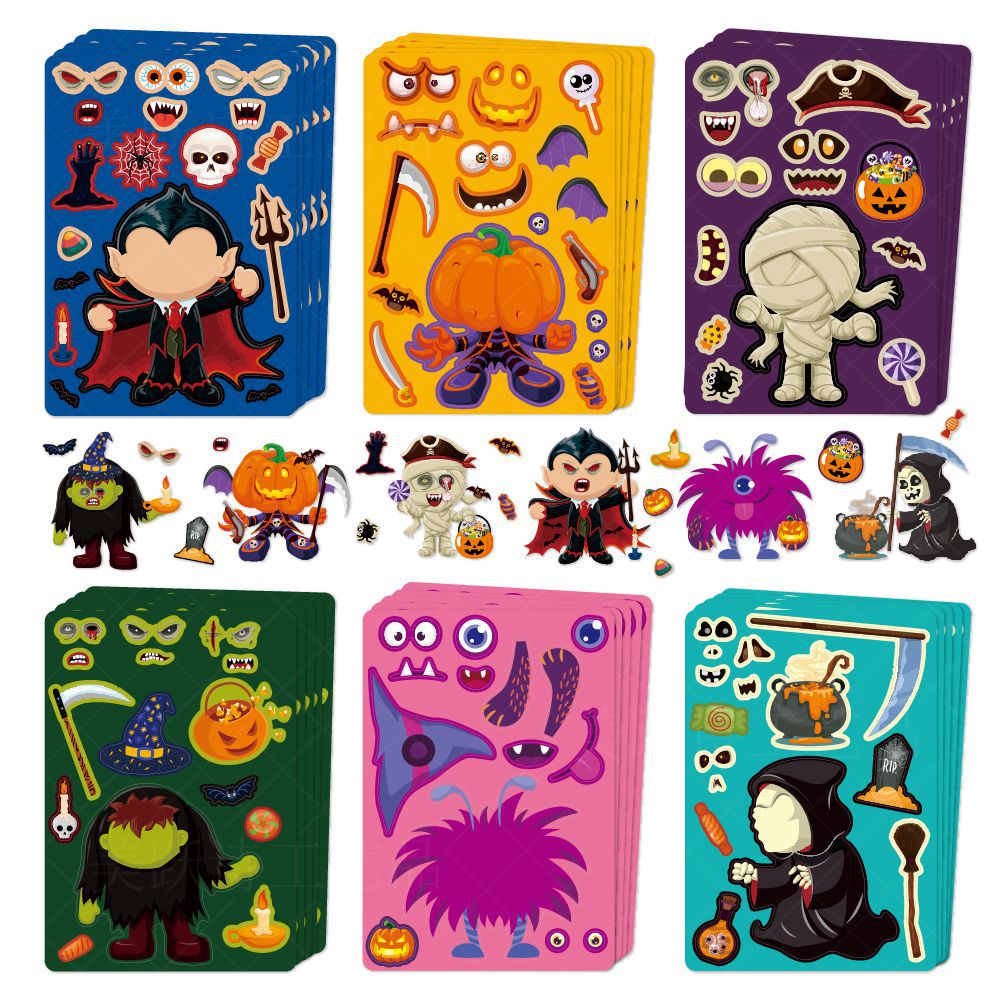
Halloween DIY Make A Face Stickers Cartoon Pumpkin Vampire Mummy Self Adhesive Paper For Party Decoration Kids Favors
$1.01
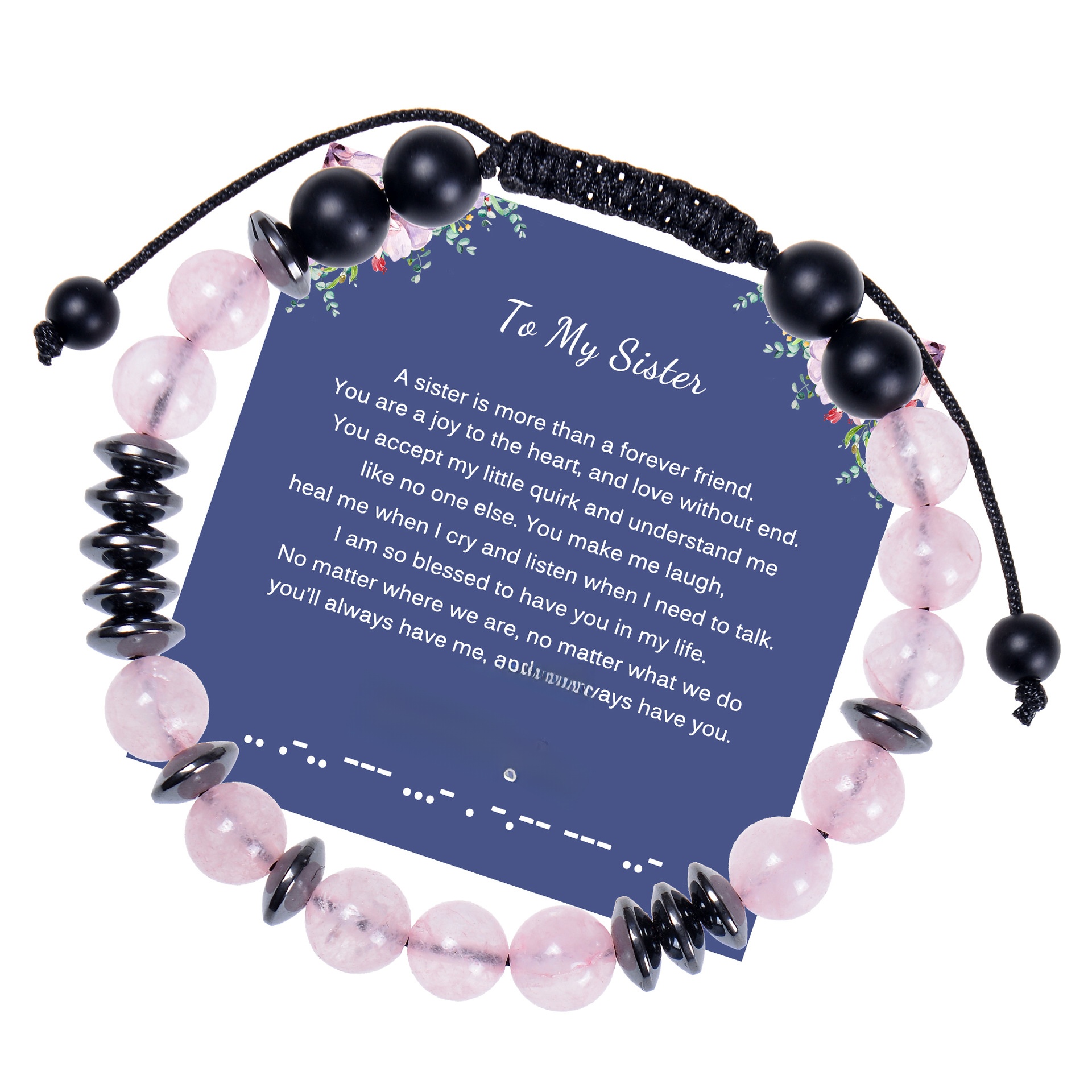
2023to My Sister Morse Code Bracelet 8mm Pink Crystal Black Magnet Card Bracelet
$1.23
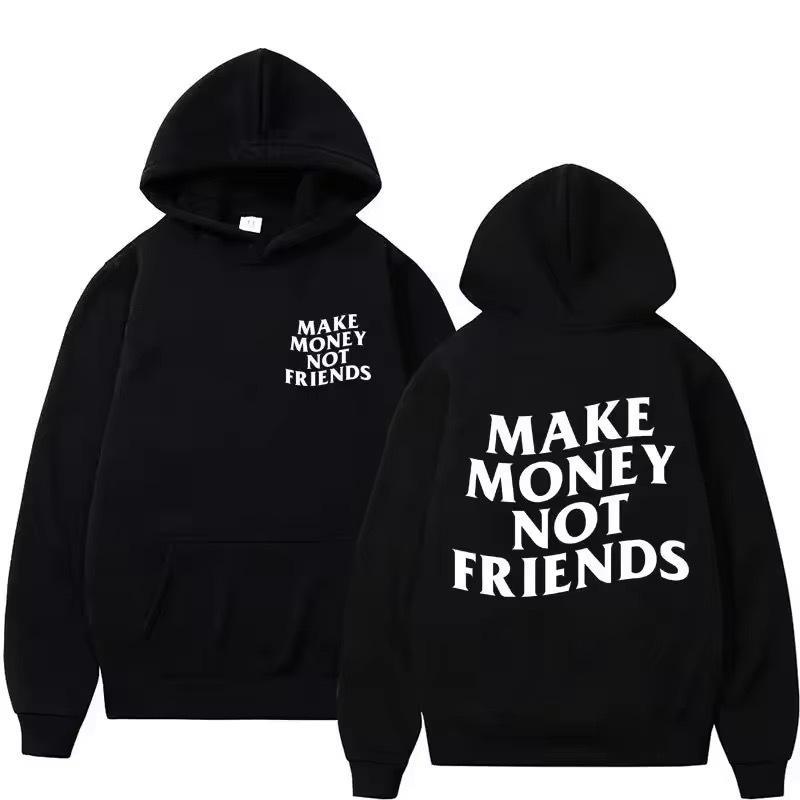
Men's Letter Print Hoodie Streetwear Polyester Pullover Sweatshirt Make Money Not Friends Slogan Hooded Top For Daily Casual Wear
$6.34
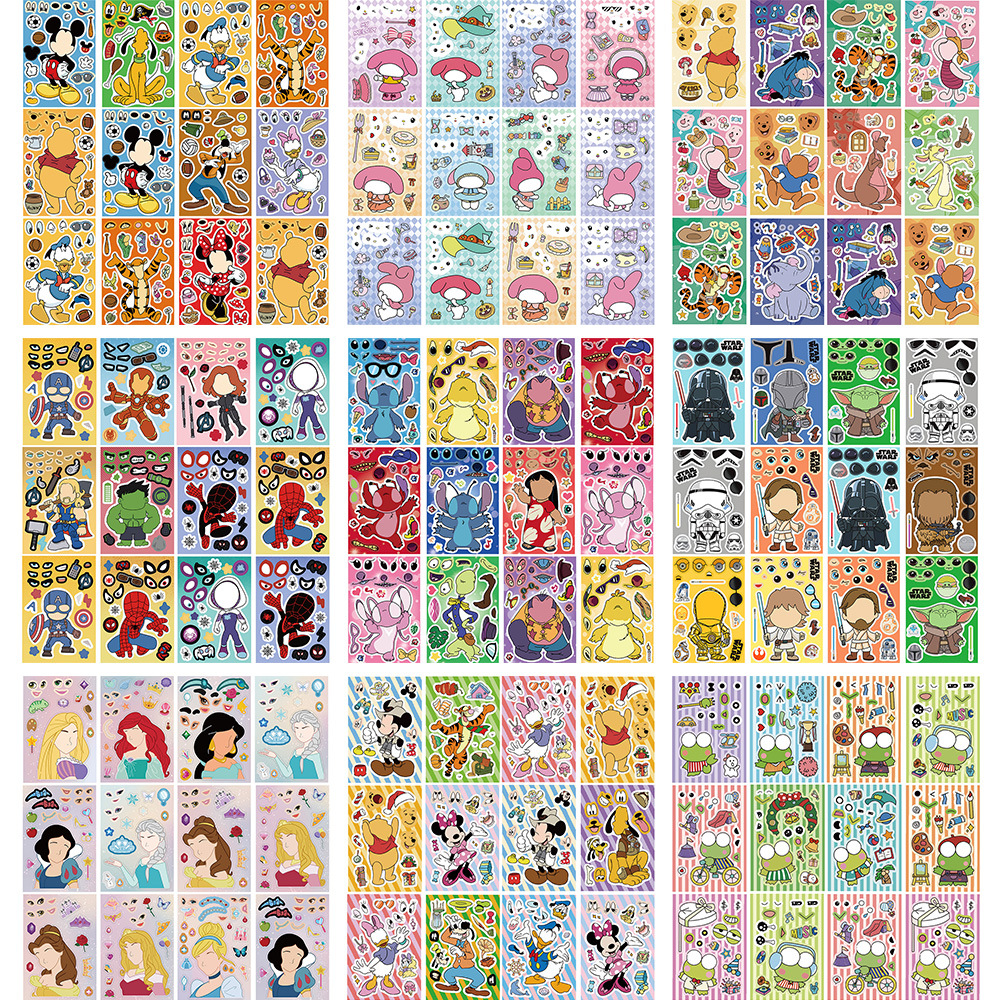
DIY Make A Face Stickers PVC Waterproof Educational Craft Puzzle Party Favor Birthday Gift Cartoon Character For Children Kids
$0.86
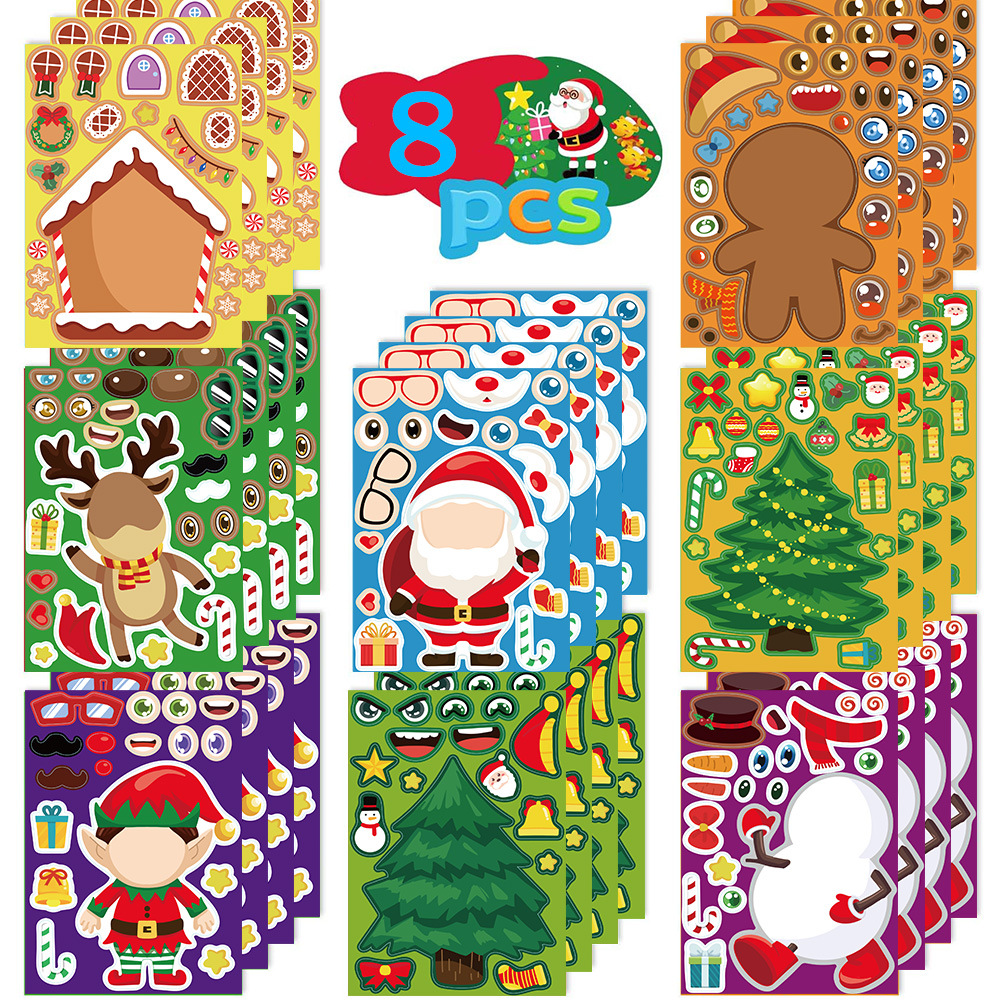
8 Sheets Christmas DIY Make A Face Stickers Waterproof PVC Cartoon Santa Reindeer Puzzle Stickers For Kids Party Favors
$0.86
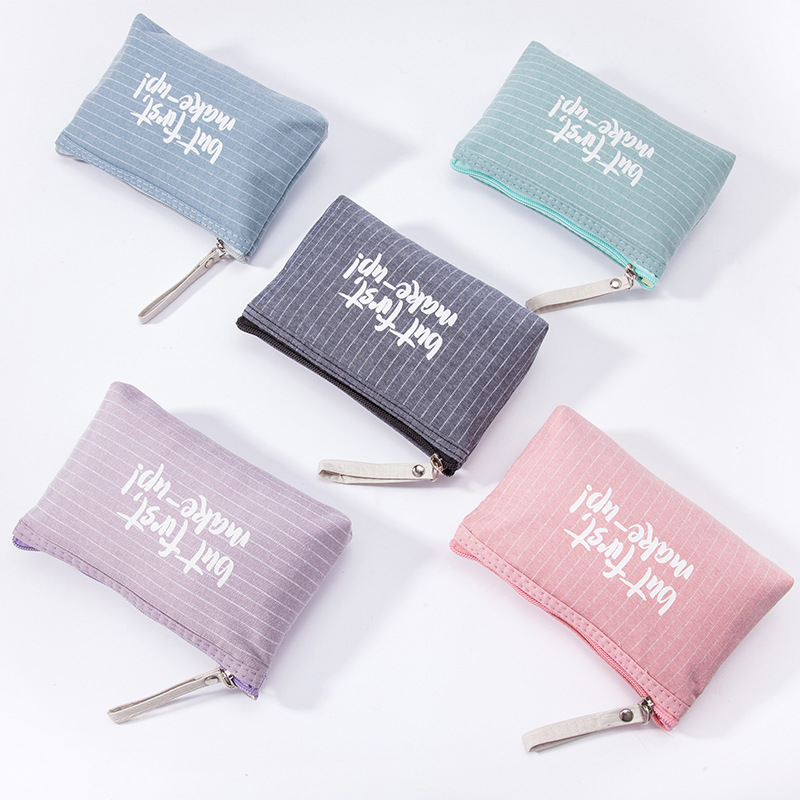
Striped Canvas Cosmetic Bag With "but first make-up!" Letter Print Travel Toiletry Organizer Zipper Pouch For Women Makeup Storage
$1.12
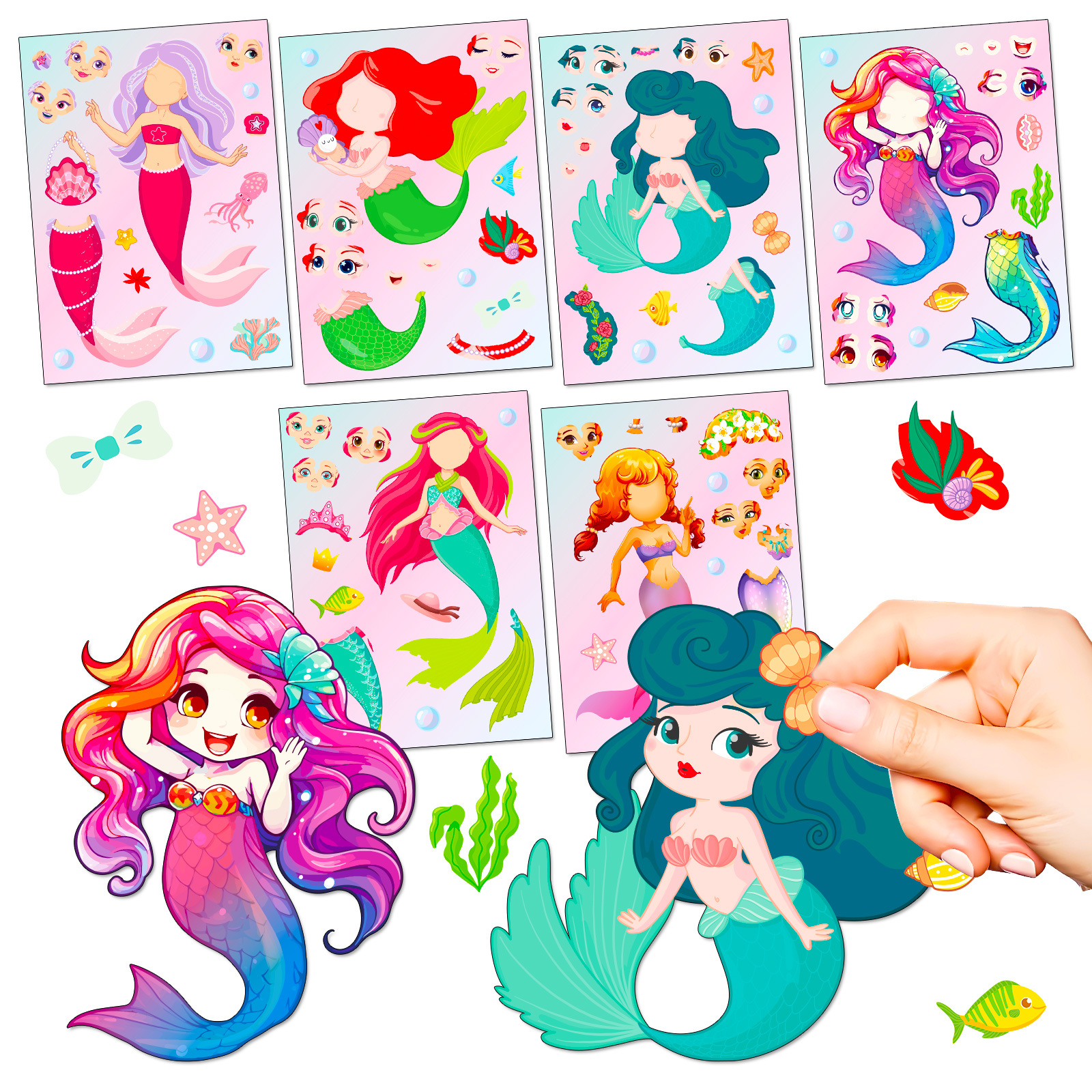
DIY Mermaid Make a Face Stickers Waterproof Cartoon Ocean Princess Sticker Set For Kids Birthday Party Favors Scrapbooking Handwork Decorative Stickers
$0.10
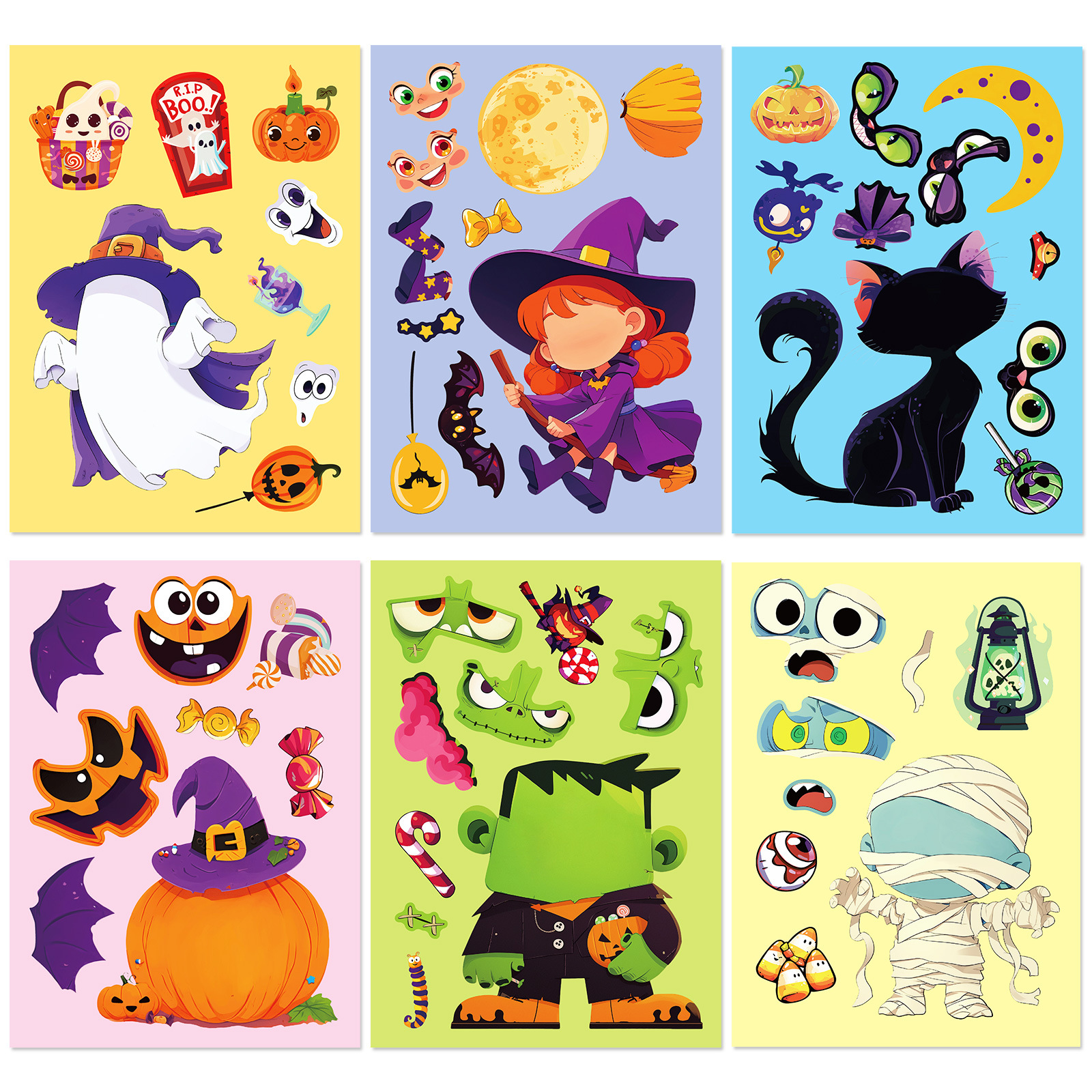
Halloween DIY Stickers Paper PP Make A Face Puzzle Cartoon Cute Ghost Pumpkin Witch For Kids Party Favors Goodie Bag Fillers
$0.11
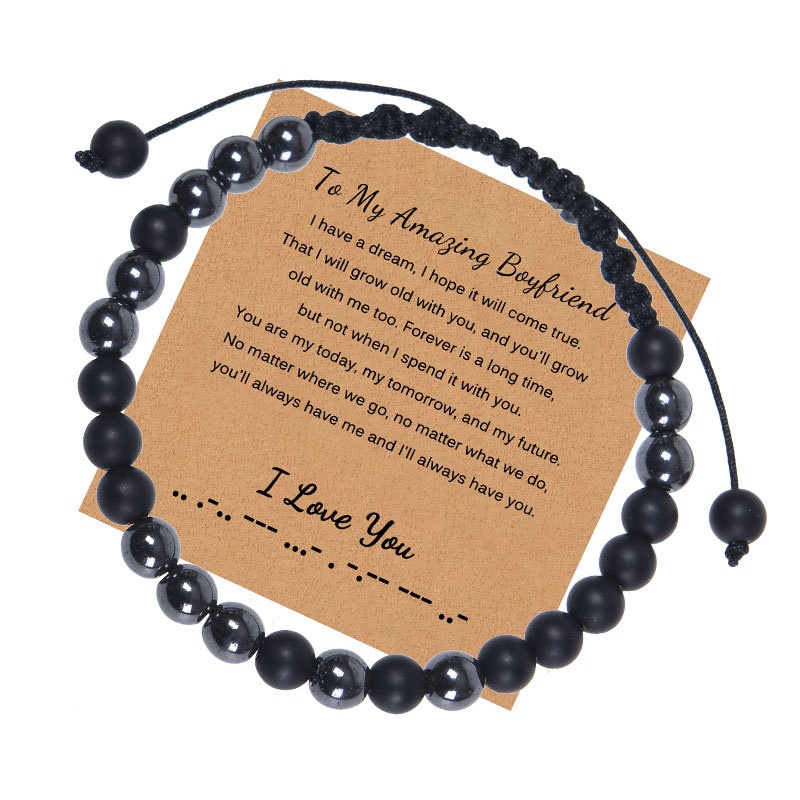
Morse Code Bracelet Natural Matte Stone Hematite Beaded Adjustable Woven Rope Bracelet With Inspirational Card Gift
$0.94
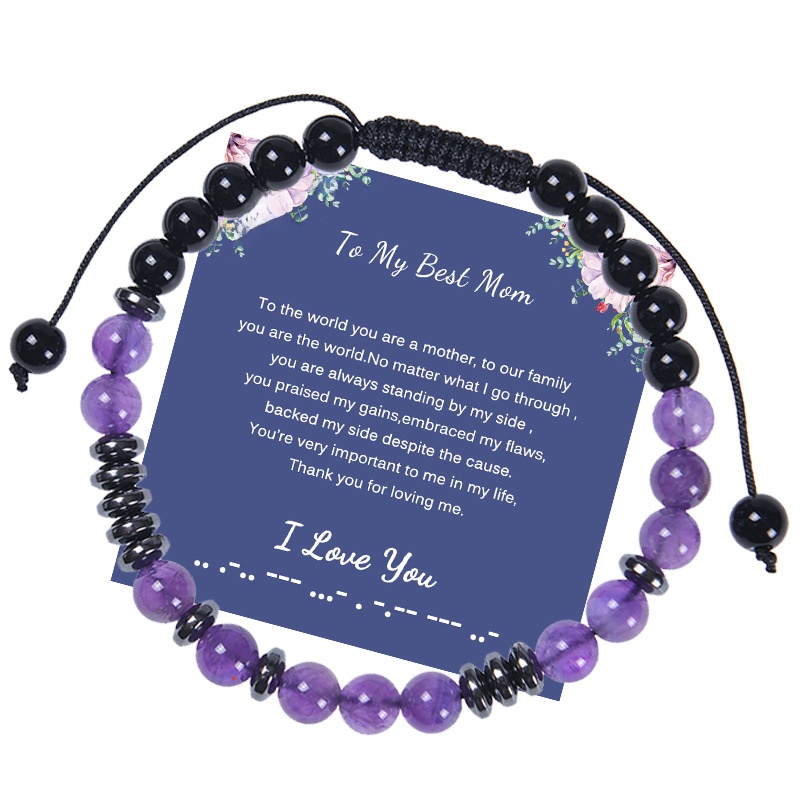
Hot Sale To My Mom Morse Code Bracelet Mom 6mm Amethyst Frosted Stone Bracelet Holiday Gift
$1.67
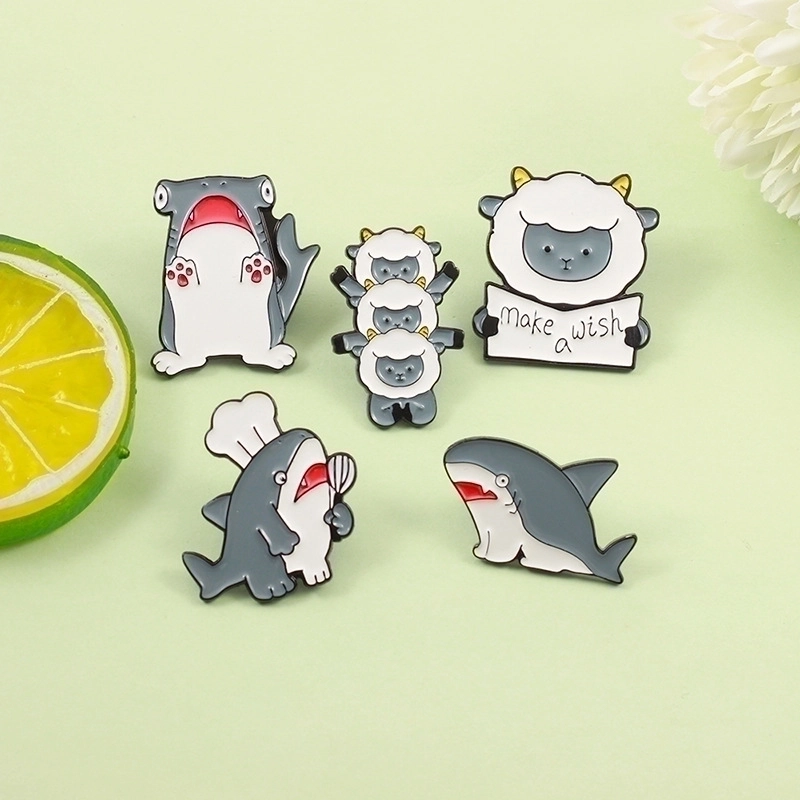
Cute Cartoon Animal Shark Sheep Enamel Pins Alloy Brooch Make A Wish Jewelry Badge For Backpack Clothing Jacket Hat Decor Accessories Gift
$0.63
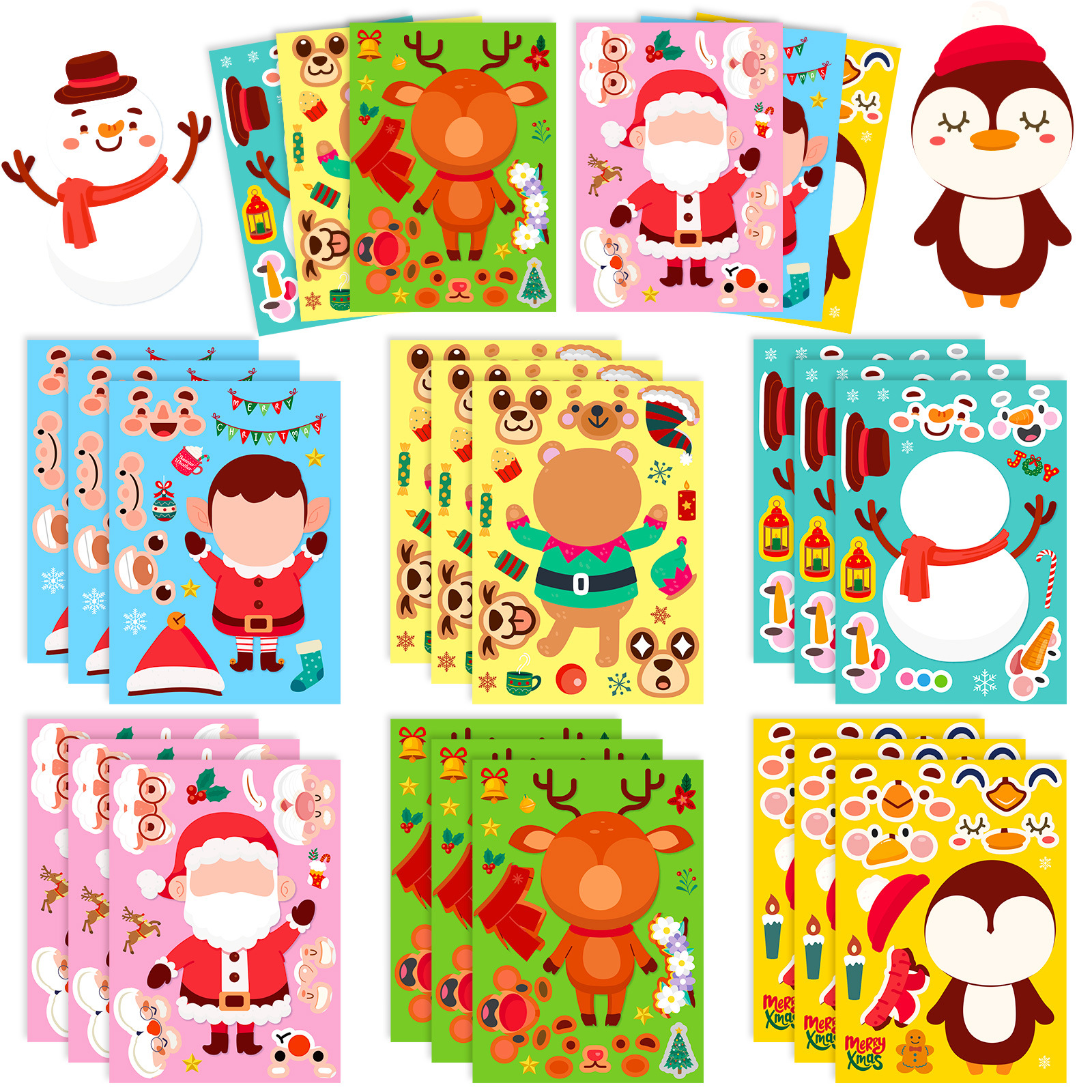
6 Sheets Christmas DIY Make A Face Stickers Santa Claus Reindeer Snowman Puzzle For Kids Xmas Party Favors Cartoon Self Adhesive Stickers
$0.11
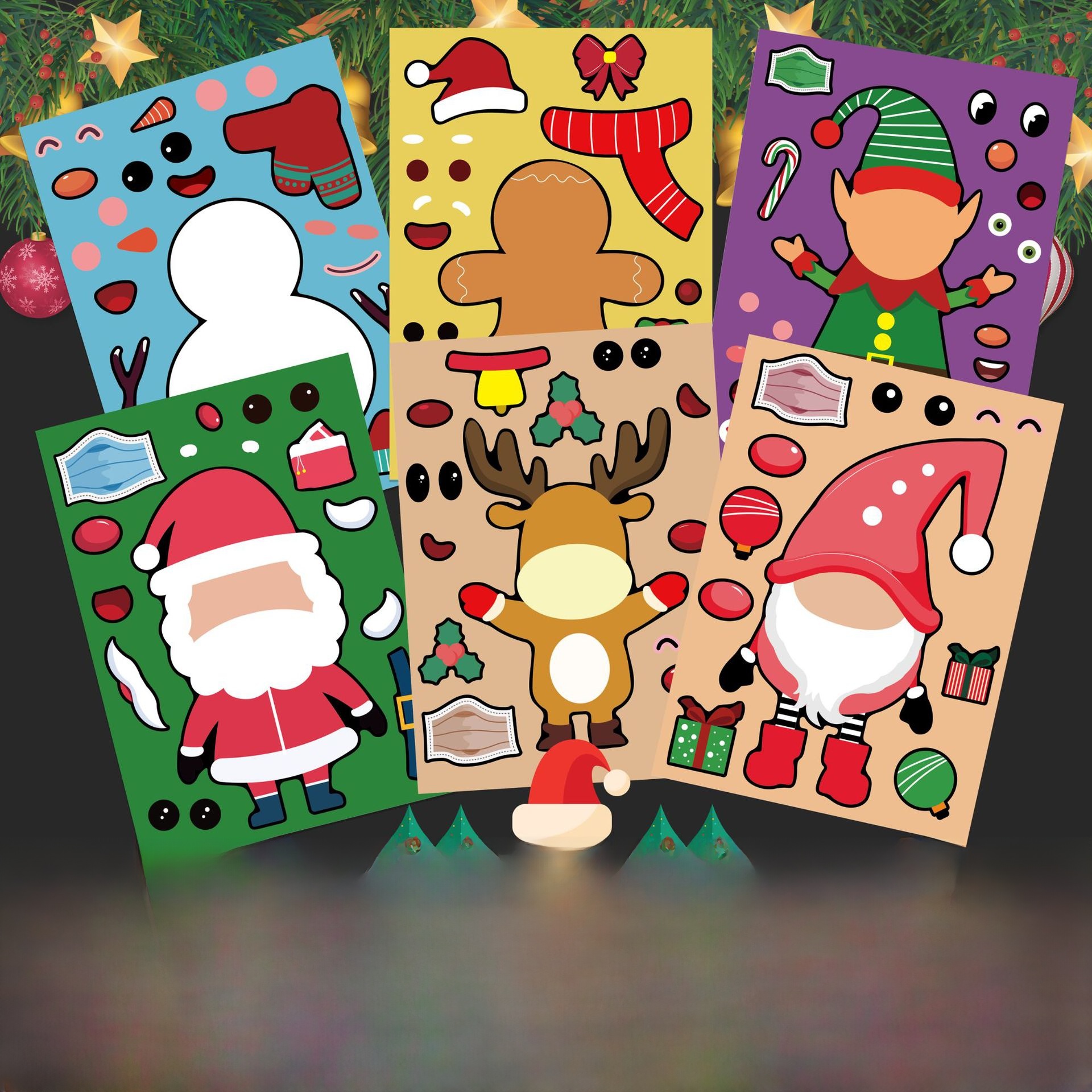
Christmas DIY Puzzle Stickers Cartoon Santa Claus Snowman Reindeer Make-a-Face Adhesive Paper Sticker Sheets for Kids Party Favors Xmas Decorations
$0.61
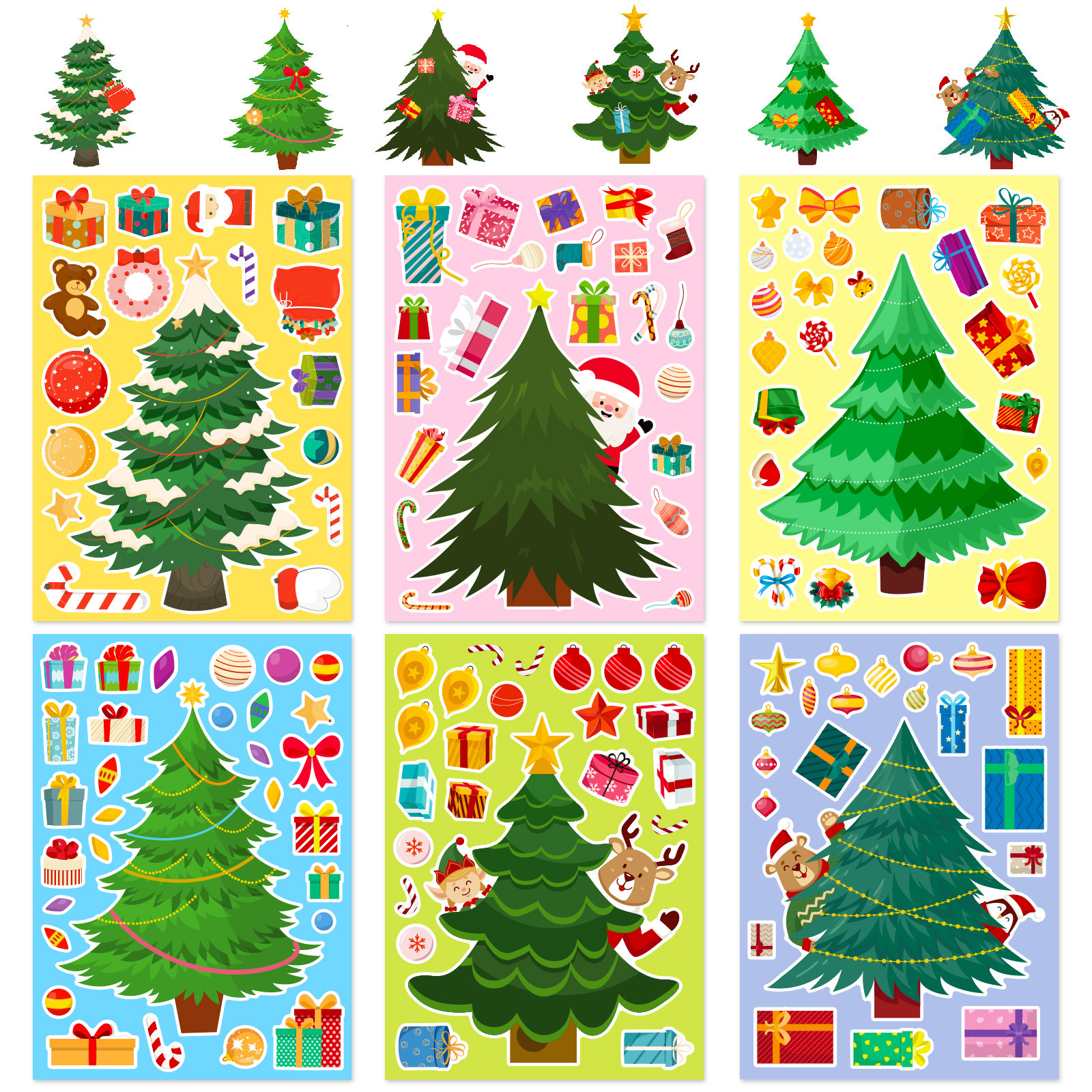
DIY Christmas Tree Stickers Make A Face Santa Reindeer Elf Decals For Kids Holiday Party Favors Educational Crafts PP Material Festive Decoration
$0.11
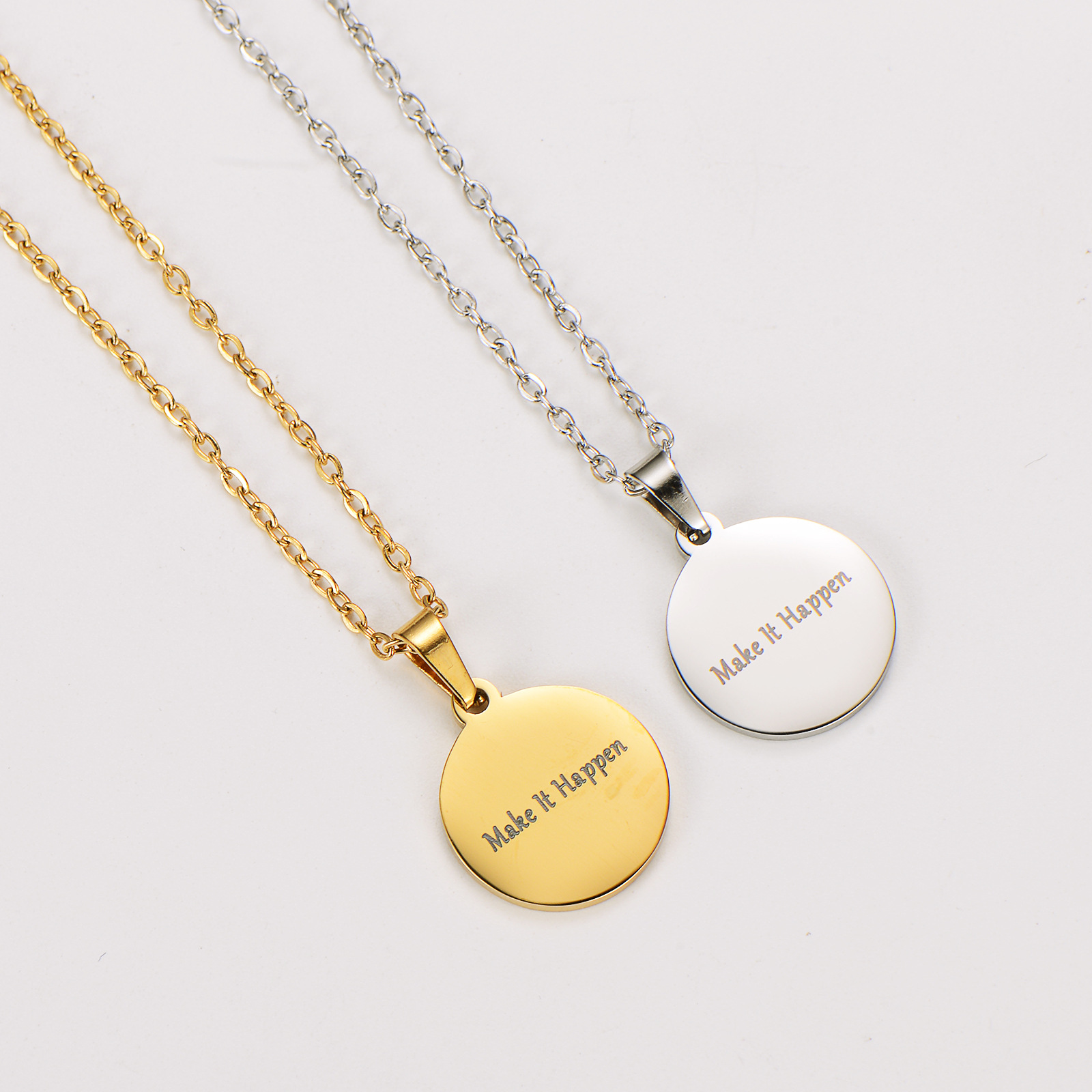
Inspirational Pendant Necklace 304 Stainless Steel 18K Gold Plated Engraved Make It Happen Round Disc Chain For Women Daily Wear Gift Jewelry
$0.62
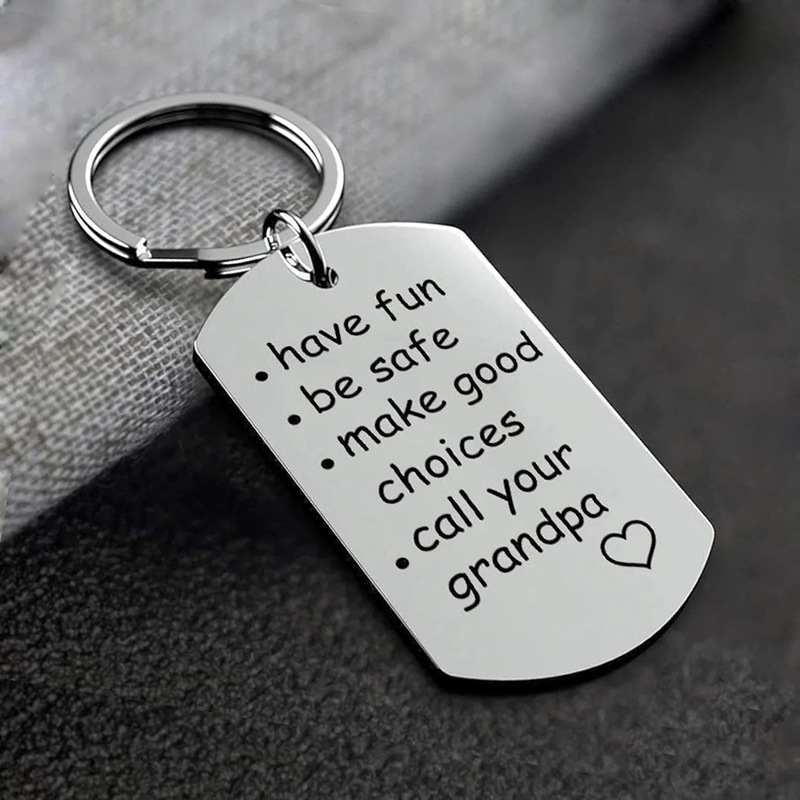
Stainless Steel Inspirational Keychain Have Fun Be Safe Make Good Choices Call Your Mom Dad Grandpa Key Ring Family Gift Safety Reminder Accessory
$0.65
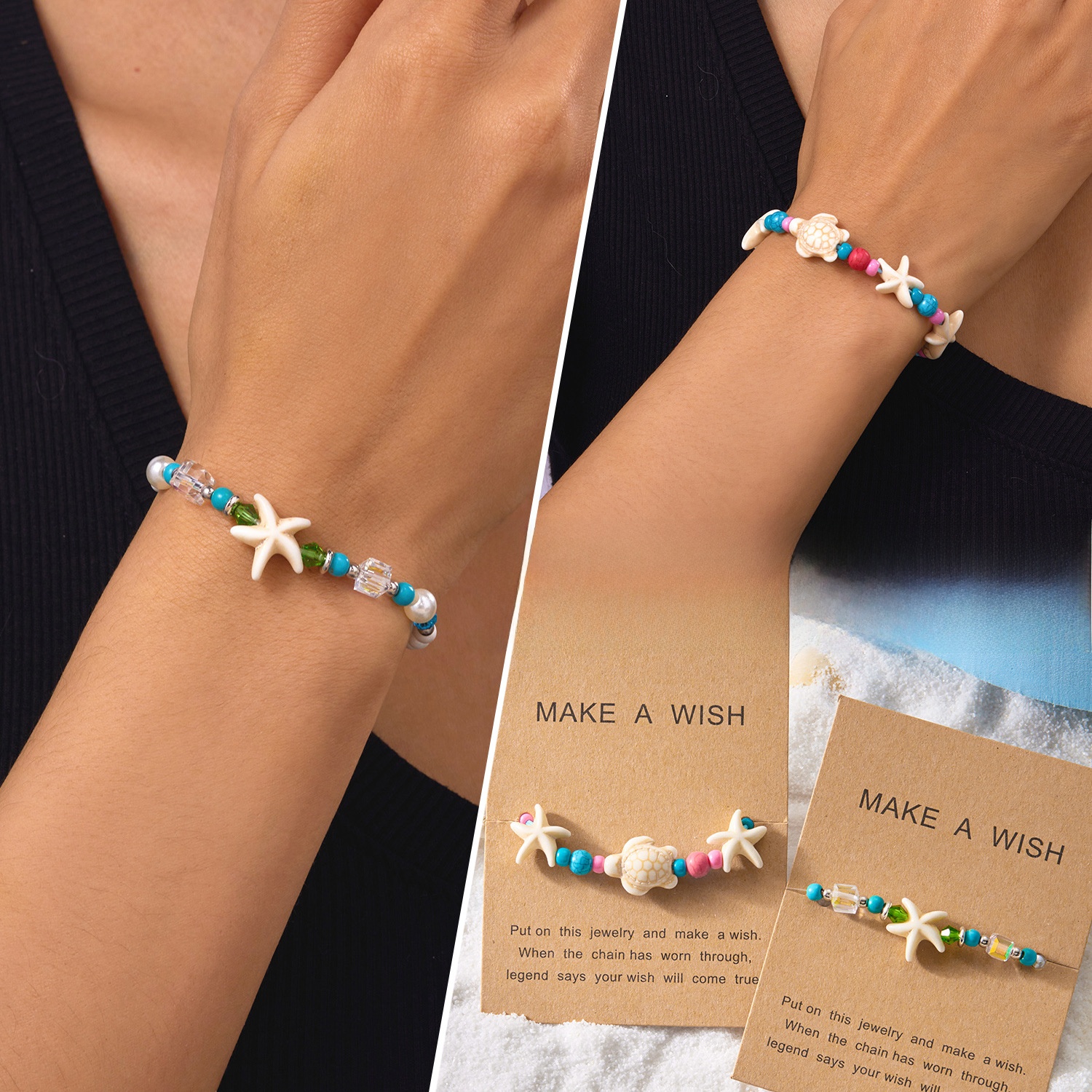
Bohemian Starfish Sea Turtle Beaded Bracelet Set For Women Handmade Adjustable Wax Rope Summer Beach Vacation Jewelry With Make A Wish Gift Card
$0.45
Bundle Ideas for Maximum Sell-Through
Bundling these products increases average order value and matches the gifting nature of inspirational items. For a store launched via HTML-to-Shopify migration, bundles reduce the number of individual listings needed — faster setup.
Keep Trying Starter Pack
New seller wants a low-risk entry: a mix of enamel pins and stickers that all say 'keep trying' or 'try again.' Perfect for back-to-school or graduation gifting.
- Retro Alloy Enamel Brooch Pin Set Inspirational English Quotes Mistakes Are Proof You Are Trying Badgehero
- Cute Cartoon Black Cat Enamel Brooch Alloy Metal Inspirational Keep Trying Letter Badge Pincomplement
- DIY Make A Face Stickers PVC Waterproof Educational Craft Puzzle Party Favorupsell
Bundle at $2.50 (cost $1.91) vs $2.92 separately — 14% discount, still 30% margin.
Make a Wish Jewelry Gift Set
Customer buying a birthday or encouragement gift for a friend or family member starting a new venture.
- Bohemian Starfish Sea Turtle Beaded Bracelet Set With Make A Wish Gift Cardhero
- Inspirational Pendant Necklace 304 Stainless Steel 18K Gold Plated Engraved Make It Happen Round Disc Chainupsell
- Cute Cartoon Animal Shark Sheep Enamel Pins Alloy Brooch Make A Wish Jewelry Badgecomplement
Bundle at $2.75 (cost $1.70) vs $3.10 separately — approx 13% discount, margin 38%.
Code to Checkout Tee & Accessory Pack
Sweatshirt + inspirational accessories for the 'I'm trying to make my website' founder — great for personal branding or a side-hustle starter kit.
- Men's Letter Print Hoodie Streetwear Polyester Pullover Sweatshirt Make Money Not Friends Slogan Hooded Tophero
- Stainless Steel Inspirational Keychain Have Fun Be Safe Make Good Choices Call Your Mom Dad Grandpa Key Ringupsell
- Morse Code Bracelet Natural Matte Stone Hematite Beaded Adjustable Woven Rope Bracelet With Inspirational Card Giftcomplement
Bundle at $8.50 (cost $7.91) vs $9.22 separately — 7.8% discount, but margin tight at 6.9%. Higher volume offsets. Risk: hoodie size variants add complexity for migration.