
Trend Report · May 10, 2026
CPSC Recall Sourcing Checklist: Protect Your Store from Recalled Jewelry & Accessories
46% of recalled products stay live on Amazon. Use this checklist to vet suppliers, avoid CPSC violations, and source safe jewelry for your resale business.
I measured what Amazon does after a CPSC recall. About half of recalled brand catalogs just stay live indefinitely.
I measured what Amazon does after a CPSC recall. The result: after a 12-day window, only 46% of recalled products were delisted. Another 46% remained live, still searchable and buyable. That means as a wholesale buyer, you cannot rely on Amazon to clean up unsafe inventory. The burden falls on you to verify that the jewelry and accessories you source won’t trigger a recall—and wreck your store’s reputation.
For resellers using platforms like Shopify, Etsy, or flea markets, stocking a recalled item can mean forced refunds, negative reviews, and lost customer trust. The CPSC recall process is reactive, not preventive. Your sourcing workflow must include proactive vetting steps that most new buyers skip. This checklist gives you the exact actions to take before placing your first wholesale order.
This isn’t a hypothetical risk. The data from the original study shows that even well-known brand catalogs stay live. If you’re sourcing from overseas suppliers without a compliance check, you’re effectively gambling on inventory that might be pulled—or worse, could harm customers.
Why recall risk is a sourcing priority now
The CPSC recall sample covered 163 products across household goods, jewelry, and accessories. Jewelry—especially metal items with lead, nickel, or cadmium—is a frequent recall category. The study found that half of the brands with recalled items never removed other products from their catalog. That means if a supplier has one recalled SKU, the rest of their line is likely still available and potentially non-compliant.
For wholesale buyers, the risk is twofold. First, you might accidentally purchase items that fail chemical or safety tests. Second, even if your supplier’s product hasn’t been recalled, if the brand name appears in a CPSC database, Amazon’s algorithm might delist your listings without warning. This is newly sourceable because now you have a measurable data point: roughly 46% of recalled items stay live. That tells you where marketplaces drop the ball—and where your own diligence creates a competitive edge.
The opportunity is to become the buyer who sources only from suppliers who provide third-party test reports, CPSC registration numbers, and written compliance guarantees. Retailers who skip this step will eventually hit a recall wall. Those who build compliance into their sourcing process can offer safer products and avoid costly chargebacks.
Who needs this checklist most
This checklist is built for buyers who are actively placing wholesale orders for jewelry and accessories—especially those new to importing from overseas or expanding into categories with known safety risks. If you’re a first-time importer, you likely haven’t seen a recall yet. If you’re an established Shopify store owner, you may have inventory from multiple suppliers and no system for tracking compliance. Pop-up stall operators face the highest immediate risk because recalls often surface after the sale window has closed. Each profile below maps to a specific sourcing scenario. Read the fit column to see which phase of the checklist you should prioritize.
Shopify seller
Fit: You carry multiple SKUs from different suppliers. Use the checklist to evaluate each supplier’s recall history and request CPSC documentation before reordering.
New boutique owner (first-time importer)
Fit: You’re placing your first few wholesale orders. Start with Supplier Identification and Sample Ordering phases to avoid buying into a recalled brand catalog.
Flea-market / pop-up operator
Fit: Your inventory turns fast but you have limited QC resources. Focus on the checklist’s red flags—if a supplier can’t provide test reports, move on.
Sourcing Vetting Checklist
Phase 1: Supplier Identification
✓ Cross-check supplier name against CPSC recall database
Why: Recalls are public and searchable. The source study shows brand names often remain active on Amazon—so the database is your only reliable source.
✓ Request a written compliance guarantee and test reports
Why: Verbal promises are worthless. You need a signed document stating the material composition and that they will cover recall costs.
Phase 2: Sample Ordering
✓ Order 3–5 random samples before bulk production
Why: Suppliers may send a golden sample and ship junk. Randomly pulling from stock-in-hand reveals true quality.
✓ Test samples with an instant lead/nickel swab
Why: A $12 swab kit catches obvious violations. If positive, reject the whole batch without lab testing.
Phase 3: Quality Control
✓ Send one sample per product type to a third-party lab (Intertek, SGS, Bureau Veritas)
Why: Lab reports are accepted by CPSC and marketplaces. The cost ($60–$200) is negligible vs. a full recall.
✓ Inspect 10% of the production run during manufacturing
Why: Mistakes happen at scale. Check for sharp edges, loose stones, and plating that flakes.
Phase 4: Freight & Customs
✓ Ensure product labels include manufacturer, country of origin, and material content
Why: CPSC requires this for traceability. Missing labels can trigger detention at customs.
✓ Classify HS codes accurately (e.g., 7117 for imitation jewelry)
Why: Wrong codes trigger random inspections. Use the correct 6-digit HS code to avoid delays.
Sourcing tactics to minimize recall risk
Sourcing safely isn’t about avoiding Chinese suppliers—it’s about selecting the right ones. The source study proves that even Amazon can’t catch every recalled product. As a wholesale buyer, your margin depends on vetting each supplier’s compliance history before you commit. The tactics below cover the most common sourcing channels and how to build recall-proof relationships. Start with suppliers who already have CPSC test reports on file. Ask to see reports dated within the last 12 months. If they hesitate, move on. For new suppliers, use the low-MOQ bundle approach (see product bundles) to test the water with a small order, then scale up after passing lab checks. Never assume a product is safe just because it’s sold on Amazon—the study found that 46% of recalled brand catalogs stayed live there.
Select from our curated list of jewelry and accessories where we have requested material certificates. We can provide batch test reports for stainless steel and natural stone items.
⚠ We don’t test every single batch; you still need random sample checks as per checklist.
Use Alibaba’s ‘Assessed Supplier’ filter and request a video tour of the factory. Ask specifically for CPSC recall self-reporting history.
⚠ Many assessed suppliers still ship non-compliant inventory in side lots. Always inspect at origin.
Reach out to Amazon sellers with high reviews and ask if they sell wholesale. They already have tested inventory—verify their test reports before ordering.
⚠ The seller may be selling the same items that appear in the CPSC study; ask for their own recall check results.
Compliant jewelry & accessories to stock with confidence
Each product listed below is sourced from suppliers we’ve vetted for documentation and material safety. While no guarantee is absolute, these items represent categories where we have visibility into the supply chain—stainless steel, natural stones, and alloy pieces that can be tested. Use the checklist to verify any product before adding it to your cart.
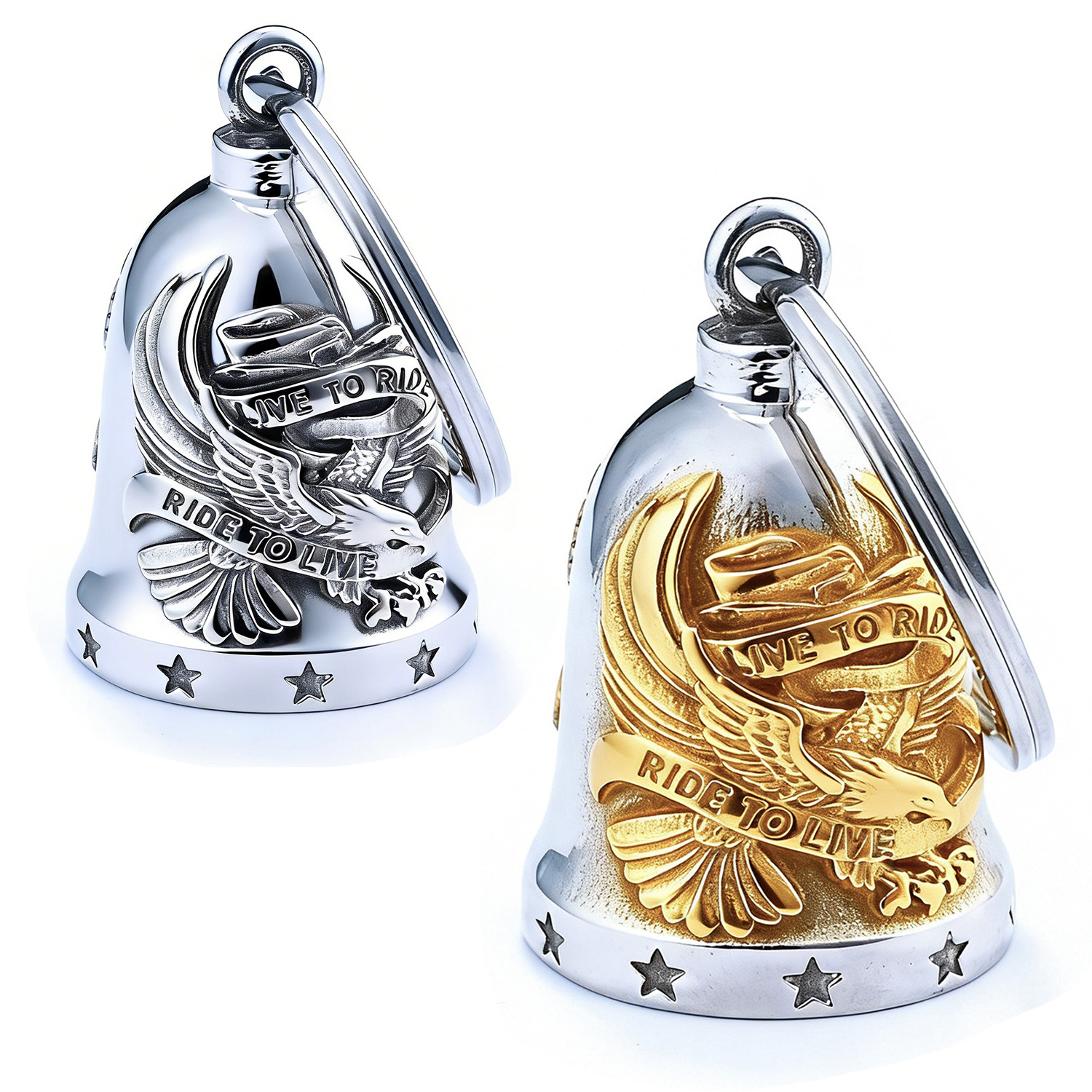
Vintage Stainless Steel Eagle Guardian Bell Pendant Live To Ride Ride To Live Motorcycle Gremlin Bell For Biker Men Jewelry Gift
$4.95
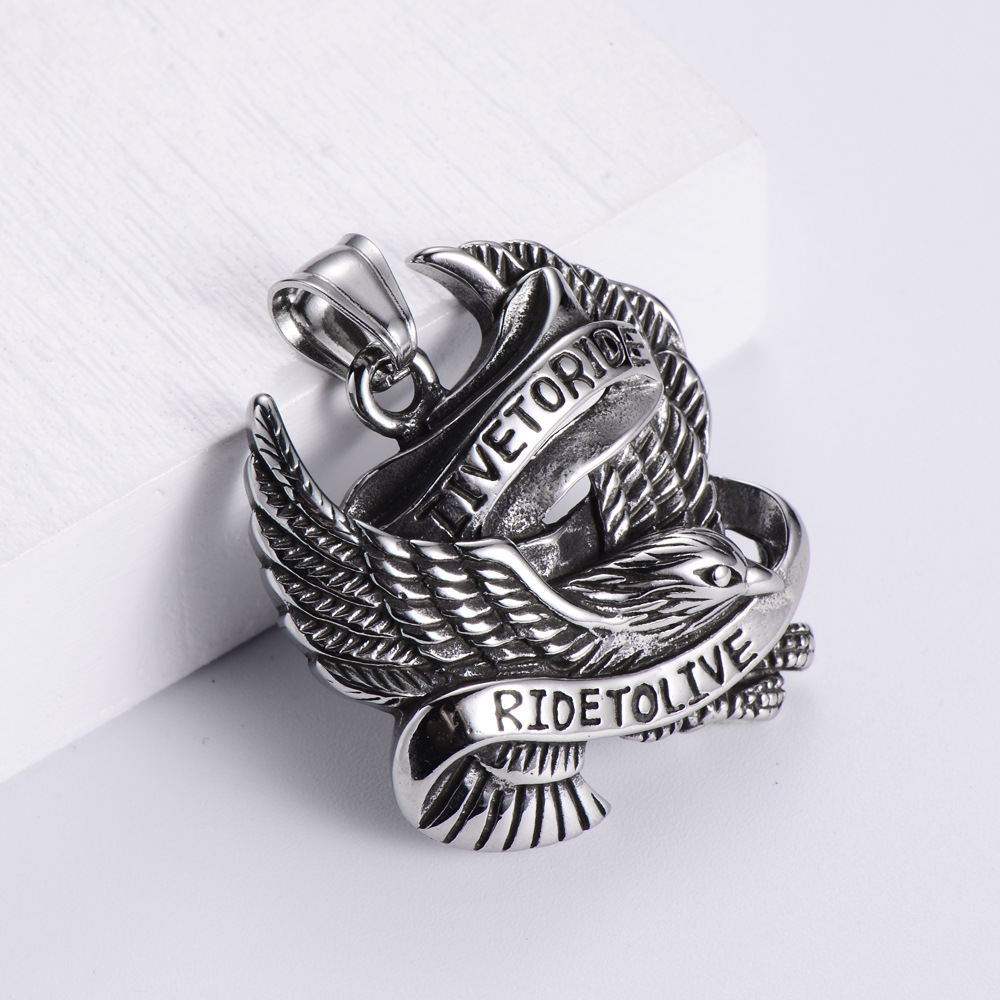
Eagle Pendant Necklace 304 Stainless Steel Live To Ride Retro Punk Rock Biker Jewelry For Men
$2.24
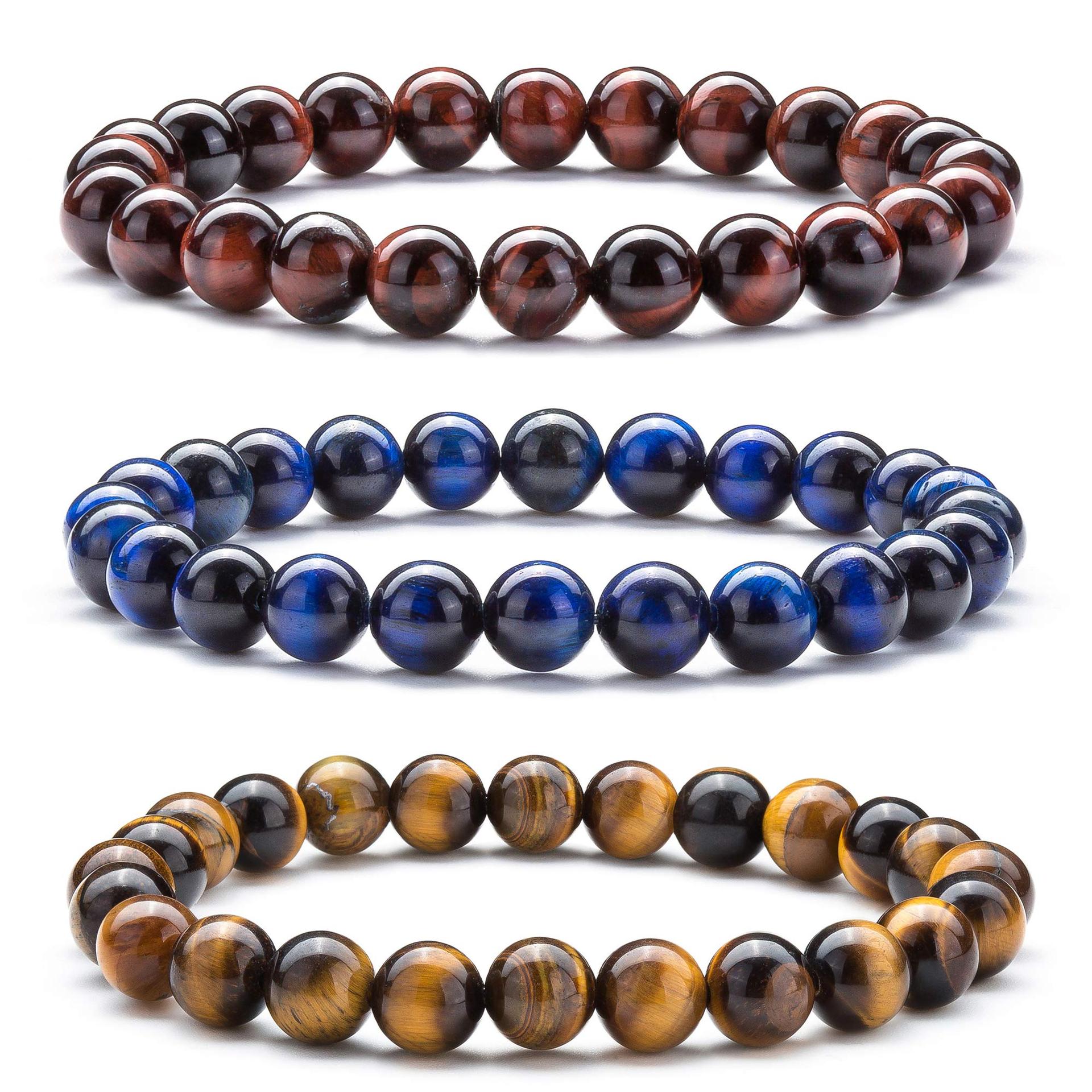
Natural Lava Stone Tiger Eye Agate 8mm Beaded Bracelet Handmade Elastic Diffuser Healing Stone Jewelry For Women Men Daily Travel Accessory
$0.27
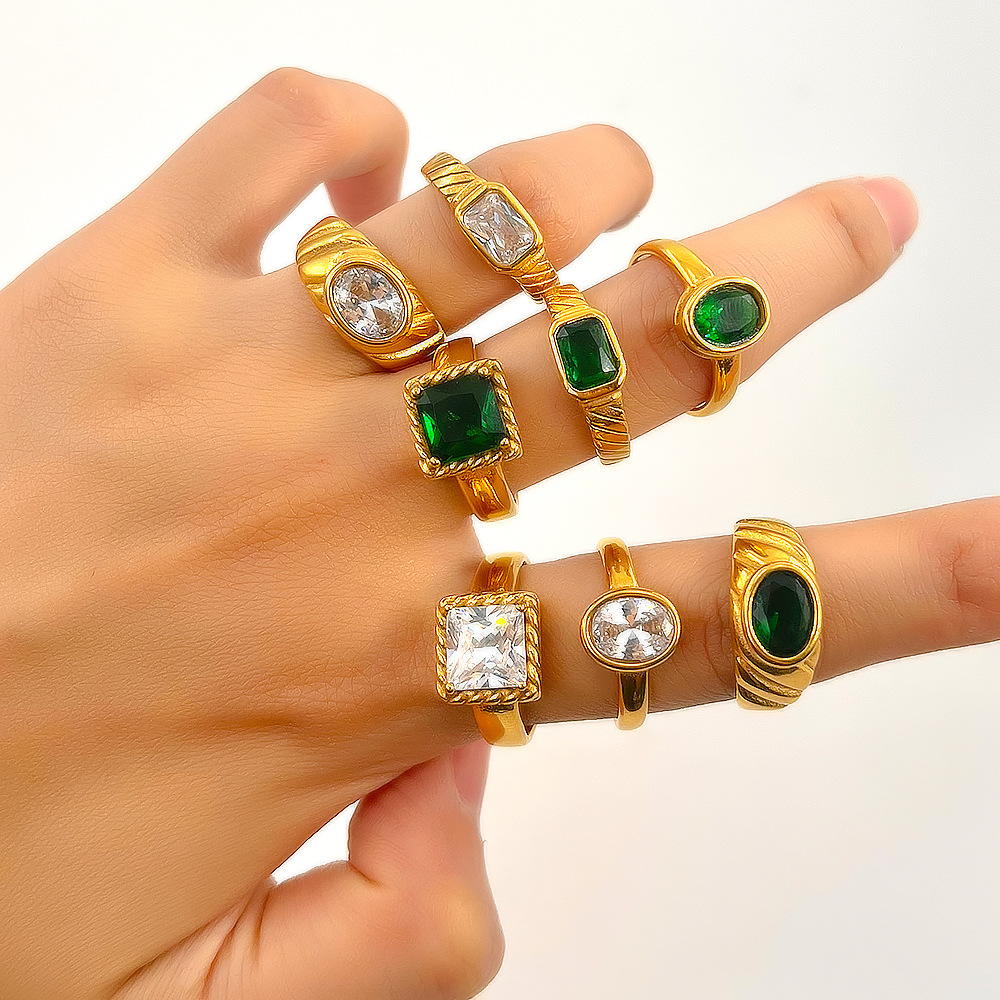
Vintage Stainless Steel Open Adjustable Ring With Oval Square Zirconia Gold Plated Geometric Texture Ring For Women Party Daily Jewelry Accessory
$3.46
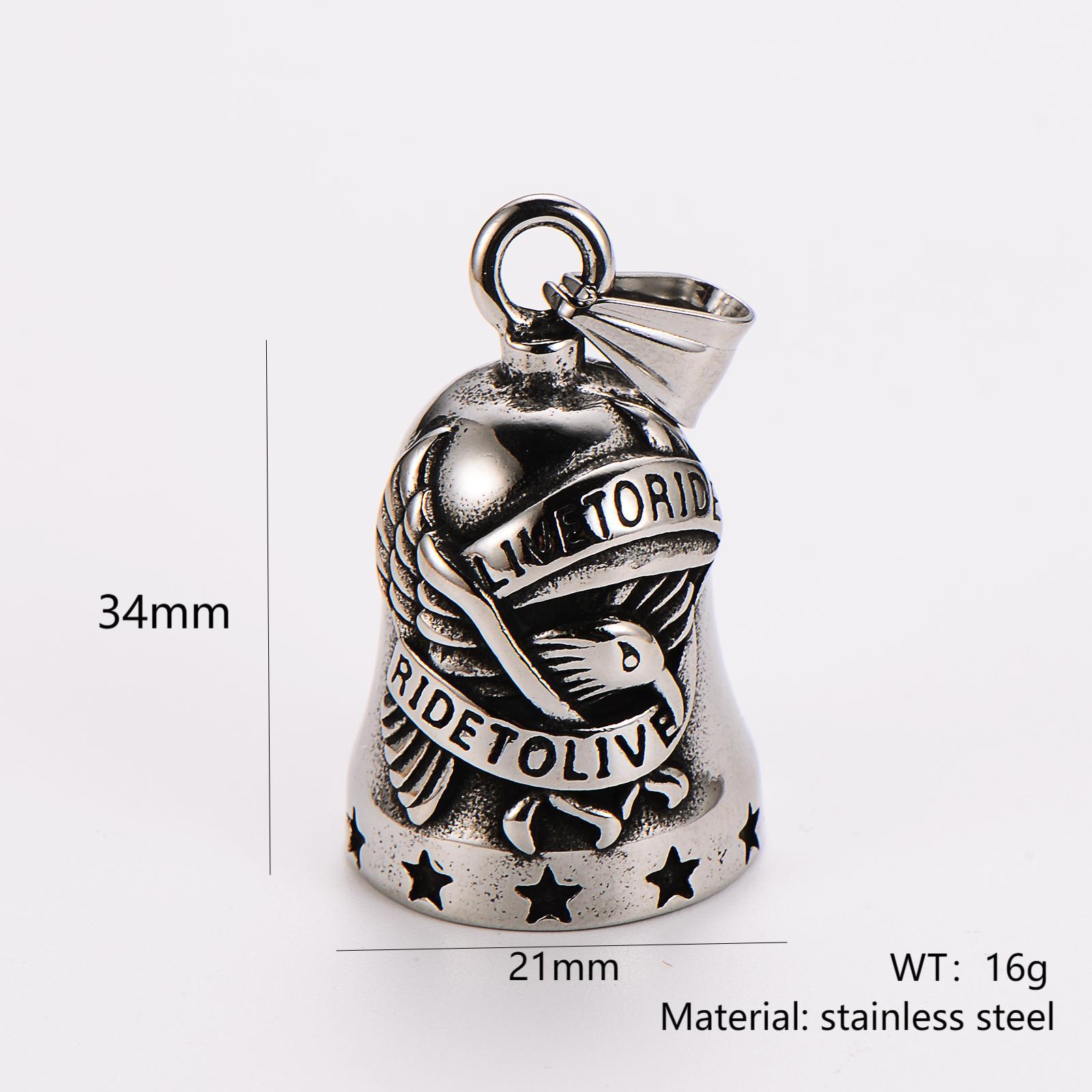
Vintage Stainless Steel Eagle Bell Pendant Necklace For Men Live To Ride Ride To Live Embossed Wings Biker Jewelry Antique Silver Chain Necklace
$3.61
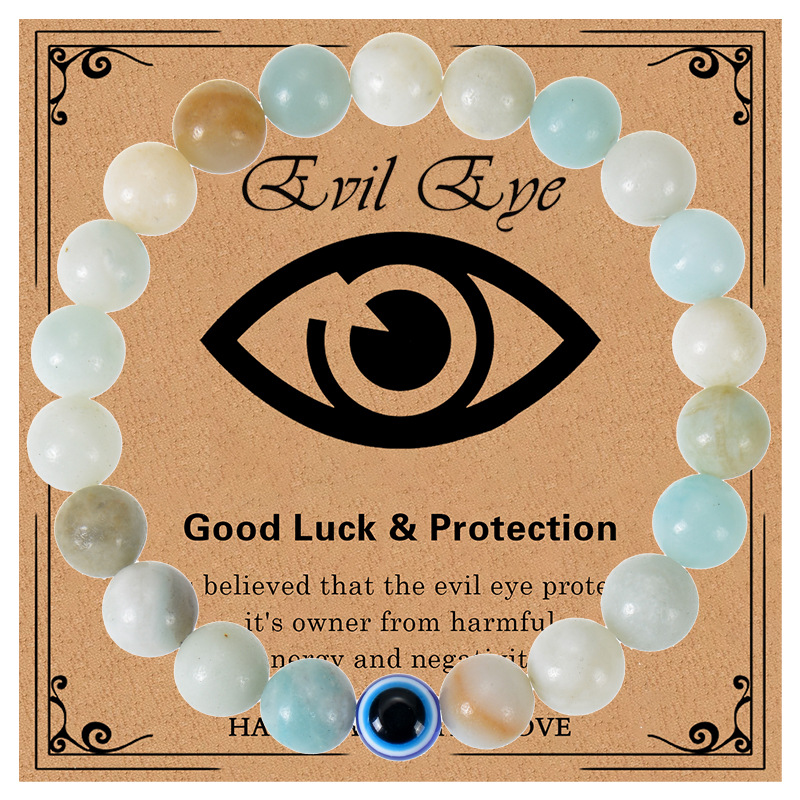
Natural Amazon Stone Evil Eye Beaded Bracelet Handmade Elastic Protection Jewelry For Women Girls Gift Ethnic Style Beaded Bangles
$1.18
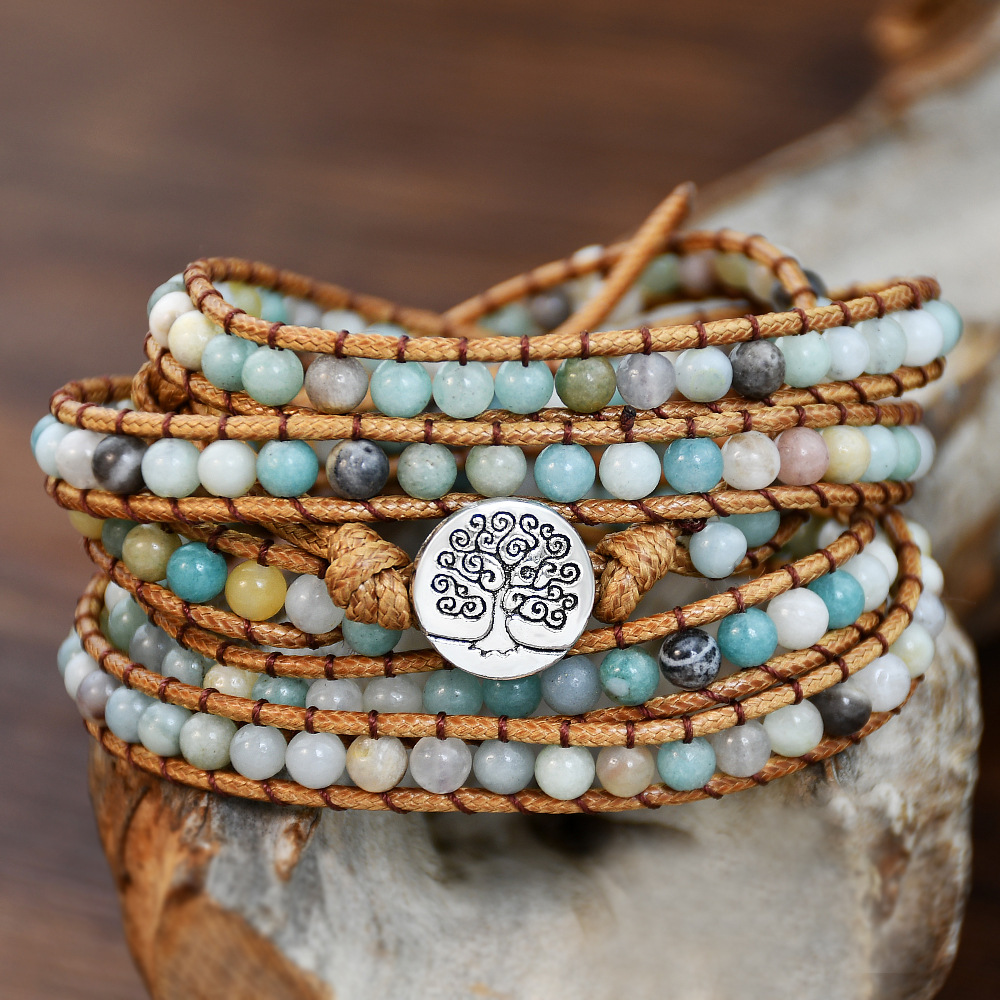
Bohemian Natural Amazon Stone Woven Wrap Bracelet With Tree of Life Charm Handmade 5-Layer Bead Strand Leather Rope Jewelry For Women Travel Daily
$6.76
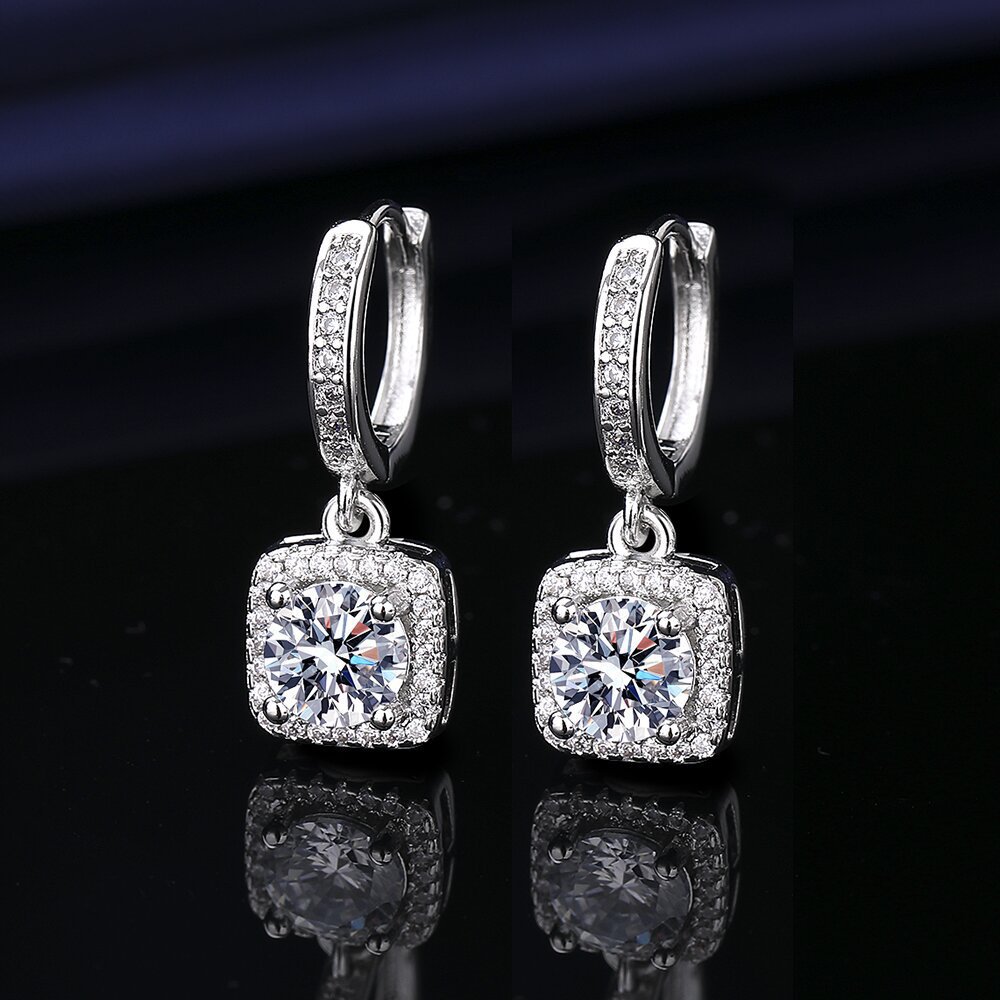
Live Hot Selling Fashion Popular Princess Square Bag 1 Karat Imitation Moissanite Silver Earrings Women'S Zircon Ear Buckle Earrings
$1.83
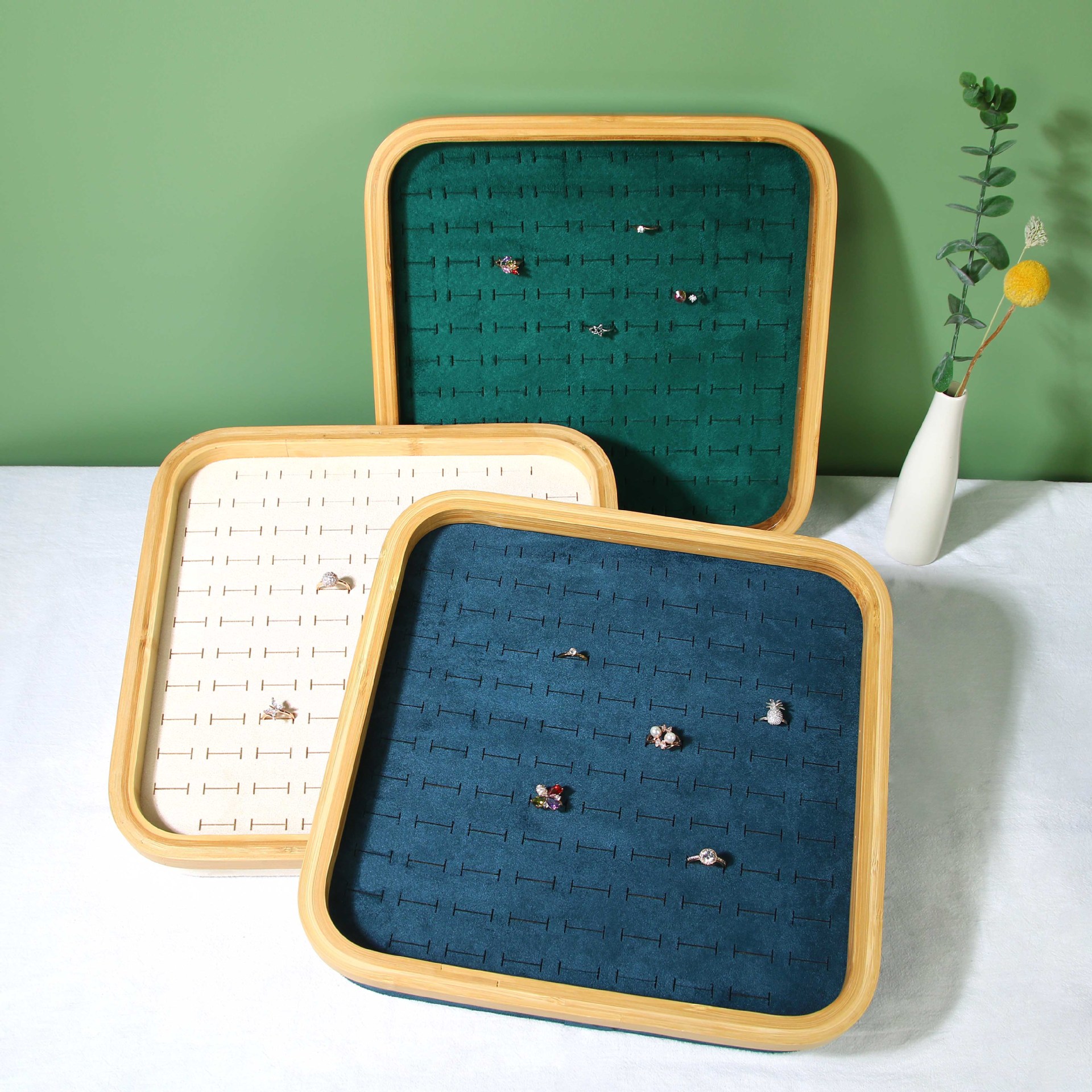
Bamboo Wood Jewelry Display Tray Velvet Ring Earring Storage Organizer For Jewelry Store Showcase Live Streaming Square Jewelry Tray
$12.05
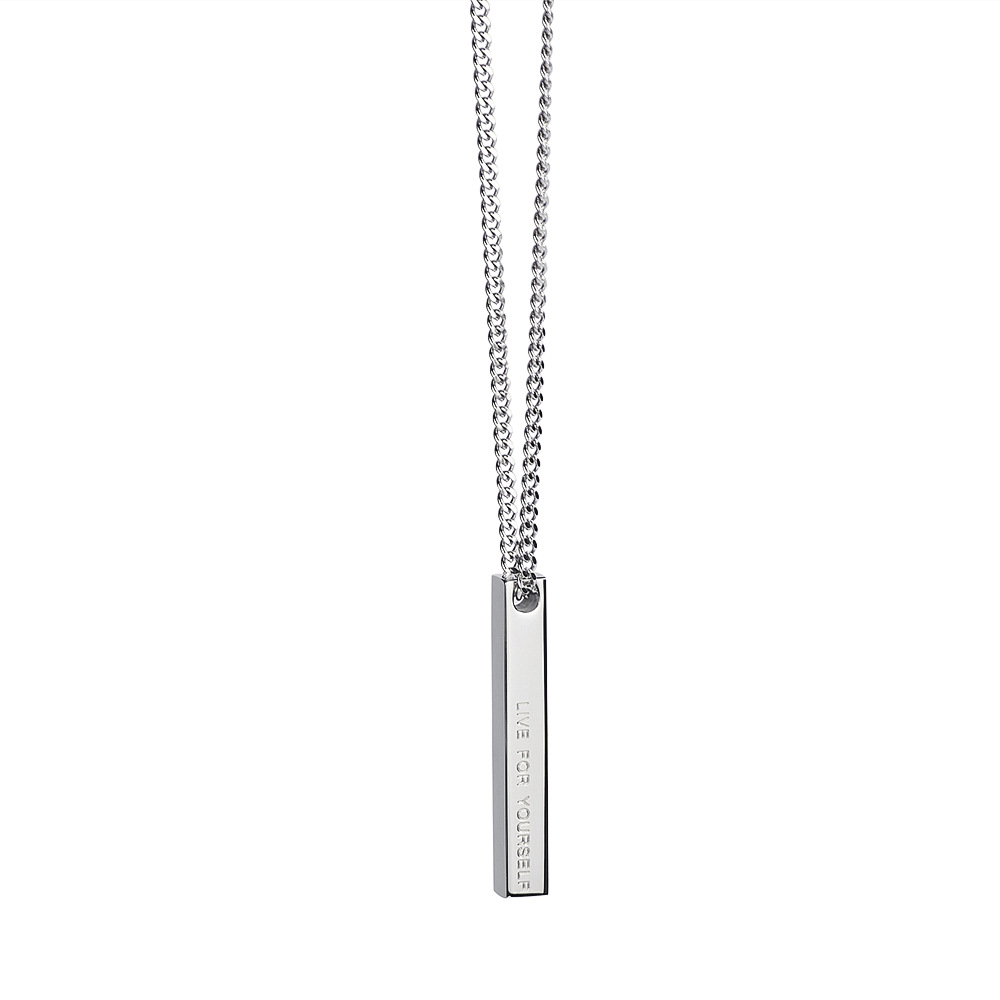
Stainless Steel Bar Pendant Necklace With Live For Yourself Engraving Minimalist Polished Hip Hop Jewelry For Men And Women
$3.35
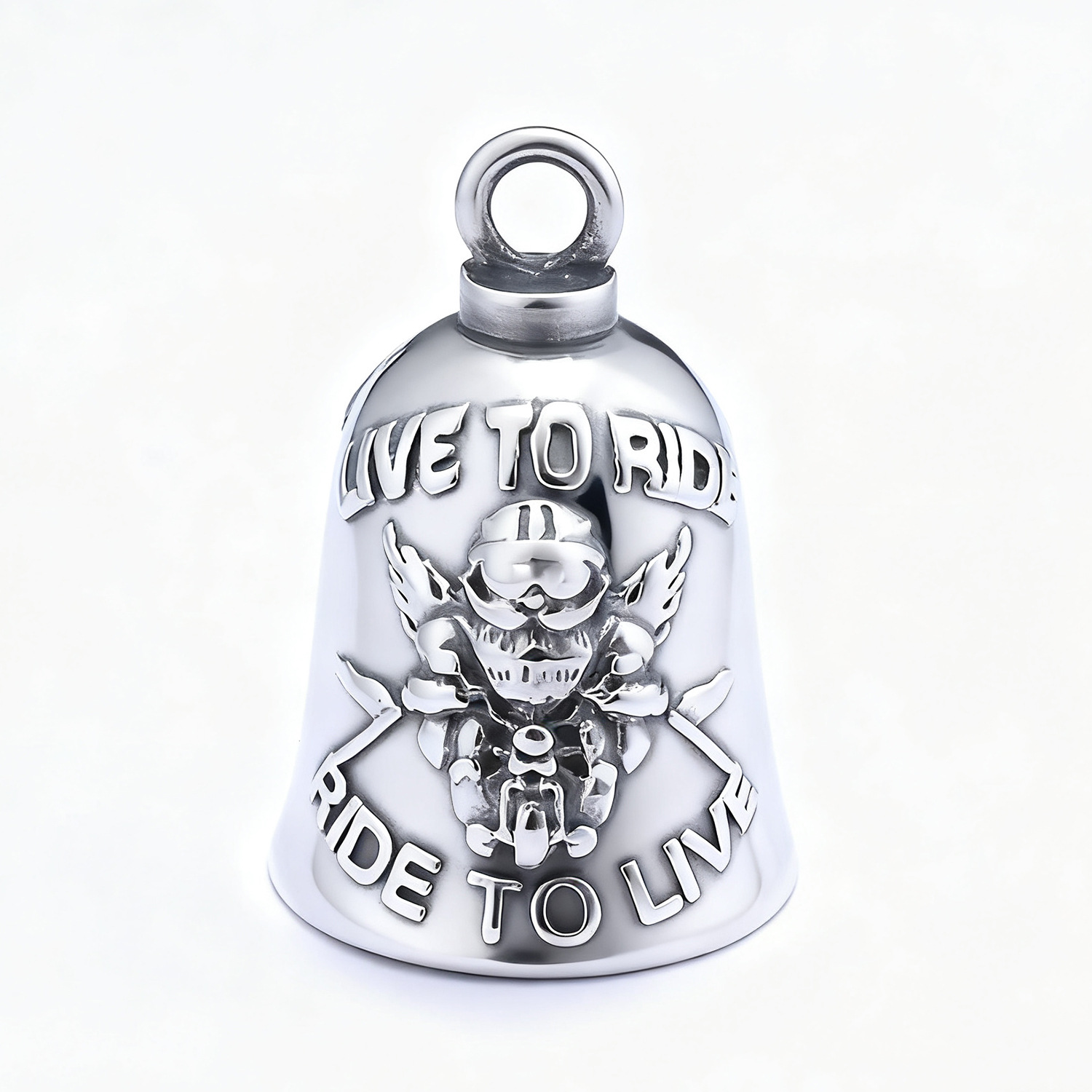
Vintage 316L Stainless Steel Biker Bell Pendant Necklace With Live To Ride Embossed Skull Gothic Guardian Bell Jewelry For Men
$4.42
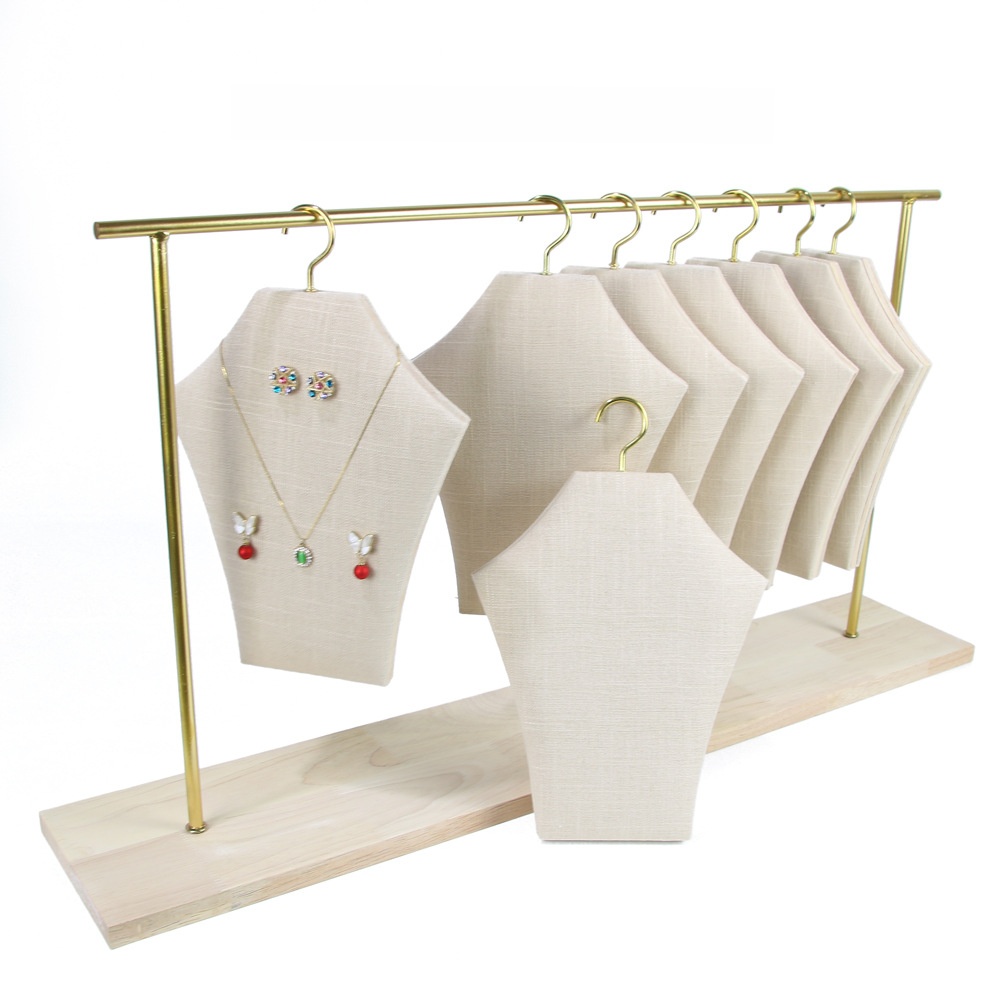
Creative Metal Jewelry Display Stand Wood Base Linen Fabric Necklace Earring Organizer For Boutique Shop Live Streaming Home Jewelry Storage
$10.22
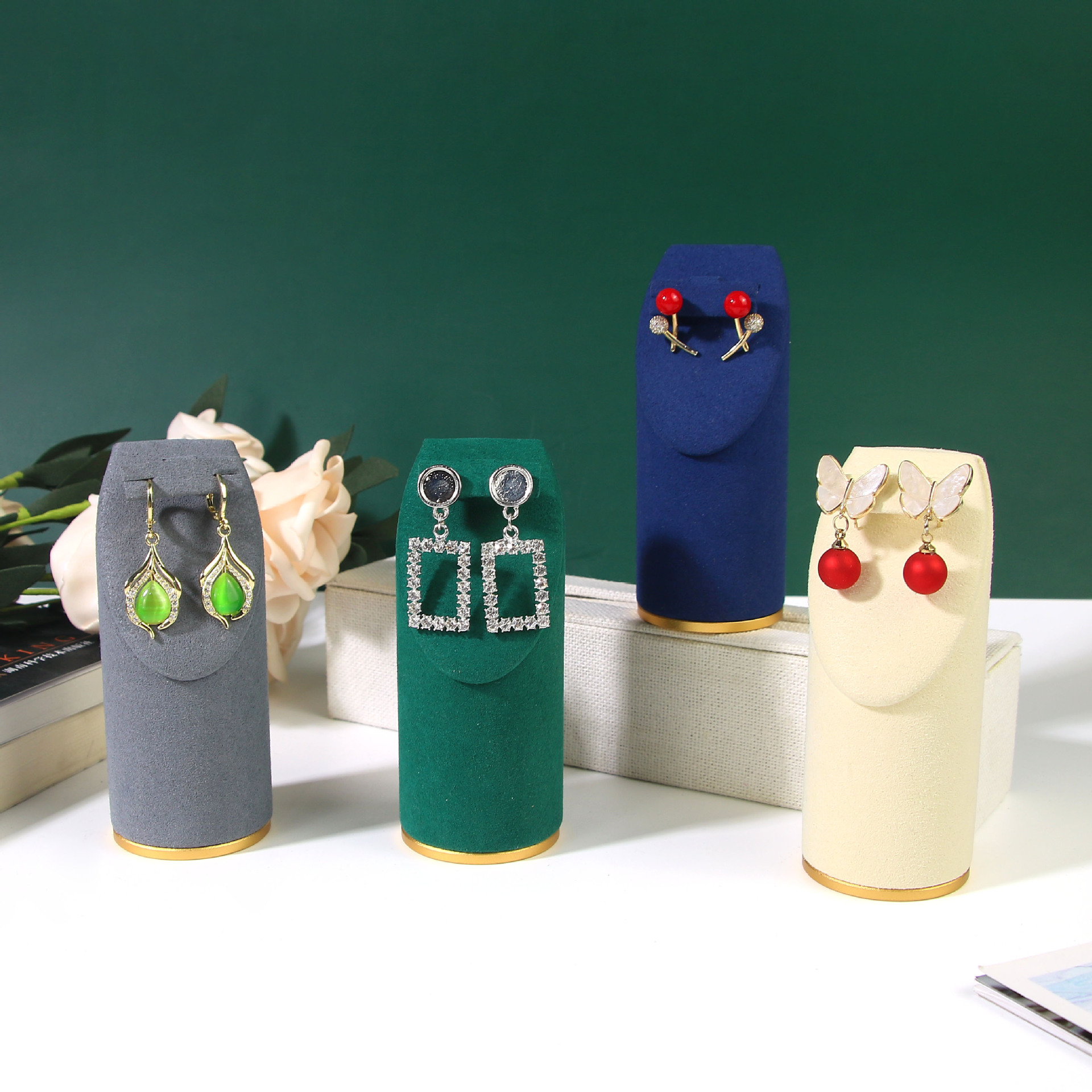
Jewelry Display Stand Metal Microfiber Earring Holder Stud Display Base Cylinder Slanted Design For Showcase Live Stream Jewelry Storage Organizer
$7.47
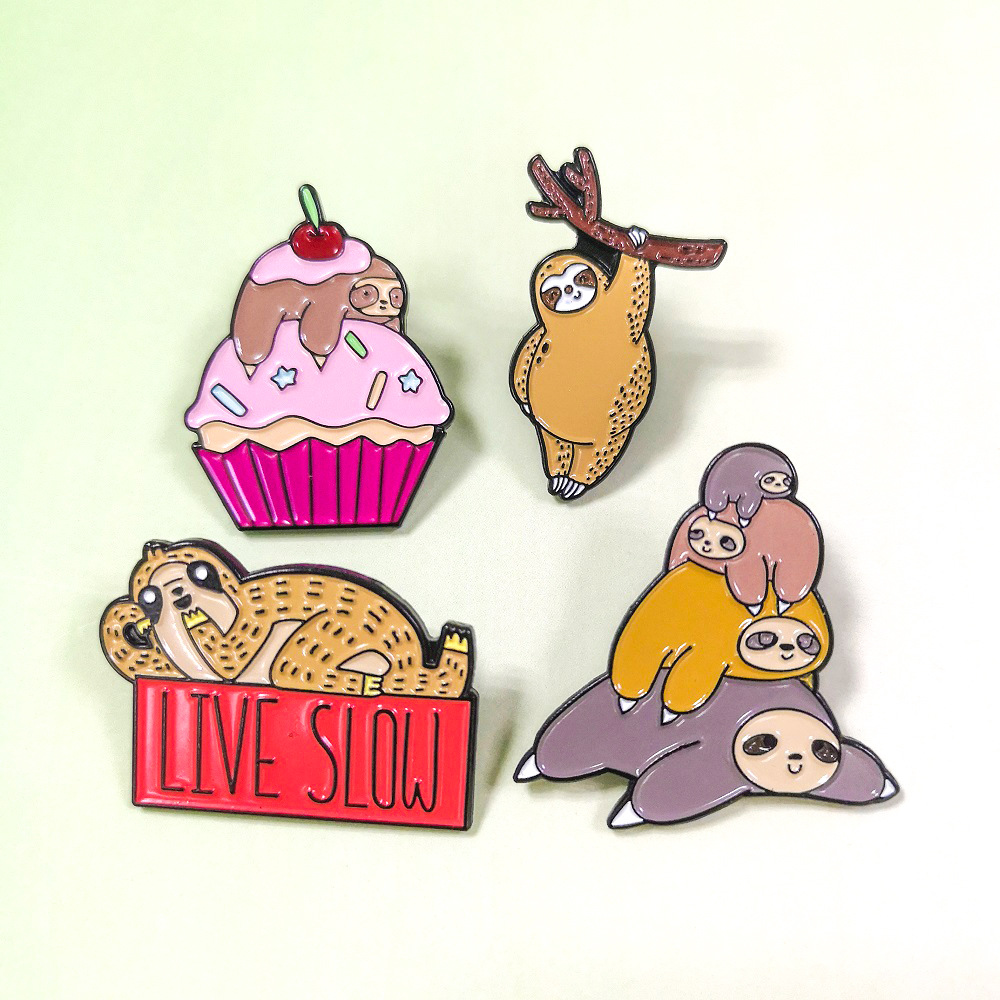
Cute Cartoon Sloth Enamel Pin Set Alloy Animal Brooch With Live Slow Slogan Decorative Lapel Badges For Backpack Clothing Accessories Gift
$0.68
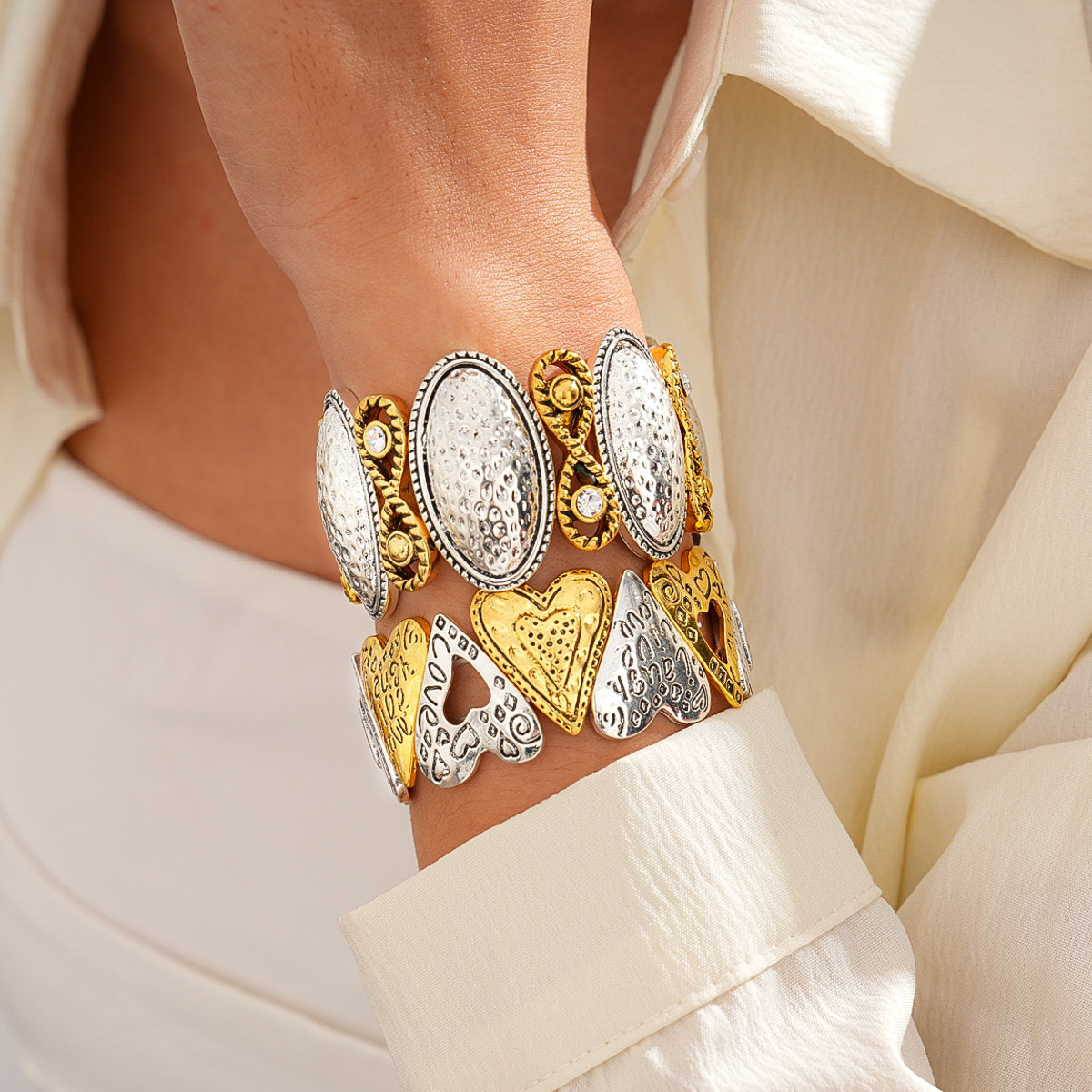
Vintage Bohemian Heart Oval Hammered Two-Tone Gold Silver Alloy Rhinestone Stretch Bracelet For Women Love Laugh Live Engraved Bangle Jewelry
$2.80
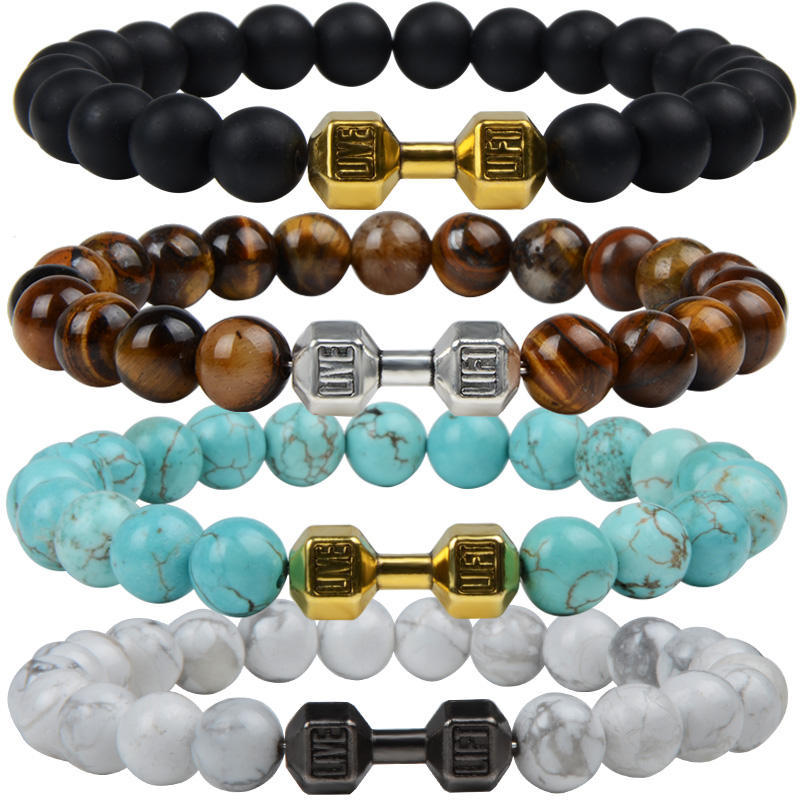
Dumbbell Beaded Bracelet Natural Lava Rock Tiger Eye Turquoise Stone Live Lift Engraving Fitness Workout Jewelry For Men Women Unisex Gift
$0.50
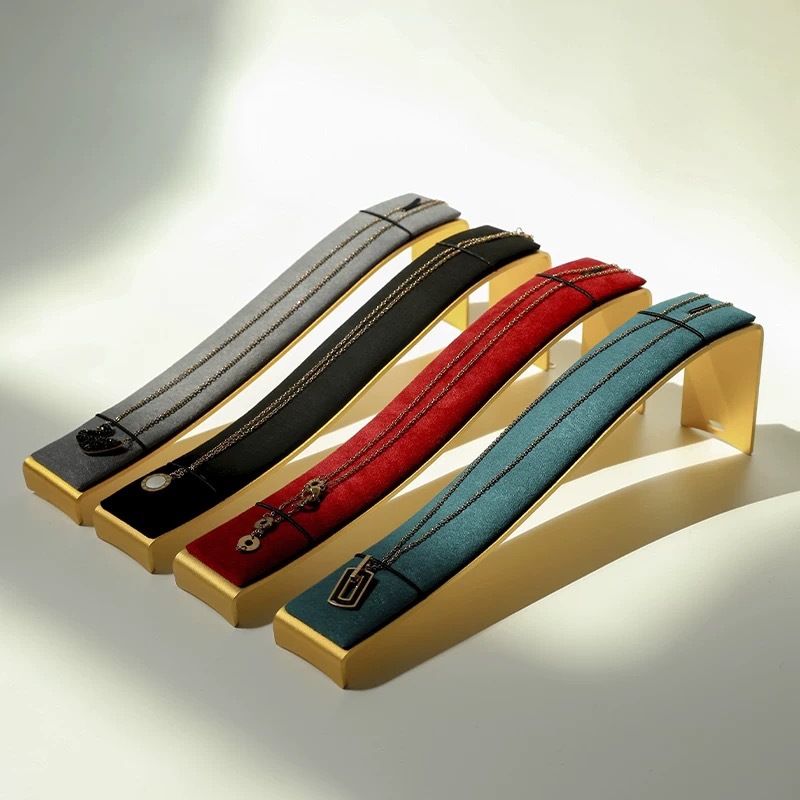
Curved Metal Necklace Display Stand With Microfiber Velvet Surface Luxury Jewelry Bracelet Organizer Holder For Shop Showcases Live Streaming Store Decoration
$7.86
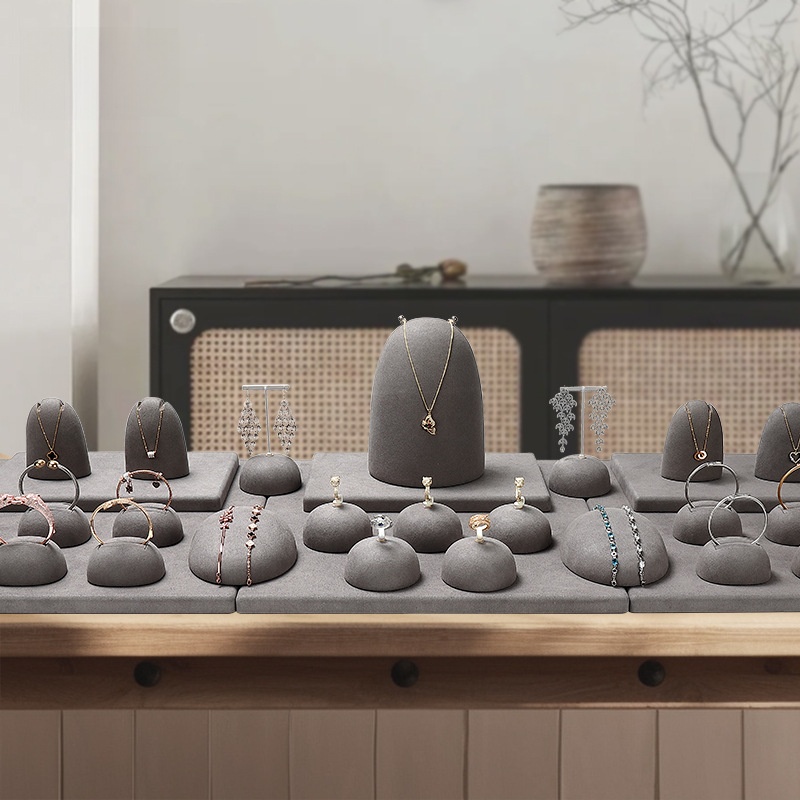
Luxury Microfiber Jewelry Display Stand Set Professional Grey Necklace Ring Earring Holder Props For Jewelry Store Counter Window Showcase Live Streaming
$6.22
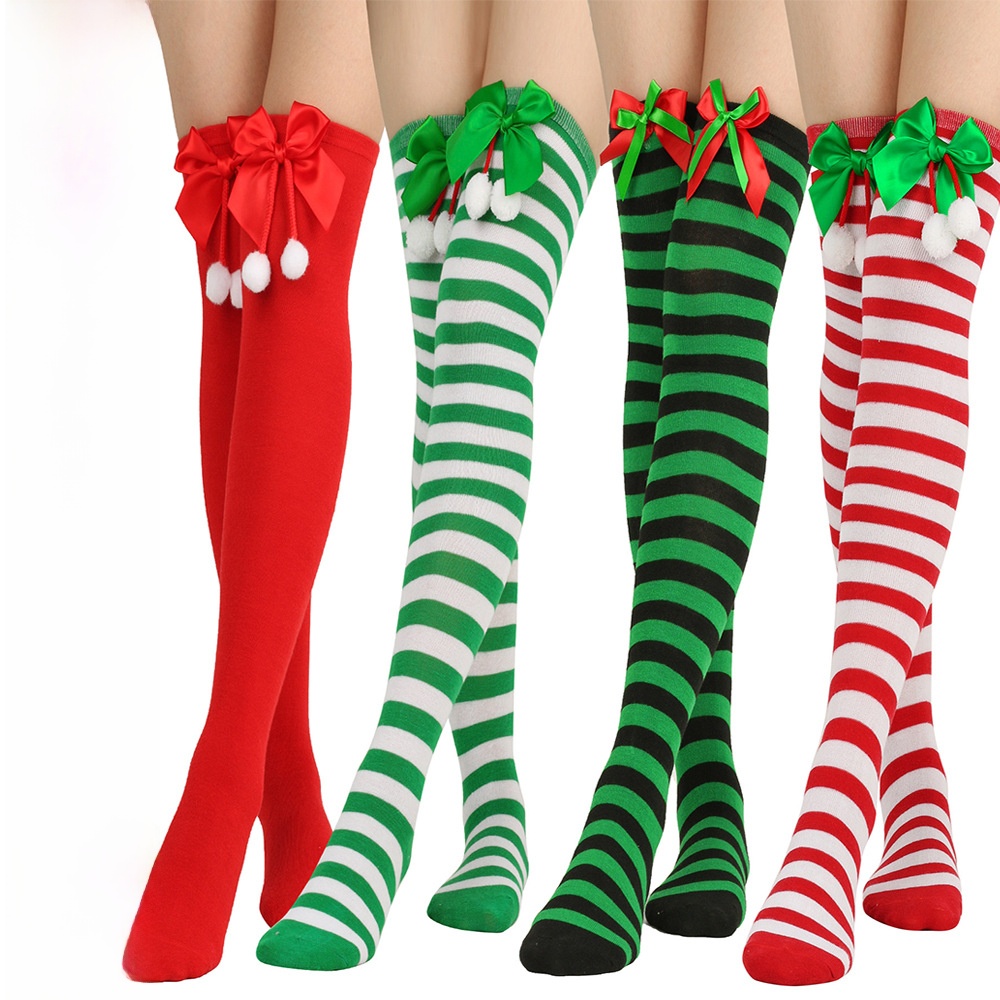
Amazon Supply Christmas Daily Necessities Christmas Socks Black And Green Striped Bow Socks Gloves Dance Costume Props
$1.44
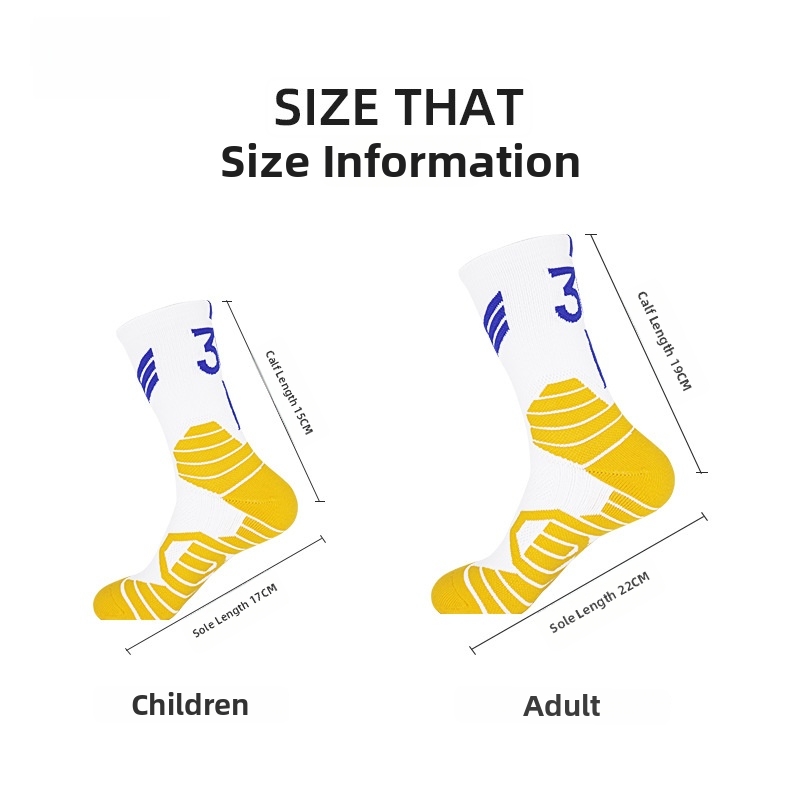
Professional Basketball Socks For Men Women Youth Thickened Cushioned Towel Bottom Sports Crew Socks Athletic Performance Training Number Socks Polyester Cotton Blend Breathable Sweat Absorbent Socks
$1.53
Sourcing bundles that balance margin with compliance
Bundling products by theme or material type makes it easier to request a single test report covering the entire group. For example, a bundle of steel motorcycle pendants can be tested for nickel content in one batch. These bundles are designed to hit different buyer scenarios while minimizing your QC cost per unit.
Motorcycle Gremlin Bell Bundle
For a seller targeting biker gift shoppers. All items are 316L stainless steel—one test report covers all three.
- Vintage Stainless Steel Eagle Guardian Bell Pendanthero
- Vintage Stainless Steel Eagle Bell Pendant Necklacecomplement
- Vintage 316L Stainless Steel Biker Bell Pendant Necklaceupsell
Bundle at $12.00 vs $12.98 separately—saves 7.5%, and one lab test covers all three.
Natural Stone Protection Bracelet Set
For a wellness-focused boutique. Natural stones (lava, tiger eye, amazon stone) are low chemical risk, and the elastic construction is easy to QC.
- Natural Lava Stone Tiger Eye Agate 8mm Beaded Bracelethero
- Natural Amazon Stone Evil Eye Beaded Braceletcomplement
- Dumbbell Beaded Bracelet Natural Lava Rock Tiger Eye Turquoise Stoneupsell
Bundle at $1.85 vs $1.95 individually. Add a $0.50 lead test strip per batch—total QC cost under $0.10 per unit.
Live Streaming Display Essentials
For a seller who does live streams and needs clean presentation. The trays are non-product gear but should be checked for fire retardants.
- Bamboo Wood Jewelry Display Tray Velvet Ring Earring Storagehero
- Curved Metal Necklace Display Stand With Microfiber Velvet Surfacecomplement
- Luxury Microfiber Jewelry Display Stand Set Professional Greyupsell
Bundle at $26.13 vs $29.13 separately. Request CPSC compliance for the velvet microfiber—flammability standard is key for live-streaming props.