
Trend Report · May 12, 2026
How to Validate Jewelry Products Using Just 5 Test Users
Use a 5-buyer test group to validate fashion jewelry inventory before scaling. Step-by-step playbook from DayJewel wholesale.
I need 5 test users
A Reddit post exactly like this — a store owner or marketer asking for five real-world testers for a new AI chatbot — reveals a pattern that can be repurposed for wholesale jewelry sourcing. The core ask is simple: recruit a small, honest group to test something before you invest in a full launch. For accessory buyers, that 'something' can be your next inventory batch.
Why 5? Because five targeted users give you enough signal without drowning in sample costs. The original poster offers 3 months free as incentive. You can swap that for discount codes, free shipping, or a small gift from your test product set. The key is to create a controlled test environment that mirrors real purchase behavior.
This trend ties directly to the low-margin, high-volume reality of fashion accessories. One wrong SKU choice can eat 20% of your budget. With 5 test users, you catch duds before they land in your storage bin. The 'I need 5 test users' approach is not just a chatbot beta — it's a sourcing discipline.
Why the 5-User Test Window Opens Profit Opportunity
The original ask expects the chatbot to be set up in 30 minutes. That speed matches how fast you can build a test campaign for jewelry. You can grab a few products from DayJewel, put together a small bundle, and get feedback within a week. The window is tight because trends shift fast — what works today might be saturated next month.
Three months of free subscription in the original post also signals a low-friction incentive structure. For your test, you don't need to give away expensive samples. A 15% discount code valid for testers only keeps margins intact while making them feel special. The opportunity is to validate both product design and price point before committing to bulk orders.
Also, the source mentions platforms like Shopify, WooCommerce, WordPress, Wix. If you sell on any of these, you can set up a simple test page or product variant visible only to your test group. No heavy development needed. That aligns with the 30-minute setup claim in the original post.
Who Should Run a 5-User Test
This playbook fits best for wholesale buyers who are about to place their first order from a new supplier, or who are testing a new product category they haven't sold before. It's also useful for existing store owners who want to refresh their inventory without guessing. Profiles:
Shopify seller
You can create a password-protected collection for testers, set up discount codes, and track conversion in real time.
Wix store owner
Wix allows hidden pages and custom usernames, so you can gate the test products easily.
WooCommerce user
Plugins like WooCommerce Memberships or simple coupon codes let you restrict access to your test group.
Flea market / pop-up operator
You can give 5 regular customers a 'sneak peek' bundle at a discount and ask for feedback that same day.
Implementation Stages
Recruit Your 5 Test Users
Trigger: You have a shortlist of 5–10 candidate products from DayJewel you want to validate.
Post a short call for testers on your social platforms or relevant online communities (like Reddit, Facebook groups). Offer a 15% discount or free shipping in return for honest feedback.
✓ You get at least 10 candidates. Choose the first 5 that match your target buyer avatar (age, interest, shopping habits).
✗ If you recruit only friends, feedback will be biased. Public requests like the original poster's 'I need 5 test users' ensure strangers who have no personal stake.
Select and Procure Test Inventory
Trigger: Your 5 testers are confirmed.
Order 5 bundles of 3 complementary products from DayJewel (e.g., the Thank-You Tester Kit). Keep total cost per bundle under $3 to maintain a safe margin.
✓ You receive products within 7–14 days. Prepare a feedback form with 5–8 questions.
✗ Ordering single units of expensive items ($3+) increases your upfront risk. Stick to low-cost items like pins, stickers, and small accessories for the test.
Ship Bundles with Clear Instructions
Trigger: Inventory arrives.
Package each tester’s bundle with a thank-you note (use the Pink Gold Foil Stickers, product 278696) and a slip asking them to use the products for one week then complete the feedback form.
✓ Testers feel valued and are more likely to give detailed feedback. The note can include a QR code linking to your form.
✗ If you don't provide a deadline or incentive for finishing the form, testers may ghost you. Offer a $5 store credit for completed feedback.
Collect and Analyze Feedback
Trigger: One week after testers receive bundles.
Send a friendly reminder to fill out the form. Review responses for patterns – which product had the highest praise, any design flaws mentioned, was the price perceived as fair?
✓ You identify 1–2 products with strong buy-intent signals (e.g., 4 out of 5 testers said they'd purchase). You also spot one product that most testers disliked.
✗ Ignoring outlier opinions. If one tester loves a product and others are neutral, re-test on a second small group before killing the SKU.
Decide on Scaling or Redesign
Trigger: All feedback compiled.
If 3+ testers said they'd buy the product, place a small wholesale order (e.g., 50–100 units) from DayJewel. If feedback is mixed, iterate with design tweaks or swap the product for another from the same category.
✓ You scale with confidence, reducing the risk of dead inventory. The 5-user test cost you less than $15 in product and shipping.
✗ Skipping the test and ordering 500 units based on a hunch. That can tie up cash for months.
Selling After the 5-User Test
Once you've validated your products with real feedback, it's time to go to market. Your test group can become brand ambassadors — ask them to leave reviews or share photos. Use the positive quotes from their feedback as social proof in your listings. The test results will also tell you which ad angle works. For example, if testers loved the 'You Need To Calm Down' pin, you know the emotional appeal hits. If the test tube vase was a hit, your audience prefers home decor that doubles as conversation starters. Spoiler: sometimes a product that scored low in the test can be revived by pairing it with a hero item in a bundle. But if two products fail the test, drop them and move on. The 5-user test is cheap insurance.
List the validated products with the exact bundle combination from the test. Use testimonial from one tester in the description. Price the bundled set at a 10% discount vs buying individually.
⚠ Etsy's algorithm may take time to rank new listings; organic discovery is slow without reviews.
Create a short video showing the testers' reactions (with permission) alongside the product. Use the tagline 'Tested and approved by 5 real shoppers.' Offer the same bundle price as the test.
⚠ You need at least one video that goes viral; otherwise, spend on ads.
Create a landing page titled 'The 5-User Test Collection' with the validated products. Add a 'buy the limited edition test bundle' call-to-action. Use email capture for future tests.
⚠ Traffic generation costs can erase margins if not optimized.
Best DayJewel Products for Your Test Bundle
These items are low-unit cost, high-perceived-value accessories that work well in a 5-user test. They let you gauge reactions to design, material, and price without heavy upfront investment.
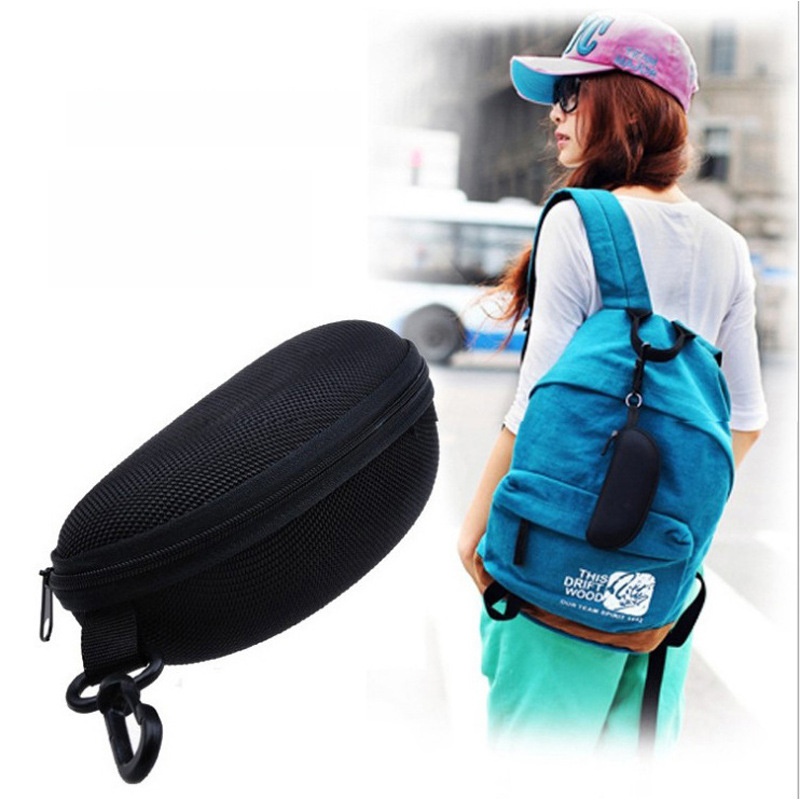
Portable Sunglasses Case Set Nylon Mesh Hard Shell Case PVC Leather Pouch With Microfiber Cleaning Cloth Polarized Test Card Blue Light Blocking Test Lamp Mini Screwdriver Tool For Travel Daily Eyewear Protection Accessories
$0.03

Inspirational Wall Stickers Colorful English Phrases PVC Decals For Classroom Kids Room School Educational Home Decor Everyone Is Welcome Reading Everywhere
$1.10
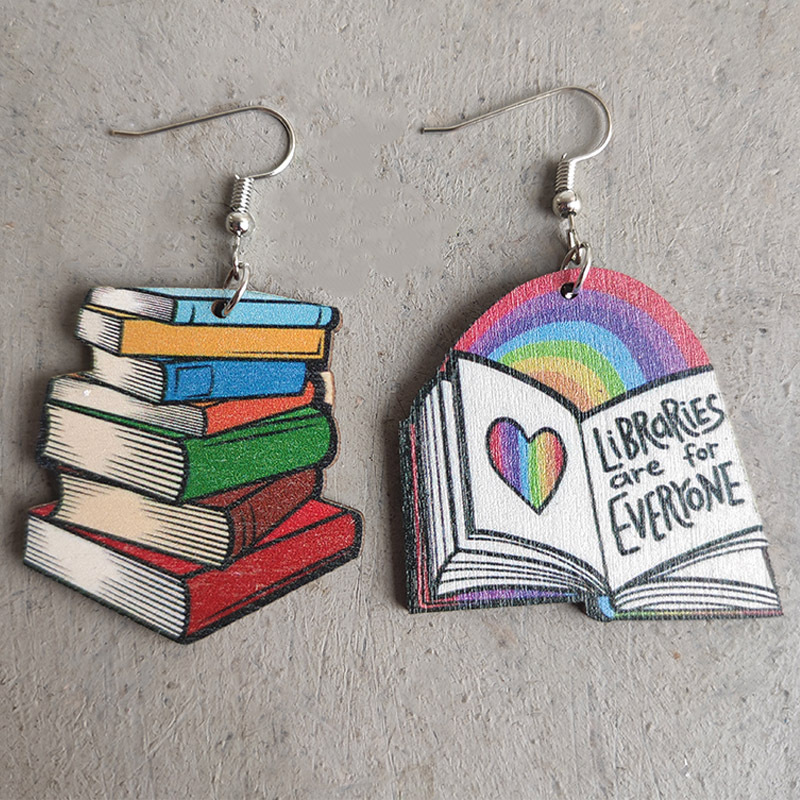
Wooden Book Earrings Rainbow Heart Libraries Are For Everyone Print Reading Theme Drop Earrings For Teachers Students Book Lovers Gift Jewelry
$0.39
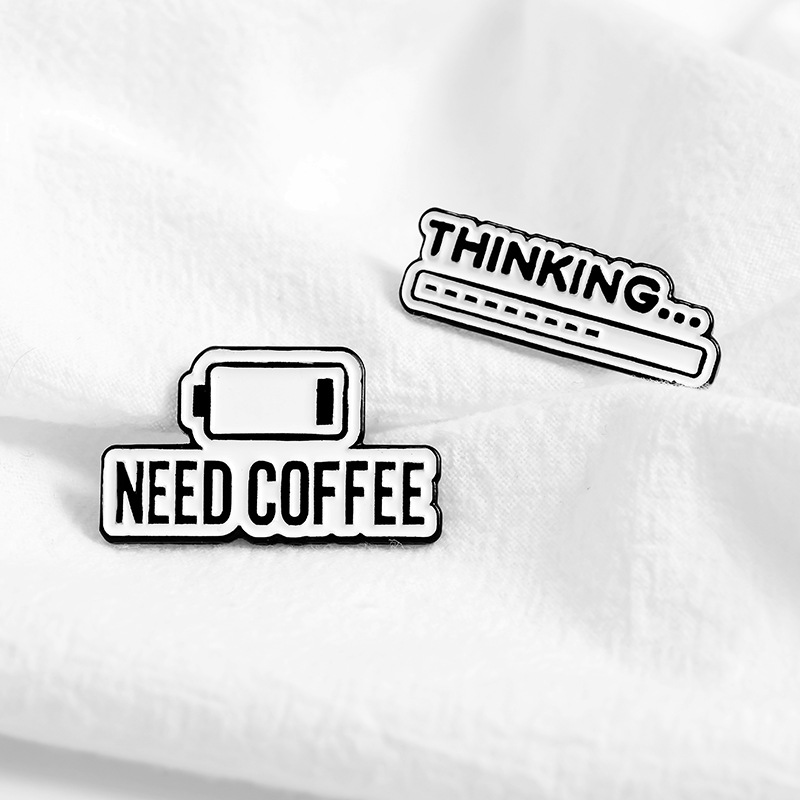
Creative Thinking Progress Bar and Need Coffee Battery Enamel Pins Minimalist Alloy Badges Jewelry for Coffee Lovers Backpack Clothing Decor
$0.50
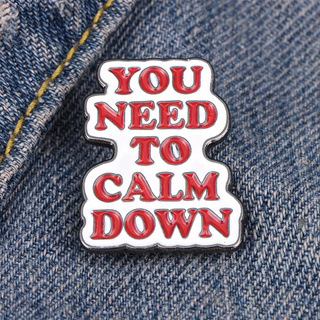
Minimalist Enamel Brooch Pin Metal Inspirational Quotes Lettering Badge YOU NEED TO CALM DOWN For Clothes Backpack Denim Jacket Accessories Women Jewelry
$0.50
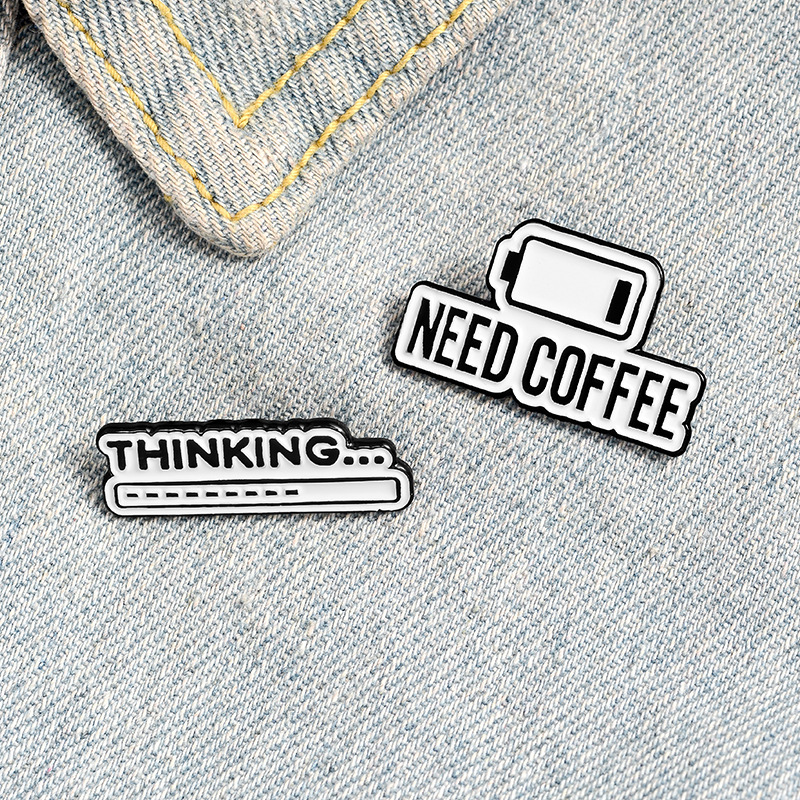
Creative Progress Bar Thinking And Need Coffee Battery Enamel Pin Set Alloy Brooch For Backpack Clothes Denim Jacket Unisex Fashion Jewelry Accessories
$0.50
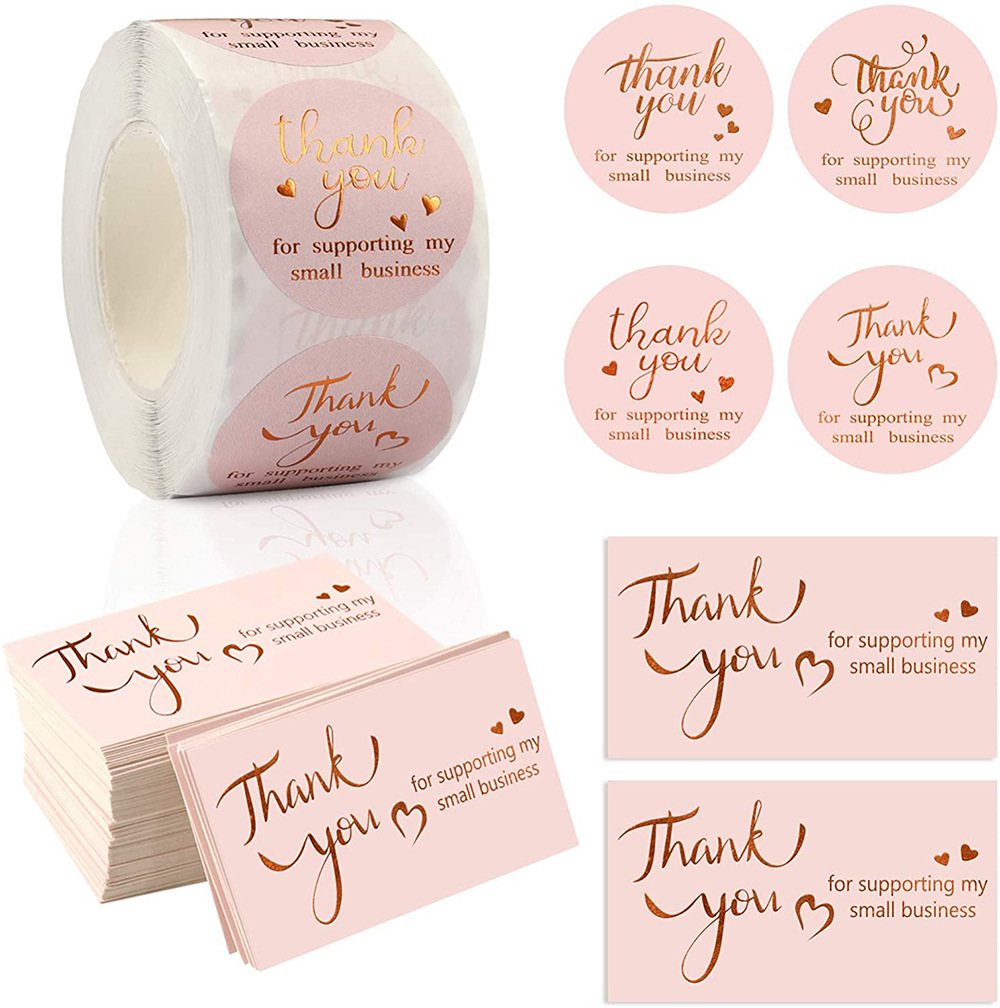
Pink Gold Foil Thank You For Supporting My Small Business Stickers 500PCS Roll And 50PCS Thank You Cards Set For Business Packaging Decor
$0.92
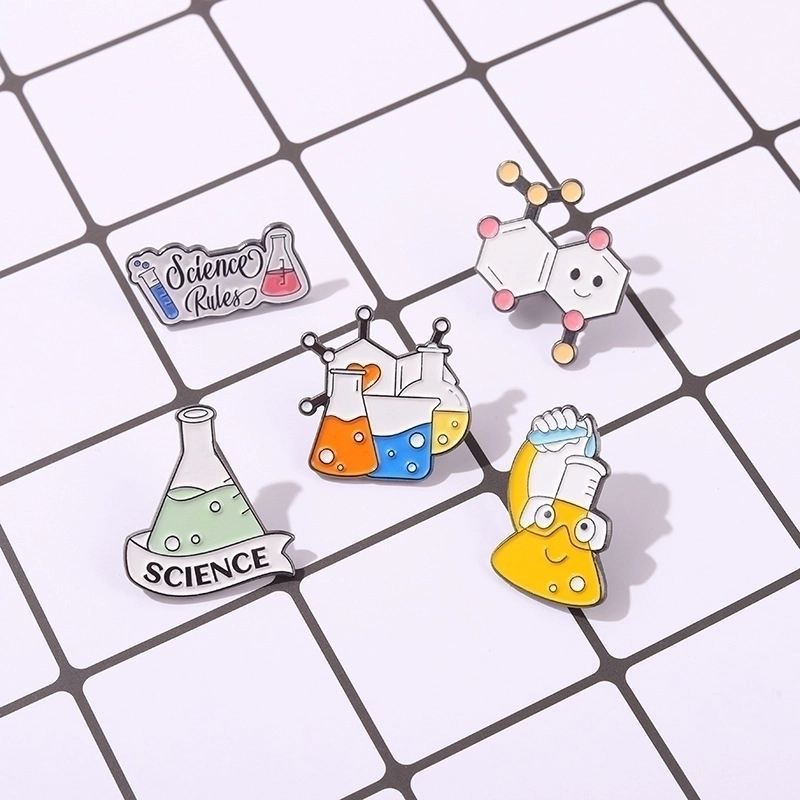
Cute Science Enamel Pins Set Chemistry Lab Beaker Molecular Structure Test Tube Brooch For Students Teachers Backpack Clothing Accessories Jewelry
$0.50
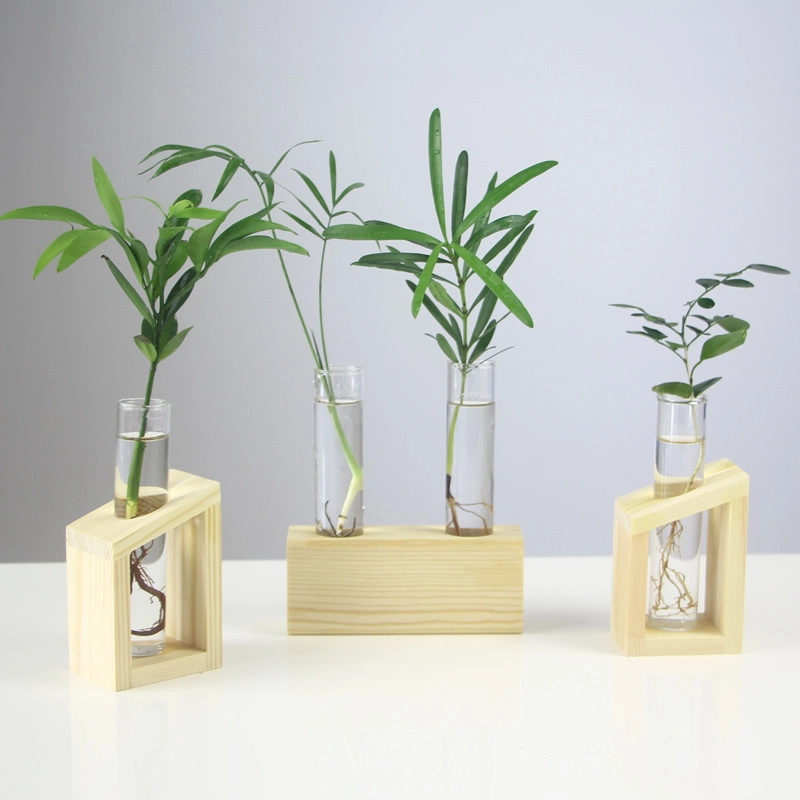
Nordic Glass Test Tube Vase With Wooden Stand Hydroponic Plant Container Creative Minimalist Desktop Decorative Vase For Home Office Decor
$1.73
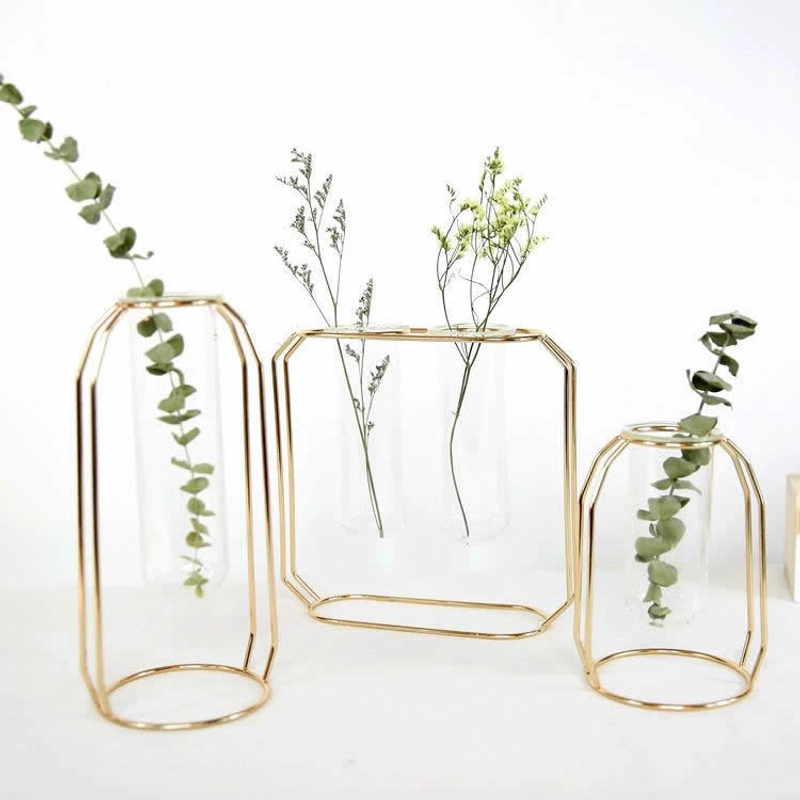
Modern Geometric Metal Frame Test Tube Vase Clear High Borosilicate Glass Hydroponic Planter For Home Office Desktop Decor Nordic Style
$4.32
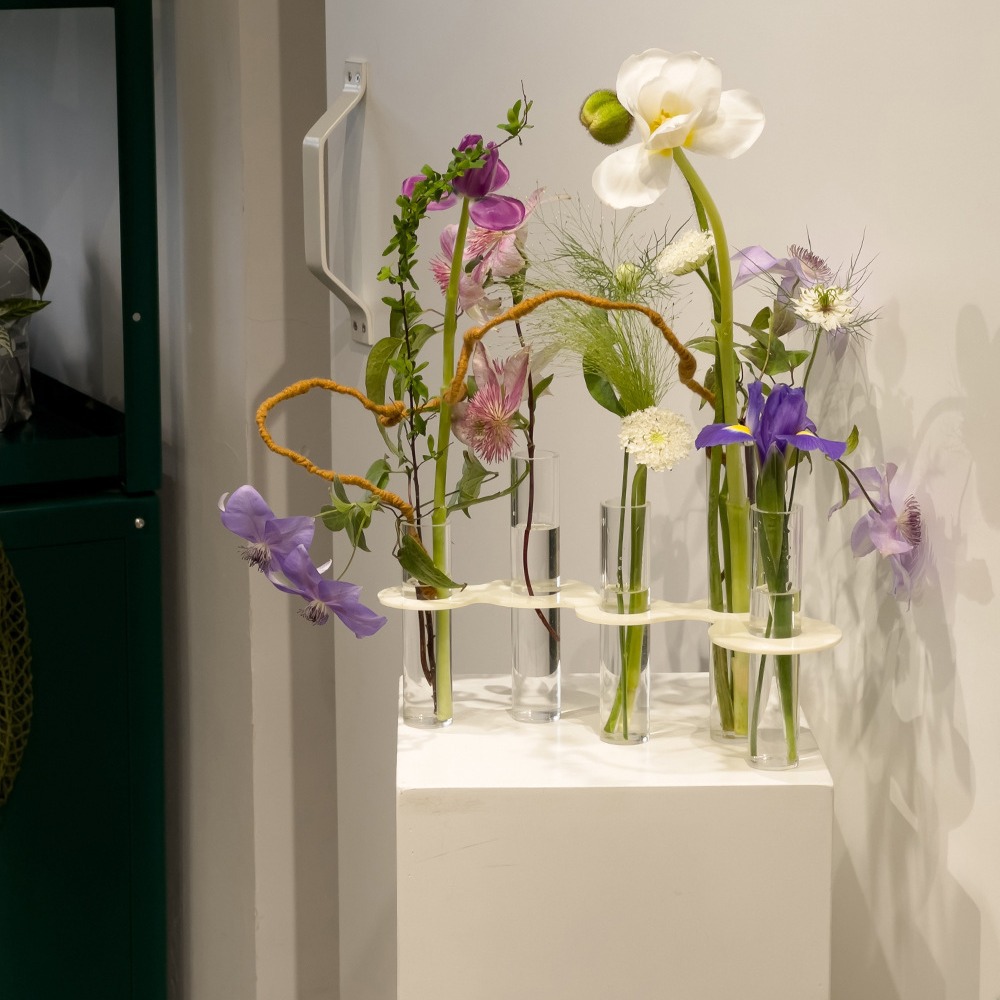
Molecule Test Tube Vase With Acrylic Base Nordic Minimalist Wave Glass Containers For Flower Arrangement Creative Hydroponic Desktop Decor Art Ornaments
$8.21
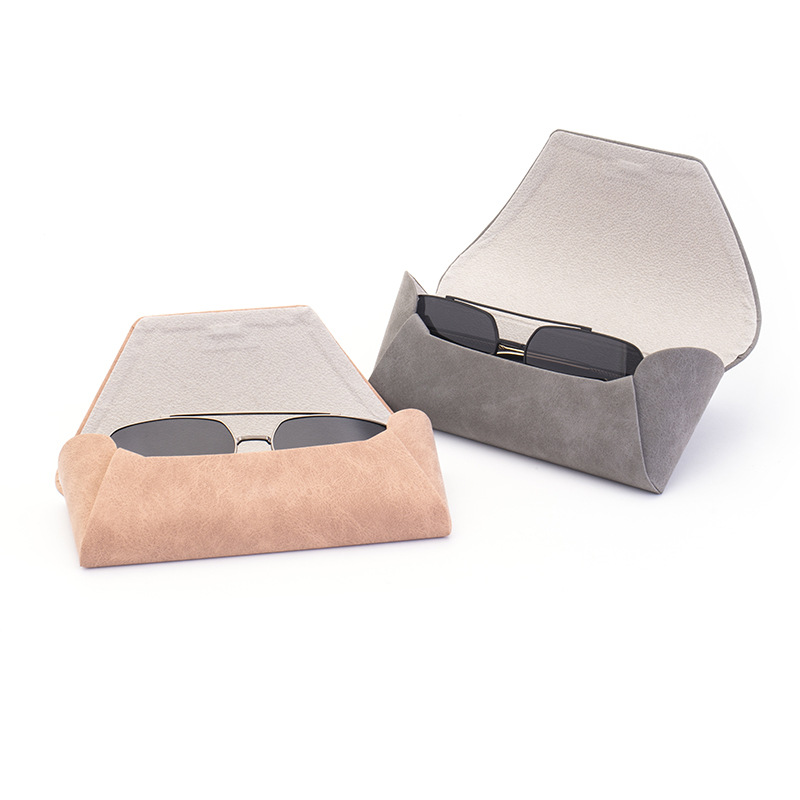
Portable Sunglasses Accessories Set PU Leather Felt EVA Case Cleaning Cloth Screwdriver Polarized Test Card Protective Storage For Eyewear Travel Essential
$0.09
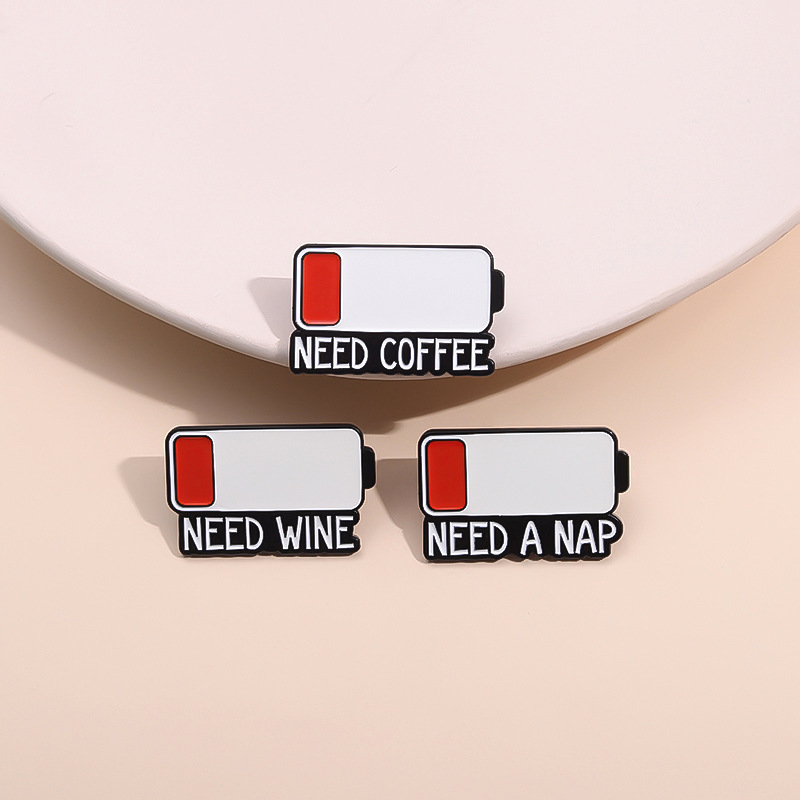
Funny Battery Low Enamel Pin Letter Need Coffee Wine Nap Brooch Metal Badge Zinc Alloy Jewelry For Backpack Jacket Clothing Decor Accessory Unisex Gift
$0.50
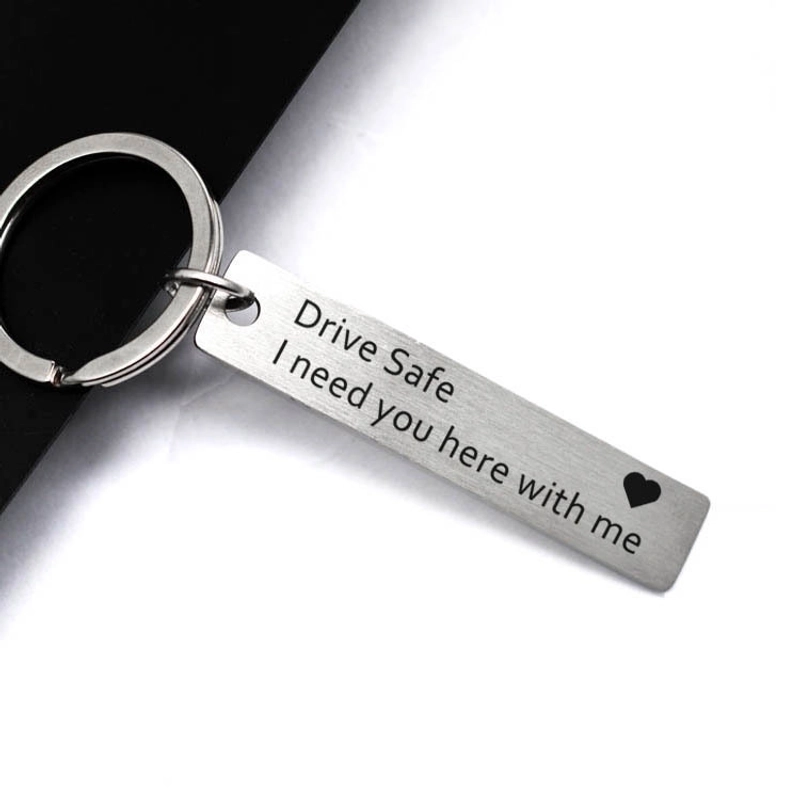
Stainless Steel Engraved Drive Safe I Need You Here With Me Rectangle Pendant Keychain Heart Charm Key Ring Gift For Drivers Boyfriend Husband Silver
$0.31
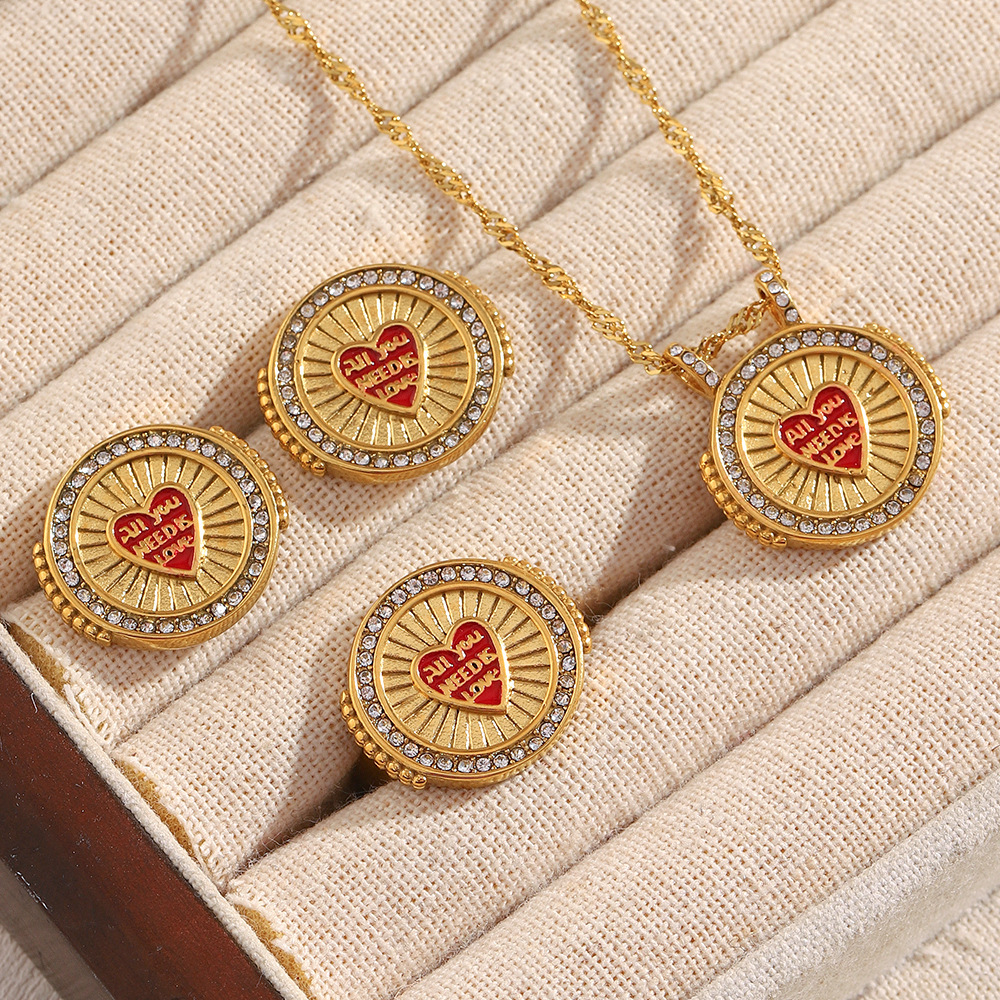
18K Gold Plated Stainless Steel Heart Jewelry Set Red Enamel All You Need Is Love Engraved Necklace Earrings Ring With Zirconia Women Romantic Gift
$3.74

Science Enamel Pin Brooches Chemistry Lab Theme Alloy Metal Microscope DNA Flask Test Tube Lapel Badges For Science Lovers Students Teachers Jewelry
$0.45
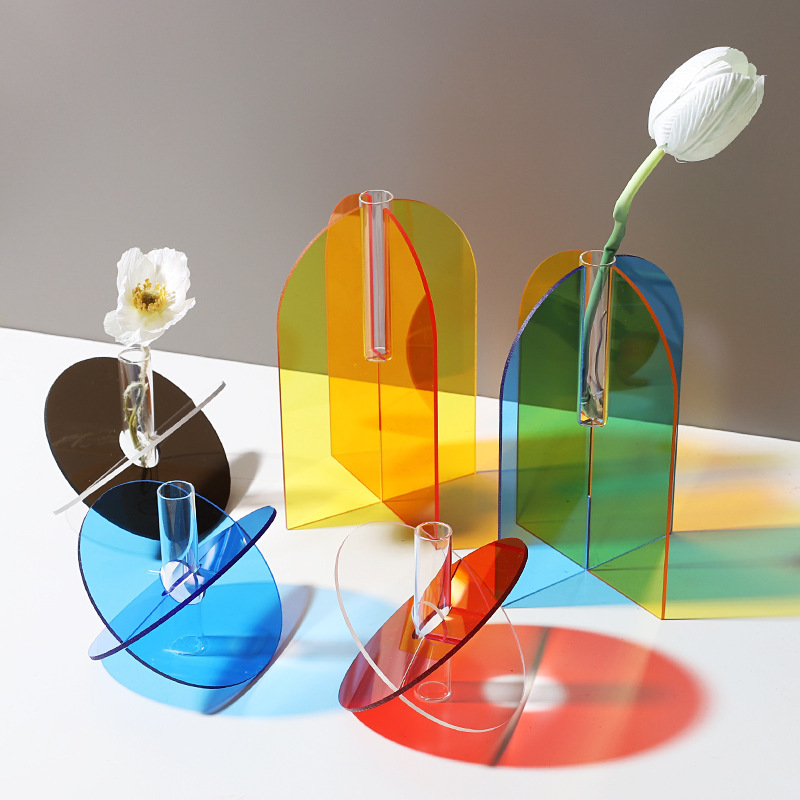
Modern Geometric Acrylic Flower Vase Nordic Minimalist Colorful Ins Style Artistic Hydroponic Vase With Test Tube For Home Office Table Desktop Decor
$2.16
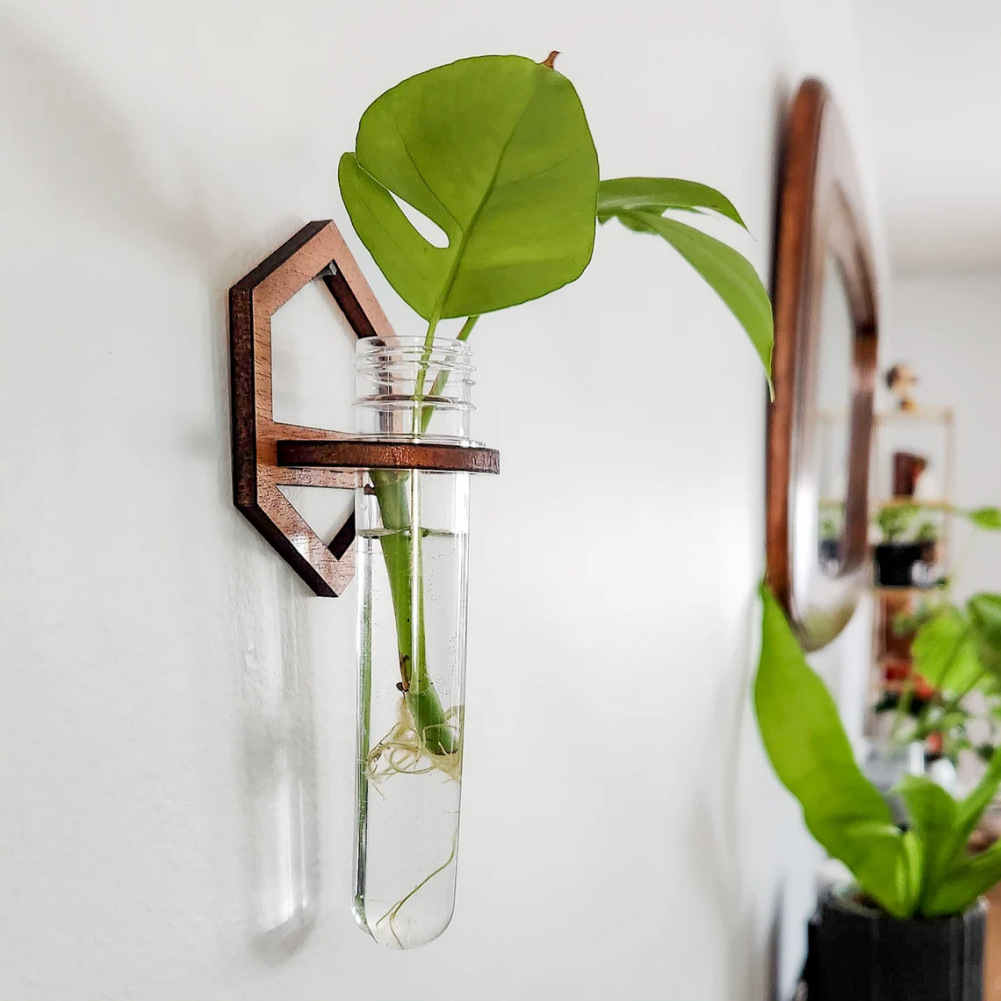
Wall Mounted Propagation Station Wooden Frame With Plastic Test Tube Vase For Hydroponic Plants Indoor Hanging Plant Terrarium Decor For Home Office
$1.44
Test-Ready Bundles for Every Scenario
Bundling lets you present your test users with a cohesive 'mini collection' that feels like a real store experience. Each bundle mixes accessory types to test different price sensitivity and design appeal.
Thank-You Tester Kit
For a new Shopify store owner who wants to test a small accessory line for a launch party.
- Pink Gold Foil Thank You Stickers & Cardshero
- Wooden Book Earrings Libraries Are For Everyoneupsell
- Inspirational Wall Stickers Everyone Is Welcomecomplement
Bundle at $2.00 vs $2.41 separately – saves $0.41 per kit.
Science & Test-Themed Feedback Pack
For WooCommerce sellers launching a 'nerd chic' accessories category and needing honest reviews on quality.
- Science Enamel Pin Brooches Test Tube Microscopehero
- Cute Science Enamel Pins Set – Beaker, Test Tubeupsell
- Nordic Glass Test Tube Vase With Wooden Standcomplement
Bundle at $2.50 vs $2.62 separately – saves $0.12 per kit.
Minimalist Motivational Mood Bundle
For Wix store owners testing a line of inspirational accessories for back-to-school season.
- Minimalist Enamel Brooch Pin YOU NEED TO CALM DOWNhero
- Creative Progress Bar And Need Coffee Battery Enamel Pin Setupsell
- Funny Battery Low Enamel Pin Need Coffee Wine Napcomplement
Bundle at $1.20 vs $1.50 separately – saves $0.30 per kit.