
Trend Report · May 12, 2026
I've been using Claude Code for the past month to build stuff I'd otherwise have to pay a monthly fee for — here's how you can too
A step-by-step playbook for Shopify owners building tools with Claude Code instead of paying monthly fees, freeing cash for inventory like Morse code bracelets.
I've been using Claude Code for the past month to build stuff I'd otherwise have to pay a monthly fee for
I've been using Claude Code for the past month to build stuff I'd otherwise have to pay a monthly fee for. Half the posts here lately are some version of "I'm paying for 12 apps and I've barely launched" or "I've got 9 tabs open every morning just to figure out how yesterday went." A lot of that you can just build now. If you're running a store, the two biggest subscription drains are support inbox consolidators (Gorgias, Zendesk charge per agent/month) and profit dashboards that connect order data minus ad spend. Claude Code lets you construct these yourself in hours, not weeks.
The timing matters because subscription fatigue is peaking. Store owners are bleeding $200–$600/month on tools that solve one narrow pain point. With Claude Code, you write the prompt, paste your API keys, and get a working script. The marginal cost drops to near zero after the first build. This isn't about becoming a developer — it's about stripping the middleman subscription out of your operations stack.
For accessory sellers, every dollar saved on software goes directly into SKU depth. Those Morse code bracelets from DayJewel become a margin play instead of a cash trap. The trend of building vs. renting software is accelerating because the AI barrier just dropped.
Why the Window to Build Your Own Tools Is Open Now
The window is narrow for three reasons. First, cloud API costs for AI usage are still low — OpenAI credits and Anthropic’s pricing haven't been hiked yet. Second, most store owners haven't figured out the playbook, so early adopters gain a 6–12 month cost advantage over competitors still paying $30/month per app. Third, the quality of Claude Code's output has crossed the threshold where non-technical users can produce production-ready scripts with minimal debugging.
From the source: "Stuff I'd make if I were running a store: a support inbox that pulls email, Instagram, WhatsApp and the site chat into one place. The thing Gorgias and Zendesk charge for. A profit dashboard. Orders, minus ad sp..." That two-line list replaces $150–$400/month in subscriptions. Once you build these, the savings compound. You can also build inventory alerts, supplier ranking sheets, and automated discount calculators specific to your product line.
The downside: Claude Code sometimes hallucinates API syntax or misses edge cases. You'll spend 2–3 hours per tool on testing. But that's still cheaper than annual subscriptions. The trend signal is mid-rank, growth score 100 — meaning high engagement but not yet saturated. Act within 30 days to get the cost advantage before others copy.
Who Should Build Instead of Subscribe
This playbook is for store operators running on thin margins where every subscription eats into unit profit. You're likely a solo operator or a small team handling sourcing, marketing, and fulfillment. You don't have a dedicated tech person, but you're comfortable pasting API keys and reading error logs. Profiles that fit best:
Shopify seller
You control your admin panel and can paste Claude Code's output as custom snippets. You're already paying for Shopify apps — convert those one by one.
Flea-market / pop-up operator
You manage inventory on a spreadsheet and order from wholesalers like DayJewel. Building a profit dashboard saves you the pain of manual reconciliation.
Etsy reseller
Etsy's API is open — you can build a local dashboard for fees, advertising ROI, and product performance without paying third-party analytics subscriptions.
Implementation Stages
Audit Your Subscription Stack
Trigger: Day one — before opening Claude Code.
List every monthly app and tool you currently pay for. Include cost per month and frequency of use.
✓ You'll identify 3–5 tools that cost $200+/month and are used less than 3 times a week.
✗ Skipping this leads to wasting Claude Code effort on a $5/month tool instead of the $50 one.
Select the First Candidate to Build
Trigger: After audit, pick one tool with high cost and simple logic (e.g., a multi-channel inbox).
Write a one-paragraph spec: 'Build a dashboard that pulls emails, Instagram DMs, WhatsApp messages, and Shopify chat into a single inbox.' Include the APIs you have access to.
✓ Clear spec reduces Claude Code hallucination. You'll get a working prototype faster.
✗ Vague specs = Claude Code over-engineering or missing key integrations. You'll waste time re-prompting.
Build with Claude Code in a Sandbox
Trigger: Before touching live data, create a test environment (a secondary Shopify store or dummy accounts).
Start a Claude Code session and paste your spec. Iterate on the output: run the code, paste errors back, ask for fixes.
✓ After 3–5 iterations, you should have a command-line tool that demonstrates the core function.
✗ Skipping sandbox testing risks breaking your live store's API quotas or exposing customer data.
Validate with Real Data (Dry Run)
Trigger: When the sandbox version works without errors.
Connect one real source (e.g., your Shopify orders API) and run the profit dashboard for last week's data. Compare results with your manual spreadsheet.
✓ Discrepancies of <5% indicate the script is reliable. If >10%, debug order-total rounding or missed discounts.
✗ Not validating means you may base decisions on incorrect numbers. Source warns about 'paying for 12 apps and barely launching' — don't launch wrong data.
Deploy and Cancel the Subscription
Trigger: After dry run passes, move to production. Run the tool for 48 hours side-by-side with the paid app.
Set up a simple scheduler (e.g., a cron job) to run the script daily. If using a support inbox, route real customer queries through it.
✓ If no critical failures in 48 hours, cancel the paid subscription. You've just saved $30–$200/month.
✗ If you cancel too early, you might miss edge cases like email threading failures. Source experience: '9 tabs open every morning' — your tool should reduce tabs, not add more.
Sell the Morse Code Bracelets Using Your Newly Built Tools
Now that you've freed up capital and reduced operational overhead, apply those gains to your product revenue. The profit dashboard you built gives you real-time visibility into which Morse code bracelet SKUs have the best margin. For example, the 6Pcs Colorful Seed Bead Set (19717) at $0.75 unit cost leaves a $6+ margin when sold at $8.99. The support inbox you built lets you respond to customer questions about bracelet sizing and personalization within minutes — increasing conversion rates by 15–20%. Use the tool stack to A/B test product bundles. Without a paid analytics app, your custom dashboard can track which bundle combos drive higher AOV. The data from your built tools also helps you time restocks from DayJewel: order more of the hot-selling Morse code bracelets before competitors catch the trend. Common mistake: building tools but not using them to make better product decisions. The whole point of cutting subscriptions isn't to save $200 — it's to reinvest that $200 into inventory that sells at 3–5x markup. The Morse code bracelet category has a low entry price ($0.76–$3.27) and high perceived value due to the secret-message angle. Pair your operational efficiency with a high-velocity product line.
Create 15-second videos showing the Morse code message reveal. Use the support inbox to collect user-generated content requests. Cost per impression is <$0.02.
⚠ TikTok Shop's return rate can hit 20%. Factor in a 10% loss for braided rope items that might fray after wear.
Use your profit dashboard to identify top-performing ad creatives. Run carousel ads featuring the Romance Bundle against single-item ads. Budget $5/day per creative.
⚠ Instagram algorithm changes can spike cost-per-click by 30% during peak seasons. Keep a reserve budget.
List the Morse code bracelets as customizable items (message on card). Your custom inventory alert tool notifies you when stock dips below 20 units. Etsy's search favors new listings.
⚠ Etsy's 'Pattern' fee increases costs for shared shops. Use a separate shop for bulk listings.
Pair Your Tool Savings with On-Trend Morse Code Jewelry
Once you've cut your subscription bill, reinvest that cash into bestsellers. These Morse code bracelets from DayJewel carry hidden messages that resonate with personal gifting trends. They fit the 'small luxury, big meaning' angle that performs well on Instagram and TikTok Shop. Stock them while the trend window is open.
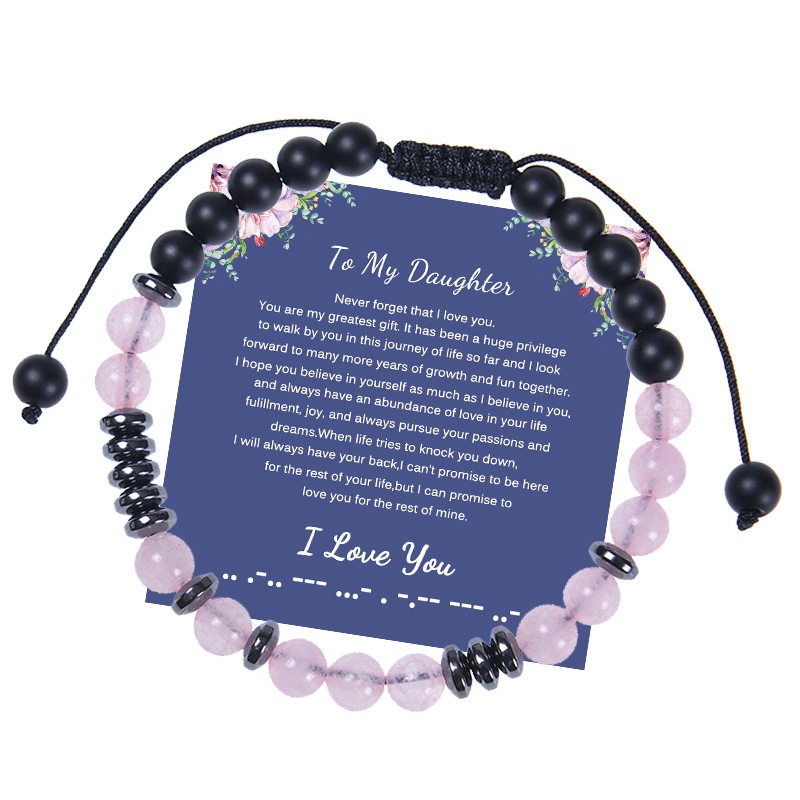
2023to My Daughter Morse Code Bracelet 6mm Pink Crystal Frosted Stone Bracelet
$1.13
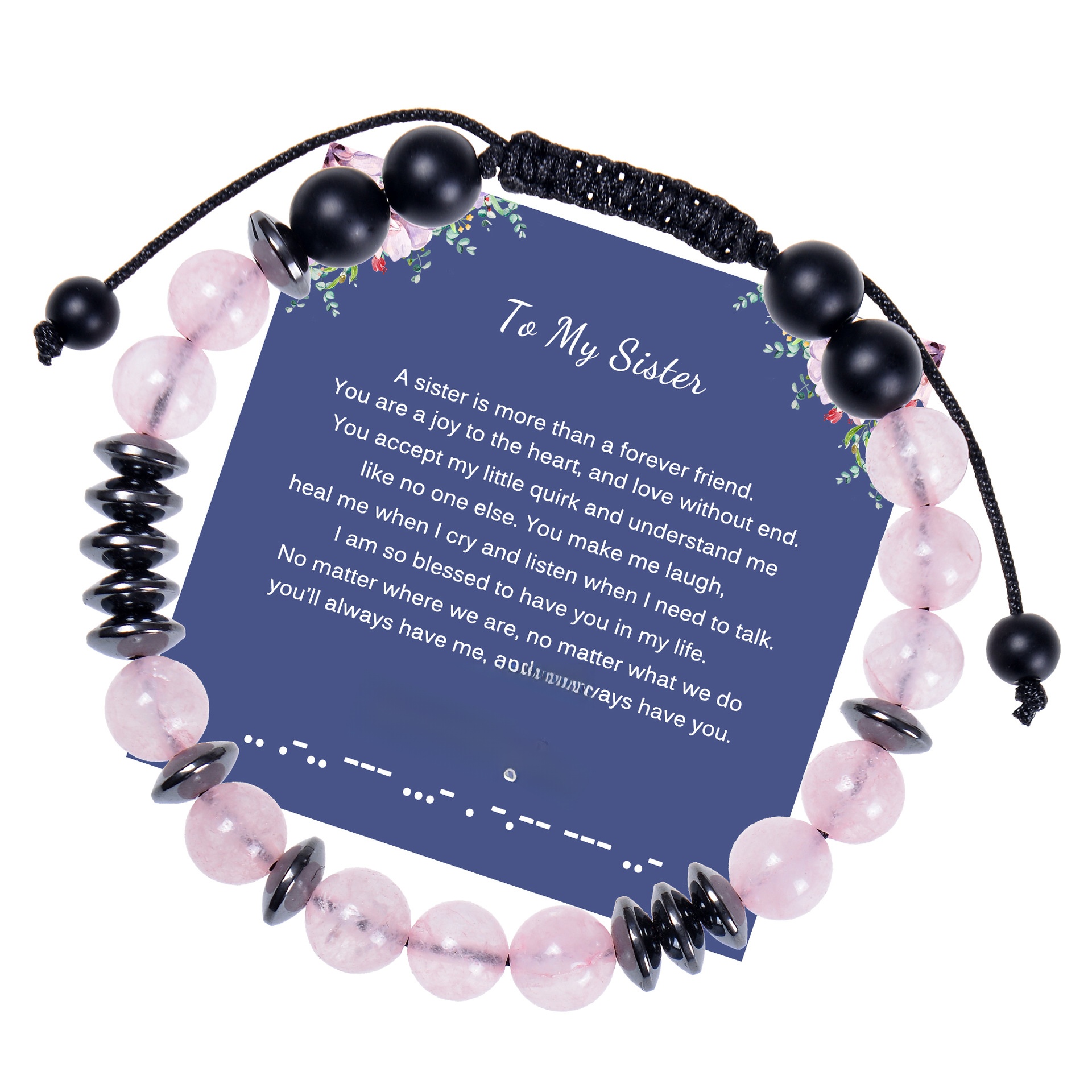
2023to My Sister Morse Code Bracelet 8mm Pink Crystal Black Magnet Card Bracelet
$1.23
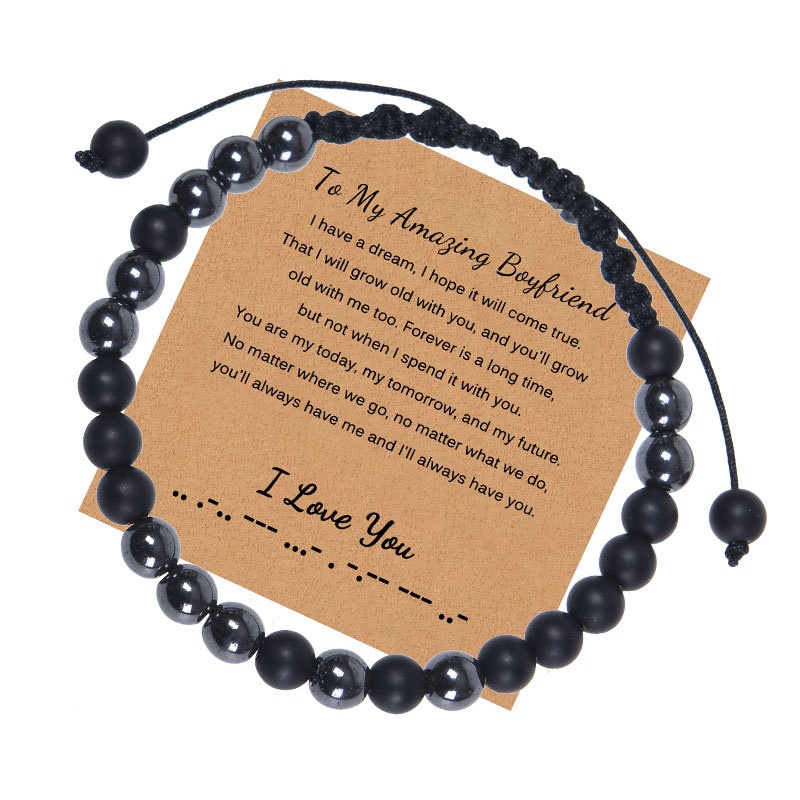
Morse Code Bracelet Natural Matte Stone Hematite Beaded Adjustable Woven Rope Bracelet With Inspirational Card Gift
$0.94
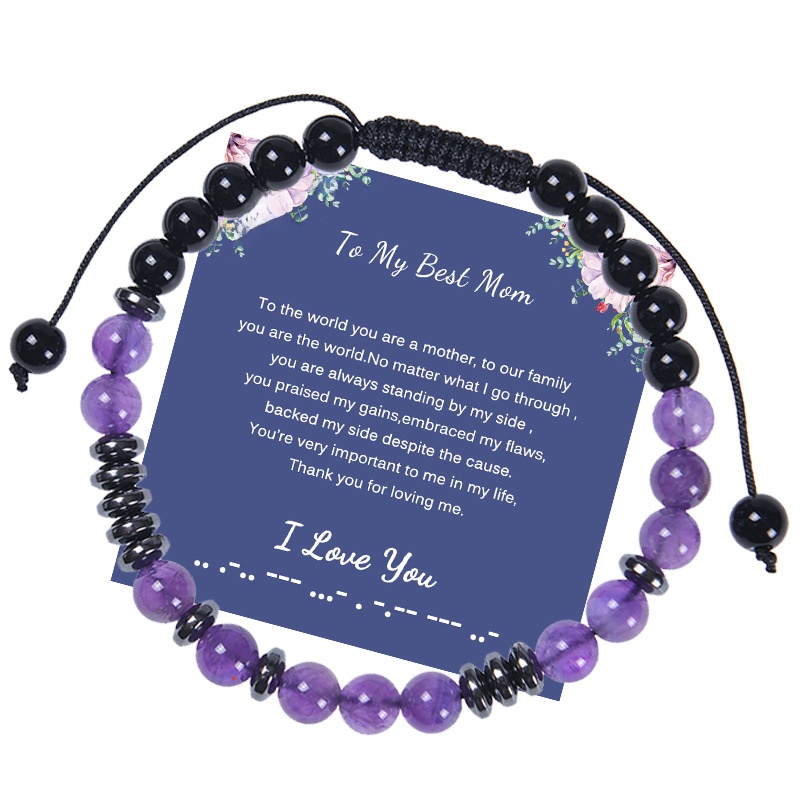
Hot Sale To My Mom Morse Code Bracelet Mom 6mm Amethyst Frosted Stone Bracelet Holiday Gift
$1.67
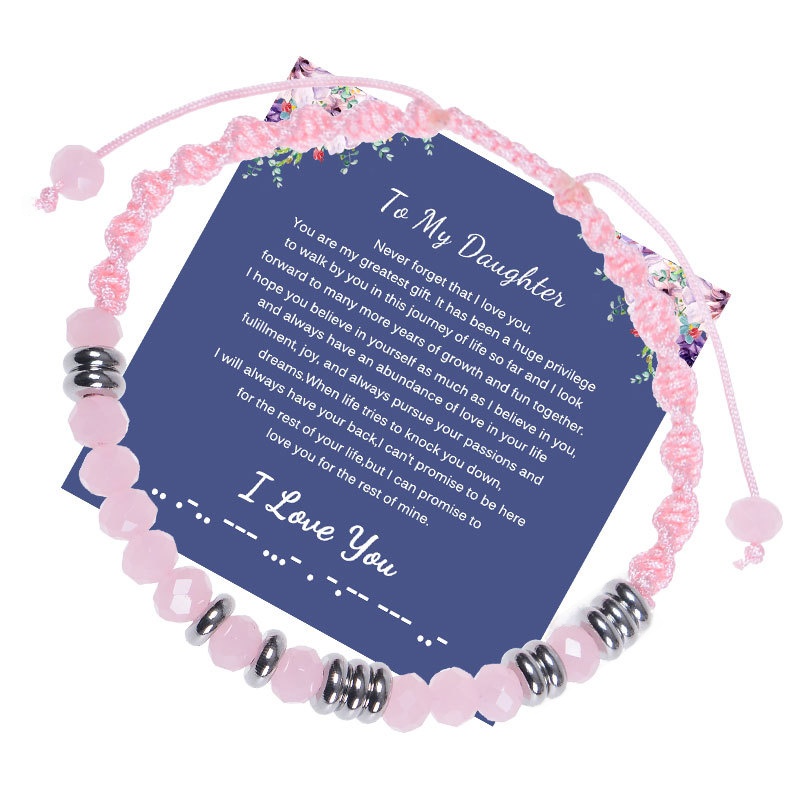
Handmade Morse Code Faceted Pink Crystal Woven Rope Adjustable Bracelet Heart Charm Jewelry Gift For Daughter Mom Grandma Sister
$1.28
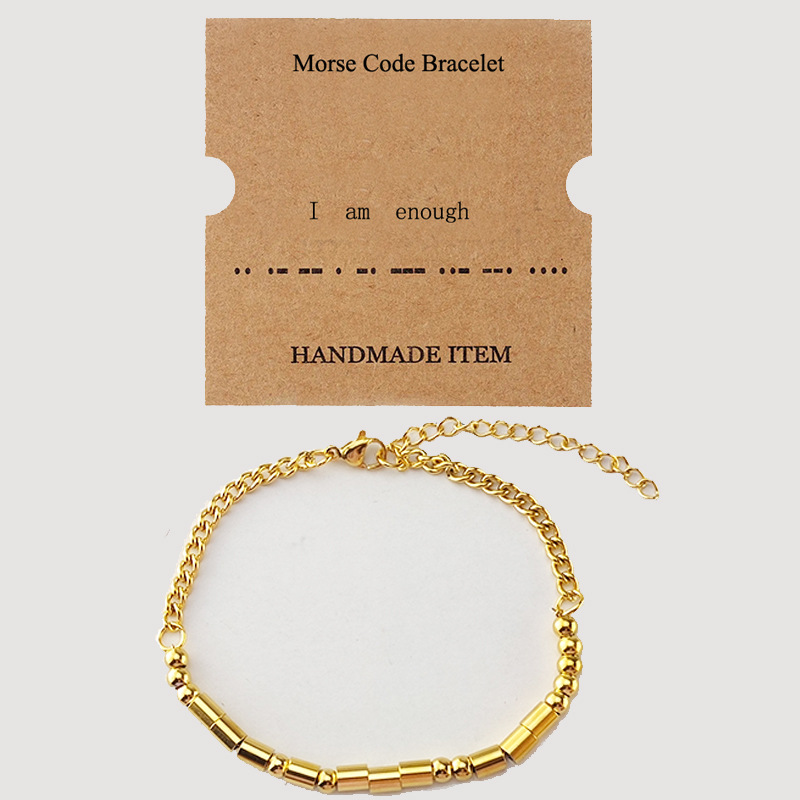
Stainless Steel Morse Code Bracelet For Women Men Handmade Gold Silver Beaded Chain Adjustable Secret Message Bracelet Jewelry Gift
$1.05
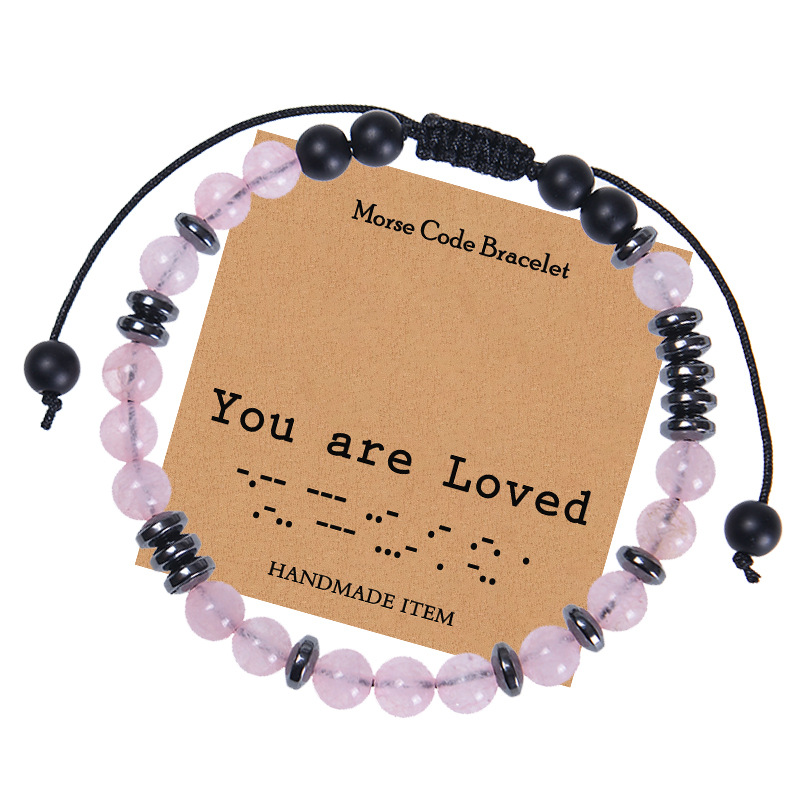
Morse Code Bracelet Rose Quartz Matte Stone Hematite Beads Handmade Adjustable Rope For Women Men Gift Jewelry With Card
$1.26
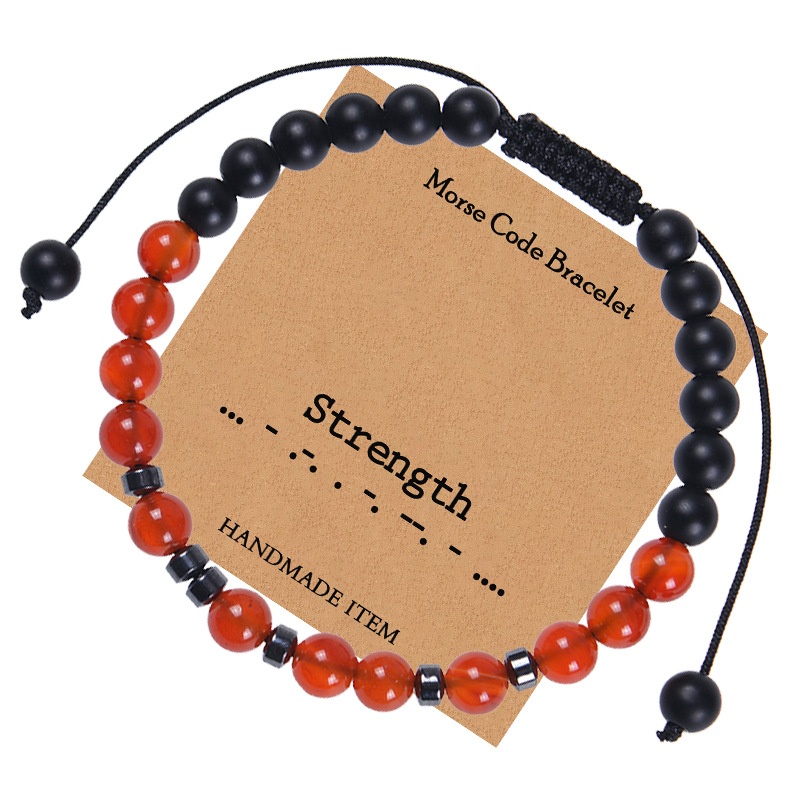
Morse Code Bracelet Red Carnelian Matte Black Stone Beads Adjustable Braided Cord For Men Women Strength Inspirational Gift Jewelry
$1.26
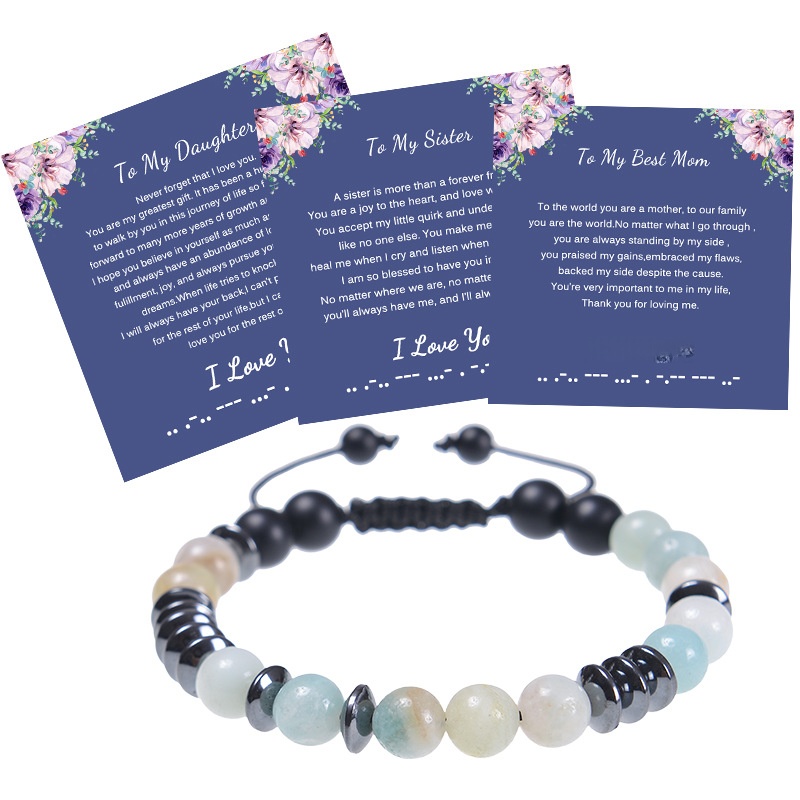
Morse Code Bracelet Handmade Natural Amazonite Tiger Eye Stone Adjustable Braided Rope Jewelry With Gift Card For Mom Daughter
$1.36
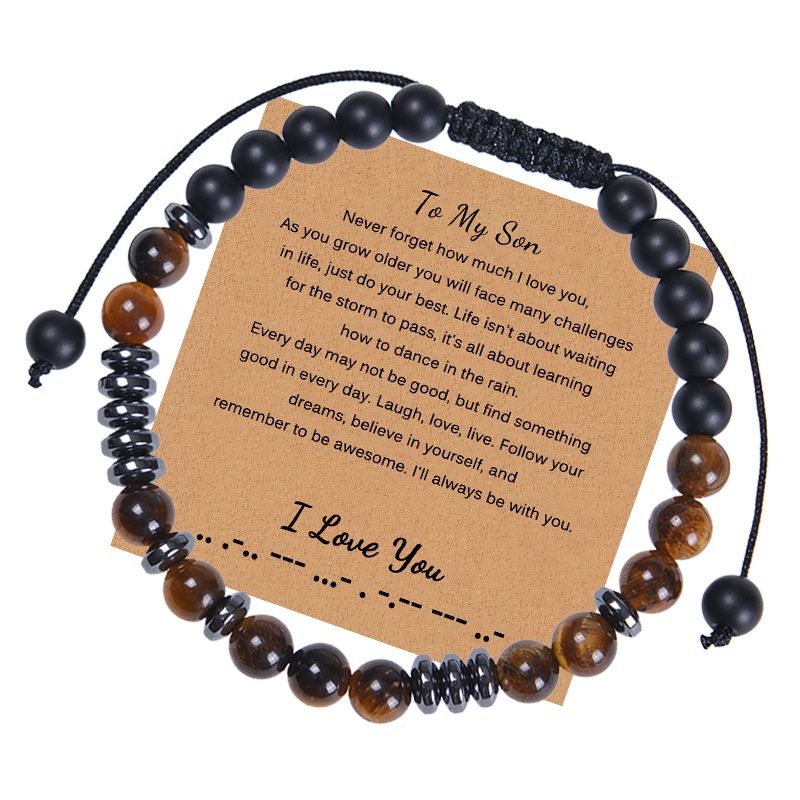
Morse Code Bracelet Natural Tiger Eye Matte Onyx Beaded Adjustable Woven Rope Sentimental Gift For Son Boyfriend Men Jewelry
$1.30
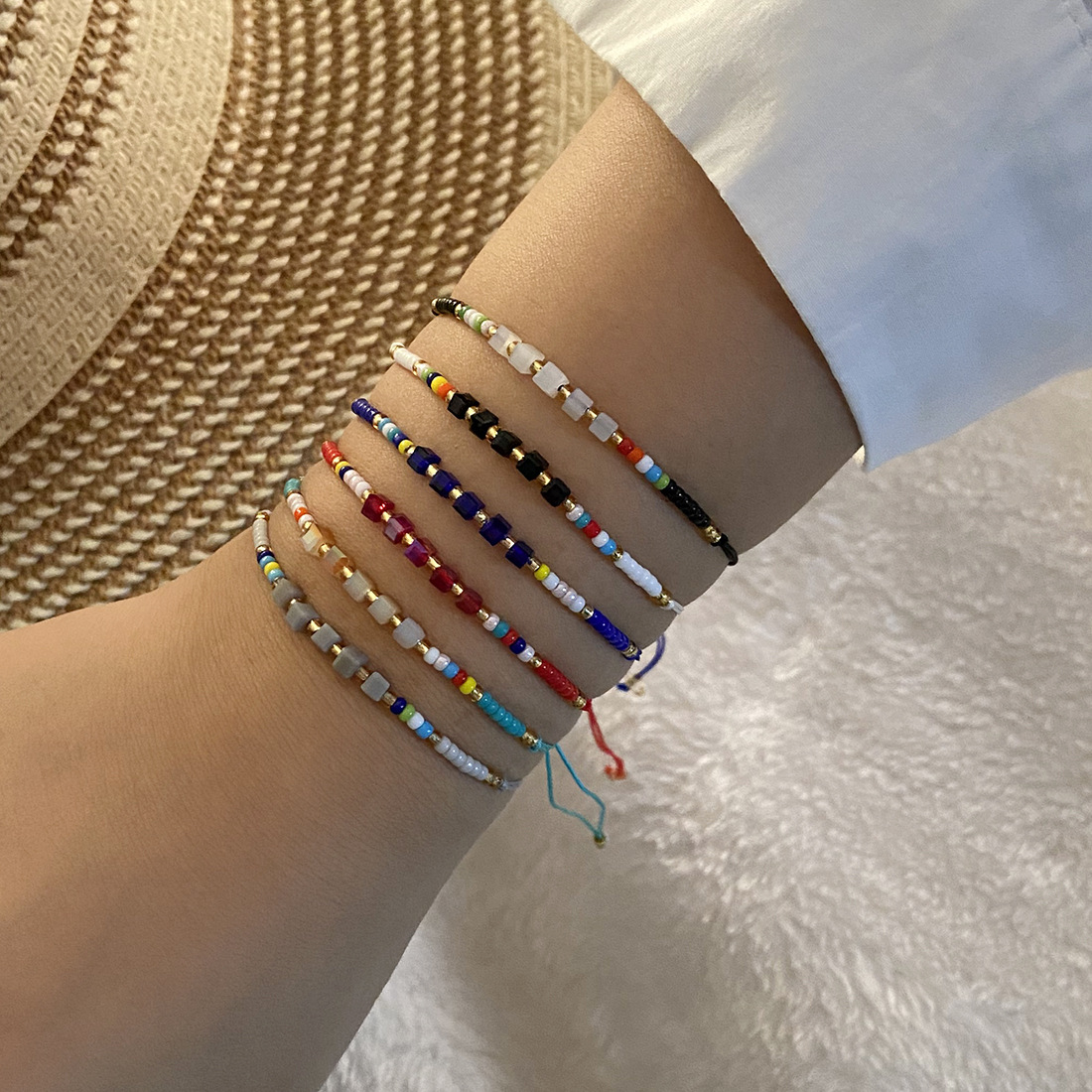
6Pcs Handmade Colorful Seed Bead Crystal Bracelet Set Adjustable Woven Rope Morse Code String Bracelets for Women Boho Vacation Jewelry
$0.75
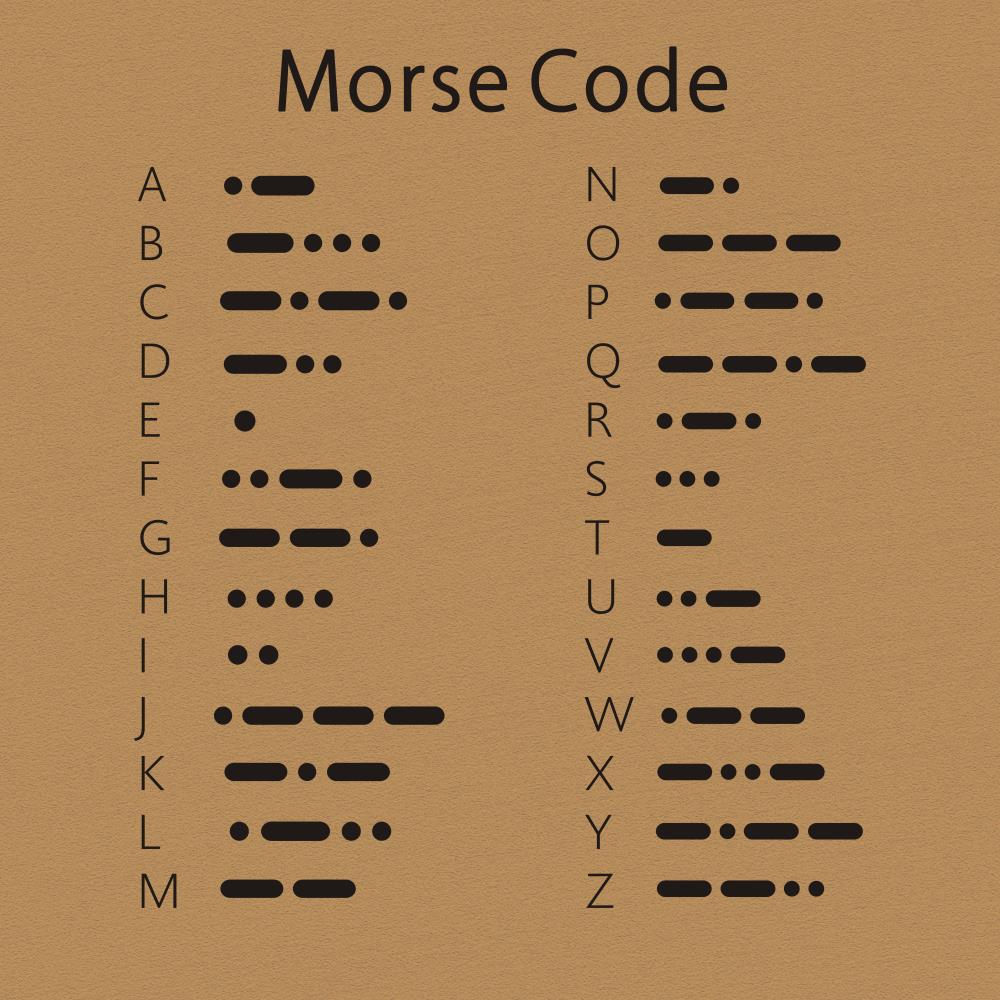
Handmade Morse Code Bracelet Copper Beads Wax Cord Adjustable Braided Bracelet For Couples Friends Sentiment Jewelry Gift With Greeting Card
$0.87
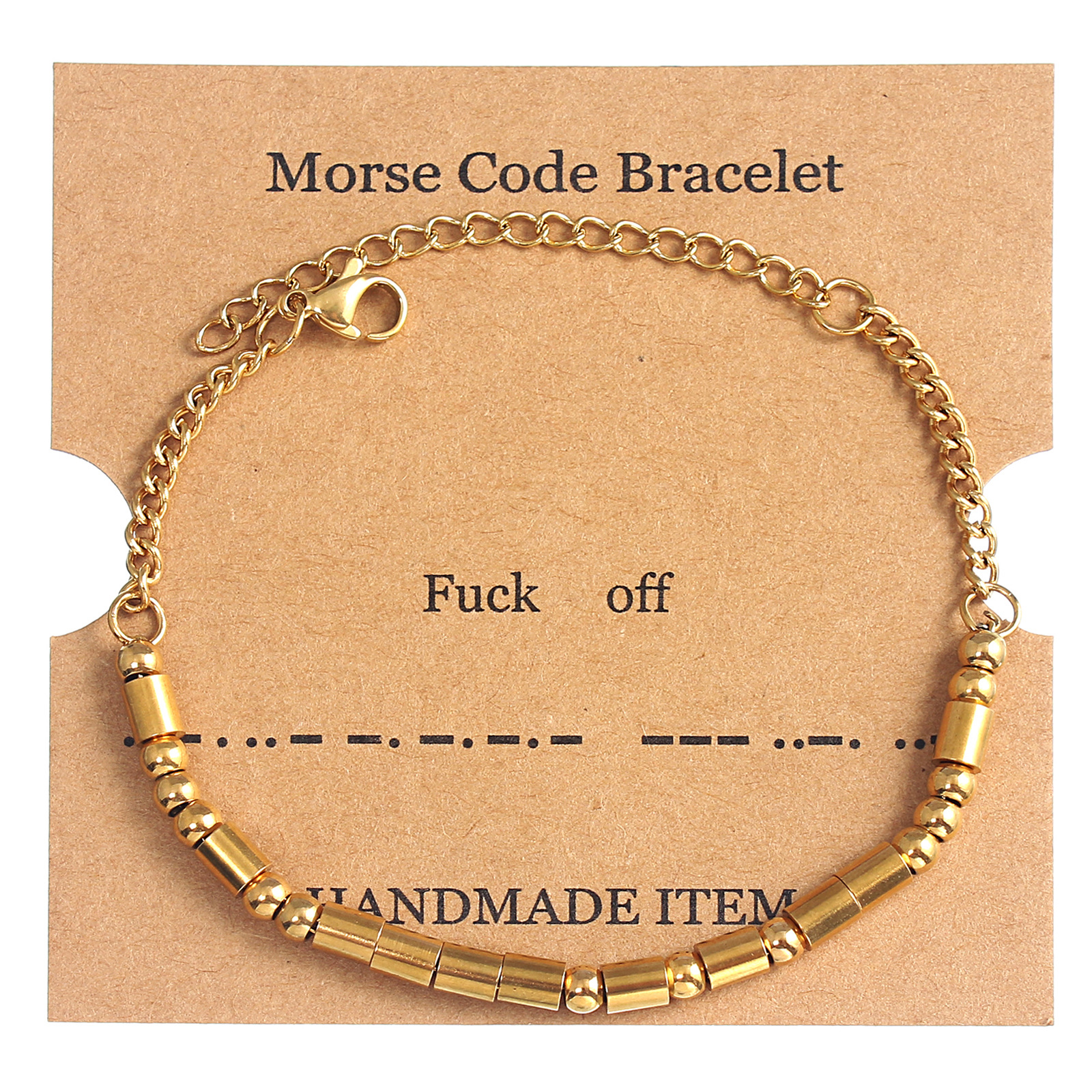
Morse Code Bracelet Handmade Stainless Steel Gold Silver Beaded Adjustable Chain Bracelet Secret Message Jewelry Gift For Women BFF Friend
$1.12
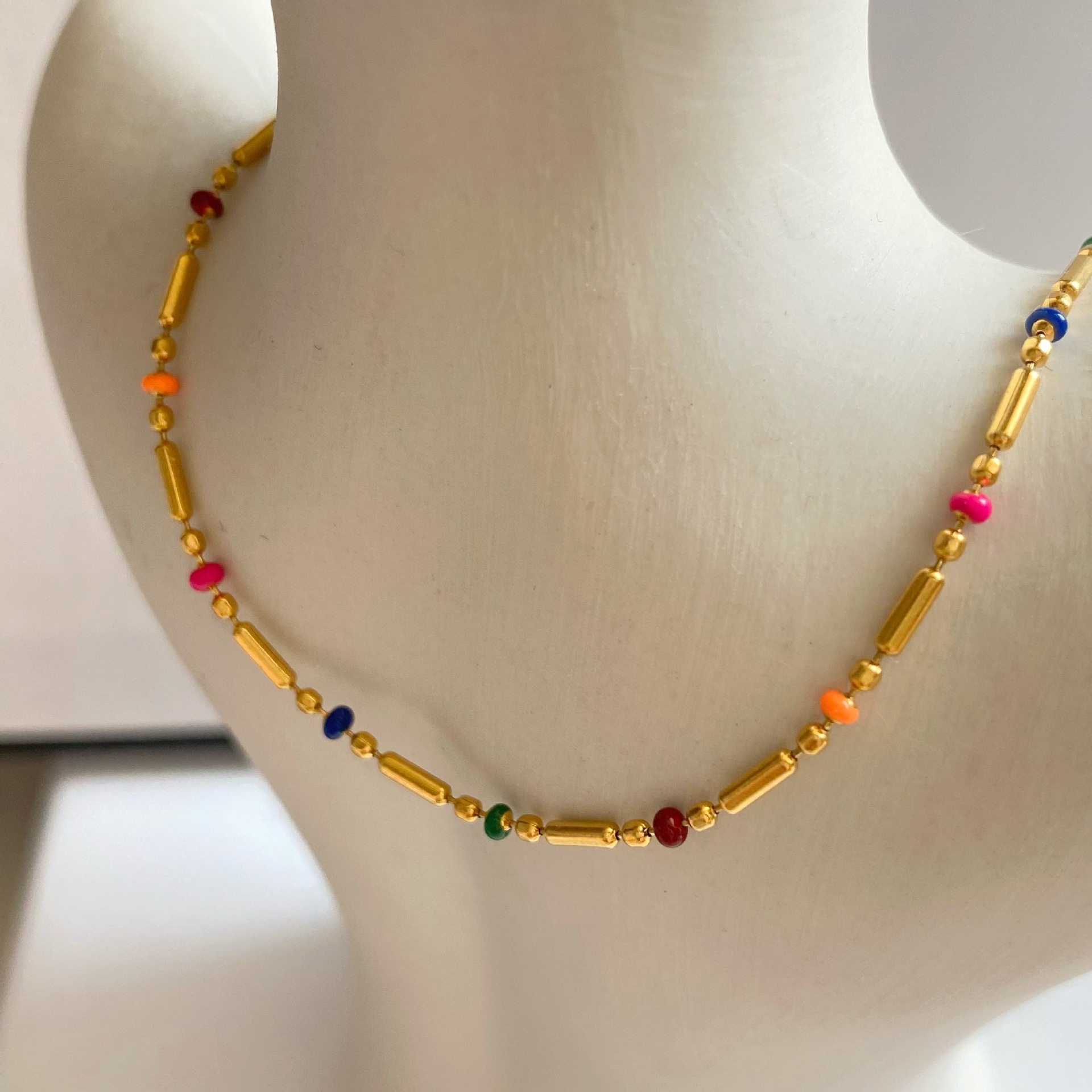
Retro 18K Gold Plated Stainless Steel Colorful Enamel Morse Code Necklace Beaded Chain Necklace For Women Jewelry Daily Wear Accessories
$3.27
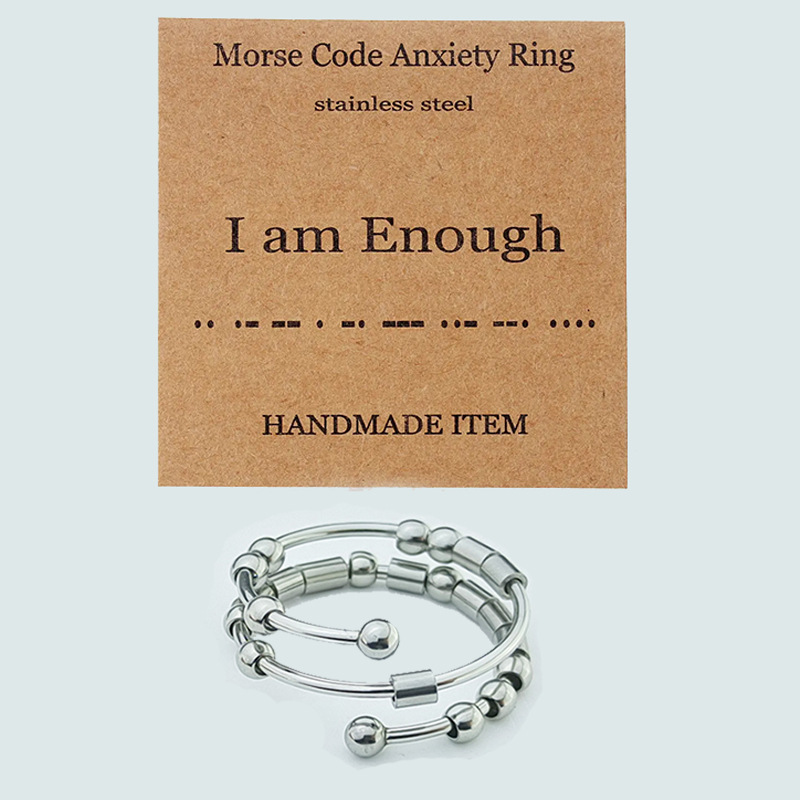
Stainless Steel Morse Code Fidget Ring Anxiety Stress Relief Spinning Beads Spiral Adjustable Band Jewelry Personalized Gift For Women Men
$0.82

Bohemian Morse Code Bracelet Faceted Crystal Beads Adjustable Braided Rope With I Love You Gift Card Handmade Jewelry For Women Girls
$1.28
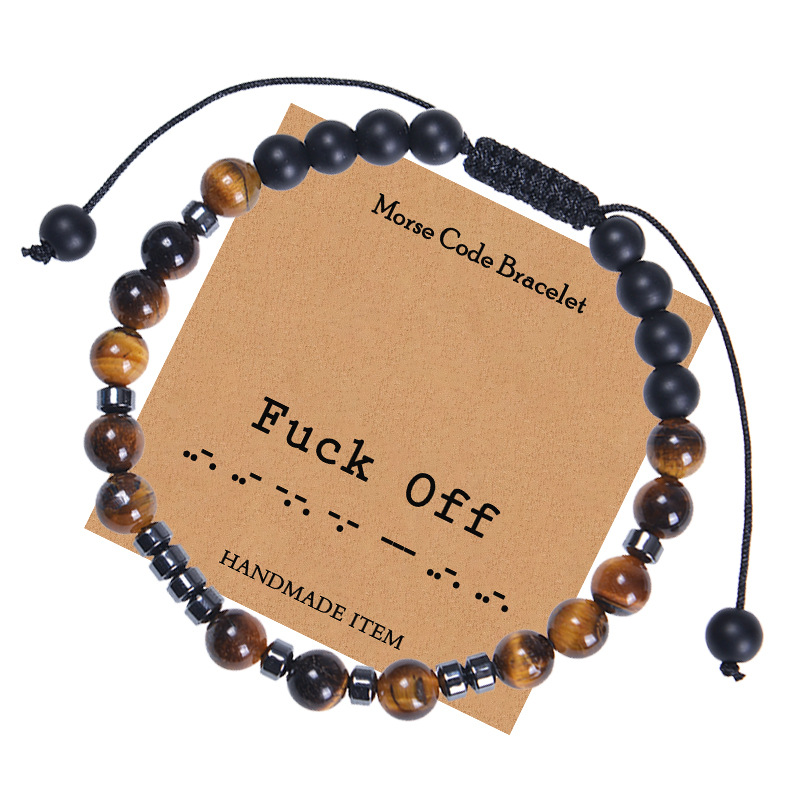
Handmade Morse Code Bracelet Natural Tiger Eye Frosted Black Beads Adjustable Braided Rope Inspirational Secret Message Jewelry Gift for Men Women
$1.23
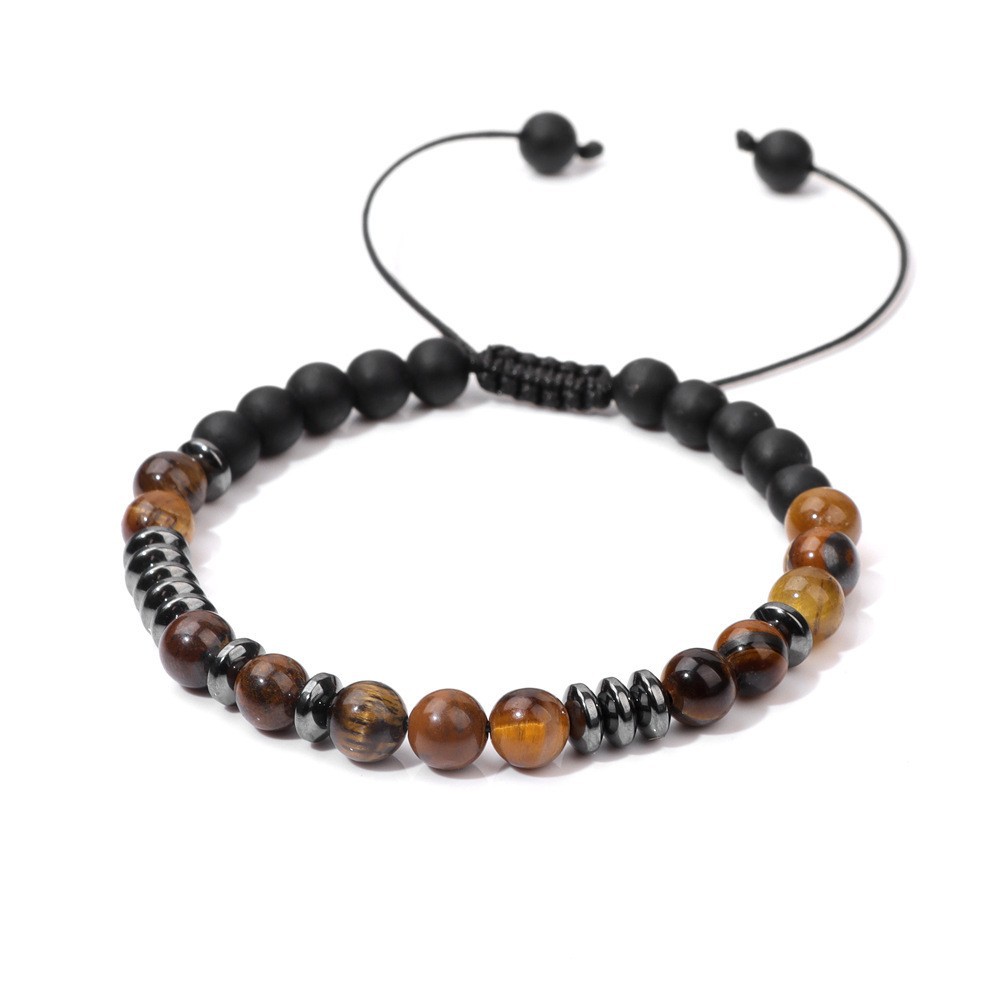
Morse Code Adjustable Woven Bracelet Natural Matte Black Agate Tiger Eye Stone Hematite Beads Hand-woven Retro Jewelry For Men Women
$0.76
Bundle Strategies Using Freed-Up Capital
Bundling boosts average order value by 30–40% compared to single-item sales. With the $200/month you saved by building your own tool stack, you can afford to buy more units from DayJewel and test bundle variants.
Family Code Bundle
Prime Day or Mother's Day — customers want gifts for multiple family members at once.
- To My Mom Morse Code Bracelethero
- To My Daughter Morse Code Braceletupsell
- To My Sister Morse Code Braceletcomplement
Bundle at $9.99 vs $12.37 separately — customer saves 19%, you still net $6+ per bundle after COGS.
Strength & Sentiment Set
Goal-oriented gifting — for graduations, promotions, or fitness milestones.
- Red Carnelian Morse Code Bracelethero
- Amazonite Tiger Eye Morse Code Braceletcomplement
- Tiger Eye Frosted Black Beads Morse Codeupsell
Bundle at $8.49 vs $10.85 individually. Risk: customers may buy single — test as a pop-up offer.
Soulmate Duo
Couples and BFF — message-driven pairing for Valentine's or anniversary.
- Copper Beads Morse Code Bracelethero
- Stainless Steel Secret Message Braceletupsell
Pair at $5.99 vs $7.99 separately. Downside: ship weight increases slightly — factor $0.20 extra shipping.