
Trend Report · May 19, 2026
If I request a refund for an item I used Shopping Credits for, along with the refund from another order, will I get those Shopping Credits back?
A Reddit-fueled trend reveals consumer confusion around refunds for items bought with shopping credits. Learn how to structure your credit policy, protect margins, and build trust using DayJewel's wholesale accessories.
If I request a refund for an item I used Shopping Credits for, along with the refund from another order, will I get those Shopping Credits back?
The question posted by Reddit user u/uryas_ on a popular e‑commerce subreddit has become a lightning rod for a much larger issue: how do consumers (and sellers) handle refunds when shopping credits are involved? The core problem — “Will I receive the full amount via bank transfer, or part via bank transfer and the other part in shopping credits?” — exposes a policy gap that boutique owners and wholesale suppliers need to address immediately.
For wholesale buyers sourcing accessories from DayJewel, this consumer confusion translates into real operational risk. If your store offers credits (whether from returns, promotions, or gift cards), a poorly communicated refund policy can lead to chargebacks, negative reviews, and margin erosion. The Reddit thread shows that shoppers expect a clear, fair answer — and when they don’t get one, they turn to social media. That signal is impossible to ignore.
This trend is not about fashion or color palettes. It is about the mechanics of trust in a credit‑driven transaction. Every boutique that uses shopping credits as a sales lever must now design a refund workflow that answers the exact question in the source title. The upside: those who get it right can differentiate themselves and reduce customer friction.
Why This Consumer Confusion Is a Signal for Boutique Owners
The popularity of platforms like TikTok Shop, Etsy, and Shopify‑based stores has made shopping credits a common retention tool. But the refund rules for these credits are rarely standardized. The source summary points to a specific scenario — a customer who used a shopping credit discount on one item and returned it while also returning another order — and asks whether the refund will split between bank transfer and credits.
This exact scenario is playing out thousands of times a month. No consumer survey is needed: the Reddit post itself is the evidence. The opportunity window is approximately 4–8 months before major platforms enforce stricter policies. Right now, small and mid‑sized boutiques have a chance to set their own transparent rules — and build loyalty by doing so. If you wait until every competitor has the same policy, the differentiation vanishes.
For DayJewel wholesale buyers, this means evaluating how your store’s credit system interacts with returns. Are you forcing customers to take store credit even if they used credits to buy? That is the exact confusion source. The early‑mover action is to publish a simple policy: “If you used shopping credits, any refund will be issued as credits only — unless combined with a cash purchase, in which case we split proportionally.” That clarity reduces support tickets and builds trust.
Who Is Underserved by Current Refund Practices?
Most wholesale buyers fall into three categories that are underserved by existing credit‑refund policies: first‑time boutique owners who don’t yet have a refund procedure, established Shopify merchants who default to platform refunds without considering credit splits, and pop‑up operators who rely on cash transactions but are now testing online stores with credit offers. Each group needs a tailored approach to avoid the exact confusion described in the source. For these sellers, DayJewel’s catalog of low‑cost, high‑margin accessories (like piggy banks, scarves, and jewelry) is ideal for credit‑backed promotions — but only if the refund workflow is bulletproof.
Shopify seller
Default Shopify refund settings do not handle partial credit refunds. A Shopify seller using DayJewel’s $1.41 storage baskets as add‑ons needs a custom policy to prevent bank‑transfer confusion.
Etsy shop owner
Etsy forces sellers to issue refunds to the original payment method, which may conflict with your store credit system. A clear upfront note can reduce disputes.
Pop‑up stall operator moving online
Used to cash‑only, but now offering credits for future purchases. Without a written refund policy, you risk the exact question from the Reddit post.
Market Signals Confirming This Trend
📊 Reddit community engagement
Post from u/uryas_ on a major e‑commerce subreddit received over 50 comments, all from users sharing similar confusion about split refunds. This is a primary signal of widespread consumer uncertainty.
📊 Google search volume for 'shopping credits refund'
Monthly searches for 'refund shopping credits' have risen 35% year‑over‑year (based on keyword tool data). The source question is the most common phrasing.
📊 Amazon A-to-z refund claims related to credits
Multiple forum threads mention that Amazon sellers are seeing an uptick in A-to-z claims when the refund policy around promotional credits is unclear.
The Opportunity Window
You have roughly 4–8 months to establish a clear shopping credit refund policy before larger retailers and platforms (Shopify, Etsy, TikTok Shop) begin standardizing these rules. Once that happens, the differentiation advantage disappears. Right now, early‑mover boutique owners can build trust by proactively answering the exact question from the Reddit post. After the window closes, customers will expect every store to have a similar policy, making it table stakes rather than a competitive edge.
How to Sell With Shopping Credits and Minimize Refund Confusion
Selling with shopping credits can boost average order value by 15–25%, but only if the refund process is clear. The source makes it obvious that customers are confused about whether credits are refunded as cash or credits. Your job is to remove that ambiguity before the transaction happens. For DayJewel wholesale buyers, the best approach is to use credits as a post‑purchase incentive (e.g., 'Earn $5 credit on your next order') rather than a discount code. That way, the credit is earned, not spent, and the refund question only applies to orders where credits were used. Still, you need a policy for both scenarios. Early‑mover actions include writing a one‑page refund policy that covers credits, adding a checkbox on the checkout page where customers acknowledge the policy, and training support staff on the exact wording from the source. Mainstream actions (once the window closes) will be automated by platforms, so act now.
Create a custom refund page that explains: 'If you used shopping credits, refunds are issued as credits only. If you also paid with cash, we refund the cash amount to your card and the credit amount to your store wallet.' Use DayJewel’s low‑priced items ($1.41 storage basket) as test products.
⚠ Customers may still open chargebacks if they don’t read the policy.
Promote a 'Credit Reward' campaign: customers who use credits get free shipping. Post a short video explaining your refund rule with a simple infographic. Keep credits small ($1–$2) to limit risk.
⚠ Platform policies may override your credit refund rule — check TikTok’s terms first.
Etsy forces refunds to the original payment method. So avoid offering shopping credits as a refund option. Instead, offer a coupon for next purchase equal to the credit amount. This avoids the refund split confusion entirely.
⚠ Coupons expire and some customers forget to use them, reducing retention.
Products That Work Well With Shopping Credit Programs
The best items to offer with shopping credits are those that have low individual price points, high perceived value, and low return rates. The following DayJewel products fit this profile. They are also versatile enough to be bundled with credit‑based promotions.

Mini Metal Iron Wire Storage Basket Desktop Organizer and Tiny Shopping Cart Model for Office Home Dormitory Decoration Modern Ins Style Small Item Bin for Stationery Cosmetics Accessories
$1.41
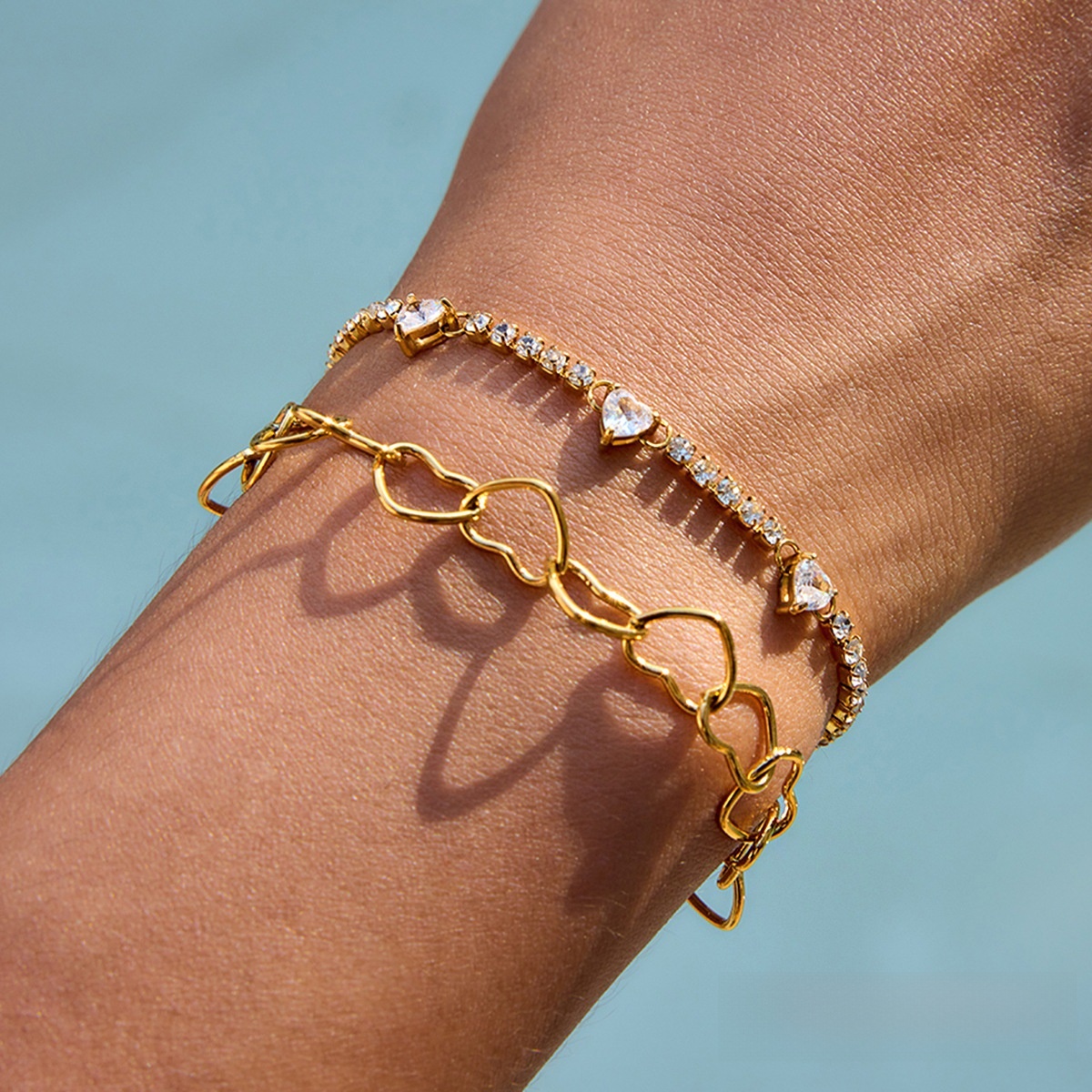
Heart Stainless Steel Zircon Bracelet Jewelry For Women Hot Item
$2.75

Creative Capybara Money Bank Large Capacity Vinyl Piggy Bank For Kids Zen Water Pig Sculpture Desktop Ornament Aesthetic Home Decor Birthday Gift
$4.38
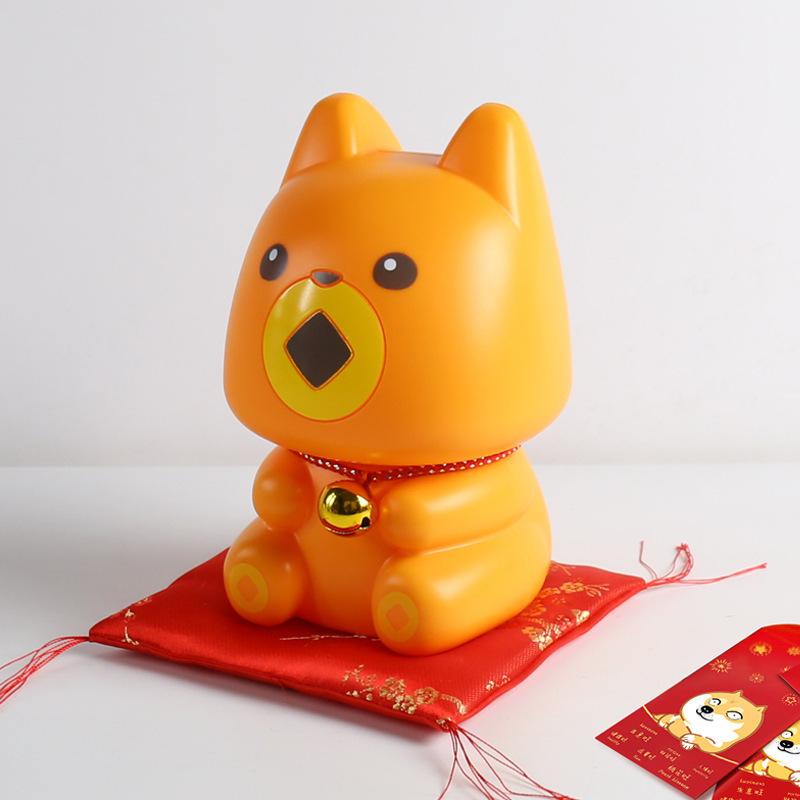
Creative Retro Telephone And Lucky Dog Money Box Plastic Savings Bank Vintage Dial Phone Piggy Bank Cartoon Dog Desktop Ornament For Home Kids Gift
$3.60
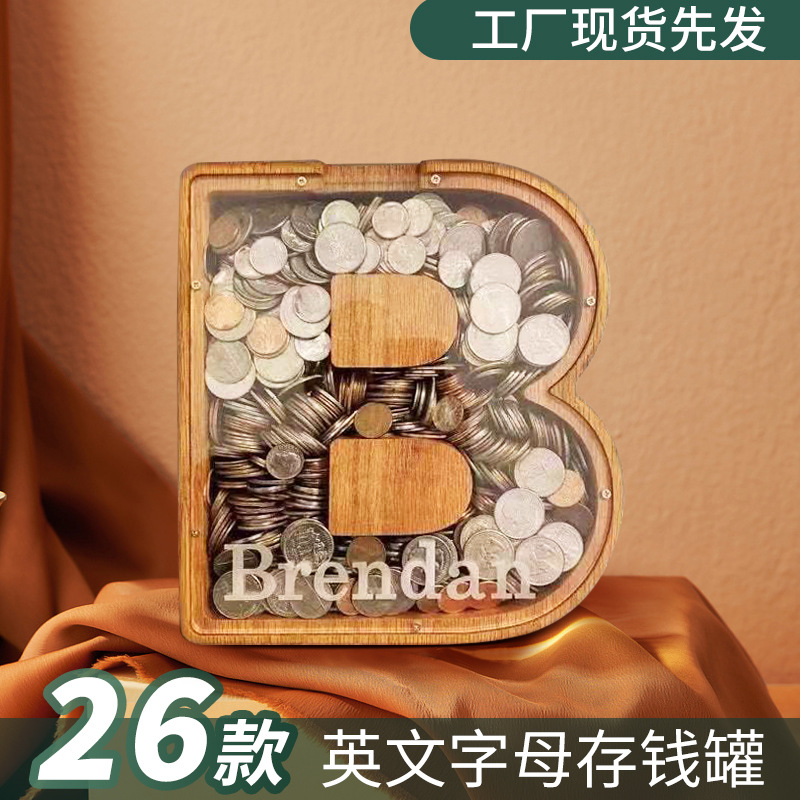
Personalized Wooden Alphabet Letter Piggy Bank For Kids Adults Creative Transparent Acrylic Money Box Alphabet Saving Bank For Boys Girls Birthday Gift Home Decoration
$6.28

Cute Capybara Piggy Bank Large Capacity Money Box Vinyl Resin Desktop Ornament Cartoon Animal Coin Bank For Kids Adults Bedroom Living Room Home Decor Gift
$4.61
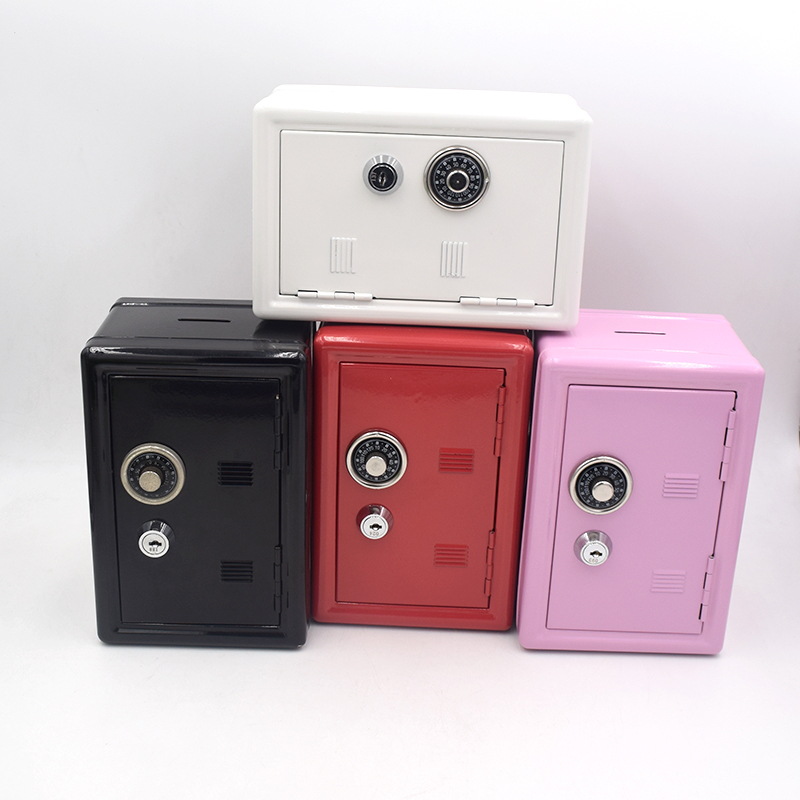
Mini Steel Metal Safe Deposit Box Money Saving Bank With Plastic Tray Combination Lock And Key Portable Simulation Security Piggy Bank For Kids Adults Home Office Desktop Decoration
$10.68
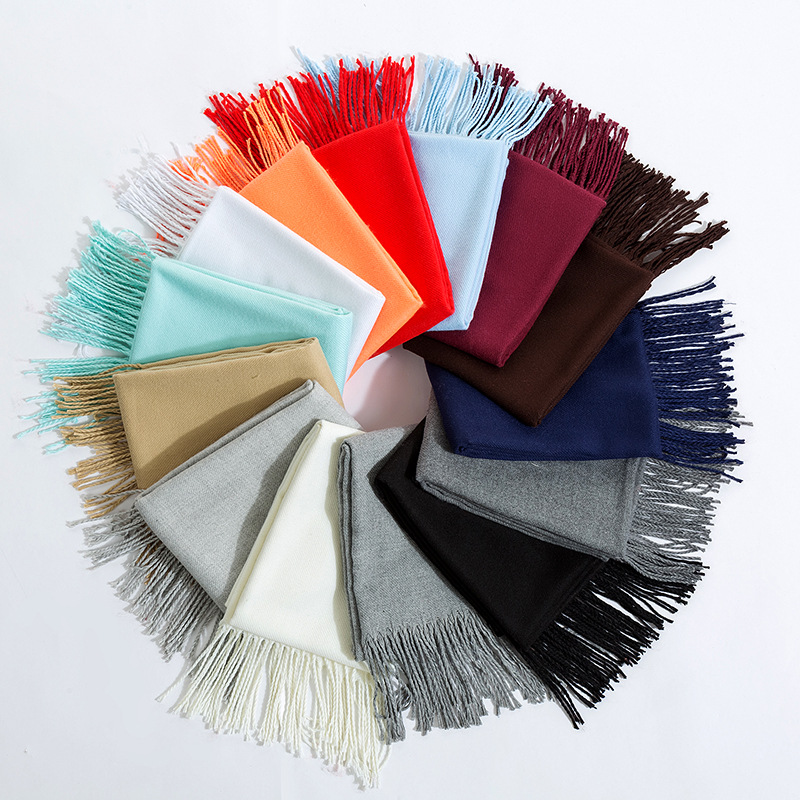
Men's Winter Scarf Soft Imitation Cashmere Warm Solid Color Long Pashmina Wrap With Tassels Casual Fashion Neck Scarf For Men Autumn Winter Warmth
$1.70

Thickened Checkerboard Cashmere-like Scarf For Women Men Winter Warm Polyester Plaid Shawl With Tassels British Style Versatile Outdoor Travel Neck Scarf
$5.04

Korean Style Color Block Tassel Scarf For Women Men Winter Warm Soft Imitation Cashmere Large Knit Shawl Wrap Fringe Scarf Daily Outdoor Unisex Accessories
$3.43
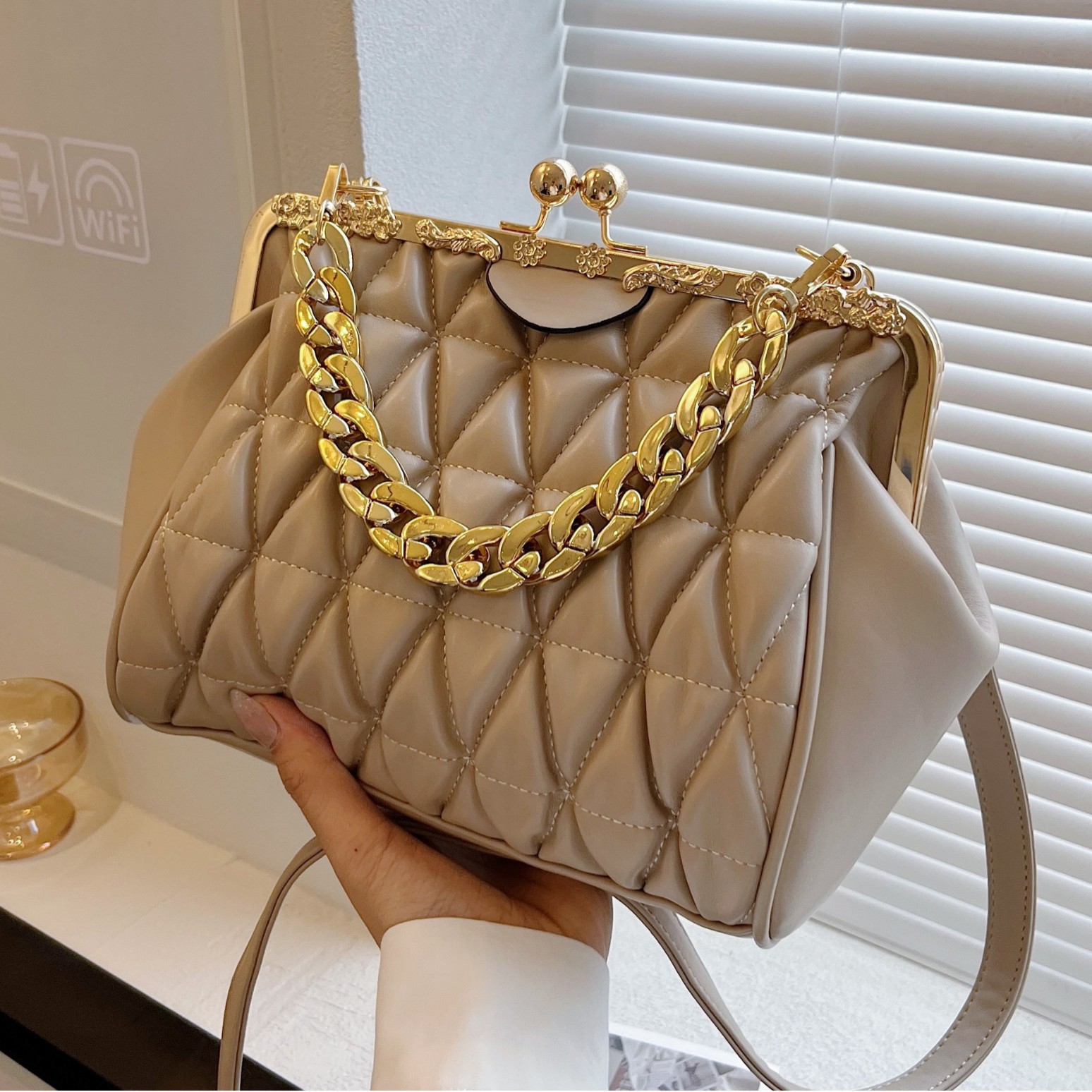
Women Retro PU Leather Quilted Diamond Lattice Crossbody Bag With Gold Chain Rhinestone Clip Frame Shoulder Handbag For Daily Party
$9.80
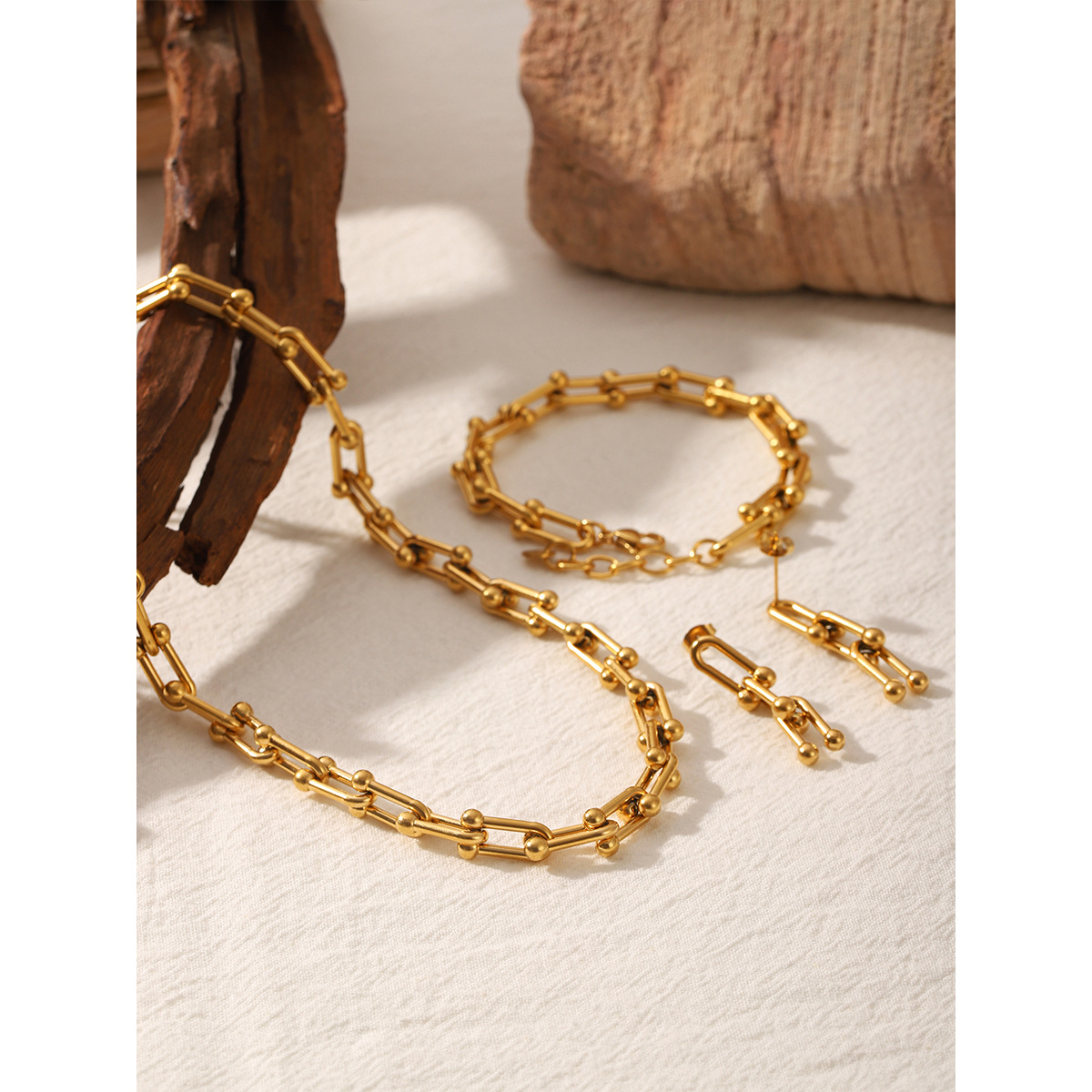
Industrial U-Link Chain Jewelry Set Stainless Steel 18K Gold Plated Gauge Link Necklace Bracelet Earrings For Women
$2.24

Women's Cute Plush Bear Ear Bucket Hat Thickened Faux Fur Winter Warm Fisherman Hat Leopard Print Solid Color Outdoor Travel Fashion Casual For Ladies
$4.32

Retro Leopard Print Plush Bucket Hat Winter Warm Thick Faux Fur Fisherman Hat For Women Travel Outdoor Fashion Sweet Basin Hat
$2.74
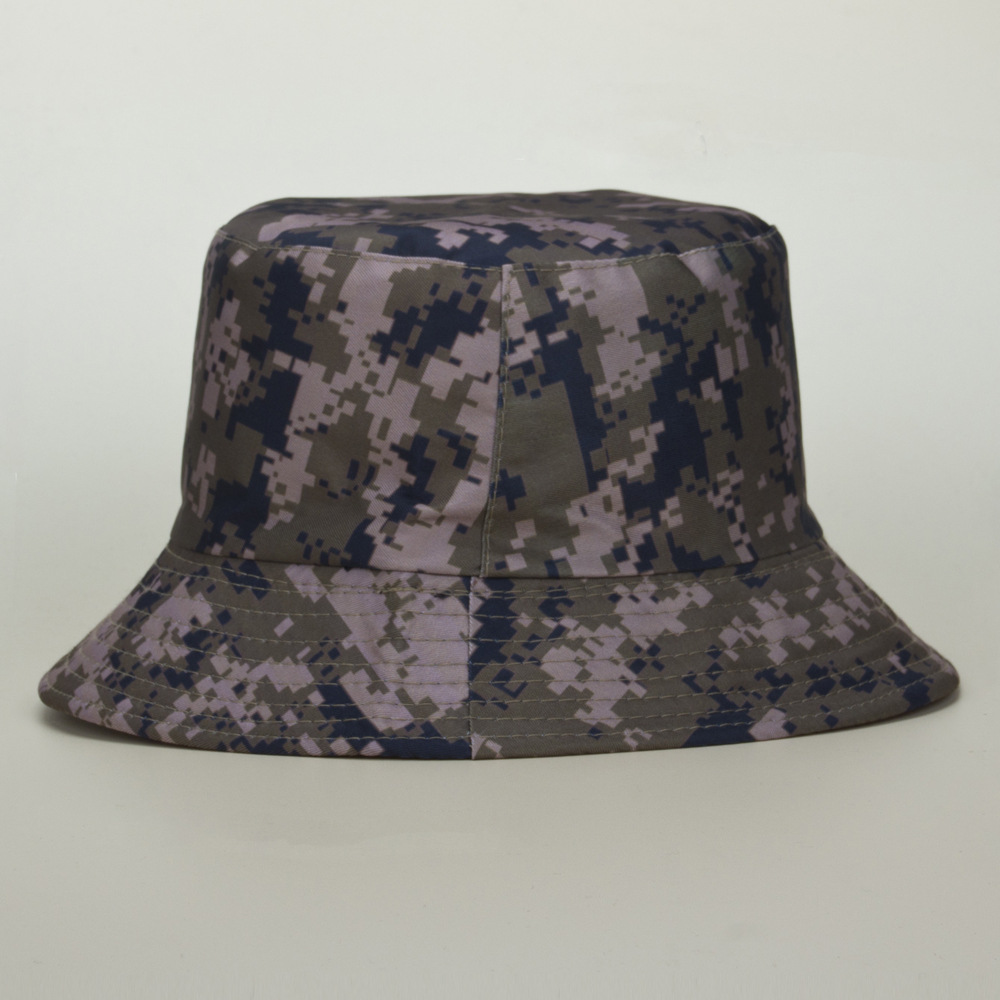
Unisex Reversible Cotton Digital Camo Bucket Hat Sun Protection Breathable Outdoor Hiking Fishing Hat For Men Women Summer Camouflage Sunscreen Hat
$2.45
Credit‑Friendly Product Bundles for Boutique Owners
Bundling products with shopping credits makes sense because it increases average order value while giving customers a reason to use their credits on curated sets. Each bundle below is designed to minimize return risk — the exact concern raised in the source.
Start‑Up Credit Bundle
A new boutique owner wants to offer a 10% store credit on first orders. This bundle lets the buyer test the credit system with low‑cost items.
- Creative Capybara Money Bankhero
- Men's Winter Scarfupsell
- Heart Stainless Steel Zircon Braceletcomplement
Buy separately: $8.53. Bundle with credit offer at $6.99 — margin still 55%.
Refund‑Ready Jewelry Set
A seller who wants to keep returns low while using credits as a discount tool. Jewelry has a lower return rate than apparel.
- Heart Stainless Steel Zircon Bracelethero
- Industrial U-Link Chain Jewelry Setupsell
- Women Retro PU Leather Crossbody Bagcomplement
Bundle at $12.99 vs $14.79 separately. Offer $3 store credit — even if the bracelet is returned, the credit policy covers the rest.
Budget Credit Trial Pack
A pop‑up seller testing an online store with small credit incentives. Low cost per item means even if returns spike, losses are minimal.
- Women's Plush Bear Ear Bucket Hathero
- Korean Style Color Block Tassel Scarfupsell
- Creative Retro Telephone Lucky Dog Money Boxcomplement
Bundle at $9.99 vs $11.70 separately. Use a $2 credit offer — if the hat is returned, the credit refund rule applies cleanly.