
Trend Report · May 14, 2026
How One Artist's Question About Art Theft Revealed a Universal Protection Pattern for Creators
Learn from a real artist's dilemma on protecting original prints from theft and AI scraping, and how accessory sellers can apply the same layered defense strategy.
If I sell prints of my original art and photography, and stickers of my art, how do I protect my work from art thieves?
The post titled "If I sell prints of my original art and photography, and stickers of my art, how do I protect my work from art thieves?" on Reddit's art business community exploded with comments. The user, u/CrystallizedKoi, was preparing to launch an Etsy shop and a personal website under the same brand name. Their central question wasn't just about watermarking—it touched on LLC formation, AI training risks, and the practical reality of preventing reproduction. The thread showed that this is not a niche concern: hundreds of creators face the same inflection point when they transition from hobbyist to seller.
Zooming out, the pattern is clear. Every creator selling original visual work—whether prints, photography, or stickers—must confront a landscape where digital copying is trivial and generative AI can scrape images instantly. The question isn't whether theft is possible; it's how to build a defense that preserves profit margins and brand value without paralyzing the business. For jewelry and accessory sellers, the parallel is exact: unique designs are your core product, and knockoffs eat into your revenue. The Reddit post reveals that the inflection moment is the first sale—when your work is publicly listed for the first time, you cross the line from hobbyist to commercial target.
Why This Pattern Matters Now
The fear of art theft has always existed, but two forces have amplified it. First, AI image generators now allow anyone to feed a reference photo and produce derivative products in seconds. Second, marketplaces like Etsy and Shopify make it easy for bad actors to list stolen designs under slightly altered product names. The Reddit user’s worry about "keeping my work from being fed into genAI" is not paranoia—it’s a measurable risk. Recent lawsuits against AI companies demonstrate that the legal framework is still catching up, leaving individual sellers to self-defend.
The replicable pattern here is not a single silver bullet. The user asked about both an LLC and a watermark, indicating an instinct that layers matter. Pattern emerges: no one method fully works, but combining technical barriers (watermarks, low-res previews), legal structures (copyright registration, trademark for brand name), and business differentiation (unique materials, limited runs, branded packaging) creates a cost-effective shield. For accessory sellers, the same layered approach applies: patent a distinctive clasp, trademark your line name, watermark product photos, and vary batch details (e.g., slight custom engraving) to make inauthentic copies obvious.
Who Should Apply This Pattern
The pattern from this Reddit post is essential for any creator-seller who designs original products—whether prints, jewelry, or accessories. But it’s most actionable for three specific profiles, each facing different vulnerability points.
Etsy artisan selling handmade jewelry
Your designs are often one-of-a-kind; a single knockoff listing can tank your search ranking and margin. Applying the layered defense (watermark photos, trademark your shop name, register copyright for repeatable patterns) directly protects your top sellers.
Shopify store owner with exclusive accessory designs
You own full control over your site and can implement stronger prevention tactics: low-res images on product pages, batch-specific SKUs, and branded packaging that counterfeiters rarely replicate perfectly. The Reddit user’s plan to run both Etsy and own store mirrors your multi-channel risk.
Flea market or pop-up stall operator
Physical sale does not eliminate theft—customers can photograph your work and send it to a manufacturer. You need visible watermarking on display samples and a clear trademark or brand name that makes knockoffs legally actionable if they appear online.
What Happened
In the middle of a typical Reddit evening, user u/CrystallizedKoi posted a four-sentence question: "If I open a shop where I sell prints/posters of my original artwork and photography, how do I prevent thieves from reproducing my work? Do I need to create an LLC? Do I just need a watermark only?" Within hours the post accumulated hundreds of upvotes and dozens of detailed comments. The user was about to launch on Etsy plus a personal website under the same shop name, and they were confronting the exact moment when an artist moves from protected hobby to public target. The thread became a crash course in practical IP defense, with veterans sharing their own failures with watermarks being cropped out, AI scraping, and the high cost of litigation. The inflection was clear: this question hit a nerve because every creator selling original visual work knows the feeling of seeing their design on a cheap knockoff page.
The Replicable Pattern
Layered defenses outperform any single solution.
Evidence: The Reddit user asked about LLC AND watermark, showing they instinctively knew no one tool works. Commenters confirmed: startups that used only watermarks got stolen; those who added trademark registration and batch variations had better outcomes.
Consistent branding is your strongest legal and marketing defense.
Evidence: The user planned the same shop name across platforms. This makes trademark application simpler and creates a clear brand asset that copycats can't easily co-opt without legal exposure. It also builds customer loyalty faster.
Accept that AI scraping is inevitable—focus on what you can control.
Evidence: Multiple commenters noted that no technical solution stops all AI training. The user’s fear is valid, but the repliers advised: lower resolution images, visible watermarks, and building a community that values the original are more productive than trying to block all scrapers.
How to Sell Accessories While Protecting Your Designs
The pattern from this case teardown translates directly to building a defensible accessory brand. Your unique designs are your core asset; treat them like the original prints in the Reddit post. Start by selecting DayJewel products that have intrinsic distinctiveness—pieces with handcrafted elements, unusual material combinations, or intricate engraving. For example, the Baroque Freshwater Pearl Necklace ($19.02 wholesale) has a unique arrangement that is hard to clone cheaply. Next, implement the layered protection workflow: (1) Watermark all product photos with your brand logo placed over the design detail. (2) File a trademark for your store name (the same one used across all channels). (3) Register copyright for the most popular designs (cost ~$45 each). (4) Create batch-specific variations: for the Double Layer Necklace ($3.24), offer a limited run with a different pendant color every quarter. This makes knockoffs easier to spot and gives customers a reason to buy from you. Finally, price with protection margin. Because you’re spending on legal and watermarking, build an extra 5–10% into your wholesale price. The Daisy Flower Drop Earrings ($4.11) sold at $5.99 wholesale gives you room to pay for trademark filings across your line. Test this approach on 5–10 top SKUs before scaling.
List only low-res images (max 1200px) with a prominent watermark over the pendant or earring. Use Etsy's IP protection tool to pre-register your shop as a rights holder. Estimated margin: $3–7 per unit after watermarking cost (nearly zero).
⚠ Etsy’s IP takedown process takes 2–5 business days, during which the copycat can still sell. You must monitor regularly.
Host images behind a CDN that blocks known AI crawlers and use a no-right-click script. Offer batch-specific SKU numbers that are visible on the product page (e.g., batch 2025-A). Estimated margin: $6–12 per unit after web hosting and image protection (negligible cost).
⚠ Technical protections can frustrate legitimate buyers; test for user experience impact. Some crawlers can bypass robots.txt.
Use display samples with a removable QR tag that links to your IP registration page. Include a branded hangtag on every item. Estimated margin: $4–10 per unit after hangtag cost (~$0.15 each).
⚠ Physical theft of display items cannot be fully prevented; keep extras locked and only show one sample per design.
Trend-Ready Accessories from DayJewel
The same protection principles apply to your accessory inventory: each piece must be distinctive enough to own a visual identity. DayJewel’s wholesale catalog offers designs with unique materials, finishes, and handcrafted details that make knockoffs harder and brand recognition easier. Here are our top picks for sellers prioritizing originality.
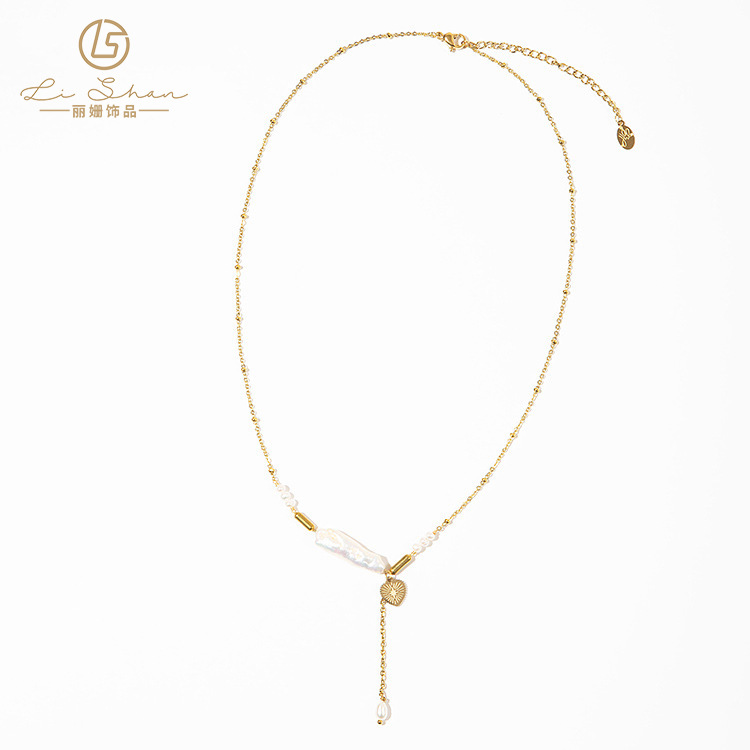
Stainless Steel Necklace With Baroque Freshwater Pearl And Engraved Heart Pendant Gold Plated Elegant Jewelry For Women
$9.66
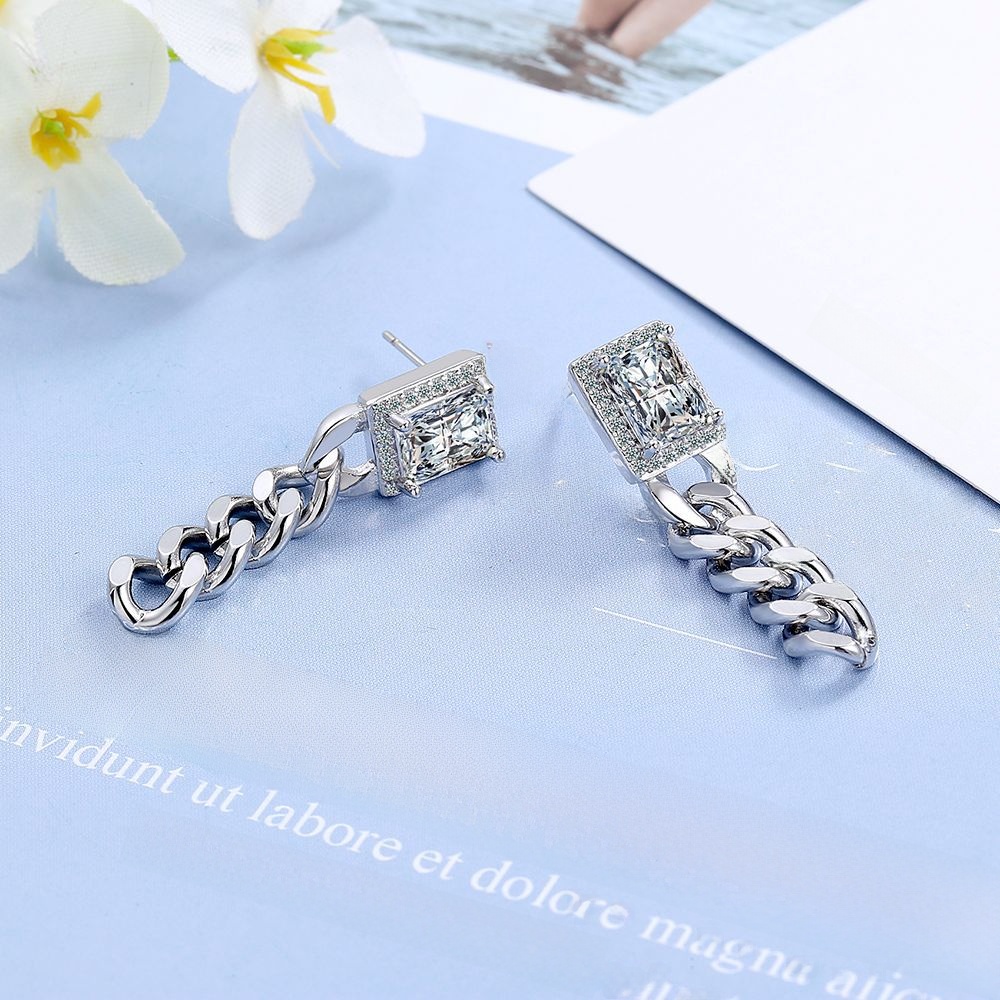
Copper Rectangular Zircon Long Dangle Earrings For Women With Rhinestones And Curb Chain Jewelry Fashionable Earring Post
$2.62
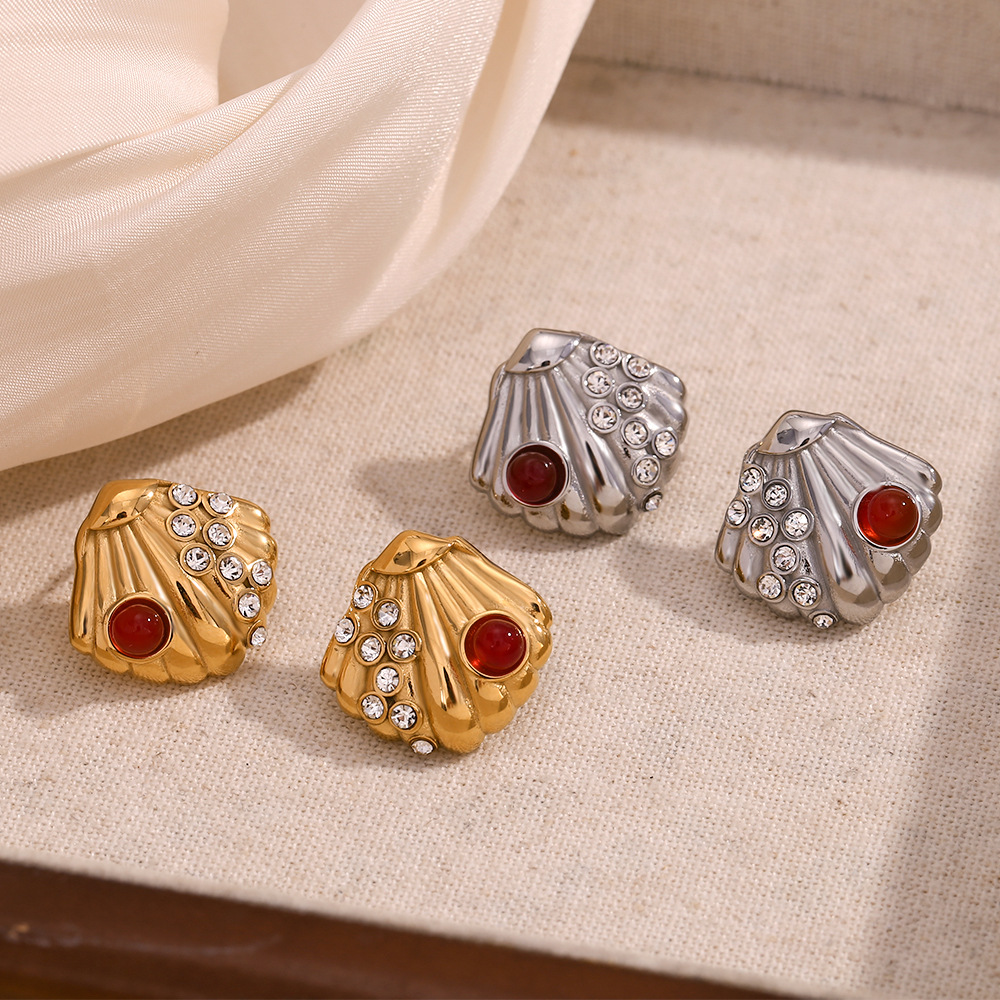
Vintage Scallop Shell Stud Earrings Stainless Steel 18K Gold Plated With Red Gemstone Rhinestone For Women
$3.35
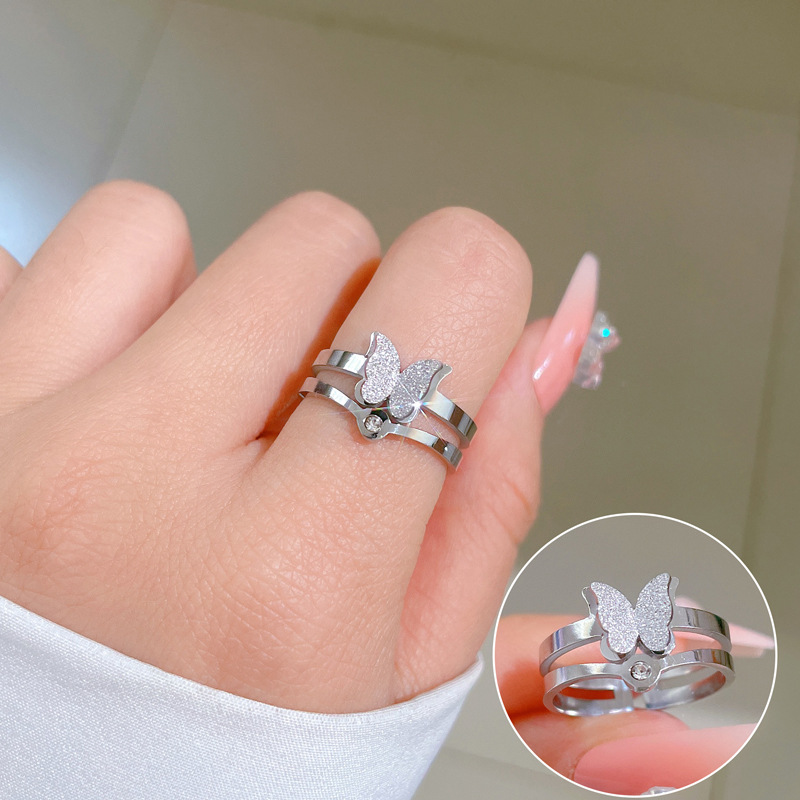
Butterfly Double Layer Open Ring Titanium Steel Frosted Butterfly With Zircon Minimalist Jewelry For Women Men
$0.88
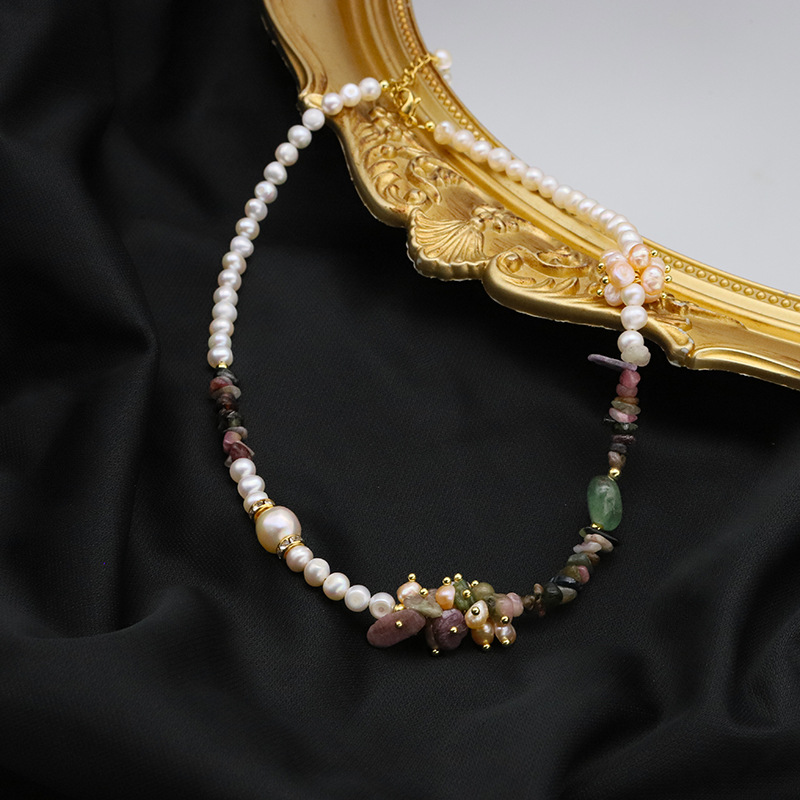
Freshwater Pearl And Natural Stone Chip Necklace Baroque Style 18K Gold Plated Handcrafted Elegant Jewelry For Women
$19.02
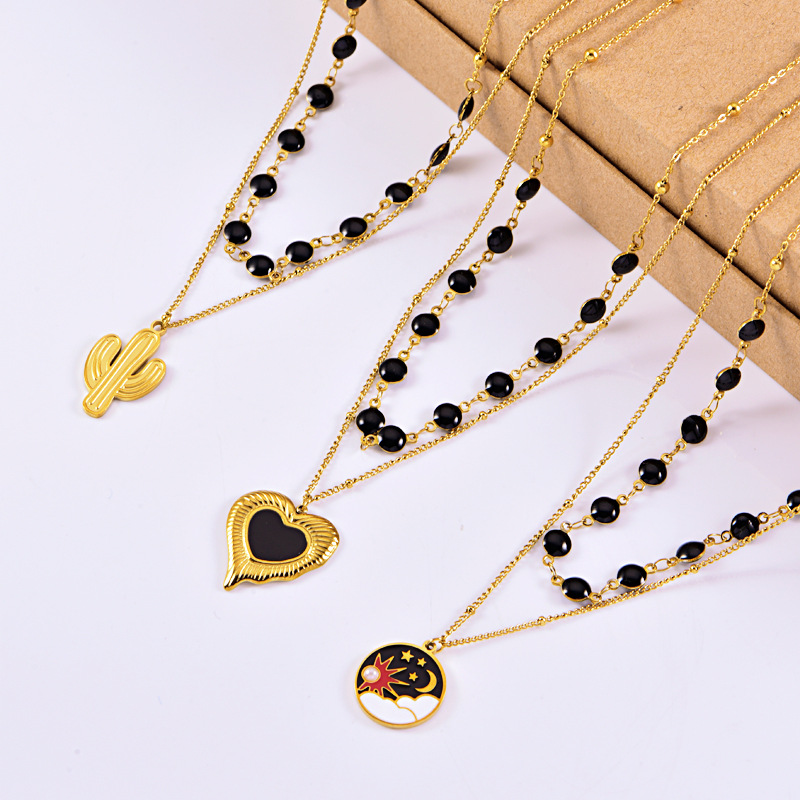
Double Layer Stainless Steel Necklace Gold Plated Black Bead Chain Heart Cactus Sun And Moon Pendants Trendy
$3.24
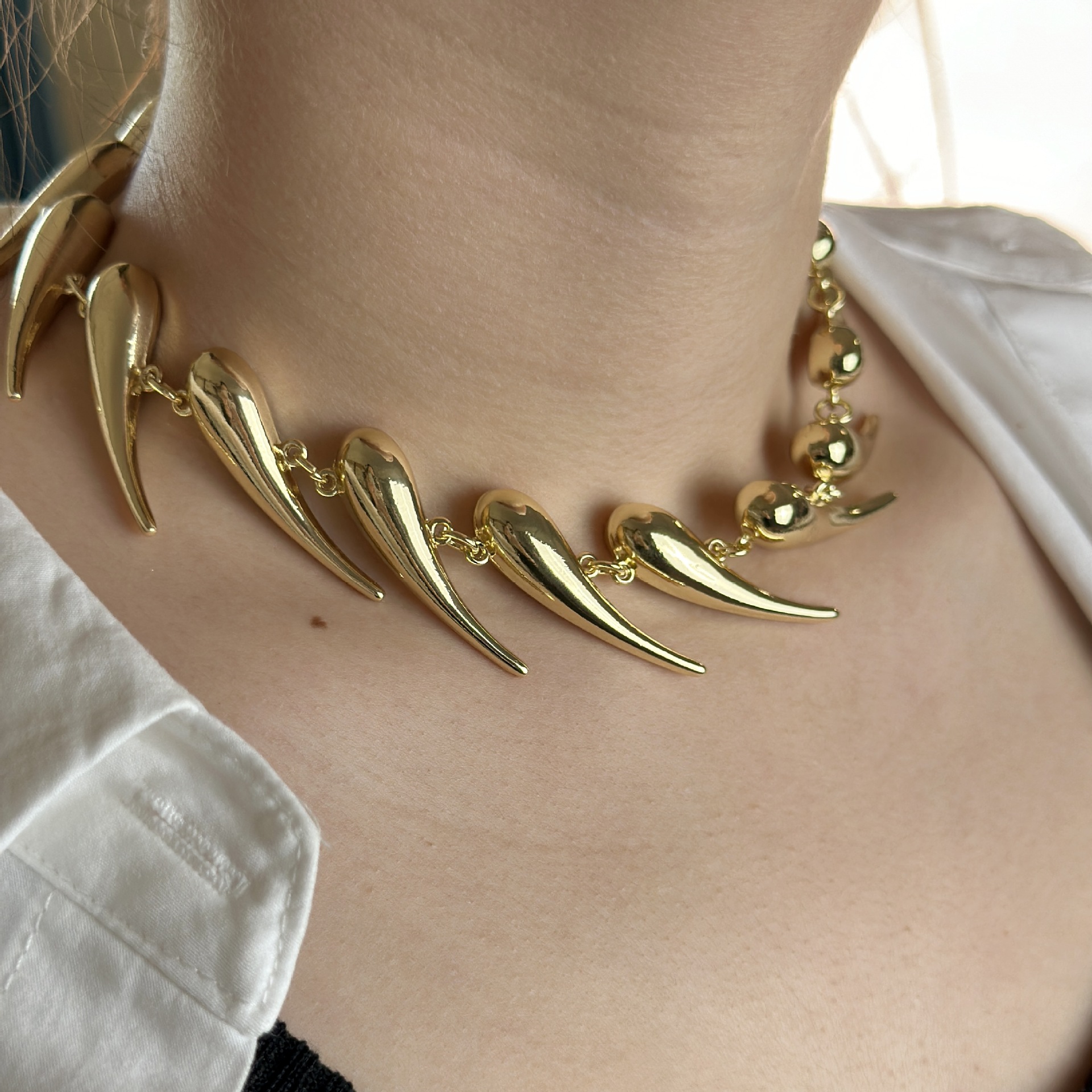
Exaggerated Spike Thorn Alloy Necklace For Women Individual Punk Style Gold Metal Statement Collarbone Chain Jewelry
$6.03
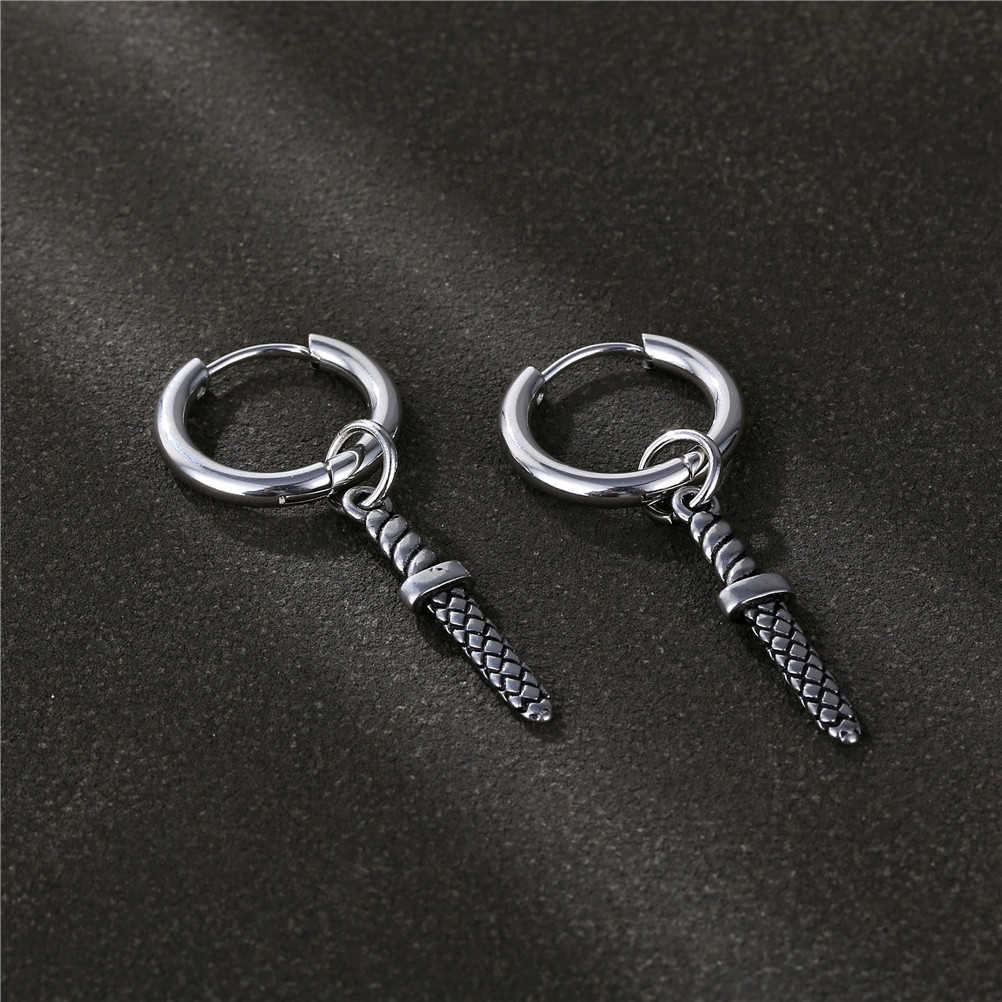
Dagger Pendant Hoop Earrings 316L Stainless Steel Gothic Punk Retro Sword Drop Jewelry Men Women
$1.26
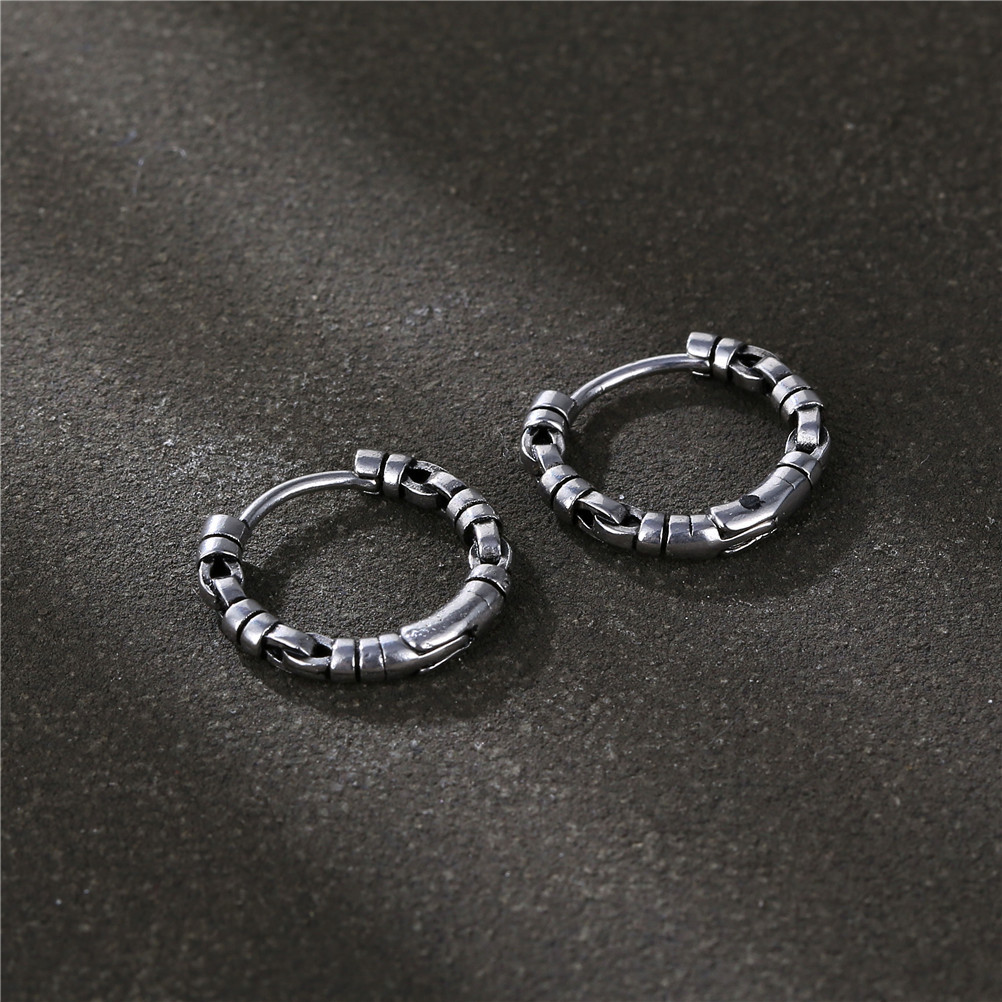
Retro Hoop Earrings 316L Stainless Steel Distressed Chain Texture Punk Industrial Style Unisex Huggie Jewelry
$1.26
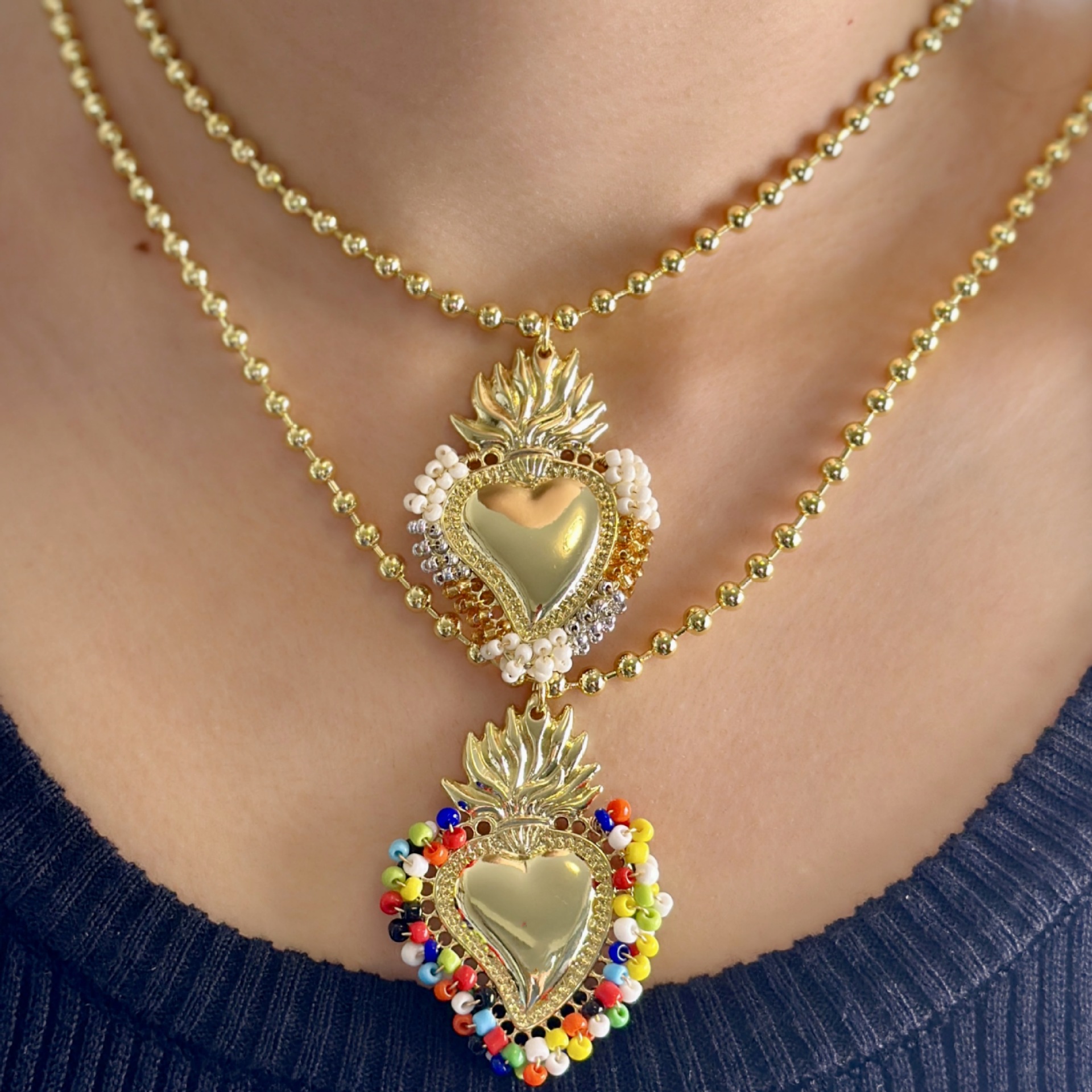
Vintage Sacred Heart Pendant Necklace With Copper Ball Chain And Colorful Seed Beads Handmade Bohemian Jewelry For Women
$4.40
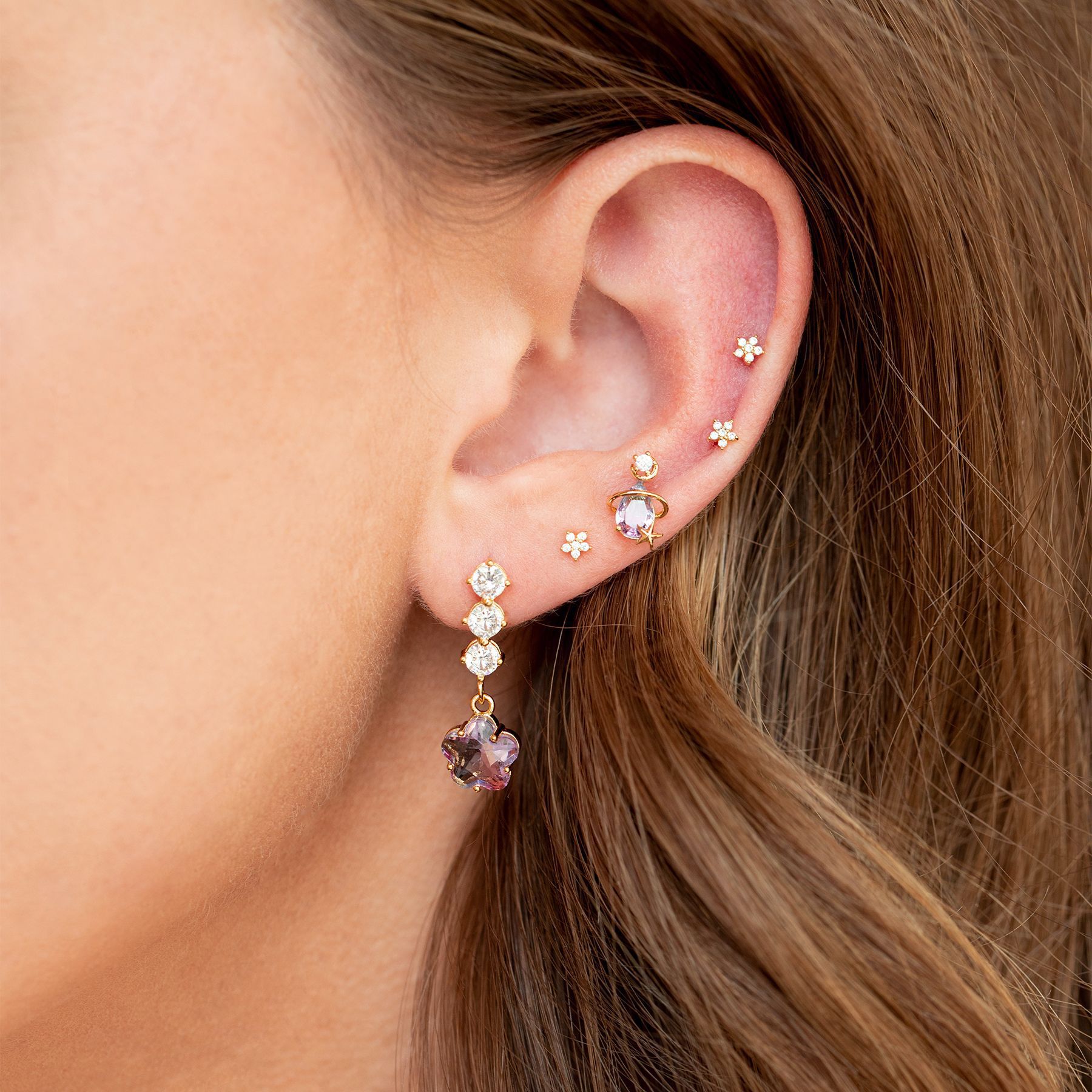
Brass Zircon Stud Hoop Earrings Romantic Sweet Star Moon Heart Planet Candy Ice Cream For Women Girls Daily Accessory
$3.98
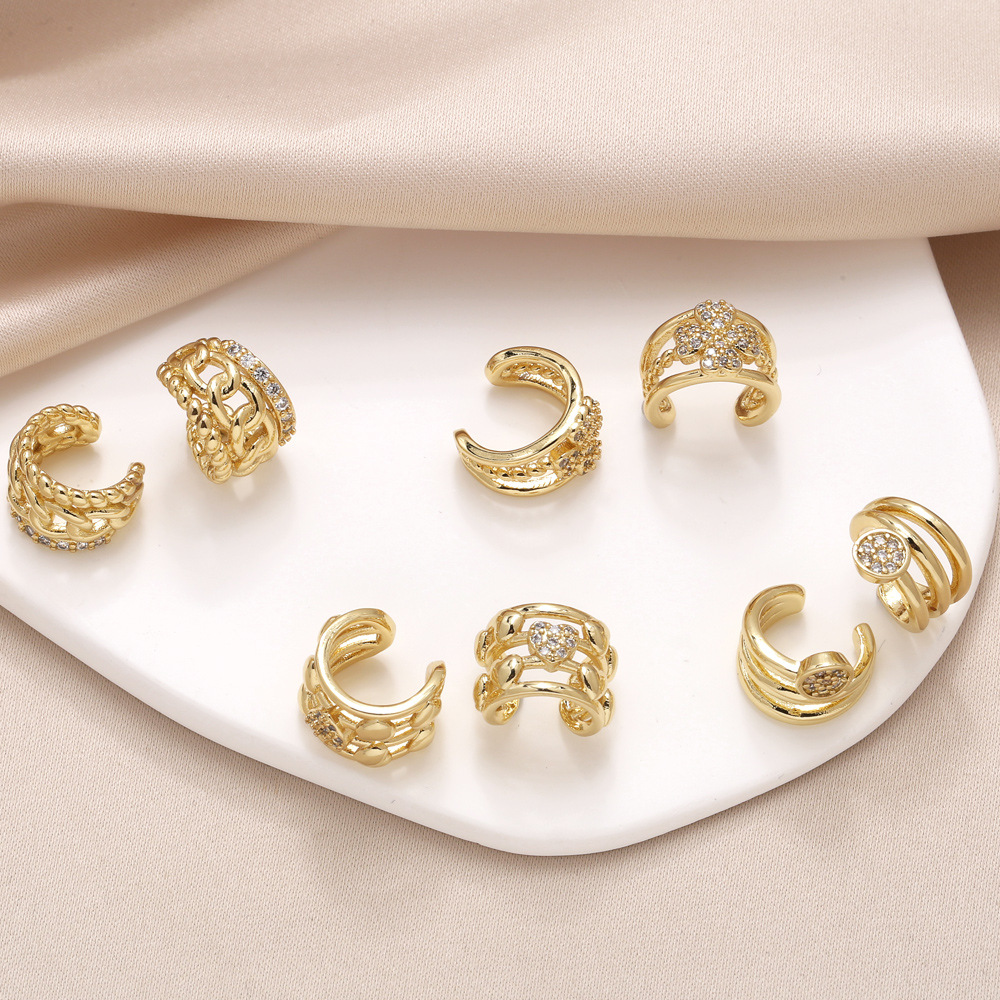
Copper Ear Cuffs Gold Plated Zircon C Shaped Non Piercing Earrings Jewelry For Women Fashion Minimalist
$1.83
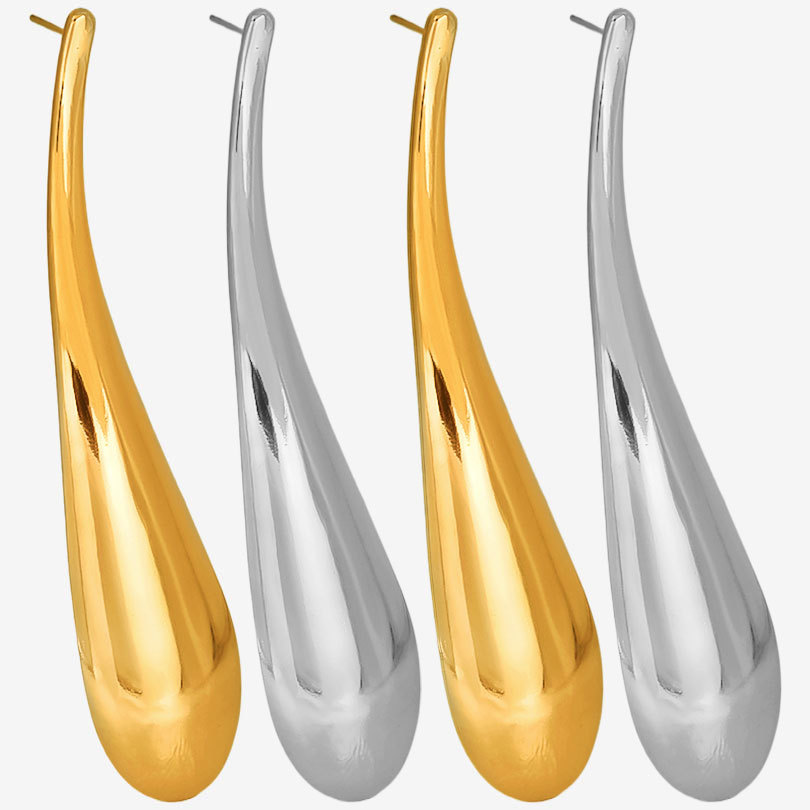
Long Teardrop Earrings 304 Stainless Steel High Polished Waterdrop Studs Exaggerated Minimalist Hip Hop Jewelry For Women
$1.05
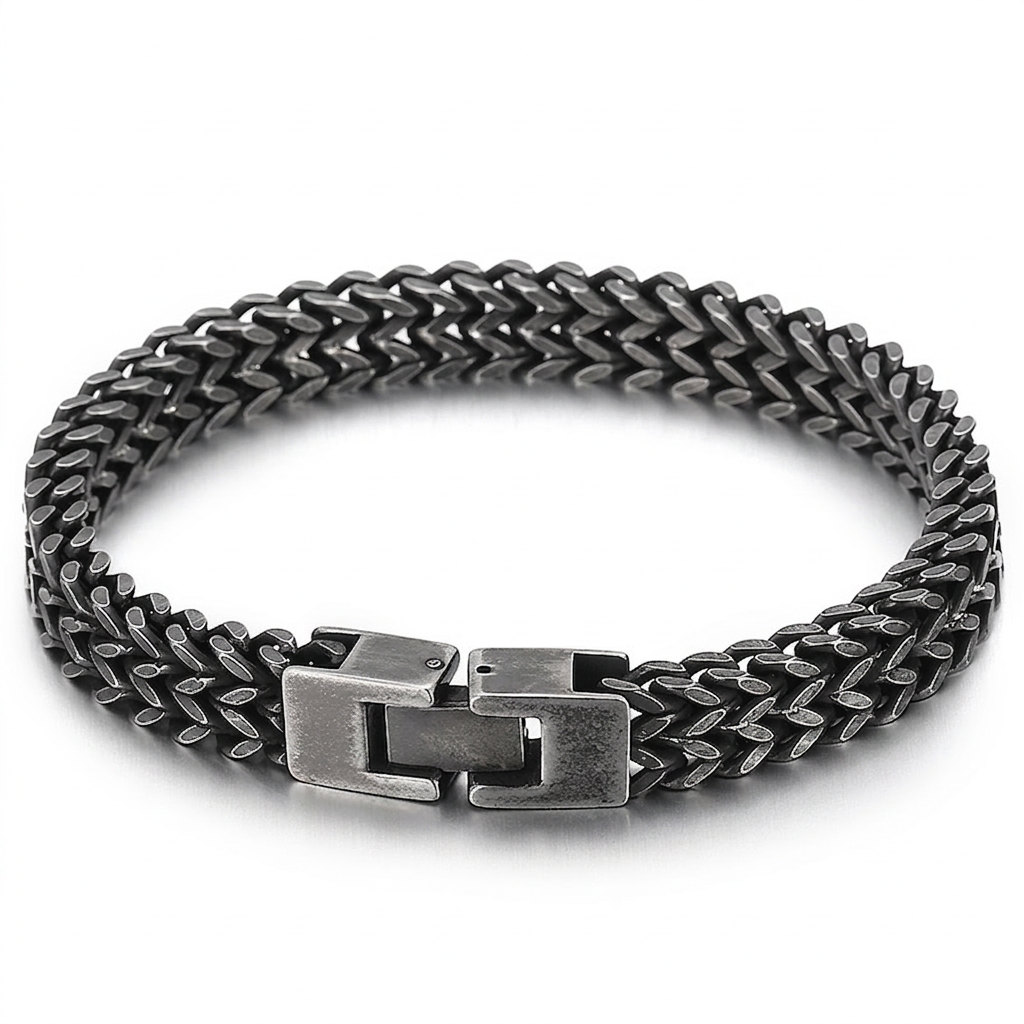
Double Row Franco Chain Bracelet Men 316L Stainless Steel Heavy Chunky Woven Link Hip Hop Punk Streetwear Jewelry
$6.27
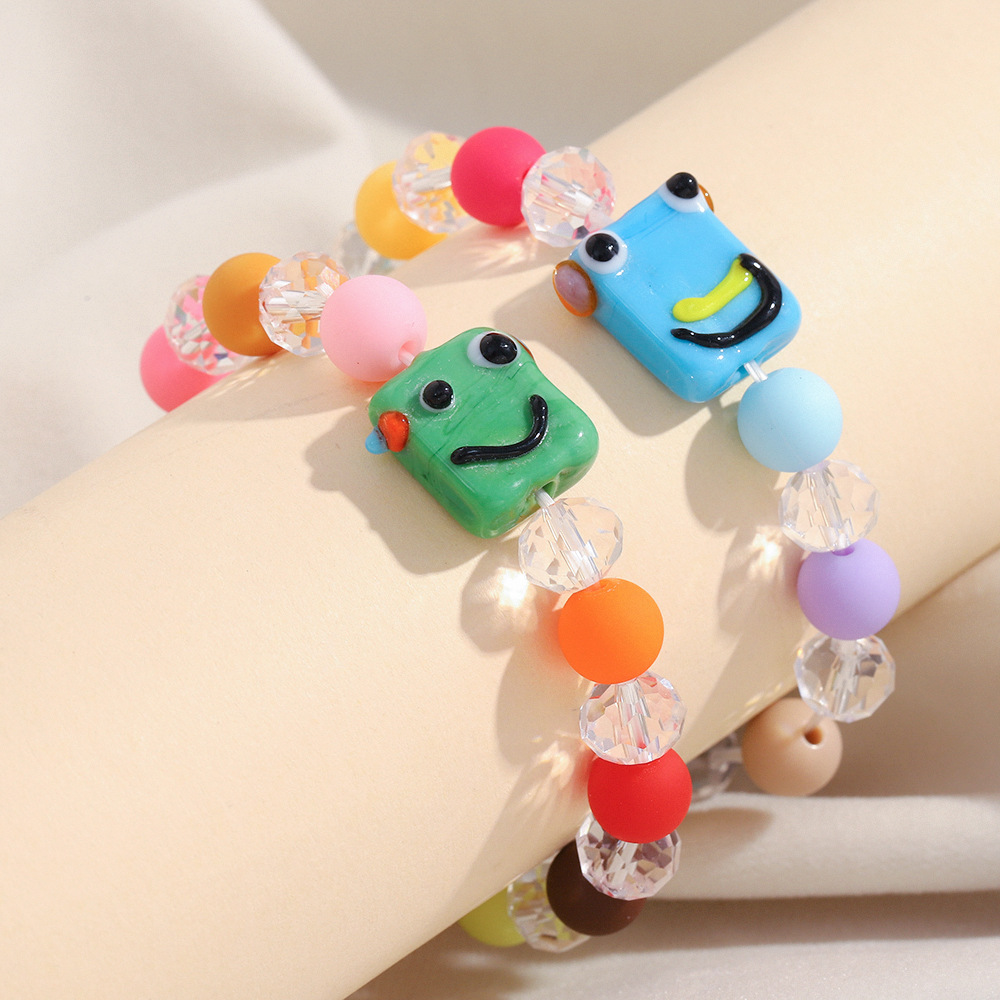
Colorful Beaded Bracelet Acrylic Resin Matte Faceted Beads Cartoon Frog Smile Face Charm Elastic Dopamine Style For Women
$1.69
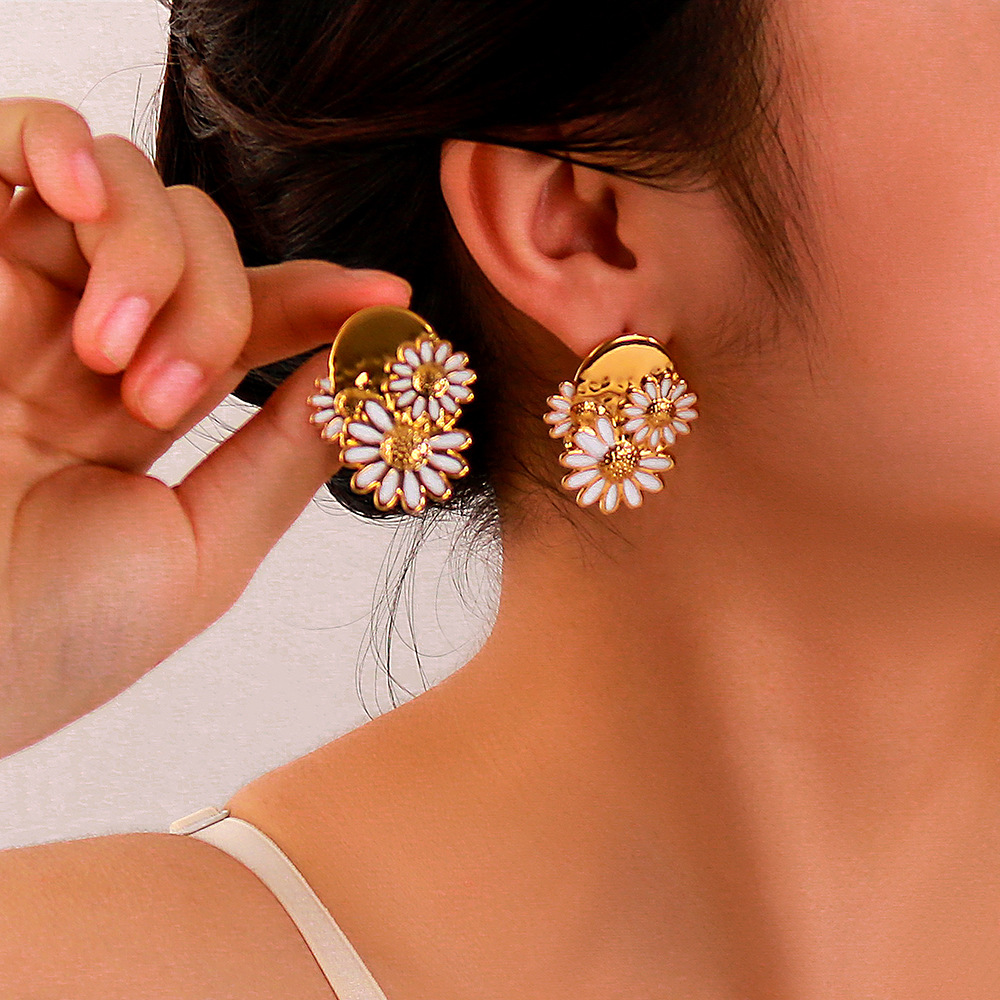
Daisy Flower Drop Earrings 18K Gold Plated Stainless Steel White Enamel INS Style Elegant Jewelry For Women
$4.11
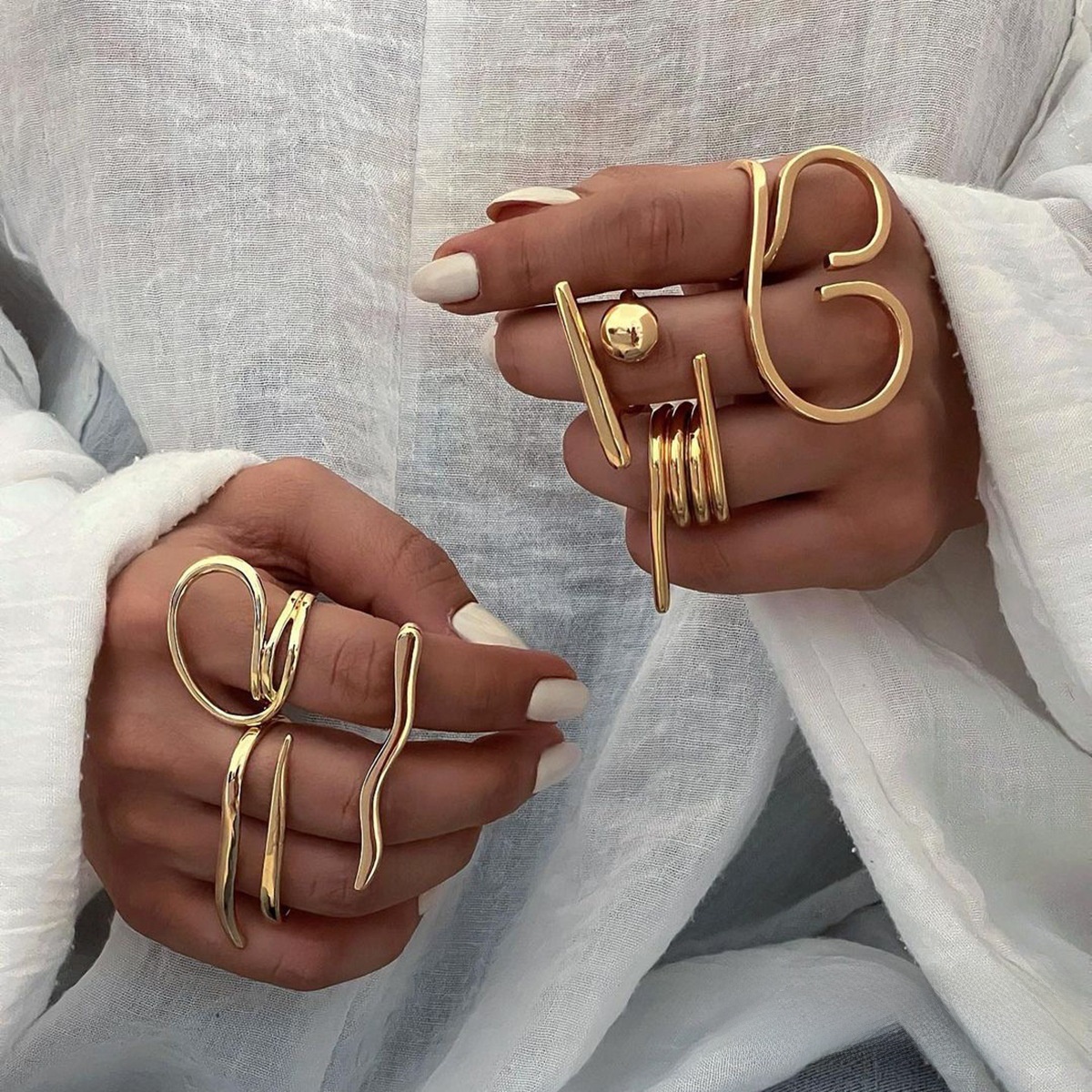
Geometric Ball Bar Open Ring Stainless Steel 18K Gold Plated Minimalist Adjustable Waterproof Polished Jewelry For Women
$4.58
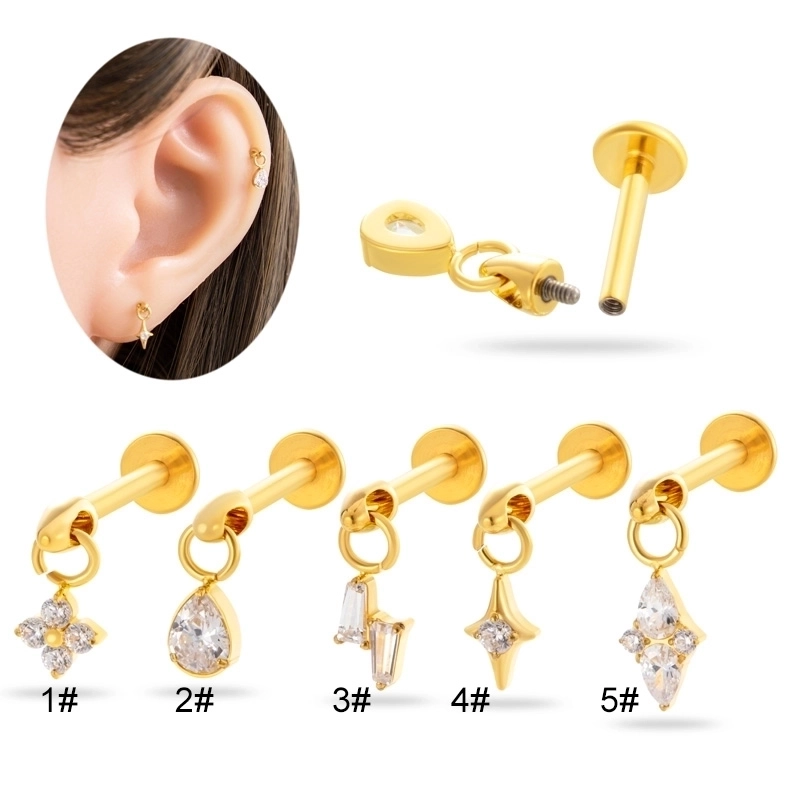
G23 Titanium Labret Stud Tragus Piercing Earring Internal Thread Flat Back Dangle Zircon Pendant Body Jewelry For Women
$2.85
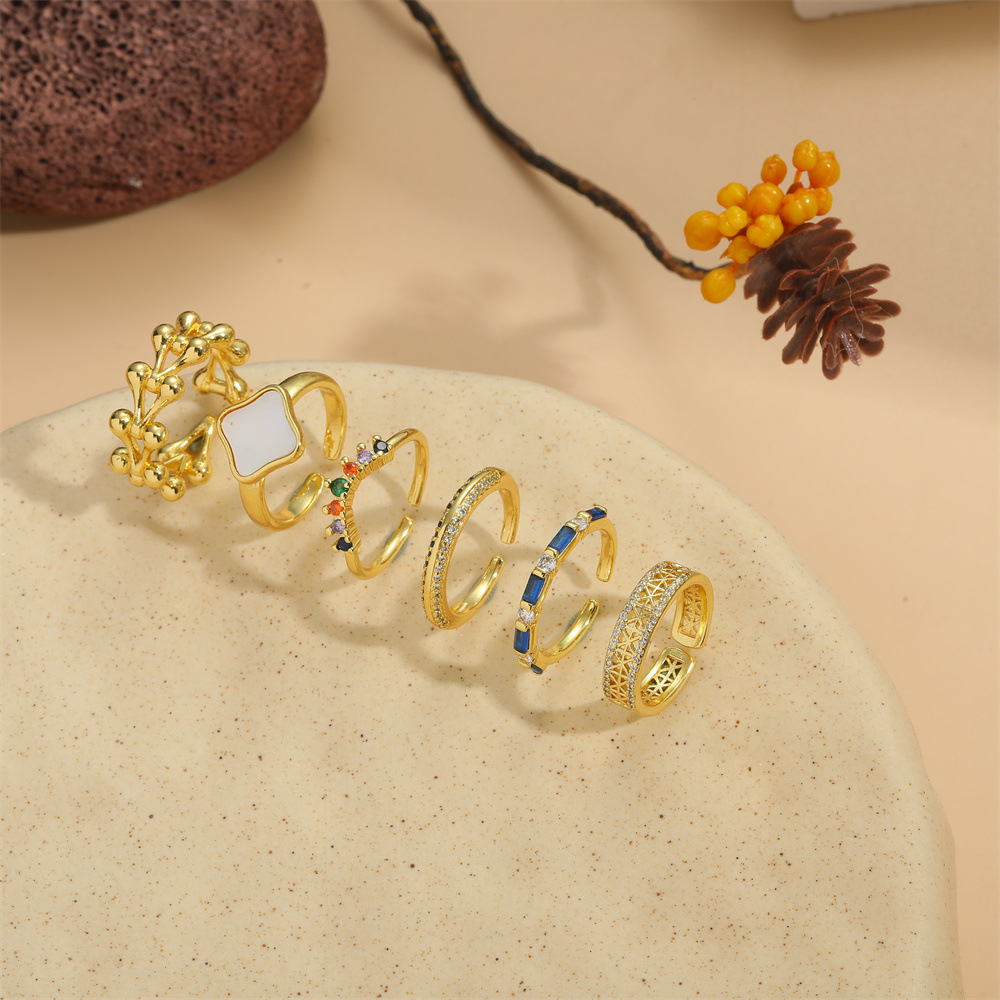
Copper Open Adjustable Ring Geometric Square Colorful Cubic Zirconia Hollow Out Vintage Fashion Finger Jewelry For Women
$1.36
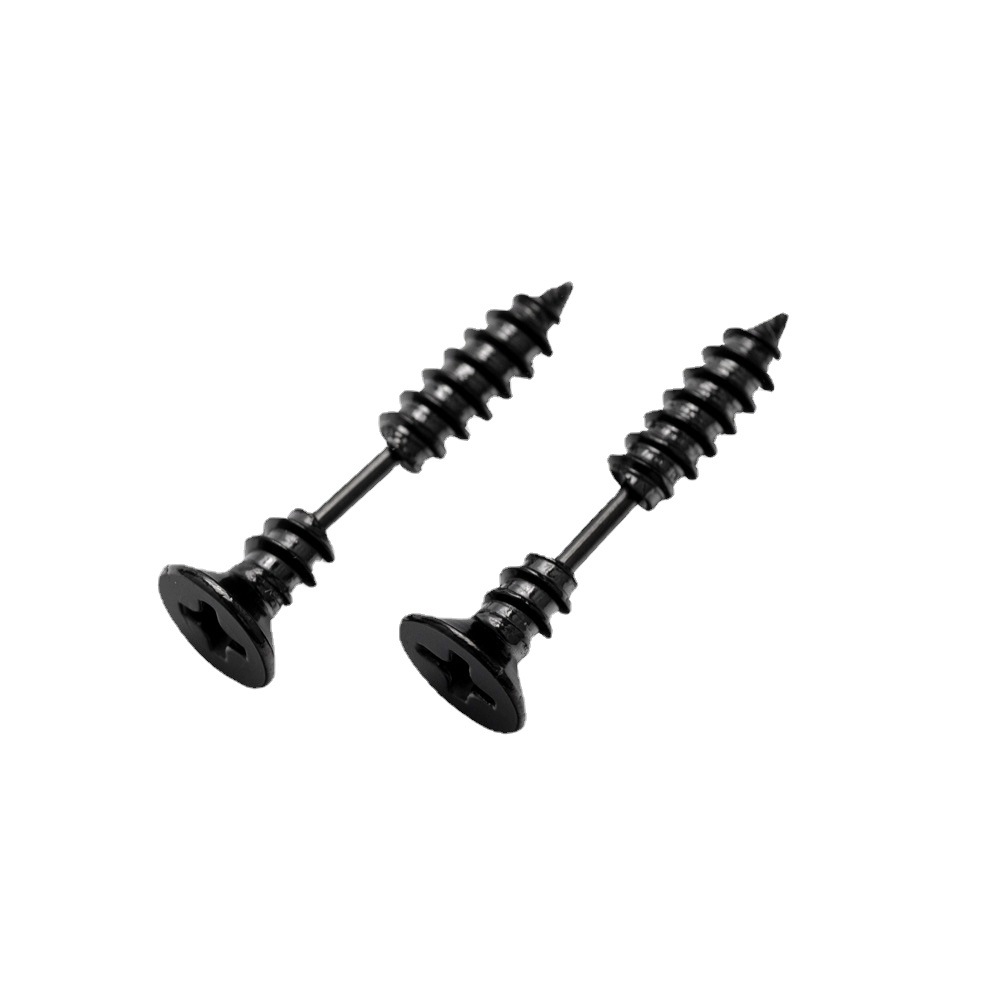
Screw Stud Earrings Titanium Steel Phillips Head Punk Industrial Style Dark Aesthetic Unisex Accessory
$1.78
Bundle to Build a Defensible Brand
Bundling is not just for average order value—it helps you establish a cohesive visual language that customers recognize. When you sell groups of items that share a distinctive style, you create a brand signature that is harder for copycats to replicate piecemeal. Below are three bundles that let you test the layered approach immediately.
Bohemian Brand Foundation
For the Etsy artisan launching a nature-inspired line. The baroque pearl and natural stone chip necklace plus the sacred heart pendant create a cohesive organic look. Watermark product photos with your brand name and register the shop name as a trademark.
- Freshwater Pearl And Natural Stone Chip Necklace Baroque Style 18K Gold Plated Handcrafted Elegant Jewelry For Womenhero
- Vintage Sacred Heart Pendant Necklace With Copper Ball Chain And Colorful Seed Beads Handmade Bohemian Jewelry For Womencomplement
- Colorful Beaded Bracelet Acrylic Resin Matte Faceted Beads Cartoon Frog Smile Face Charm Elastic Dopamine Style For Womenupsell
Bundle at $24.48 vs $25.55 separately—you protect margin while offering a cohesive set that trains customers to recognize your brand.
Punk Protector Set
For the Shopify seller targeting alternative fashion. The spike thorn necklace and dagger earrings make a bold statement that copycats often blur in cheap reproductions. Use limited batch runs with unique finishing—e.g., the dagger earrings in 316L stainless steel—to make knockoffs visually inferior.
- Exaggerated Spike Thorn Alloy Necklace For Women Individual Punk Style Gold Metal Statement Collarbone Chain Jewelryhero
- Dagger Pendant Hoop Earrings 316L Stainless Steel Gothic Punk Retro Sword Drop Jewelry Men Womencomplement
- Retro Hoop Earrings 316L Stainless Steel Distressed Chain Texture Punk Industrial Style Unisex Huggie Jewelryupsell
Bundle at $8.55 vs $9.45 separately. Risk: the niche audience is smaller, but the lower price point reduces hesitation.
Minimalist Signature Kit
For the flea market vendor wanting a clean, branded display. The geometric ball bar ring and copper ear cuffs are simple but distinct—perfect for adding a tiny engraved logo on the inside (available as custom request). Watermark your display photos consistently so booth visitors can't easily recreate them.
- Geometric Ball Bar Open Ring Stainless Steel 18K Gold Plated Minimalist Adjustable Waterproof Polished Jewelry For Womenhero
- Copper Ear Cuffs Gold Plated Zircon C Shaped Non Piercing Earrings Jewelry For Women Fashion Minimalistcomplement
- Copper Open Adjustable Ring Geometric Square Colorful Cubic Zirconia Hollow Out Vintage Fashion Finger Jewelry For Womenupsell
Bundle at $6.77 vs $7.33 separately. Downside: minimalist designs are easier to reproduce, so you must rely on brand name and packaging as the differentiator.