
Trend Report · May 12, 2026
INSANE PRICING! – How to Turn Scarcity into Premium Margins for Your Accessories Line
Learn how the sudden $400 price spike on a sneaker reveals a replicable pattern for accessories sellers to capitalize on limited-supply demand with smart pricing.
INSANE PRICING!
A Reddit user posted a raw, frustrated story: after waiting since 2020 for a pair of black silver Answer 5s in size 13, they finally saw a listing — at $400 above the last sale. The order was cancelled in 2022 due to a messed-up box, and now the price has become insane. That moment captures a brutal reality in resale: when supply dries up and desire stays hot, pricing can detonate overnight.
For accessories and jewelry sellers, the lesson isn't about sneakers. It's about what happens when a specific item becomes deeply wanted by a niche audience and stock is scarce. The wanting drives the price, and the size of that want (both emotional and practical) creates a margin opportunity for anyone who can source the right product at the right moment.
Make no mistake — the pattern is replicable. Whether it's a discontinued necklace clasp, a sold-out chain, or a limited-run charm, the mechanics are the same: identify a specific want, secure supply before the spike, and price accordingly. This case teardown pulls apart what happened and shows how you can apply it to your Shopify store or pop-up stall.
The Replicable Pattern Behind the Spike
What made the Answer 5s situation possible? Two factors: the buyer's persistent wanting (checking once a week) and the limited size (13) matching an uncommon demand. When a specific size or variation is tied to a product that has emotional resonance, any available unit becomes worth a premium. The same dynamic applies to fashion jewelry — a particular birthstone color, a discontinued enamel pin design, a one-off bundle of DIY stickers that kids collect.
The key variable is specificity. General demand can be met by substitutes, but when a buyer wants a very specific item (like a make-a-face sticker sheet with a mermaid theme or a particular inspirational pendant), the price floor rises. The source story shows that the last sale price was the baseline, but the buyer was willing to pay $400 over because the alternative was nothing. That's the inflection point: when supply is so constrained that any available unit commands insane pricing.
For a small operator, this means you can intentionally create micro-scarcity. Instead of stocking 500 units of a generic item, stock 20 of a very specific make-a-face sticker bundle and price it at 3x the average margin. The wanting will be there — you just need to match the right product to the right size of that want.
Who Can Run This Play
This pattern works best for sellers who already have a small, engaged audience and can move fast. If you're a Shopify store owner curating niche collections, a pop-up vendor at flea markets, or an Etsy seller testing limited drops, you can replicate the insane pricing dynamic without needing a huge budget.
Shopify seller
Can create a 'coming soon' page for a specific product (e.g., 18K gold-plated make-it-happen pendant) and email list to gauge wanting before ordering. Risk of low volume offset by high per-unit margin.
Pop-up / flea market operator
Ideal for testing physical scarcity — bring only 3–5 units of a unique item (like beaded bracelet with Make A Wish card) and watch customers compete. No online listing fees, immediate cash.
Side-hustle sticker reseller
Buy limited-run make-a-face sticker packs (e.g., Christmas Santa or Halloween pumpkin) in small quantities. When a specific theme sells out, list remaining stock at a premium on marketplace. Low risk, high emotional pull.
What Happened
A Reddit user posted about wanting the black silver Answer 5s since 2020. They nearly bought a pair in 2022, but the order was cancelled because the box was damaged. They checked every week for three years. Finally, a size 13 listing appeared — at $400 above the last sale. The price jump was insane, and the user was furious but still wanted them. That post captured the exact moment when a specific product, a specific size, and a specific wanting collided with constrained supply to create pricing that defies logic.
The Replicable Pattern
Match a specific want with a specific size/variation that is hard to find.
Evidence: The user wanted size 13, an uncommon size, and the last sale price was the baseline. When a new pair appeared, the seller listed at $400 over because they knew there was no alternative for that exact want.
Emotional persistence (checking weekly) indicates deep demand – you can bank on it.
Evidence: The user had been wanting for 3+ years. In accessories, that translates to customers searching for 'make it happen necklace' or 'mermaid make a face stickers' repeatedly. That persistence means they'll pay a premium when the exact item surfaces.
Long waiting periods make customers accept insane pricing as 'fair'.
Evidence: After missing out in 2022 and waiting, the user was willing to consider $400 over the last sale. In jewelry, a customer who has been waiting for a restock of a specific enamel pin will pay 2-3x the original price without complaint.
How to Sell Using the INSANE PRICING Pattern
Start by picking one product from the list that has strong emotional resonance (inspirational pendant, motivational keychain, or a specific holiday make-a-face sticker). Order only 10 units. This keeps your risk low and scarcity genuine. On your Shopify store or Etsy, list it at a normal price first. Once you've sold 7, raise the price to 2x and add a banner: 'Only 3 left — last chance at this variation.' The wanting builds as stock drops. For pop-up stalls, physically display only 3 units of a product (e.g., the beaded bracelet set with Make A Wish card). When a customer asks if you have more, say those are the last ones. That mirrors the 'size 13' moment — the customer sees scarcity, makes a decision faster, and often pays the listed price without negotiation. The estimated margin on this tactic is high because you didn't need to discount. On TikTok Shop, use a video showing the product and overlay text: 'They cancelled my order in 2022 — now this is the last one.' That emotional narrative (made famous by the Answer 5s story) drives shares and urgency. Keep the ad budget low ($10/day) and watch the engagement.
Create a product page for the inspirational pendant with a 'Notify me when back in stock' button. Collect emails for 2 weeks, then send a 'limited restock' email with a link that raises the price by 40%. Customers who joined the waitlist have wanting built up.
⚠ If only 2 people sign up, you may have to lower price. Keep MOQ low — buy 10 units only.
Display 3 beaded bracelets with Make A Wish card in a small locked case. When a customer asks, say these are the only ones and the price is firm at $14.99. Play up the 'insane pricing' story without mentioning sneakers — just say 'these don't come back.'
⚠ Customers may walk away if price feels too high vs generic bracelet. Mitigate by having a higher-priced item that makes the bracelet look reasonable.
Film a 15-second video showing the make-a-face sticker variation that is hardest to find (e.g., mermaid vs pumpkin). Voiceover: 'I waited three years for this specific one — now I have it, but only 5 sets exist.' Link direct to checkout. Run $5/day for 3 days.
⚠ Low engagement if the video doesn't convey the emotional wanting. Test two hooks: 'size 13 of stickers' or 'the last mermaid sheet.'
Products That Fit the Scarcity Play
To run the insane pricing strategy, you need items that can be positioned as 'the last one' or 'rare find.' The following products from DayJewel's wholesale catalog have the right mix of specificity, emotional wanting, and margin potential. Focus on the variations that are harder to restock — like seasonal make-a-face stickers or inspirational metal pieces with engraved messages.
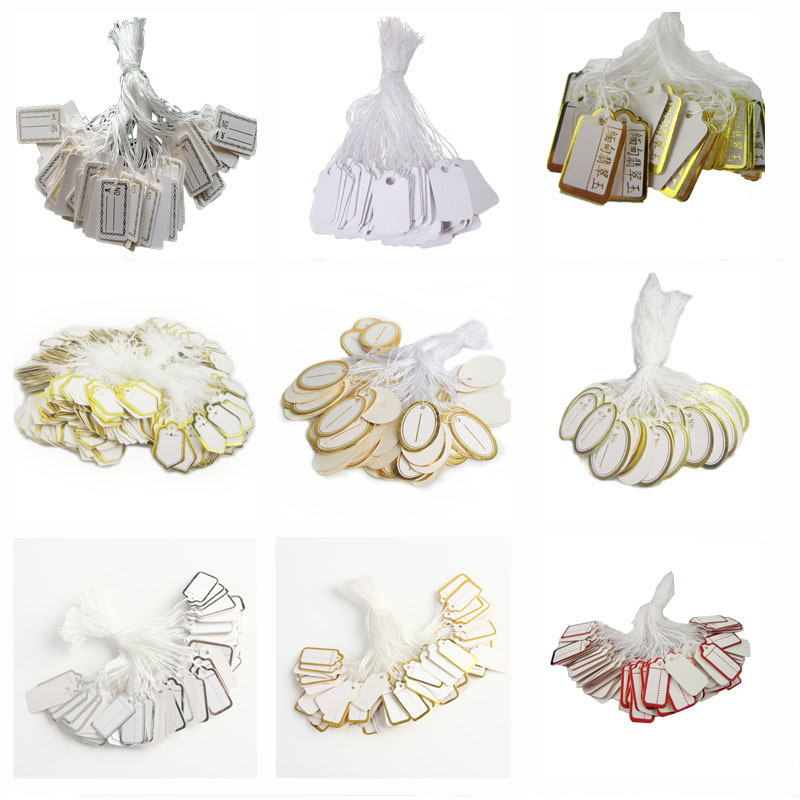
500pcs Blank Jewelry Price Tags with White Cotton String Paper Pricing Labels with Gold Silver Red Borders for Jewelry Clothing Accessories Pricing and Identification
$2.74
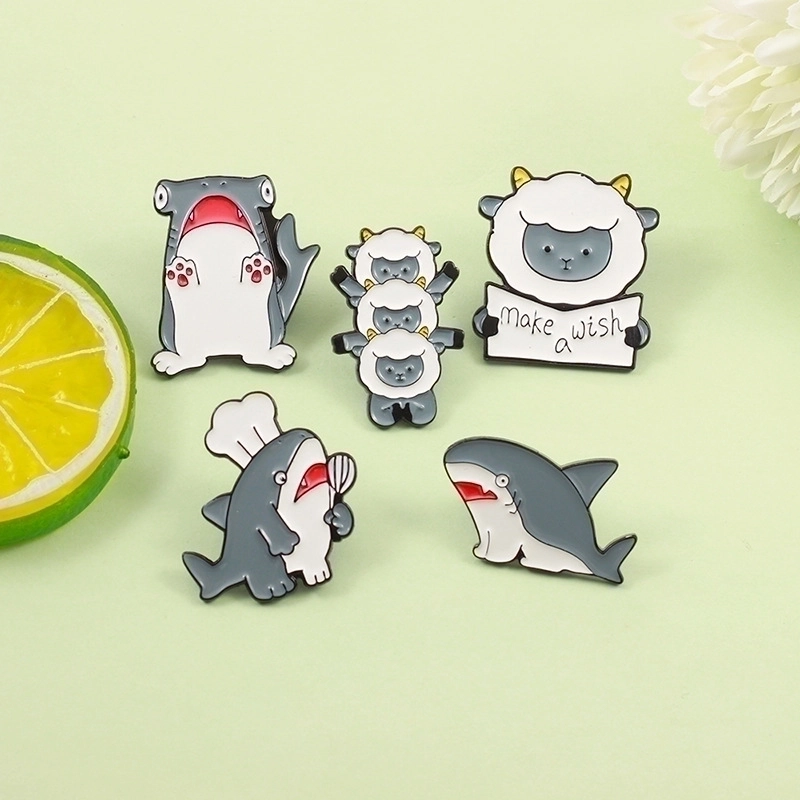
Cute Cartoon Animal Shark Sheep Enamel Pins Alloy Brooch Make A Wish Jewelry Badge For Backpack Clothing Jacket Hat Decor Accessories Gift
$0.63
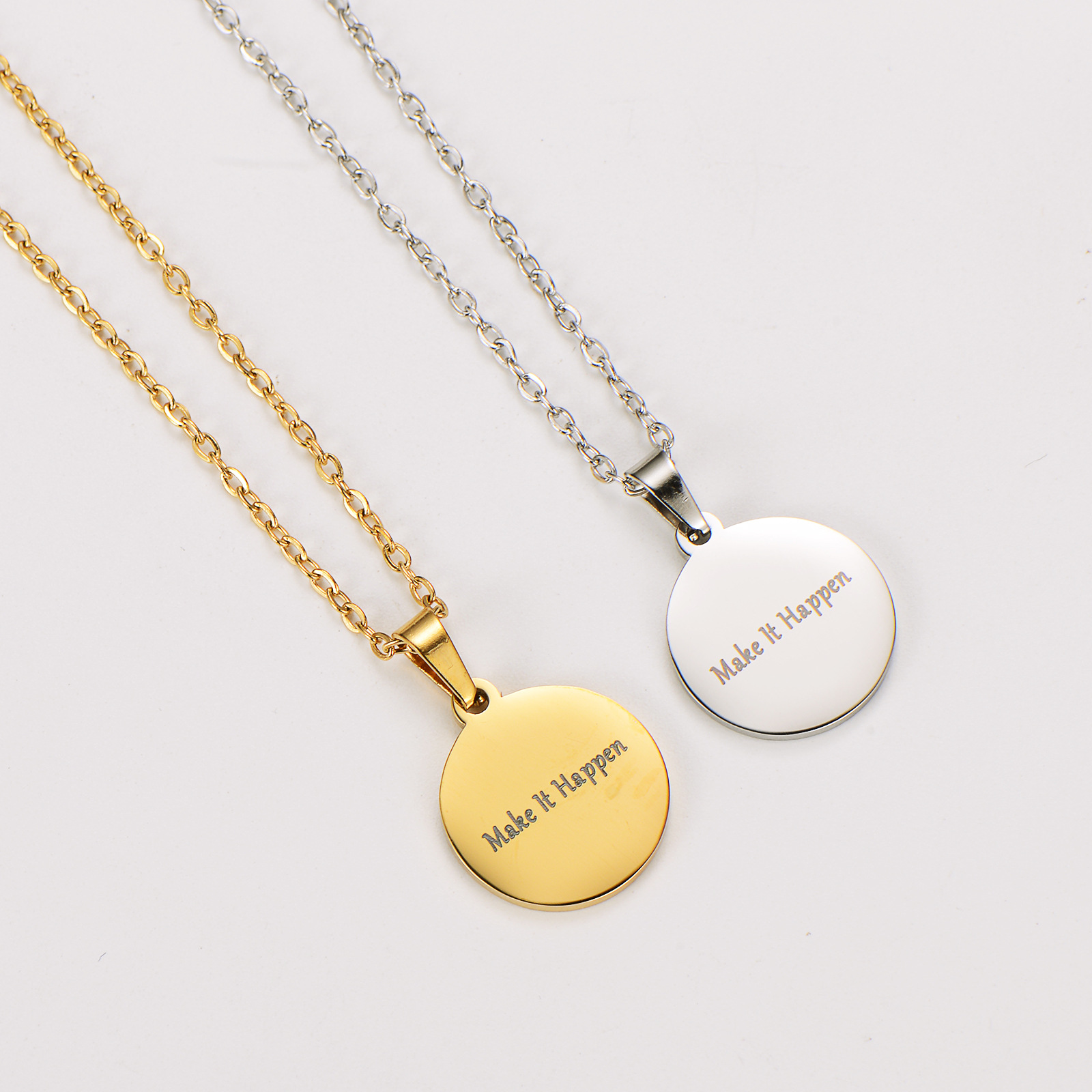
Inspirational Pendant Necklace 304 Stainless Steel 18K Gold Plated Engraved Make It Happen Round Disc Chain For Women Daily Wear Gift Jewelry
$0.62
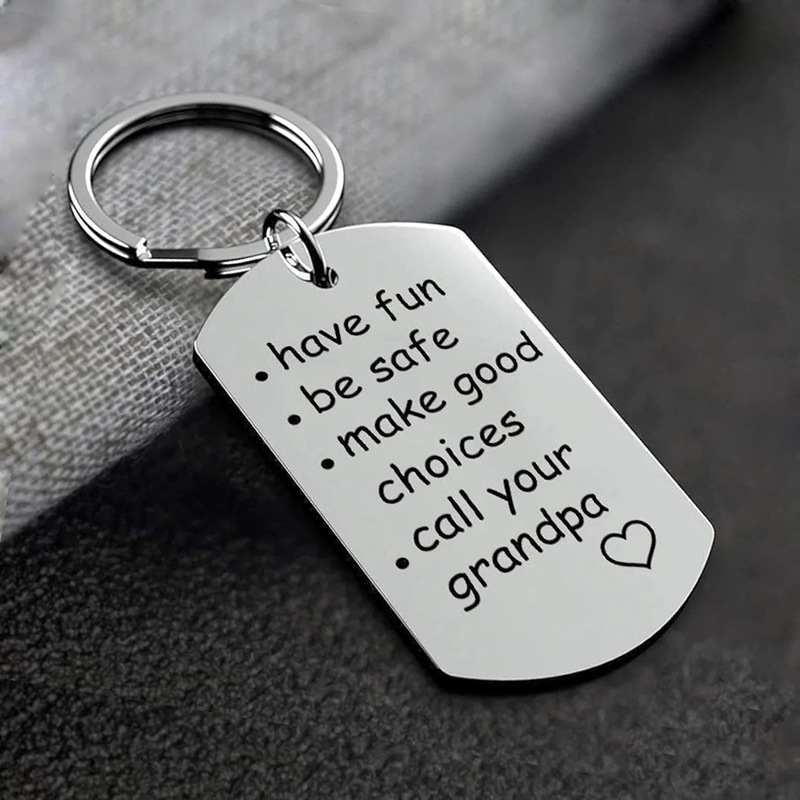
Stainless Steel Inspirational Keychain Have Fun Be Safe Make Good Choices Call Your Mom Dad Grandpa Key Ring Family Gift Safety Reminder Accessory
$0.65
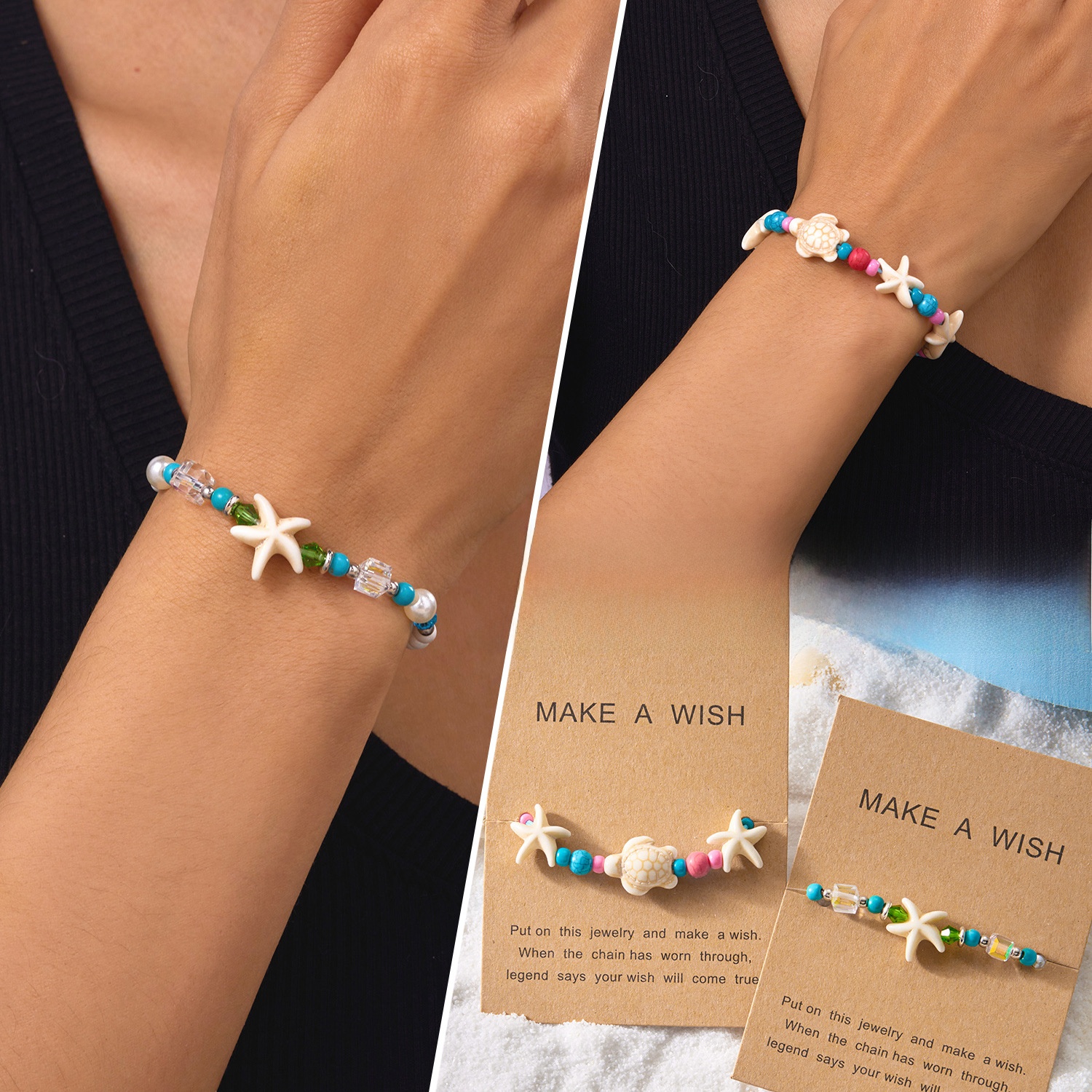
Bohemian Starfish Sea Turtle Beaded Bracelet Set For Women Handmade Adjustable Wax Rope Summer Beach Vacation Jewelry With Make A Wish Gift Card
$0.45
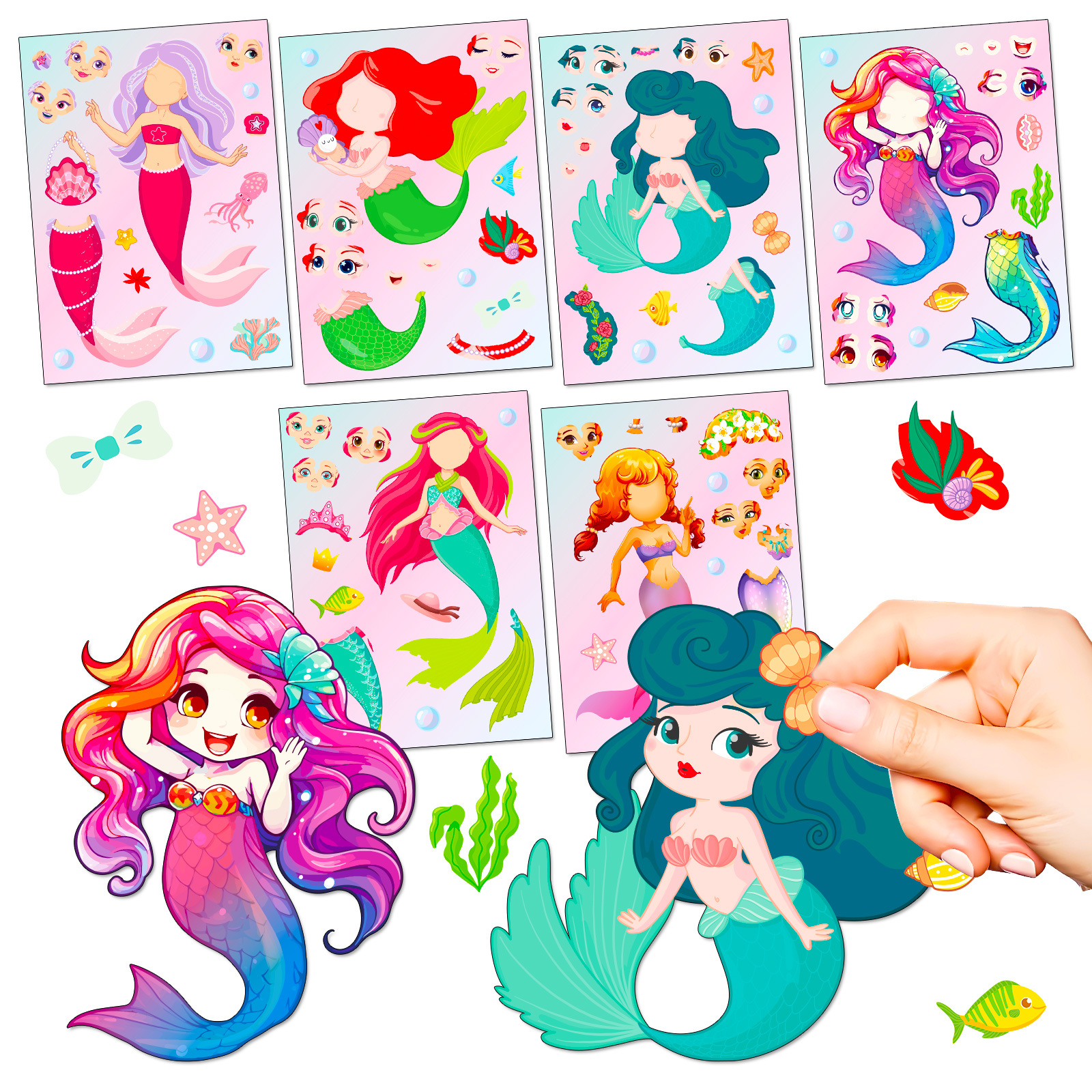
DIY Mermaid Make a Face Stickers Waterproof Cartoon Ocean Princess Sticker Set For Kids Birthday Party Favors Scrapbooking Handwork Decorative Stickers
$0.10
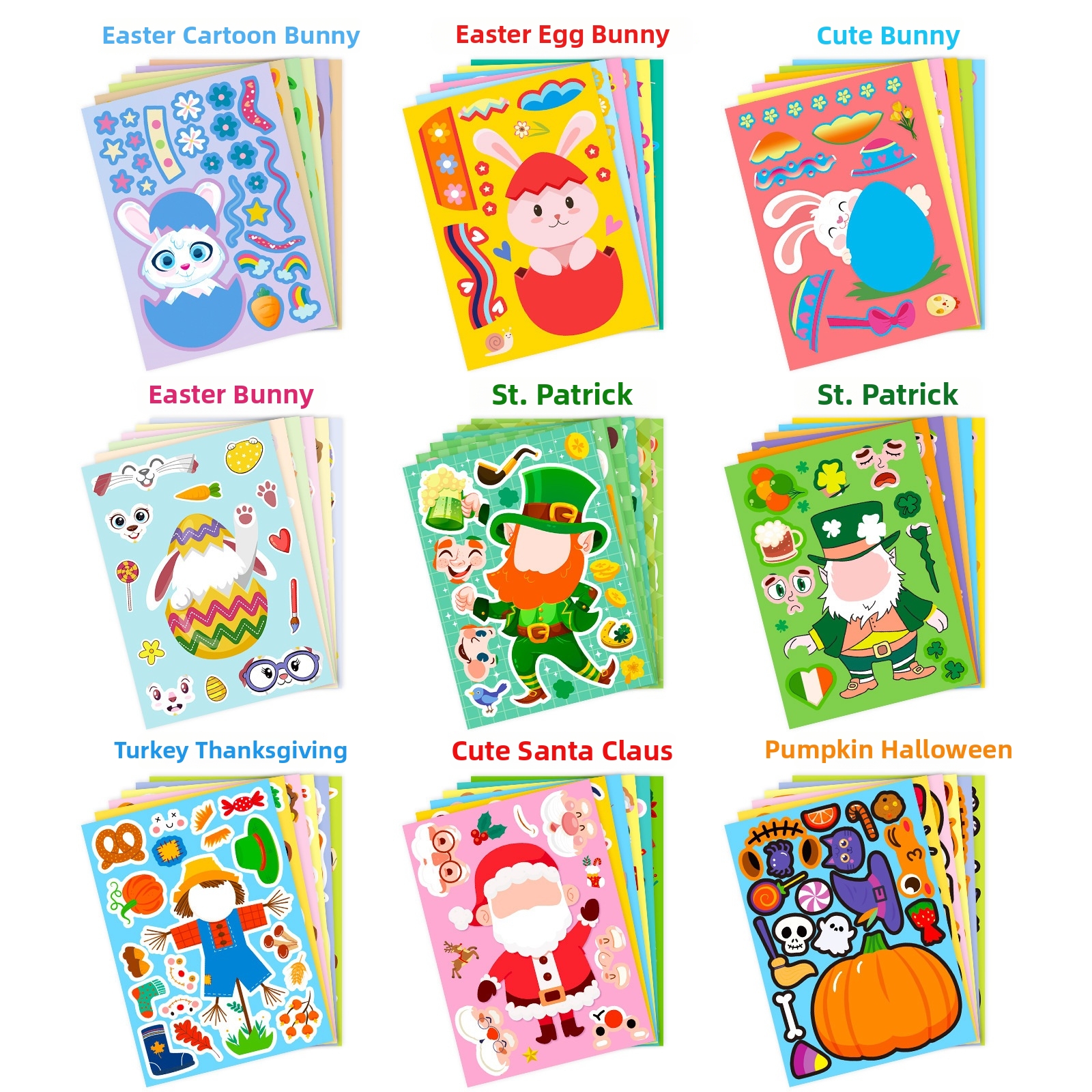
Make A Face Puzzle Stickers For Kids DIY Holiday Theme Easter Rabbit St Patrick's Day Halloween Christmas Thanksgiving Party Favors Decoration Stationery Gift Creative Craft
$0.10
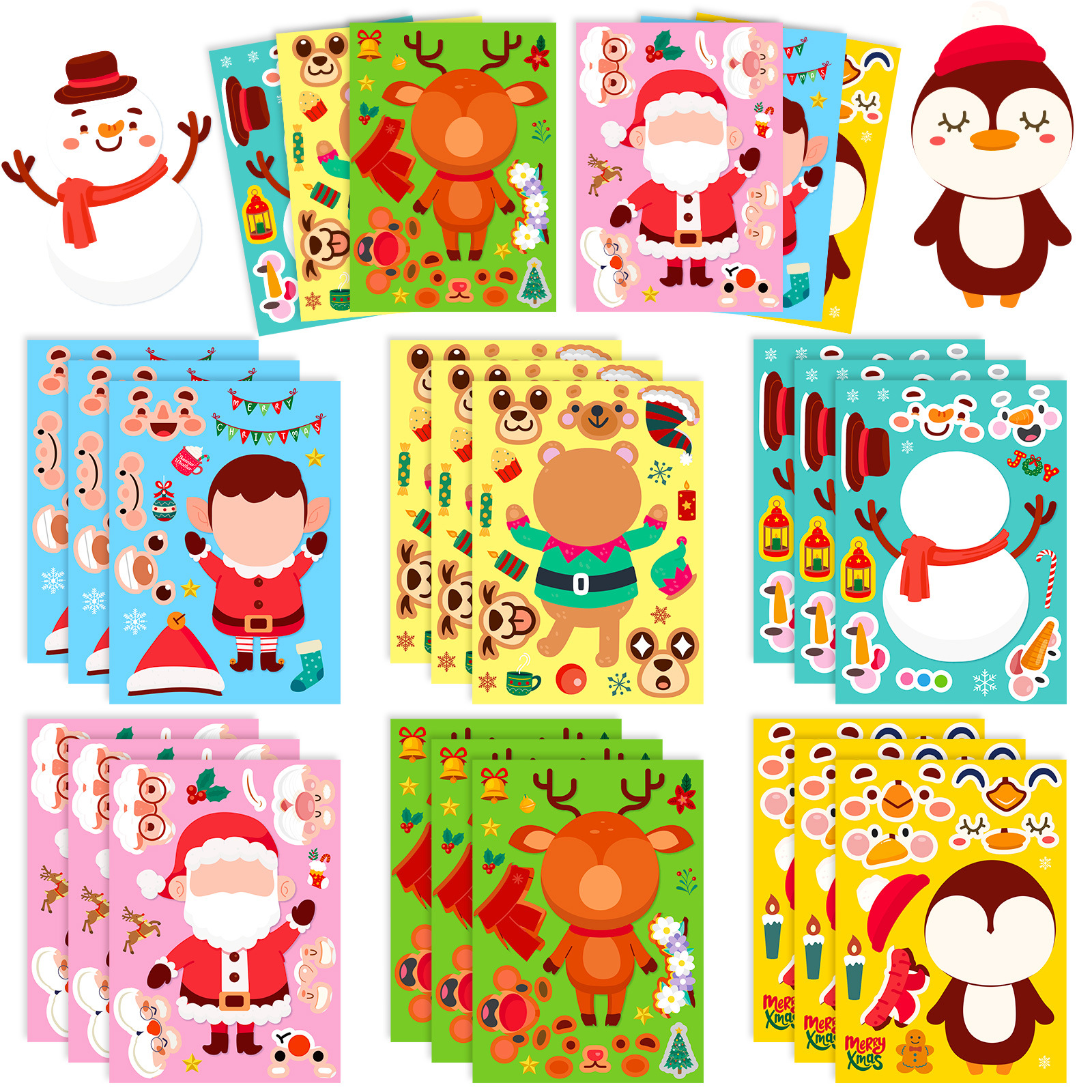
6 Sheets Christmas DIY Make A Face Stickers Santa Claus Reindeer Snowman Puzzle For Kids Xmas Party Favors Cartoon Self Adhesive Stickers
$0.11
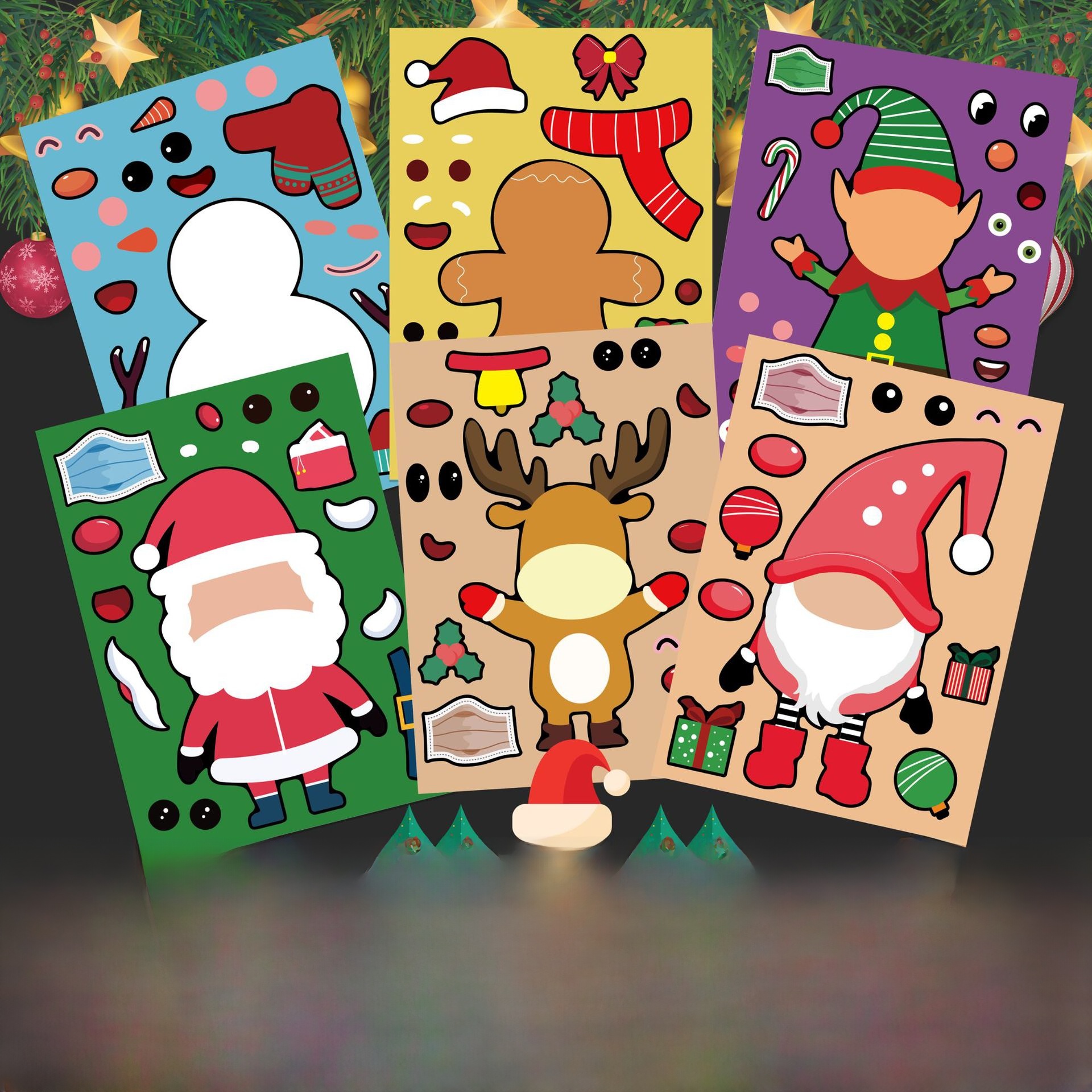
Christmas DIY Puzzle Stickers Cartoon Santa Claus Snowman Reindeer Make-a-Face Adhesive Paper Sticker Sheets for Kids Party Favors Xmas Decorations
$0.61
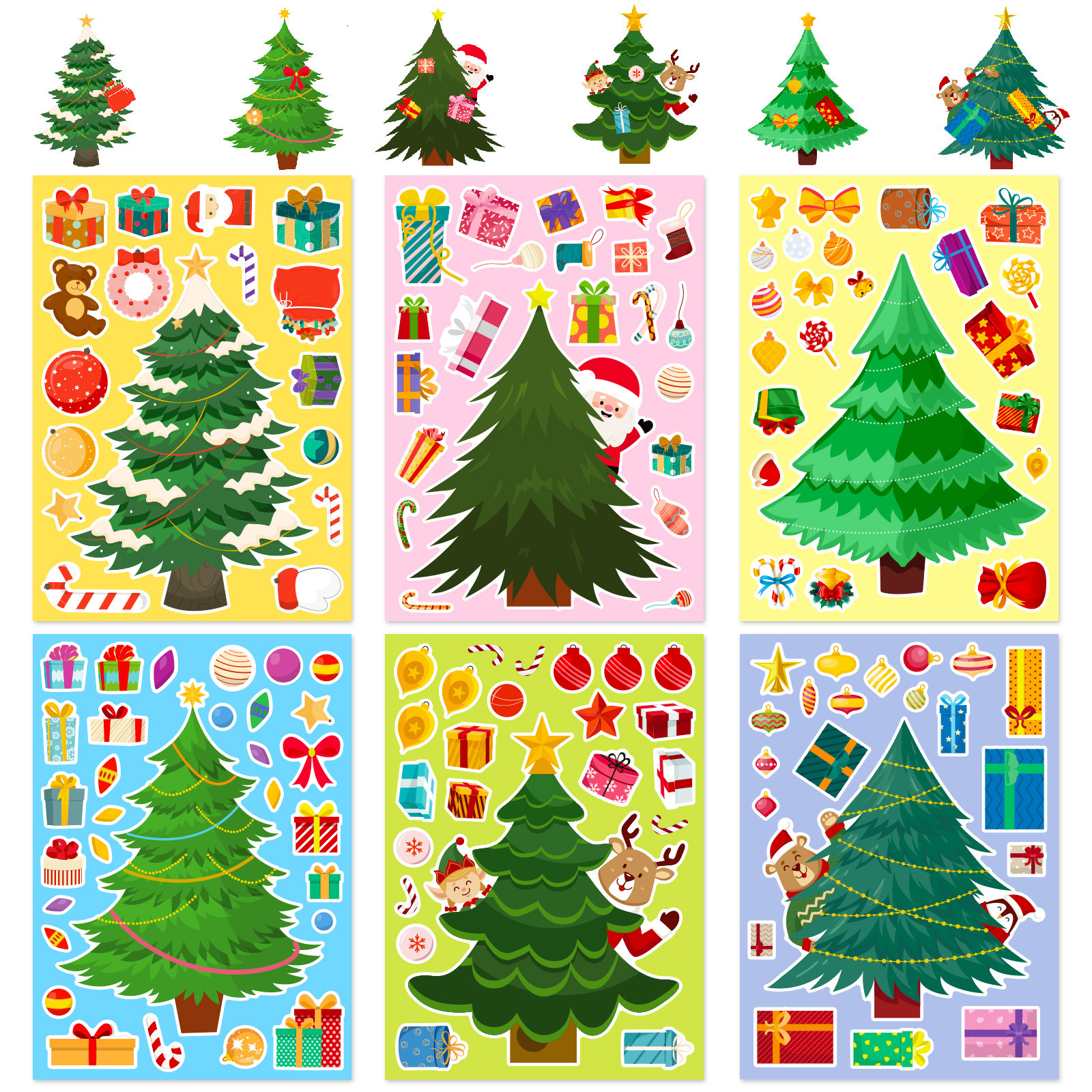
DIY Christmas Tree Stickers Make A Face Santa Reindeer Elf Decals For Kids Holiday Party Favors Educational Crafts PP Material Festive Decoration
$0.11
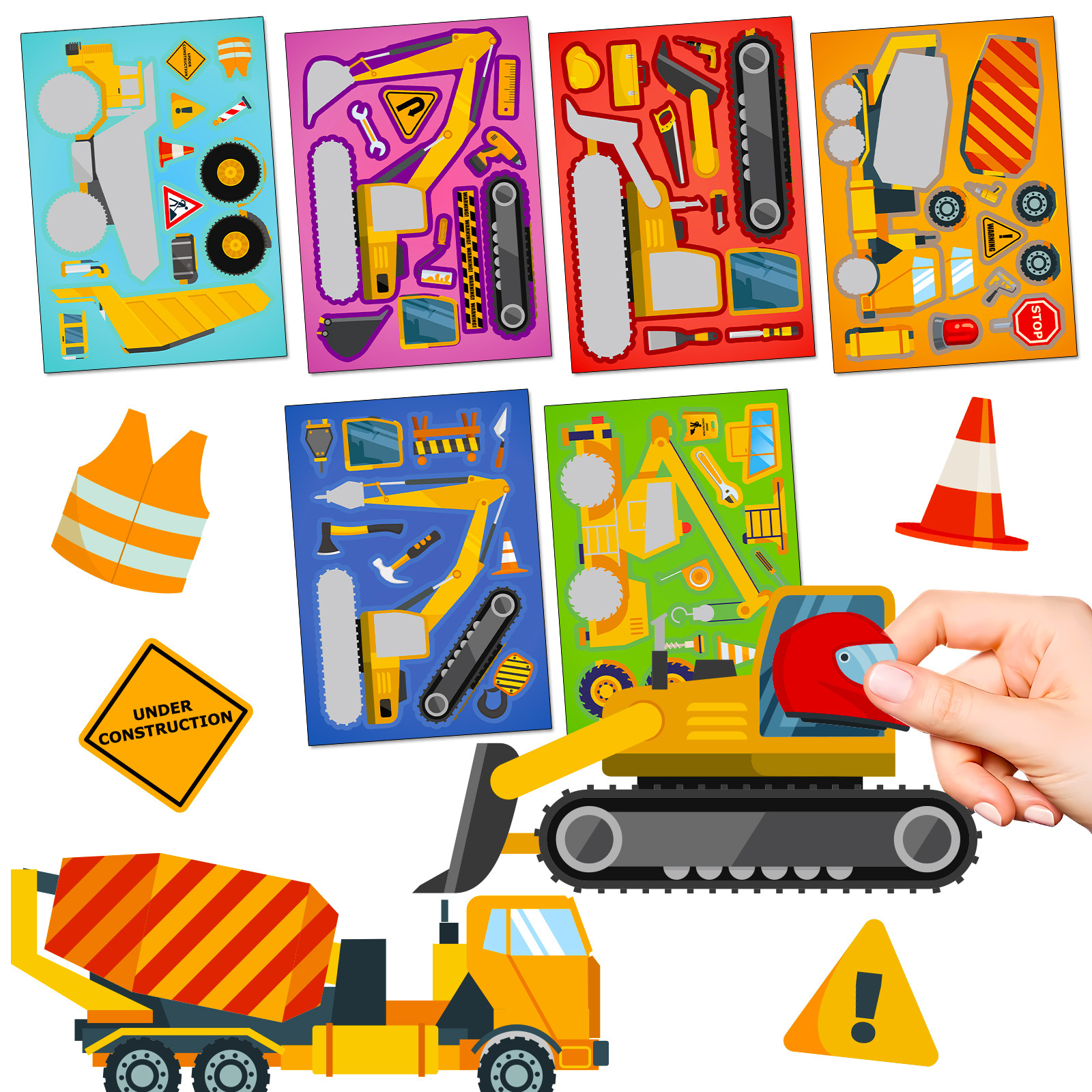
6 Sheets Pack Kids DIY Make-a-Face Construction Vehicle Stickers Cartoon Excavator Truck Bulldozer Puzzle Stickers For Boys Creative Craft Party Favors
$0.10
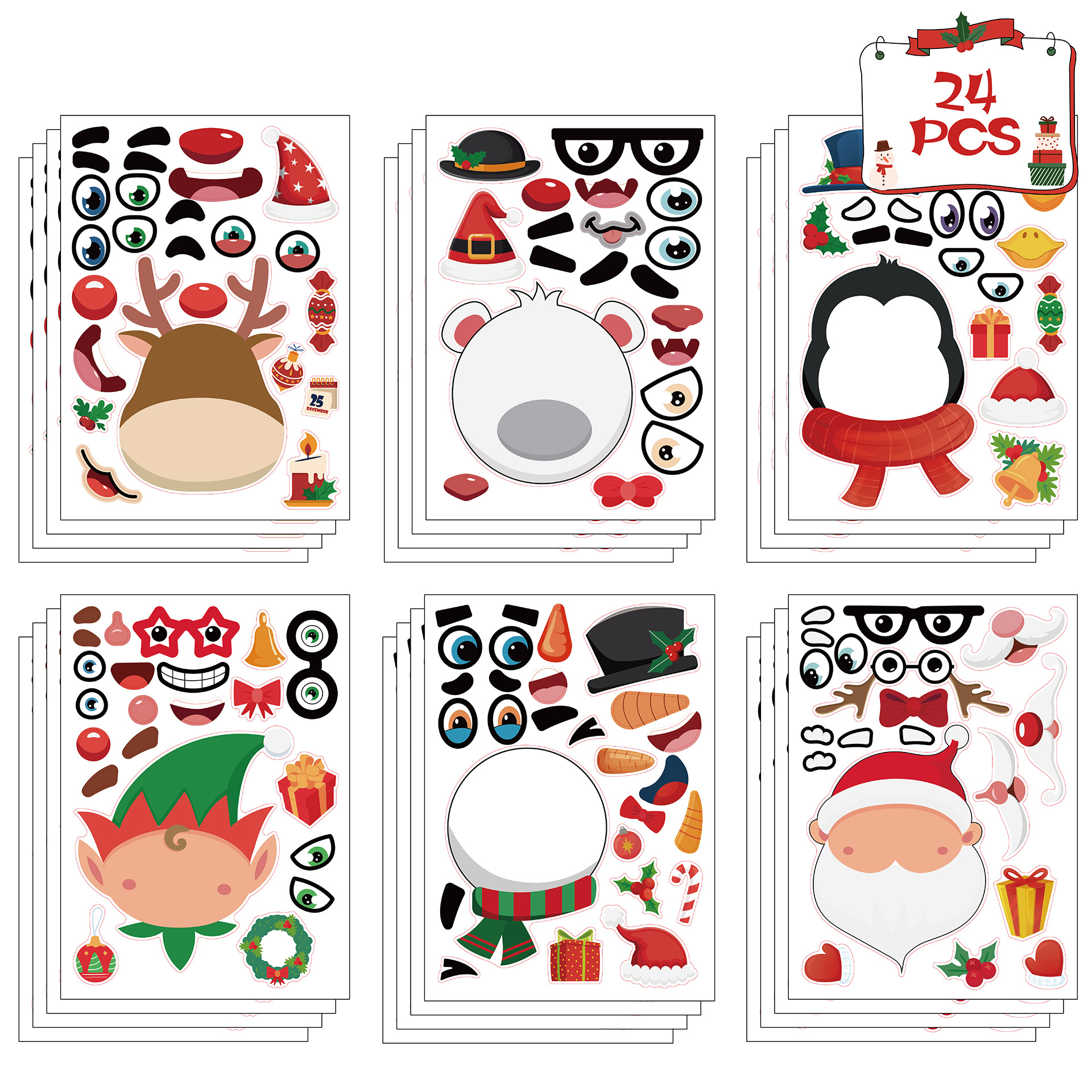
Christmas DIY Stickers Make-a-Face Puzzle Games For Kids Coated Adhesive Paper Cartoon Santa Claus Snowman Reindeer Reusable Sticker Sheets Christmas Party Favors Classroom Gift
$0.61
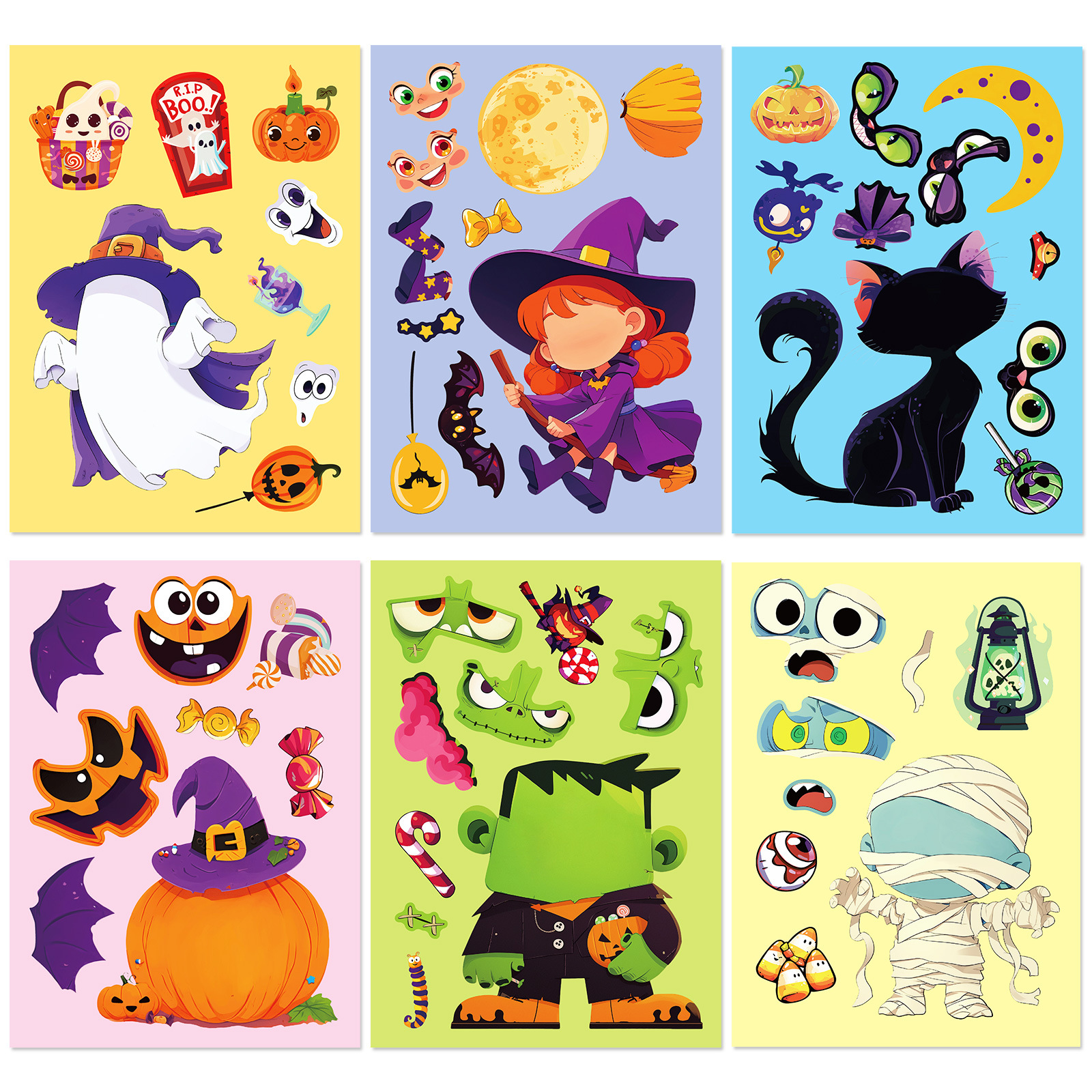
Halloween DIY Stickers Paper PP Make A Face Puzzle Cartoon Cute Ghost Pumpkin Witch For Kids Party Favors Goodie Bag Fillers
$0.11
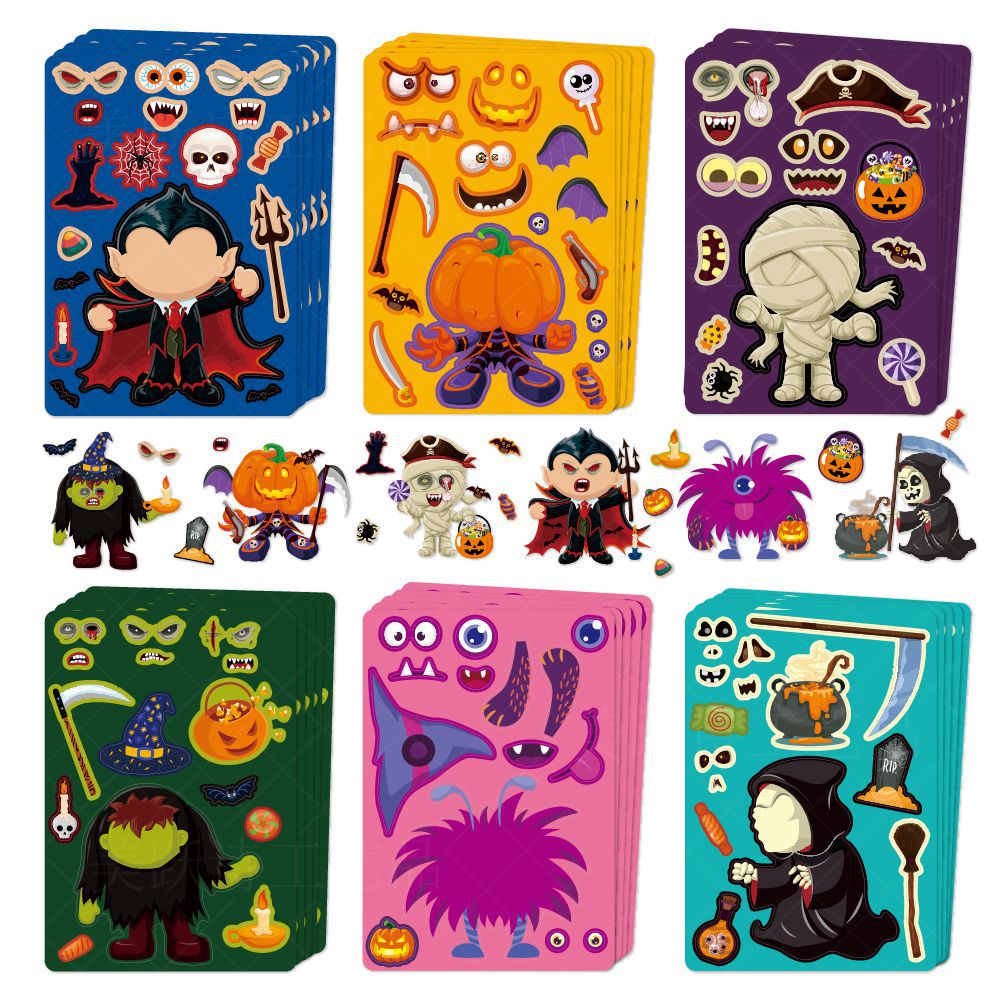
Halloween DIY Make A Face Stickers Cartoon Pumpkin Vampire Mummy Self Adhesive Paper For Party Decoration Kids Favors
$1.01
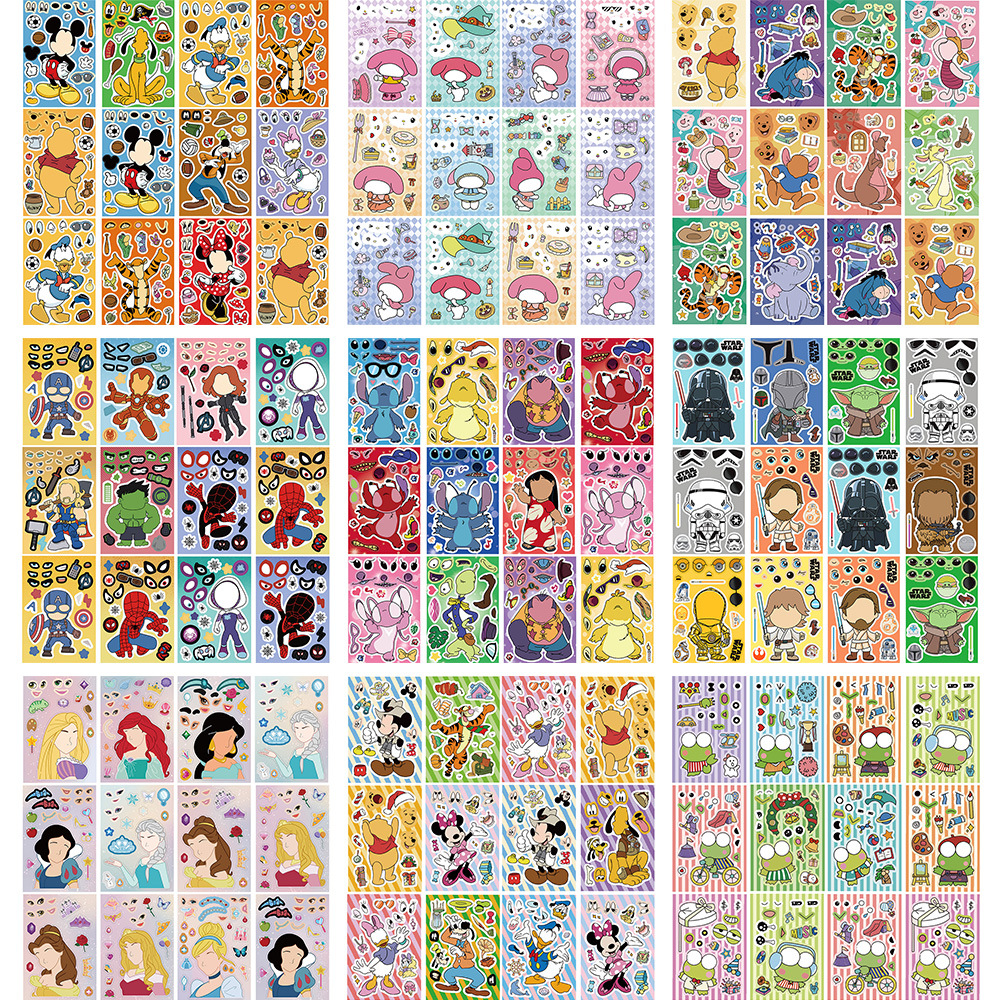
DIY Make A Face Stickers PVC Waterproof Educational Craft Puzzle Party Favor Birthday Gift Cartoon Character For Children Kids
$0.86
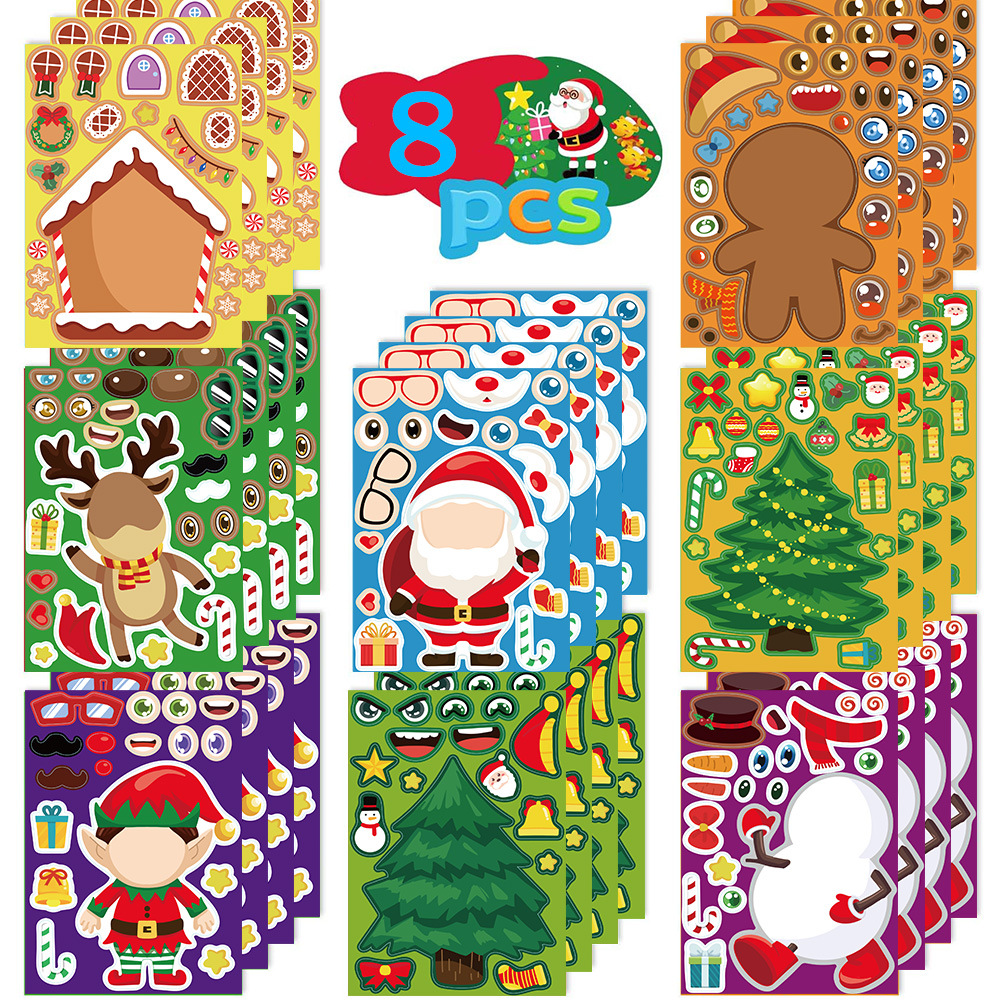
8 Sheets Christmas DIY Make A Face Stickers Waterproof PVC Cartoon Santa Reindeer Puzzle Stickers For Kids Party Favors
$0.86
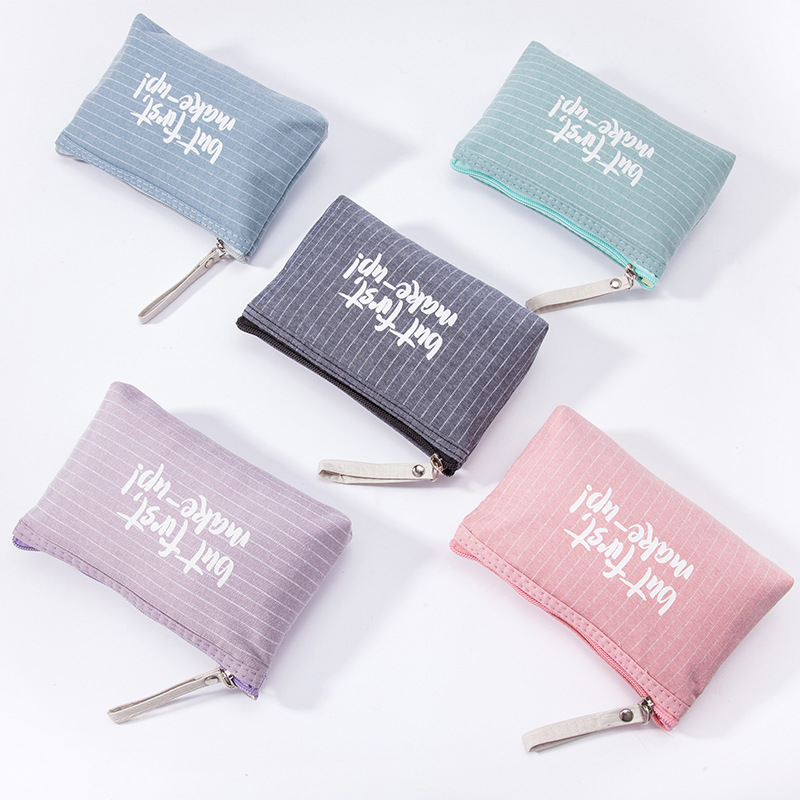
Striped Canvas Cosmetic Bag With "but first make-up!" Letter Print Travel Toiletry Organizer Zipper Pouch For Women Makeup Storage
$1.12
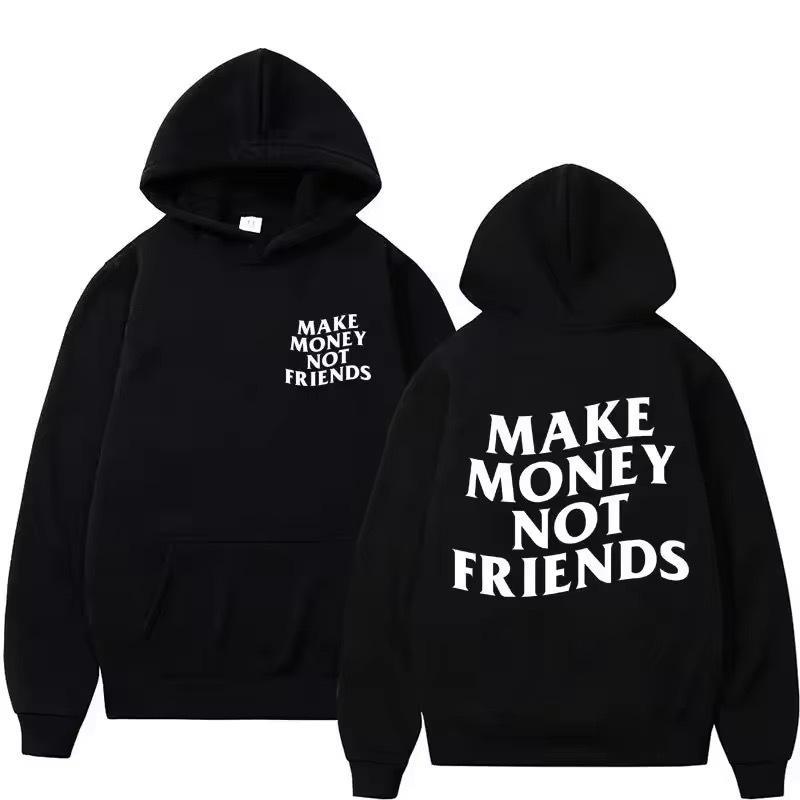
Men's Letter Print Hoodie Streetwear Polyester Pullover Sweatshirt Make Money Not Friends Slogan Hooded Top For Daily Casual Wear
$6.34
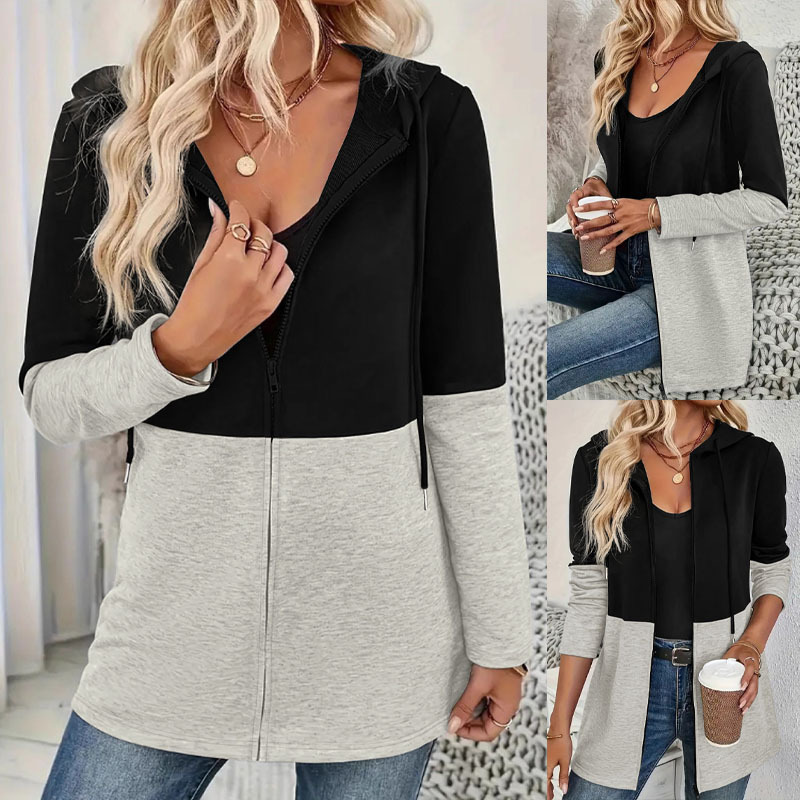
Women Plus Size Color Block Hooded Sweatshirt Jacket Casual Zipper Long Sleeve Drawstring Hoodie Outerwear Polyester Spandex Autumn Winter Plus-Size Tops
$10.95
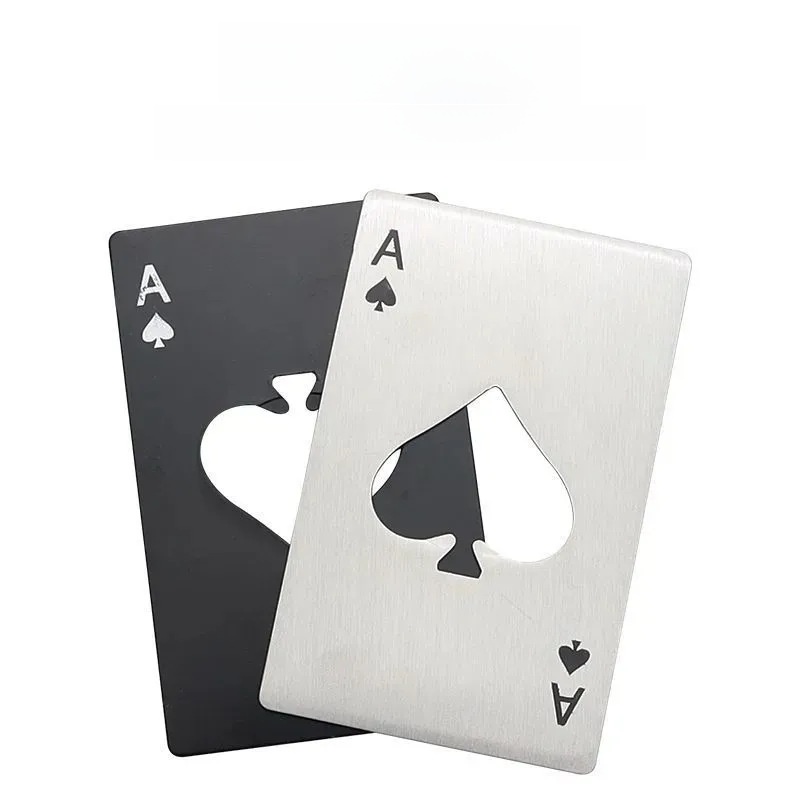
Stainless Steel Ace Of Spades Poker Card Bottle Opener Portable Credit Card Size Beer Opener For Bar Party Home Kitchen Gadget Pocket Size Tool
$0.12
Product Bundles for Drops with Insane Pricing
Bundling creates a sense of curated scarcity — customers feel they're getting a unique set that won't be replicated. Each bundle below targets a specific buyer scenario where the wanting is high and the size of the set is limited. Base the bundle price on 2.5x individual sale prices to reflect the 'exclusive drop' positioning.
The 'Make It Happen' Motivational Box
Perfect for a Shopify store targeting gift buyers who want an uniquely meaningful present for a friend starting a new job or going through a tough time.
- Inspirational Pendant Necklace 18K Gold Plated Engraved Make It Happenhero
- Stainless Steel Inspirational Keychain Have Fun Be Safe Make Good Choicesupsell
- Bohemian Starfish Sea Turtle Beaded Bracelet Set With Make A Wish Gift Cardcomplement
Bundle at $19.99 vs $21.98 separately — margin jumps from 55% to 68% because customers perceive higher value. The wanting is for a complete 'message of support' set.
Halloween Make-a-Face Sticker Grab Bag (Limited Edition)
Great for pop-up stalls and flea markets during October. Kids and parents will want the specific character (vampire, mummy) — and once a character runs out, the price on the last few can spike.
- Halloween DIY Make A Face Stickers Cartoon Pumpkin Vampire Mummyhero
- Halloween DIY Stickers Paper PP Make A Face Puzzle Cartoon Ghostcomplement
- Make A Face Puzzle Stickers For Kids DIY Holiday Theme Easter Rabbit St Patrick's Day Halloween Christmasupsell
Bundle at $7.99 for 3 sheets vs $3.33 individually. When you sell out of a specific design, relist the remaining sheet at $9.99 — the wanting for that exact pumpkin face justifies it.
Streetwear 'Make Money Not Friends' Drop
Appeals to Shopify sellers targeting ironic streetwear fans. The hoodie's slogan ties directly to the 'insane pricing' mindset — customers who want to project that attitude will pay a premium.
- Men's Letter Print Hoodie Streetwear Polyester Pullover Sweatshirt Make Money Not Friends Sloganhero
- Striped Canvas Cosmetic Bag With 'but first make-up!' Letter Printcomplement
- Stainless Steel Ace Of Spades Poker Card Bottle Opener Portable Credit Card Size Beer Openerupsell
Bundle at $24.99 (hoodie alone $6.34, bag $1.12, opener $0.12). That's a 85% margin — insane pricing built on the emotional wanting to own the whole 'hustle' aesthetic.