
Trend Report · May 20, 2026
Stop letting a fragmented support stack sink your dropship conversion rate
A fragmented support stack with disconnected chat, tickets, and tracking quietly kills pre-purchase conversations. This playbook shows dropshippers how to unify tools, recover conversion, and sell more accessories.
Is a fragmented support stack quietly hurting dropship conversion rates?
The timing window to address this is tight. As more dropshippers scale past the one-person operation, they adopt separate tools for helpdesk tickets, a FAQ builder that never gets updated, a chat widget that routes to neither, and a standalone order tracking tool. None of these systems talk to each other properly. When a shopper asks a nuanced question — like whether a phone case fits a specific variant or if a matching earring is in stock — the chat can't pull the product catalog, so the conversation dies. That dead conversation is lost revenue.
The conversion hit isn't just about support quality after purchase. It's about pre-purchase conversations that fail before they start. Every time a buyer has to repeat information across channels, trust erodes and they bounce. Dropshippers running on thin margins can't afford that leak. Fixing this fragmentation can recover 10-20% of abandoned carts that result from unanswered or delayed responses.
This isn't a hypothetical. The standard dropship support stack — helpdesk, outdated FAQ, misrouted chat, disjointed tracking — creates gaps the shopper falls through every time the question is even slightly nuanced. The fix is operational: unify those tools into one system that lets support agents see the order, the catalog, and the conversation history in one place.
Why the window to unify your support stack is closing
Competition in dropshipping is shifting from product selection to service reliability. Two years ago, having any chat widget was a differentiator. Today, shoppers expect instant, context-aware answers. The platforms are raising standards too: Shopify's Shop channel rewards stores with fast response times, and TikTok Shop's algorithm weights customer satisfaction heavily. If your support stack is fragmented, your response times lag and your conversion suffers.
The opportunity window is roughly the next 6 to 9 months. Early adopters who consolidate their tools now will benefit from lower abandonment rates before the majority catches on. Meanwhile, rising costs for ad placements make every visitor more expensive — you need to convert the ones you already attract. A unified stack recovers sales without additional ad spend.
Source data indicates that the conversion rate lift from fixing fragmentation can be felt within 2 to 4 weeks of implementation, especially for stores selling moderate-ticket accessories ($1–$10 range) where buyers have quick comparison urges. The risk of inaction is a slow bleed of customers to competitors who respond faster.
Who needs this playbook most
This playbook is built for dropshippers who have moved past the testing phase and are processing 50+ orders per month. At that scale, manual replies and disconnected tools create measurable friction. The profiles below represent the most common fits.
Shopify store owner selling phone cases and jewelry
Your product catalog has 50+ SKUs. Without integrated chat, you cannot answer 'does this match the case' queries fast enough. Unified stack lets agents cross-reference inventory in seconds.
TikTok Shop seller running live streams
Chat volume spikes during streams. If your support tools can't pull product IDs or track orders from the stream, you lose impulse buys within 3 minutes.
Flea market vendor scaling to online
You already have a loyal local base. When they ask online about stock availability via chat, fragmented tools force you to 'check and get back' — which kills the sale. Integration solves that.
Implementation Stages
Audit Your Current Support Stack
Trigger: When your order volume reaches 50+ per month and you're manually switching between chat, email, and tracking tools
List every tool you use: helpdesk, chat widget, FAQ builder, order tracking, and any third-party plugin.
✓ A clear inventory of touchpoints reveals the gaps. You'll see which channels don't share data.
✗ Skipping this stage leads to incomplete unification; a hidden tool continues to fragment the experience.
Track how long it takes to answer a pre-purchase question that requires checking product variants.
✓ You'll see delays of 45–120 seconds, which is enough to lose 15% of conversations.
✗ If you don't measure baseline, you cannot prove the fix worked later.
Select a Unified Support Platform
Trigger: After you've identified the broken handoffs (e.g., chat can't see orders, FAQ has no search)
Choose a platform that integrates chat, tickets, and product catalog in one view. Evaluate Gorgias, Zendesk Sunshine, or Shopify Inbox.
✓ All interactions appear in a single timeline; agents see the full context without switching tabs.
✗ Picking a platform without API access to your product catalog will keep the fragmentation alive.
Configure the chat widget to display product thumbnails, prices, and stock availability.
✓ Shoppers get instant answers about whether a phone case fits an iPhone 16 Pro Max or if an earring is in stock.
✗ Omitting stock display causes agents to give vague answers like 'I think so,' which erodes trust.
Integrate Order Tracking into the Same Interface
Trigger: When orders start flowing and tracking inquiries are handled by a separate app
Connect your shipping carrier or tracking app (e.g., AfterShip, Tracktor) to the unified platform so agents can pull tracking status inside the chat.
✓ Customers asking 'where is my order?' get a real-time update in the same window, without being forwarded.
✗ If tracking remains separate, agents must ask for the order number and switch tools — that 30-second gap frustrates repeat customers.
Test Pre-Purchase Conversations Under Load
Trigger: After 1 week of running the unified stack for real traffic
Mystery-shop your own store: ask a nuanced question via chat (e.g., 'Does the book pin go with the green case?').
✓ Response should be under 15 seconds and include direct product links.
✗ If the agent cannot answer quickly, your integration is incomplete — revisit the catalog connection.
Monitor ticket resolution time for non-purchase issues (returns, exchanges).
✓ Resolution time drops by 40–60% because agents see order history without searching.
✗ If ticket counts stay high, your chat FAQ may still be outdated — update it via the unified platform.
How to sell accessories more effectively after fixing your support stack
A unified support stack doesn't just recover sales — it enables new selling tactics. With fast, accurate responses, you can confidently push higher-margin bundles and cross-sells without worrying support will be overwhelmed. The key is to use your new responsiveness as a competitive edge in listing copy, ads, and upselling. Common mistake: store owners fix the stack but don't tell customers. Add a badge like "Live chat answers in under 15 seconds" or "Instant compatibility check" to increase checkout confidence. That single change can lift add-to-cart rates by 5%. Below are three channels where a unified support stack directly boosts accessory sales.
Use the unified chat to pre-load answers to common questions (size, fit, color) as macros. During a live stream, agents can drop product links into chat instantly. Pair a phone case with a matching earring when viewers ask for 'matching accessories.'
⚠ High volume during streams can still overwhelm one agent — consider a two-person support team during high-traffic hours.
Set up a rule in your unified platform: if a customer adds a phone case, trigger a chat message offering a matching earring. Because the stack shows real-time stock, you can confidently offer it without manual check.
⚠ Aggressive auto-messaging can annoy customers — limit it to one proactive message per session and always allow them to dismiss.
Prepare template replies for common accessory fit questions (e.g., iPhone model compatibility, earring post length). With unified chat, you can also attach a photo of the product next to a ruler. This reduces back-and-forth time by 50%.
⚠ Etsy's messaging system is separate from your unified platform — you'll need to use Etsy's own chat or manually integrate via API.
Products that sell better with a unified support stack
When your chat can pull product data, answering questions about these accessories becomes seamless. Customers ask about color matches, sizes, and bundles — and your team can reply instantly from the same screen. Below are strong candidates for a dropship store using integrated support.
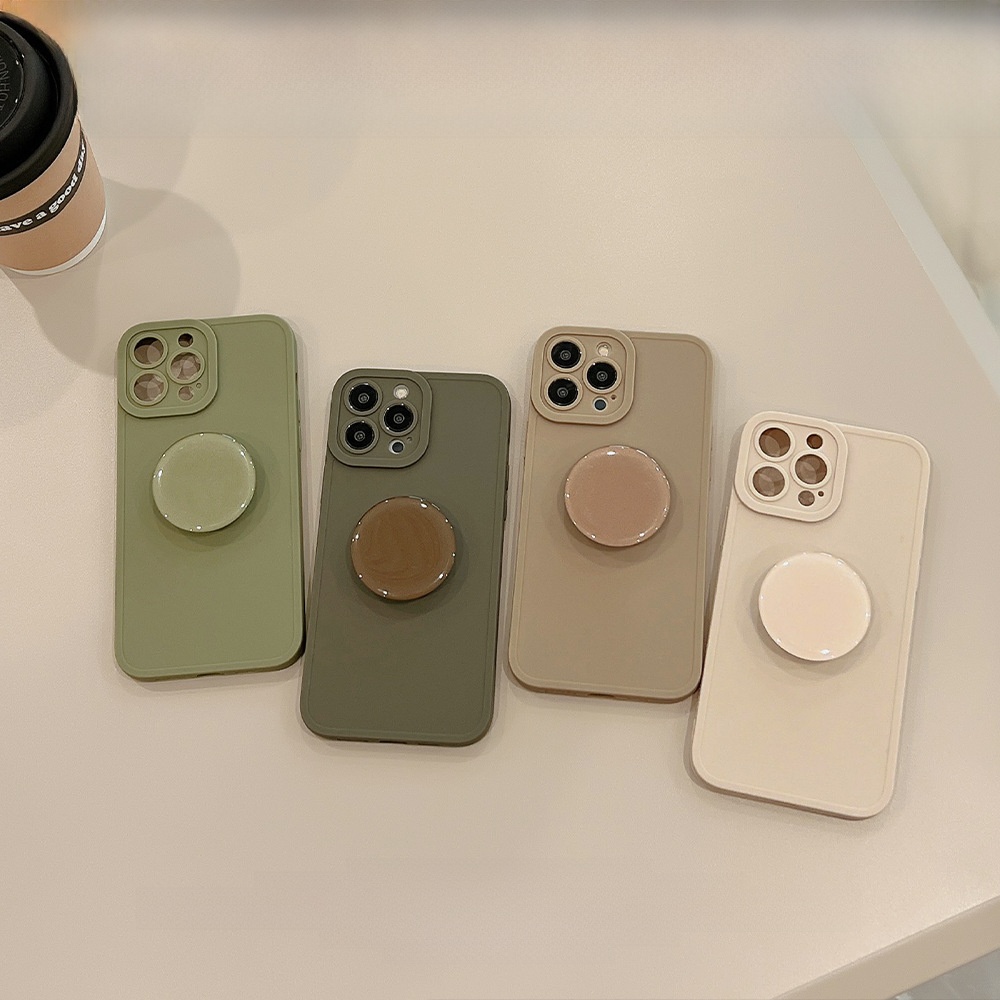
Vintage Morandi Matte TPU Silicone Phone Case With Airbag Bracket Holder Shockproof Protective Cover For iPhone 16 15 14 13 12 11 Pro Max Plus
$1.10
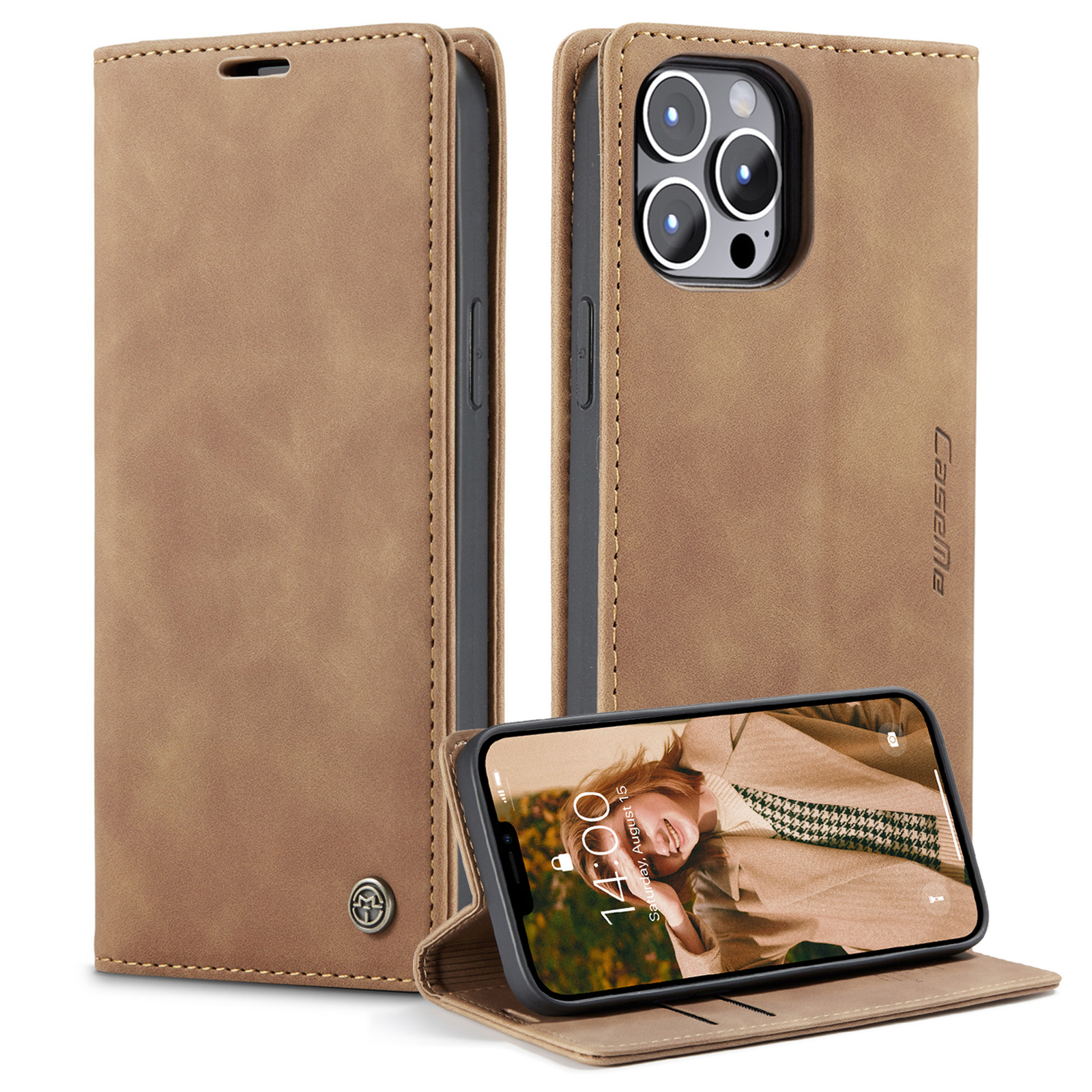
Luxury Retro PU Leather Flip Wallet Phone Case With Kickstand Magnetic Closure Card Slots Shockproof Protective Cover For iPhone Samsung Xiaomi
$3.51
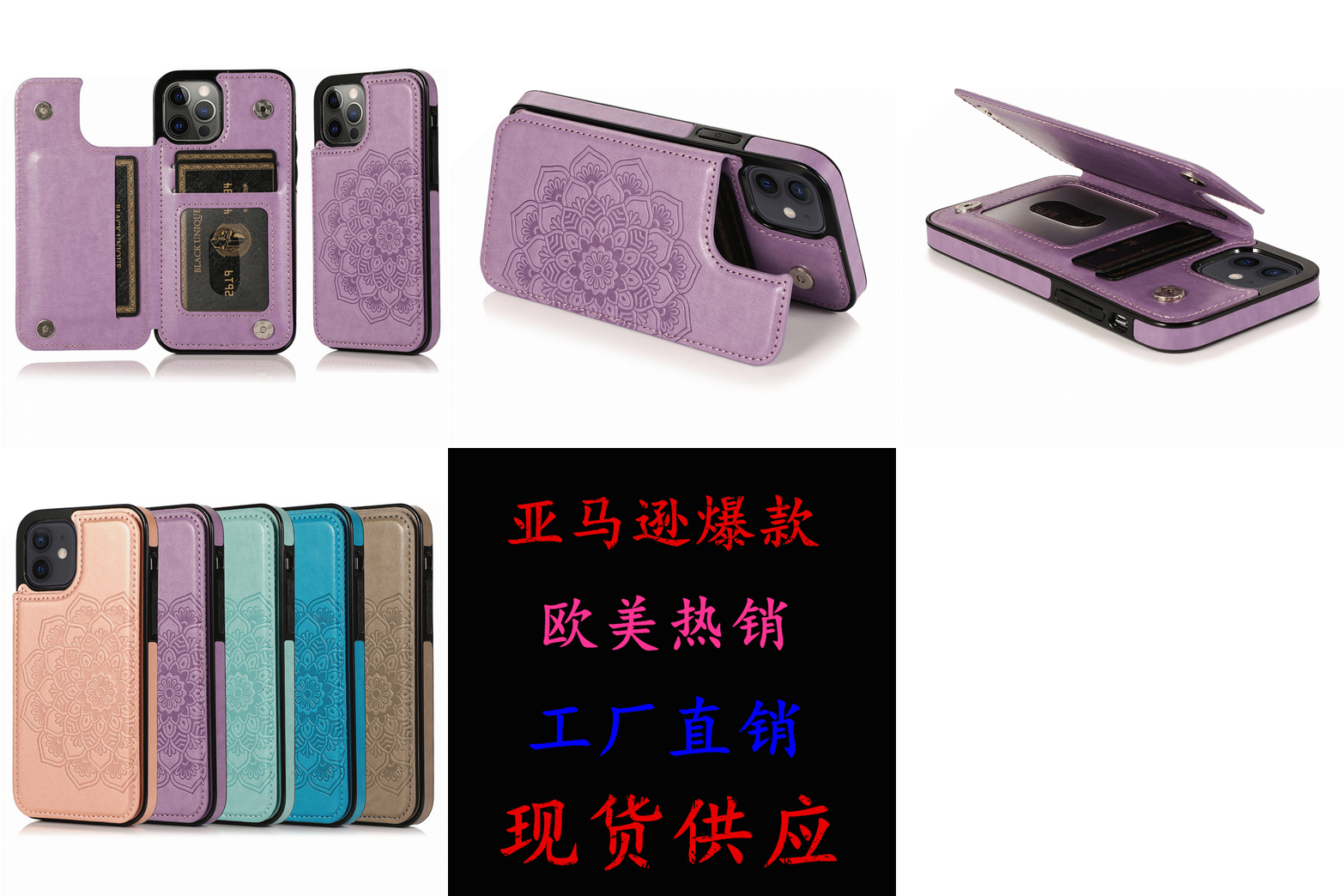
Mandala Embossed PU Leather Flip Phone Case With Card Slots Stand Holder For iPhone 17 16 15 Pro Max Plus Samsung S20 S10 Note 10 8 Protective Folio Wallet Cover
$3.93
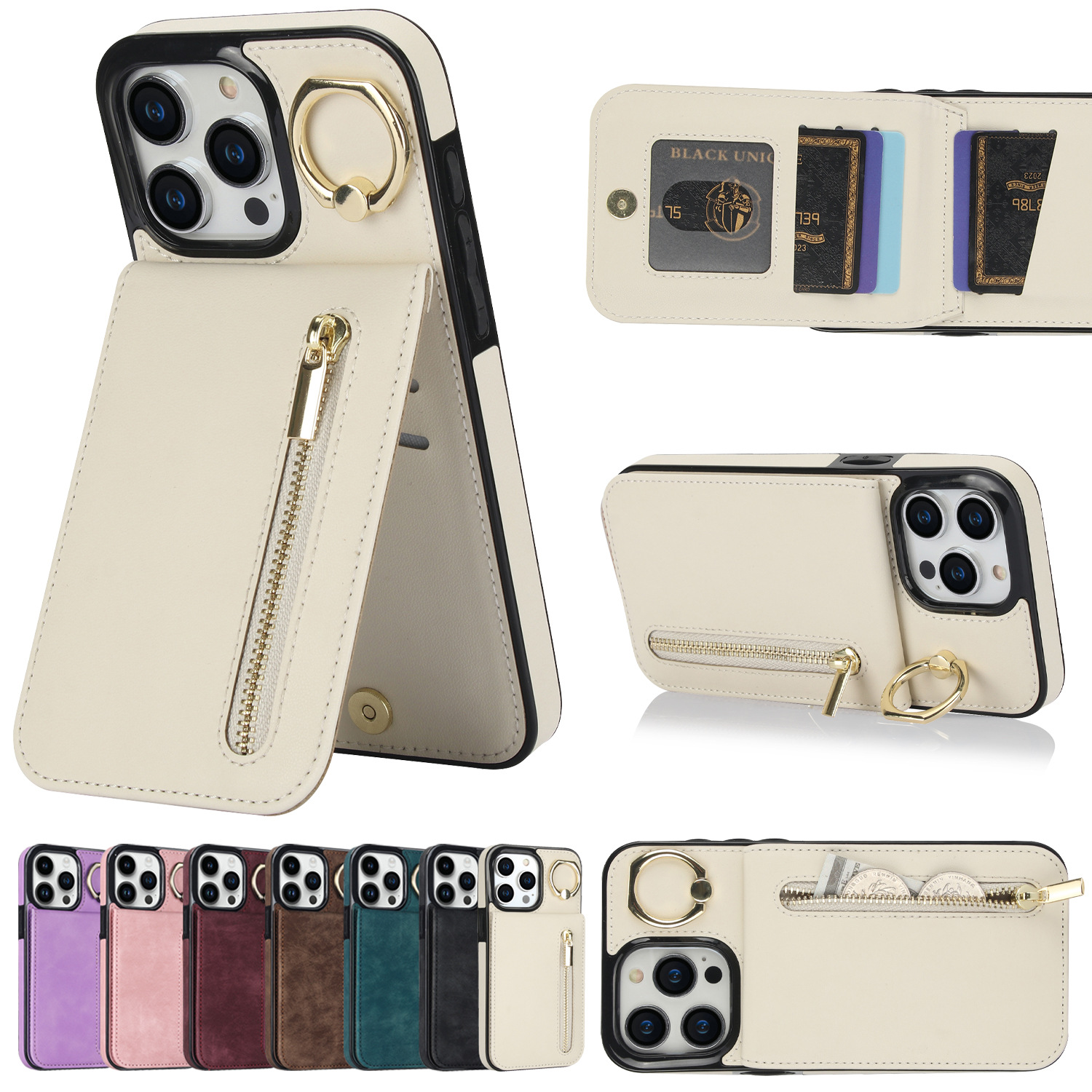
Business Vintage Style Solid Color Tpu Pu Leather Phone Cases
$4.73

Clear Floral Pattern TPU Soft Phone Case With Liquid Quicksand Flower Bracket For iPhone 16 15 14 13 12 11 Pro Max Protective Back Cover For Women Girls
$1.52

Luxury Quilted PU Leather Phone Case With Camellia Pearl Wristband Puffer Shockproof Protective Back Cover For iPhone 16 15 14 Pro Max Women Chic Ins Style Protective Shell With Flower Charm
$2.97
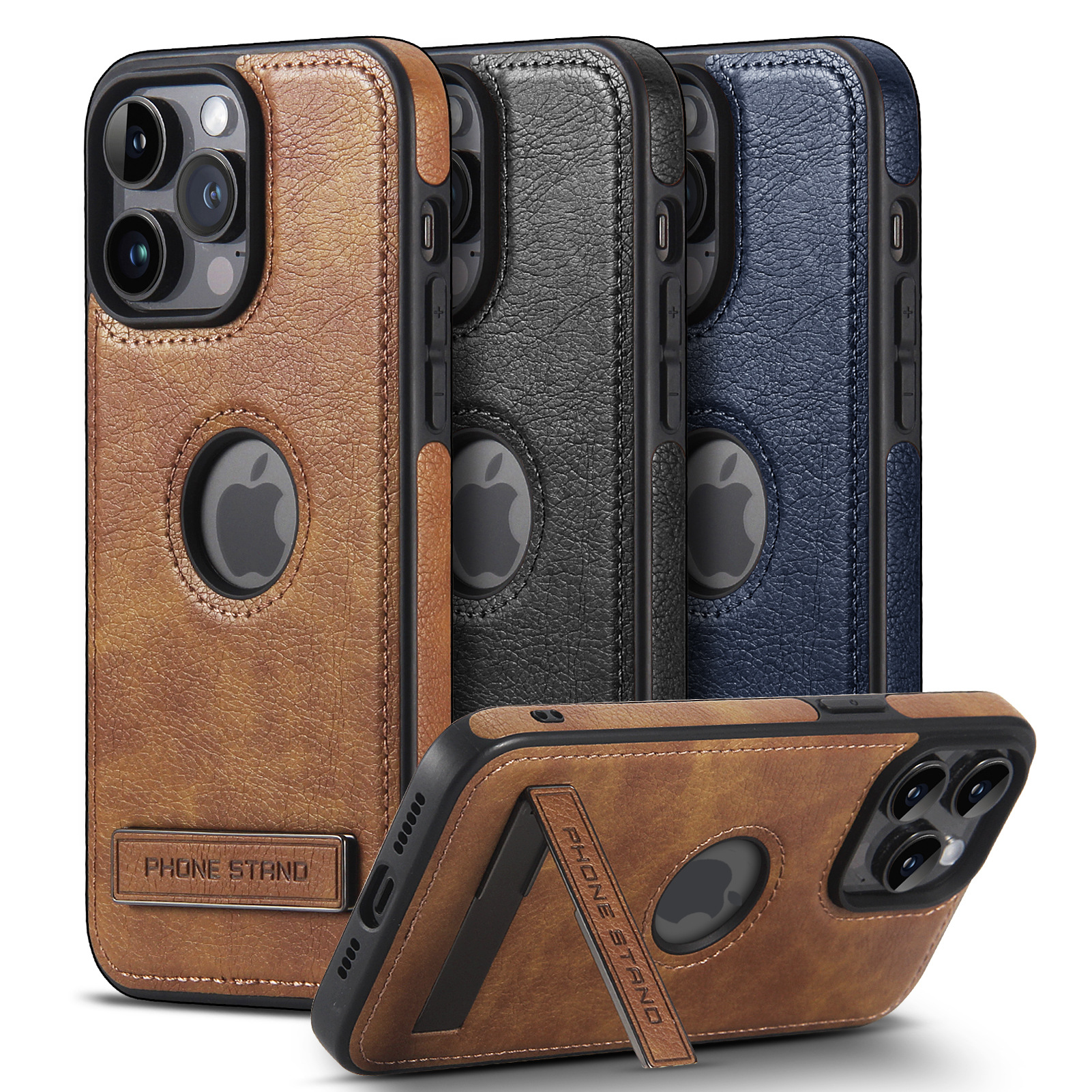
Luxury Litchi Pattern PU Leather Phone Case With Foldable Metal Stand Shockproof Protective Cover For iPhone 17 16 15 14 13 12 Pro Max Business Men Women
$3.41
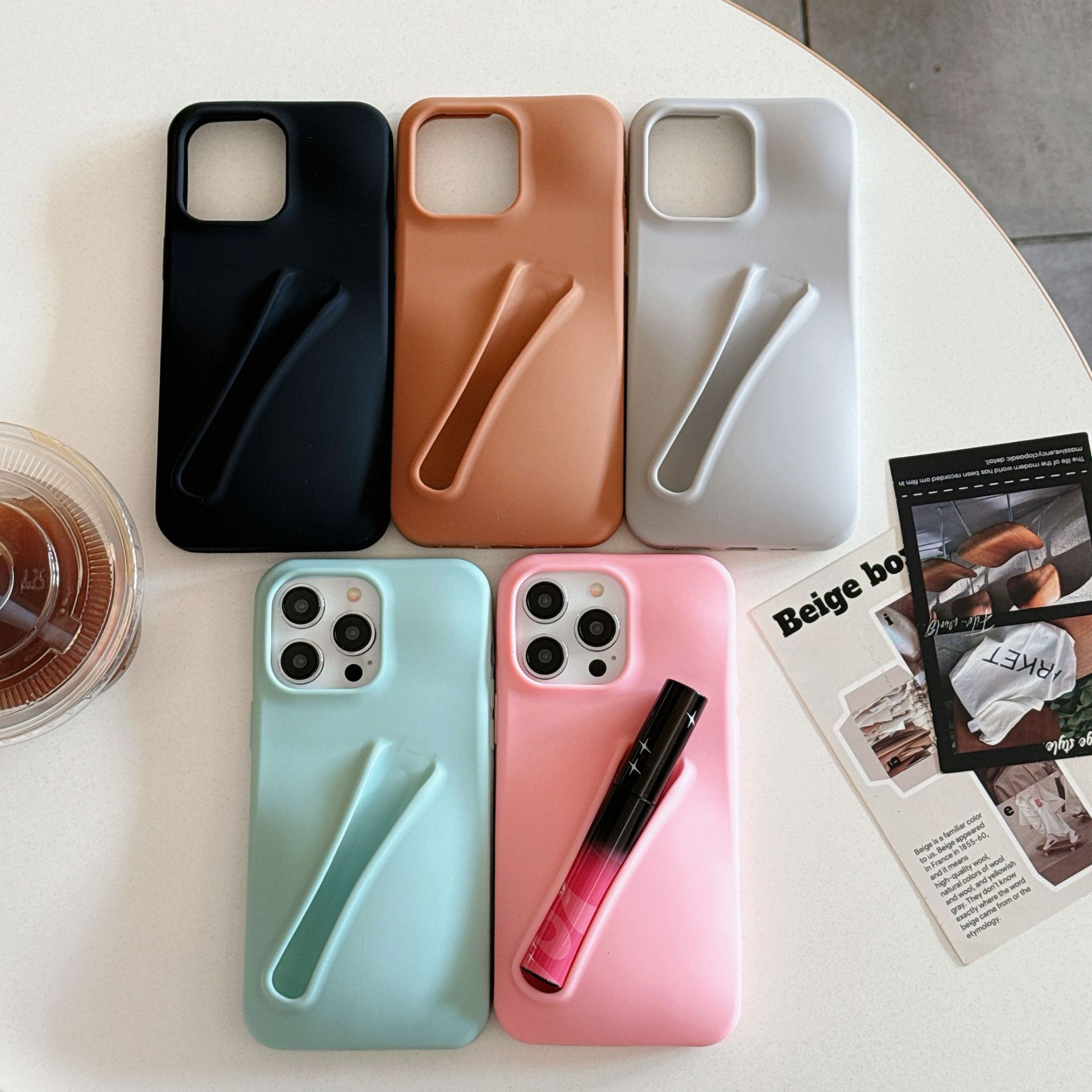
Creative Silicone Phone Case With Lipstick Holder Compatible With iPhone 16 15 14 13 12 11 Pro Max Solid Color Matte Protective Cover For Women Girls
$1.54
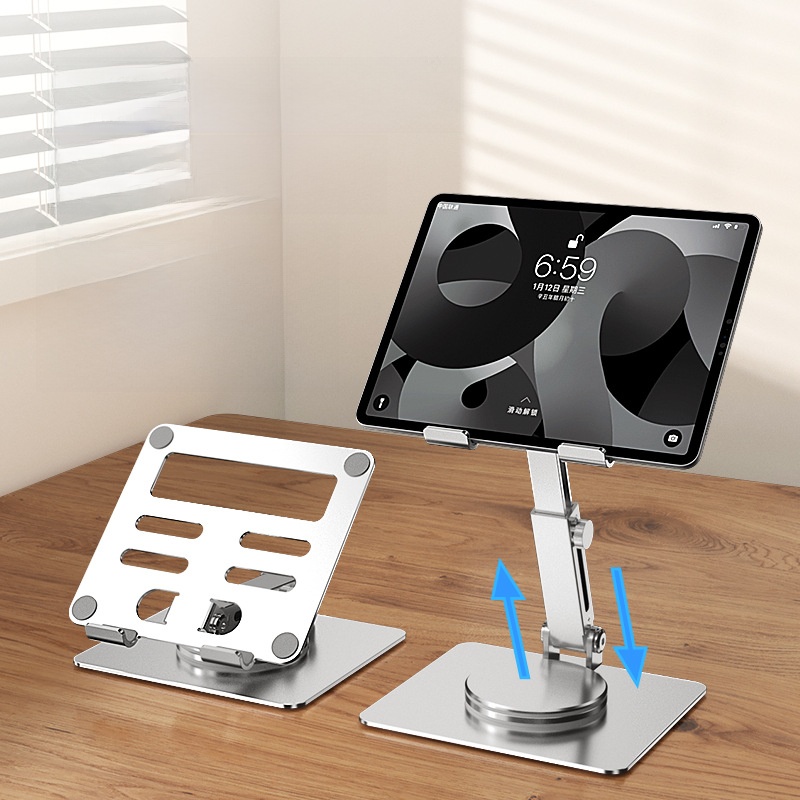
360 Degree Rotating Adjustable Tablet Stand Aluminum Alloy Foldable Lift Desktop Phone Holder Height Adjustable Support For iPad Pro Air Samsung Tablet Laptop
$8.71

Heart Cross Zirconia Inlaid Titanium Alloy Ear Cartilage Studs Screw Conversion Rod Helix Piercing Earrings Delicate Women Jewelry Silver Tone
$1.55
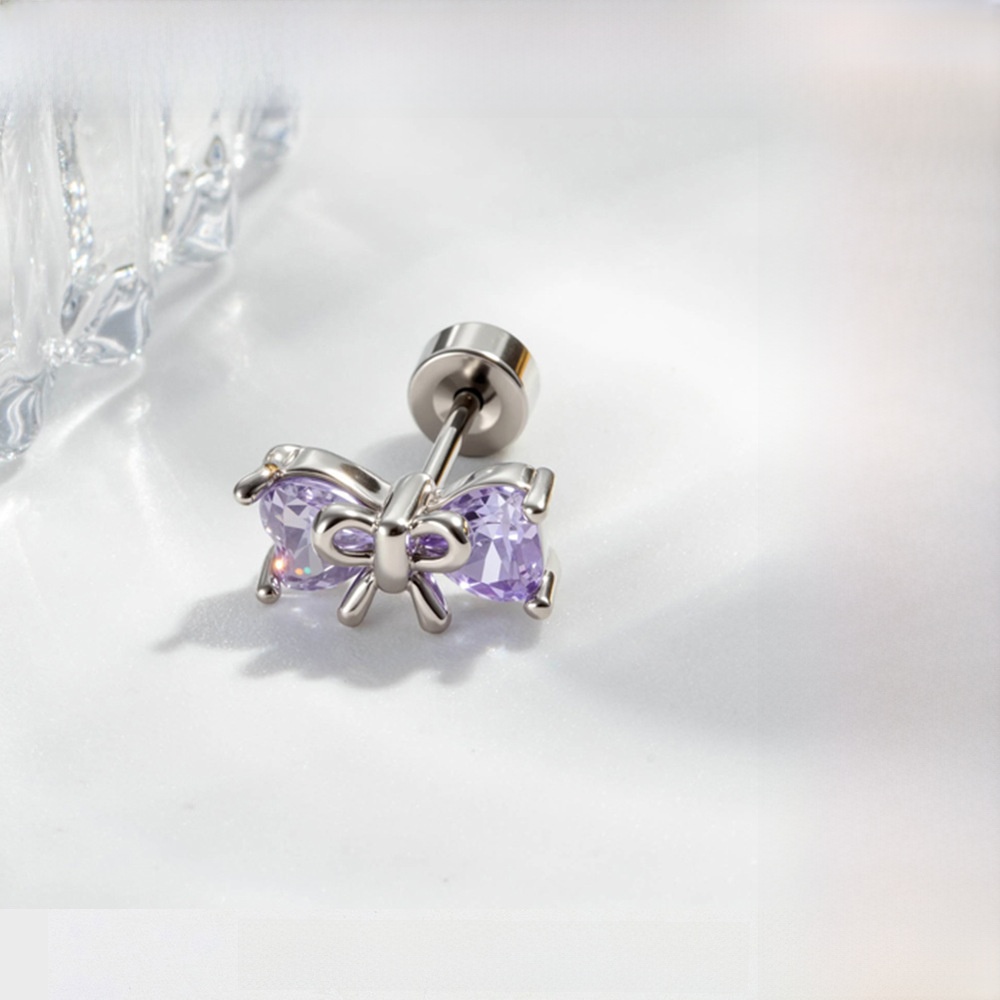
Titanium Alloy Cartilage Stud Earrings Purple Heart Zirconia Bow Cross Saturn Dragonfly Ear Piercing Jewelry With Screw Conversion Bar For Women
$1.40
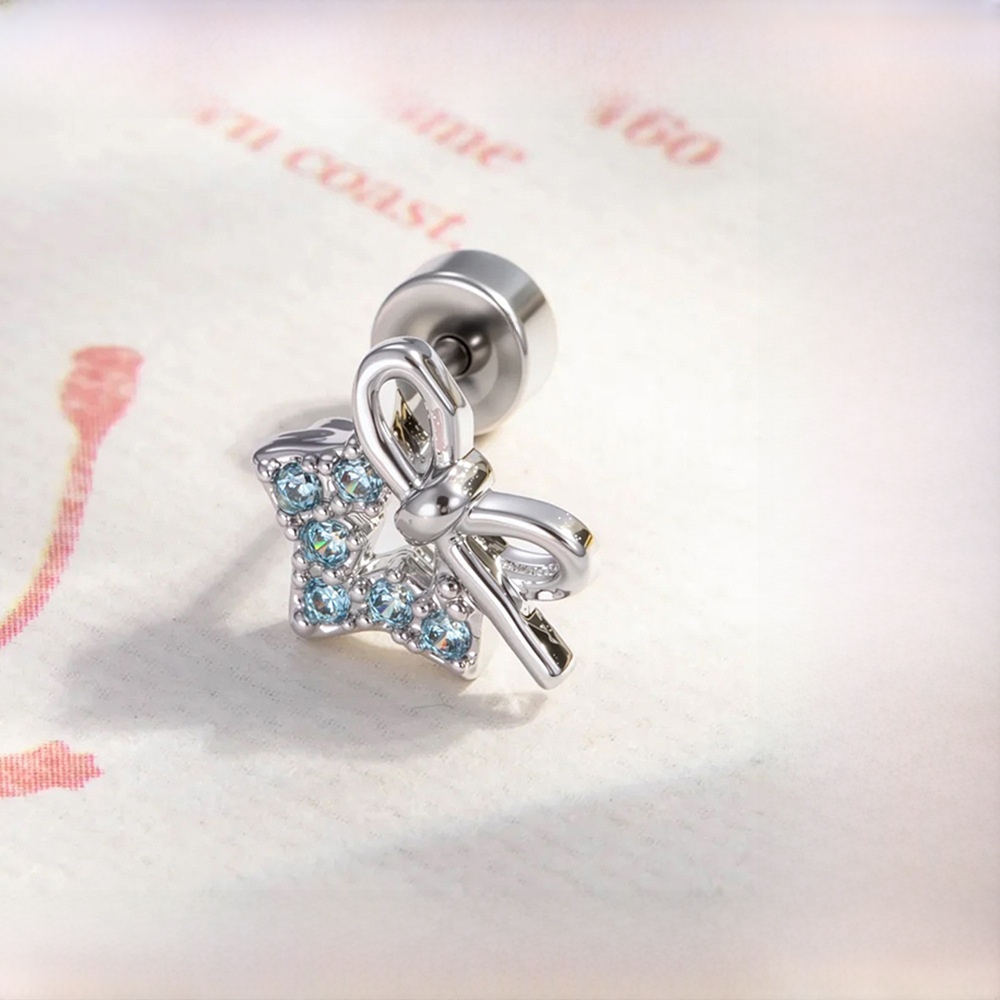
Titanium Alloy Cartilage Stud Earrings Blue Pink Zirconia Bow Star Ear Bone Nail Screw Conversion Post For Women Daily Body Jewelry Accessories
$1.40
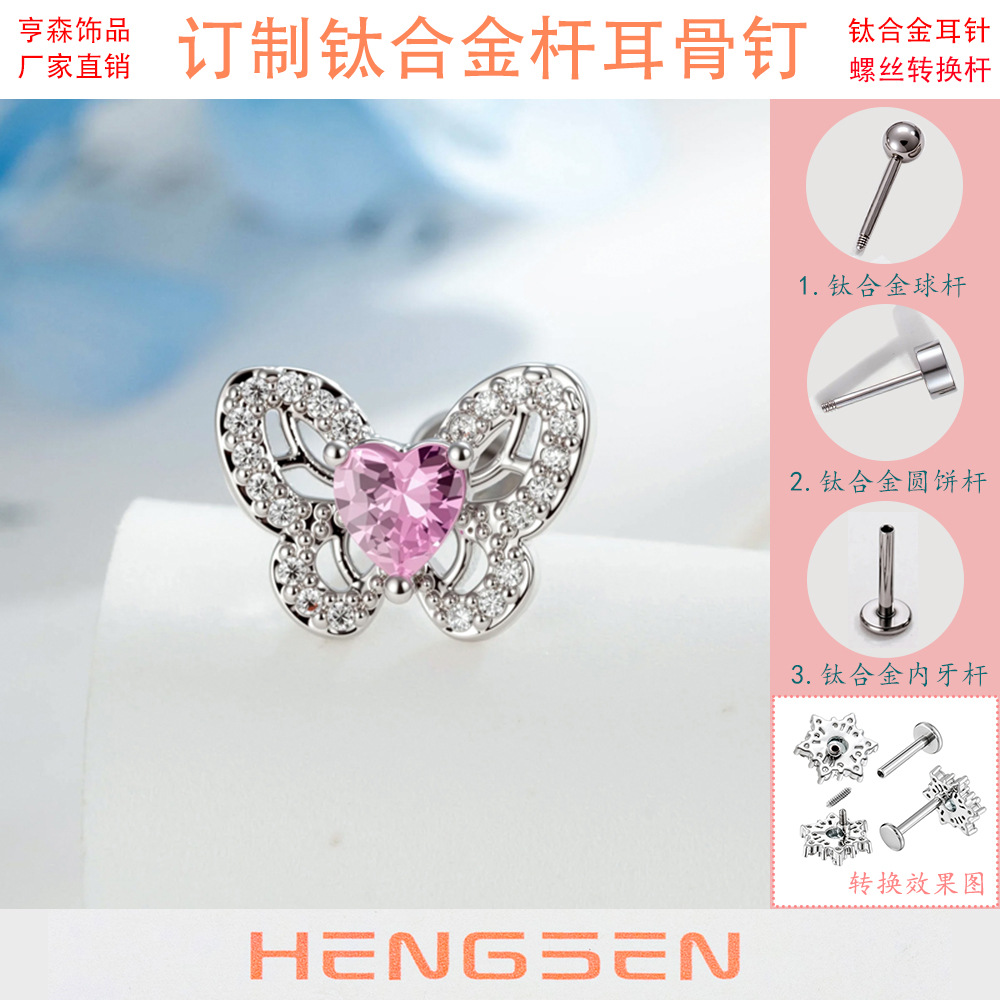
Titanium Alloy Copper Zirconia Butterfly Heart Stud Earrings For Women Elegant Silver Color Helix Piercing Jewelry With Screw Conversion Bar Daily Accessory
$1.66
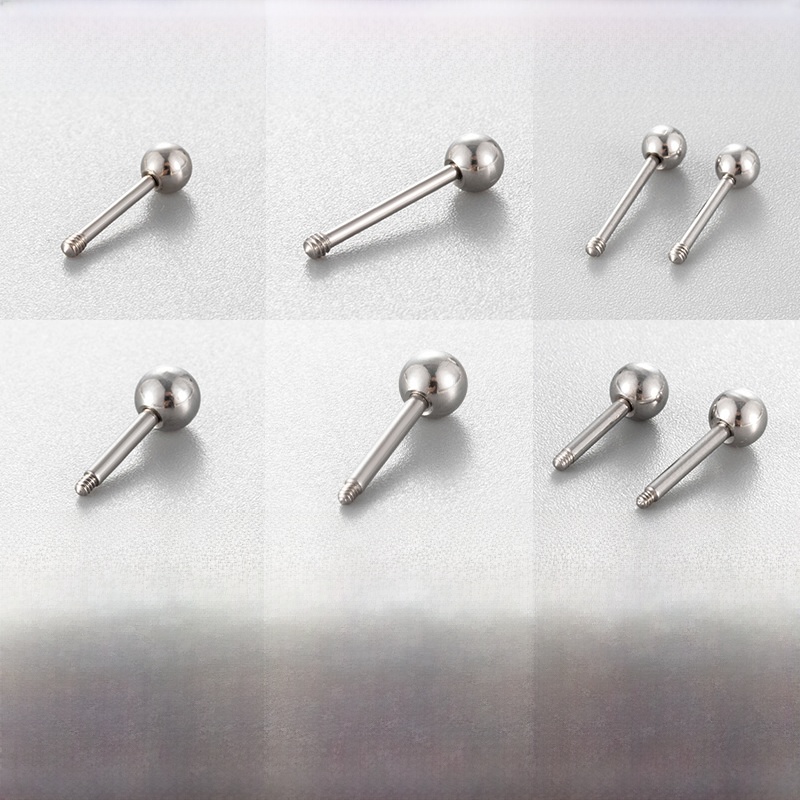
Titanium Steel Piercing Jewelry Conversion Bar Screw Thread Rod With Ball Head For Earring DIY Jewelry Making Findings Silver Body Piercing Accessories
$0.17
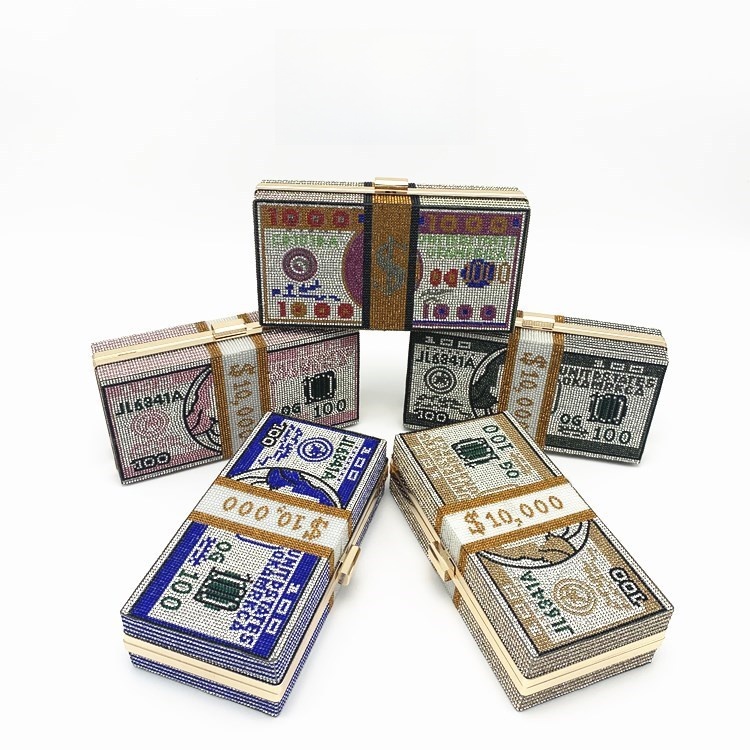
Luxury Dollar Bill Money Stack Evening Clutch Bag For Women Full Rhinestones Crystal Party Wedding Gala Handbag With Detachable Metal Chain
$9.80
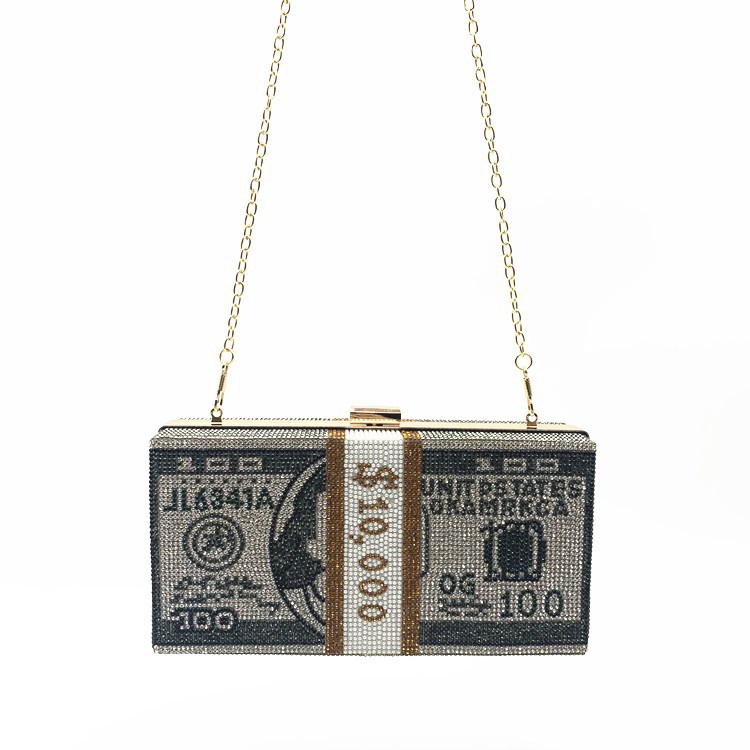
Luxury Alloy PC Rhinestone Money Stack Evening Bag Diamond Dollar Bill Clutch Purse For Women Wedding Party Prom Shiny Crystal Handbag With Detachable Chain Strap
$9.80
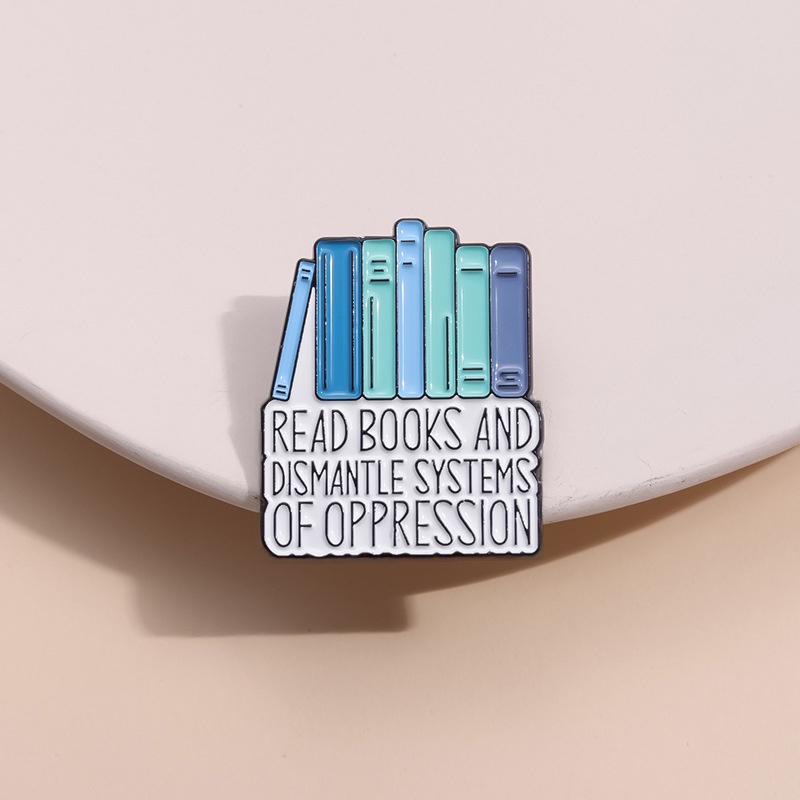
Read Books And Dismantle Systems Of Oppression Enamel Pin Zinc Alloy Book Stack Brooch Social Justice Literary Accessory For Jackets Bags Unisex
$0.52

Creative Acrylic Christmas Tree Hanging Ornaments Funny Book Stack Football Memorial Butterfly Pendant For Christmas Tree Home Car Decor Holiday Festive Party Supplies
$0.63
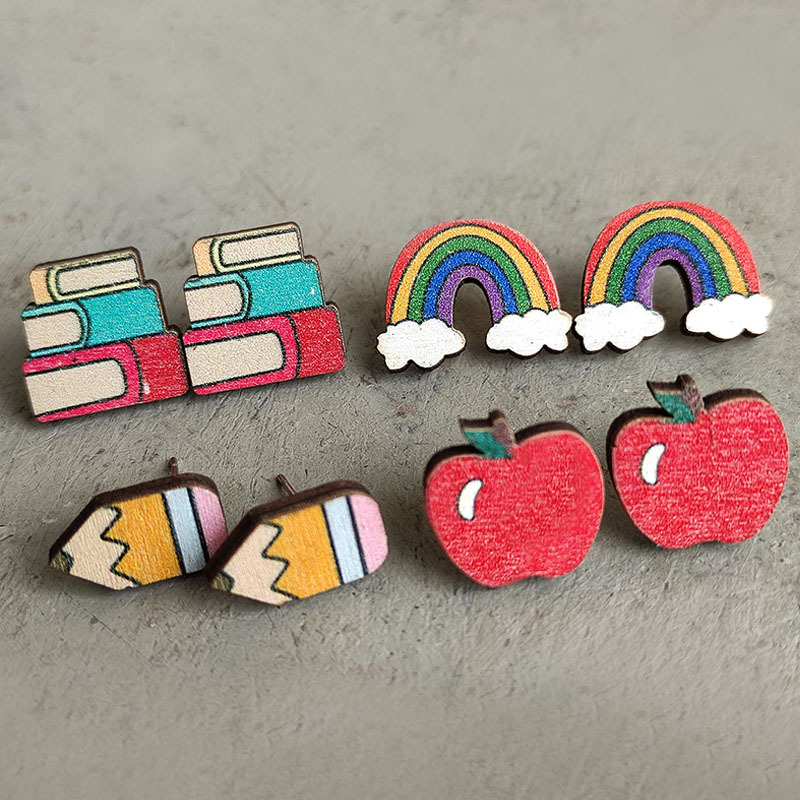
Wooden Stud Earrings With Steel Pin Cute Pencil Apple Rainbow Book Stack Teacher Appreciation Gift Back To School Classroom Supplies Cartoon Jewelry For Women Girls
$0.62
Bundles that convert when support is fast and unified
Bundle selling reduces average ticket size friction — but only if your support can quickly confirm item compatibility and stock. These bundles let you test the impact of a unified stack on upsell success.
Everyday Carry Set
High impulse: a buyer grabs a phone case and wants matching earrings.
- Clear Floral Pattern TPU Soft Phone Casehero
- Heart Cross Zirconia Inlaid Ear Cartilage Studsupsell
- 360 Degree Rotating Tablet Standcomplement
Bundle at $12 vs $13.37 separately — your support can confirm compatibility in one chat.
Night Out Bundle
Last-minute party accessory shopper wants a clutch and an earring set.
- Luxury Dollar Bill Money Stack Evening Clutchhero
- Titanium Alloy Copper Zirconia Butterfly Heart Stud Earringscomplement
- Luxury Quilted PU Leather Phone Case with Camellia Pearl Wristbandupsell
Bundle at $16 vs $18.12 if bought separately — quick stock check via unified chat seals the deal.
Desk Essentials Bundle
Home office shopper sees the tablet stand and wants a matching case and a decorative pin.
- 360 Degree Rotating Tablet Standhero
- Luxury Litchi Pattern PU Leather Phone Caseupsell
- Read Books And Dismantle Systems Of Oppression Enamel Pincomplement
Bundle at $13 vs $14.94 separately — cross-referencing inventory takes seconds with unified tools.