
Trend Report · May 13, 2026
Is Made-in-China.com Actually Reliable? A Sourcing Checklist for Accessories Buyers
Learn how to vet suppliers on Made-in-China.com for accessories sourcing. A practical checklist to avoid receiving different products, manage small orders, and ensure reliable inventory.
Is Made-in-China.com Actually Reliable for Accessories Sourcing?
If you've been digging into direct-from-manufacturer sourcing for a while, you've almost certainly landed on Made-in-China.com. The platform offers a massive catalog of wholesale accessories — from jewelry and handbags to seasonal hairpieces — at factory-direct prices that beat domestic suppliers by 40-60%. But the mixed opinions online are real. For every buyer who lands a $0.34 jar opener that sells like hotcakes, there's another who unpacks a completely different product than the listing showed.
The core question is not whether Made-in-China.com as a platform is inherently flawed — it's whether you know how to vet suppliers systematically. The horror stories almost always trace back to skipping sample orders, ignoring business license verification, or paying upfront without trade assurance. With a small operation, you can't afford those mistakes. The good news: once you implement a structured vetting process, the reliability gap between hit and miss suppliers is entirely manageable.
Why This Sourcing Channel Is Newly Profitable for Accessories
The barrier to direct-from-China sourcing has dropped significantly in the last two years. Made-in-China.com now supports smaller MOQs — some jewelry suppliers offer 10-20 pieces per SKU instead of the traditional 200. That opens the door for first-time buyers who only need 50 units to test a trend. Combined with trade assurance programs that escrow payments until shipment, the financial risk per order is lower than ever.
Yet the category still suffers from inconsistency because accessories manufacturing varies wildly — a stainless steel earring lot can look great in photos but arrive with tarnished finish and rough edges. The profit opportunity lies in identifying suppliers who already have experience exporting small batches and who accept third-party inspection. Once you lock in a reliable source, margins of 300-500% are common on items like the $3.62 earrings or the $1.44 headband when retailed on Shopify or TikTok Shop.
Who Should Use This Checklist?
This checklist targets three buyer profiles who share one constraint: they cannot absorb a bad batch financially. Each type interacts with Made-in-China.com differently, but all need the same structured vetting process to avoid the 'different product' nightmare.
First-Time Importer
Running a small boutique or pop‑up stall; needs MOQs under 50 units and clear payment protection. Cannot afford customs surprises or inventory that doesn't match samples.
Established Shopify Store Owner
Already selling accessories and looking to increase margins by bypassing domestic distributors. Requires consistent quality across repeat orders and faster lead times than Alibaba alternatives.
Flea‑Market / Pop‑Up Operator
Operates on lean budgets and needs to test multiple SKUs (e.g., enamel pins, bracelets, hats) without tying up cash. Relies on Made-in-China.com for low‑cost trial orders before committing to larger quantities.
Sourcing Vetting Checklist
Phase 1: Supplier Identification
✓ Search by product keyword (e.g., 'stainless steel earrings') and filter by 'Verified Supplier' and 'Gold Supplier'.
Why: Gold Supplier status requires a paid verification by Made-in-China.com, reducing the chance of fake listings.
✓ Check the supplier's response rate and transaction history. Aim for above 90% response and at least 10 transactions in accessories.
Why: Response rate indicates whether the supplier is actively managing their storefront. Transaction history shows they have fulfilled orders before.
Phase 2: Sample Ordering
✓ Request a pre-production sample of the exact SKU you want to buy. Pay for the sample and shipping separately.
Why: A physical sample lets you verify material, finish, and size before committing to a bulk order. This is the single most effective step to avoid receiving a different product.
✓ Upon receipt, compare the sample against listing photos – weigh it, measure dimensions, check for defects (tarnish, loose stones, uneven stitching).
Why: Many 'additional products' stories come from buyers who skipped this comparison. A 0.5g weight difference in a $0.34 jar opener can indicate inferior material.
Phase 3: Payment Safeguards
✓ Negotiate payment split: 30% deposit, 70% after third-party inspection or upon seeing shipping documents.
Why: Paying the full amount upfront gives you no leverage if quality fails. A deposit protects you without fully exposing cash.
✓ Use Made-in-China.com's Trade Assurance for any order above $200. This escrow service covers non-delivery and quality issues up to the coverage limit.
Why: Trade Assurance is not automatic – you must select it at checkout. It acts as a formal guarantee backed by the platform.
Phase 4: Quality Control
✓ Hire a third-party inspection agency (e.g., SGS, QIMA) to inspect the finished goods before shipment. Cost is $100-300 per order.
Why: An inspector will check product dimensions, color accuracy, material, packaging, and quantity per carton. This catches defects before they reach your door.
✓ Create a simple QC checklist specific to your products – e.g., for the bracelets (ID 342455), check knot security and color of 'Morse code' beads.
Why: Inspectors work best with a clear brief. Your checklist ensures they focus on what matters for your target market.
Phase 5: Logistics and Customs
✓ Choose shipping terms that match your risk tolerance. For small orders (< $500), use DDP (Delivered Duty Paid) so the supplier handles customs clearance and duties.
Why: DDP avoids surprise customs broker fees and ensures you know the total landed cost upfront. Error-prone customs forms have sunk many first-time importers.
✓ For orders over 50 units, insist on palletization and shrink wrapping. This prevents moisture damage during ocean freight.
Why: Accessories like hats (ID 176352) and beanie (ID 160568) are lightweight but absorb moisture easily. Palletization reduces damage risk during container transit.
How to Source Profitably from Made-in-China.com
Sourcing from Made-in-China.com is not a one-click process. You need to treat it like a structured procurement operation, especially when margins are tight and cash is limited. The three tactics below cover the critical points where most small buyers lose money: supplier identification, sample ordering, and quality control. Each is a step you can execute today with a budget under $200.
Shortlist 5-10 suppliers per product category using filters: Gold Supplier, Trade Assurance, and order history. Message each with a specific RFQ (e.g., 'I need 50 units of the stainless steel earrings (SKU 141874) in silver finish, shipped DDP to Texas'). Compare quote responsiveness, MOQ offered, and willingness to negotiate.
⚠ You may get quotes from trading companies posing as factories. Check the business license address – if it's a commercial park rather than an industrial zone, you're likely not talking to the manufacturer.
Order samples from 2-3 shortlisted suppliers for the same SKU. Total sample cost typically $20-50 including express shipping. Test the product for 5 criteria: weight, material feel, color accuracy, packaging durability, and assembly quality. Keep photos for reference when the bulk order arrives.
⚠ Some suppliers send high-quality samples but ship inferior bulk goods. That's why you need third-party inspection on the bulk order, not just the sample.
For bulk orders over $500, contract an inspection service like QIMA or AsiaInspection. Instruct them to check 10% of cartons randomly using your custom checklist. Cost is $100-300 per order. The inspector will send a report with photos and pass/fail criteria before you release the remaining payment.
⚠ Inspectors can sometimes miss subtle defects (e.g., slight color variation). Always request macro photos under natural light. Build a buffer for 5% acceptable defect rate in your pricing.
Recommended Products for Your First Made-in-China.com Order
The products below represent low‑risk entry points on Made-in-China.com — each has a unit price under $4, making sample ordering affordable. We've selected a mix of fashion jewelry, hair accessories, and giftable souvenirs that match current trend signals (growth score 92). Test these categories first to gauge supplier reliability before scaling.
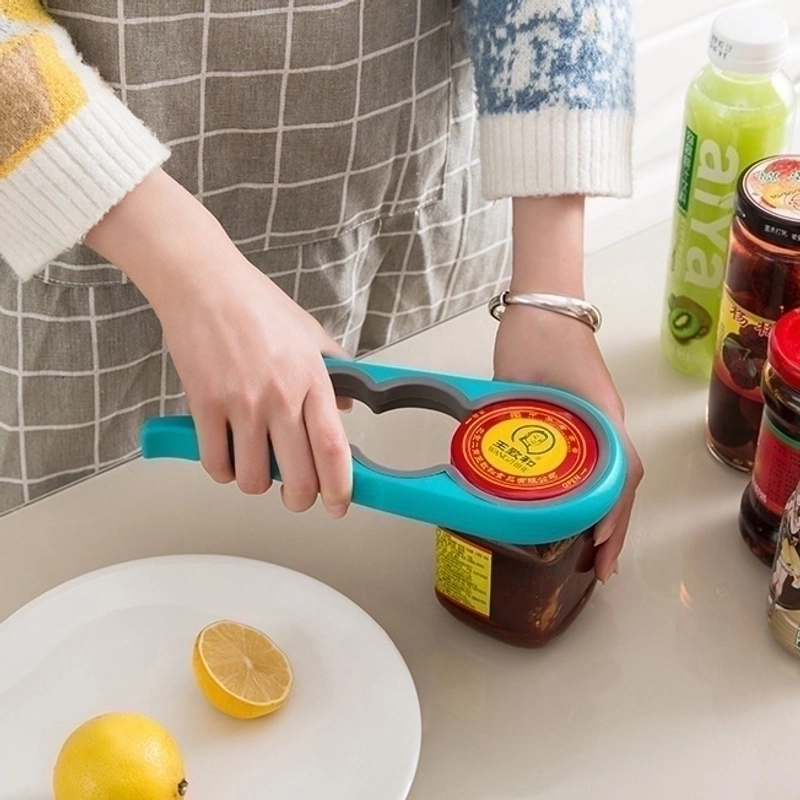
4-in-1 Multi-functional Jar Opener Non-slip Rubber Lining Manual Bottle Opener Kitchen Gadget For Different Cap Sizes Easy Grip Manual Tool
$0.34
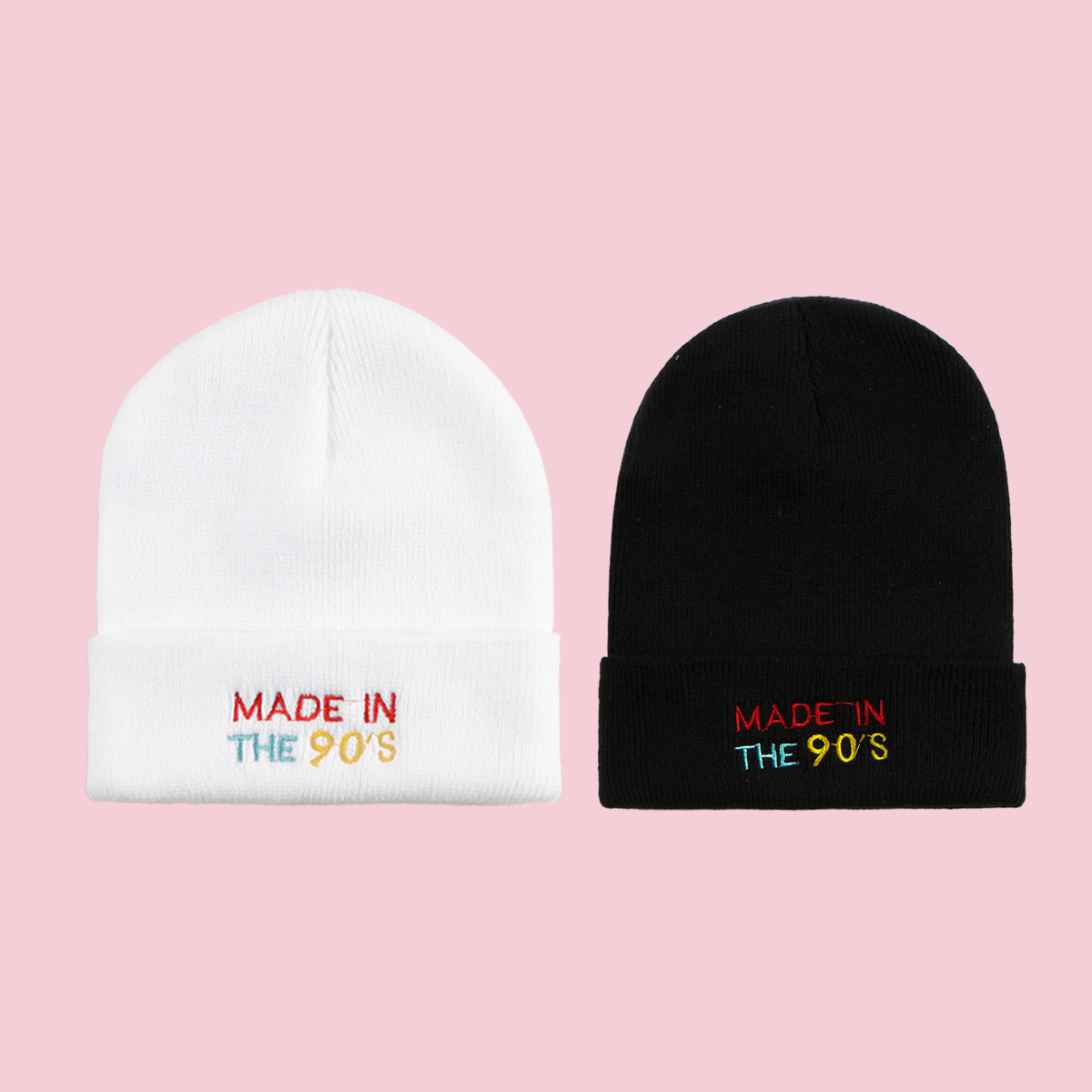
MADE IN THE 90'S Embroidered Knit Beanie Acrylic Winter Warm Cuffed Skull Cap For Men Women Casual Streetwear Retro Fashion Hat
$1.70
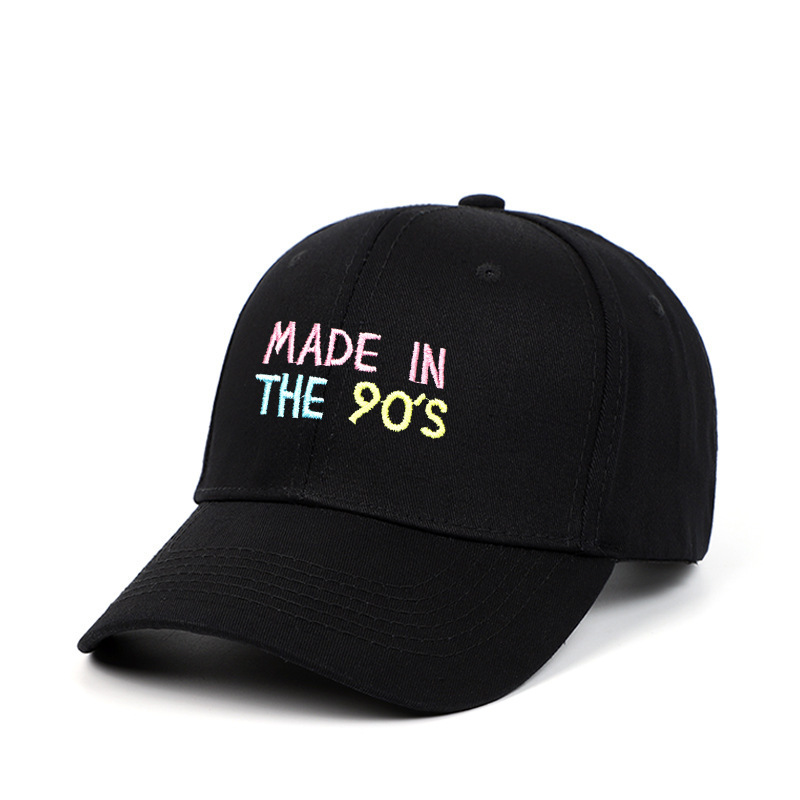
Made In The 90'S Colorful Embroidery Baseball Cap Cotton Adjustable Metal Buckle Sport Sun Hat For Men Women Casual Outdoor Trucker Hat
$3.31
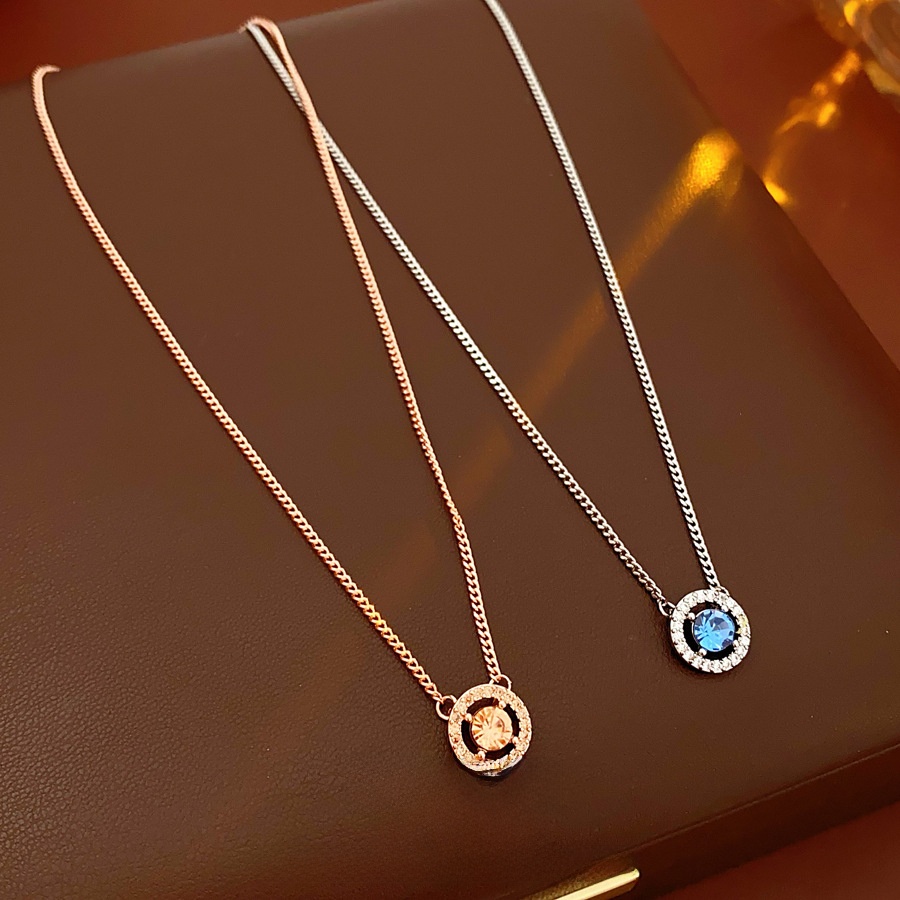
Elegant Round Halo Pendant Necklace Made Of Copper With Sparkling Zirconia Gemstones Trendy Minimalist Jewelry For Women Daily Dating Anniversary Gift Available In Rose Gold And Silver
$3.14
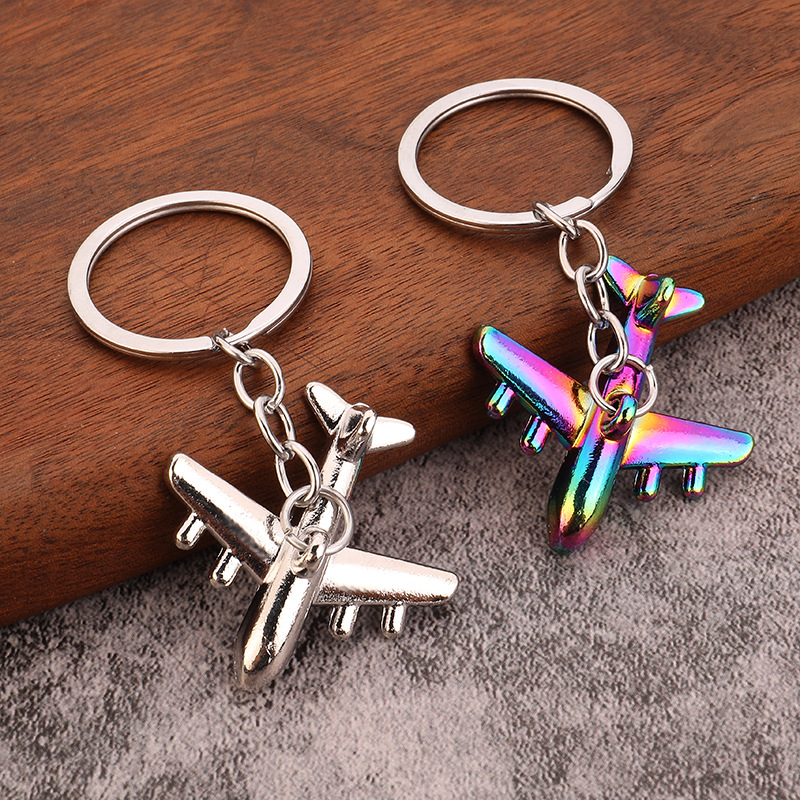
3d Realistic Airplane Model Keychain China Airlines Civil Aviation Aircraft Air Show Travel Souvenir
$0.26
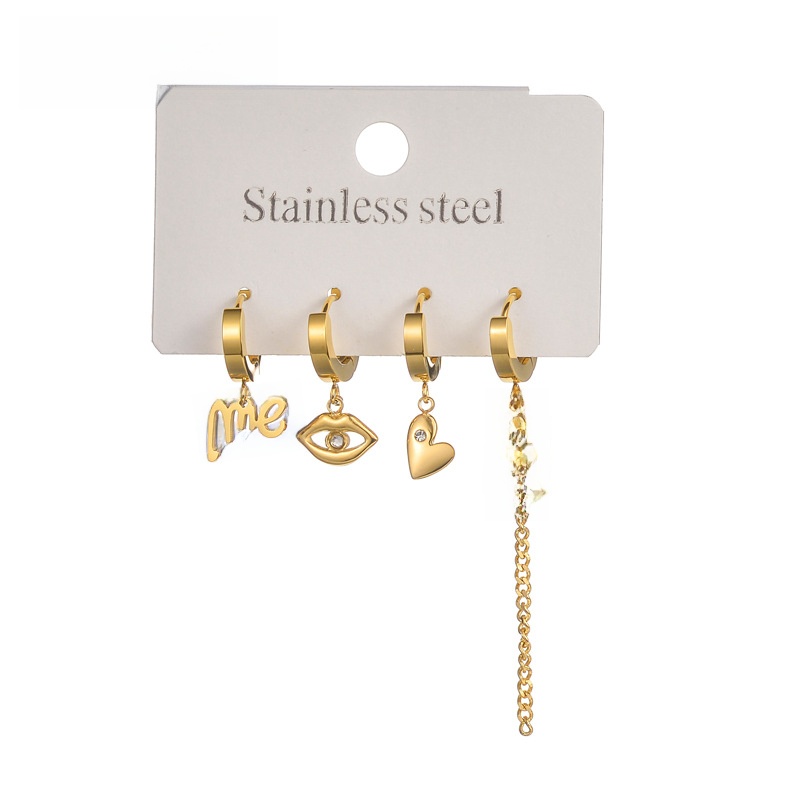
Stainless Steel Earrings Gold Plated Asymmetric Evil Eye Heart Letter Me Miss You Square Tag Long Chain Jewelry Women
$3.62
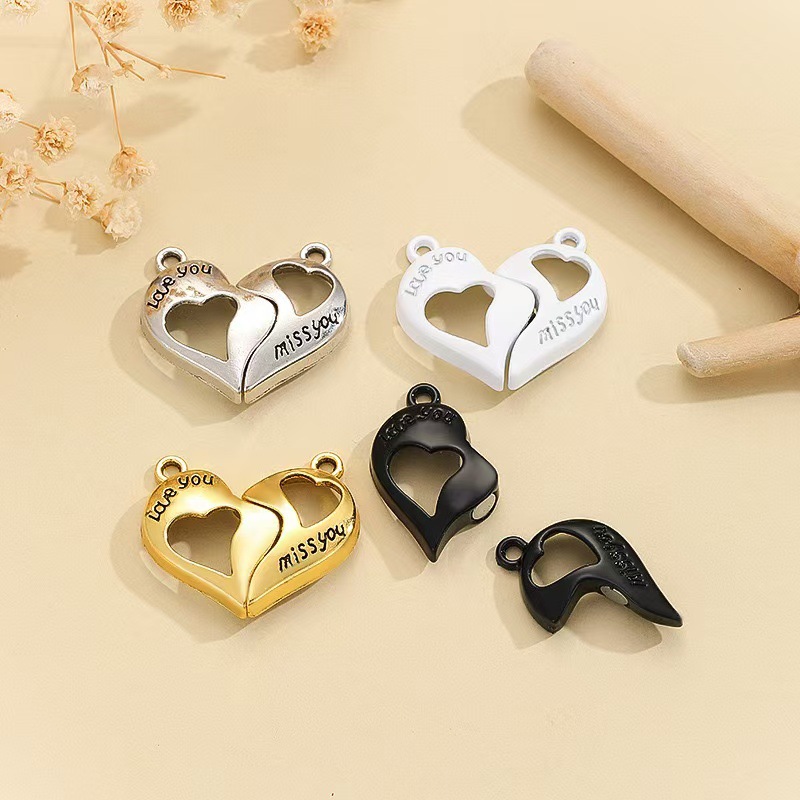
Magnet Heart Pendants Zinc Alloy Love You Miss You Lettering Matching Puzzle Pendants For Couples Best Friends Valentine Jewelry Gift
$0.36

Autism Awareness Enamel Pin Brooch Set Alloy Puzzle Heart Square Colorful Badge "Different Not Less" Pins For Clothing Bag Accessories
$0.47
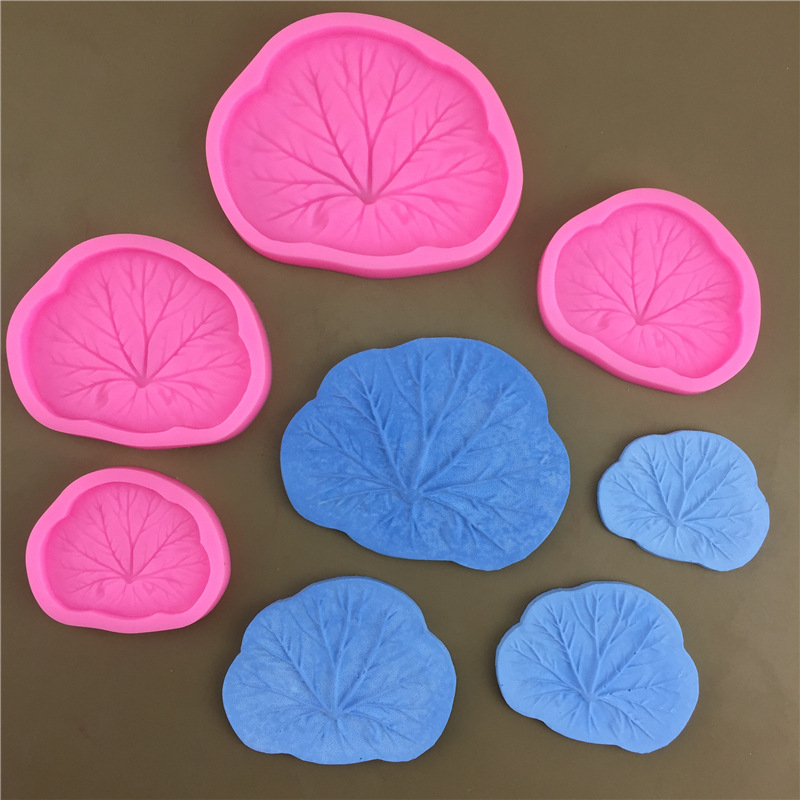
Lotus Leaf Silicone Mold Different Sizes Lily Pad Fondant Decoration Tool For Cake Chocolate Plaster Resin Craft DIY Baking Accessories
$0.18
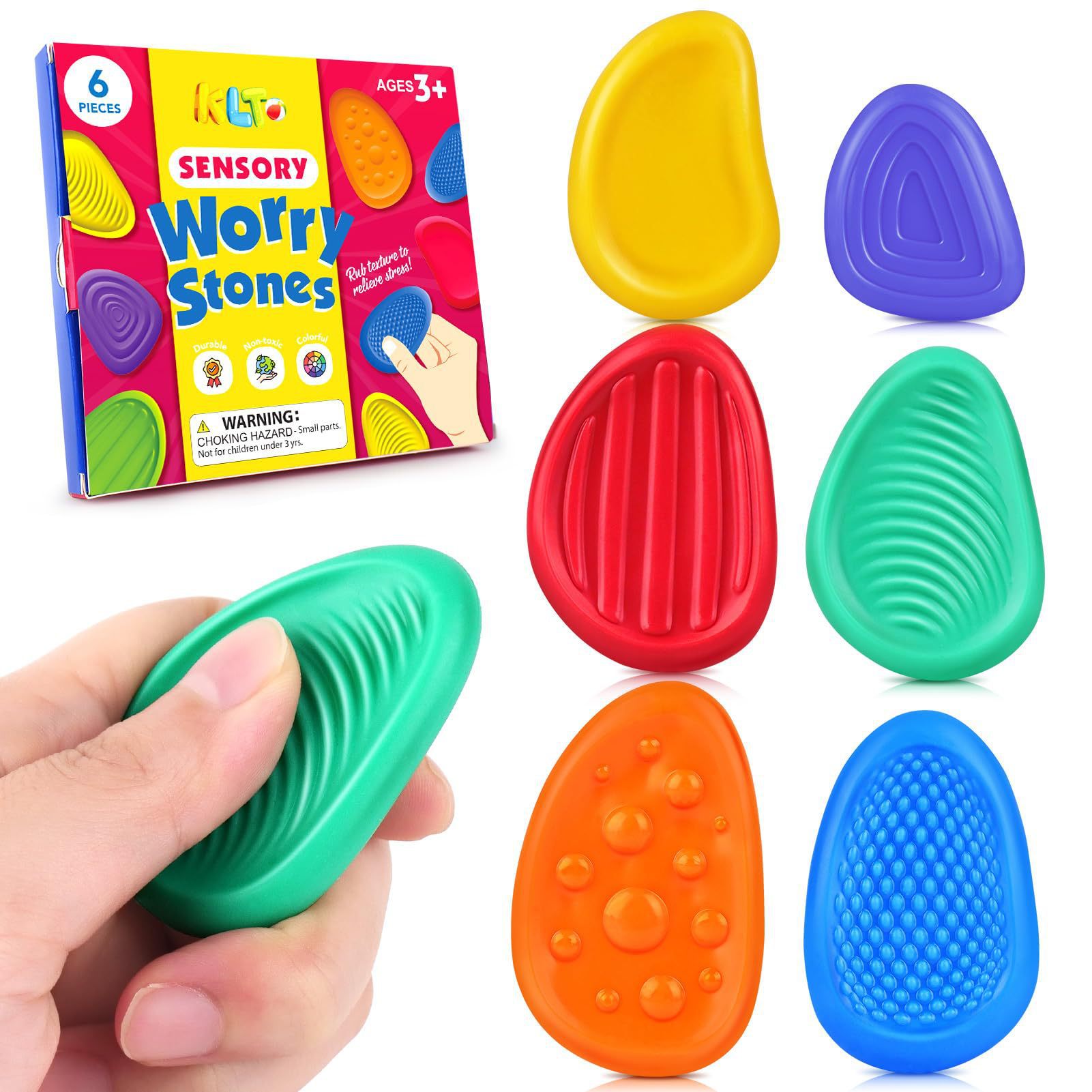
Sensory Worry Stones For Kids Anxiety Stress Relief Silicone Fidget Toys With Different Textures Colorful Decompression Stones For Boys Girls
$1.59
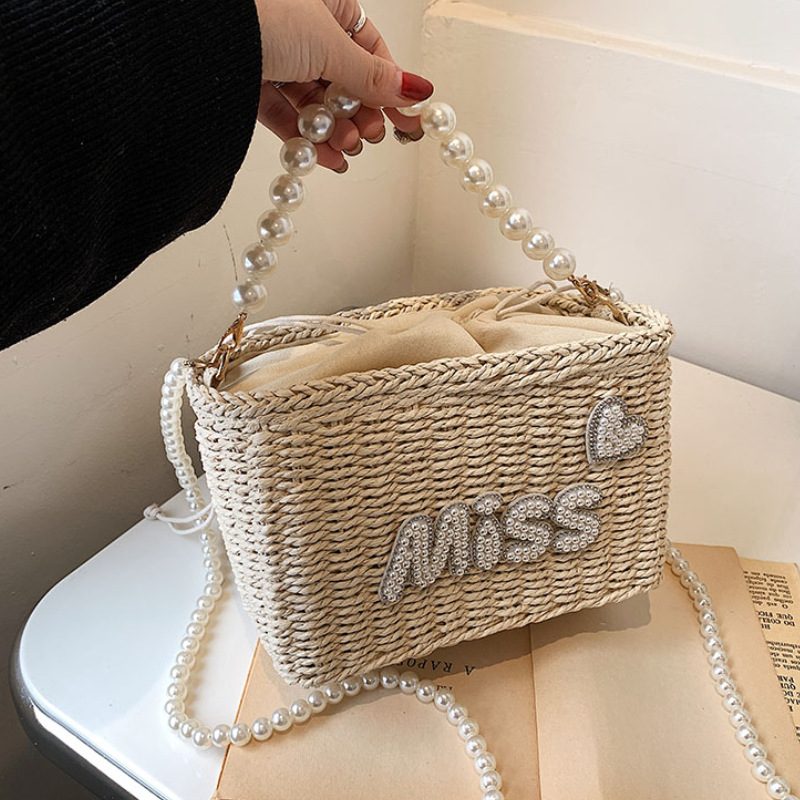
Women Mori Style Straw Woven Handbag With Pearl Handle And Crossbody Chain Miss Letter Heart Decor Summer Beach Vacation Shoulder Bag
$9.99
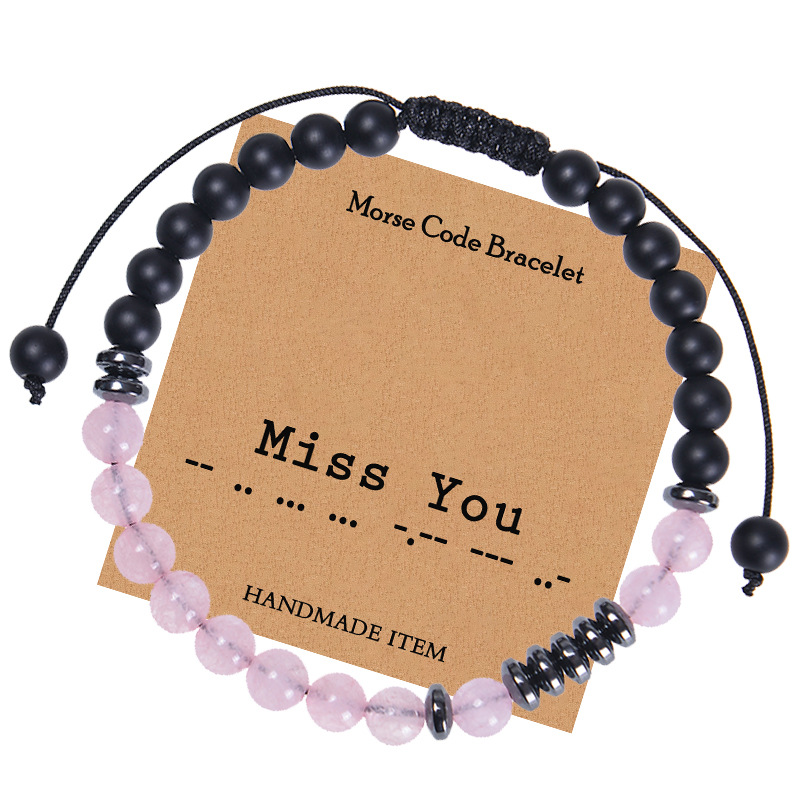
Handmade Morse Code Pink Crystal Bracelet With Matte Black Stone Adjustable Woven Cord Miss You Message Card Bracelet For Men Women
$1.13
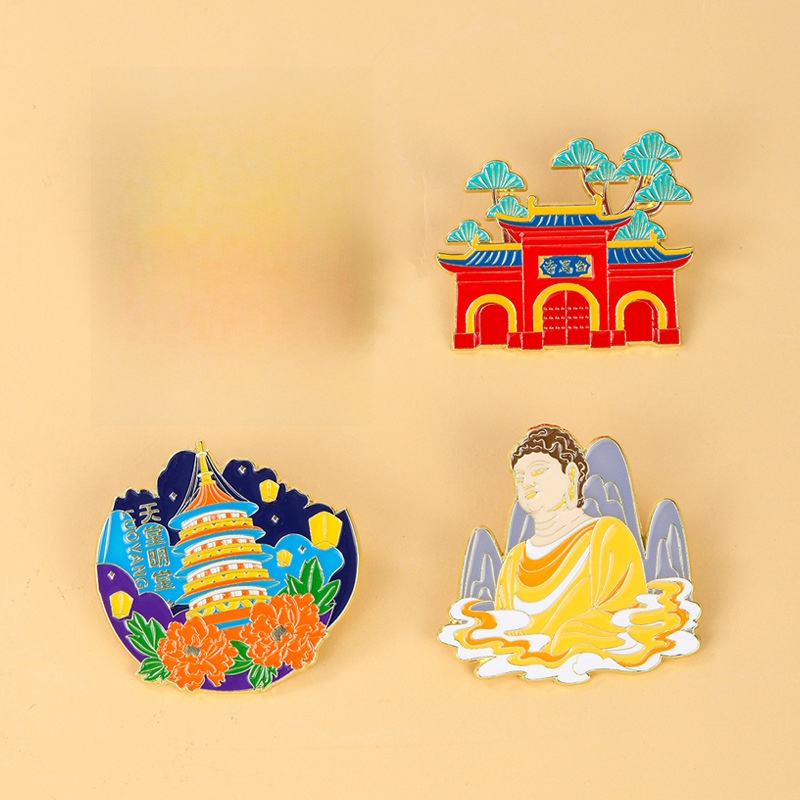
Luoyang China Scenic Spots Metal Enamel Fridge Magnet Retro Chinese Cultural Landmark Buddha Architecture Home Decor Travel Souvenir Gift
$1.15
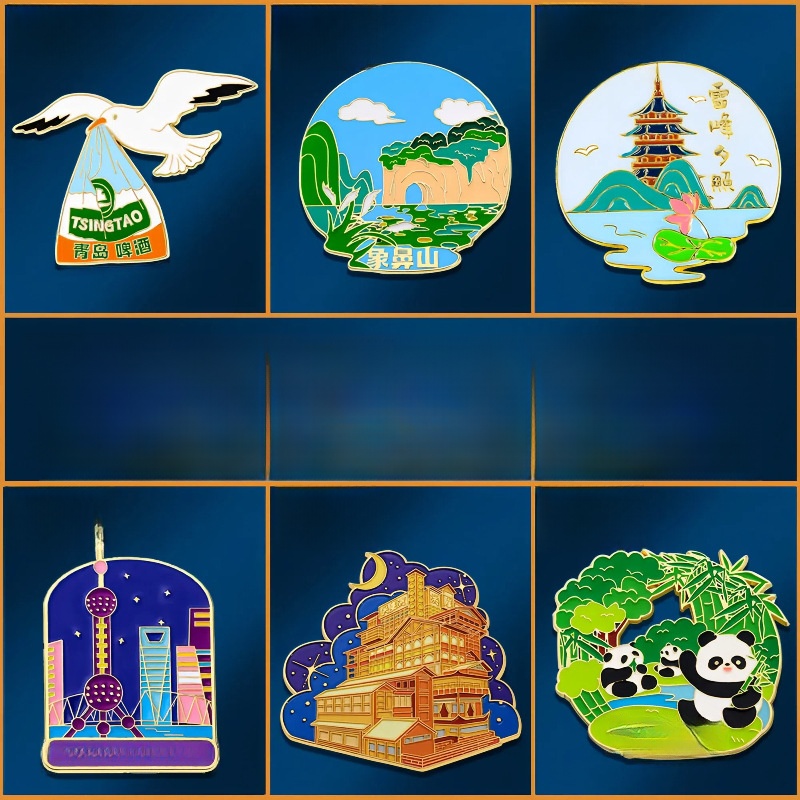
China City Landmark Metal Fridge Magnet Alloy Enamel Refrigerator Magnets For Kitchen Decor Travel Souvenir Gift Shanghai Beijing Chengdu Hangzhou
$0.58
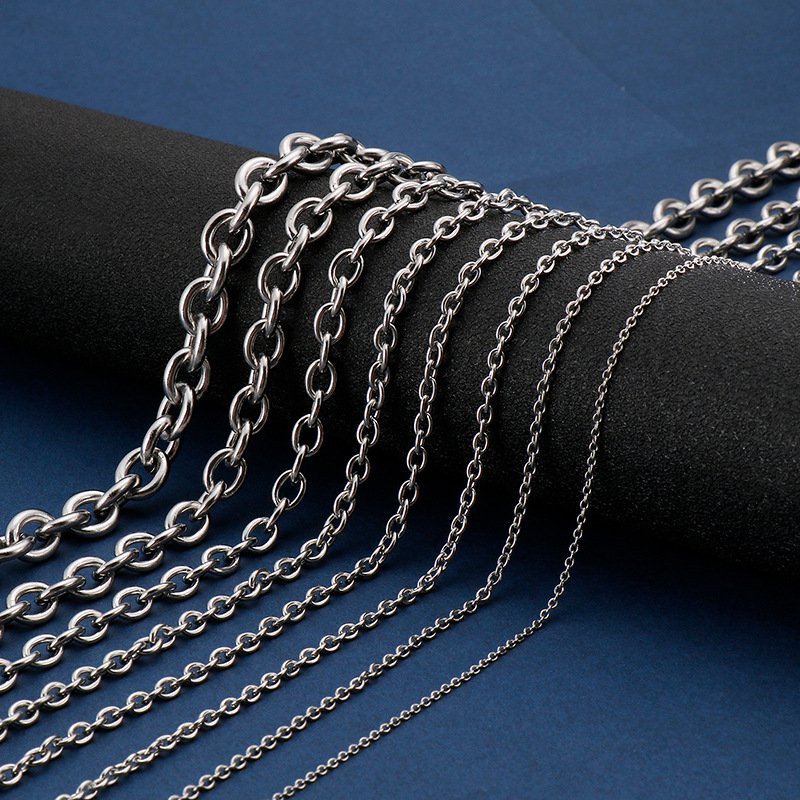
Stainless Steel Link Chain Necklace For Men Women Gold Silver Minimalist O-Chain Hip Hop Jewelry Gift Different Sizes 45-90cm Length Fashion Accessory
$0.48
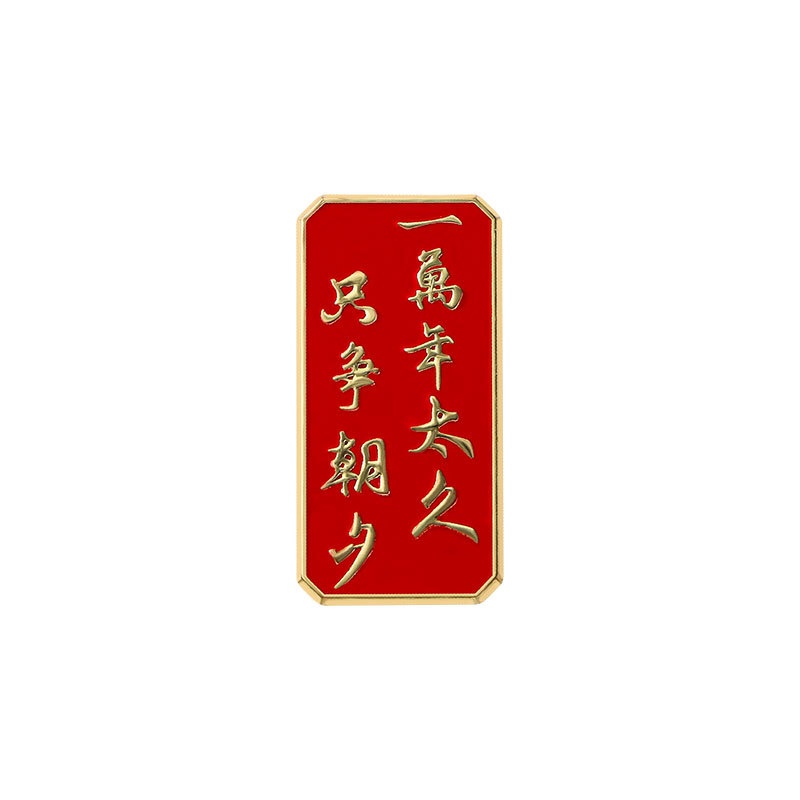
Patriotic Red Enamel Brooch Zinc Alloy China Flag Map Badge Heart Shaped Commemorative Pin For Clothing Backpack Decoration Unisex Metal Jewelry Accessories
$0.11
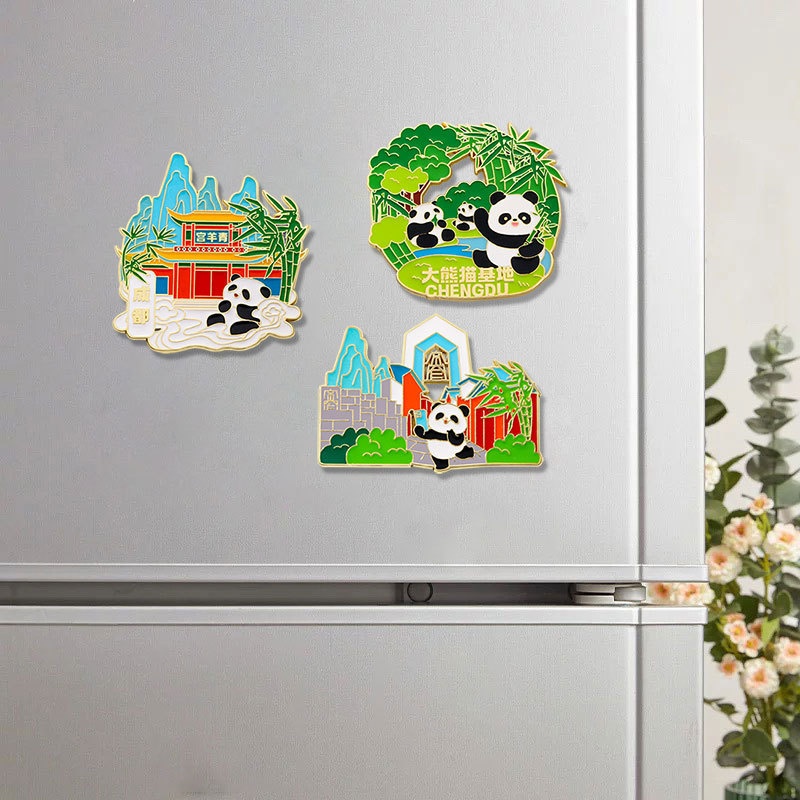
Chengdu China Tourist Souvenir Fridge Magnets Enamel Zinc Alloy Giant Panda Landmark Magnetic Sticker Decorative Brooches Badges For Home Decoration Travel Gifts
$0.84
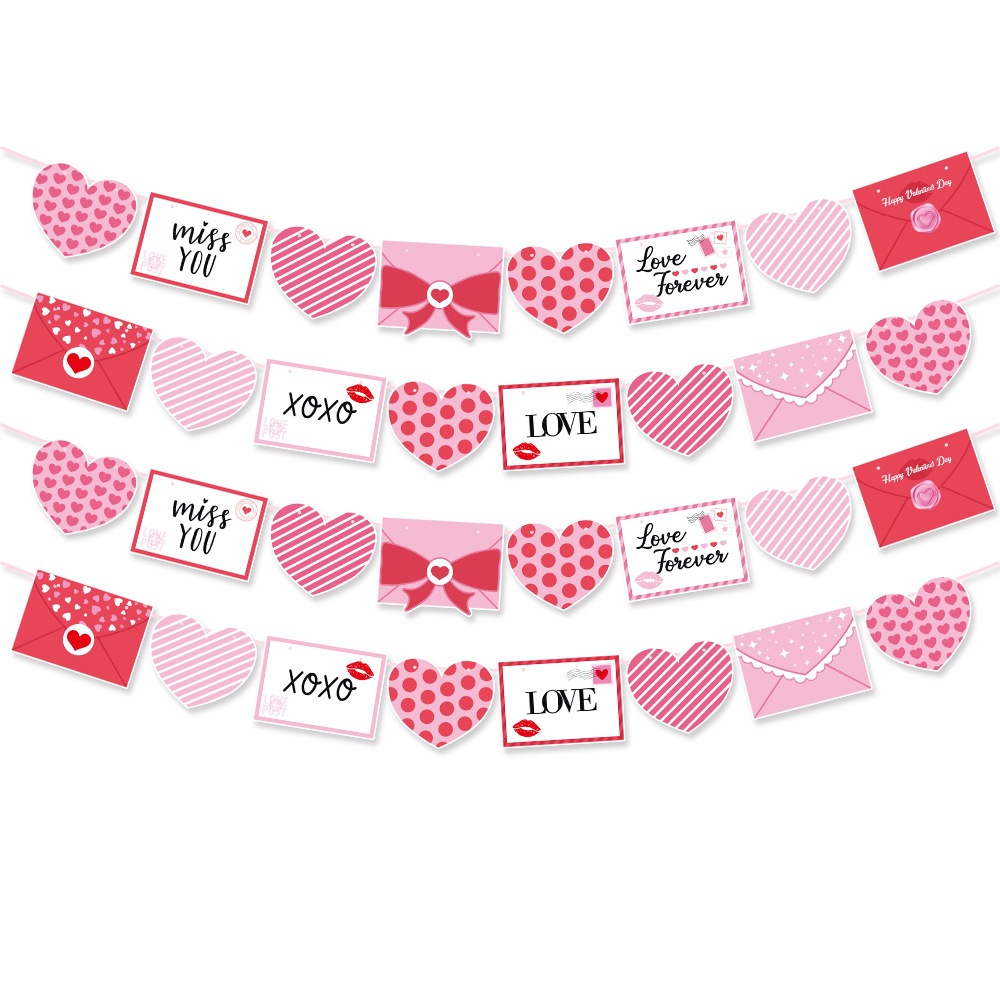
Valentine's Day Heart Banner Paper Garland With Miss You Love Forever Lettering Envelope Design For Wedding Party Proposal Dating Decoration Romantic Pink Red White Decor
$0.95
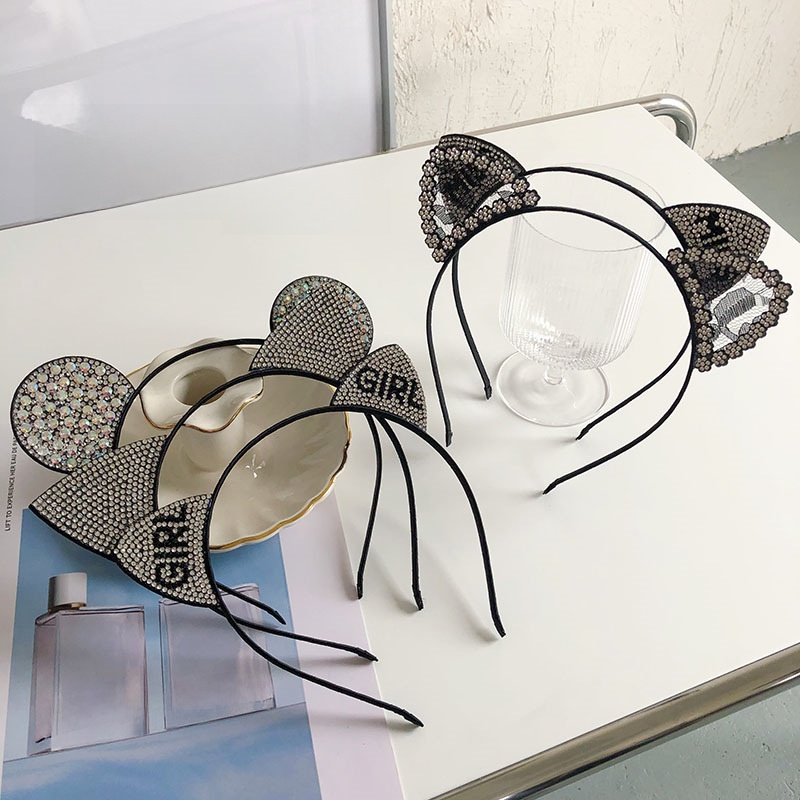
Korean Style Rhinestone 3D Cat Ear Headband Lace Hollow Out Animal Ears With MISS GIRL Letter Shiny Headpiece For Women Girls Party Daily Hair Accessories
$1.44
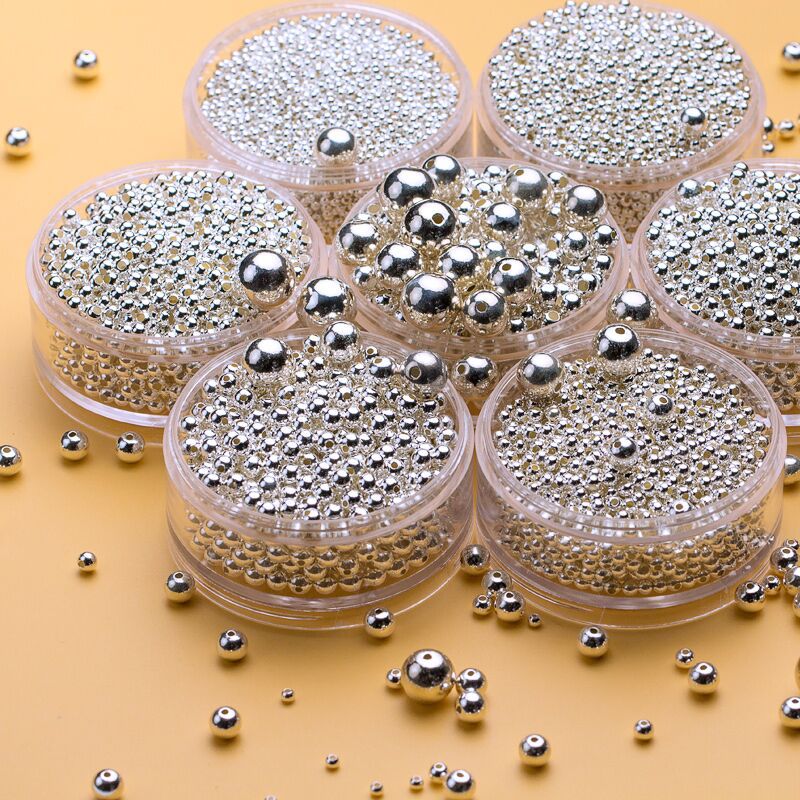
S925 Sterling Silver Round Loose Beads Polished Smooth Spacer Beads For DIY Jewelry Making Bracelets Necklaces Different Sizes Small Large Hole Minimalist Style Women Men
$0.15
Curated Bundles for Different Buyer Scenarios
Bundling works for this trend because it lets you test multiple related SKUs from the same supplier, reducing per‑unit shipping cost and building a cohesive product line. Each bundle below targets a specific retail channel or audience.
Casual Streetwear Starter
First‑time buyer testing accessories for a Shopify store aimed at retro‑streetwear fans. Keep inventory lean.
- MADE IN THE 90'S Embroidered Knit Beaniehero
- Made In The 90'S Colorful Embroidery Baseball Capcomplement
- Valentine's Day Heart Banner Paper Garlandupsell
Bundle at $5.59 vs $6.26 separately — saves 11%, and the banner can be used as a free gift to reduce returns.
Souvenir Traveler Pack
Pop‑up stall near tourist attractions or a flea market with international visitors. Low unit cost, high impulse buy potential.
- 3d Realistic Airplane Model Keychainhero
- Luoyang China Scenic Spots Metal Enamel Fridge Magnetcomplement
- Chengdu China Tourist Souvenir Fridge Magnetcomplement
Bundle at $1.95 vs $2.25 individually — but more importantly, you source all three from the same supplier, simplifying QC.
Minimalist Jewelry Sampling Kit
Jewelry sellers who want to test multiple metal finishes and styles before placing a larger order. Perfect for Etsy or Instagram shops.
- Elegant Round Halo Pendant Necklacehero
- Stainless Steel Earrings Gold Plated Asymmetric Evil Eyeupsell
- Stainless Steel Link Chain Necklacecomplement
Bundle at $7.24 vs $8.00 separately. Order as samples; lead time is typically 10–15 days on these items.