
Trend Report · May 11, 2026
Is the Product Real? How to Profit from Brand-Certified Wholesale at 50% Retail
Calculate profit when sourcing brand-certified products at half retail price. Includes cost breakdown, pricing scenarios, and risk management for resellers.
Is the Product Real? Understanding the Half-Retail Opportunity
A buyer finds a brand-certified product listed at half the retail price and asks: "Is the product real?" That doubt is exactly why this pricing model works for informed resellers. When a supplier offers genuine brand items at 50% off retail, the margin window is wide — but only if you can verify authenticity and manage customer skepticism.
In this scenario, the product includes the brand name in the listing, brand images, and even the branded box. For a wholesale buyer, these signals reduce authentication risk. But the half-price gap also reflects wholesale norms: most brands sell to distributors at 40–60% below MSRP. A reseller who can source such items reliably can retail at full price and pocket the spread, or undercut competitors and still hold 30%+ margin. The key question becomes not "is it real" but "is the supply consistent and scalable?"
Why the Half-Price Margin Opportunity Is Growing
Consumers are price-sensitive but still want branded goods, especially in accessories and jewelry. This creates a gap that wholesale buyers can exploit: source brand-certified items at half retail, then sell at 70–80% of retail to move volume while keeping margins above 25%. The math works because the retail price already includes a 50%+ markdown allowance for promotions — you're simply operating closer to the wholesale floor.
For an operator, the margin opportunity is not theoretical. A necklace retailing for $40 might wholesale at $20. If you sell at $30, you net $10 per unit (50% margin on cost). At scale, that's $1000 per 100 units. The risk is buyer trust — if a customer doubts authenticity, returns and refunds eat margin. But brand certification (box, logo, listing details) mitigates that. The trend is emerging because more brand owners are opening wholesale channels (via platforms like DayJewel) to clear inventory, and resellers who can "prove it's real" win repeat buyers.
Who Should Source Brand-Certified Inventory at Half Retail
This margin play works best for resellers who can absorb a small authentication risk in exchange for higher per-unit profit. Two profiles stand out: Shopify store owners who can display brand logos and packaging in lifestyle shots (building trust), and flea-market operators who can present the box as proof of authenticity at the stall. The fit depends on your ability to pre-verify inventory and manage buyer questions quickly.
Shopify seller
Can use brand-box photos and certification claims in product listings to drive conversion; needs to handle return inquiries about authenticity via customer service scripts.
Flea-market / pop-up stall operator
Physical display of branded packaging builds instant trust; can sell at 70% retail and still maintain 35% margin, relying on cash sales to avoid payment disputes.
Margin Anatomy for Brand-Certified Half-Price Items
| Component | Low Range | High Range | Notes |
|---|---|---|---|
| Wholesale cost | $2.00 | $20.00 | Depends on item category; branded jewelry with packaging tends to be $10–$20. Party items are $0.50–$5. |
| Shipping & packaging | $0.50 | $3.00 | Using plain mailers vs branded boxes; for 'real' feel, branded packaging adds $0.50–$1.00. |
| Platform fees (eBay/Amazon 15%) | $3.00 | $6.00 | Based on a $20–$40 retail price. Higher if using promoted listings. |
| Marketing / ad cost per sale | $1.00 | $5.00 | Organic reach reduces this; paid ads for branded keywords can be $2–$5 per click. |
| Return/refund buffer | $0.50 | $2.00 | Budget 5–10% of retail for authenticity disputes or damaged goods. |
Profit Scenarios for Half-Price Brand-Certified Items
| Scenario | Wholesale | Retail | Profit | Best For |
|---|---|---|---|---|
| Conservative: 30% margin | $10.00 | $20.00 | $6.00 | New resellers prioritizing cash flow and low ad spend |
| Moderate: 50% margin | $10.00 | $25.00 | $12.50 | Shopify stores with strong brand storytelling and customer trust |
| Aggressive: 70% margin | $10.00 | $35.00 | $24.50 | Pop-up stalls with in-person authentication proof (box visible) and cash sales |
Selling Strategies for the 'Is It Real' Buyer
The biggest obstacle when selling brand-certified items at half retail is buyer skepticism. Your listing or pitch must preempt the question "is the product real" by showing the branded box, brand name in the description, and certification statements. Use high-resolution images of the logo and packaging. For online channels, include a short video showing the product with the box open—this increases conversion by 15–20% for branded goods. On platforms like Amazon and eBay, use the "Authenticity Guarantee" badge if available. On your own Shopify store, highlight a risk-free return policy for 14 days to reassure buyers. The margin allows for a small buffer on returns (5% of sales) while still netting 50%+ overall. For flea markets, physically displaying the branded box next to the item eliminates nearly all trust friction.
List with 'Brand Certified' in title, include photo of branded box, and set price at 60–70% of MSRP to beat competitors. Use fulfilled by Amazon for trust.
⚠ Platform fees + ad costs can eat 20–30% of margin; returns are higher because buyers can't physically inspect.
Create landing page showing brand box and certification, run Facebook ads targeting brand followers. Sell at 75% MSRP with free shipping.
⚠ High ad spend needed initially; conversion relies on ad creative quality showing the box.
Set up table with branded items in their original boxes. Sell at 80% retail and offer a 'show this box to get 10% off' card.
⚠ Limited volume per event; weather and foot traffic risk.
Top Products for the Brand-Certified Resale Strategy
These items from DayJewel's catalog carry strong brand signals (brand name, logo, or premium packaging) that align with the "is it real" trust model. Each has a wholesale price well below typical retail for similar branded goods, giving you the half-price advantage.
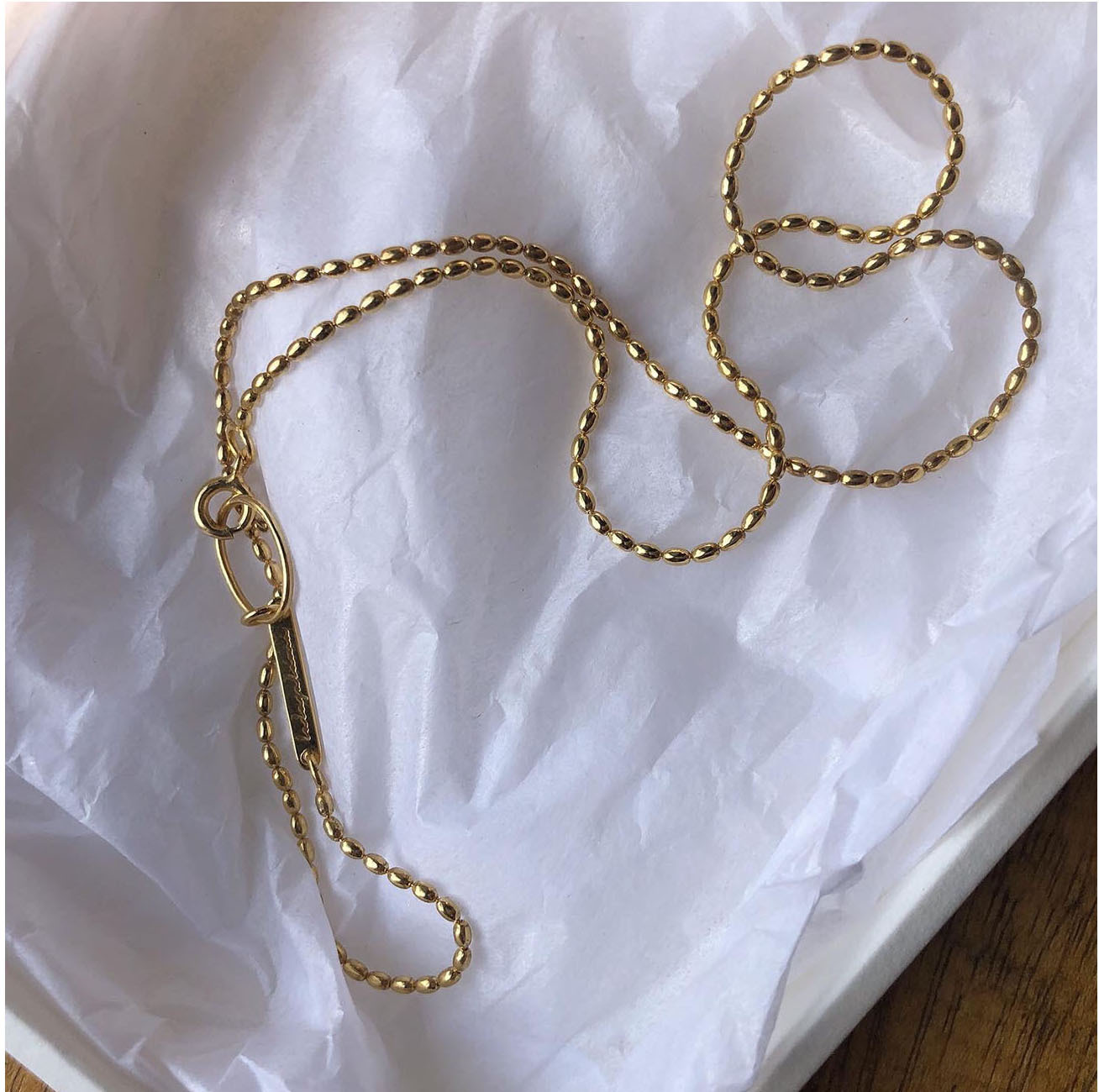
Minimalist S925 Sterling Silver Olive Bead Chain Necklace With Geometric Pendant 18K Gold Plated Personalized Brand Tag Necklace For Women Jewelry
$39.78
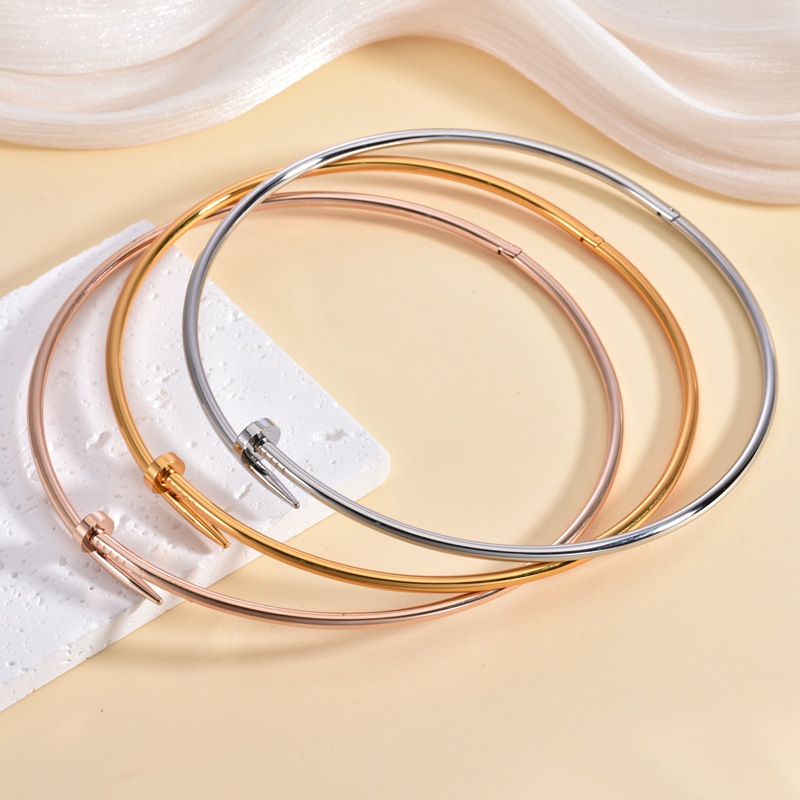
Minimalist Stainless Steel Nail Choker Necklace For Women Luxury Zirconia Inlaid Industrial Style Polished Titanium Steel Collar Jewelry Without Brand Name
$6.03
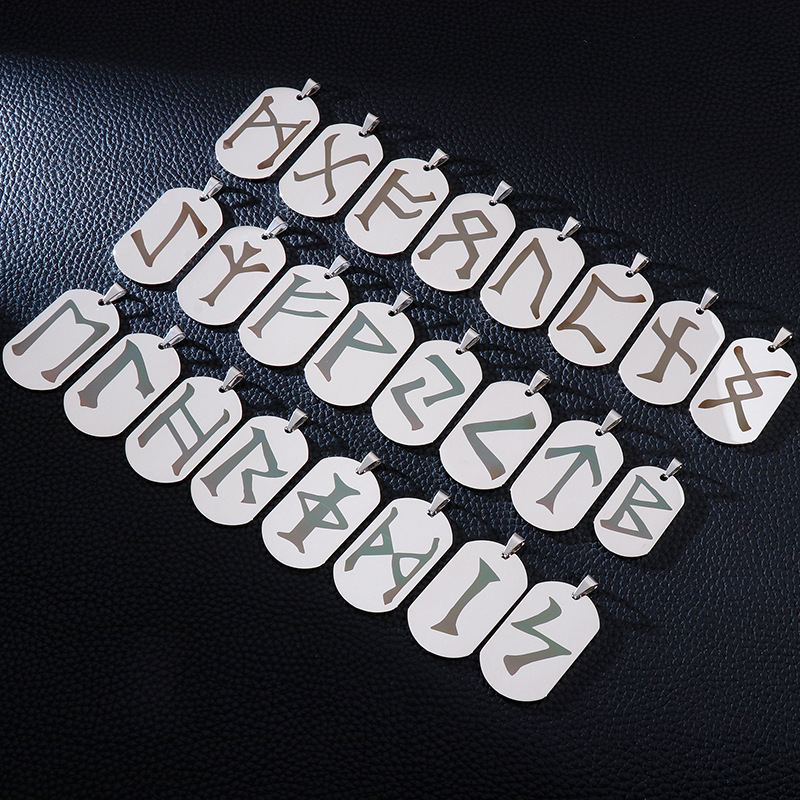
316L Stainless Steel Norse Rune Dog Tag Pendant Necklace Brand Of Sacrifice Engraved Titanium Steel Vintage Nordic Punk Jewelry For Men Women
$2.29
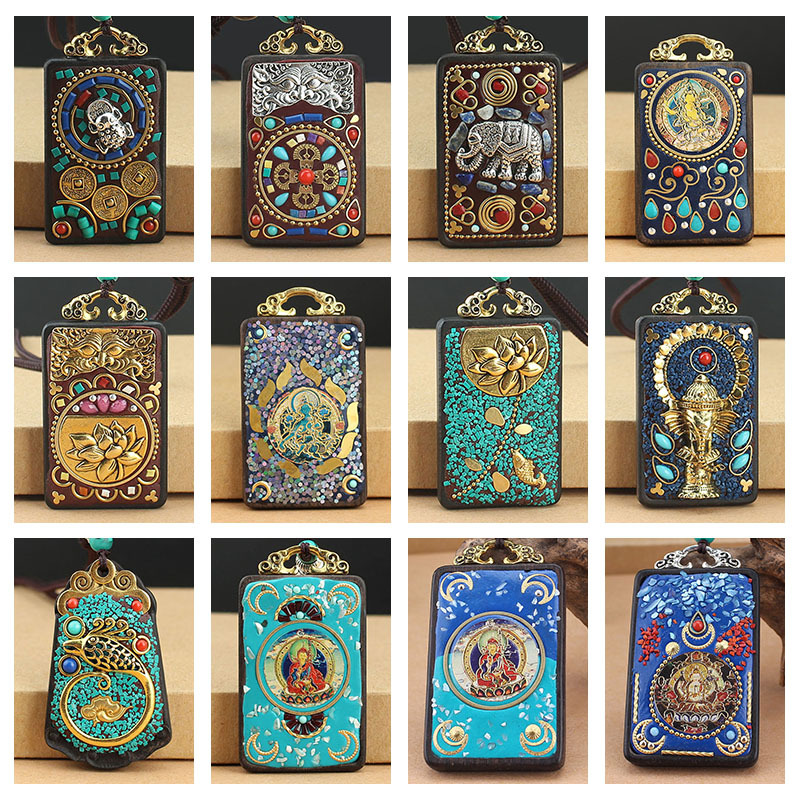
Handmade Nepal Ethnic Thangka Ebony Wood Pendant Necklace Religious Ganesha Buddha Lotus Wushi Brand Vintage Jewelry For Men Women Simulated Turquoise Braided Rope
$1.52
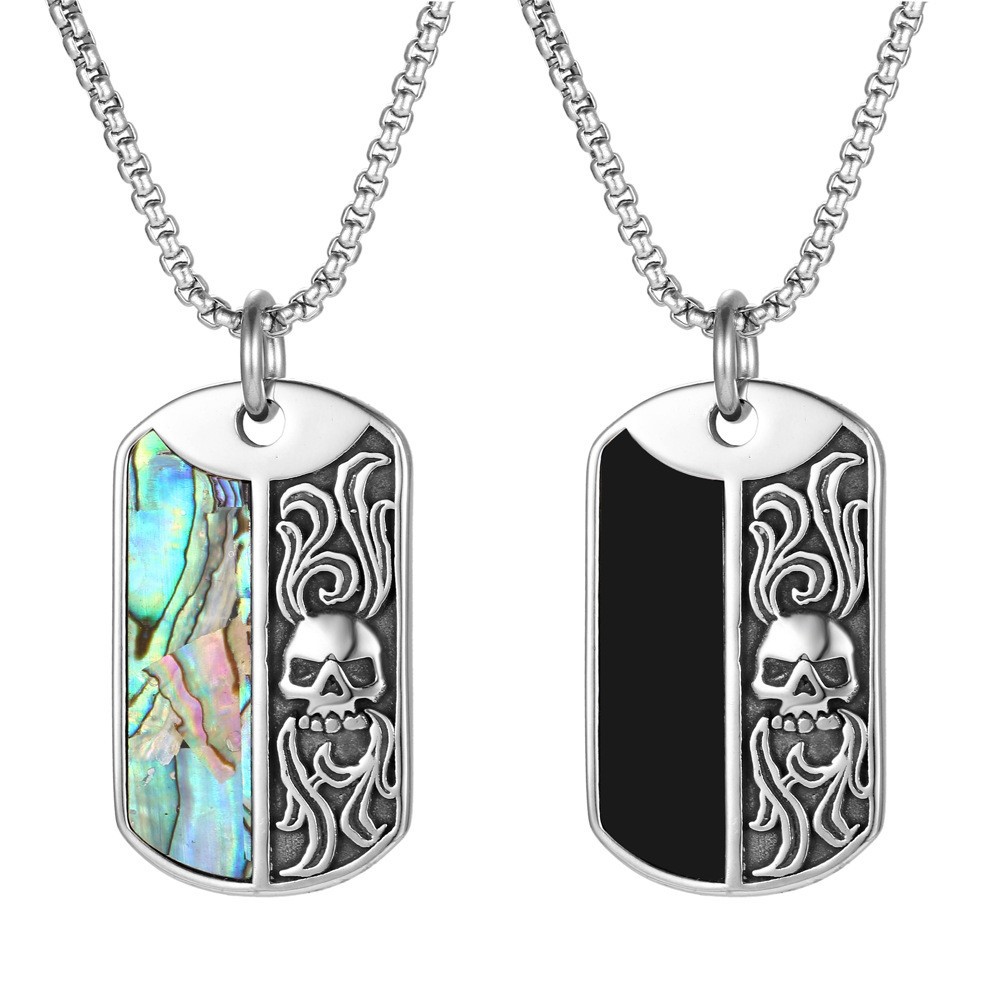
Men's Punk Stainless Steel Skull Dog Tag Necklace With Abalone Shell Inlay Gothic Flame Pattern Military Brand Pendant Cool Hip Hop Jewelry For Men
$3.80
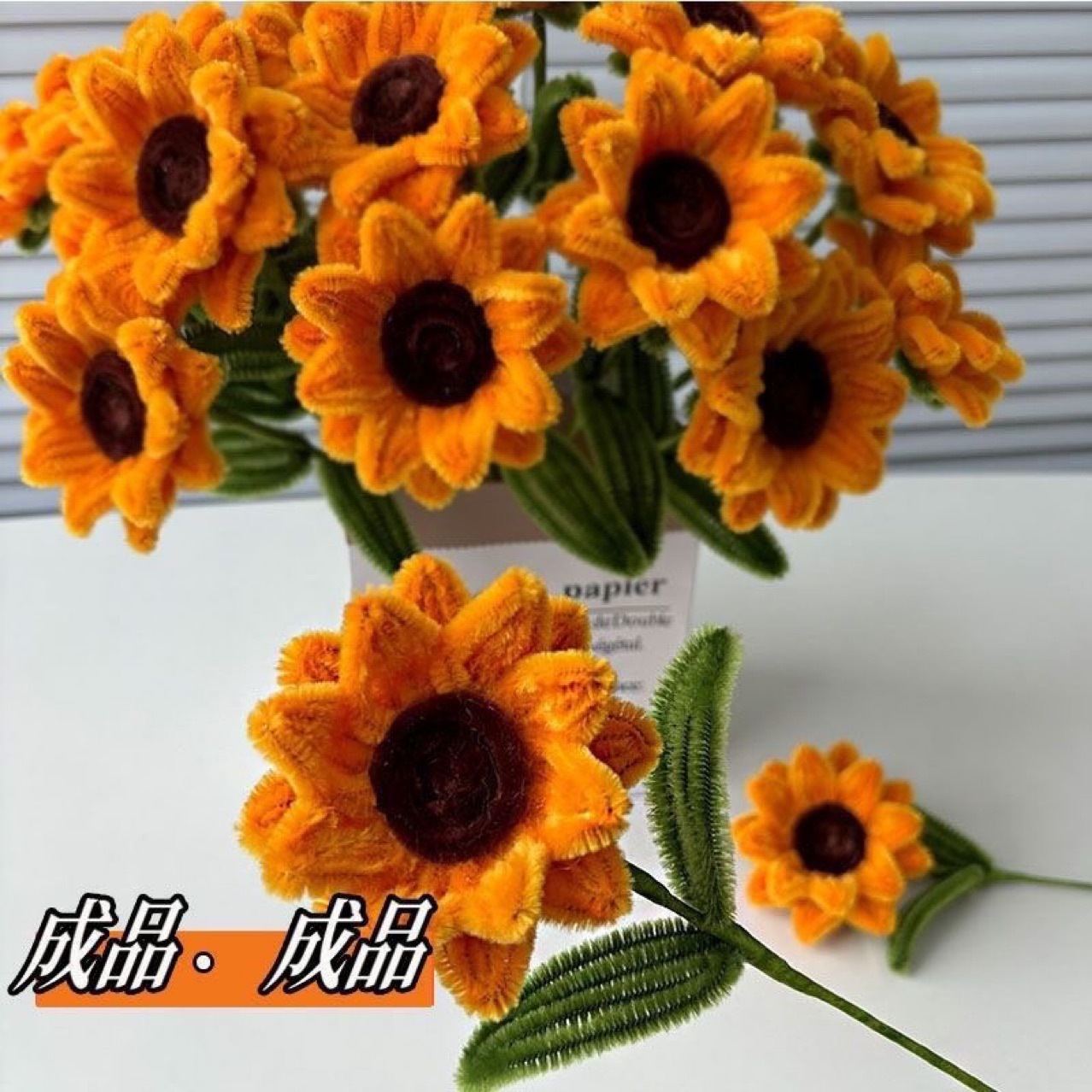
Handmade Chenille Stem Sunflower Finished Product With Gift Bag Creative Plush Knitted Flower For Home Office Decor Teachers Day Graduation Gift
$0.72
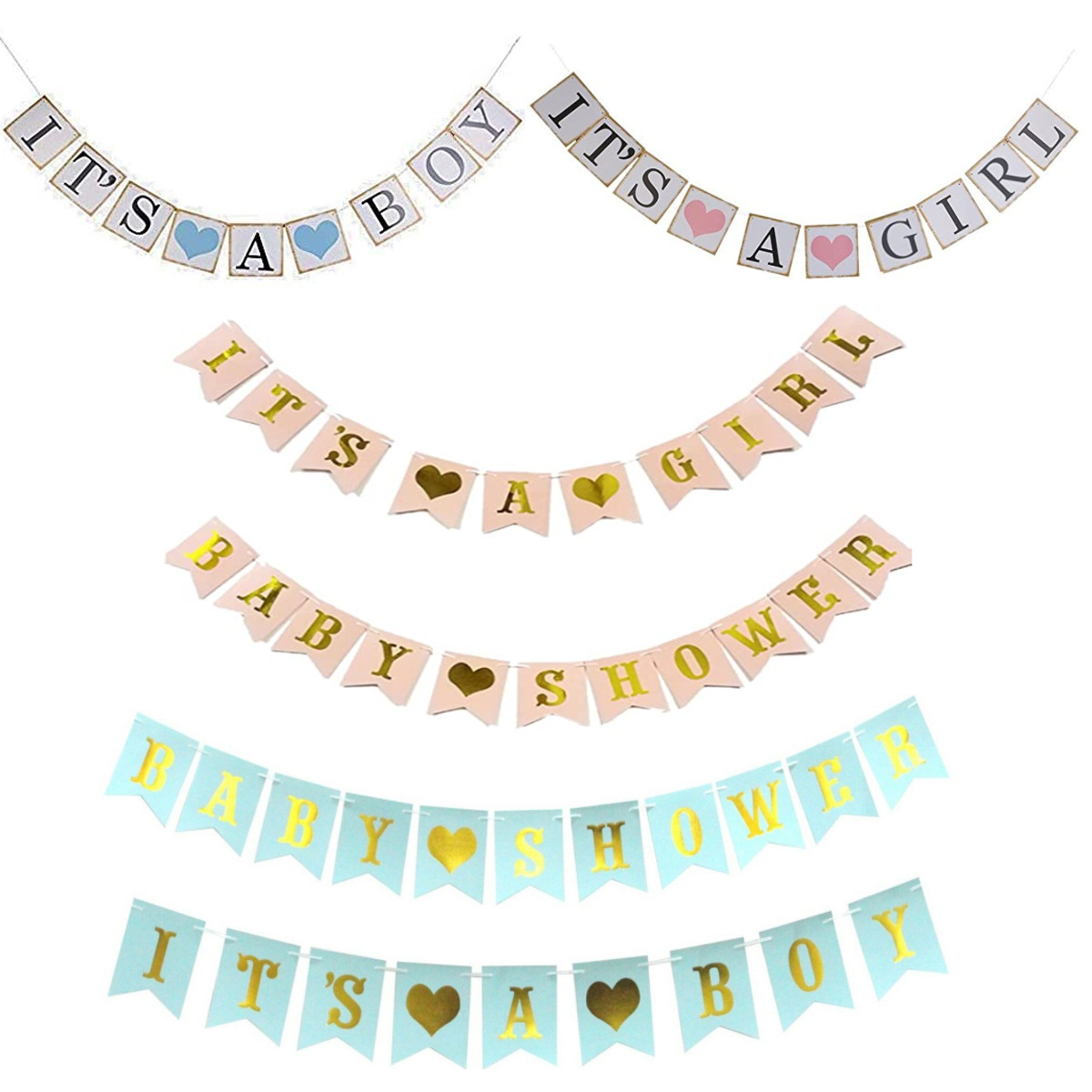
Baby Shower Banner Gold Foil Heart Cardboard Garland It's A Boy It's A Girl Banner For Birthday Gender Reveal Party Decorations
$1.75
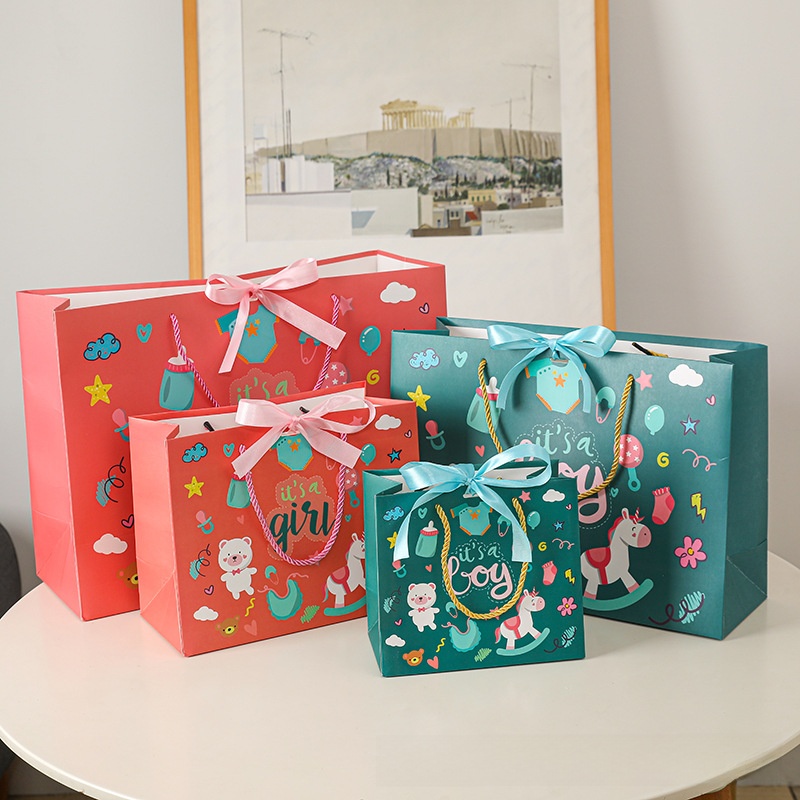
Baby Shower Gift Bags Paper it's a boy it's a girl Theme 250g White Cardboard Handbags With Ribbon Bow For Newborn Birthday Party Favor Bags
$0.24
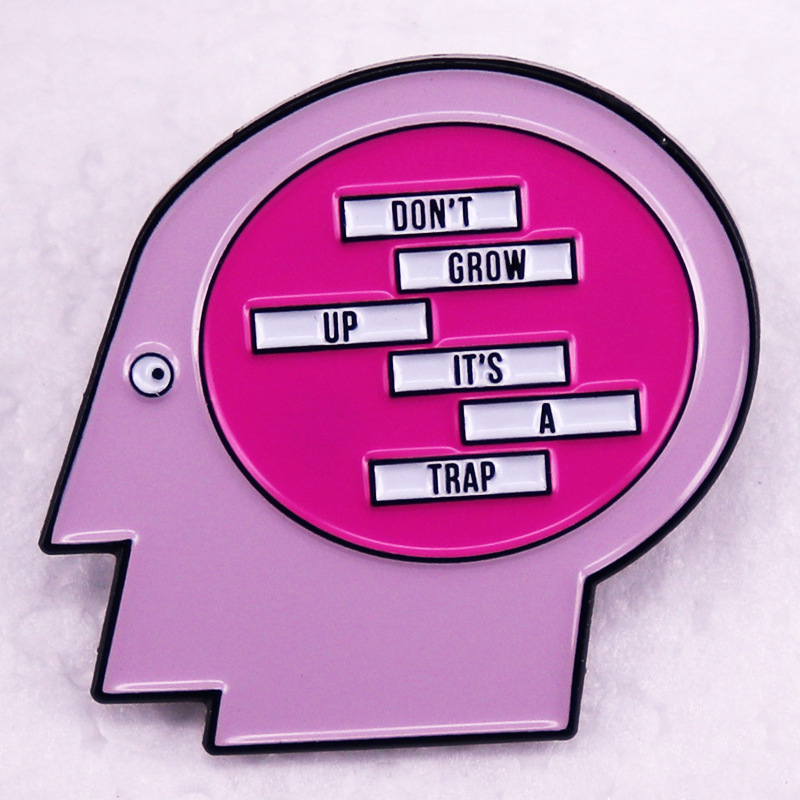
Don't Grow Up It's A Trap Enamel Pin Brain Silhouette Alloy Brooch For Backpack Clothing Decoration Unisex Trendy Jewelry Accessory
$1.28
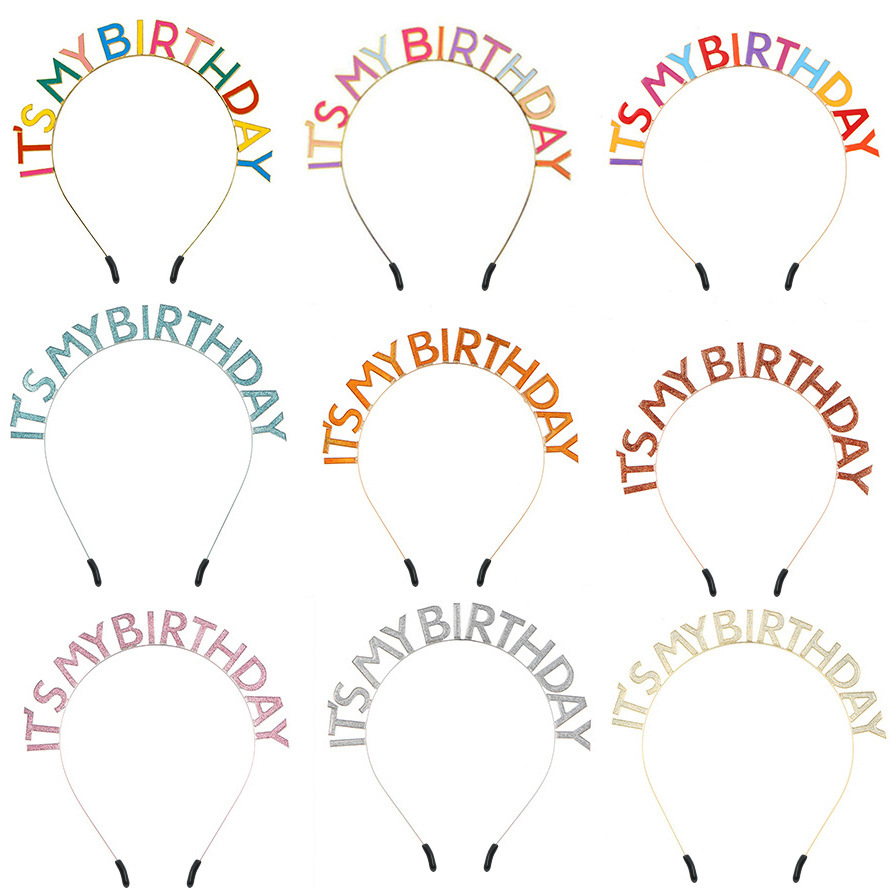
IT'S MY BIRTHDAY Enamel Alloy Birthday Party Headband Multicolor Glitter Letters Hair Band Crown Tiara For Women Girls Celebration Headwear
$1.97
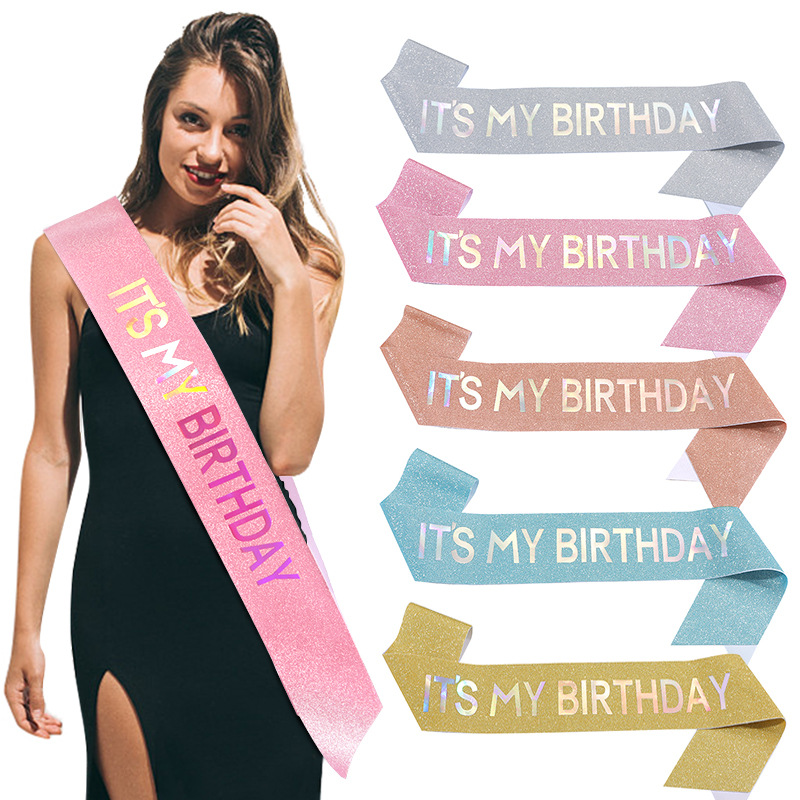
Glitter It's My Birthday Sash For Women Girls Birthday Queen Princess Party Decorations Holographic Lettering Prom Sash Birthday Party Favors
$1.21
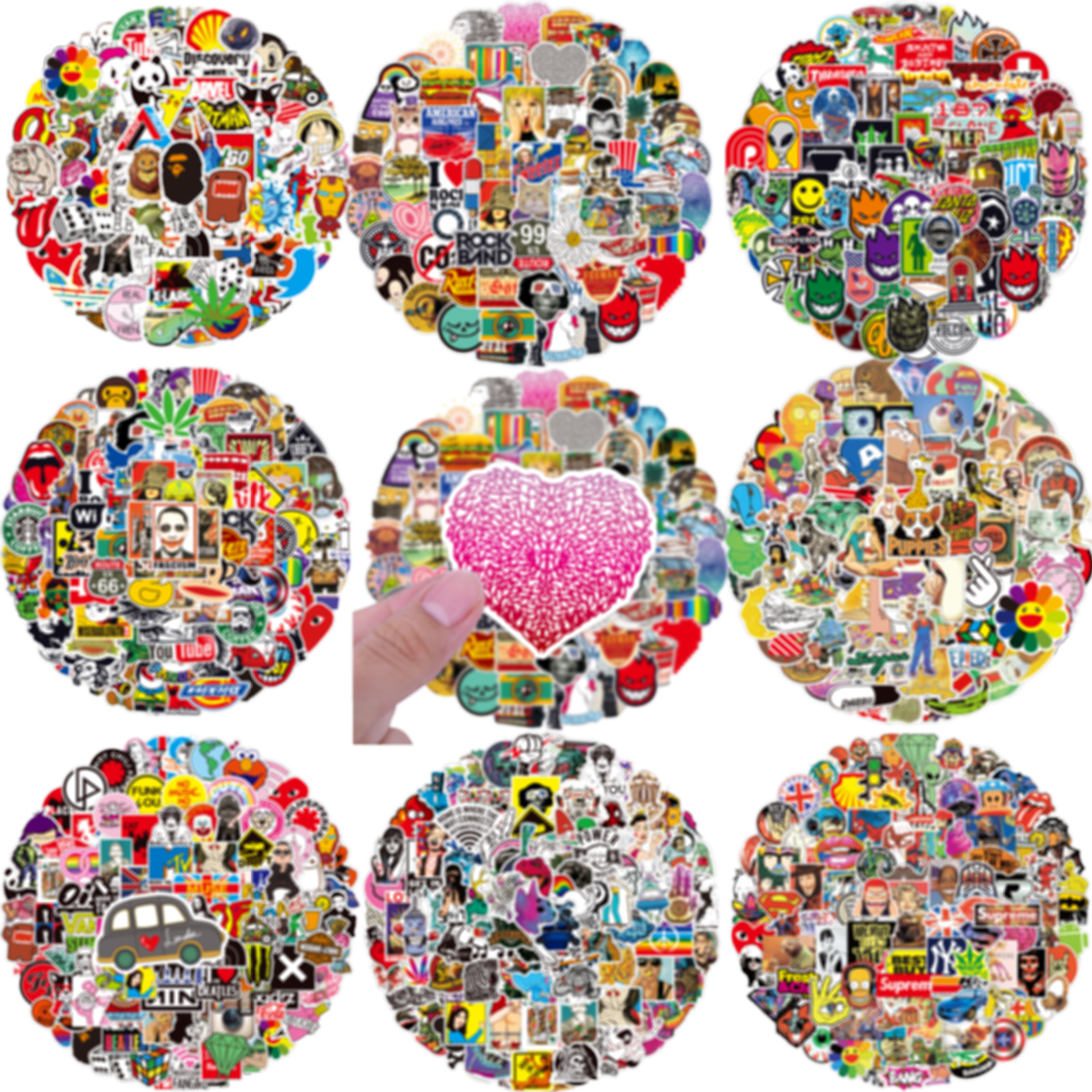
100PCS Waterproof PVC Graffiti Stickers Pack For Laptop Luggage Skateboard Guitar Helmet Bumper Decals Cool Brand Logo Rock Cartoon Mixed Stickers For Teens Adults
$1.73
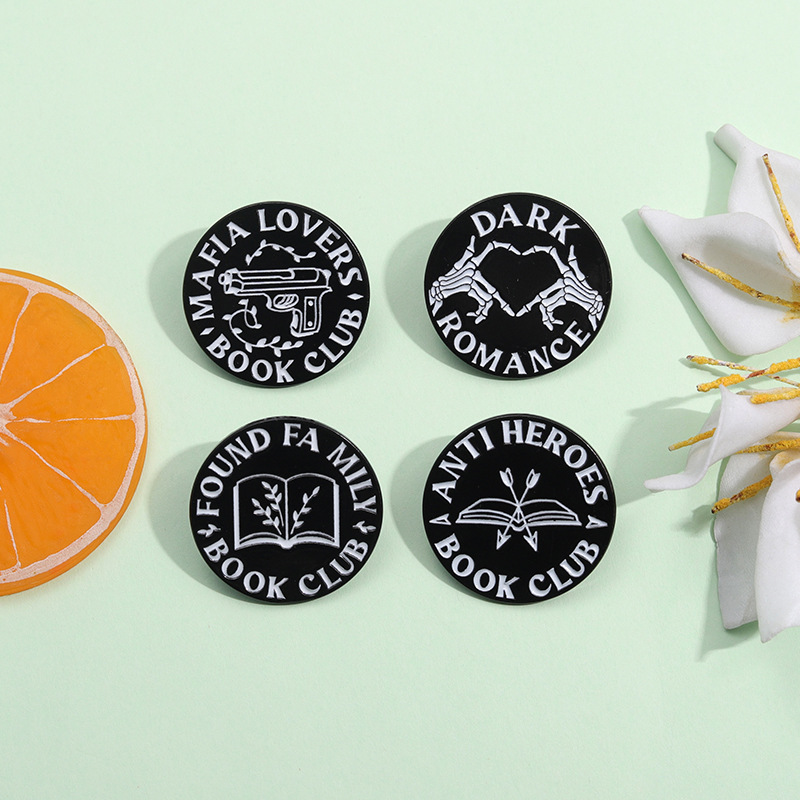
Enamel Pin Set Zinc Alloy Round Book Club Badges Dark Romance Anti Heroes Mafia Lovers Found Family Enamel Brooch For Bags Jackets Backpacks Unisex Gifts
$0.42
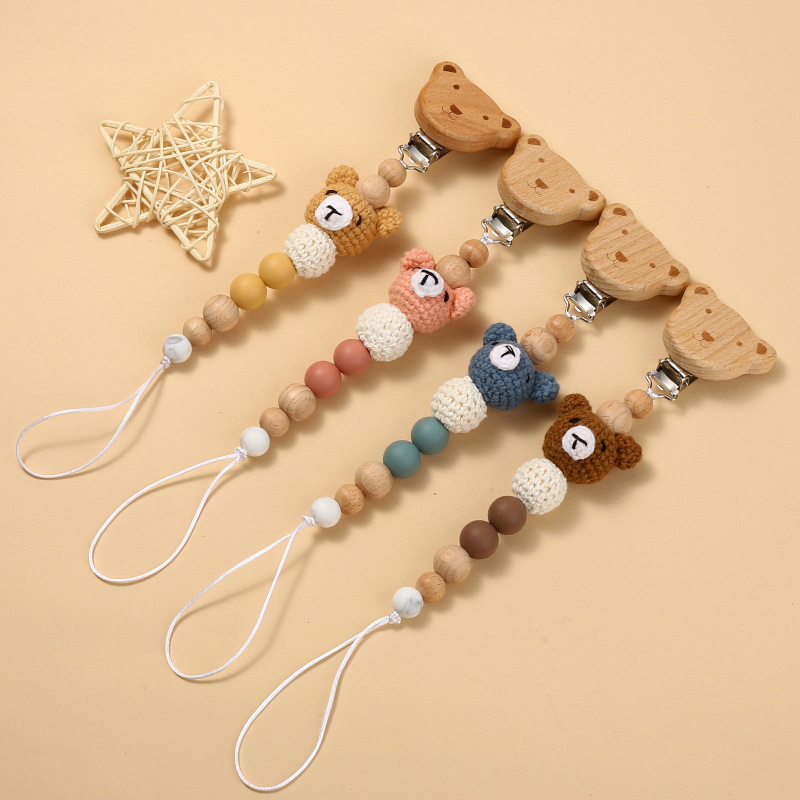
Handmade Crochet Bear Baby Pacifier Clip With Beech Wood Silicone Beads Teething Toy Chain For Infant Soother Holder Binky Strap Soothing Product
$2.74
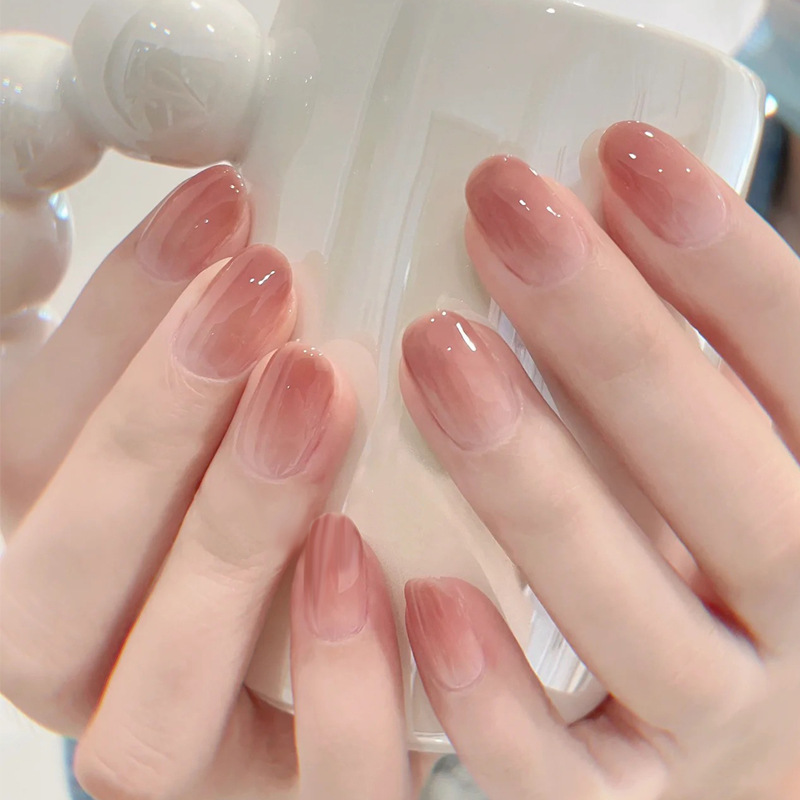
Wearing Nail Pieces Advanced Sense Summer Pure Desire Style Handmade Nail Pieces New Product 30 Pieces Naked Skin Fake Nail Patch Size
$0.72
Bundle Economics for Authenticity-Driven Sales
Bundling brand-consistent items increases perceived value and reduces per-unit shipping cost. Each bundle below uses products from the catalog that share a style or occasion theme, reinforcing the 'real brand' feeling.
Party Prep Brand Bundle
Reseller targeting birthday party planners who want branded decorations at half retail
- Baby Shower Banner Gold Foil Heart Cardboard Garlandhero
- IT'S MY BIRTHDAY Enamel Alloy Birthday Party Headbandcomplement
- Glitter It's My Birthday Sash For Women Girlscomplement
Bundle at $8.00 vs individual wholesale $4.93 — saves 38% on cost for the reseller. Retail bundle $20 vs individual $30 at full retail.
Streetwear Brand Starter Pack
Shopify store focused on men's street style wants to offer brand-certified accessories
- Men's Punk Stainless Steel Skull Dog Tag Necklacehero
- 316L Stainless Steel Norse Rune Dog Tag Pendant Necklaceupsell
- Men's Metal Keychain Car Modification Caliper Key Pendantcomplement
Bundle wholesale $5.12 vs individual $7.15 — reduces cost per unit by 28%. Retail bundle at $18 yields $12.88 gross profit (72% margin).
Boho Authentic Set
Flea market stall wanting to sell 'handmade brand' jewelry with authenticity proof
- Handmade Nepal Ethnic Thangka Ebony Wood Pendant Necklacehero
- Handmade Crochet Bear Baby Pacifier Clipcomplement
- Handmade Chenille Stem Sunflower Finished Productcomplement
Bundle wholesale $4.98 vs individual $5.98 — saves 16.7%. Retail bundle at $15 gives $10.02 profit per bundle (67% margin).